Home · Technique ladder · Toxin and Antinutrient Neutralisation
Toxin and Antinutrient Neutralisation
Deliberate chemical safety processing, e.g. cyanide or oxalate reduction
6 rungs across 5 volumes
Dishes
Weeknight
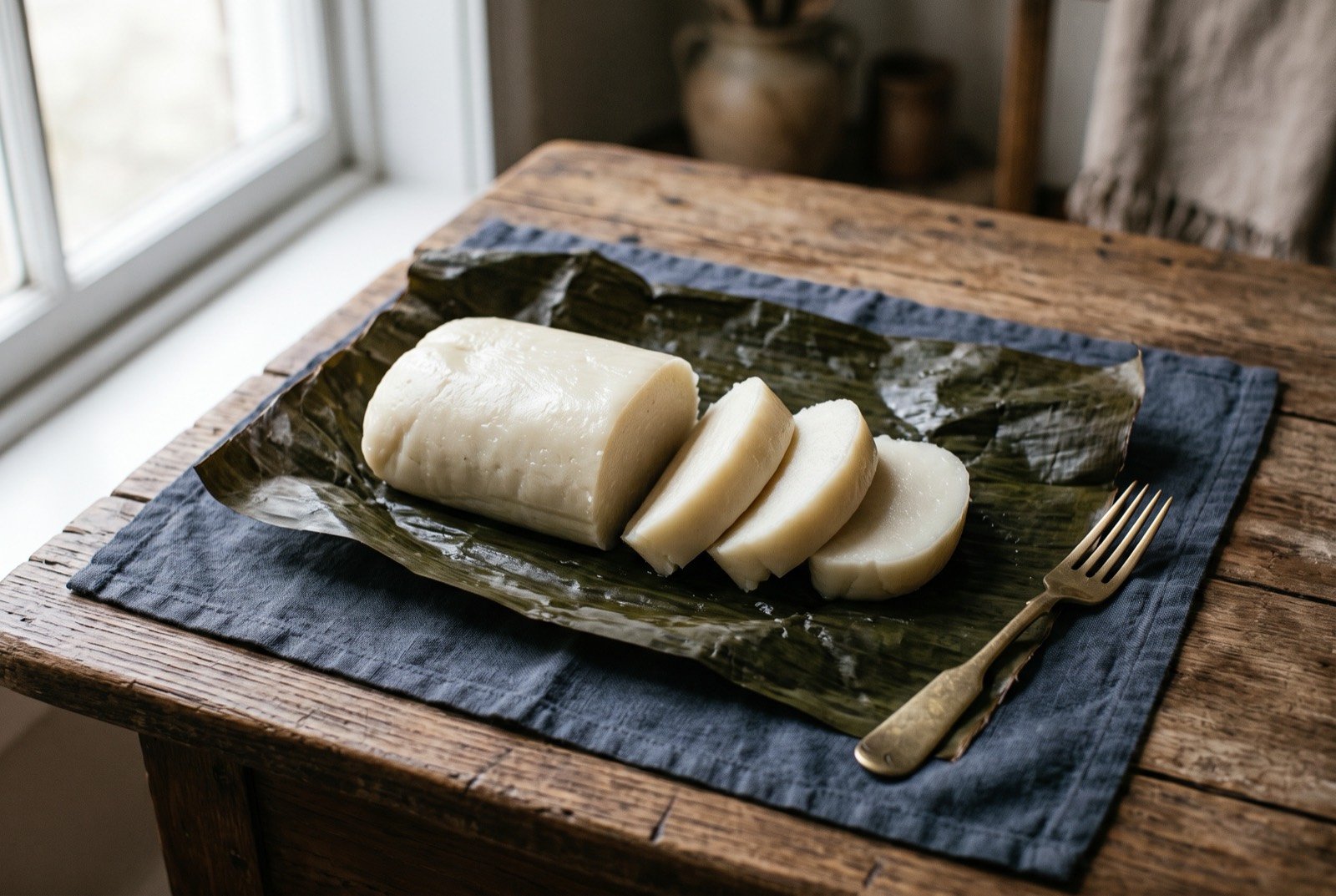 Chikwangue, or kwanga
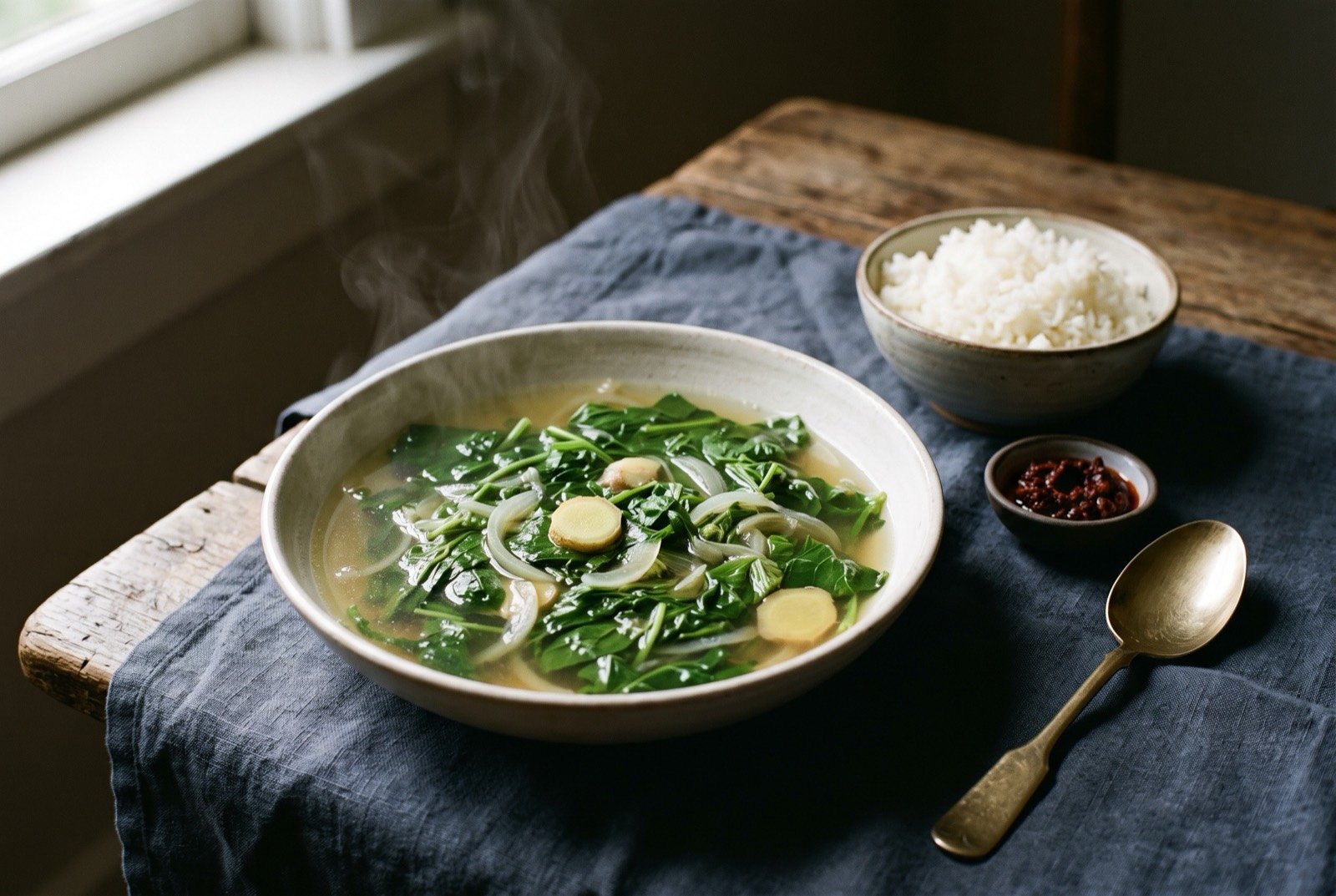 Bouillon de brèdes, and the fricassée
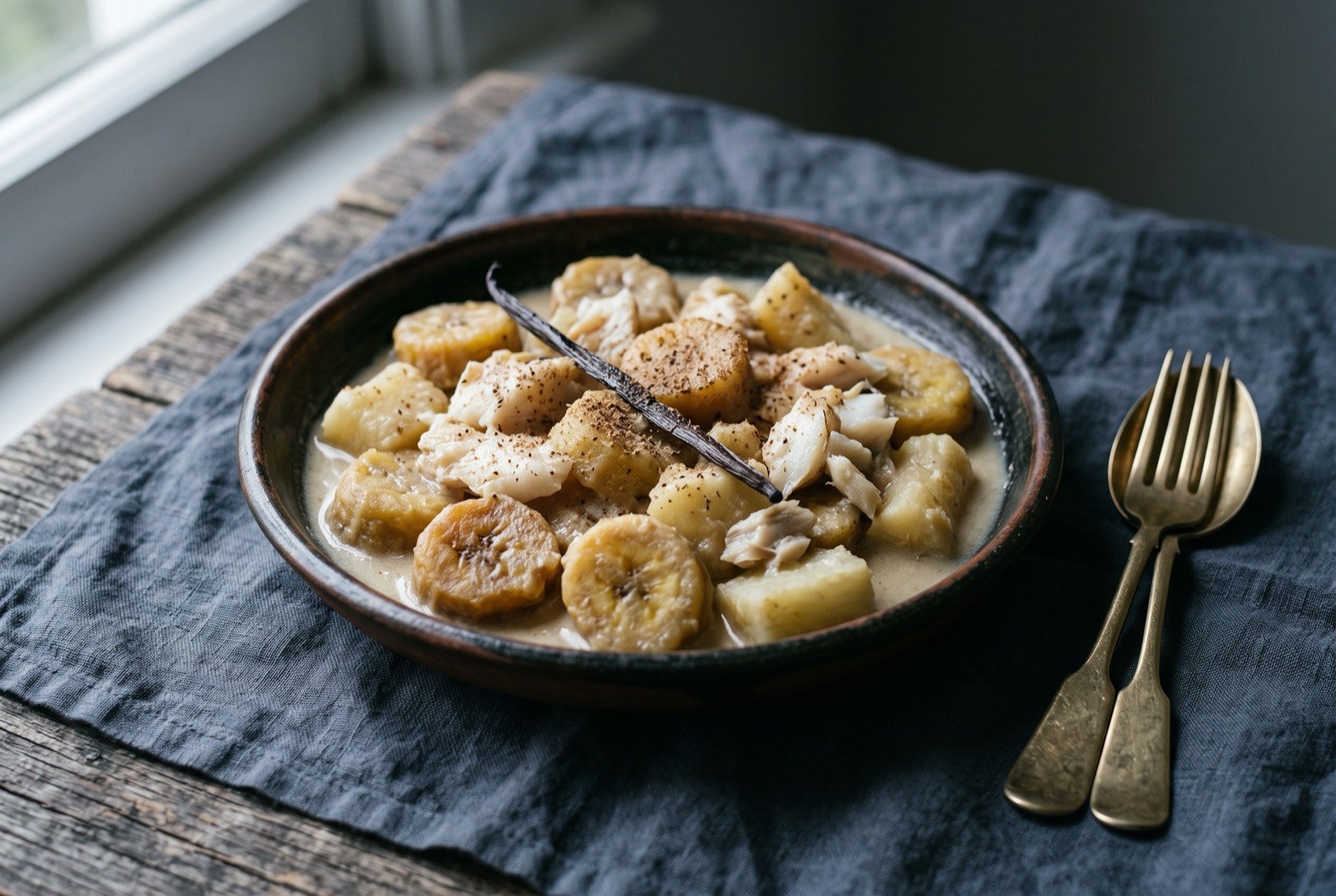 Ladob
LadobWeekend
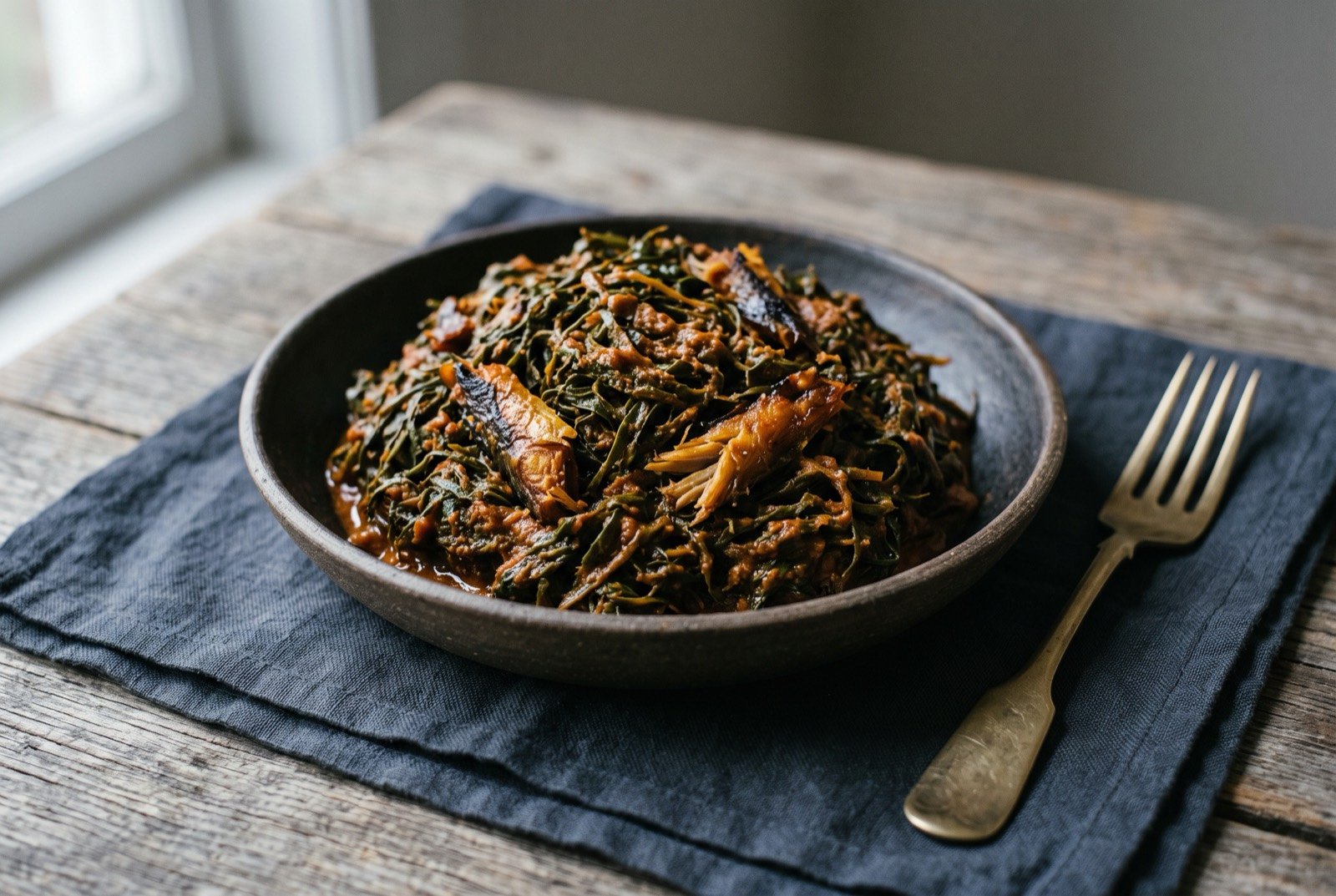 Fumbwa
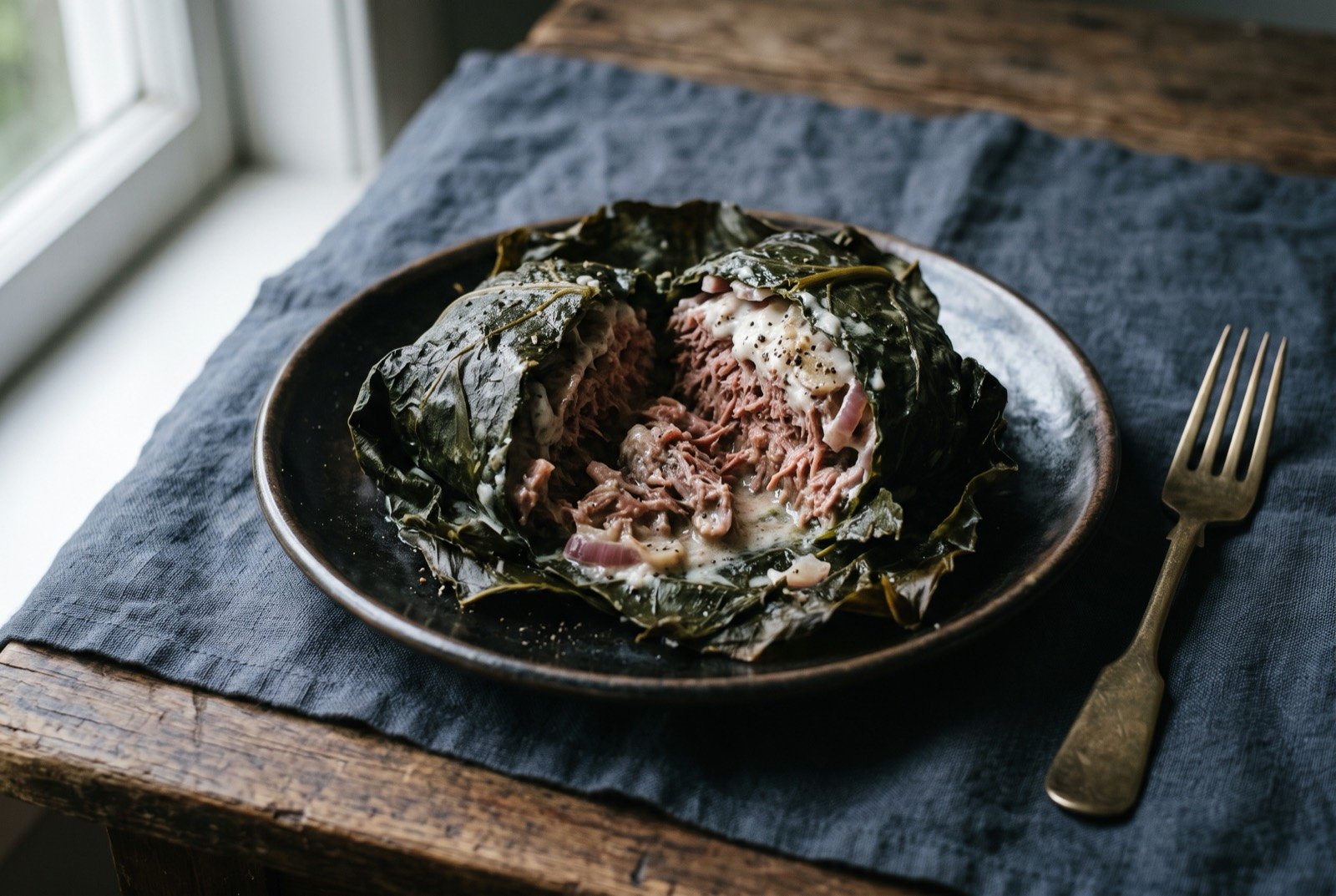 Lū pulu
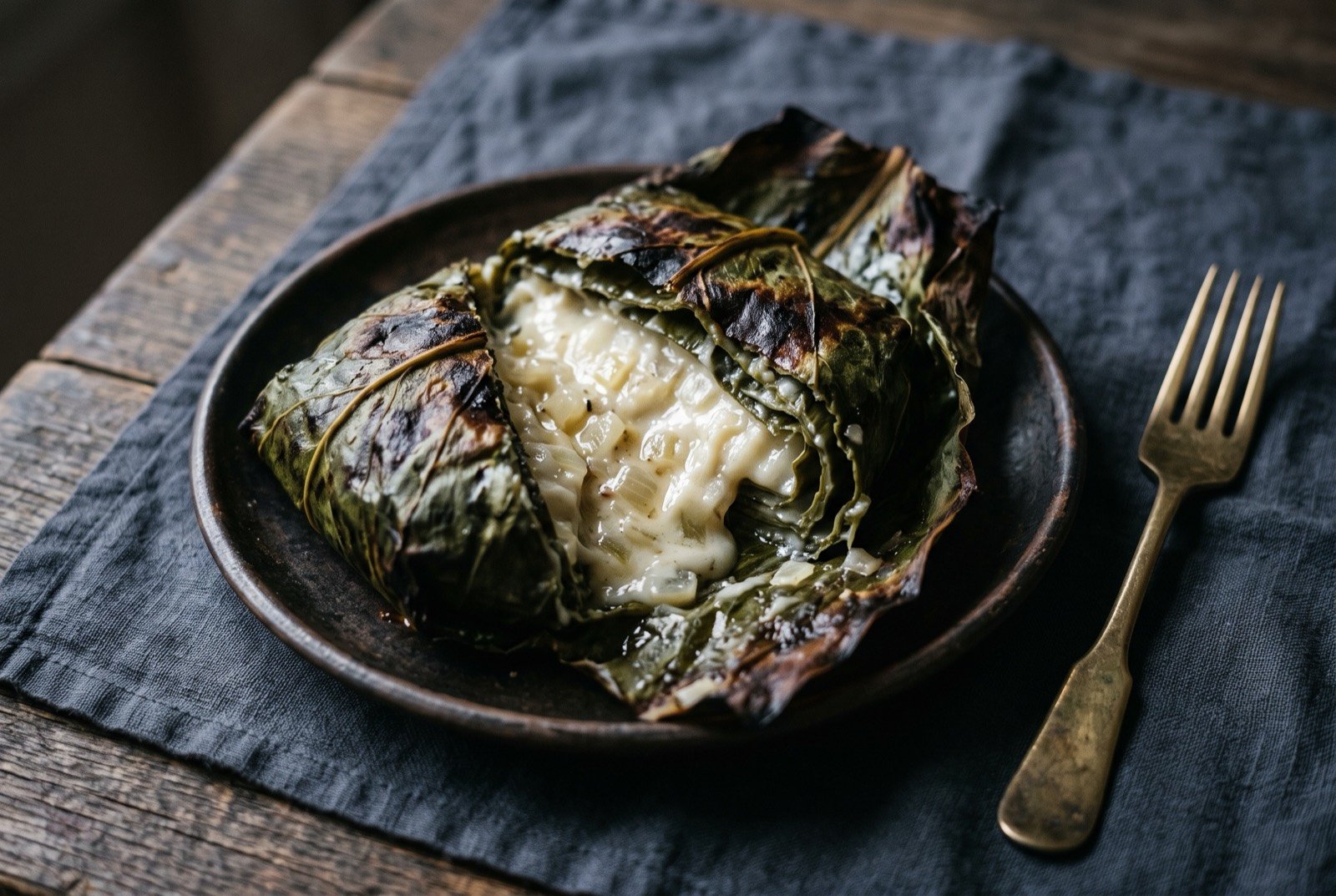 Palusami
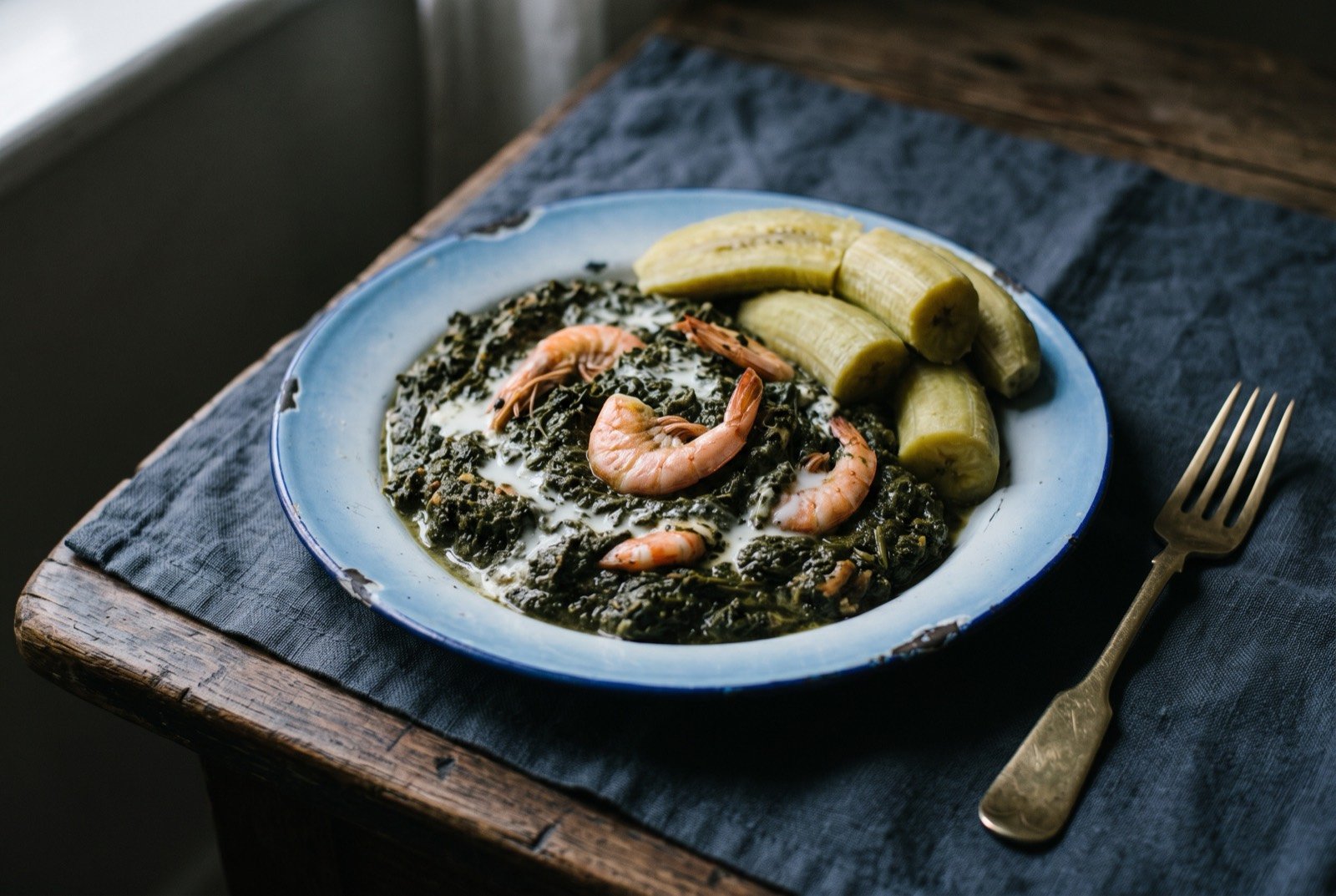 Mataba
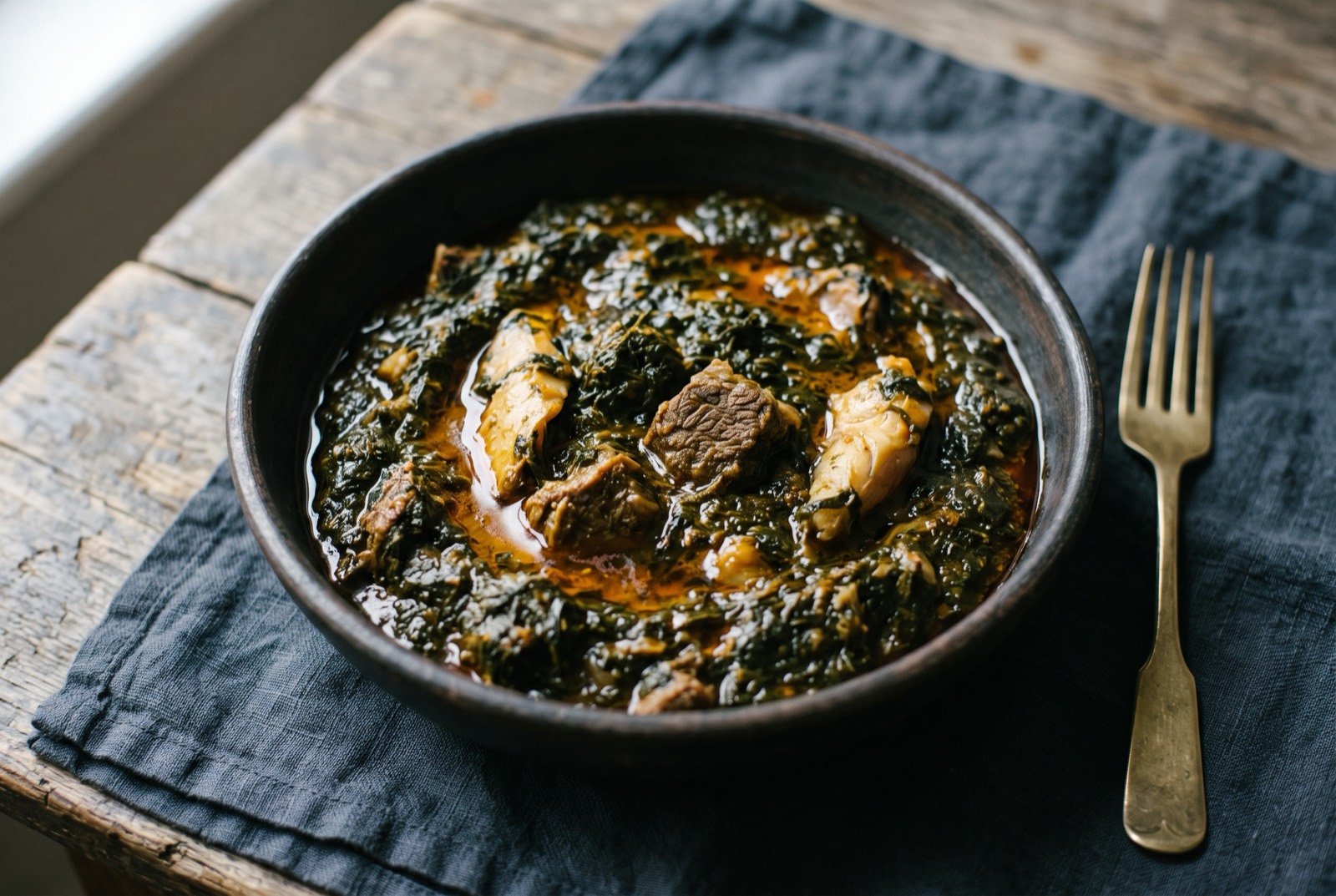 Cassava leaf
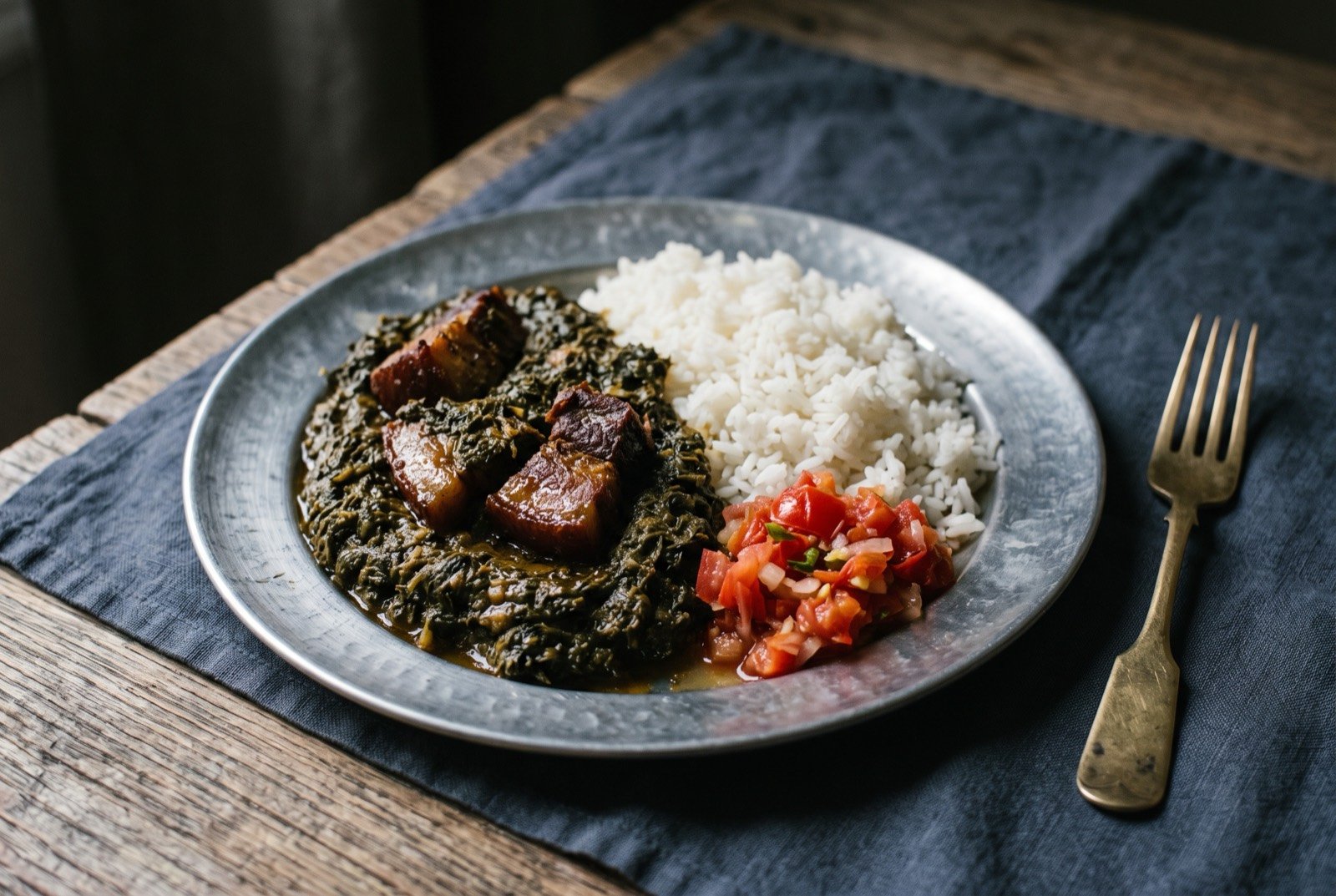 Ravitoto sy henakisoa
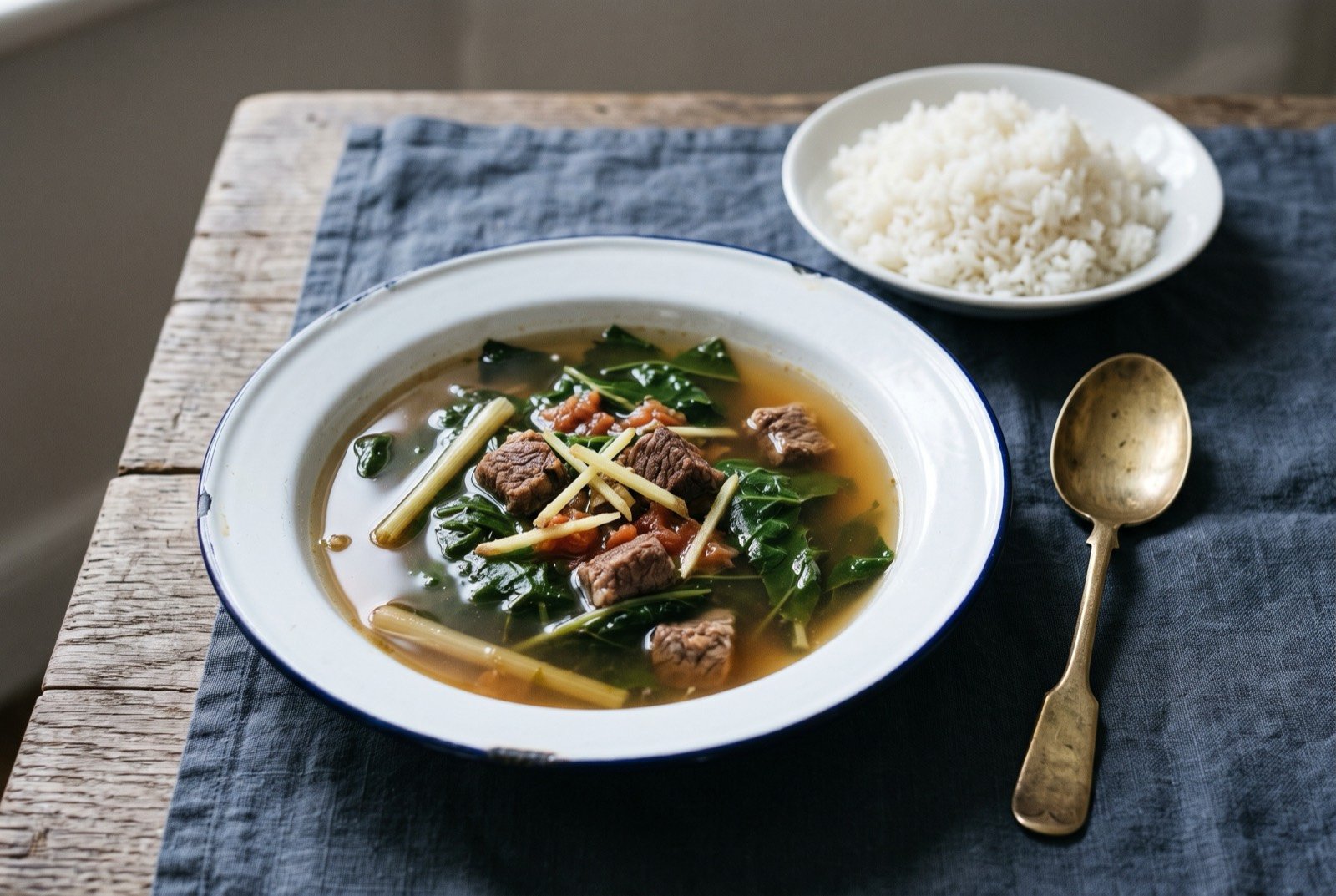 Romazava
Project
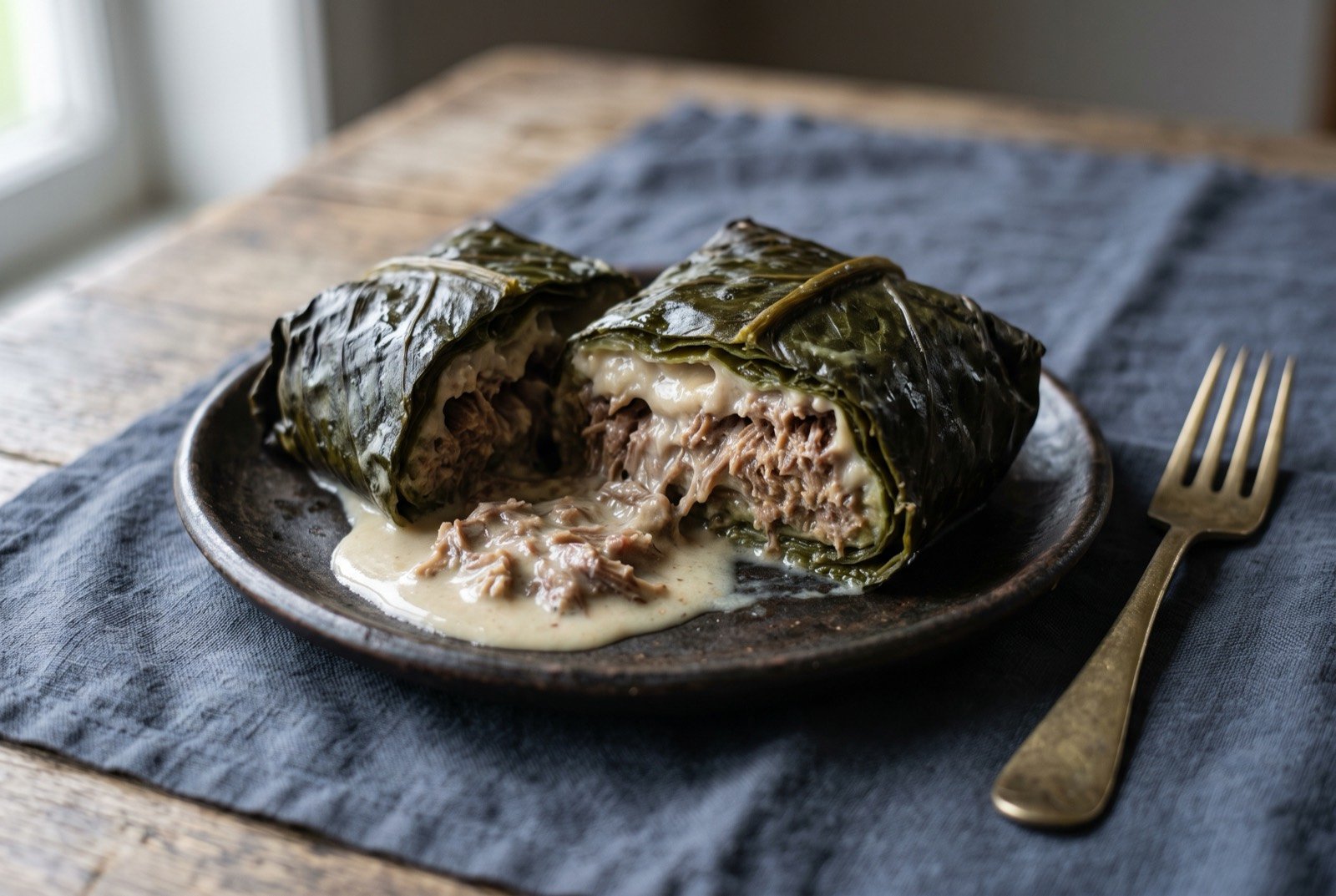 Palusami
Africa
Guinea, Sierra Leone & Liberia
Pound the cassava leaf hard and cook it long, because you are running a genuine detoxification, not a texture step
Home cassava leaf stew is often chopped leaves boiled with whatever is on hand.
Gabon, Congo & the Congo Basin
Cassava is two ingredients with opposite chemistry, not one starch
This is the rung everything else stands on, and the one British cooks get wrong before they have started.
Gabon, Congo & the Congo Basin
Pound the leaf, and then cook it long anyway
Two logics collide over pondu, and both are right about something.
Madagascar, Mauritius, Réunion, Seychelles & Comoros
Boil the brèdes, cook them in oil, and understand that this is a safety system
Here is the finding that reframes half the dishes in this volume, and it comes from the French botanical literature rather than from any recipe.
Oceania and the Pacific
Fiji
Cook the crystal blunt, not just the leaf soft
Raw taro leaf contains needle-shaped calcium oxalate crystals, raphides, which cause a genuinely acrid, stinging sensation if eaten raw or undercooked, and the...
Samoa, Tonga & Niue
The taro leaf's oxalate problem, solved by soak and double-wrap
Raw taro leaves contain calcium oxalate crystals that irritate the mouth, throat and gut if undercooked, and in documented cases have caused poisoning...