The Andes · Volume 18, Peru, the Coastal Creole, Chifa and Nikkei Kitchen
Picarones
Lima, Peru (viceregal, via Spanish buñuelo)
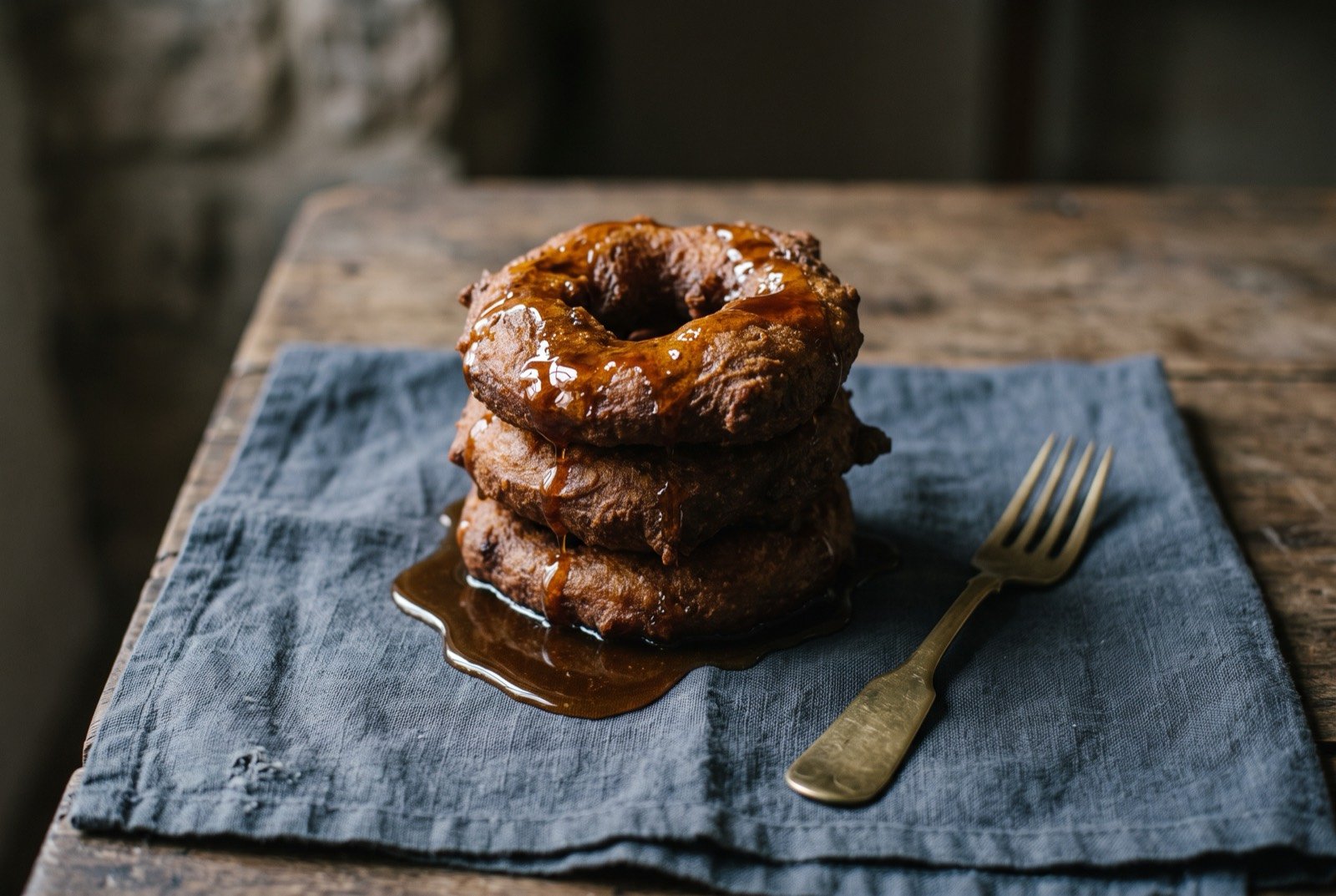
An illustration of the dish, not a photograph of it cooked.
- Time
- Not statedNo source states a time and the atlas has too few comparable dishes to estimate one.
- Reviewed
- Not yet reviewed from inside the tradition
- Cooked
- Not yet cooked and reported
As tradition built it
Picarones
Popularised by the nuns of Convento de Santa Clara
Ingredients
- 100g, puréed squash
- 500g, puréed camote
- 600g flour, worked into the purée wheat-flour dough
- half a block, reduced with water, cinnamon, cloves and orange juice chancaca syrup: unrefined cane sugar reduced with orange and spice
Method
- Fold squash and camote into a wheat-flour dough.
- Shape into rings and fry until properly puffed and golden.
- Serve drenched in chancaca syrup, unrefined cane sugar reduced with orange and spice.
Notes
Descended from the Spanish buñuelo, itself carrying Moorish Mediterranean influence, reworked in viceregal Lima with squash and camote folded in; the nuns of Lima's Convento de Santa Clara are credited with popularising the ring shape.
What a modern chef changes
Concentrated sweetness, a controlled fry, a faster reduction
Method
- Dehydrate a portion of the squash and camote before working them into the dough, concentrating their natural sweetness rather than diluting the batter, so the ring holds its shape and crisps more cleanly in the fryer.
- Fry in small batches at a carefully held temperature, monitored rather than guessed, for an even, properly aerated puff through the whole ring rather than a dense centre under a crisp shell.
- Reduce the chancaca syrup with a wider, shallower pan than tradition typically uses, for a faster, cleaner reduction that holds its spice more distinctly rather than dulling over a long simmer.