Home · Technique ladder · Radiant Fire and Earth Oven
Radiant Fire and Earth Oven
Live fire, embers, buried ovens, hot stones
40 rungs across 31 volumes
Dishes
Weeknight
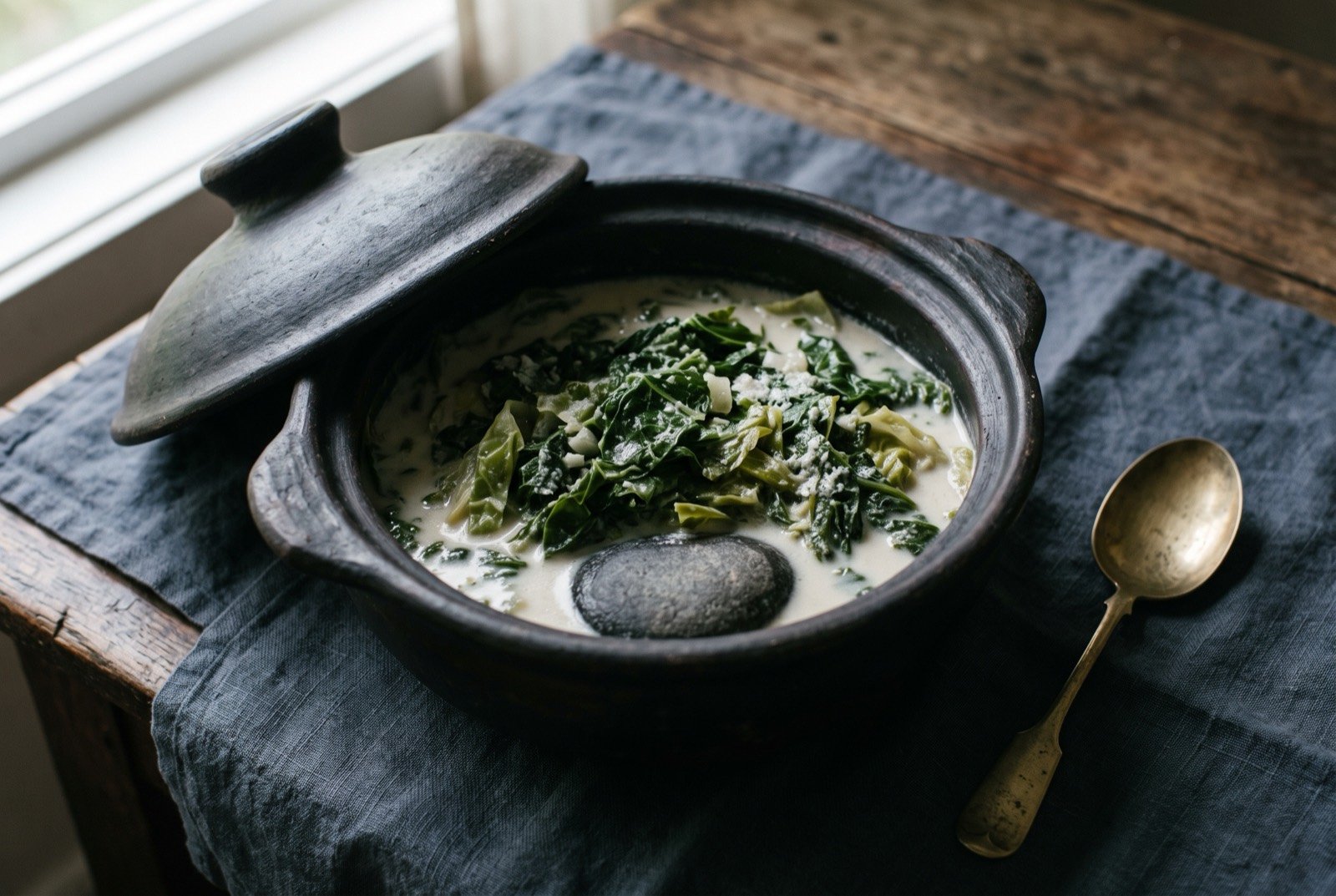 Chiliri ngache
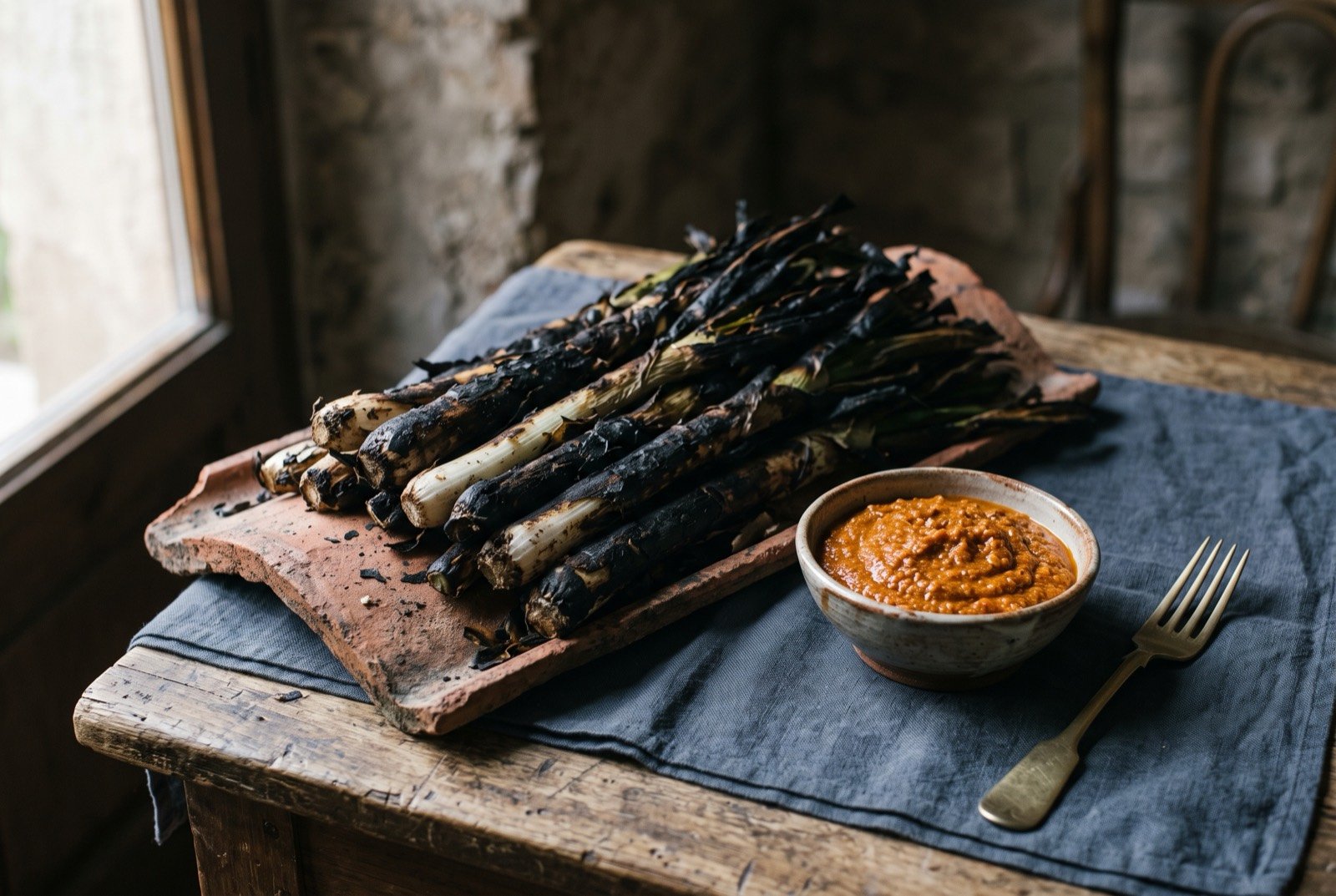 Calçotada amb Romesco
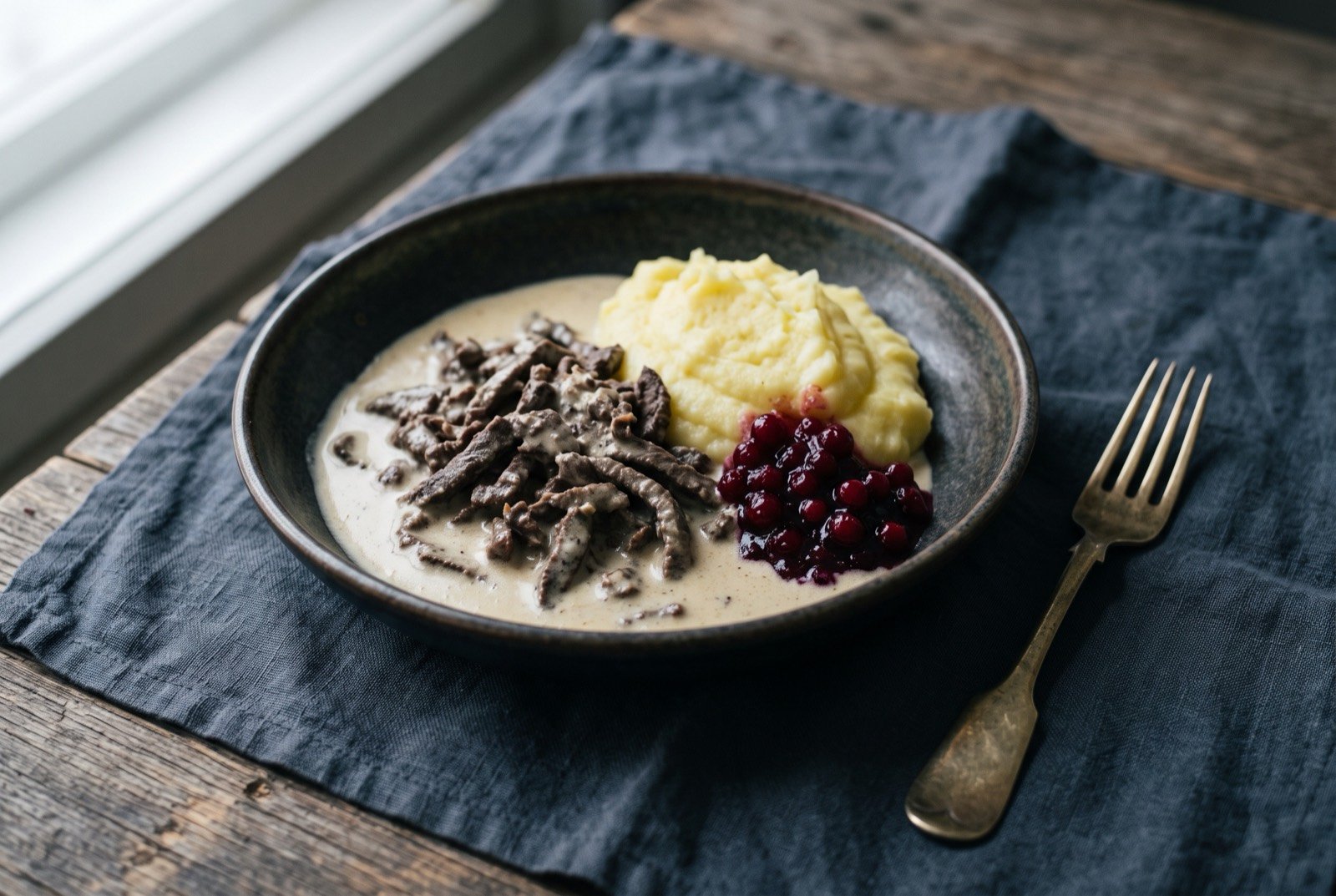 Poronkäristys
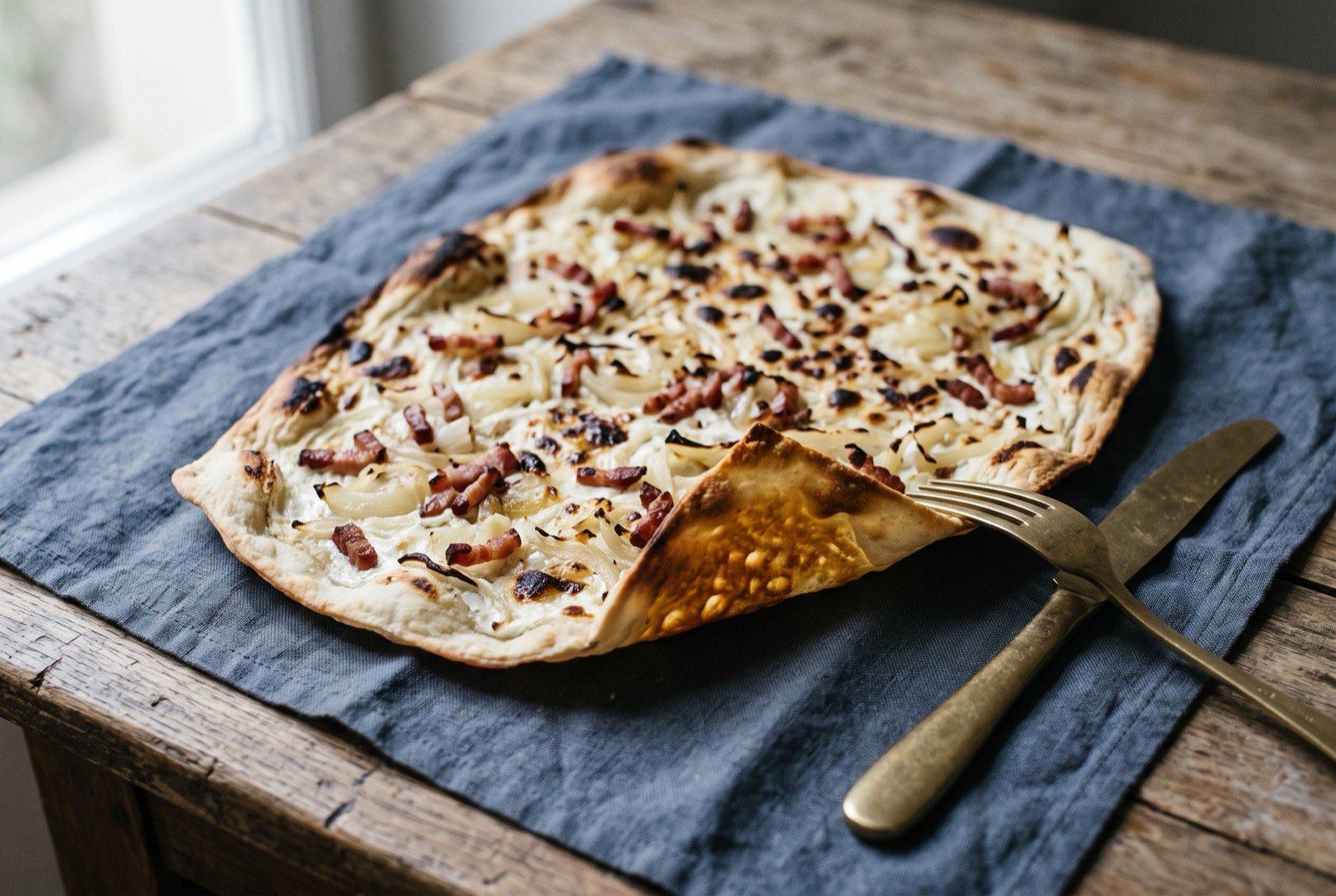 Tarte Flambée
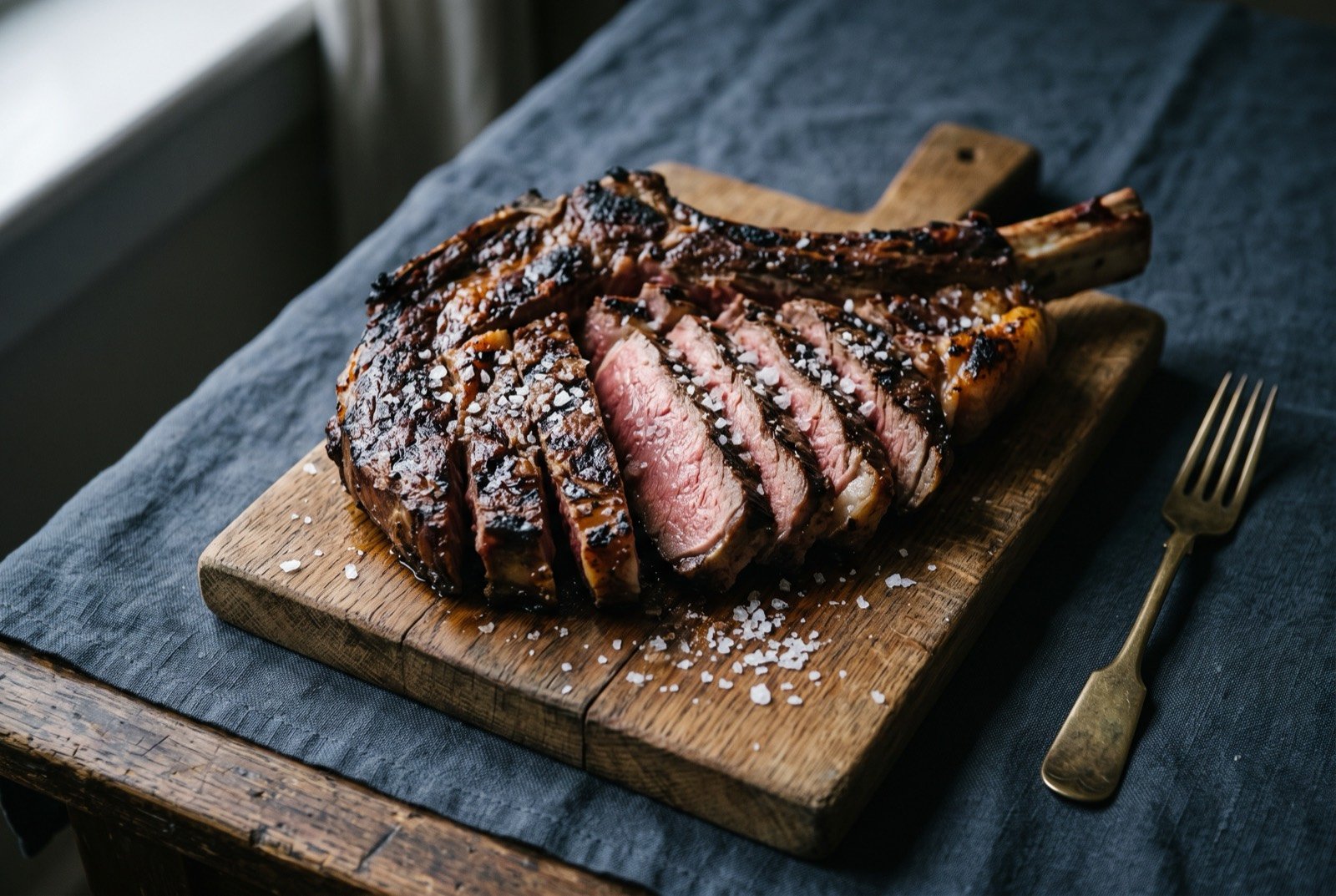 Txuletón
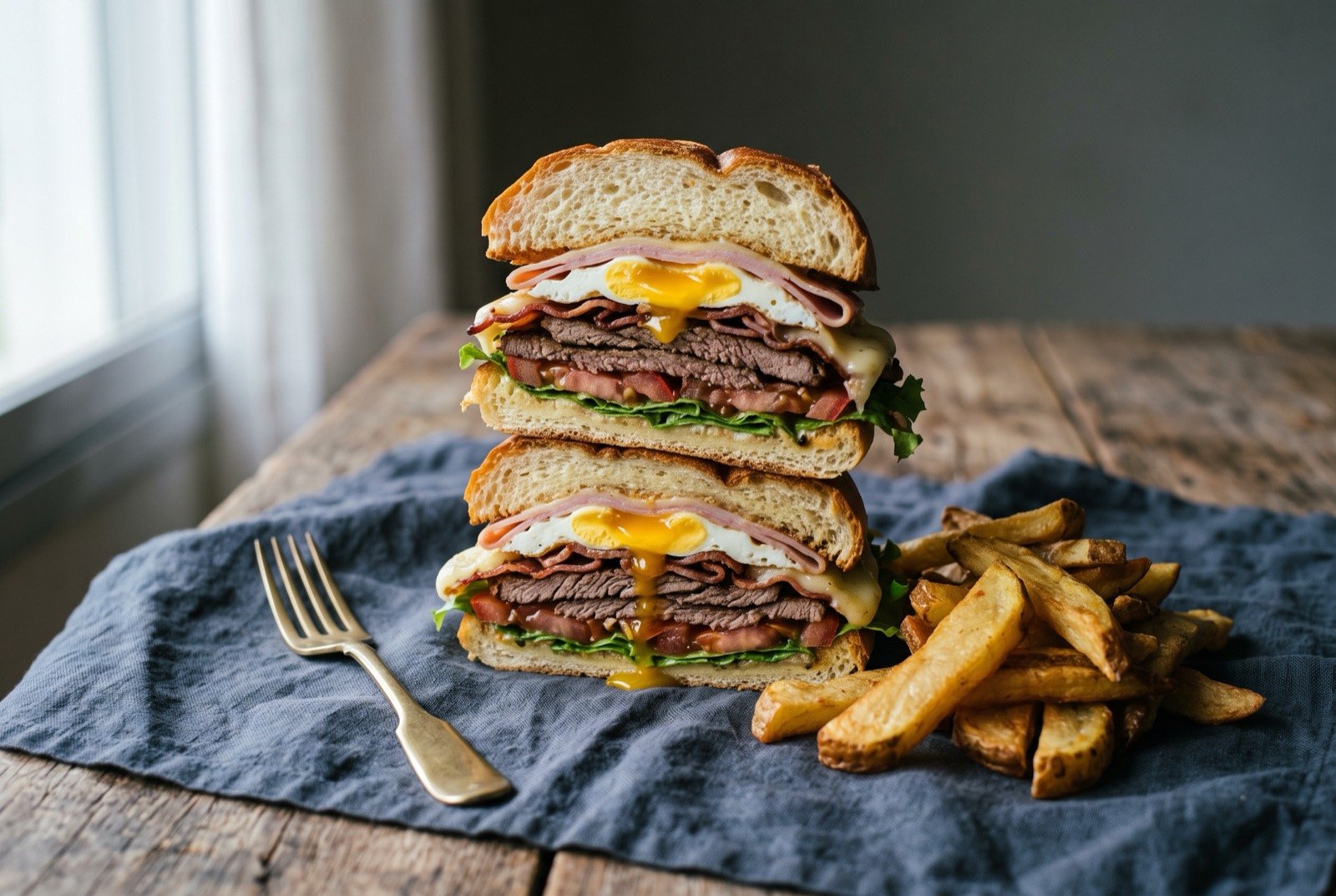 Chivito
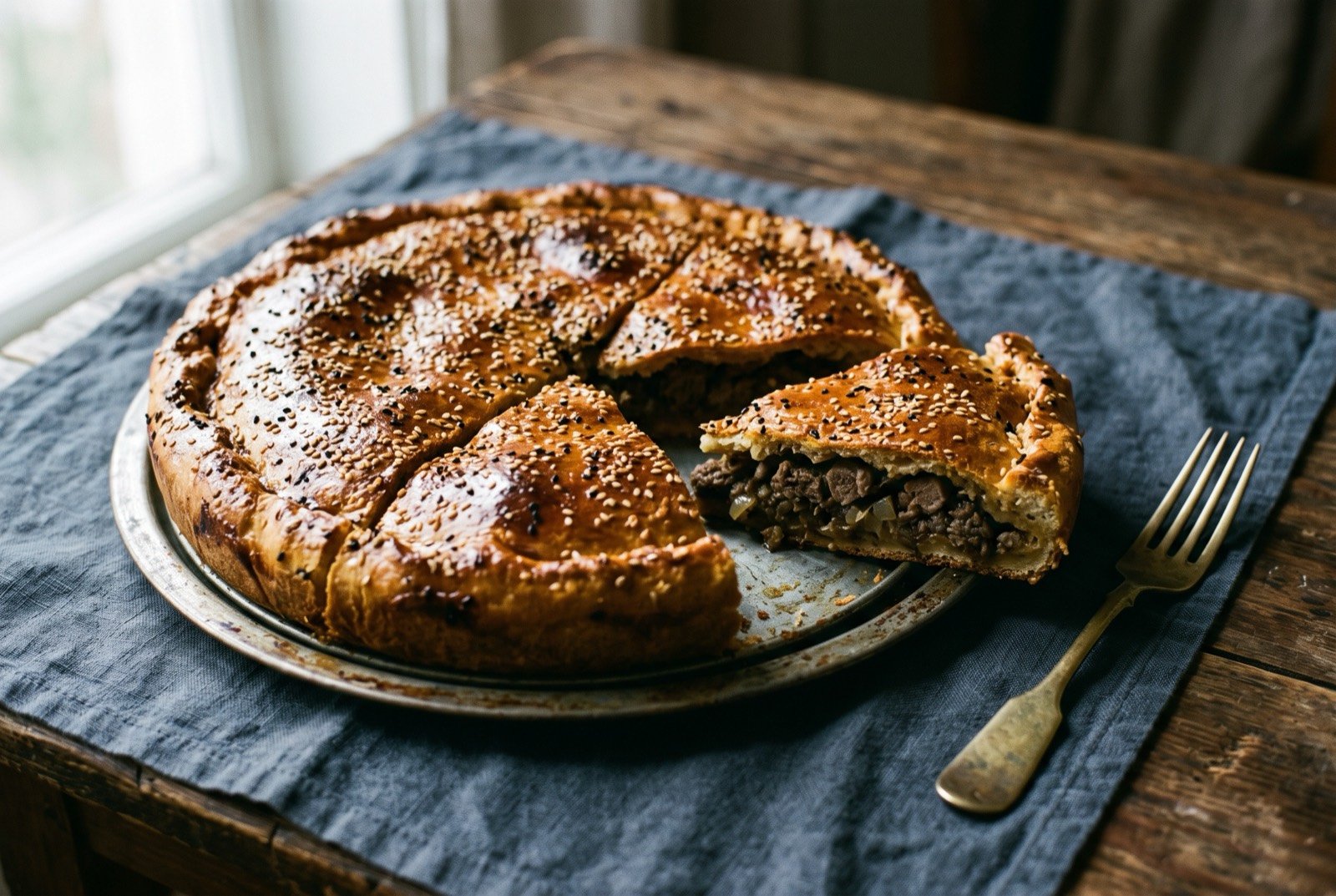 Ishlekli
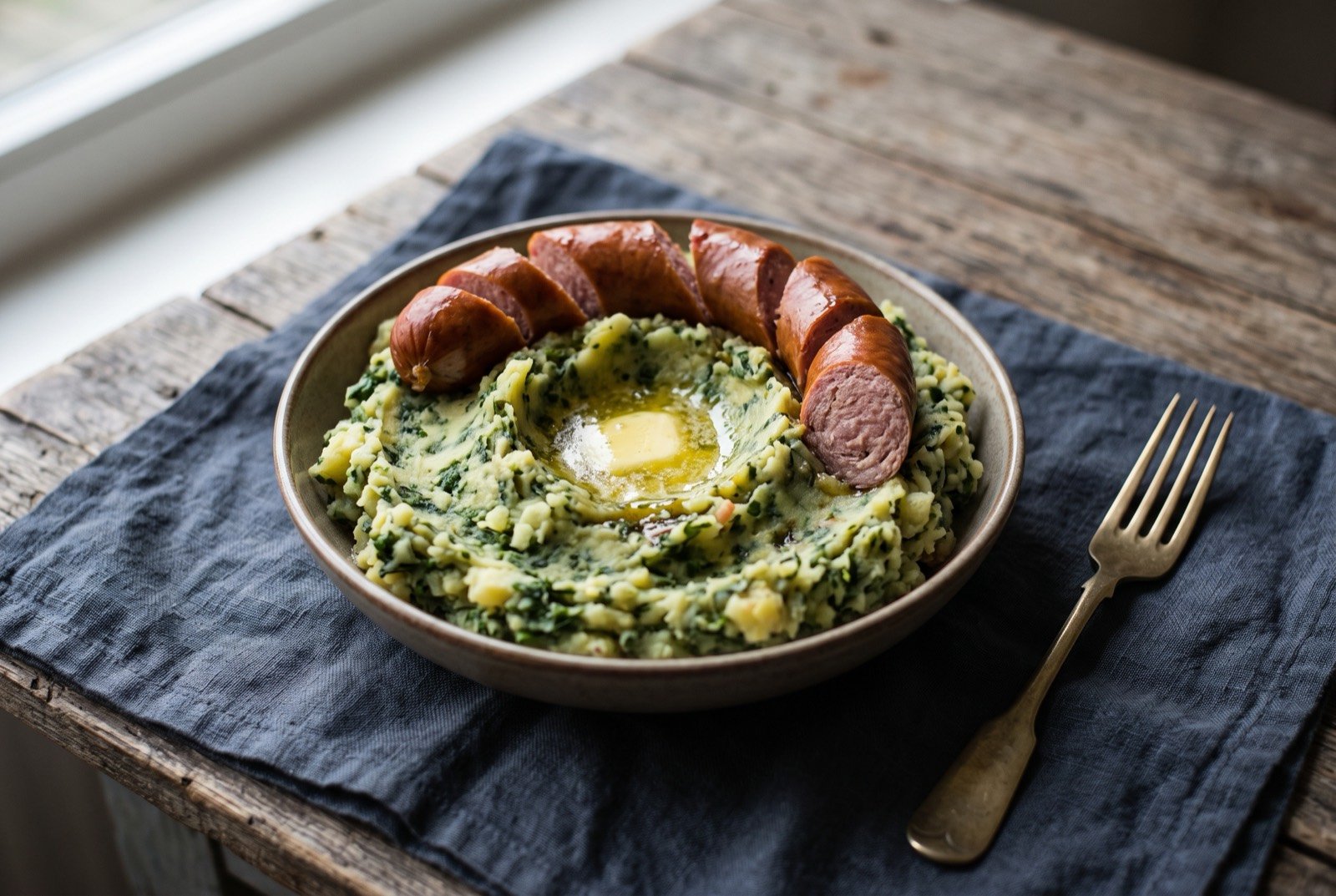 Stamppot met Boerenkool en Rookworst
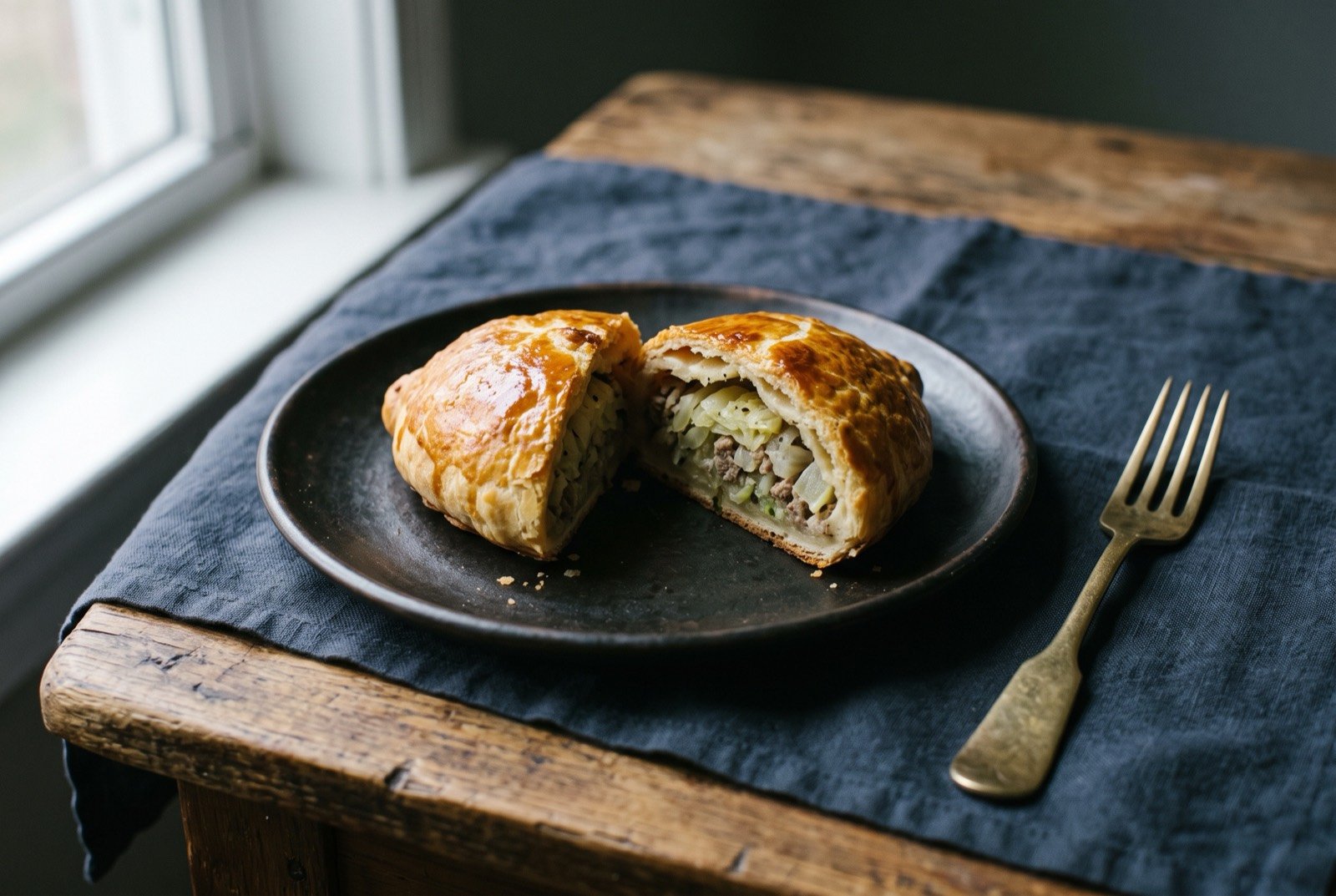 Etli nan
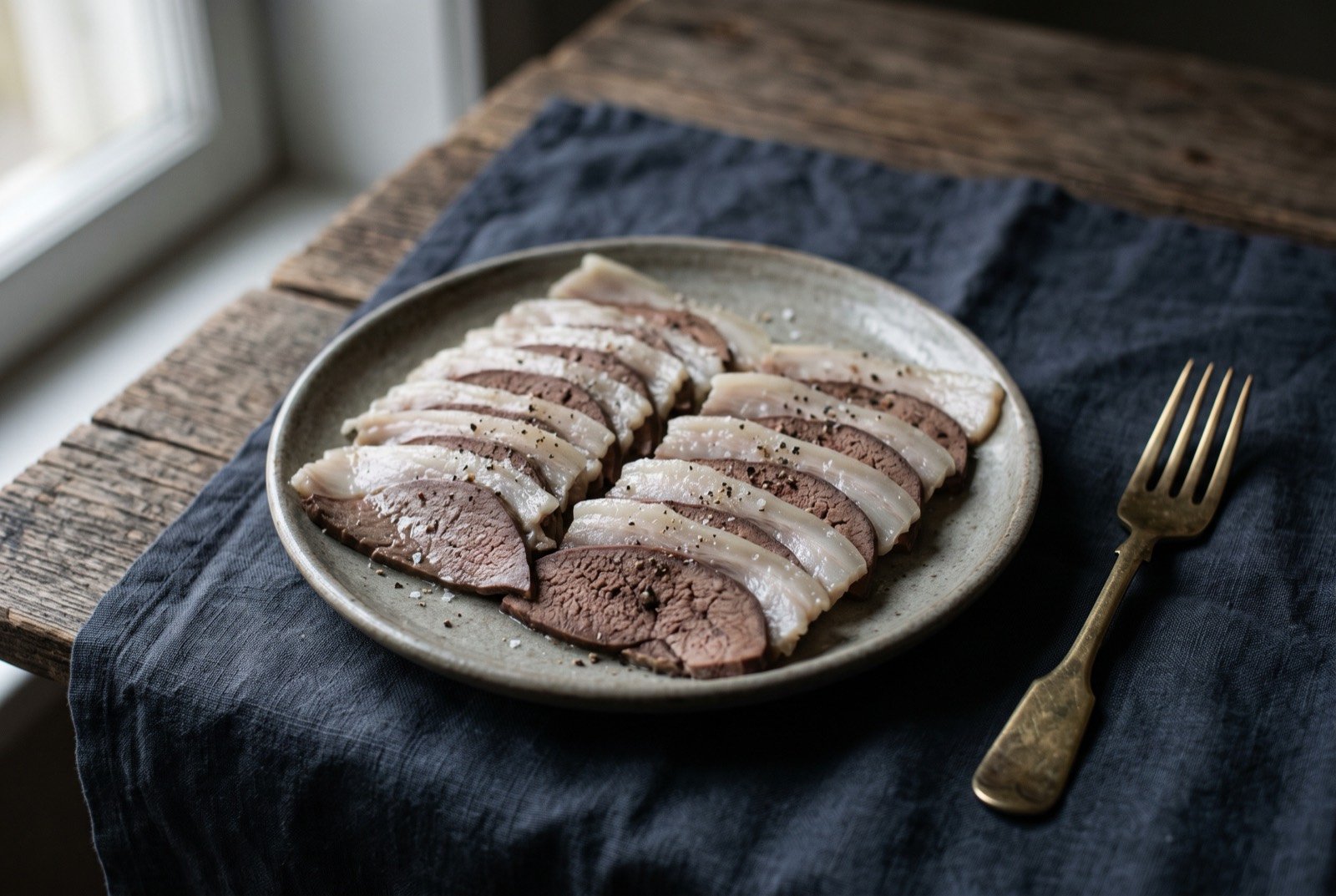 Kuiryk bauyr
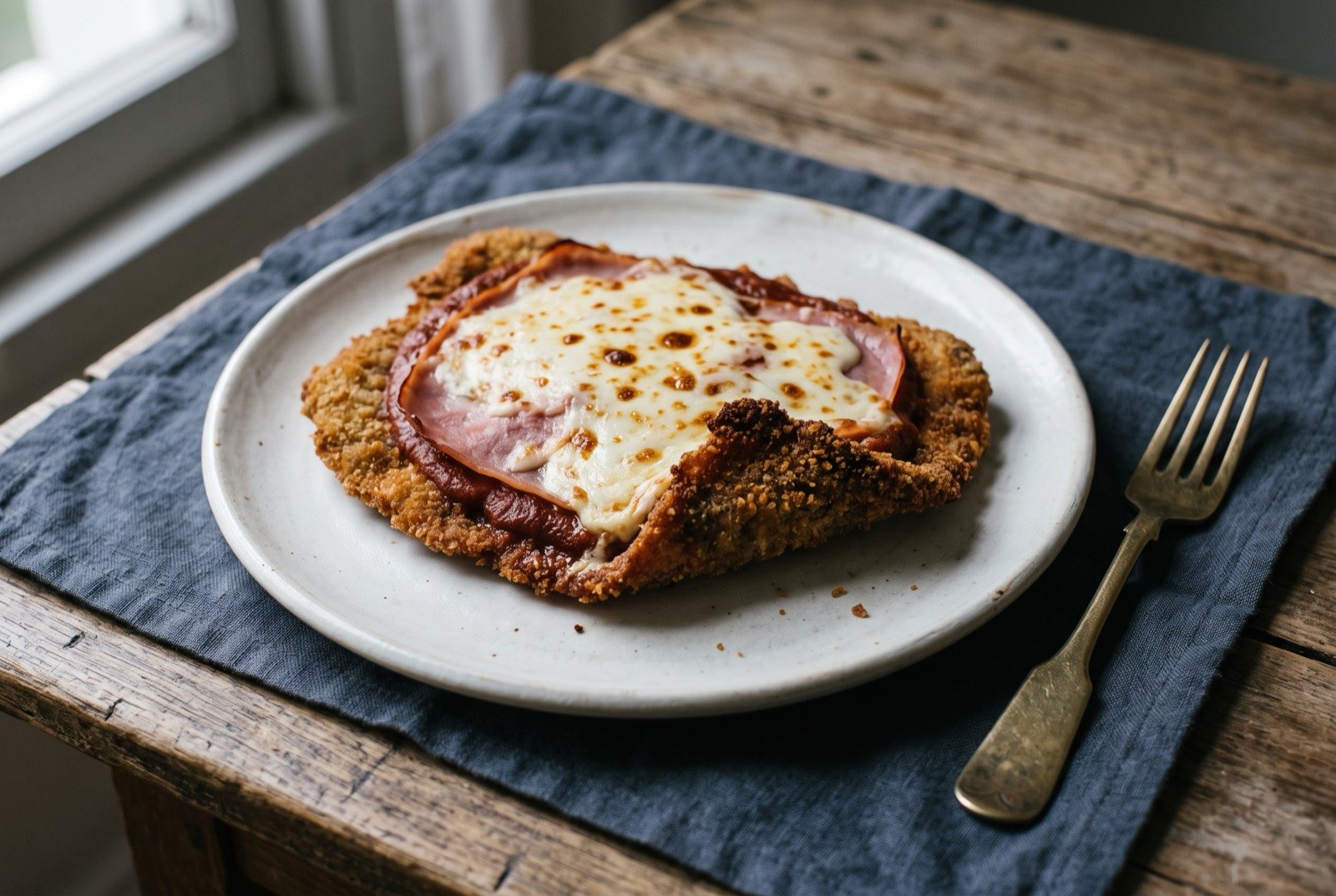 Milanesa a la napolitana
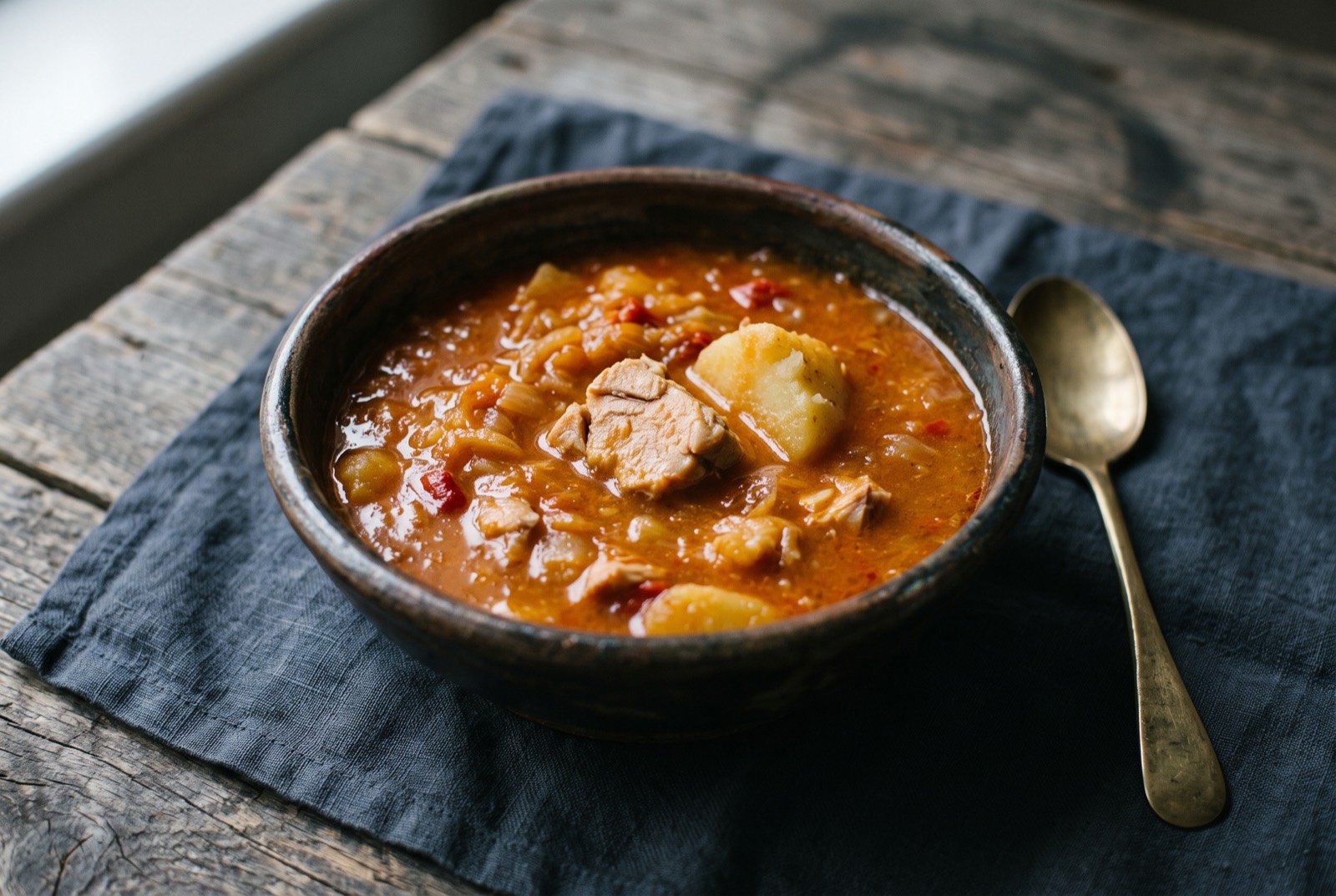 Marmitako
Weekend
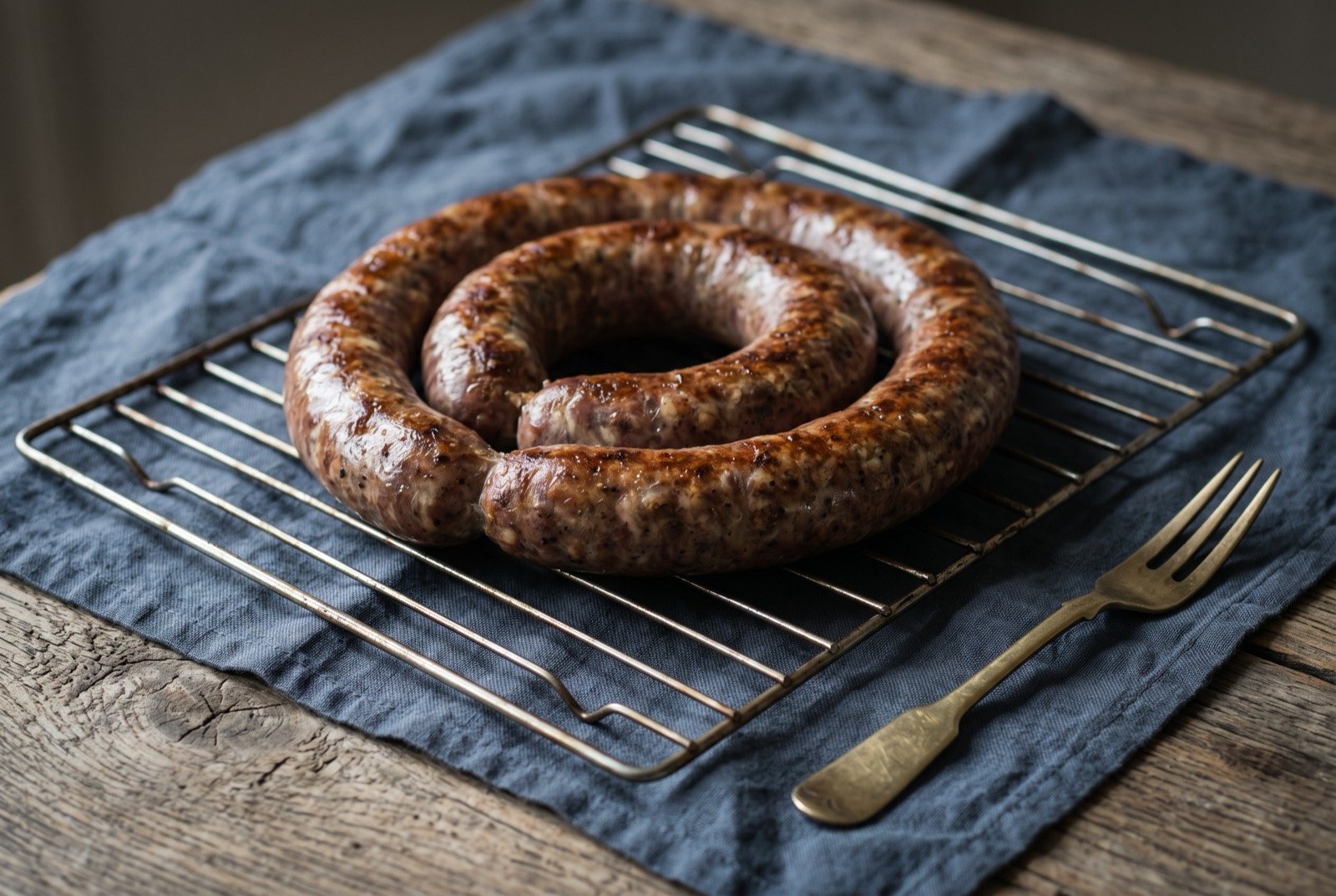 Boerewors
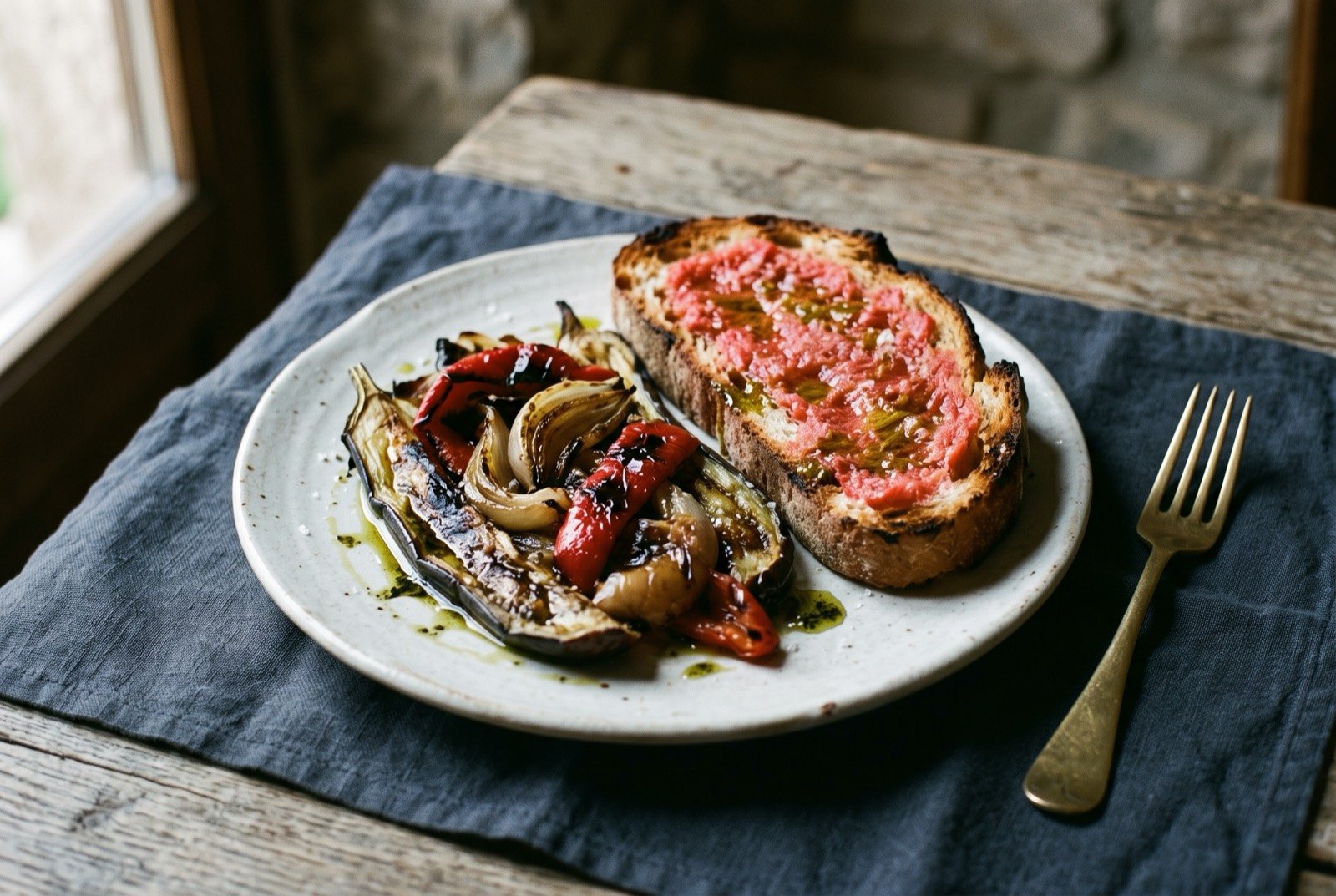 Escalivada amb Pa amb Tomàquet
 Torta frita
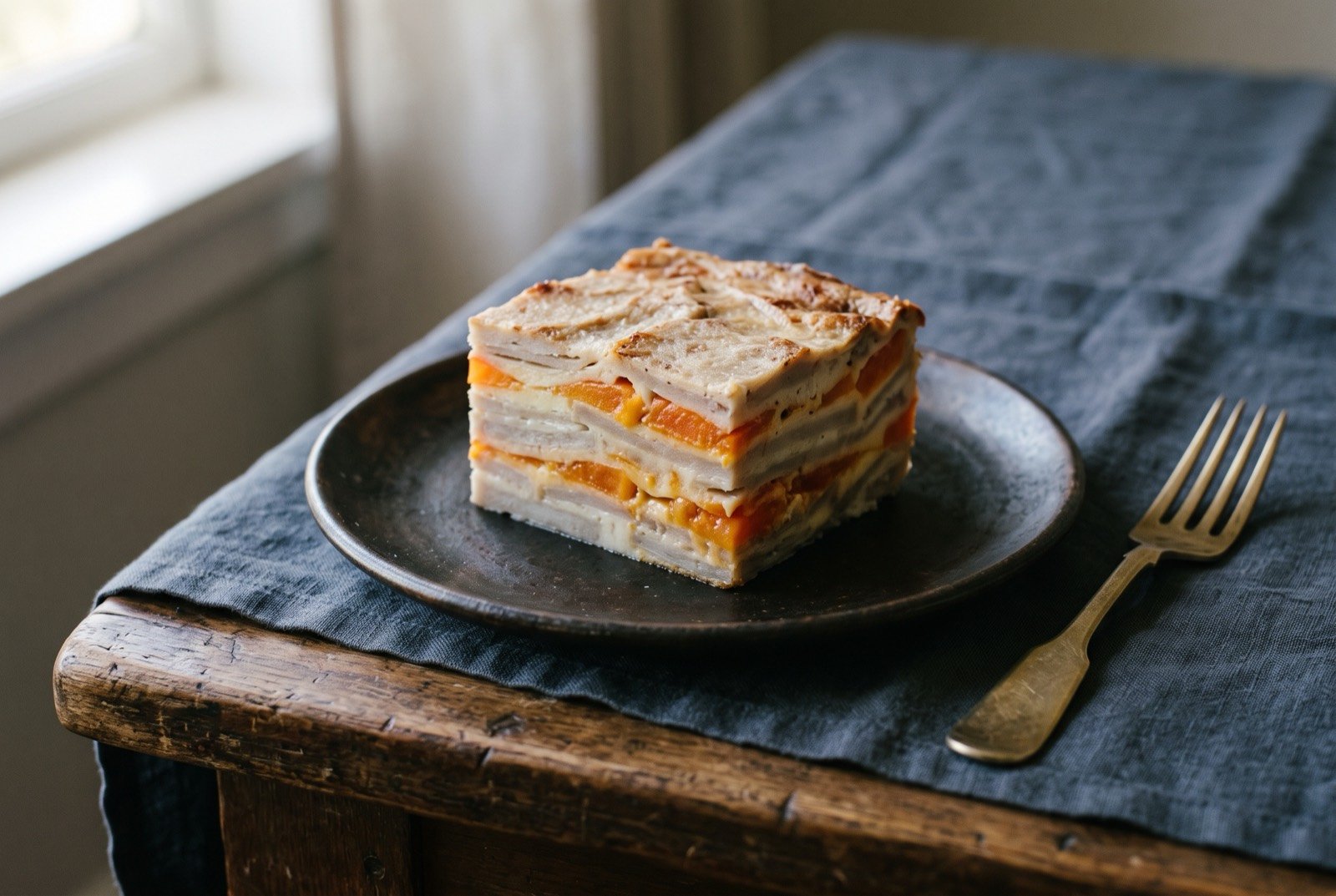 Takihi
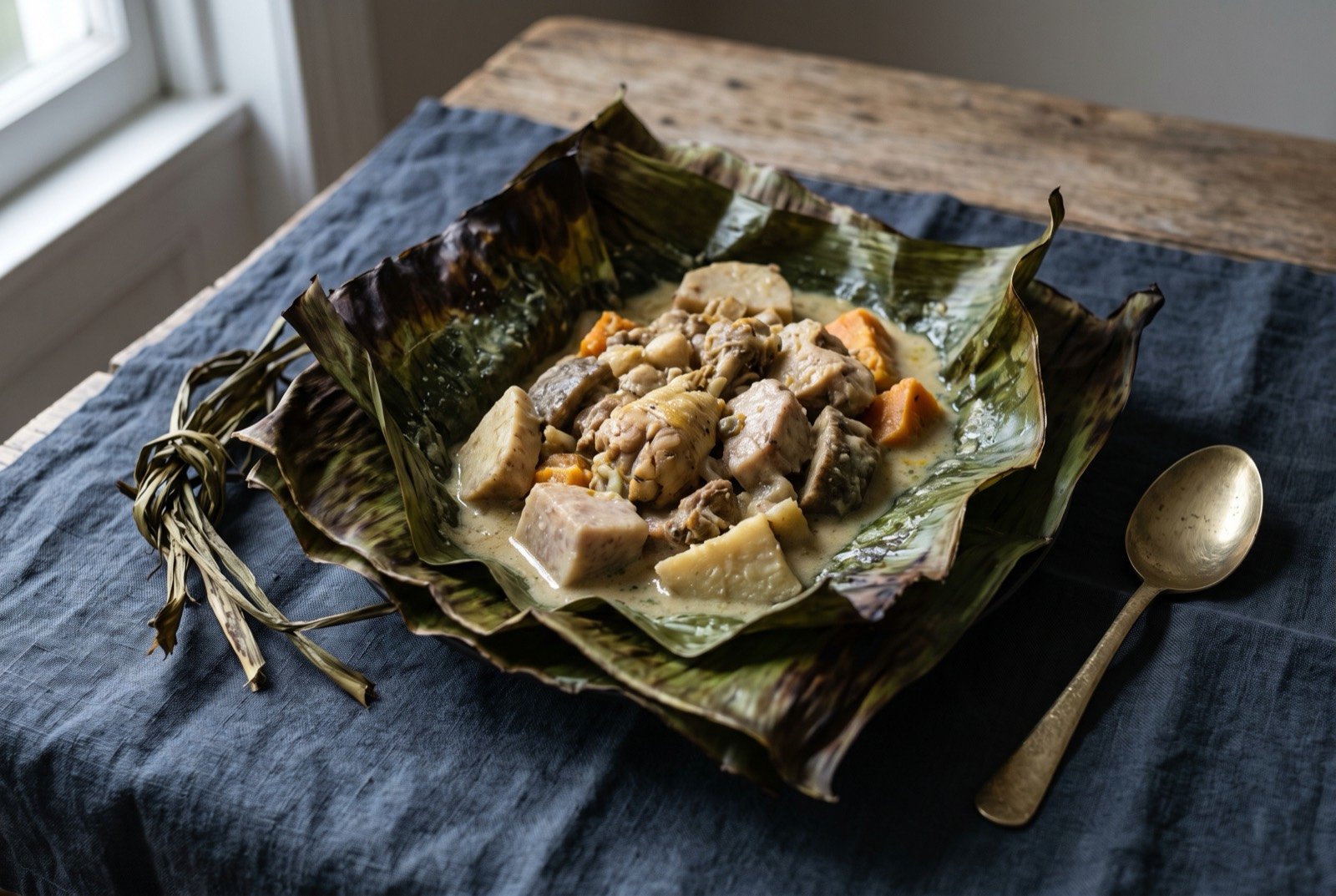 Bougna
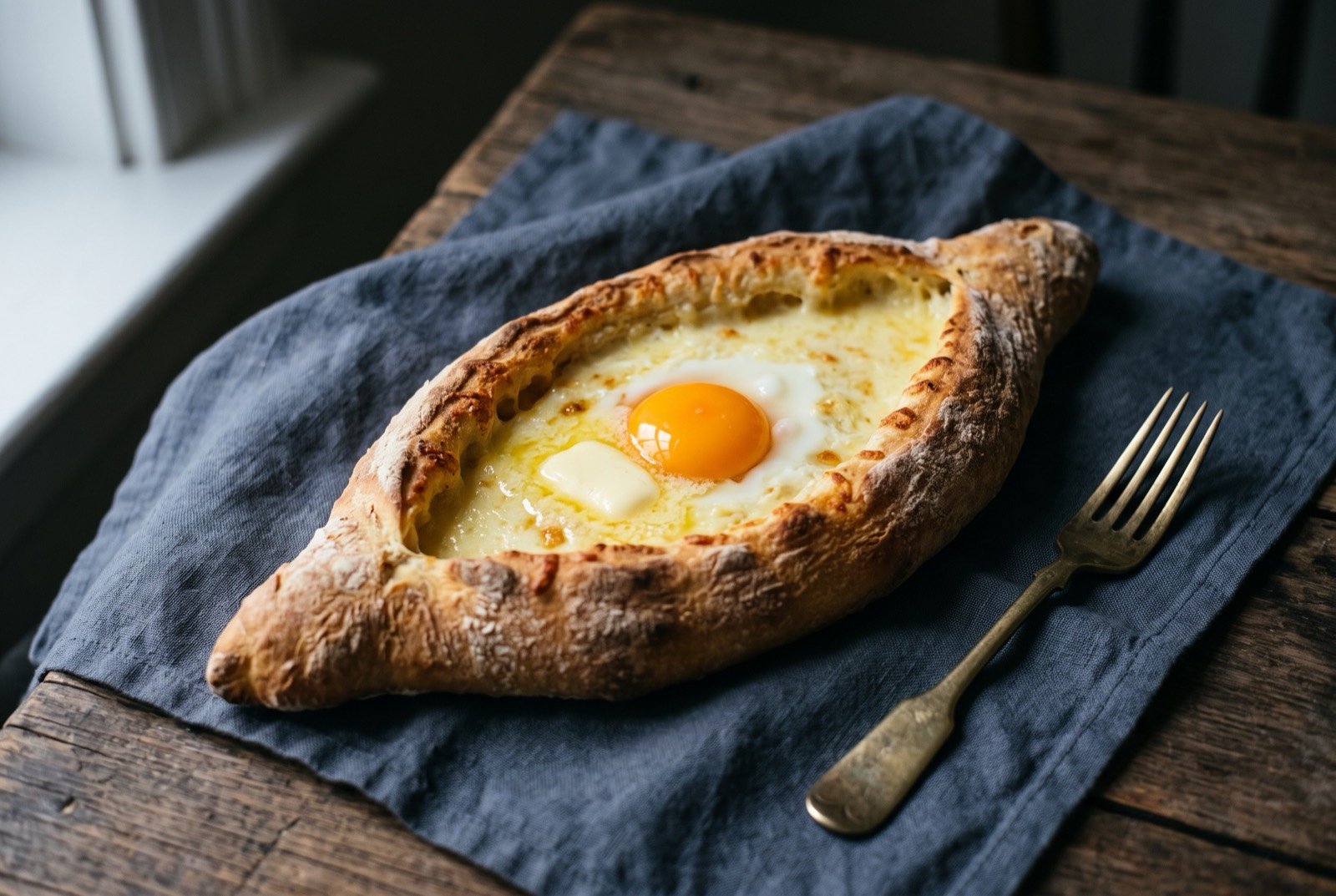 Khachapuri Acharuli
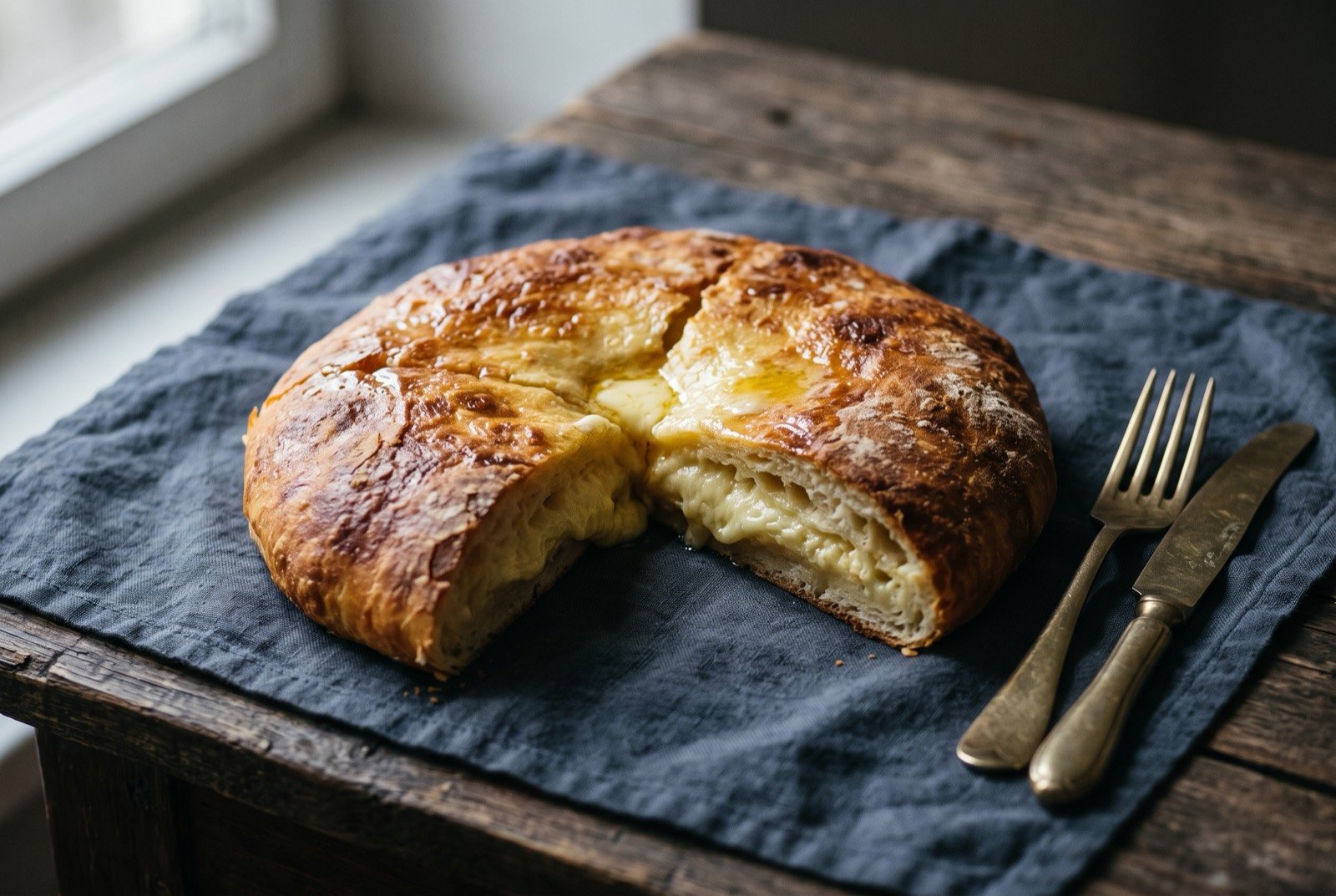 Khachapuri Imeruli
Project
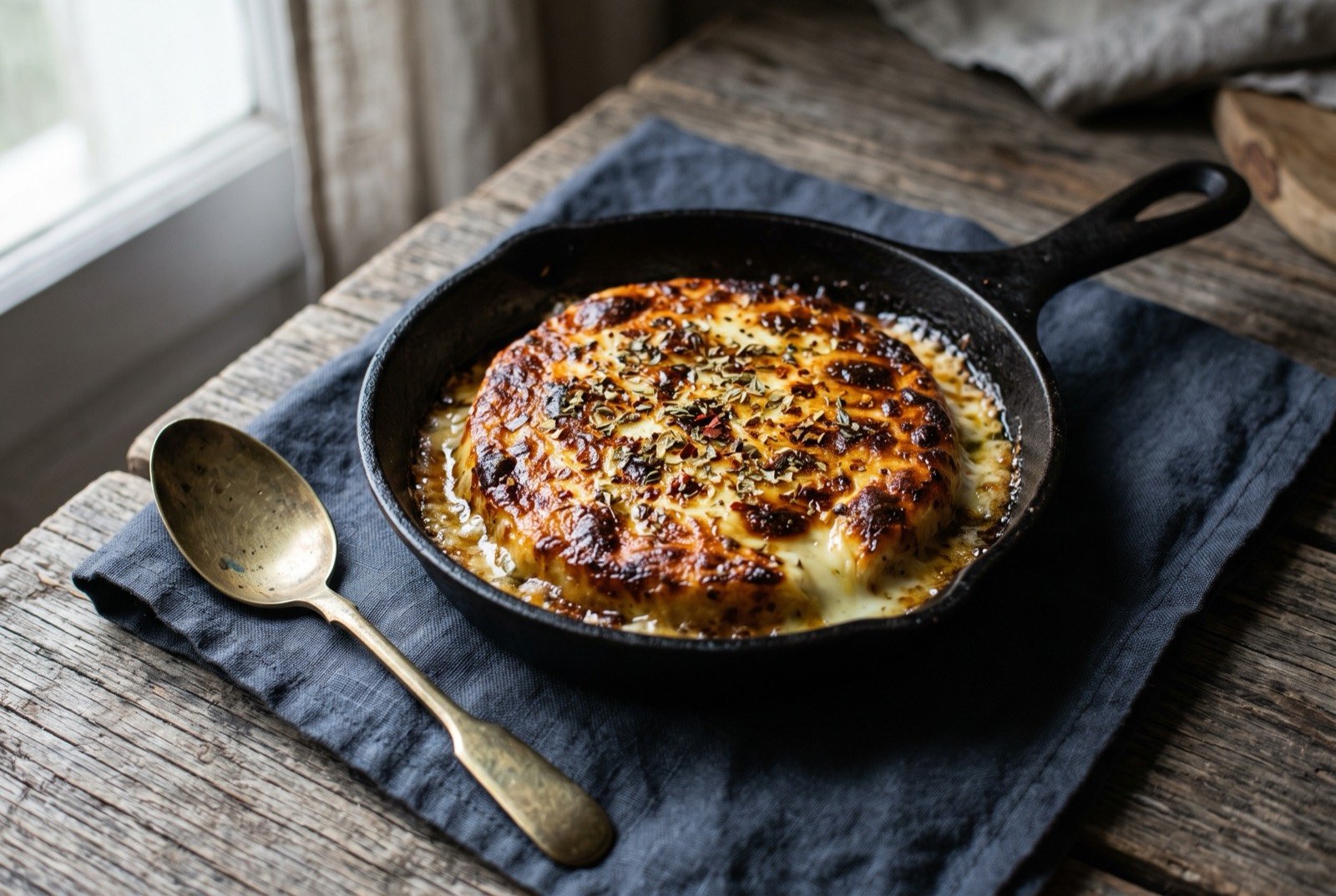 Provoleta
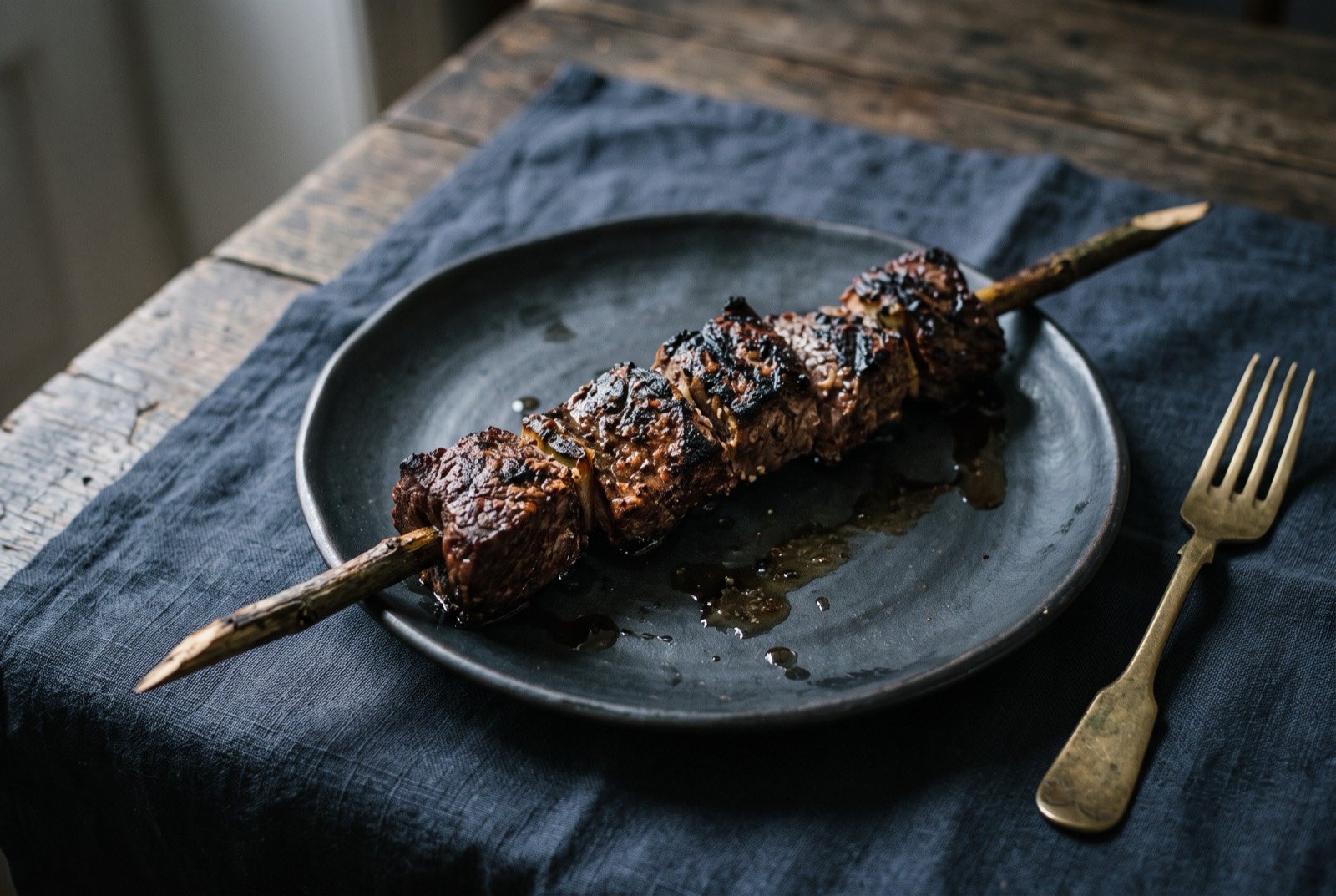 Espetada em Pau de Louro
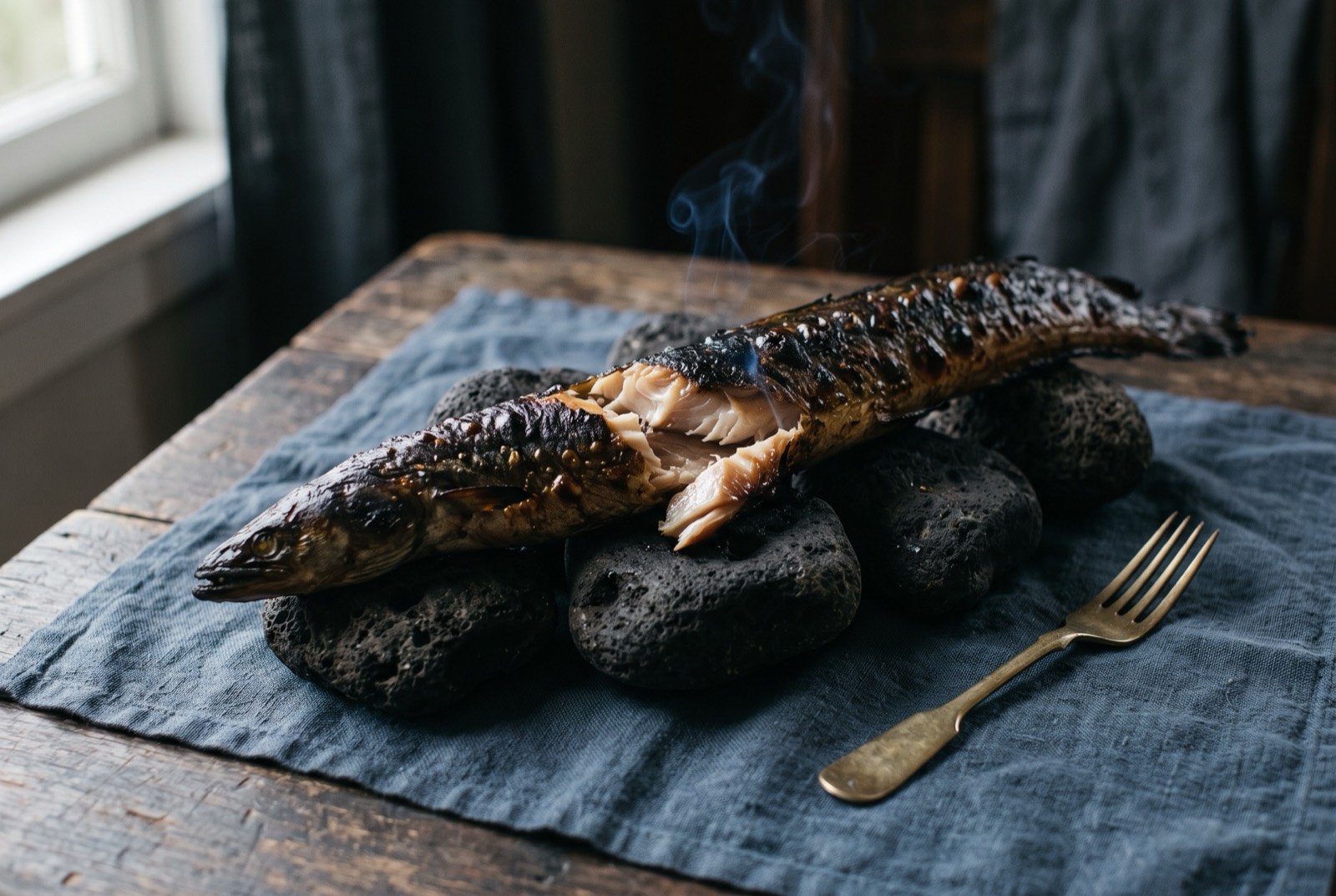 Tunu ahi koreha
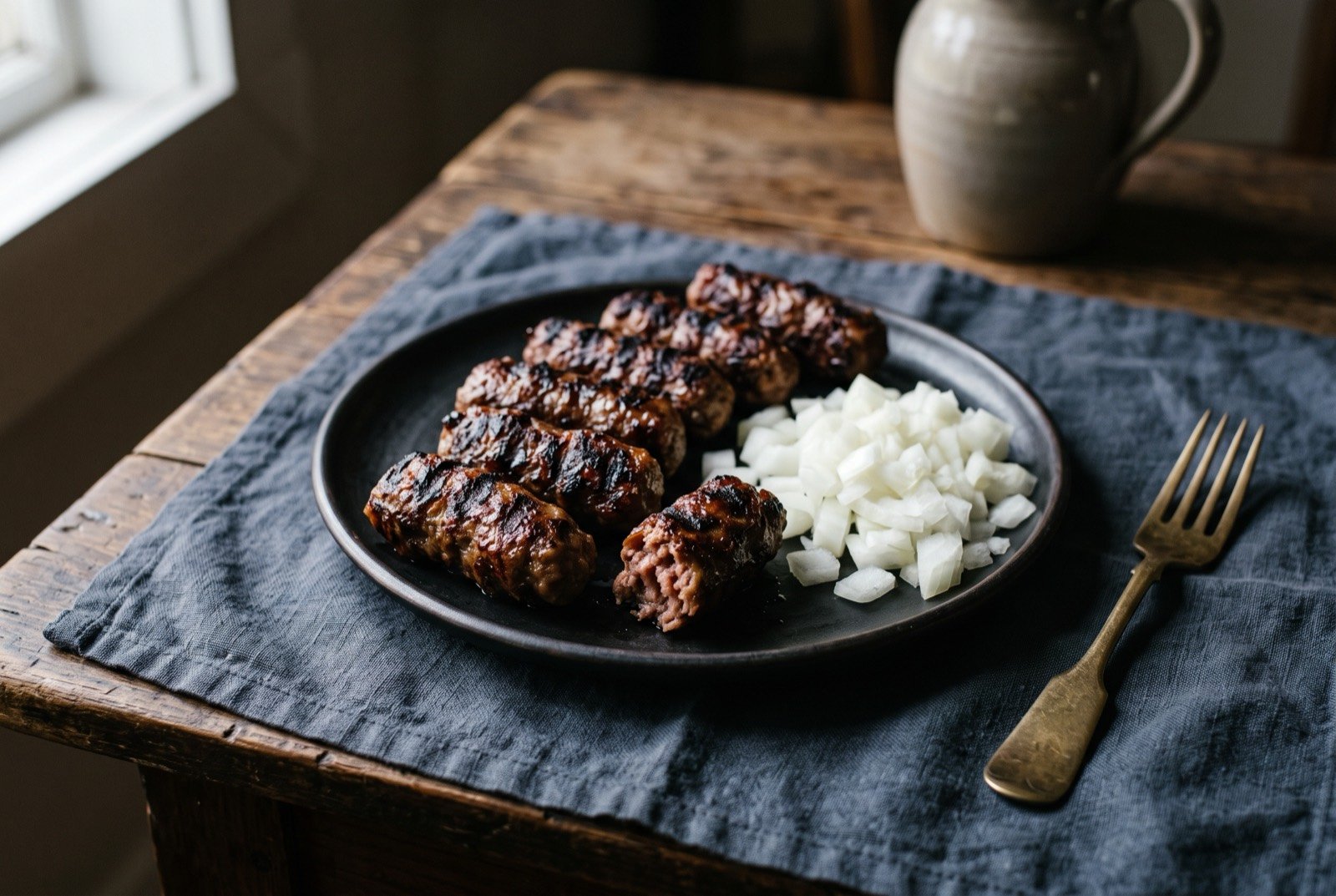 Leskovački Ćevapi
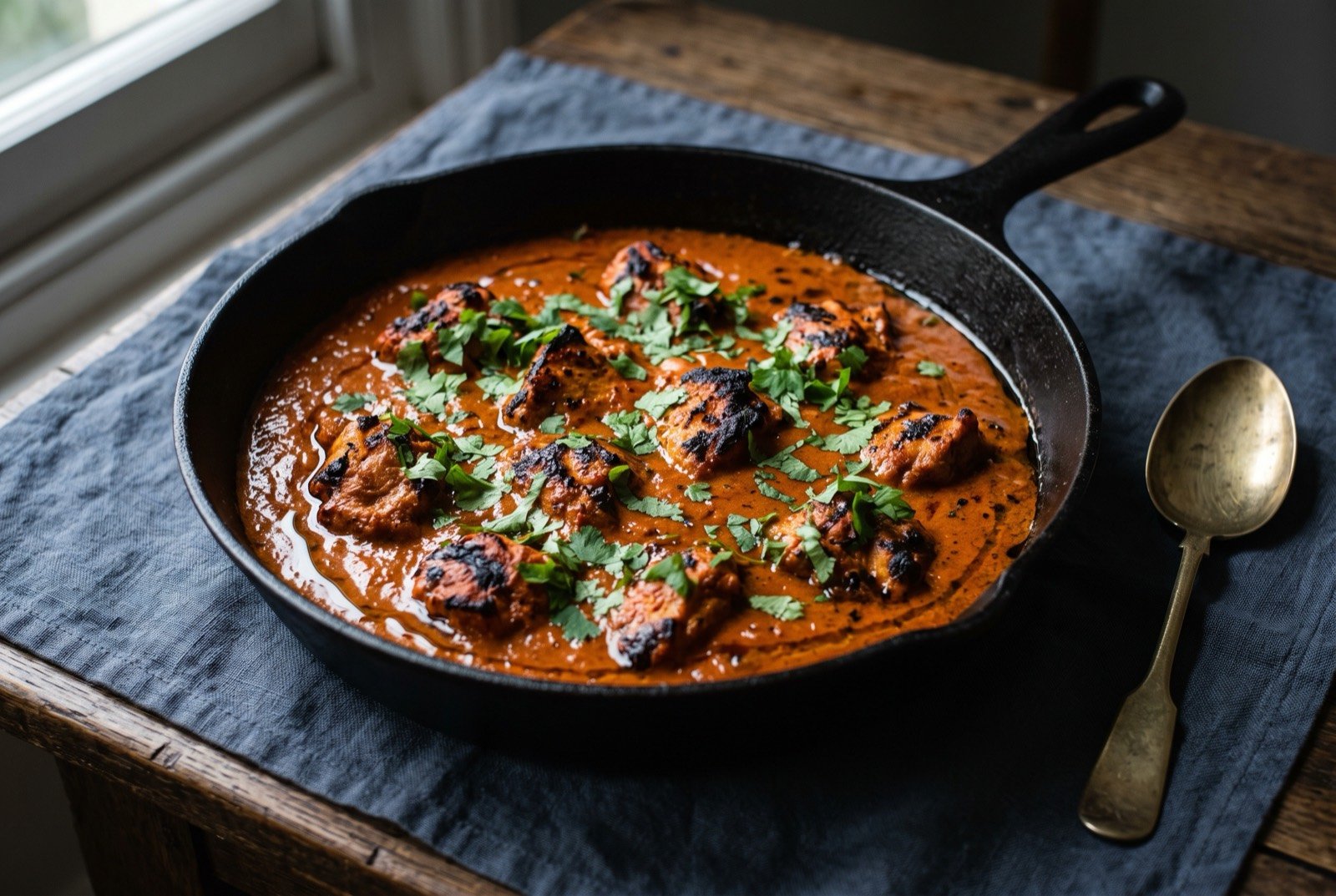 Chicken Tikka Masala
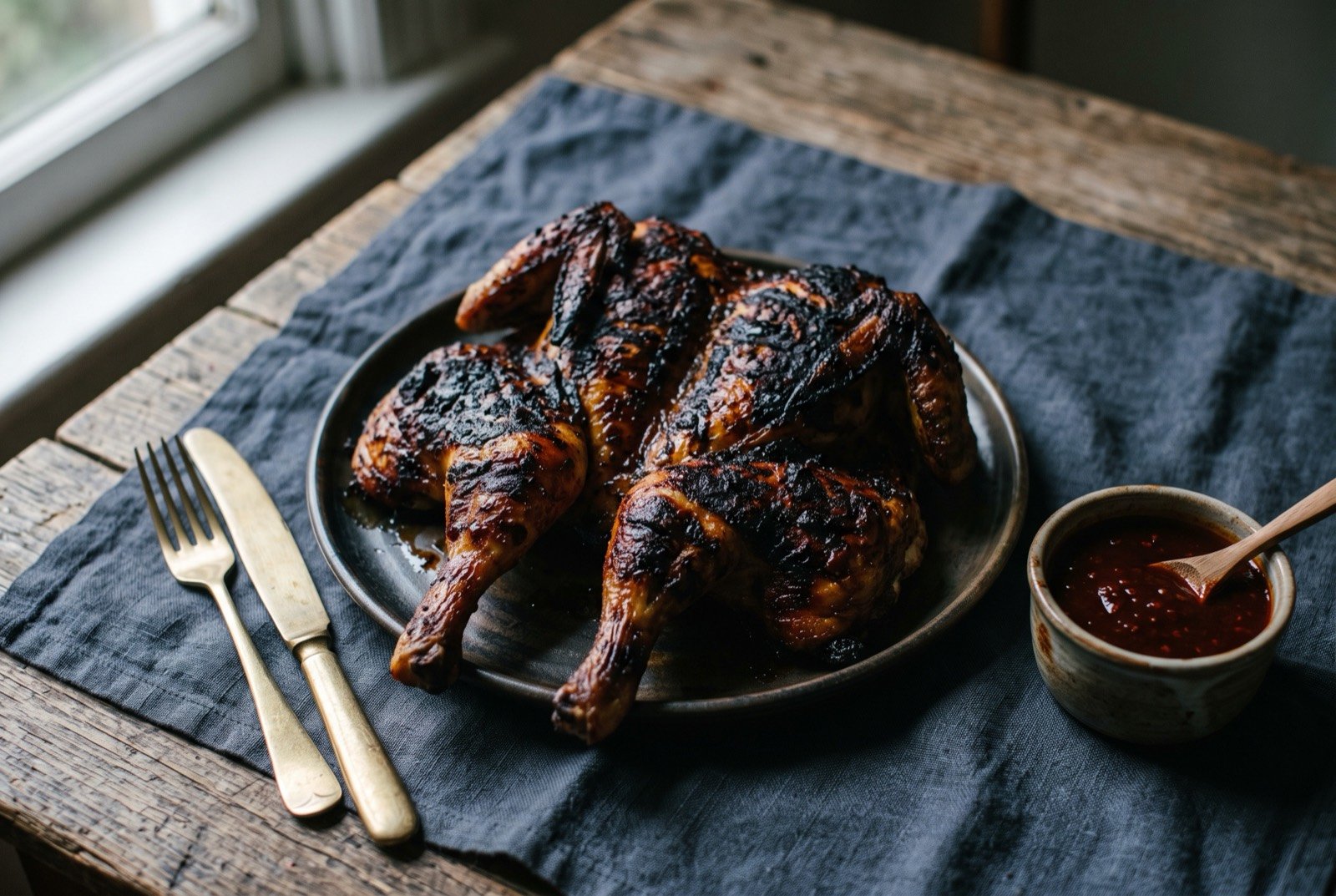 Frango Piri-Piri à Guia
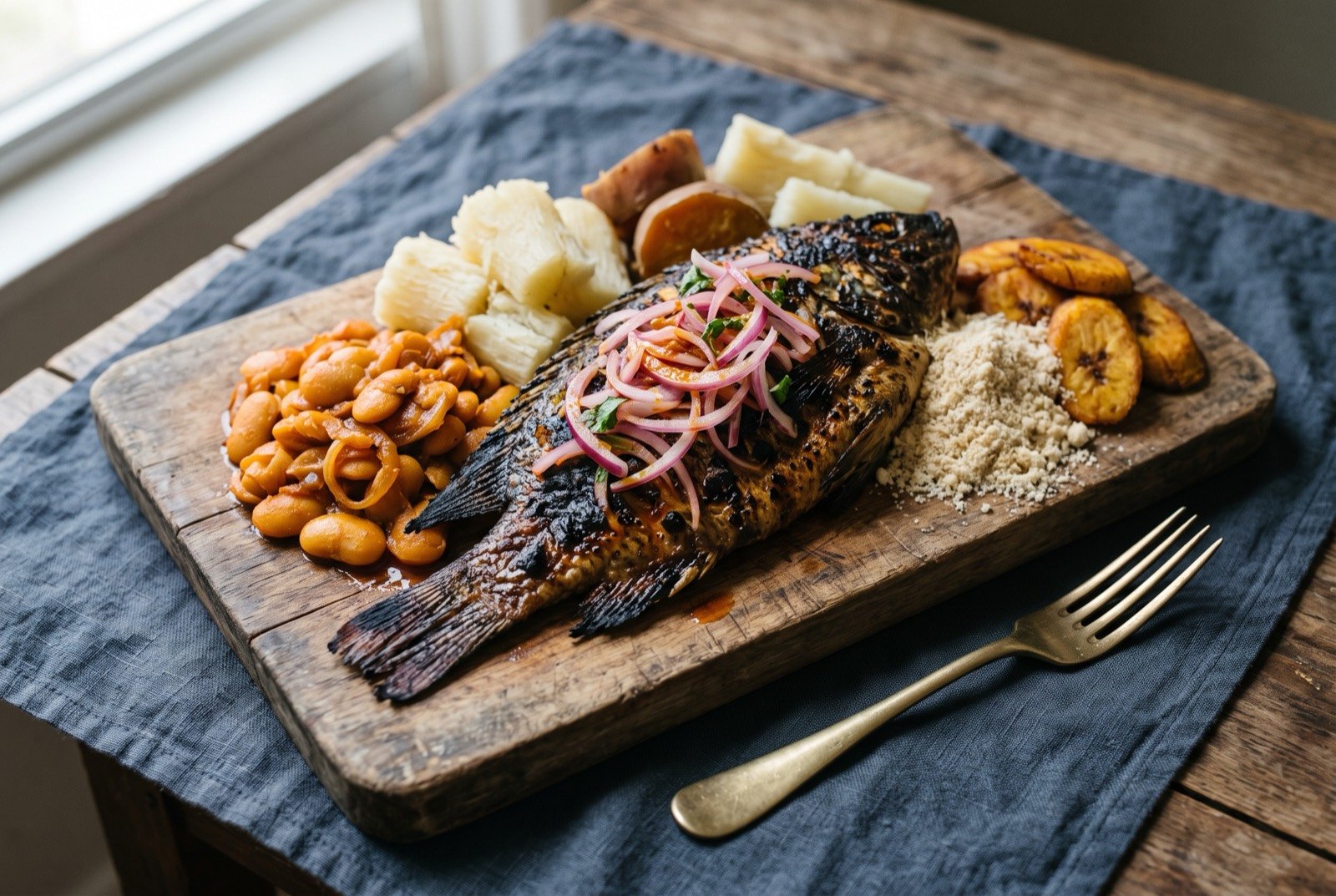 Mufete
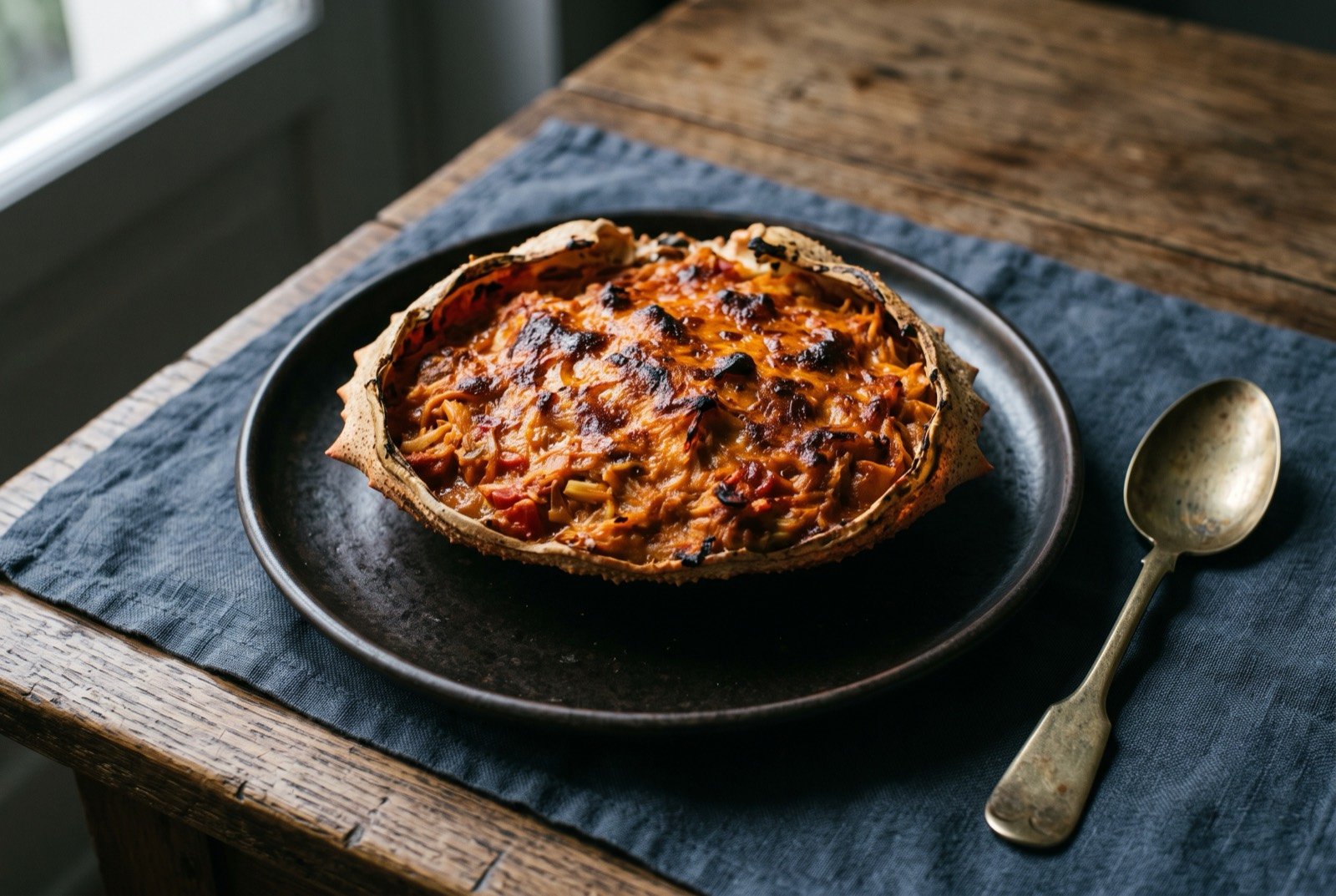 Txangurro a la Donostiarra
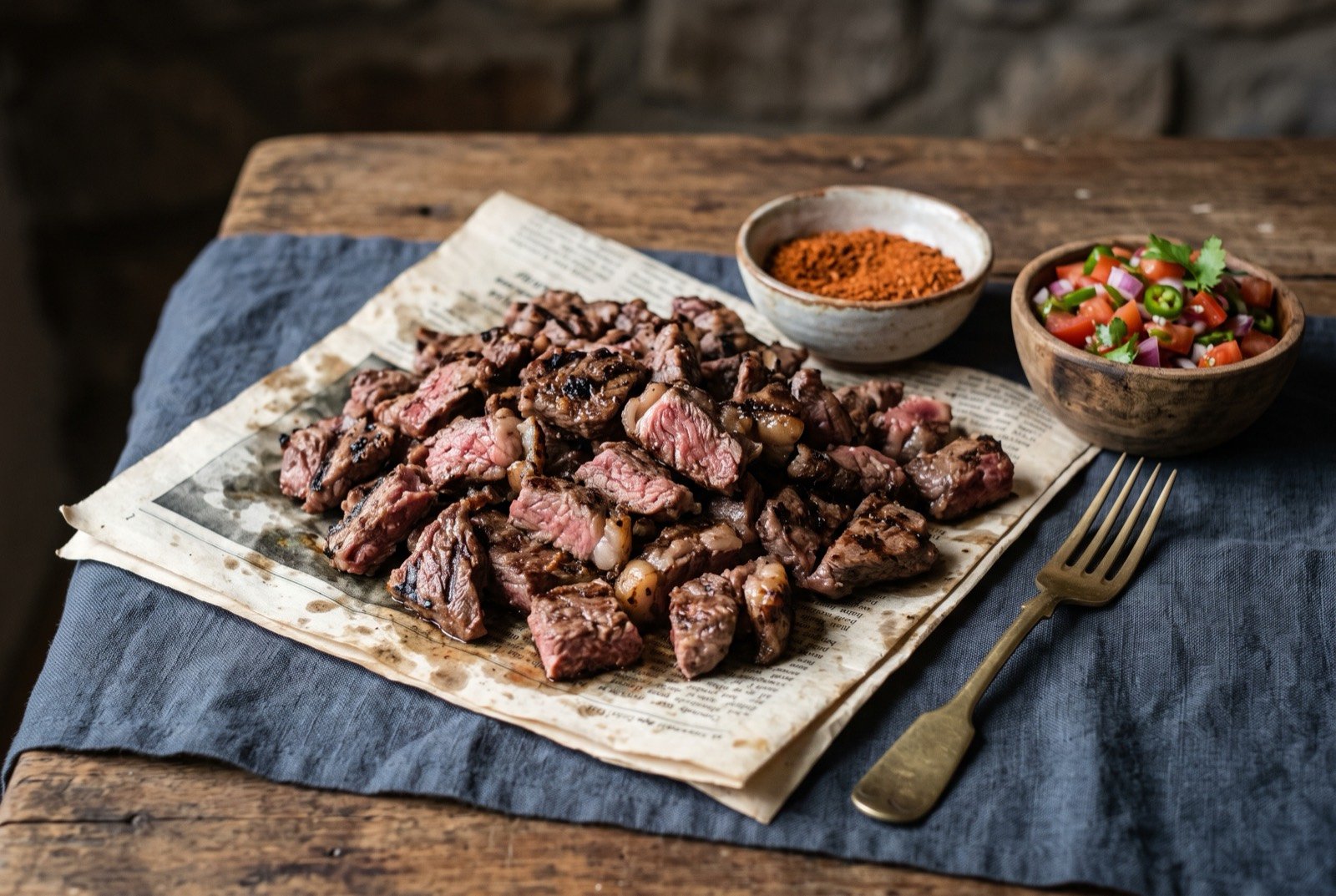 Kapana
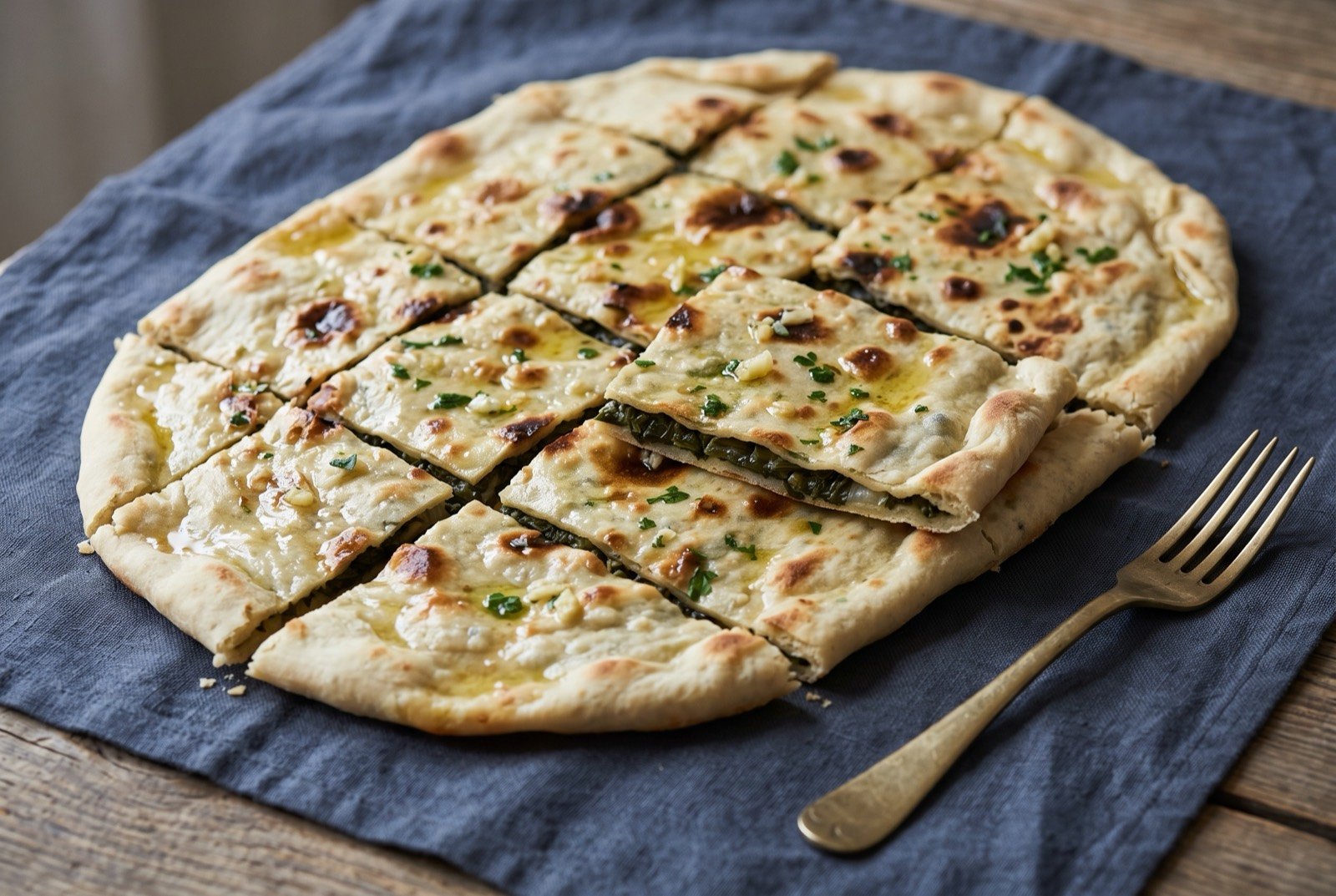 Soparnik
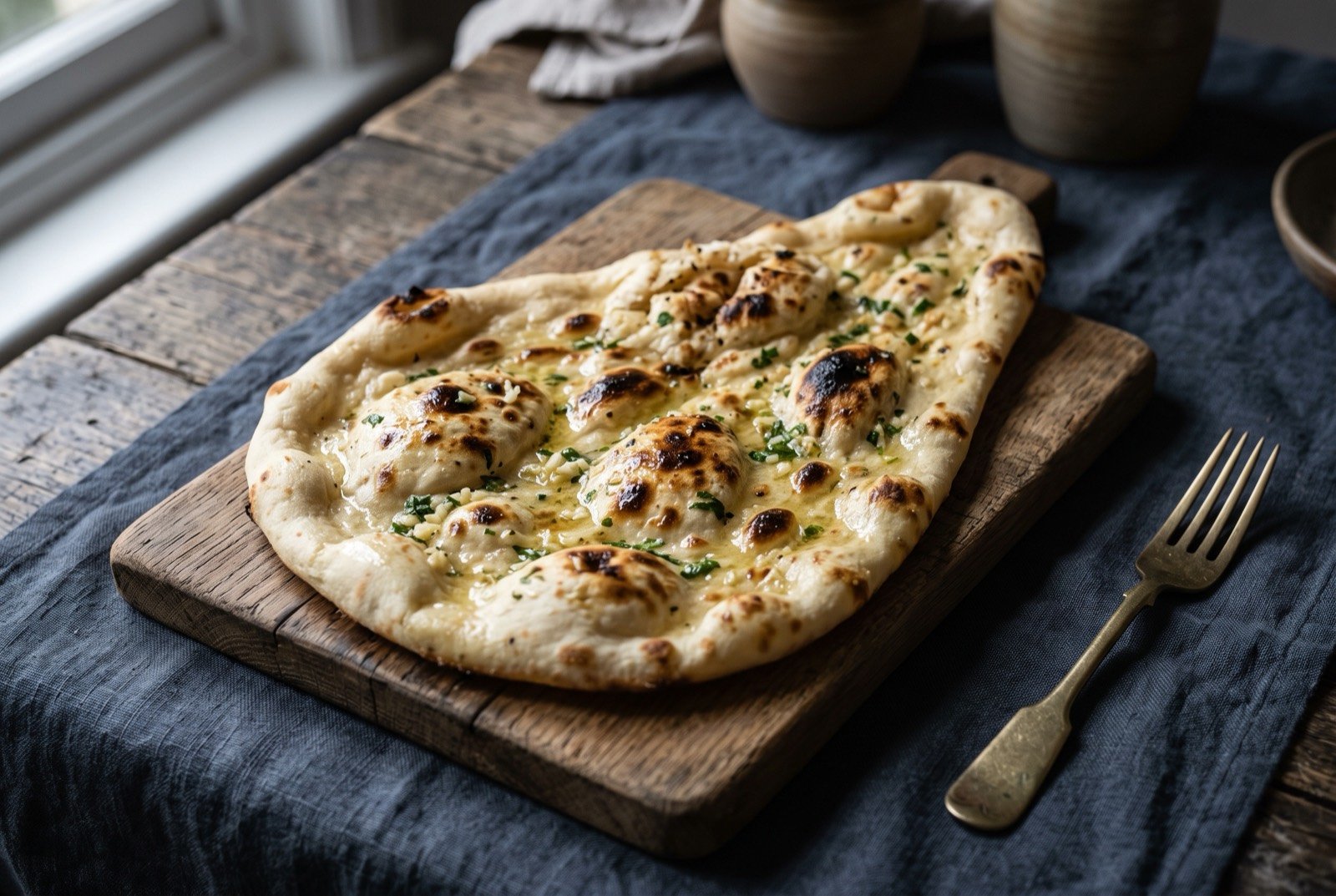 Naan
Naan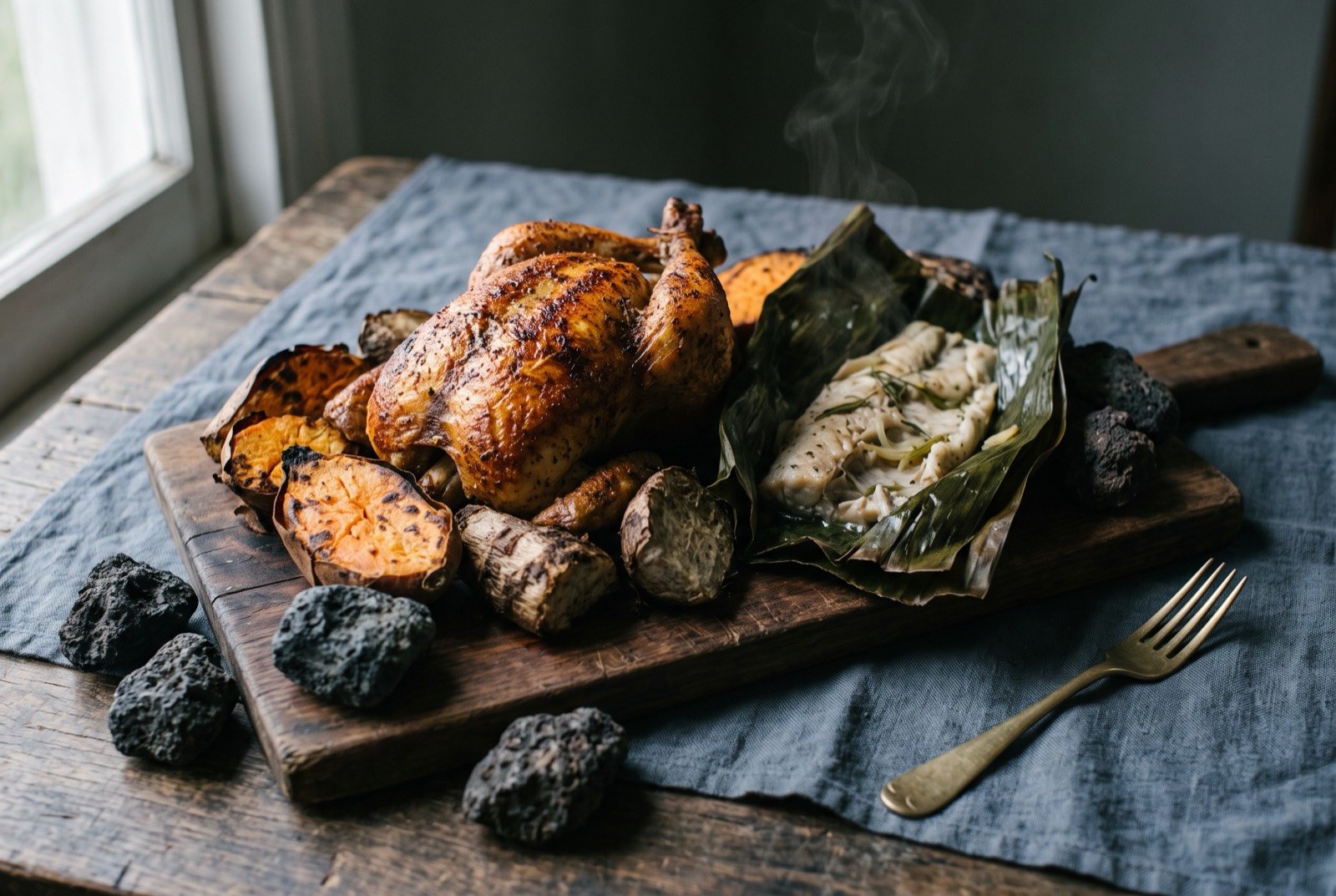 Umu pae
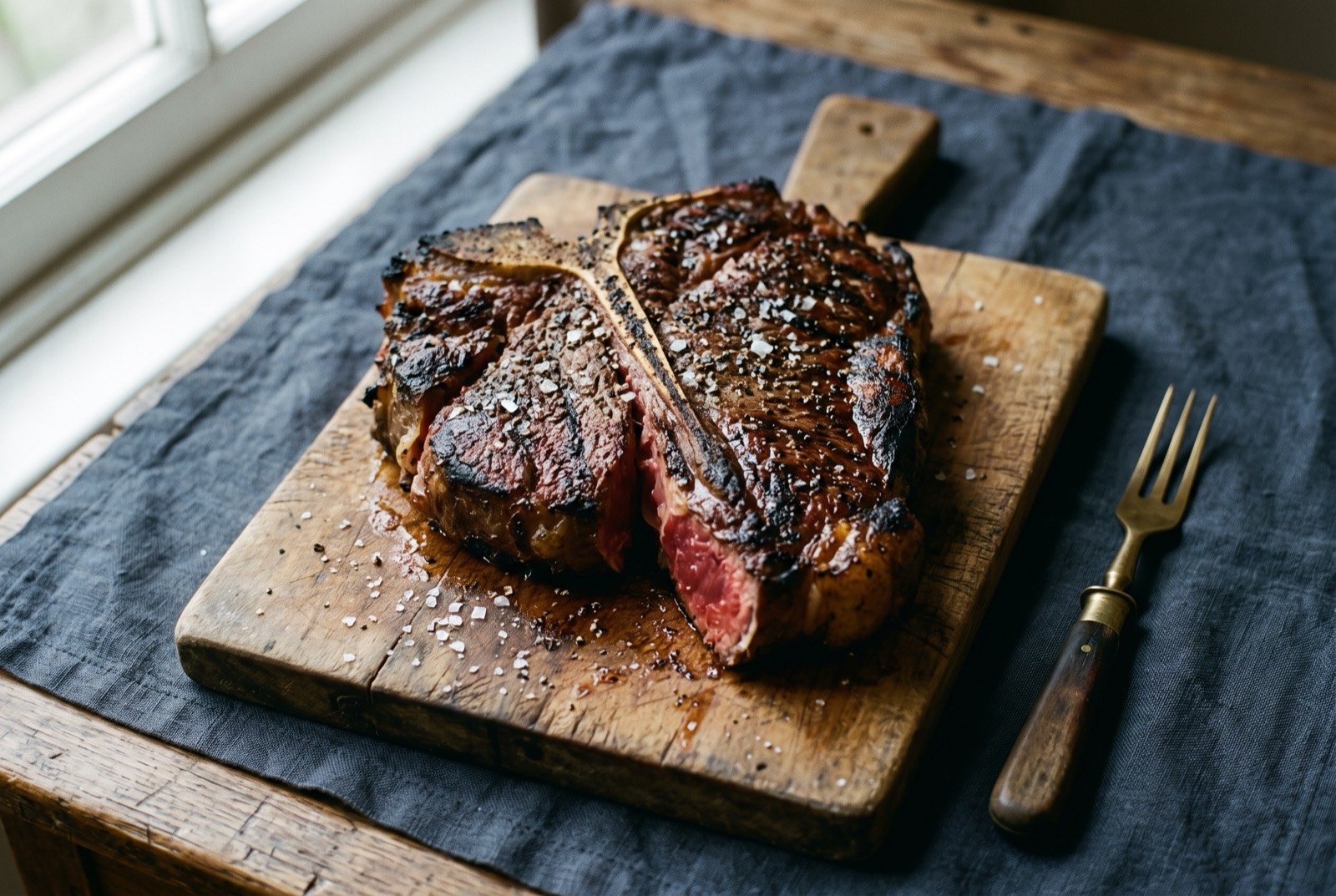 Bistecca alla Fiorentina
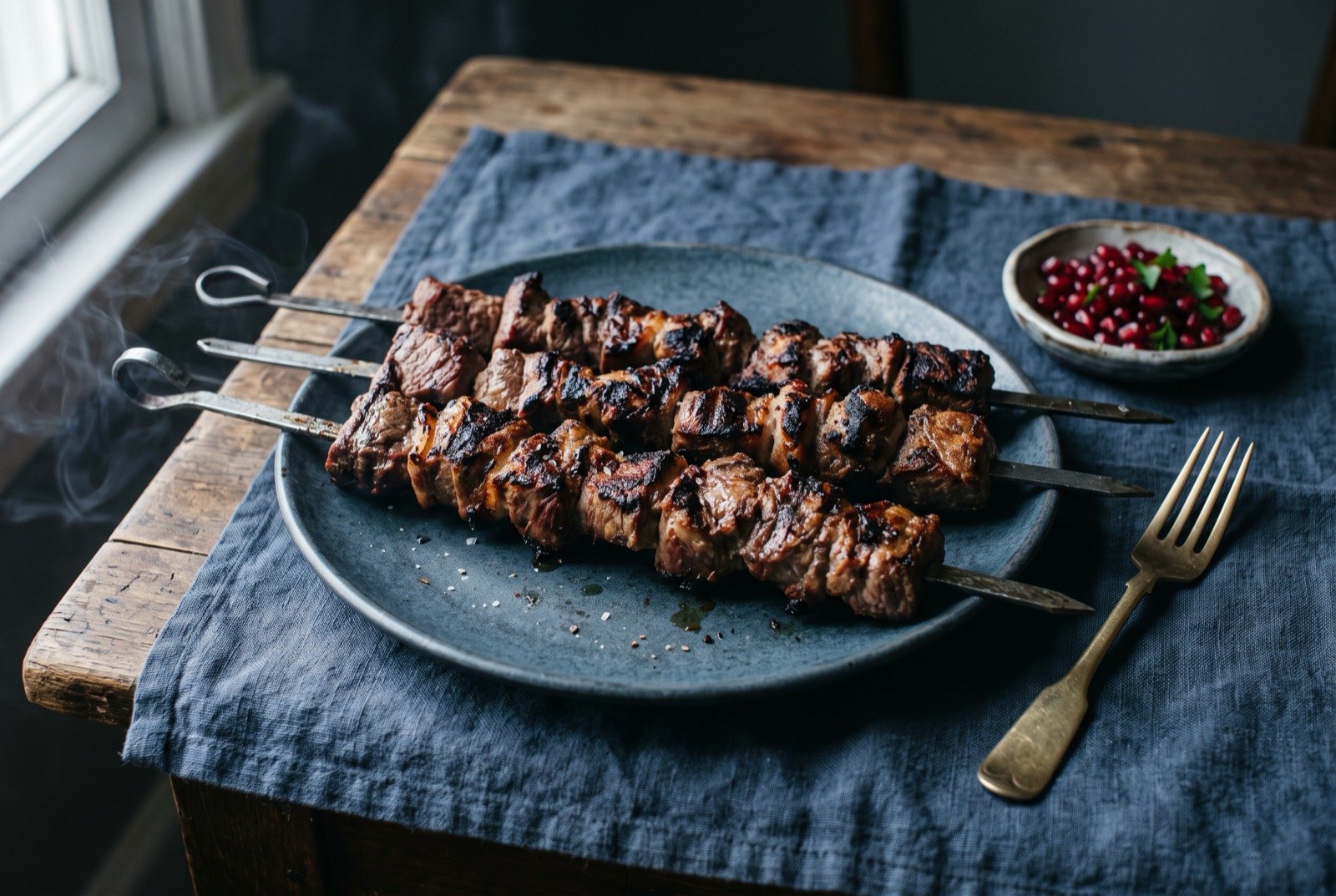 Mtsvadi
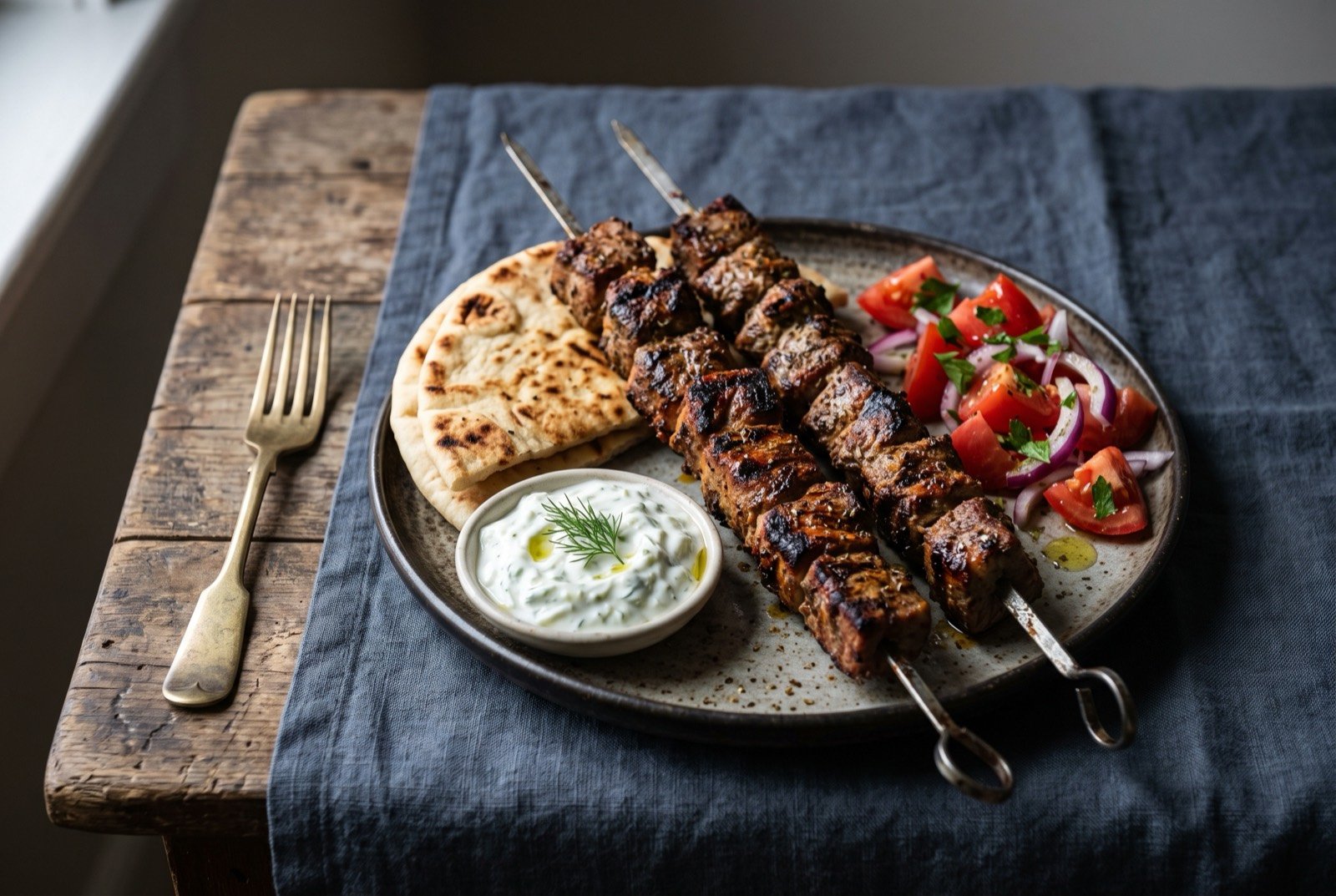 Souvlaki
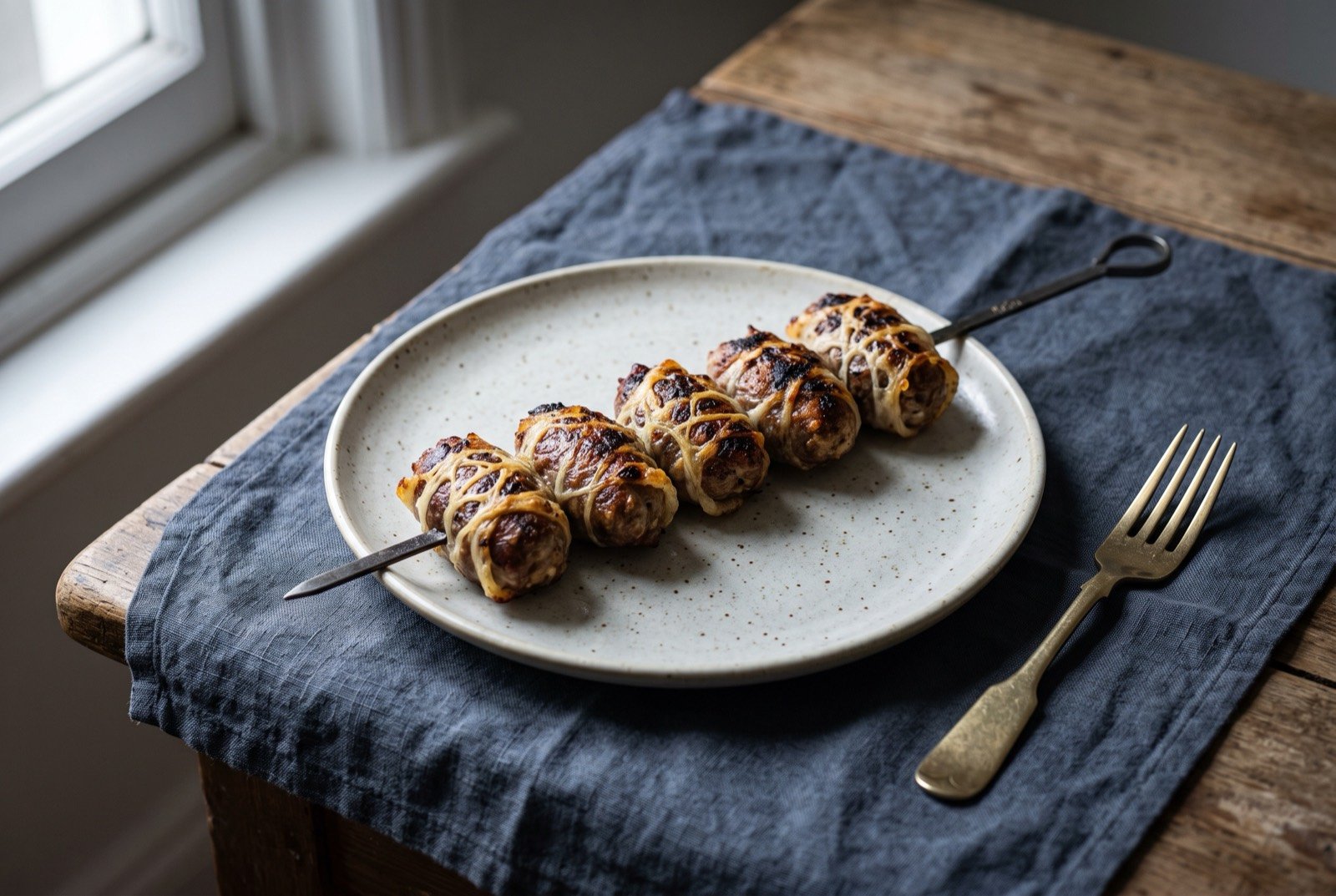 Sheftalia
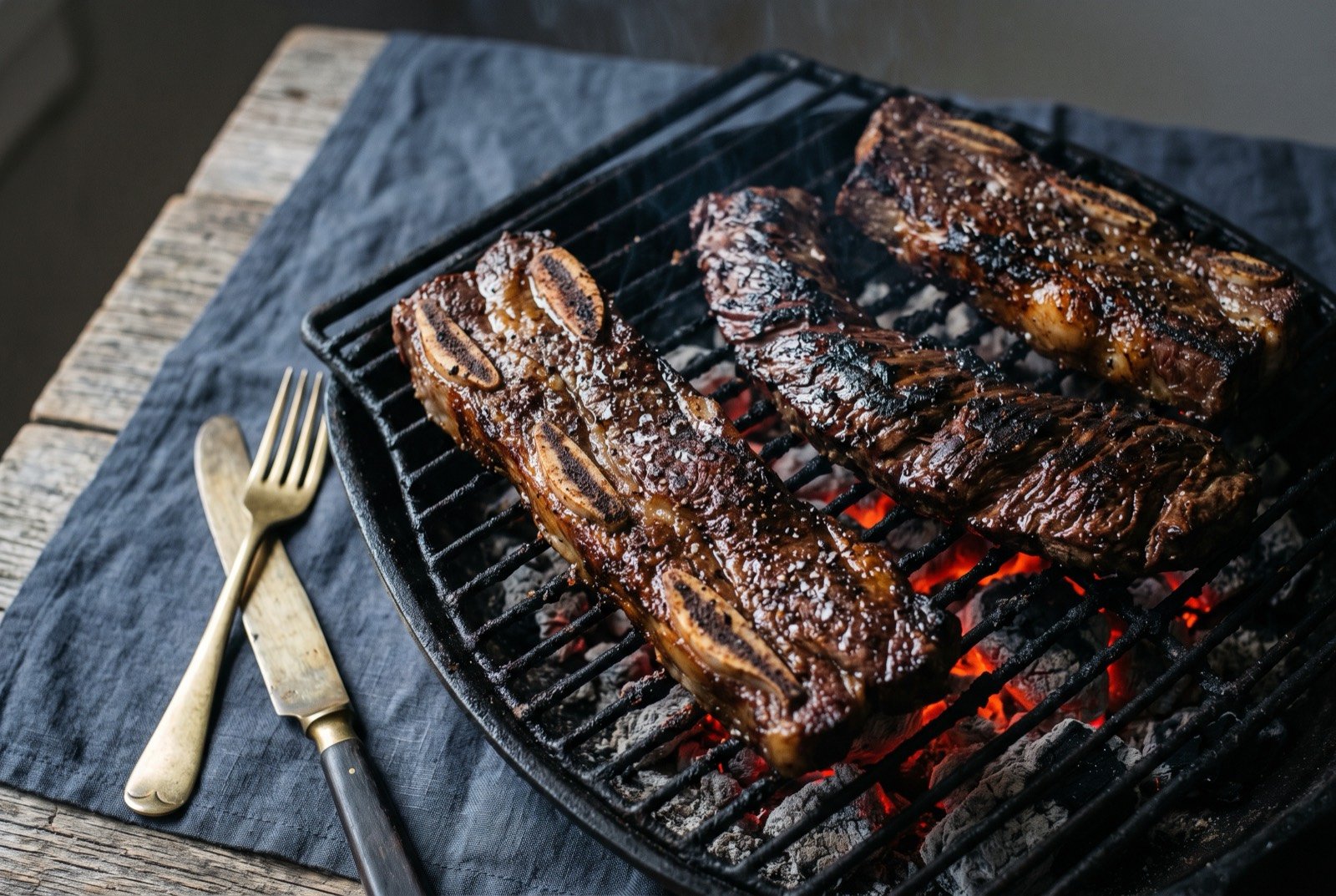 Asado a la parrilla
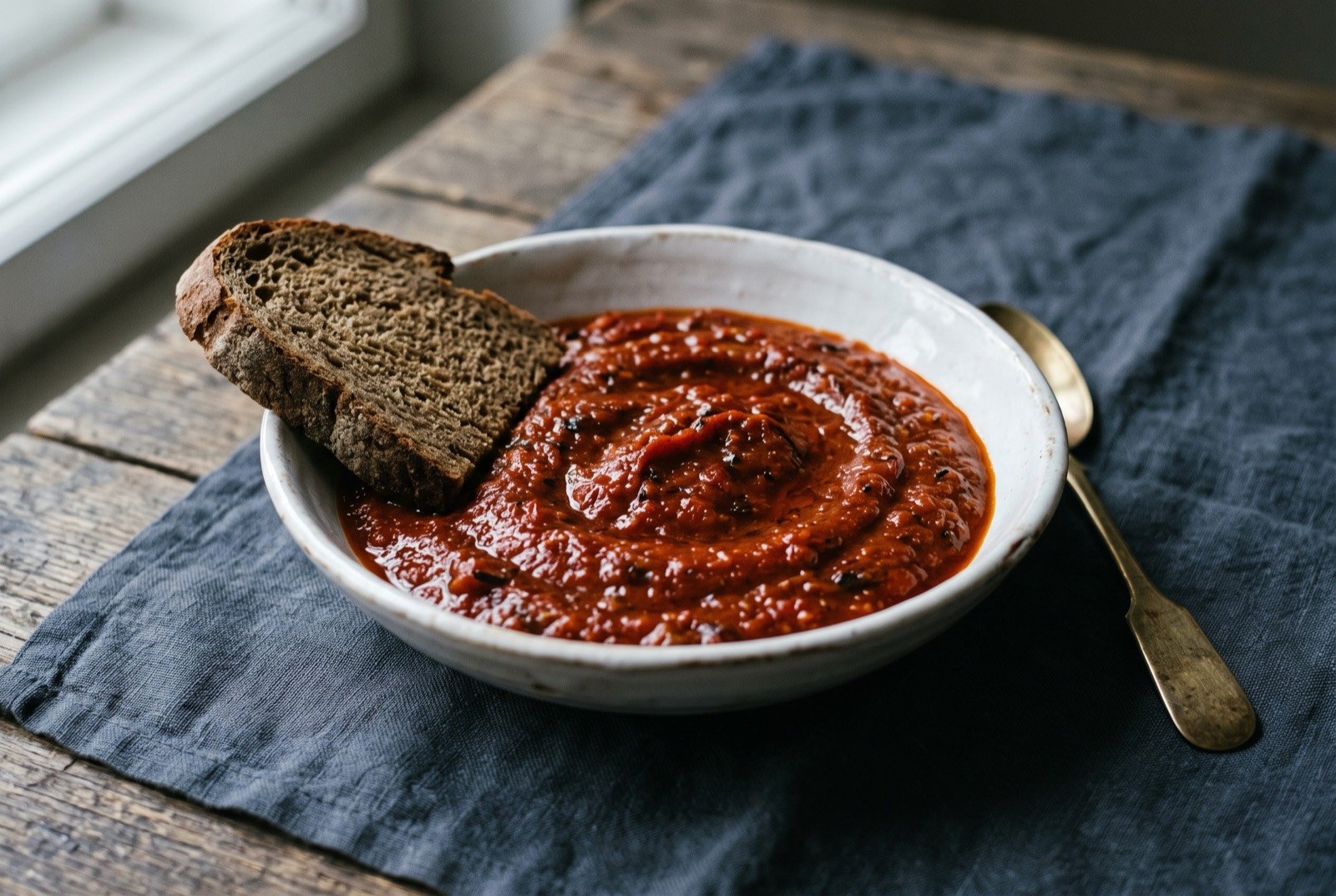 Ajvar
Ajvar Flija
Flija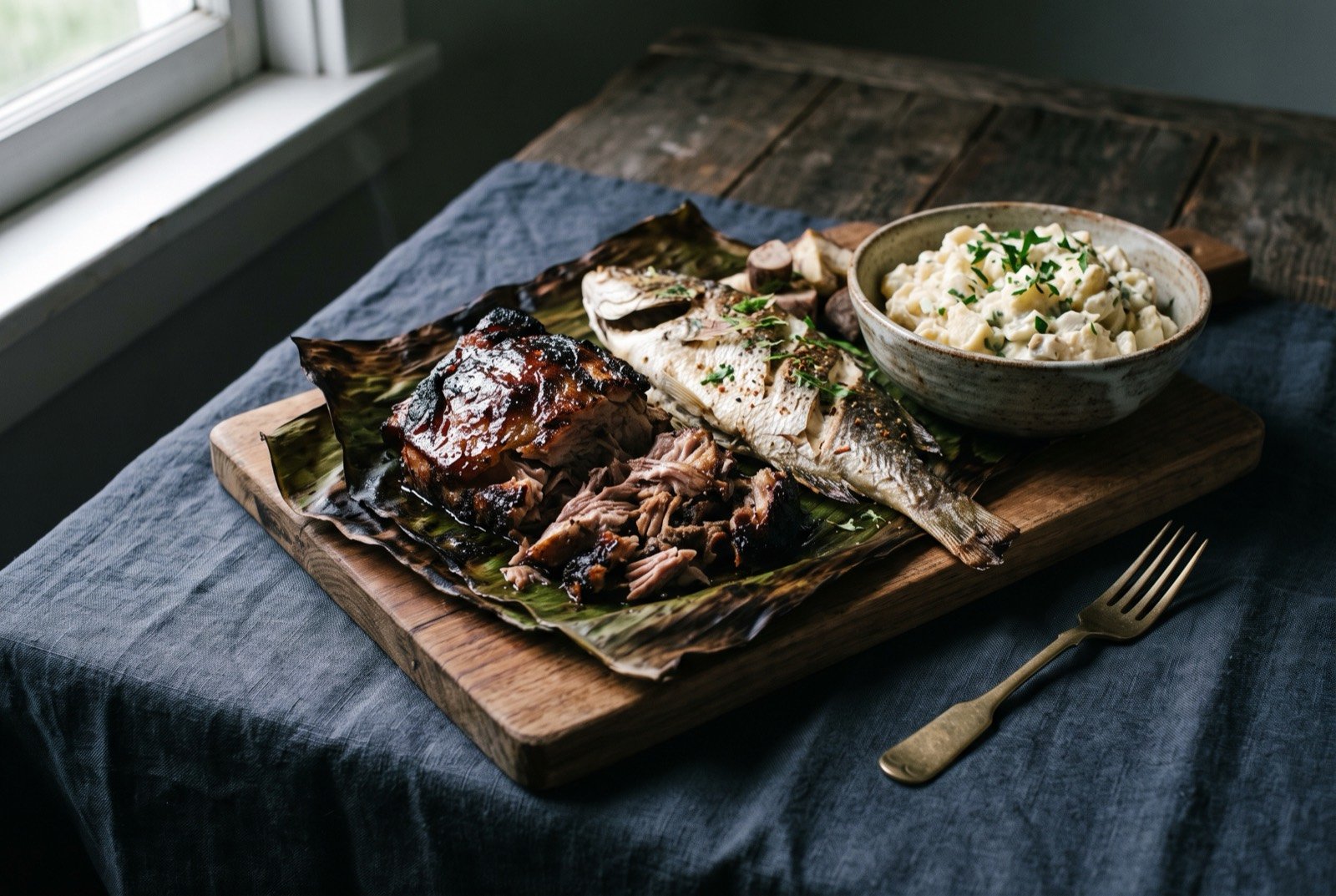 Umukai
 Khorovats
 Bosanski Lonac
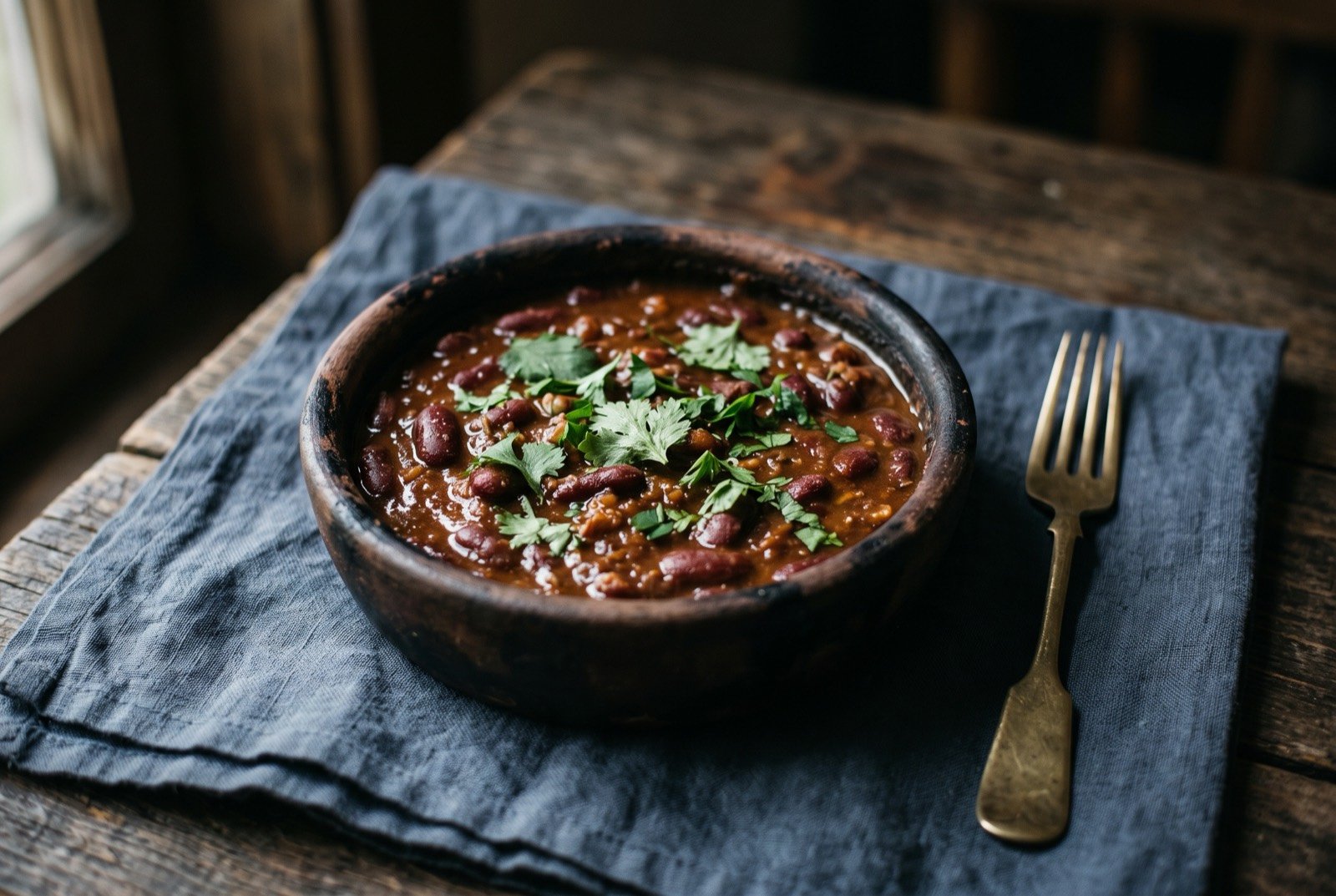 Lobio
Lobio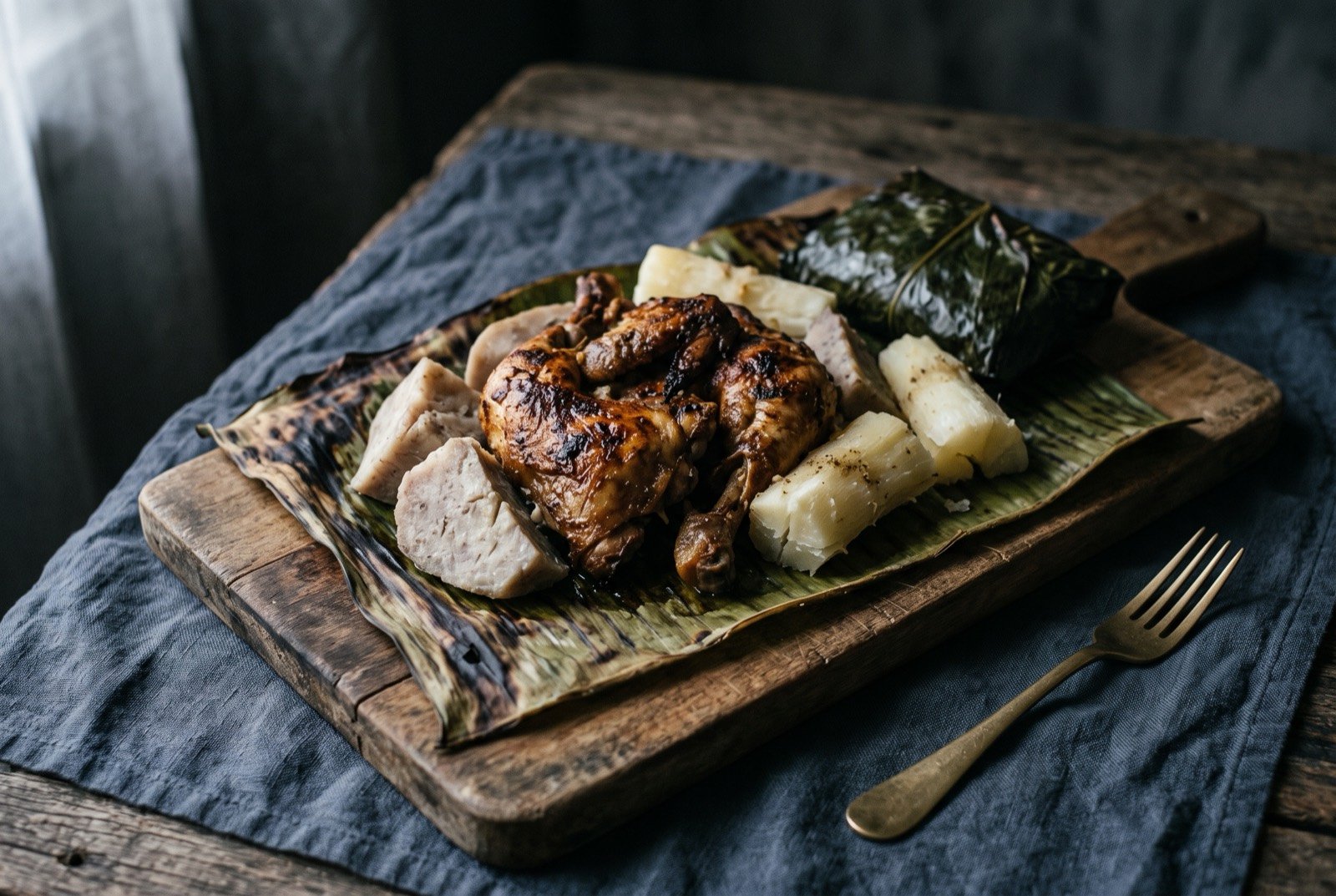 Lovo: Chicken, Dalo and Palusami from the Earth Oven
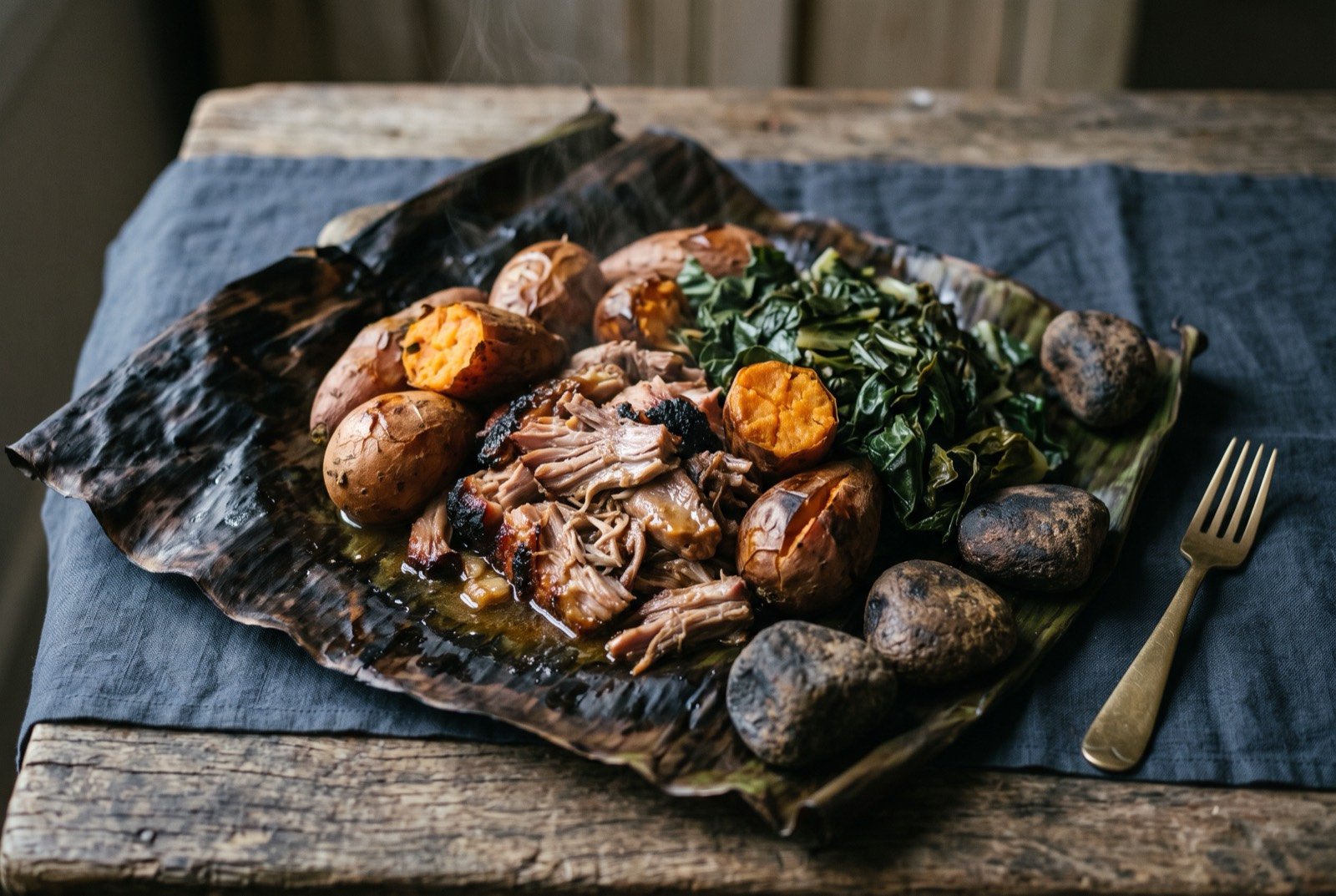 Mumu
Mumu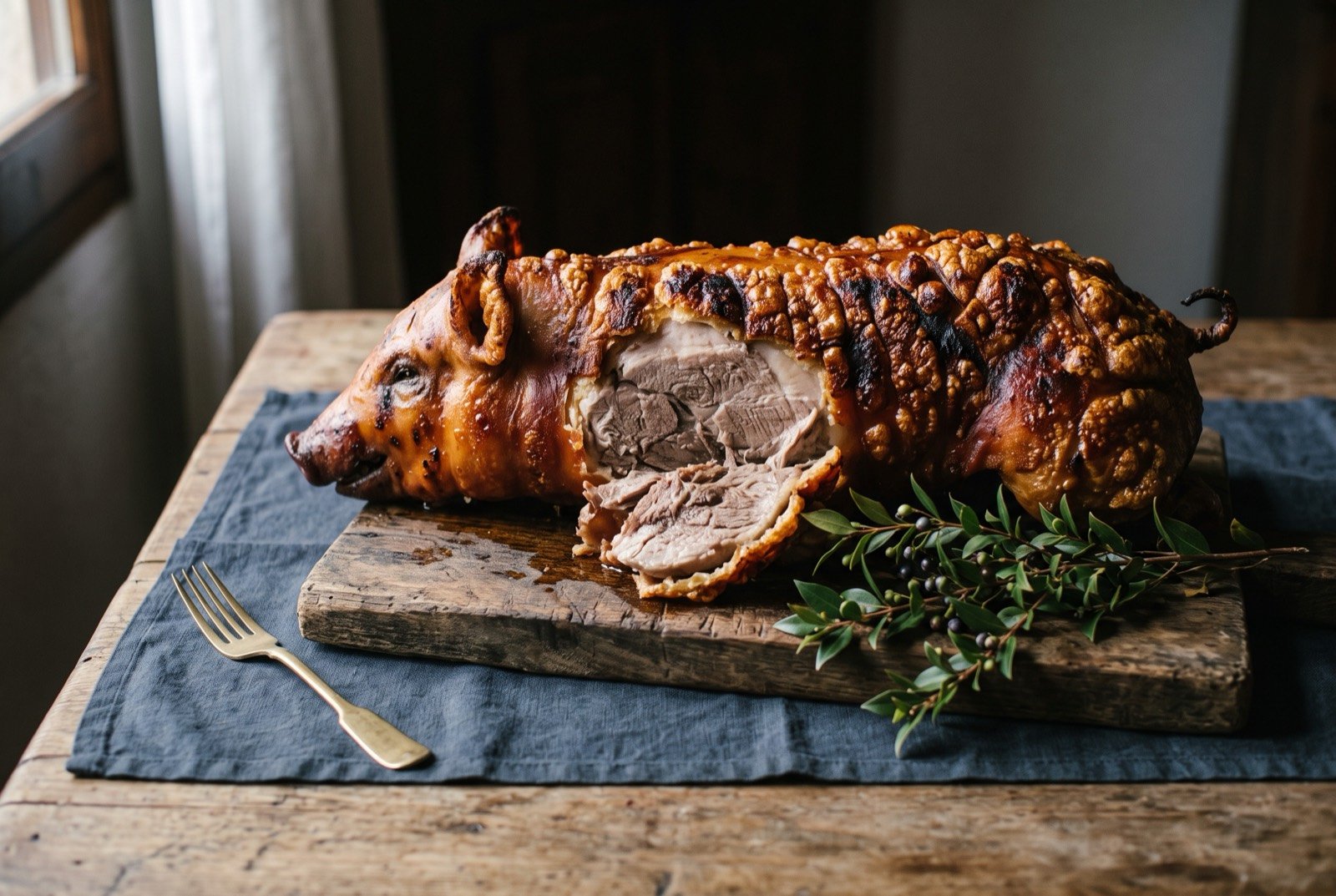 Porceddu
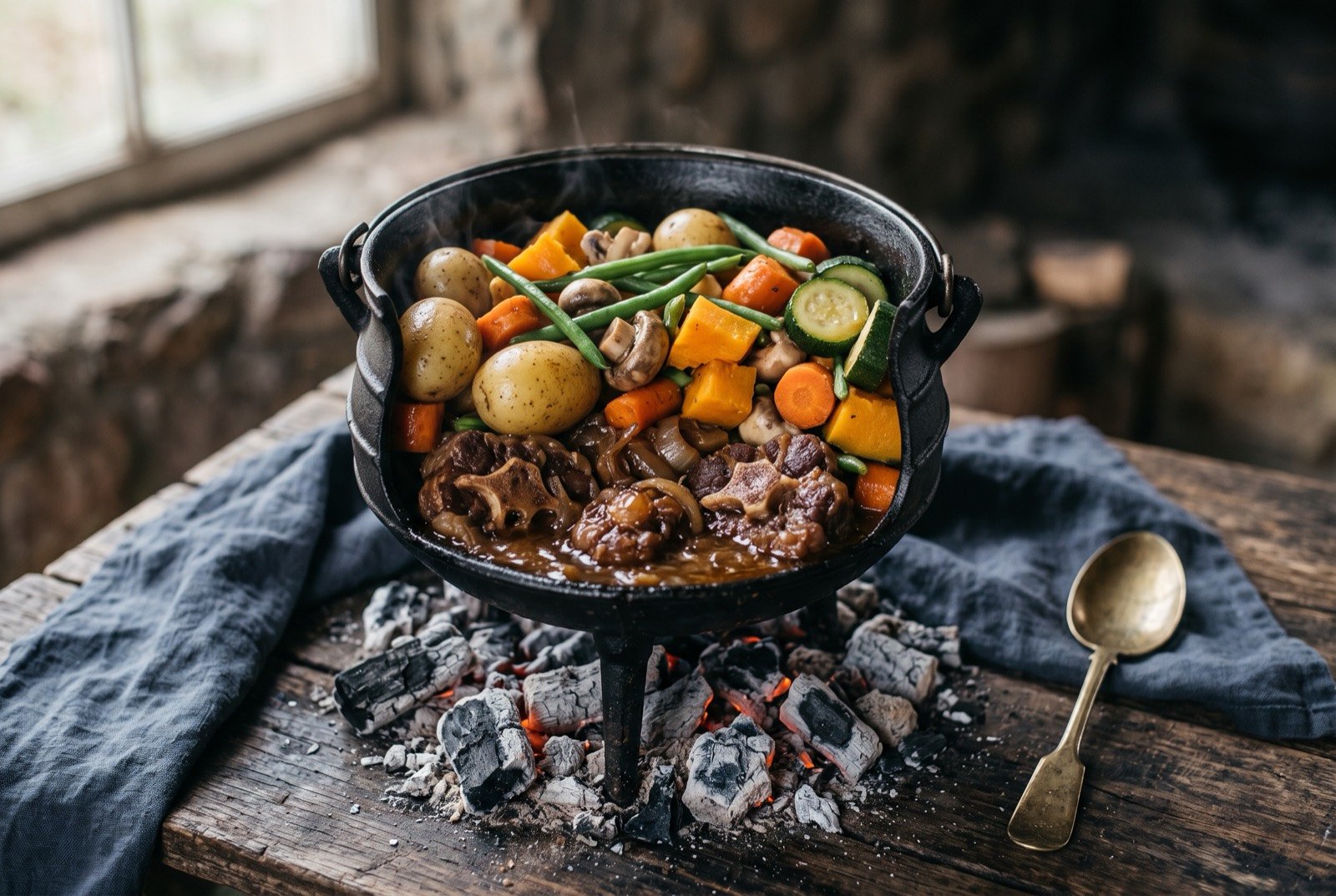 Potjiekos
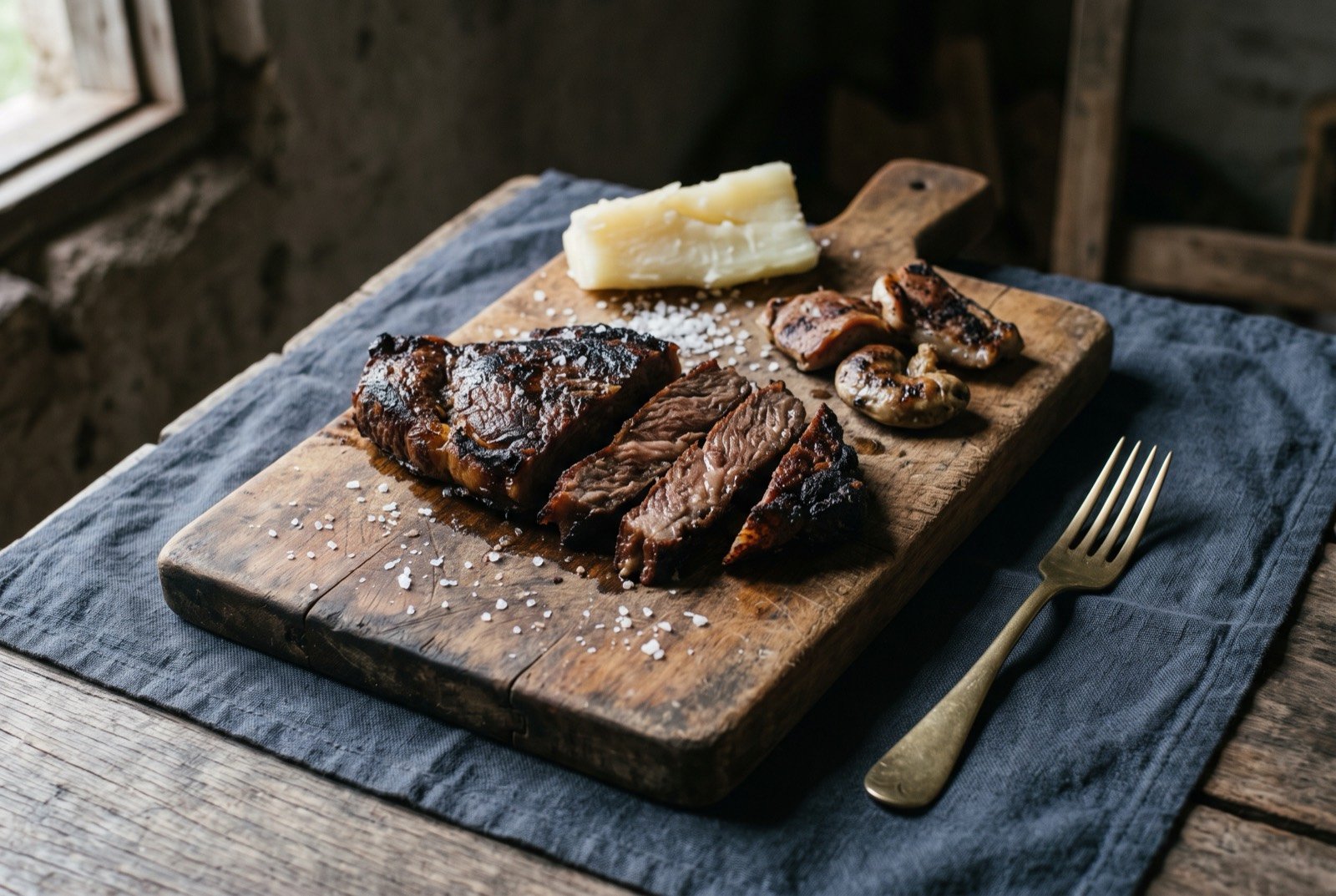 Asado paraguayo
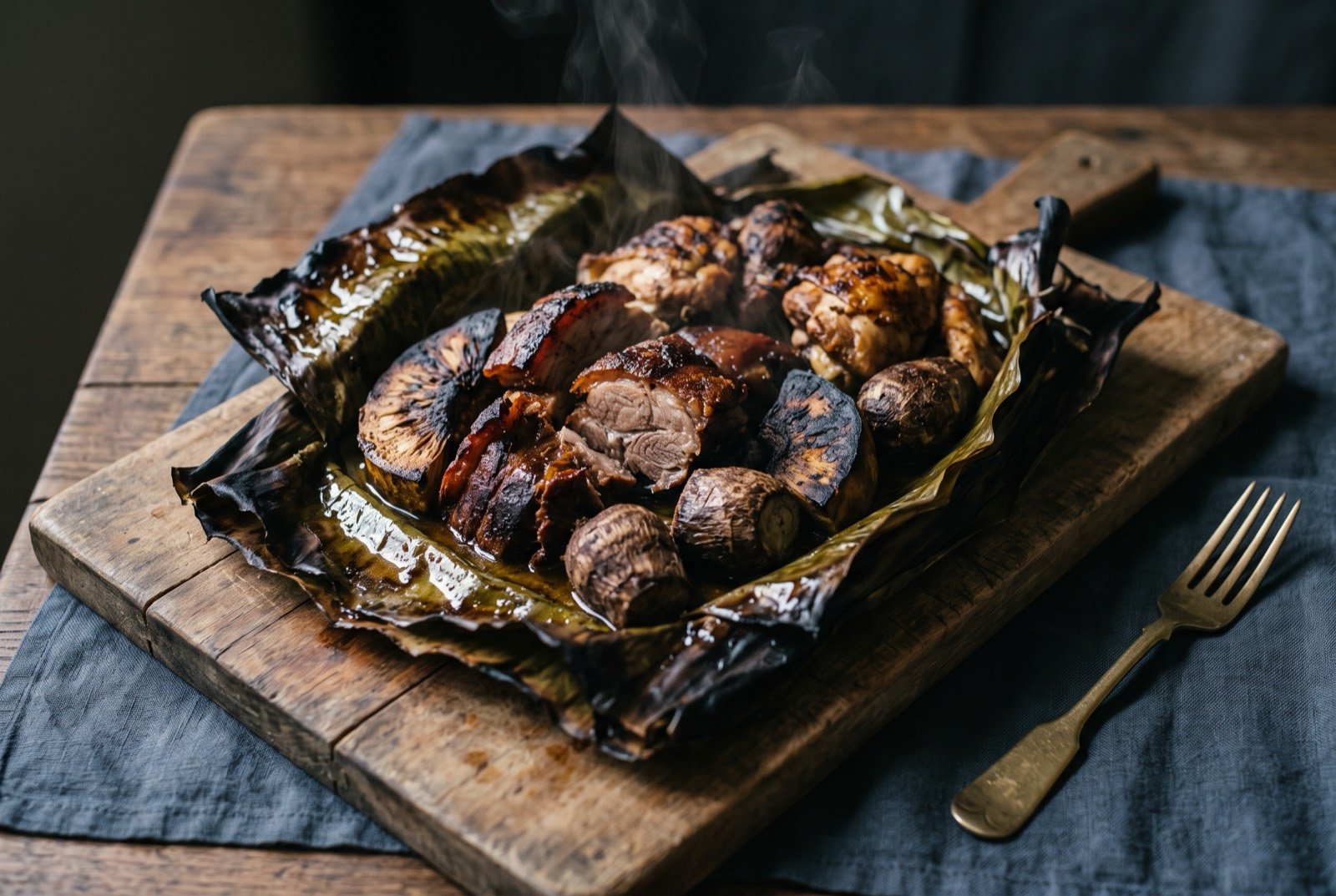 The ahimaʻa Sunday roast
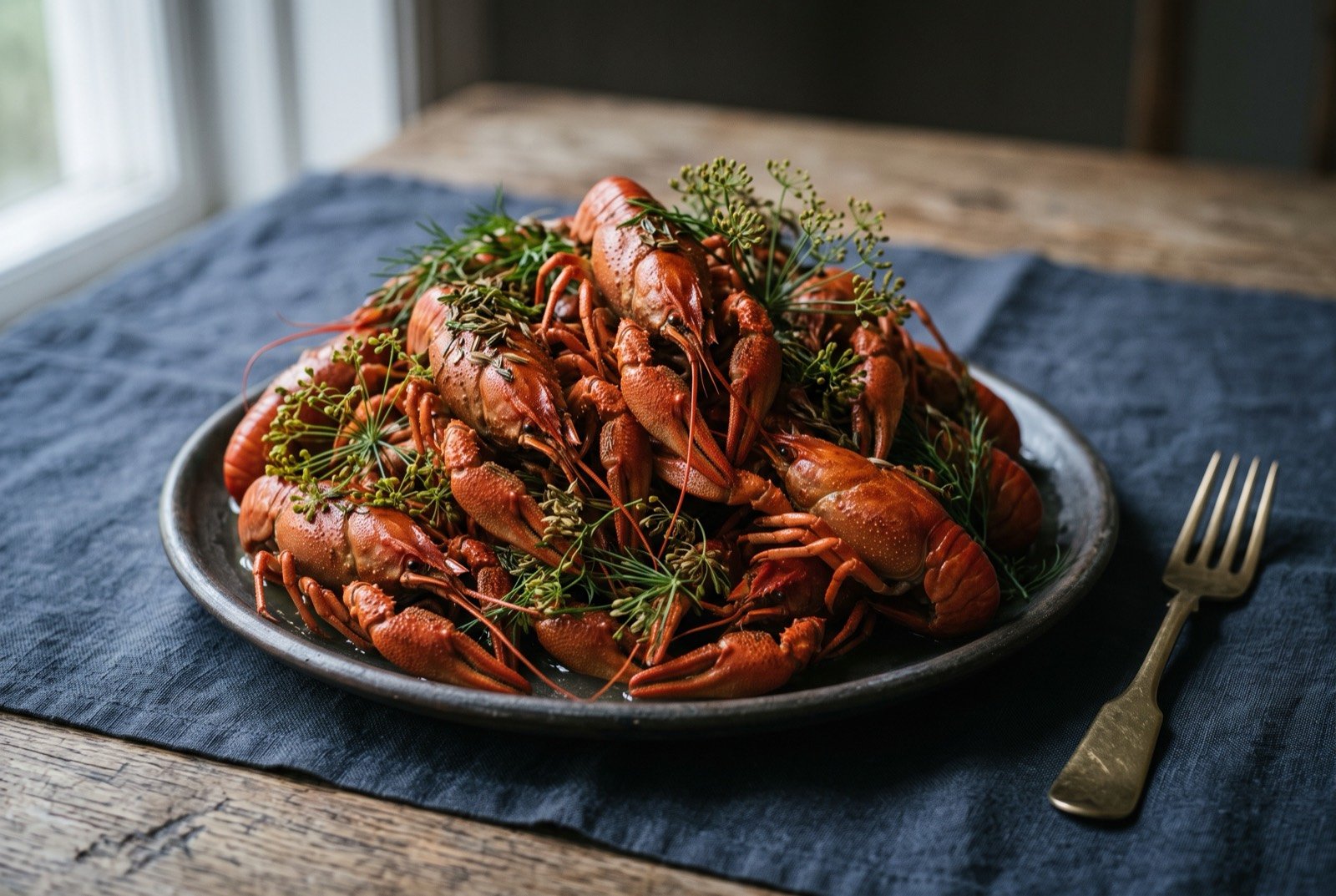 Kräftor i Dill och Öl
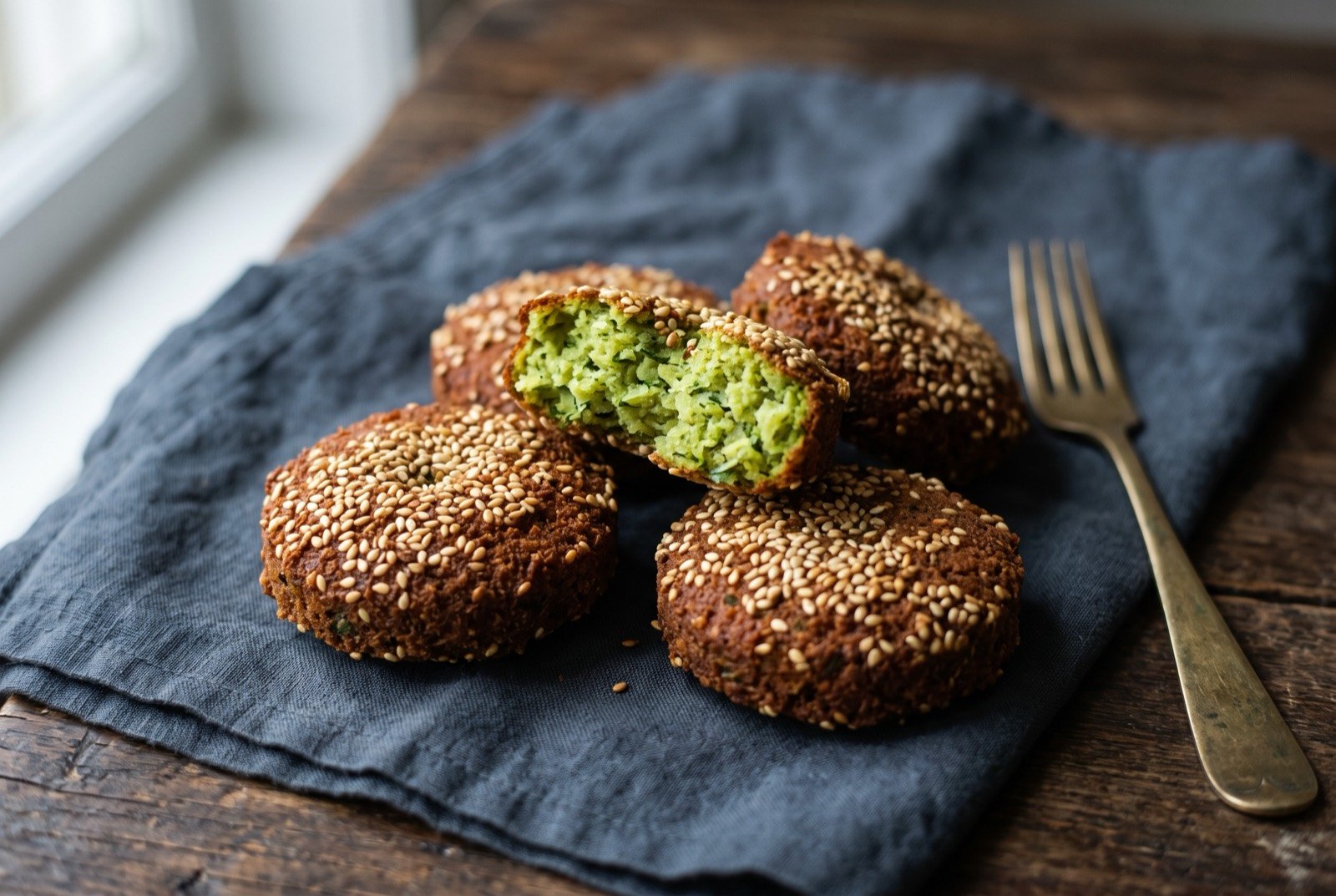 Ta'ameya
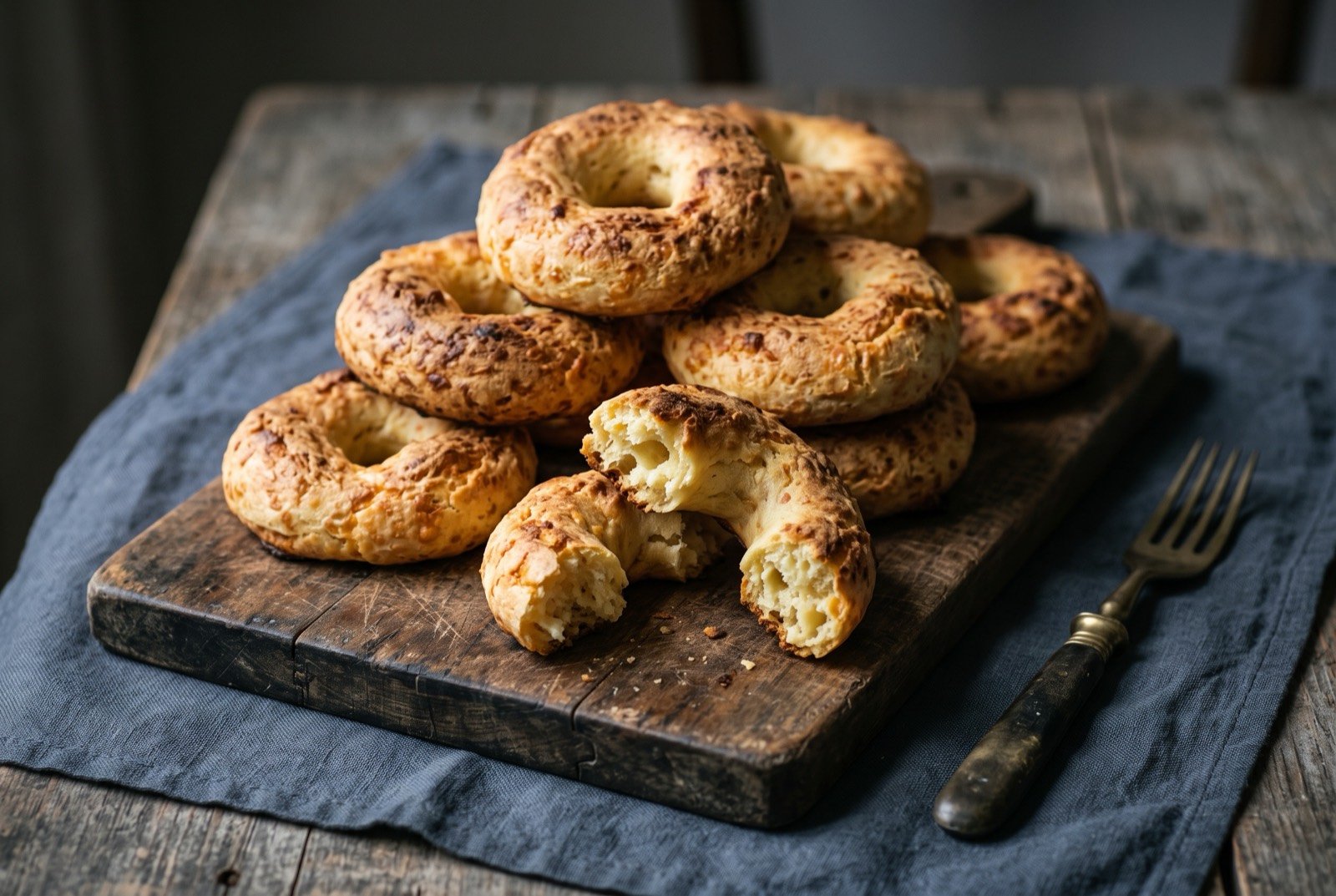 Chipa
Chipa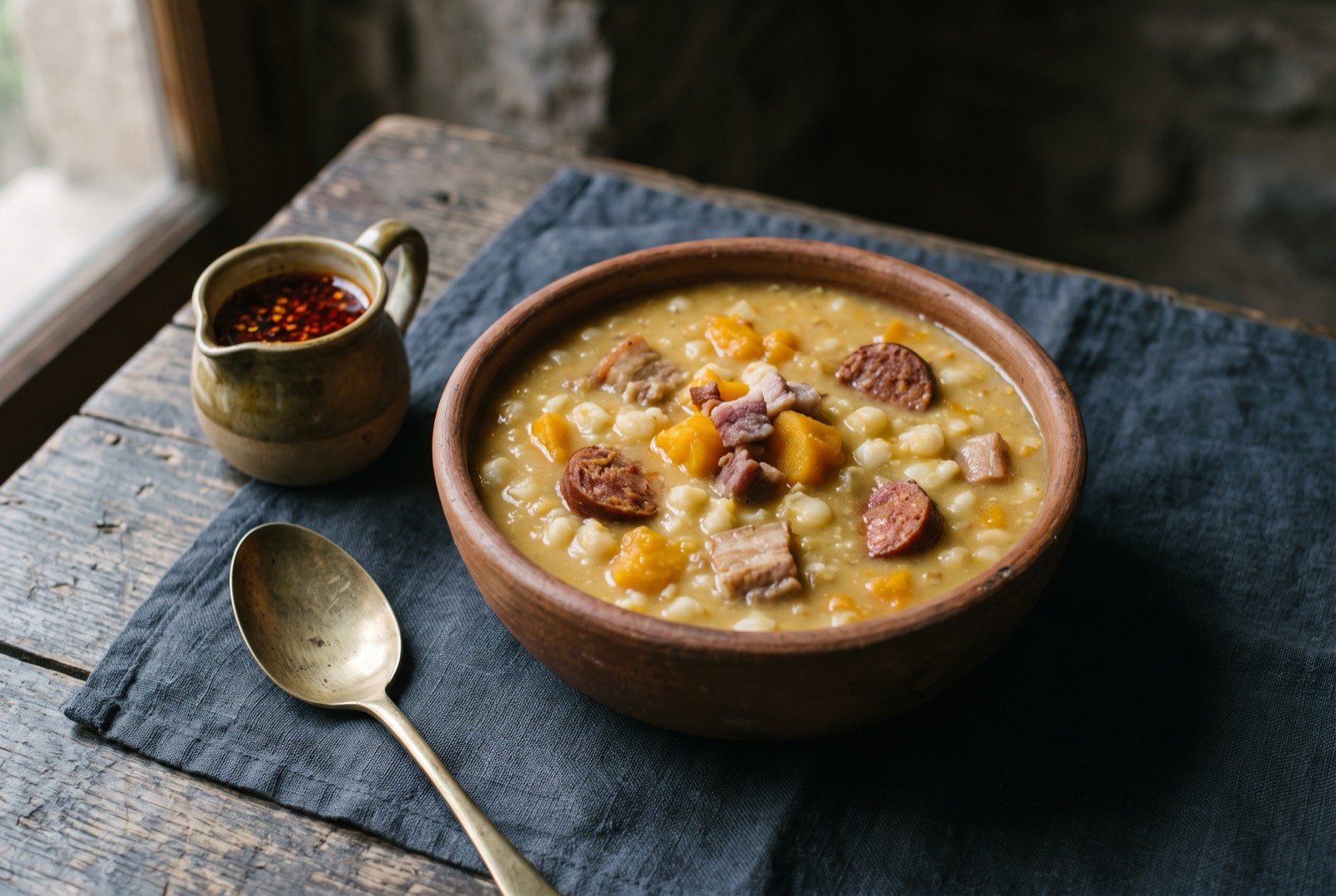 Locro
Locro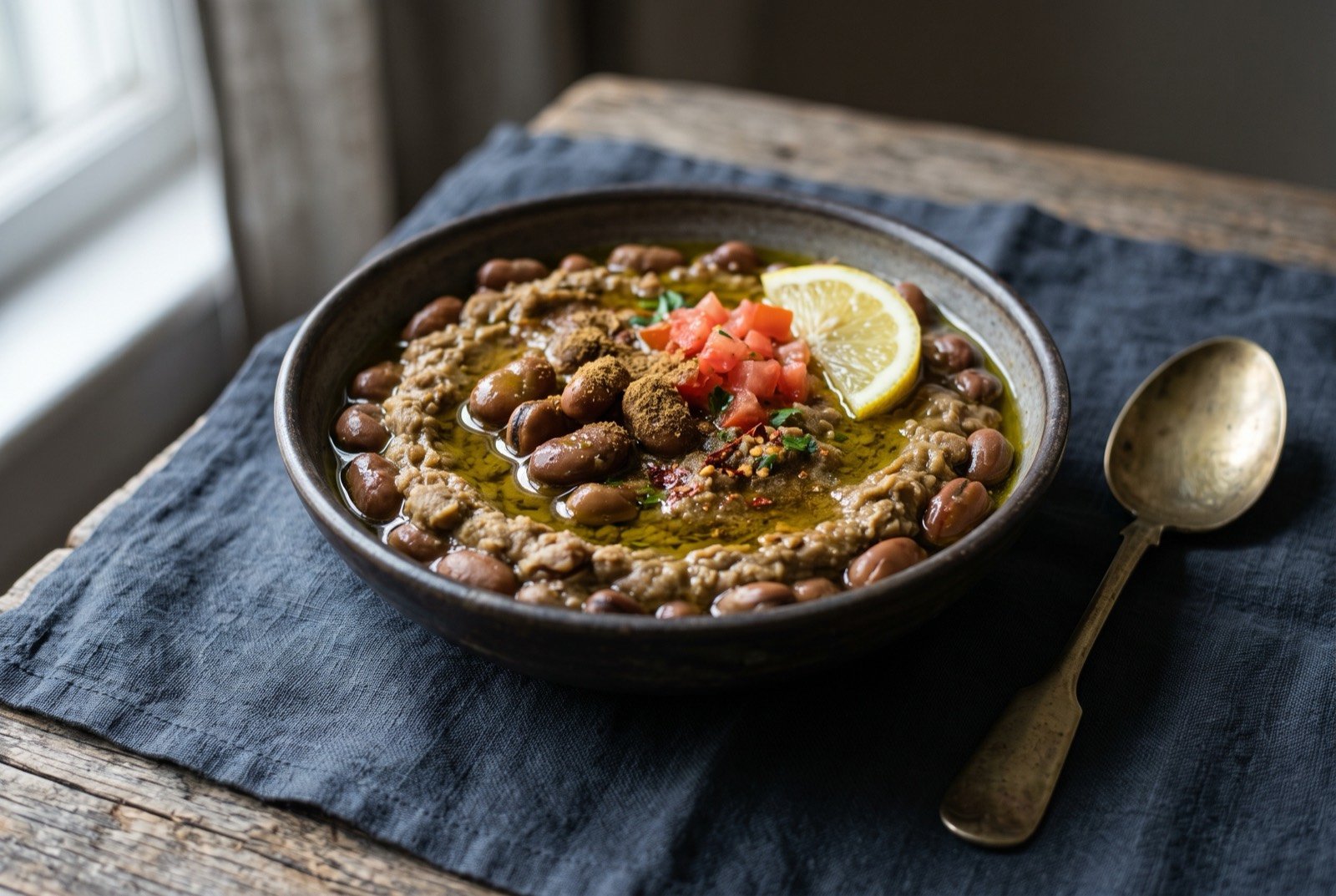 Ful medames
Untimed
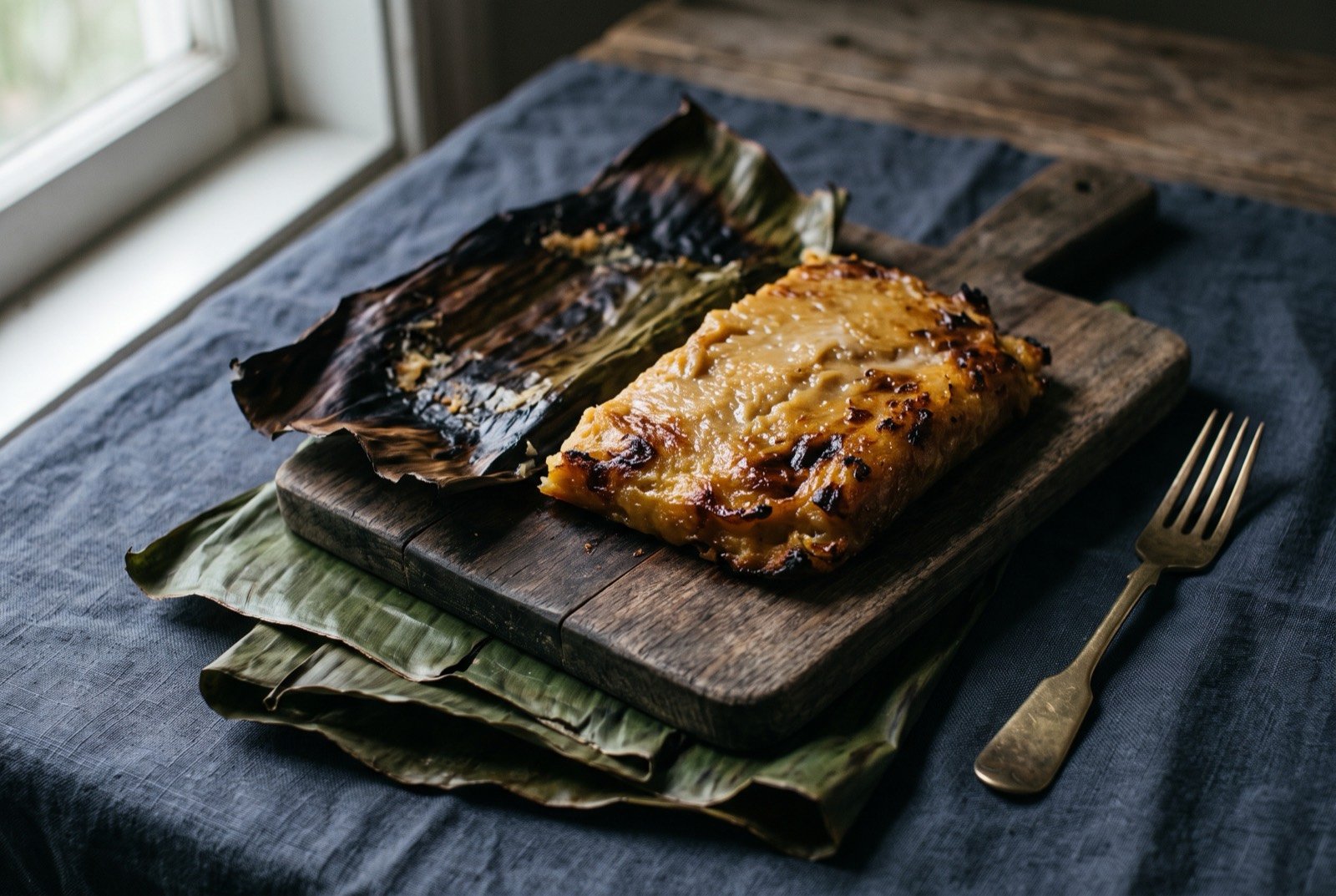 Laplap
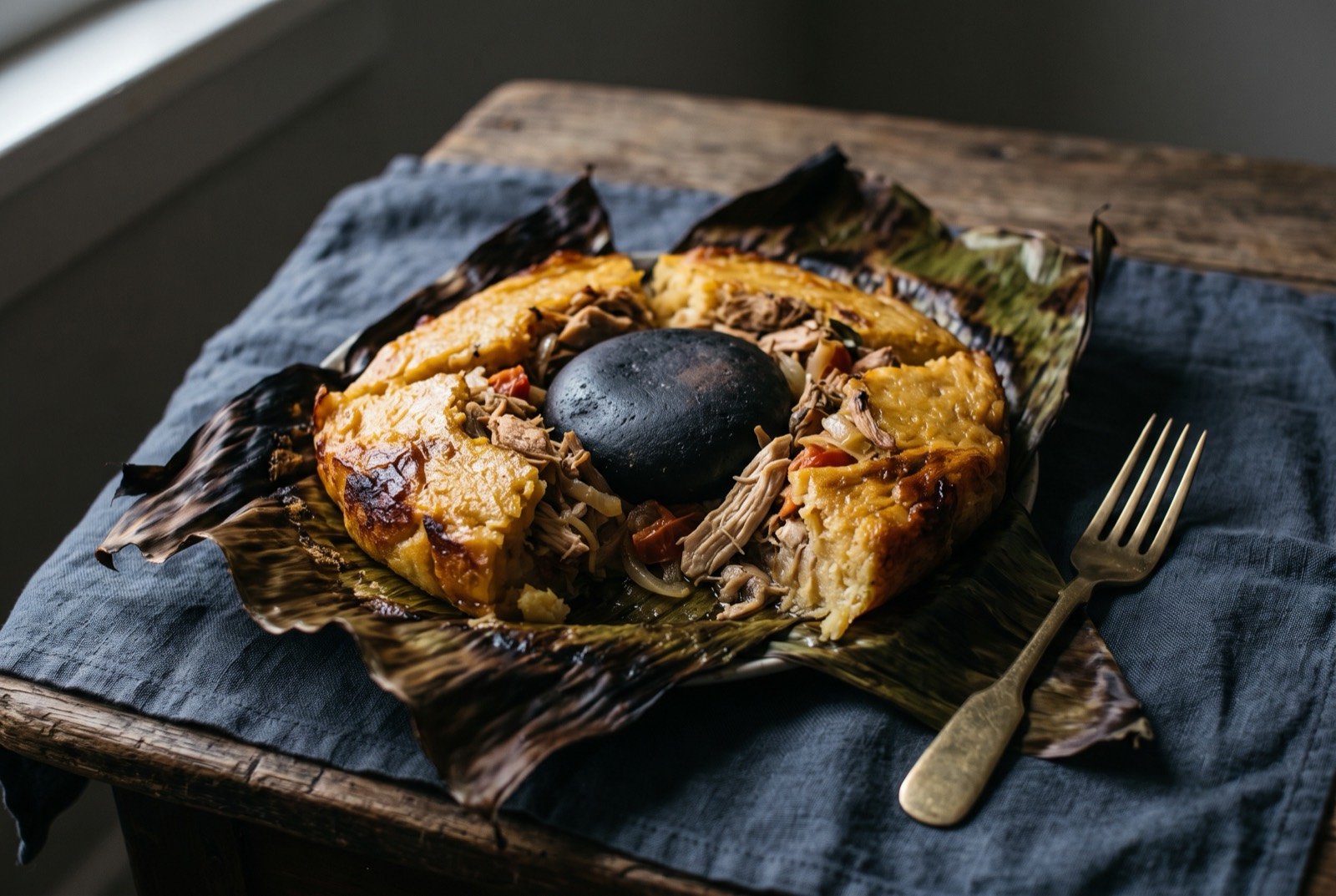 Laplap sosor
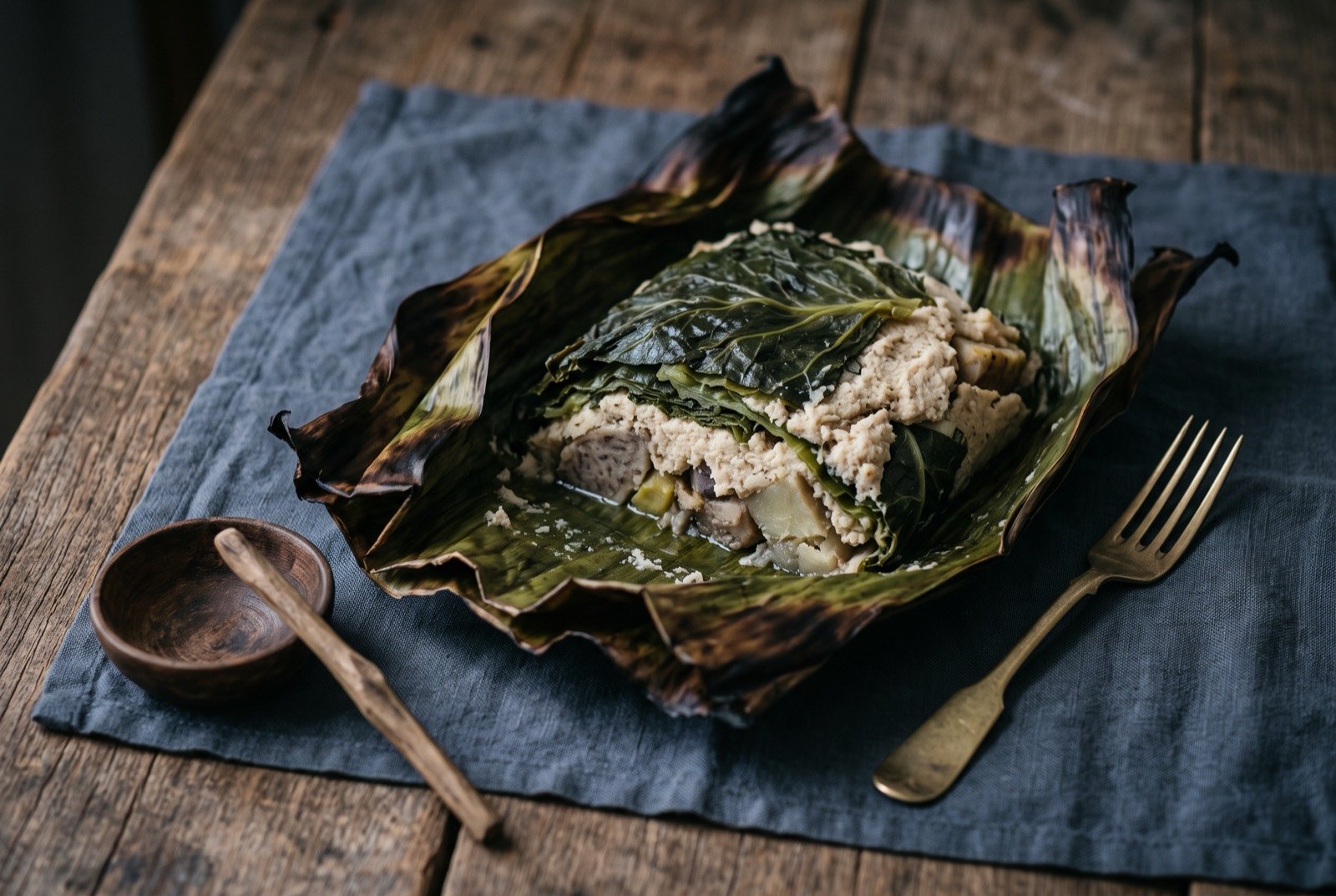 Masimasi
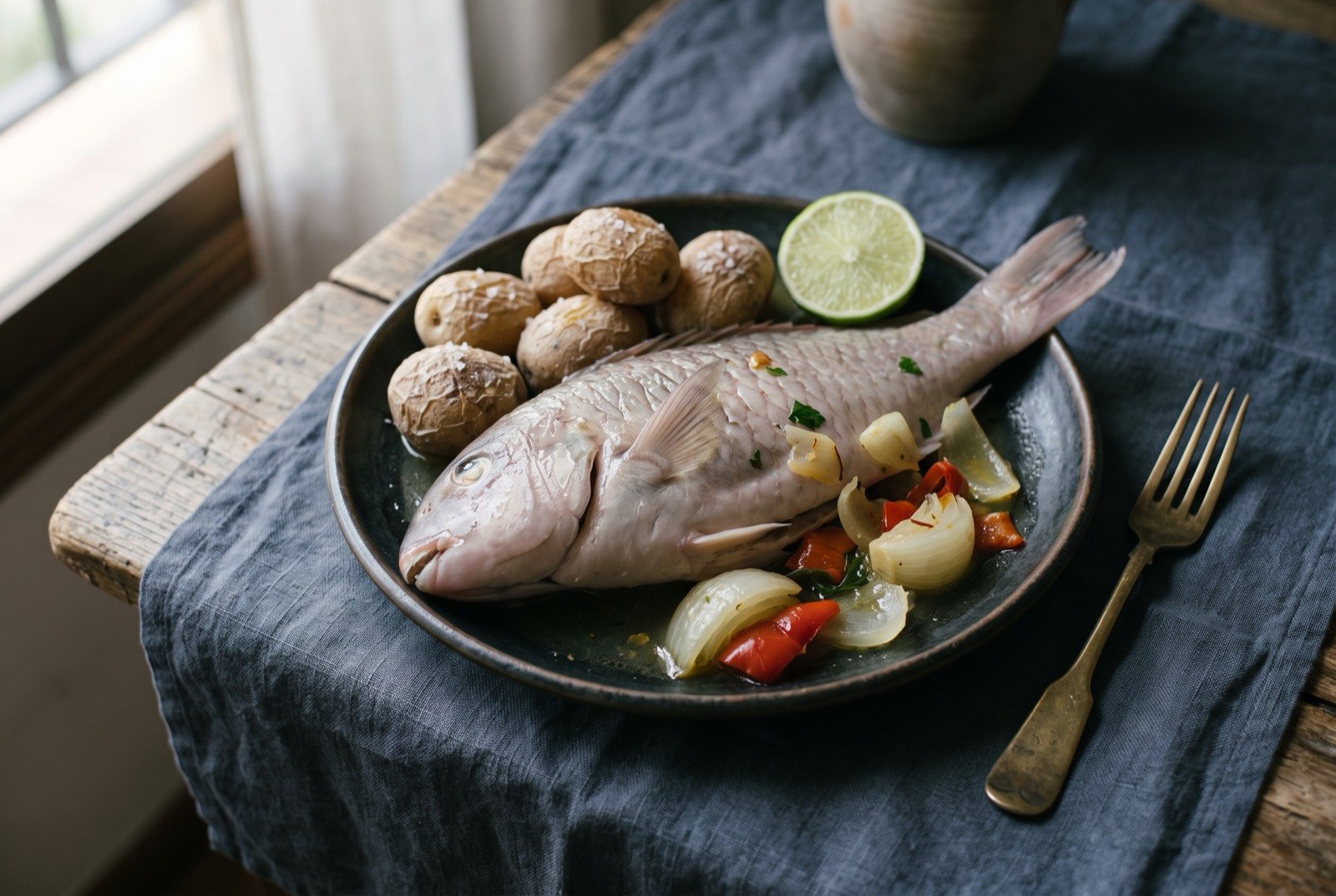 Vieja Sancochada
Africa
Egypt
The two favas are handled in opposite directions
Egypt cooks one species two ways that contradict each other, and both are texture problems rather than flavour problems.
Algeria, Tunisia & Libya
Char hard, then peel completely, then cut with a knife
For slata mechouia and the whole charred-vegetable family: grill the peppers, aubergine, tomatoes and shallots cut-side down over a medium-hot fire until...
Kenya, Tanzania & the Swahili Coast
Radiant, patient live fire
Kenyan nyama choma is not a sear. Whole bone-in cuts of goat sit high above a modest bed of charcoal, well away from flame, and cook for an hour or more...
Angola, Namibia & Botswana
Kapana is cooked on a plate, not a grate, and the fuel underneath it is a different fuel
The plate. A steel plate is welded into a grill stand with a flat top and the wood burns underneath it. Because the surface is solid, rendered fat stays under...
South Africa, Lesotho & Eswatini
Manage the braai as a fire with zones and a wood choice, not as a barbecue
A braai is cooked over coals from wood you burned yourself.
Asia
Georgia
Treat the tone as the model, and the Big Green Egg as its nearest domestic equivalent
The tone, the clay oven that bakes shotis puri and underlies the khachapuri tradition, is a cylindrical vessel fired from below and sealed hot enough that...
Georgia
Bank the coals for mtsvadi
Kakhetian mtsvadi is traditionally grilled over embers from grapevine cuttings or hazel wood, credited specifically with the meat's flavour and tenderness...
Armenia and Azerbaijan
Read the fire, not the clock
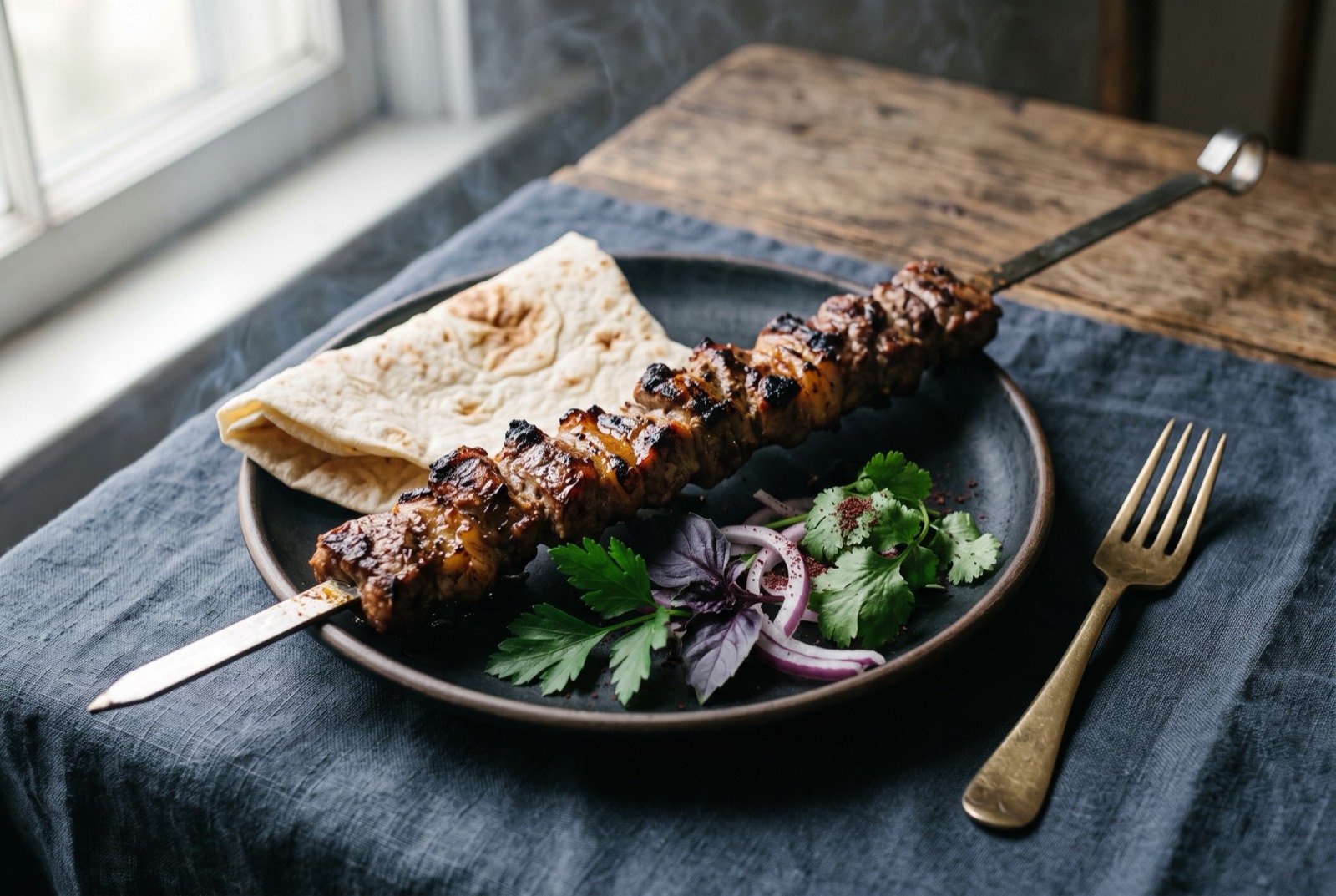
Qefilyan's mangal cooking runs slow, around 40 minutes, turning frequently, seasoning minimally, salt, paprika, black pepper, thyme, with lamb fat threaded...
Armenia and Azerbaijan
Slap the dough against the wall, and keep a piece back
A tonir is heated until its clay walls are themselves very hot; dough, rolled thin, is stretched over a cushioned pad and slapped directly against the hot...
Kazakhstan, Kyrgyzstan & Turkmenistan
Buried radiant baking, real sand oven physics translated
Ishlekli's traditional method, a filled dough parcel buried directly in hot sand and embers, works because sand holds and releases heat slowly and evenly from...
Europe
Northern & Central Italy
Cook over live ember with nothing engineered between the food and the fire
Bistecca alla fiorentina's convention is specific and consistent across trade practice: Chianina beef, T-bone, roughly three centimetres thick, dry-aged around...
Southern Italy, Sicily & Malta
Live ember and constant rotation as the primary cooking technology
Porceddu, Sardinia's most representative festive dish, is traditionally spit-roasted, a whole suckling pig skewered on a long wooden spit over aromatic embers...
Greece & Cyprus
Bank the coals, don't spread them
Traditional charcoal technique, per Greek grilling press: bank the coals into a mound rather than an even spread, which creates a small, intensely hot zone at...
The Basque Country, Cantabria & Asturias
Treat live-ember heat as a seasoning, not a cooking method
Arginzoniz's own account of ember grilling holds that different woods, and different distances from the coal, are chosen for the specific, subtle aroma they...
Alsace, Lorraine and the Nord
Find real heat, not a compromise
Tarte flambée's dough, flour, water, salt and oil, no yeast, no proving time, is stretched thin by hand and baked in a wood-fired oven at 280 to 300°C for two...
The Low Countries
Give it seconds of fire, not minutes
Nick Bril's own stated technique at The Jane in Antwerp, cooking a nearly finished component for a few direct seconds over an open flame rather than through...
Sweden, Finland & Sápmi
Give it seconds of fire, not minutes
Ekstedt's restaurant runs on no gas or electricity at all, and its most transferable single lesson is restraint: a hot, direct flame applied for seconds rather...
Catalonia, Valencia, Murcia & the Balearics
Escalivar is ember contact, not oven roasting
Escalivar, from the Catalan "caliu," embers, is direct-fire cooking of whole vegetables, aubergine, red pepper, onion, sometimes tomato, until the skin...
The Canary Islands
Cook over real, direct ember heat where the dish asks for it
Lanzarote's Restaurante El Diablo, built over a natural volcanic vent reaching several hundred degrees from geothermal heat alone, is not a home technique and...
Portugal
Fire without flame
Sardinhas assadas depend on a specific discipline: good quality charcoal built into a pyramid, lit and left roughly thirty minutes until the ash has gone fully...
The Western Balkans
The coals do the work, not the meat
The Leskovac grilling tradition states its own principle more bluntly than this chapter could improve on: "Roštilj nije meso, roštilj je žar," grilling isn't...
The Western Balkans
Roast, peel, and reduce slowly, and trust the two hours
Ajvar's whole character comes from a single, unhurried process: peppers roasted directly over open flame until the skin blackens and the flesh softens near the...
The Western Balkans
Seal the dome, and stop opening it
The sač, a domed metal or earthenware lid holding embers over a pan of food beneath it, depends on staying sealed.
The Adriatic and Albania
Bake without an oven, under embers or a domed lid
Soparnik is baked directly under hot embers and ash on an open hearth, a pre-domestic-oven technique specified in its own EU protection document as part of...
England, the South and the West Country
Give it seconds of direct fire, not minutes through it
Borrowed by direct analogy from the wood-fired grills now driving some of London's most current cooking, BRAT's whole turbot over open flame, Ekstedt's entire...
The New British Table
Tandoor heat without a tandoor
A Big Green Egg run hot and direct, fitted with a raised grid or a pizza stone to concentrate radiant heat from above and below at once, is a genuinely...
The Americas
Argentina & Uruguay
Build and hold a genuine ember bed, metered by proximity and time, not a live flame
The single most consistently cited technical discipline behind a serious Argentine or Uruguayan asado is patience before the meat ever goes near the fire.
Argentina & Uruguay
Match fire duration to the cut's own structure, not a single default sear
Argentine parrilla practice does not treat every cut the same way, and conflating them is the second most common technical failure after impatience.
Chile
Curanto en hoyo, the earth pit
A mass of pre-heated stones acts as a thermal battery; a leaf layer, traditionally nalca, prevents the food from scorching directly on the stones while...
Paraguay
Cure a tatakua's thermal mass properly, and treat a Big Green Egg the same way
The single most rigorously documented mechanism in this whole chapter.
Paraguay
Cook meat the way the fire was built before the parrilla existed
Modern Paraguayan asado runs on the standing metal parrilla, but its indigenous ancestor is mbichy, also called asado a la estaca: meat skewered upright around...
Oceania and the Pacific
Papua New Guinea
Seal the heat in, and let steam do the cooking
Mumu works because a pit sealed under banana leaf and earth traps the steam and residual heat of white-hot river stones long enough to cook meat and root...
Solomon Islands, Vanuatu & New Caledonia
The earth oven as engineered thermal mass, not a hole in the ground
The Solomon Islands' motu, also written mumu, Vanuatu's earth oven, and New Caledonia's four kanak are, on the evidence gathered here, one continuous Pacific...
Solomon Islands, Vanuatu & New Caledonia
Internal radiant heat, a hot stone inside the parcel itself
The single most distinctive and least documented professionally, but best ethnographically observed, technique this whole research pass turned up.
Fiji
Build heat mass first, then trap steam under earth and leaf
The lovo works on three mechanisms operating together, not one: radiant and conductive heat from stones heated for hours over an open fire; steam, generated as...
Samoa, Tonga & Niue
The above-ground umu, not a pit
The Samoan and Tongan umu is built above ground from volcanic stones, distinct in construction from the below-ground Māori hāngī, the Fijian lovo, or the...
Tahiti, the Society Islands & the Cook Islands
The earth oven as engineered thermal mass, timed to the dish it serves
Ahimaʻa in Tahiti and umukai in the Cook Islands are the same underlying technology this atlas has already documented in OC-05 and OC-06: a pit lined with wood...
Rapa Nui
Umu pae, the layered earth oven
A stone-lined pit, a base stone surrounded by five or six half-buried retaining stones and an outer protective ring, fired with wood, loaded in a fixed...
Rapa Nui
Tunu ahi, hot-stone radiant grilling
Volcanic stones heated in an open fire until red hot, then food laid directly on the stones and cooked as they gradually cool, a genuinely different heat curve...
Rapa Nui
Singe, then slow-cook
Eel, koreha, singed over open fire to char and tighten the skin before finishing in the umu, a two-stage technique that layers a smoked, charred exterior onto...