Home · Technique ladder · Curing and Salting
Curing and Salting
Salt-curing, acid-curing, dry-curing, brining
32 rungs across 29 volumes
Dishes
Weeknight
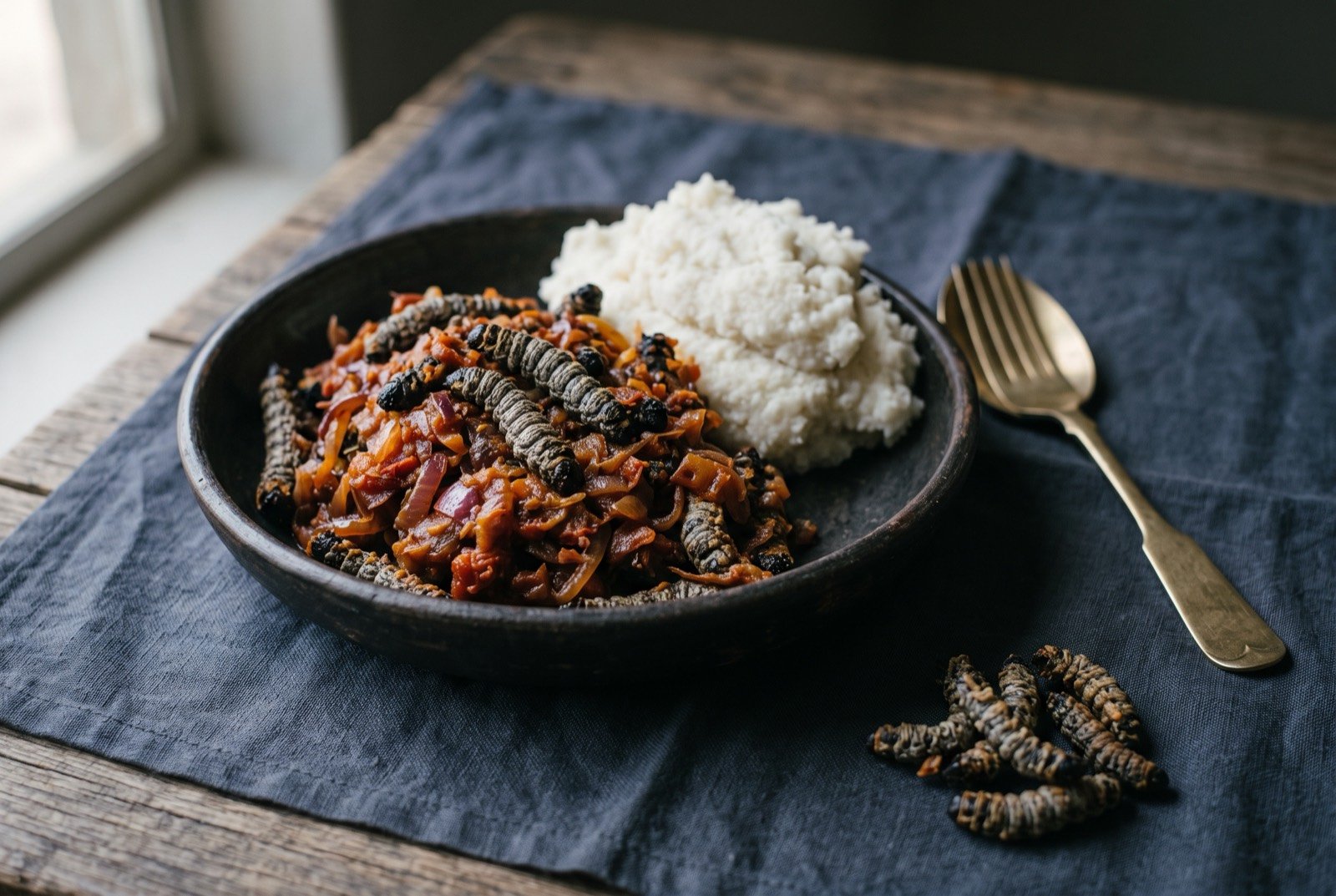 Phane
Phane Ifisashi
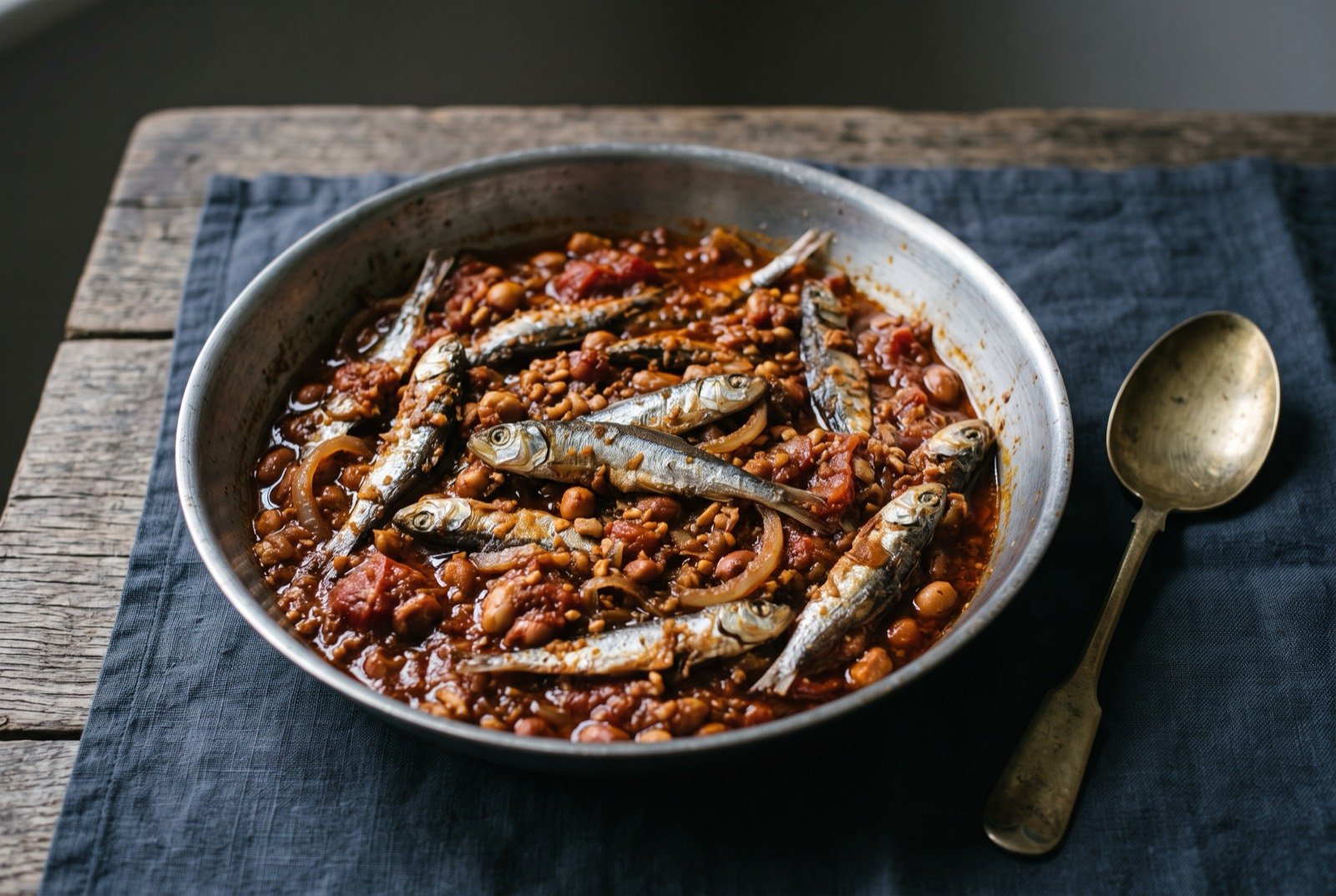 Kapenta with tomato and groundnut
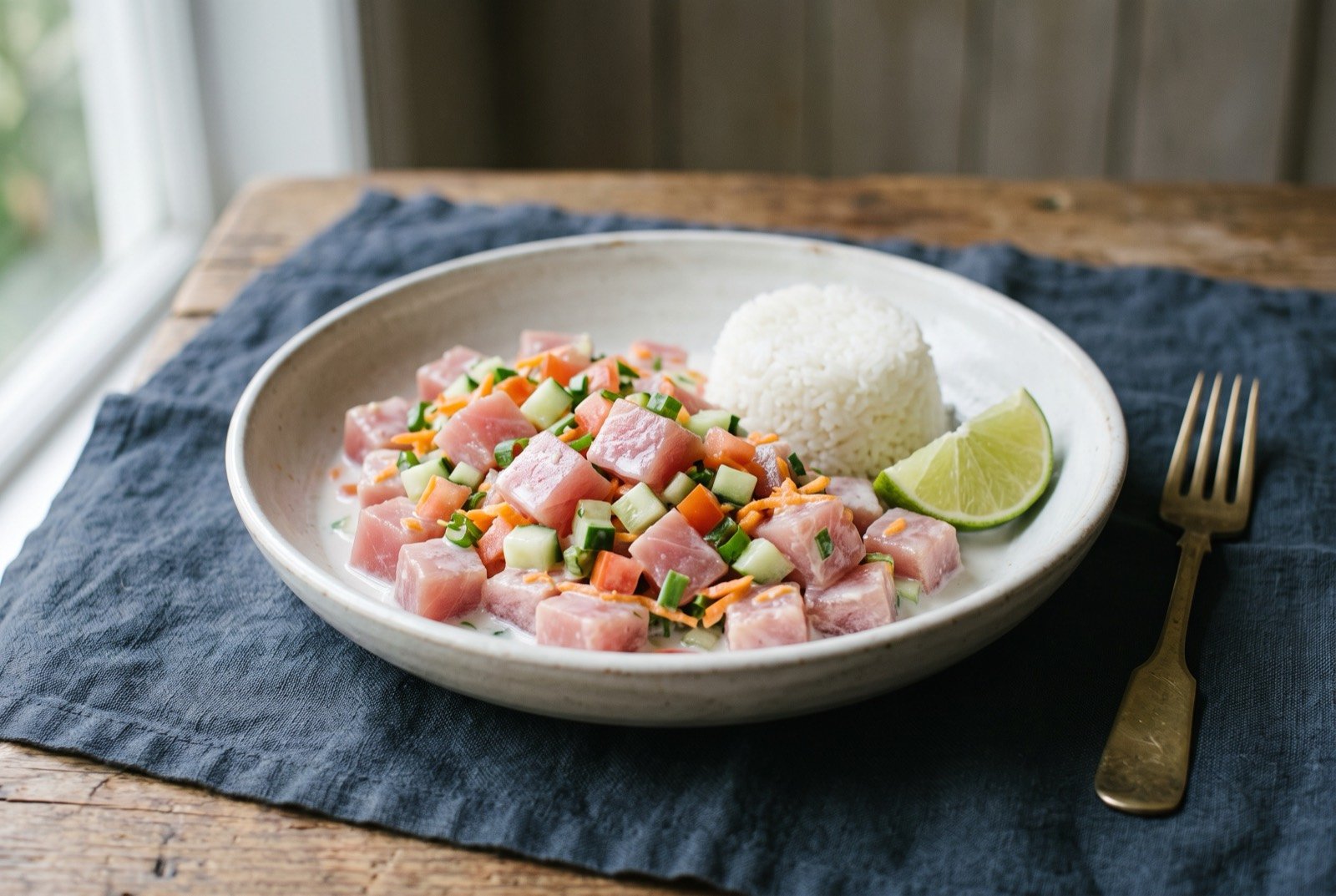 Poisson cru
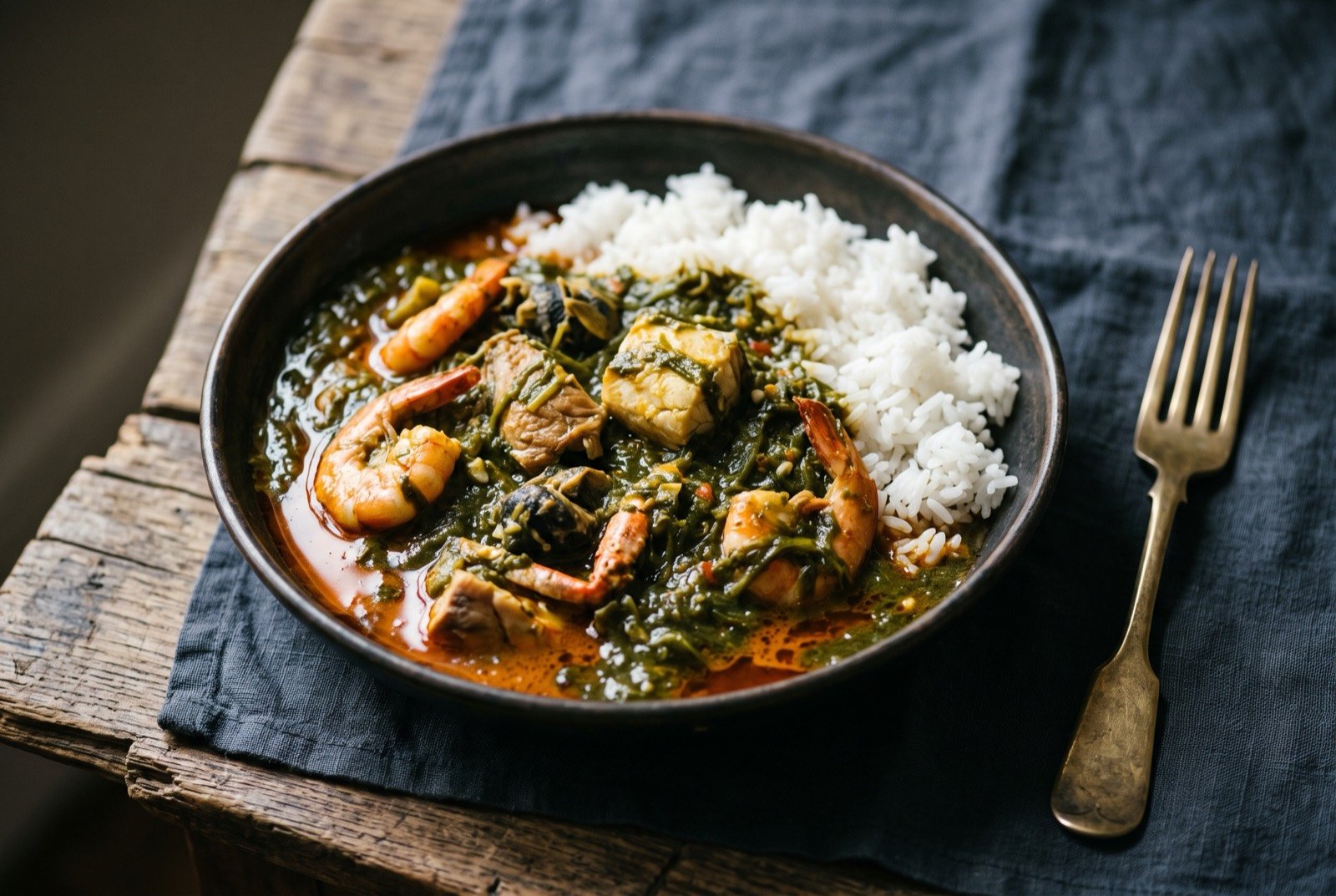 Soupou kandja
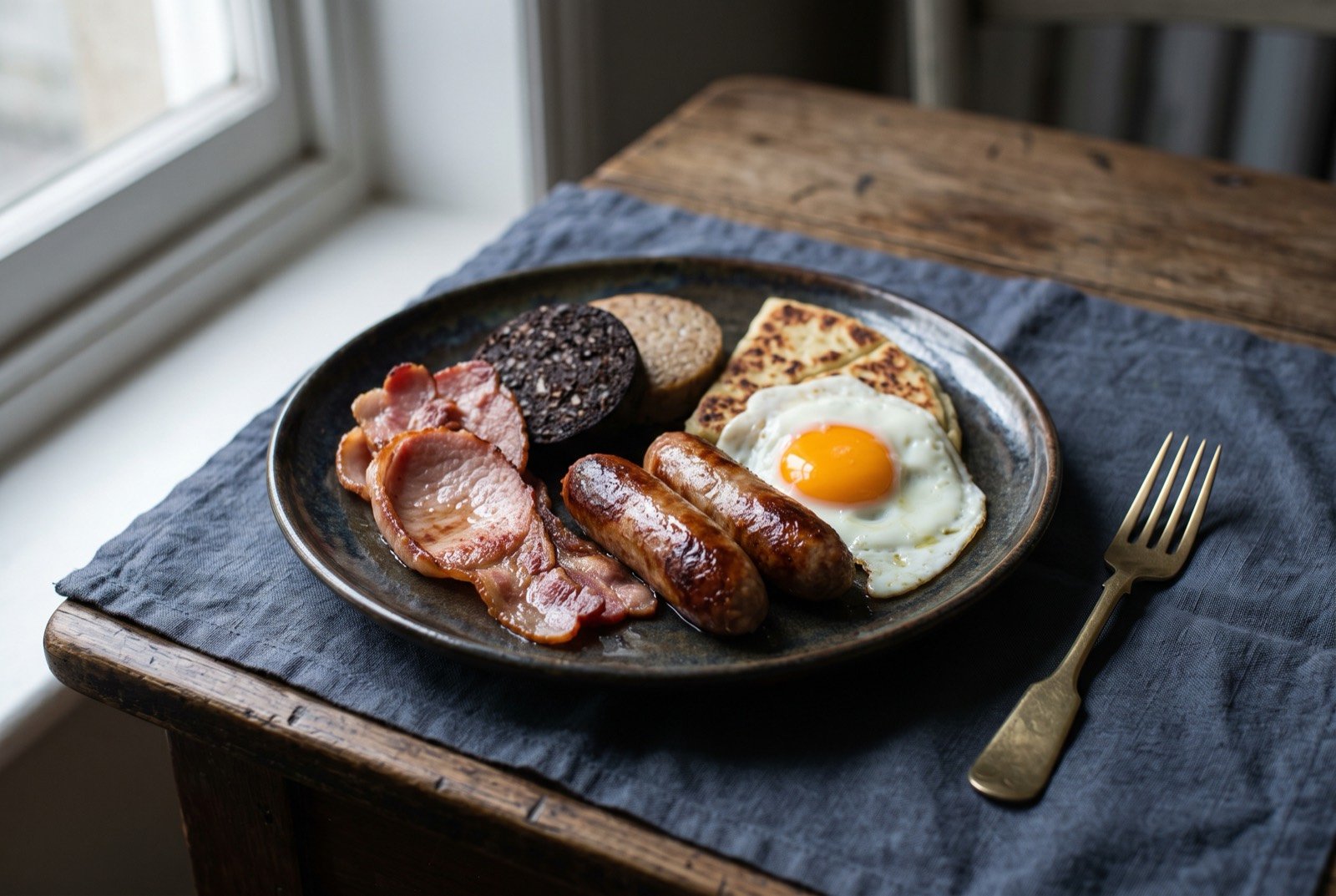 Ulster Fry
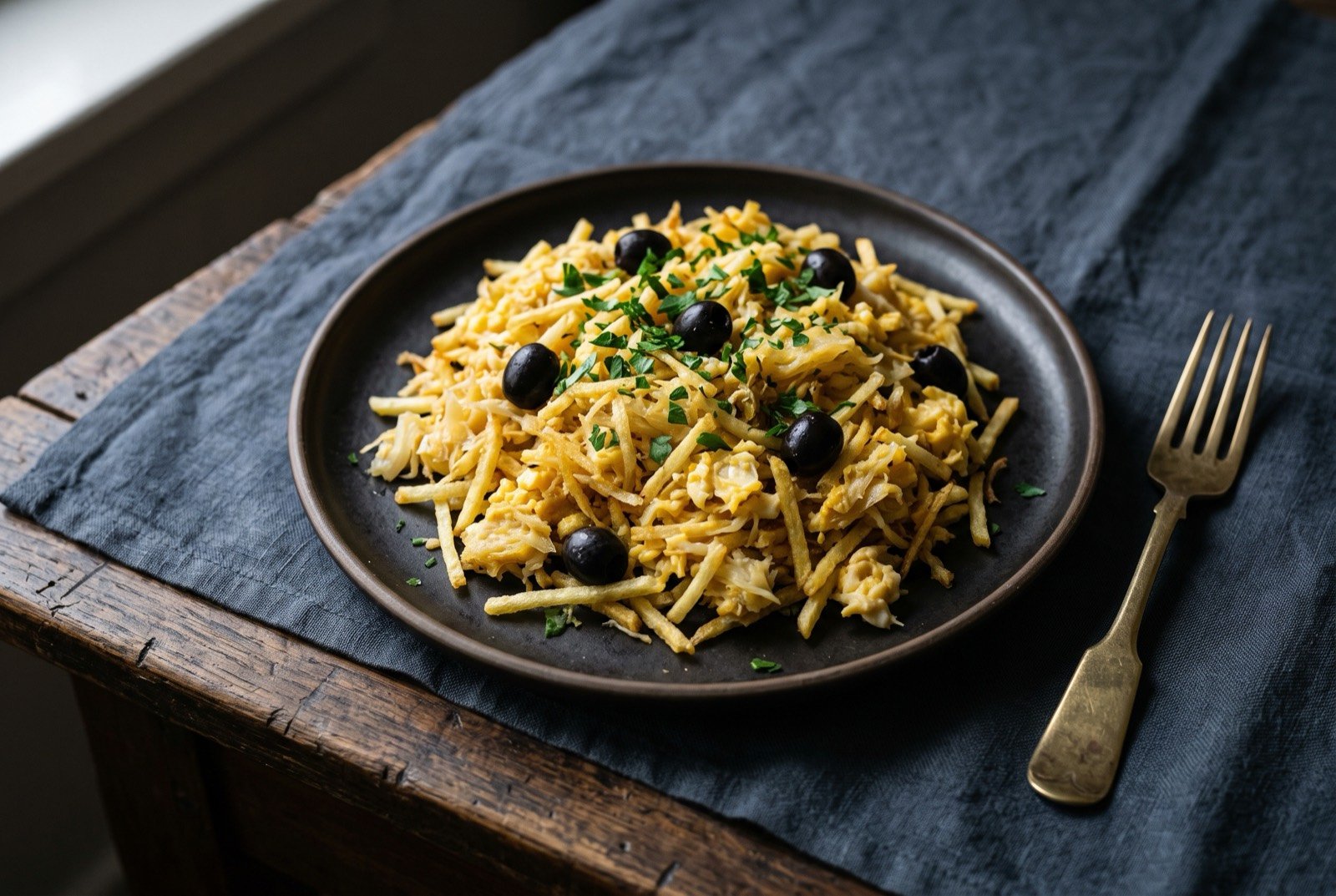 Bacalhau à Brás
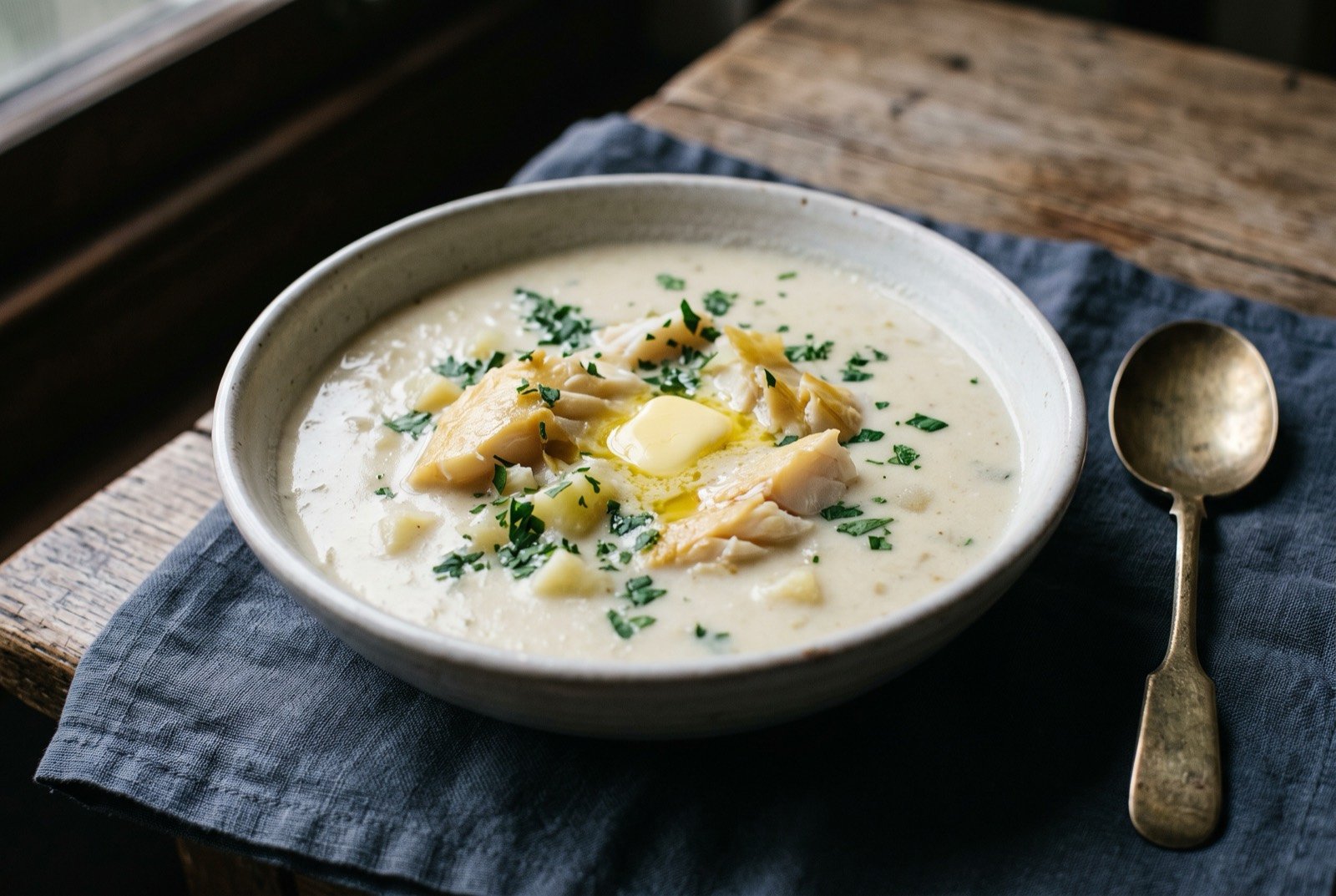 Cullen Skink
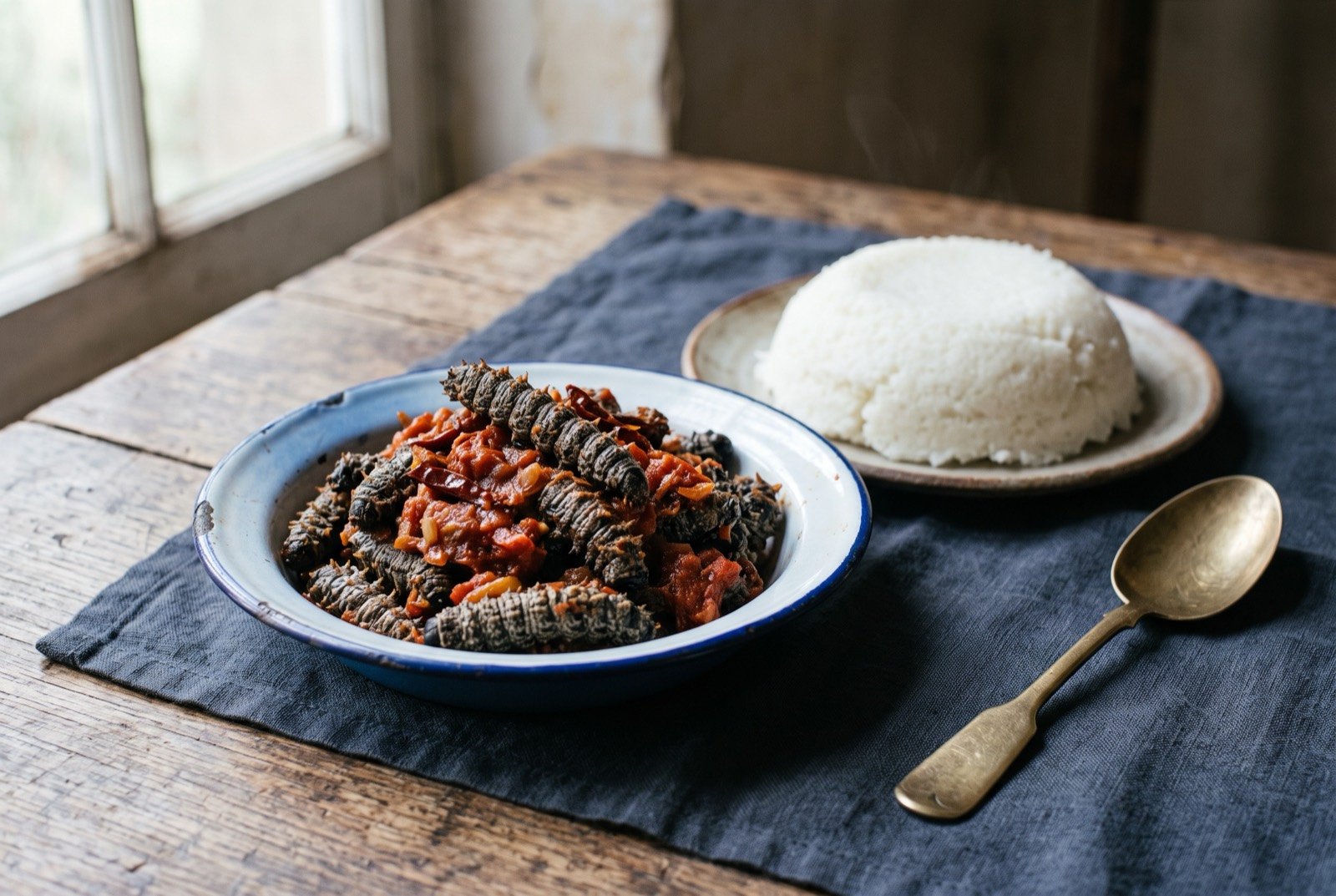 Madora and amacimbi
Weekend
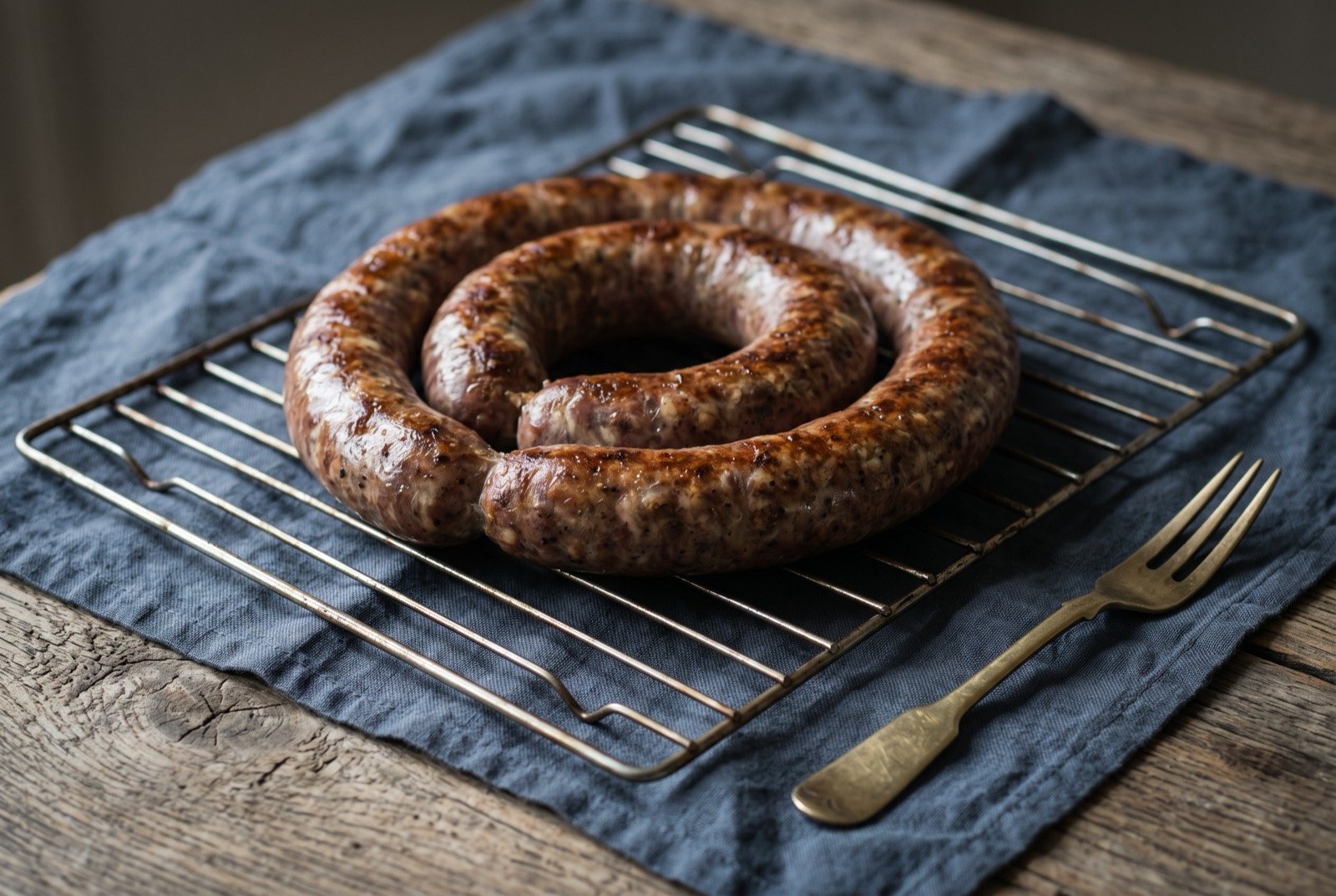 Boerewors
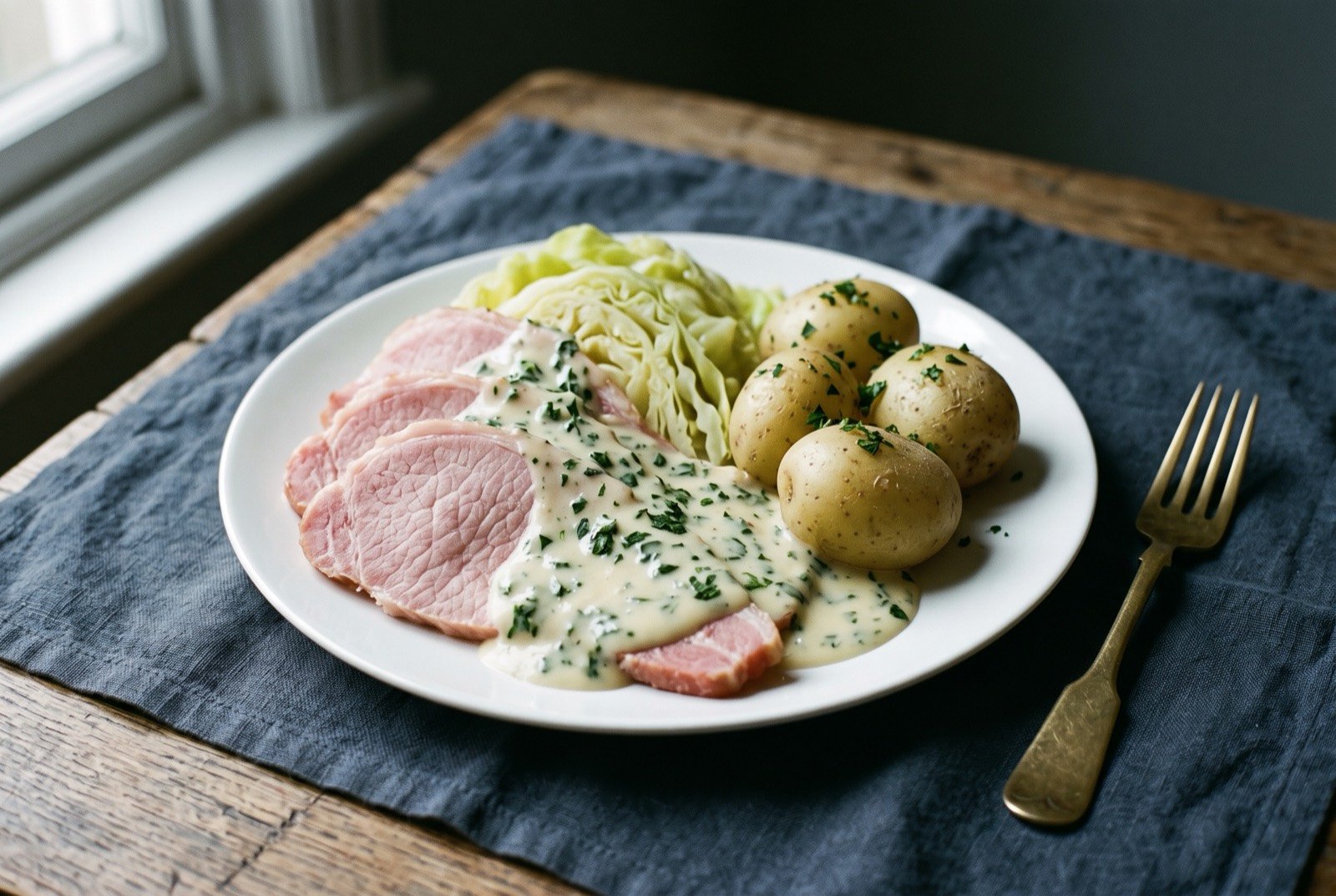 Bacon and Cabbage
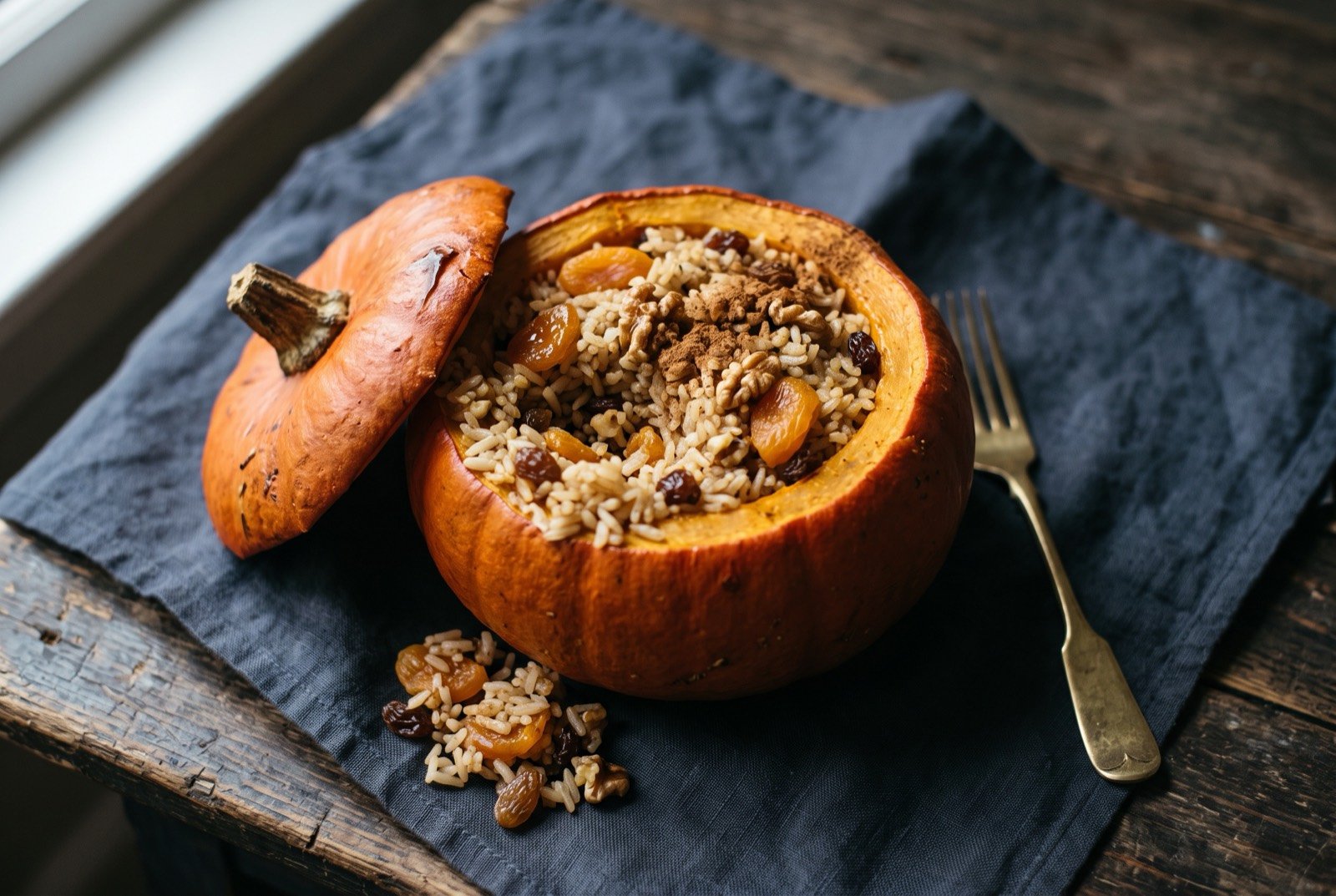 Ghapama
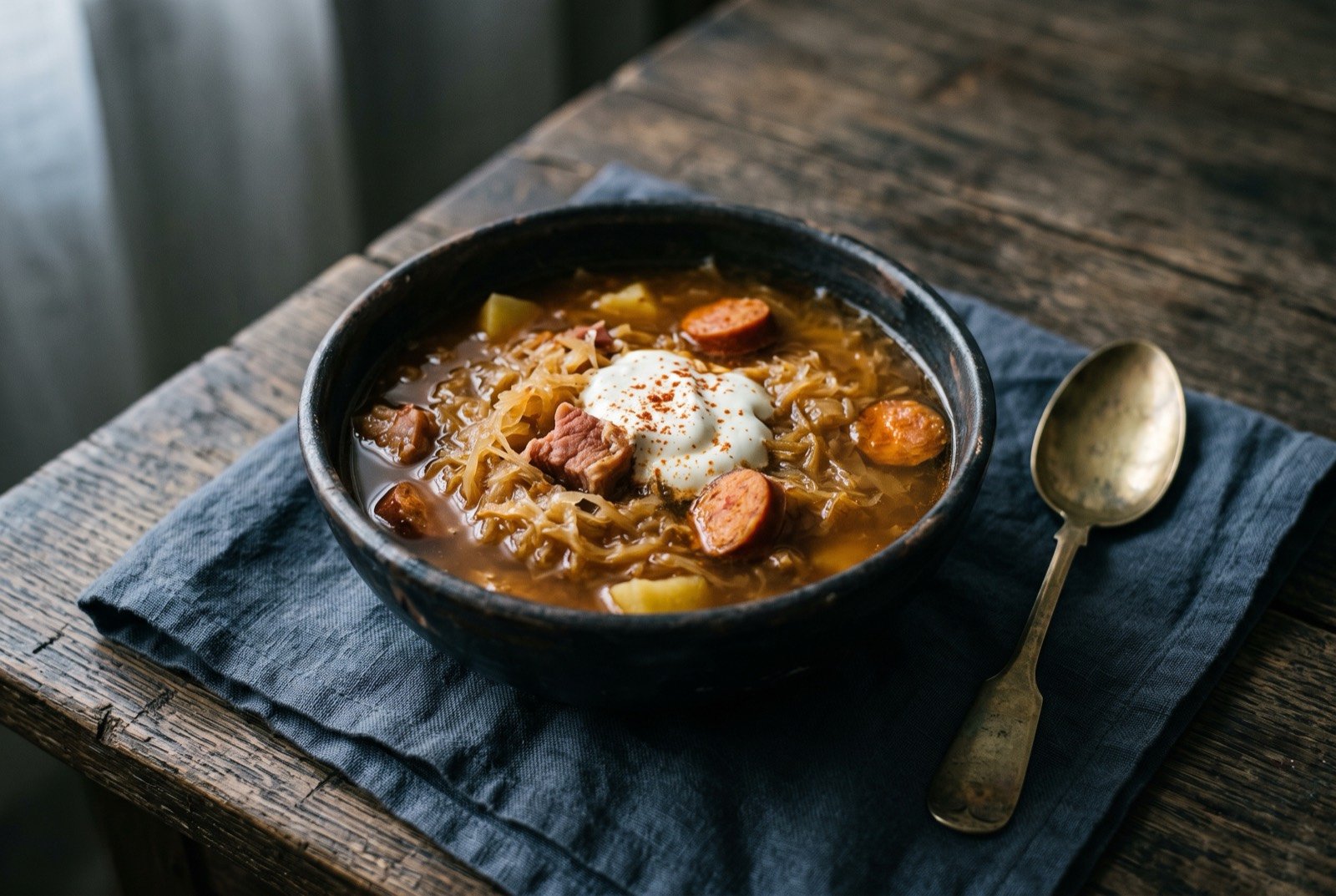 Kapustnica
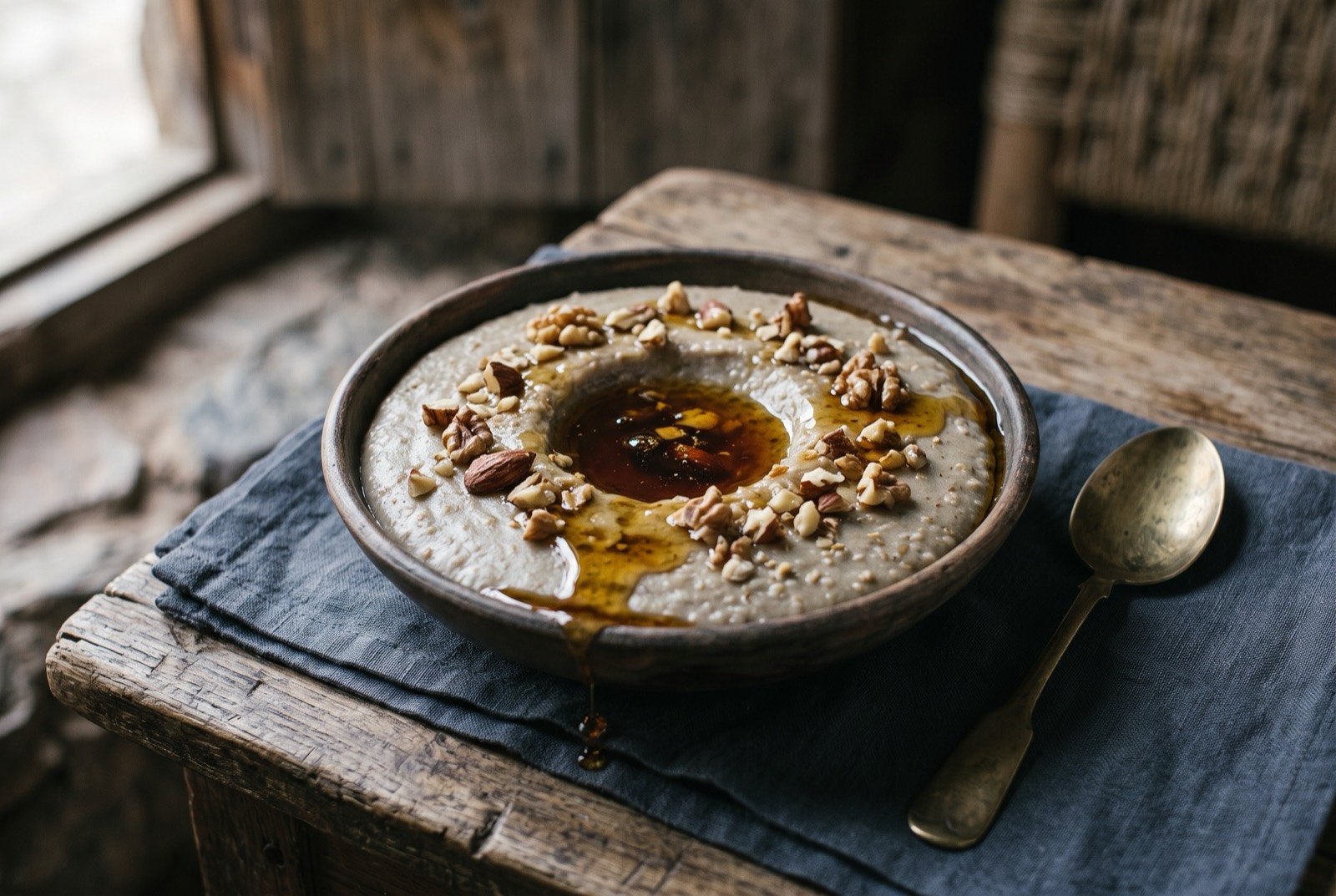 Tagoula
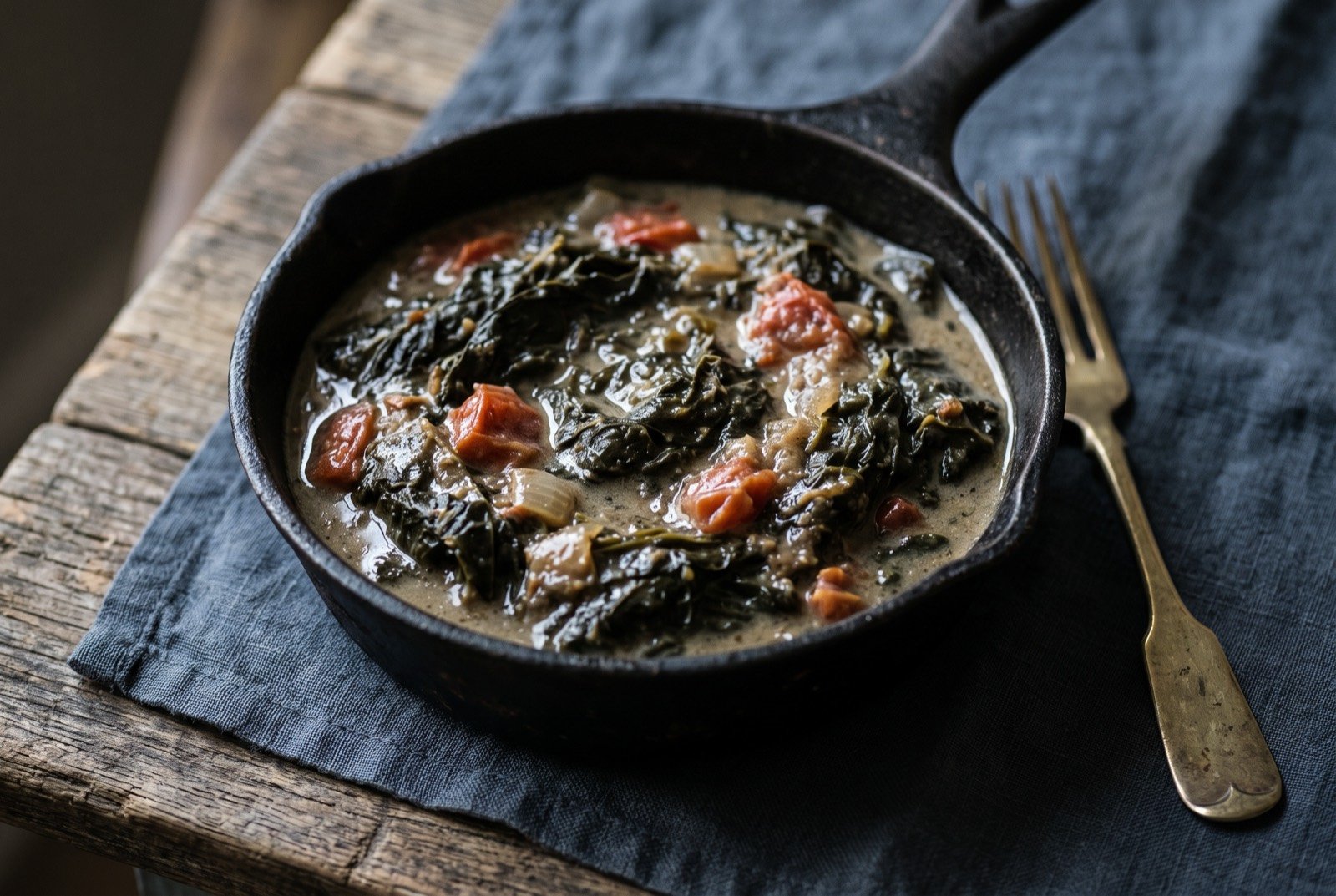 Chibwabwa
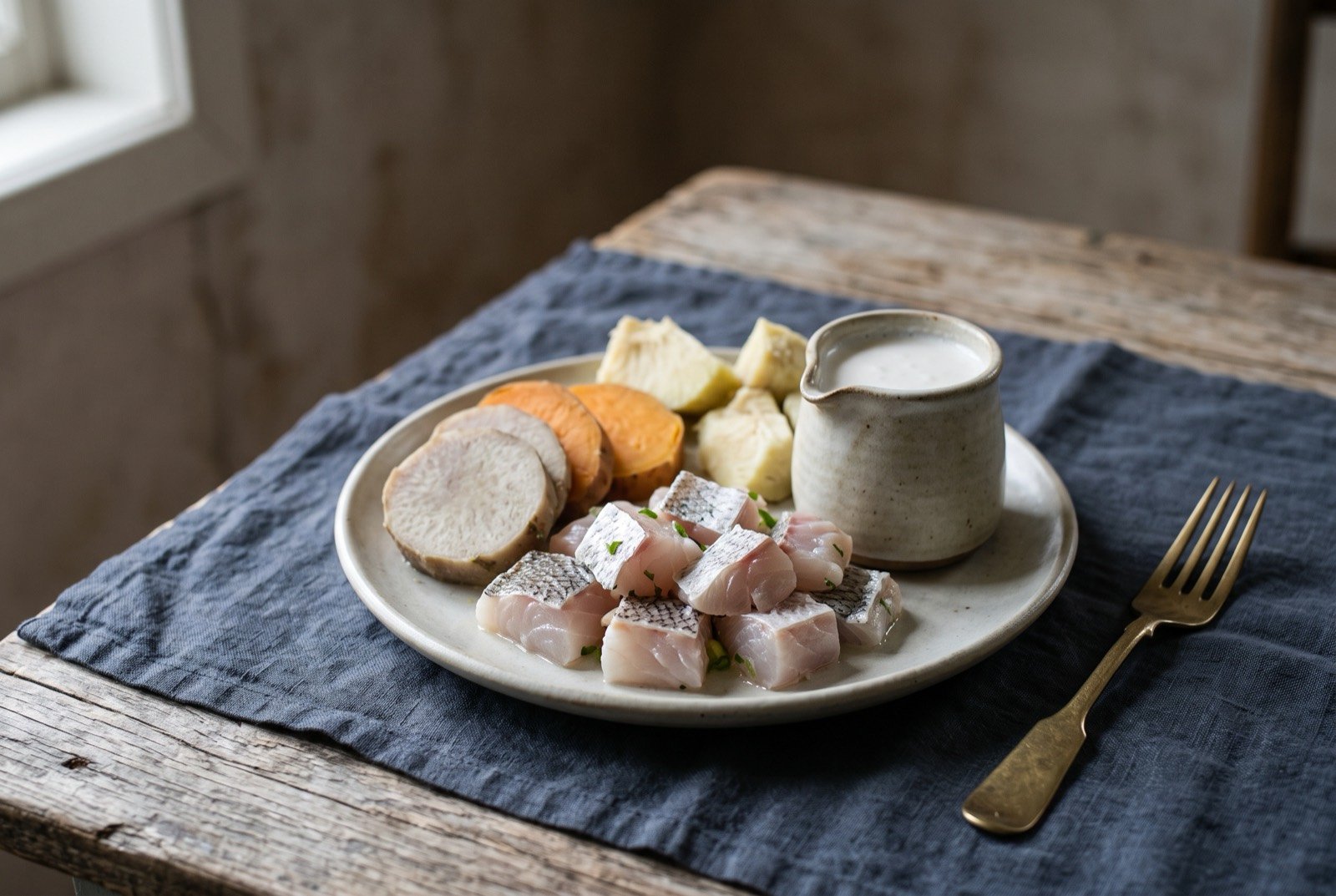 Ika mata
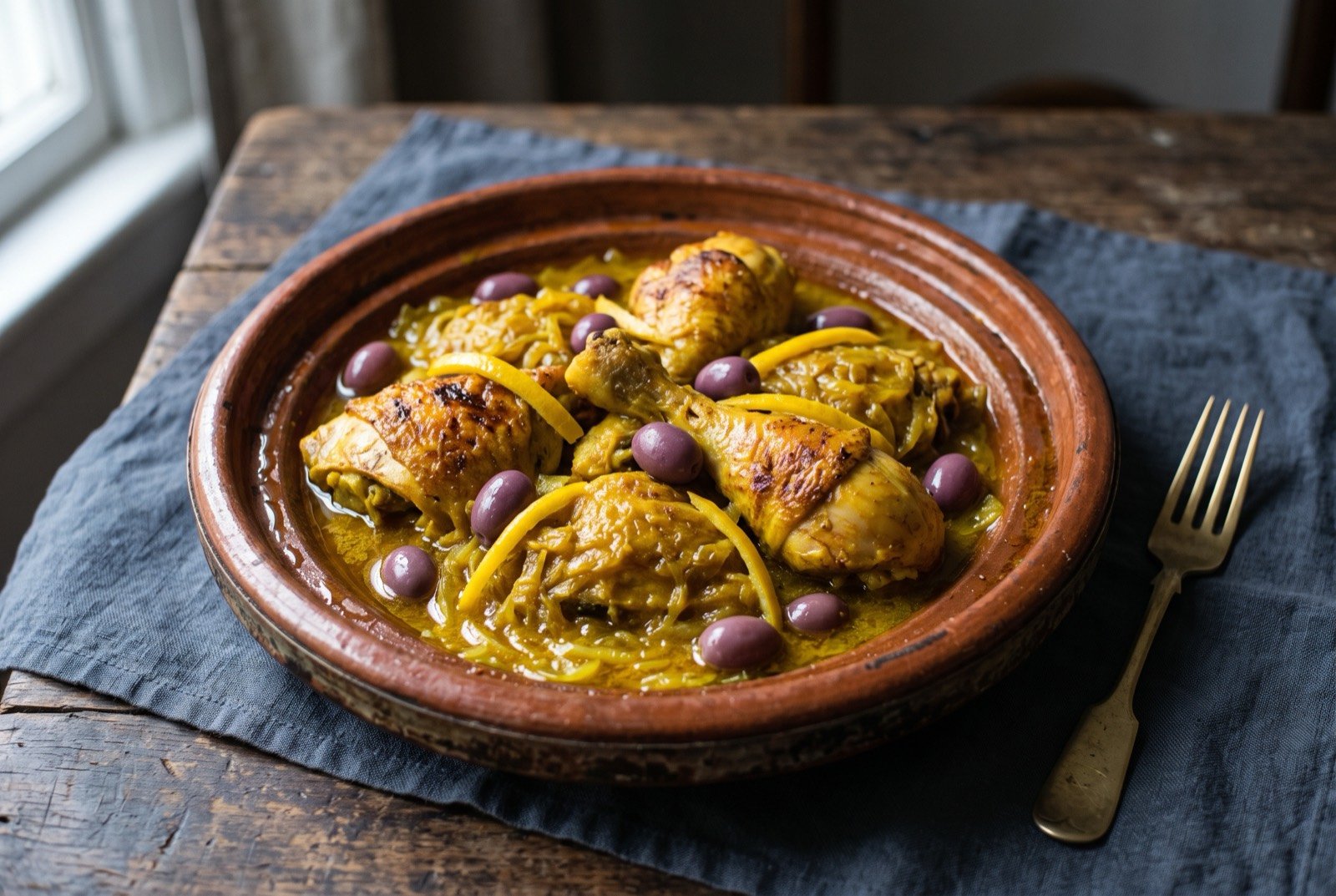 Djaj mqualli
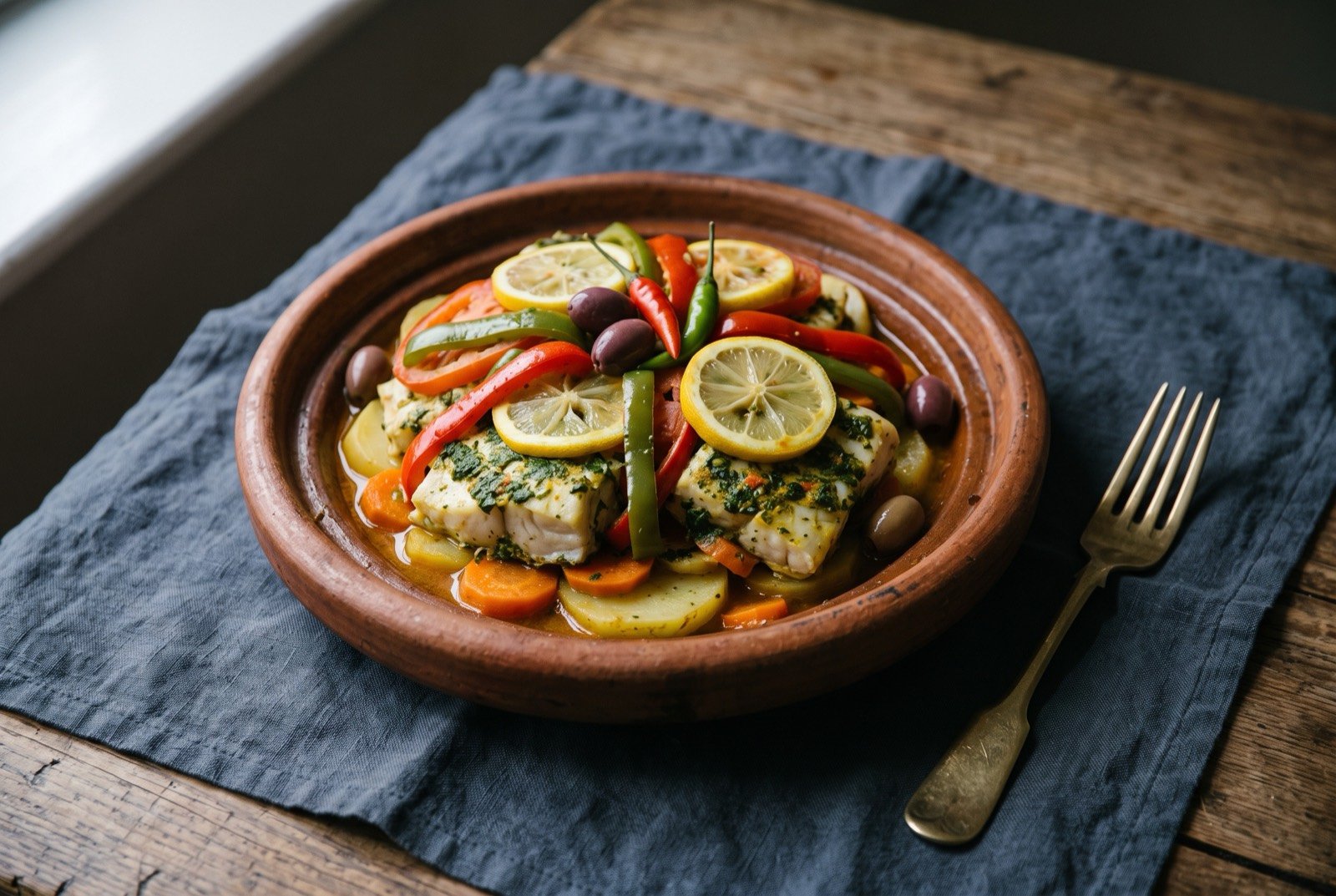 Fish tagine with chermoula
Project
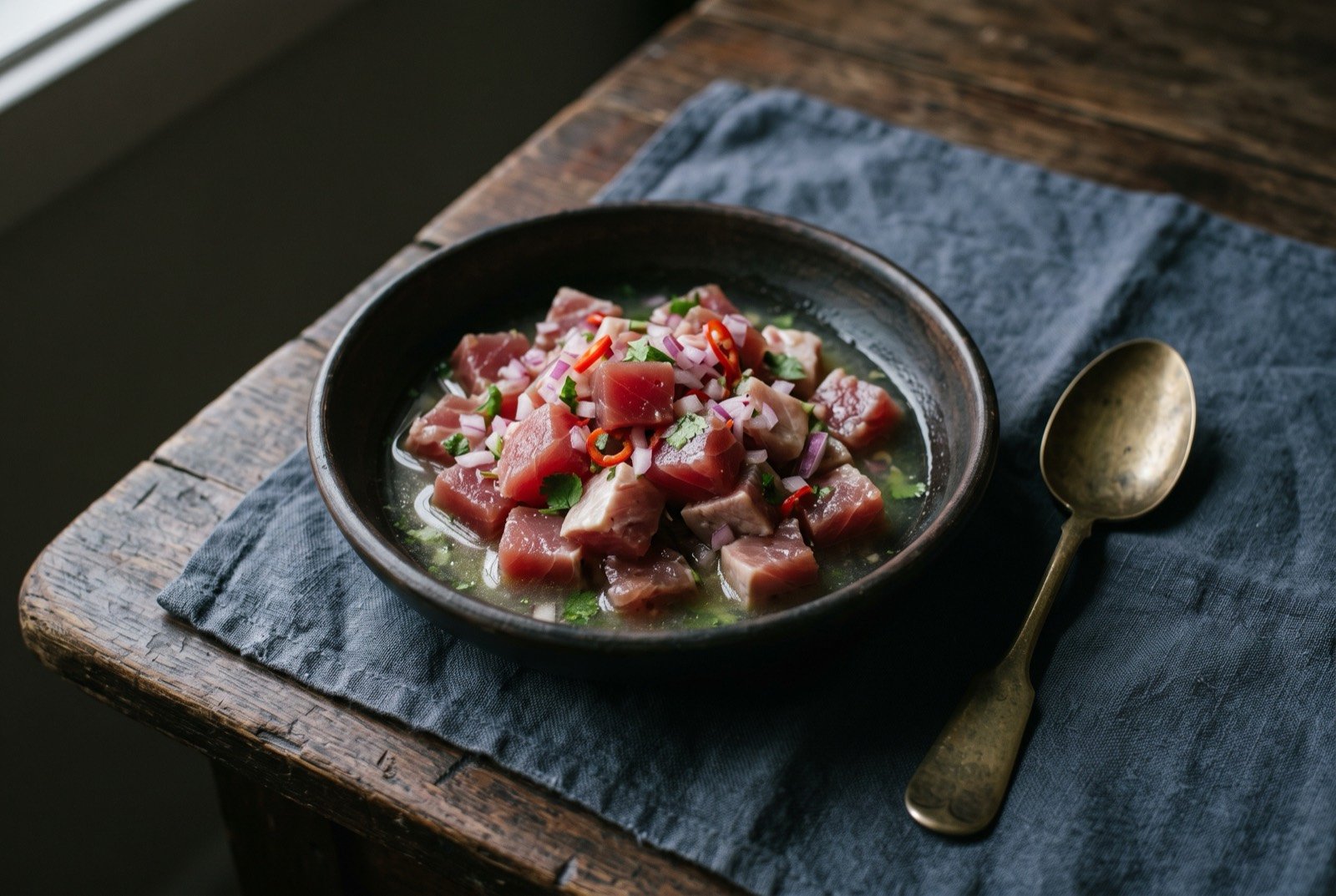 Ceviche de atún
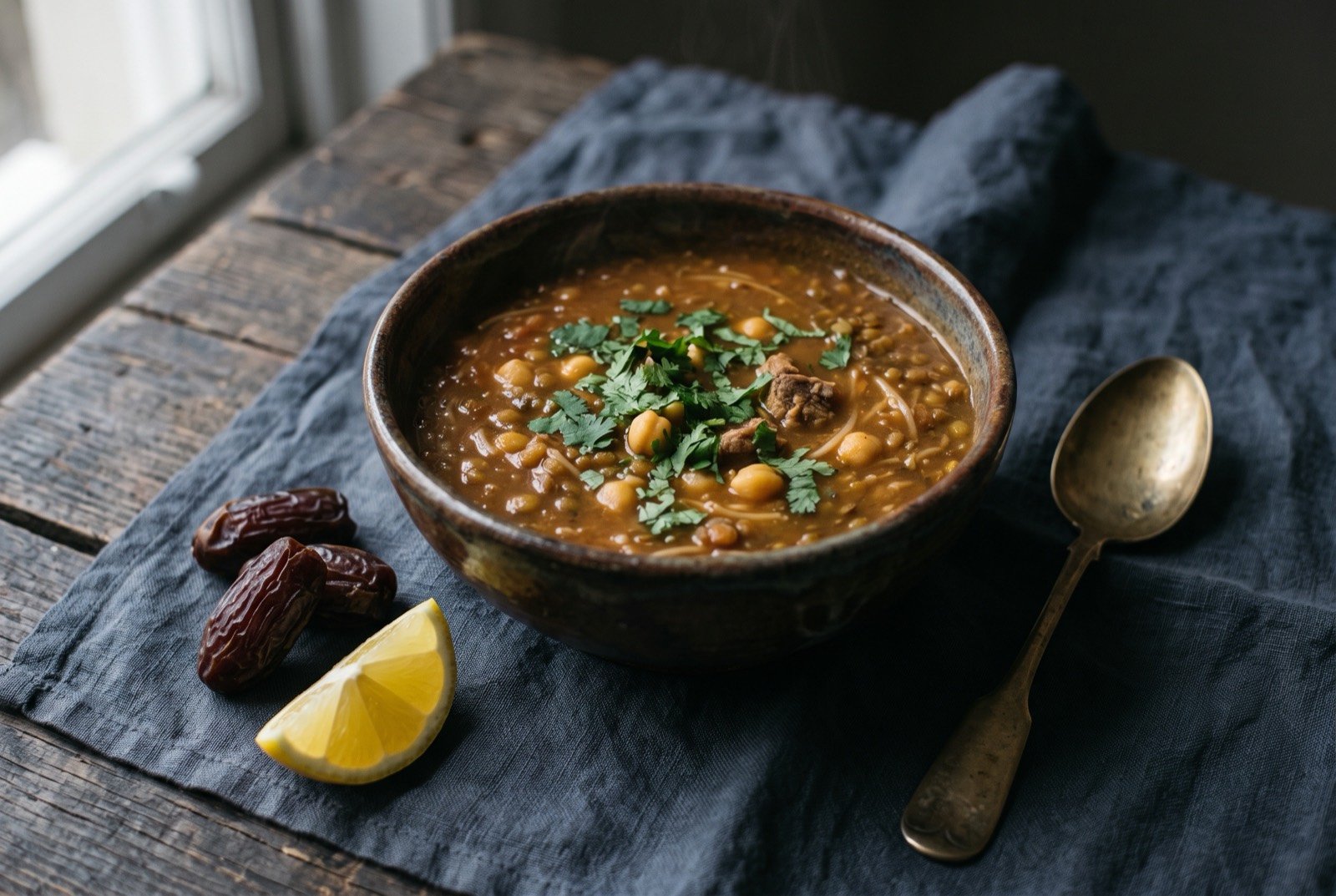 Harira
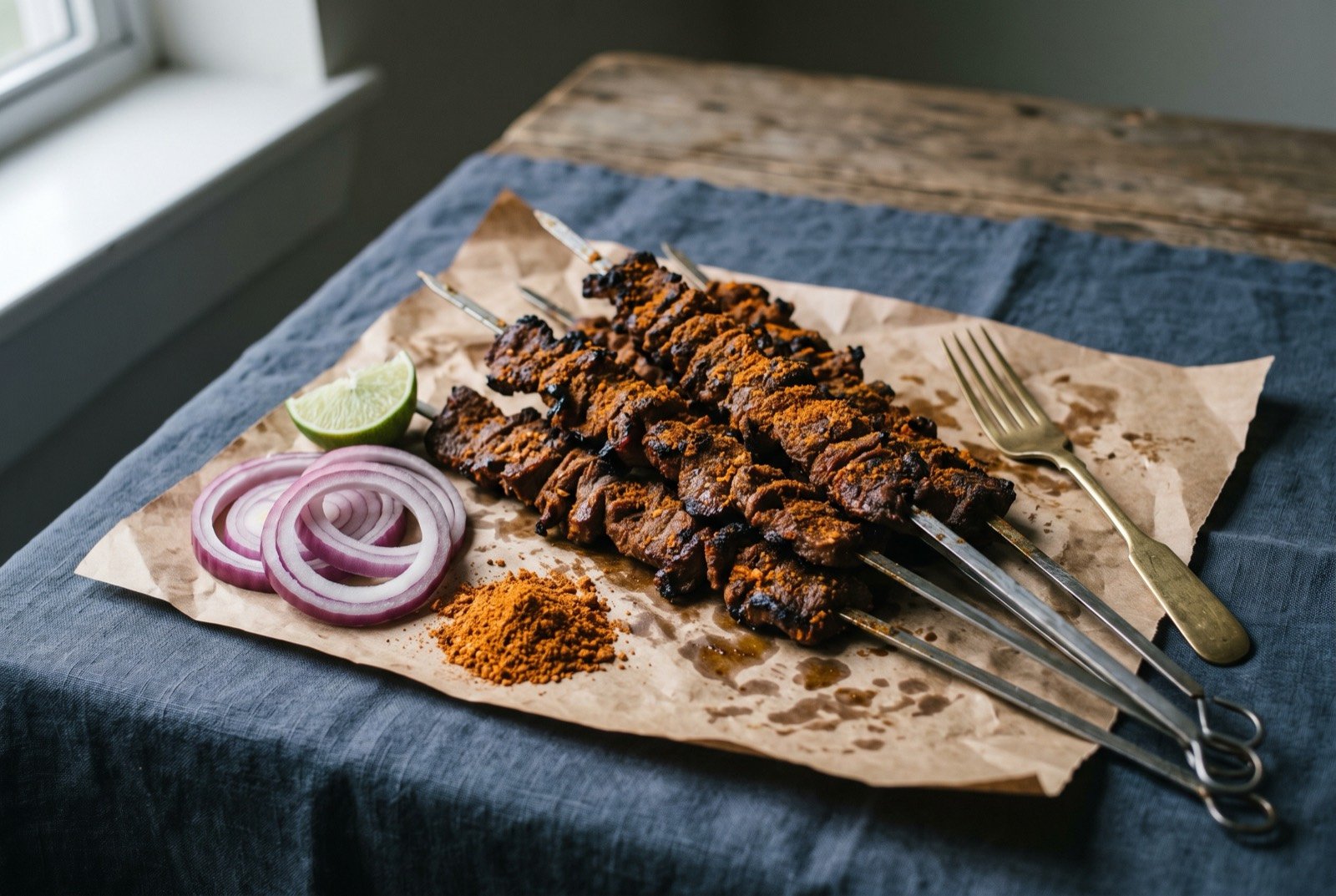 Suya
Suya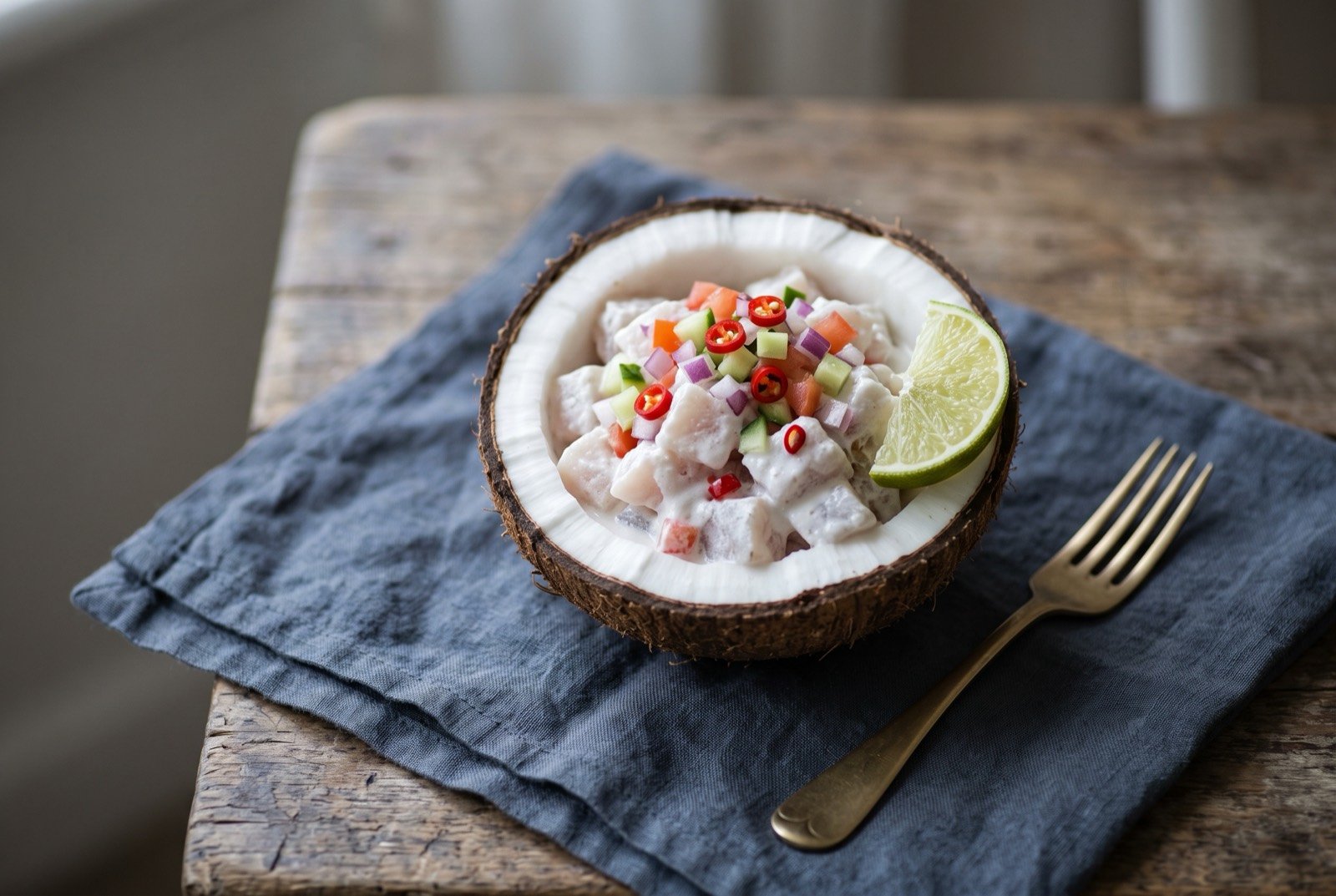 Kokoda
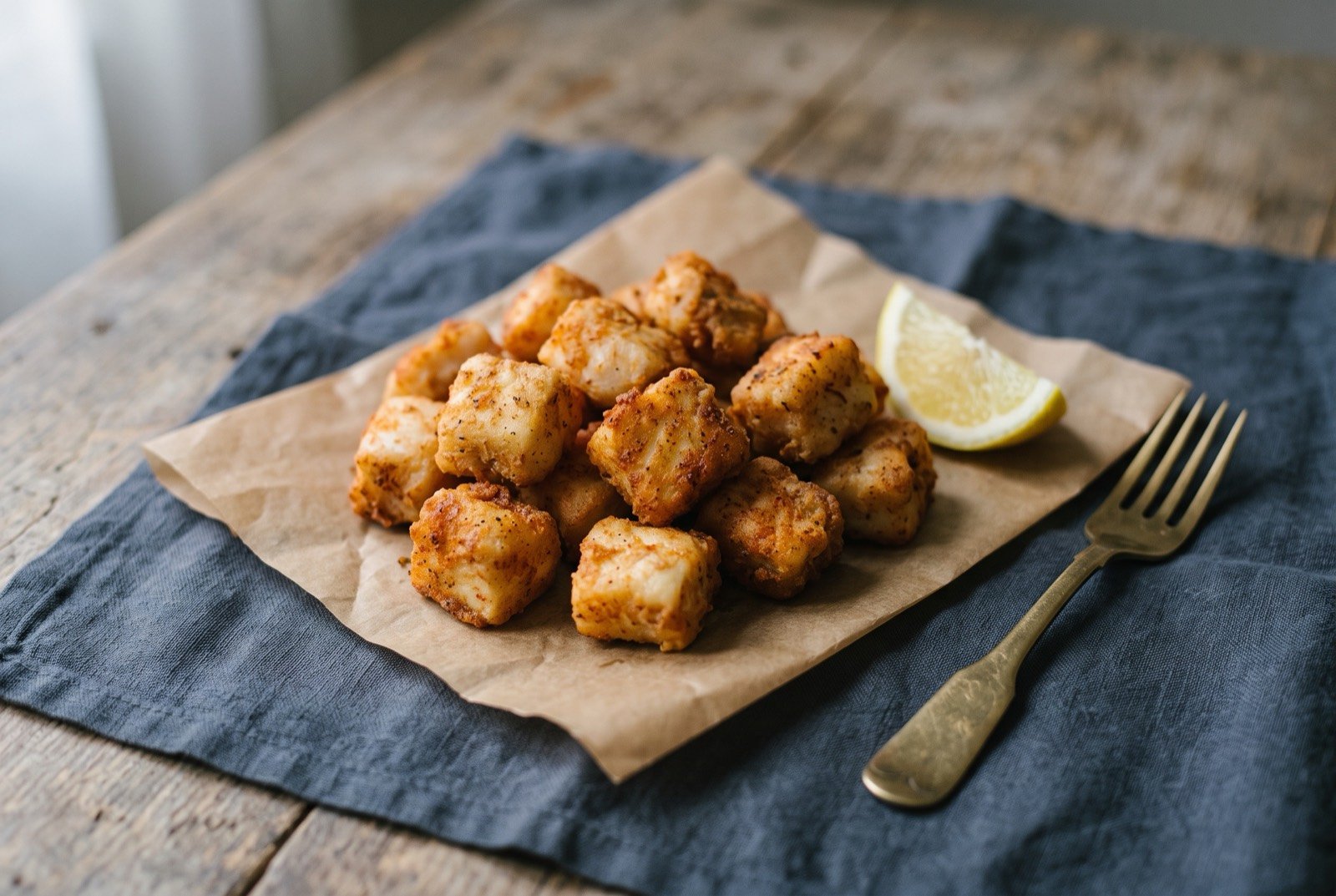 Cazón en Adobo (Bienmesabe)
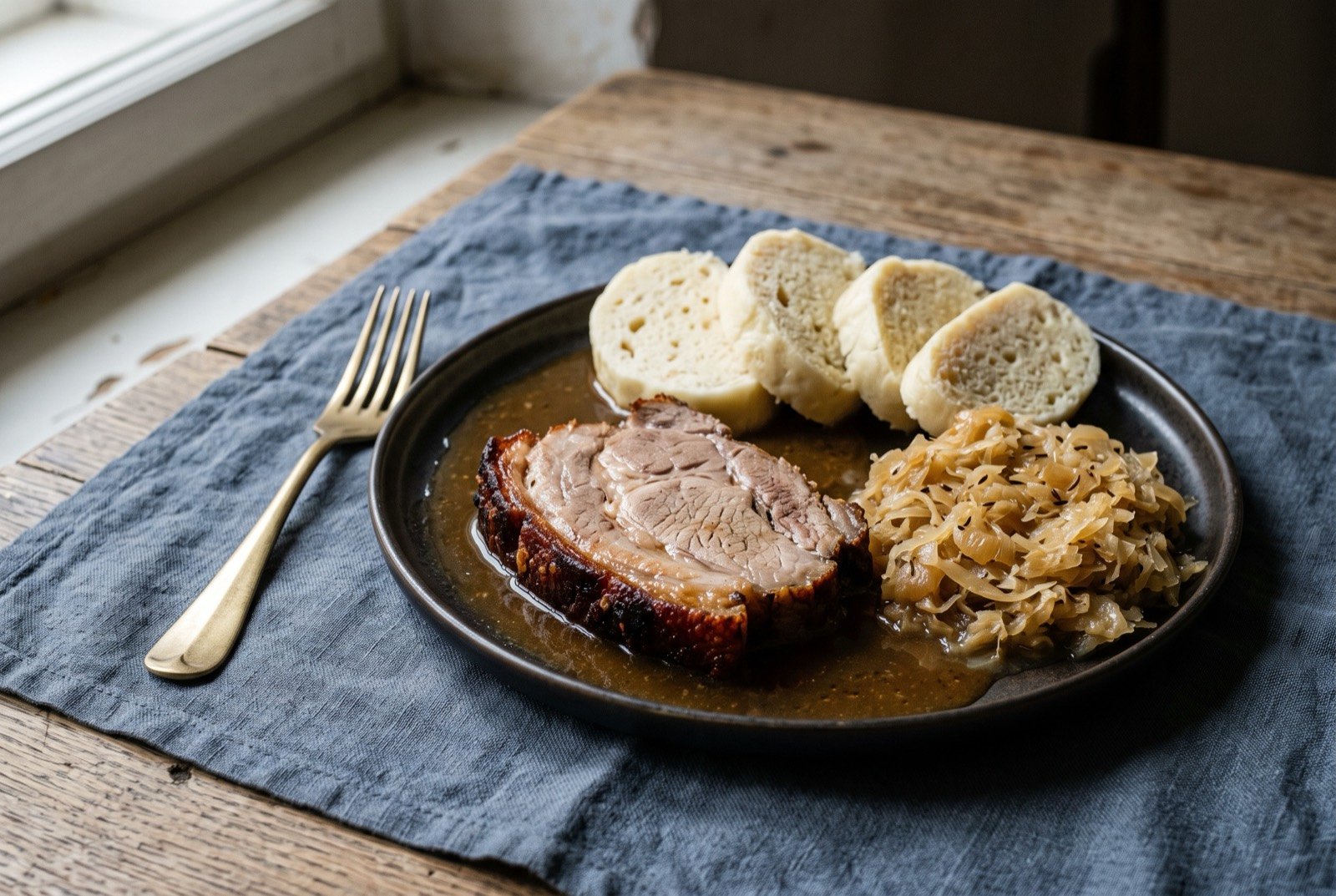 Vepřo knedlo zelo
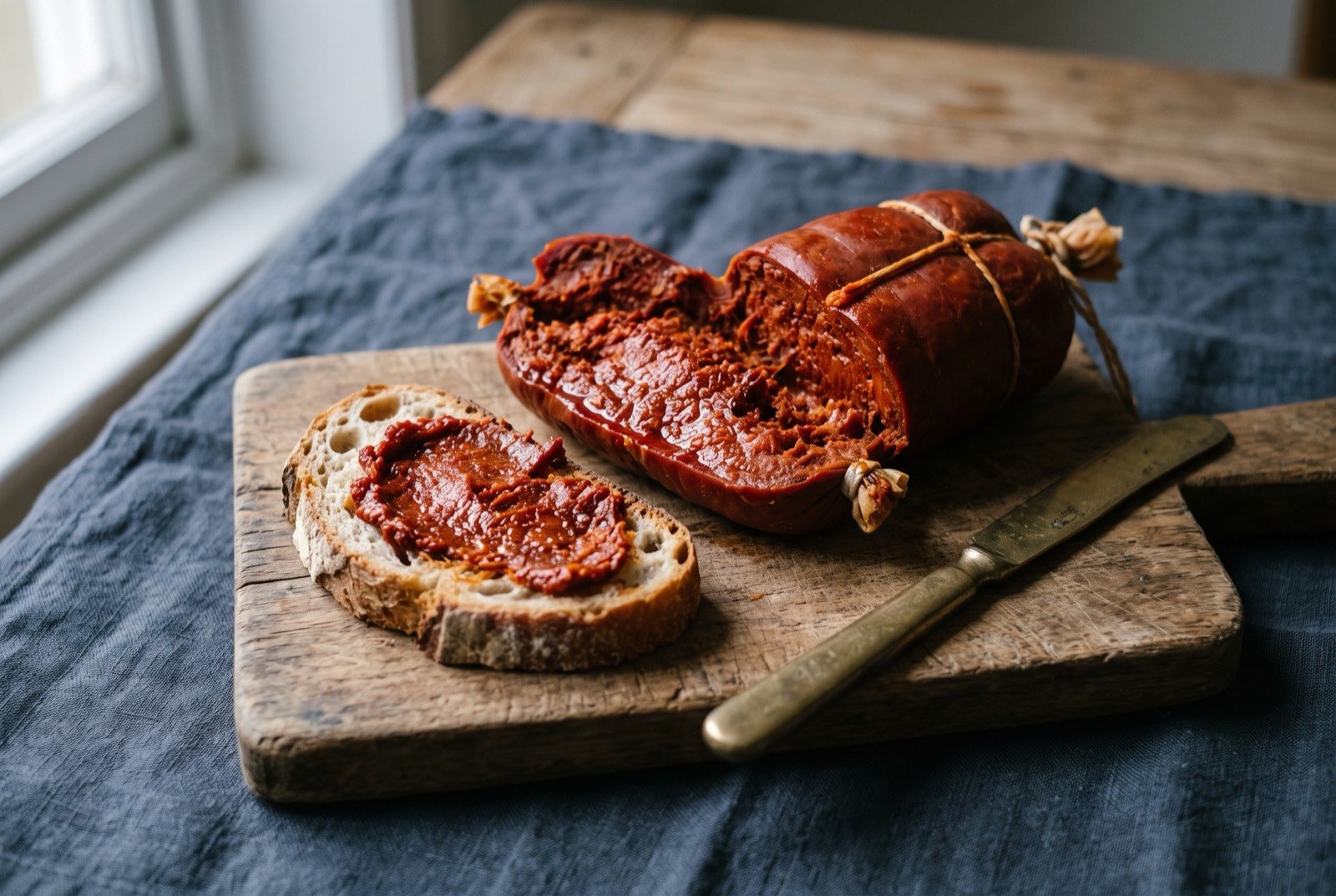 'Nduja
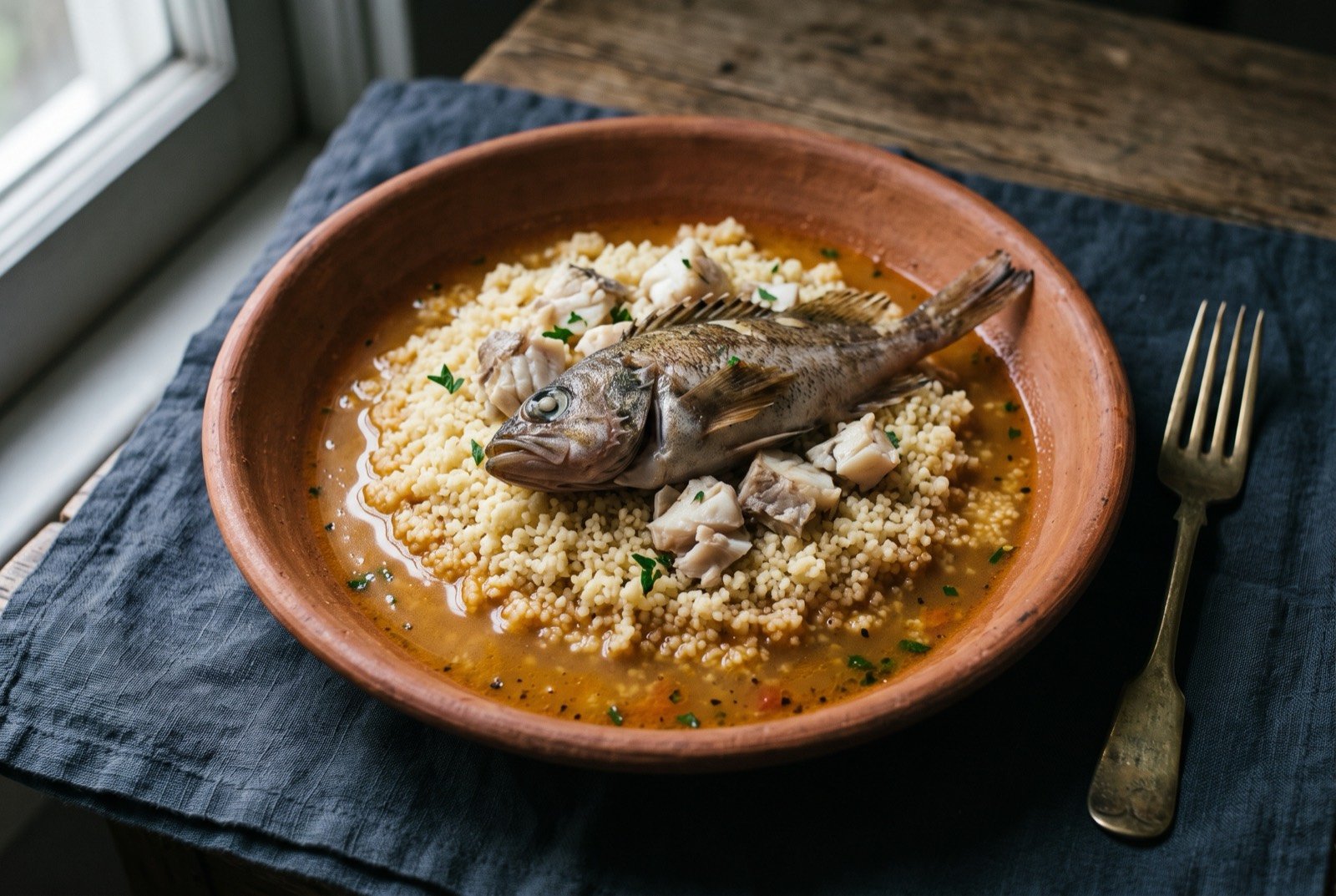 Couscous alla Trapanese
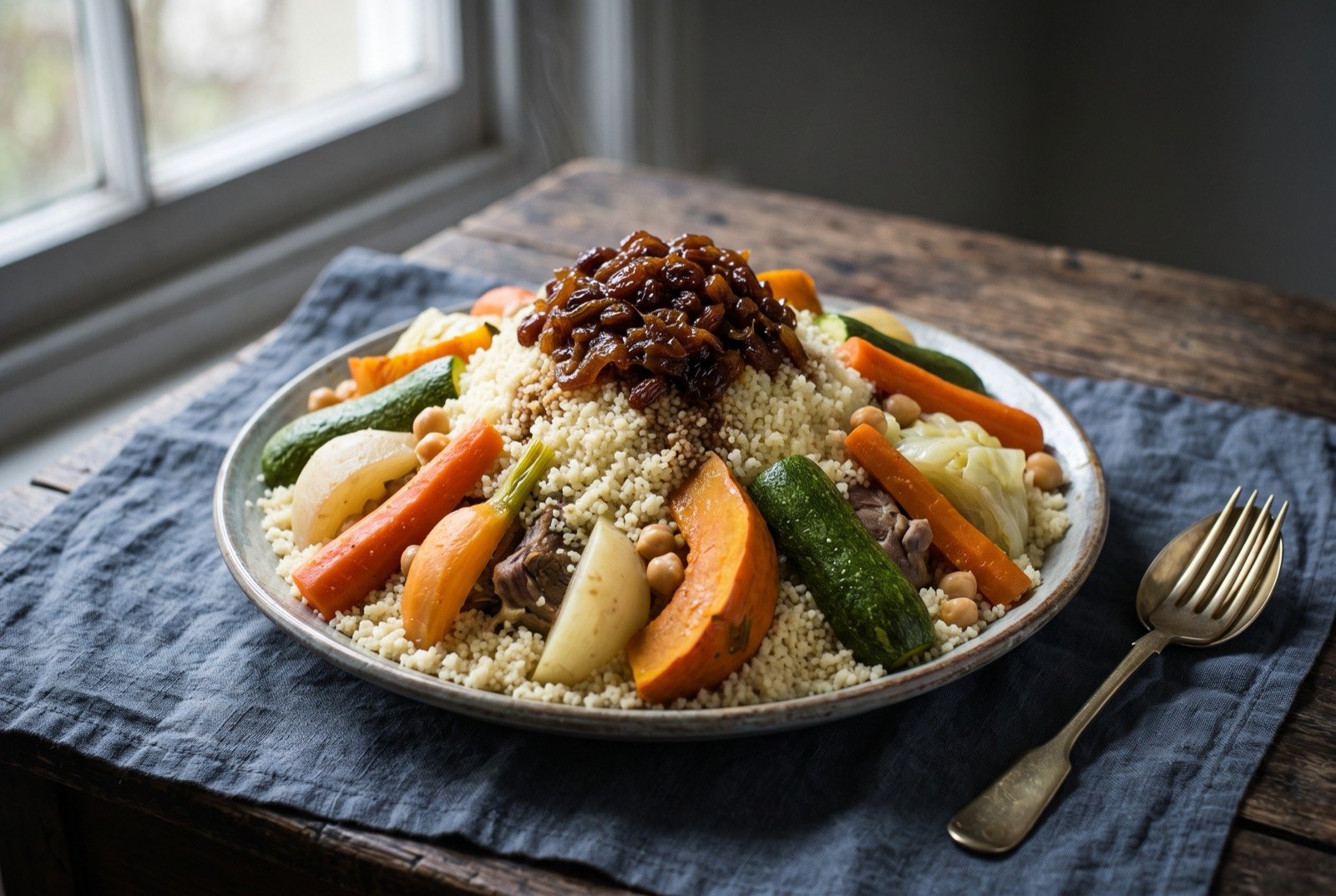 Couscous bidaoui with seven vegetables and tfaya
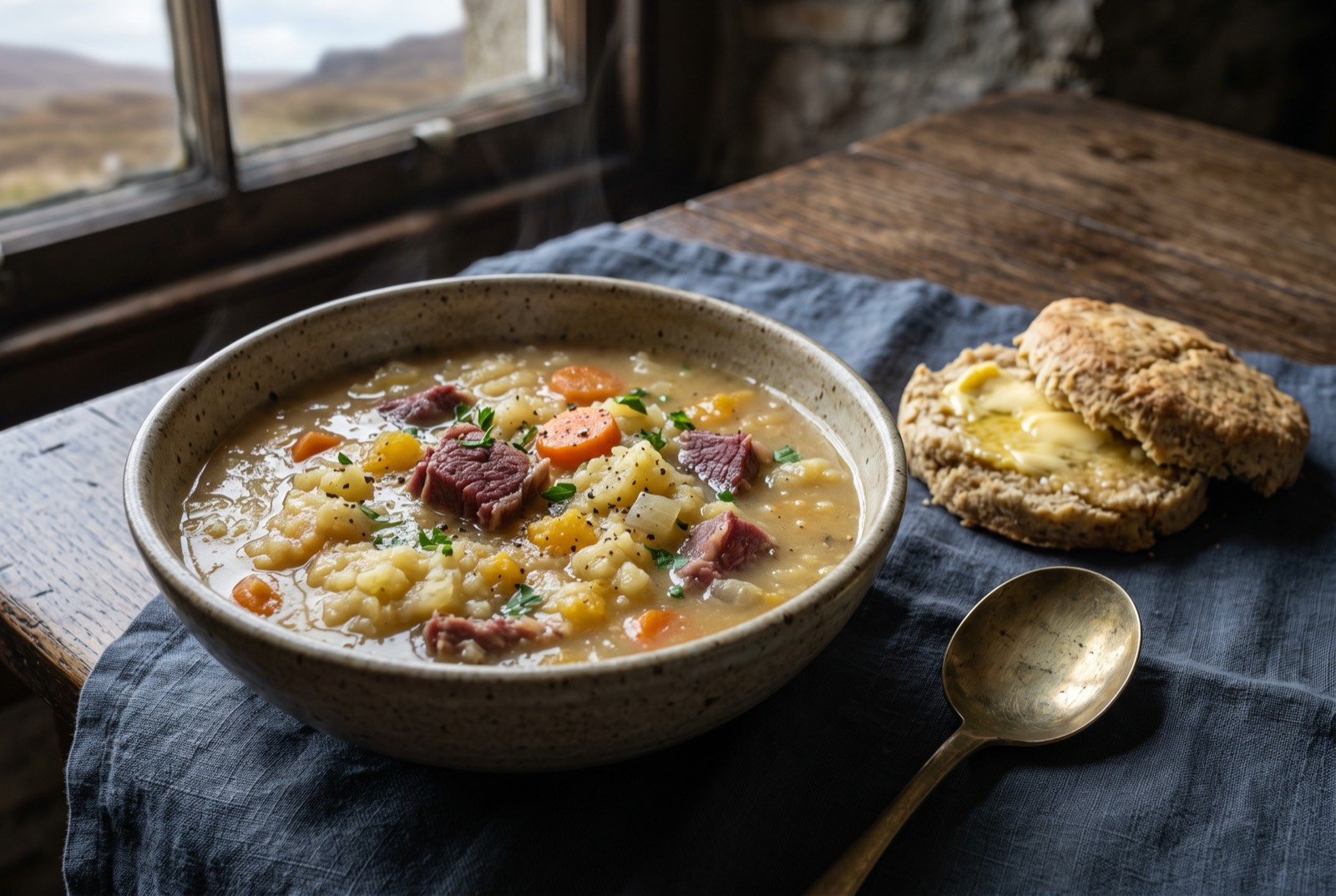 Reestit Mutton and Tattie Soup
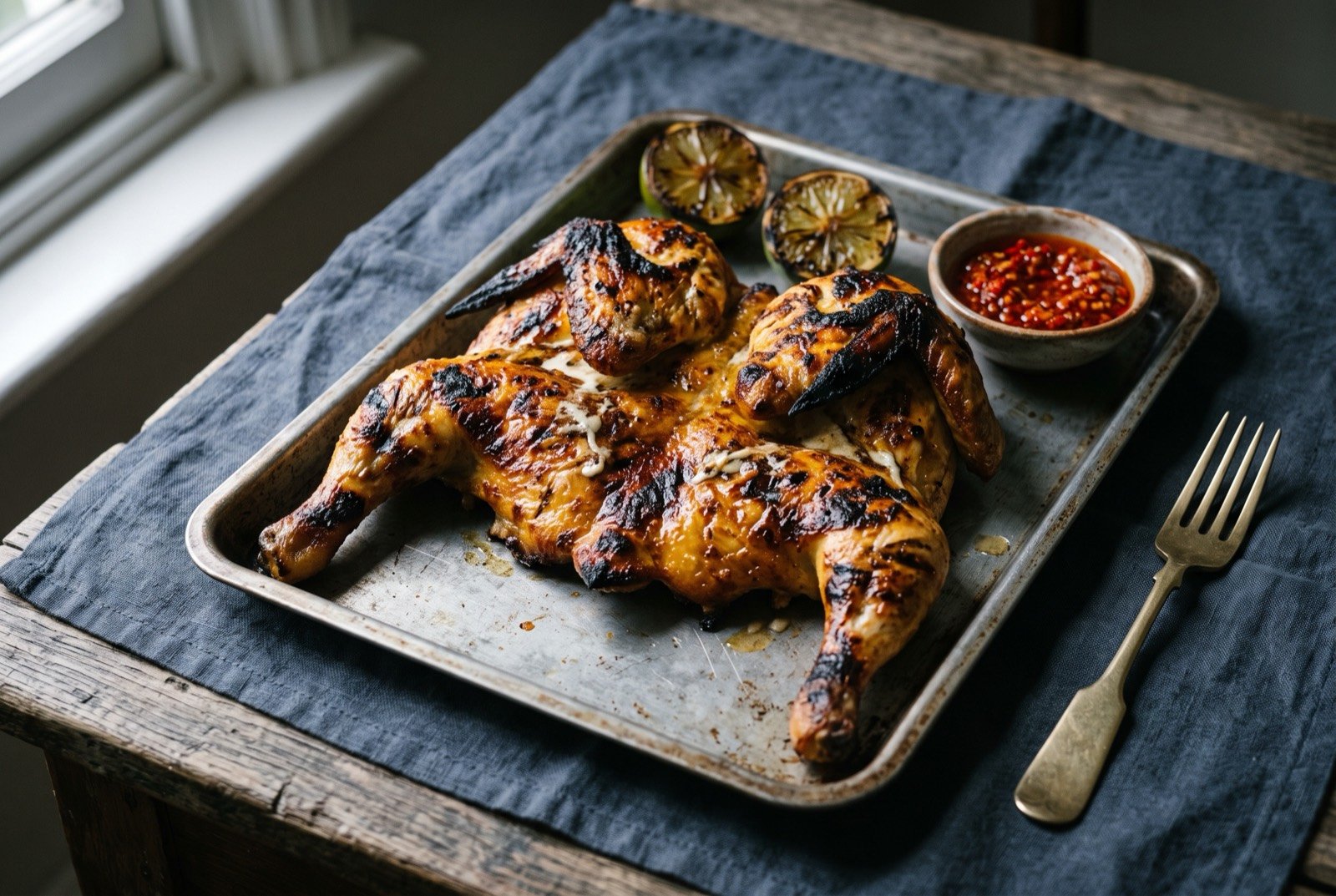 Galinha à Zambeziana
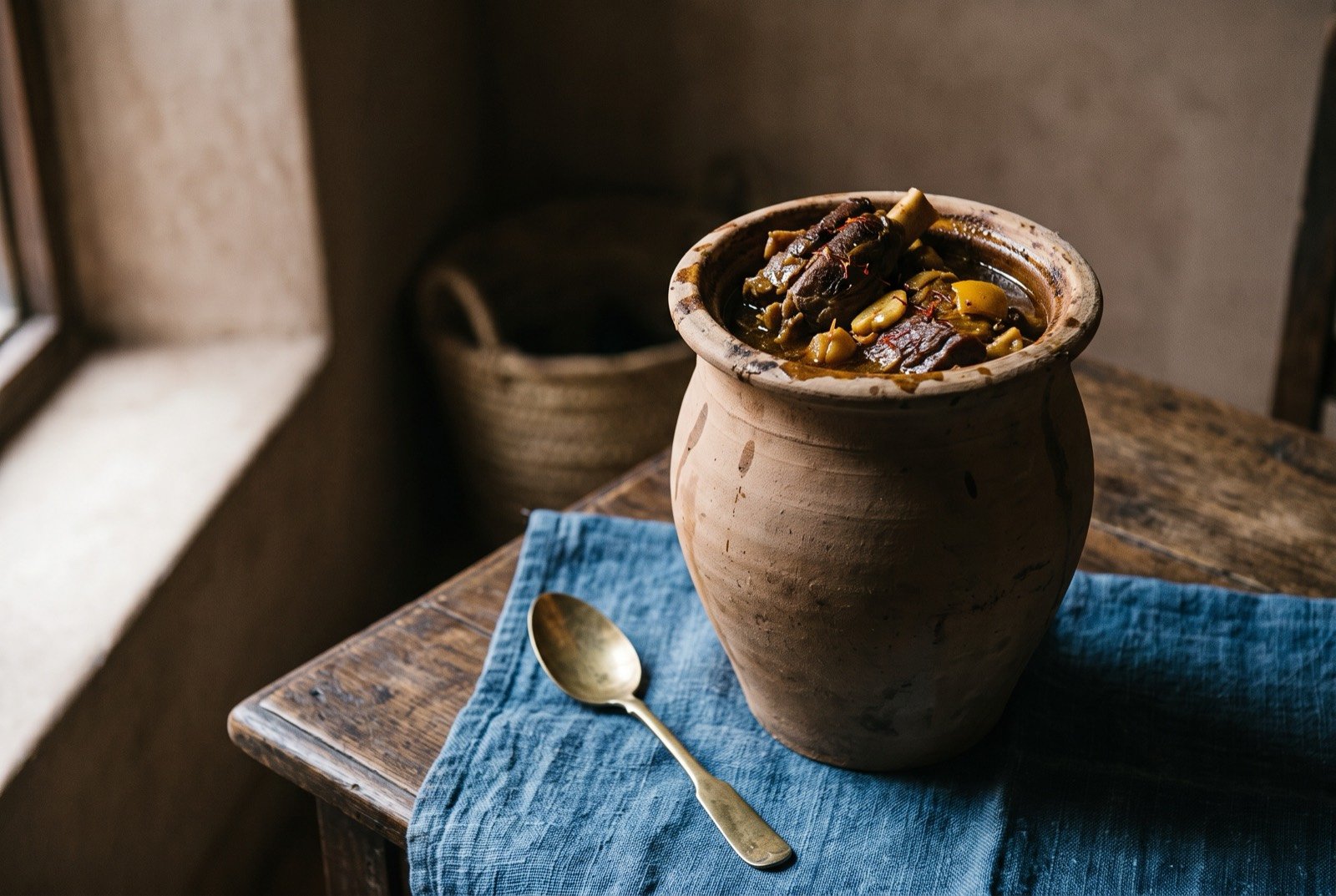 Tanjia marrakchia
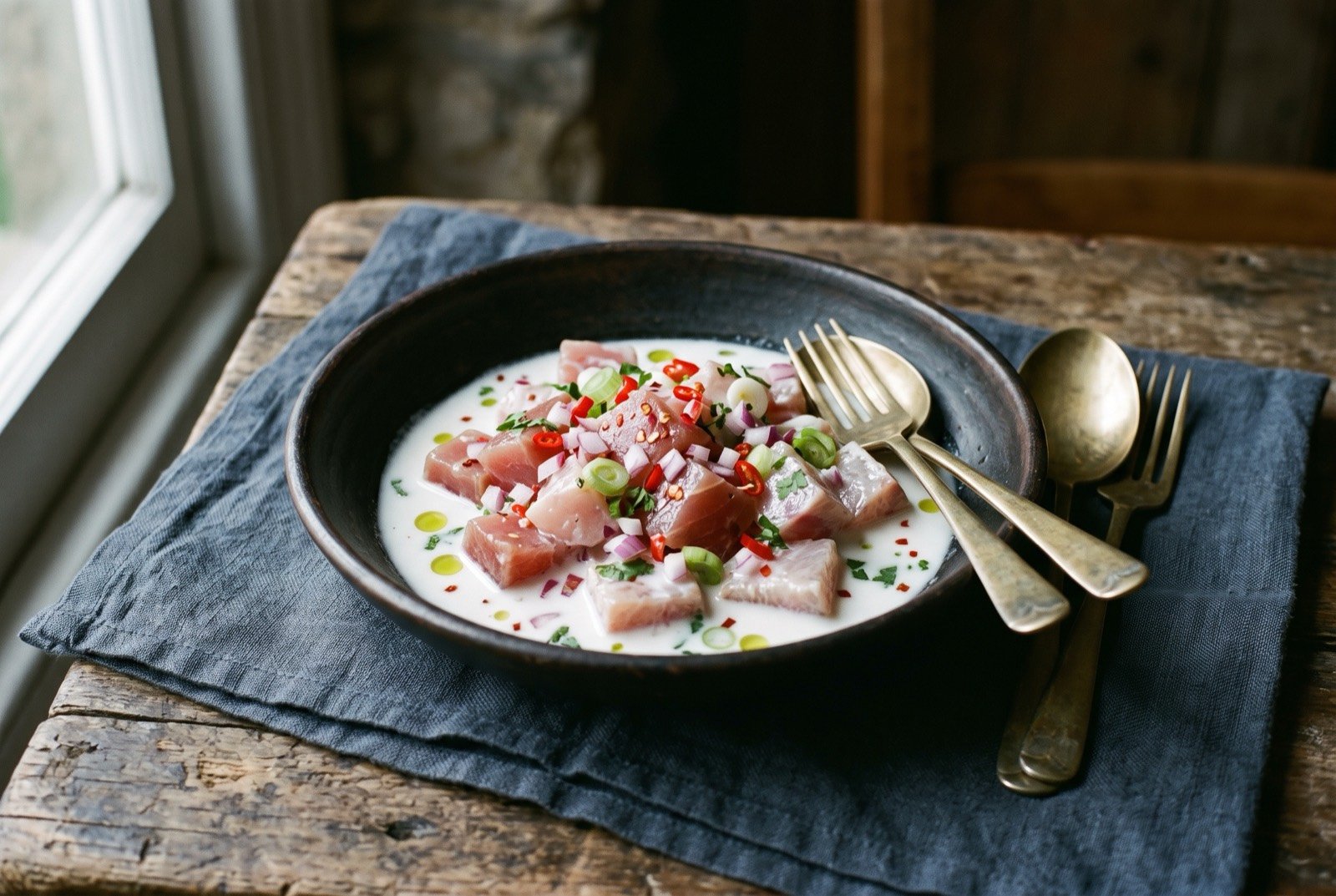 ʻOta ʻika
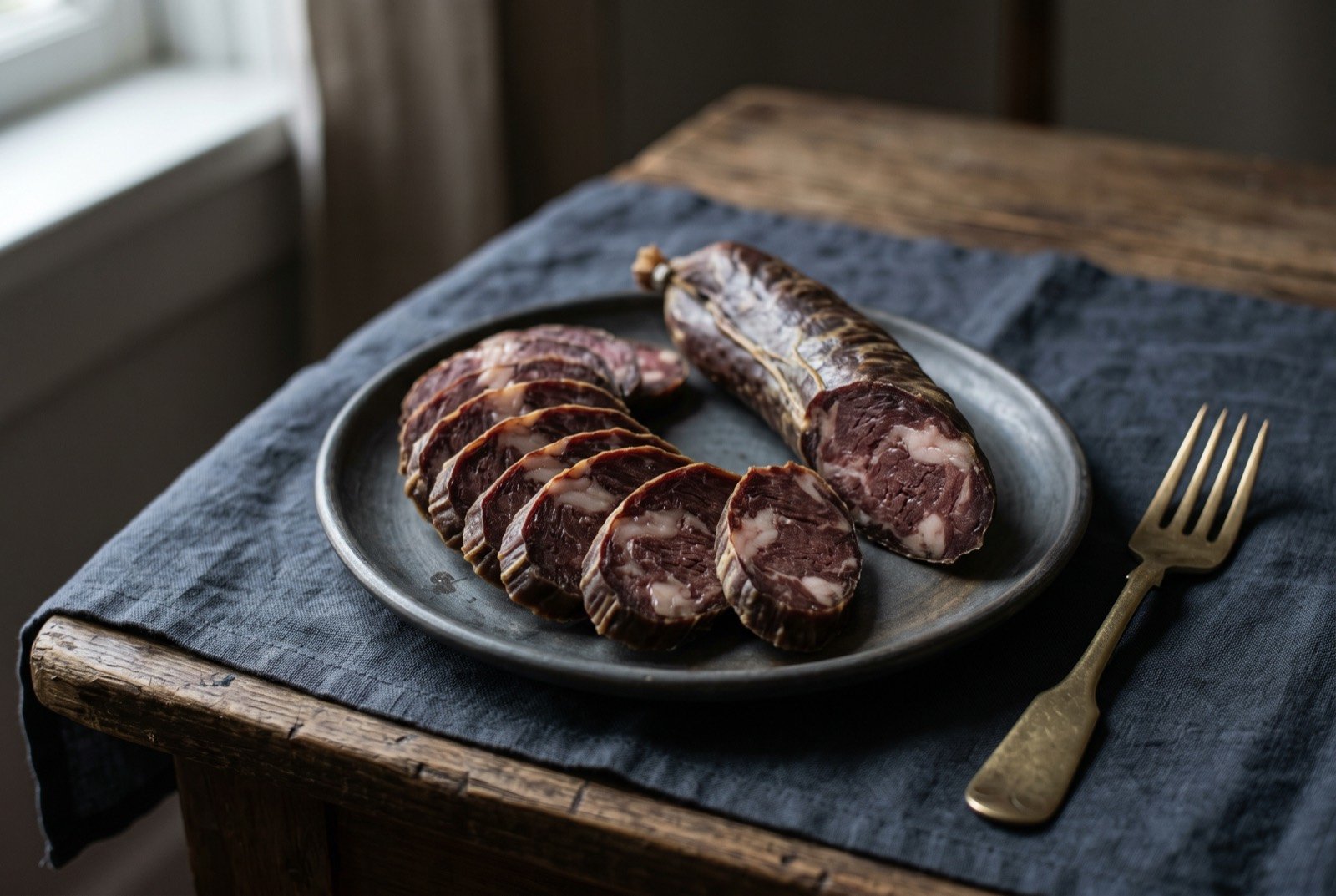 Kazy
Kazy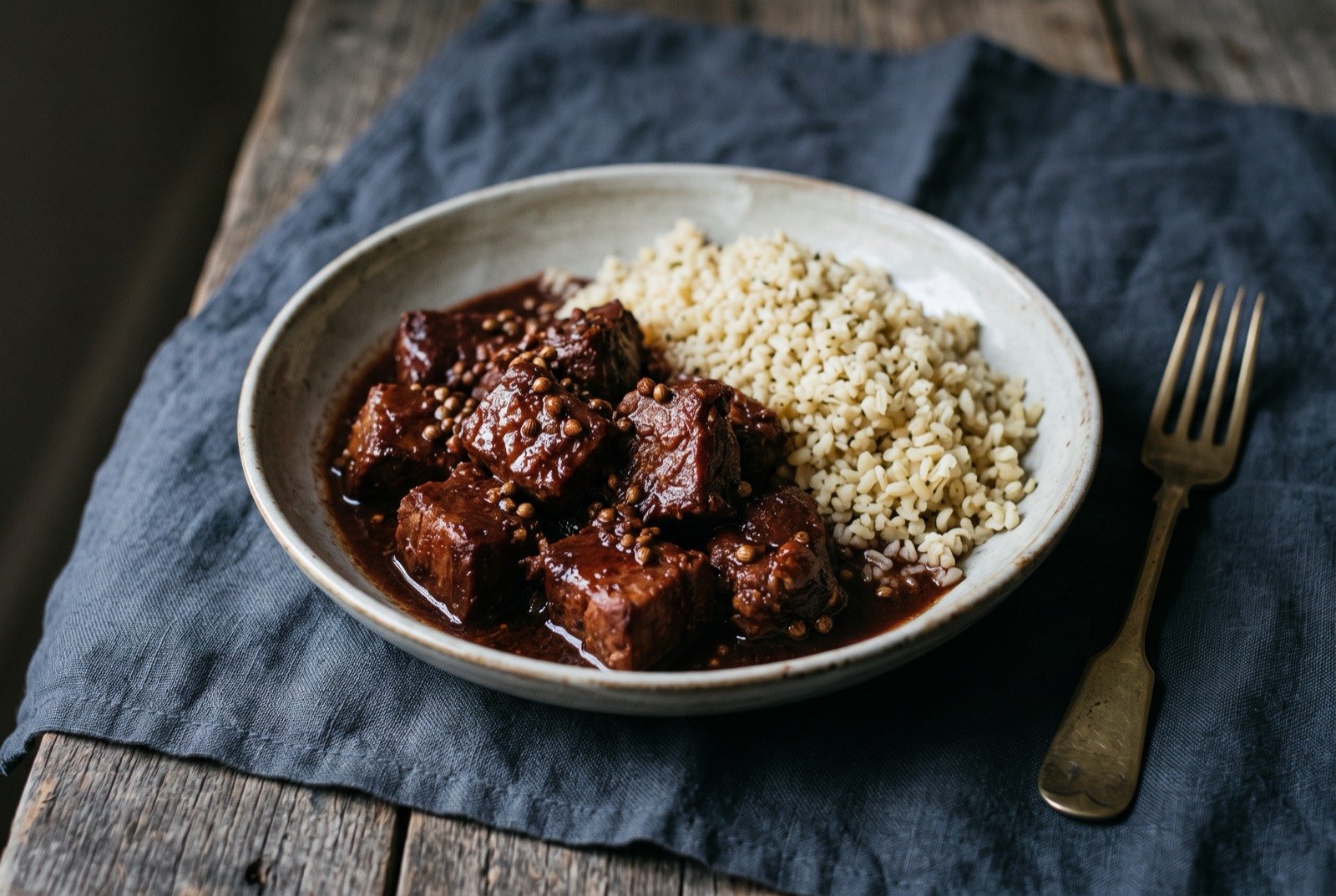 Afelia
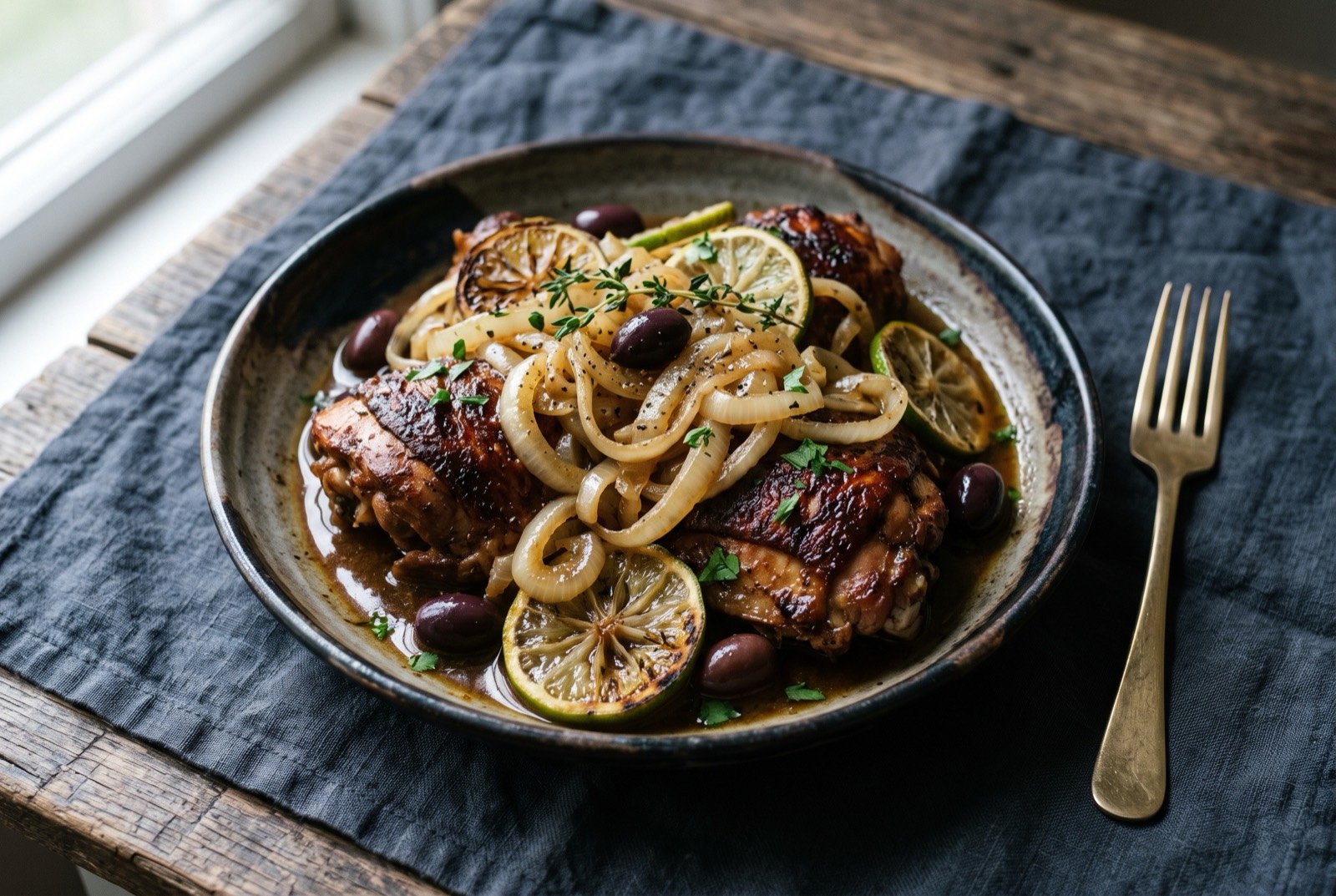 Yassa
Yassa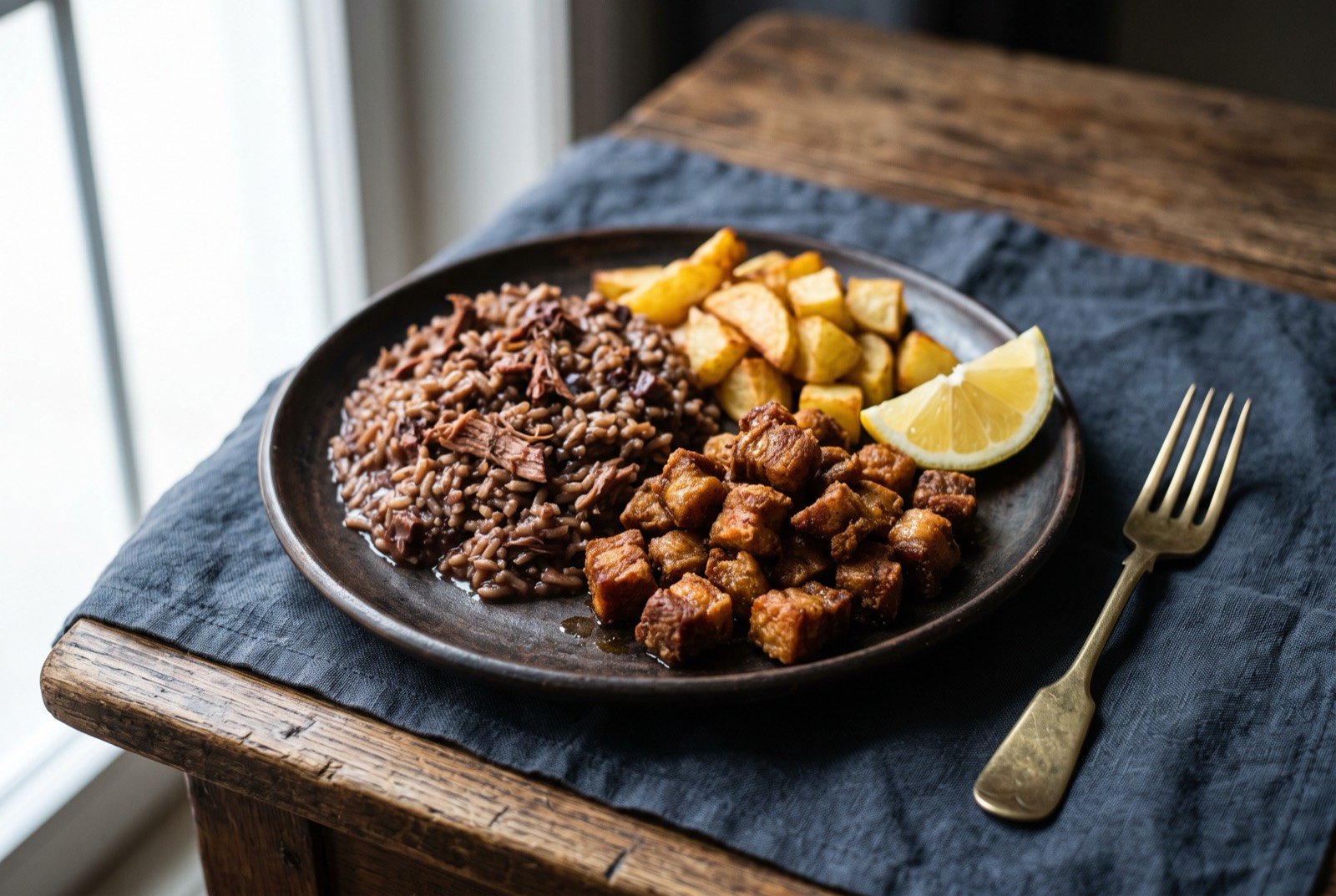 Rojões à Moda do Minho, with Arroz de Sarrabulho
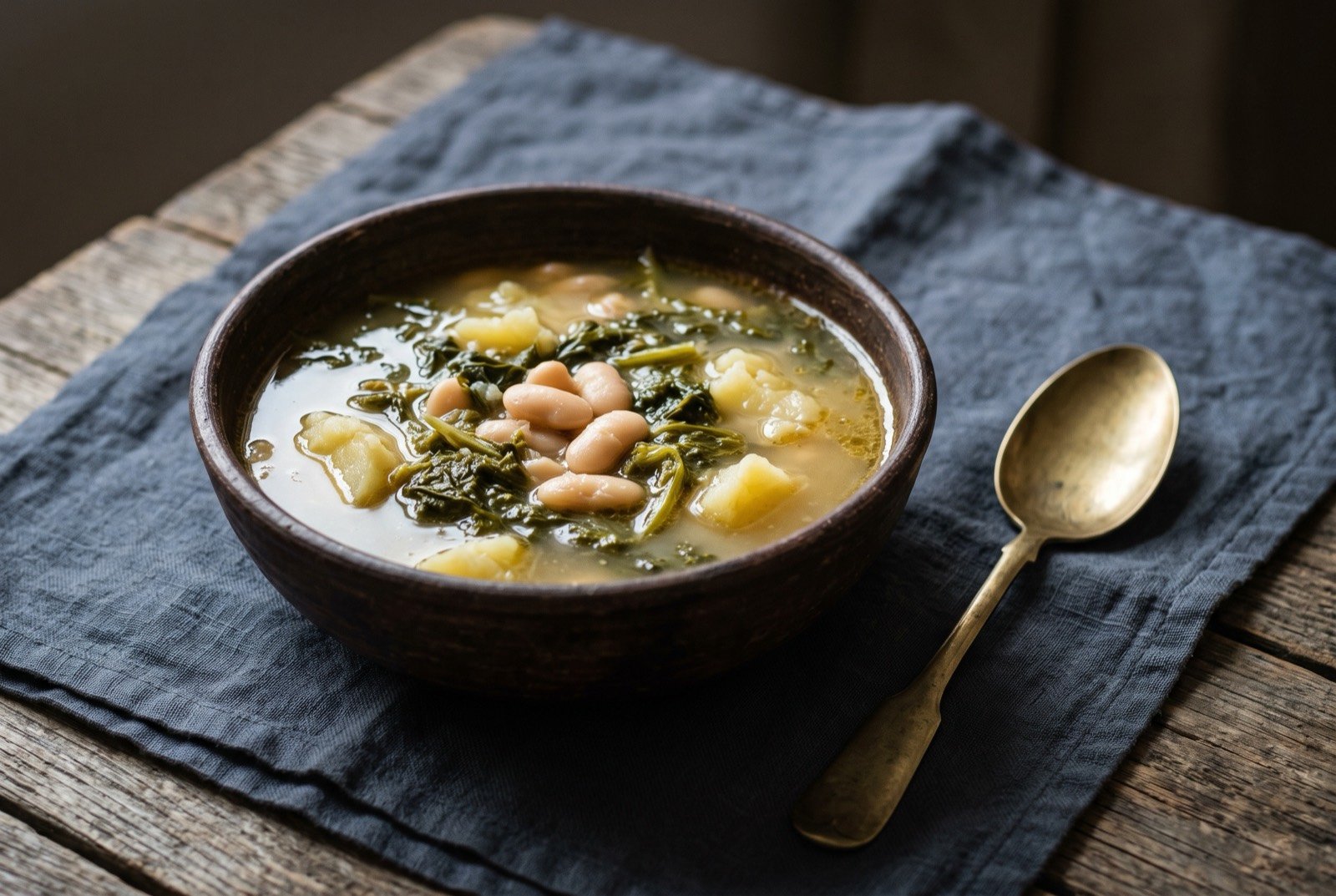 Caldo Gallego
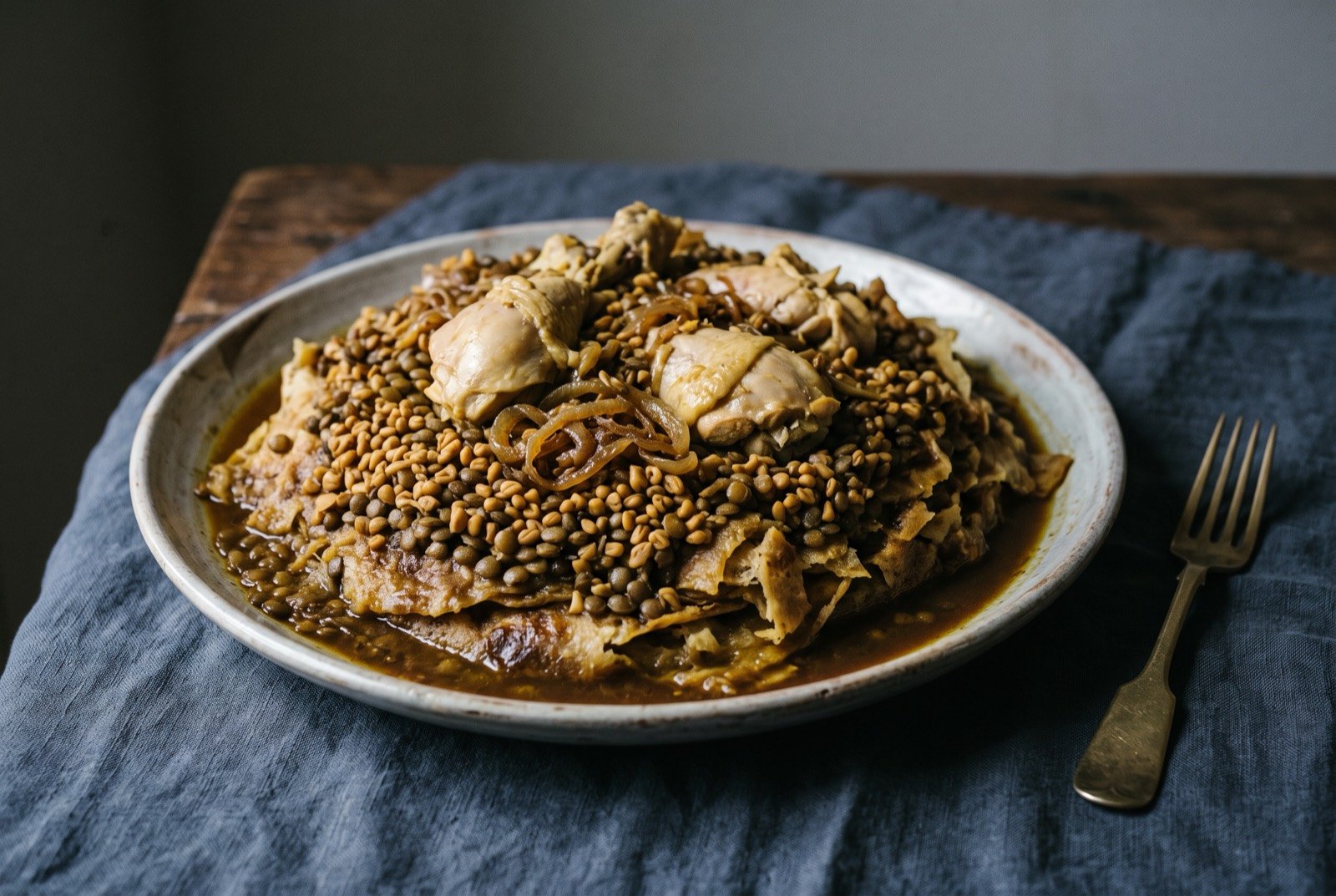 Rfissa
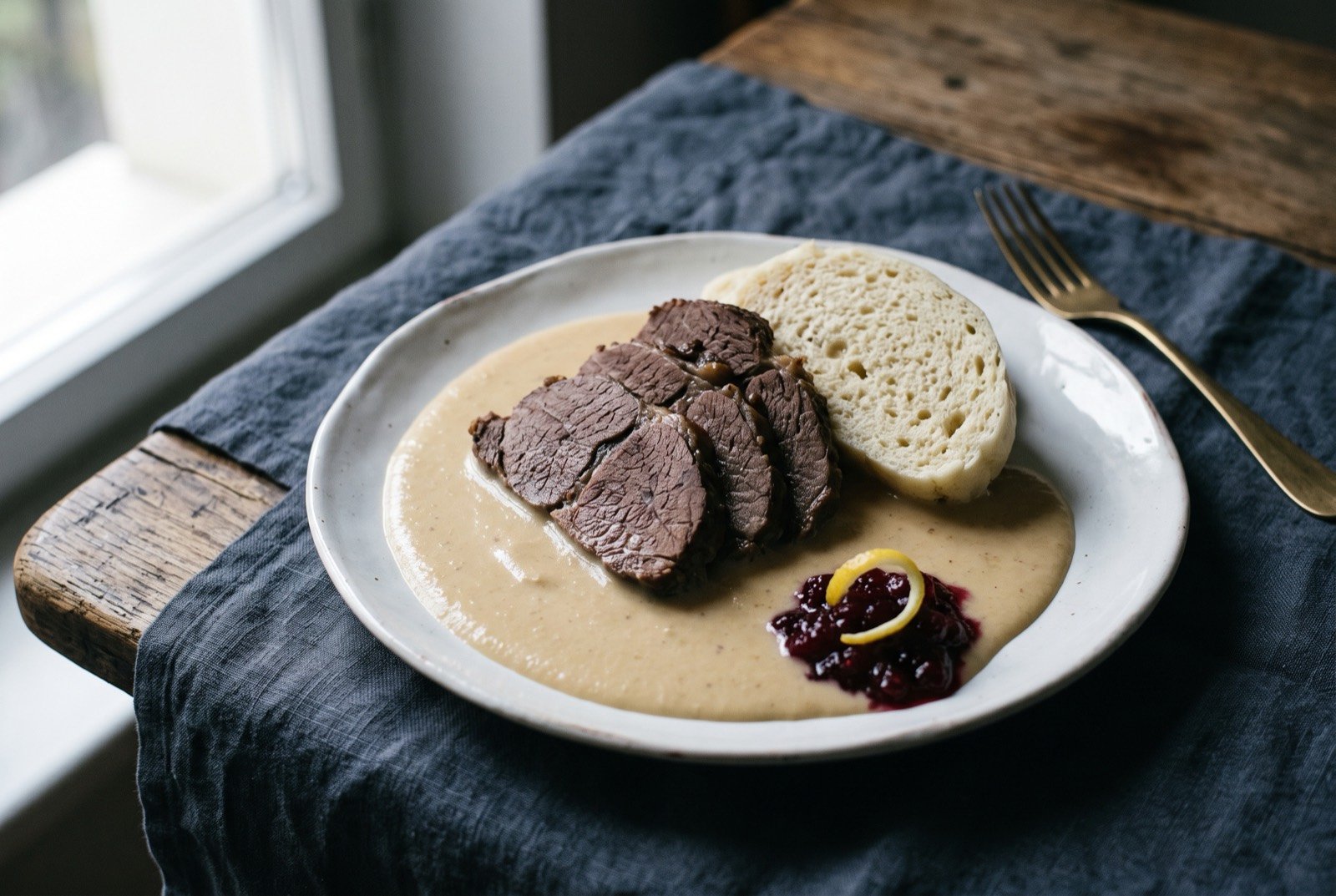 Svíčková na smetaně
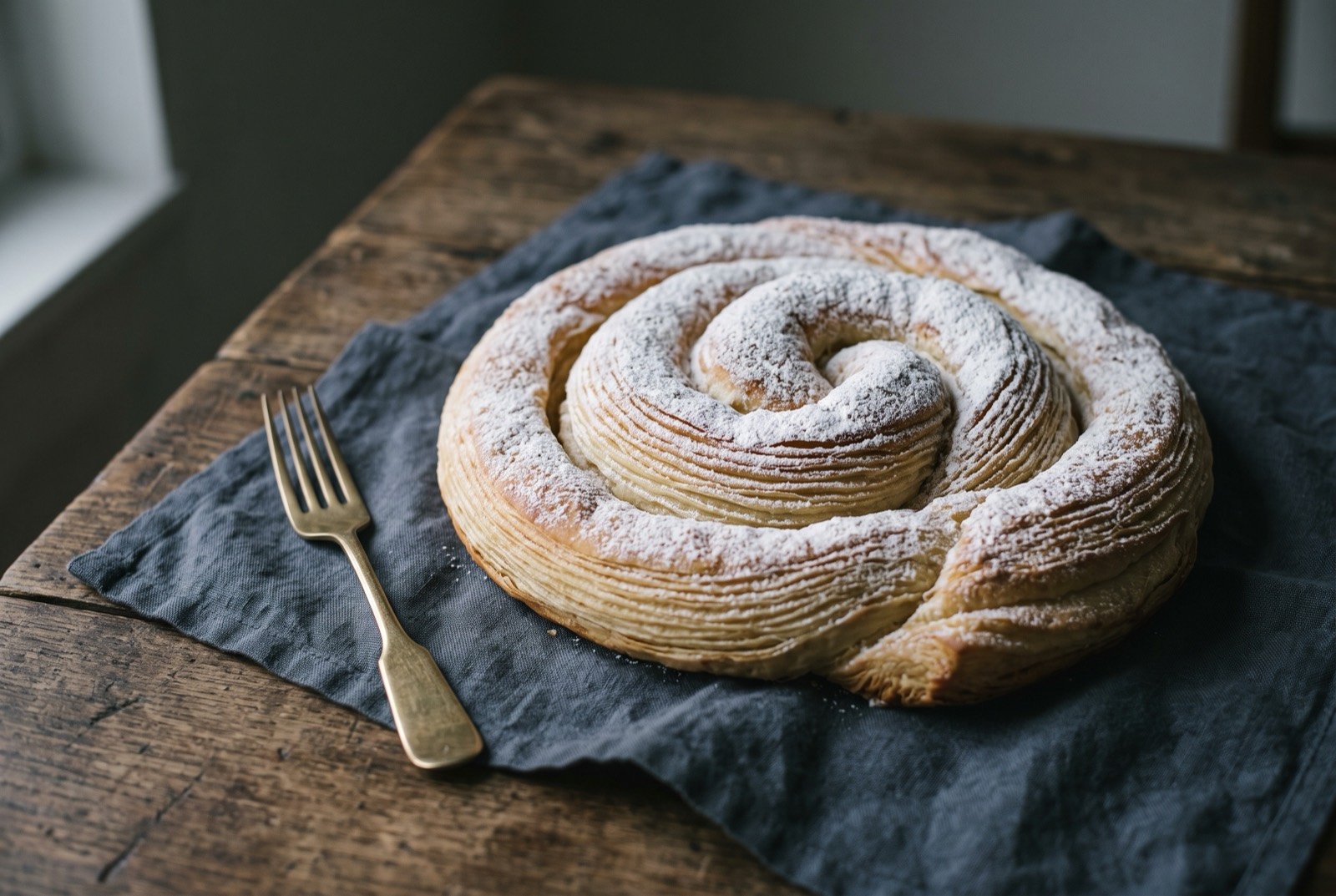 Ensaïmada
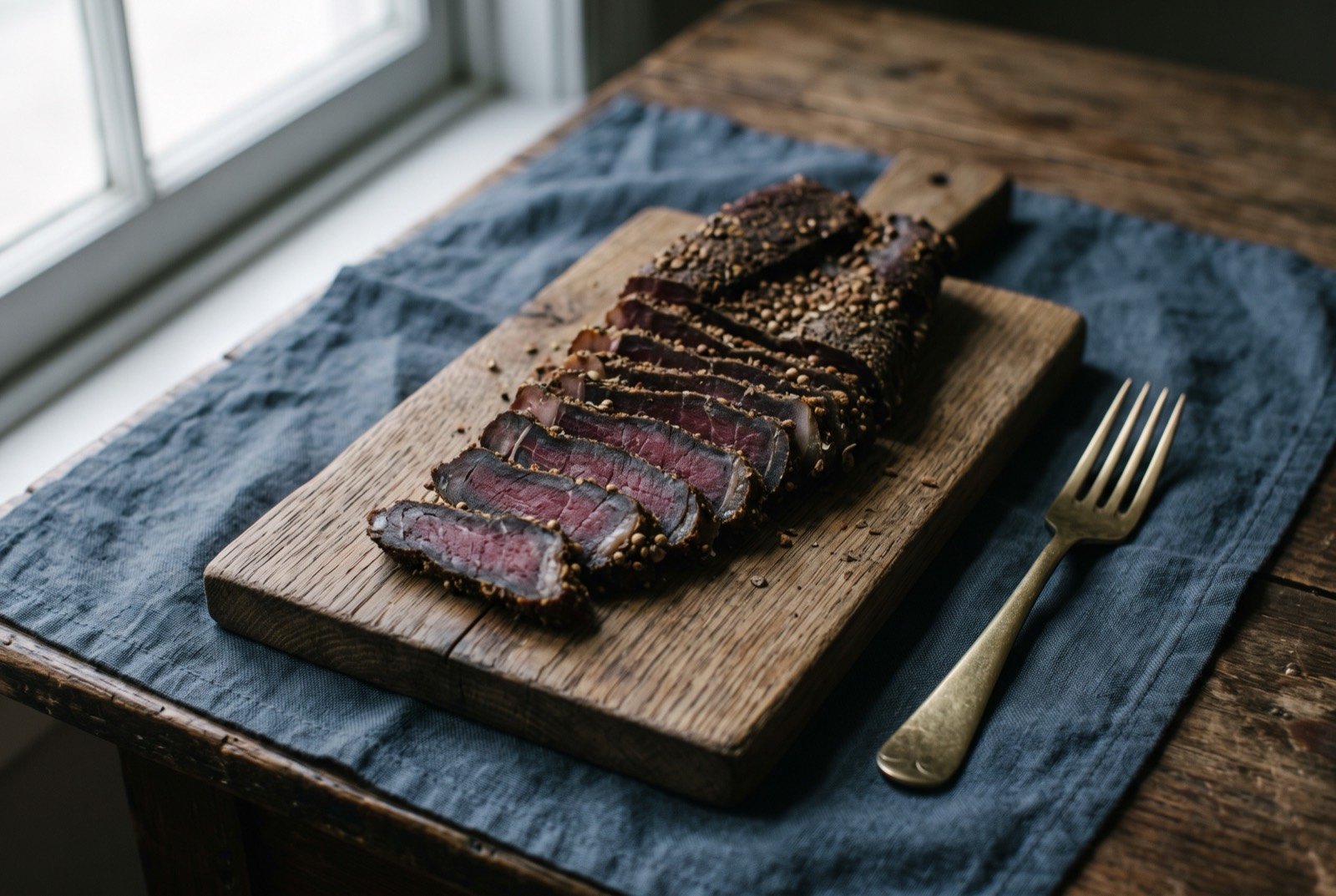 Biltong
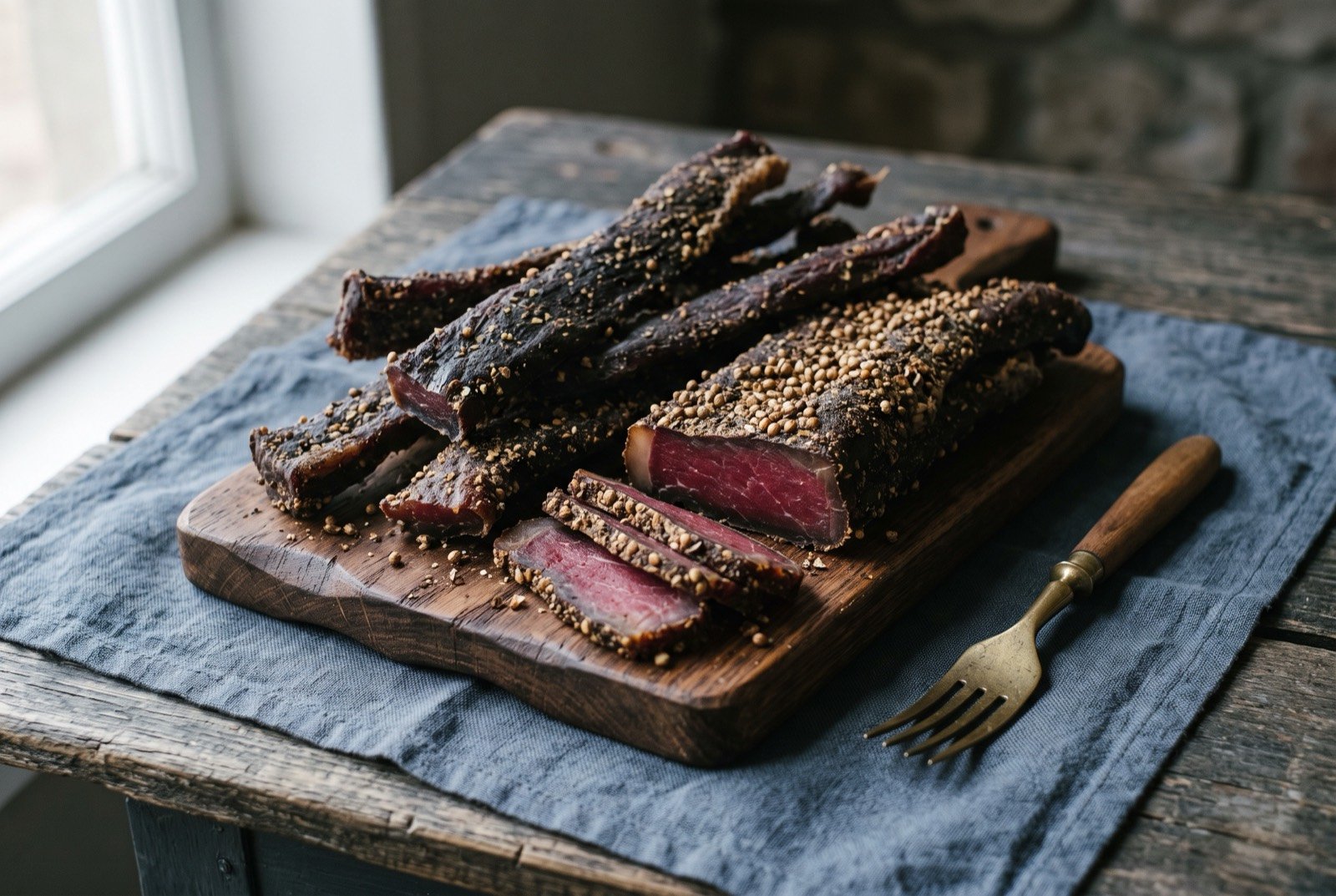 Biltong and segwapa
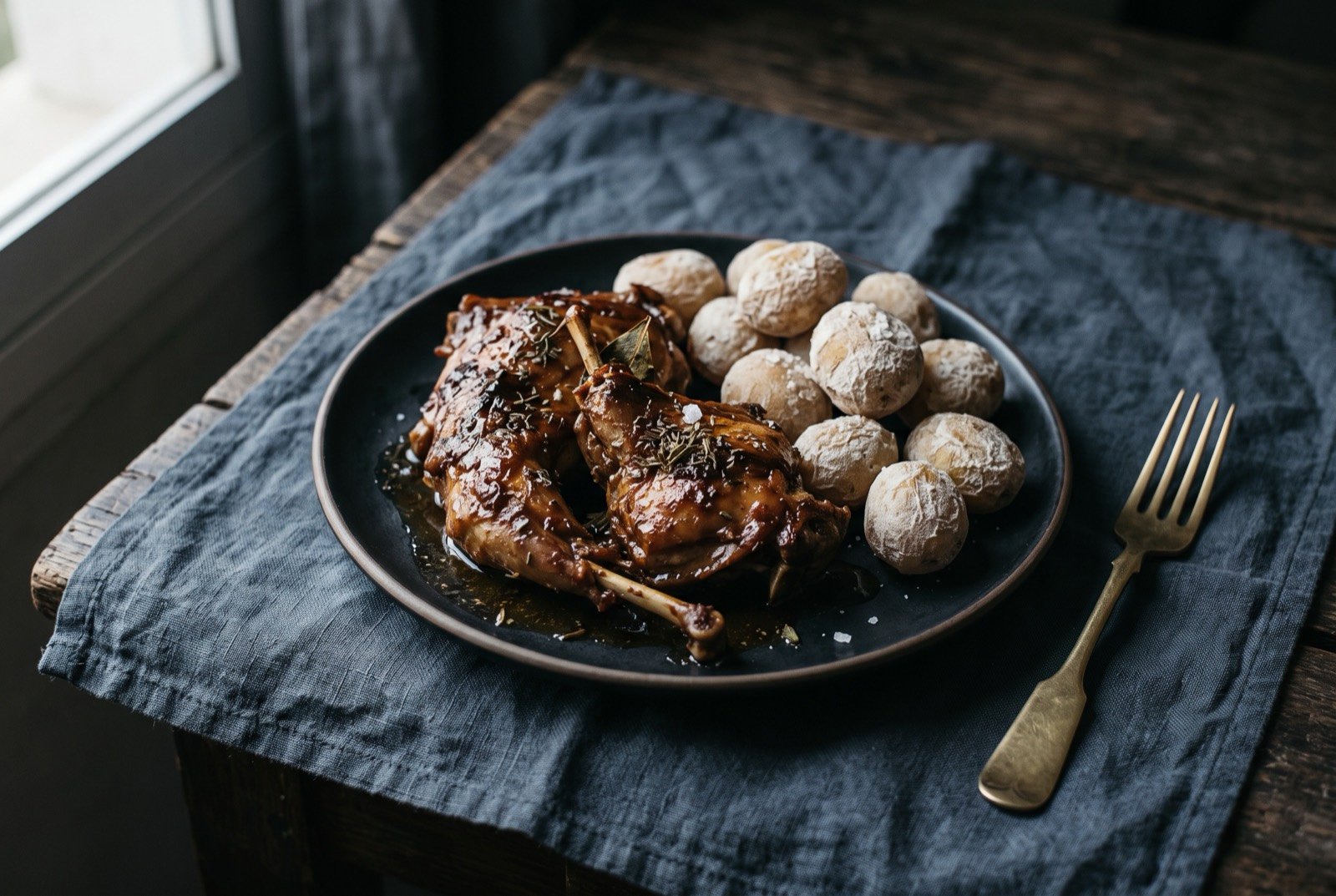 Conejo al Salmorejo Canario
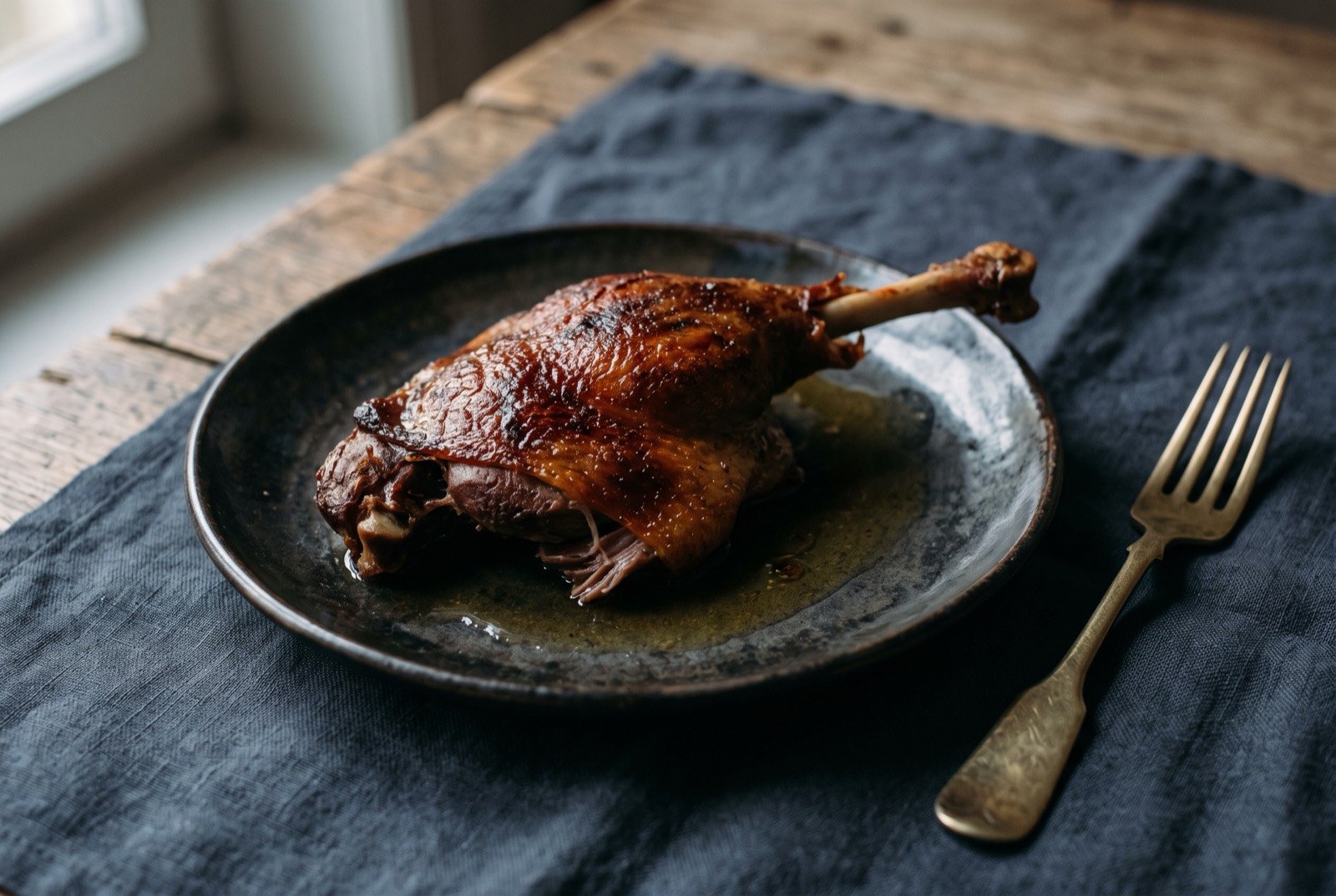 Confit de Canard
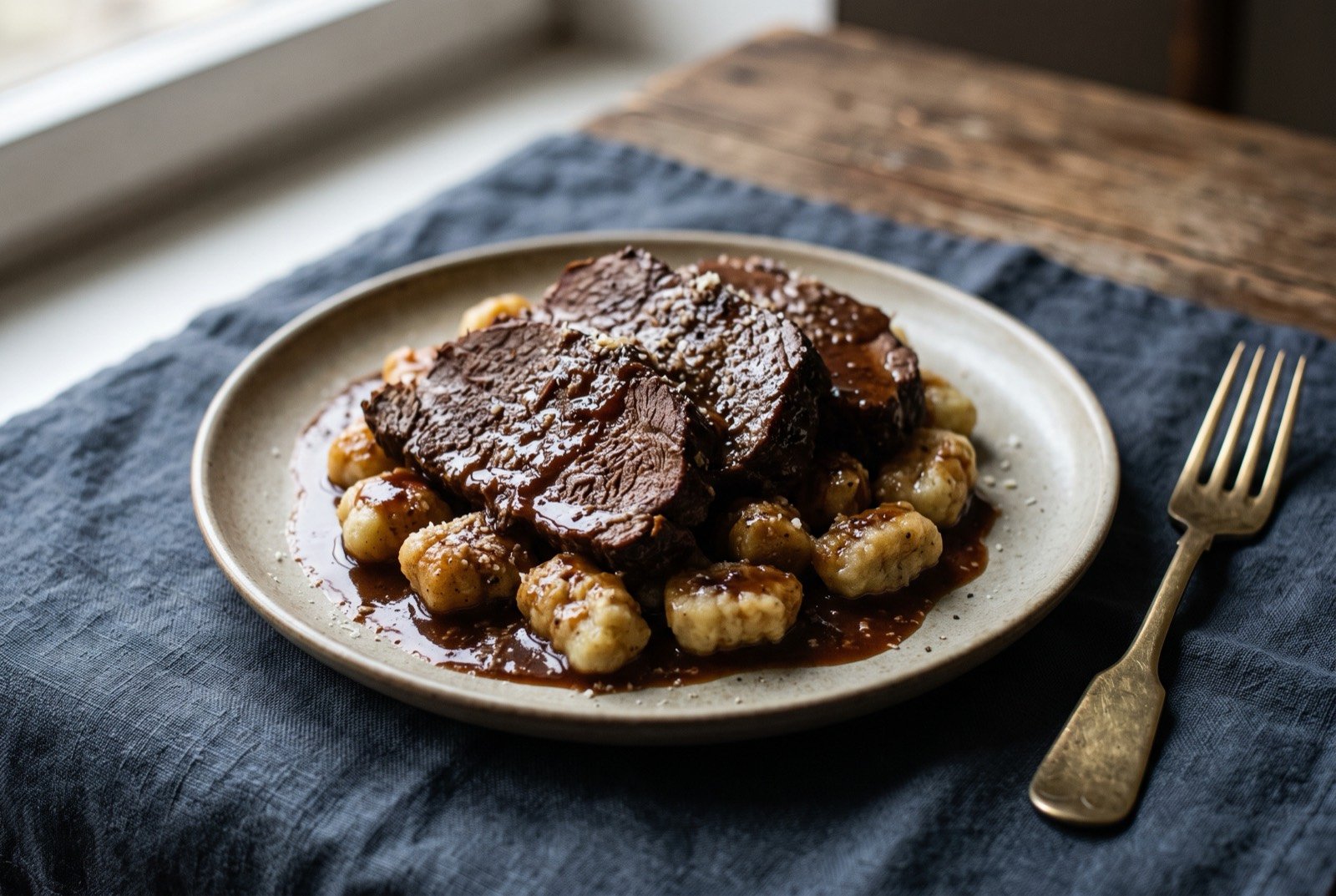 Pašticada
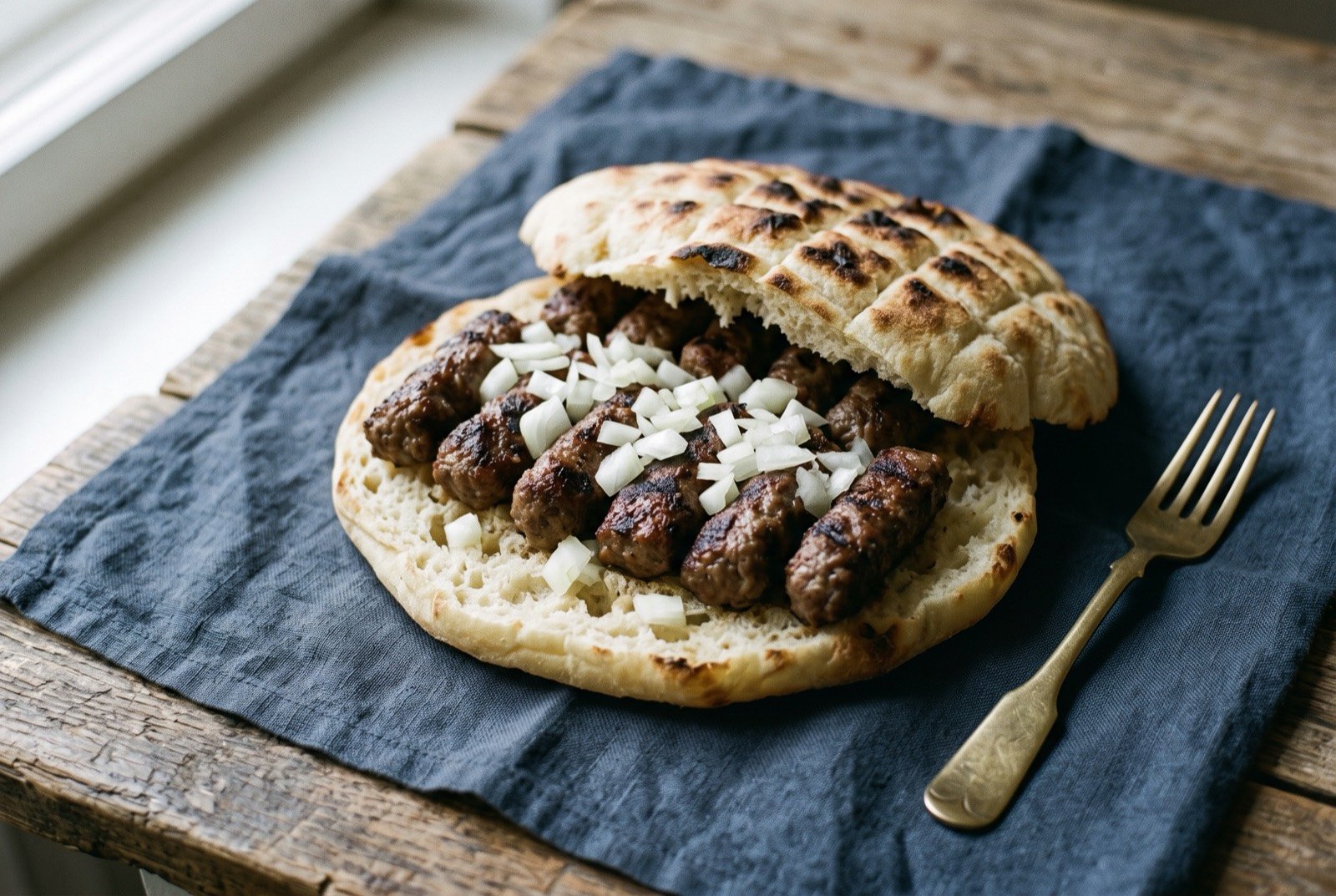 Sarajevski Ćevapi
Untimed
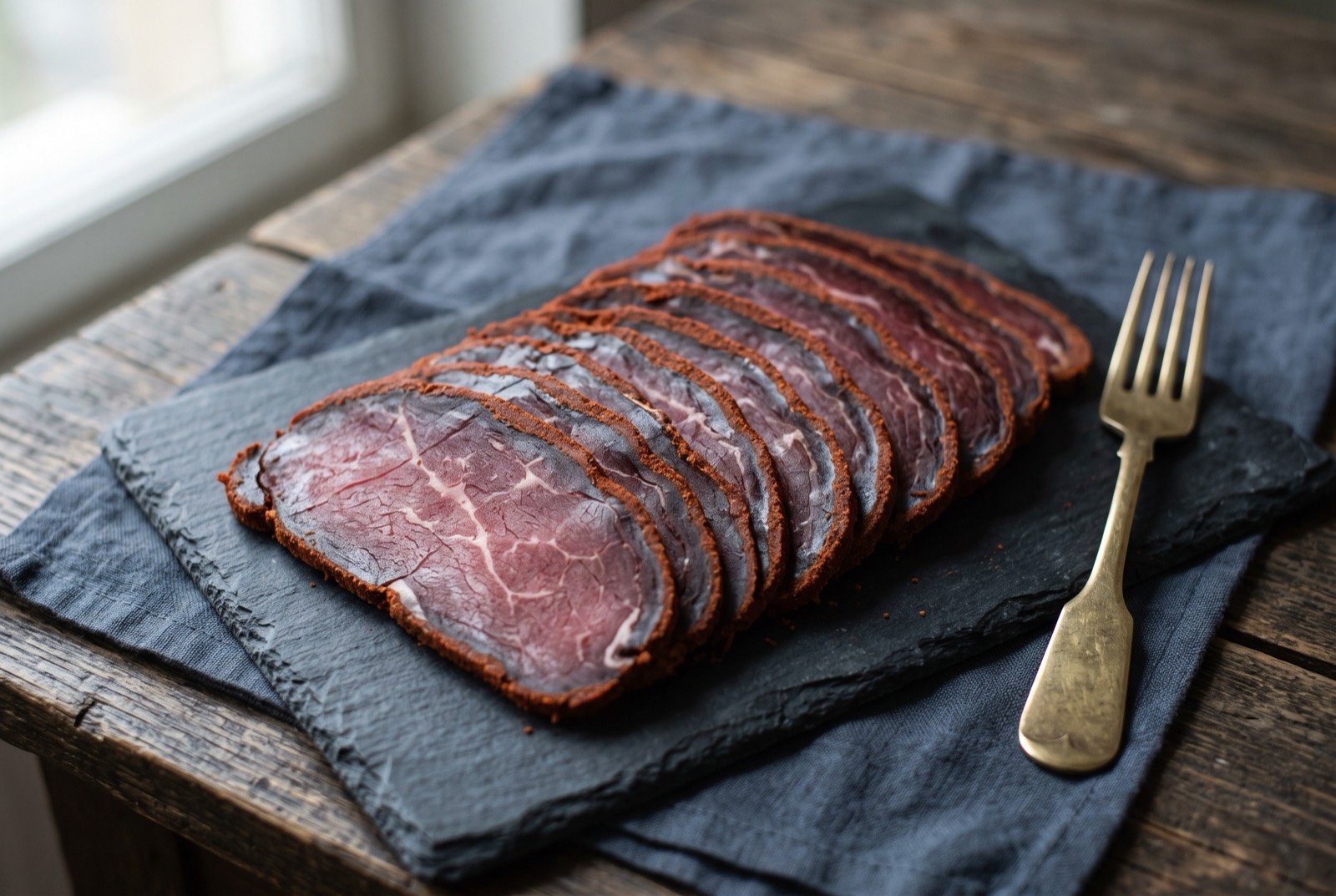 Basturma
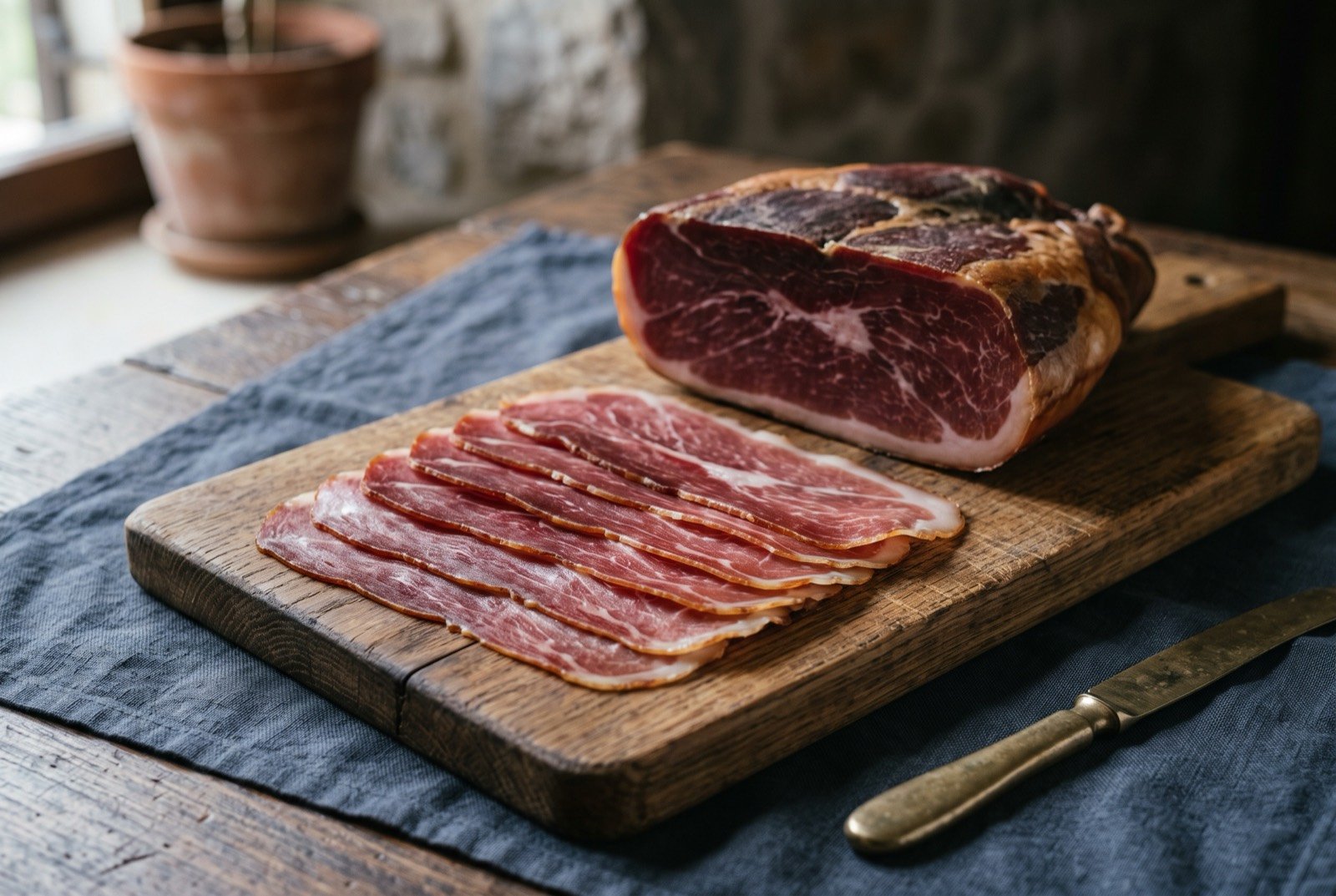 Dalmatinski Pršut
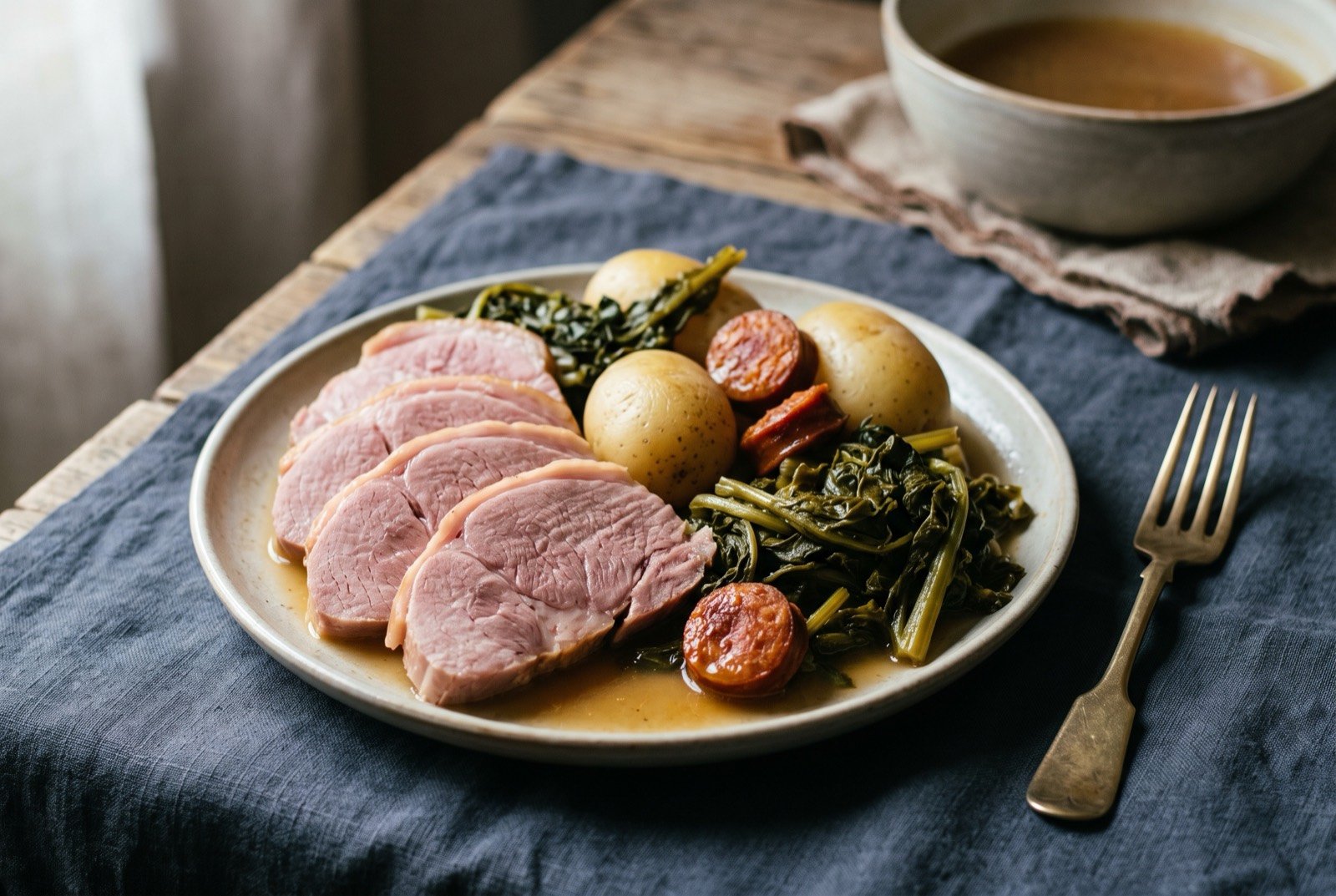 Lacón con Grelos
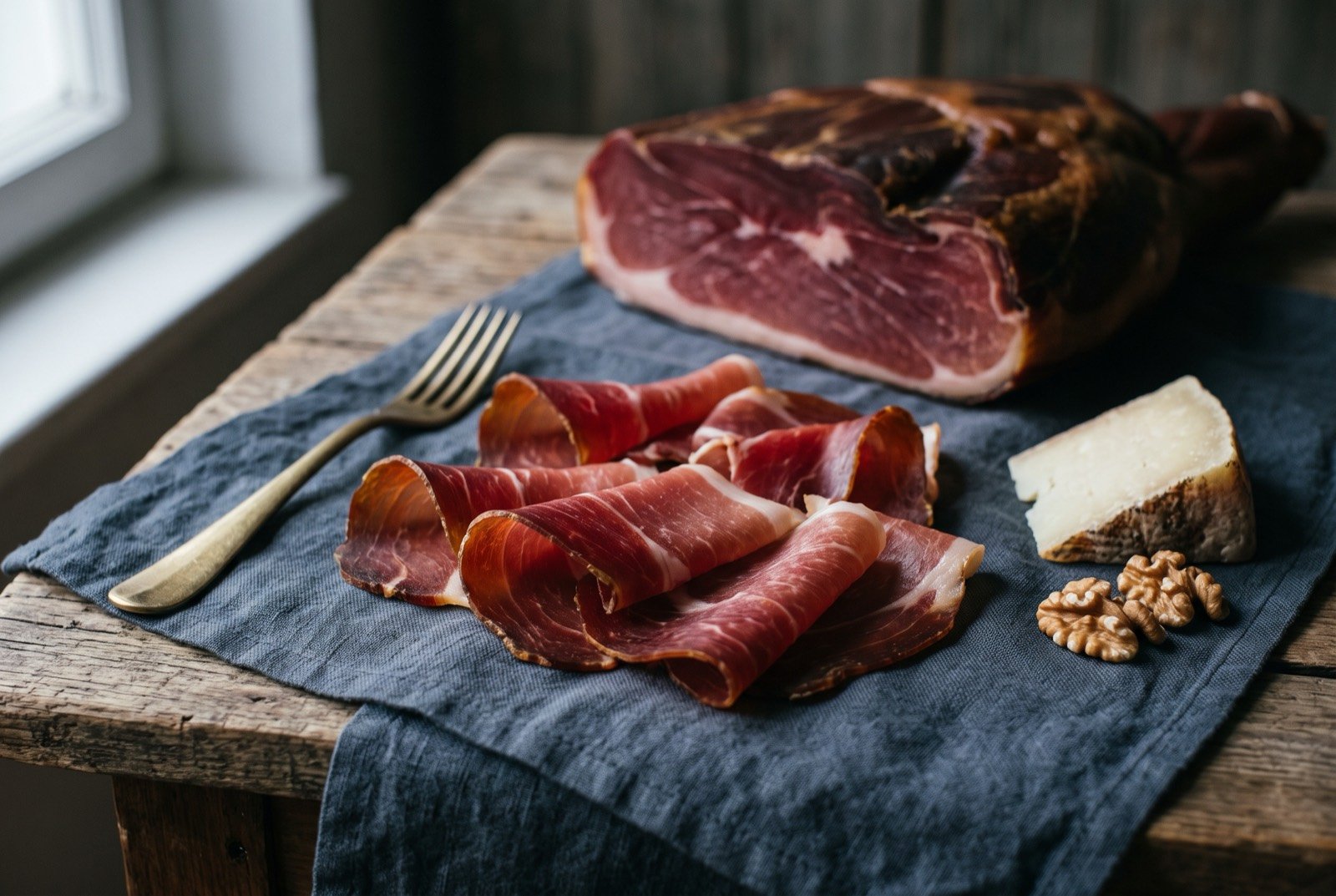 Njeguški Pršut
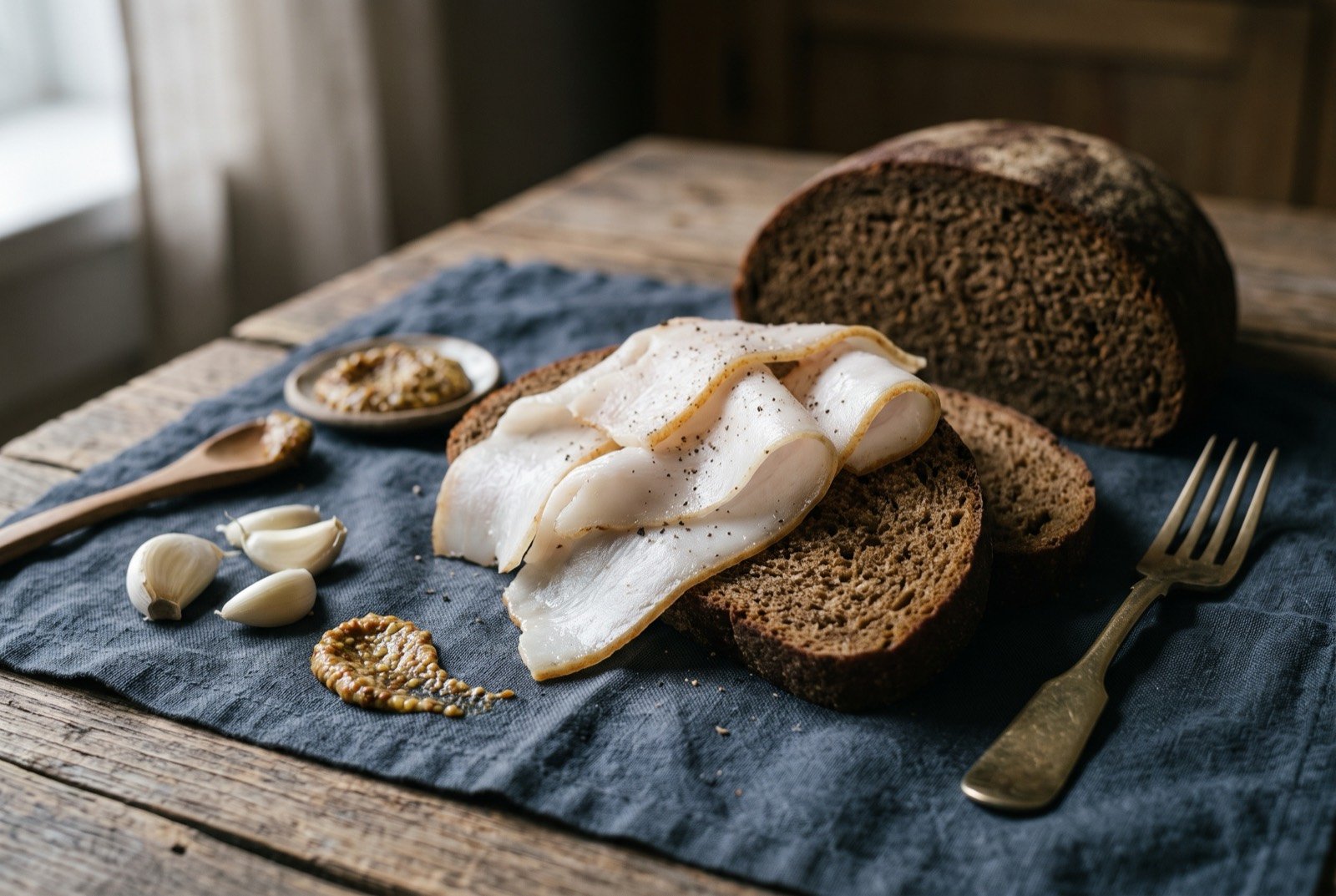 Salo
Salo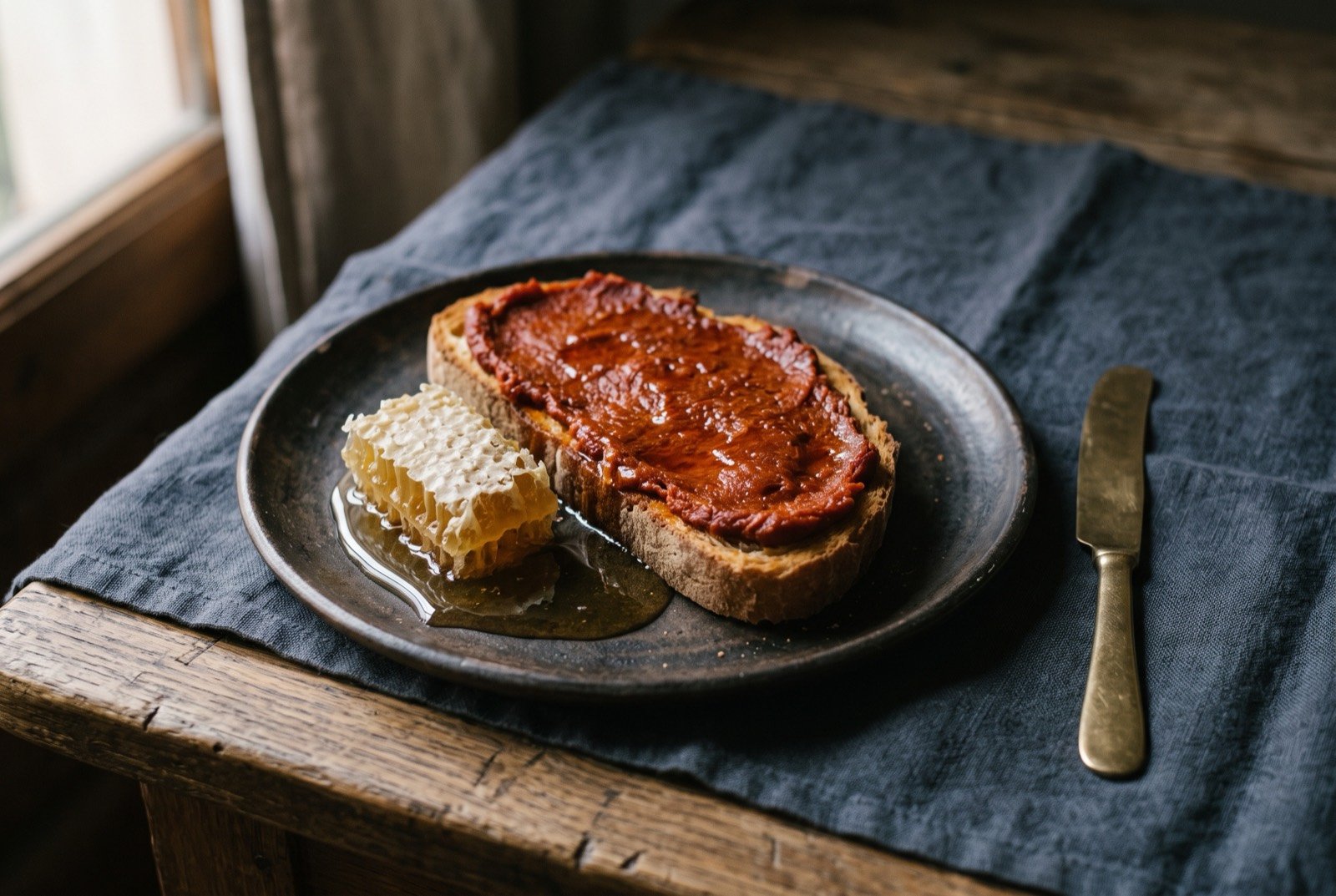 Sobrassada amb Mel
Africa
Senegal & Gambia
Marinate in acid before you caramelise, not instead of it, for yassa
The two stages of yassa are not interchangeable, and doing them in the wrong order produces a completely different, worse dish.
Ghana & Nigeria
Age and cure as seasoning
Ikoyi: 120-day sirloin, four-month Angus, 70-day shorthorn, 10-day sea bass, week-cured trout.
Morocco
Acid, salt and aged fat as dosed ingredients
Home cooking uses one lemon and one salt cellar.
Zambia, Zimbabwe, Malawi & Mozambique
Kapenta, matemba and usipa are a base, not a garnish
Kapenta is Limnothrissa miodon and Stolothrissa tanganicae, two Lake Tanganyika clupeids introduced into Lake Kariba and Cahora Bassa and now the cheapest...
Angola, Namibia & Botswana
Dry curing with no heat, and water activity as the instrument
Biltong looks like jerky and is not, and the misunderstanding is dangerous rather than disappointing.
South Africa, Lesotho & Eswatini
Dry cure by weight loss, and understand that the vinegar is doing a specific job
Biltong is not jerky. Jerky is heated to at least 71°C. Biltong is air dried with no heat lethality step at all, which is why the process specification matters...
Asia
Armenia and Azerbaijan
Salt, press, dry, then coat
Basturma's real method, best sourced from a thirty-year Los Angeles basturma maker whose technique descends from family makers in Armenia and Lebanon: fresh...
Kazakhstan, Kyrgyzstan & Turkmenistan
Salt curing and casing for horsemeat sausage
Kazy's method is a controlled dehydration, not simply seasoning: whole strips of rib meat and fat are cured in salt, garlic and pepper for six hours to a full...
Europe
Southern Italy, Sicily & Malta
Salt and dry rather than reach for vinegar or fire
Pantelleria's capers are picked by hand before dawn, then layered in sea salt for ten days with daily turning, drained, and salted a second time for a further...
Greece & Cyprus
Grind and marinate whole spice fresh, and give it time
Afelia, a specifically Cypriot pork dish, is built on pork cut into roughly 4cm cubes, marinated overnight in the fridge in red wine, salt, pepper and whole...
The Basque Country, Cantabria & Asturias
Rehydrate salt cod on a schedule, not by guesswork
Bacalao's preservation depends on drawing water out under salt; rehydrating it well means reversing that process under control, soaked in cold water in the...
The Basque Country, Cantabria & Asturias
Marinate whole spice and let time, not heat, do the early work
Basque and Cantabrian marinades for pork and beef, wine, salt, pepper and whole spice worked in overnight, depend on slow penetration under refrigeration...
Gascony, the Southwest and the French Basque Country
Salt first, submerge second, and let the fat do the sealing
Confit's actual mechanism is not the cooking heat, it is the fat itself: meat salted roughly 24 hours to draw out surface moisture and season through, then...
North Germany and the Baltic Coast
Vinegar-brine pickling to the point of dissolving bone
Rollmops and Bismarckhering are cured in a brine strong enough, roughly 7 percent acetic acid and 14 percent salt, to soften and effectively dissolve the...
Austria and the Habsburg Table
Cure and cold-smoke, don't hot-smoke, for Alpine preservation
Tiroler Speck's specification is precise for a reason: dry salt with juniper, pepper and garlic first, drawing moisture out and beginning preservation...
The Czech Republic and Slovakia
Full salt penetration before smoke, checkable by the cut
Cold-smoked meat and cheese on both sides of the border share one non-negotiable prerequisite: the salt must fully penetrate to the centre before smoking...
Galicia
Desalt cured pork on a schedule, not by guesswork
Lacón and other salt-cured Galician pork require a proper soak before cooking, traditionally 24 to 48 hours in cold water changed every eight hours, to draw...
Catalonia, Valencia, Murcia & the Balearics
Curing sobrassada is fermentation and paprika doing two jobs at once
Sobrassada is made from coarse-ground pork and back fat mixed with salt, roughly 20 to 30 grams per kilo of paste, and sweet pebre bord, around 60 grams per...
Andalusia
Marinate in acid and spice before the pan
Adobo, the marinade behind cazón en adobo, works on a different chemical logic to the plain flour of pescaíto frito: garlic, sweet paprika, cumin, oregano and...
The Canary Islands
Give a wine and vinegar marinade its full day
Conejo al salmorejo's marinade, oil, wine, vinegar, garlic, pimentón, cumin and herbs pounded and combined, is left on the meat a full twenty-four hours...
Portugal
Cold water, low heat, and never a rolling boil
Bacalhau's demolha, its soaking, exists to restore water to the dried fish, not only to remove salt, and it must be done in cold water changed frequently; warm...
Portugal
Wine, garlic, and a marinade built to travel
Vinha d'alhos, wine or vinegar worked with garlic, salt and paprika or chilli, is this cuisine's structuring marinade wherever meat needs to keep, whether...
Ukraine and Belarus
Dry-cure salo by touch and time, not by a fixed weight
Salo is genuinely difficult to over-salt, since the fat only absorbs what it needs rather than taking up salt indefinitely the way lean meat does; three to...
The Western Balkans
Rest the meat before you shape it, and understand what the rest actually does
Sarajevo's own account of ćevapi preparation calls for the diced meat to be salted and mixed with water in which garlic has been boiled, then left overnight in...
The Adriatic and Albania
Match salt, wood and wind to the microclimate, not to a single recipe
The whole point of this coast's charcuterie is that there is no one cure.
Scotland, the Highlands and Islands
Salt first, dry the skin, then decide which smoke you want
Every cured fish and every hot-smoked haddock in this chapter starts the same way: salt applied before anything else, drawing surface moisture out by osmosis...
Scotland, the Highlands and Islands
Give the smoke time, not heat, and know which one you're doing
This is Rung 1's principle taken further, into a preservation technique proper rather than a flavouring one.
Ireland
Salt draws water before it does anything else
Home-cured bacon depends on the same sequencing this atlas keeps returning to in cured meat everywhere: salt drawing moisture out of the flesh first...
Oceania and the Pacific
Fiji
Cure with acid, not heat, and know exactly what firmness you are curing toward
Citric acid at the fish's surface disrupts the hydrogen bonds and electrostatic interactions holding muscle protein in its folded shape, causing it to unfold...
Samoa, Tonga & Niue
Citrus first, coconut last
The single clearest technical lesson to come out of this chapter's modernist research: in a properly made oka or ʻota ʻika, the citrus does its acid-cure work...
Tahiti, the Society Islands & the Cook Islands
Citrus curing as a timed acid reaction, not a fixed recipe
The volume's flagship technique, and the one this chapter is most careful not to overstate.
Rapa Nui
The citrus cure
The island's present-day ceviche register, raw tuna cut small and cured in lime, is a precise, timed chemical process, citric acid denaturing muscle protein to...