Home · Technique ladder · Sealed Vessel Steam
Sealed Vessel Steam
Cooking sealed in its own liquid or steam
27 rungs across 23 volumes
Dishes
Weeknight
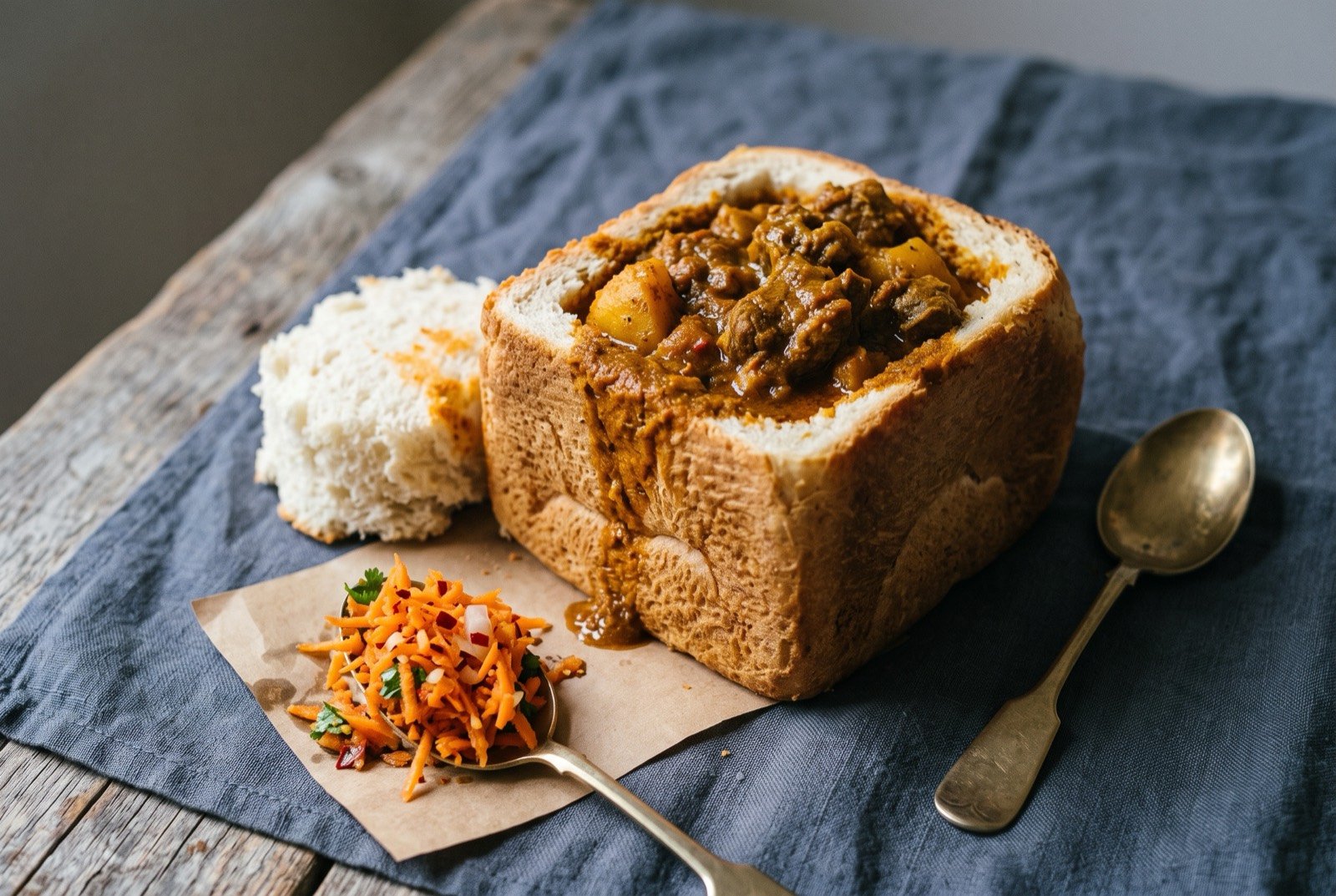 Bunny chow
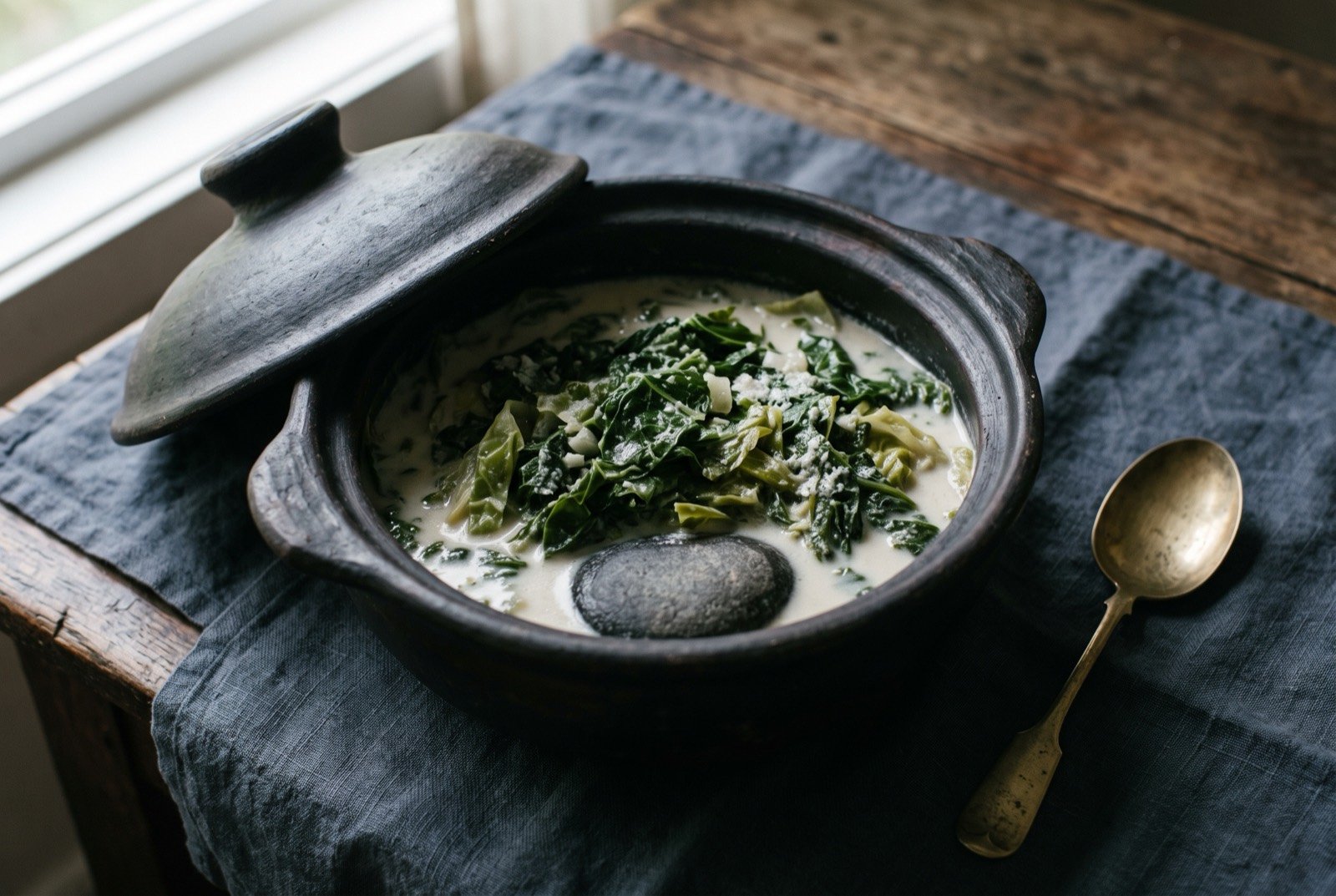 Chiliri ngache
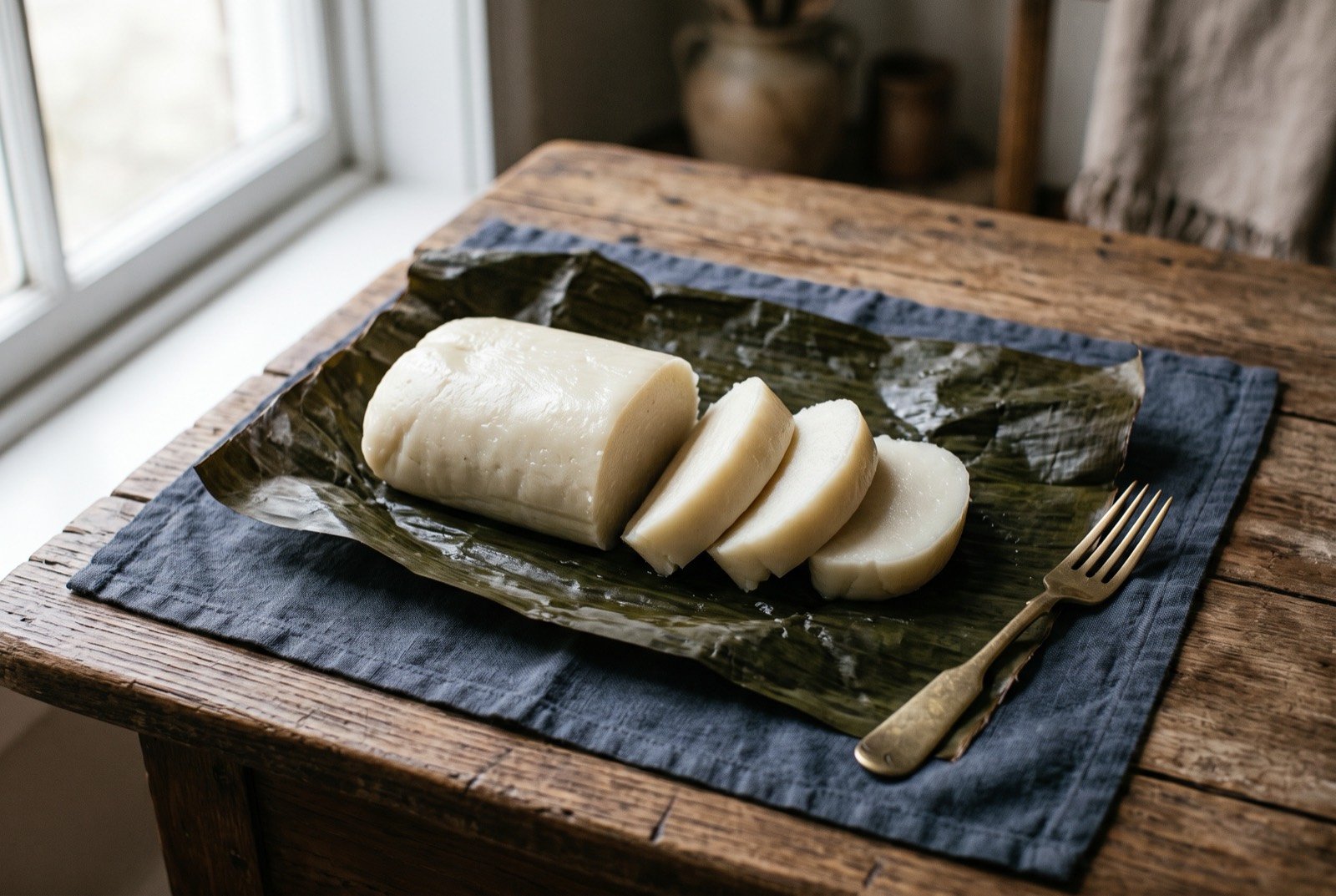 Chikwangue, or kwanga
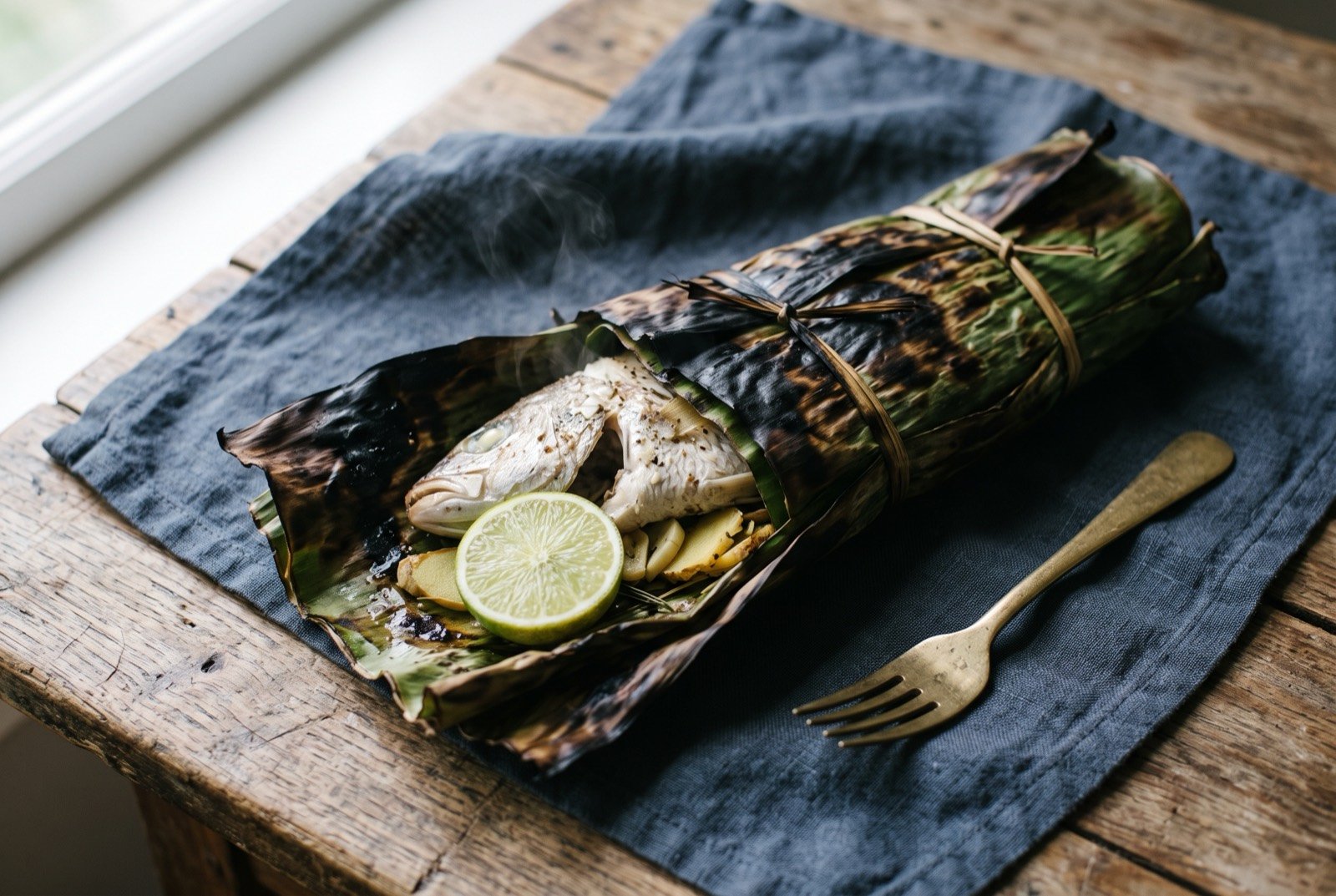 Fish wrapped in banana leaf, grilled
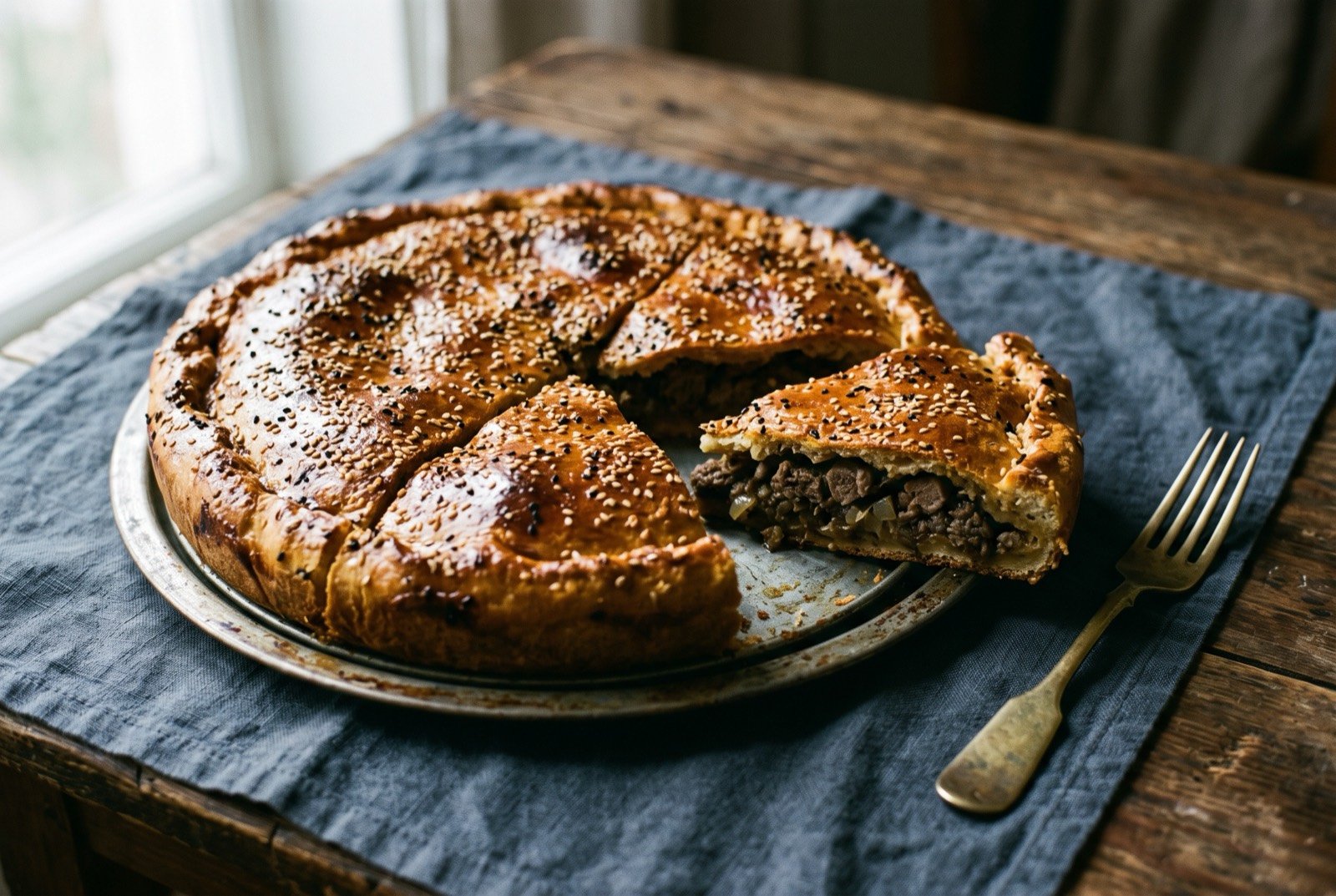 Ishlekli
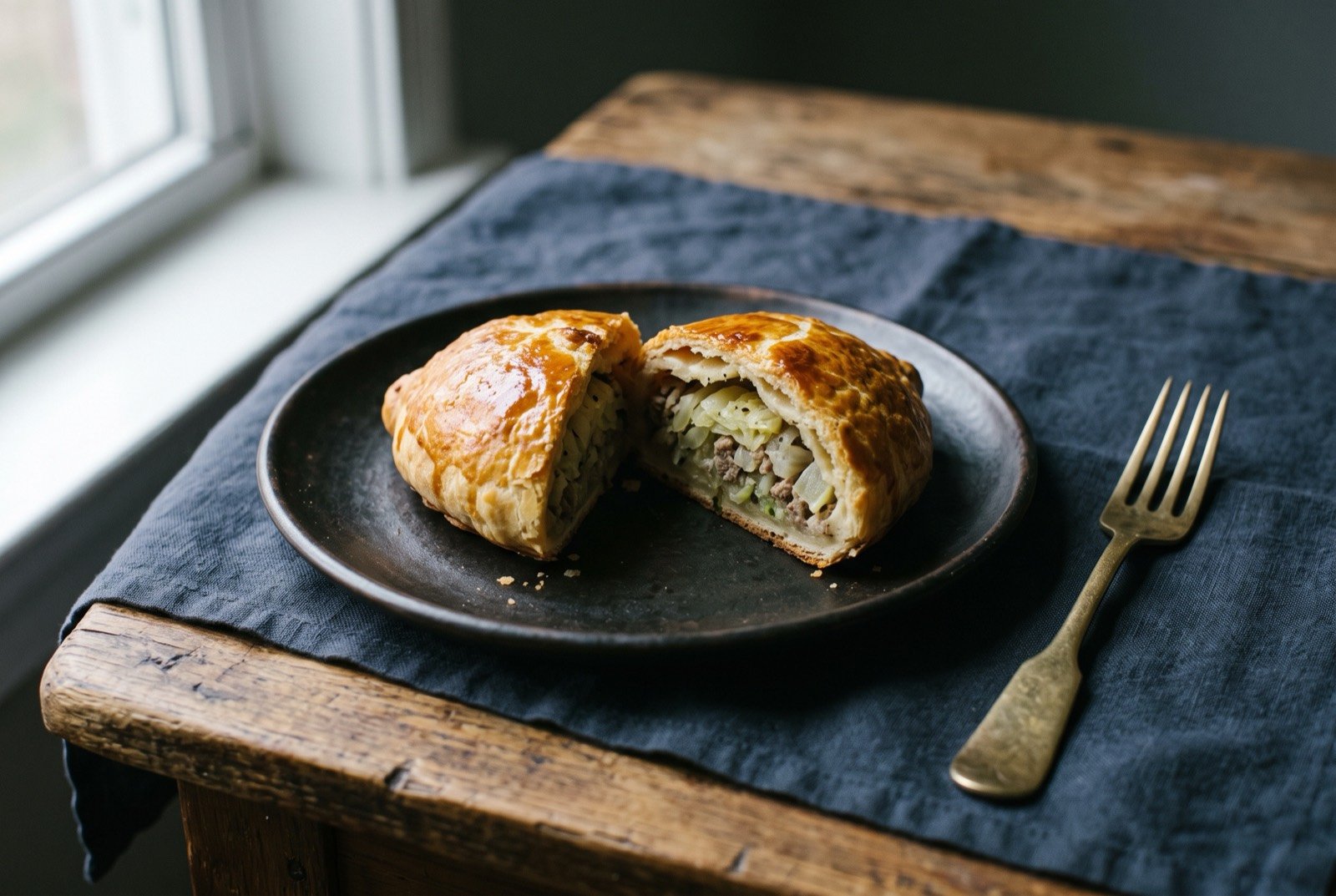 Etli nan
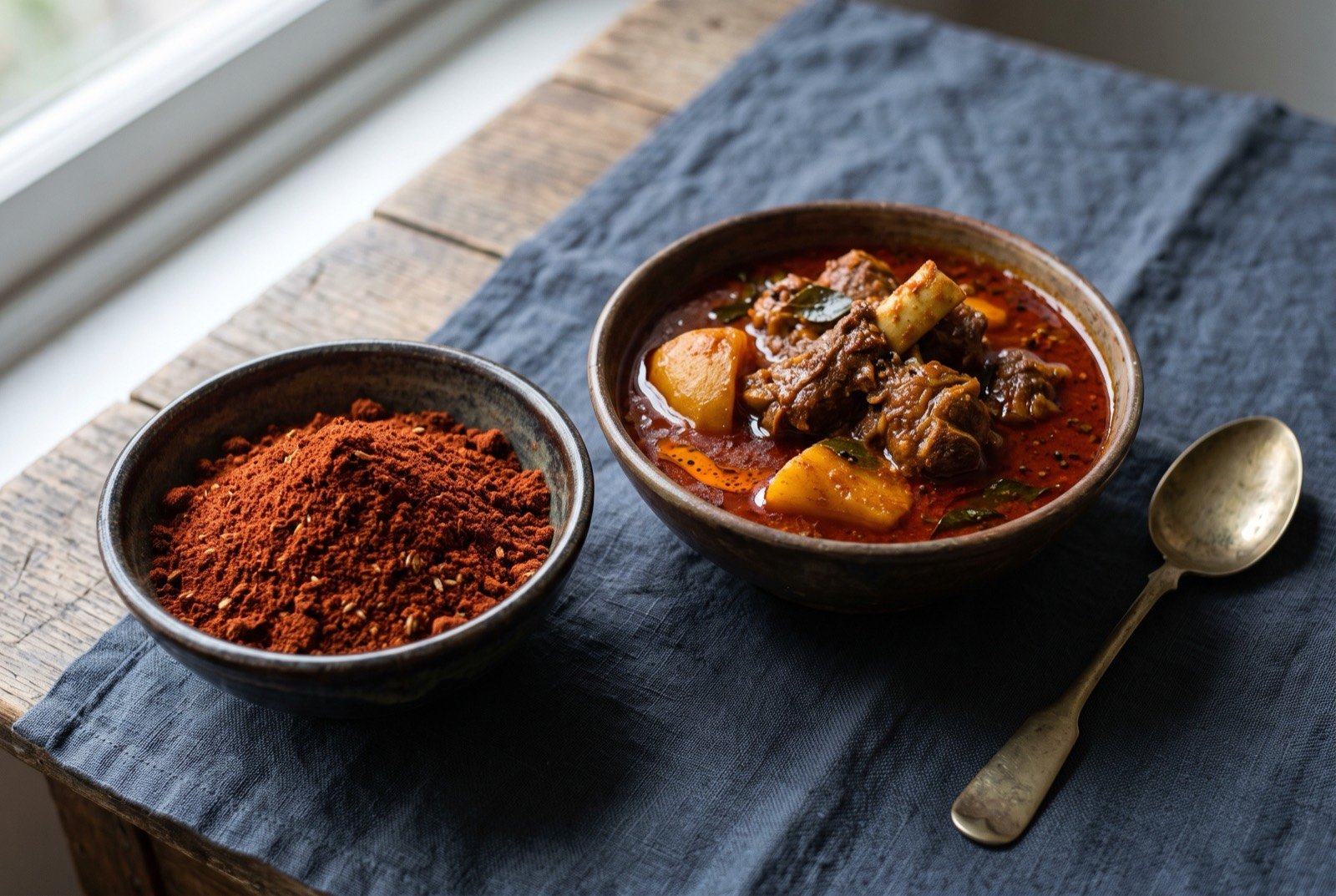 Durban masala, and the mutton curry it exists for
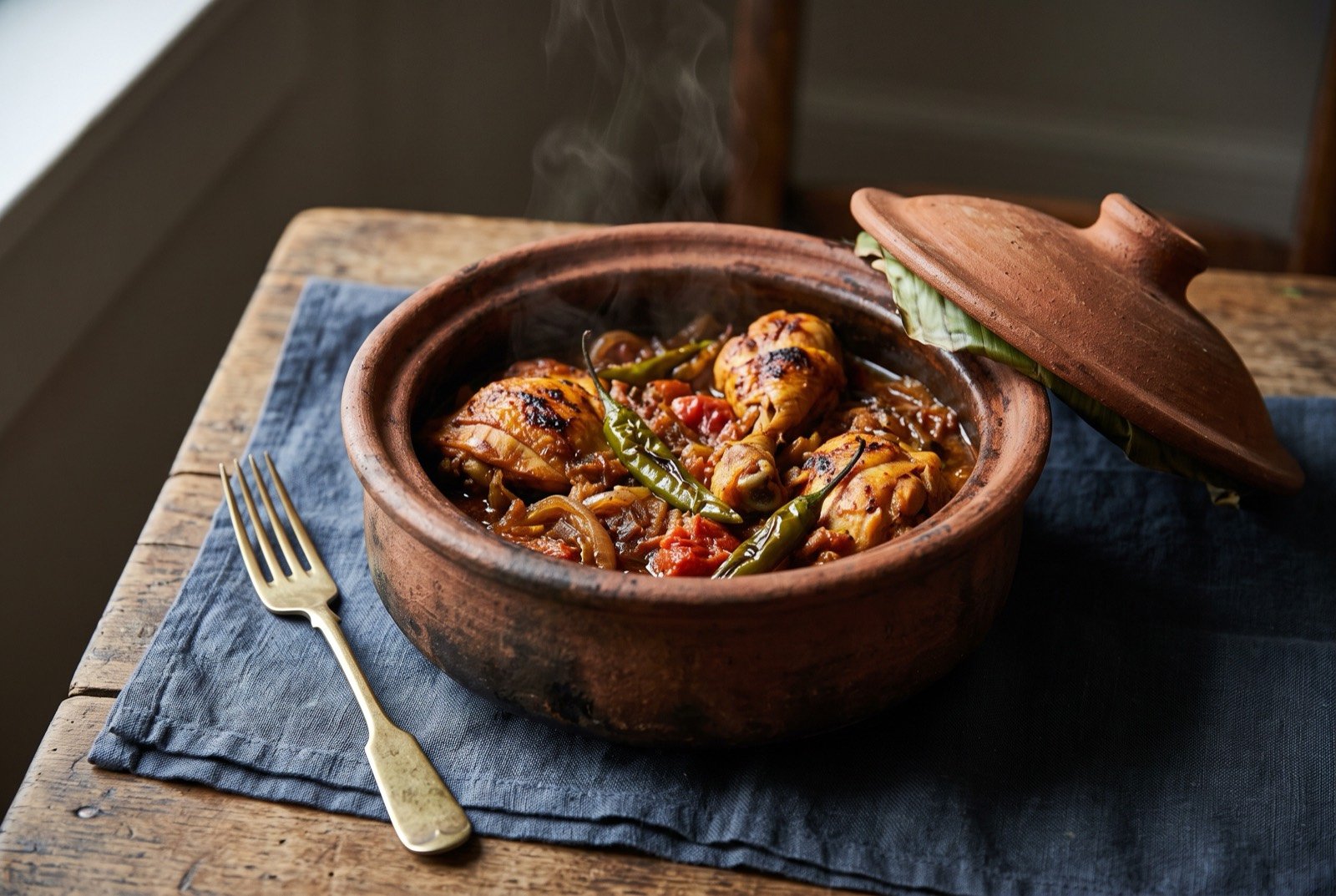 Kedjenou de poulet
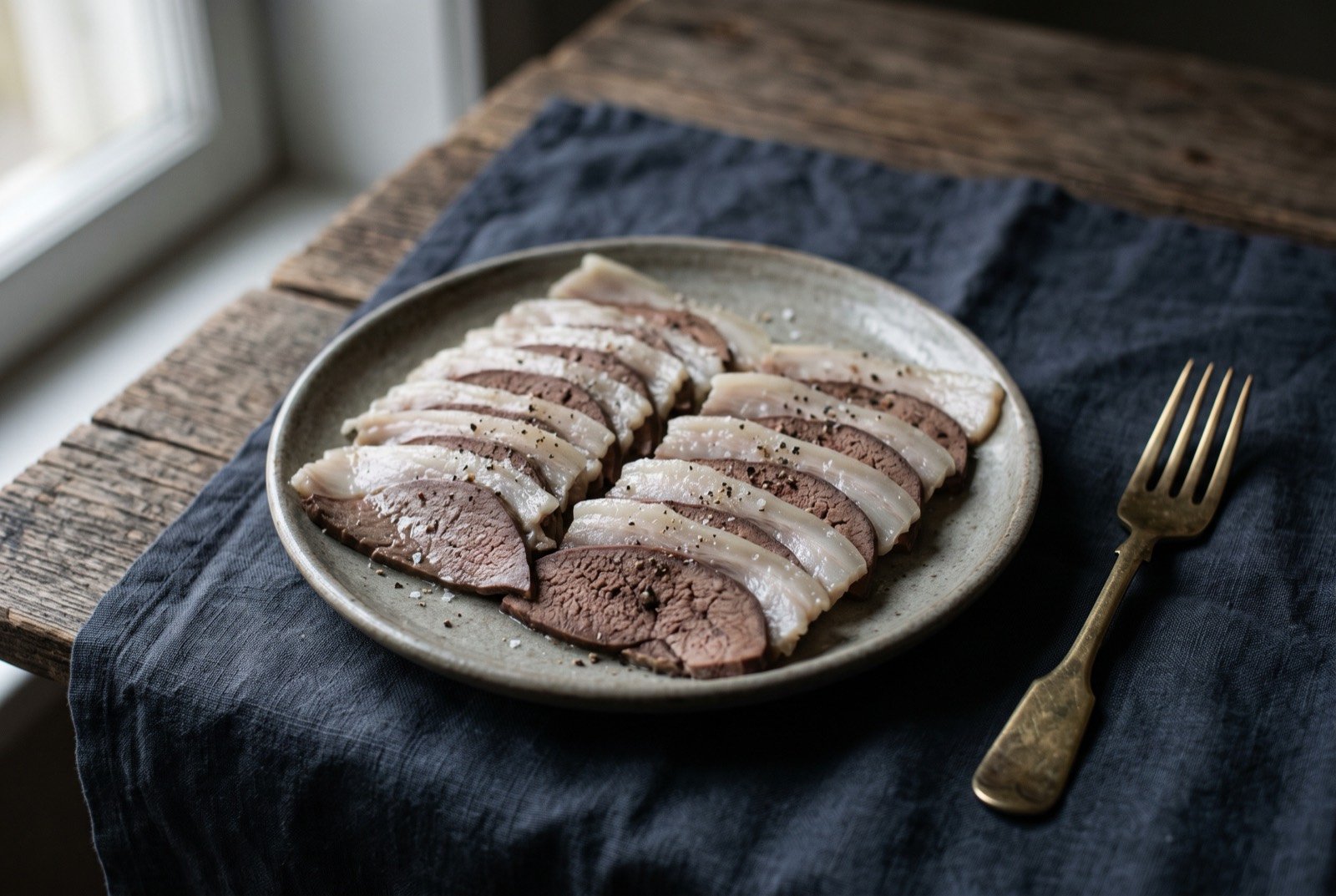 Kuiryk bauyr
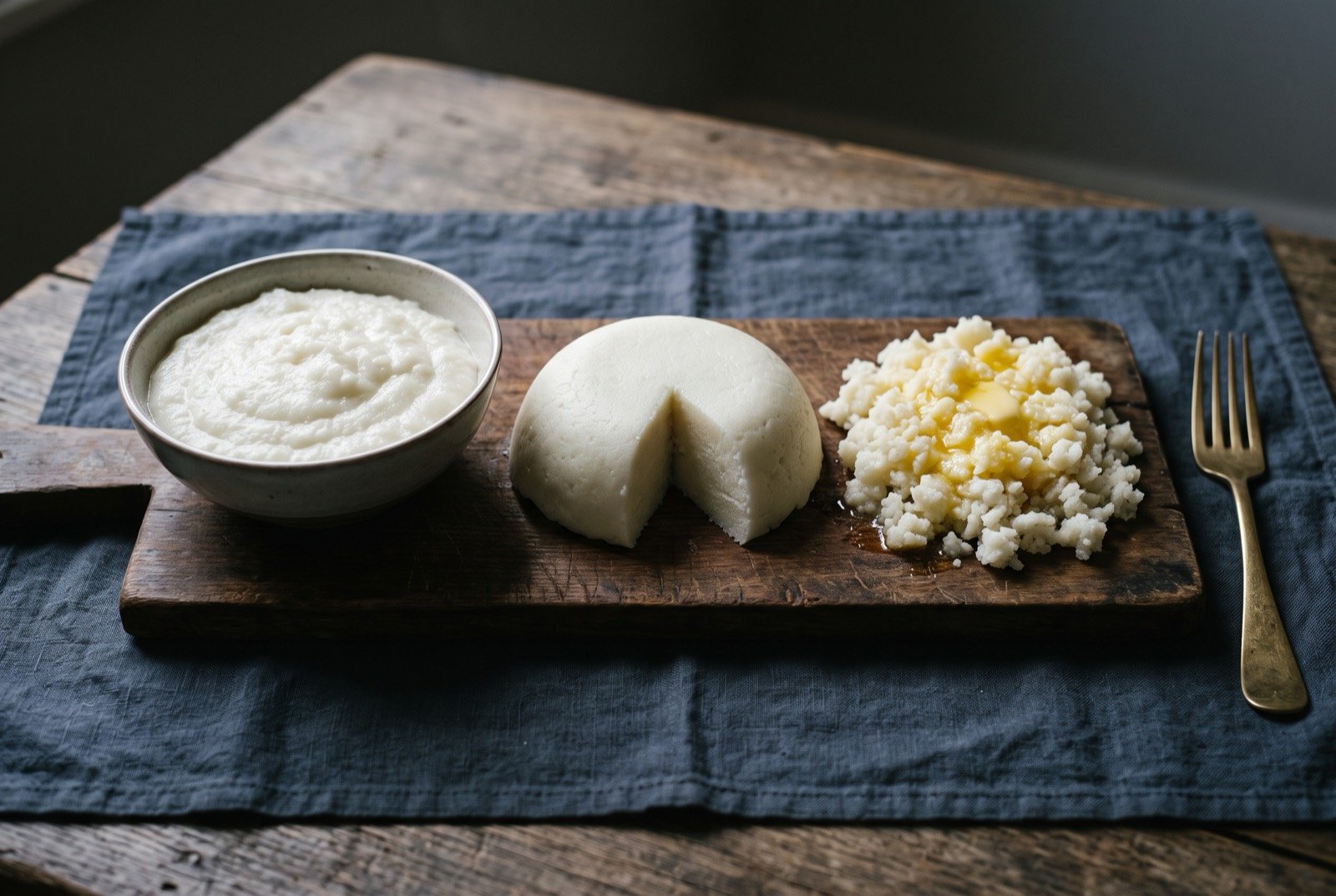 Pap, three ways
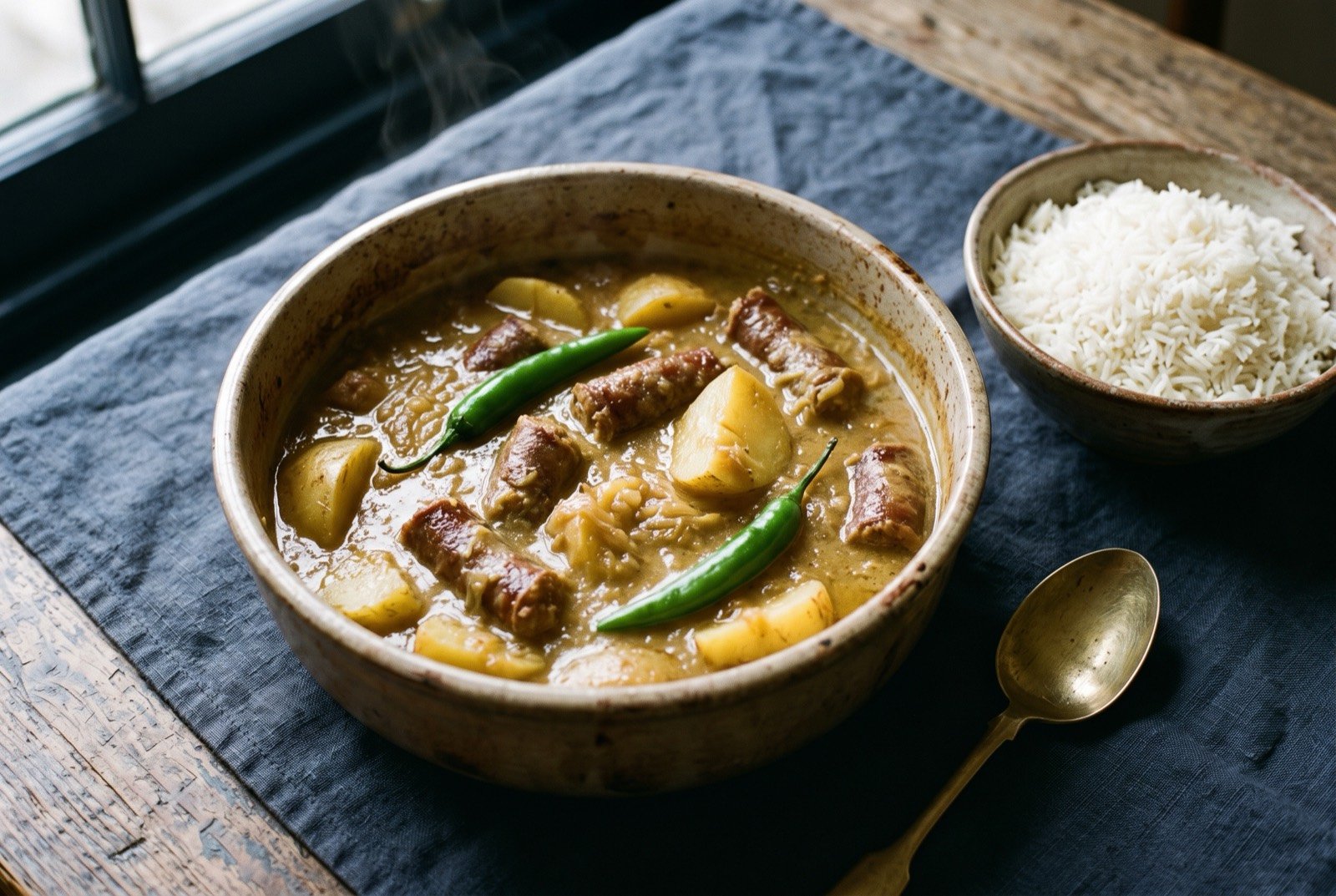 Bredie
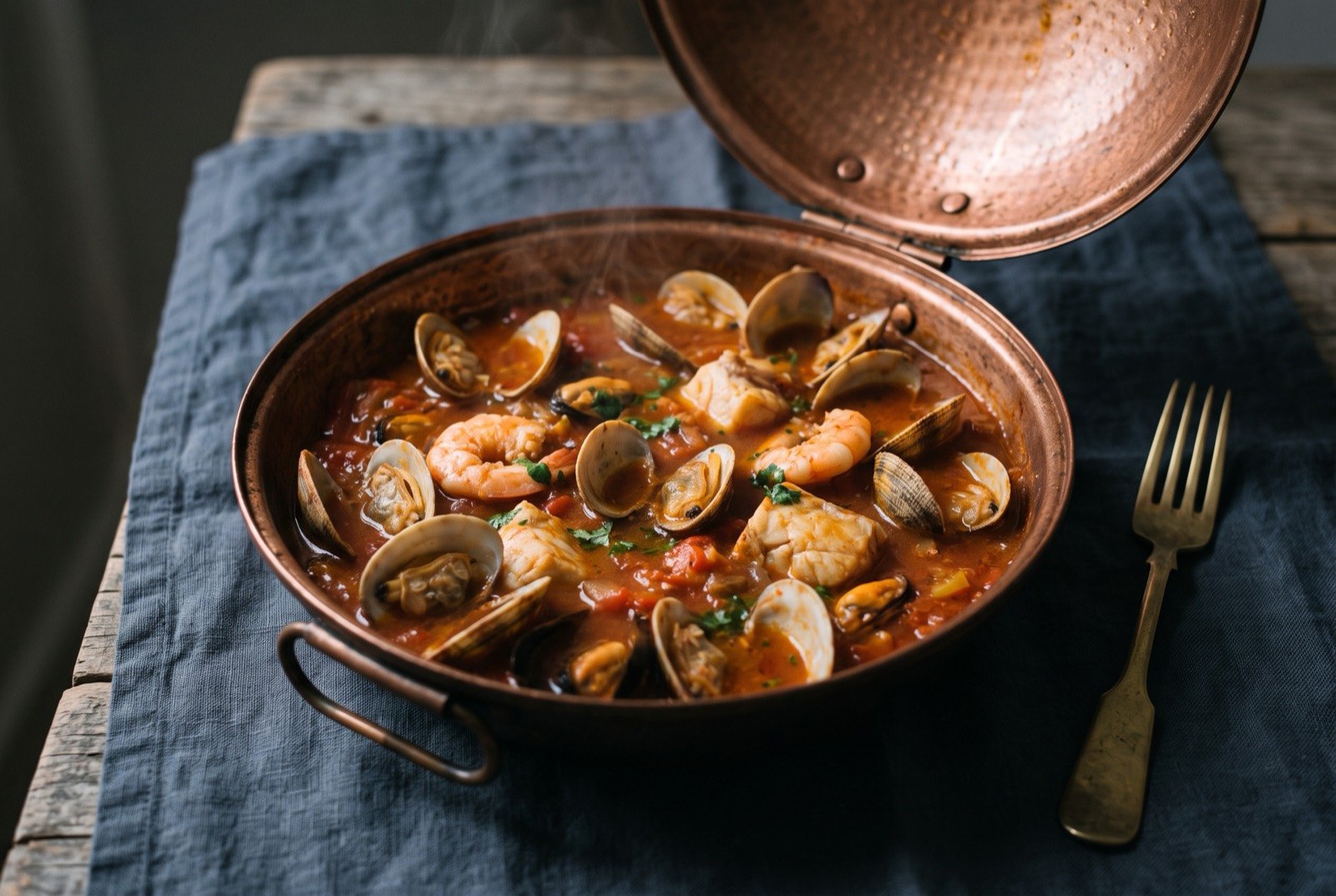 Cataplana de Marisco
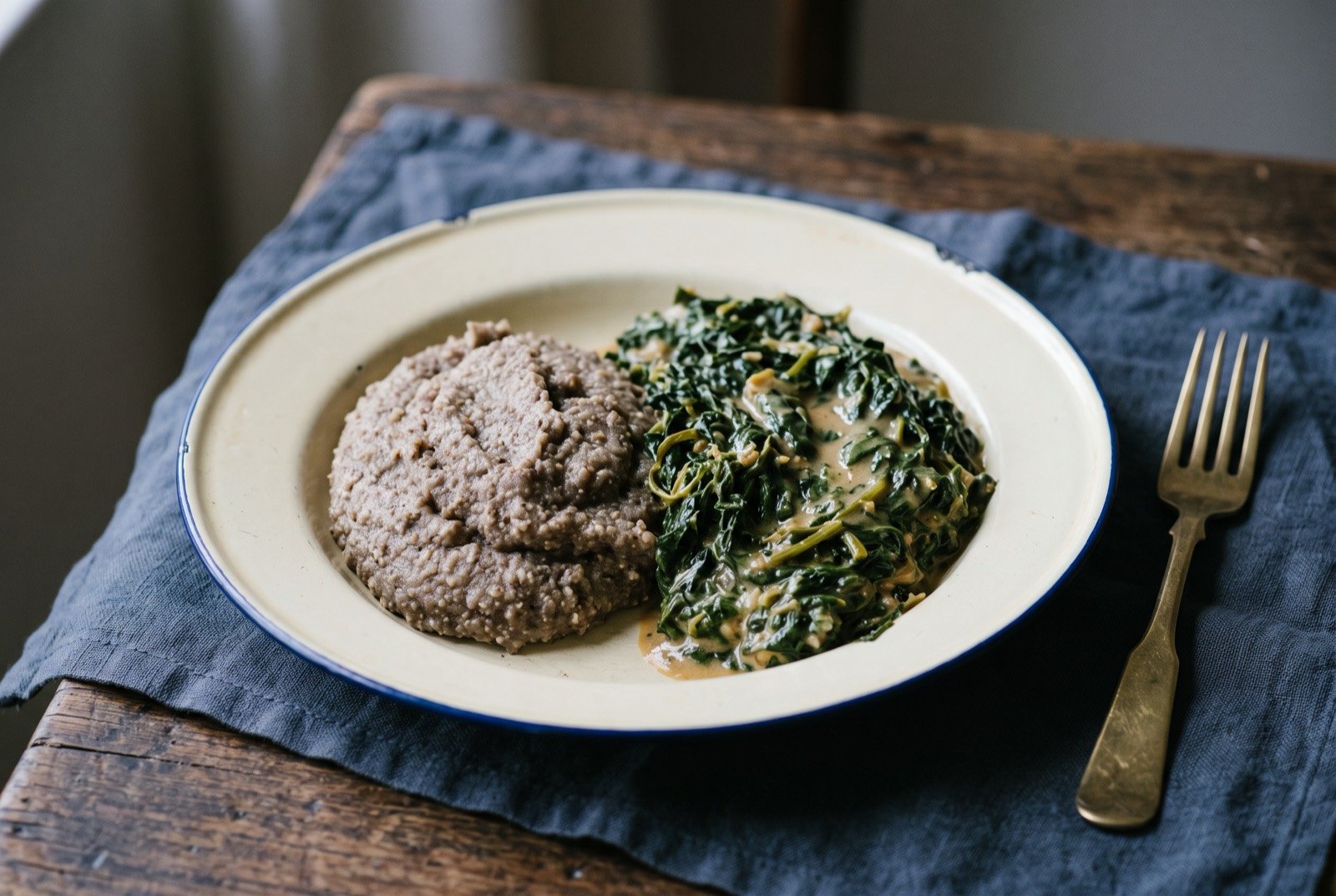 Liphalishi lemabele, with umbidvo wetintsanga
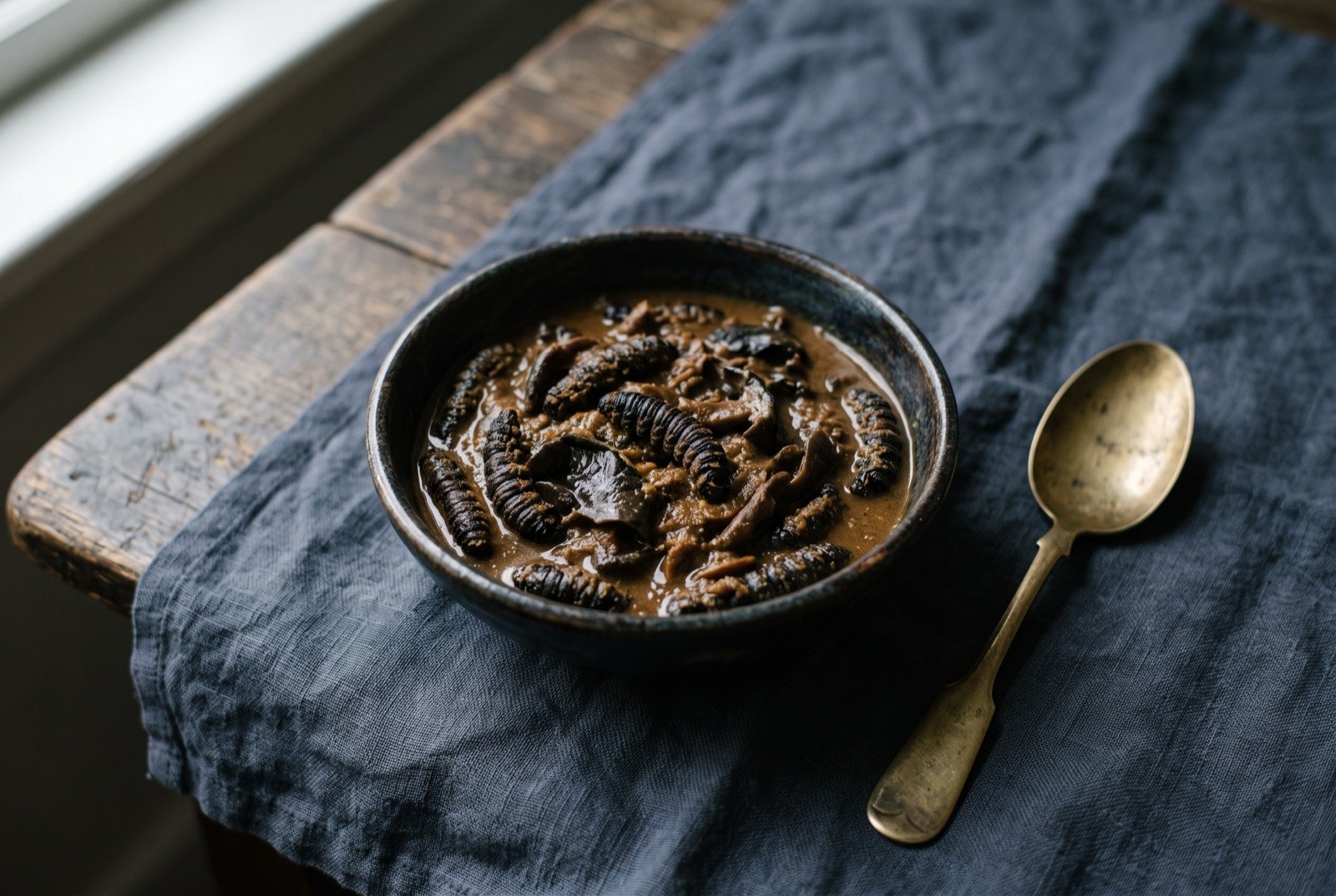 Mbinzo ya mayebo
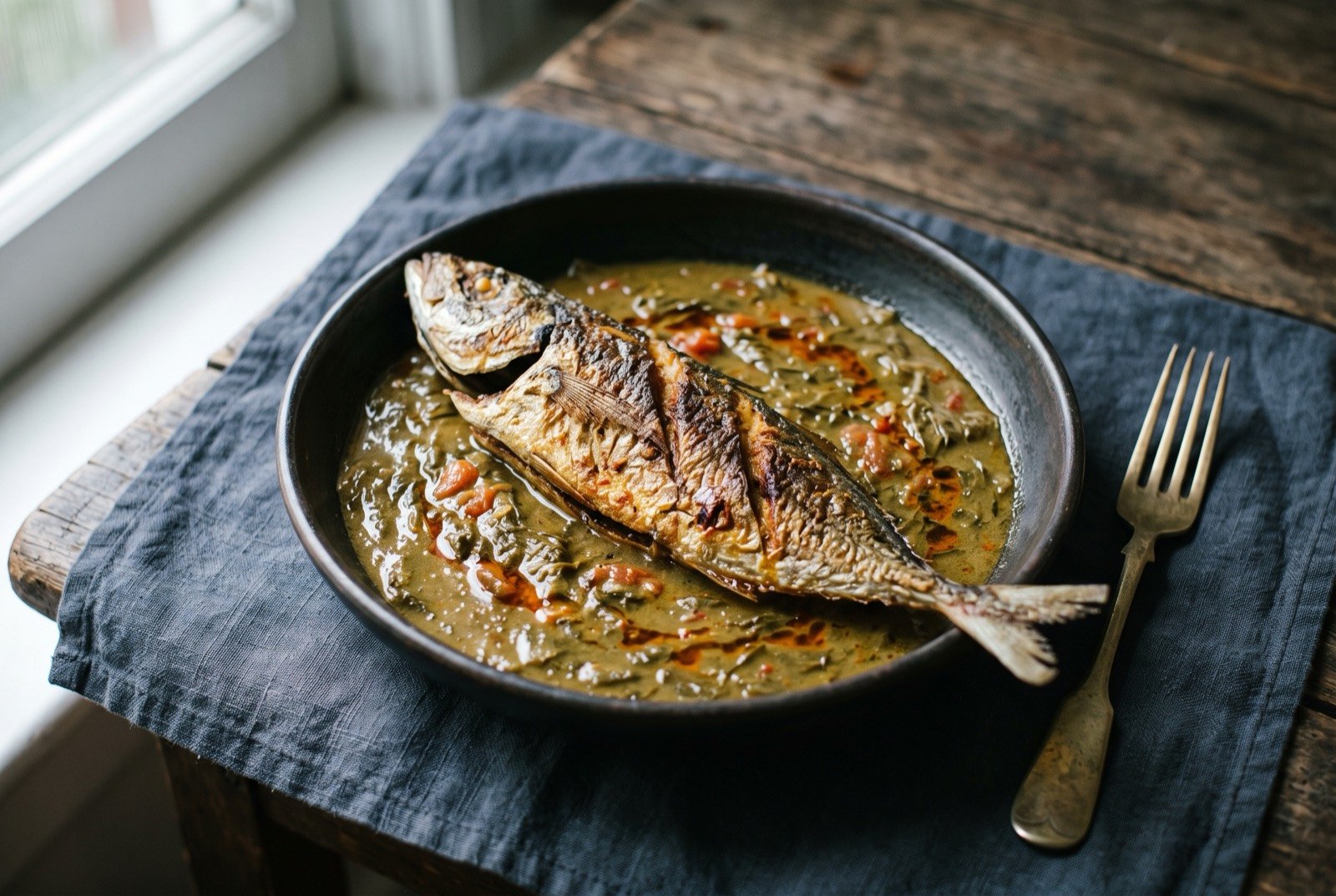 Ngai ngai na tomson
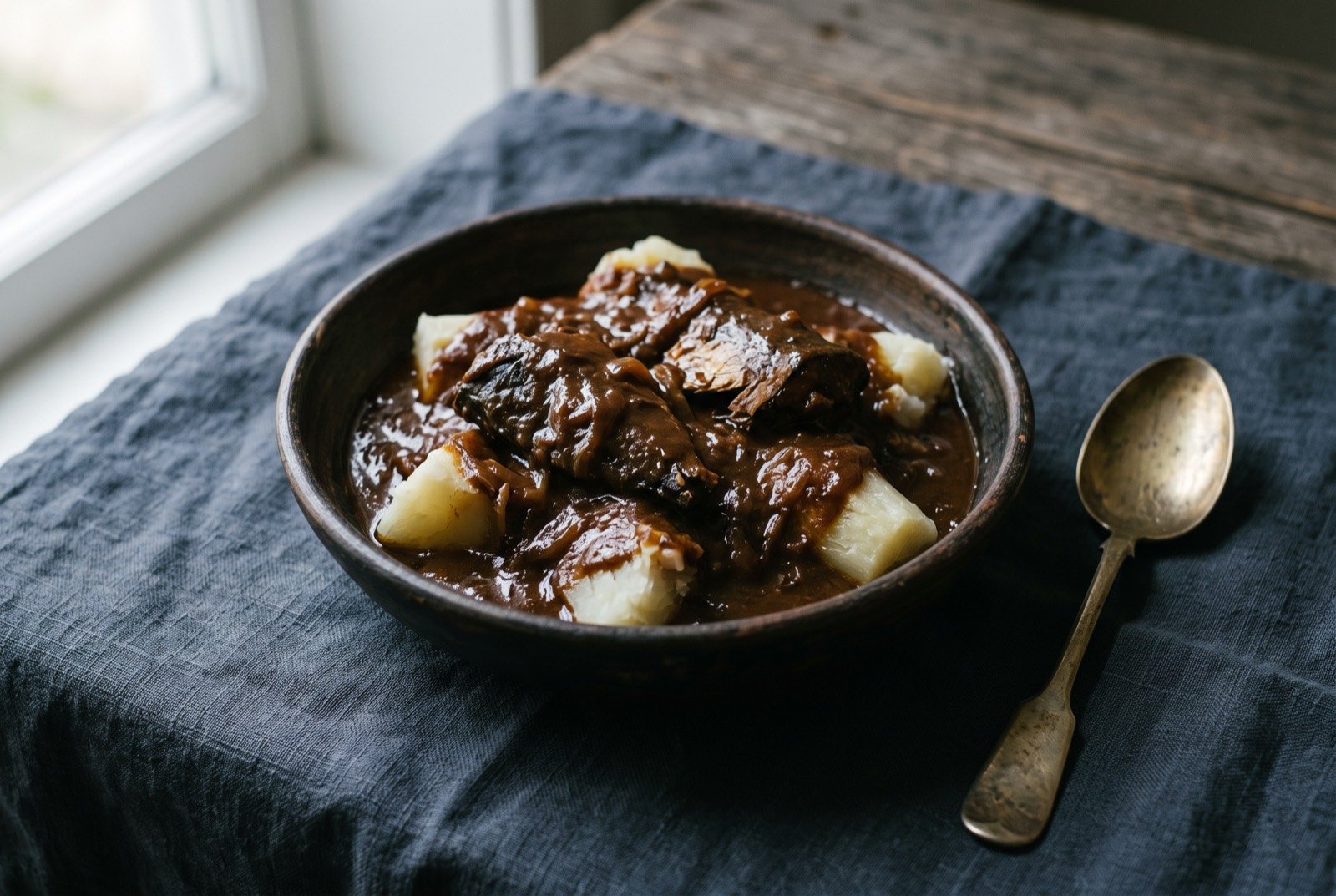 Sauce odika
Weekend
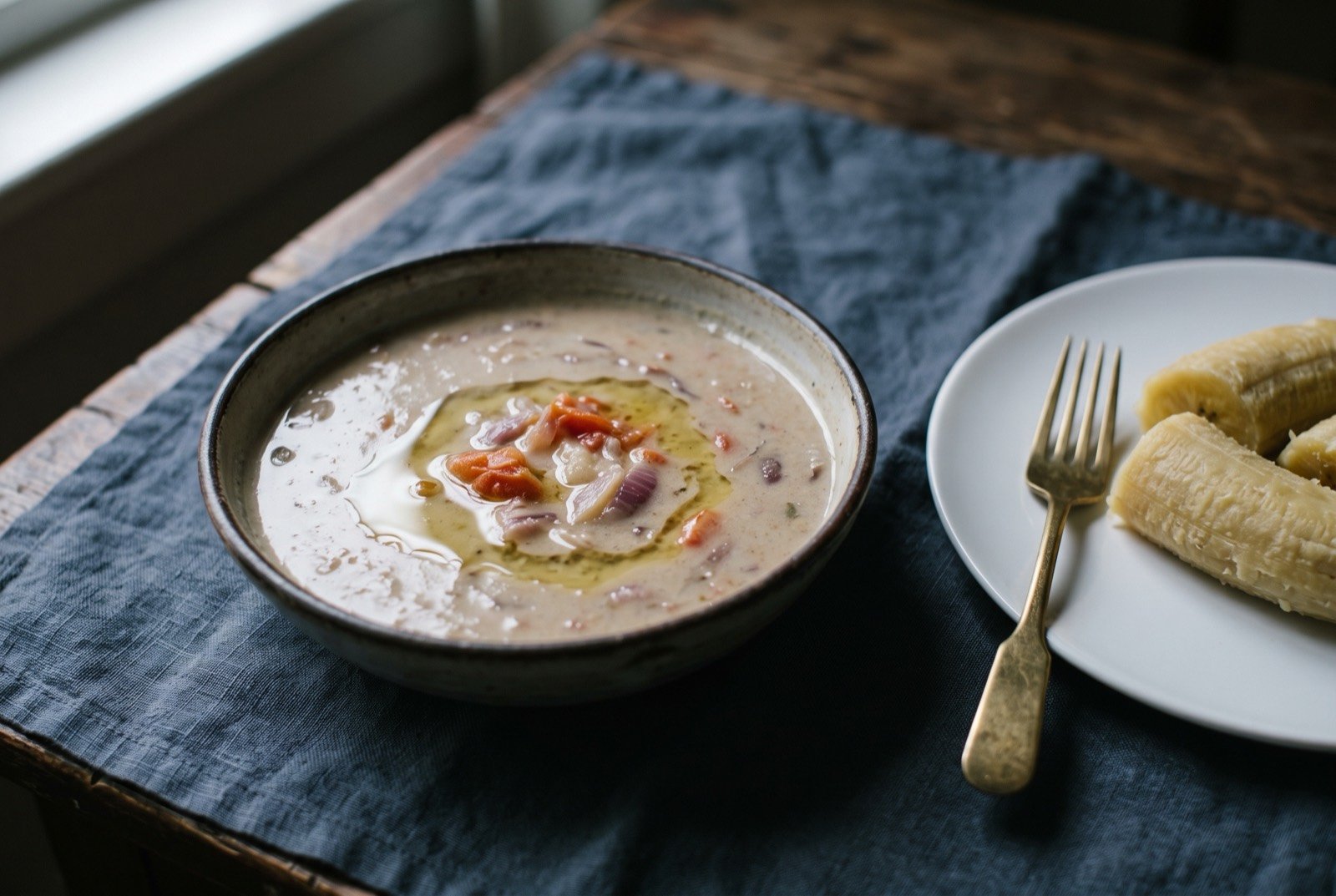 Ebinyebwa
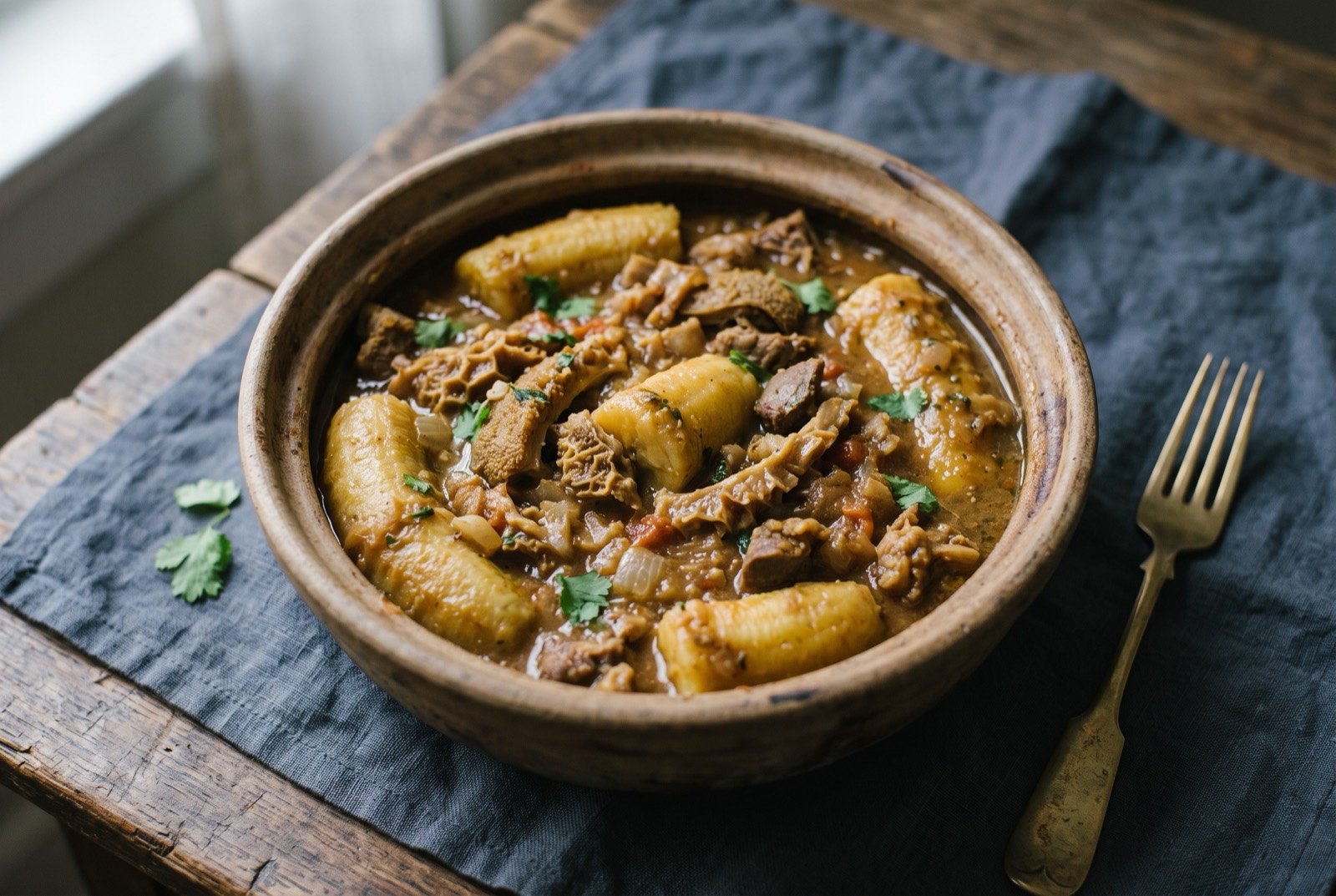 Katogo
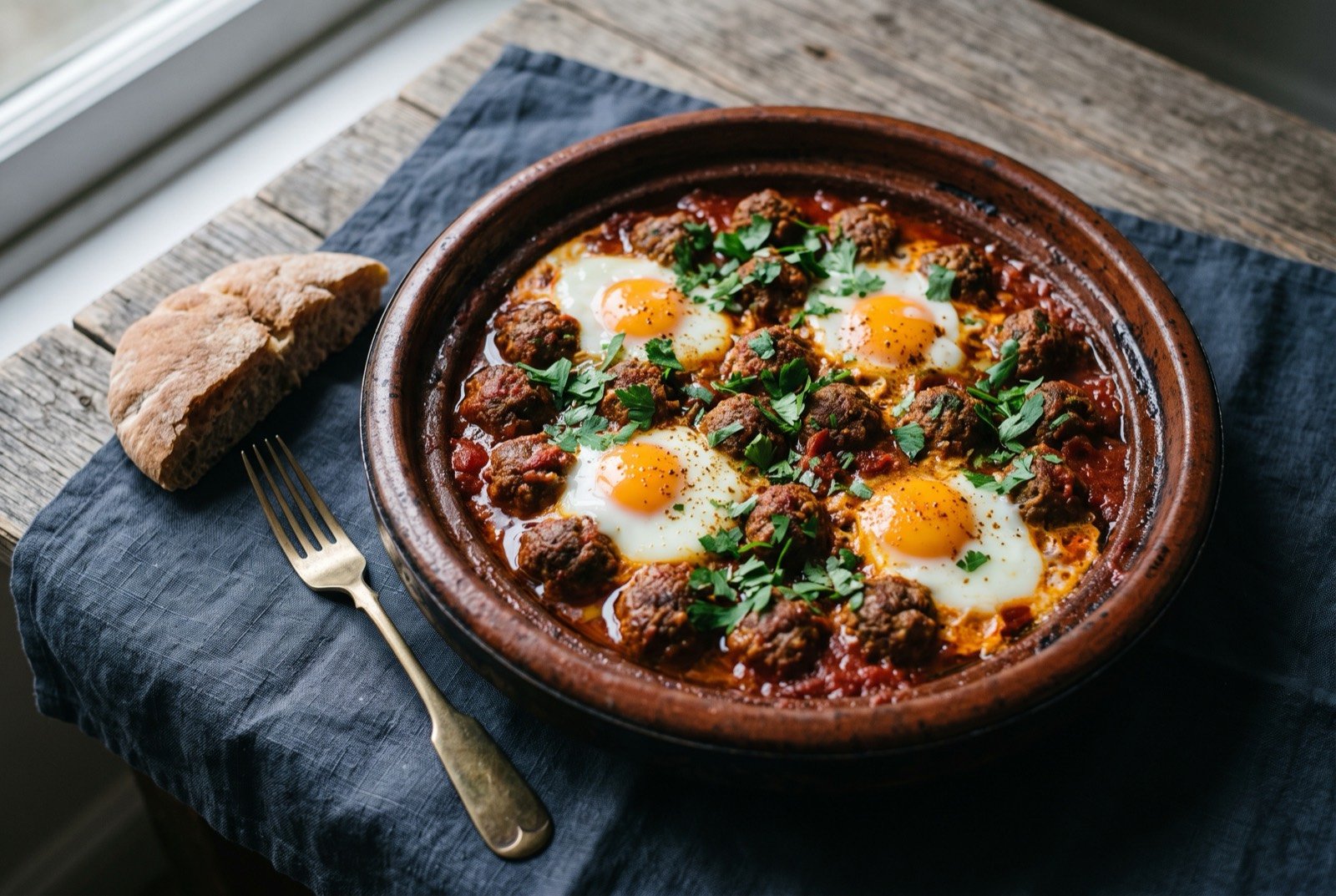 Kefta mkaouara
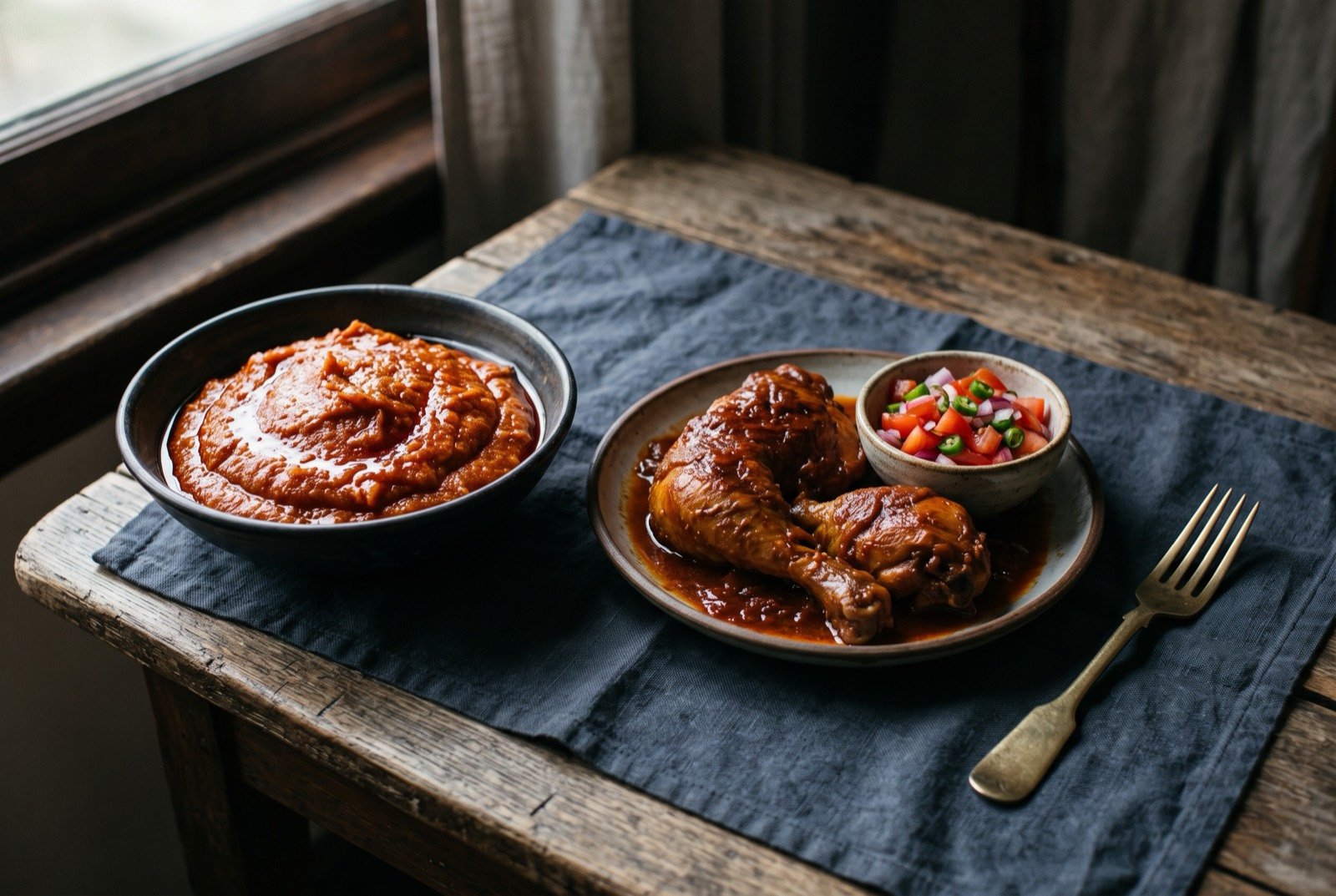 Amiwo
Amiwo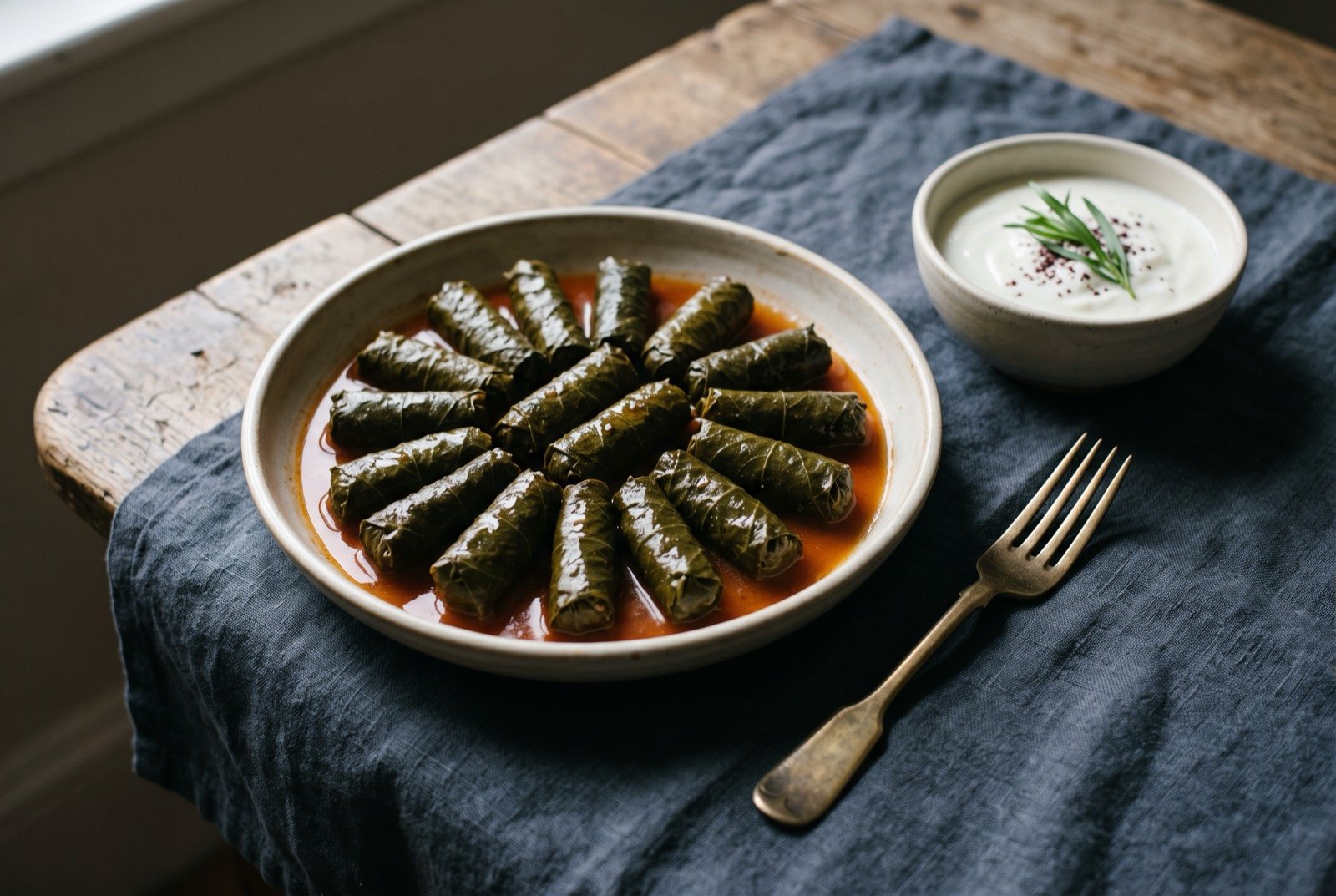 Dolma / Yarpaq dolması
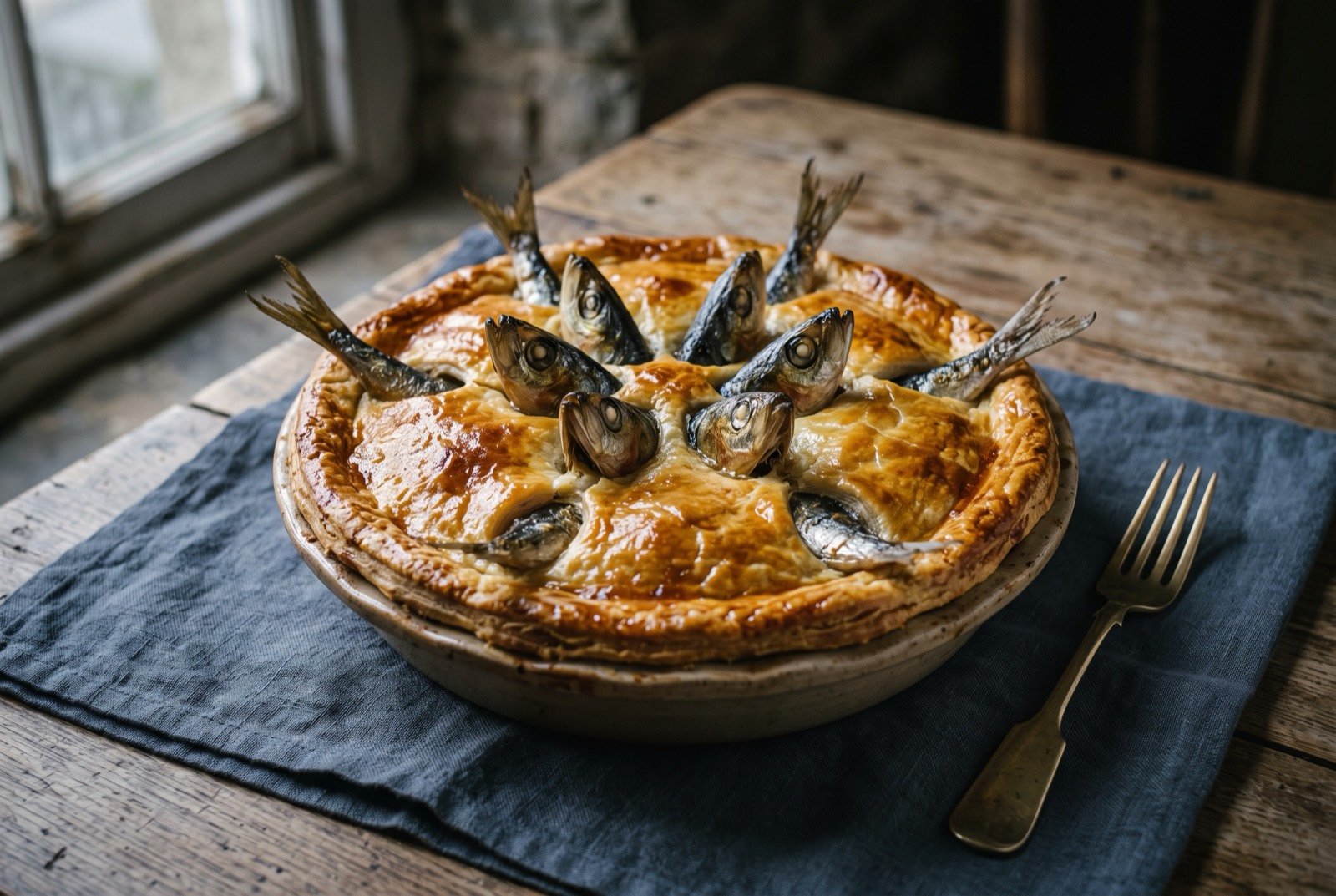 Stargazy Pie
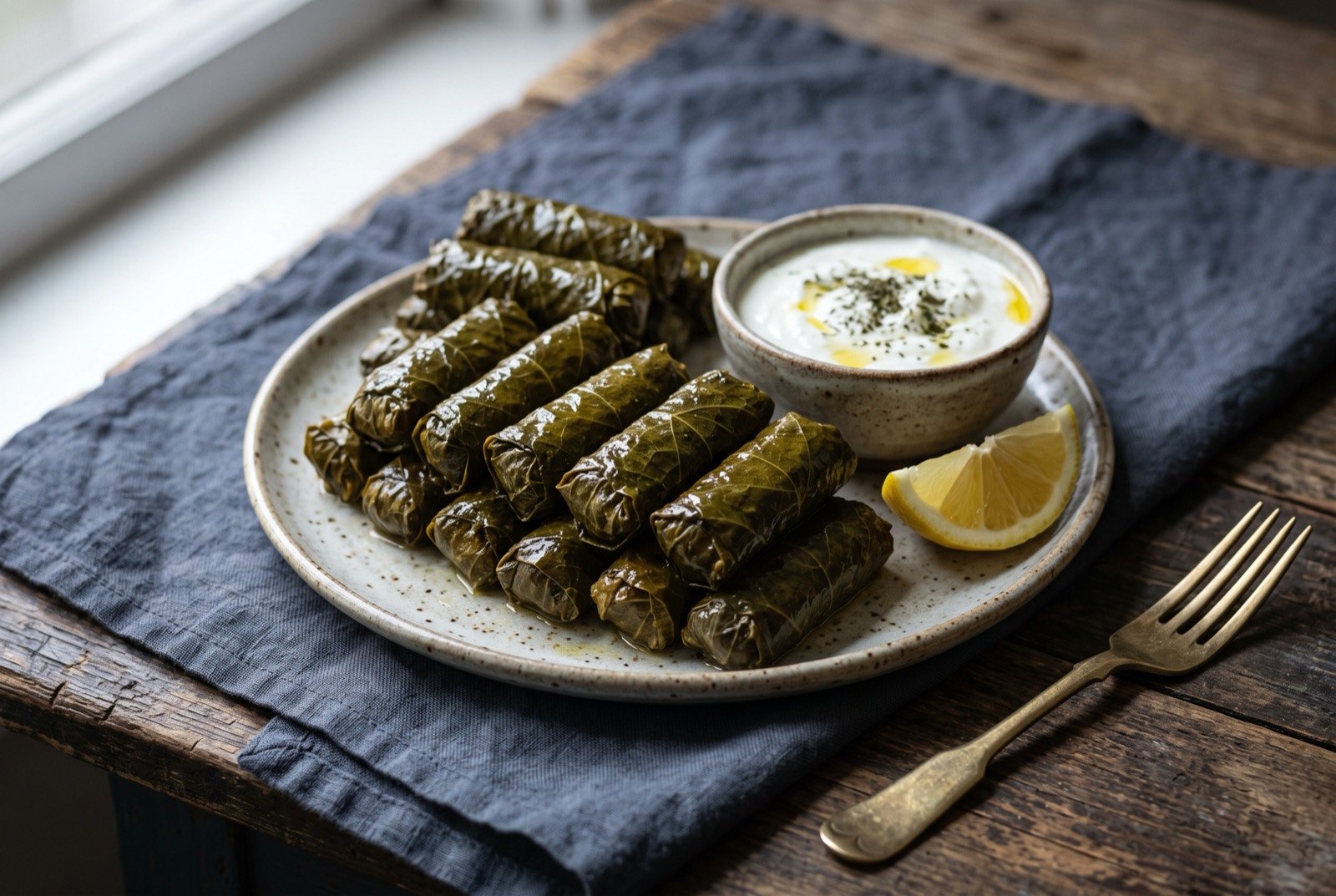 Tolma
Tolma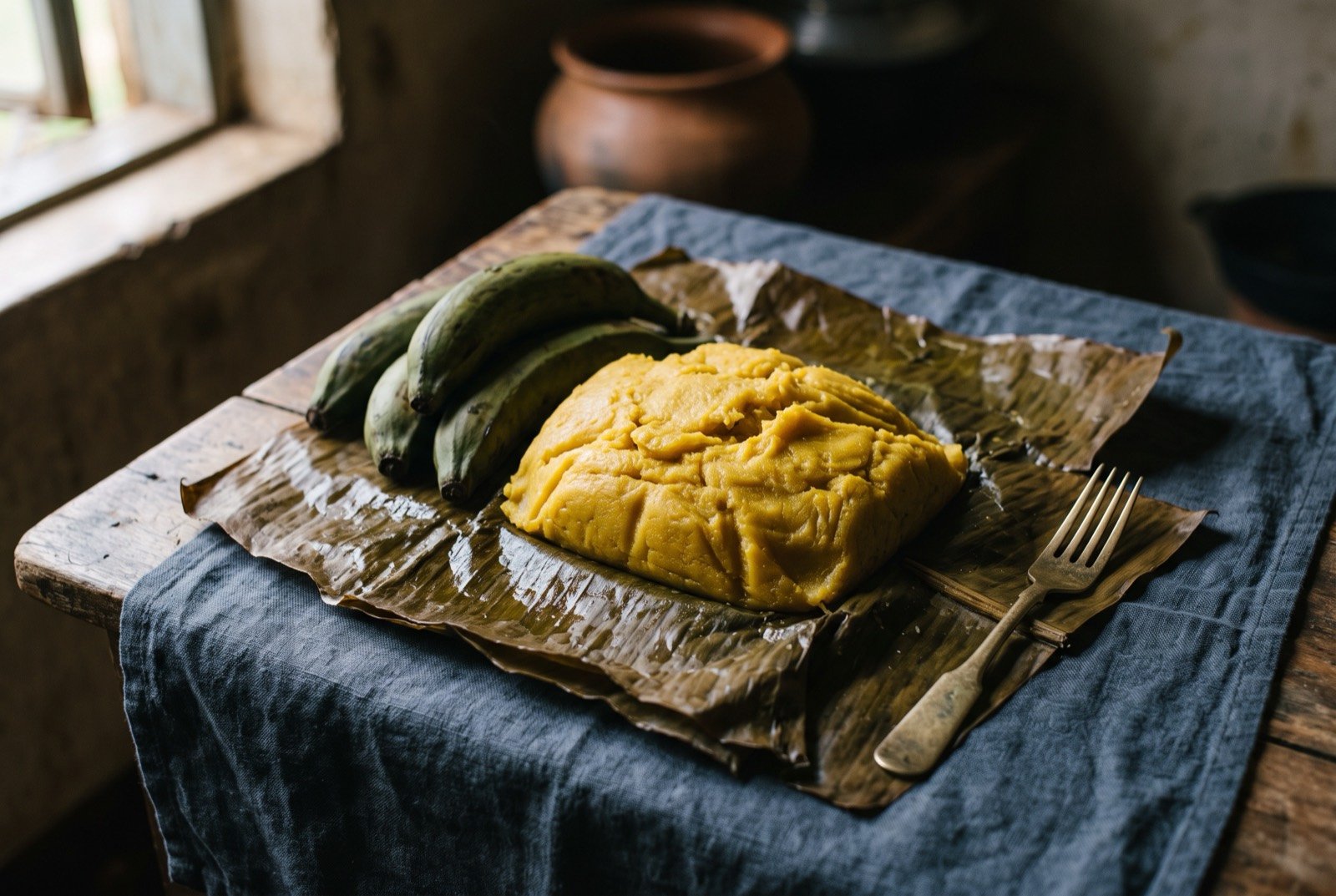 Matooke
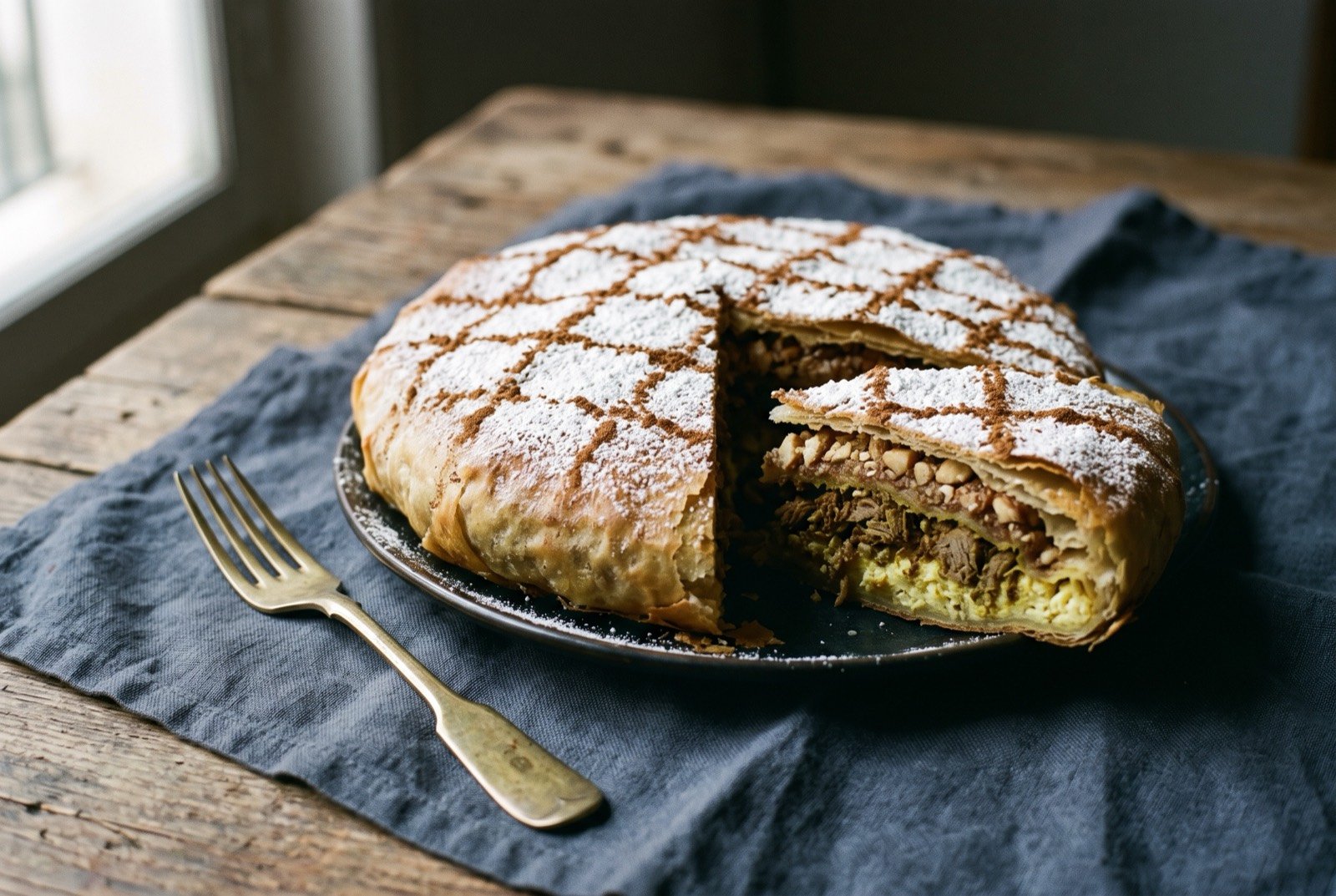 Bastilla
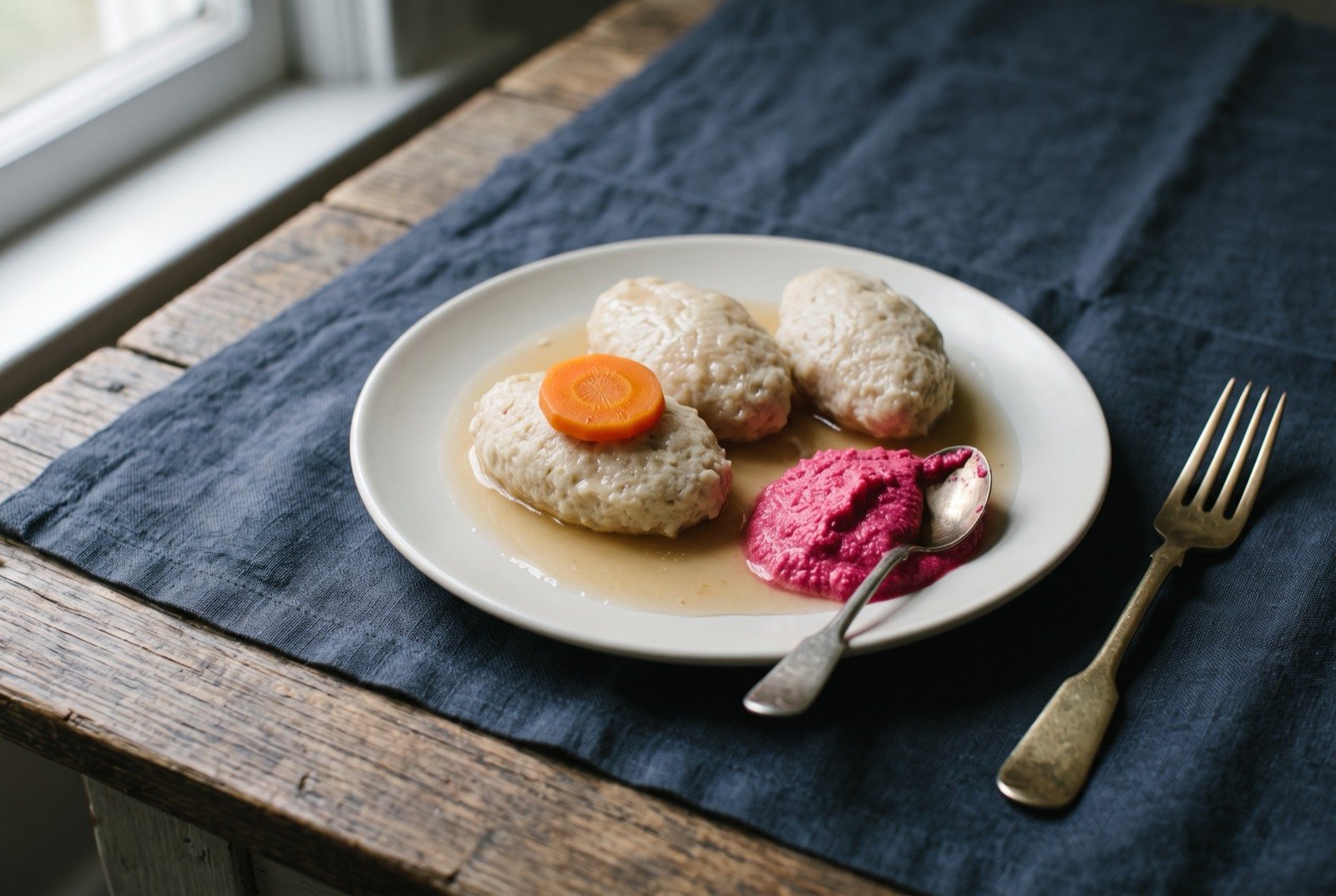 Gefilte fish
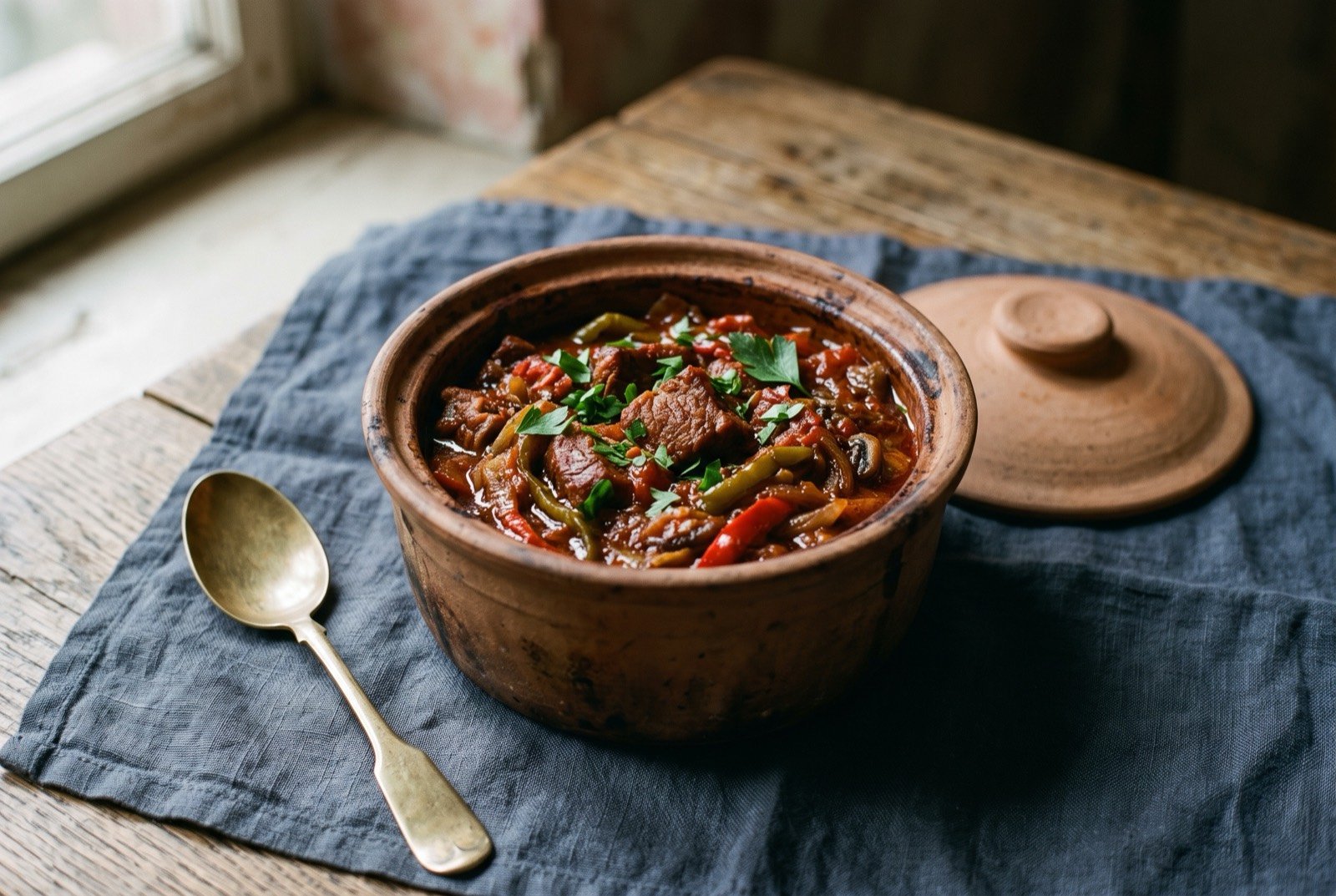 Kavarma
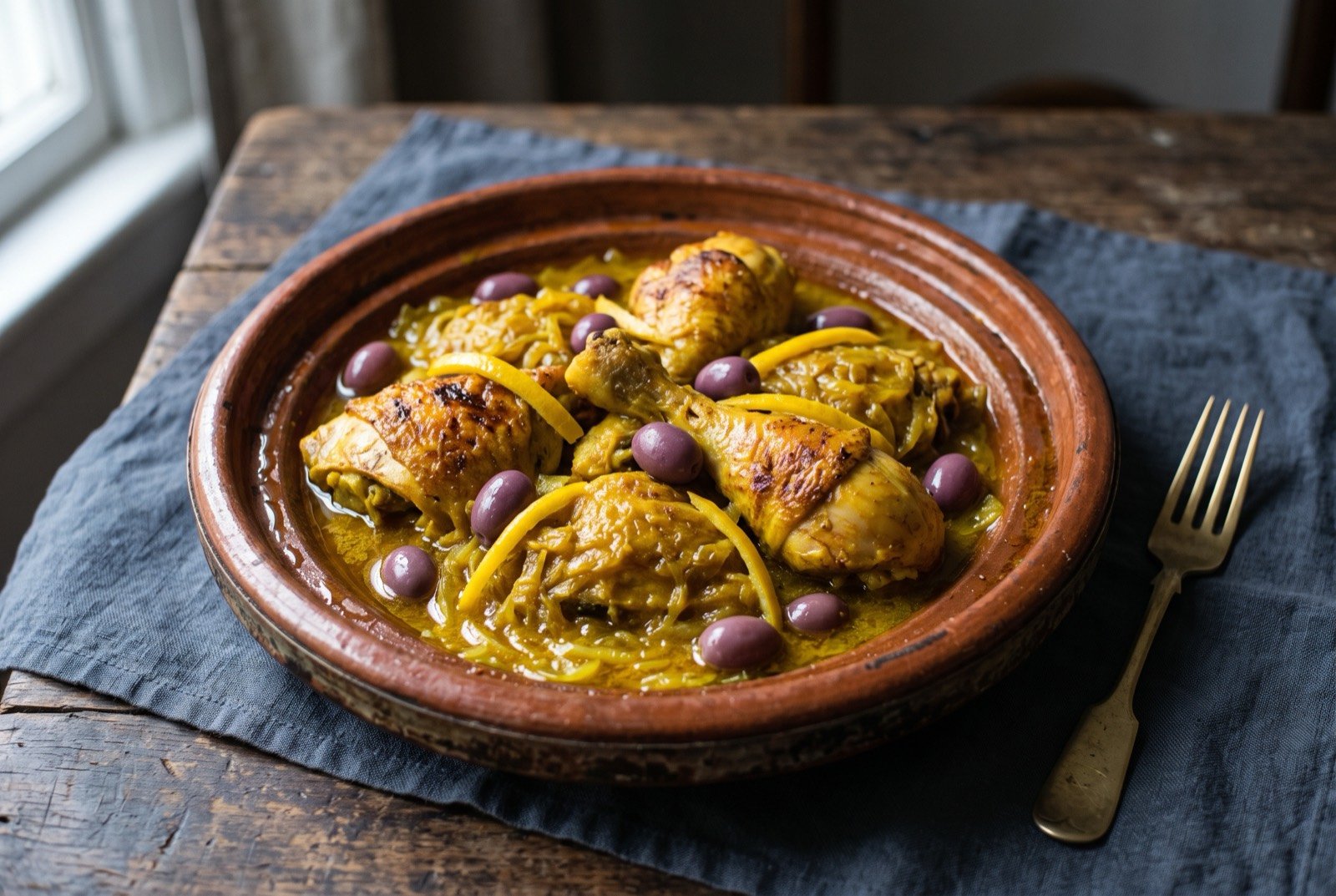 Djaj mqualli
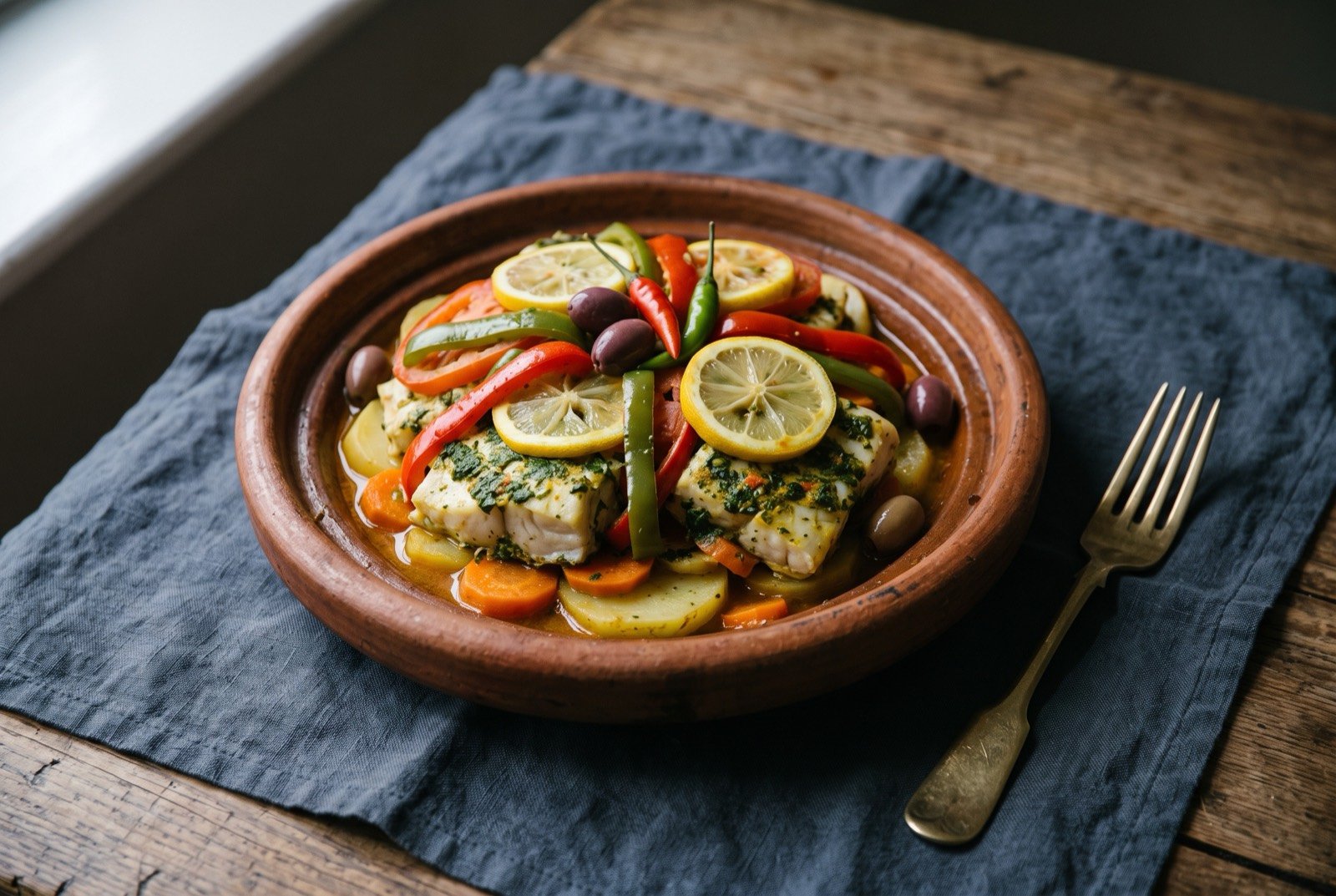 Fish tagine with chermoula
Project
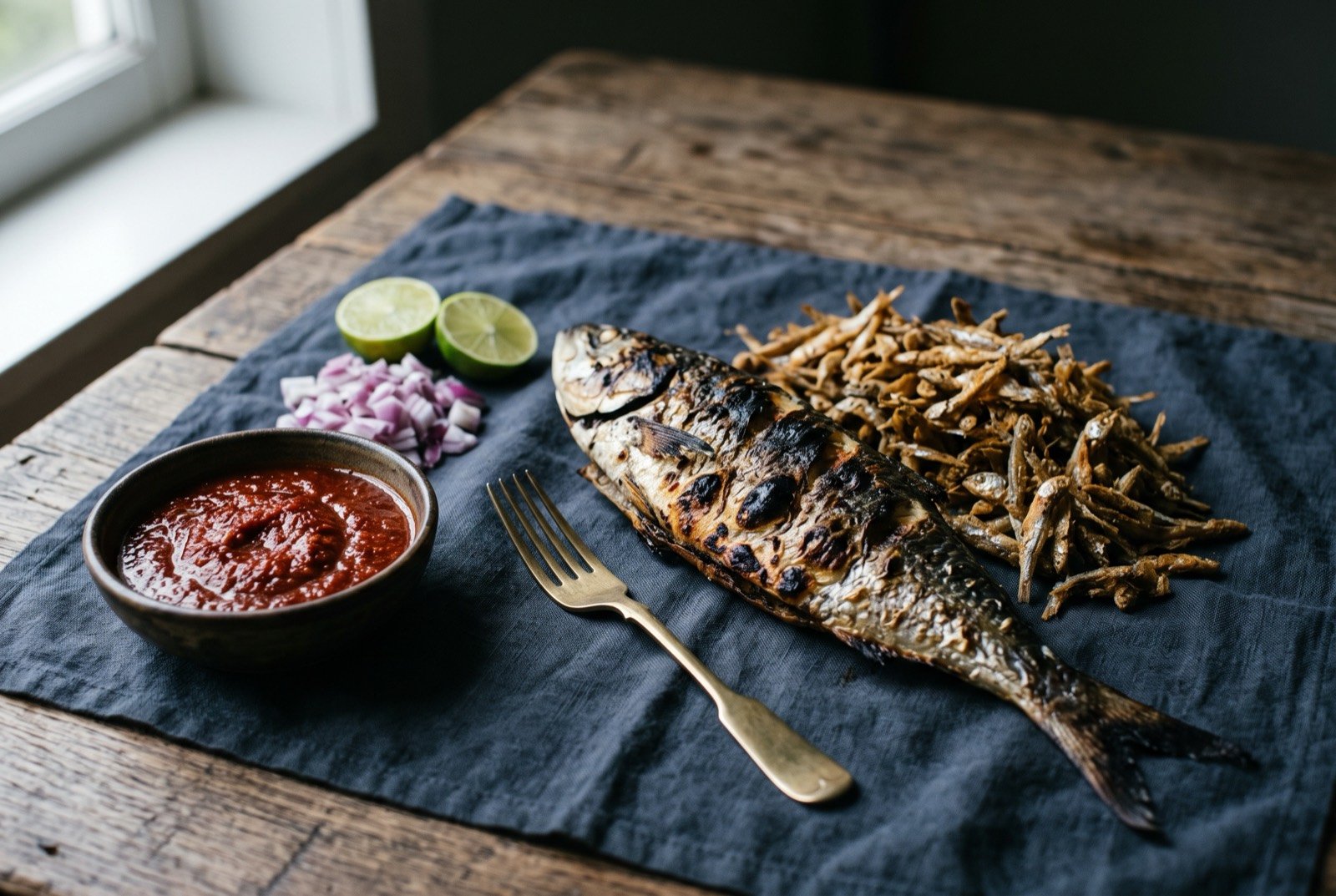 Ndagala and mukeke
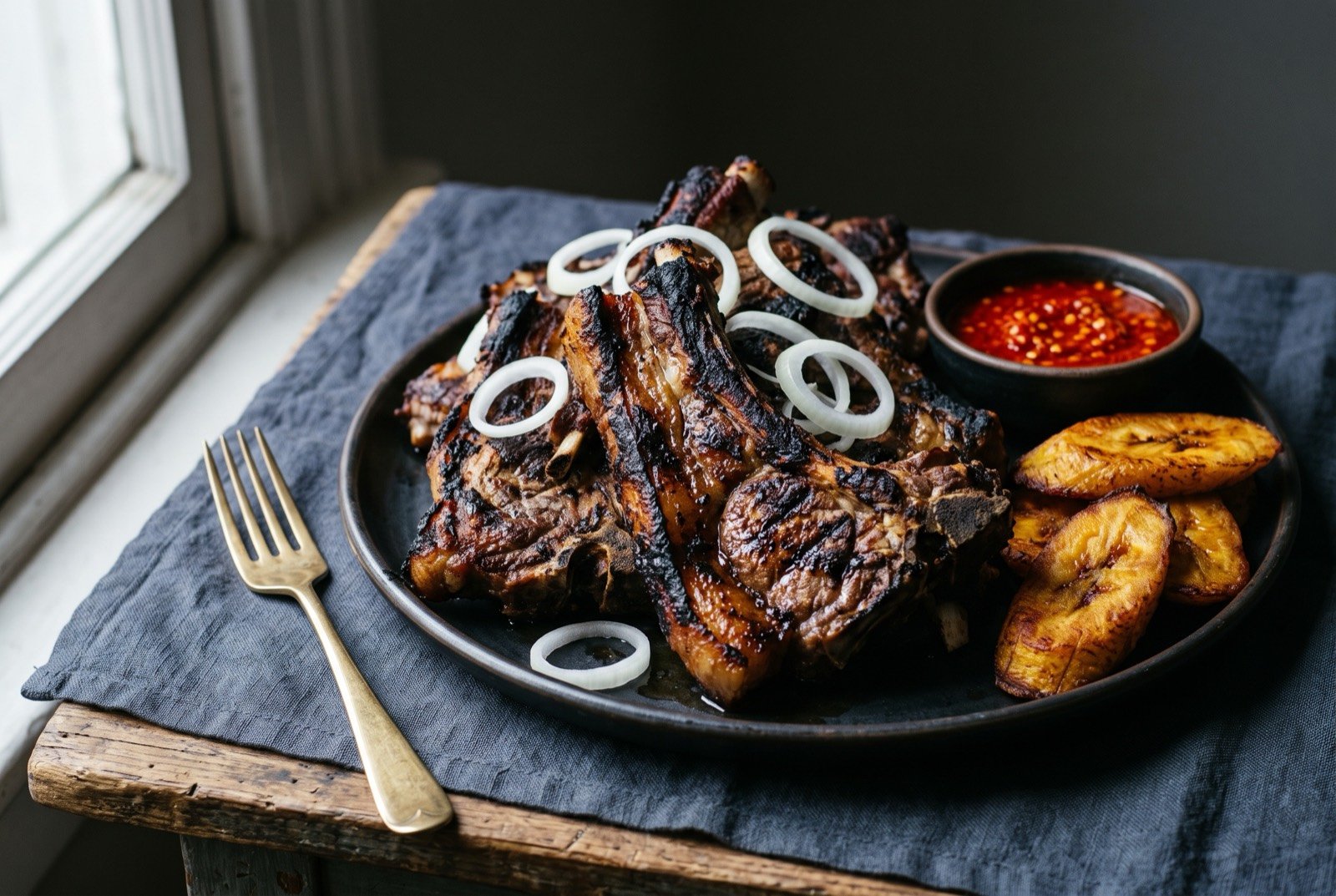 Ntaba, the nganda grill
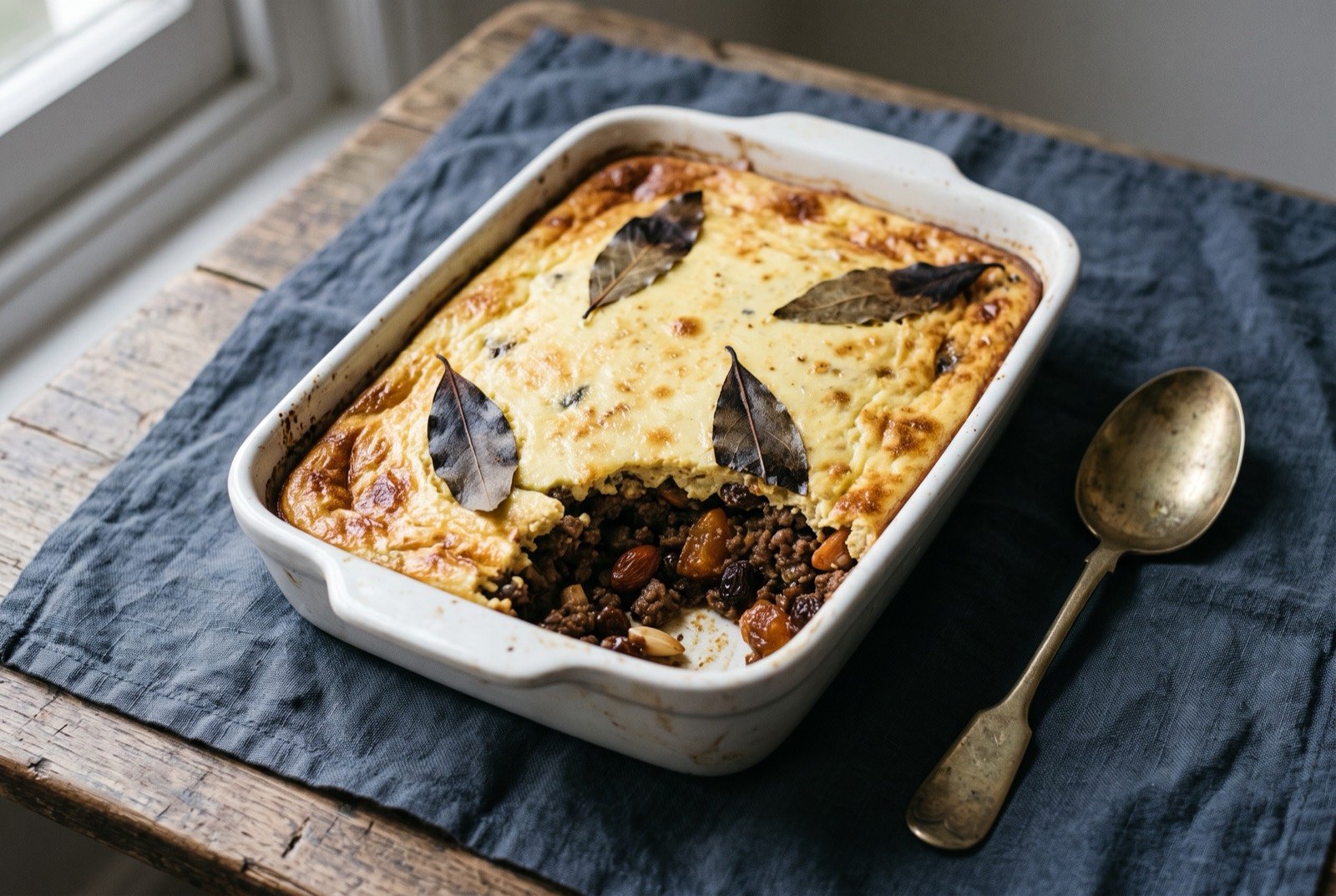 Bobotie
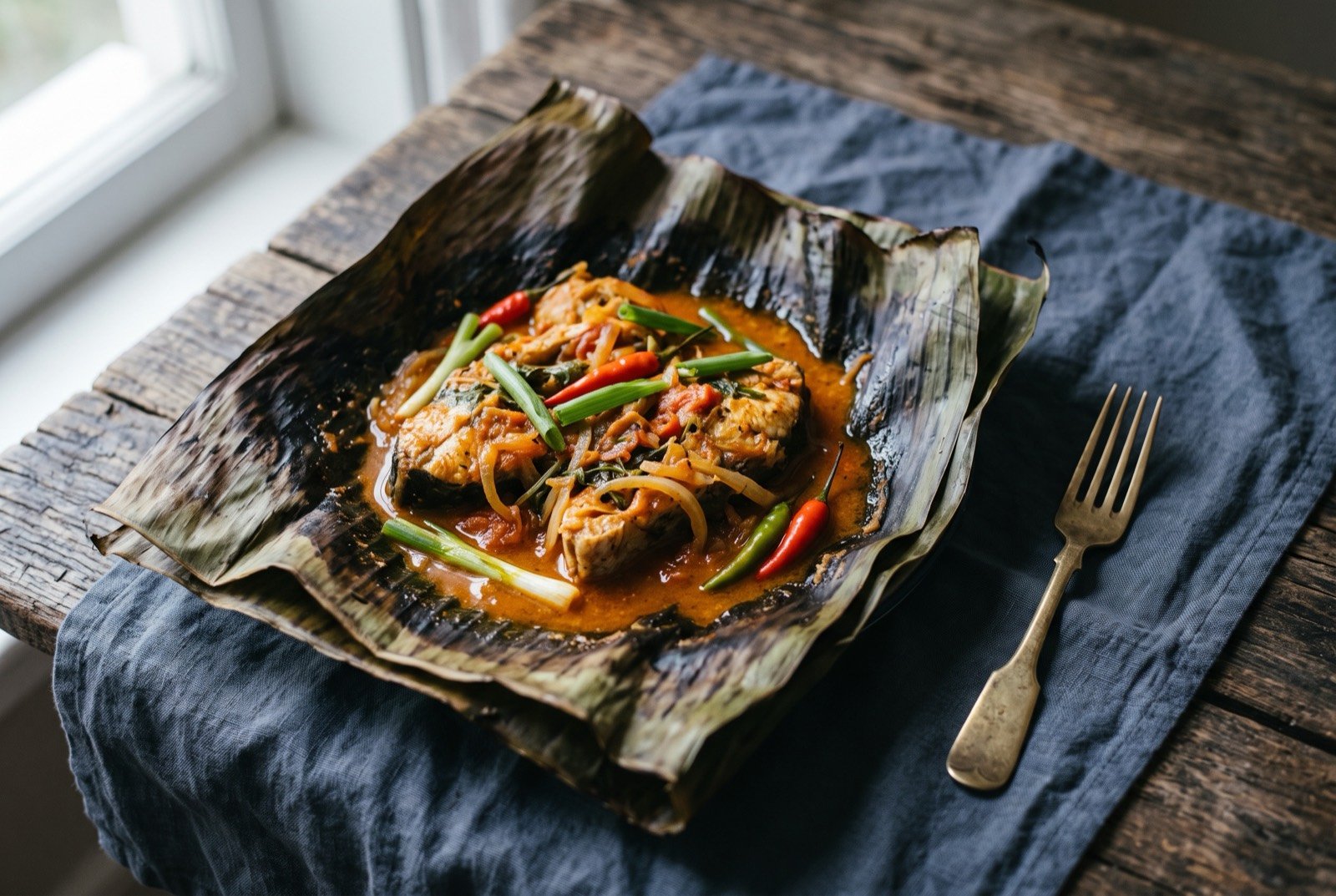 Liboke ya malangwa
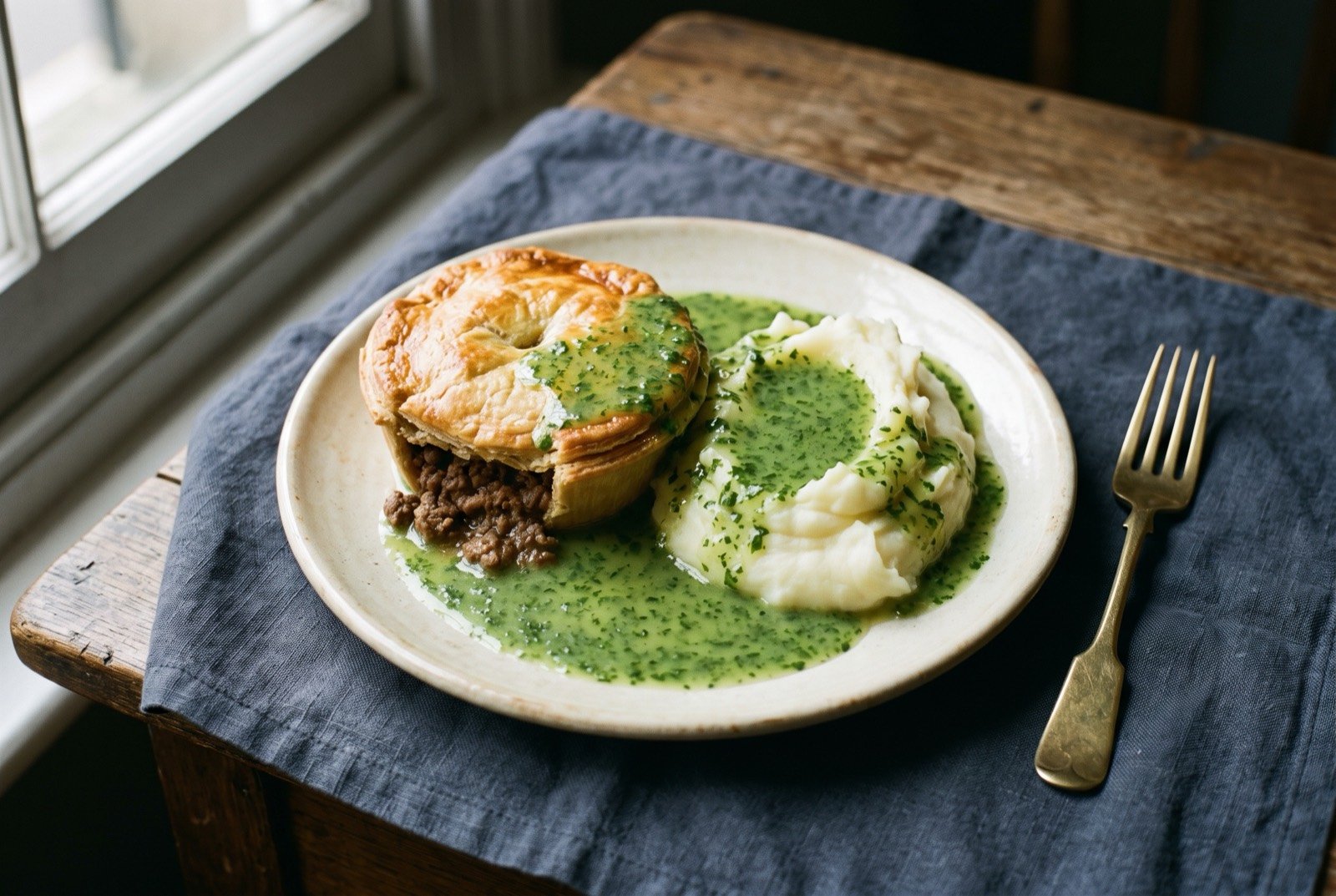 Pie and Mash with Liquor
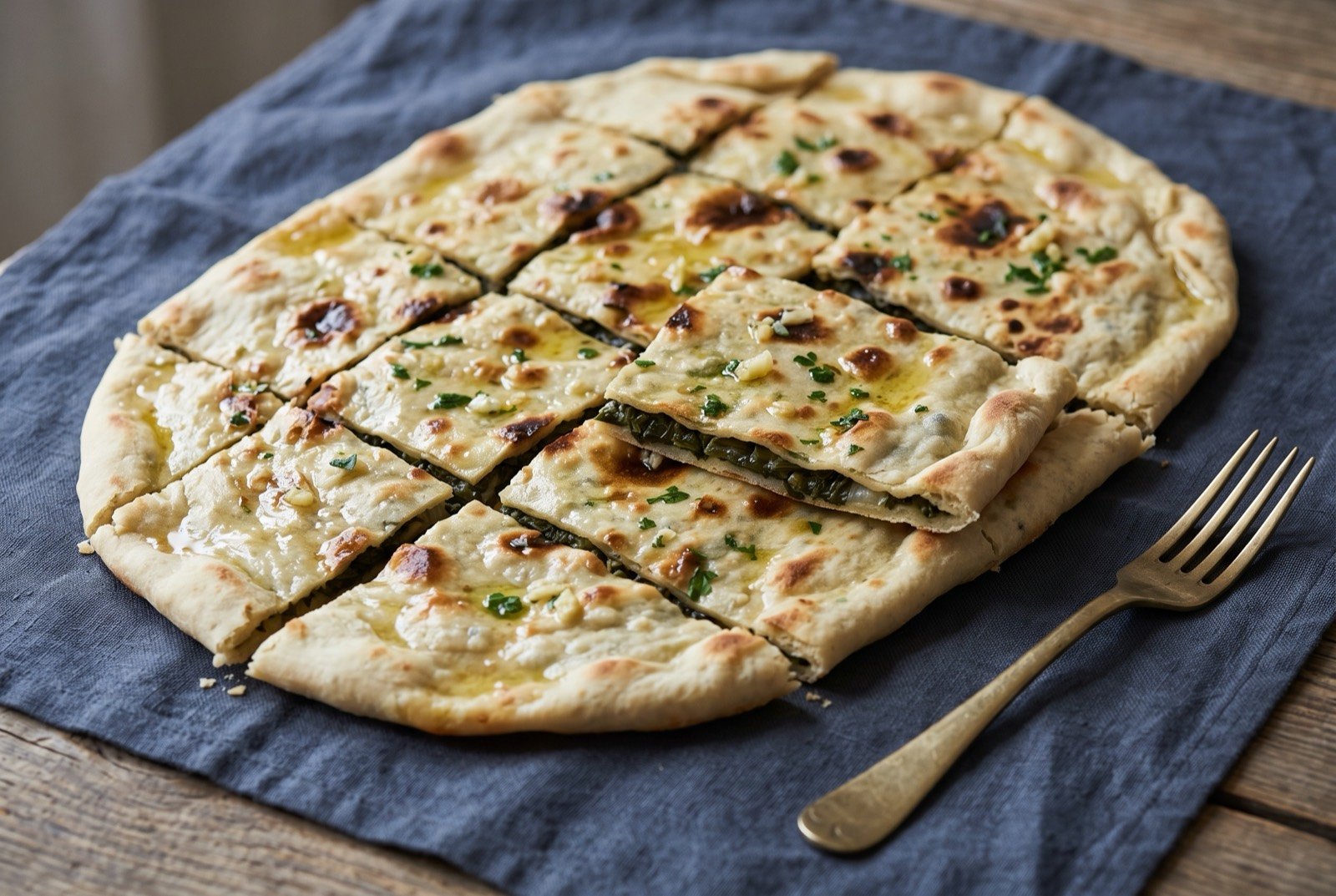 Soparnik
 Empanada salteña
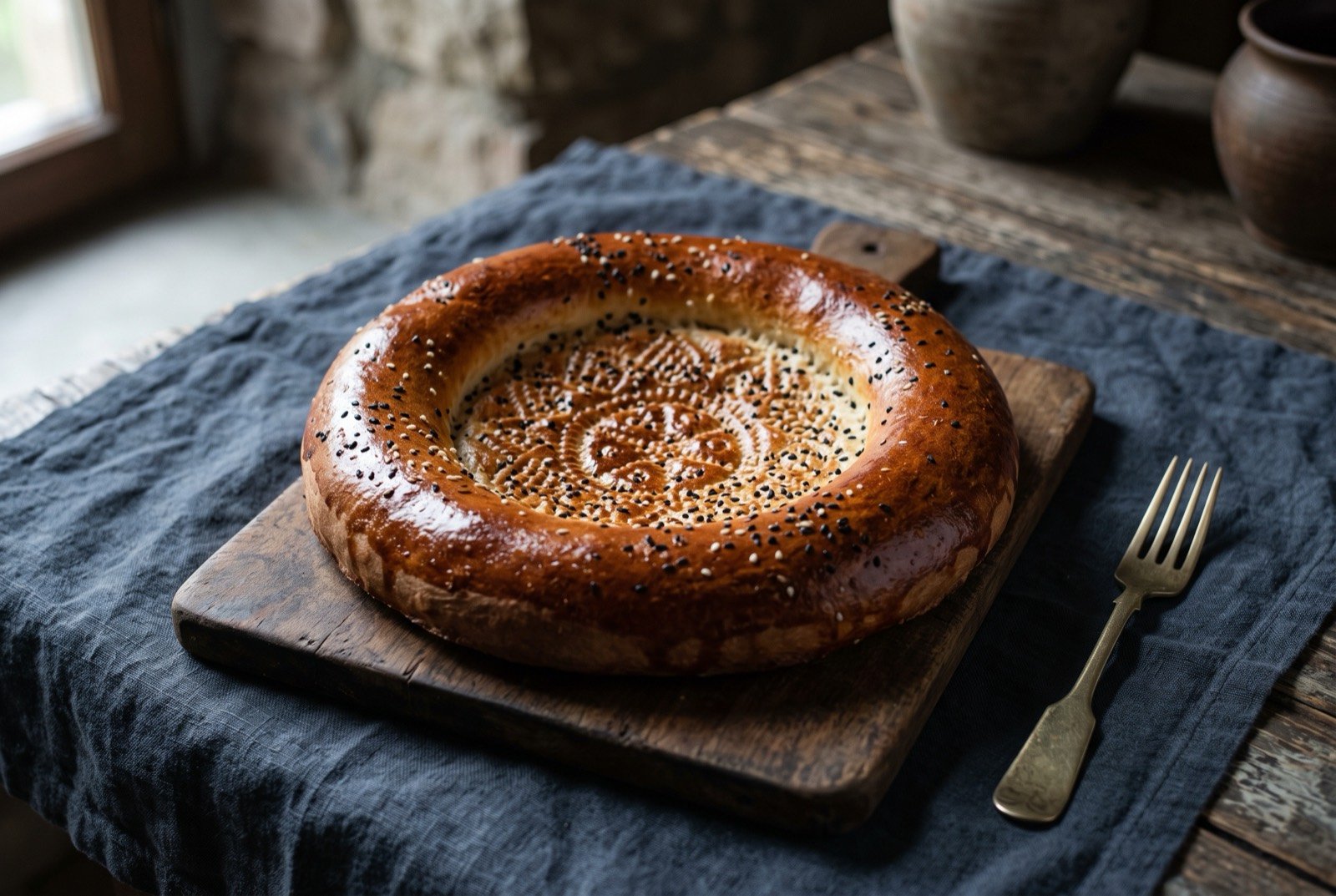 Obi Non (Samarkand Patyr)
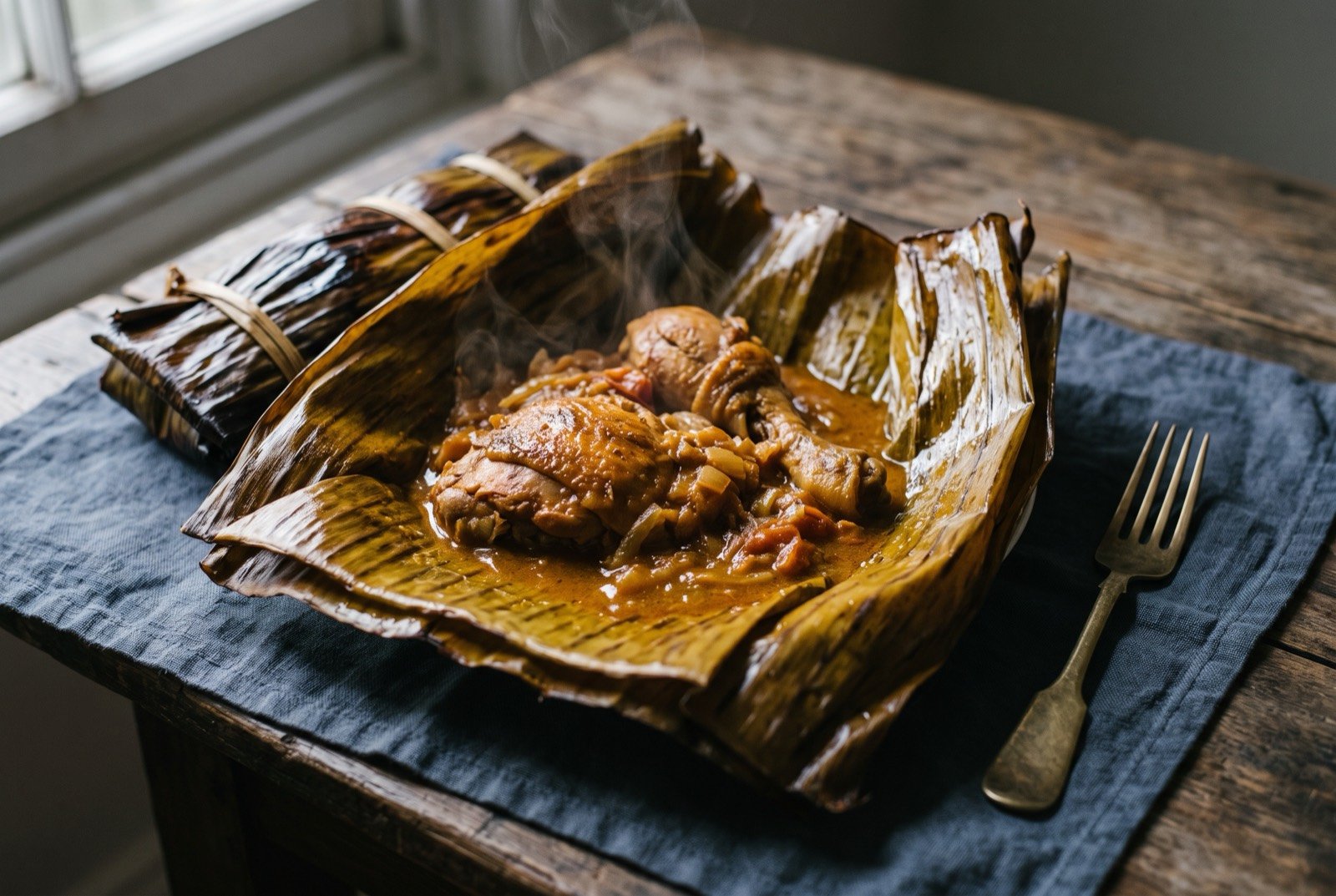 Luwombo
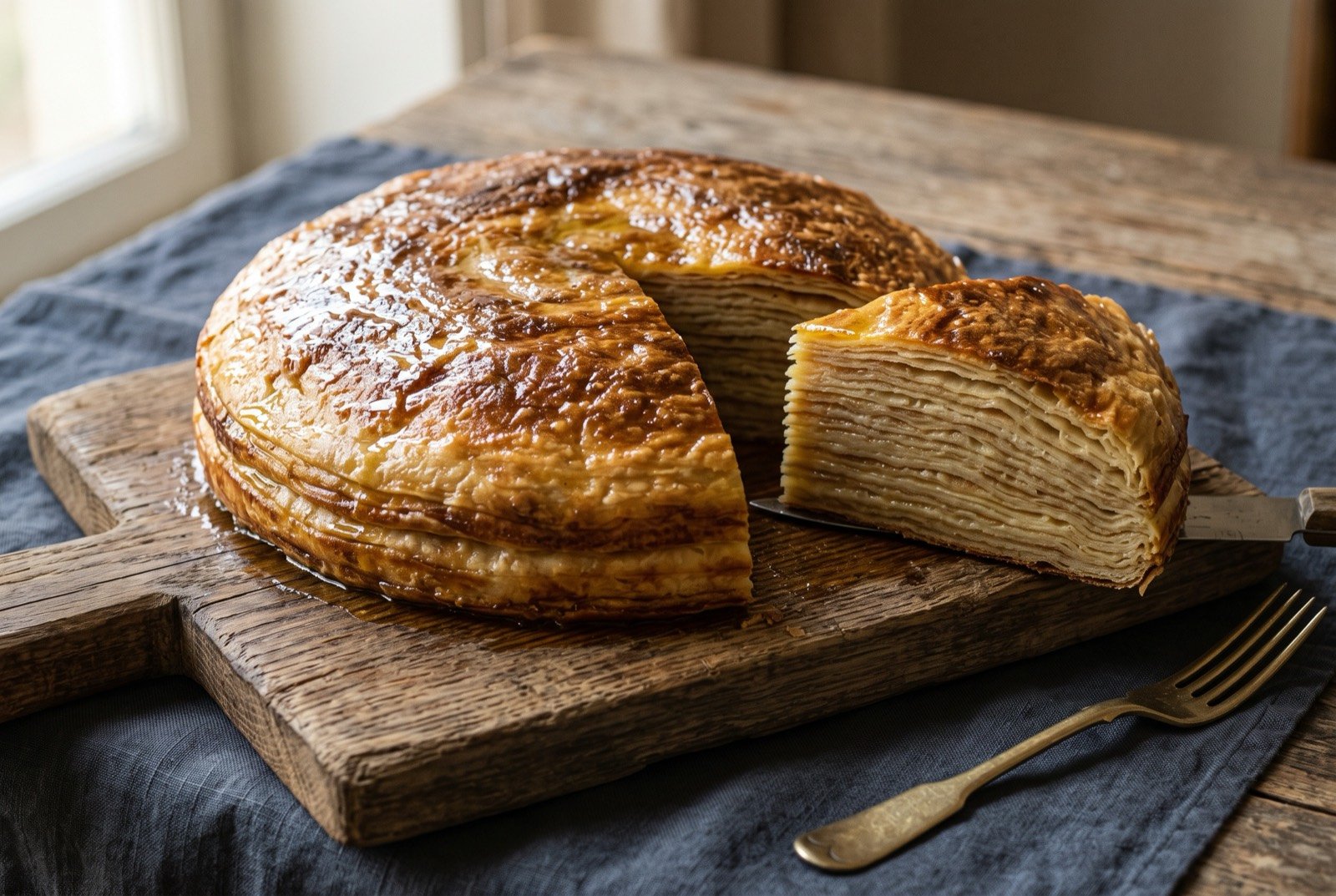 Flija
Flija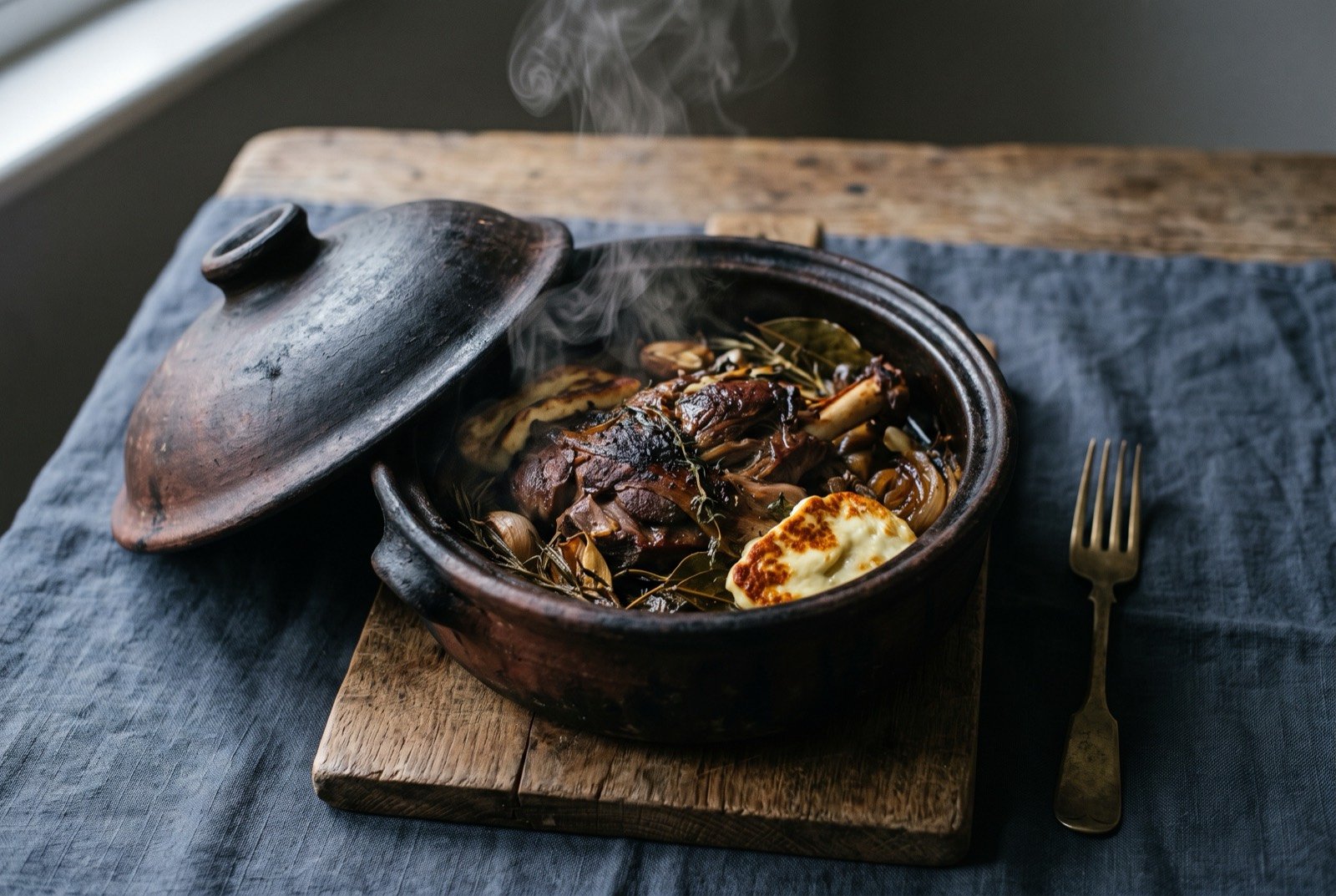 Kleftiko
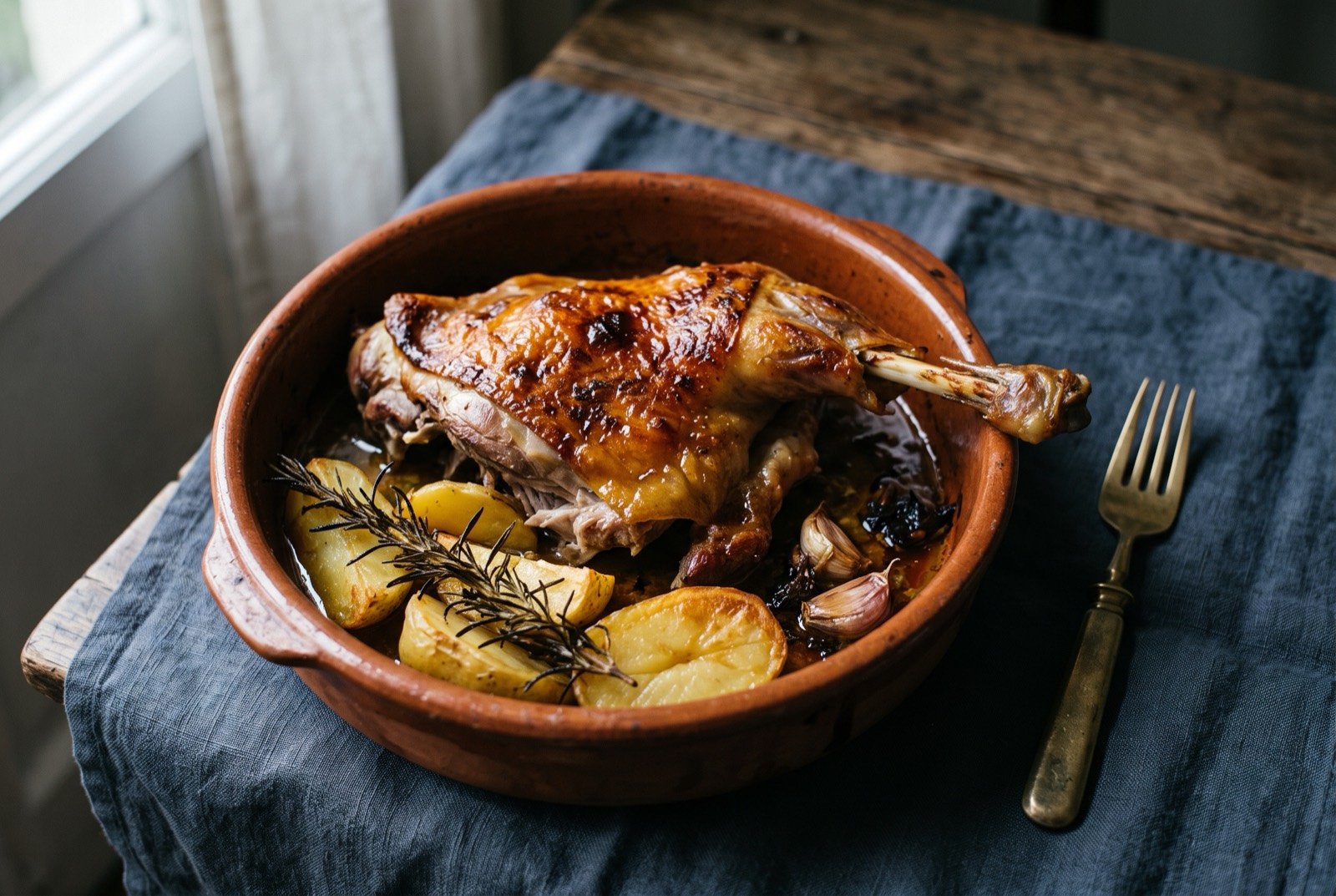 Lechazo Asado
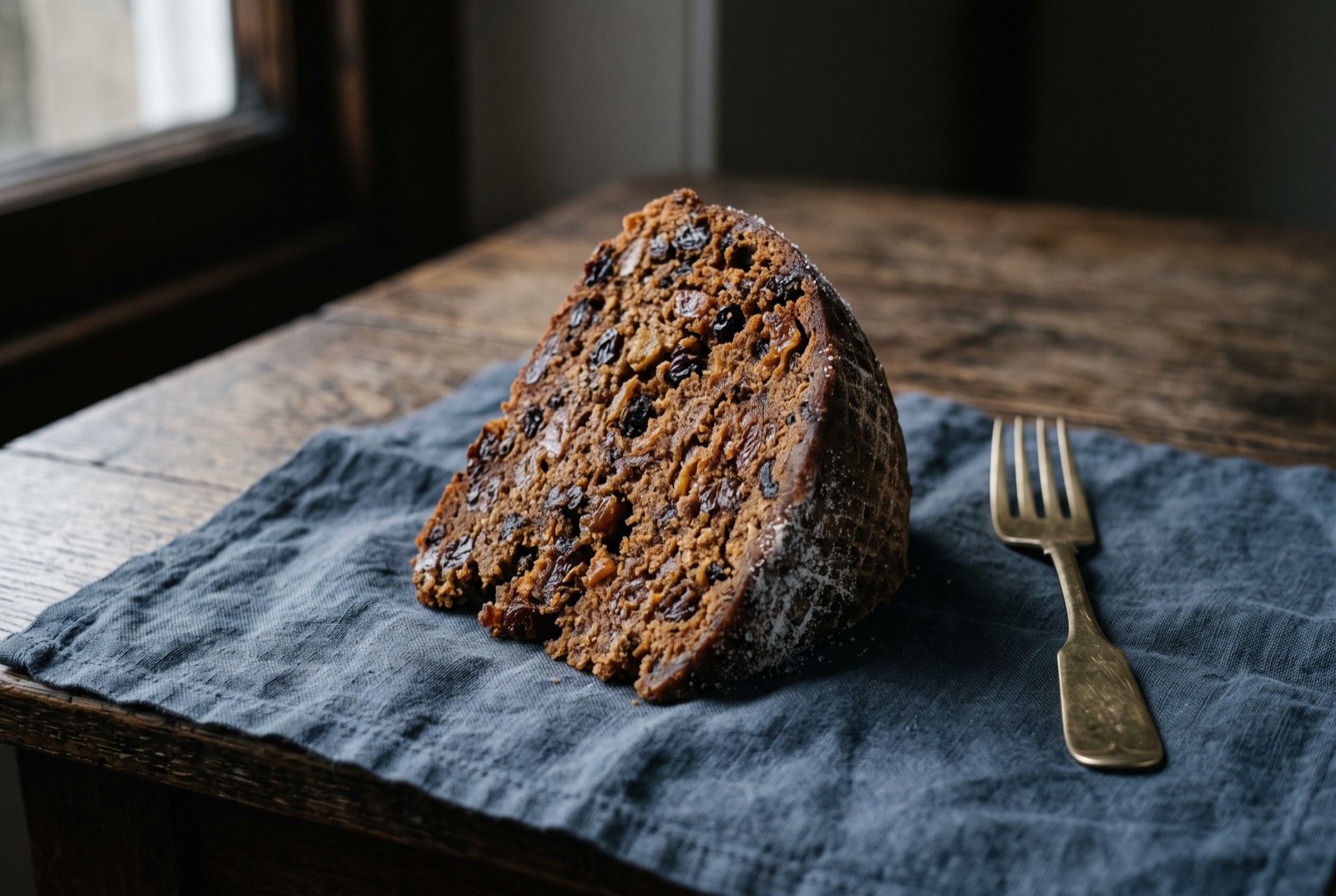 Clootie Dumpling
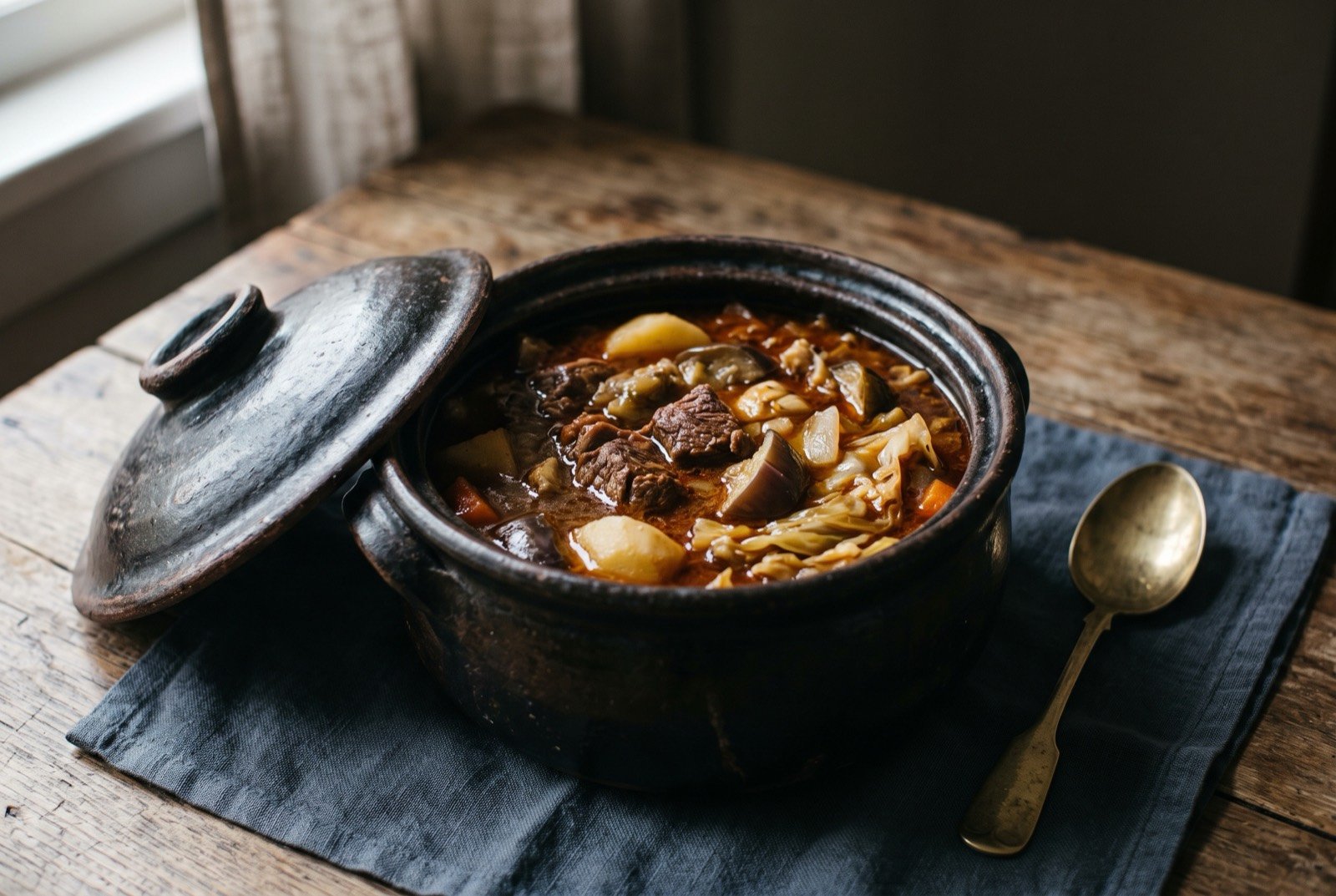 Bosanski Lonac
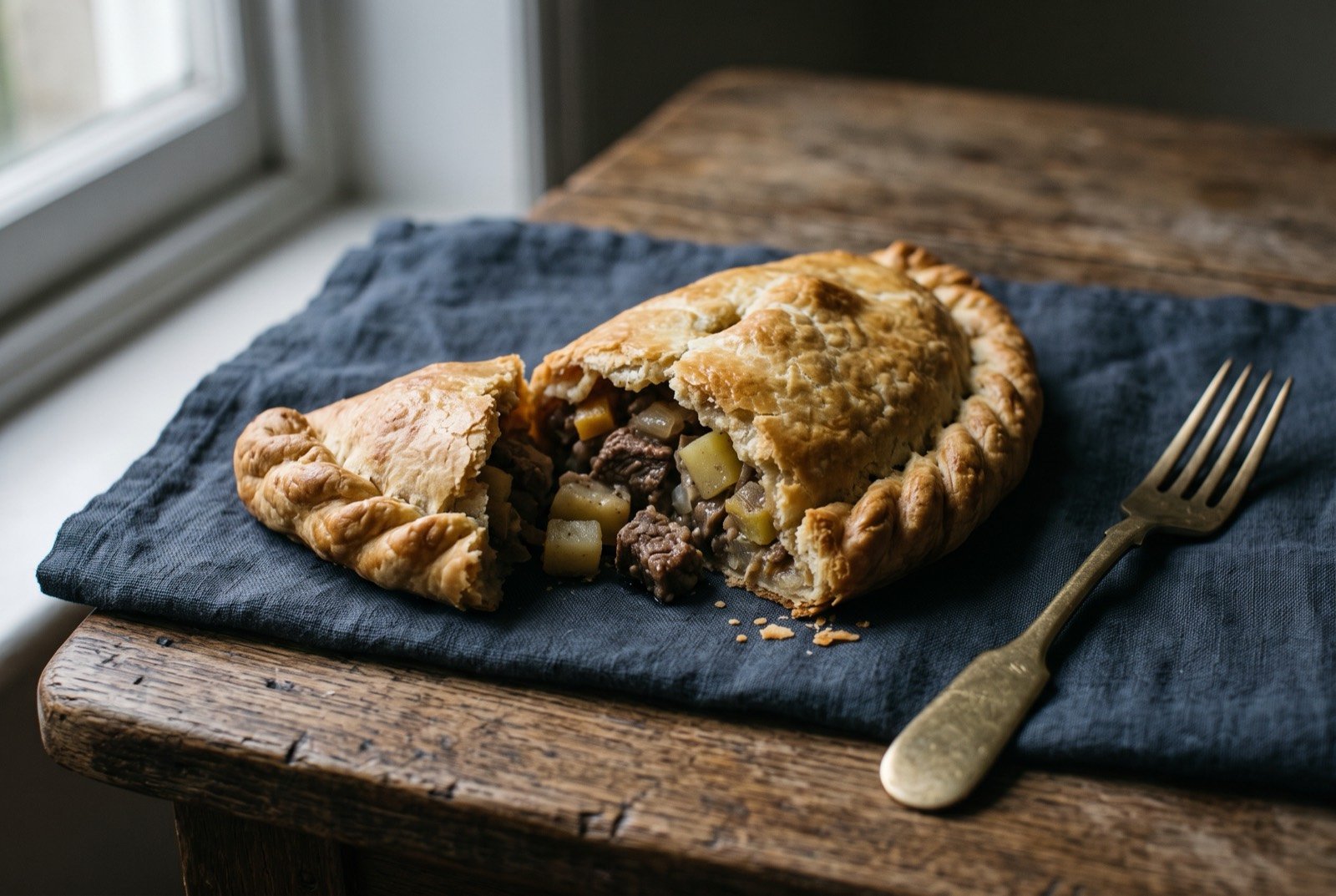 Cornish Pasty
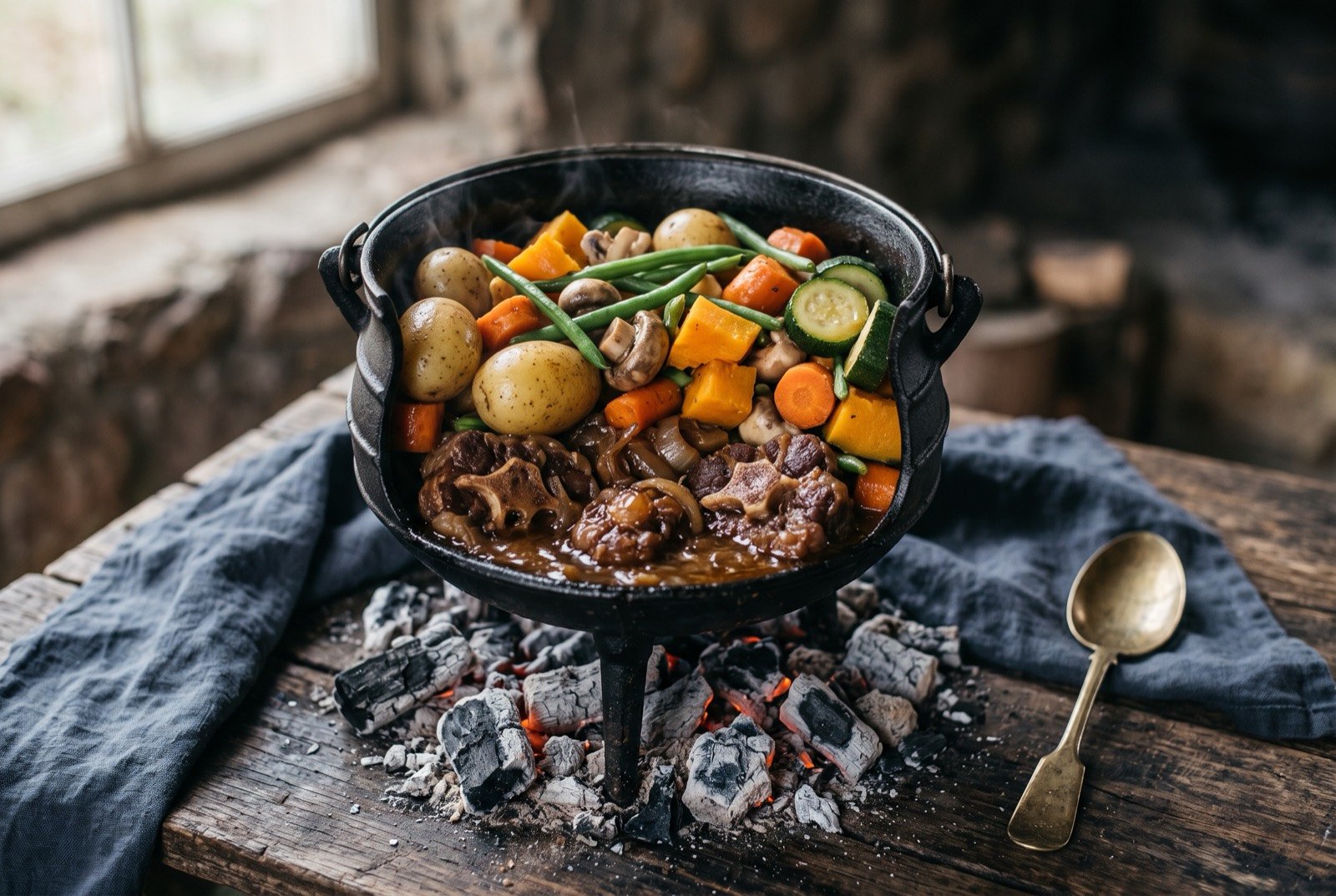 Potjiekos
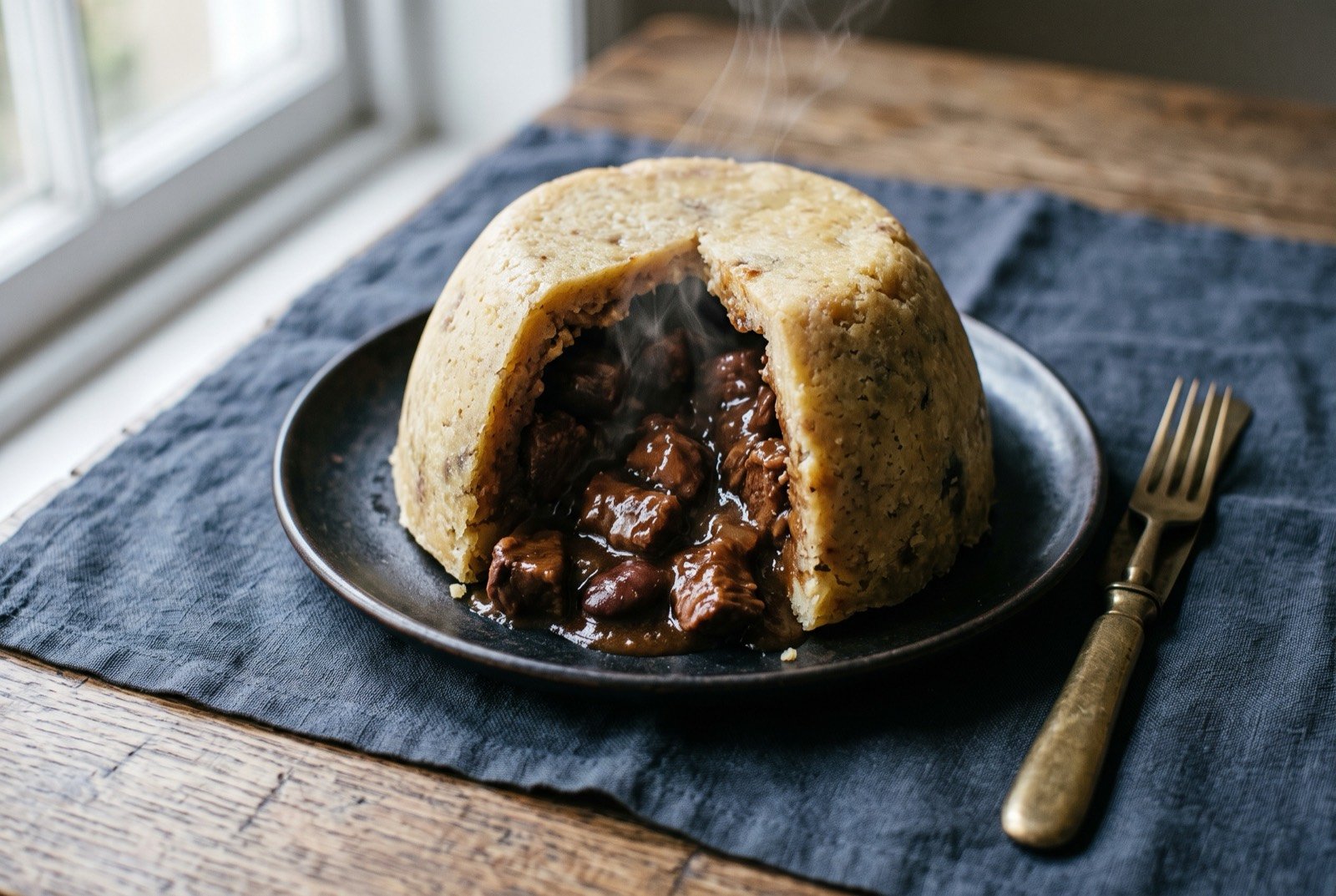 Steak and Kidney Pudding
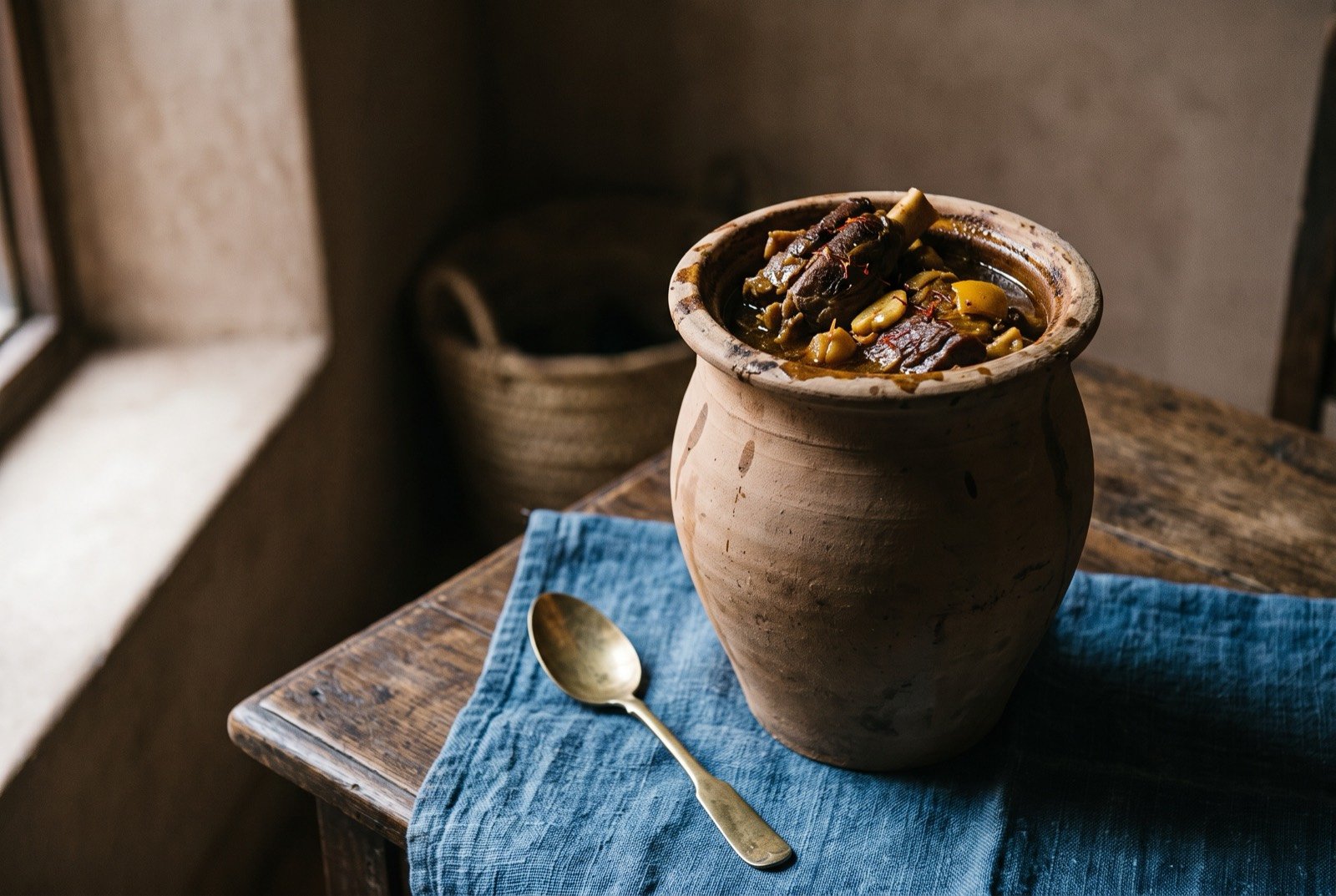 Tanjia marrakchia
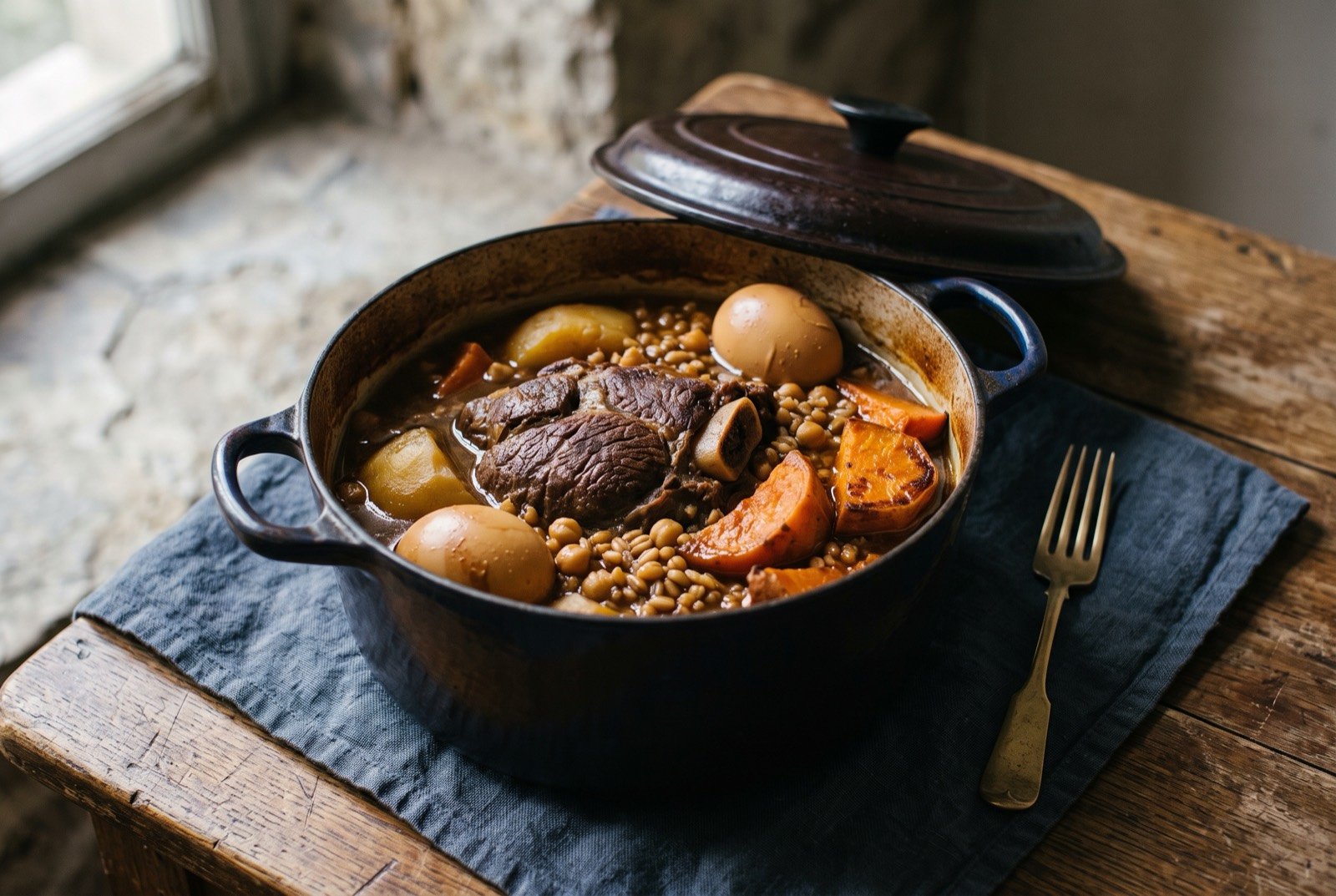 Dafina
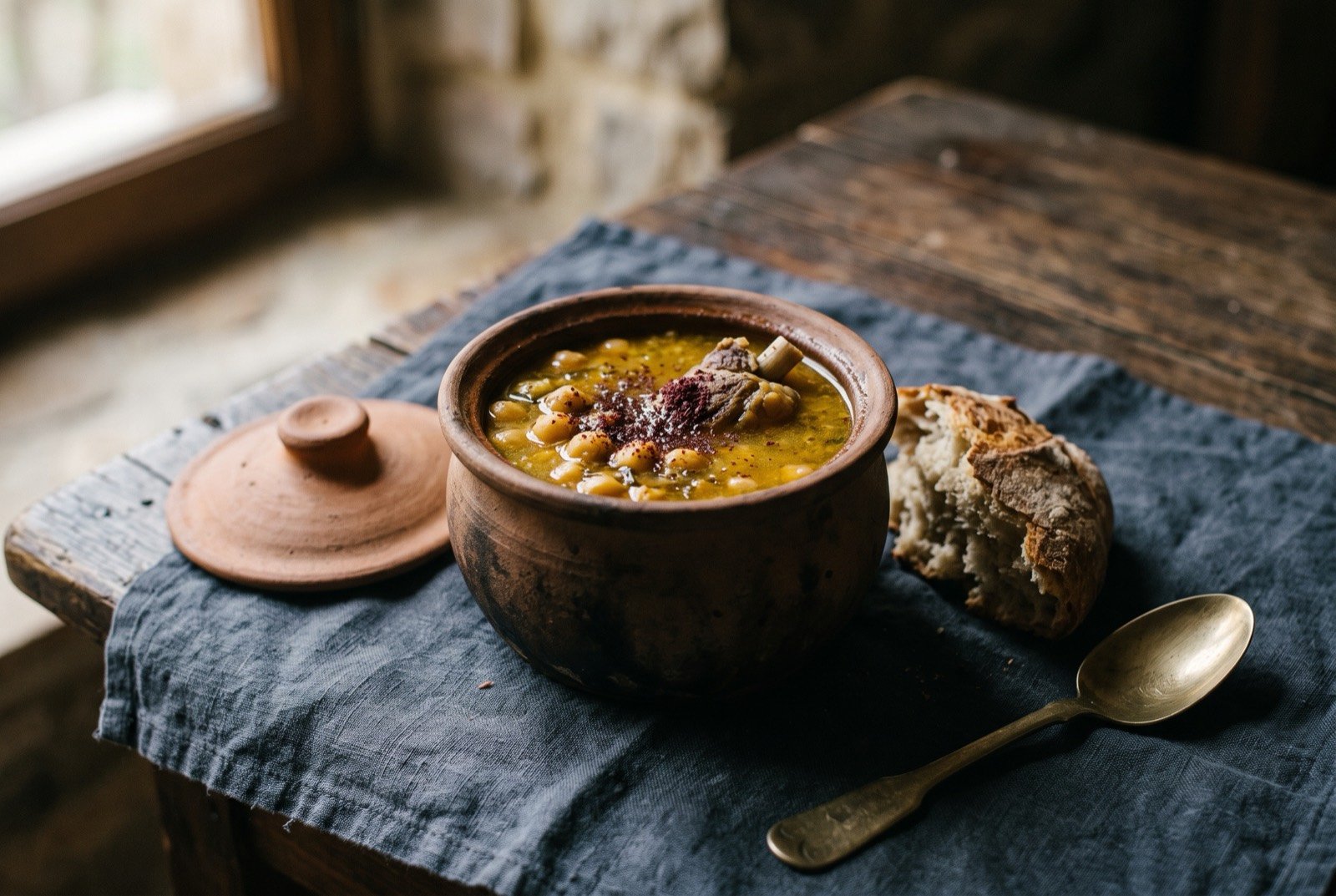 Piti
Piti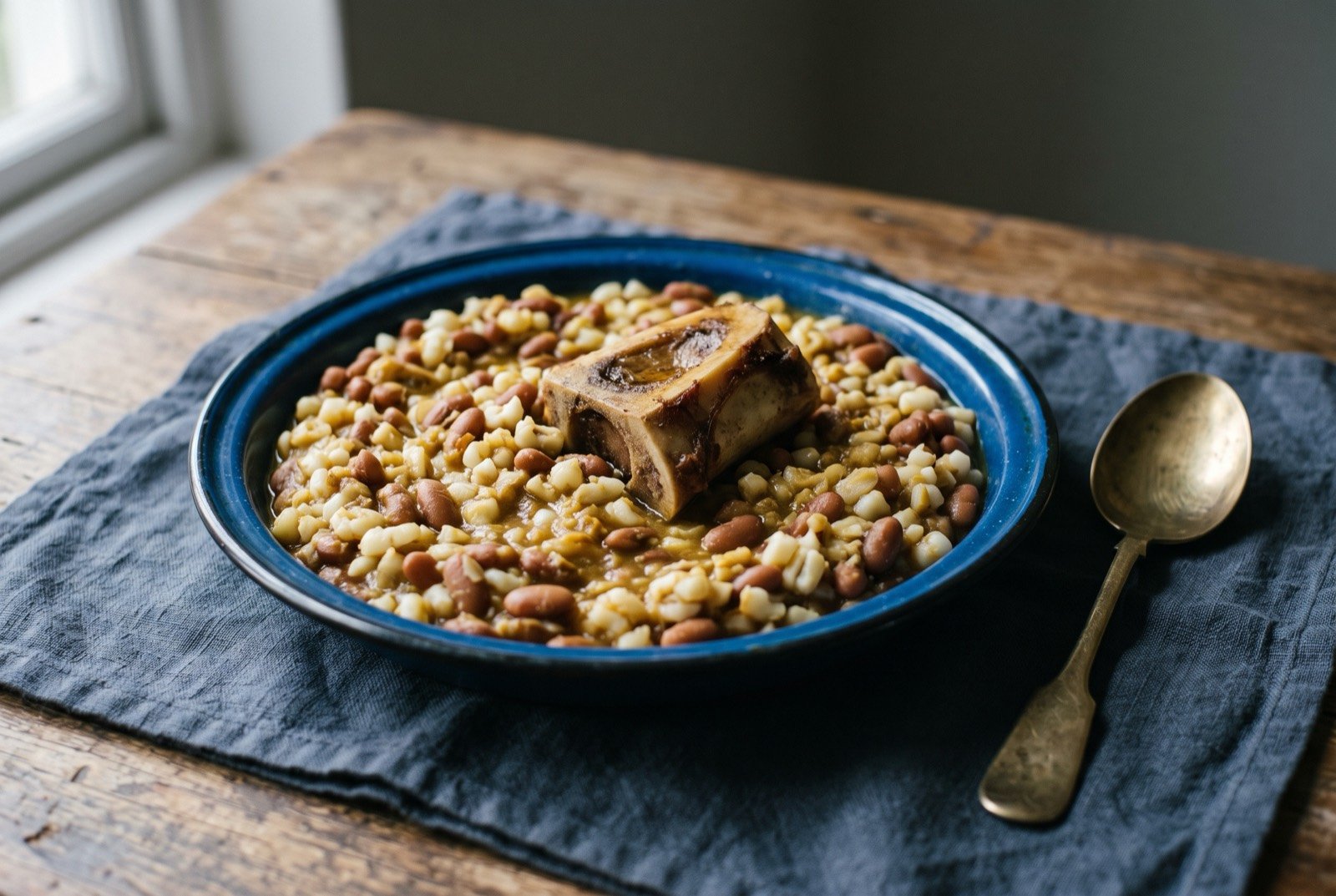 Umngqusho
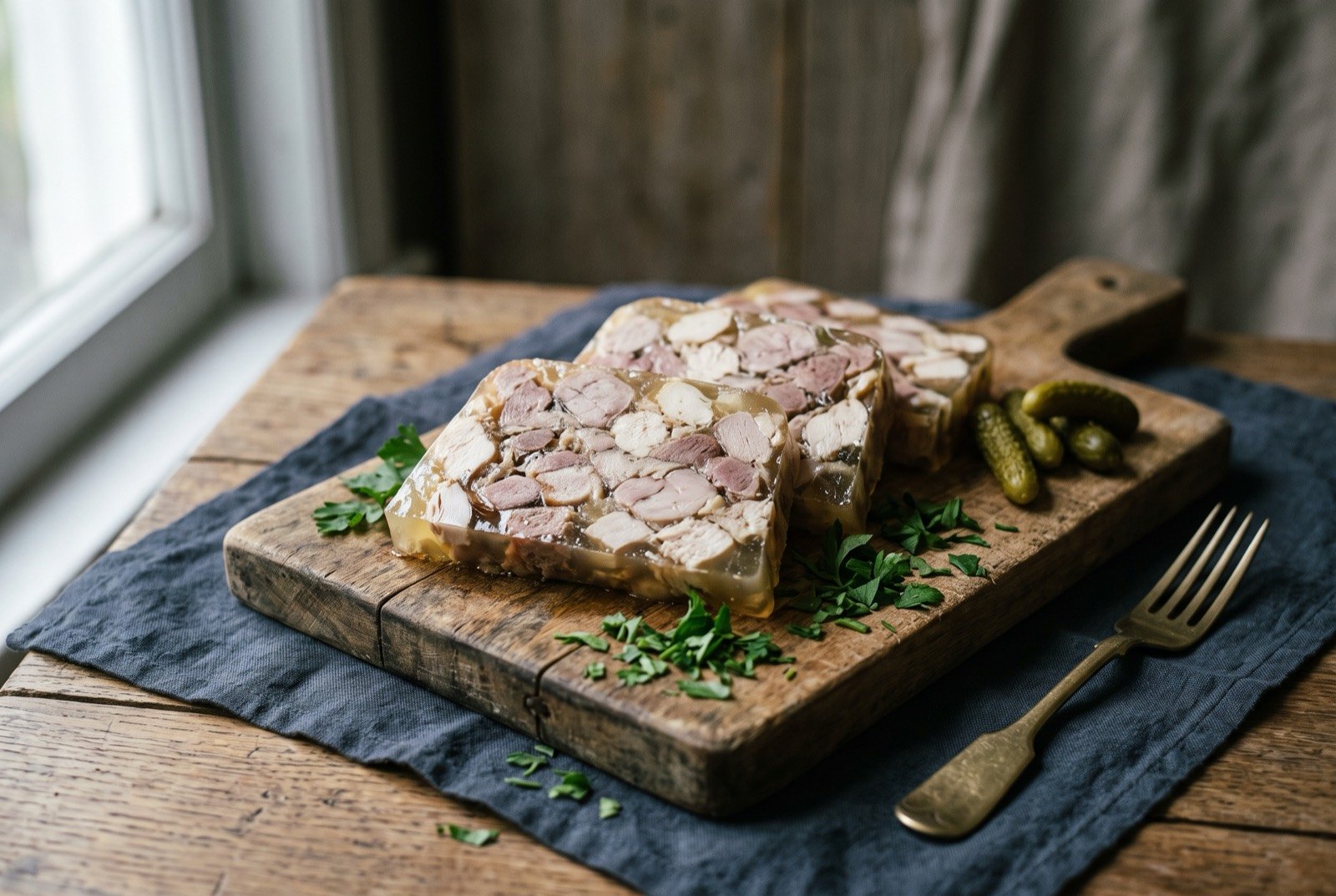 Potjevleesch
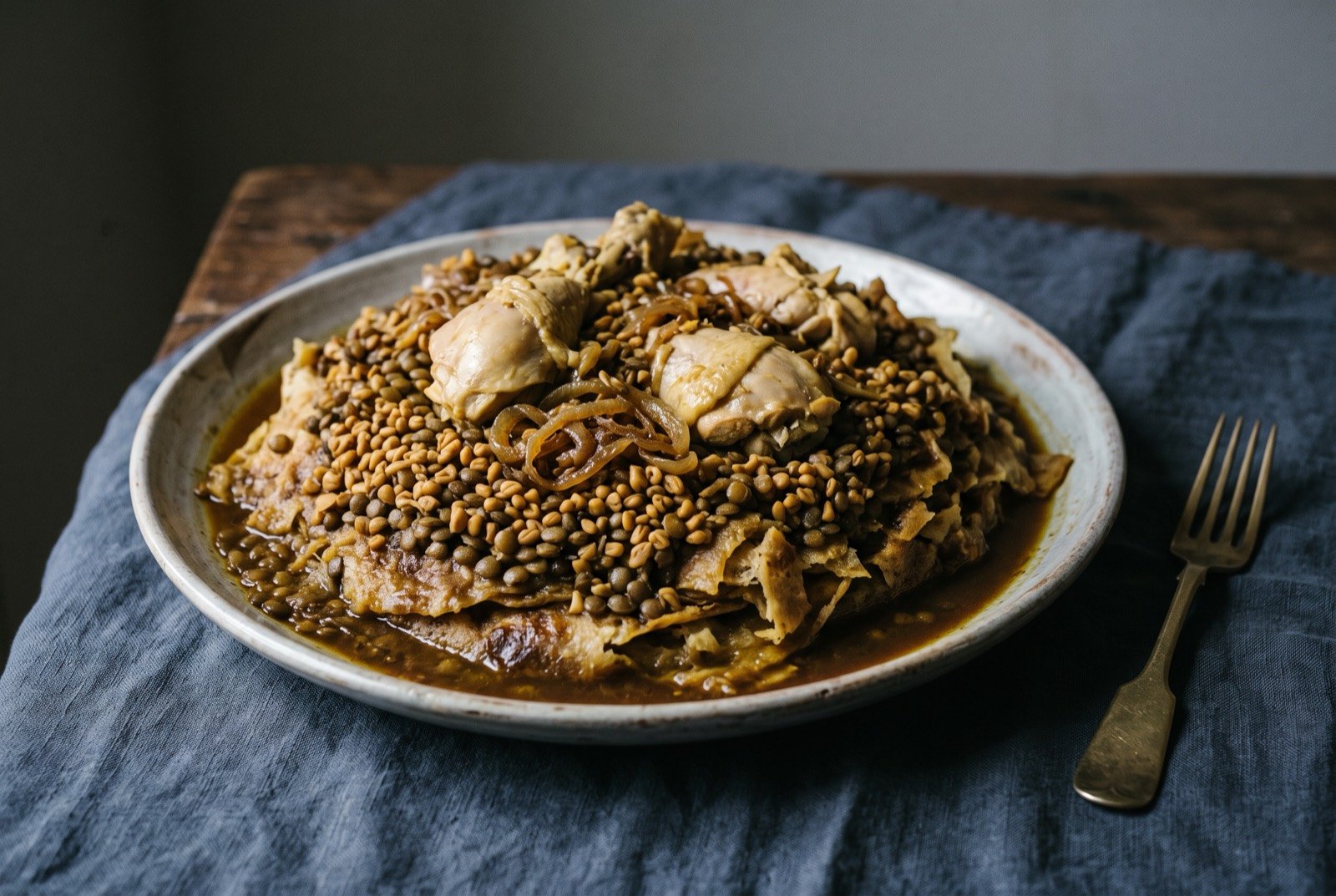 Rfissa
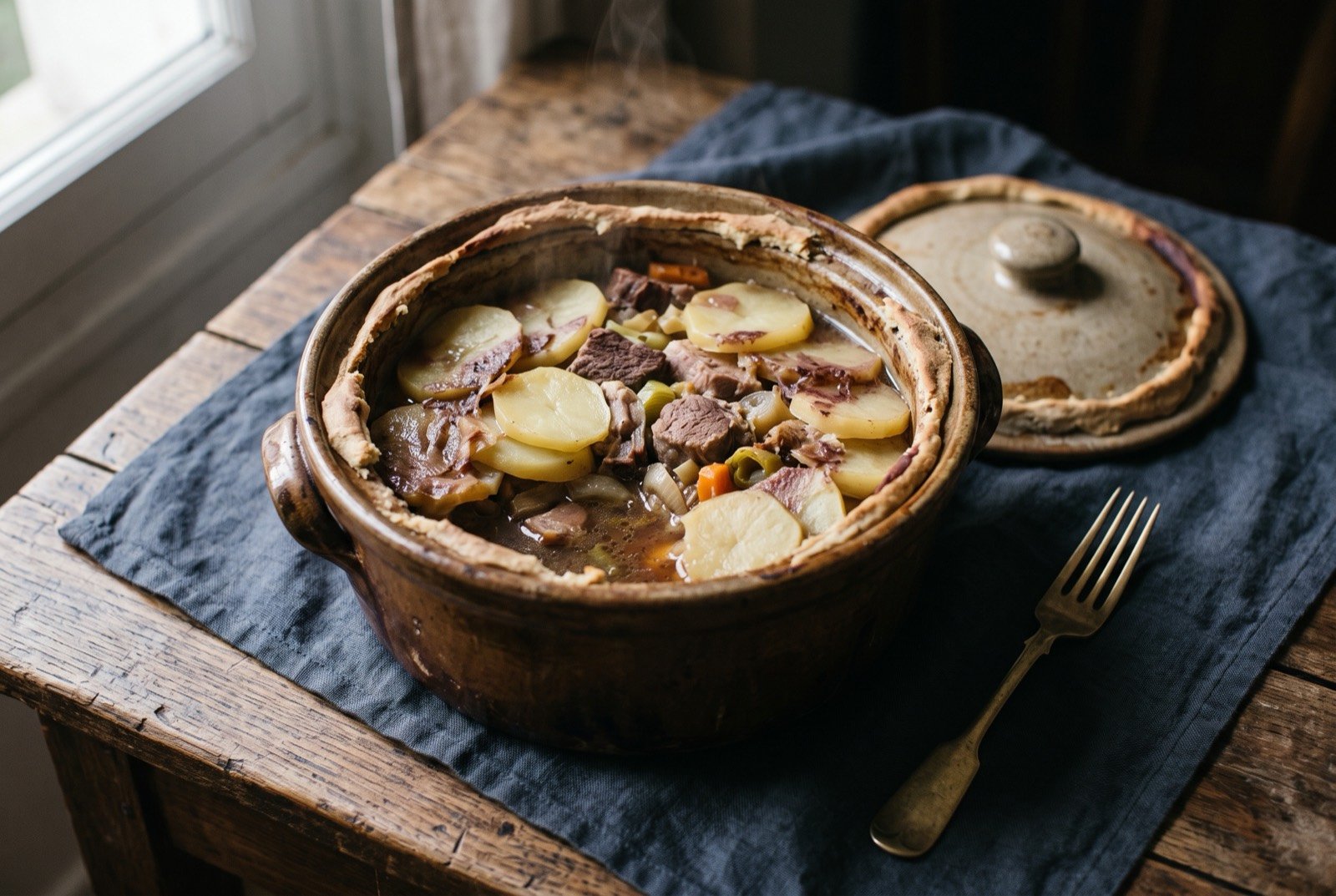 Baeckeoffe
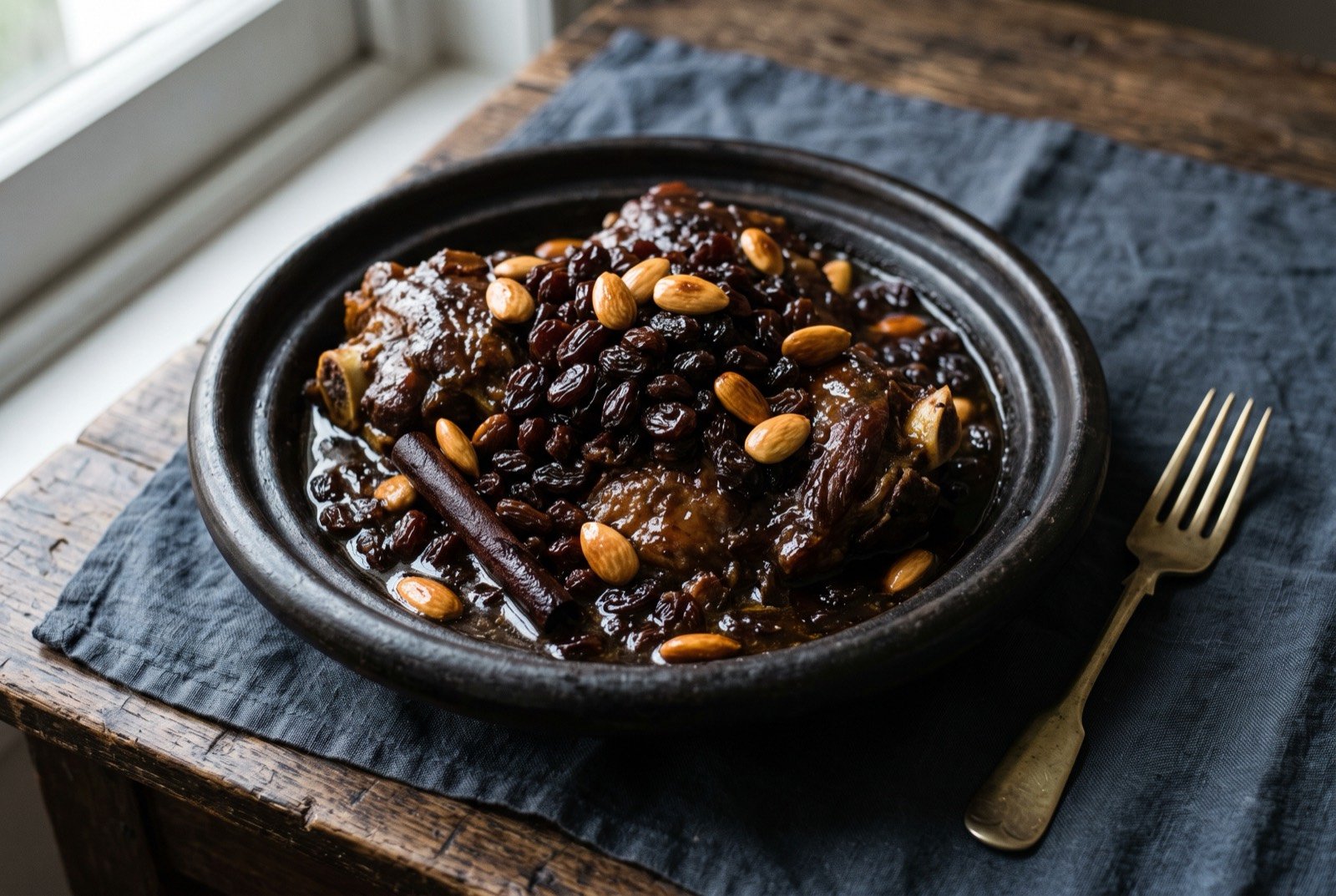 Mrouzia
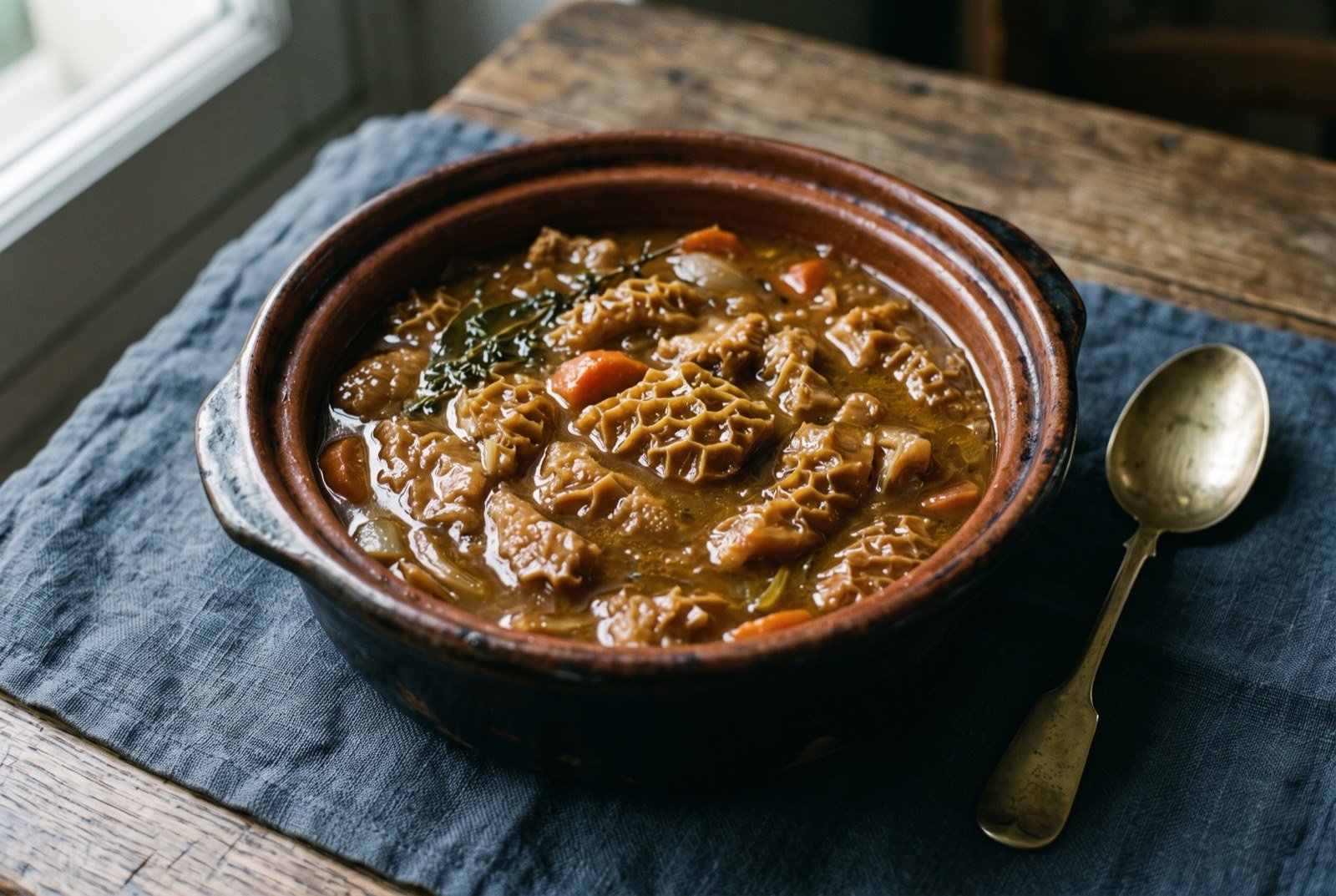 Tripes à la mode de Caen
 Cholent
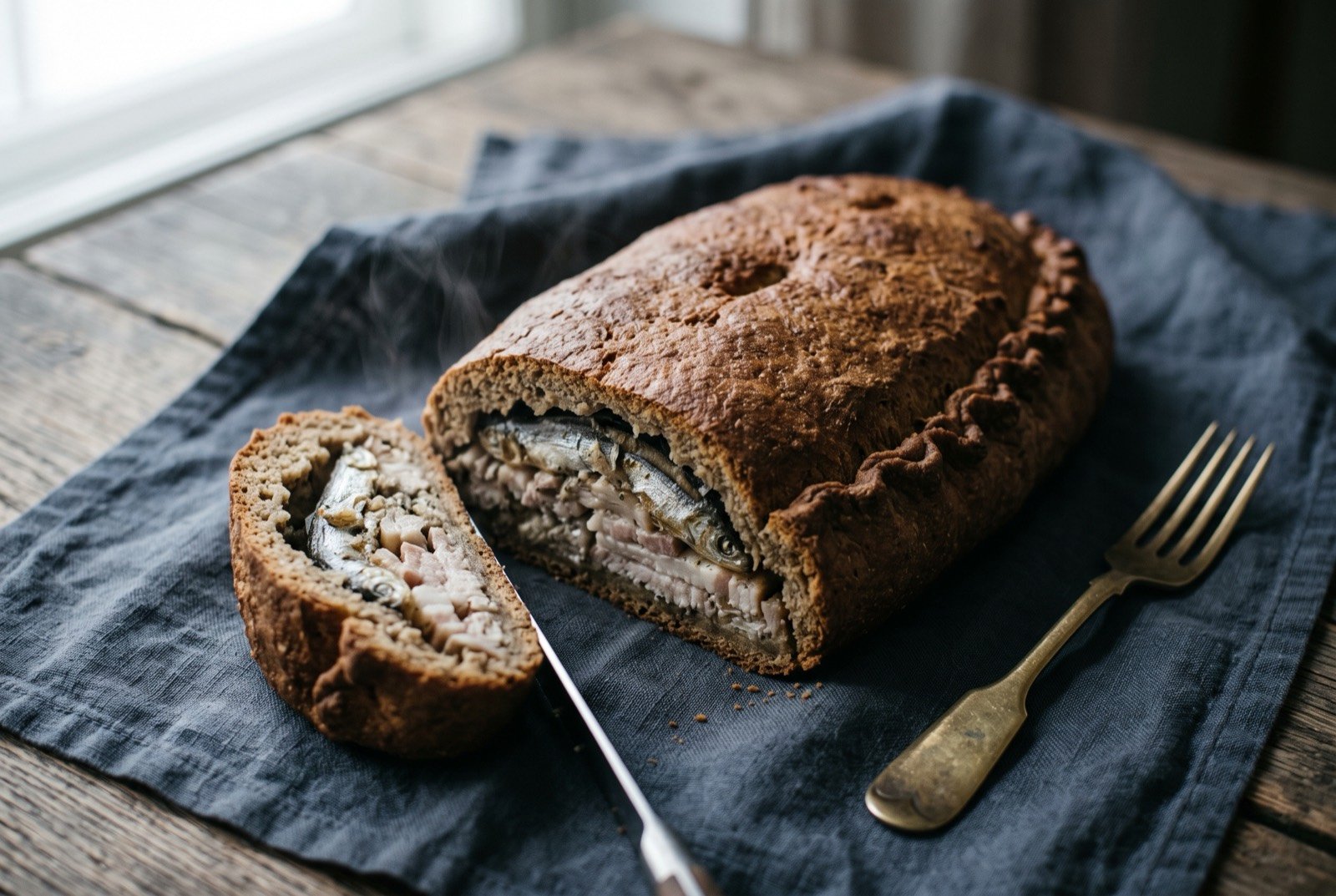 Kalakukko
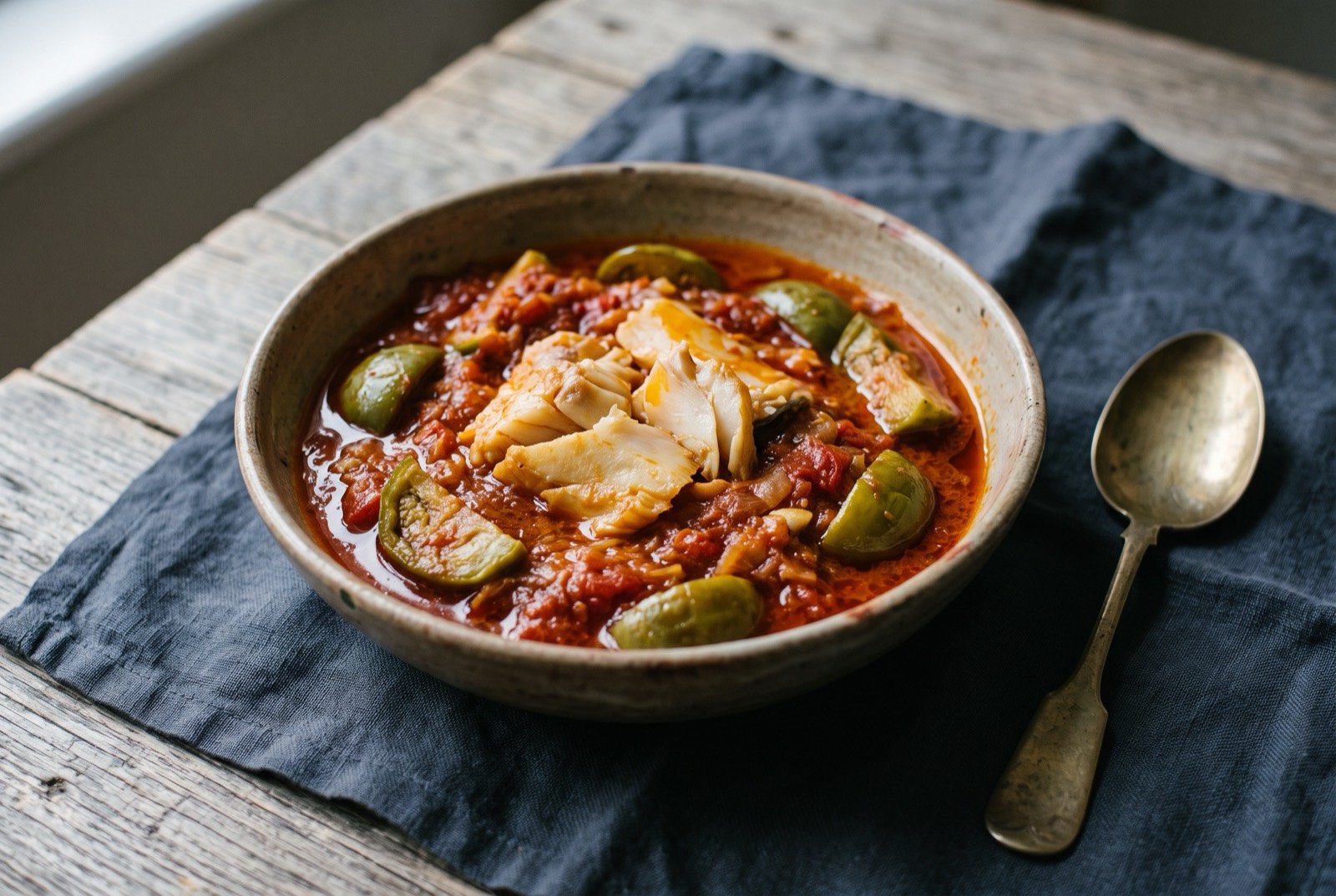 Makayabu
Untimed
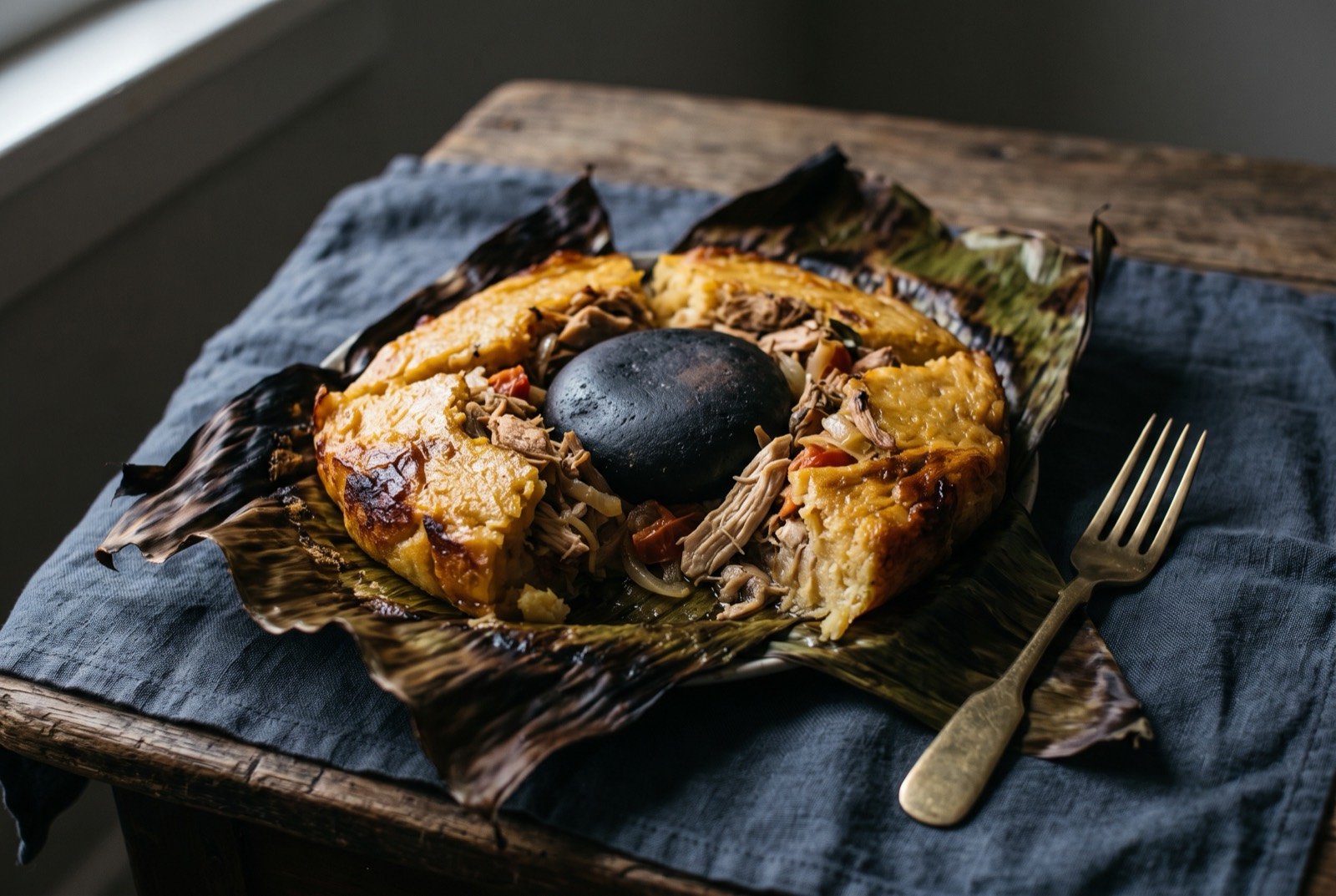 Laplap sosor
Africa
Côte d'Ivoire, Togo & Benin
Sealed vessel, no added water: the kedjenou principle
Kedjenou is cooked in a canari, an unglazed clay pot, sealed with leaves or a dough luting, set over low fire or buried in embers, and shaken periodically...
Gabon, Congo & the Congo Basin
The leaf packet: a sealed vessel that is also the serving dish
Liboke is Lingala for packet, plural maboke, and the word names both technique and dish.
Morocco
The tagine is a machine, and the cone is the moving part
Two pieces of earthenware: a shallow circular base with low sides, and a tall cone that sits on it.
Morocco
Separate the browning from the braising
Because the condensation cycle keeps the interior saturated and at or just under 100°C, Maillard chemistry is effectively suppressed inside the pot.
Uganda, Rwanda & Burundi
The banana leaf is a working component, not packaging. Wilt it, smoke it, and use it twice
Before any dish, understand the vessel, because it is one architecture and it produces most of the food in this volume.
South Africa, Lesotho & Eswatini
Layer, add almost no liquid, cook by trapped steam, and never stir
This is the spine of the volume, and it is the same technique in two communities kept apart by law for four decades.
Asia
Armenia and Azerbaijan
Wrap firm, not tight, and weight the pot
Fresh grape leaves, picked young and tender and blanched briefly, wrap and eat far better than jarred, brined leaves, which run oversized, tough and stringy...
Armenia and Azerbaijan
Seal the vessel, and serve it as two courses
Piti is assembled raw in small, individual, unglazed clay pots, each portion sized for one diner, the pots traditionally pre-seasoned by prior use rather than...
Kazakhstan, Kyrgyzstan & Turkmenistan
Buried radiant baking, real sand oven physics translated
Ishlekli's traditional method, a filled dough parcel buried directly in hot sand and embers, works because sand holds and releases heat slowly and evenly from...
Uzbekistan & Tajikistan
Never stir the steam
Once rinsed rice is layered onto the zirvak, levelled, and enough water added to cook it through, the pot is left uncovered until the surface water is...
Uzbekistan & Tajikistan
Steam, not boil, for the dumpling
Manti are defined by being steamed in a stacked, perforated mantovarka, not boiled; a boiled or fried version of the same dumpling shape is a different dish...
Europe
Greece & Cyprus
Seal the vessel and let time do the cooking
Kleftiko's name comes from the klephtes, irregular fighters against Ottoman rule who needed to cook stolen lamb without giving away their position with smoke...
Normandy, Brittany and the Atlantic Coast
The sealed, low, long braise, tripes à la mode de Caen's method
The sealed, low, long braise, tripes à la mode de Caen's method.
Alsace, Lorraine and the Nord
Seal the pot and let the wine cook itself
Baeckeoffe's terrine lid is sealed to its body with a rope of raw flour-and-water dough, not merely covered.
Poland
Read cholent as engineering, not folklore
Cholent's twelve-plus hour, unattended, low-heat overnight cook looks, to a modern kitchen, like an eccentric piece of folk cookery.
Sweden, Finland & Sápmi
Seal the crust, and let the food steam inside its own oven
Kalakukko's rye crust is not primarily a container to be eaten, it is a sealed vessel: baked hot first to set the crust, then dropped to a low, steady heat for...
Castile, Madrid, Extremadura & Aragón
Judge the wood-oven roast by moisture control, not by a fixed number
Cochinillo and lechazo both depend on the same mechanism regardless of which asador claims to have invented it: a clay cazuela, or a Big Green Egg's ceramic...
Portugal
Seal it, and let its own liquid do the work
The cataplana, two hinged copper shell halves closing on side latches into a near hermetic seal, functions as a mild pressure vessel: shellfish, cured pork...
The Western Balkans
Seal the dome, and stop opening it
The sač, a domed metal or earthenware lid holding embers over a pan of food beneath it, depends on staying sealed.
The Adriatic and Albania
Bake without an oven, under embers or a domed lid
Soparnik is baked directly under hot embers and ash on an open hearth, a pre-domestic-oven technique specified in its own EU protection document as part of...
Bulgaria and Romania
Cook a gyuvech or a kavarma low, slow and nearly dry, in real unglazed clay
The pot itself, not the liquid inside it, is doing the work: little or no added stock, the meat and vegetables' own moisture and fat carrying the whole dish...
England, the South and the West Country
Steam in suet, and trust the fat to do the work
Grated cold suet worked into self-raising flour with a little salt and cold water gives a pastry that behaves nothing like a rolled shortcrust: it does not...
England, the South and the West Country
Fill raw, and choose the cut and the cut size for cooking-time parity
A pasty and a stargazy pie share a genuine structural discipline most home bakers skip: the filling goes in raw, and the whole dish cooks through together...
Scotland, the Highlands and Islands
Cloth and time, not a rolling boil
A clootie dumpling wrapped in scalded, floured muslin and simmered gently for a full three hours, resting on an upturned saucer so it never touches the base of...
The Americas
Argentina & Uruguay
Seal a dough parcel to trap a genuinely wet filling, and treat the seal as a steam vessel
The empanada's defining technical discipline sits entirely in the fold.
Oceania and the Pacific
Papua New Guinea
Wrap in a living leaf before you touch fire
A banana leaf wrapped around fish or a starch parcel before it meets heat does two jobs at once: it holds in moisture so the food steams gently inside its own...
Solomon Islands, Vanuatu & New Caledonia
Internal radiant heat, a hot stone inside the parcel itself
The single most distinctive and least documented professionally, but best ethnographically observed, technique this whole research pass turned up.