Home · Technique ladder · Spice Roasting and Blooming
Spice Roasting and Blooming
Toasting, grinding, blooming whole spices in fat
19 rungs across 15 volumes
Dishes
Weeknight
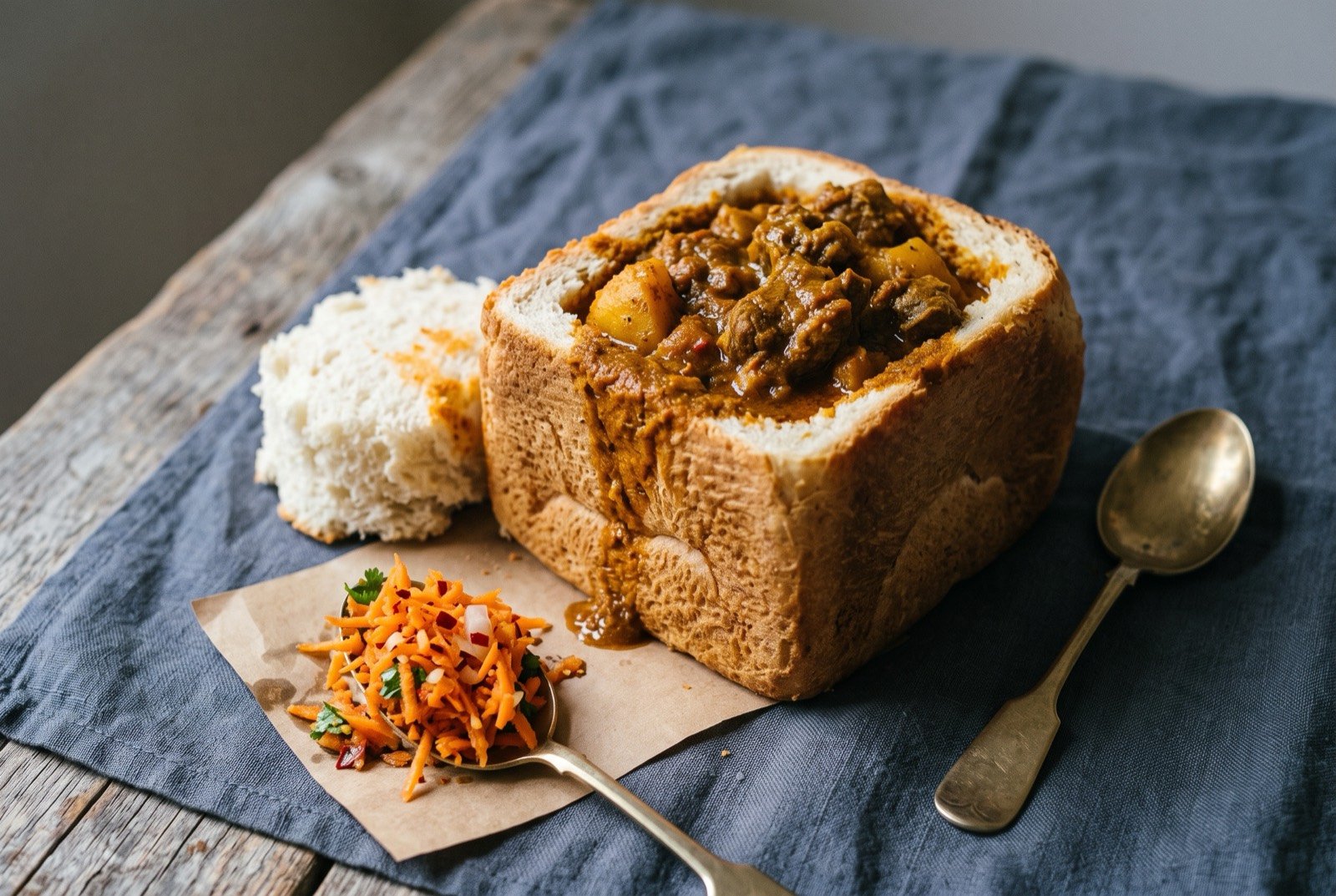 Bunny chow
 All i Pebre
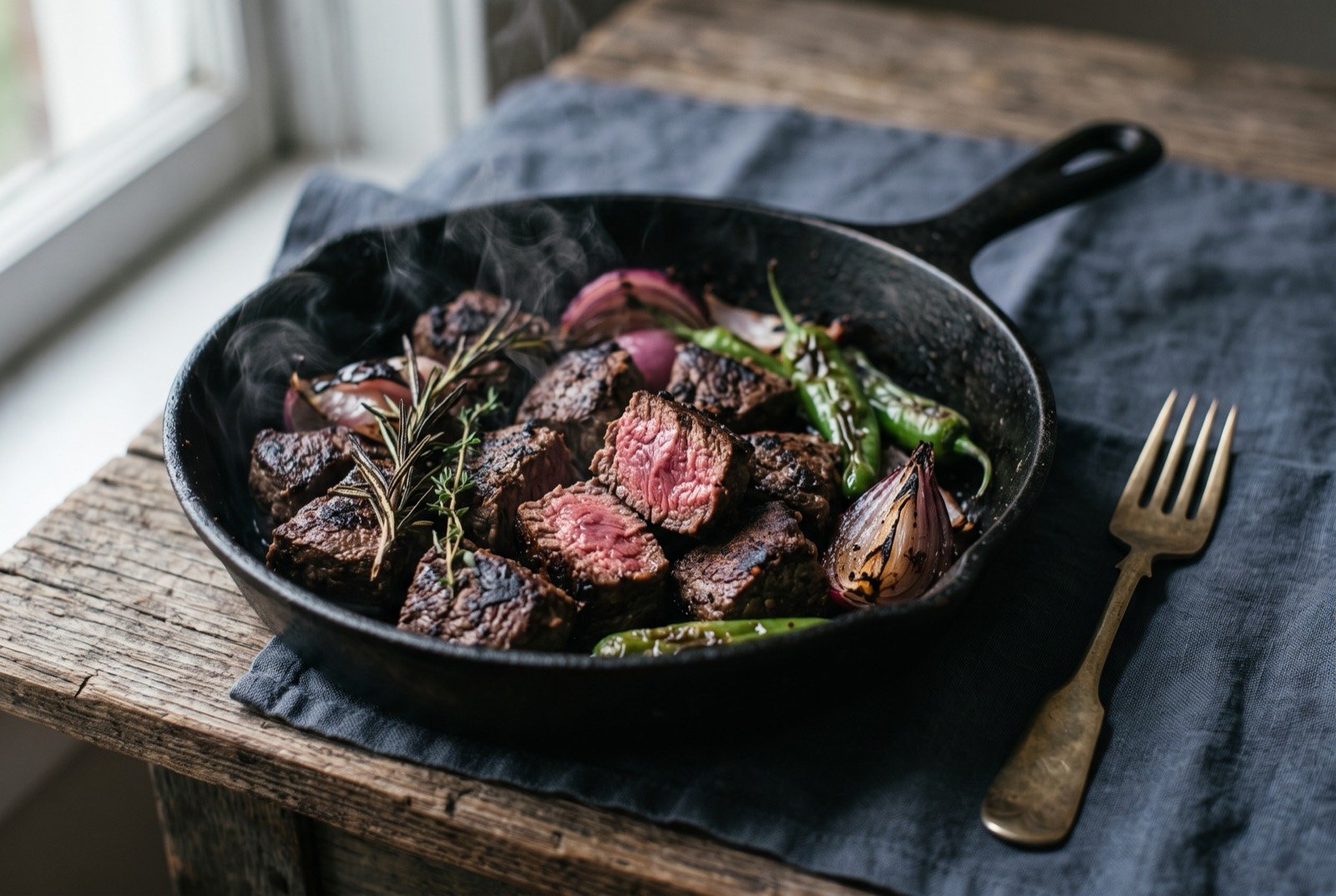 Derek tibs
 Rougaille
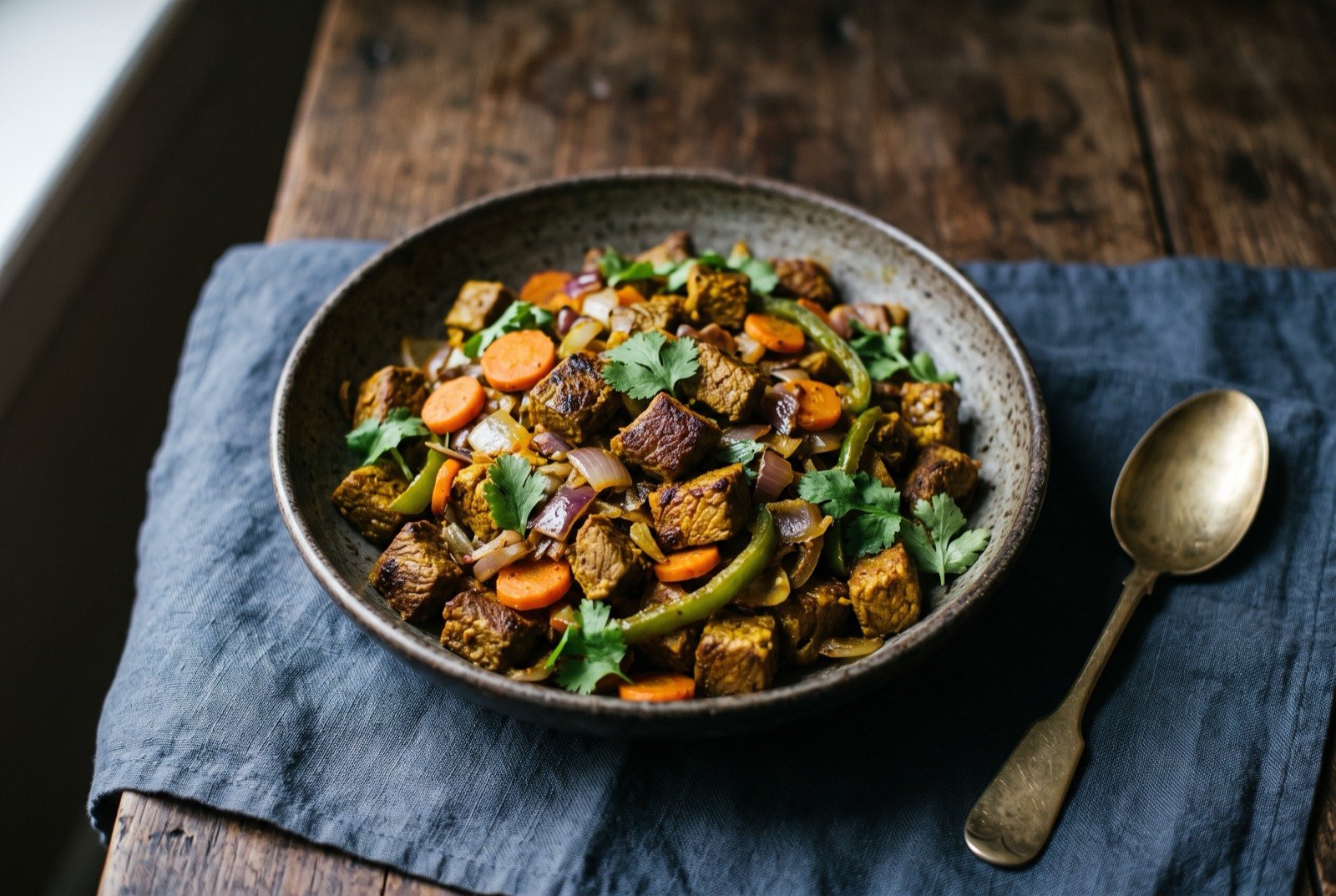 Suqaar
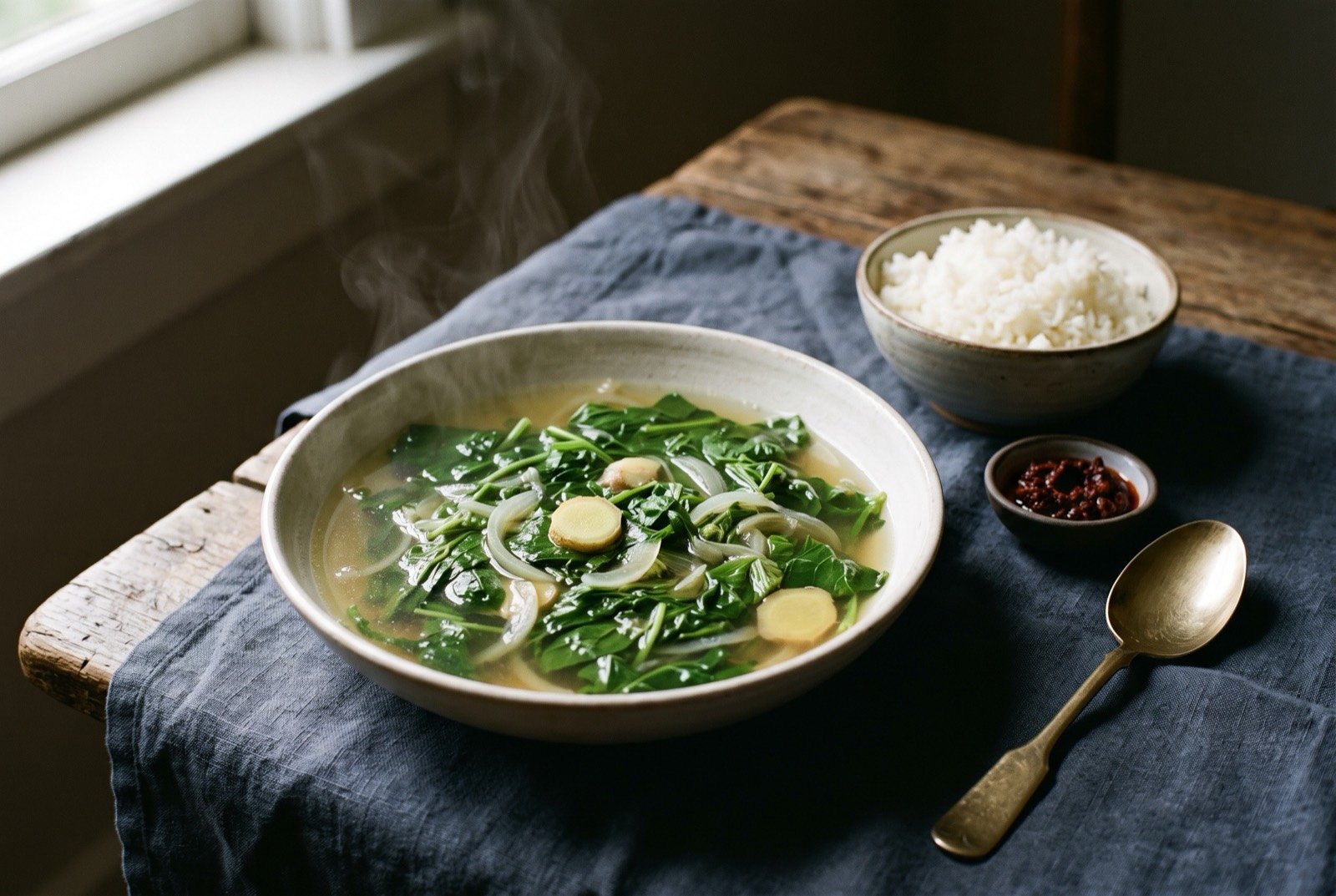 Bouillon de brèdes, and the fricassée
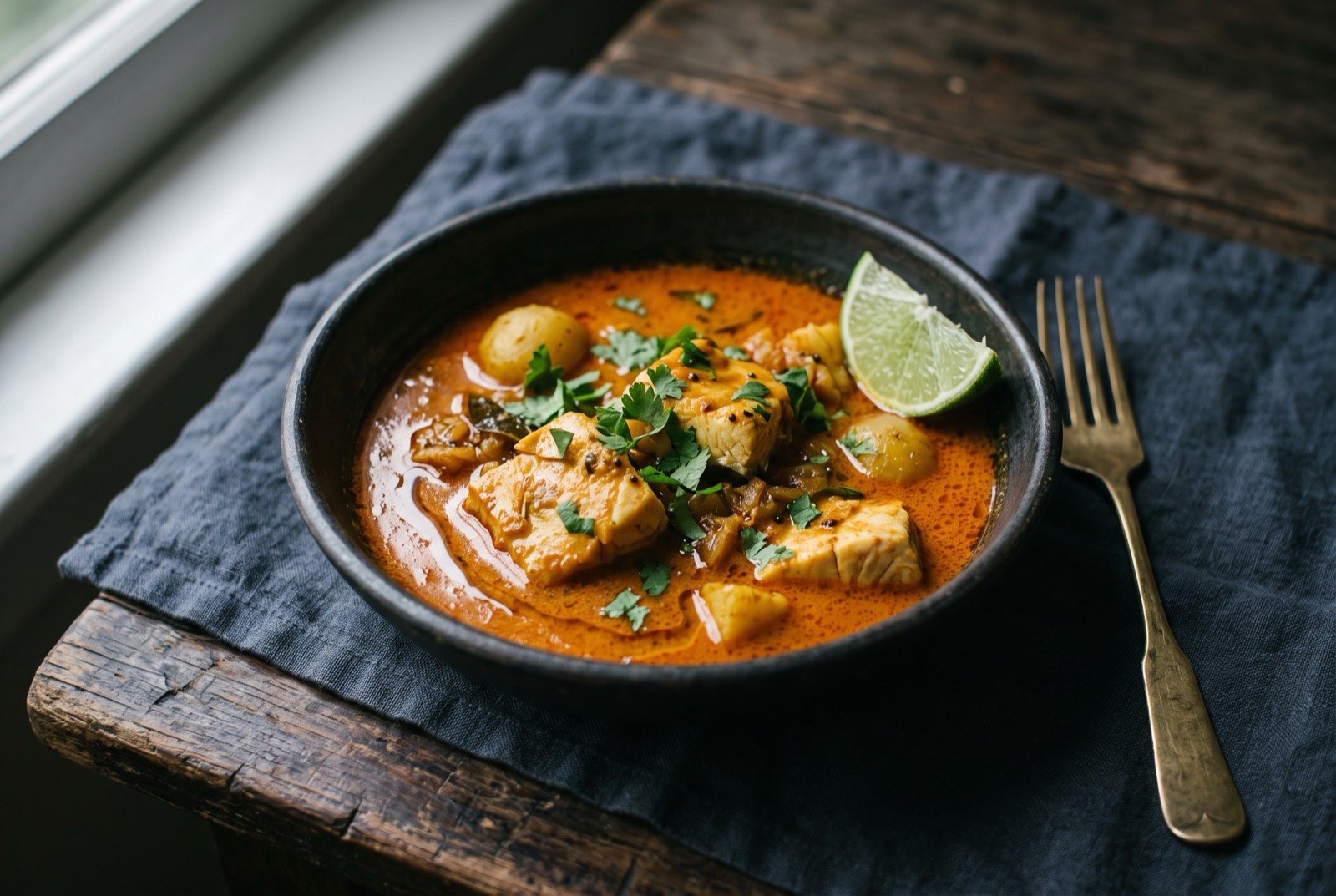 Fish Suruwa
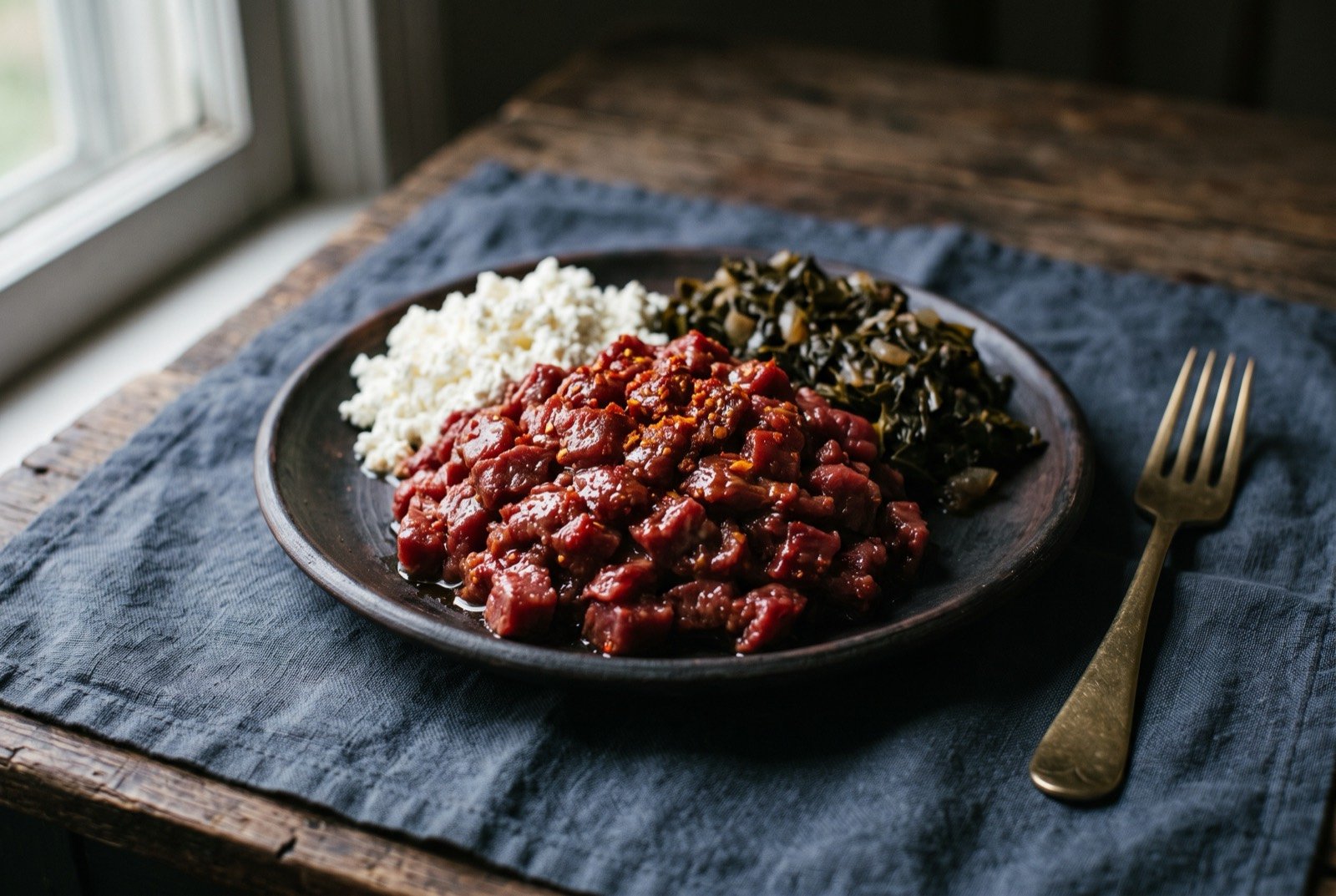 Kitfo
Kitfo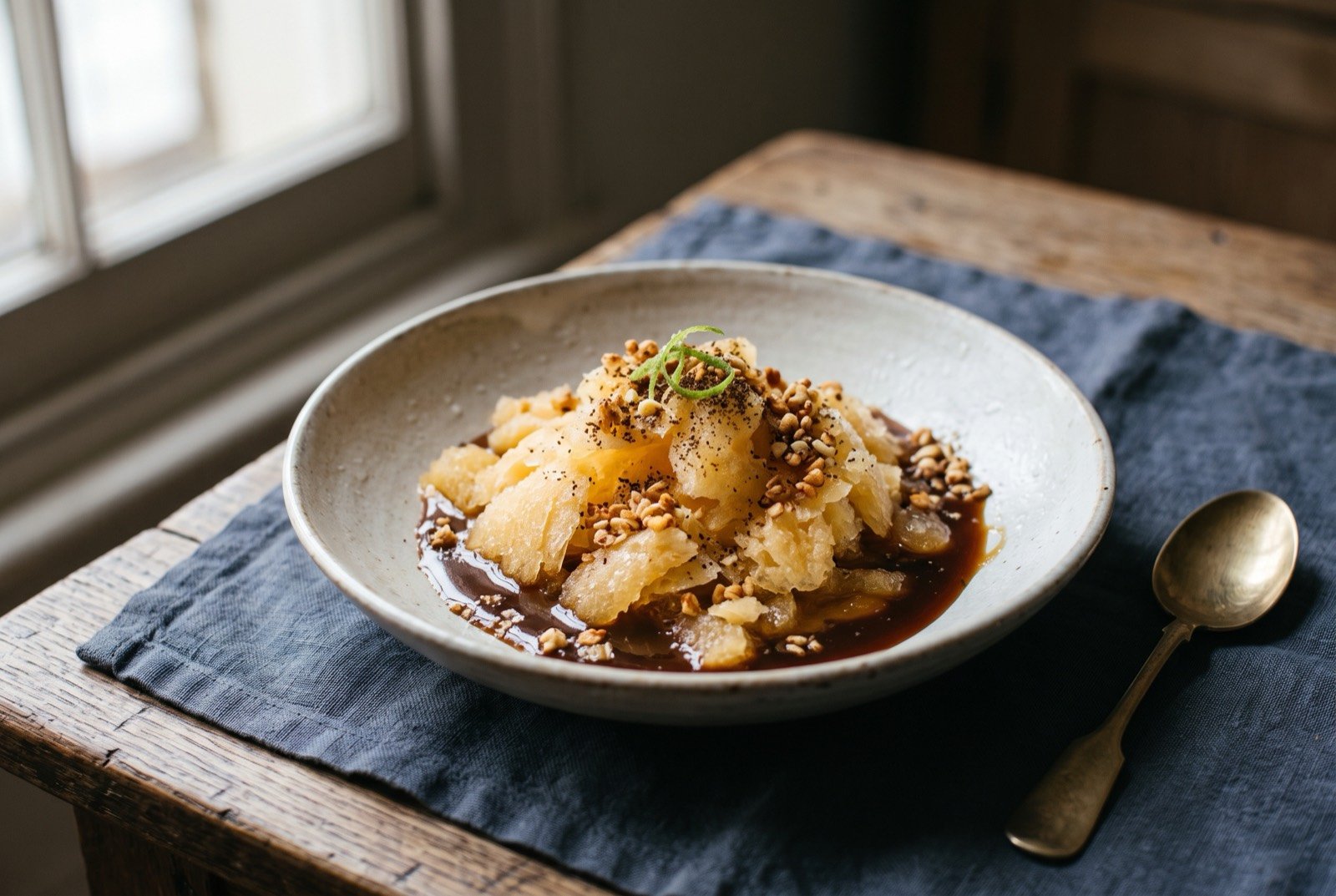 Ogbono and Mango
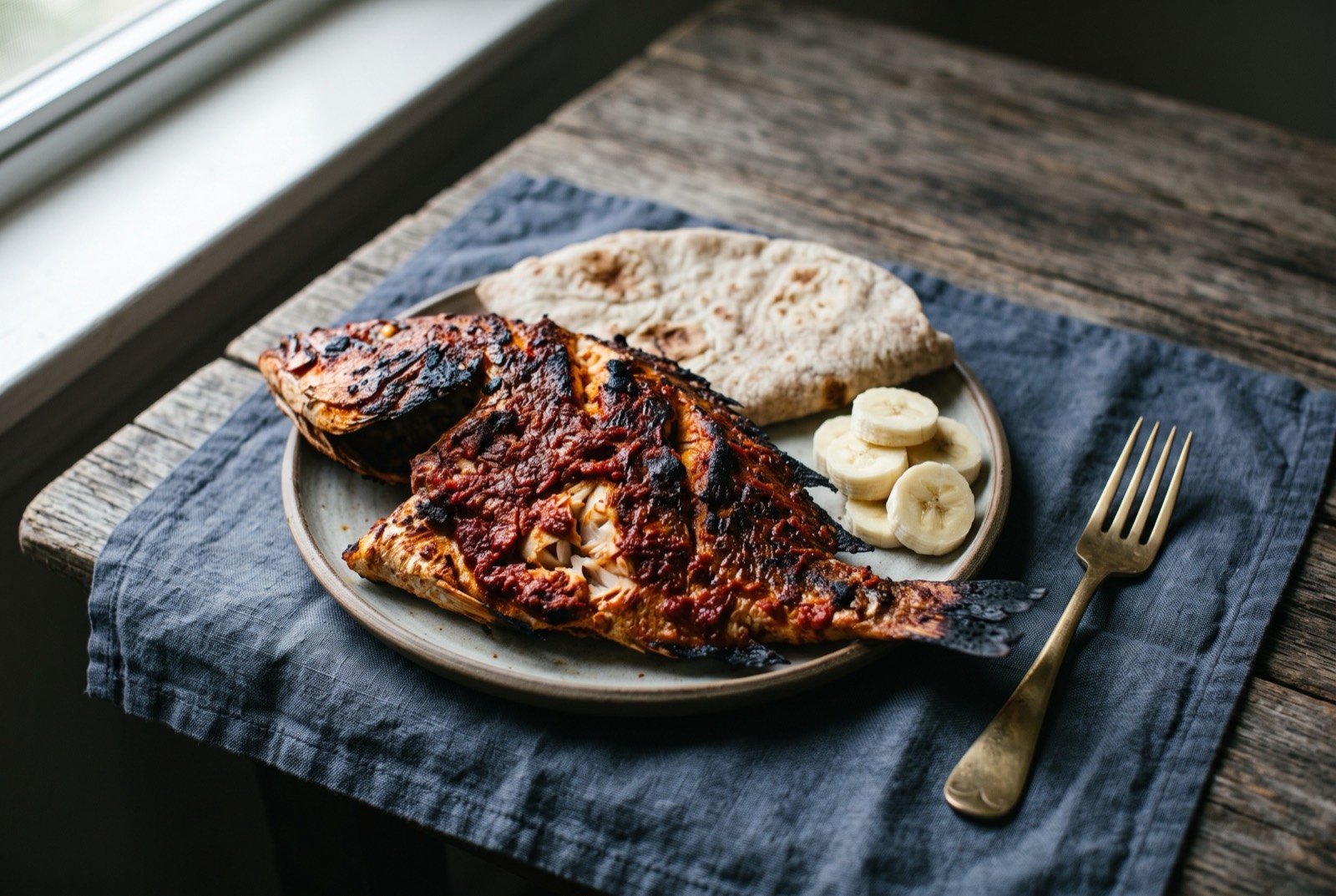 Poisson yéménite
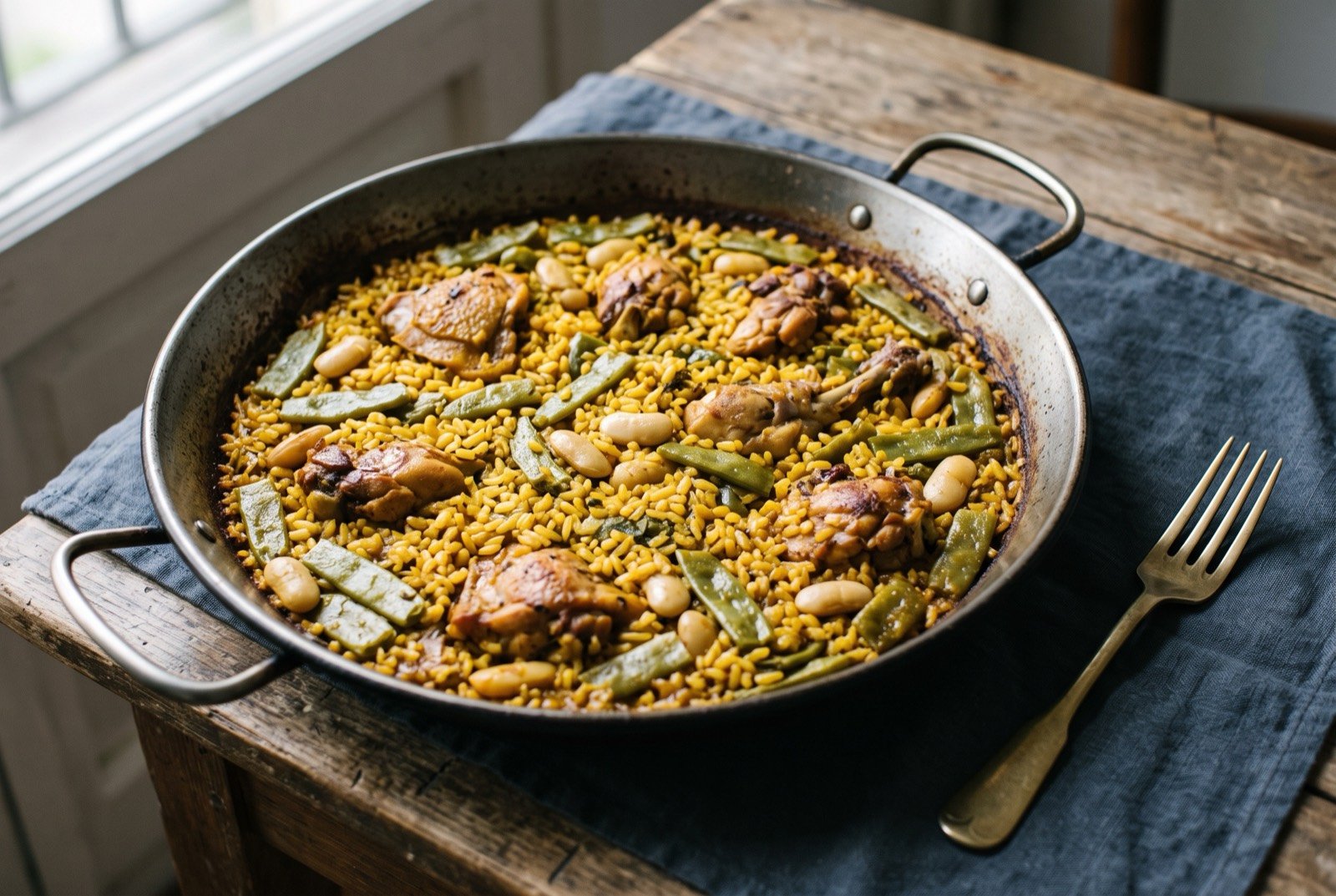 Paella Valenciana
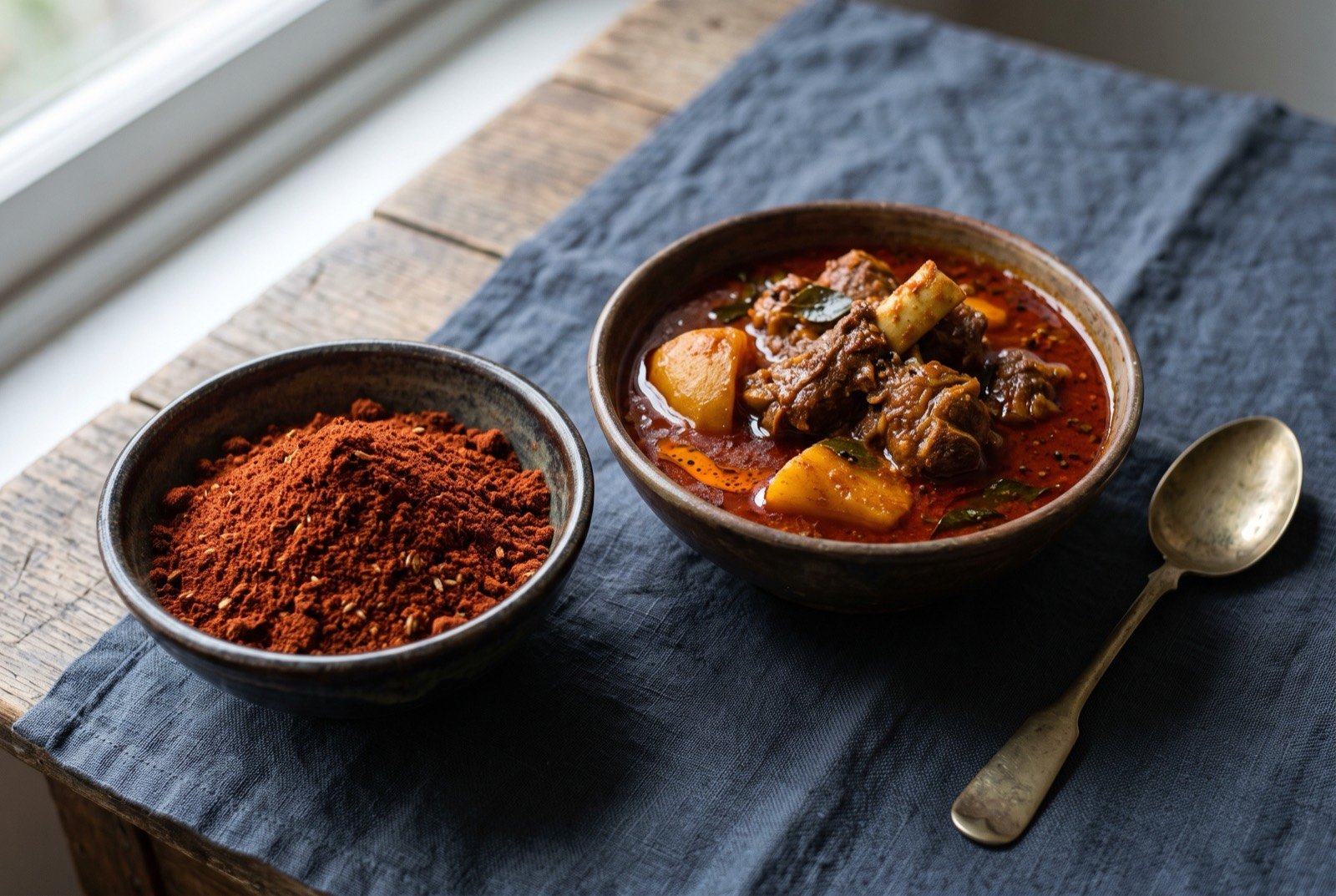 Durban masala, and the mutton curry it exists for
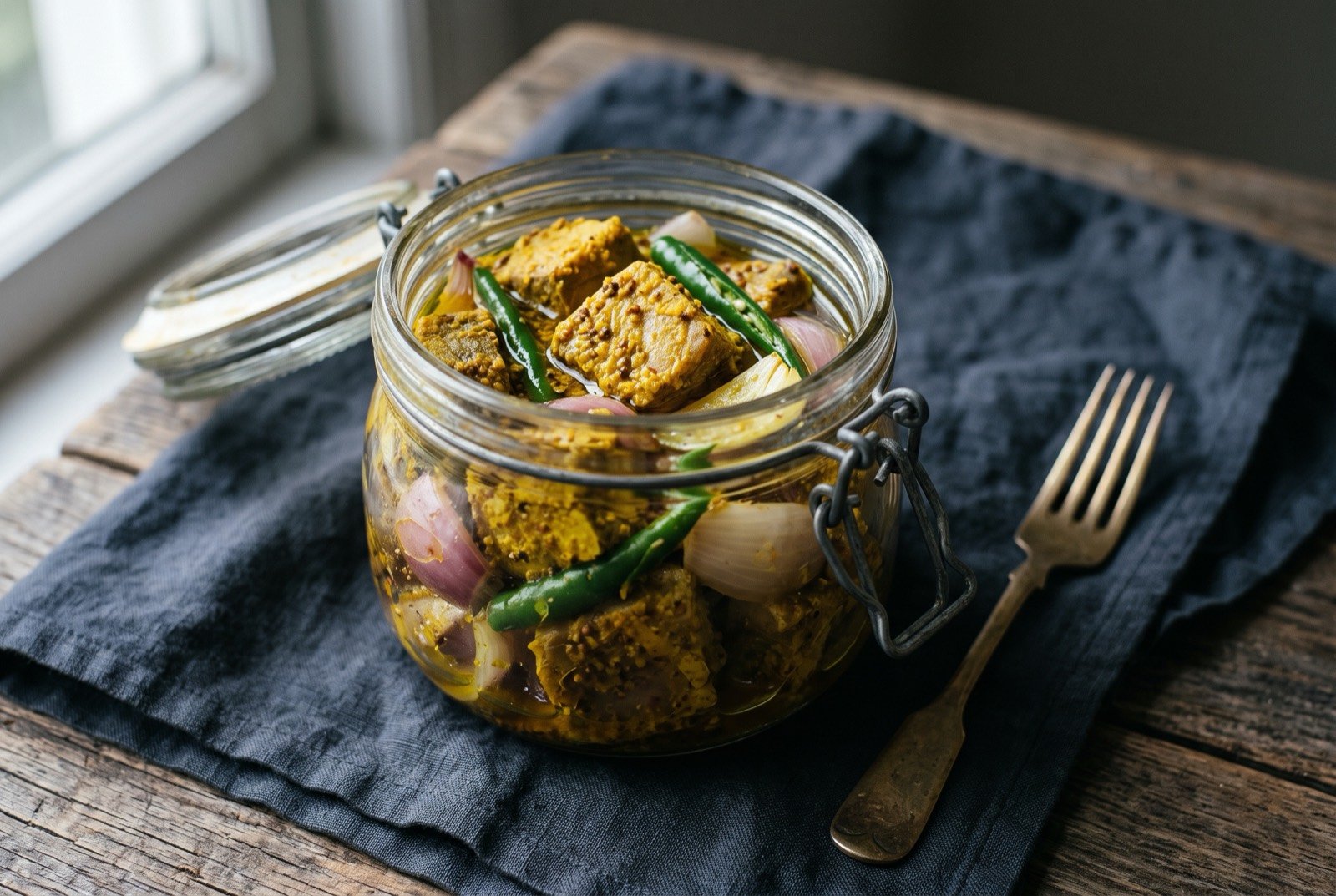 Vindaye de poisson
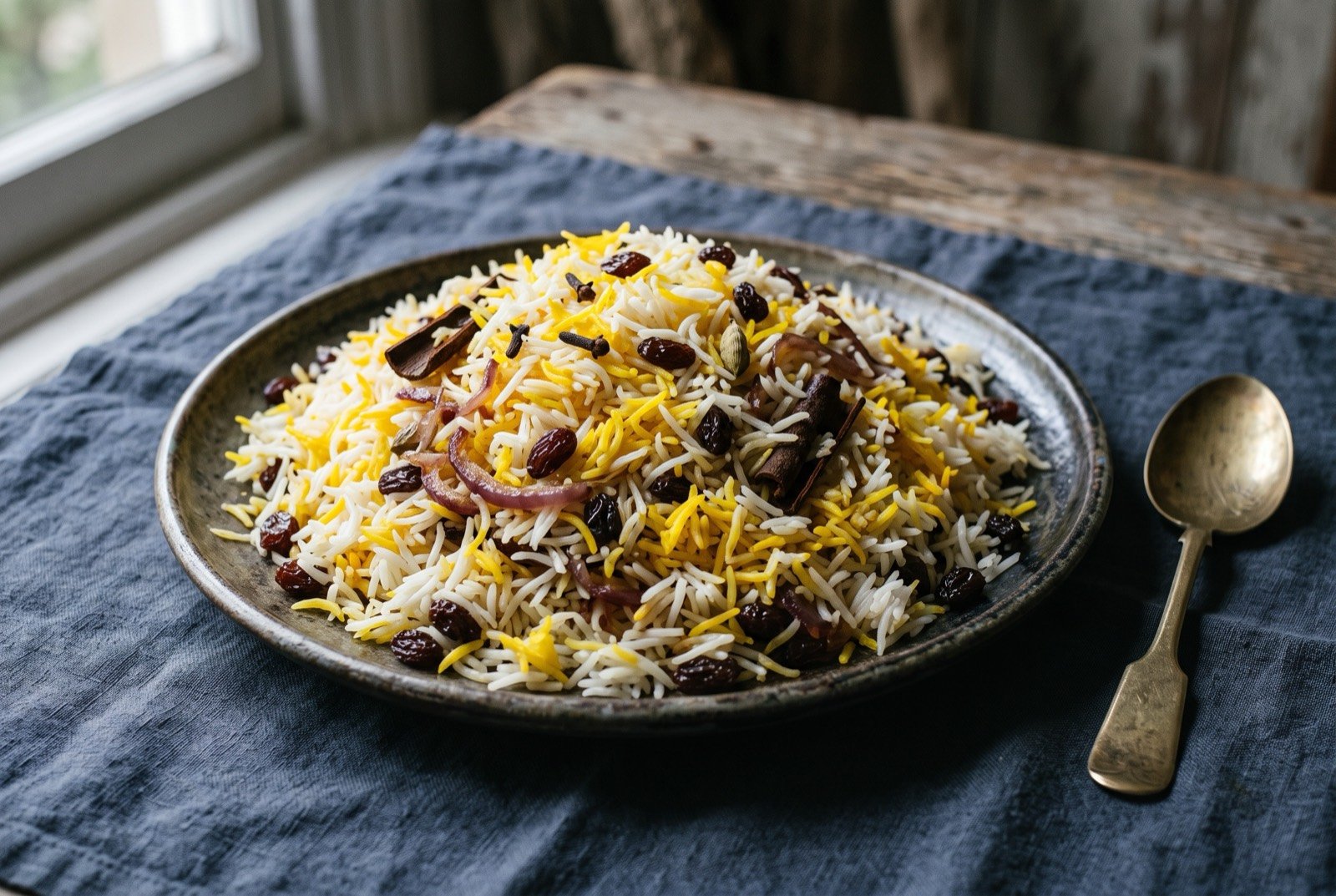 Bariis iskukaris
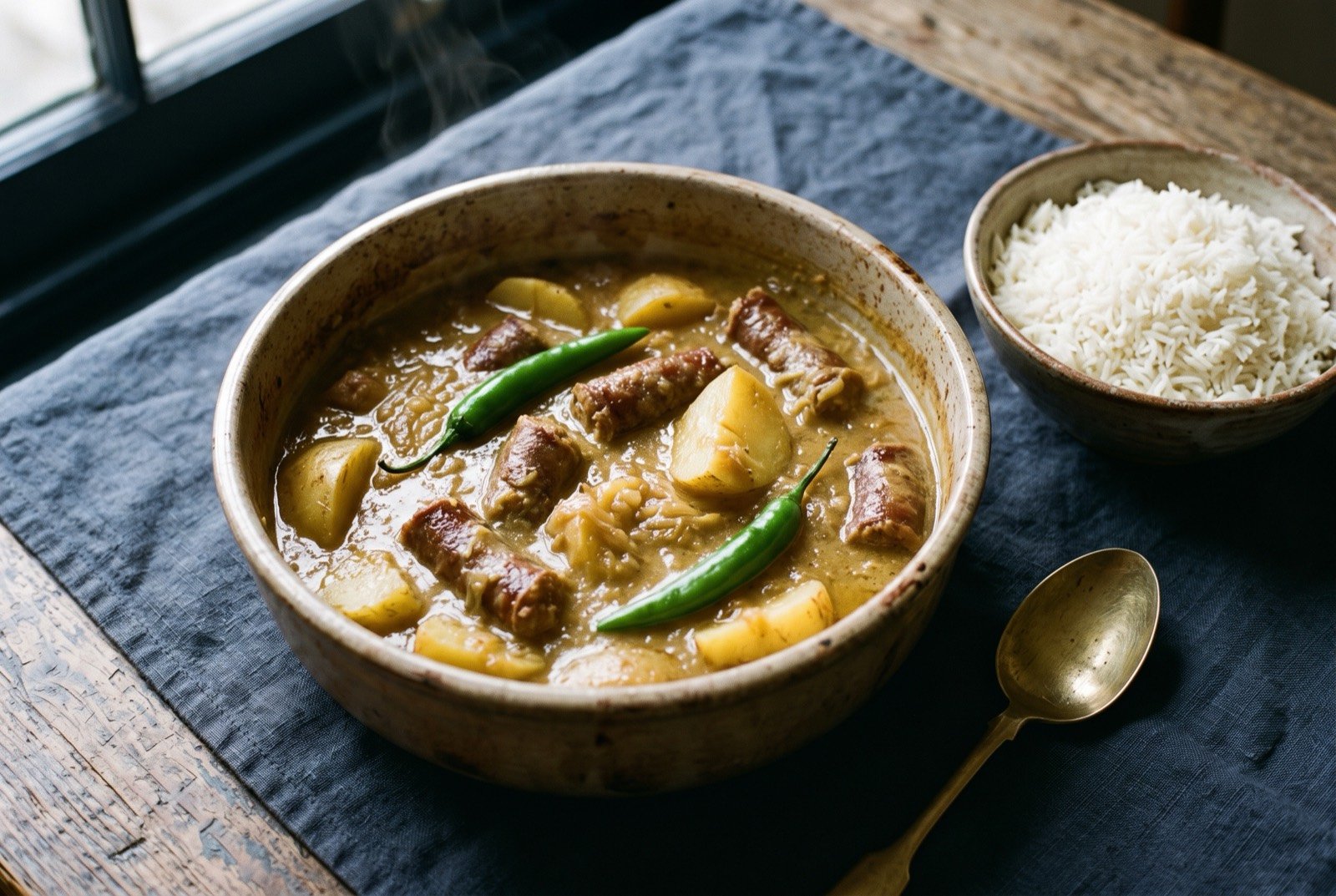 Bredie
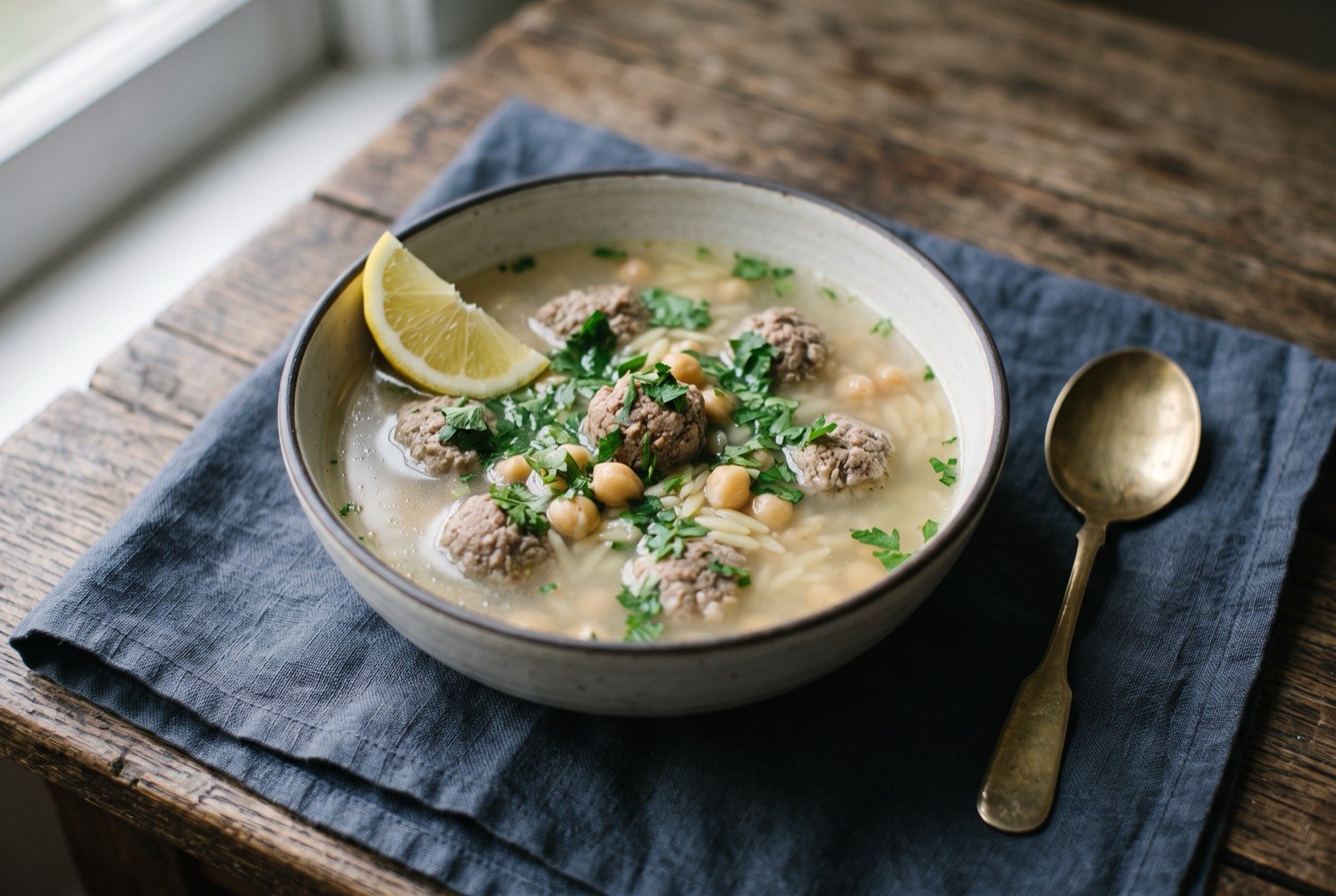 Chorba beida
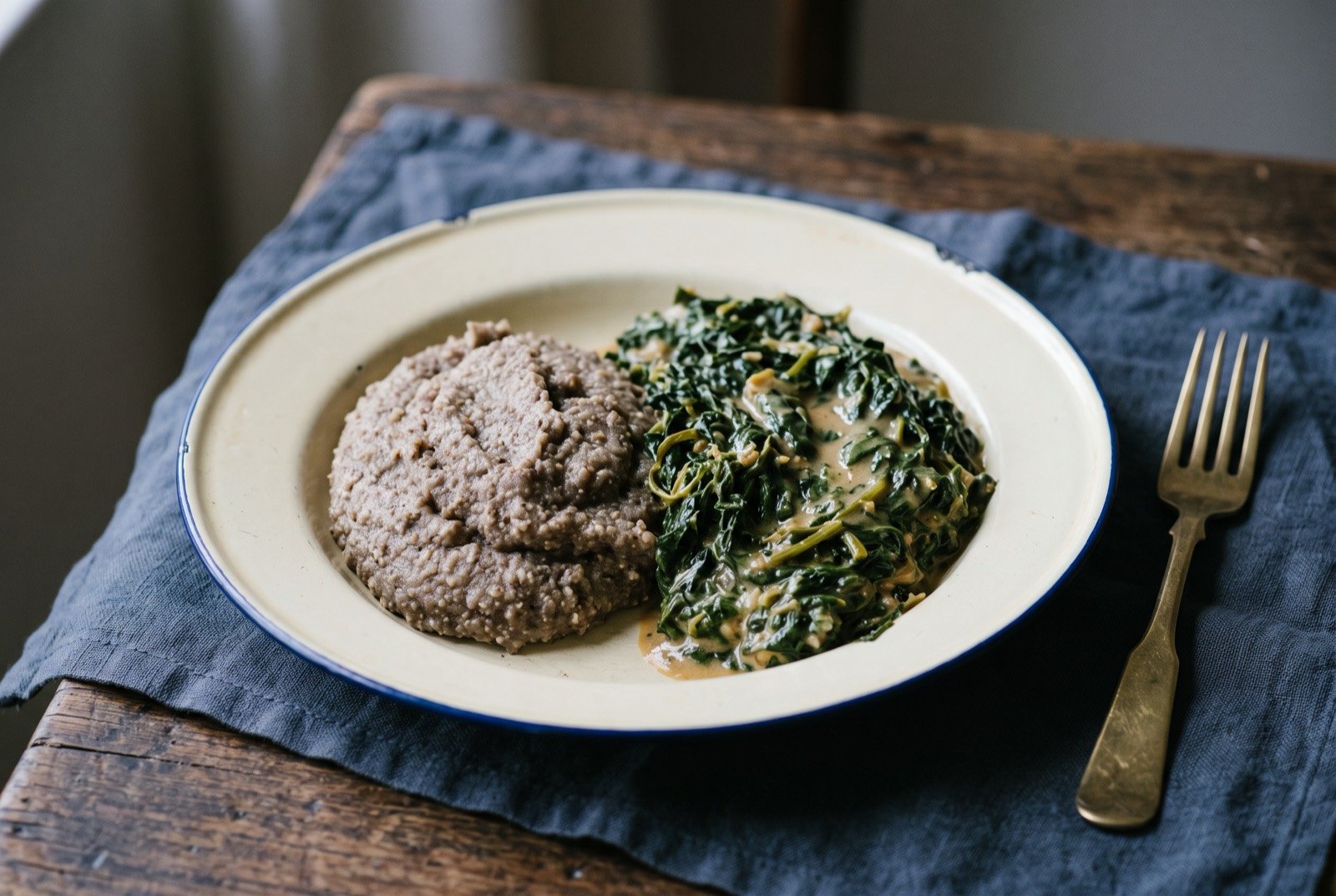 Liphalishi lemabele, with umbidvo wetintsanga
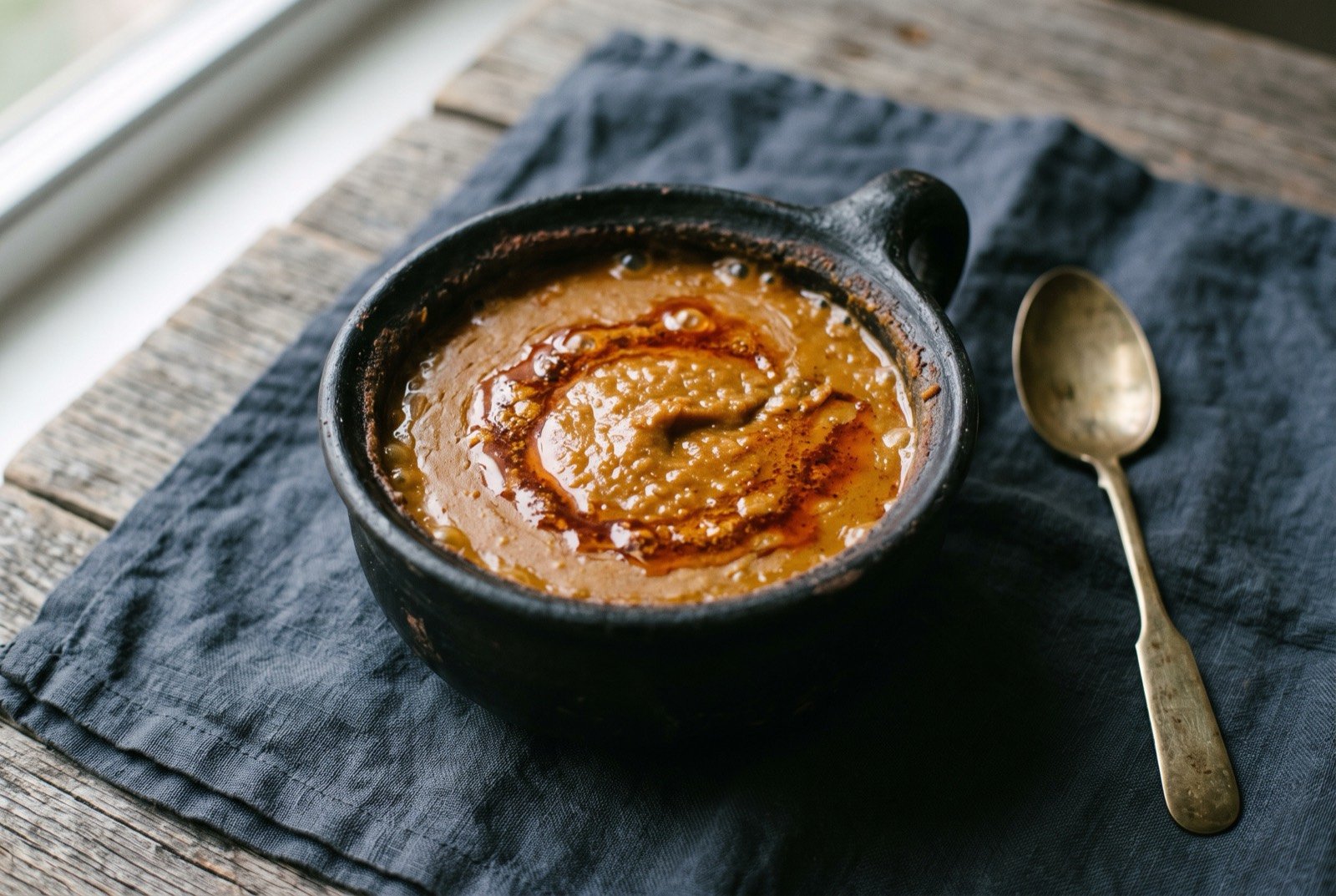 Shiro wot / tsebhi shiro
Weekend
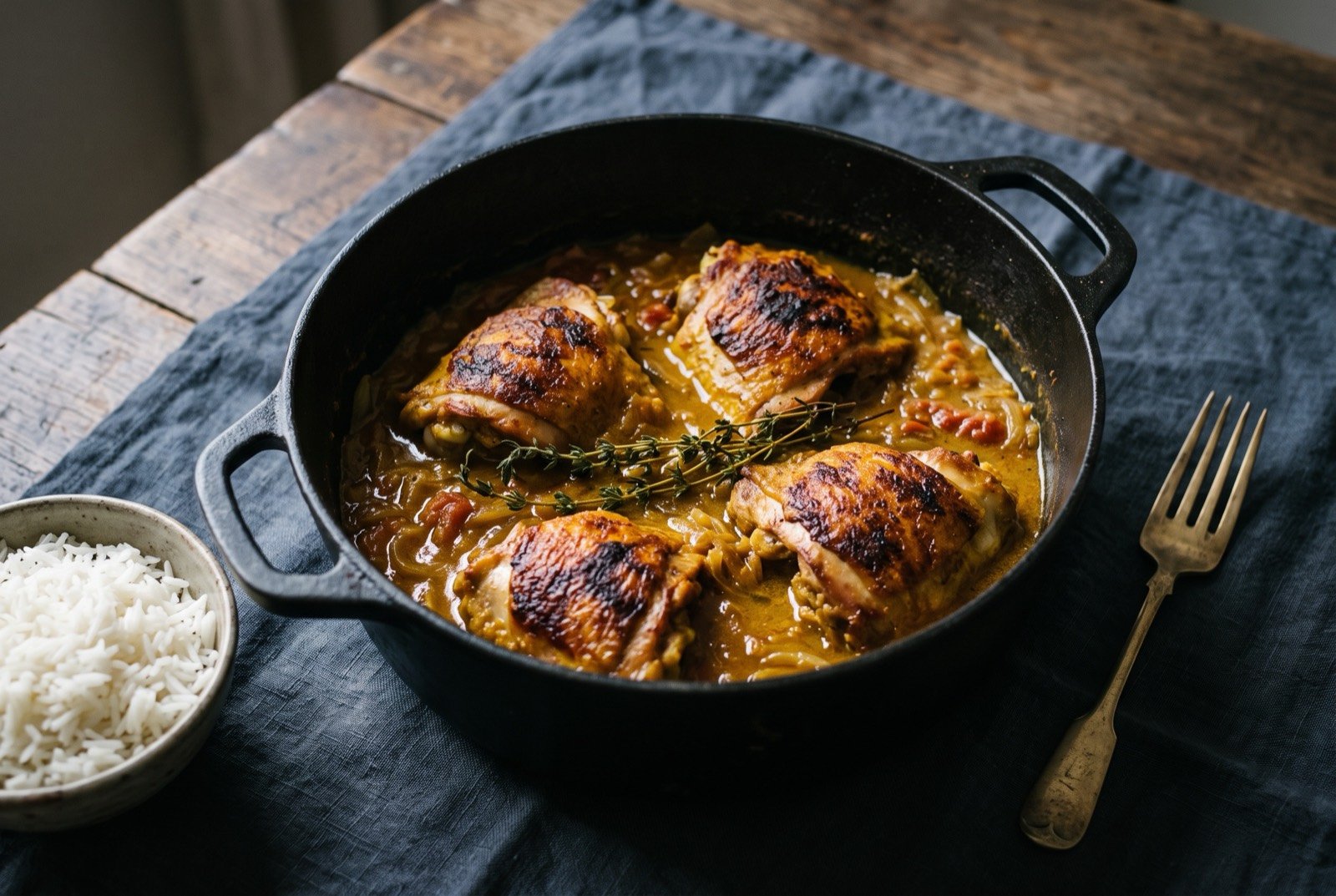 Cari poulet
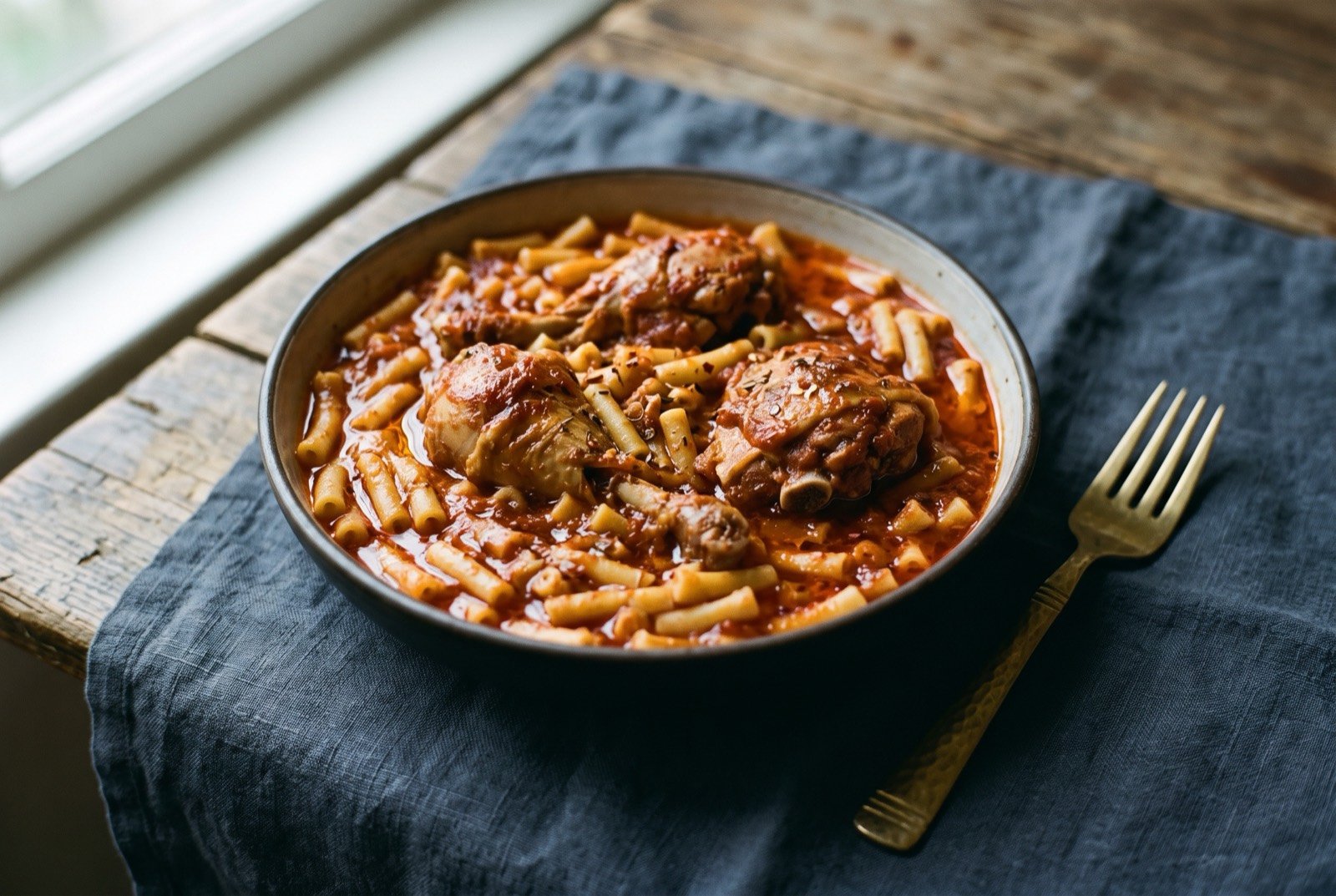 Macroona imbakbaka
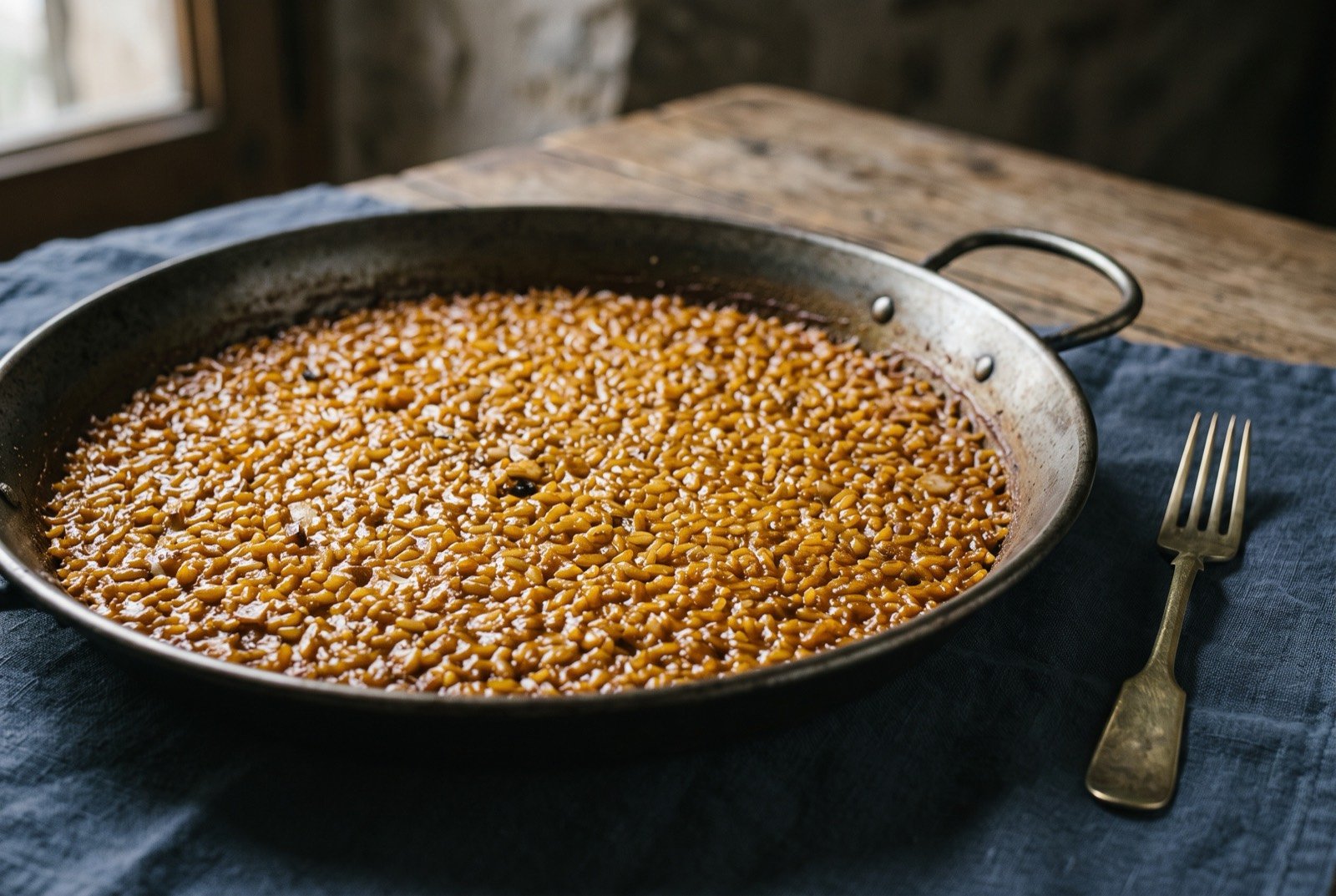 Arròs a Banda
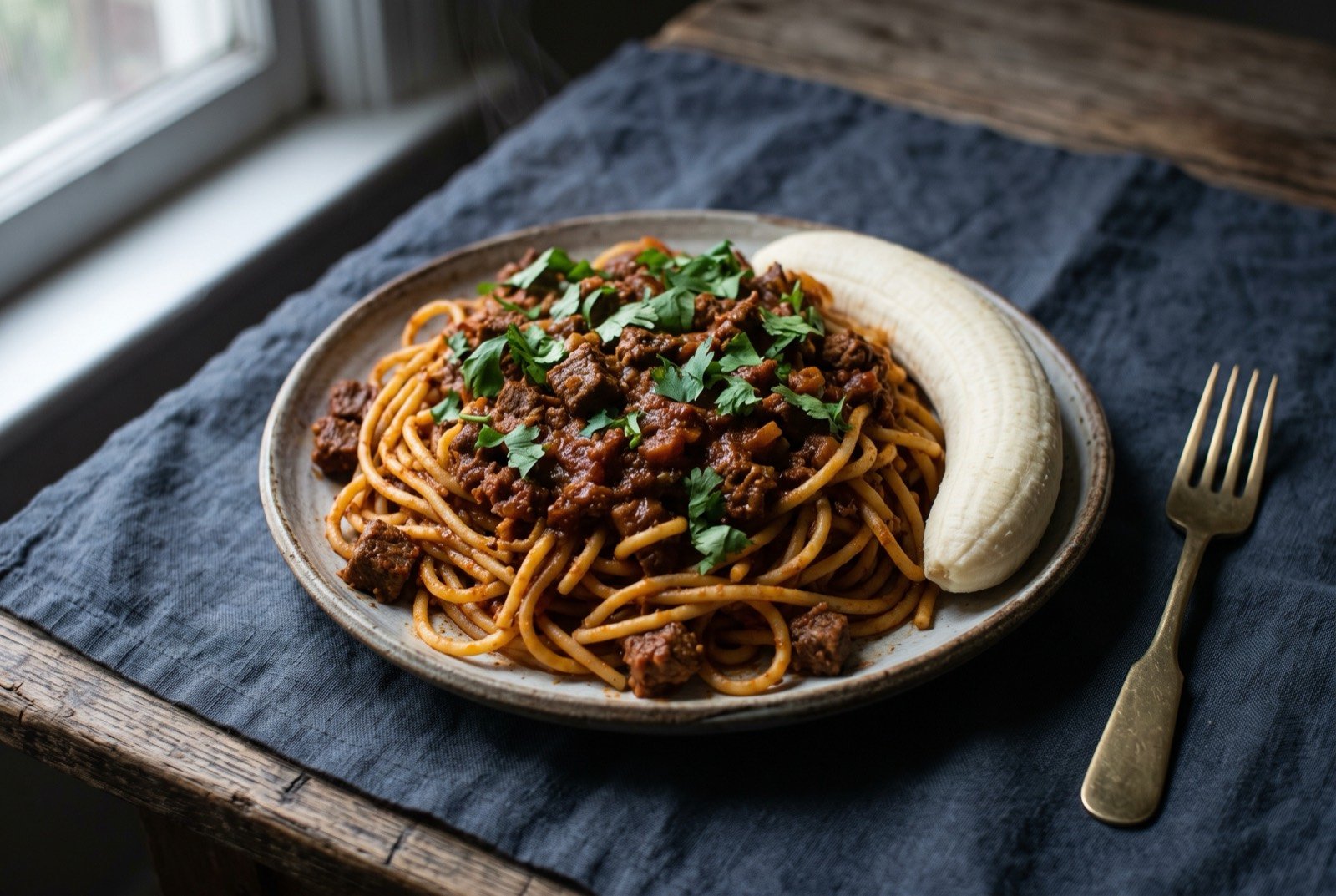 Baasto iyo suugo suqaar
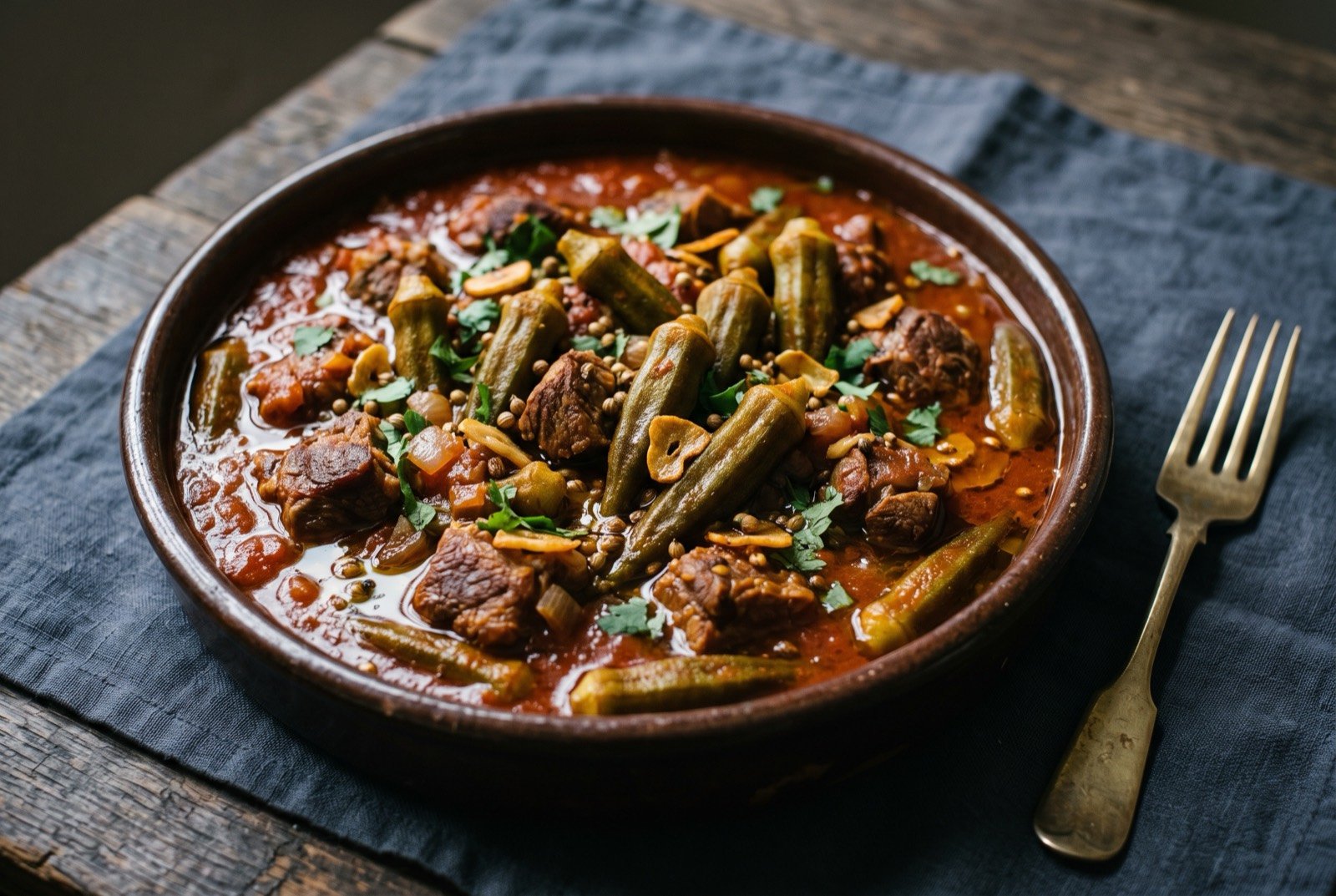 Bamia
Bamia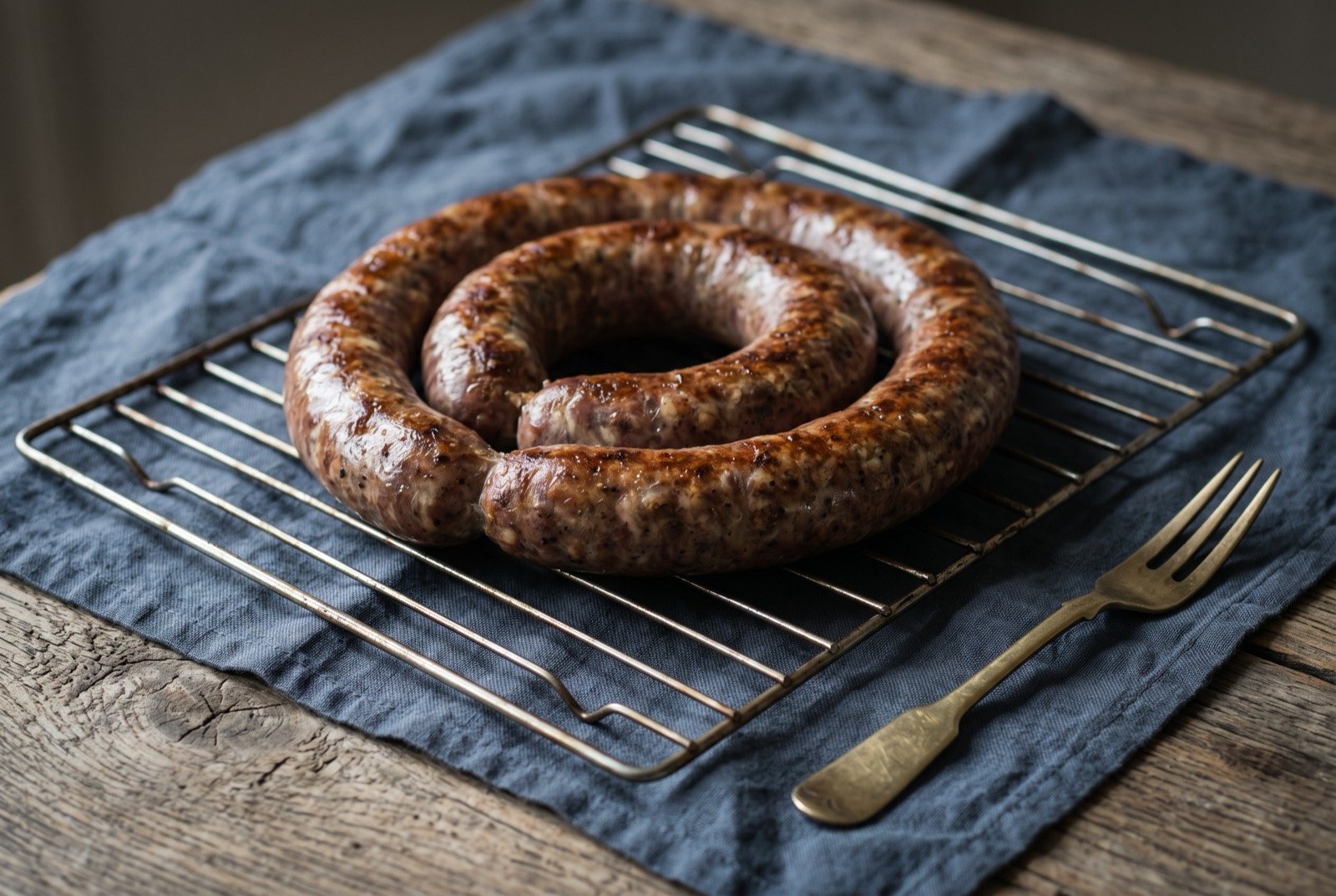 Boerewors
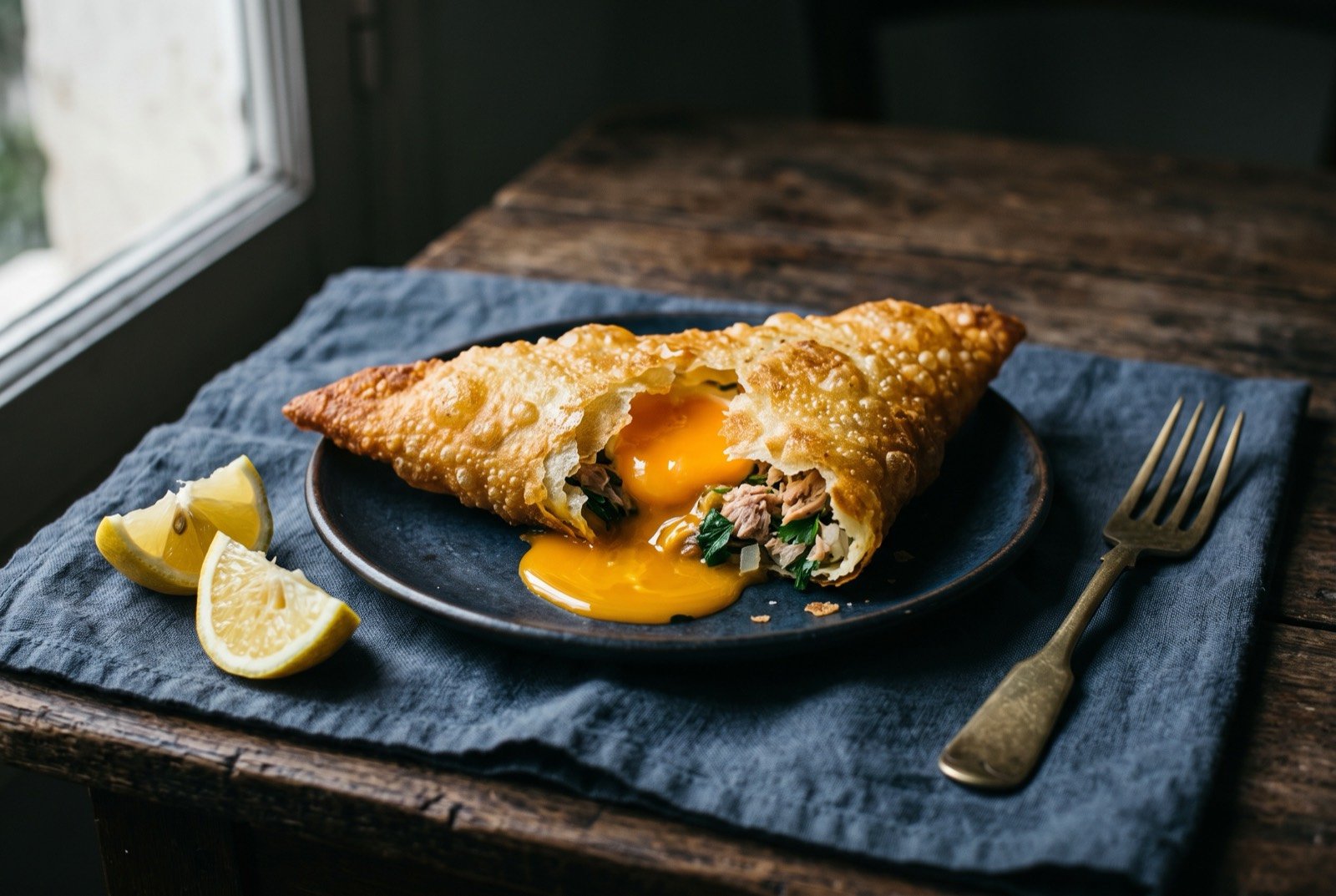 Brik à l'oeuf
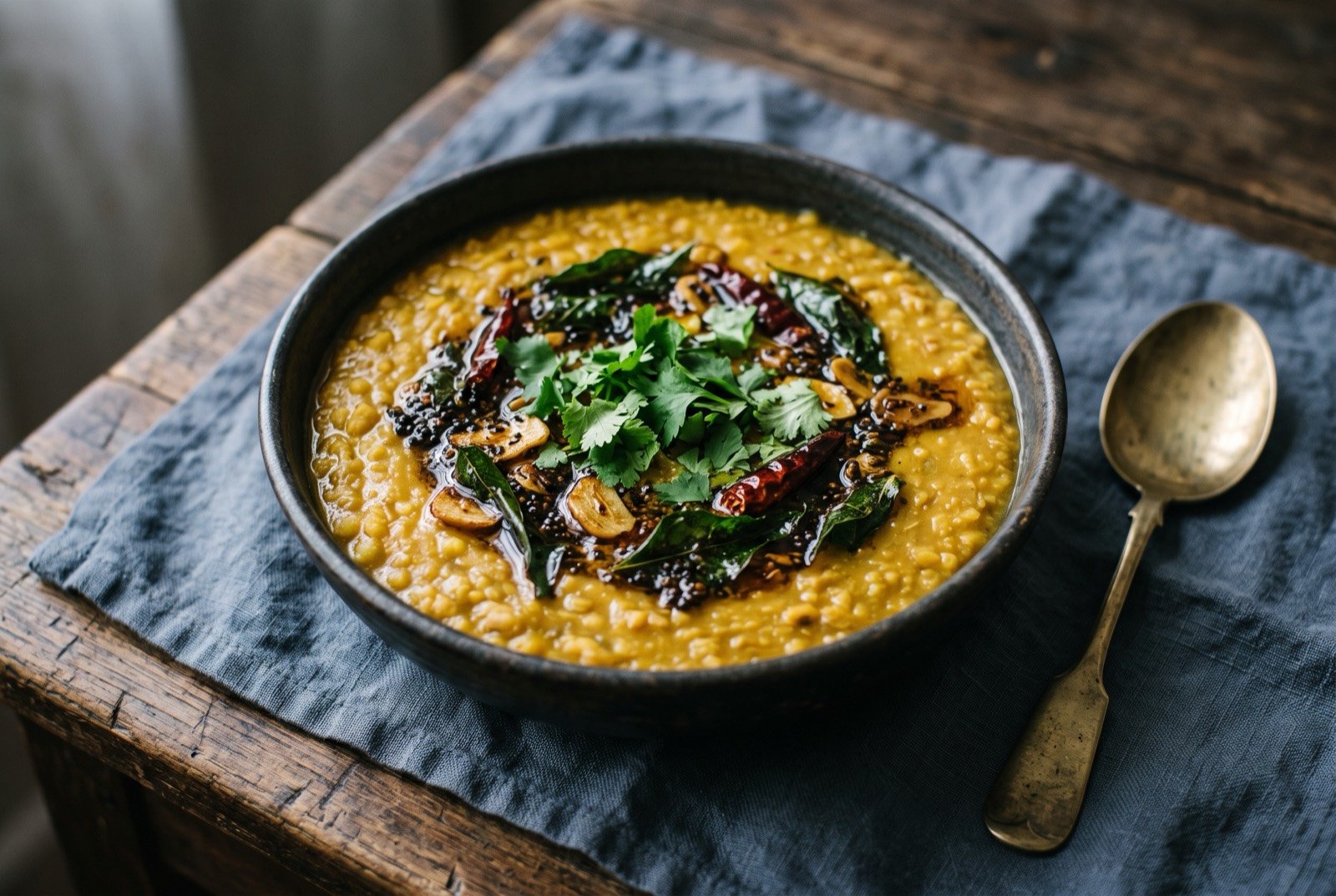 Fiji Dhal
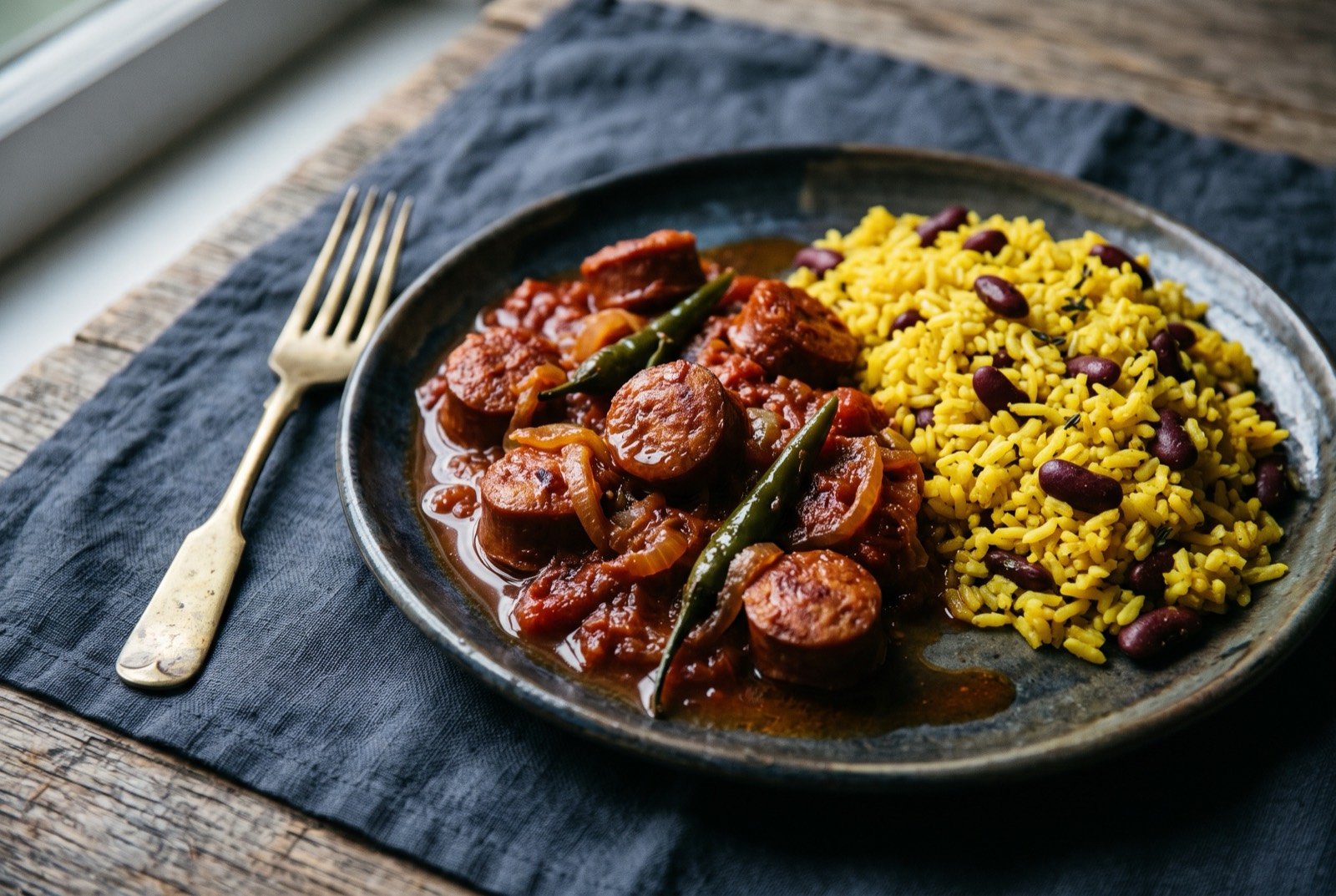 Rougail saucisses, with zembrocal
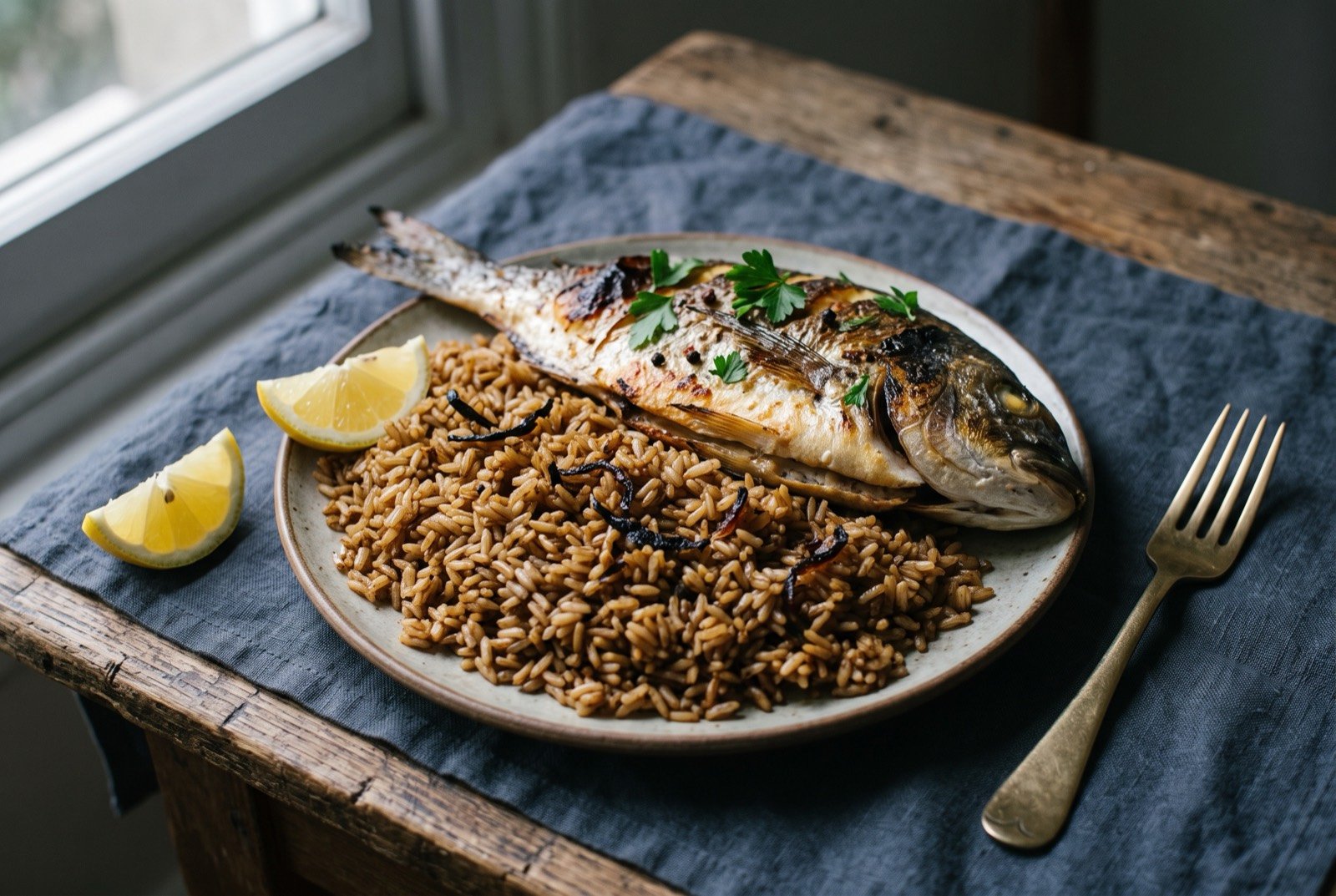 Sayadeya
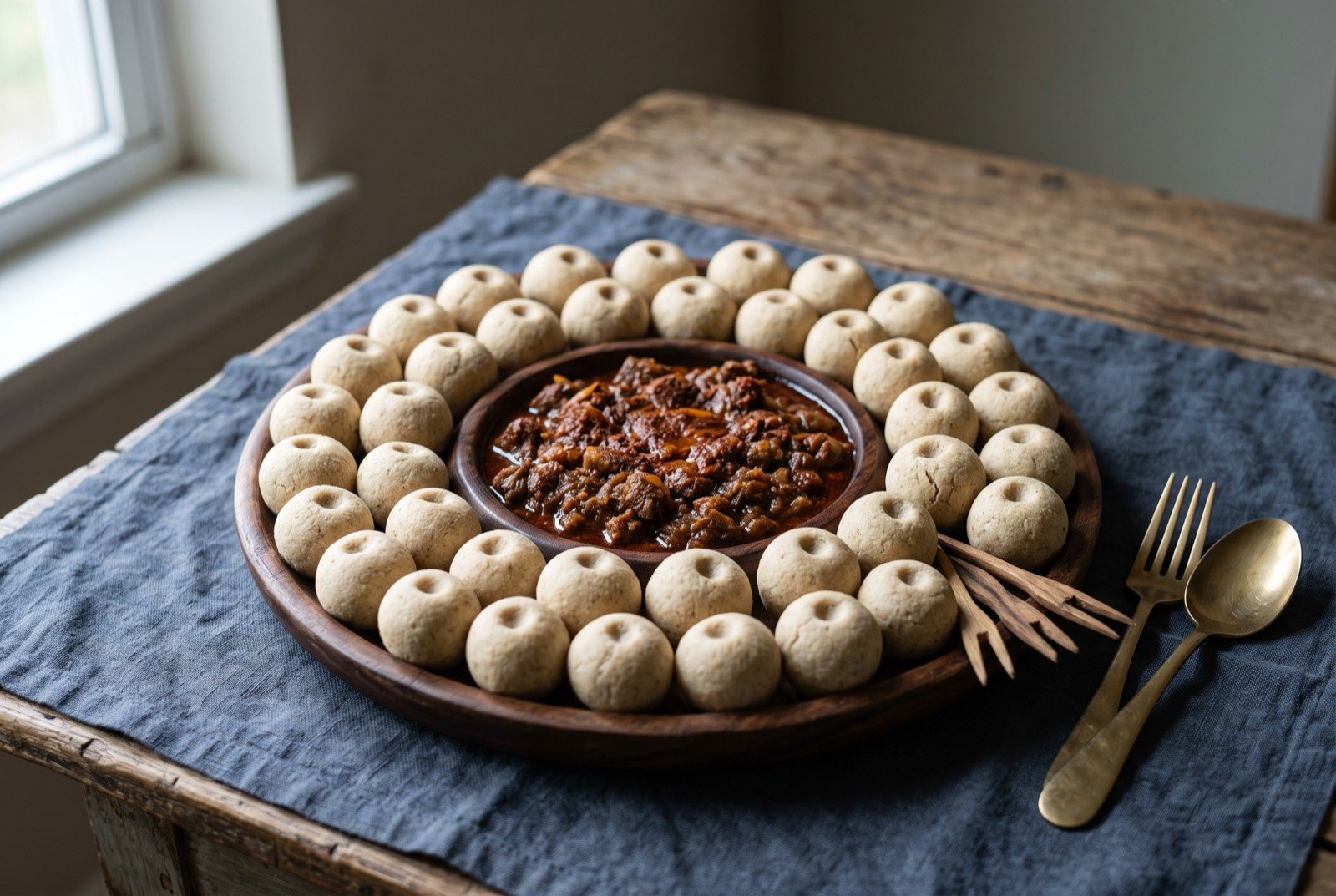 Tihlo
Tihlo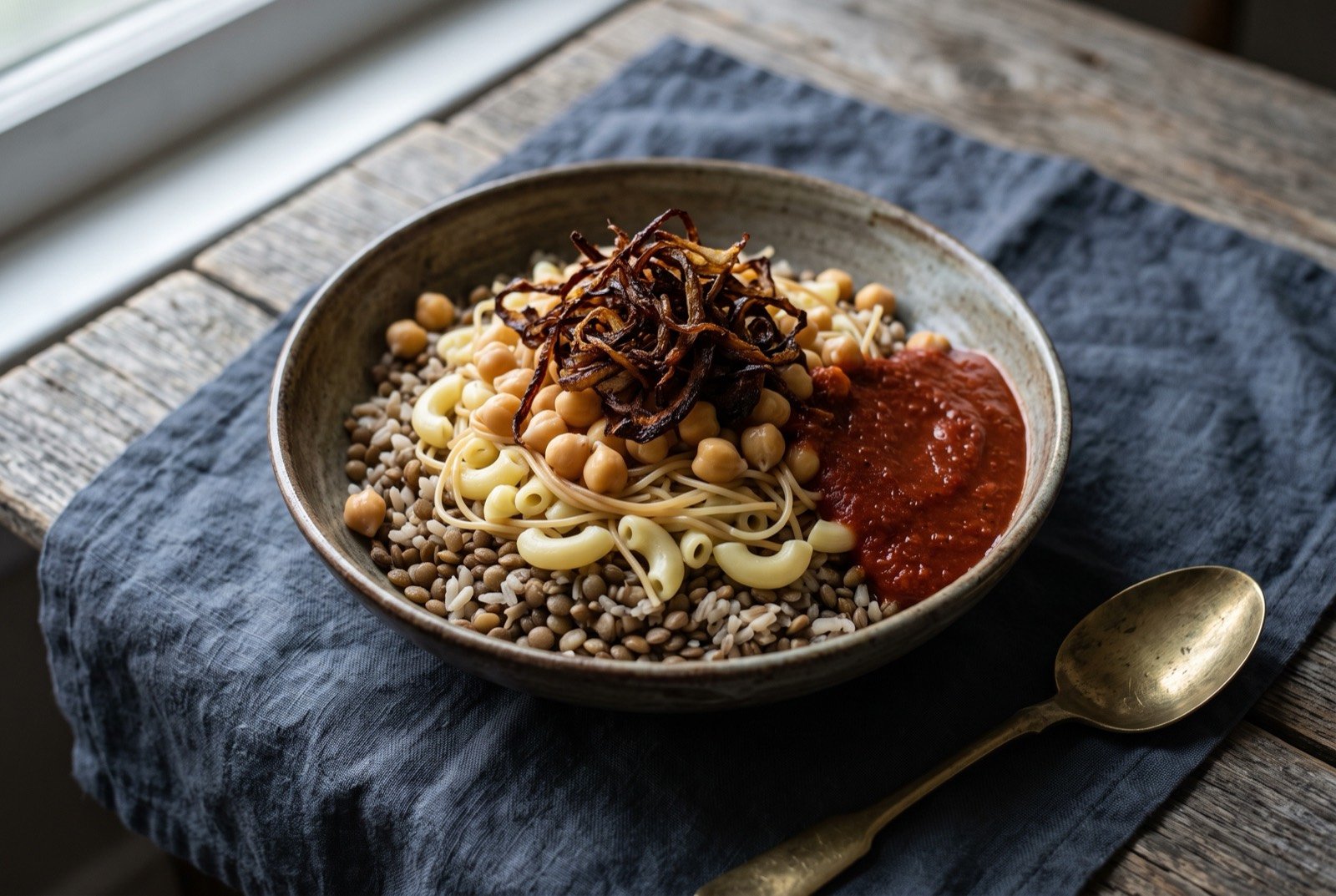 Koshari
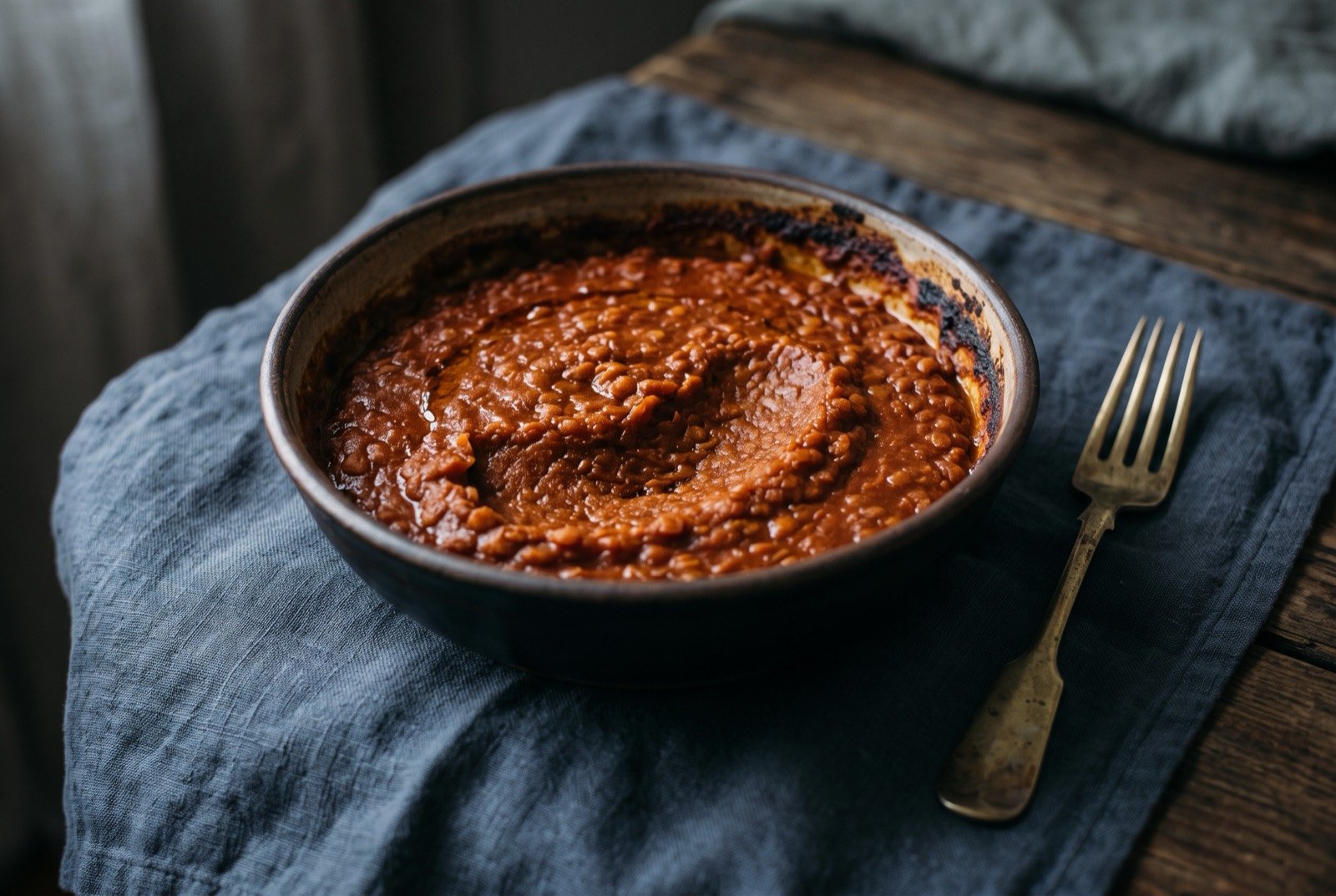 Misir wot
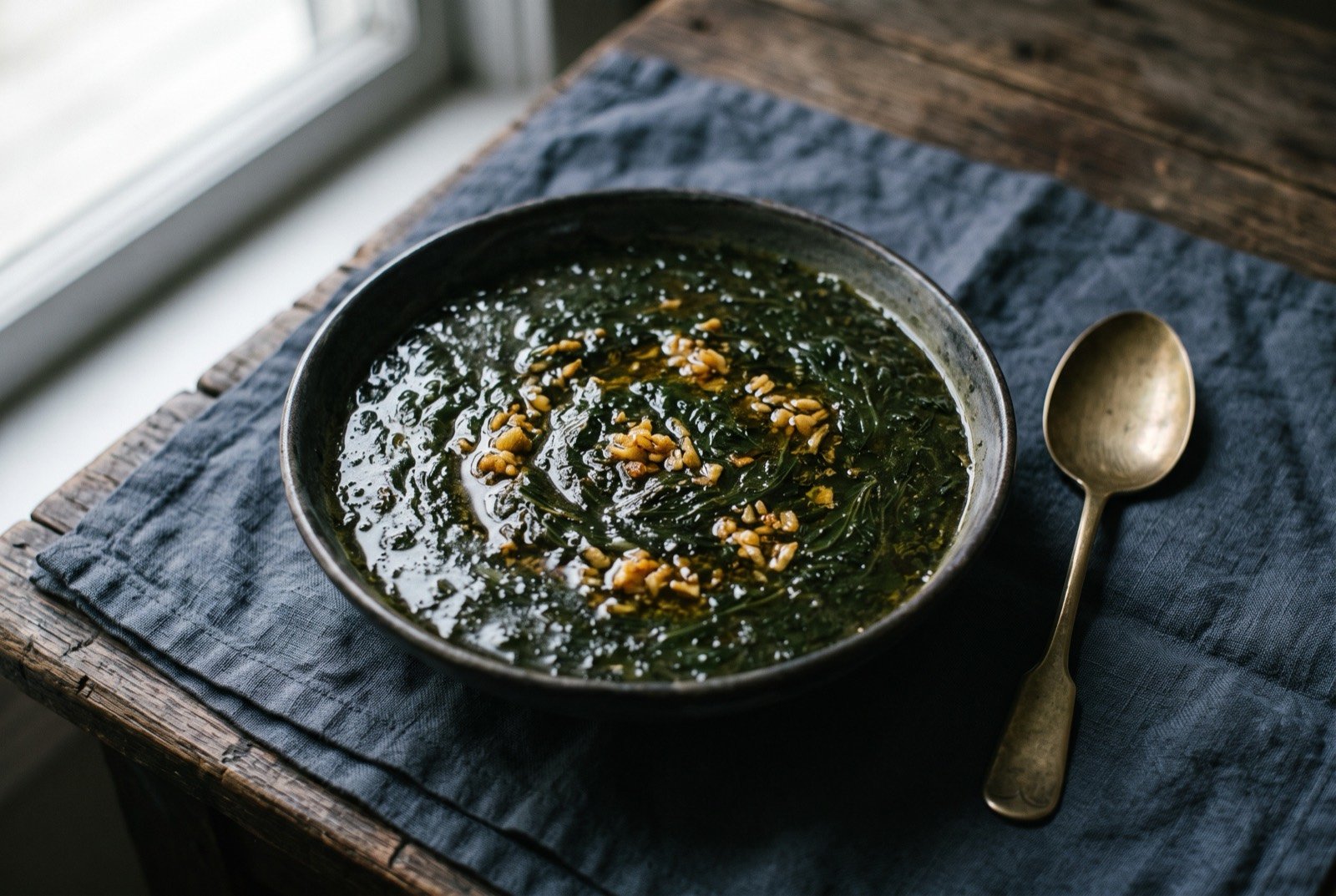 Molokhia
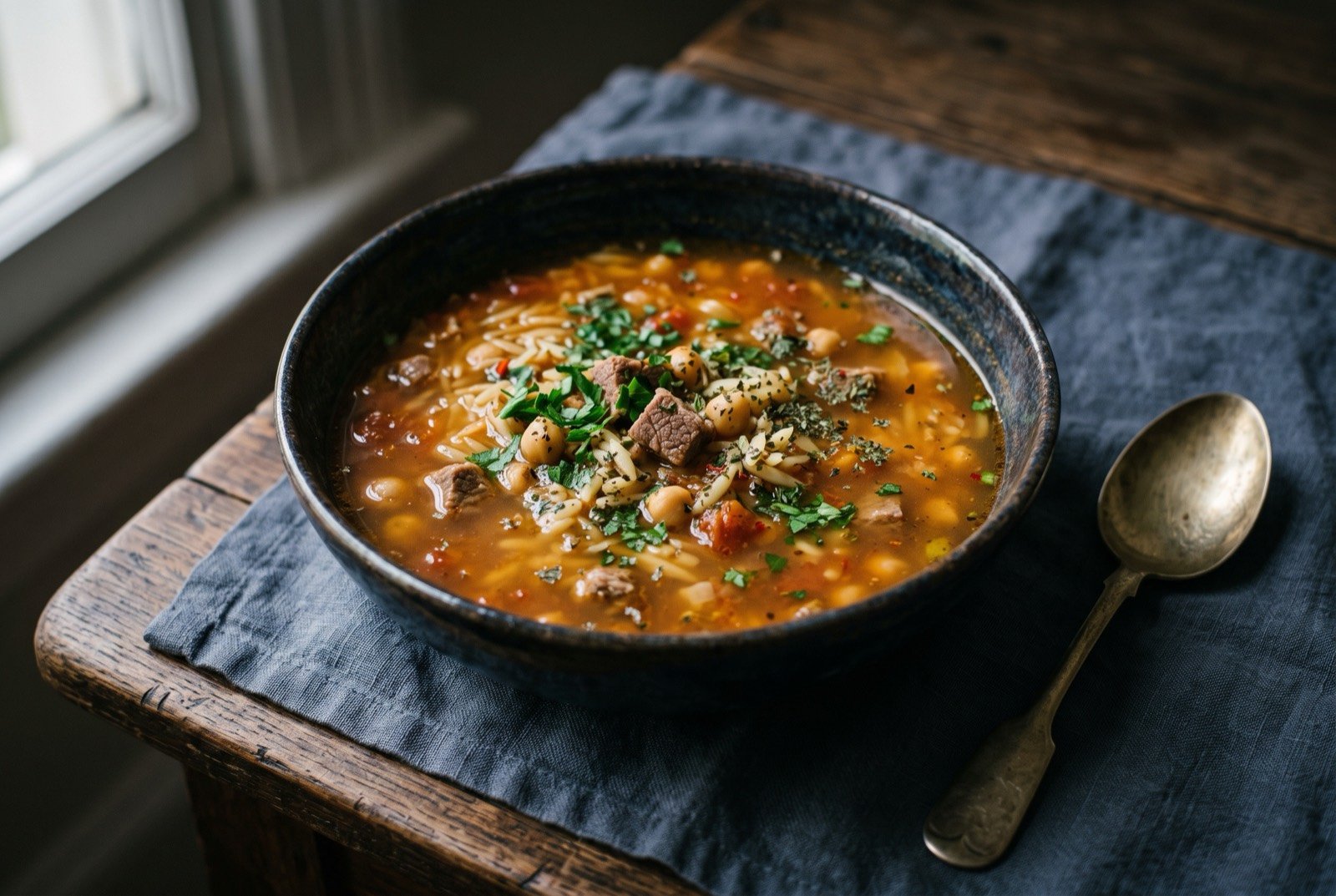 Sharba libiya
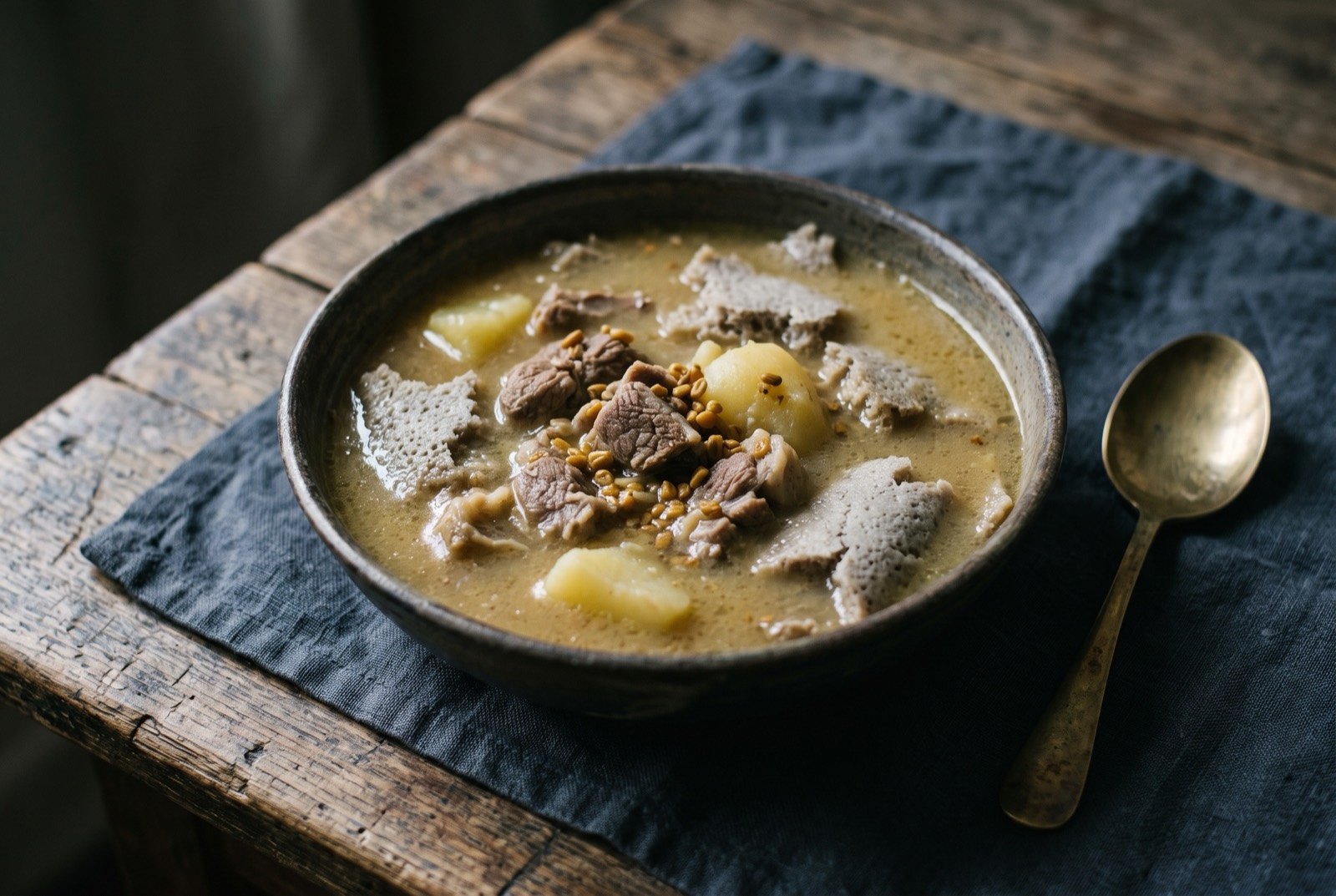 Abish / hulbat marakh
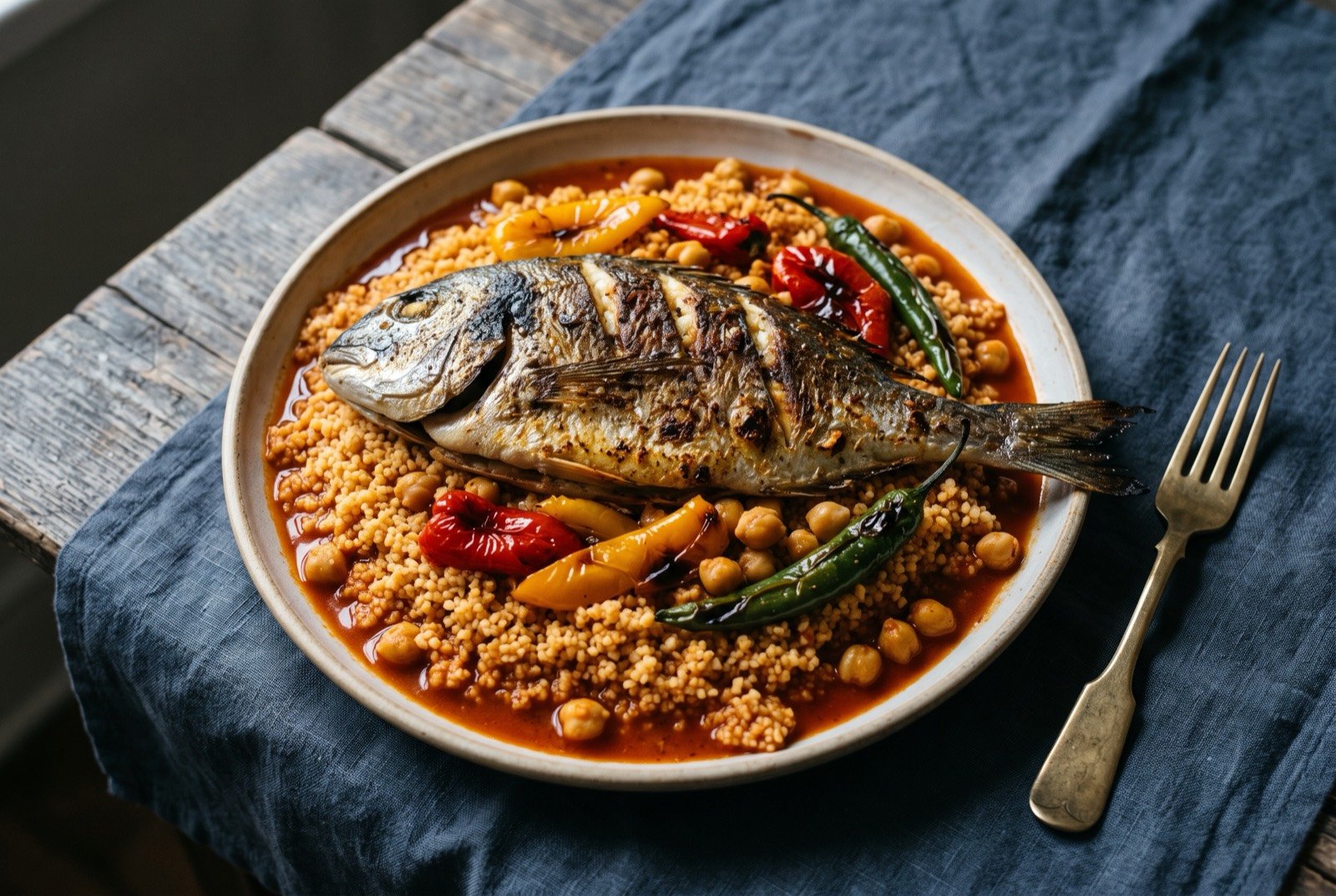 Couscous au poisson sfaxien
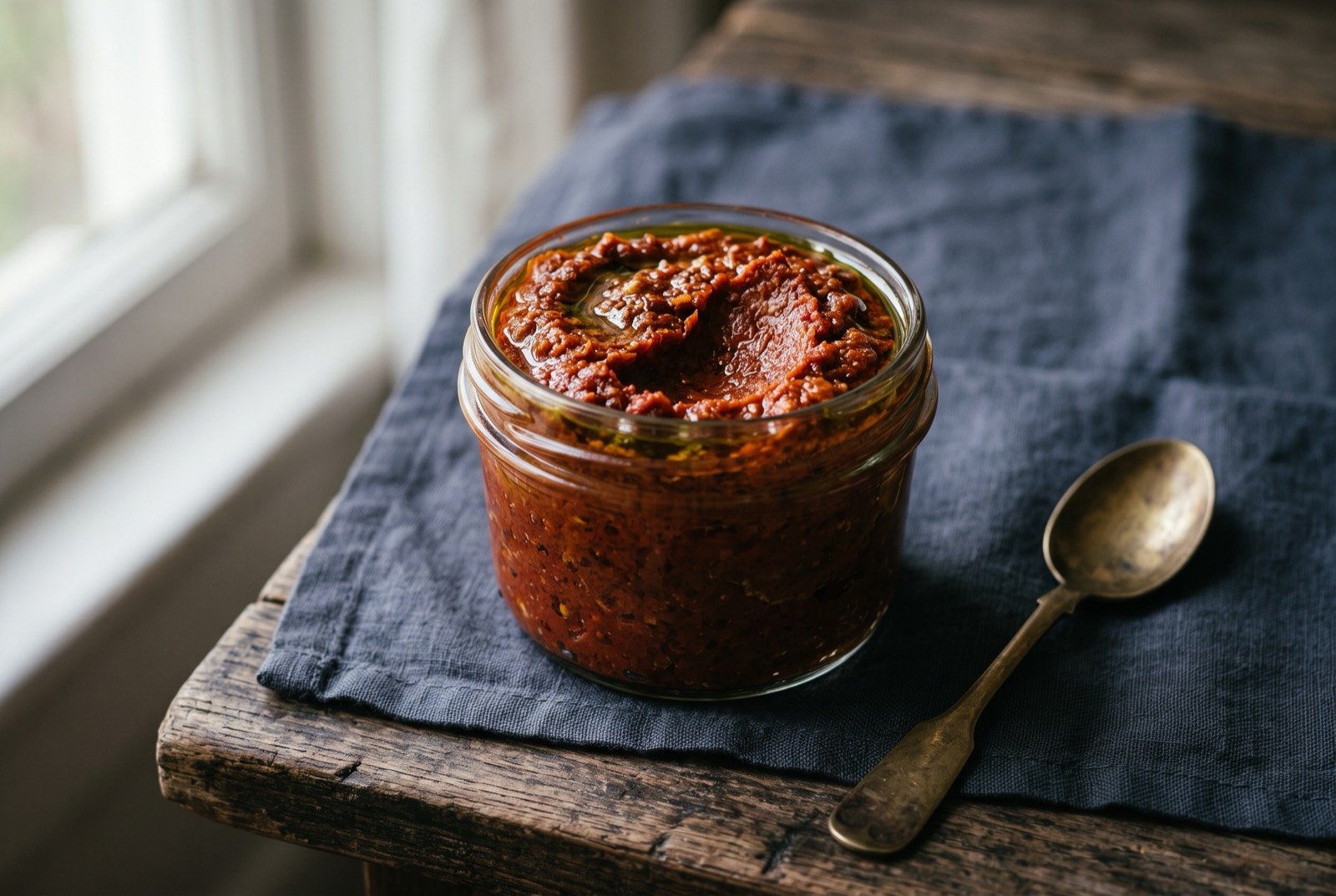 Harissa arbi
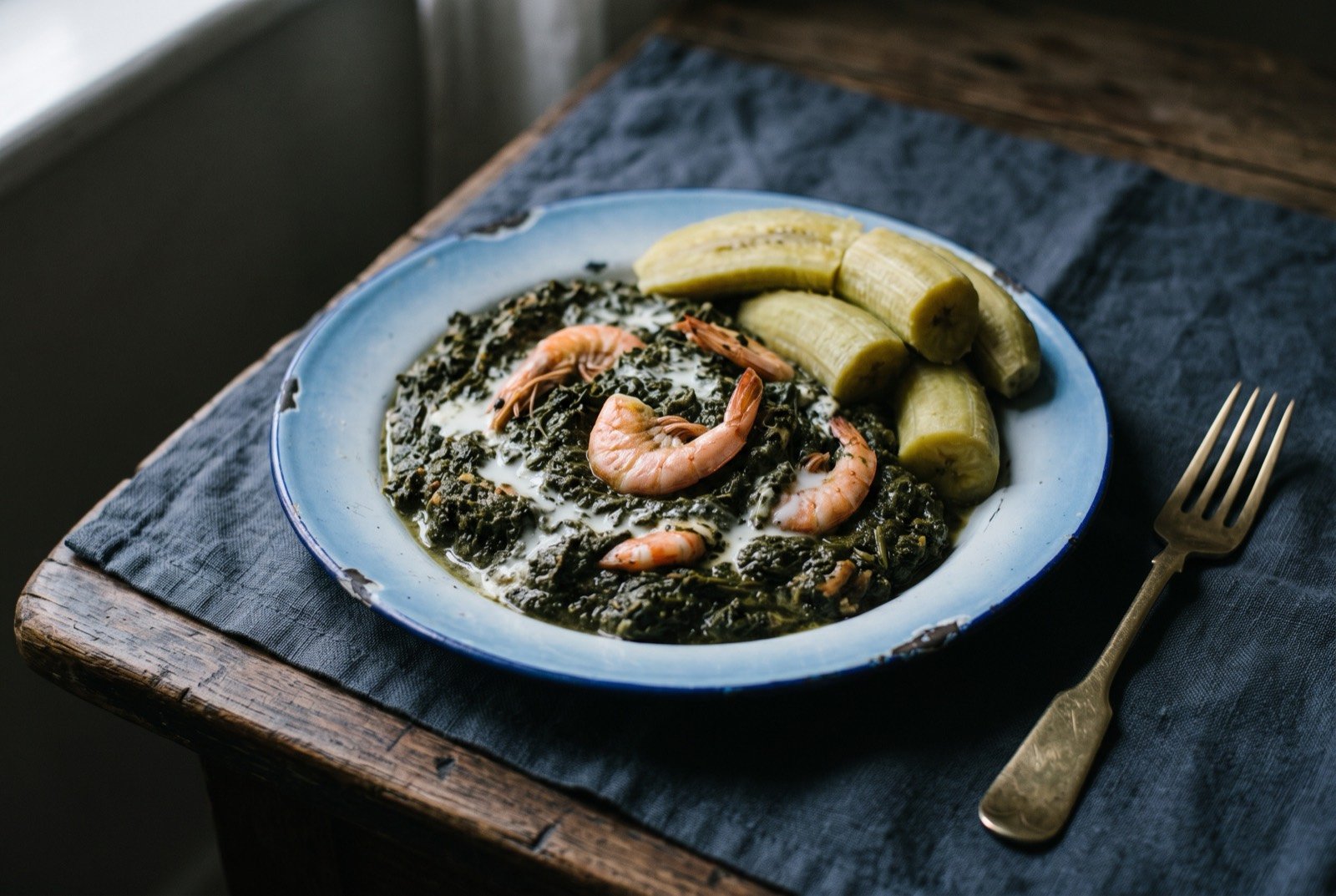 Mataba
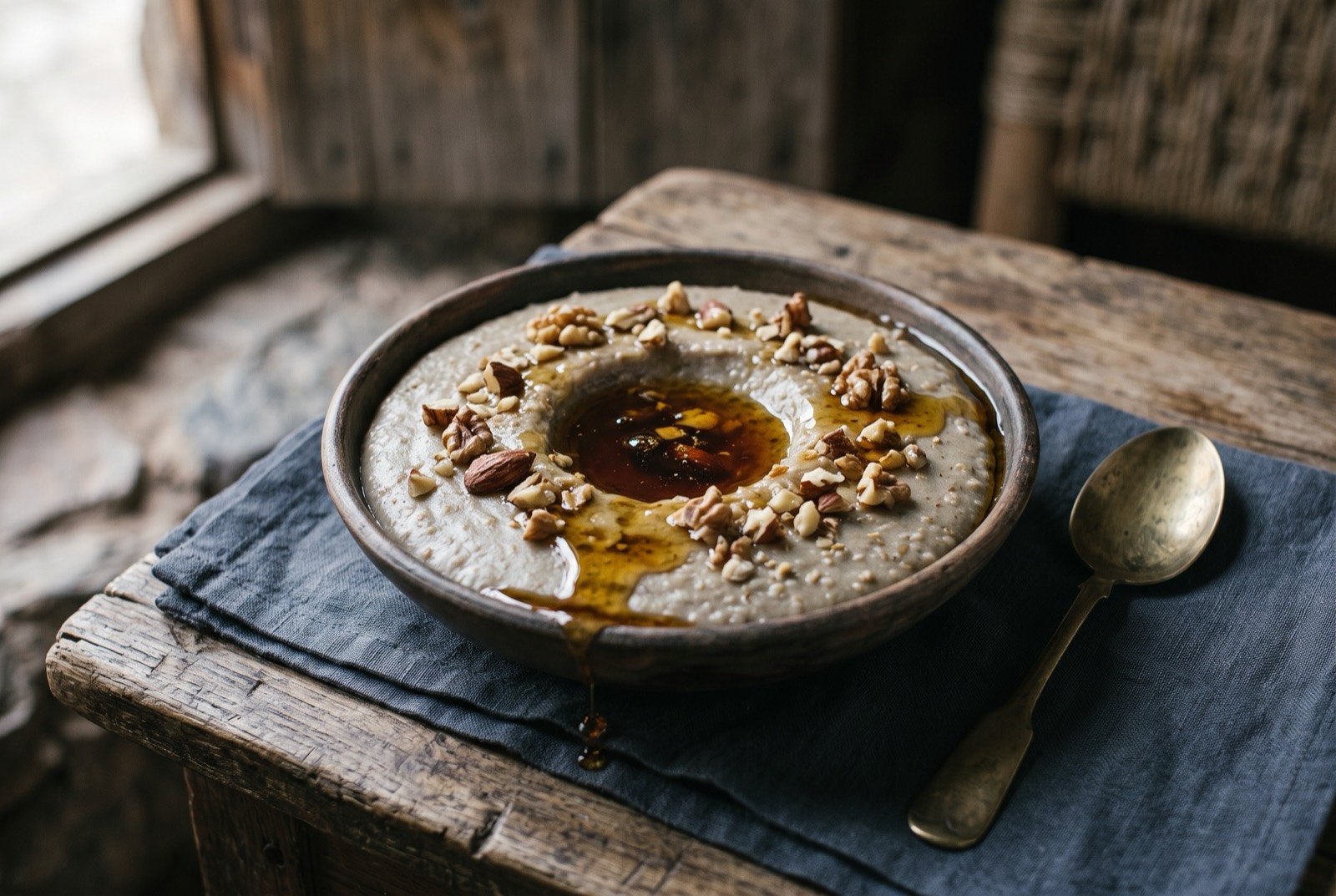 Tagoula
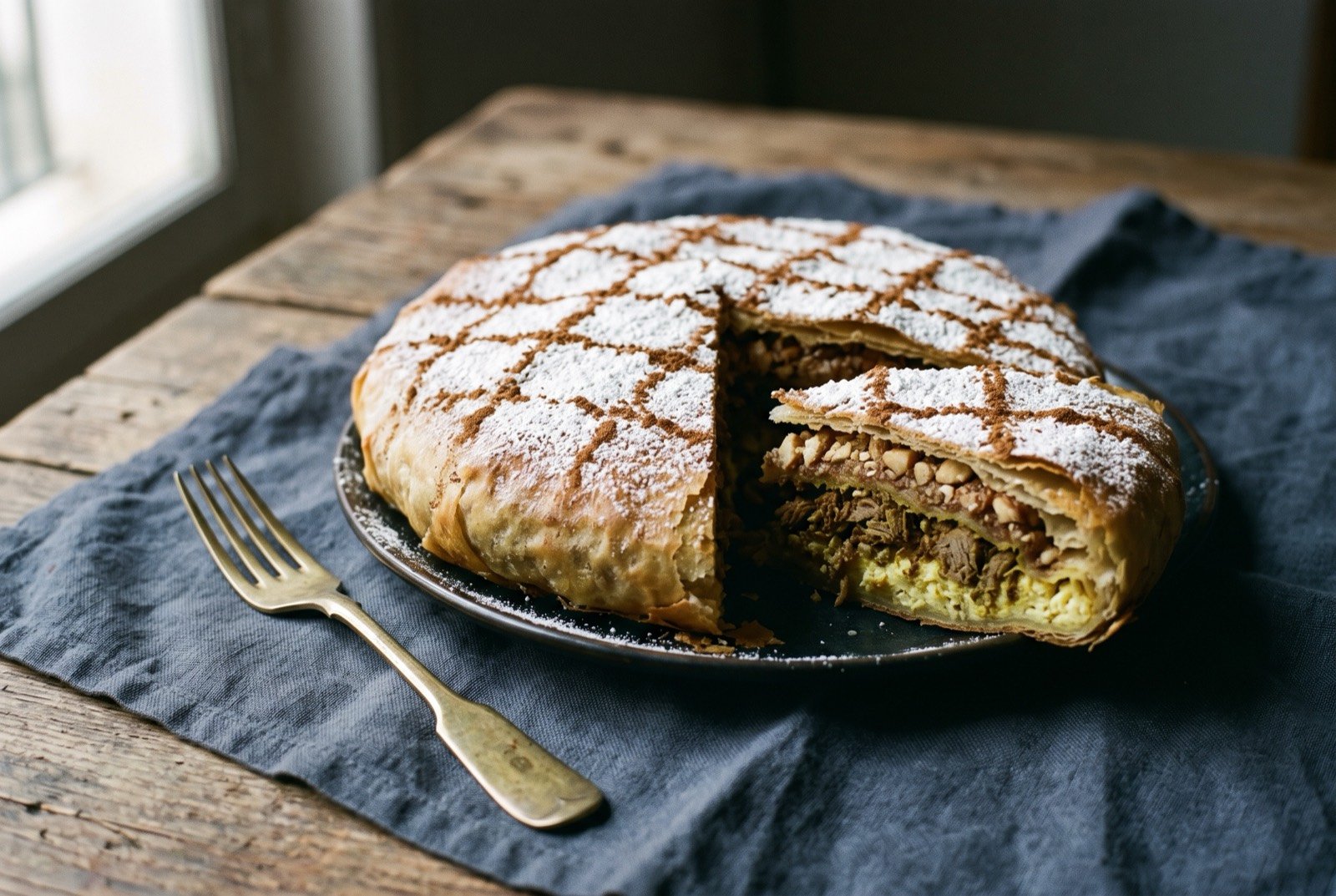 Bastilla
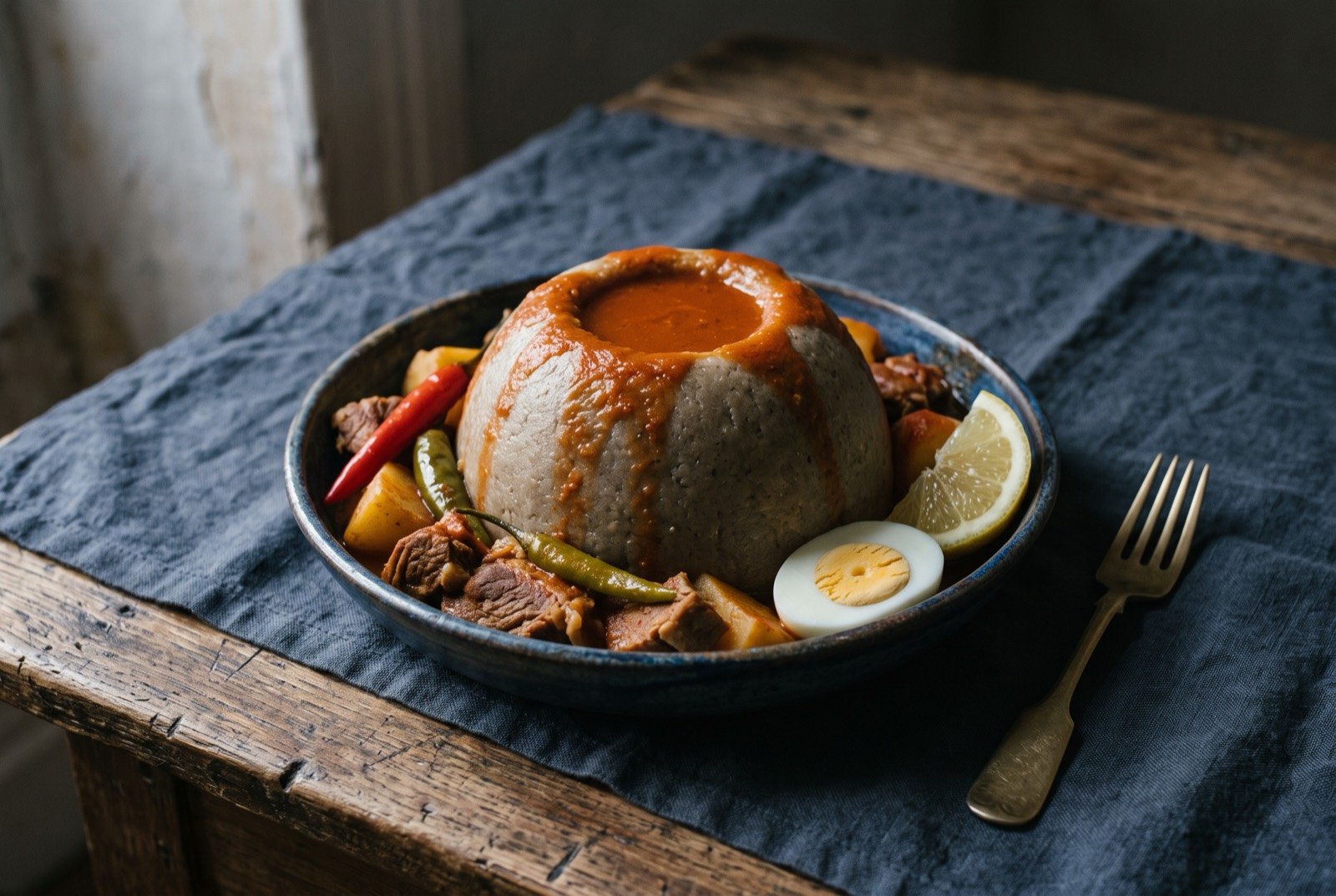 Bazeen
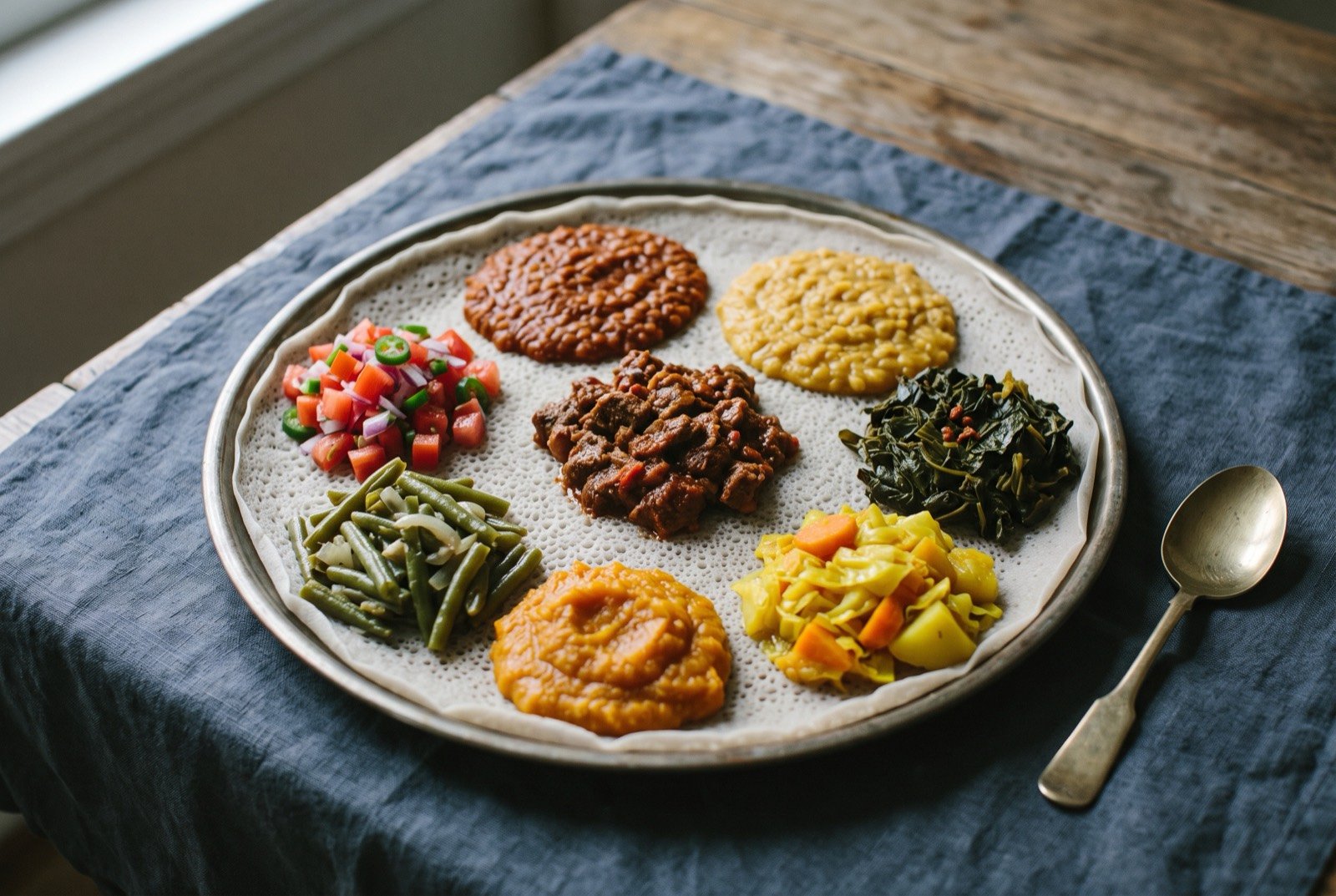 Beyaynetu
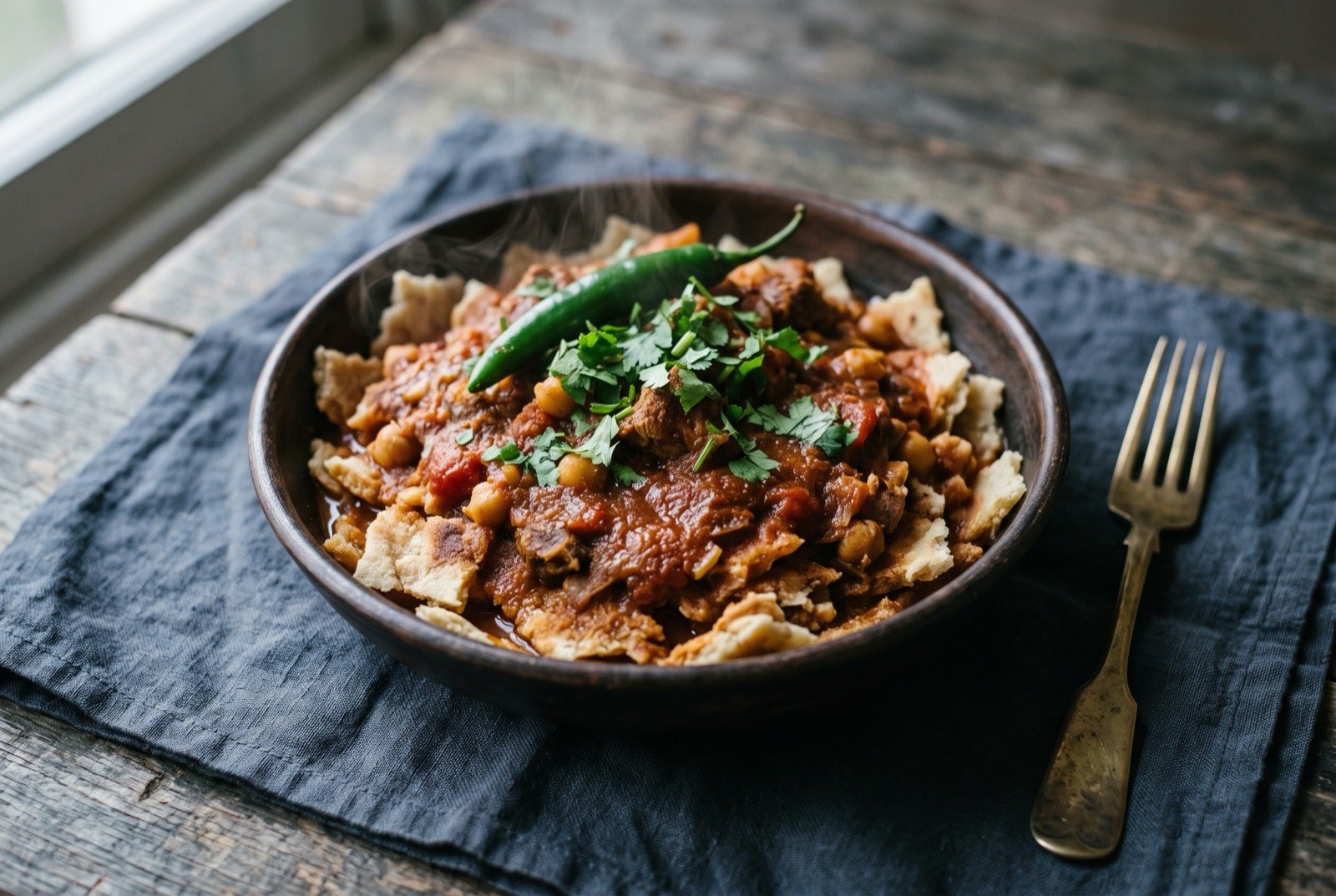 Chakhchoukha de M'sila
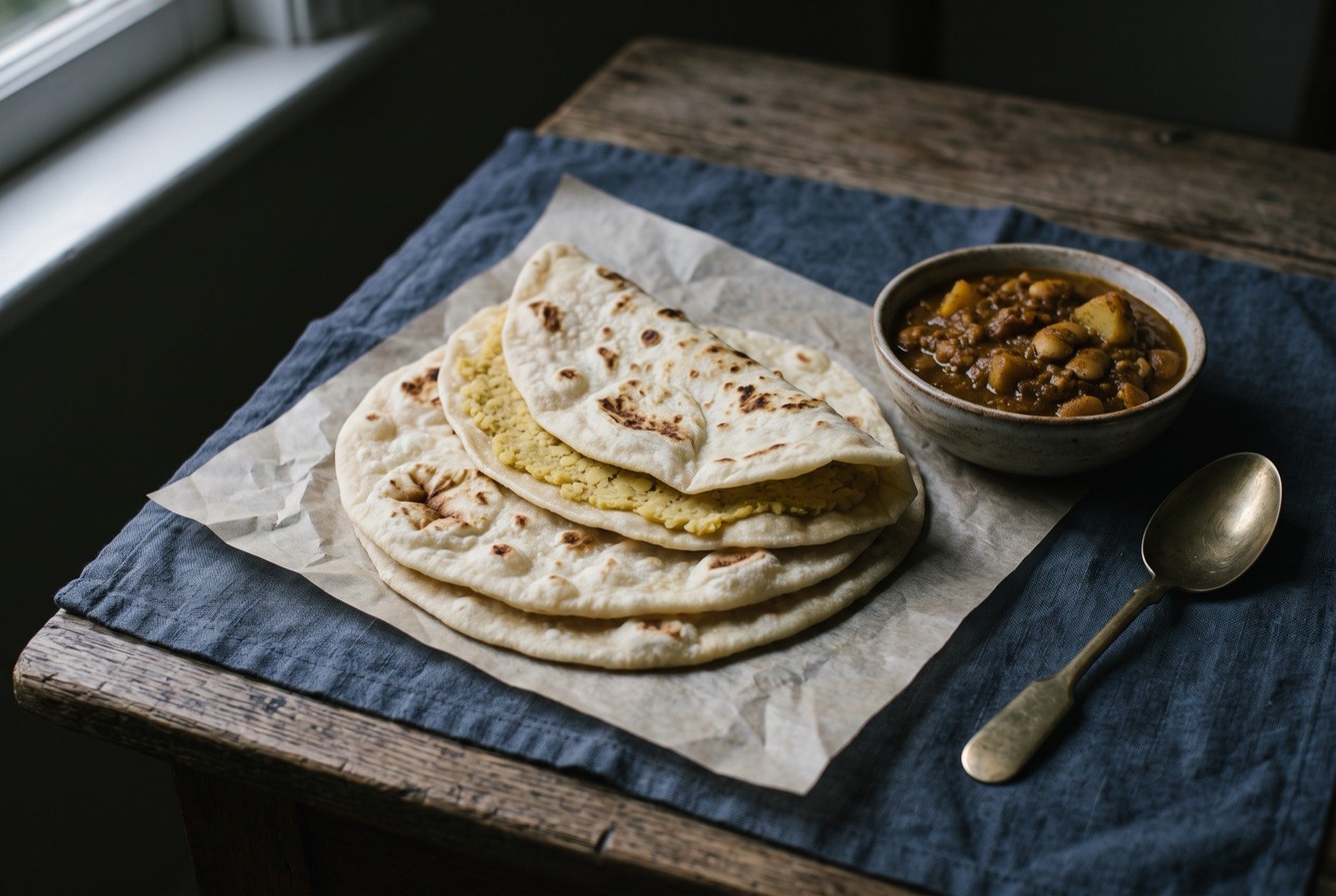 Dholl puri
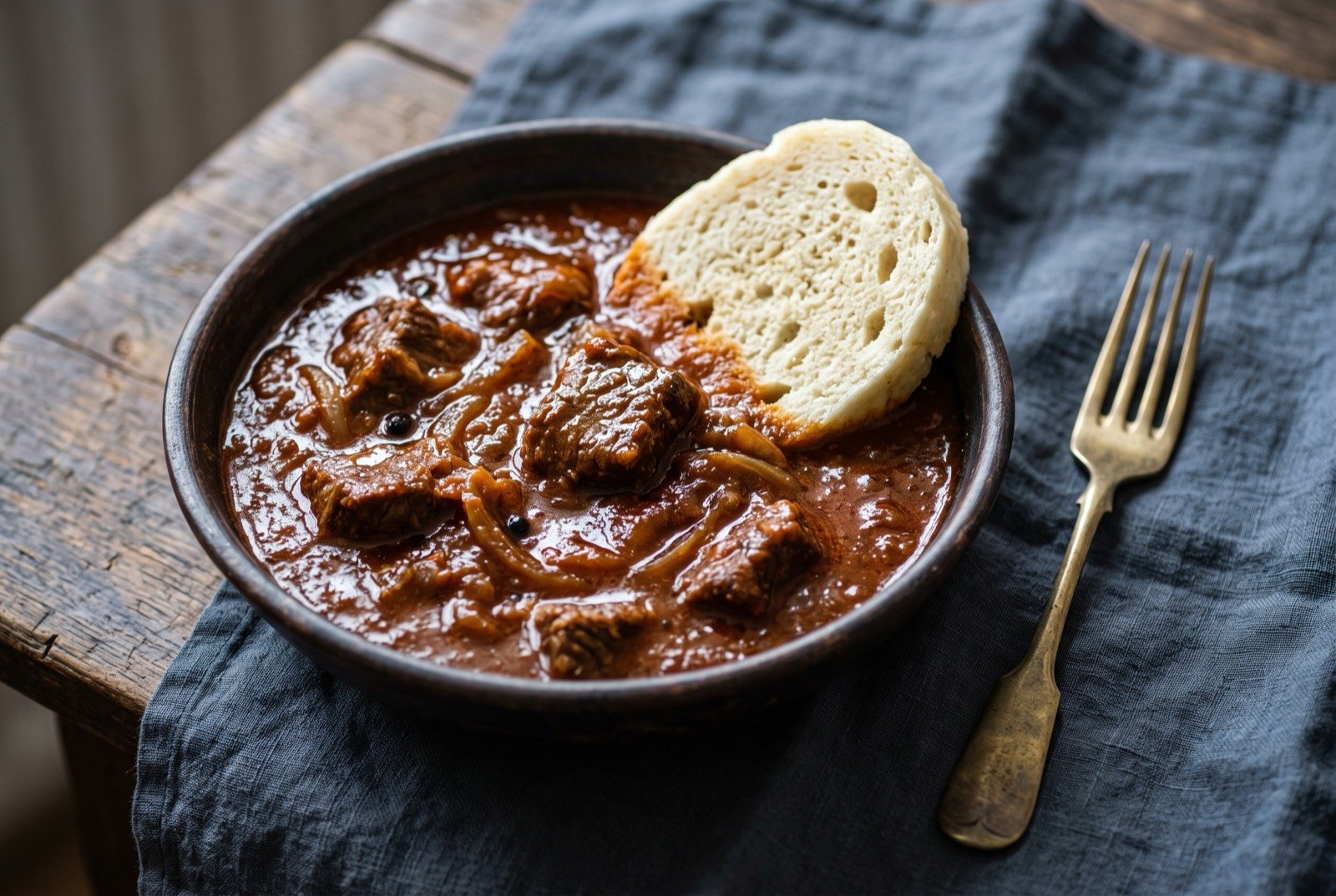 Guláš
Guláš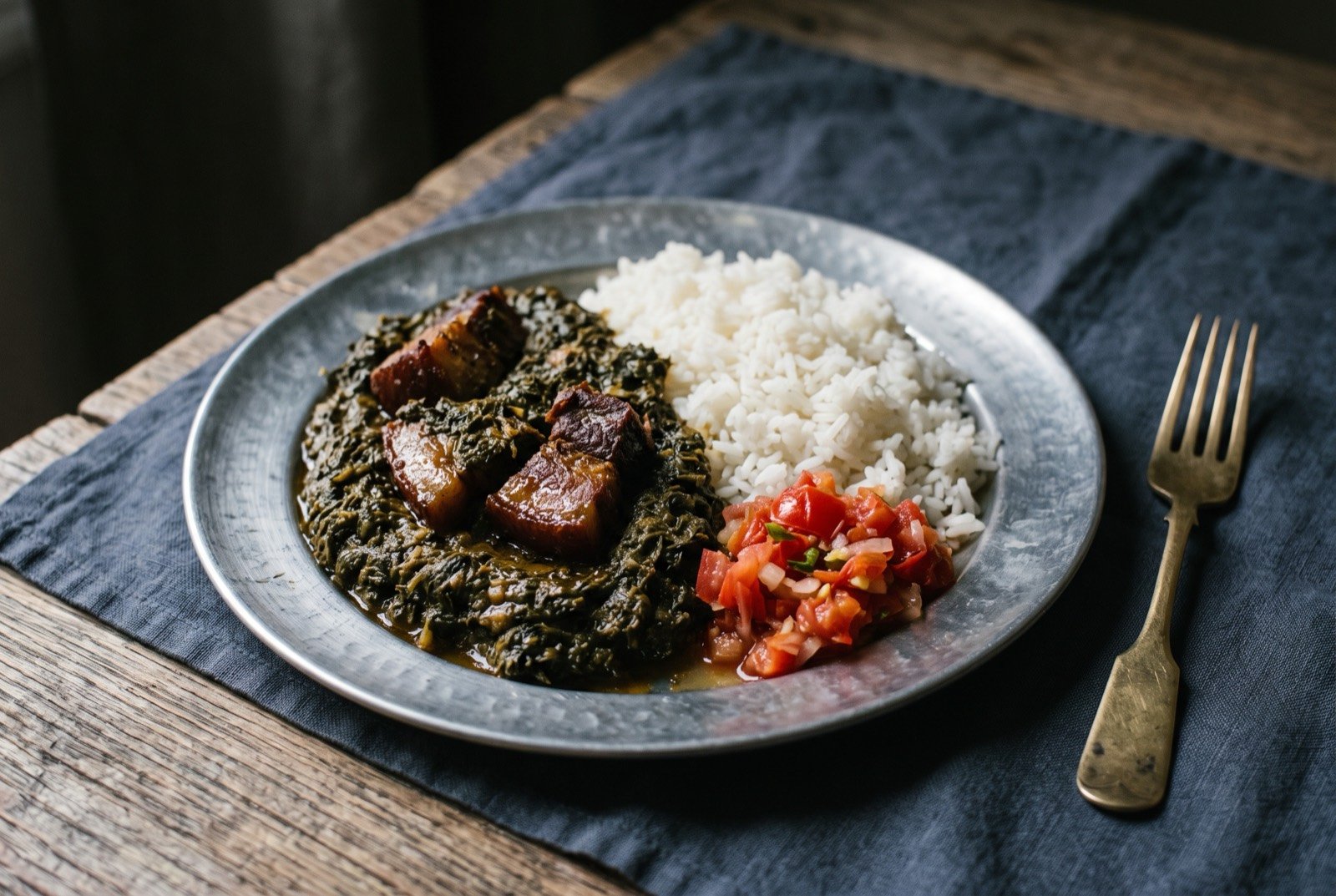 Ravitoto sy henakisoa
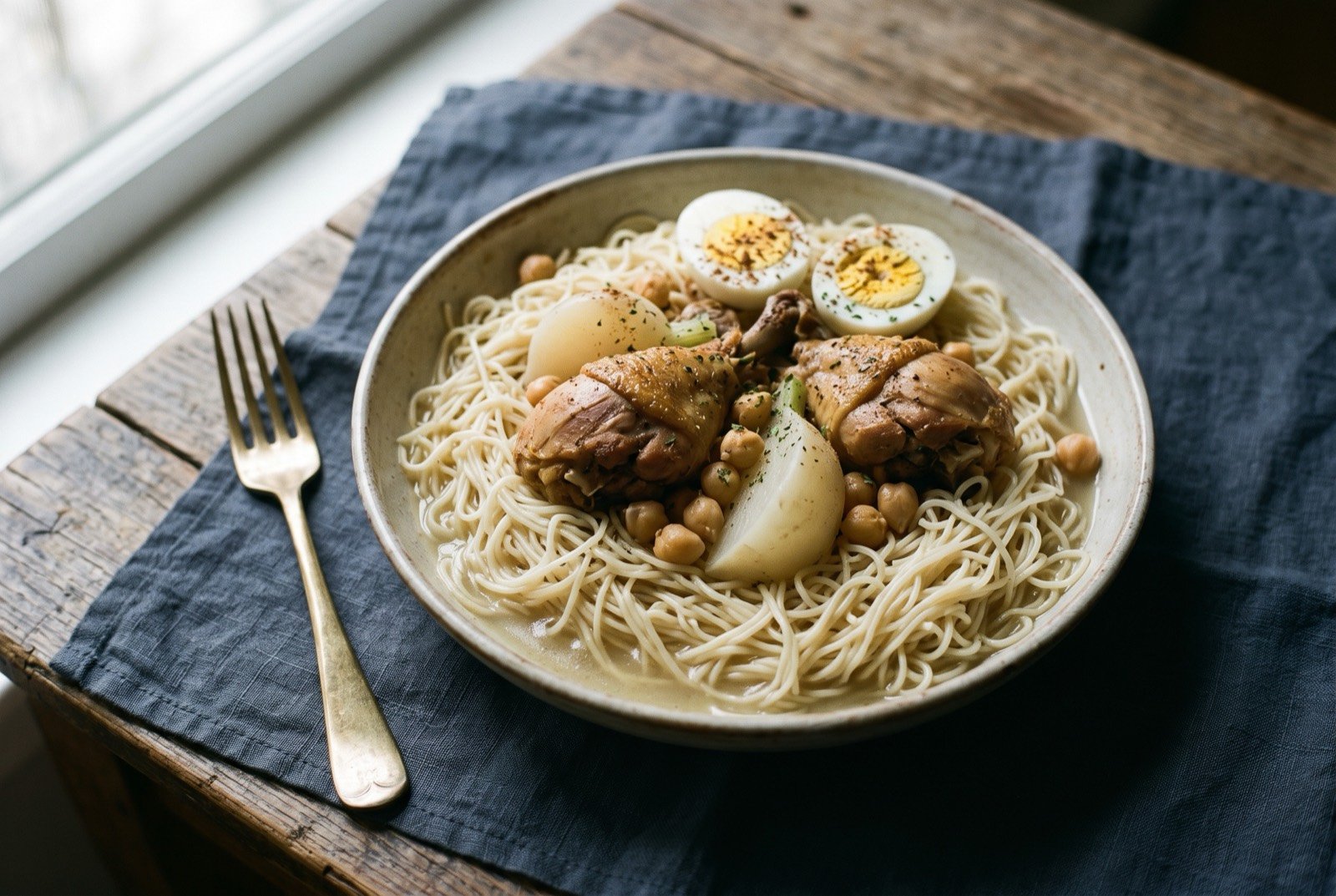 Rechta algéroise
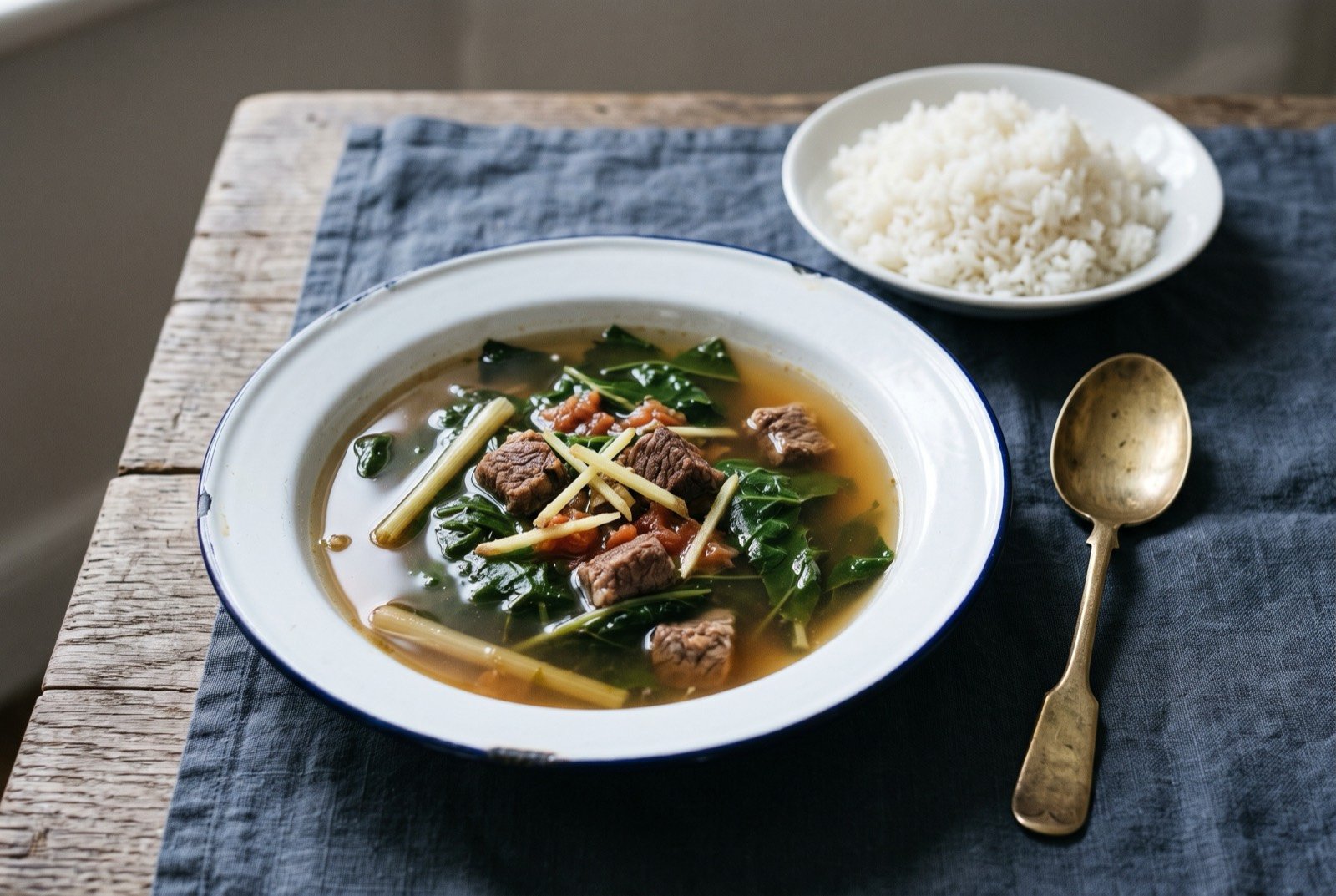 Romazava
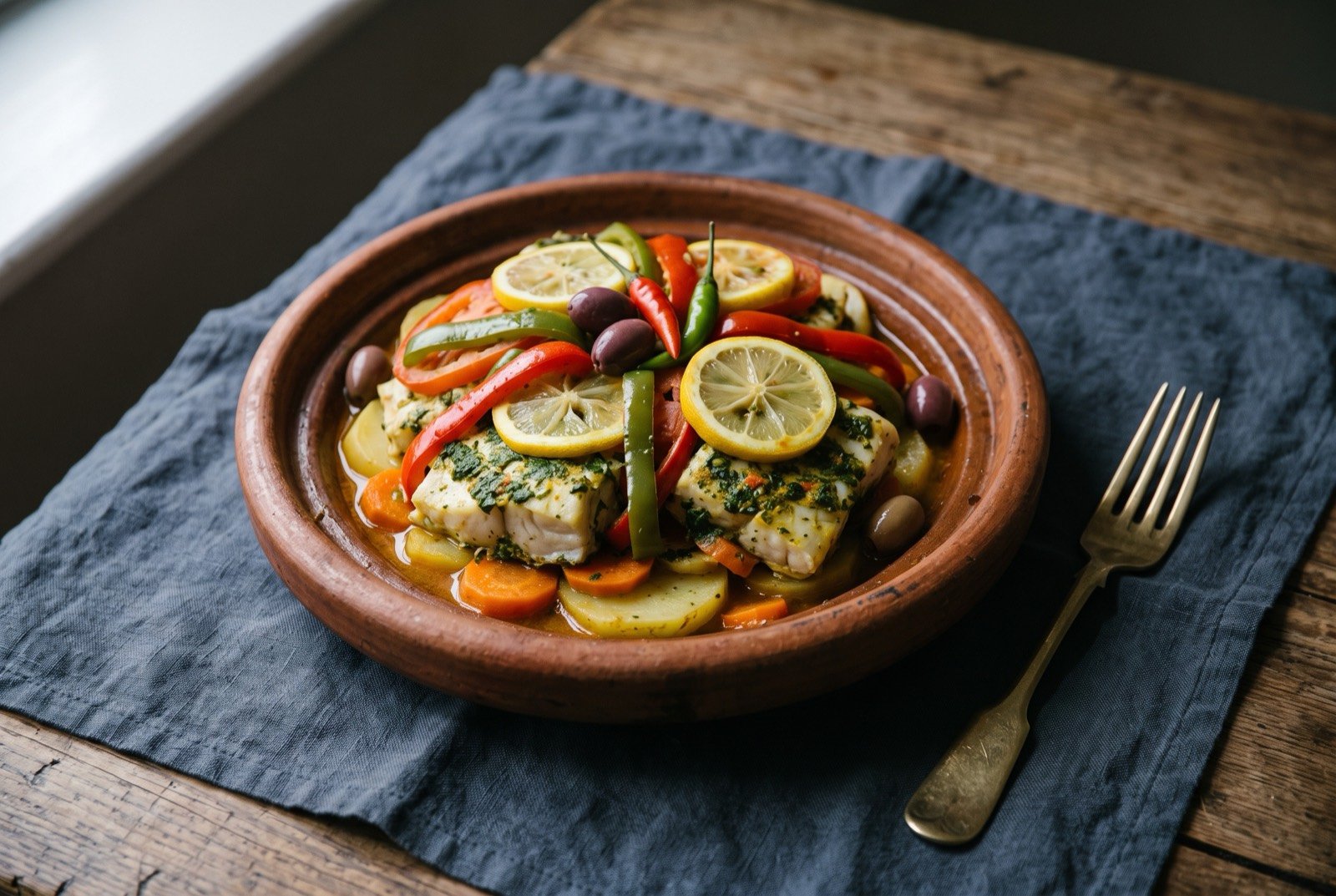 Fish tagine with chermoula
Project
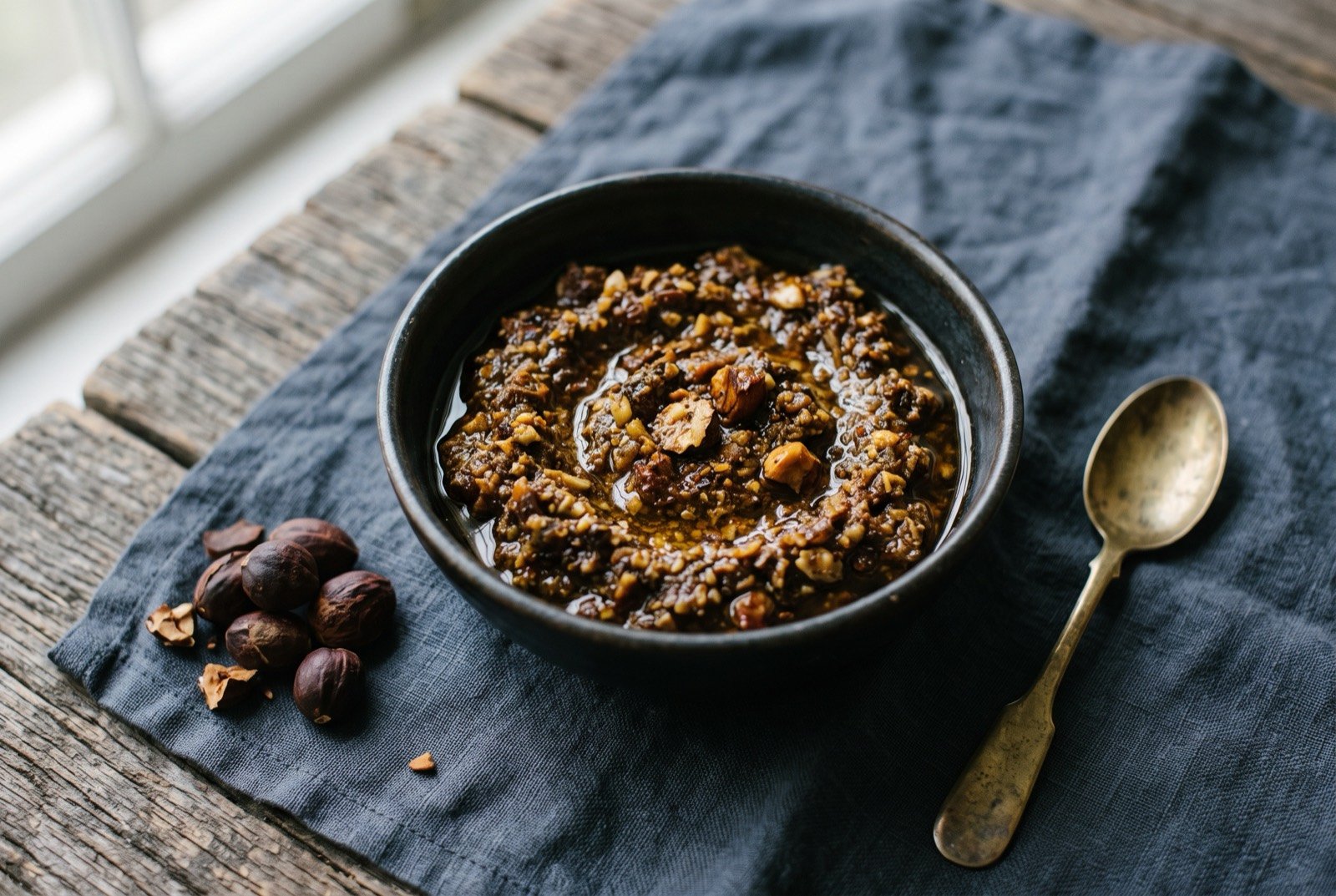 Galip nut relish
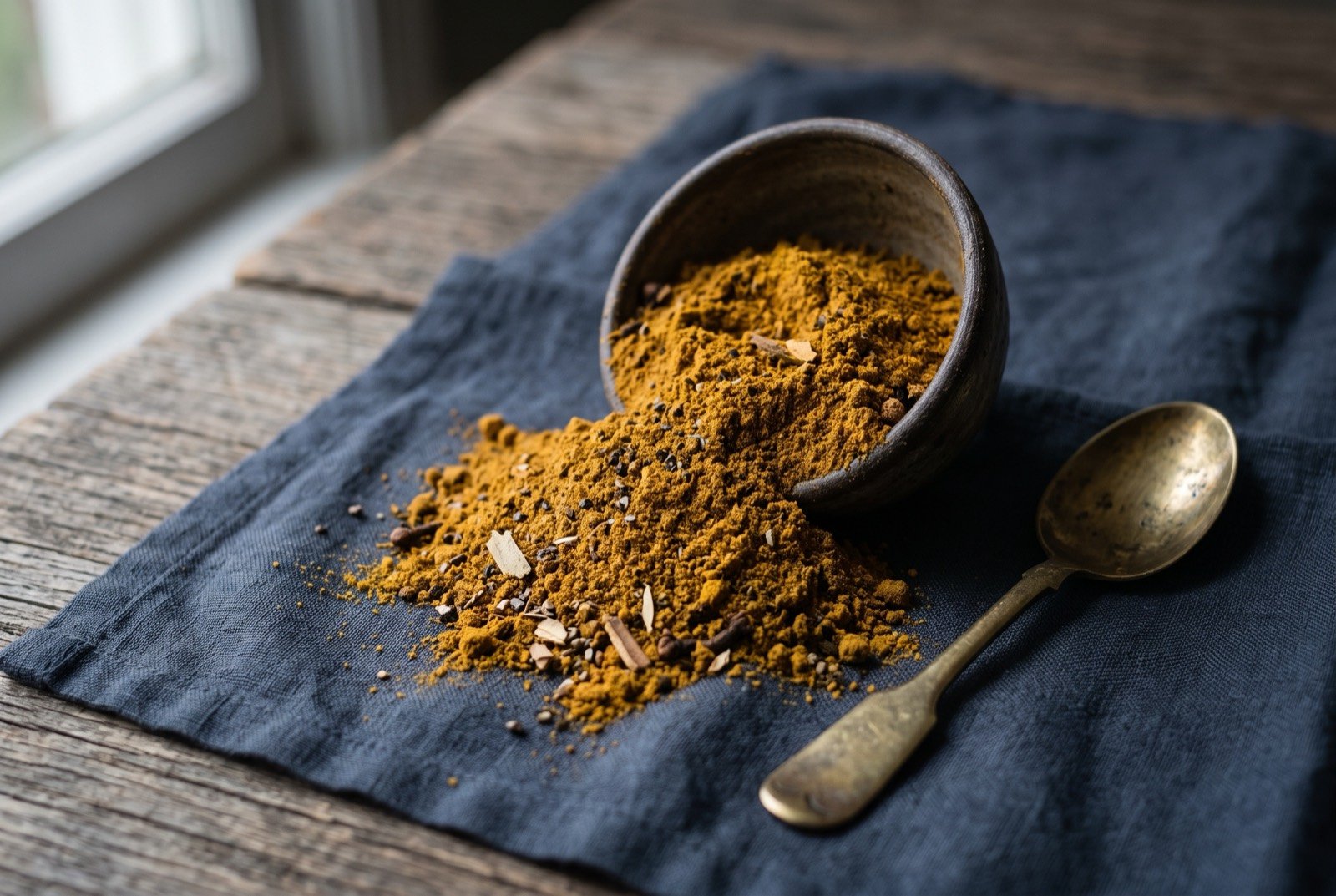 Xawaash
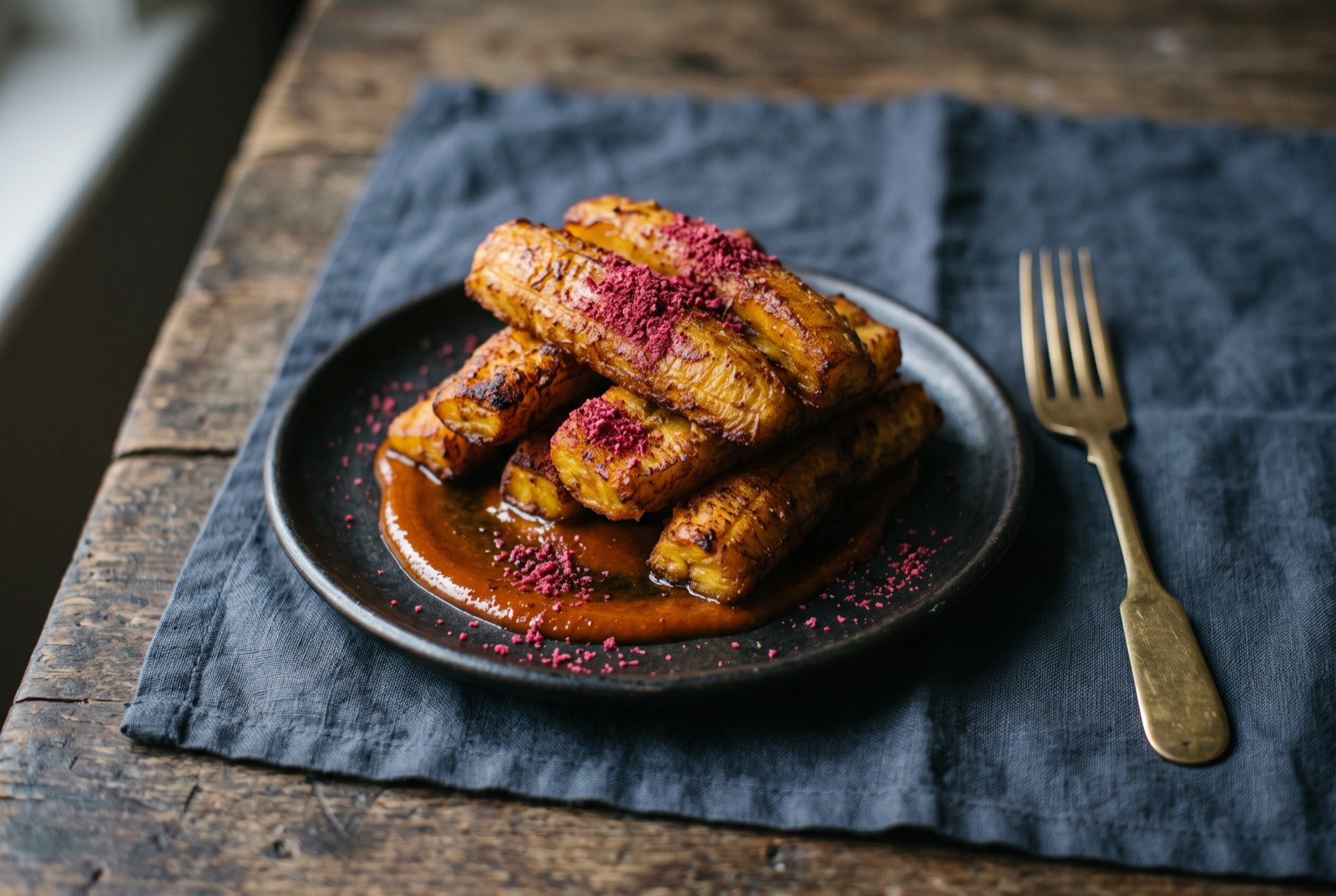 Plantain
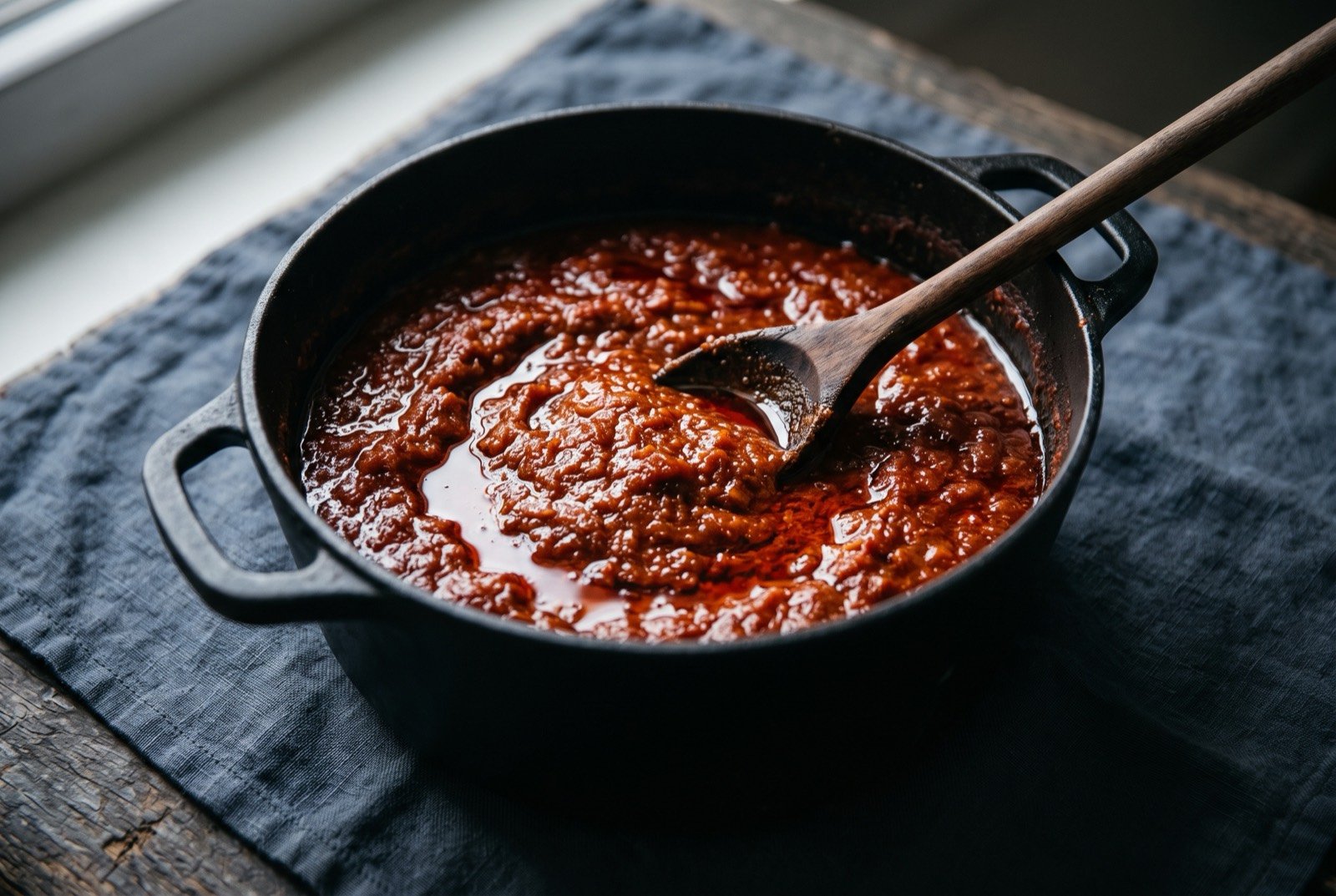 Obe Ata
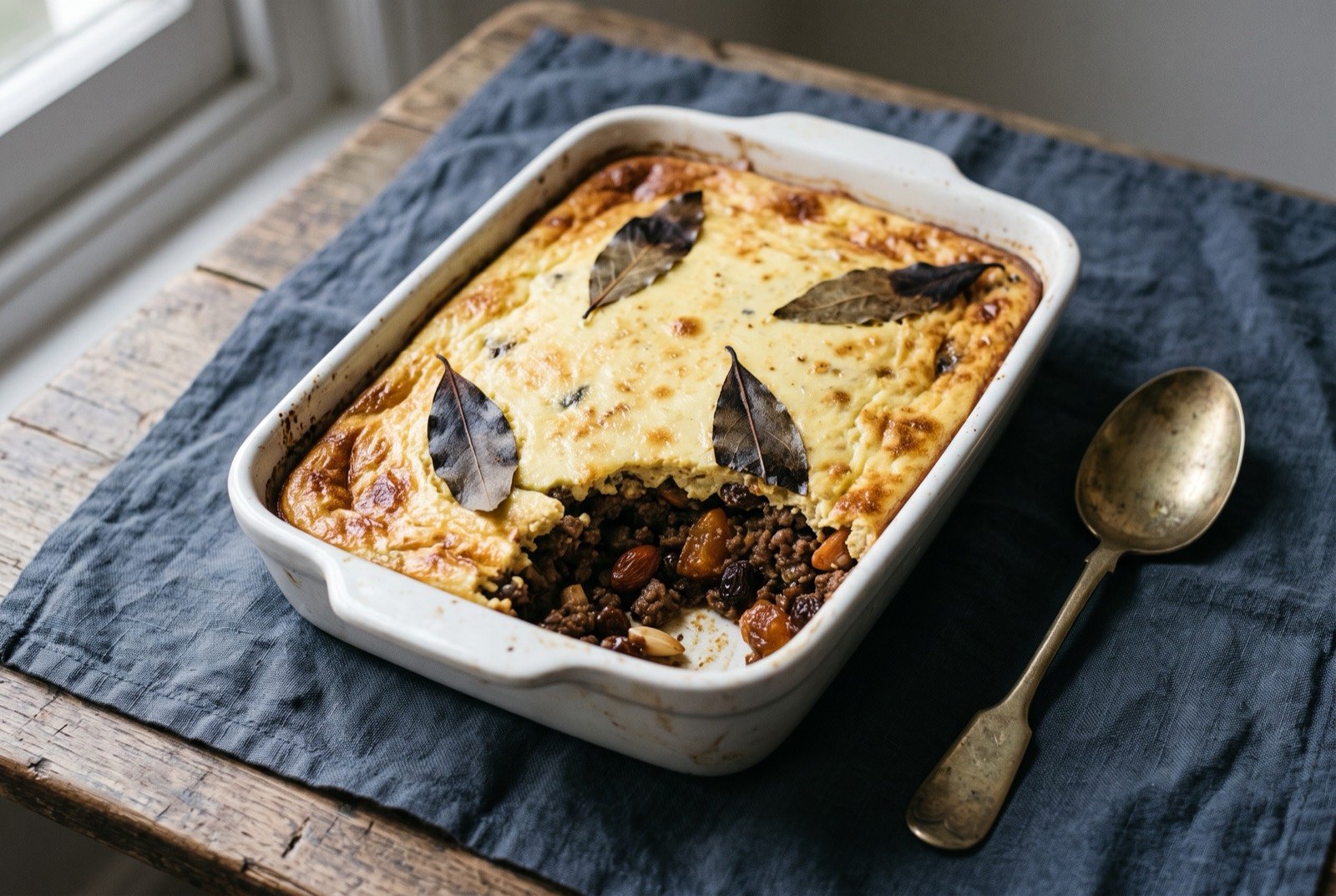 Bobotie
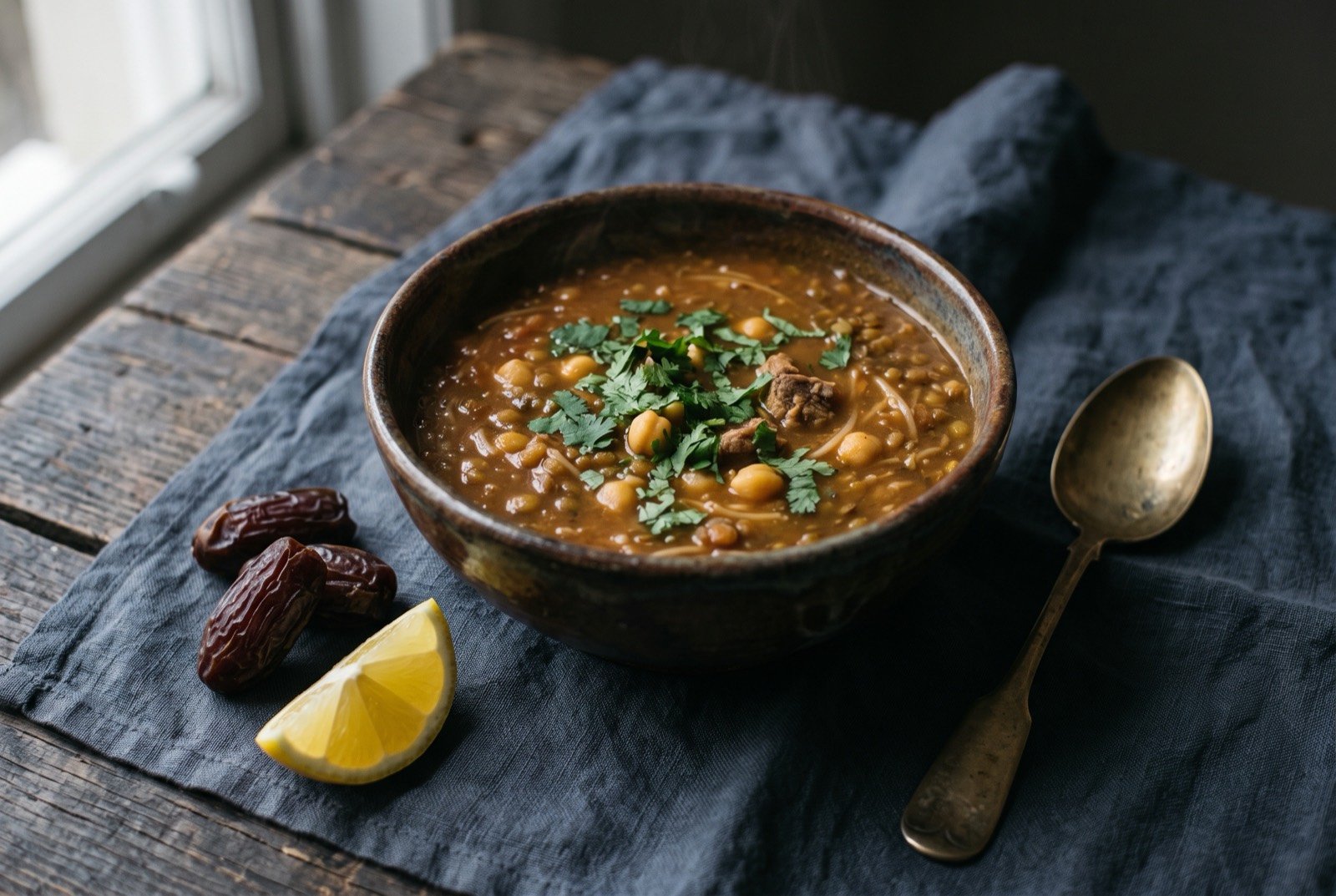 Harira
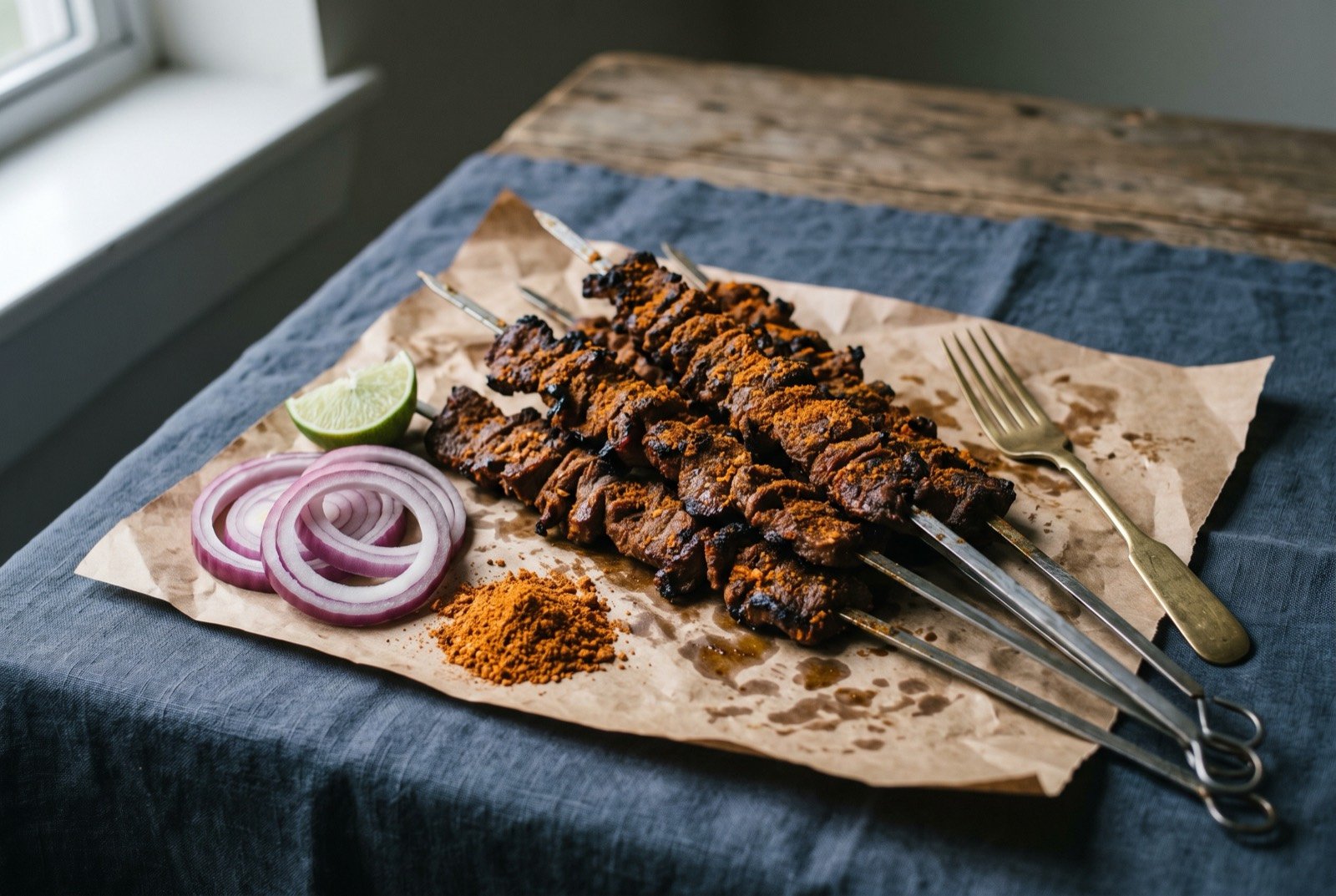 Suya
Suya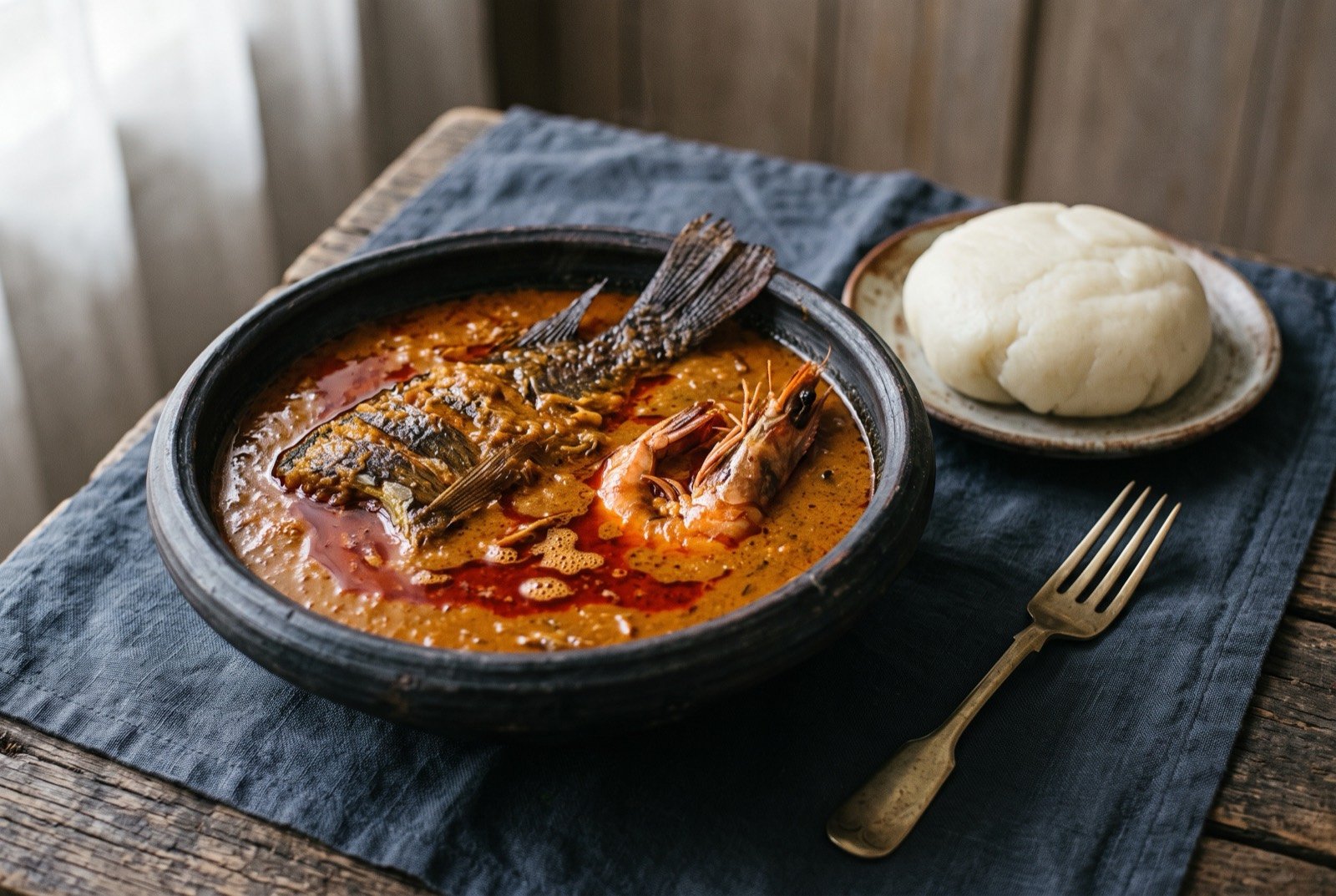 Abenkwan
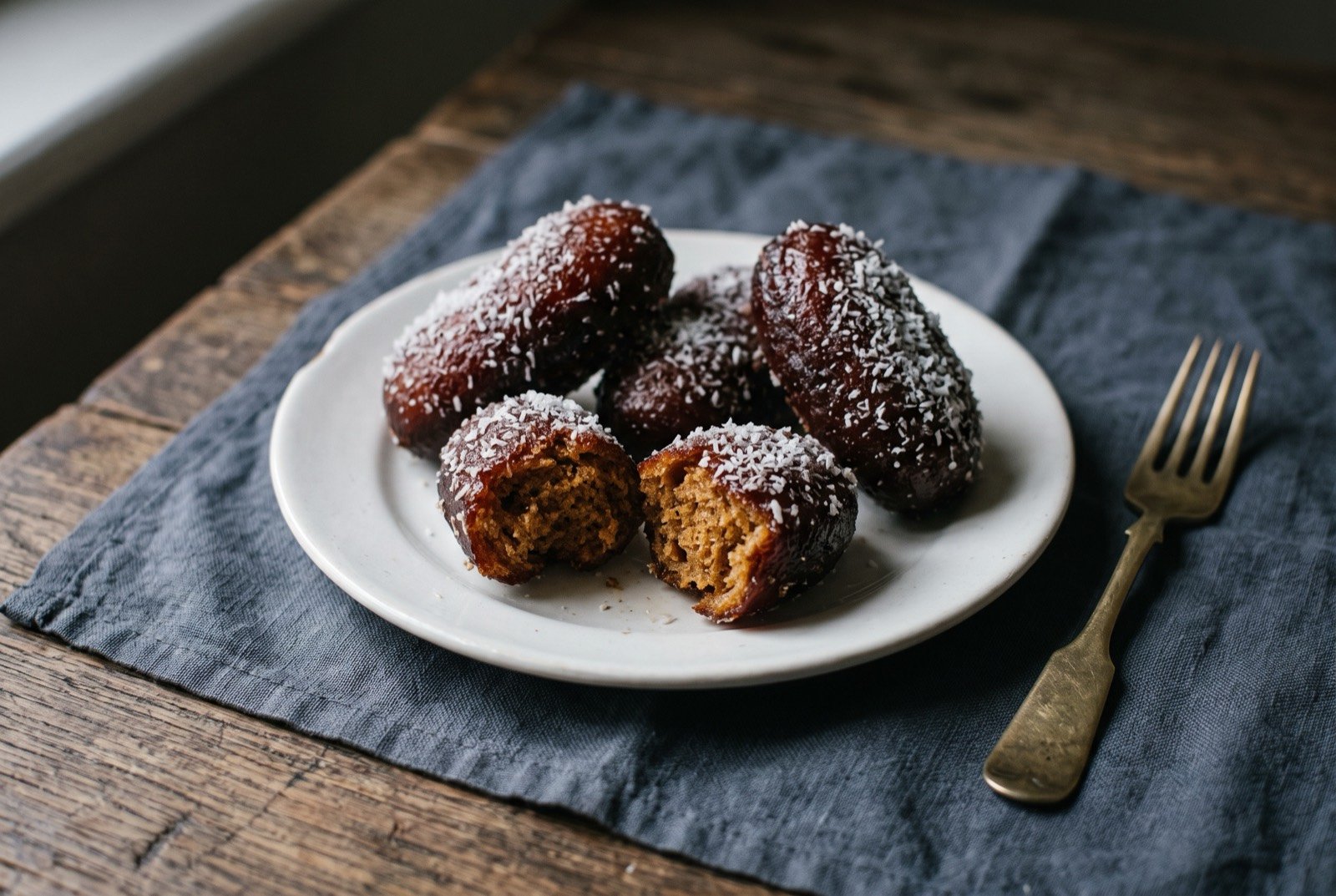 Koesister
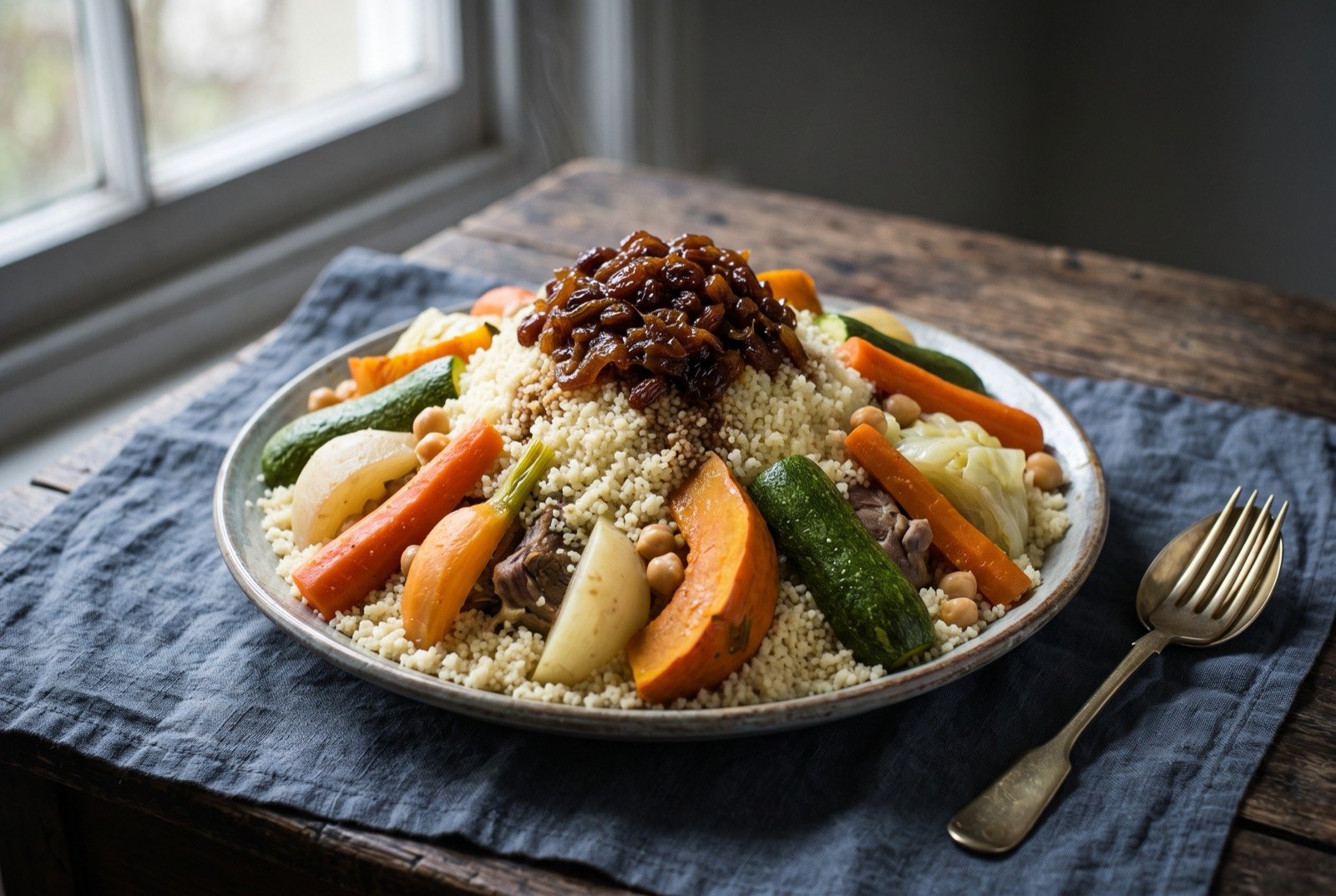 Couscous bidaoui with seven vegetables and tfaya
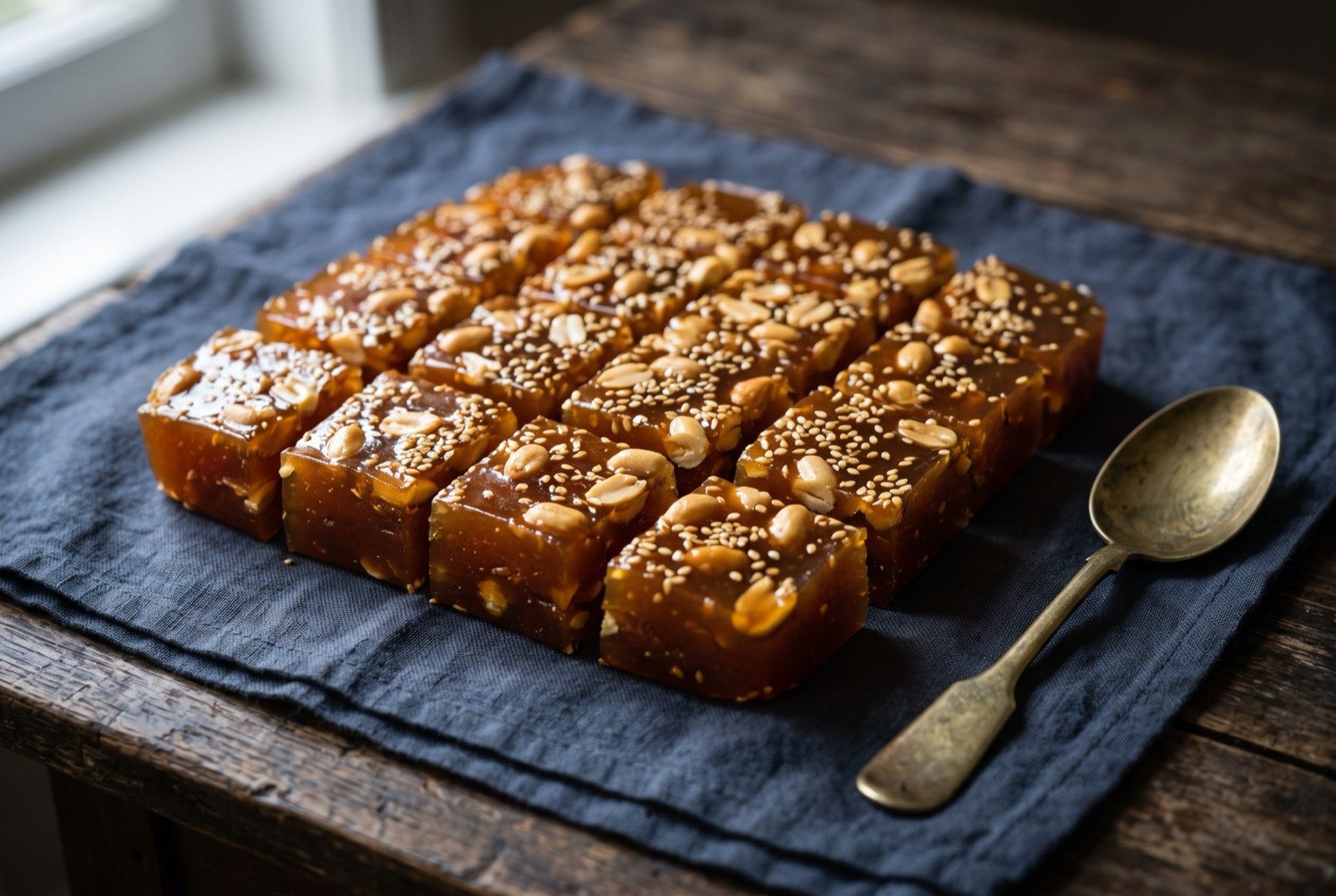 Xalwo
Xalwo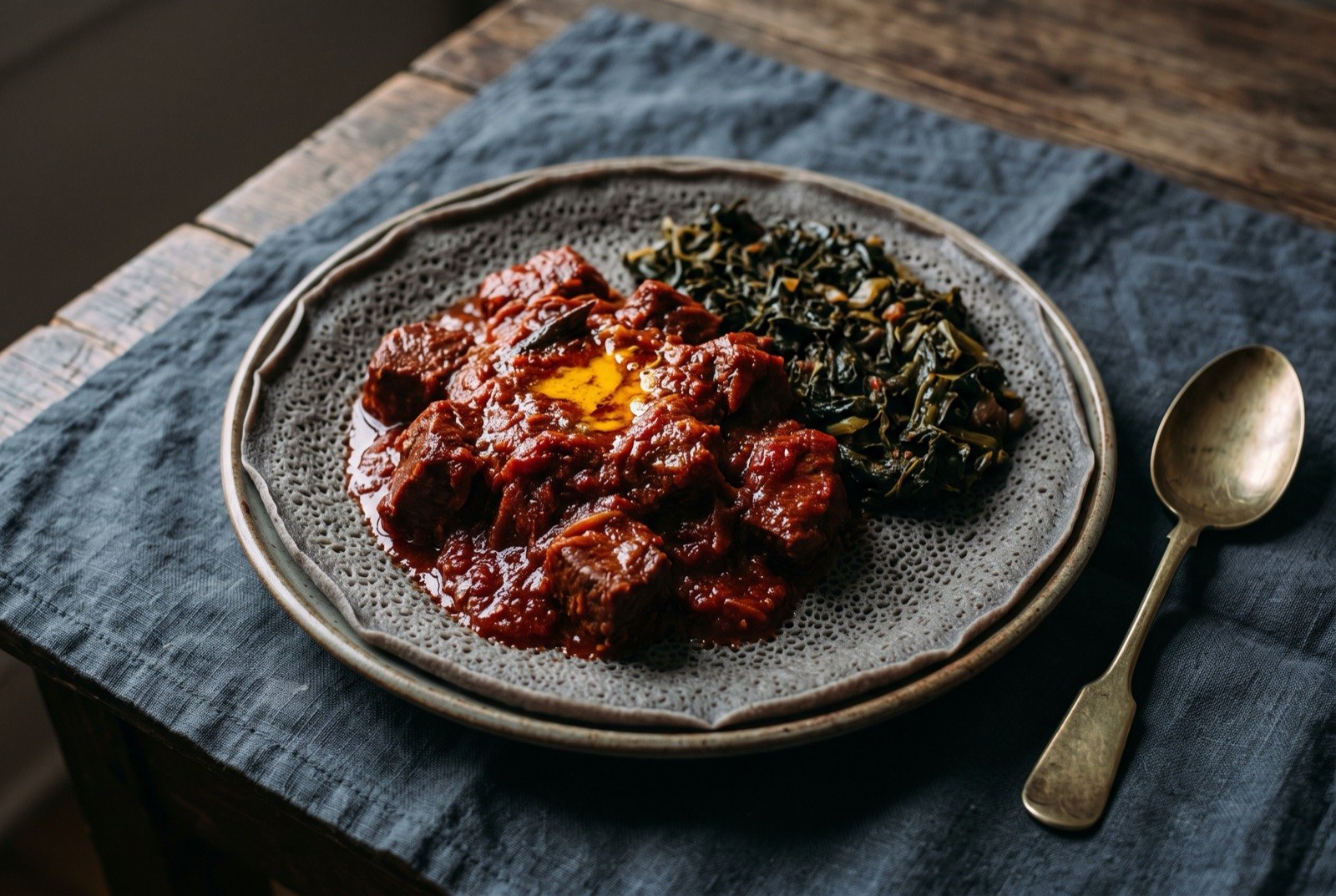 Zigni / key wat
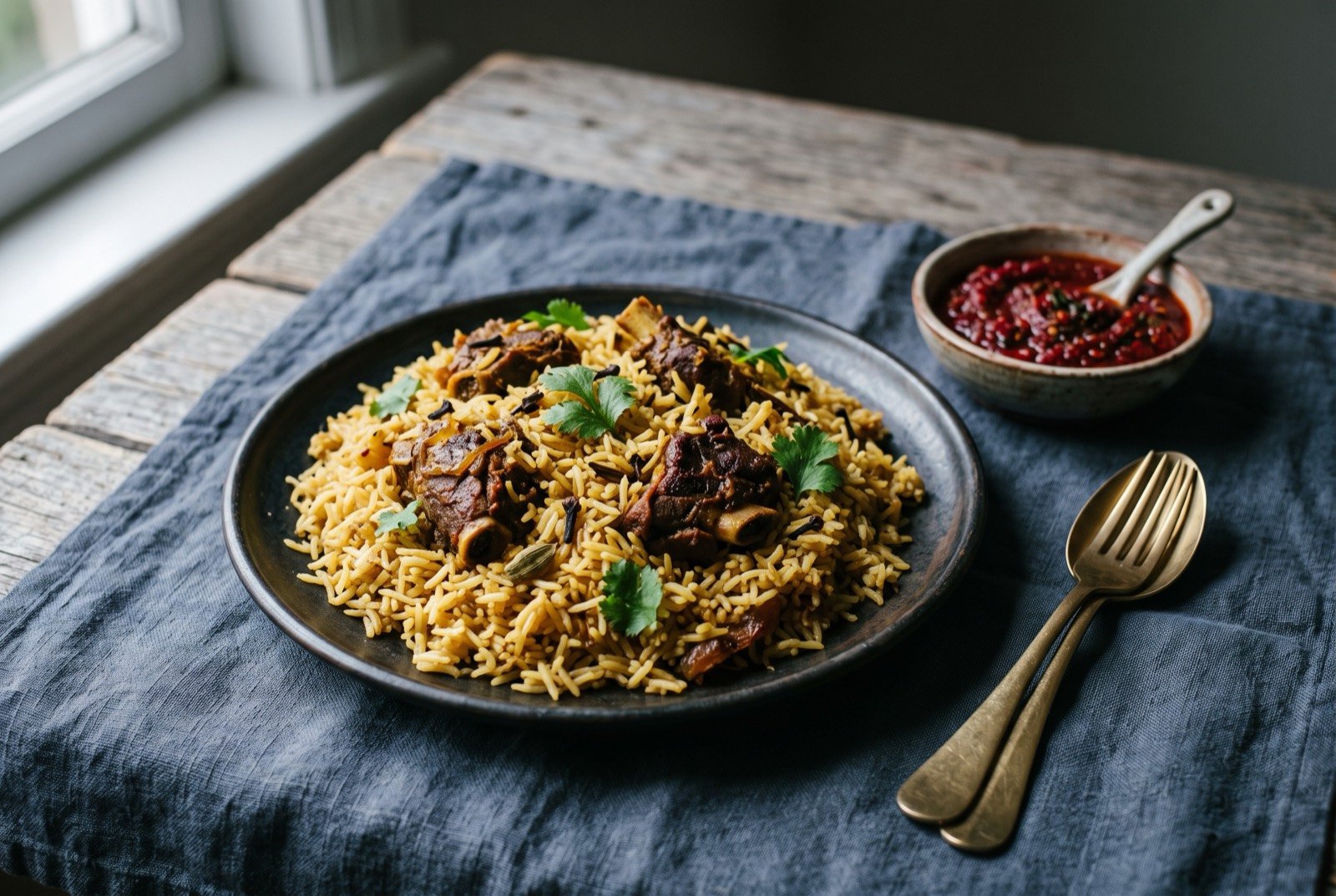 Goat Palau
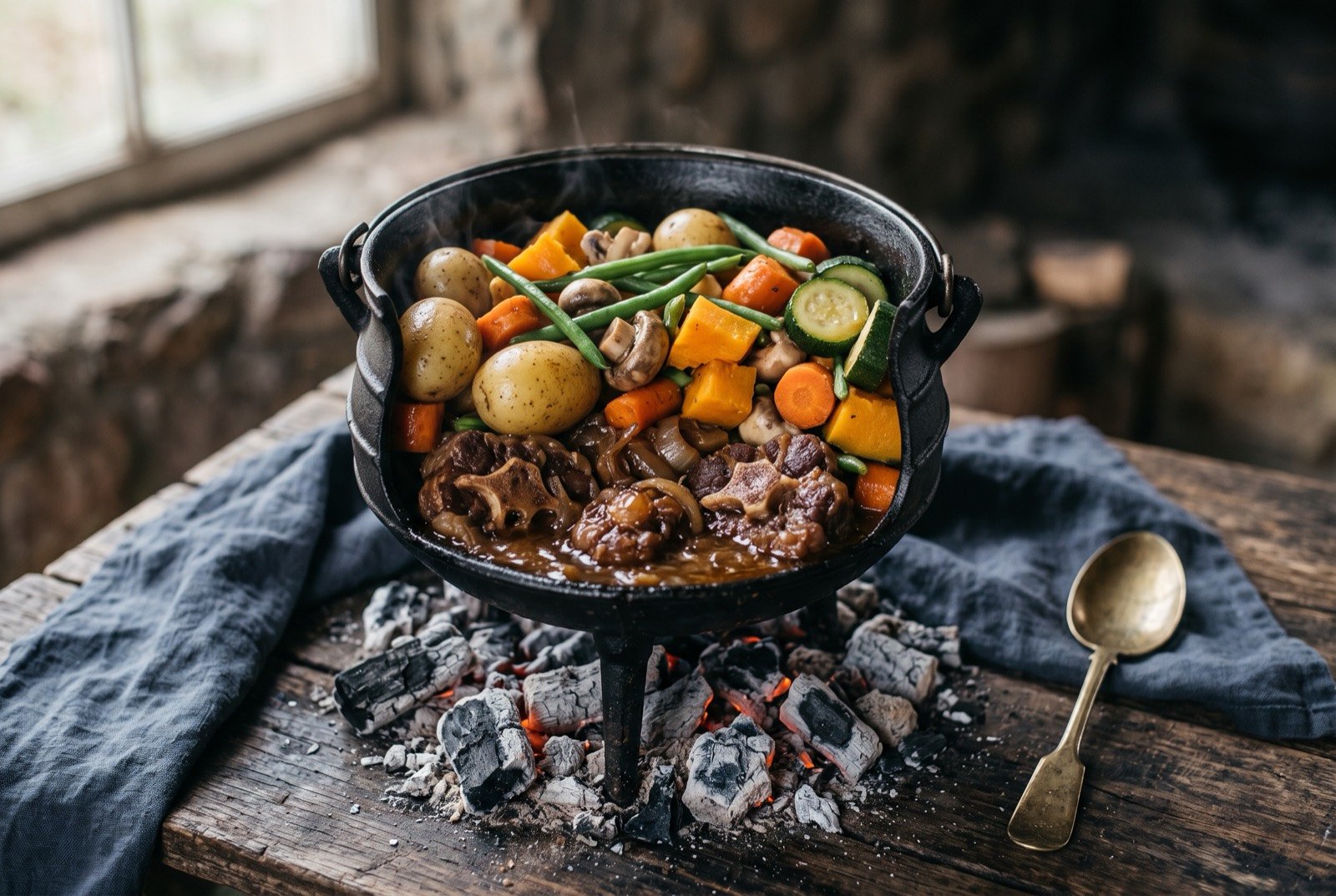 Potjiekos
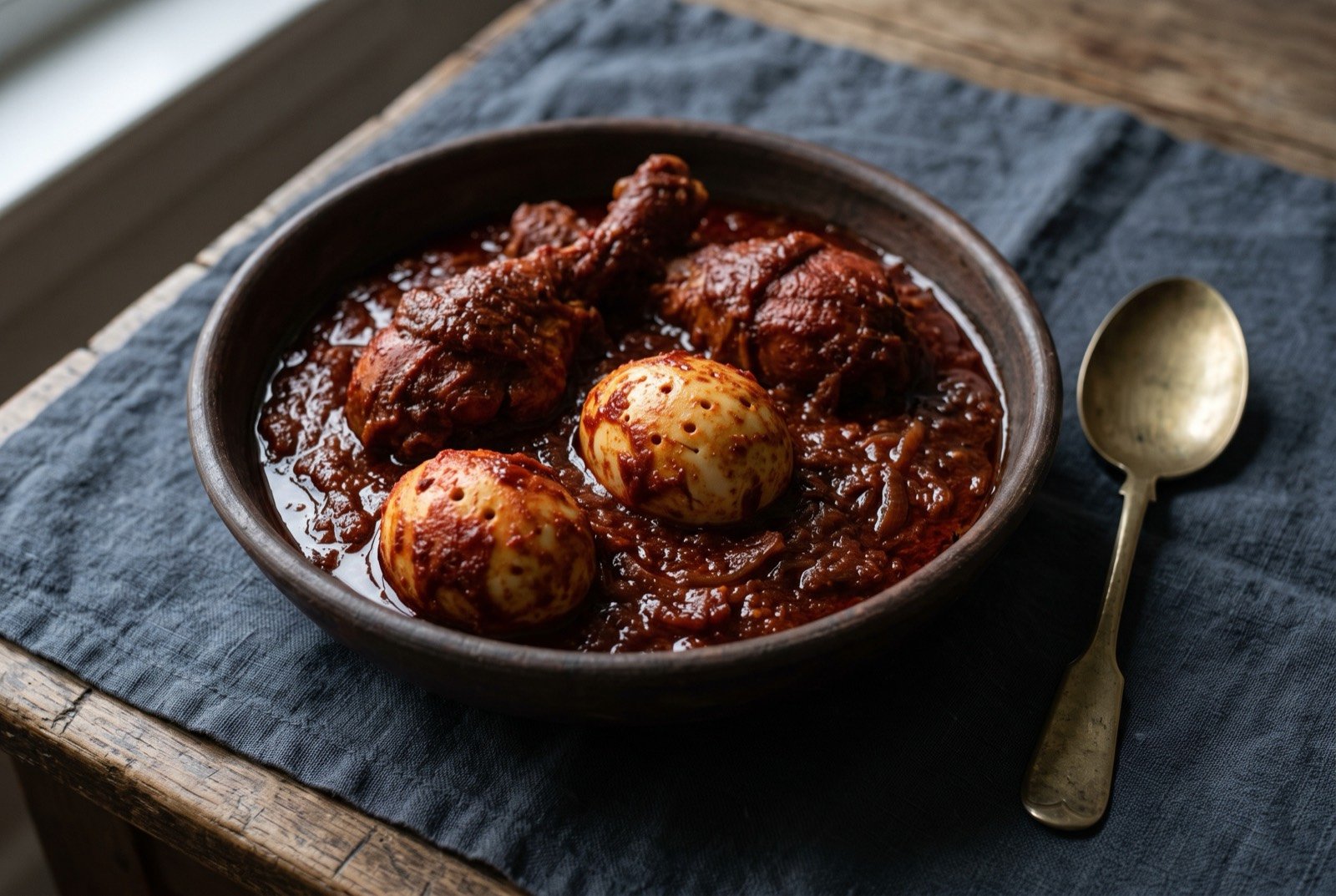 Doro wat / dorho tsebhi
 Ghormeh Sabzi
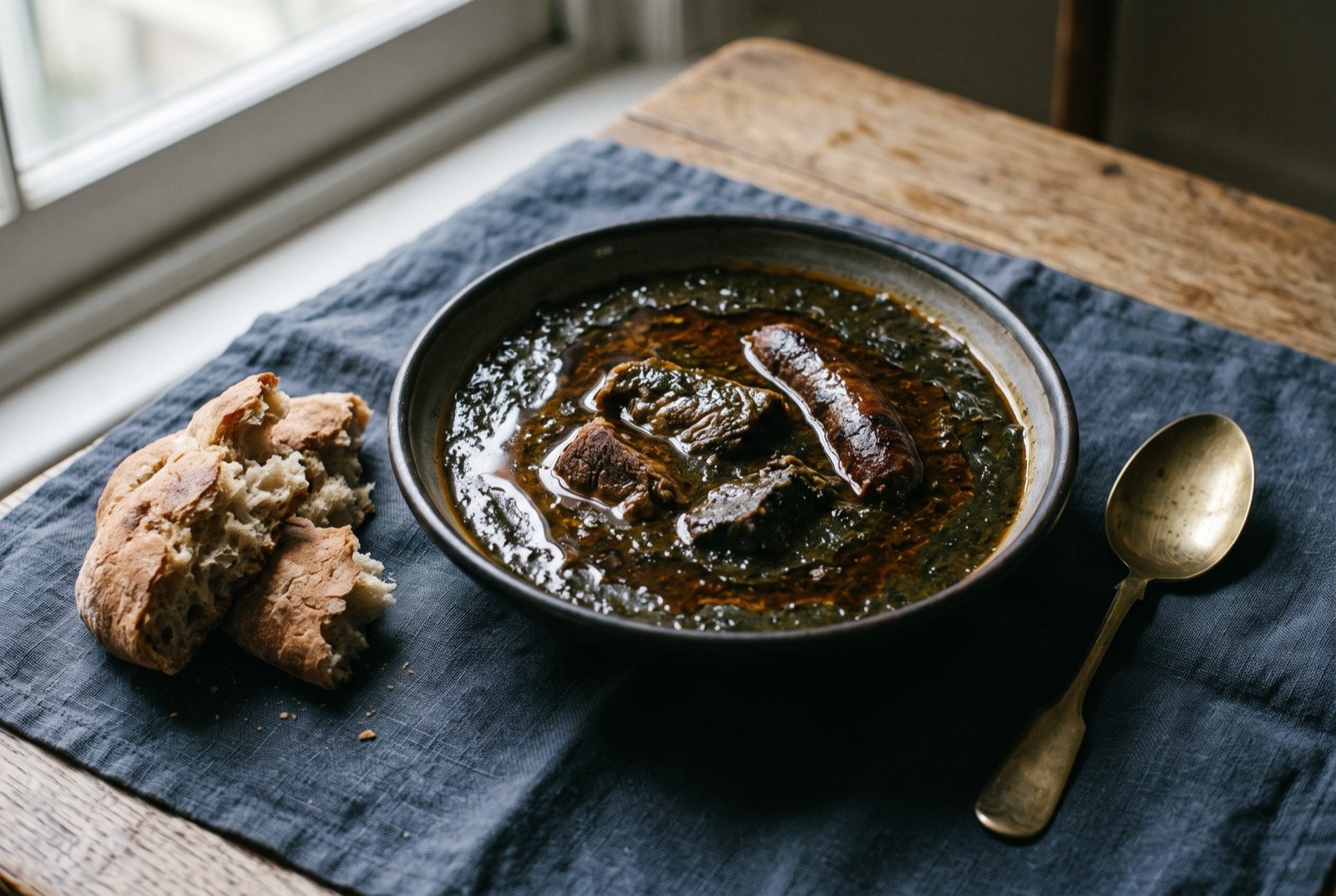 Mloukhia tounsia
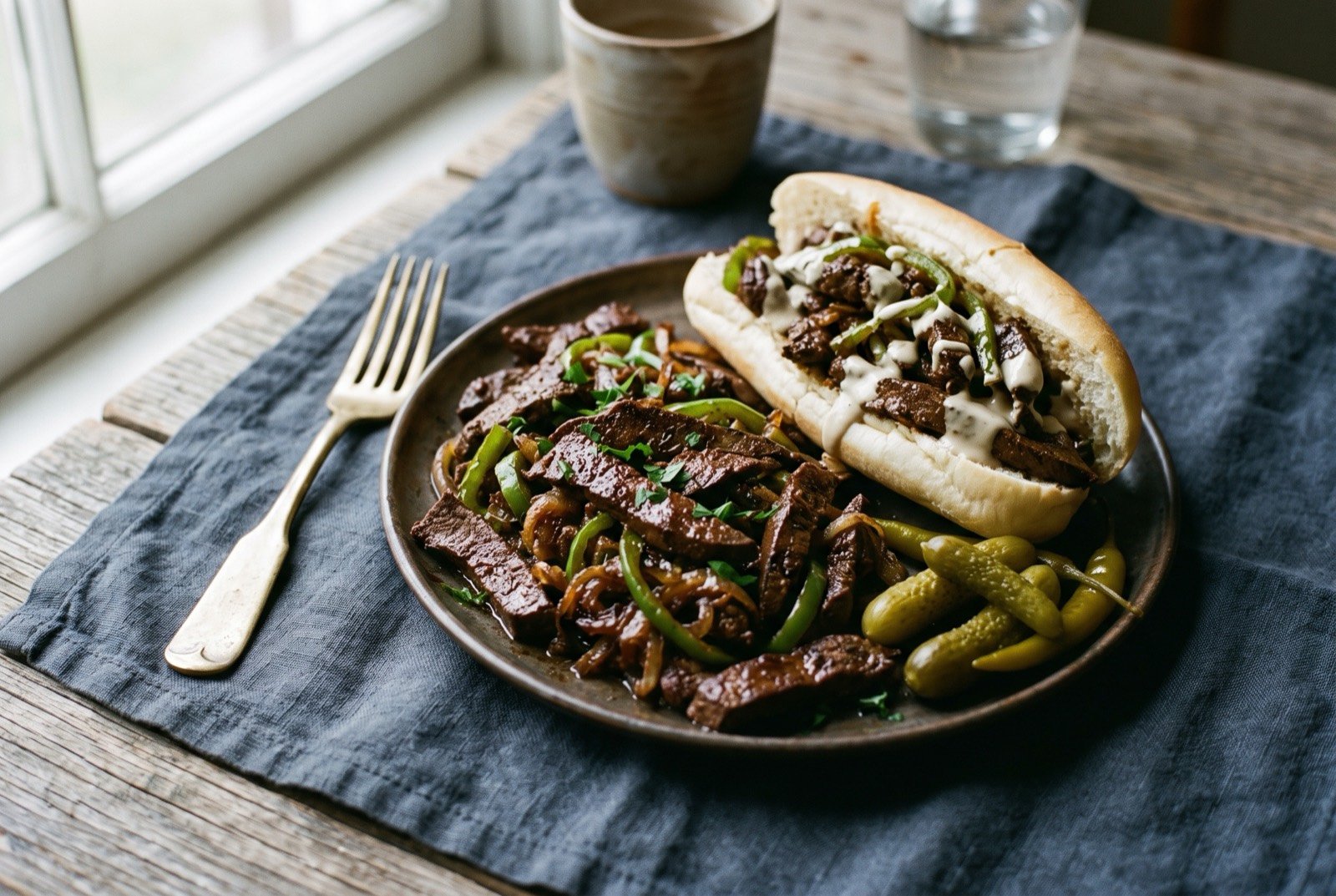 Kebda Iskandarani
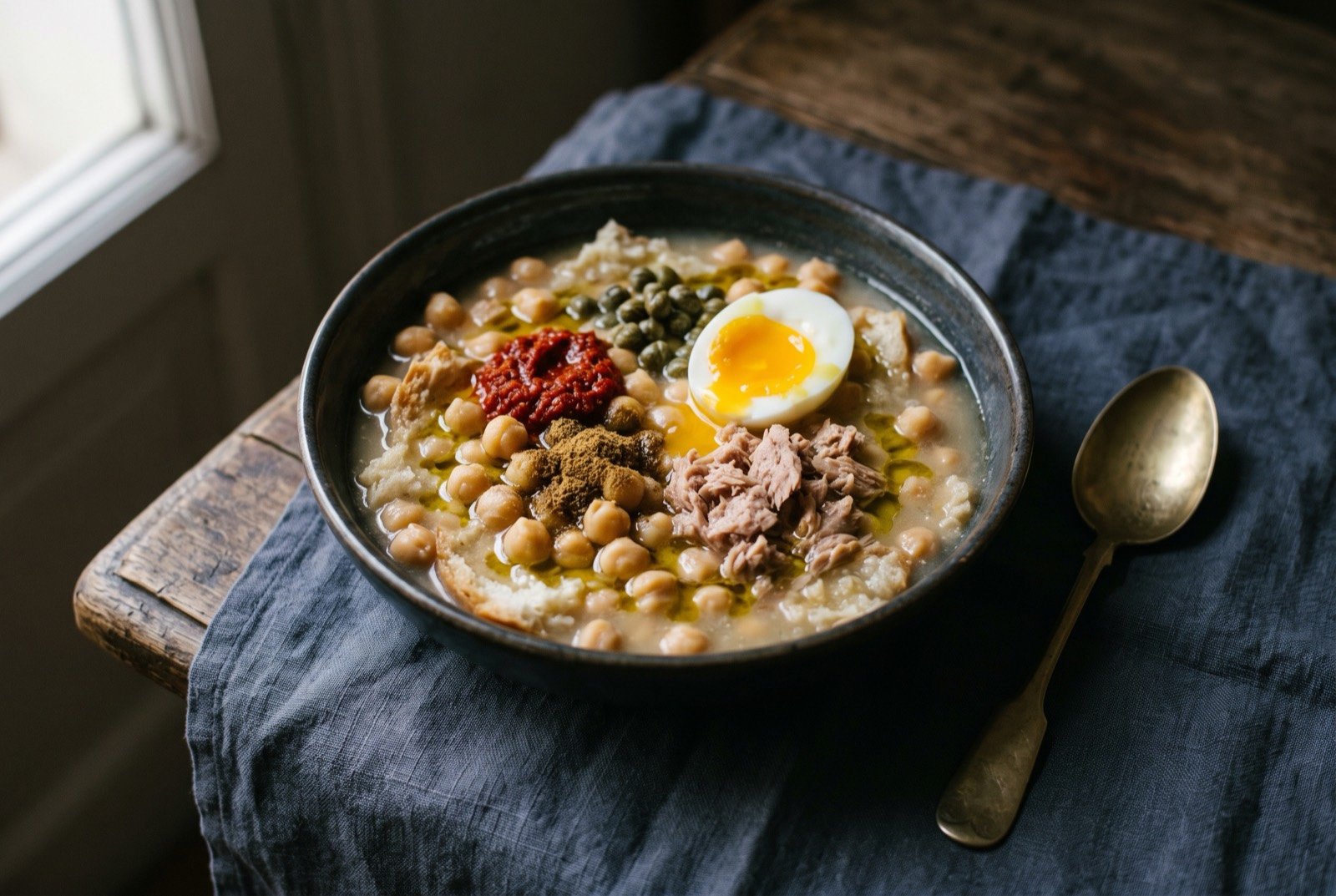 Lablabi
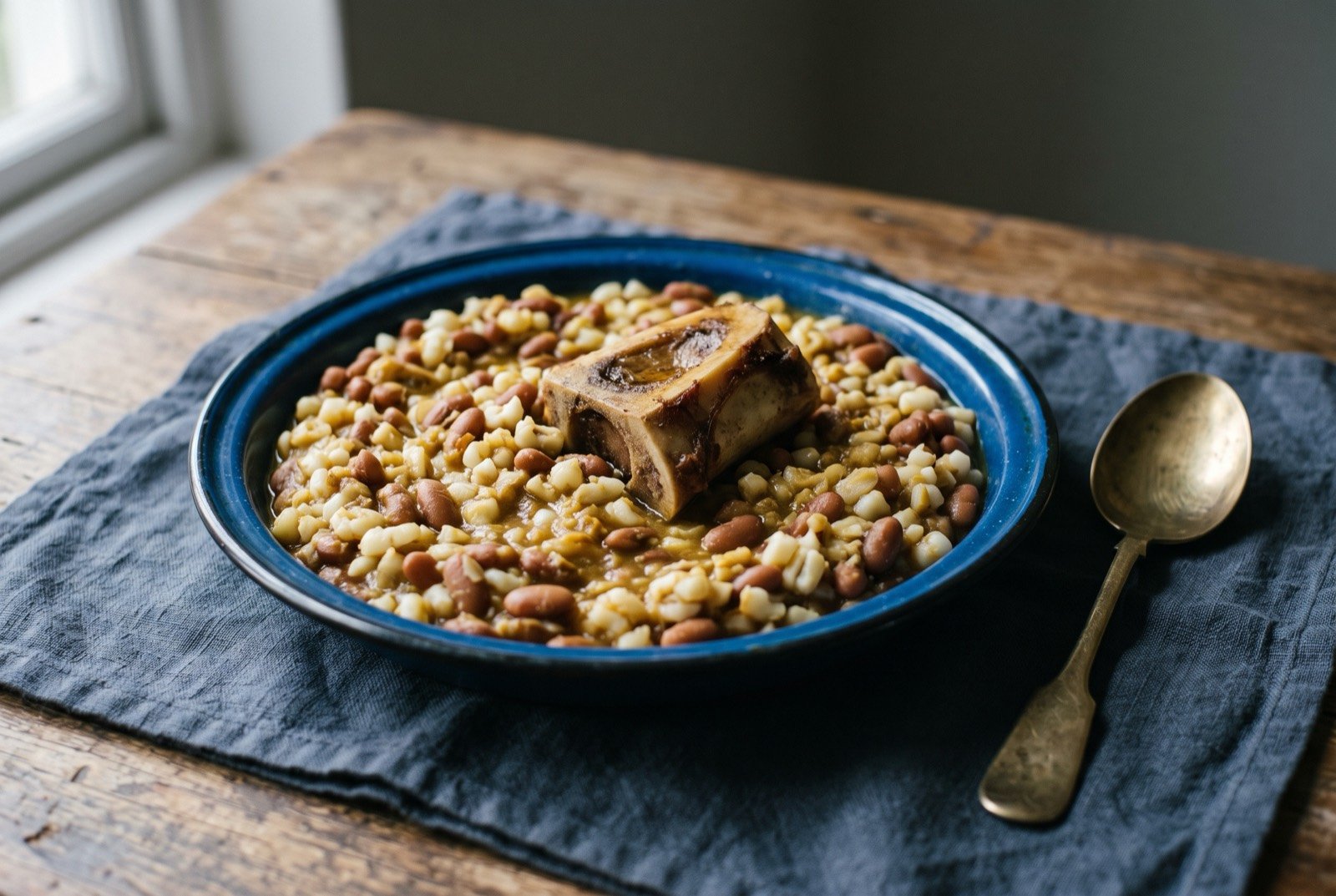 Umngqusho
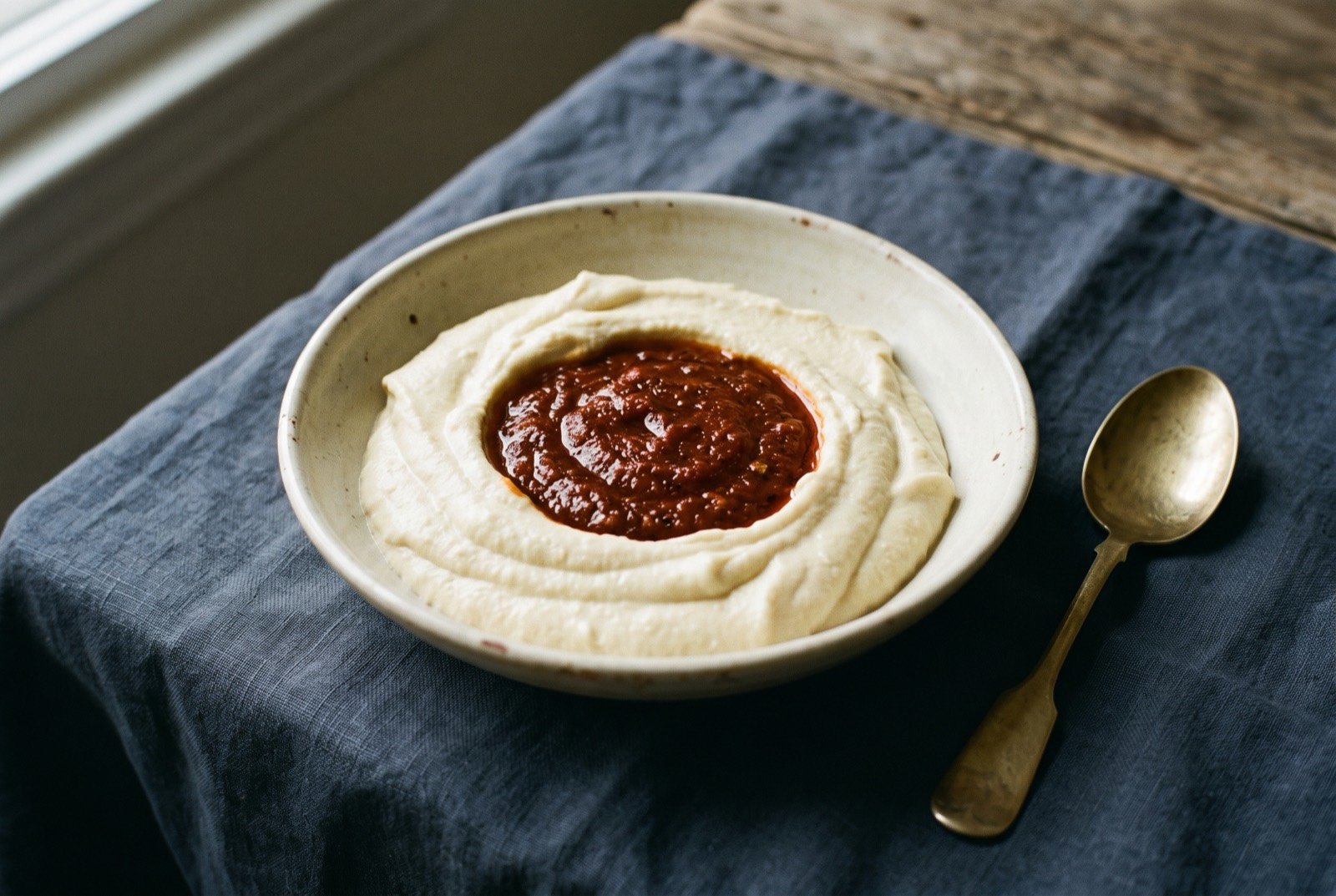 Hilbet
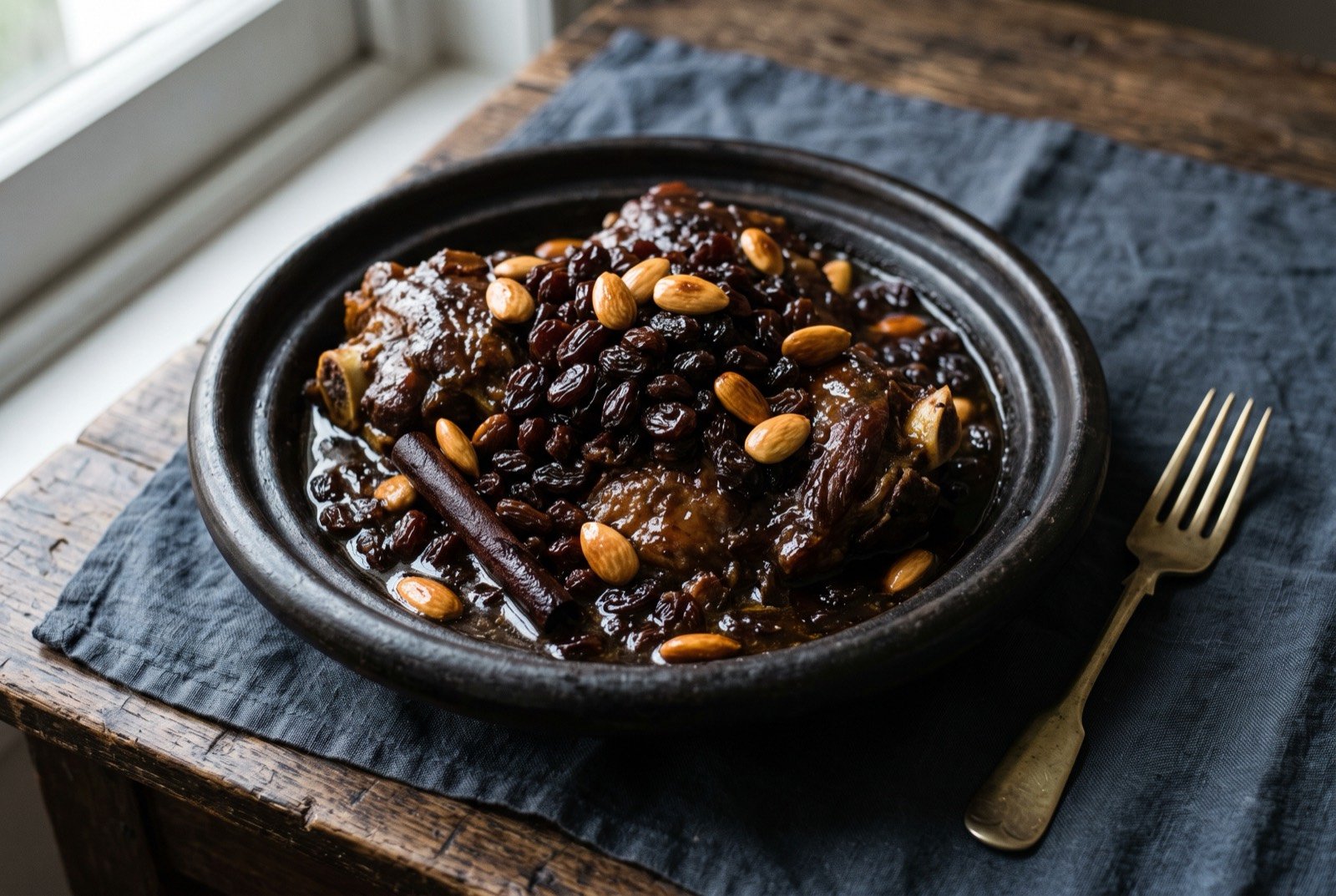 Mrouzia
Untimed
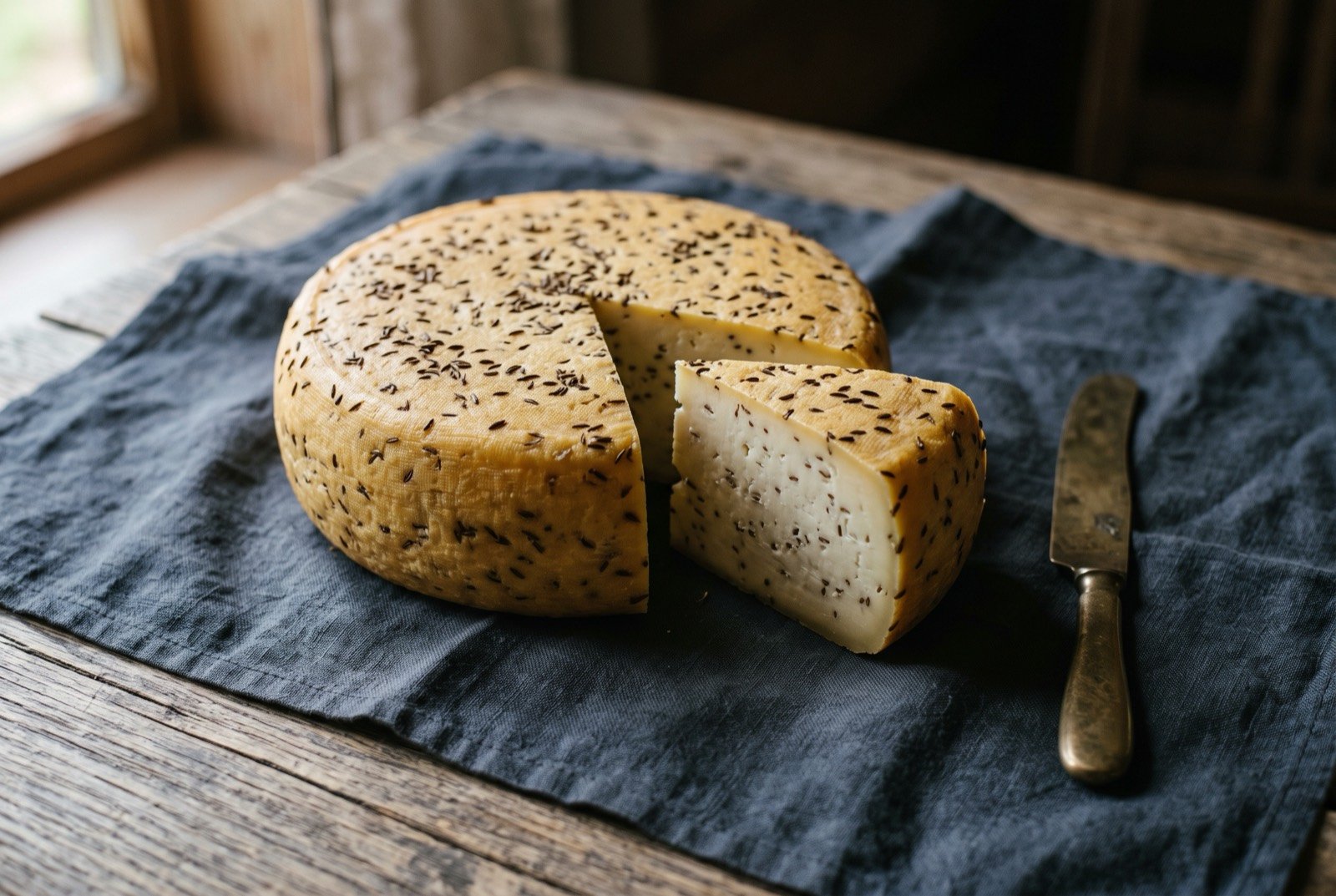 Jāņu siers
Africa
Ghana & Nigeria
Toast and bloom your spices, and grind them yourself
Ozoz Sokoh's method for a pepper soup blend is the template: toast each spice separately over low-medium heat for five to six minutes until fragrant, cool...
Ethiopia & Eritrea
Cook the onion dry, and cook enough of it
A very large quantity of onion, minced to a coarse paste, cooked in a heavy dry pan over low heat, alone, with no fat and no added water, until it has released...
Ethiopia & Eritrea
Treat spice as a fat-phase extraction on a clock
Two operations at opposite ends of the temperature scale, governed by one principle.
Somalia & Djibouti
Treat xawaash as a sequence, not a recipe
Every household has its own xawaash and every Somali cook will say so.
Egypt
The tasha is a controlled Maillard event with a hard stop
Garlic and ground coriander in samna, taken to golden and not one shade past, then shocked into the pot at the very end.
Morocco
Spice in three applications, three solvents, three timings
Volatility and solubility differ by an order of magnitude across a spice blend.
Algeria, Tunisia & Libya
Bloom the harissa in oil at the start. It is a fat-borne base, not a red sauce added at the end
Capsaicin is a lipophilic vanilloid: far more soluble in oil than in water.
Algeria, Tunisia & Libya
Toast the two seeds whole, grind in small batches, and treat tabil as perishable
The defining volatiles are linalool in coriander and carvone in caraway.
Kenya, Tanzania & the Swahili Coast
The pilau brown
The colour of a good pilau comes from onions and spice, not from turmeric and not from browning the rice.
Madagascar, Mauritius, Réunion, Seychelles & Comoros
Roussir the base, then obey the cari, rougail and civet grammar
Everything in Réunion and Mauritius starts with onion taken past soft to genuinely coloured.
Madagascar, Mauritius, Réunion, Seychelles & Comoros
Bloom the turmeric in fat, then quench it, and never use curry powder
The most transferable chemical fact in this chapter.
South Africa, Lesotho & Eswatini
Roast whole spice, bloom it in fat, and season in stages
Two traditions, kept apart here because the communities keep them apart.
Asia
Iran
Fry the herbs to near black before they are a stew, not a garnish
Ghormeh sabzi's whole character is decided before the meat is even added.
Europe
The Czech Republic and Slovakia
Bloom paprika for thirty seconds, then loosen it immediately
This is the single most diagnostic mechanism in the whole chapter for why a bad guláš tastes bitter rather than sweetly deep.
Estonia, Latvia & Lithuania
Grind caraway to order, because it is structural, not a garnish
Caraway's flavour compounds begin fading within minutes of grinding and a pre-ground jar has typically lost most of its character within six months on a shelf.
Catalonia, Valencia, Murcia & the Balearics
Build a real sofregit before anything else happens
A proper sofregit, the slow-fried base of onion, garlic and grated tomato that underlies nearly every dish in this chapter, needs twenty to thirty minutes at...
Oceania and the Pacific
Papua New Guinea
Roast before you grind, never after
A galip nut's flavour depends on roasting before grinding, since roasting develops the deep, buttery aromatic compounds that a blender or pestle can only...
Fiji
Bloom the whole spice, then brown the onion further than feels comfortable
The Indo-Fijian curry sequence, consistent enough across every source examined to state with confidence: whole spices and curry leaves bloomed in oil or ghee...
Fiji
Temper at the end, not the start
Dhal's defining technical move is that its tempering, the spiced, hot-oil finish called tarka elsewhere in the subcontinent, is built as a separate pan and...