Home · Technique ladder · Fat Rendering and Medium
Fat Rendering and Medium
Rendering fat, or using fat as the carrier for flavour
39 rungs across 29 volumes
Dishes
Weeknight
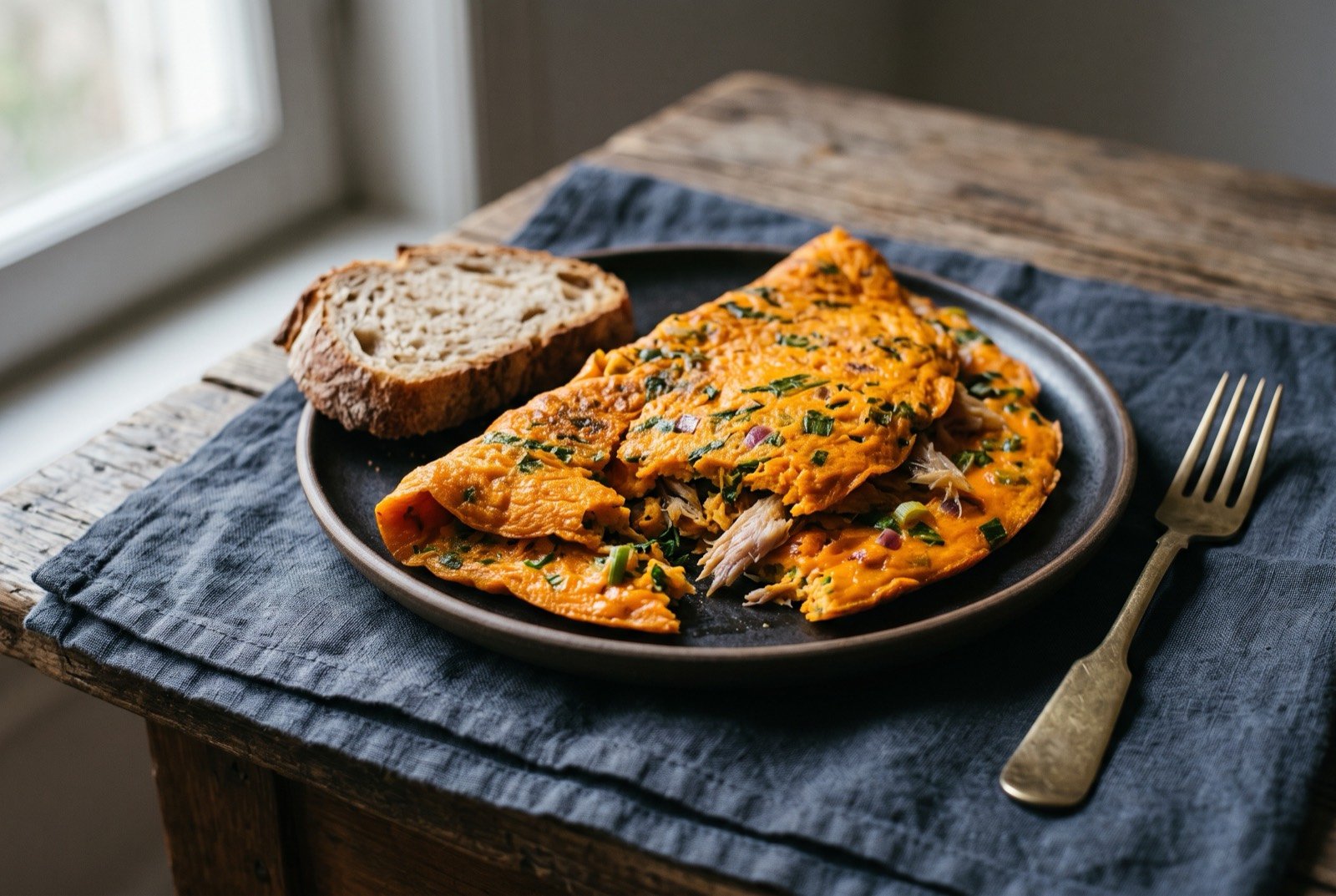 Omelete à moda da terra
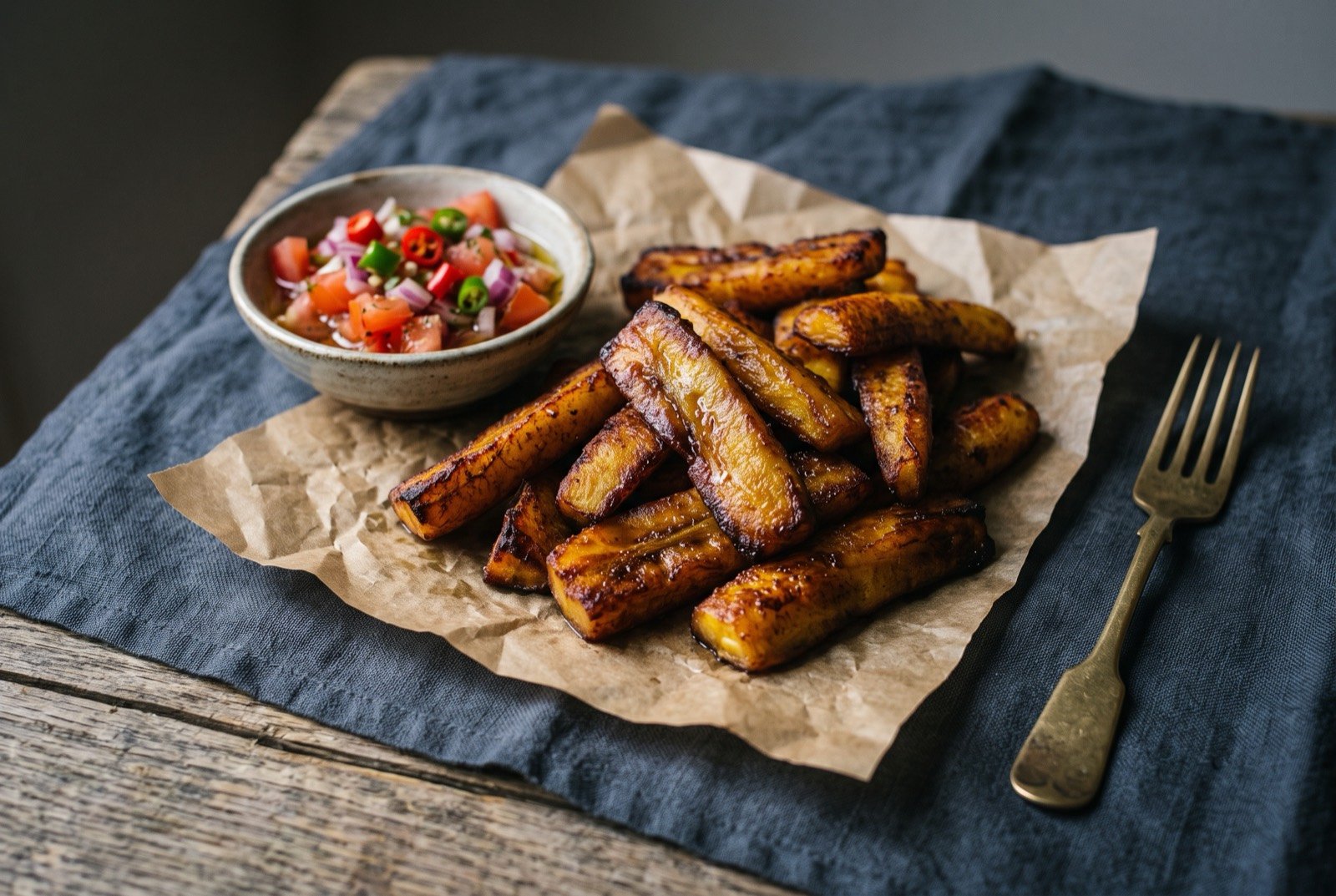 Alloco
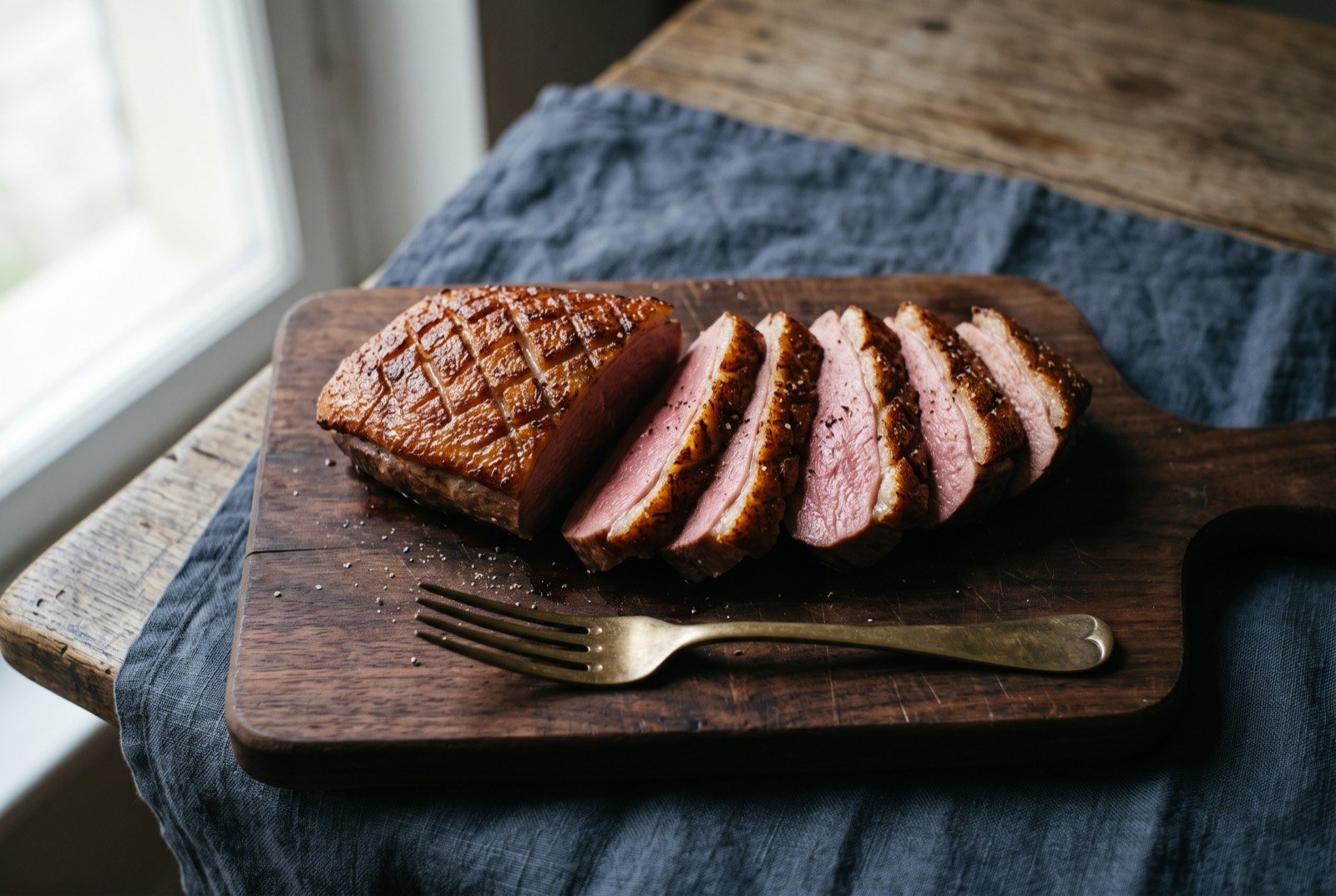 Magret de Canard
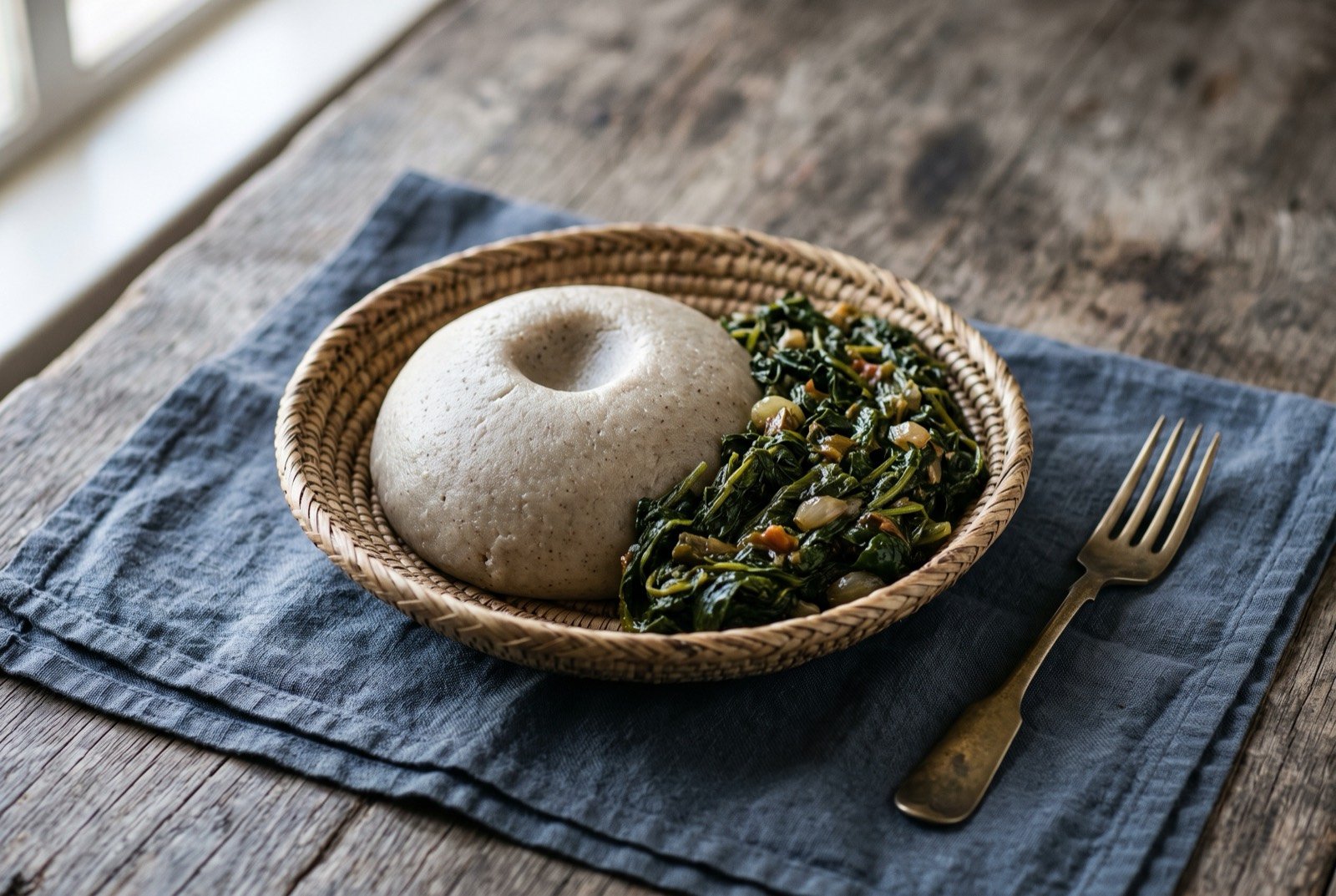 Oshifima with ombidi
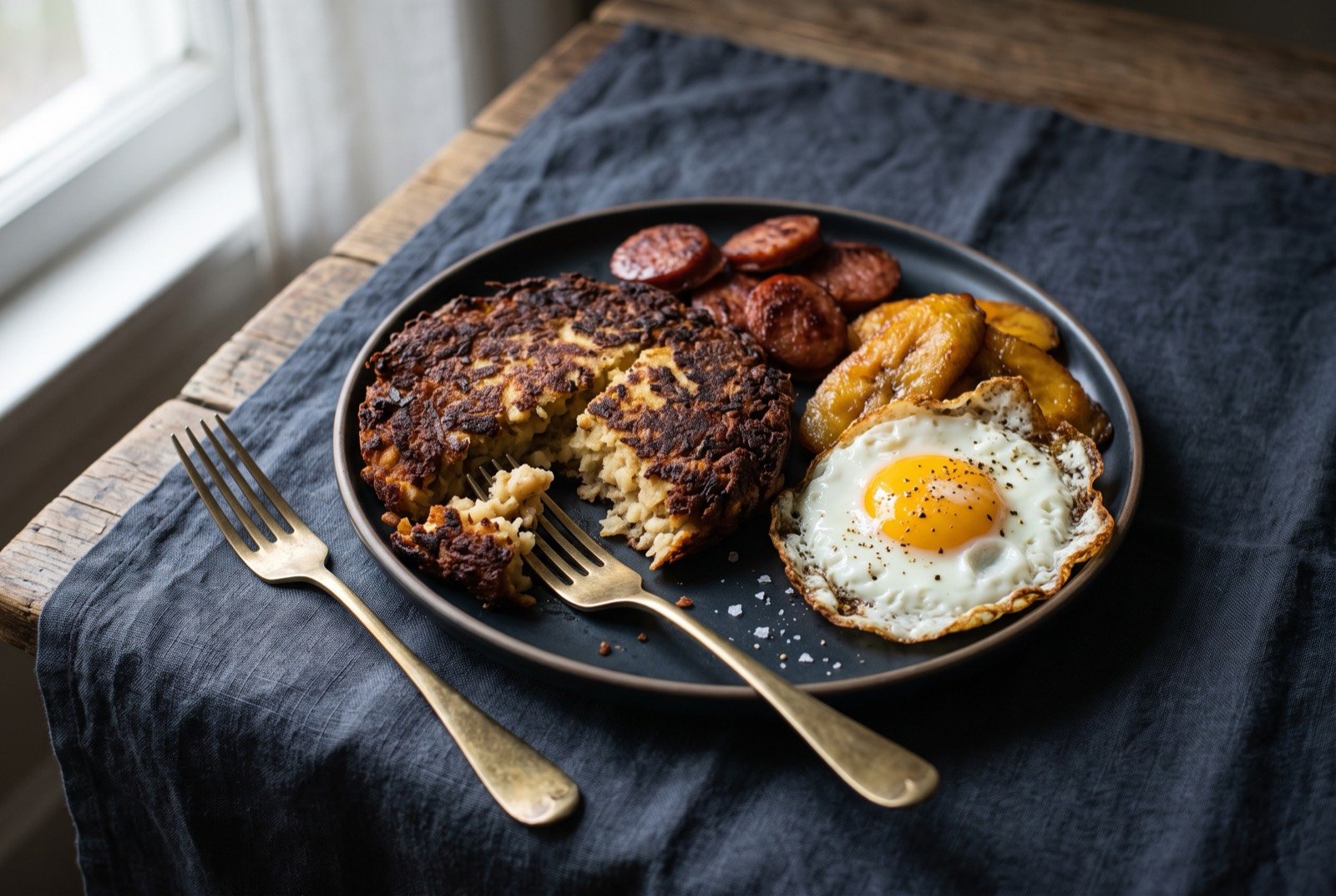 Cachupa refogada
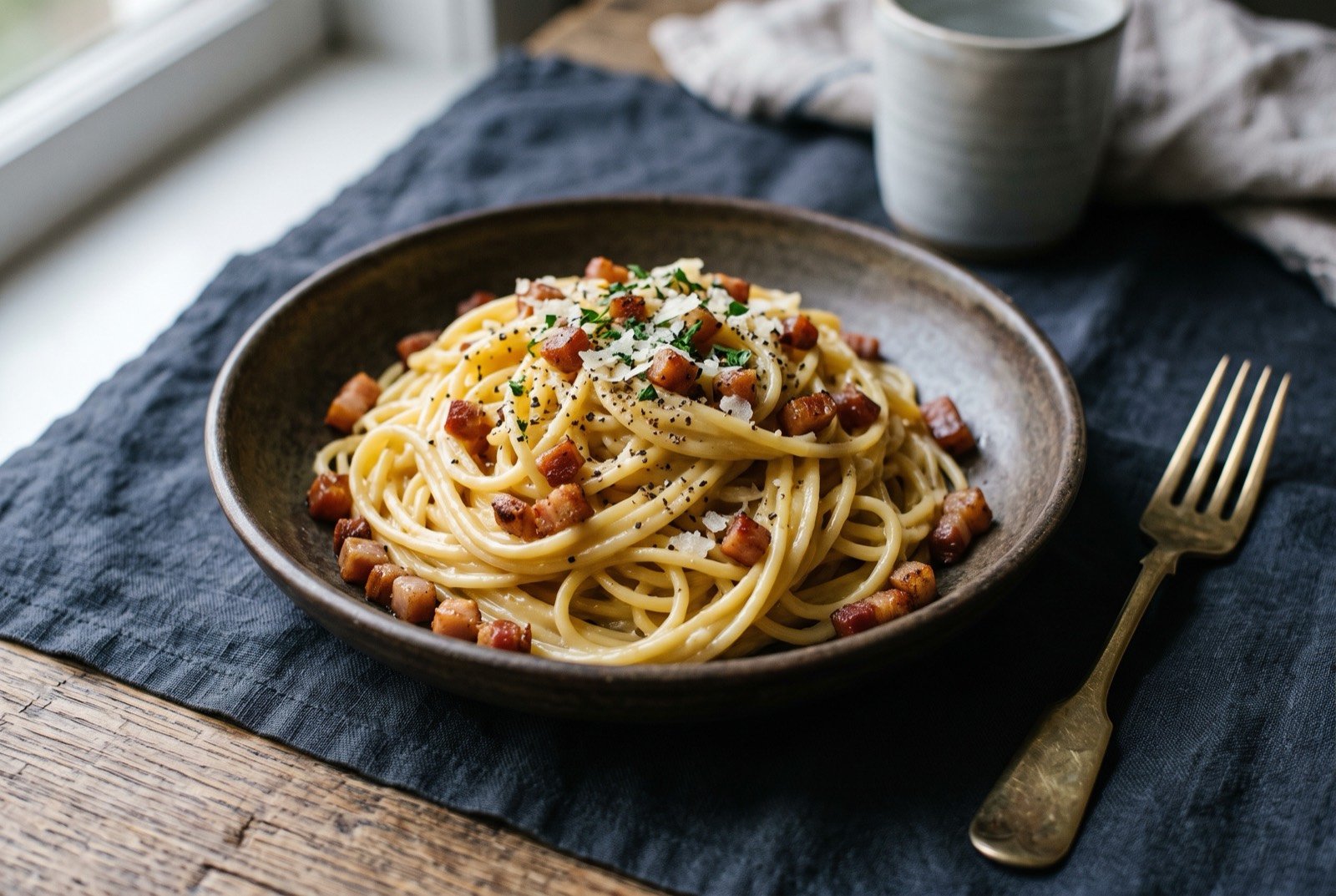 Carbonara
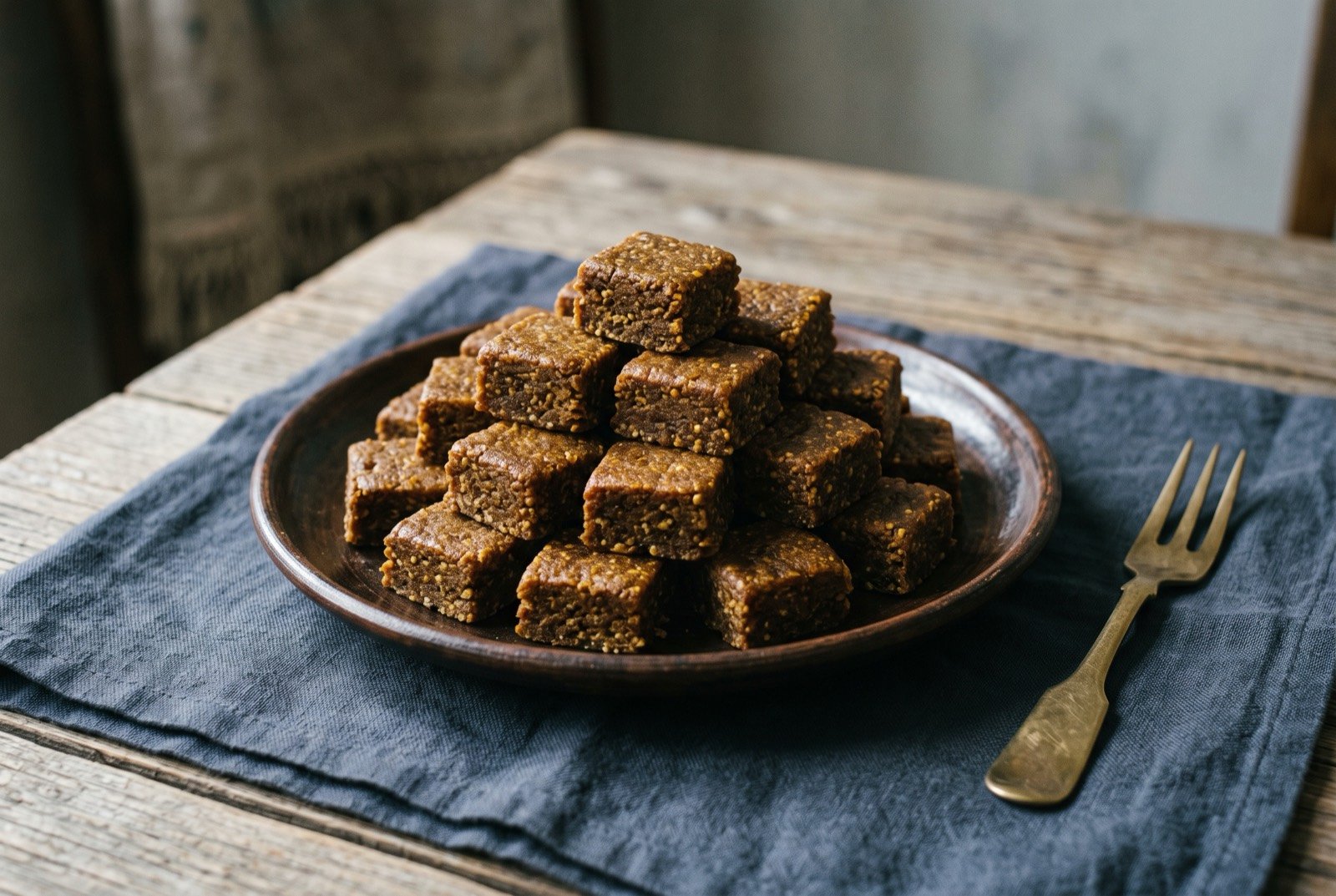 Jent
Jent Oeuf mayonnaise
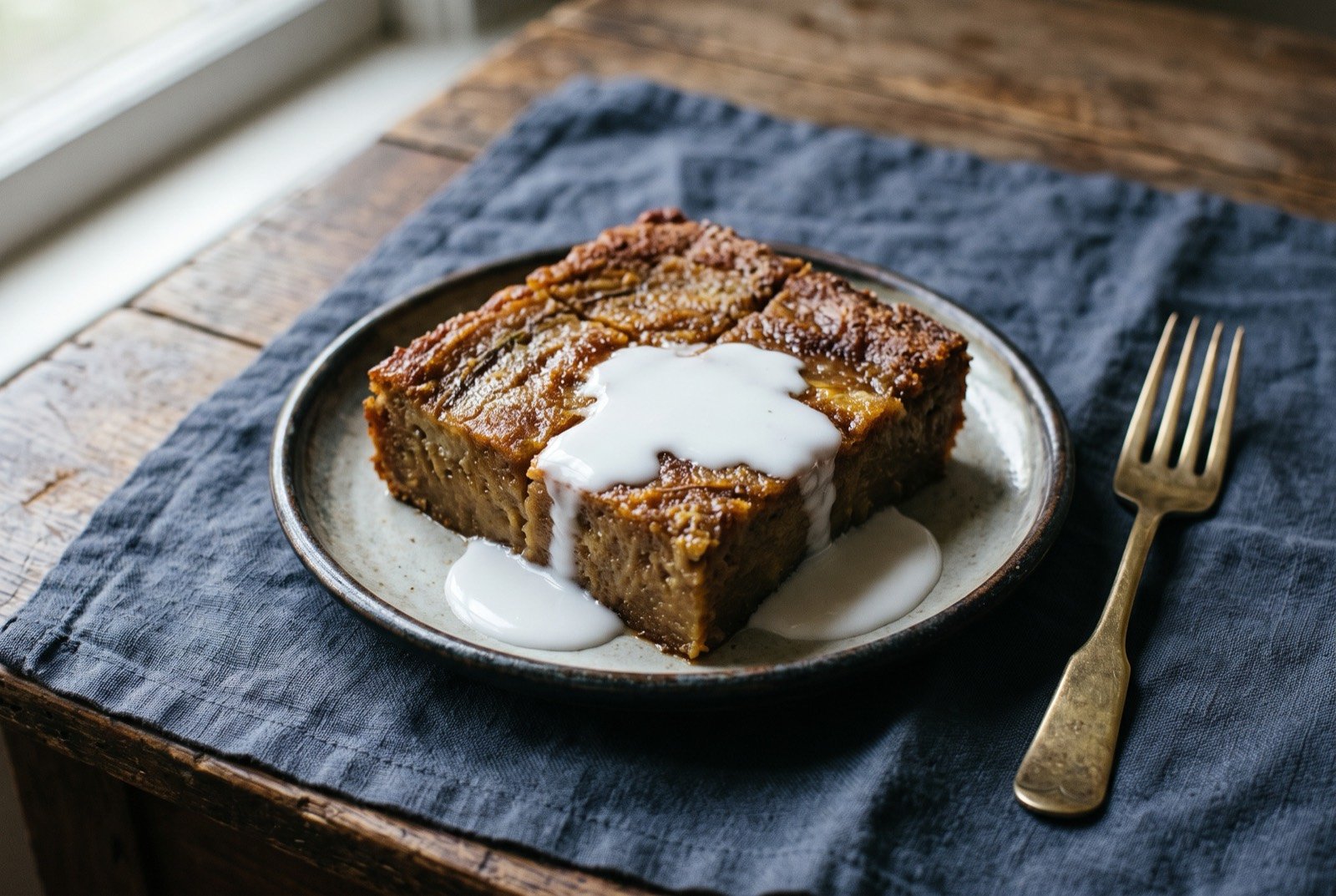 Poʻe
Poʻe Rougaille
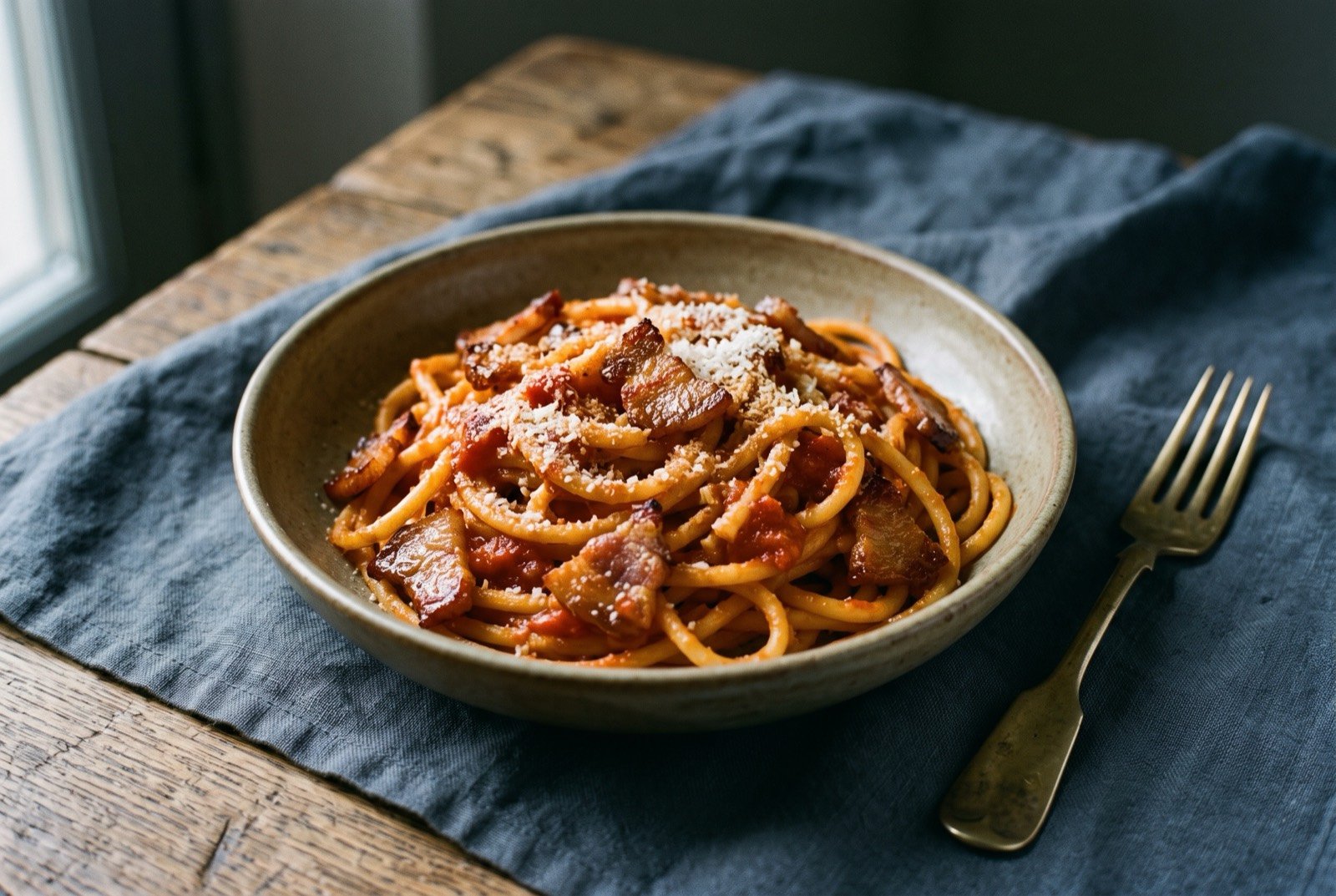 Amatriciana
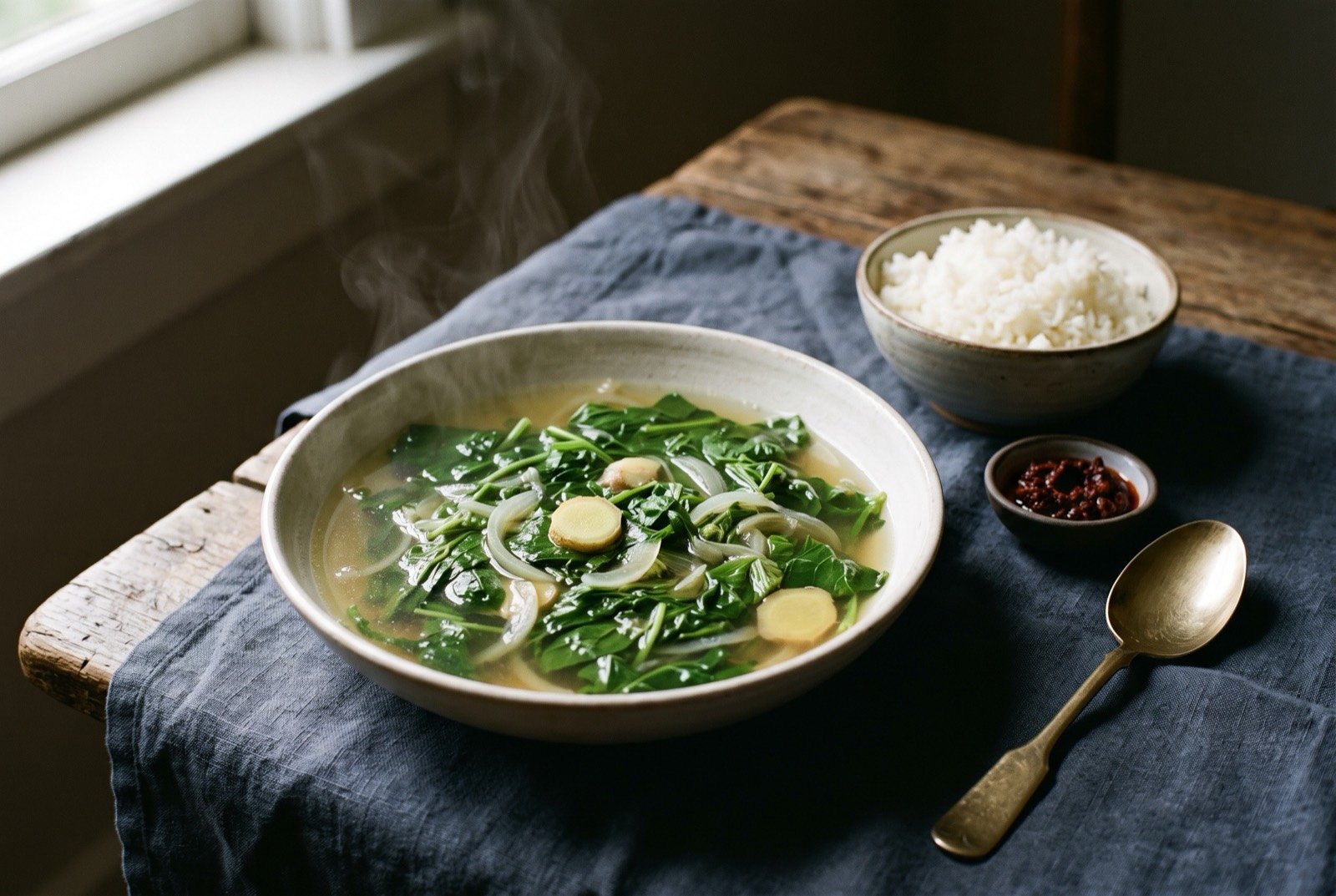 Bouillon de brèdes, and the fricassée
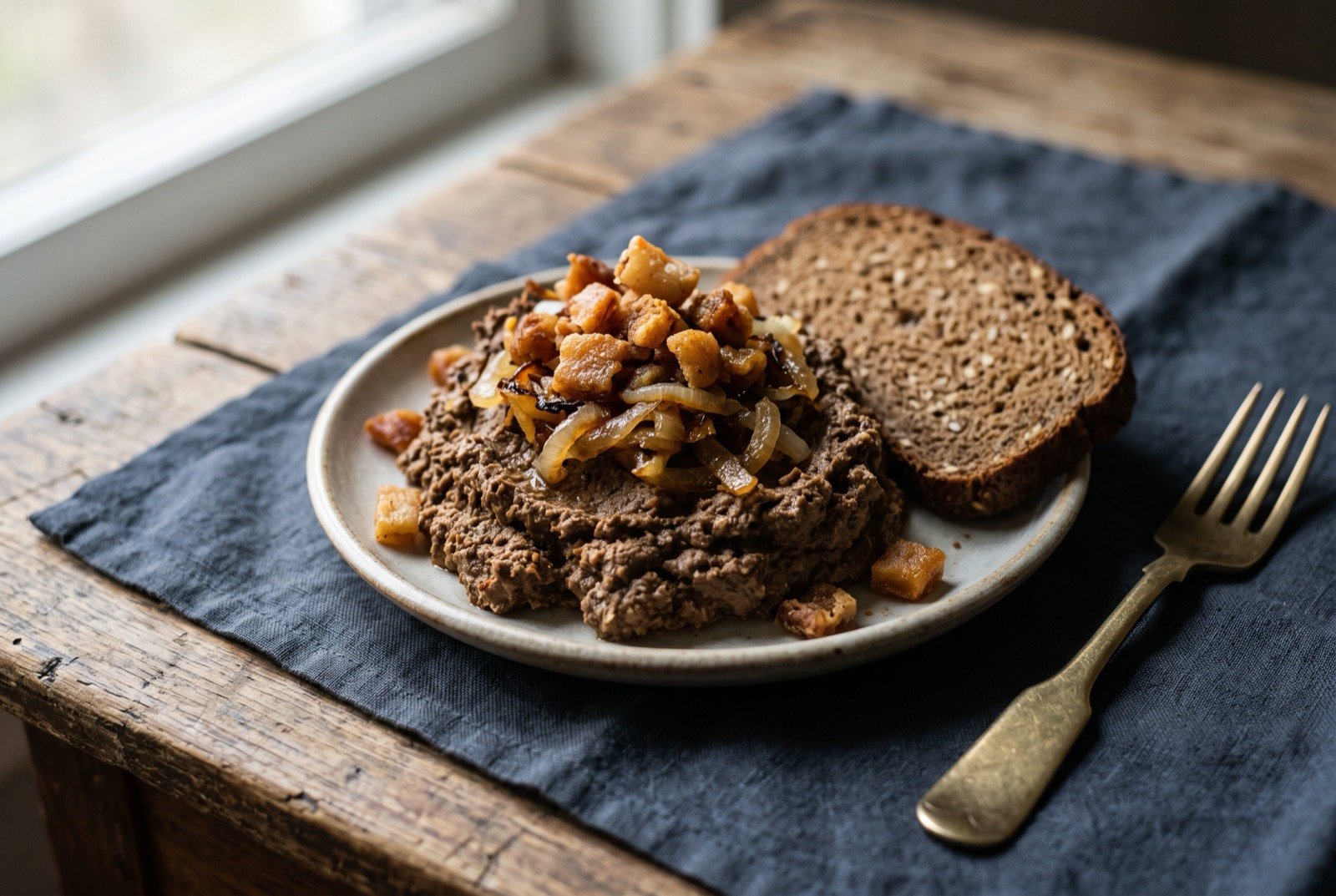 Chopped liver
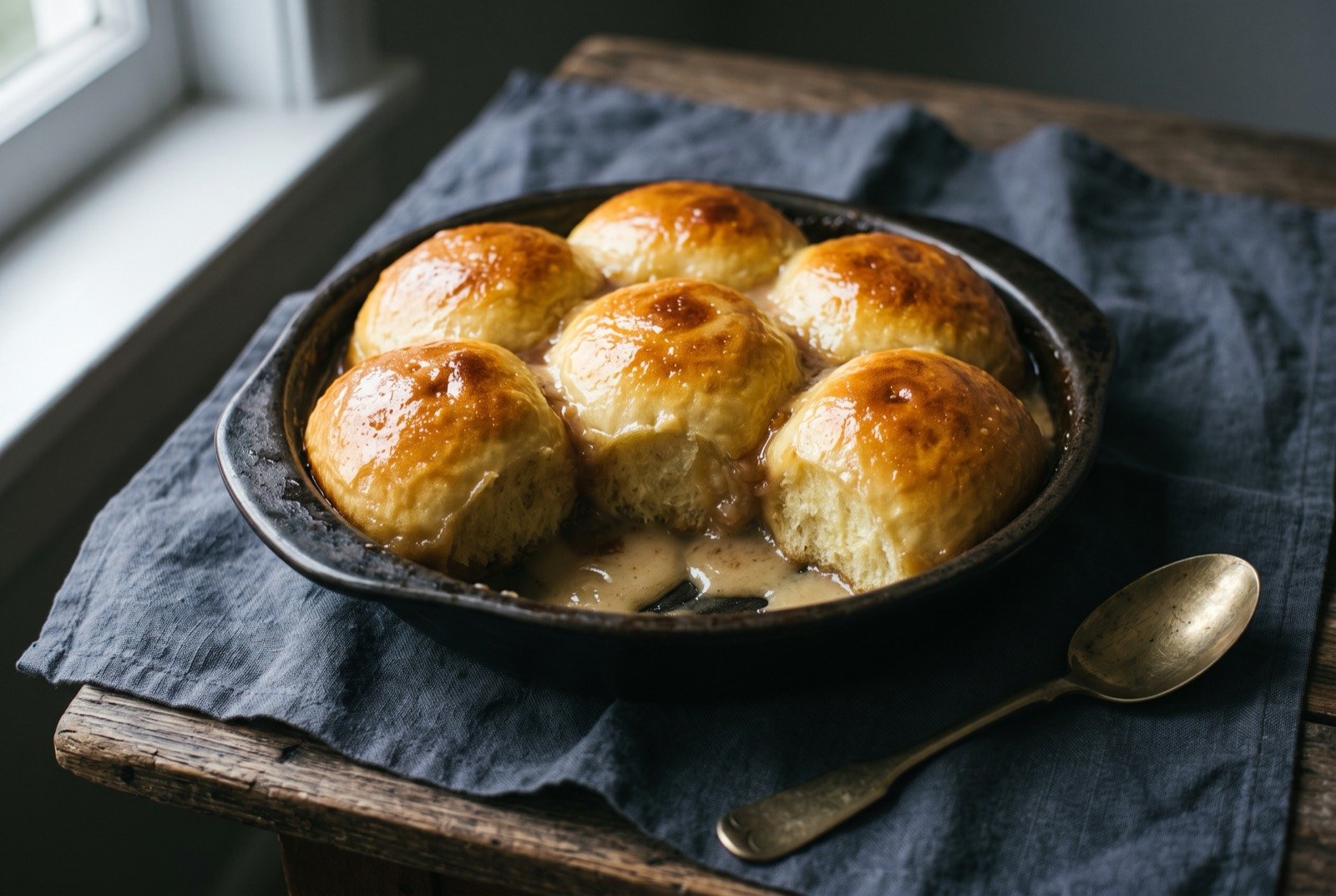 Panipopo
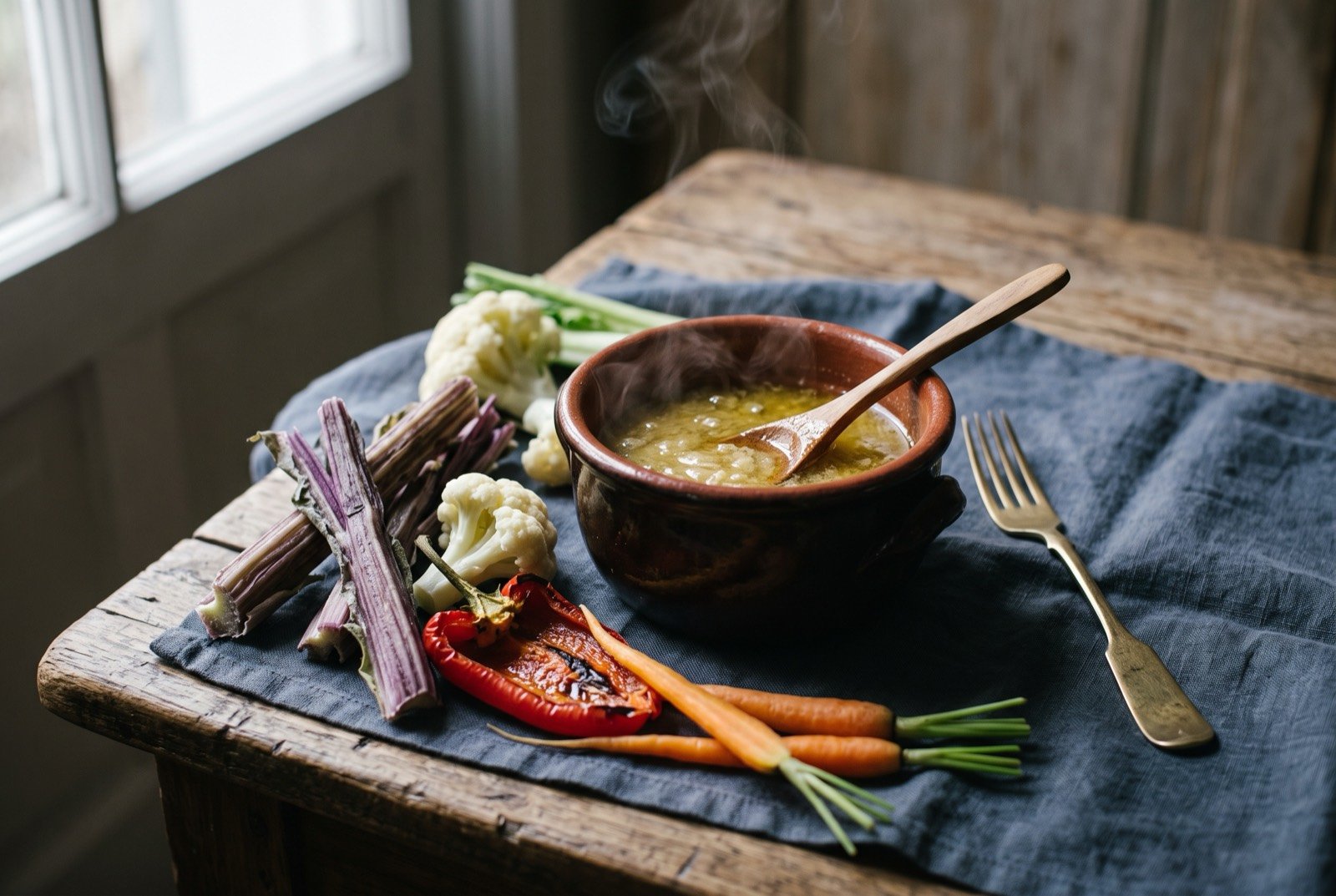 Bagna cauda
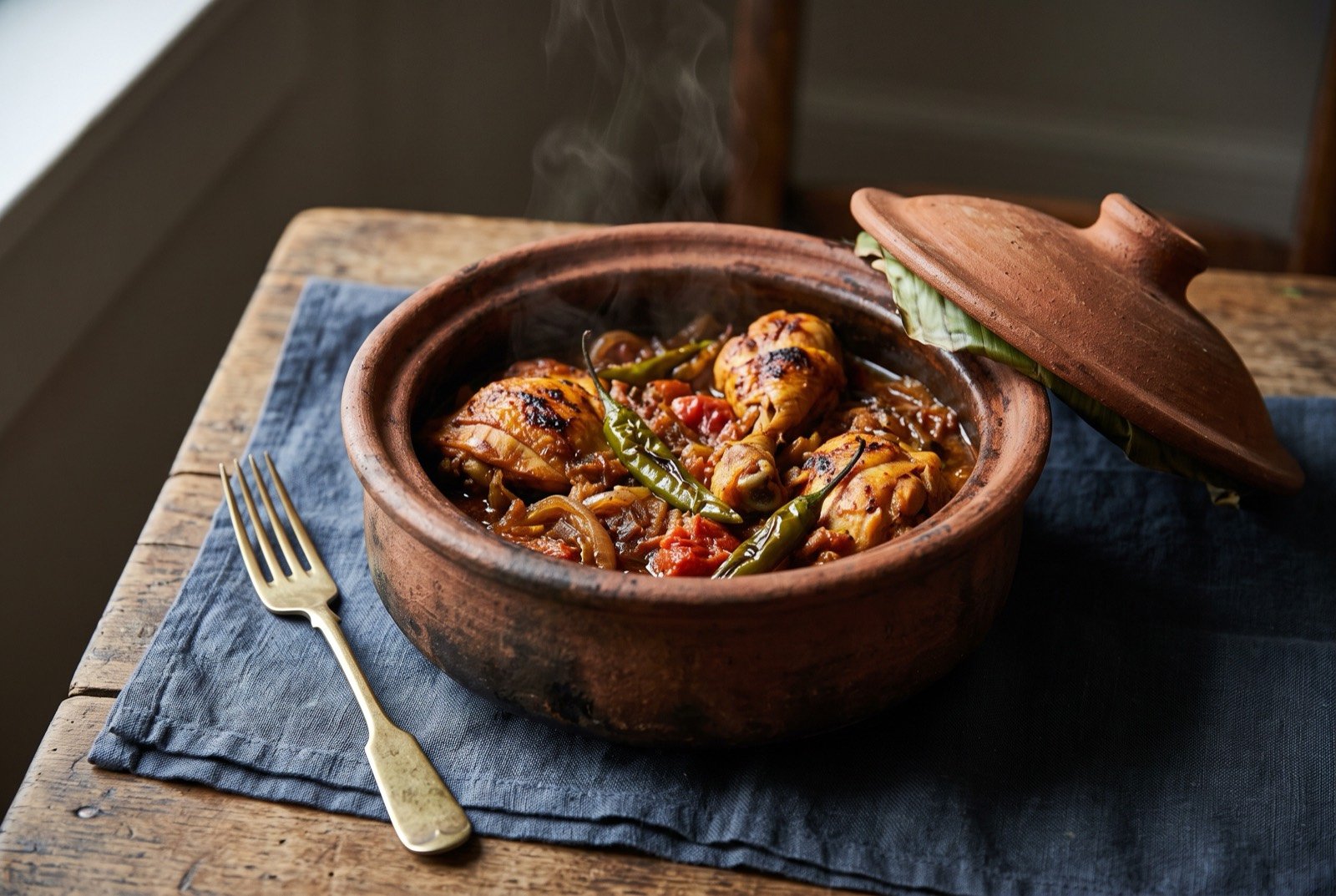 Kedjenou de poulet
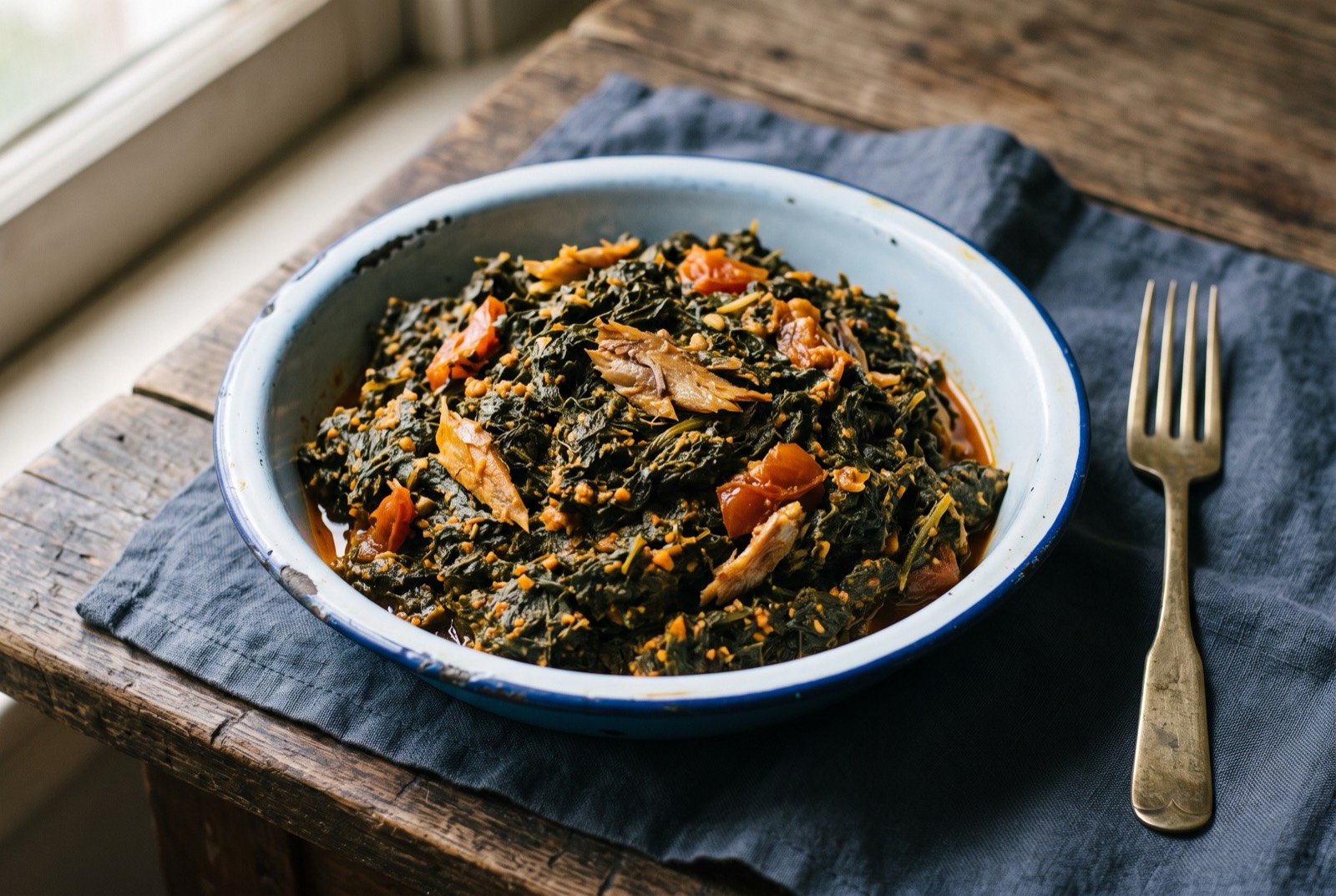 Kizaka com ginguba
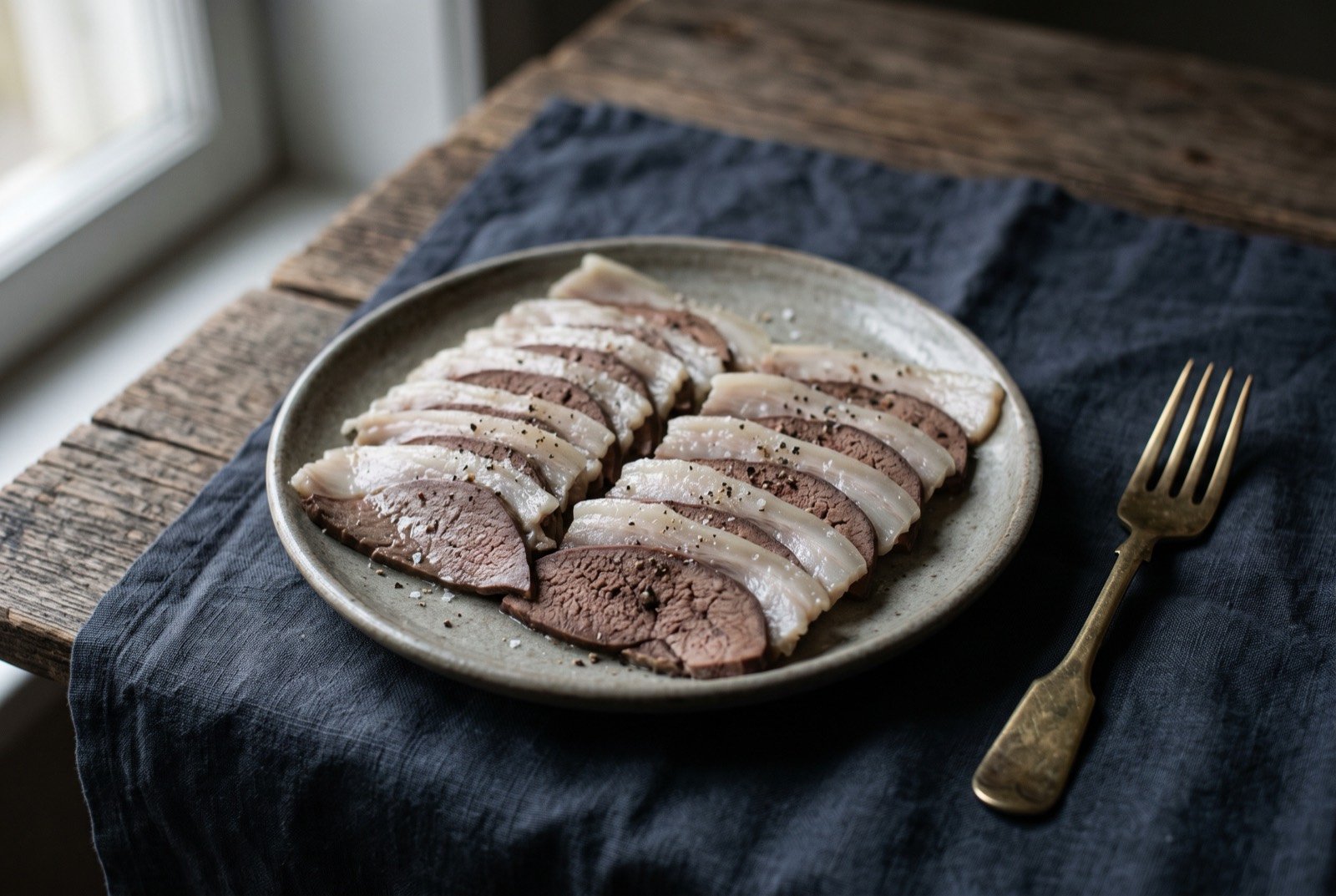 Kuiryk bauyr
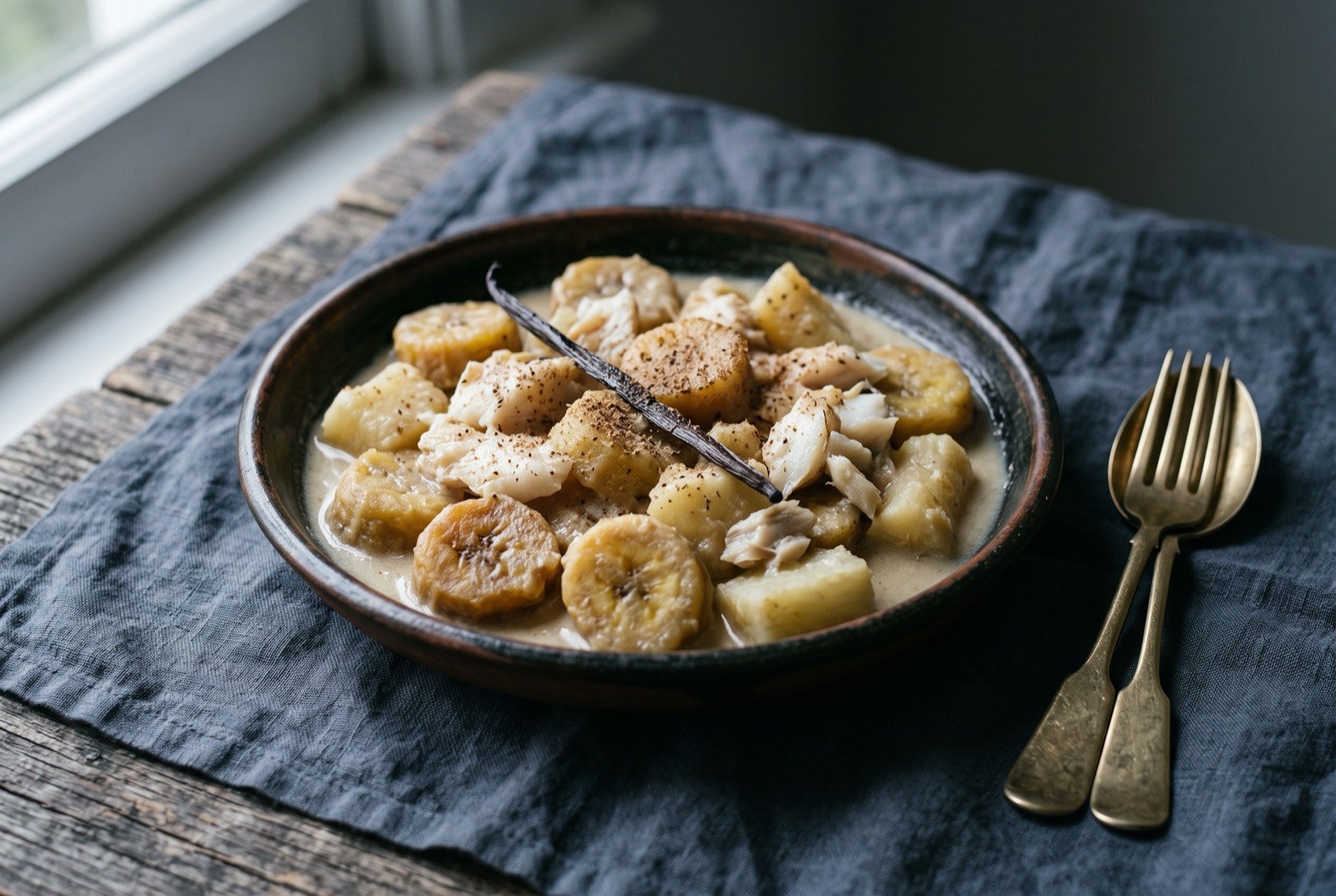 Ladob
Ladob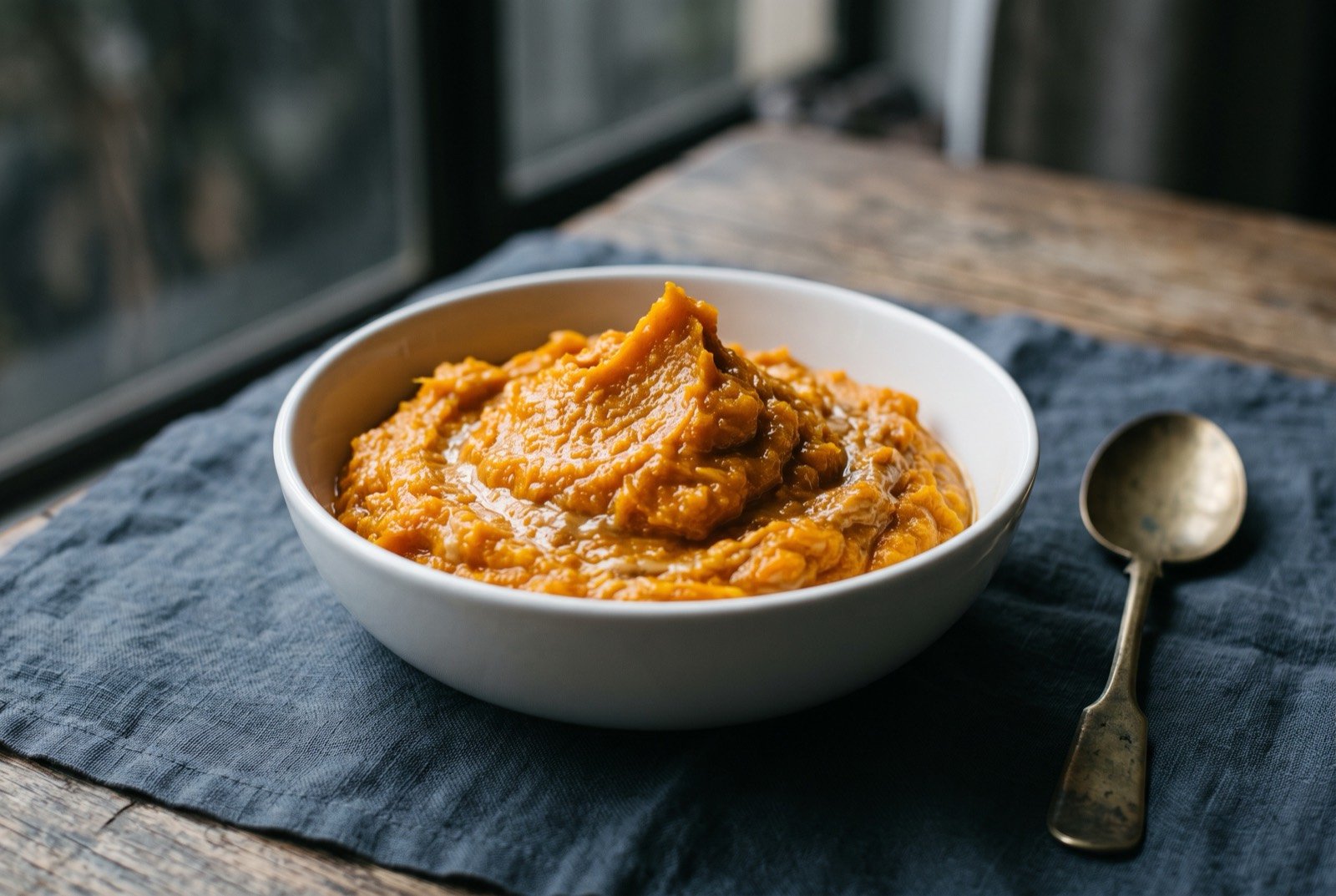 Nhopi
Nhopi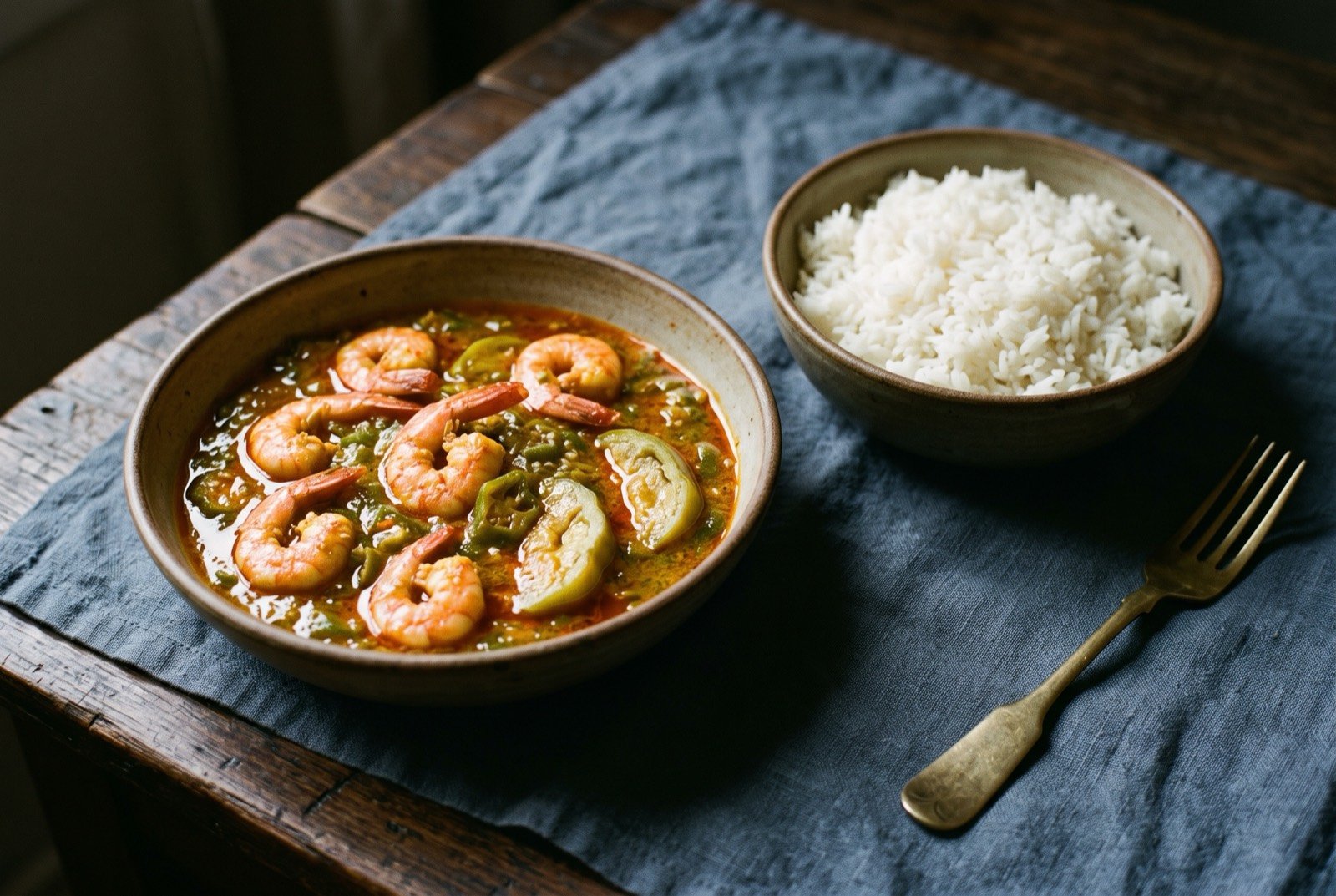 Siga
Siga Tiroler Kaspressknödel
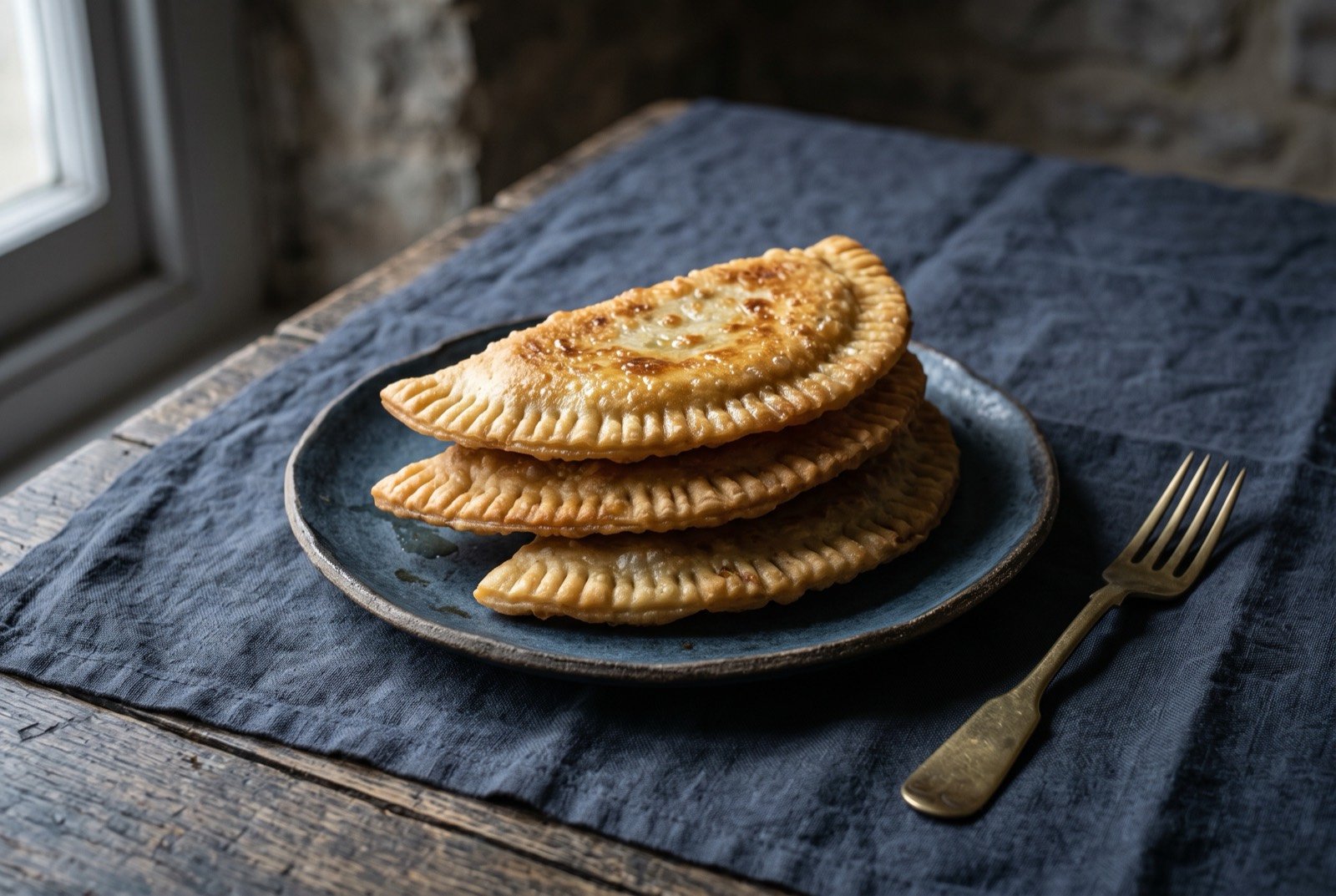 Gutap
Gutap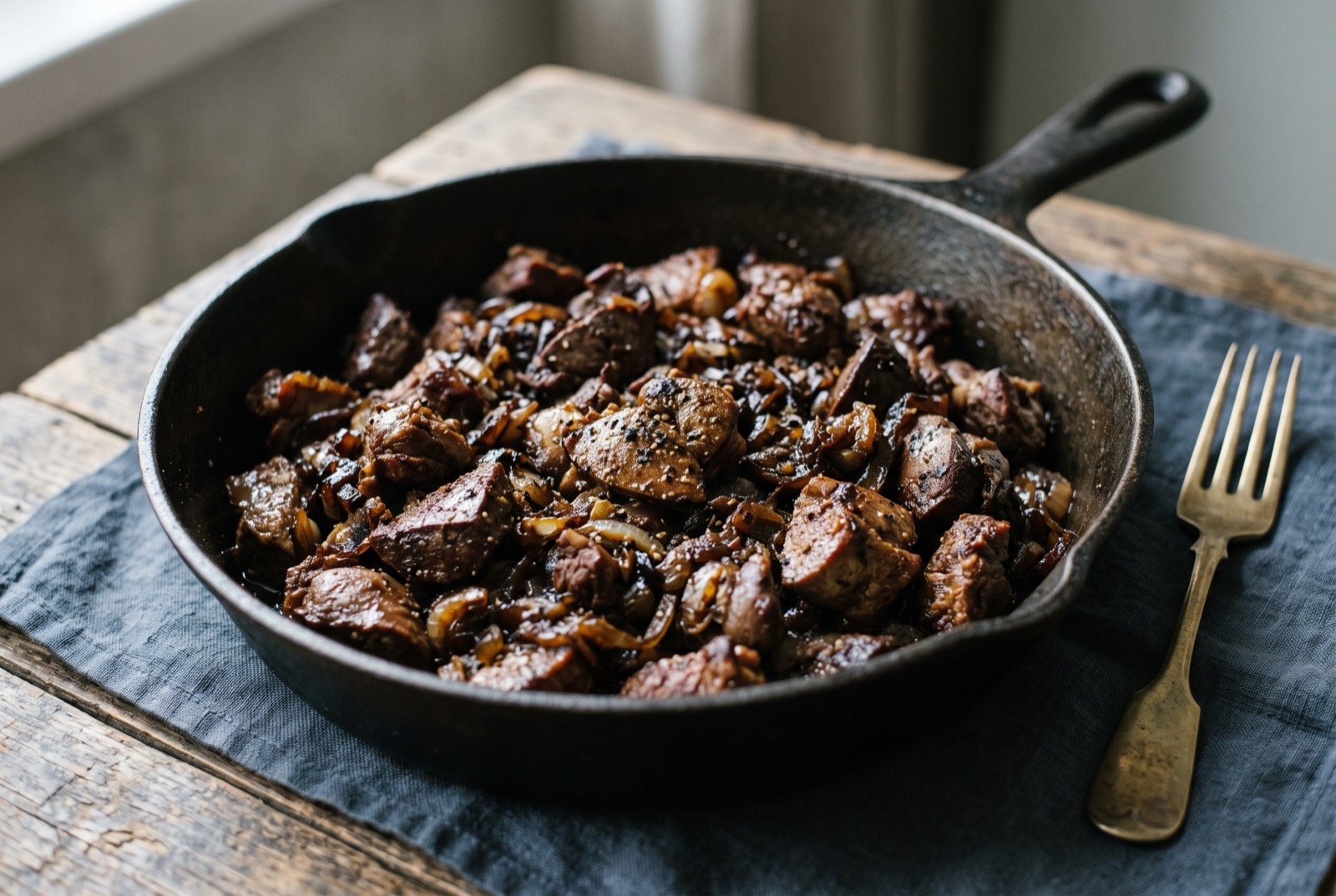 Kuurdak
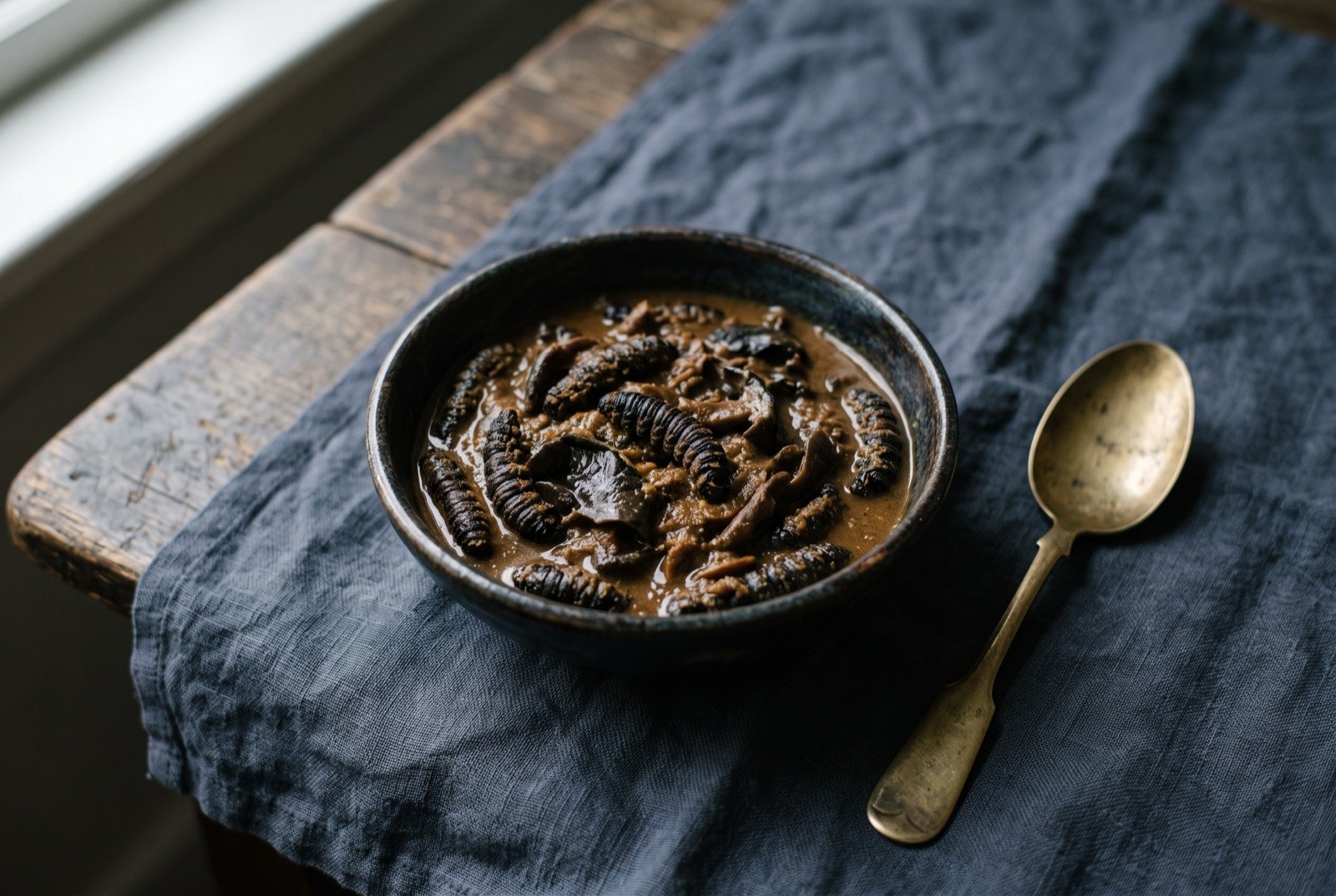 Mbinzo ya mayebo
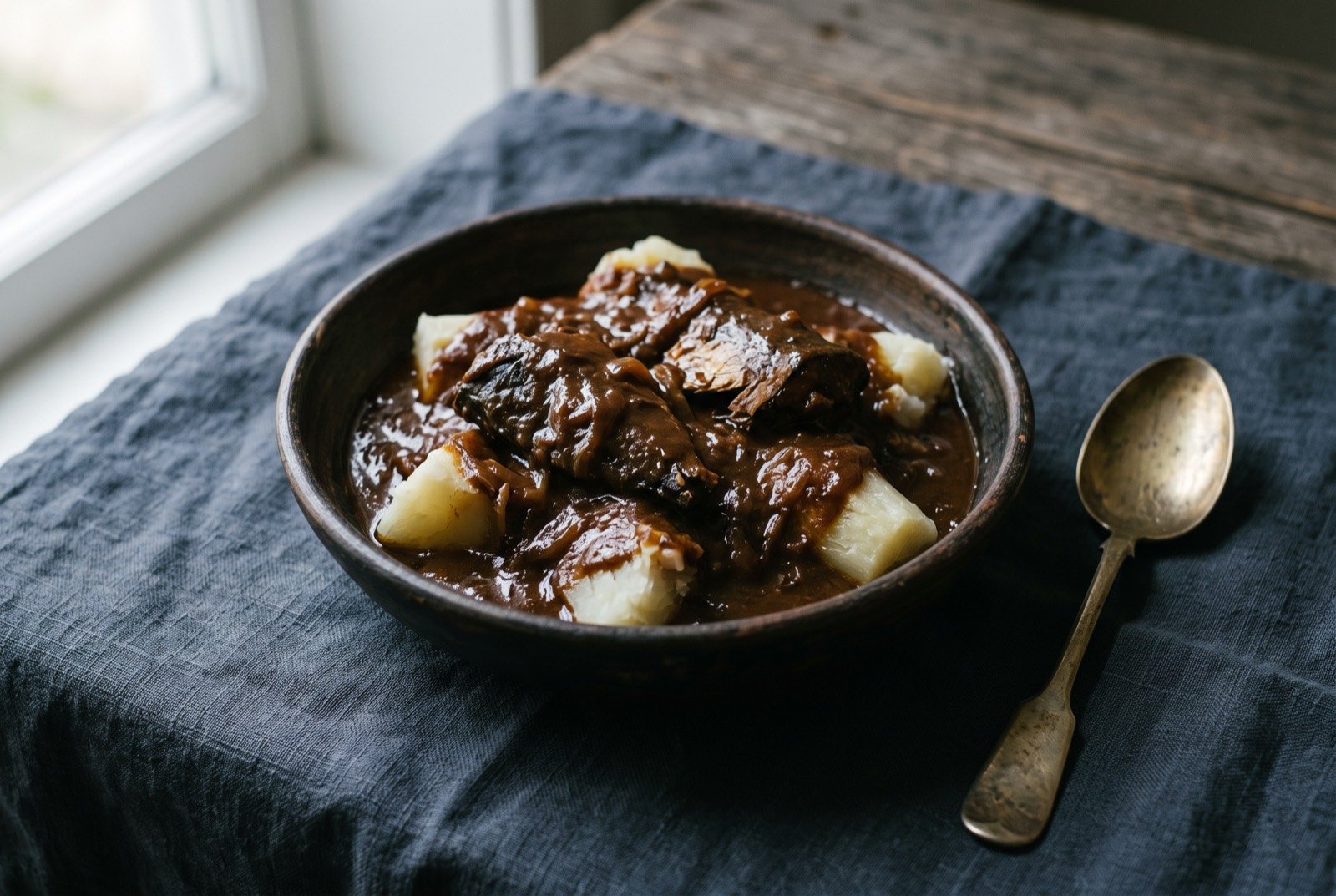 Sauce odika
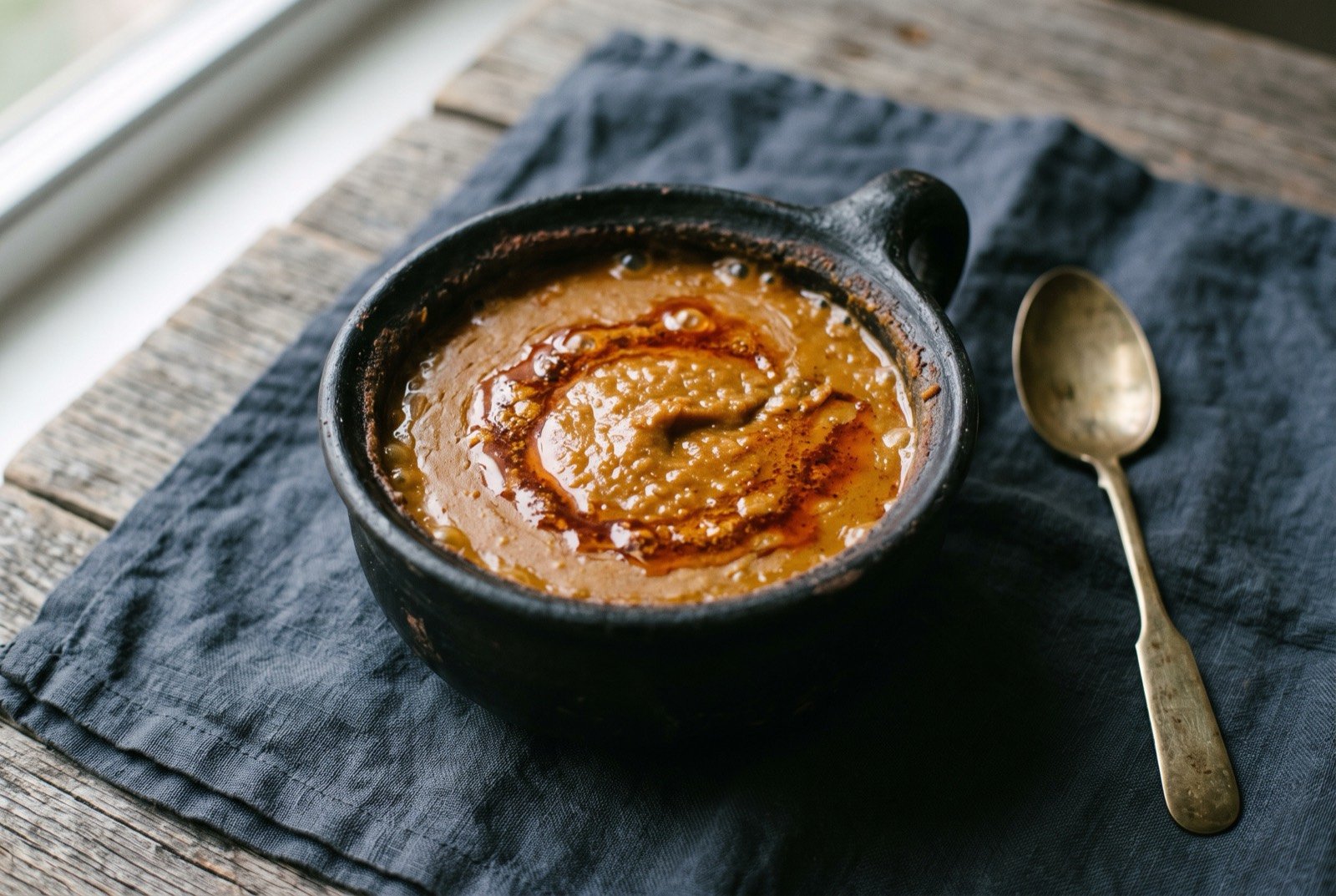 Shiro wot / tsebhi shiro
Weekend
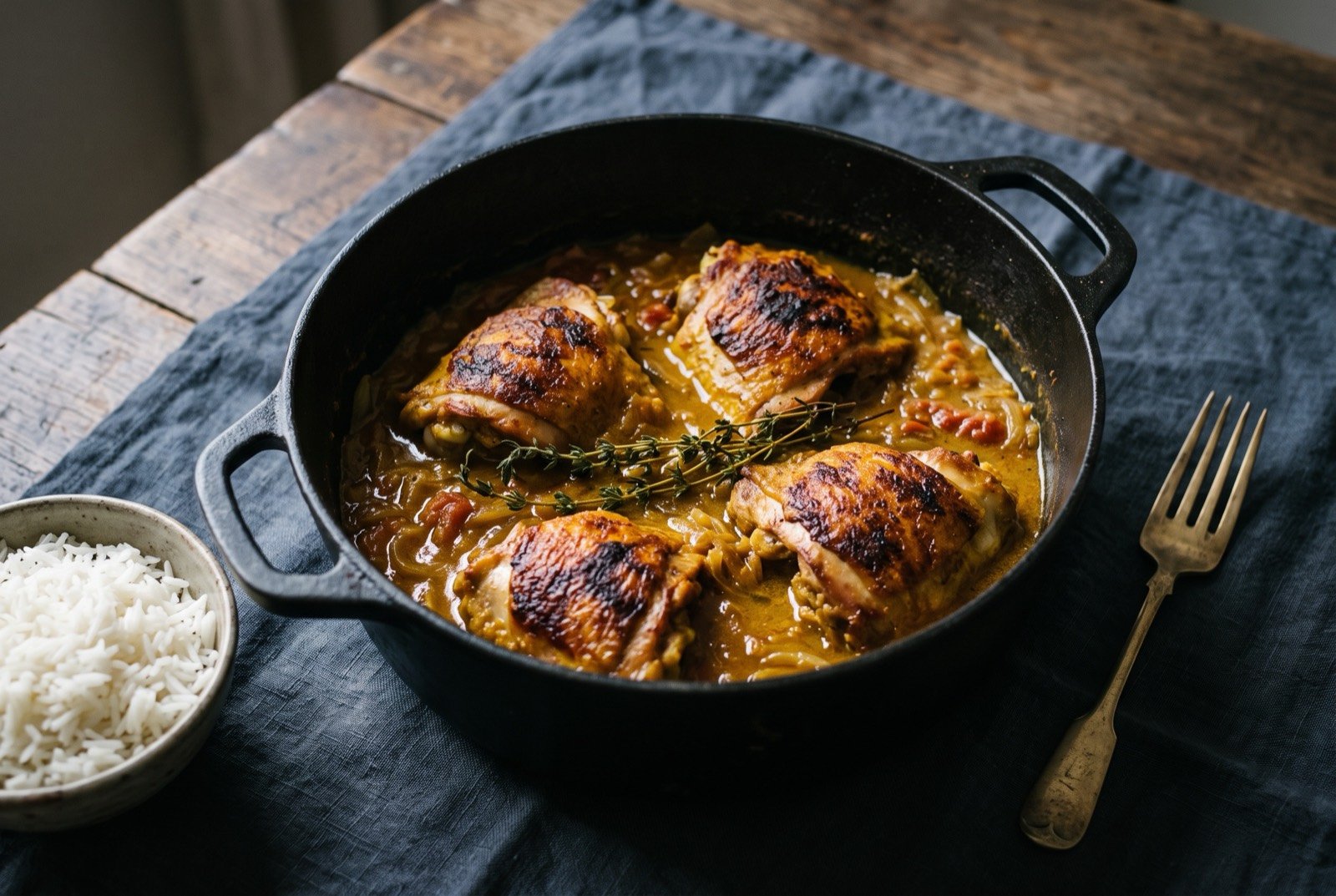 Cari poulet
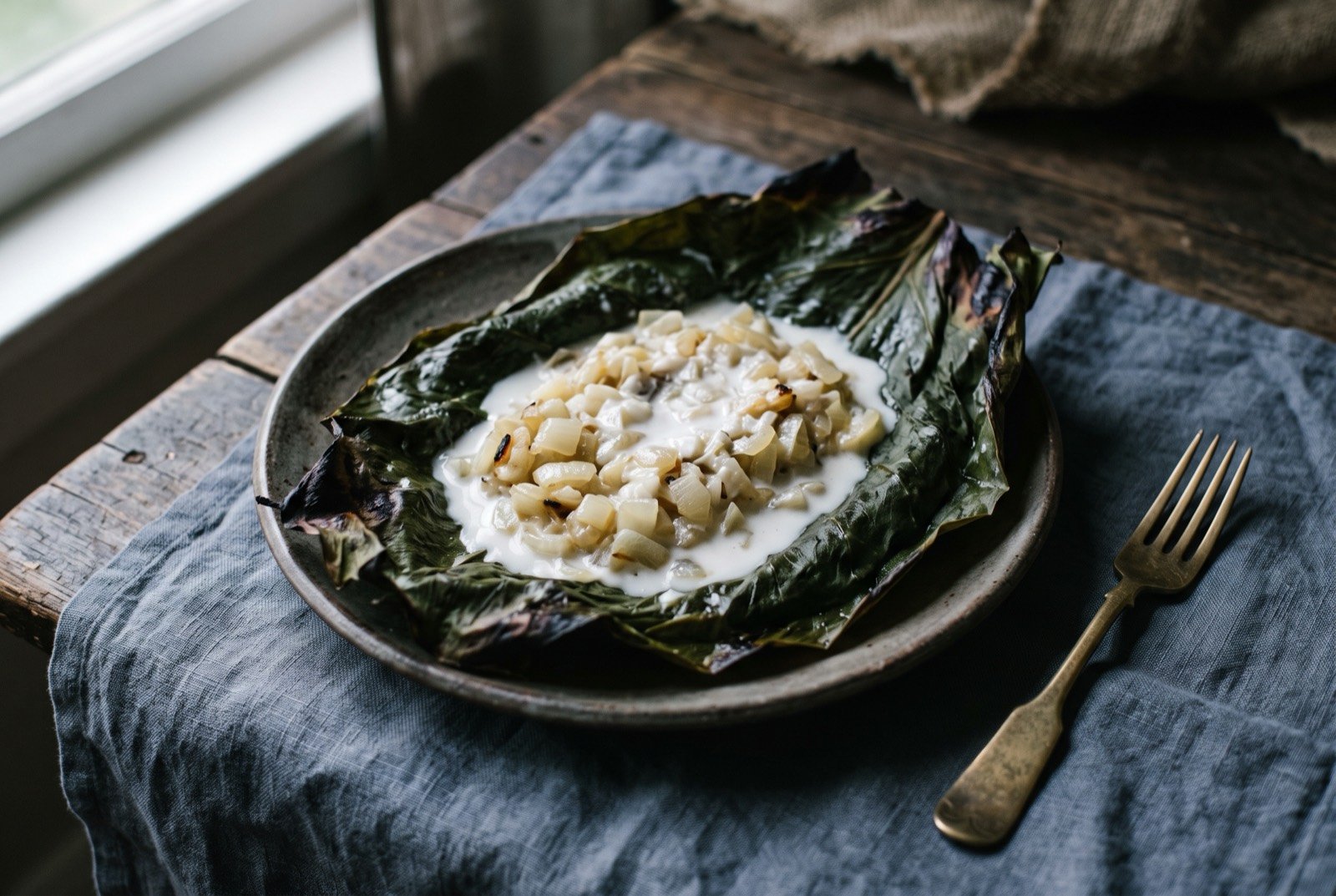 Rukau
Rukau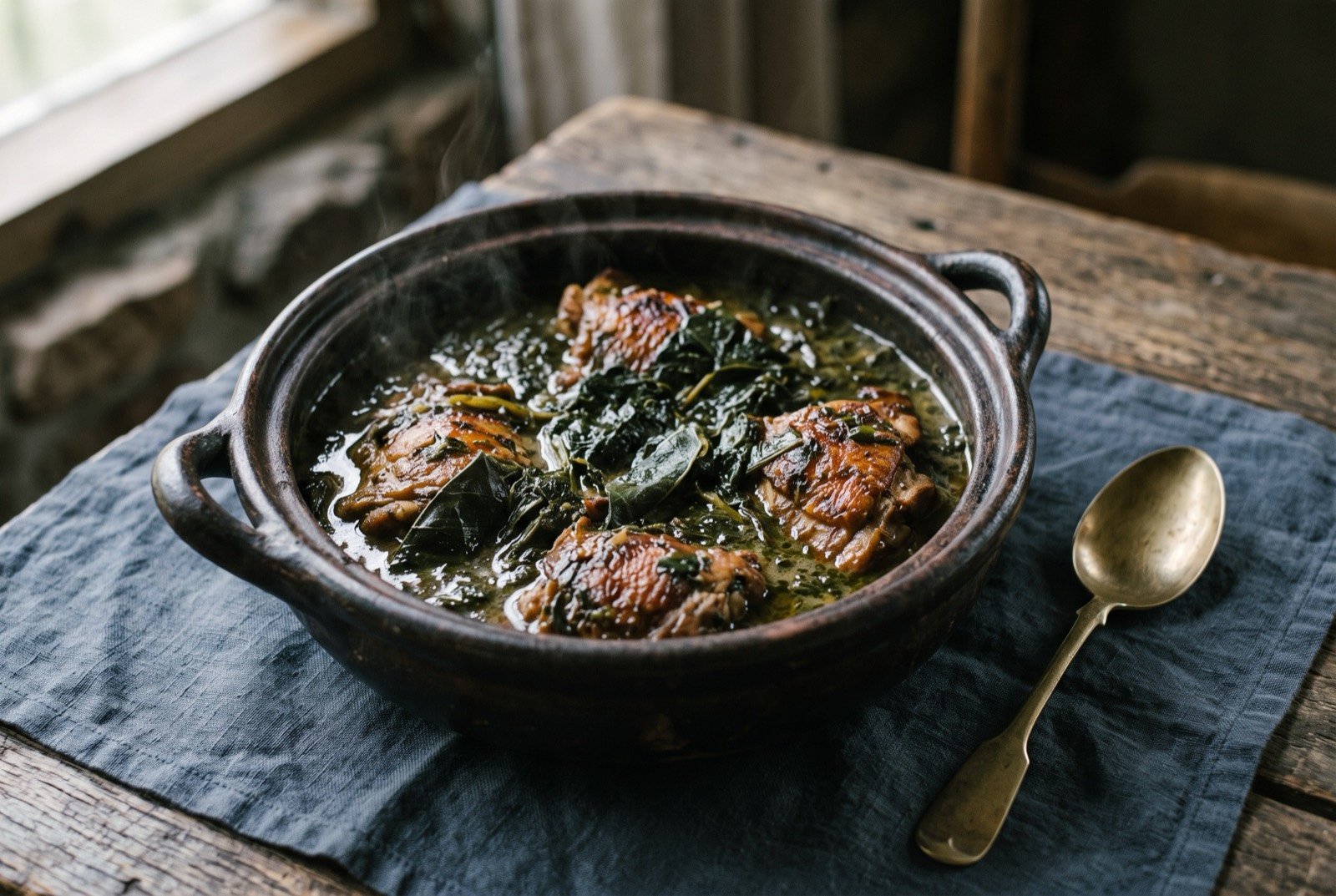 Fafa / Poulet fafa
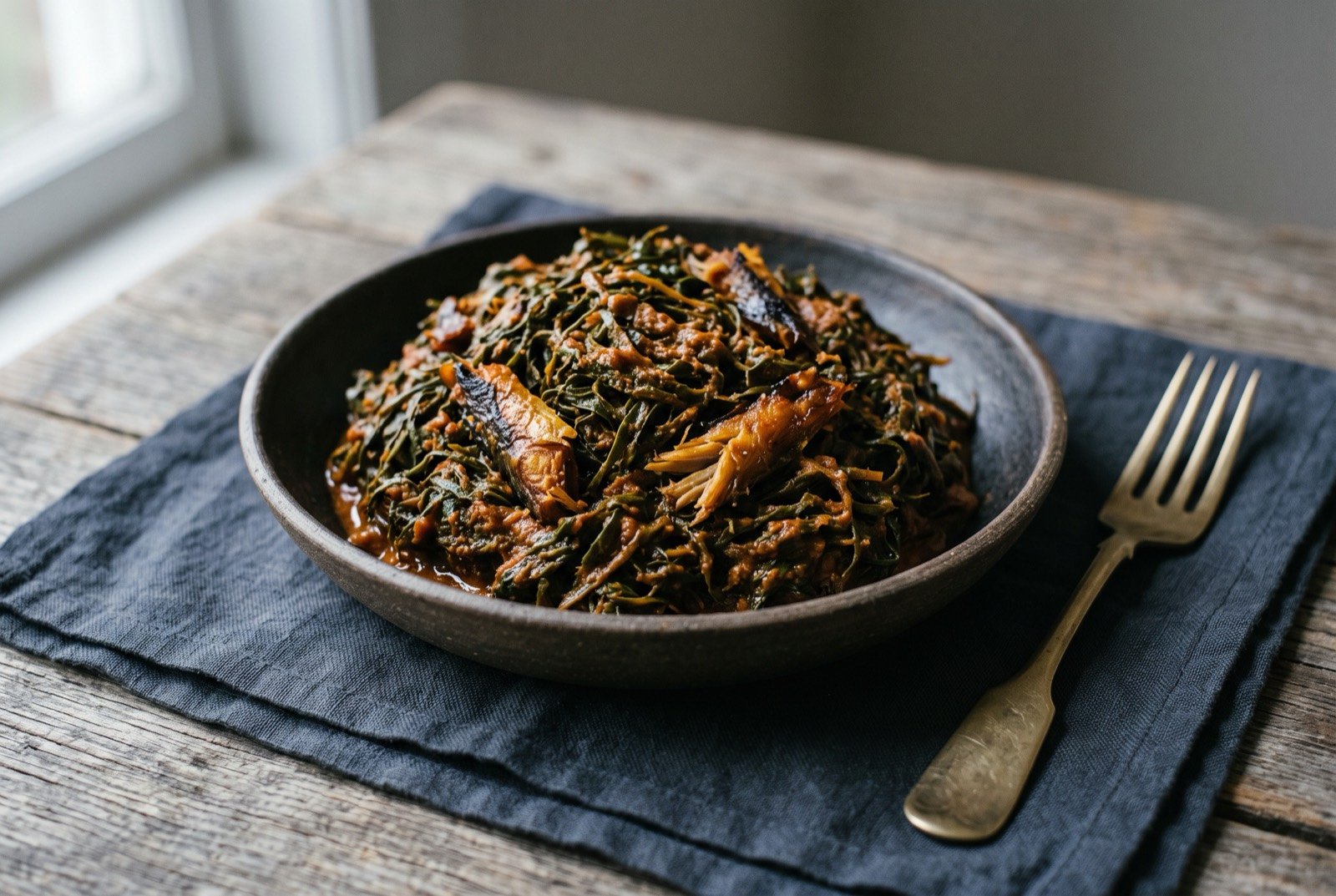 Fumbwa
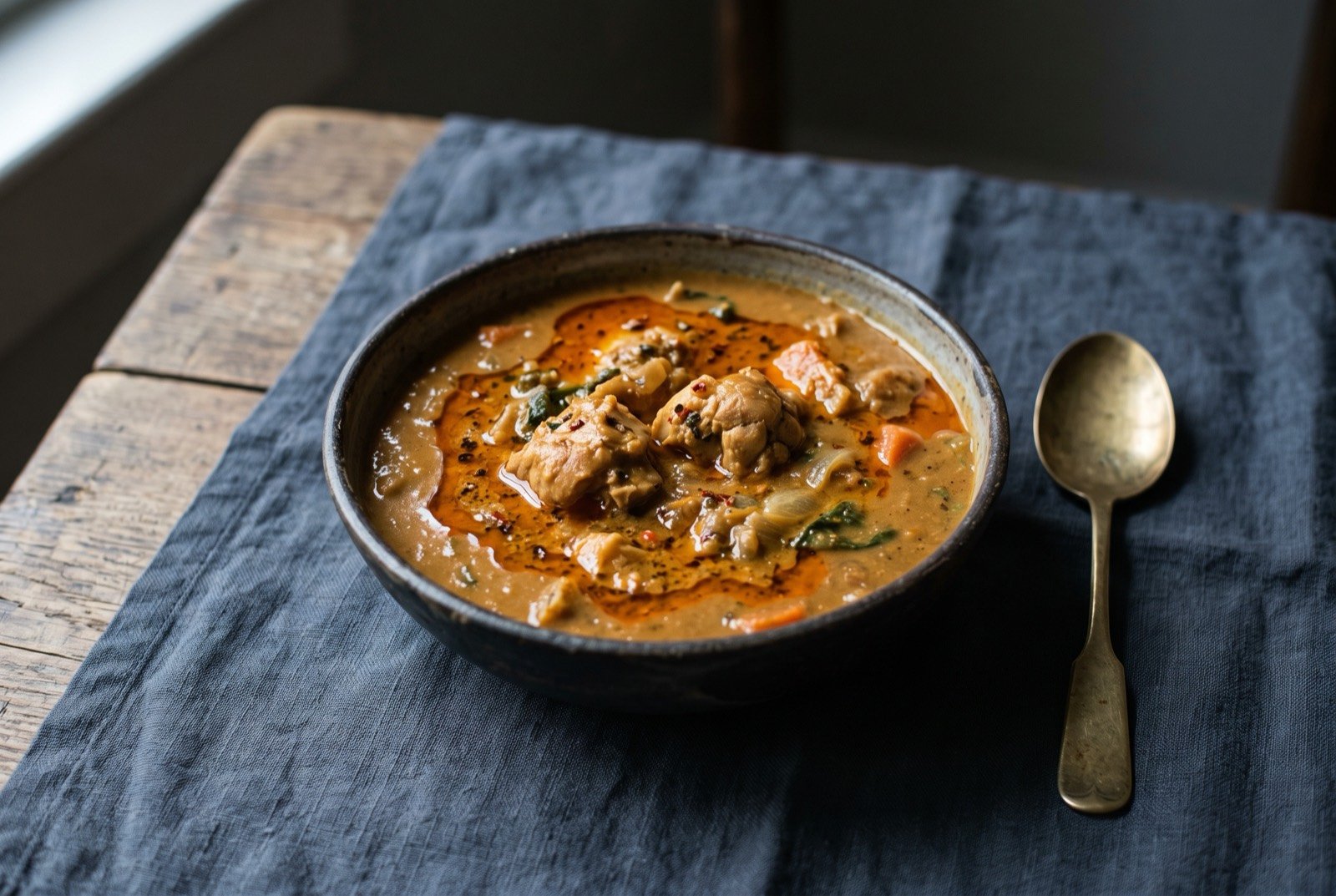 Groundnut stew
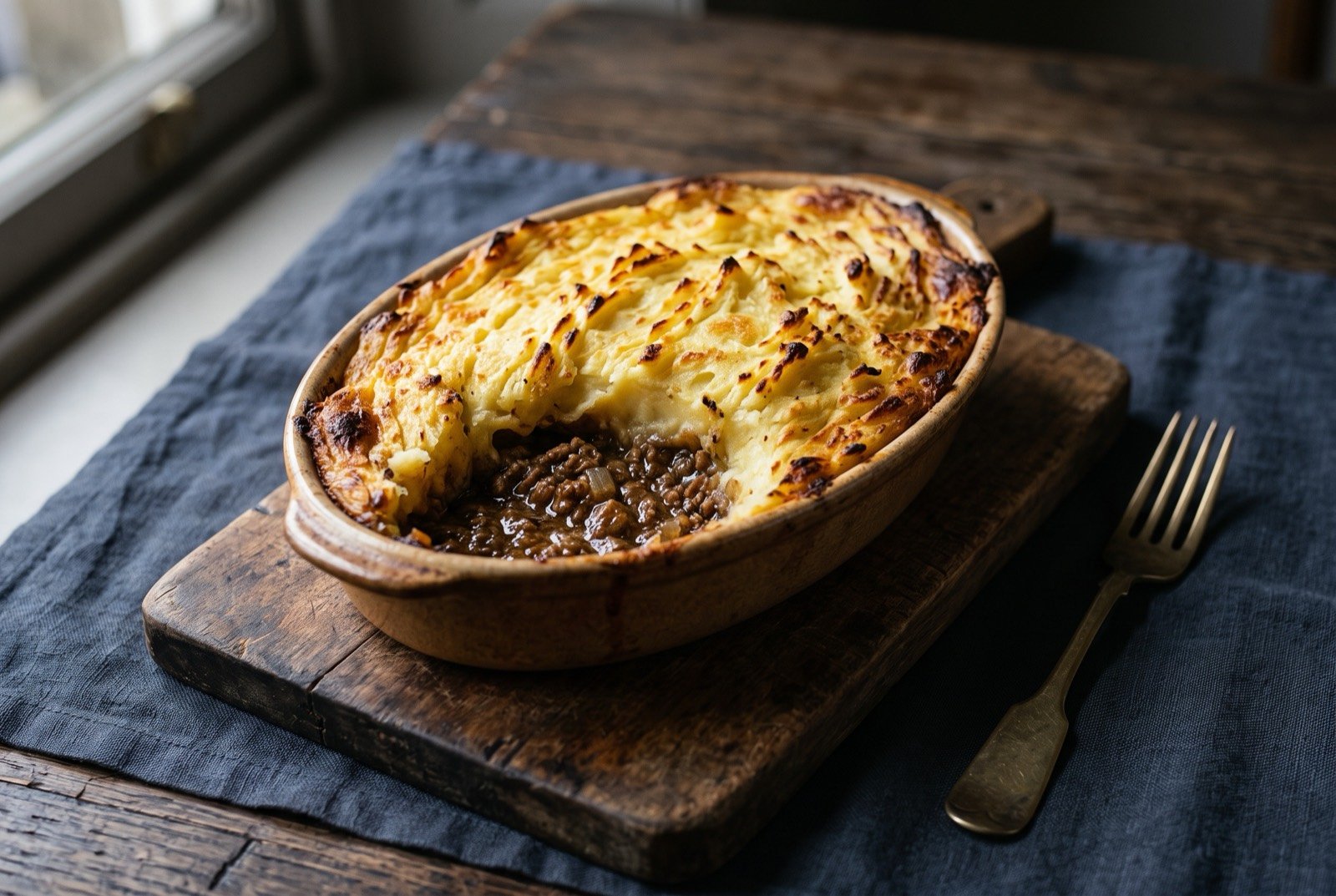 Hachis parmentier
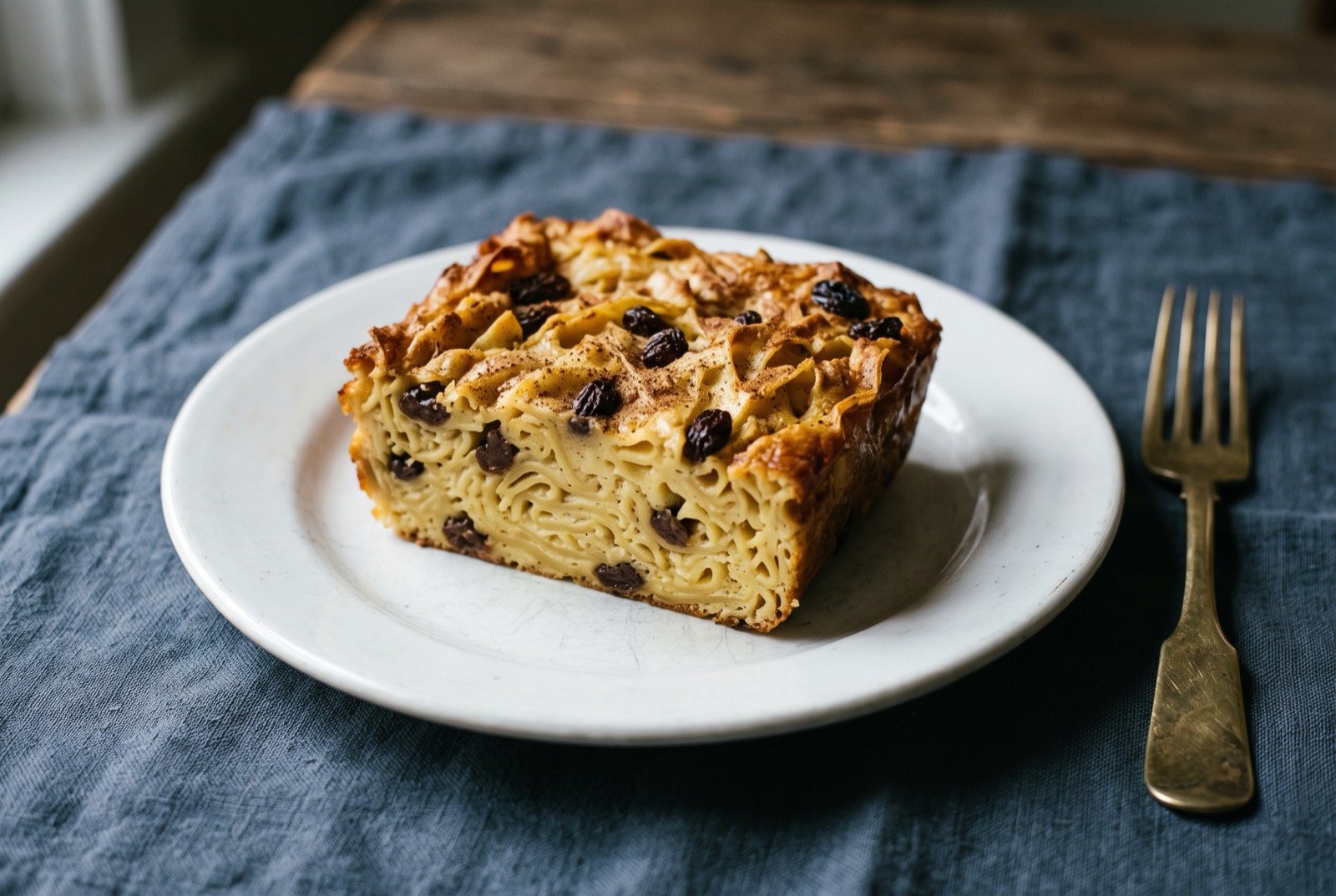 Kugel (sweet noodle)
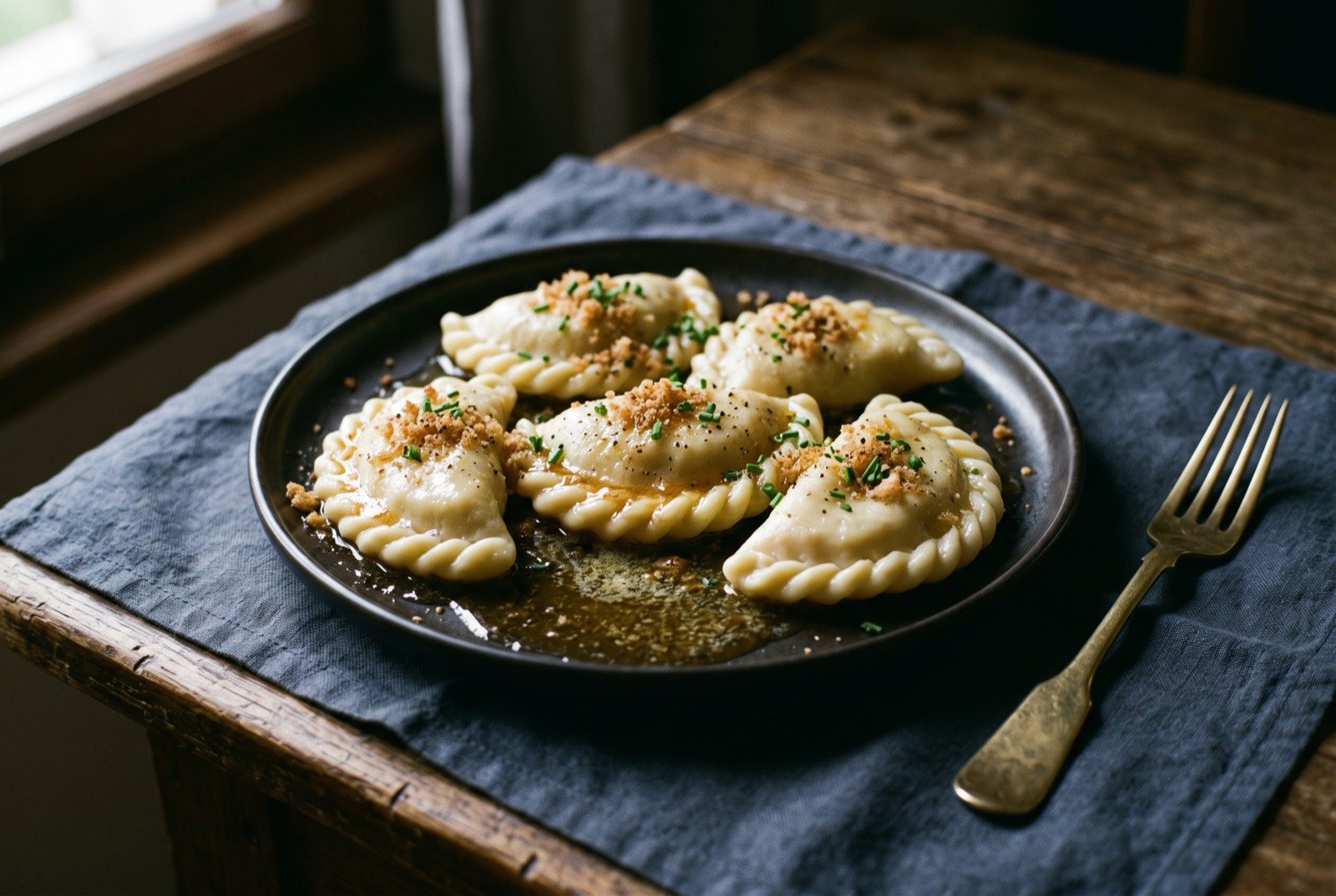 Kärntner Kasnudeln
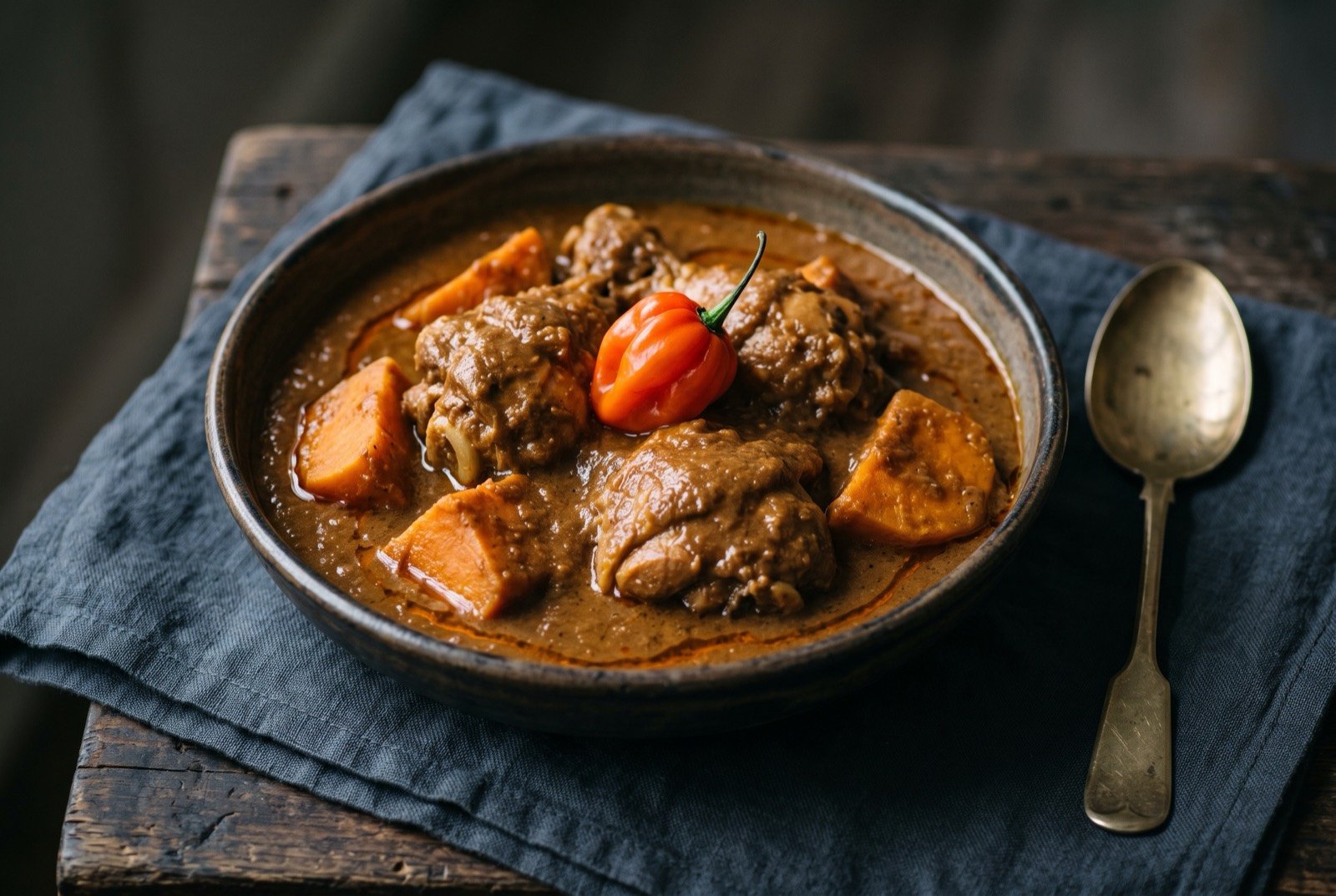 Mafé
Mafé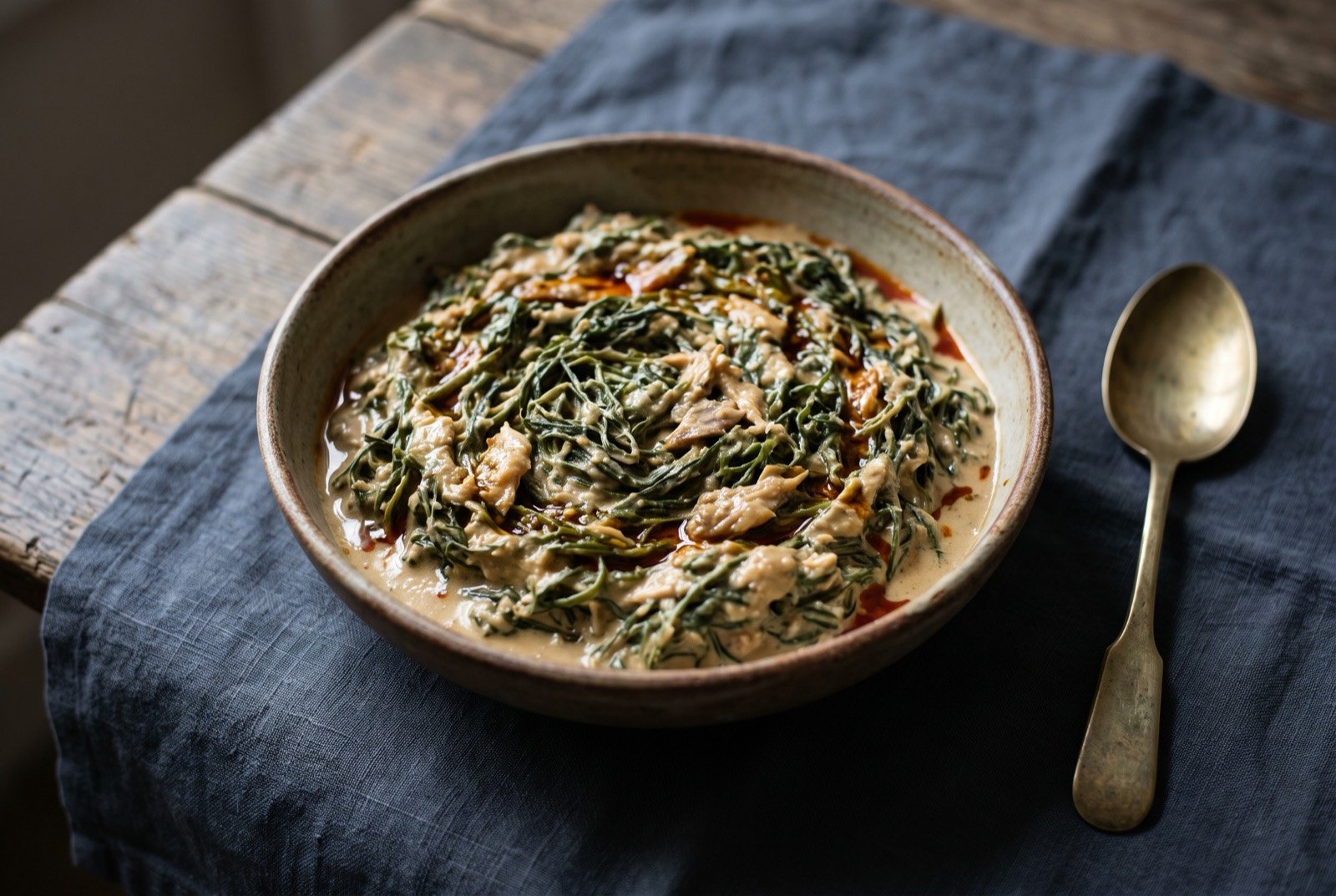 Okok
Okok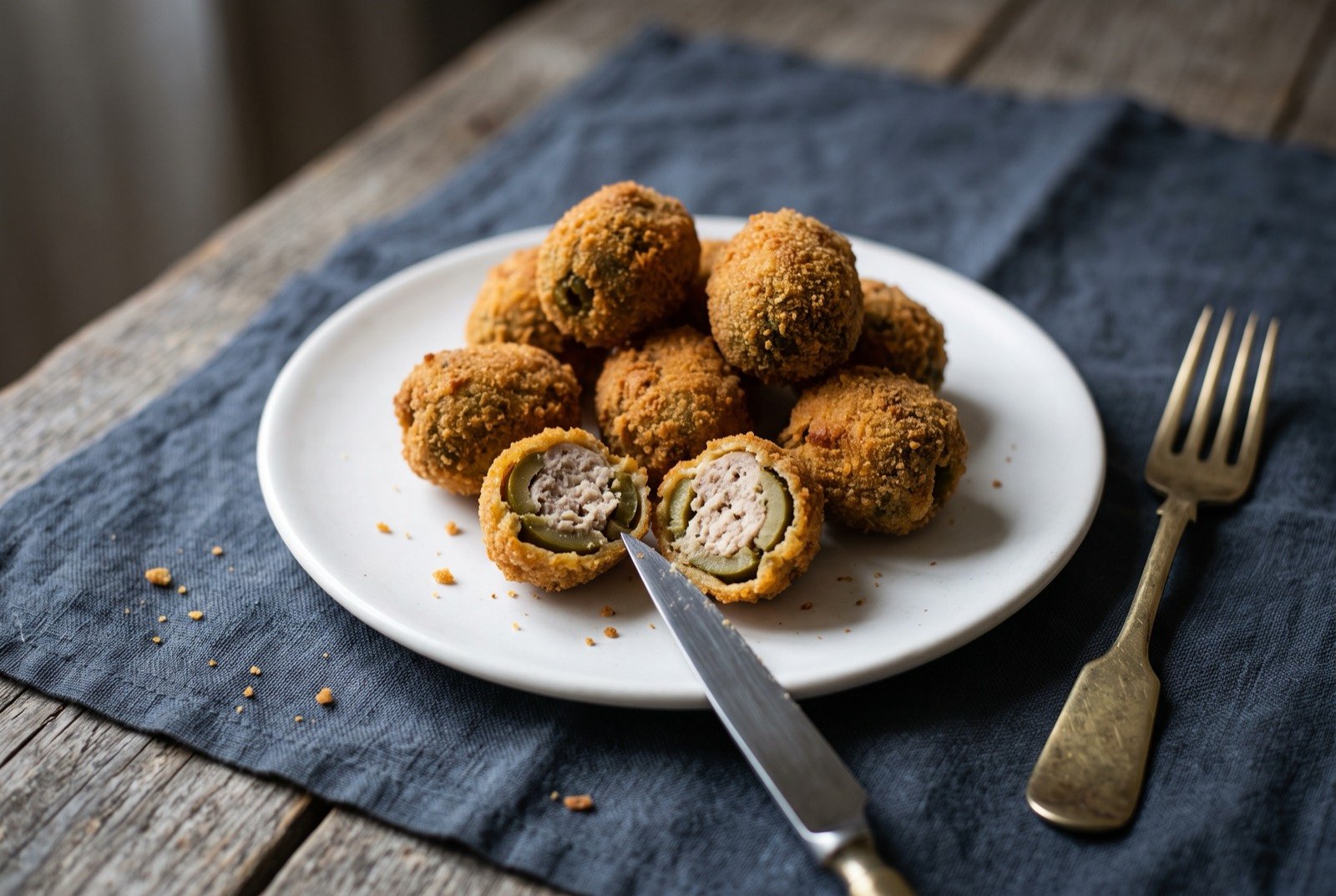 Oliva Ascolana del Piceno
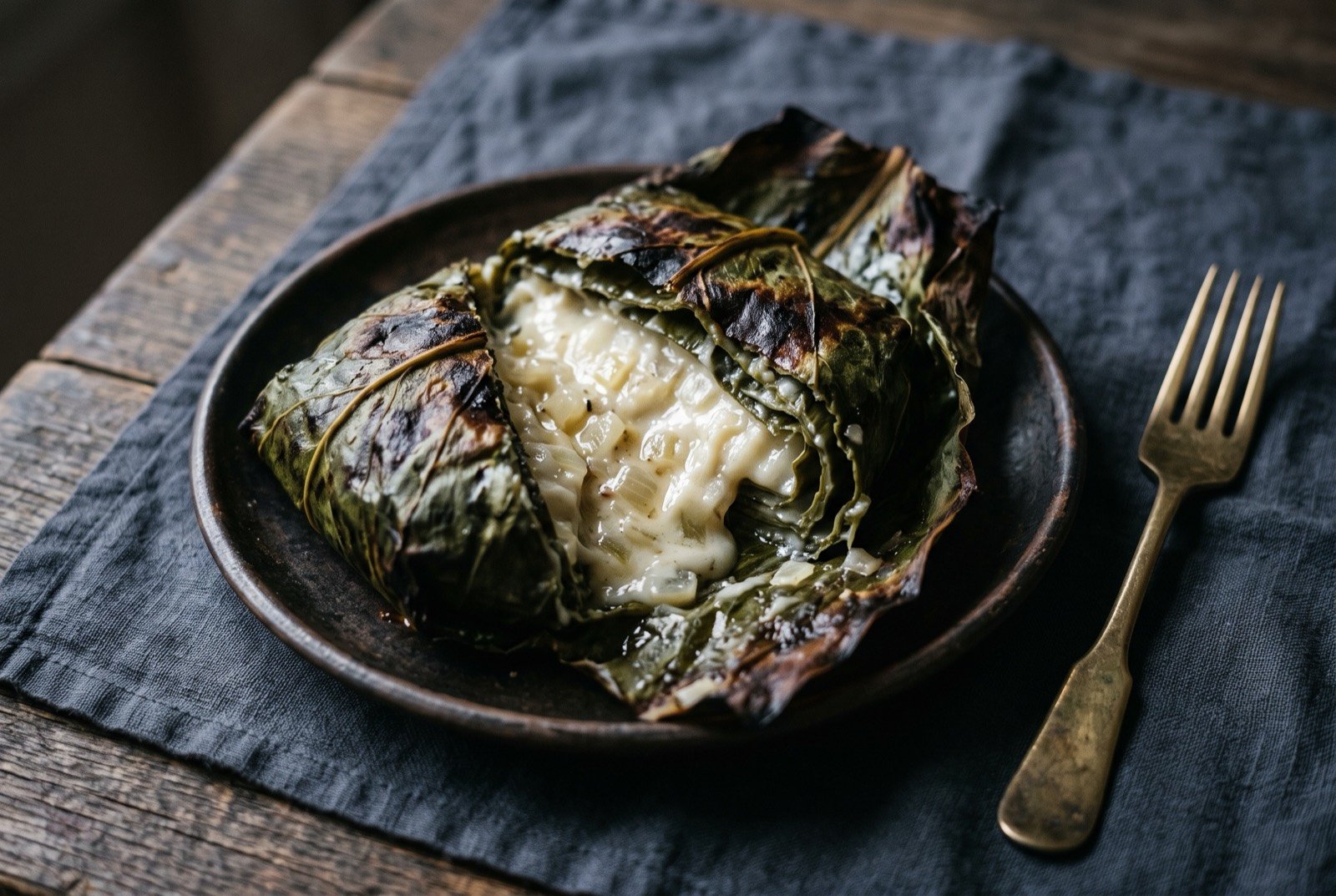 Palusami
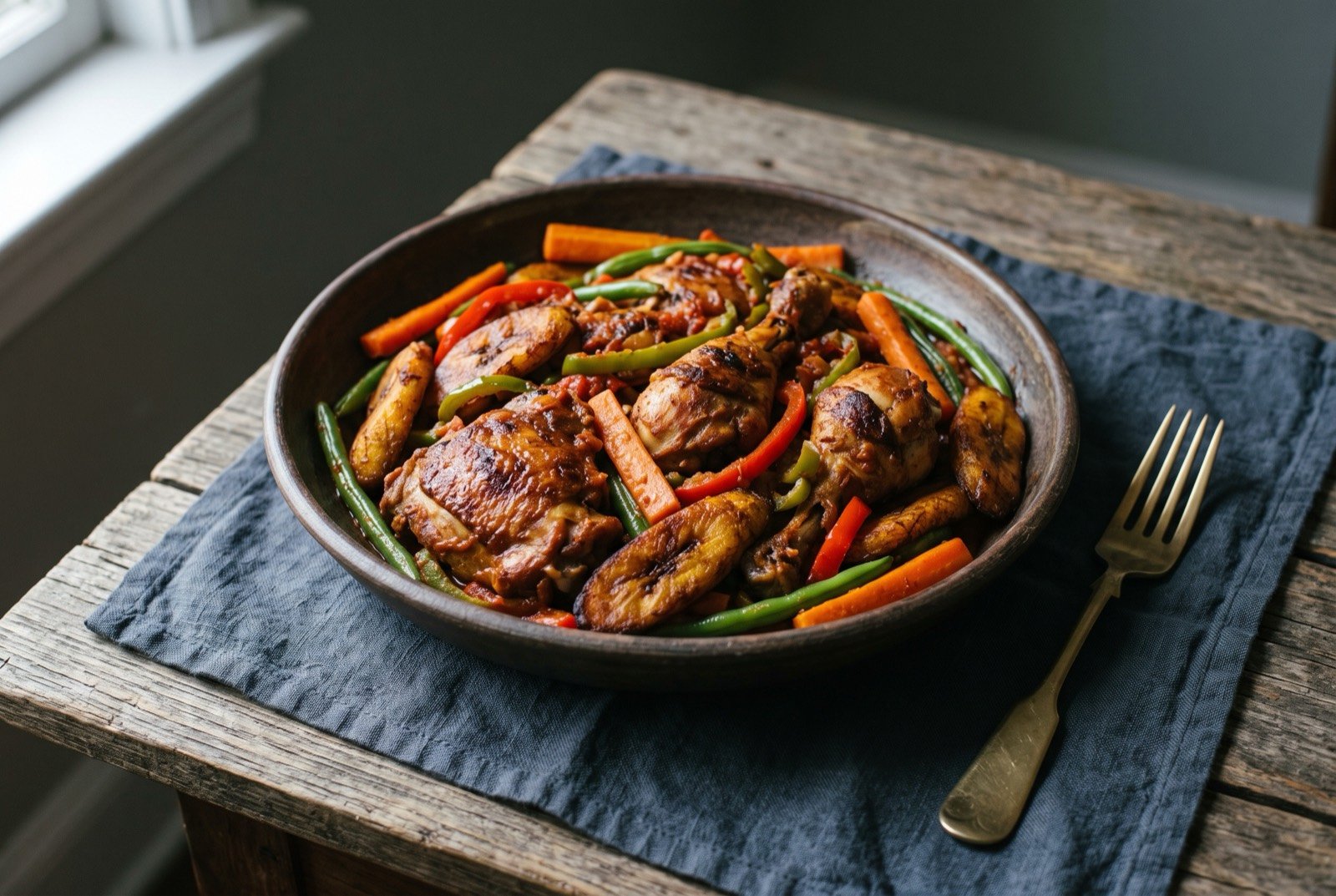 Poulet DG
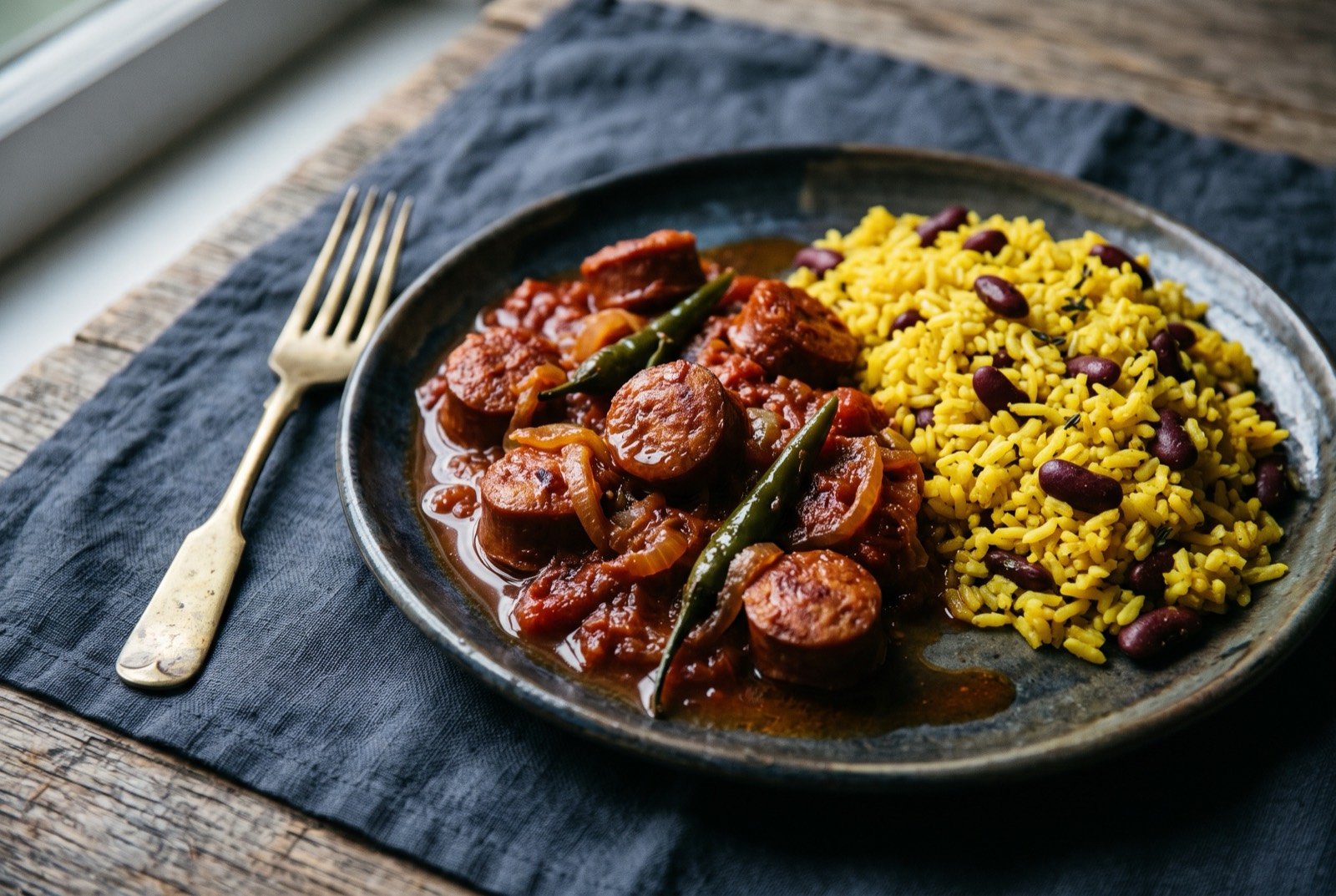 Rougail saucisses, with zembrocal
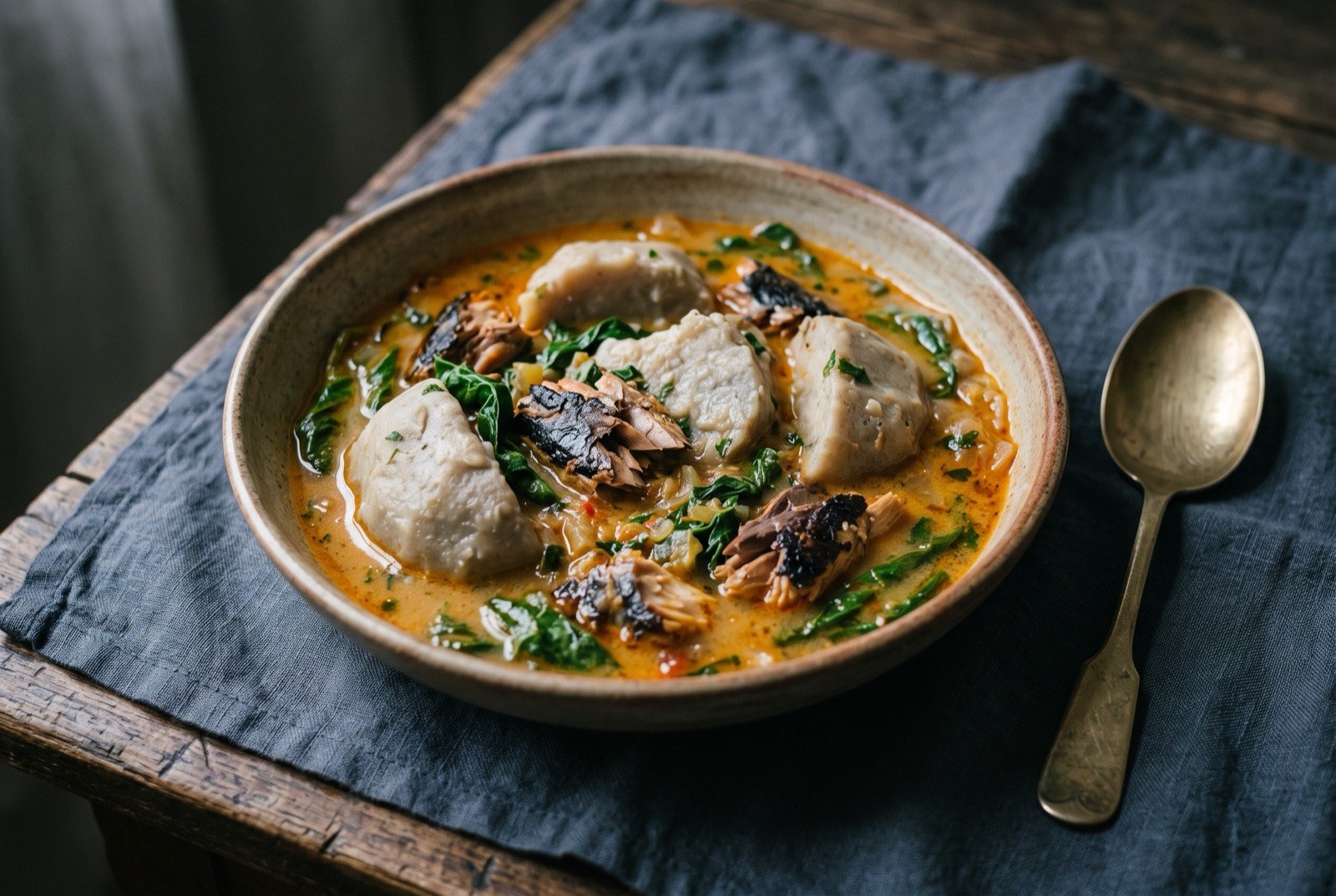 Soo de matabala
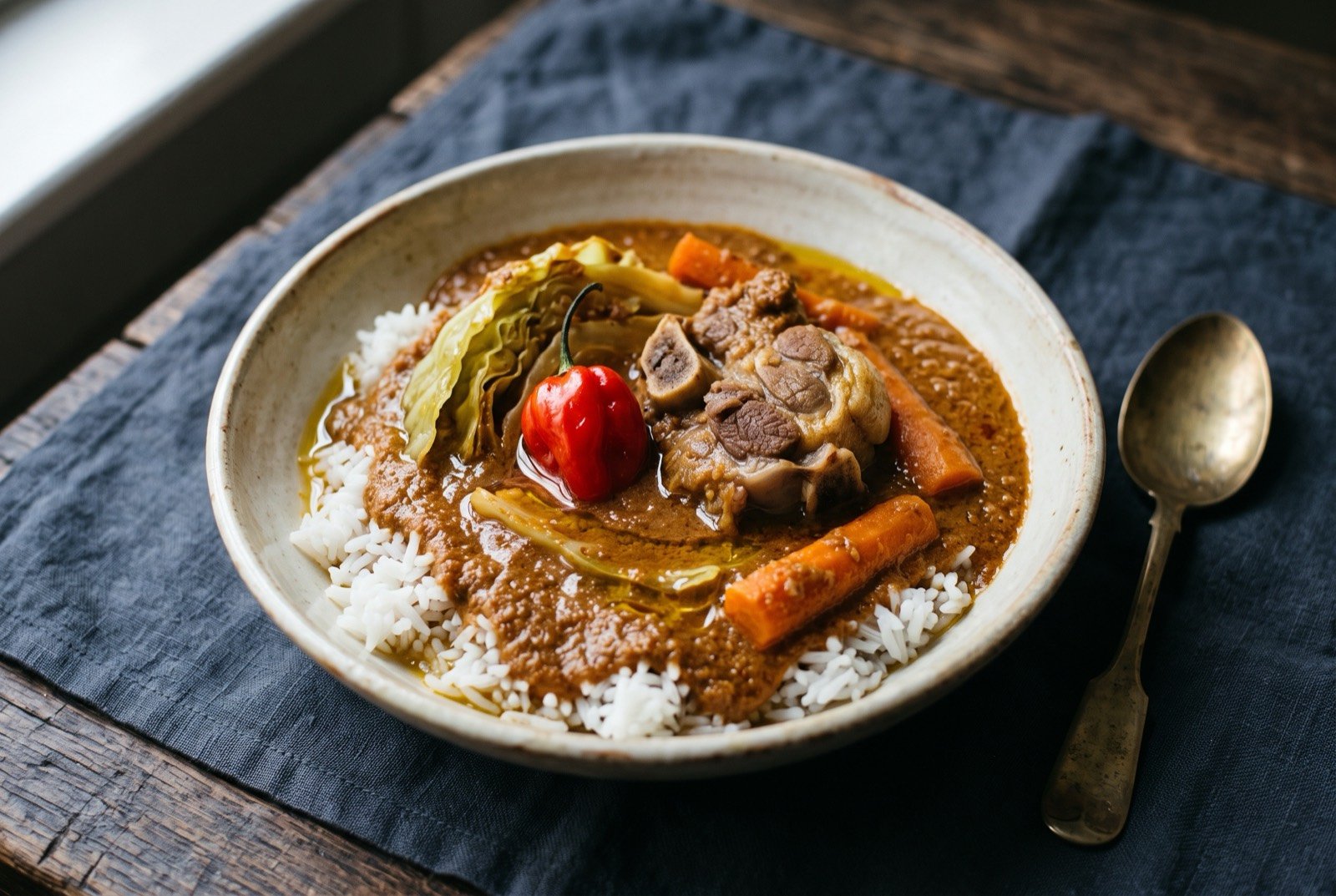 Tiga dèguè na
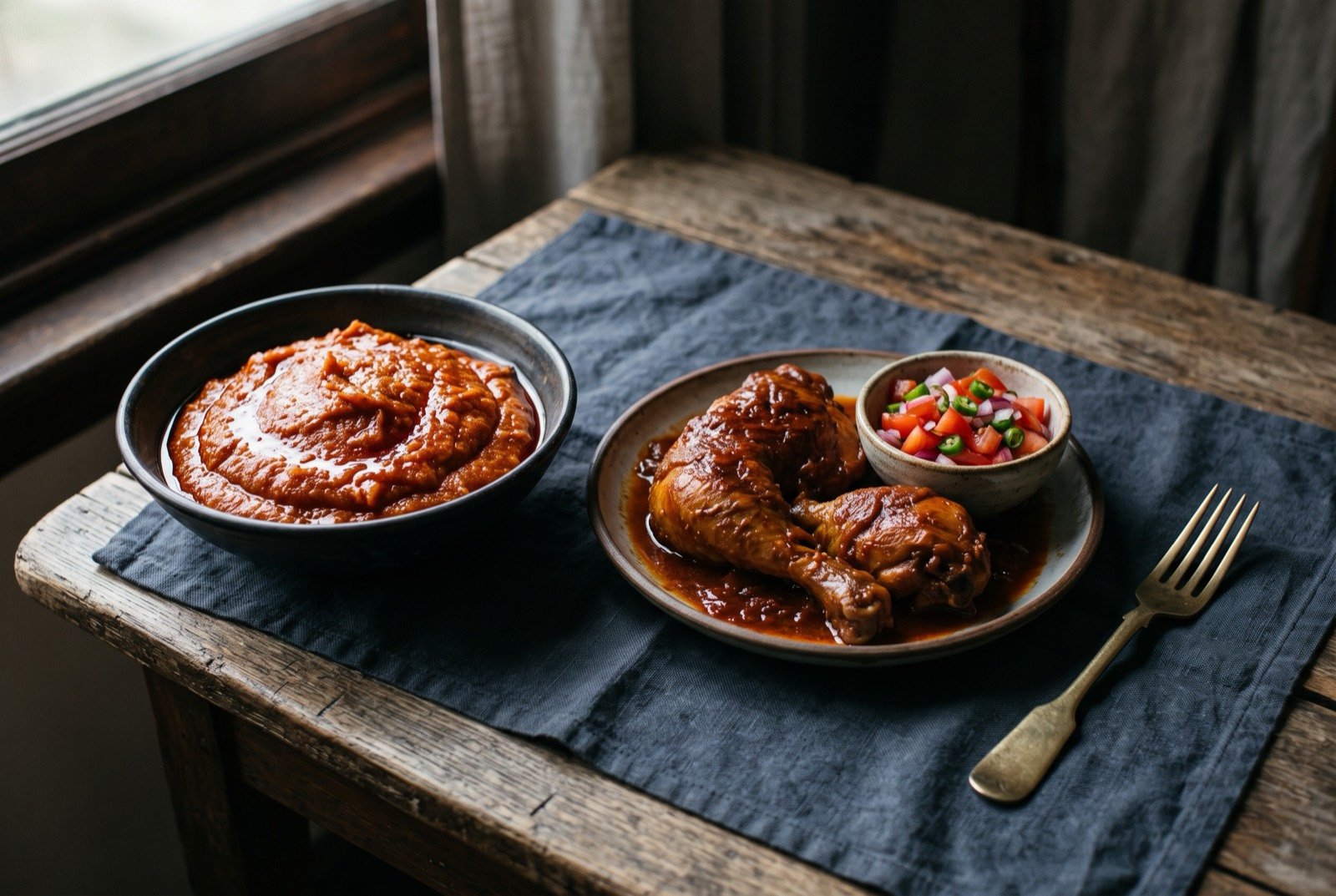 Amiwo
Amiwo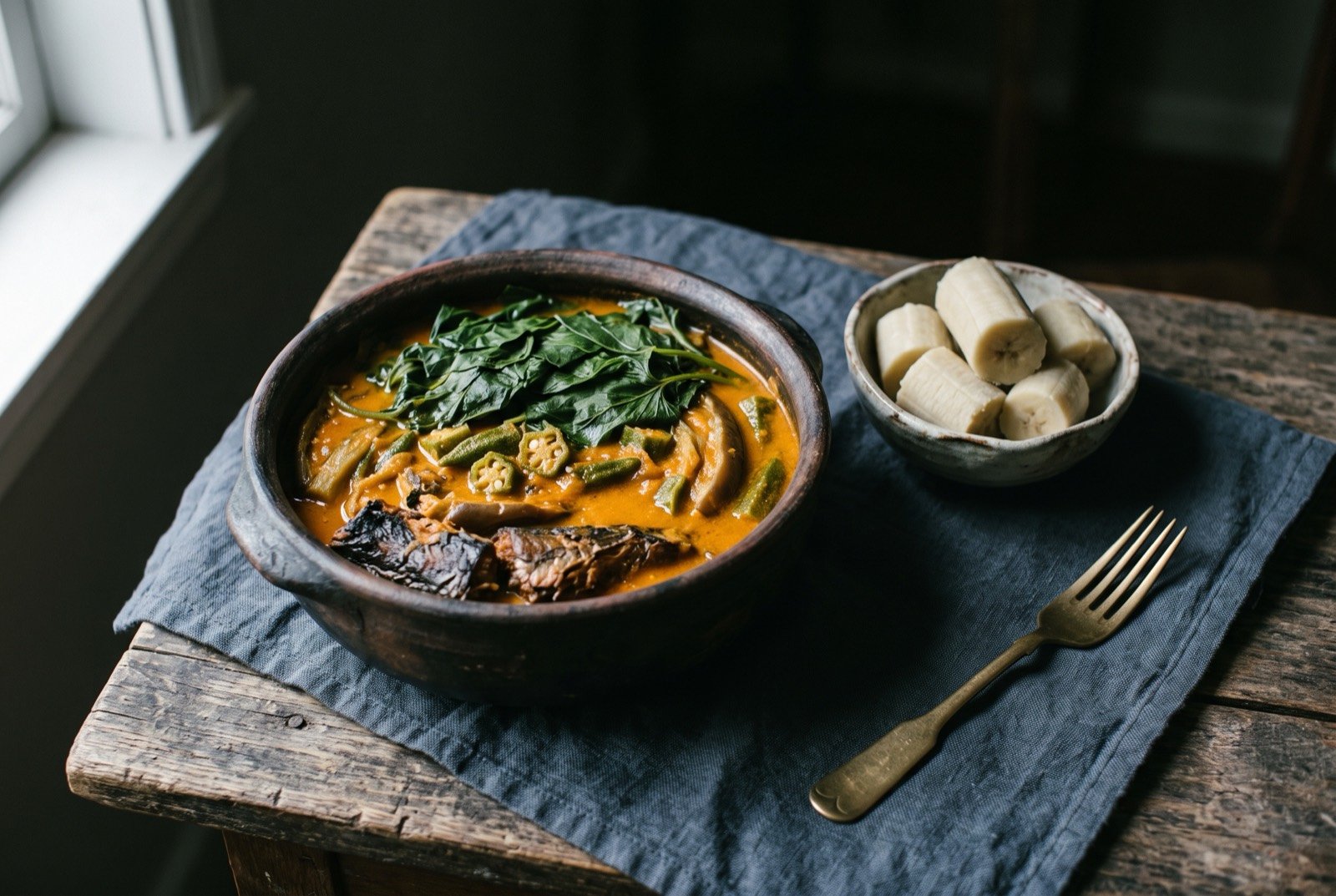 Calulu de peixe
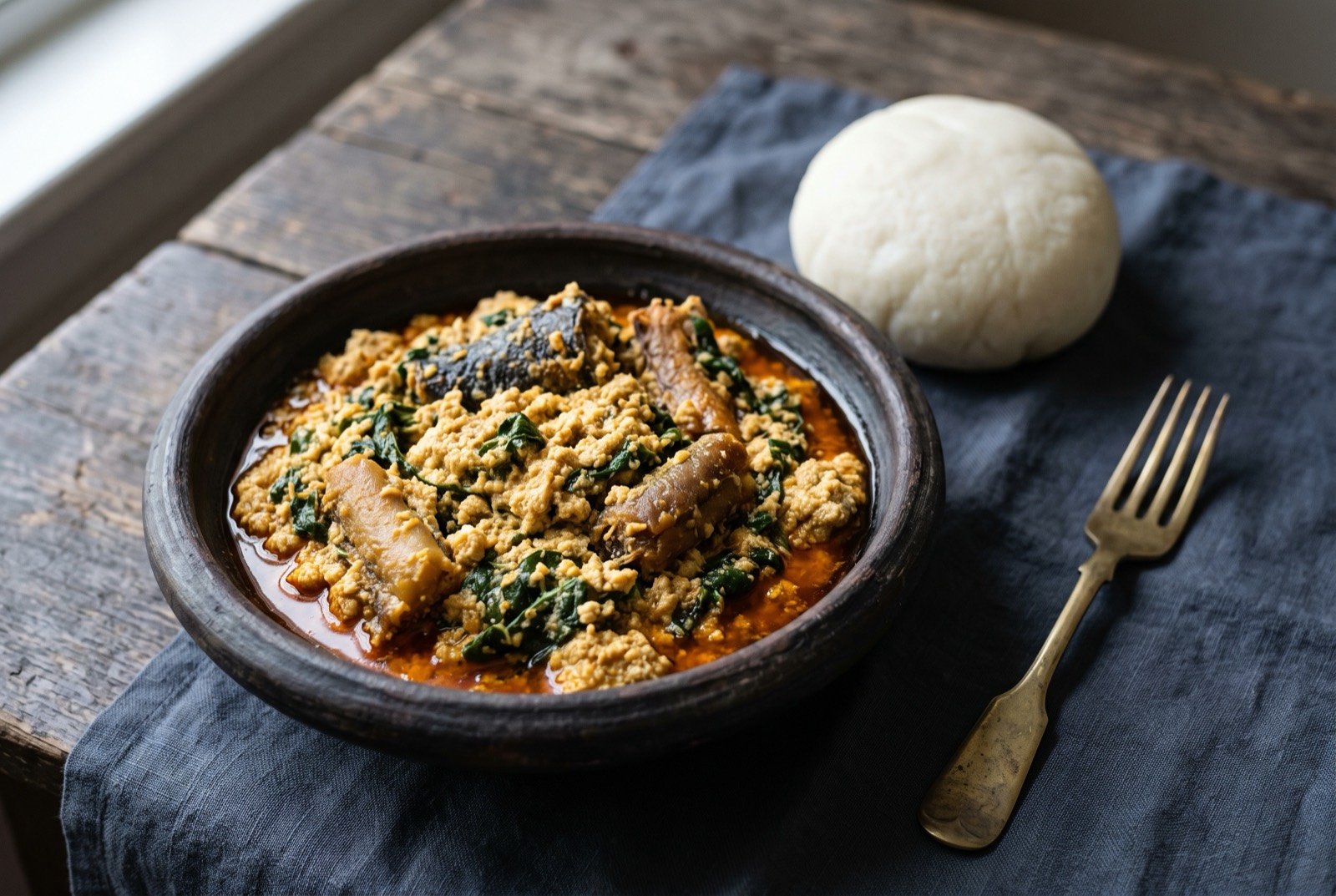 Egusi
Egusi Eru with waterleaf
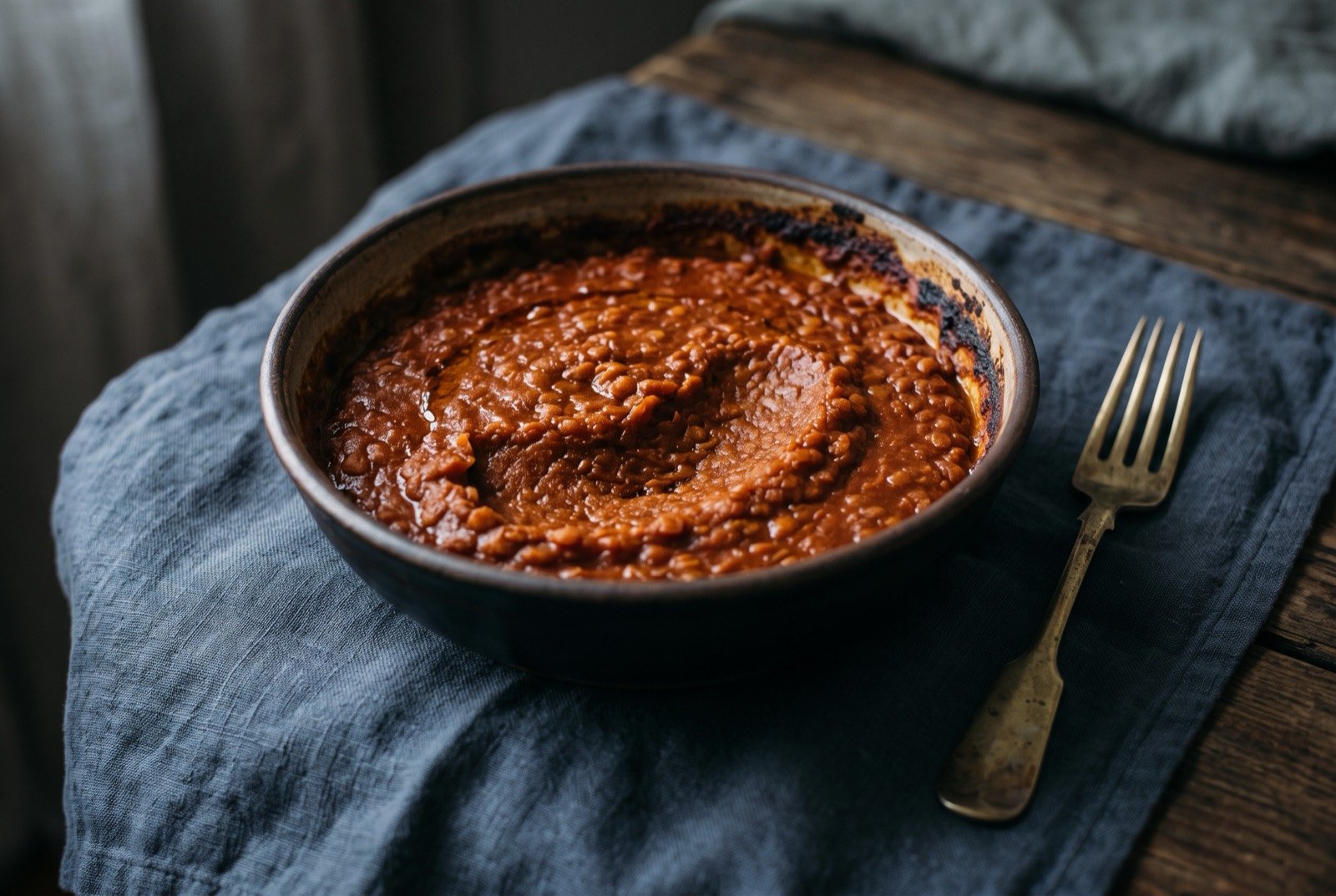 Misir wot
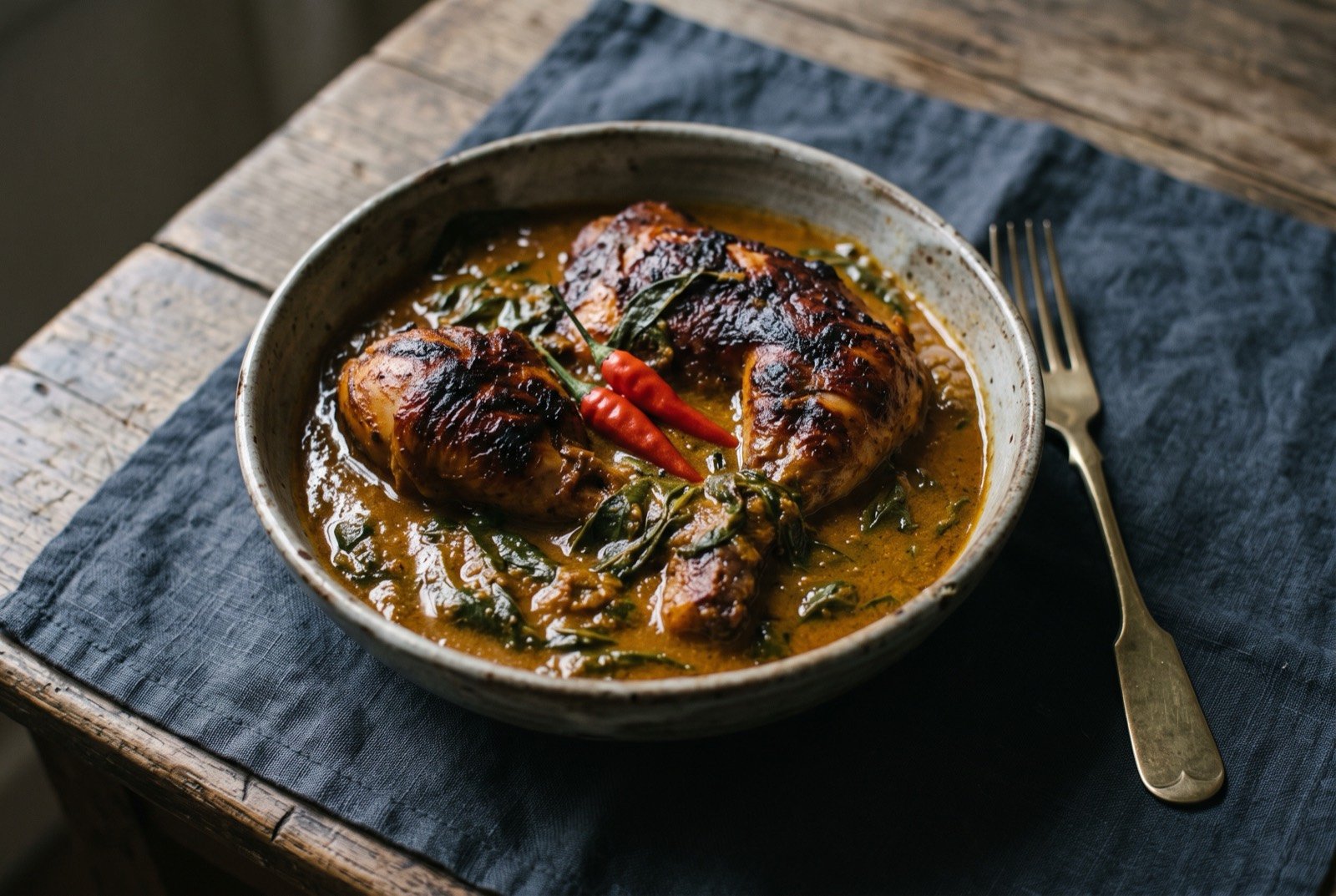 Poulet nyembwe
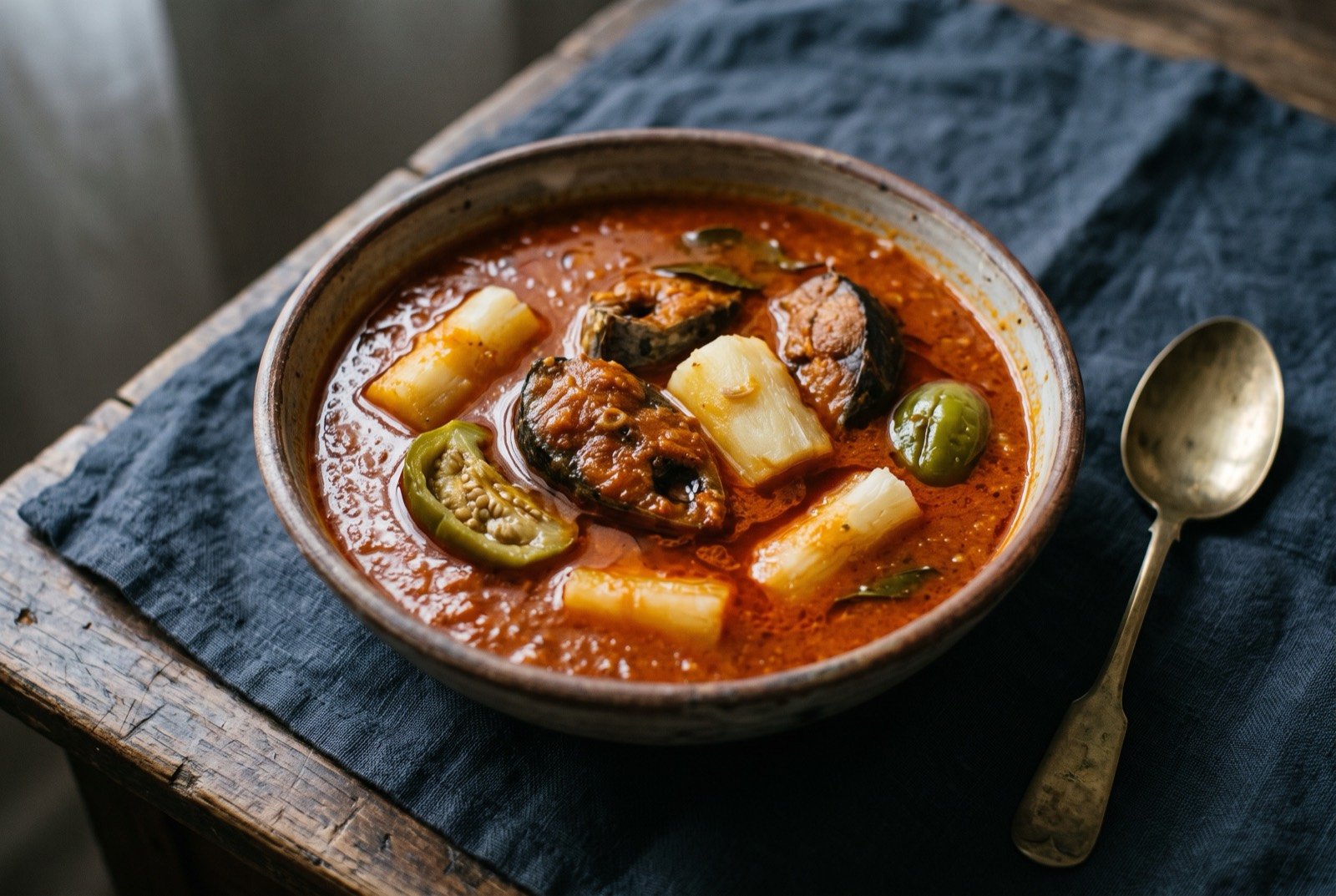 Caldo de chabéu
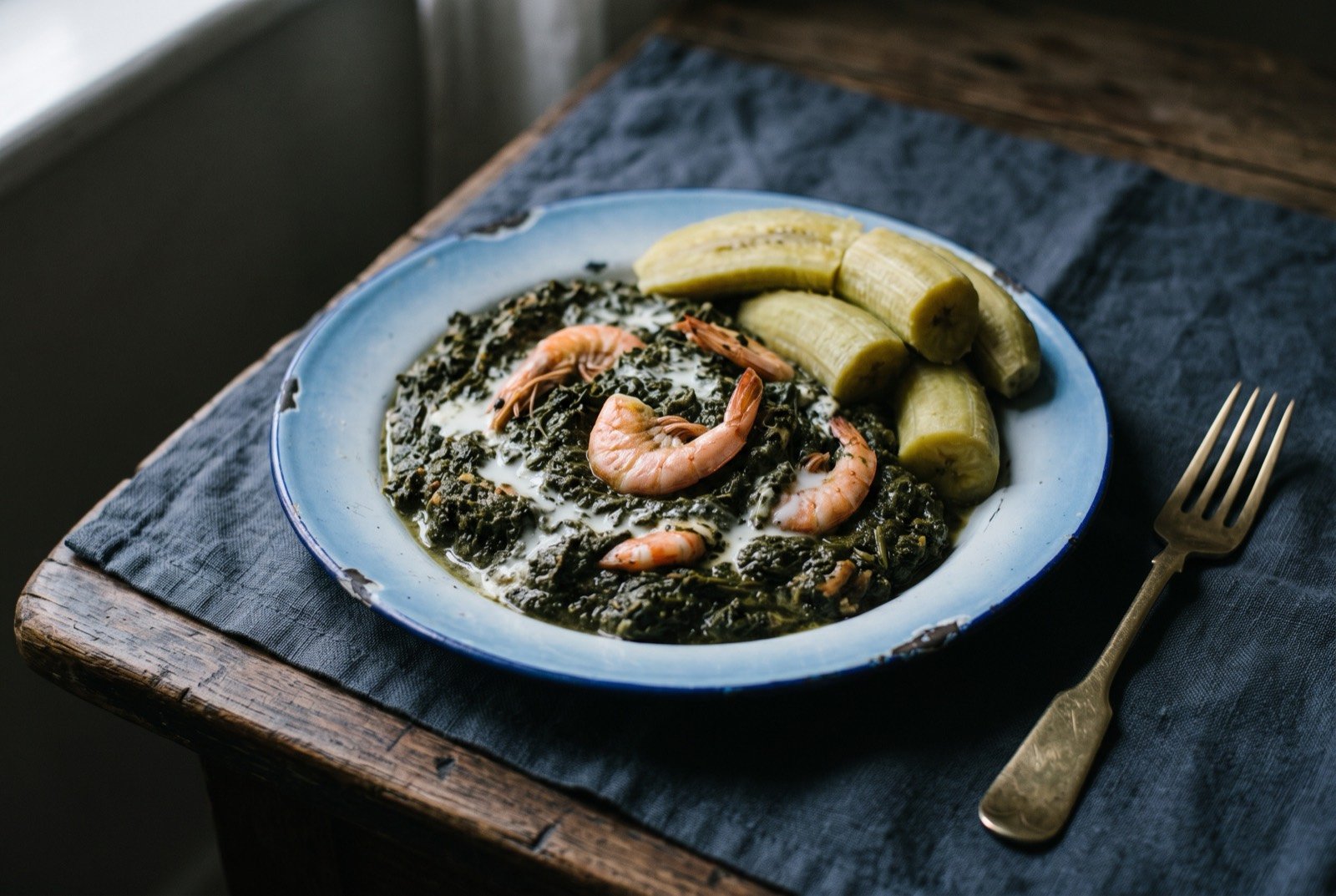 Mataba
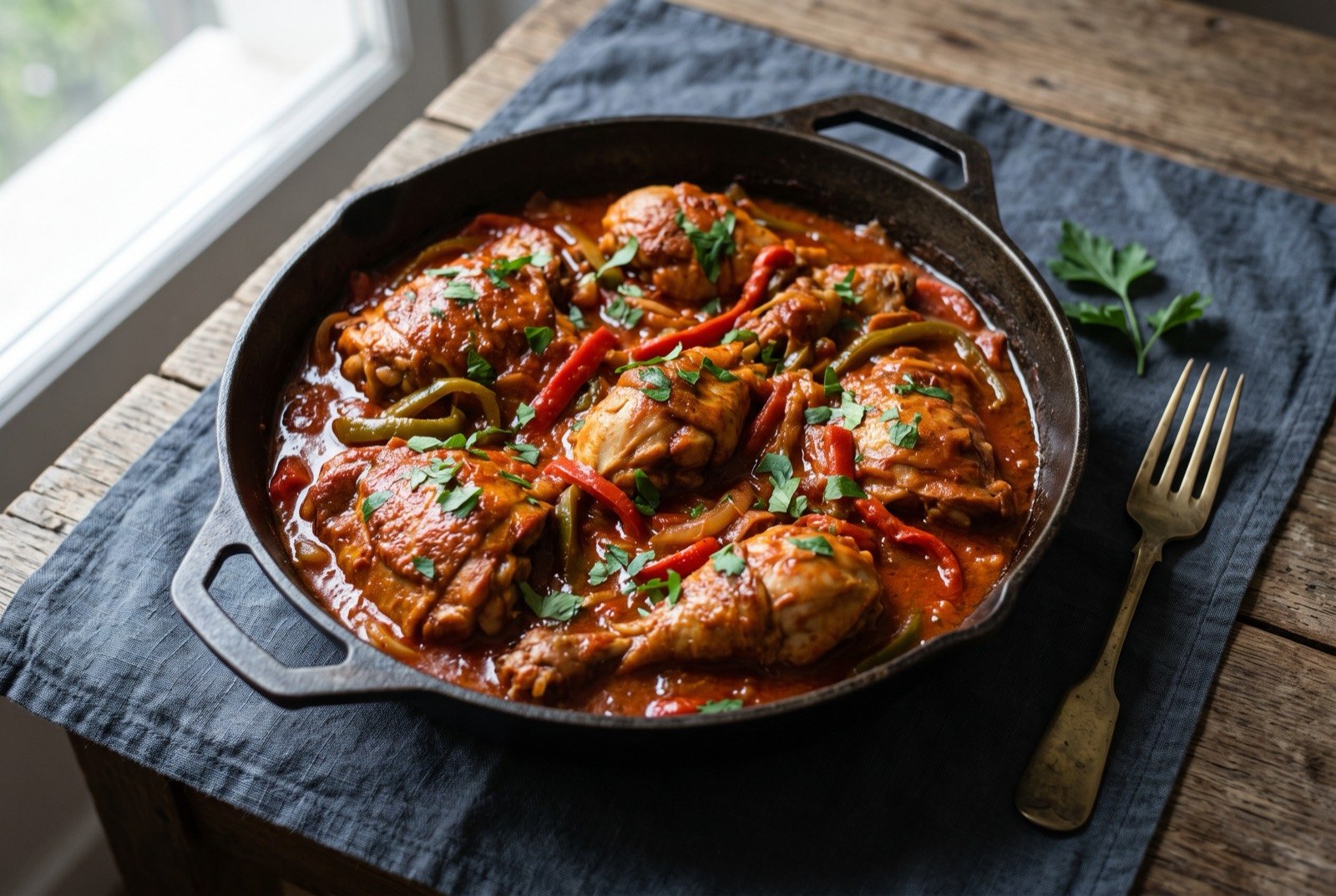 Pollo al Chilindrón
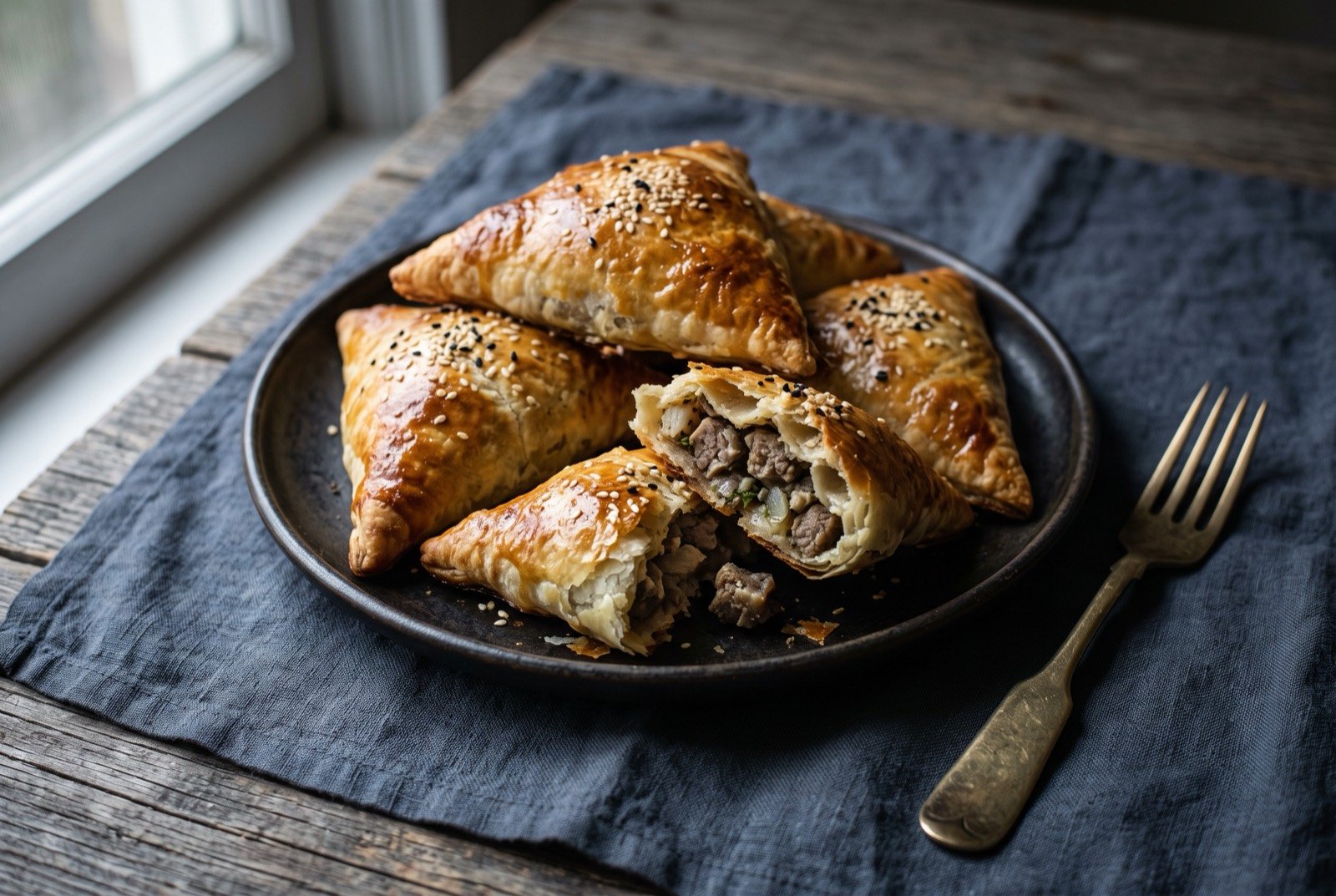 Samsa
Samsa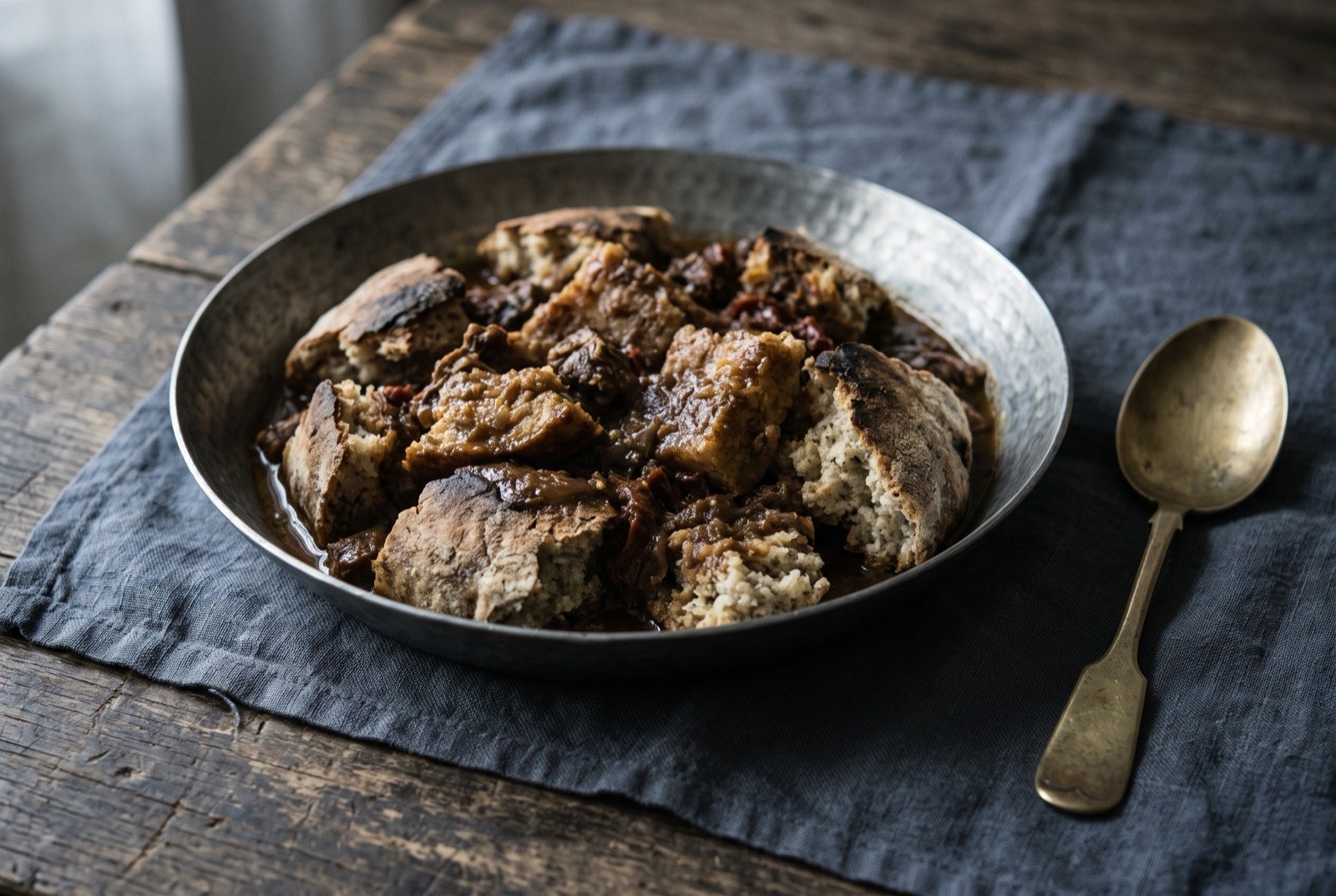 Taguella
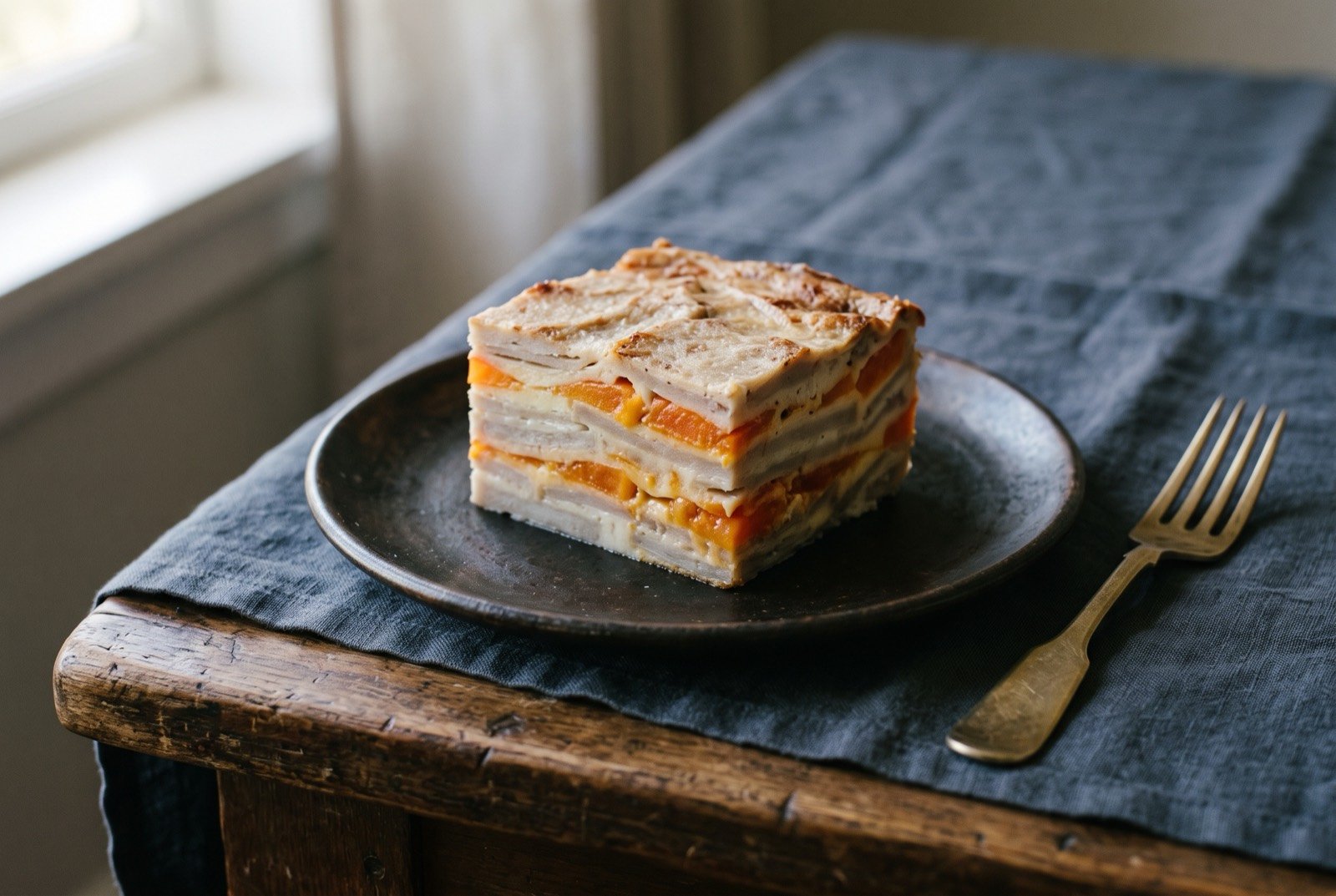 Takihi
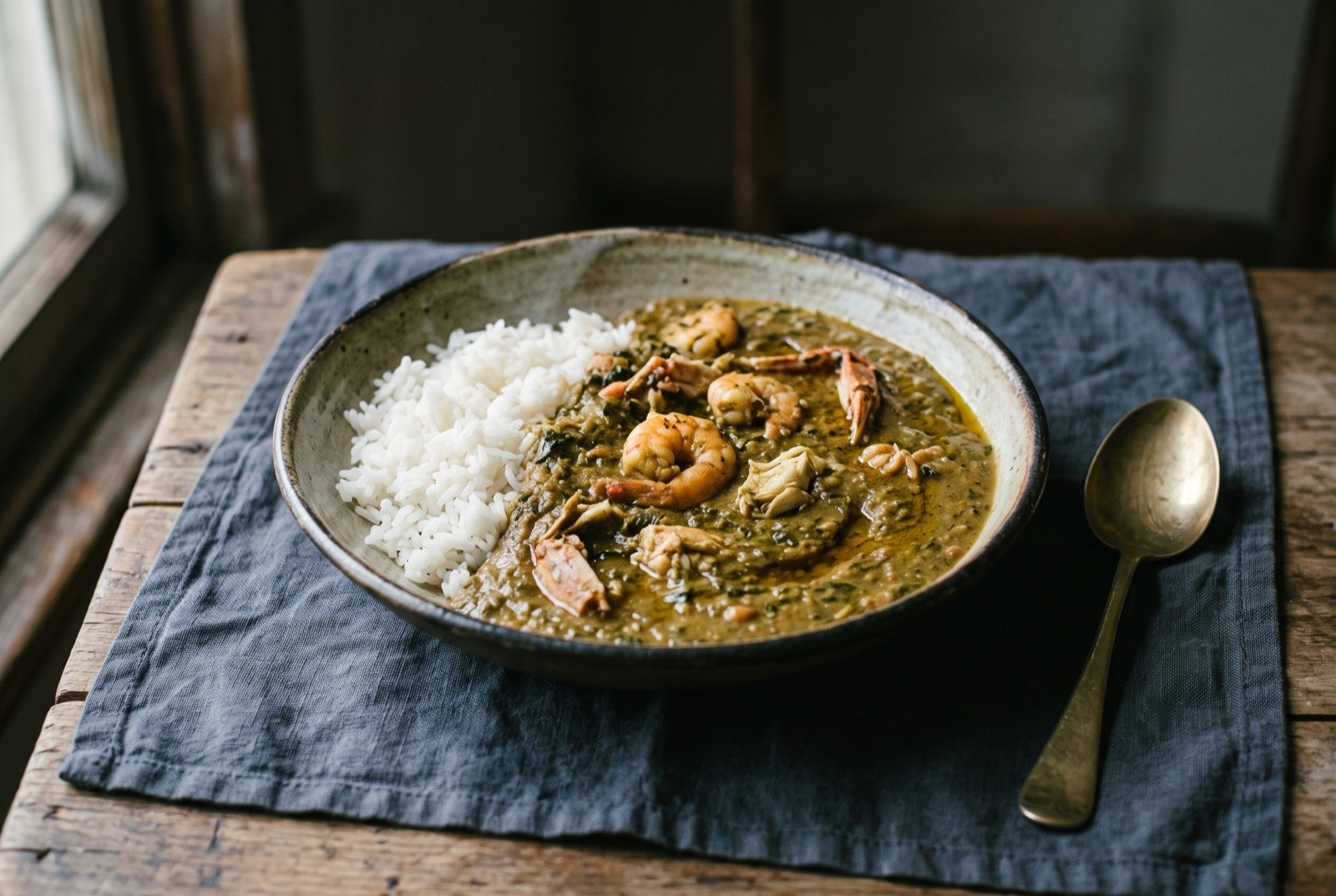 Matapa
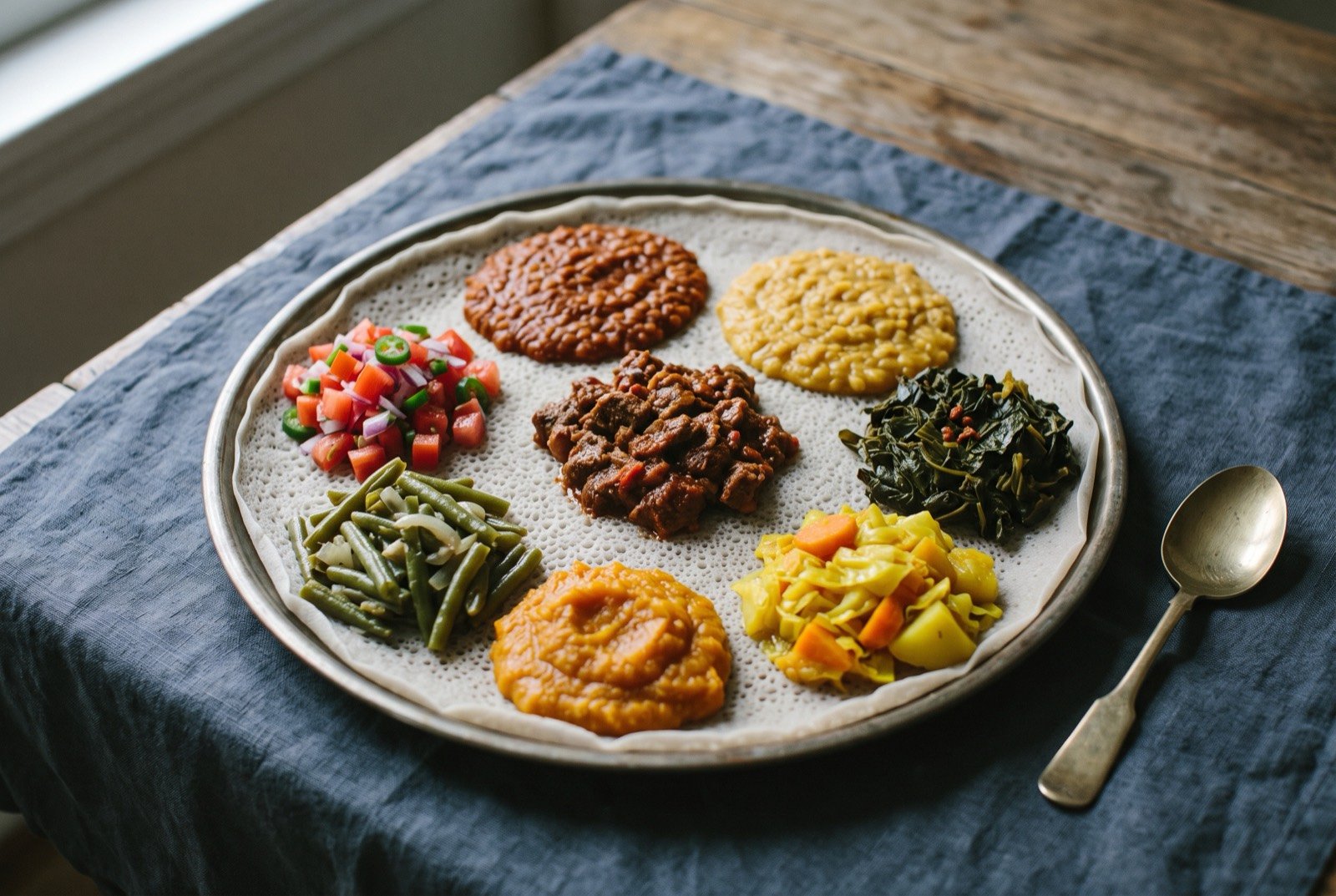 Beyaynetu
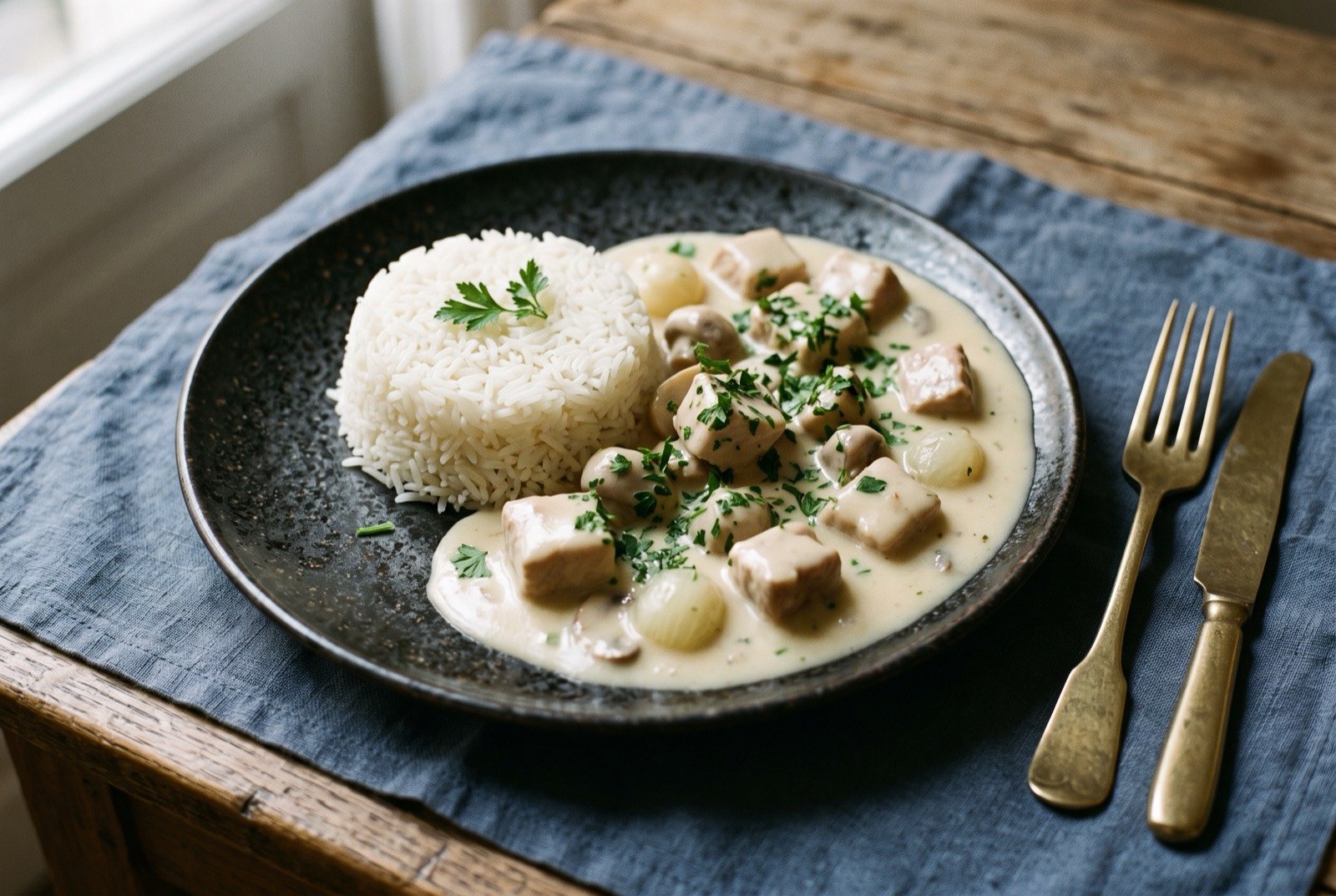 Blanquette de veau
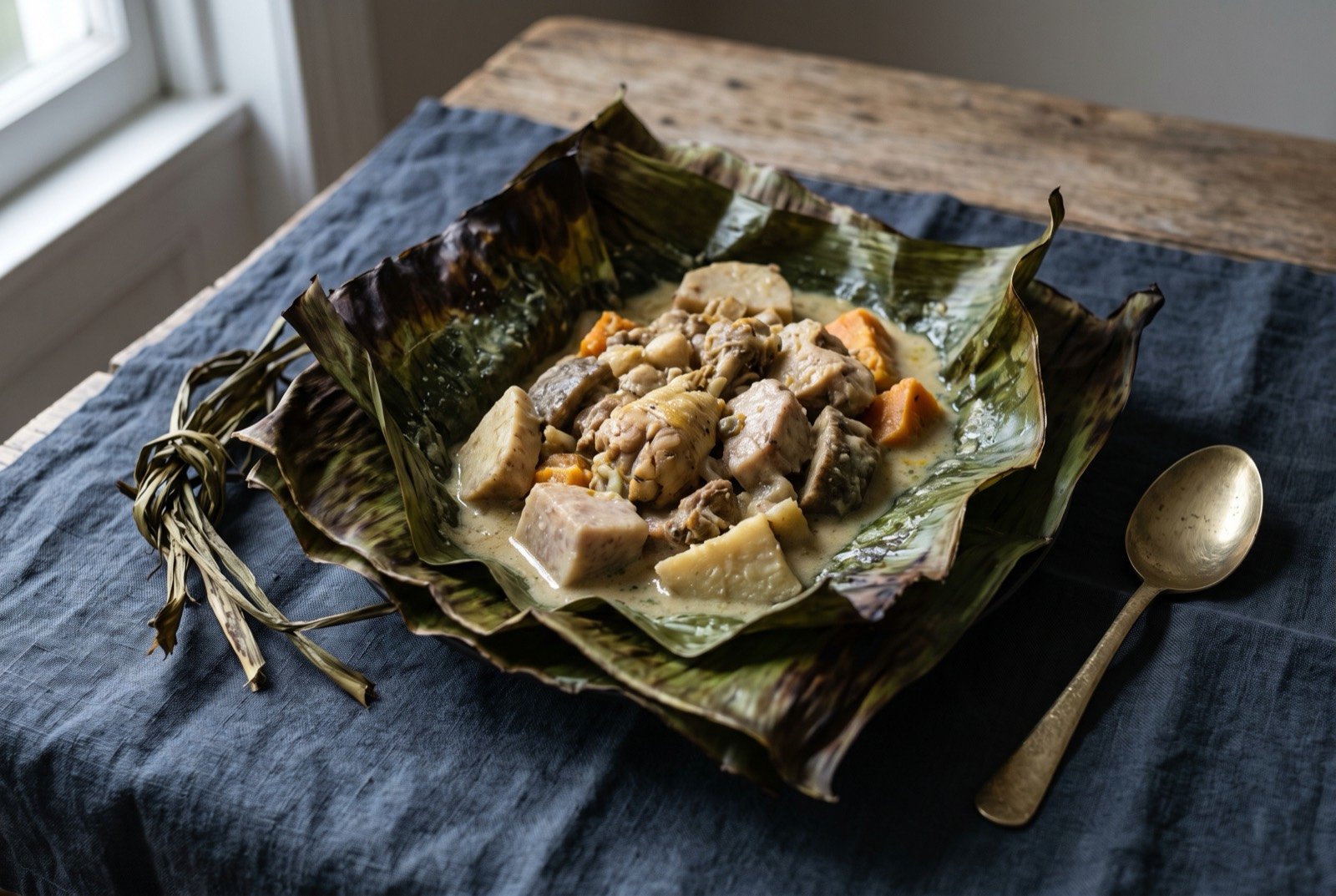 Bougna
- Calulu de peixe
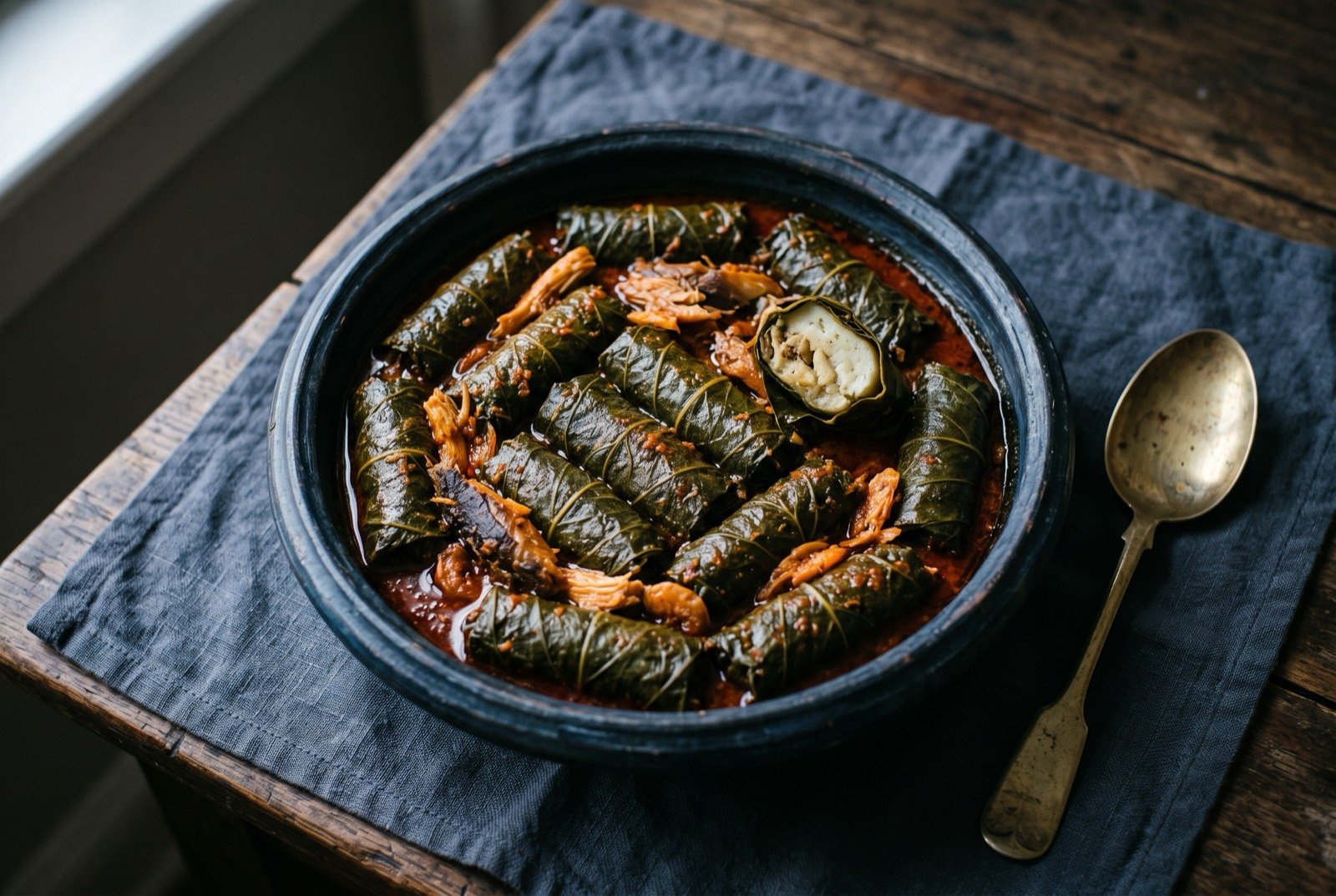 Ekwang
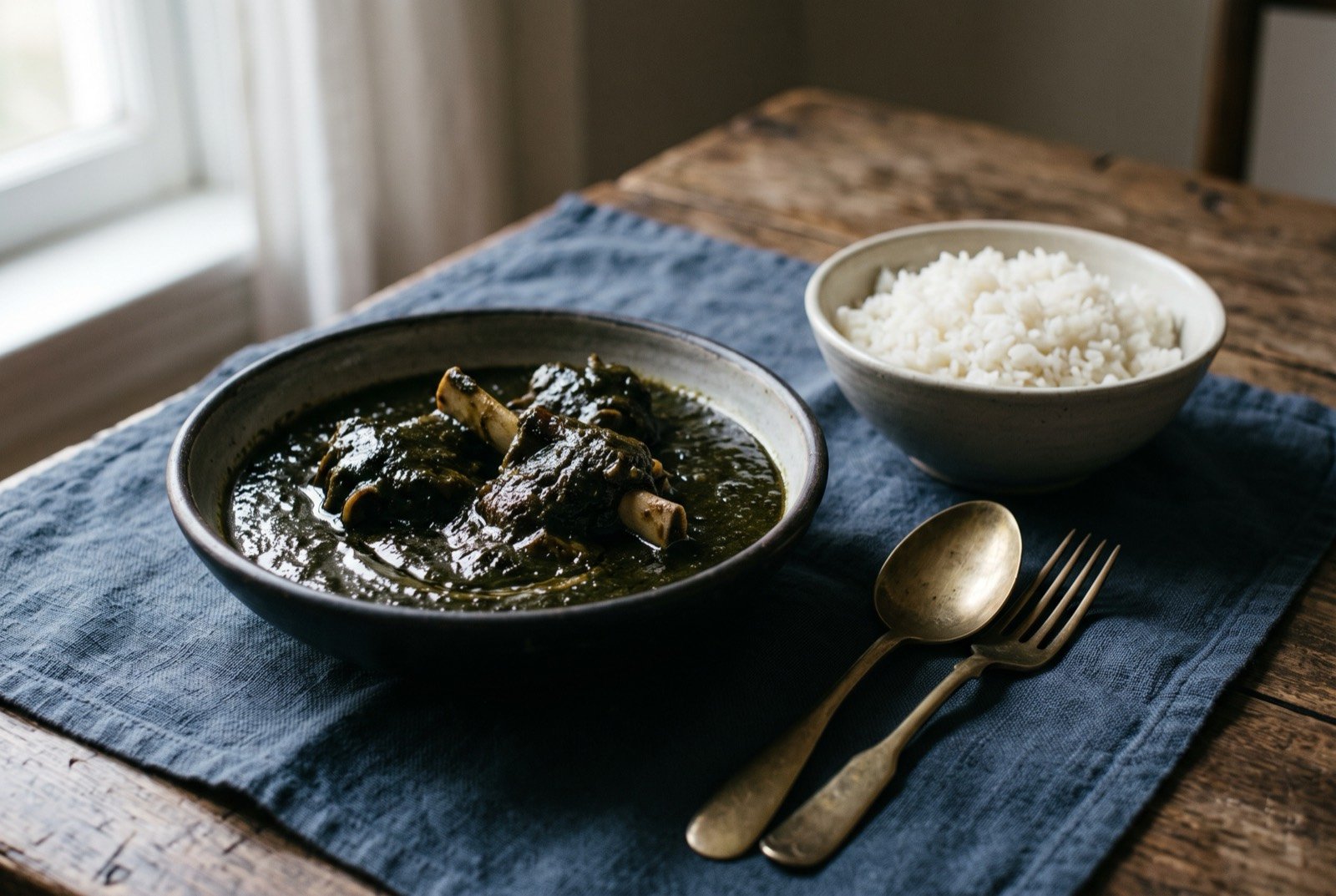 Fakoye
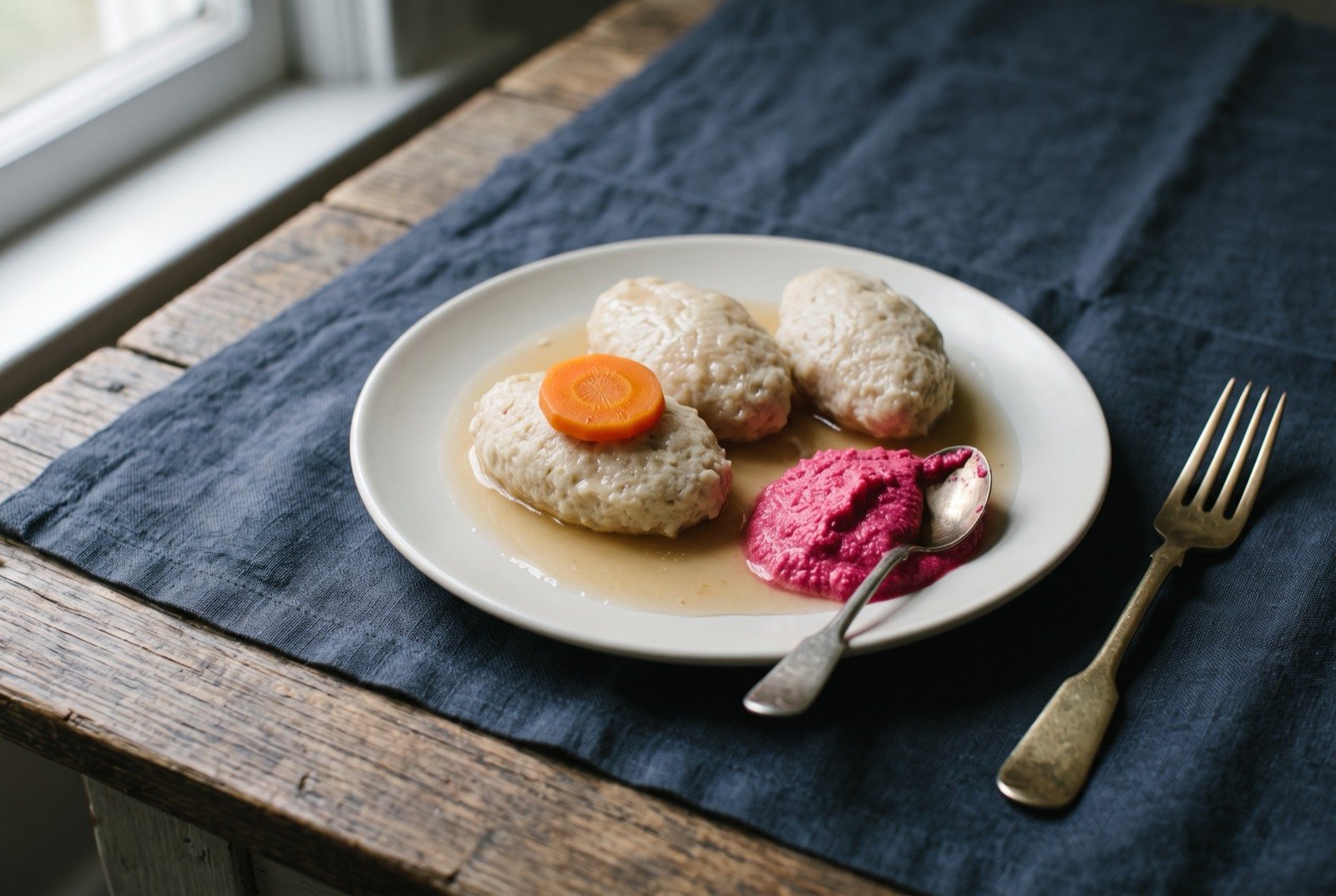 Gefilte fish
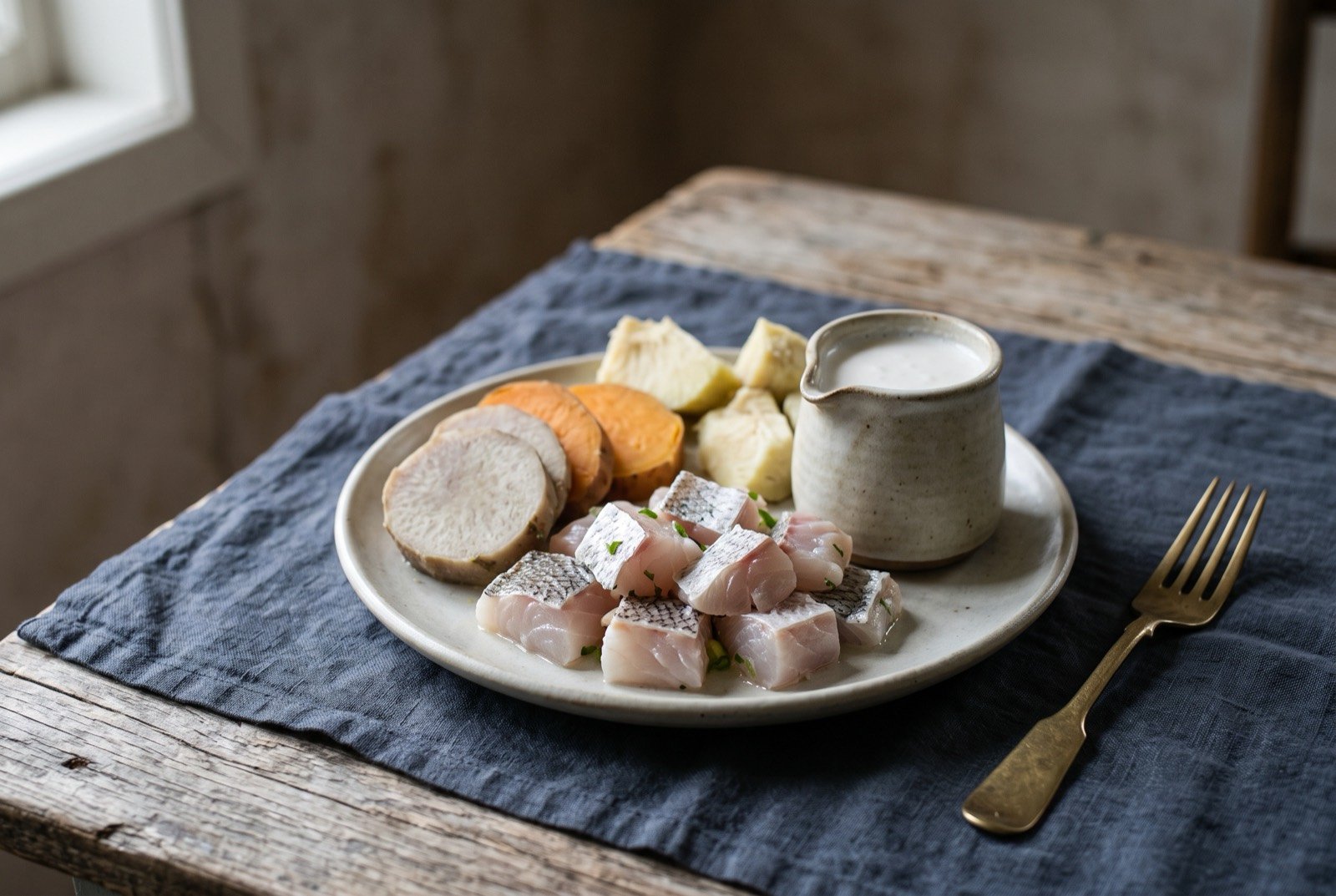 Ika mata
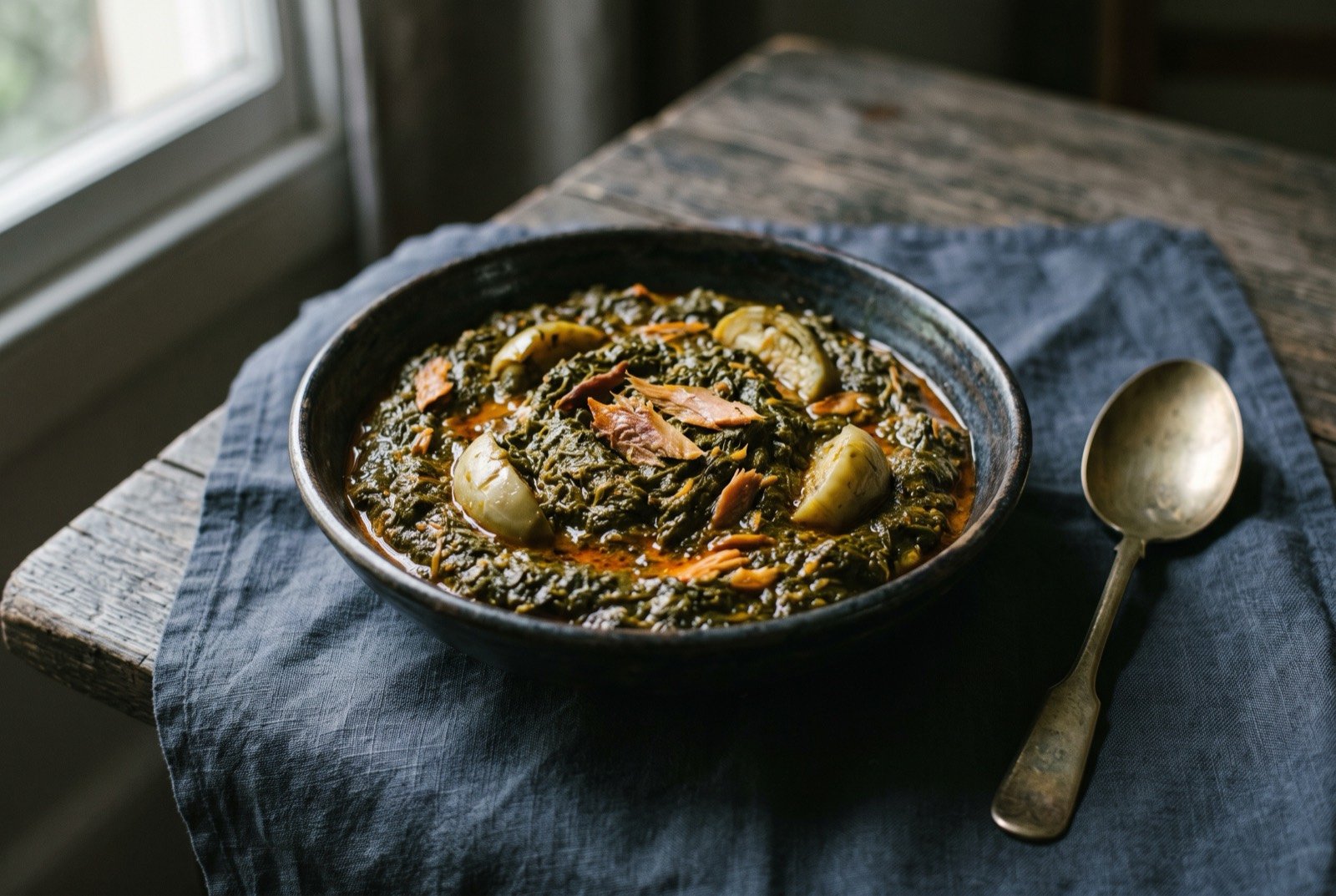 Pondu, or saka-saka
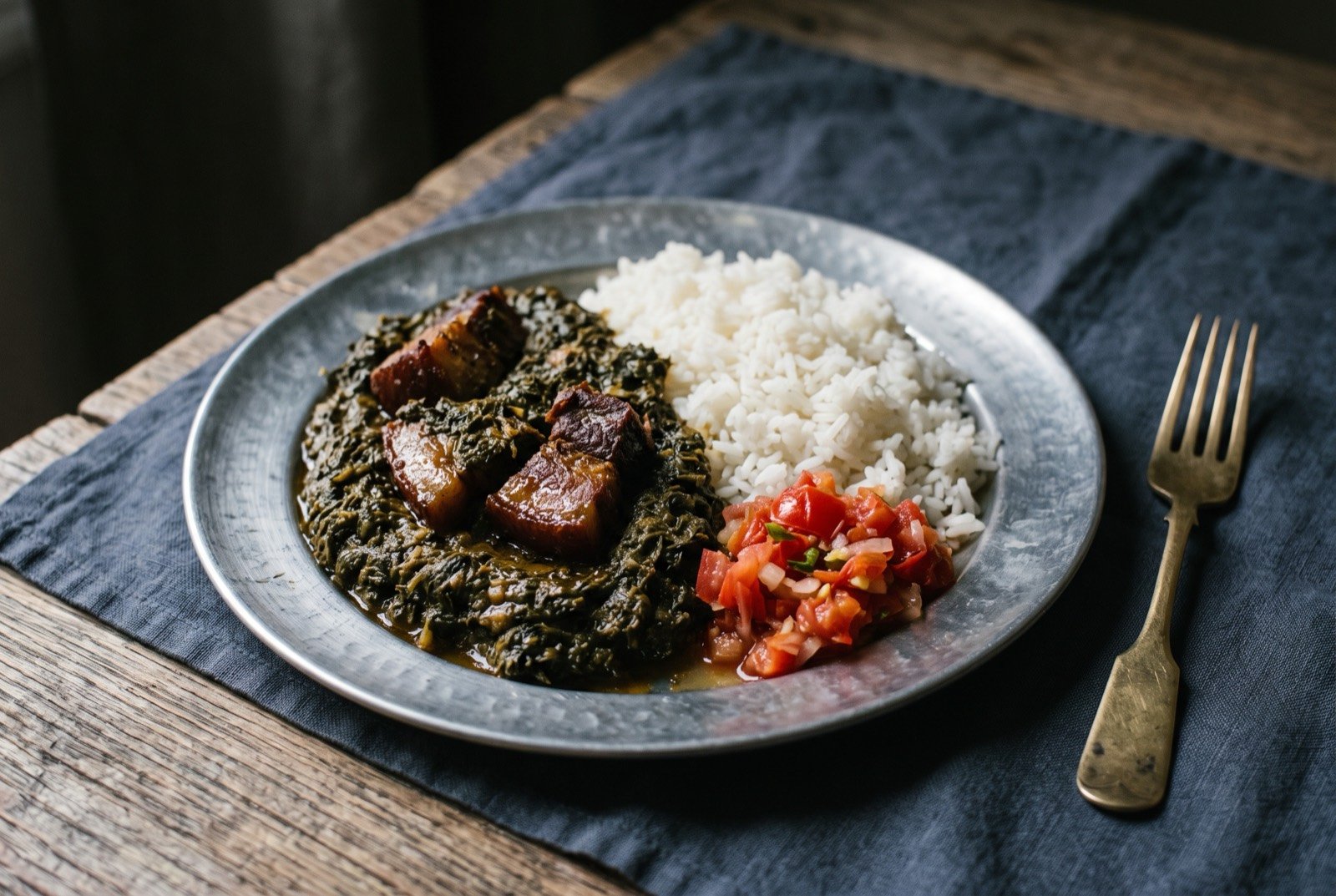 Ravitoto sy henakisoa
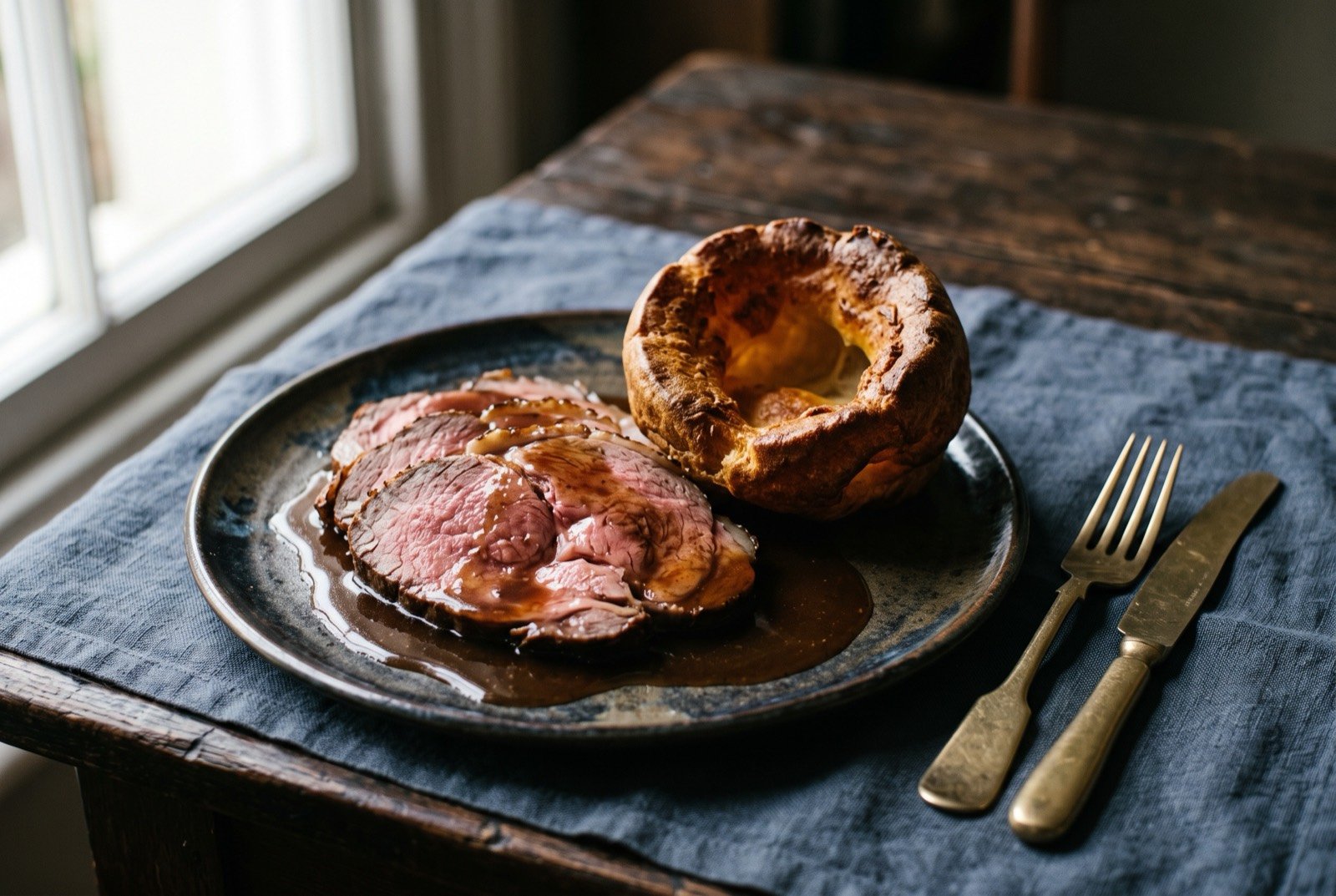 Roast Beef and Yorkshire Pudding
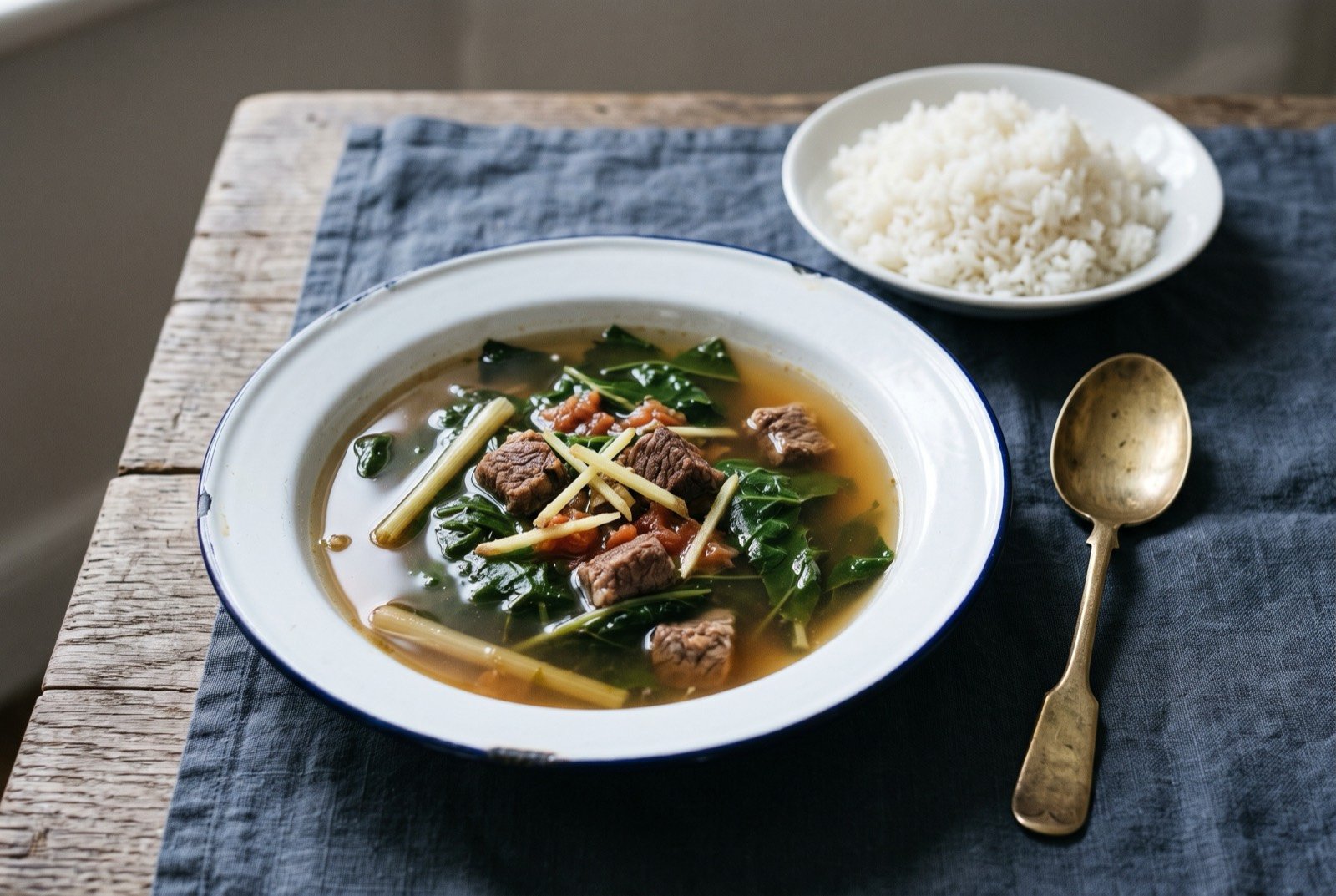 Romazava
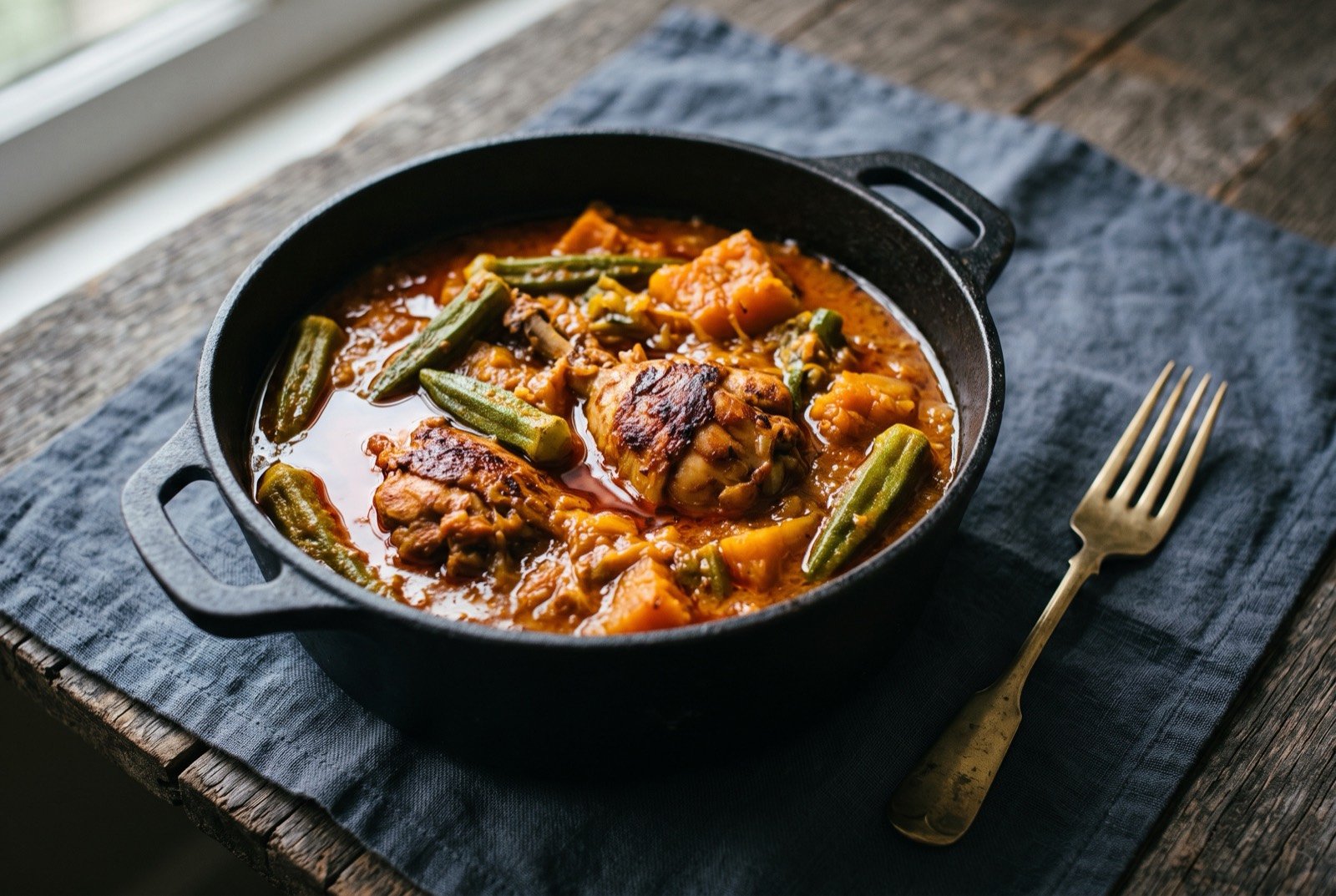 Muamba de galinha
Project
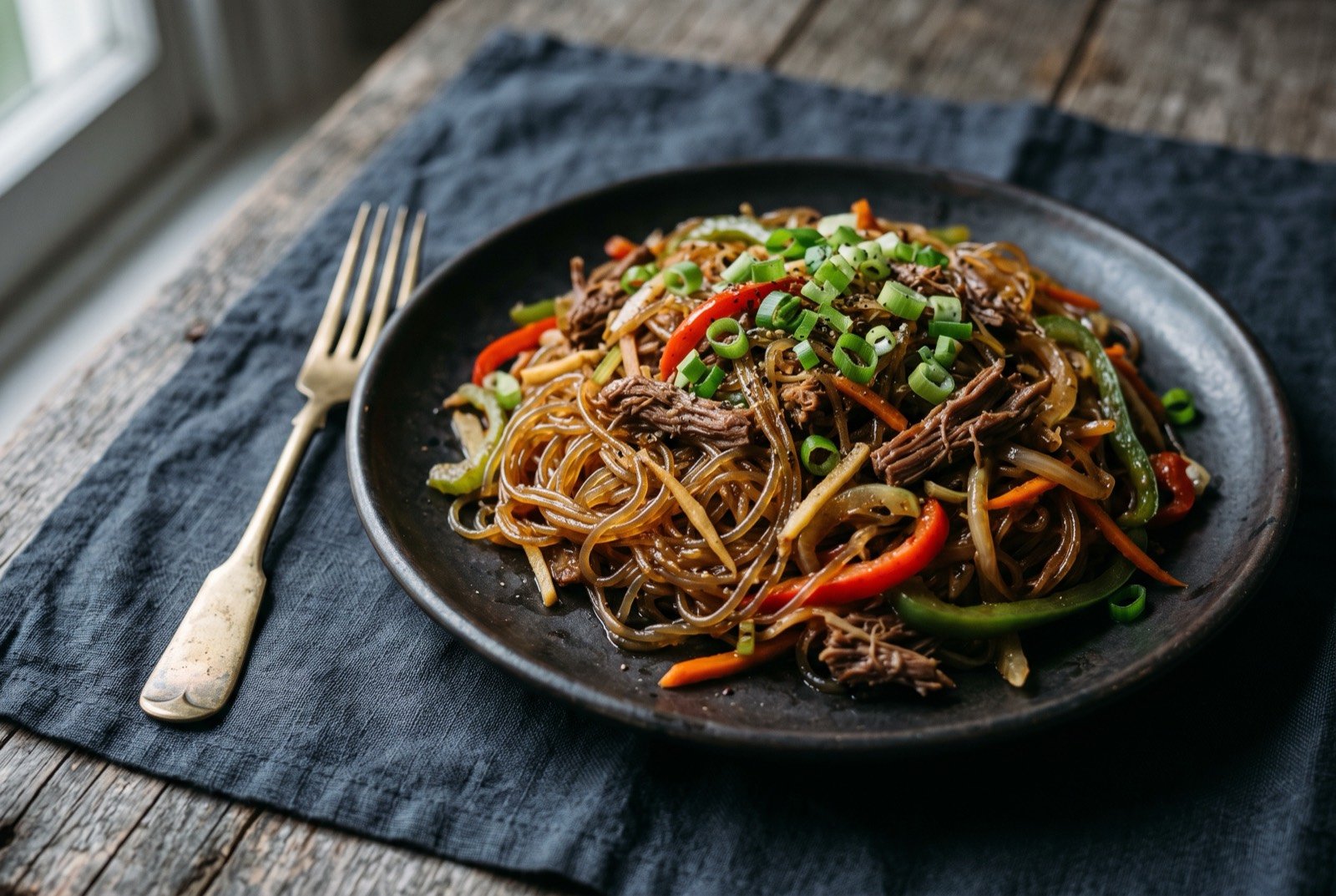 Sapasui
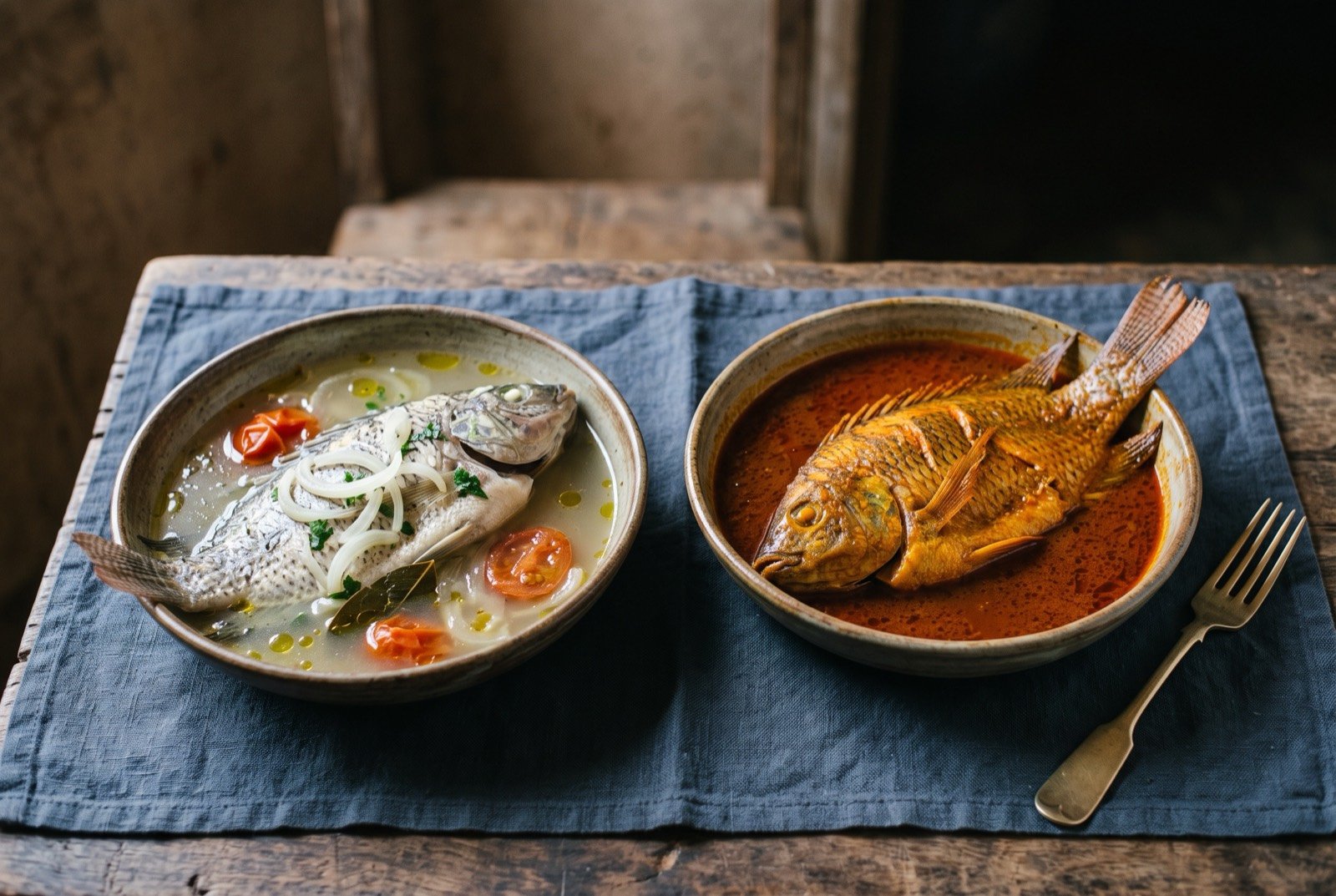 Caldo branco and caldo de citi
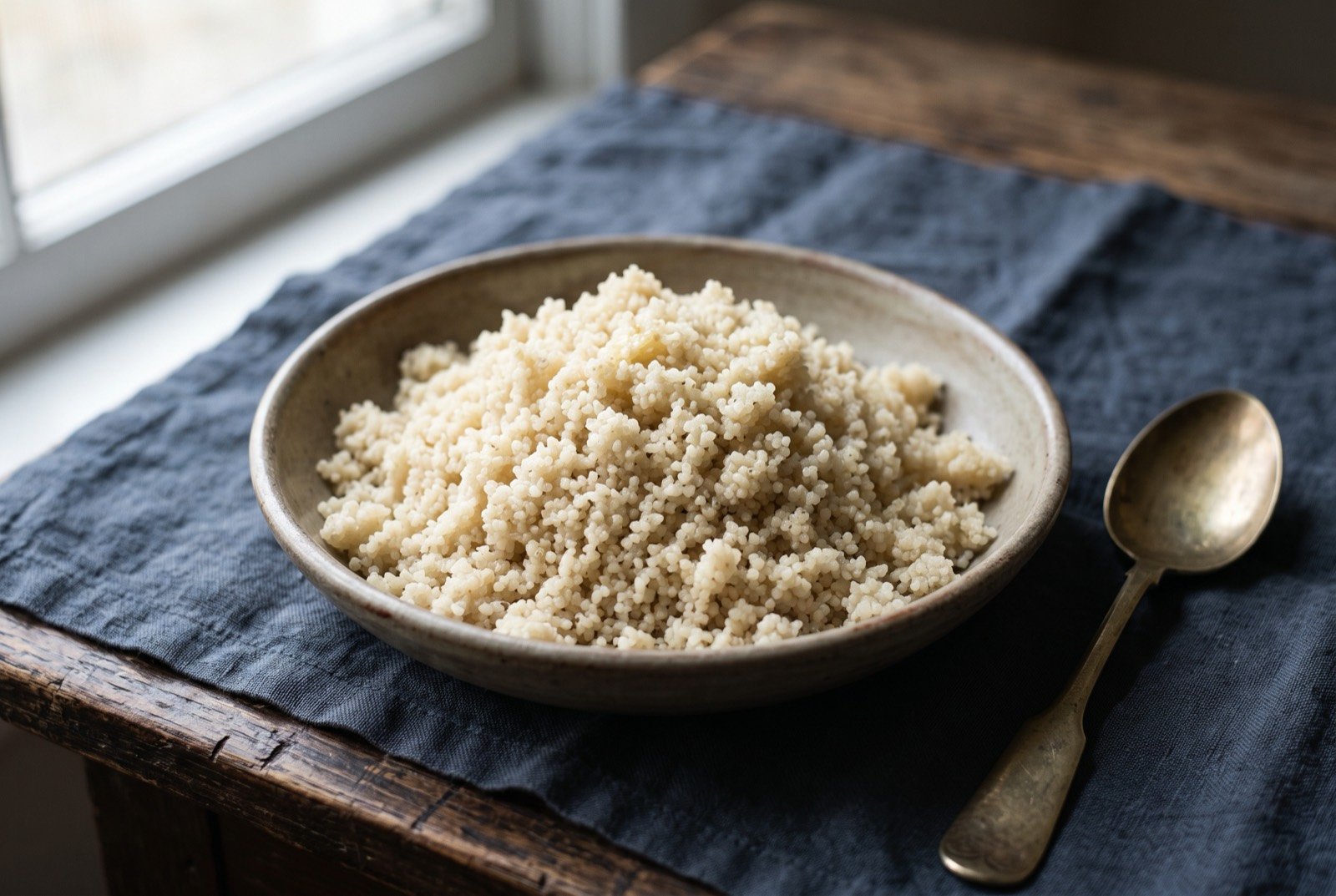 Fonio, steamed twice
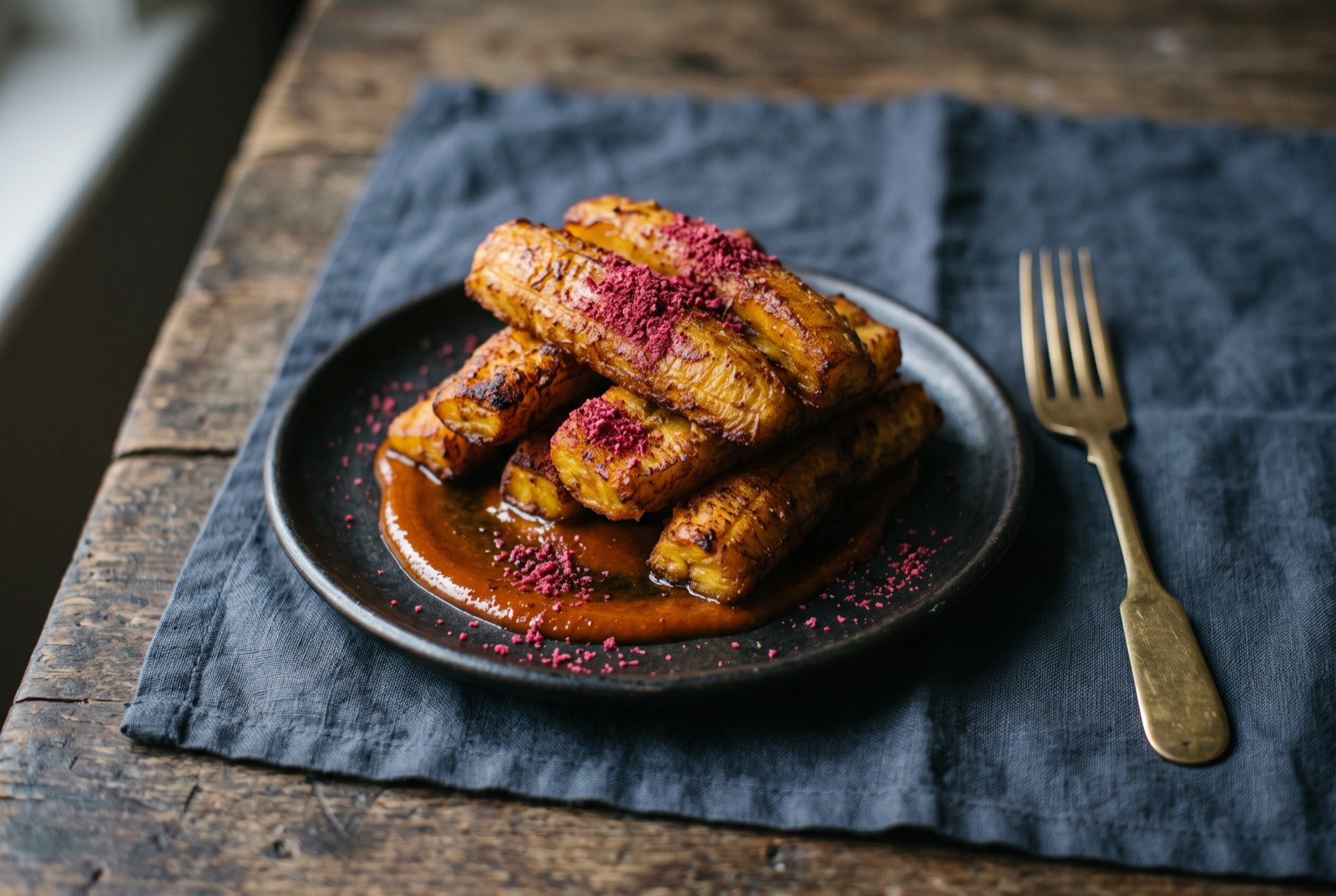 Plantain
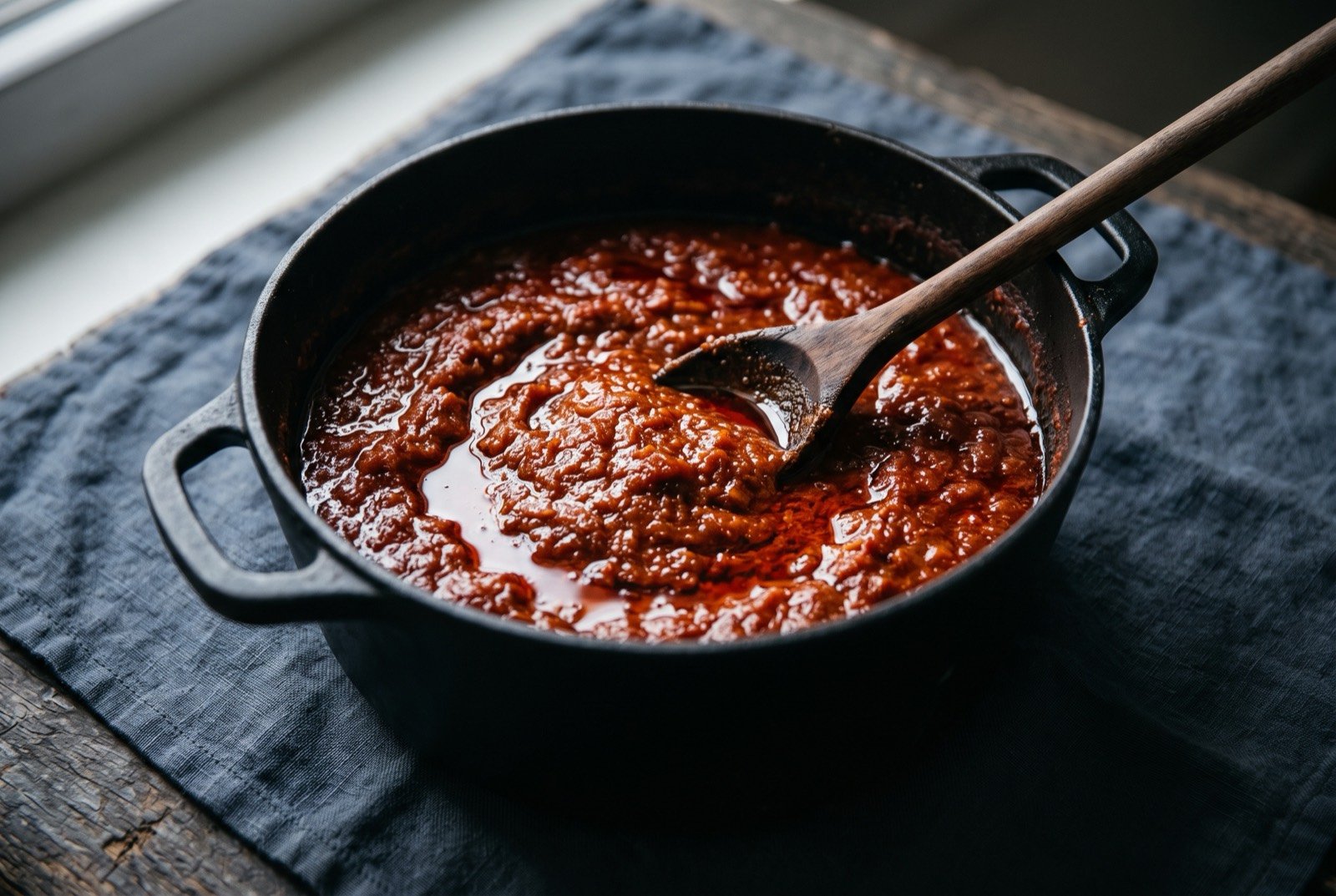 Obe Ata
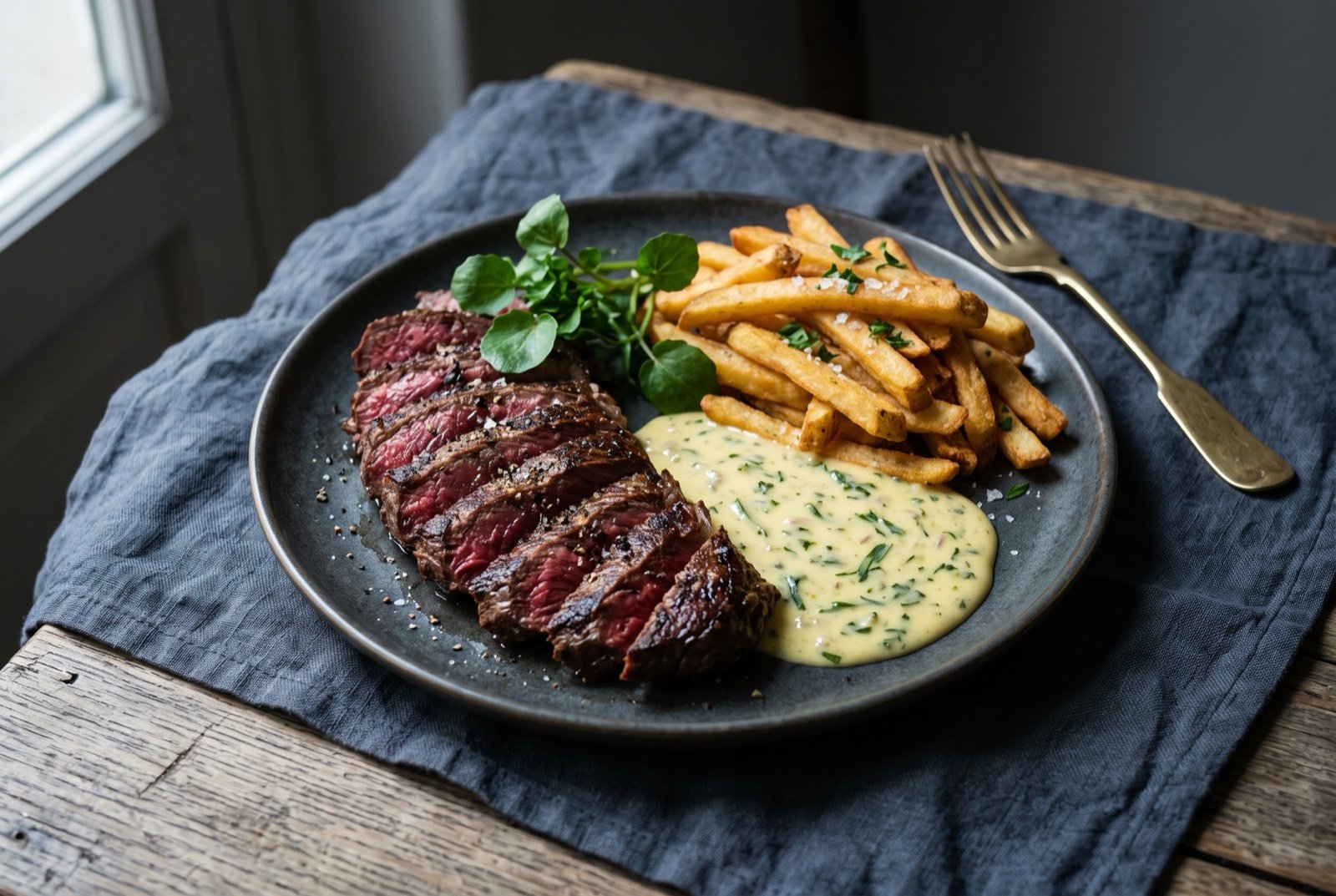 Steak-frites, sauce béarnaise
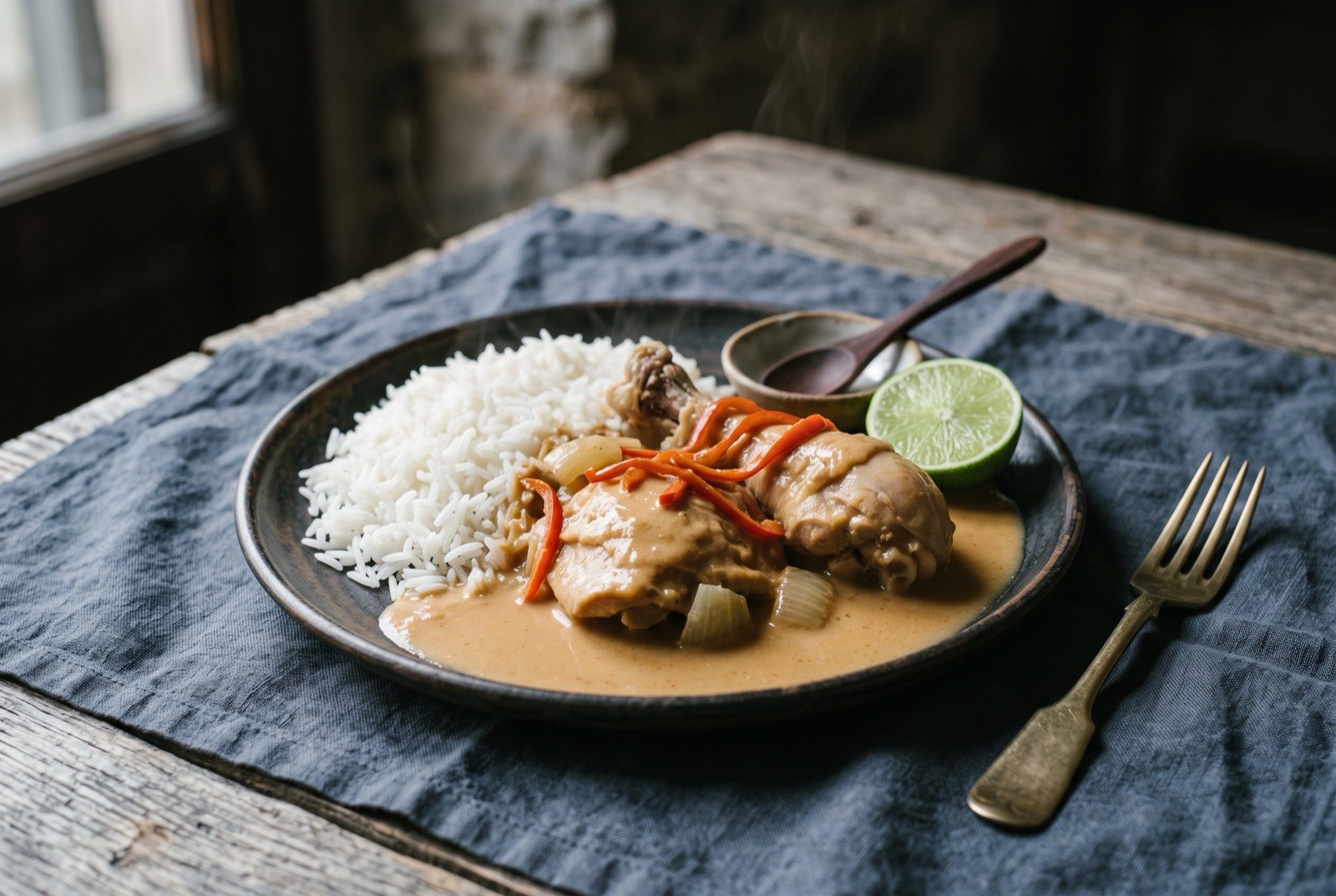 Caldo de mancarra
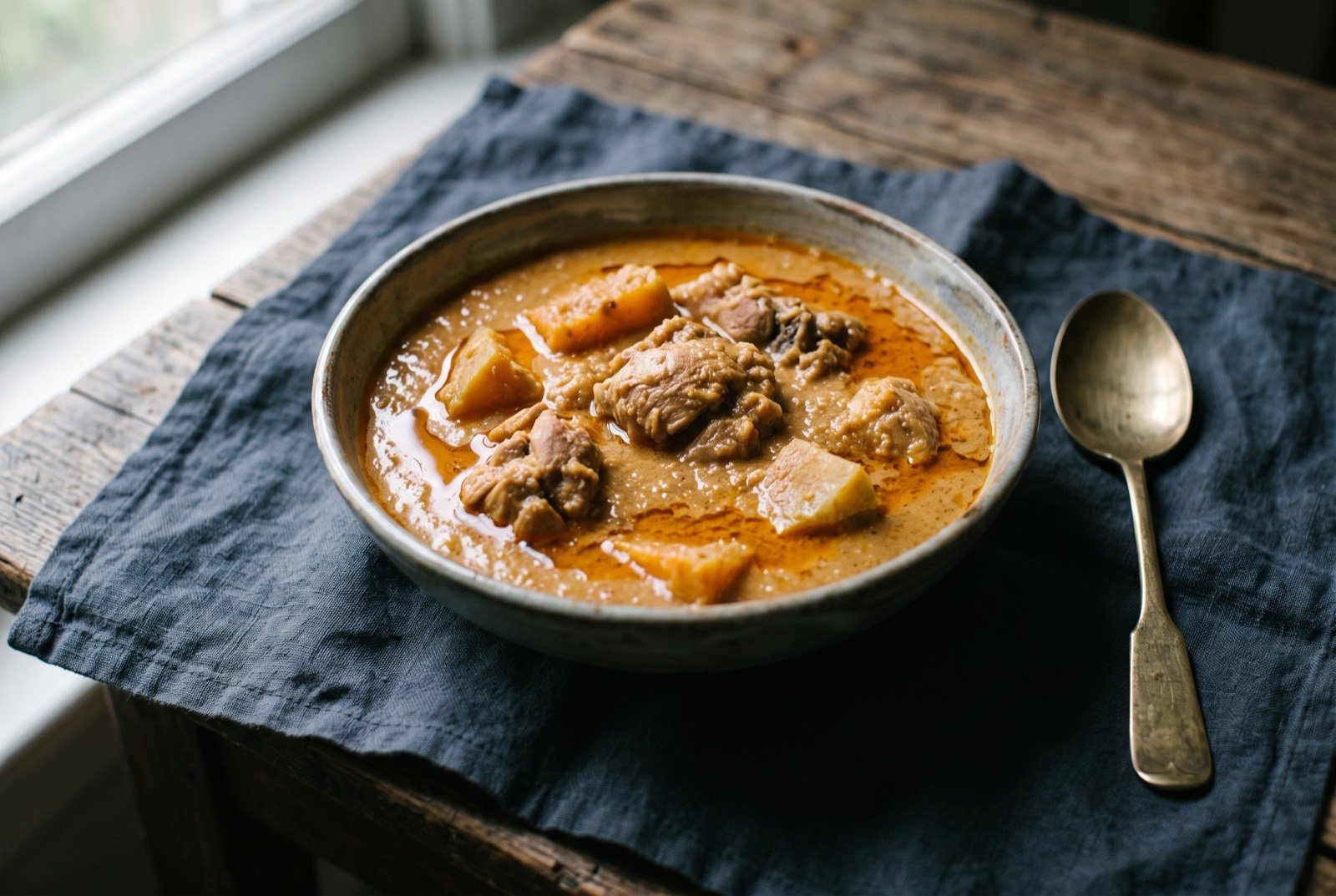 Domoda
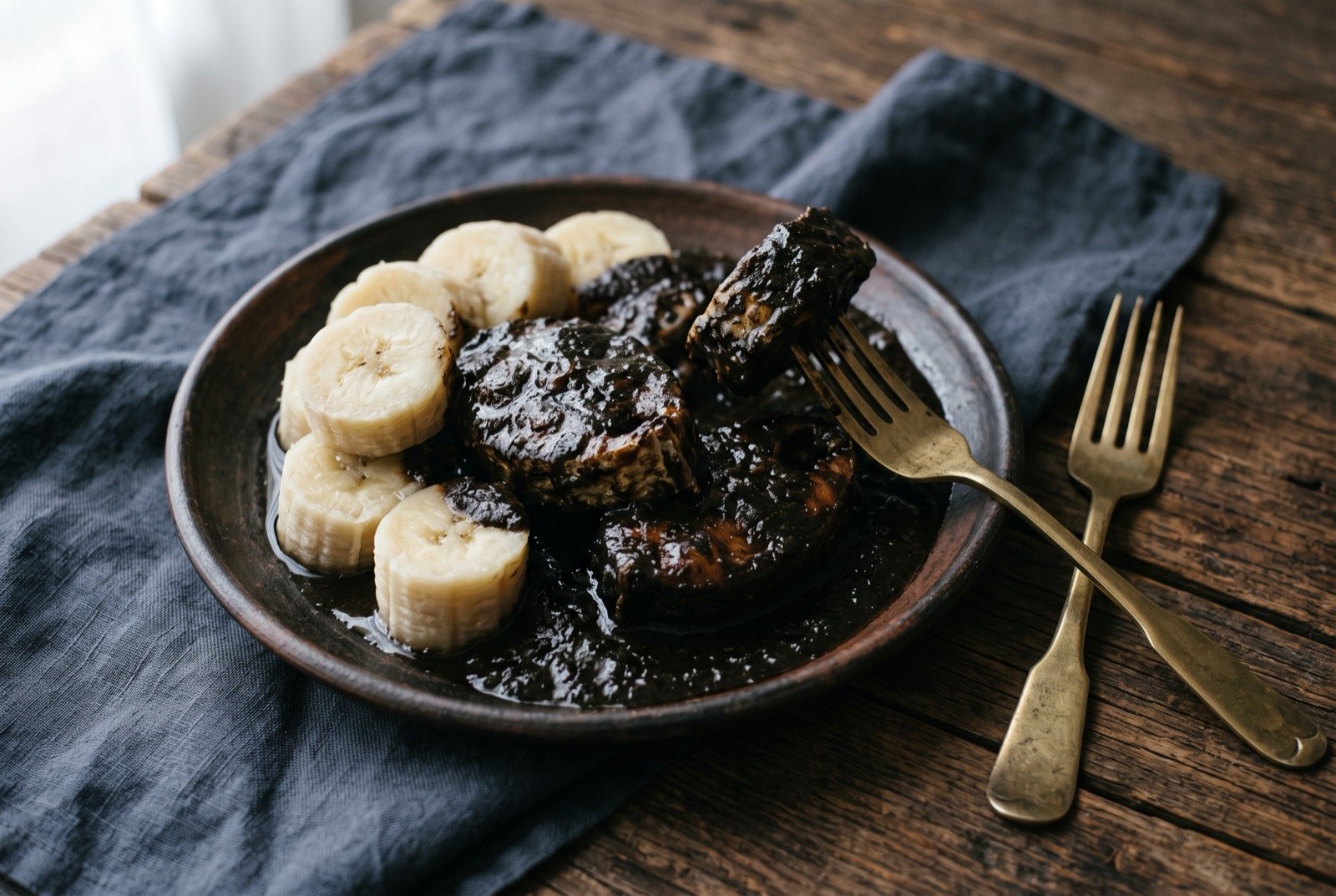 Mbongo tchobi
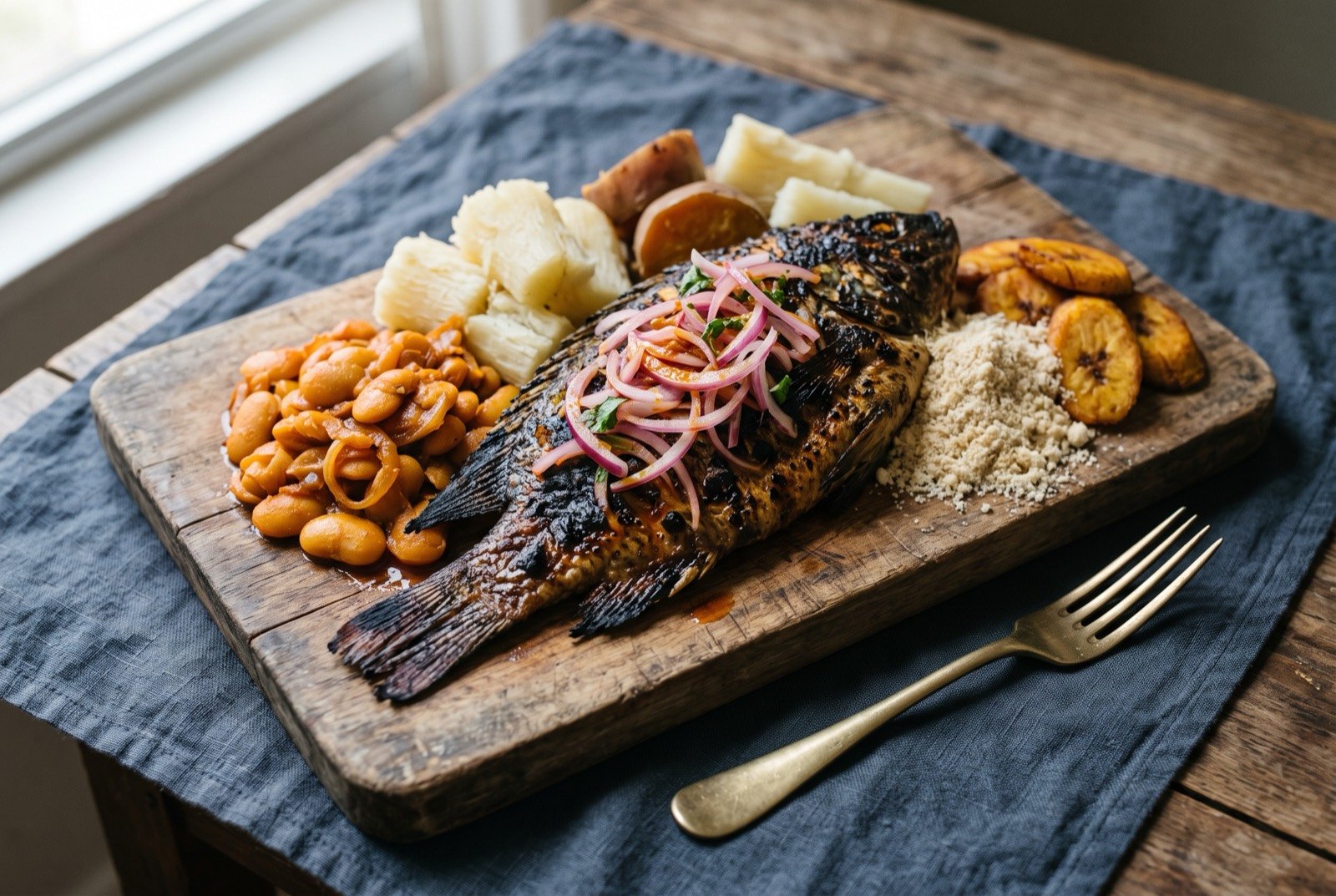 Mufete
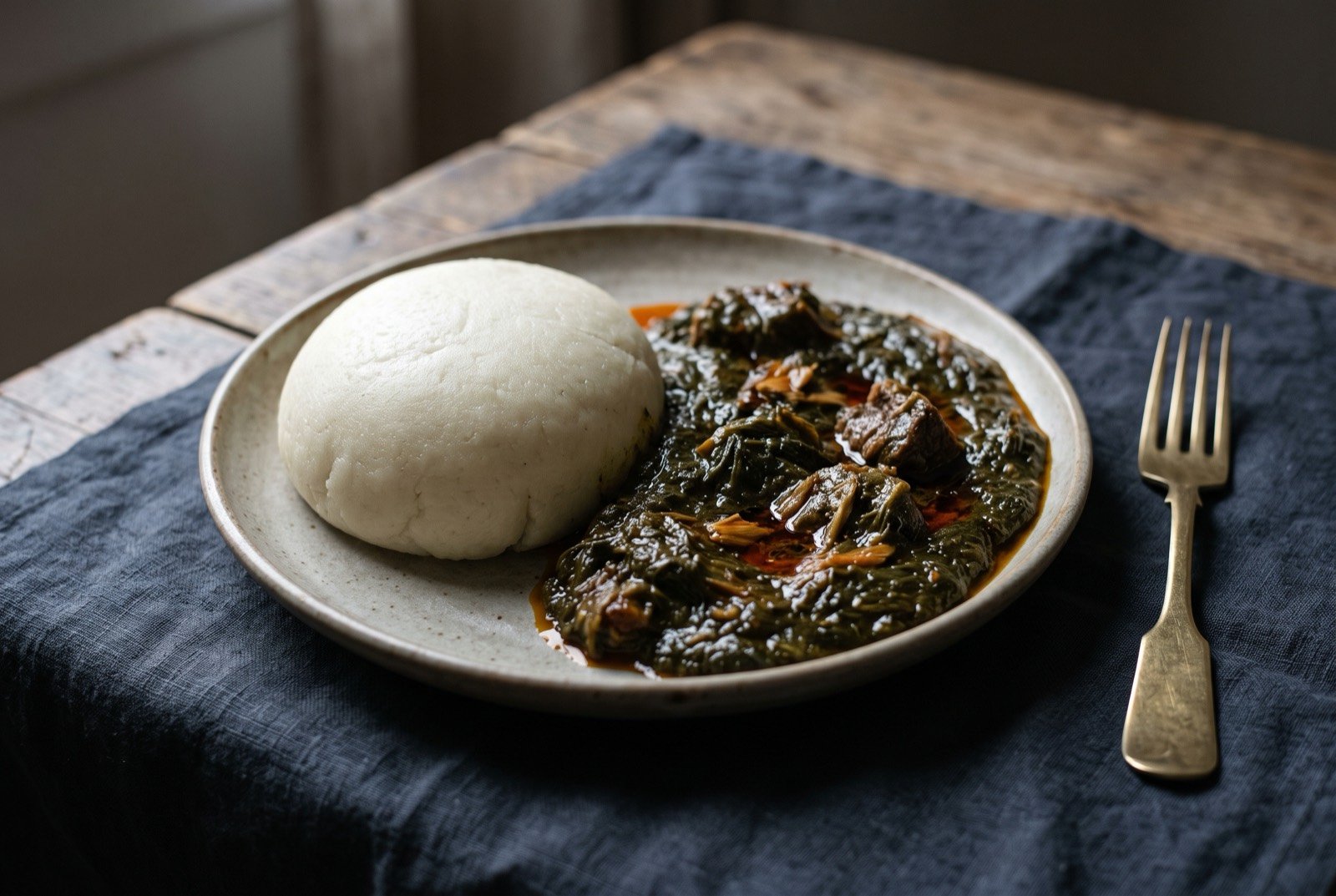 Akoumé with sauce adémè
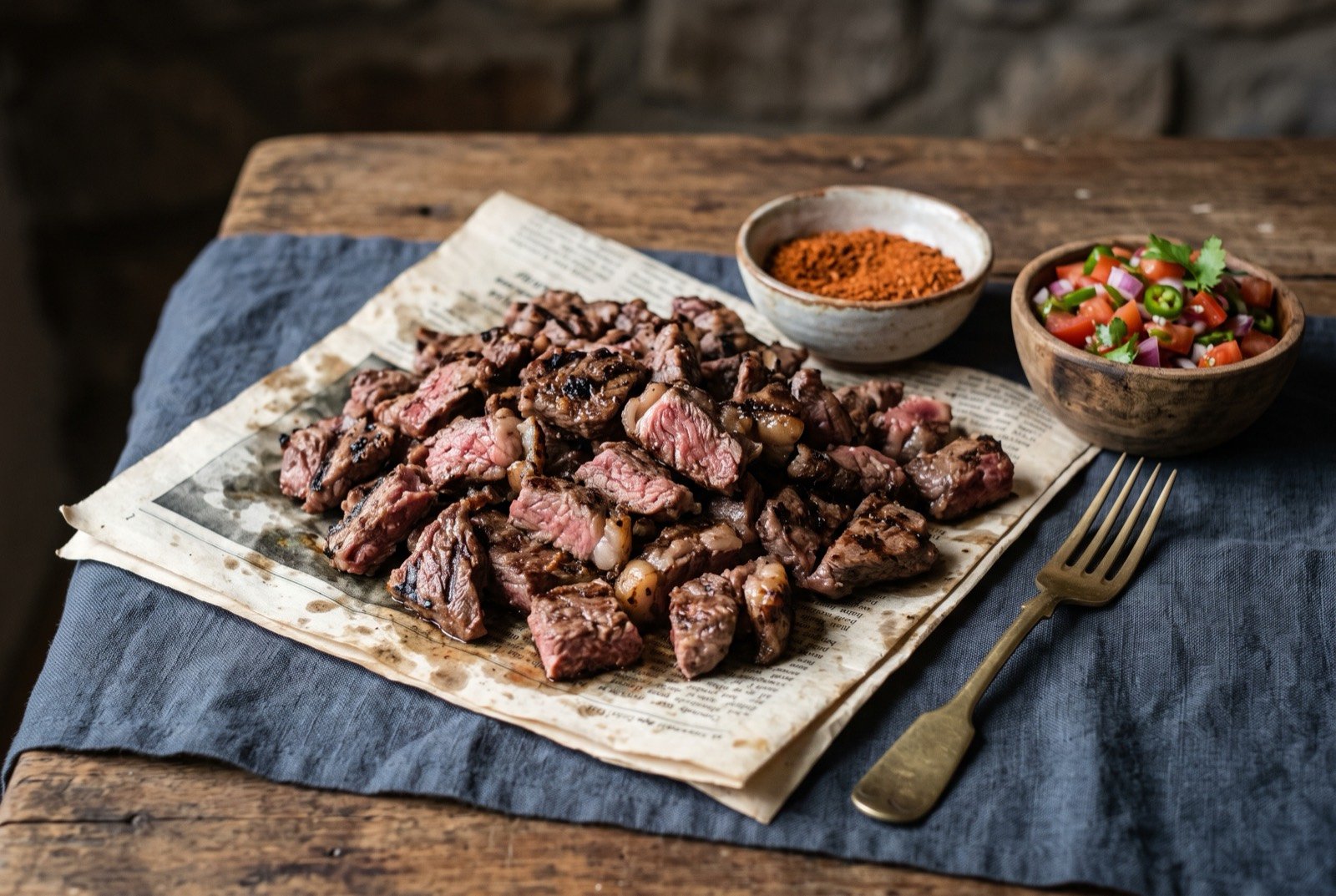 Kapana
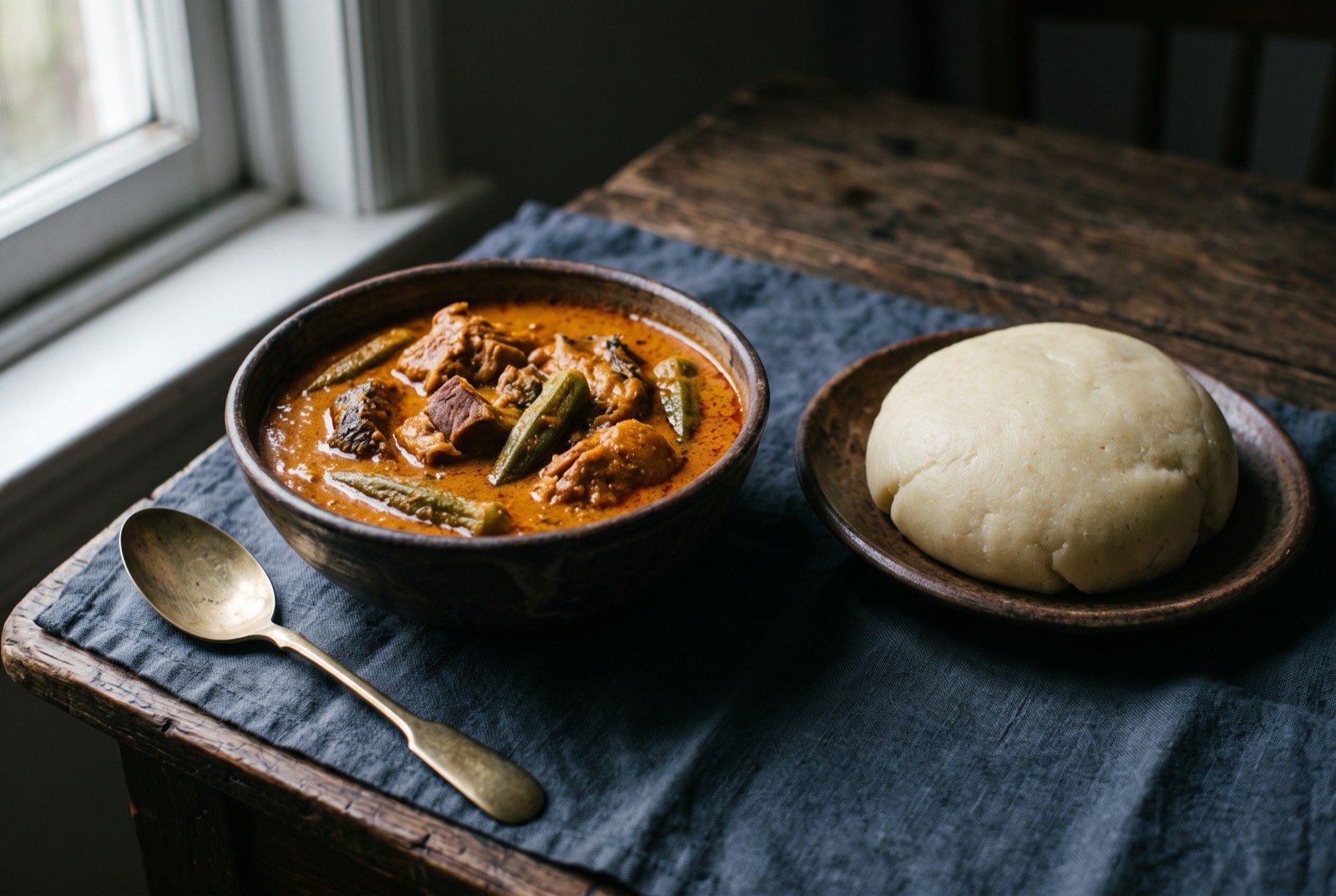 Palm butter soup
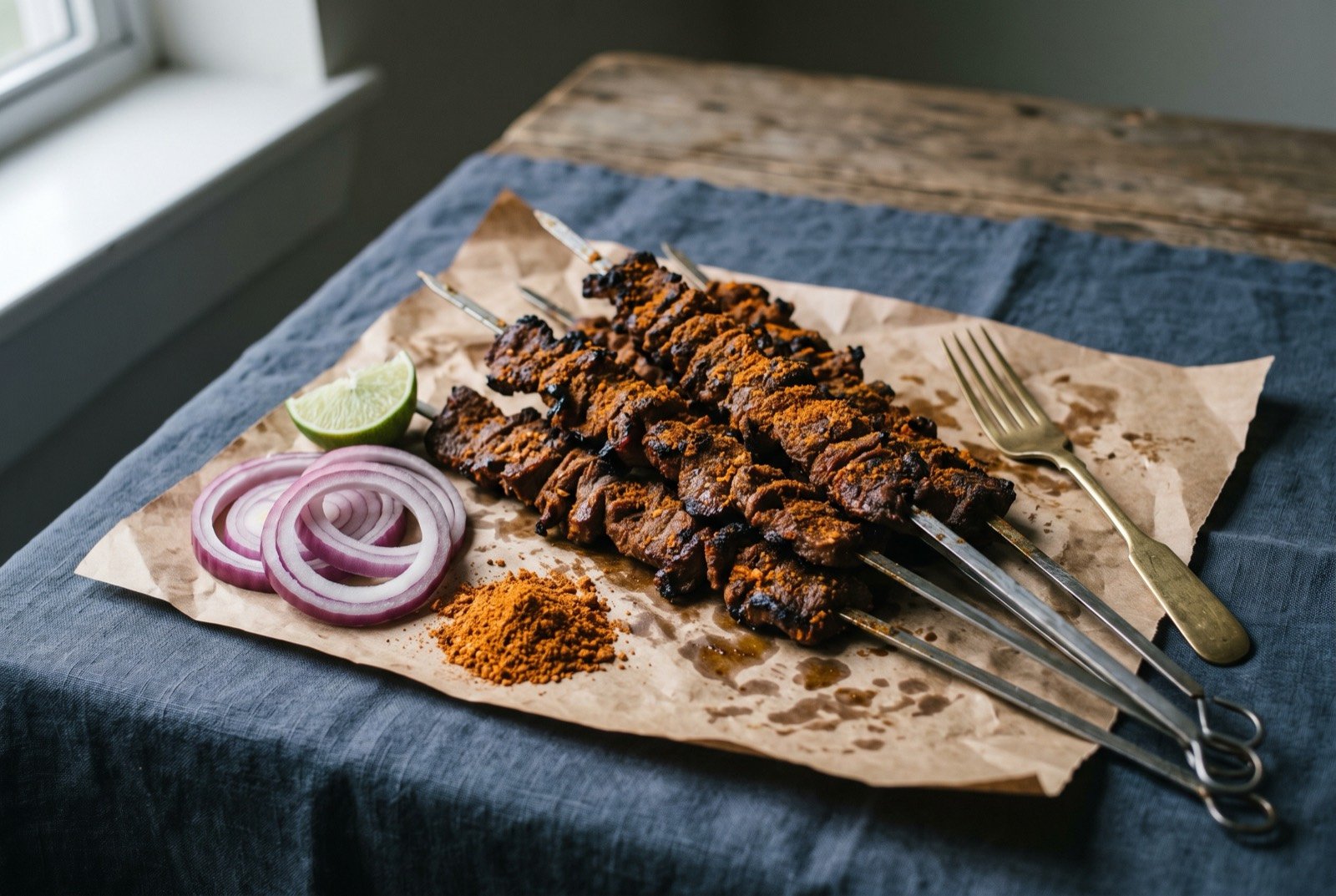 Suya
Suya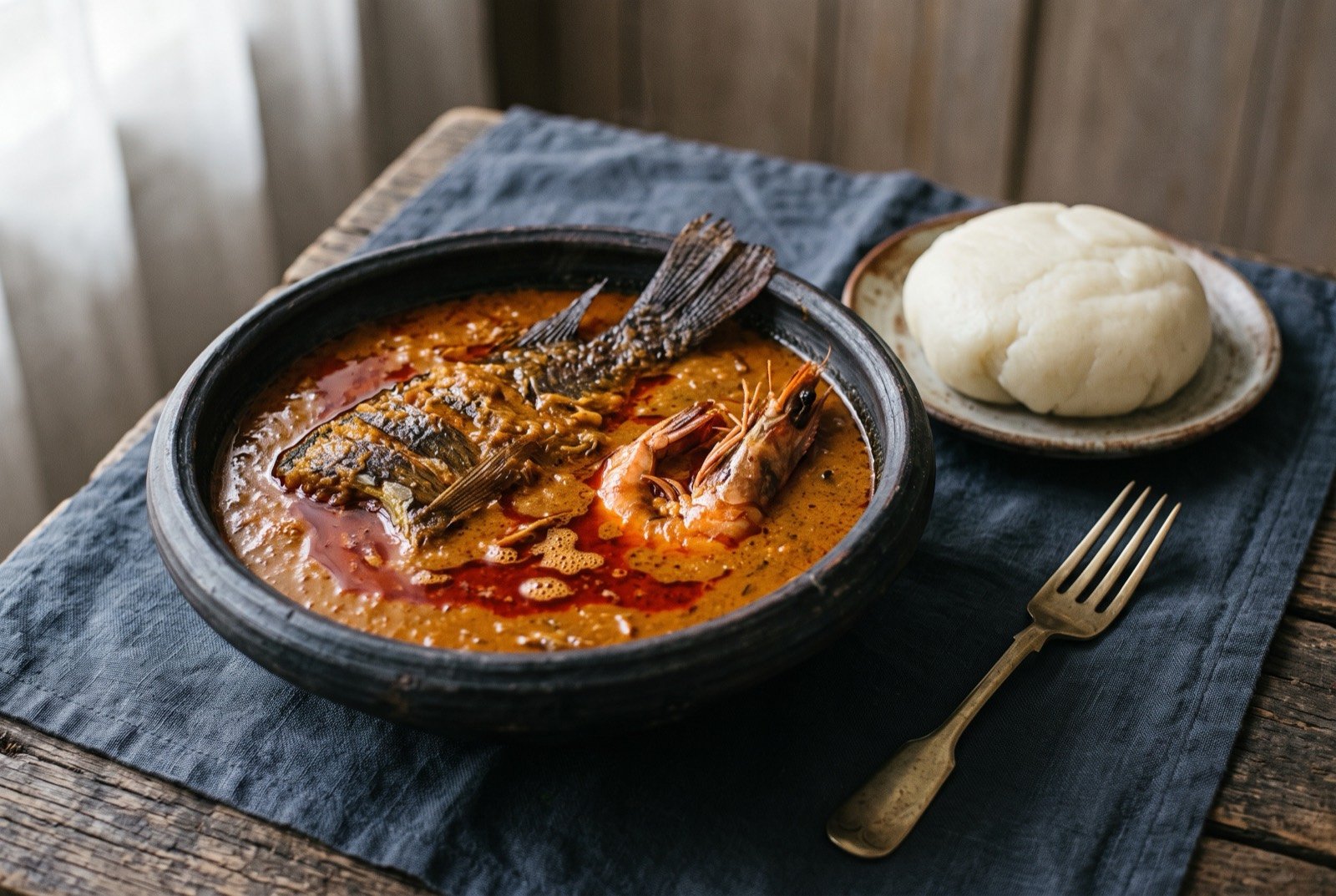 Abenkwan
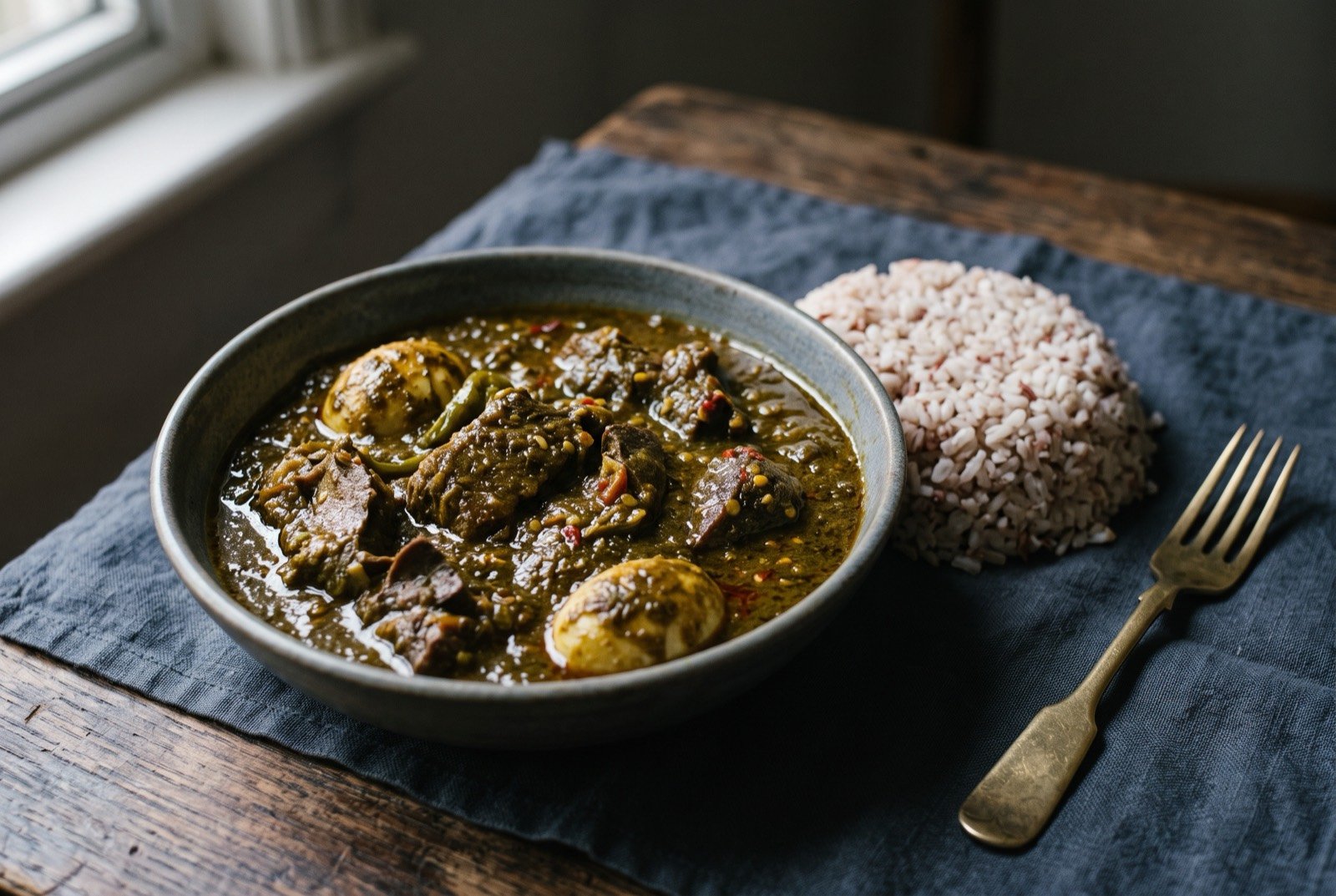 Ayamase
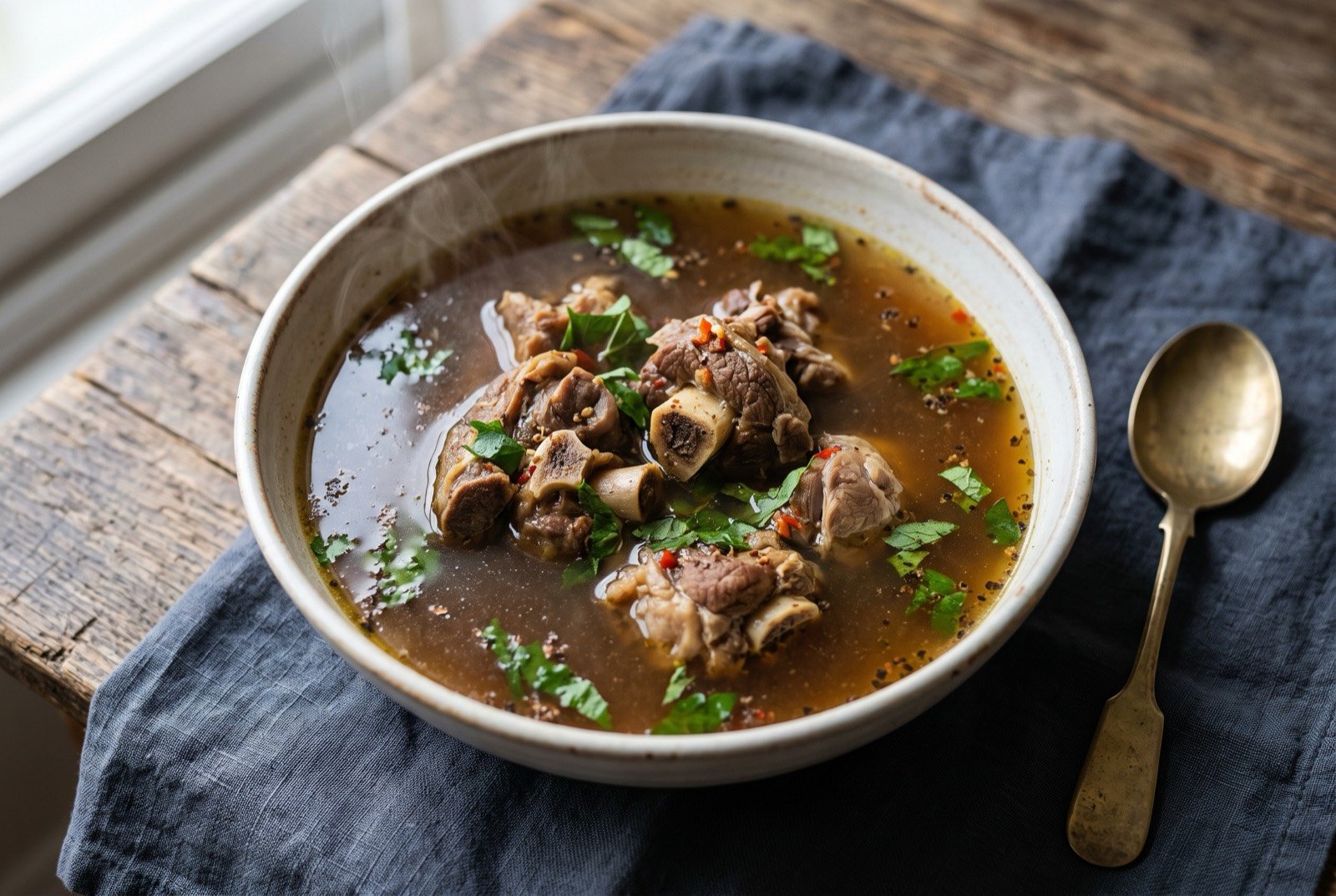 Pepper Soup
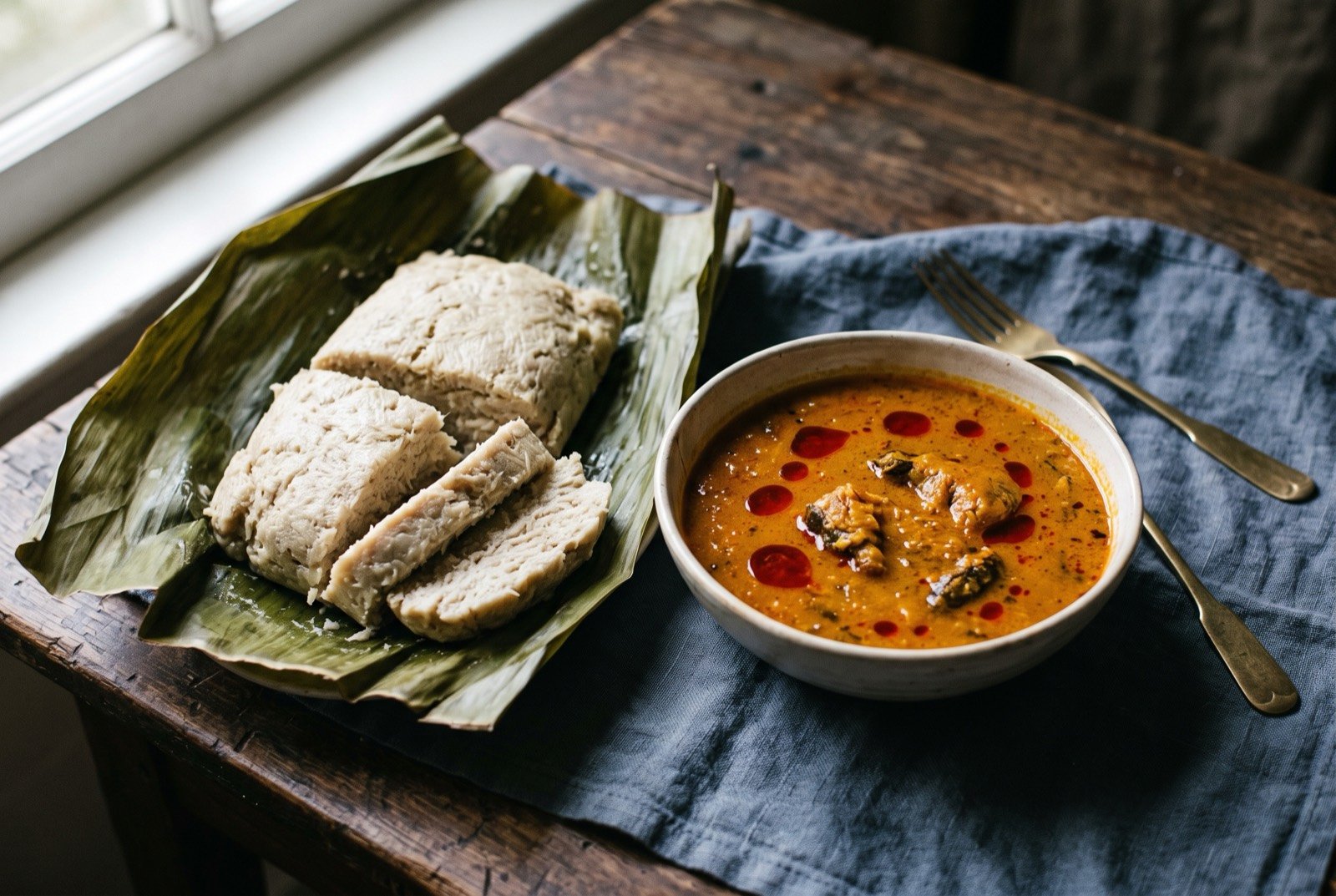 Kwacoco with banga soup
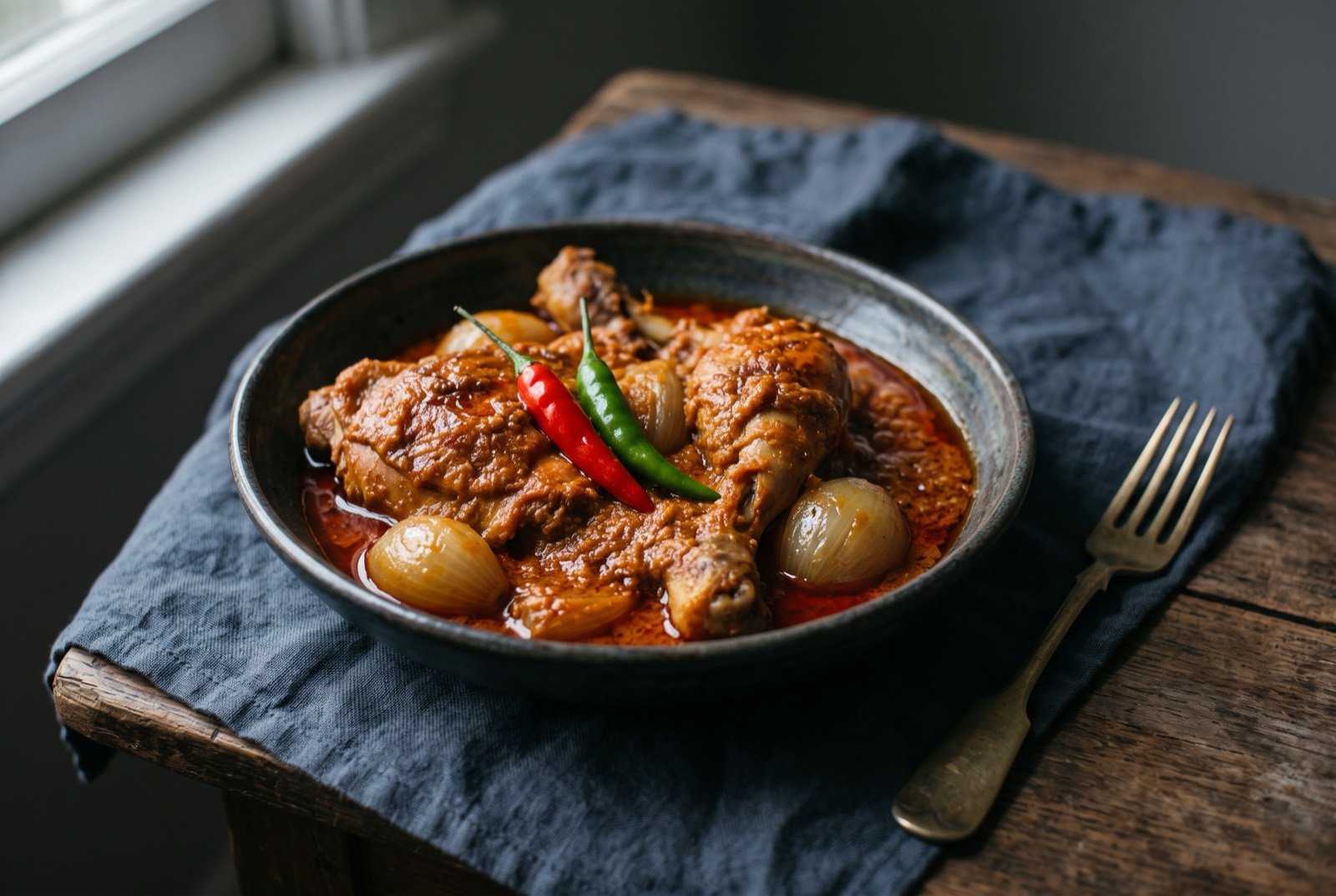 Poulet à la moambe
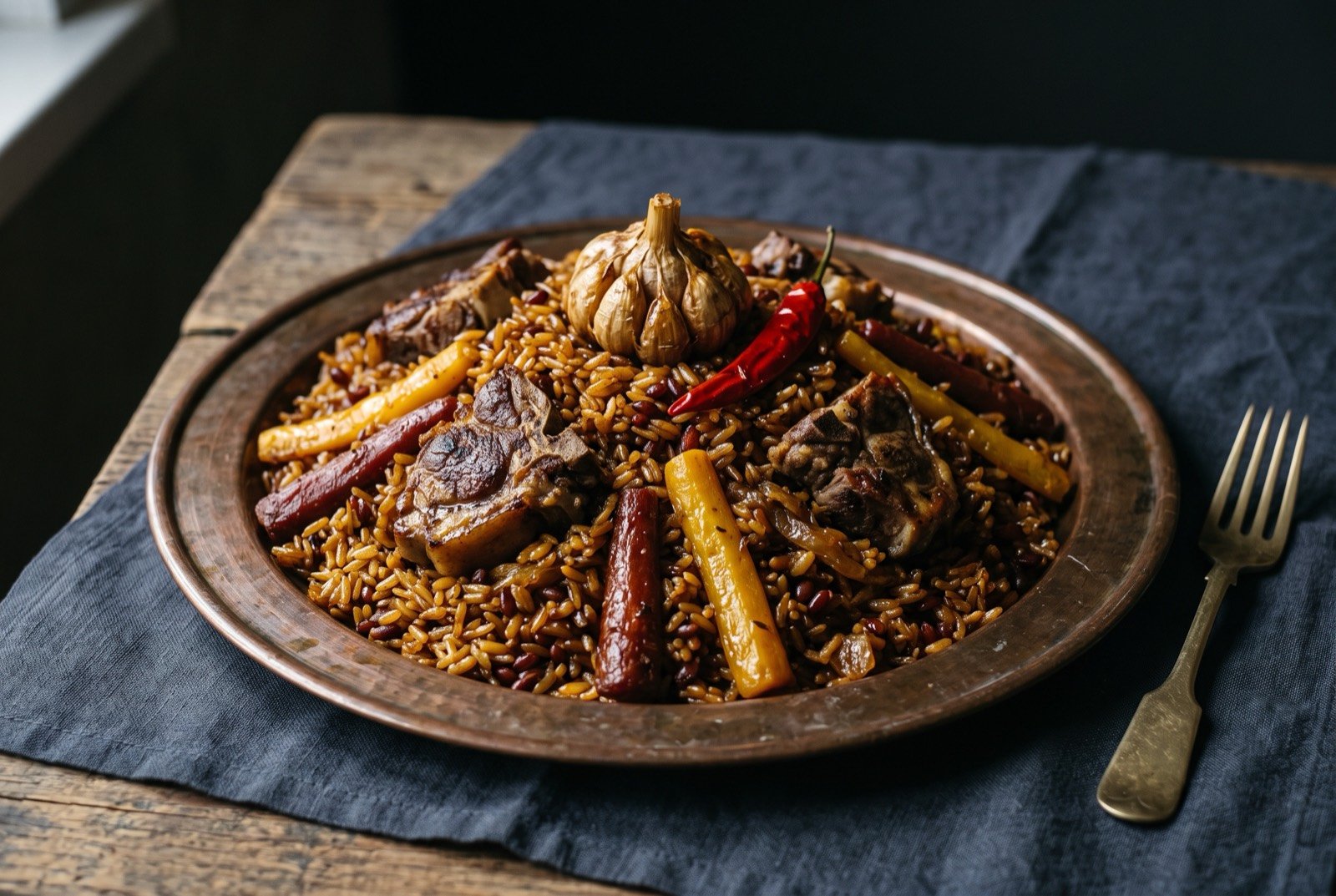 Fergana Kovurma Palov
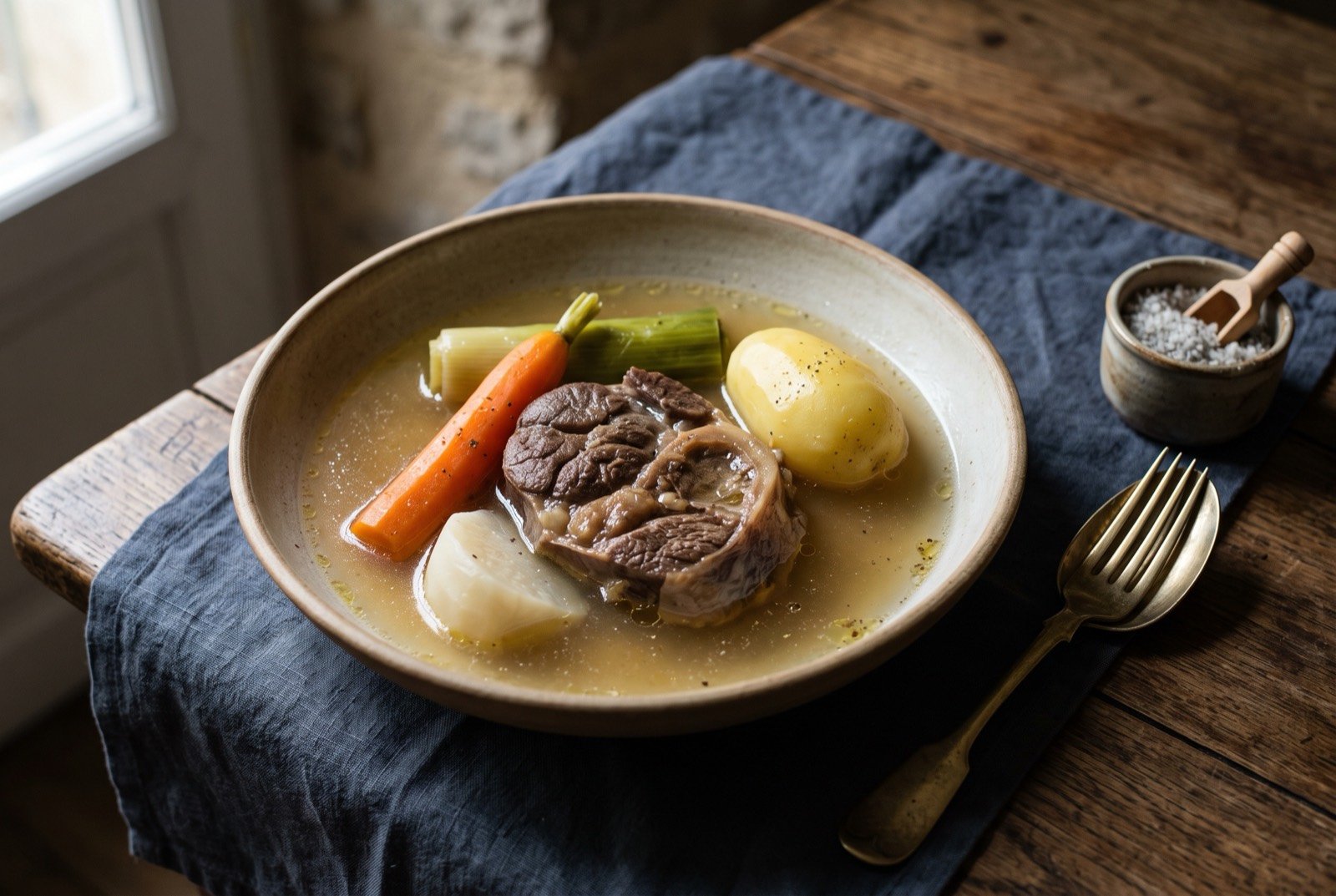 Pot-au-feu
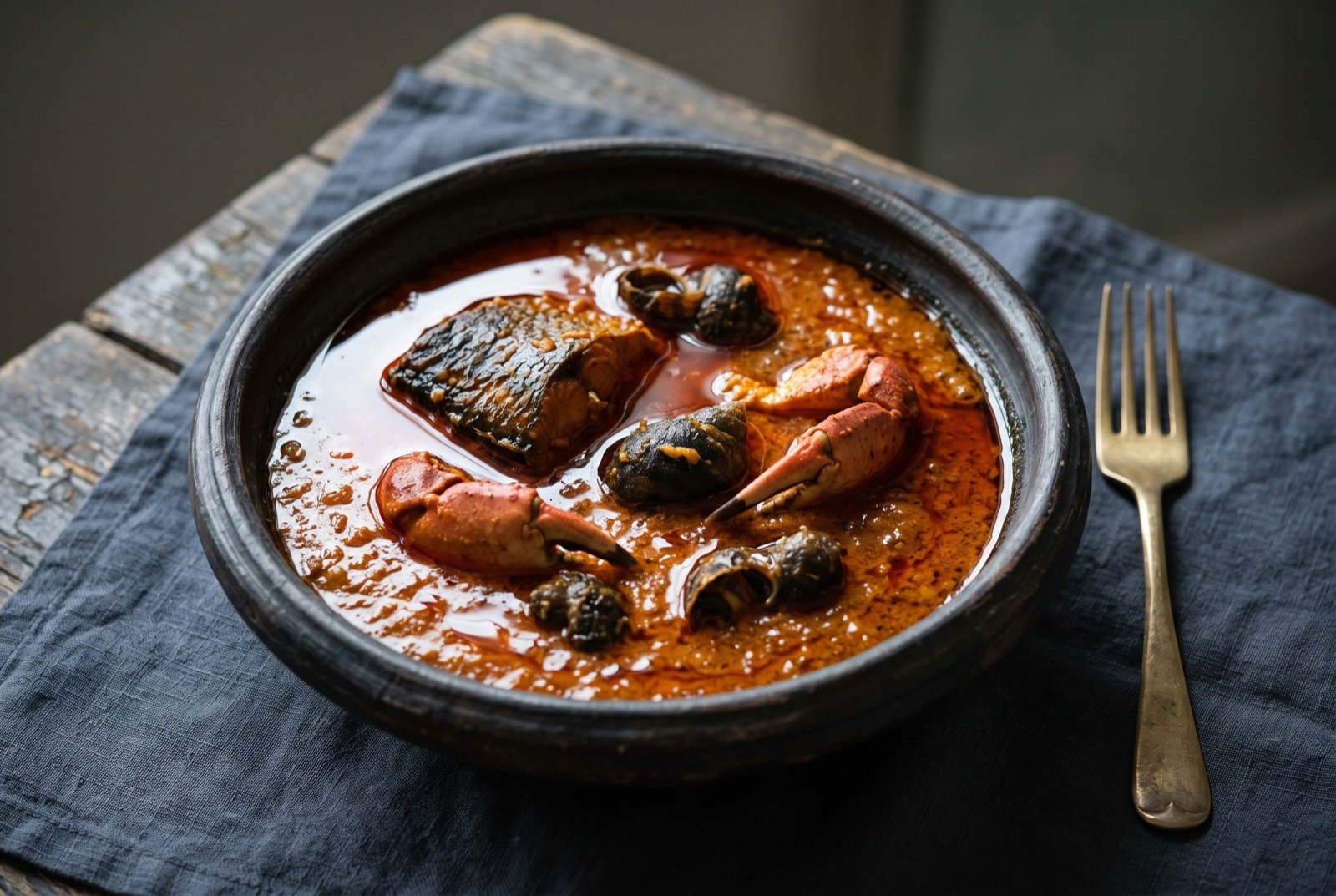 Sauce graine
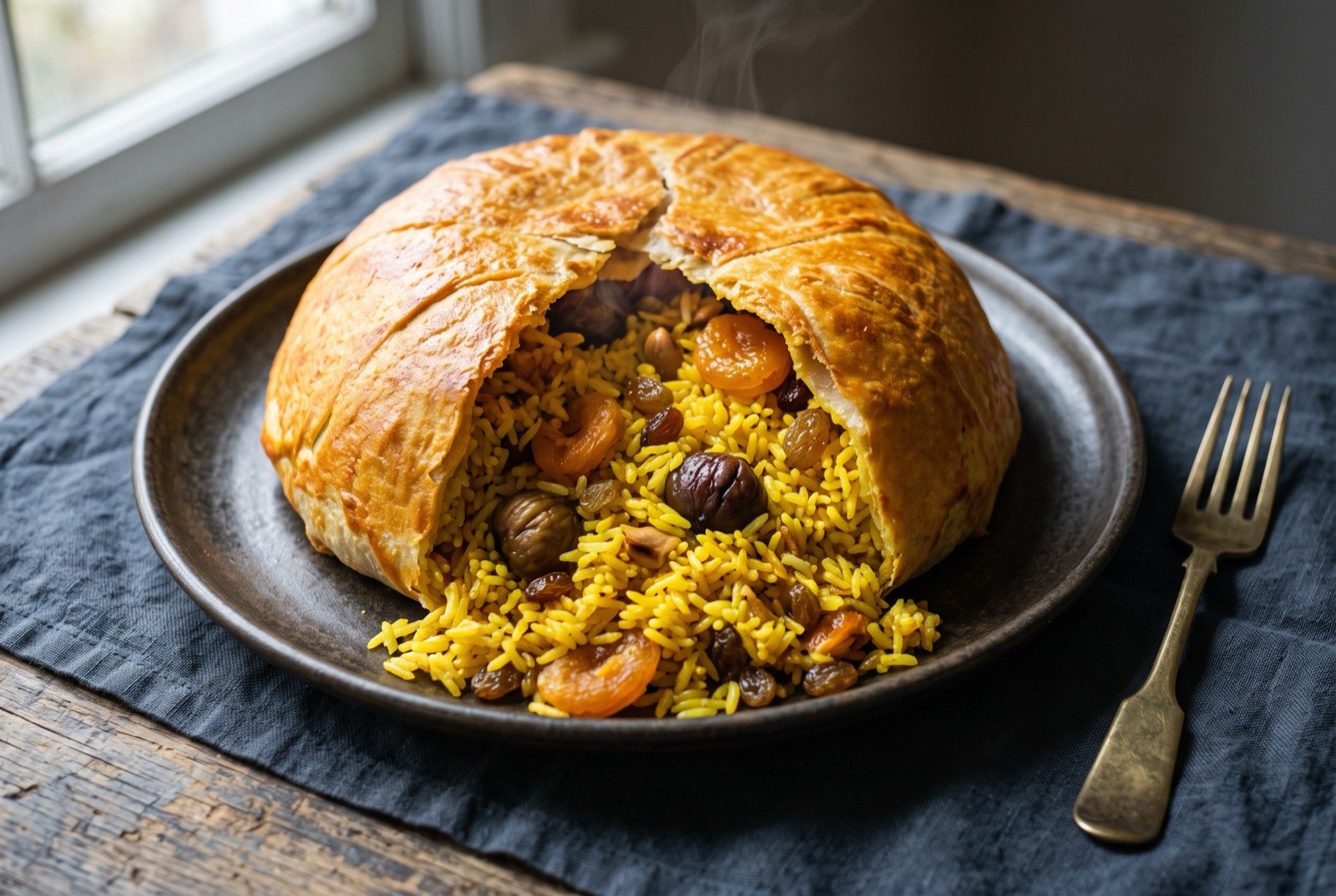 Shah plov
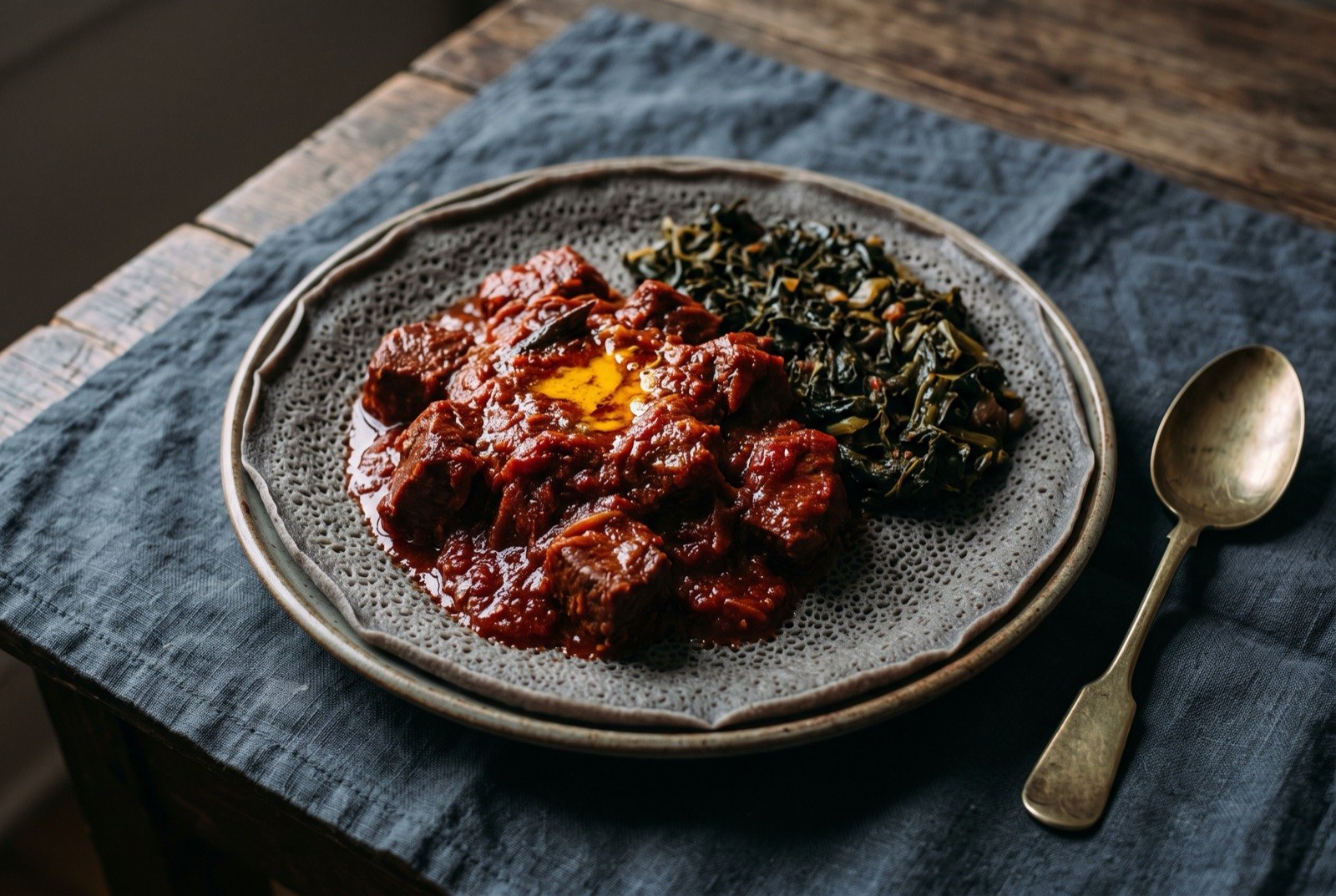 Zigni / key wat
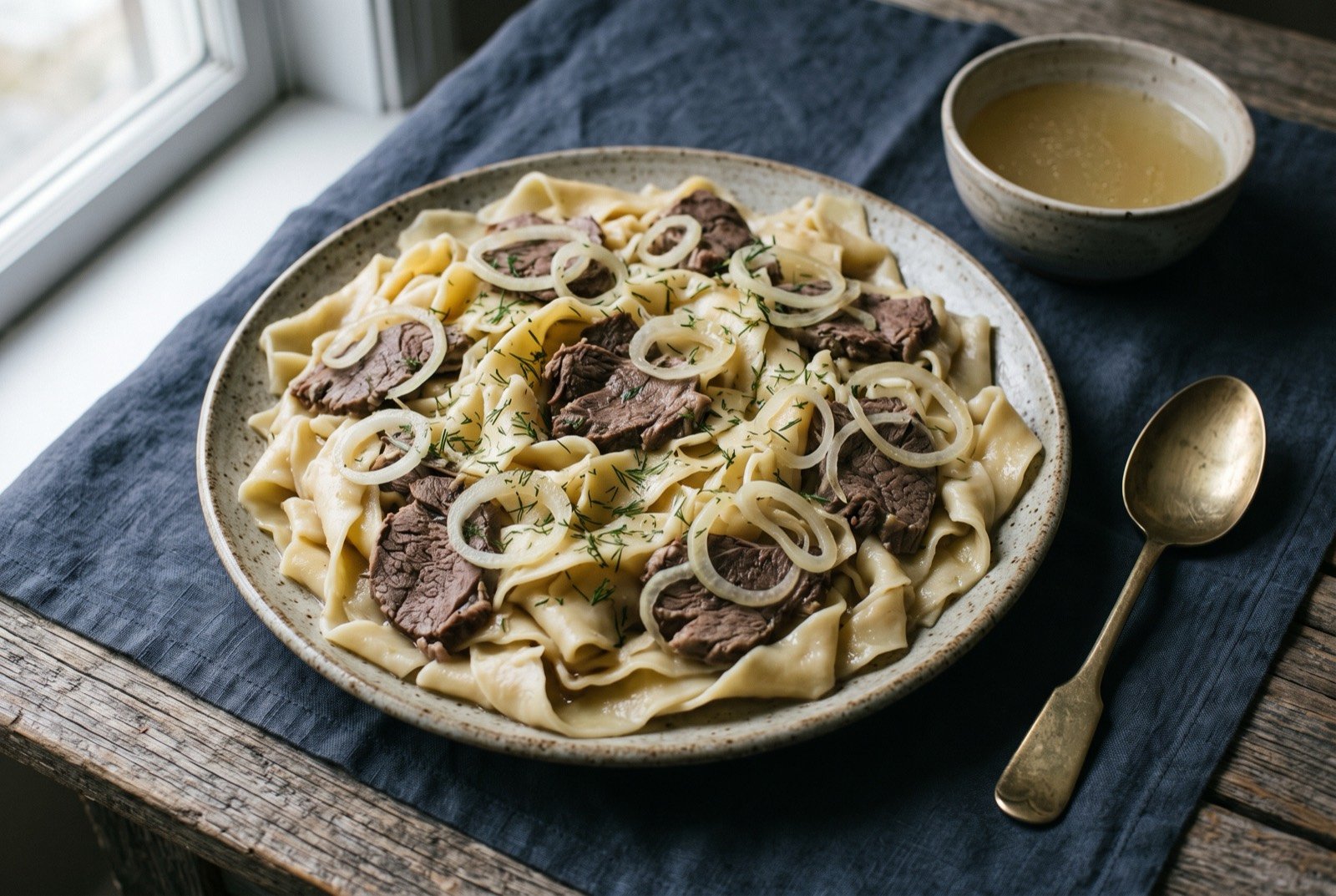 Beshbarmak
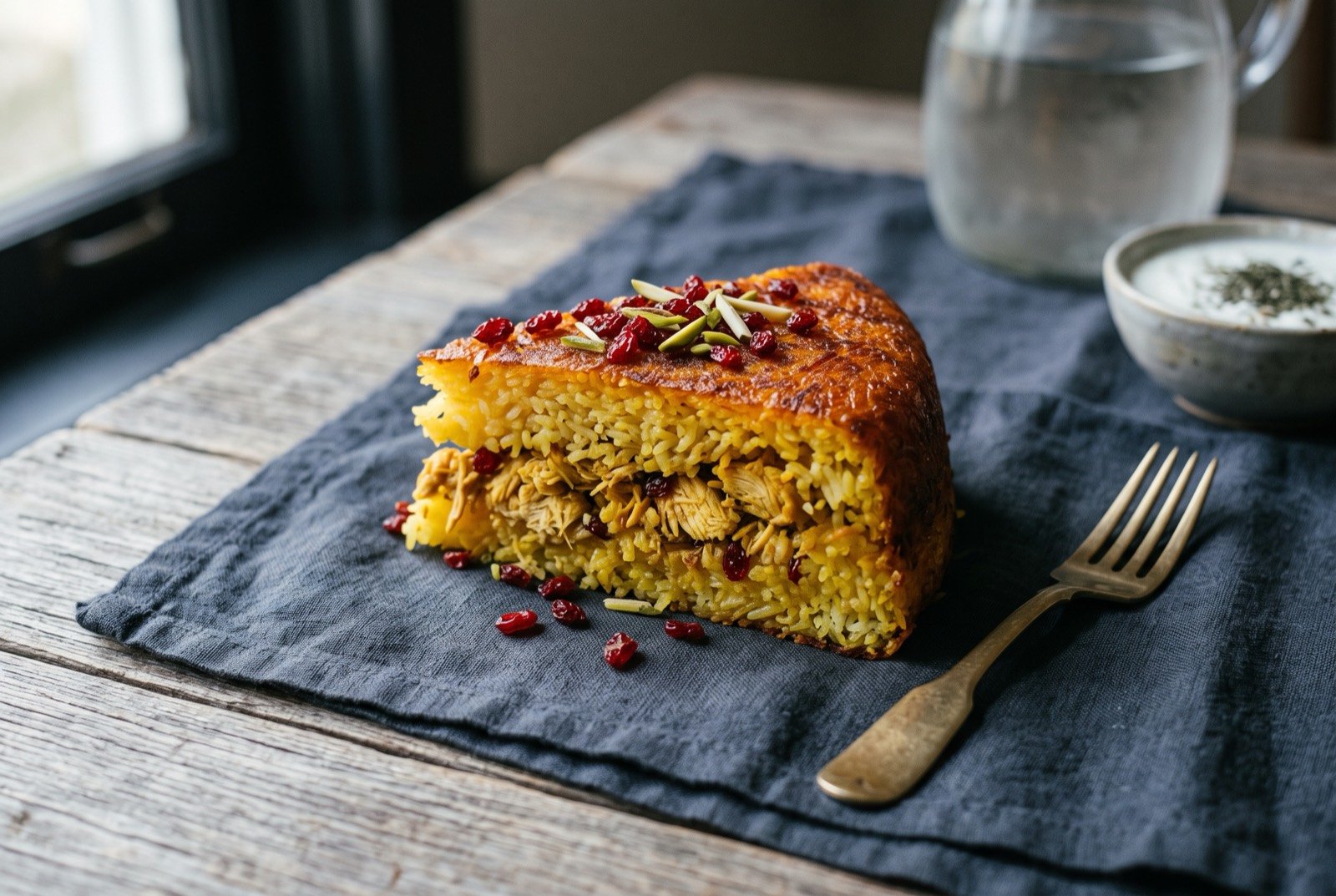 Tahchin-e Morgh
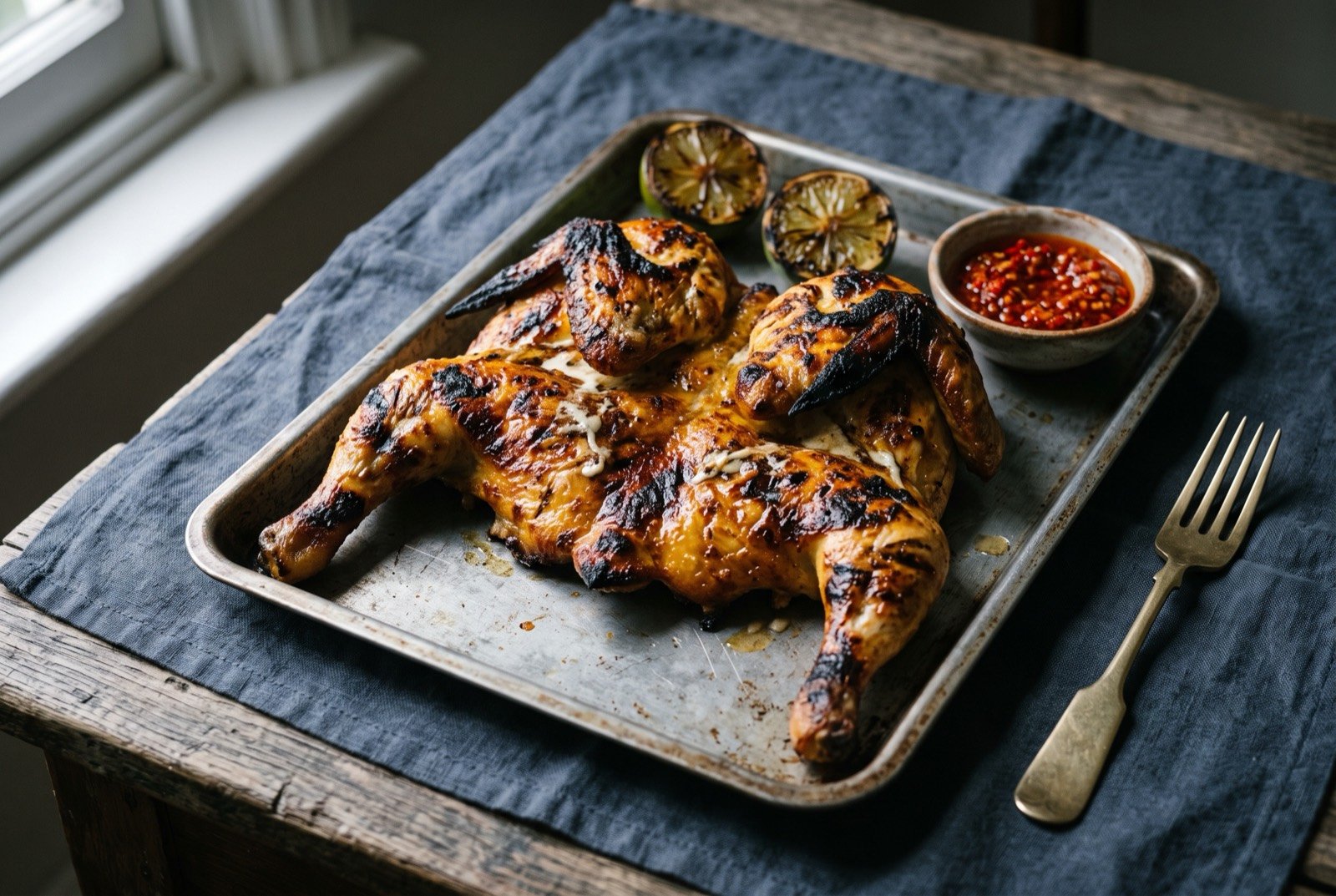 Galinha à Zambeziana
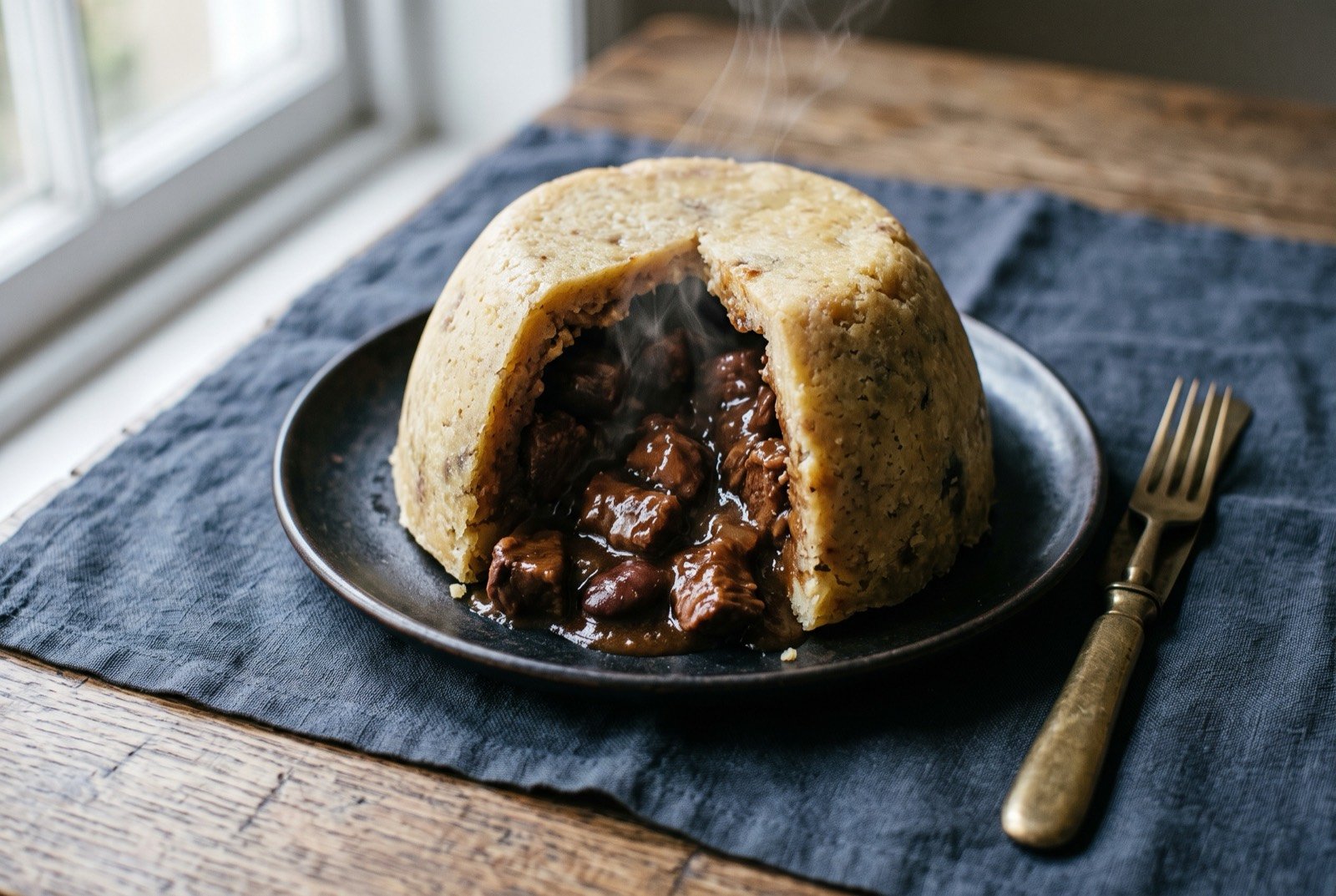 Steak and Kidney Pudding
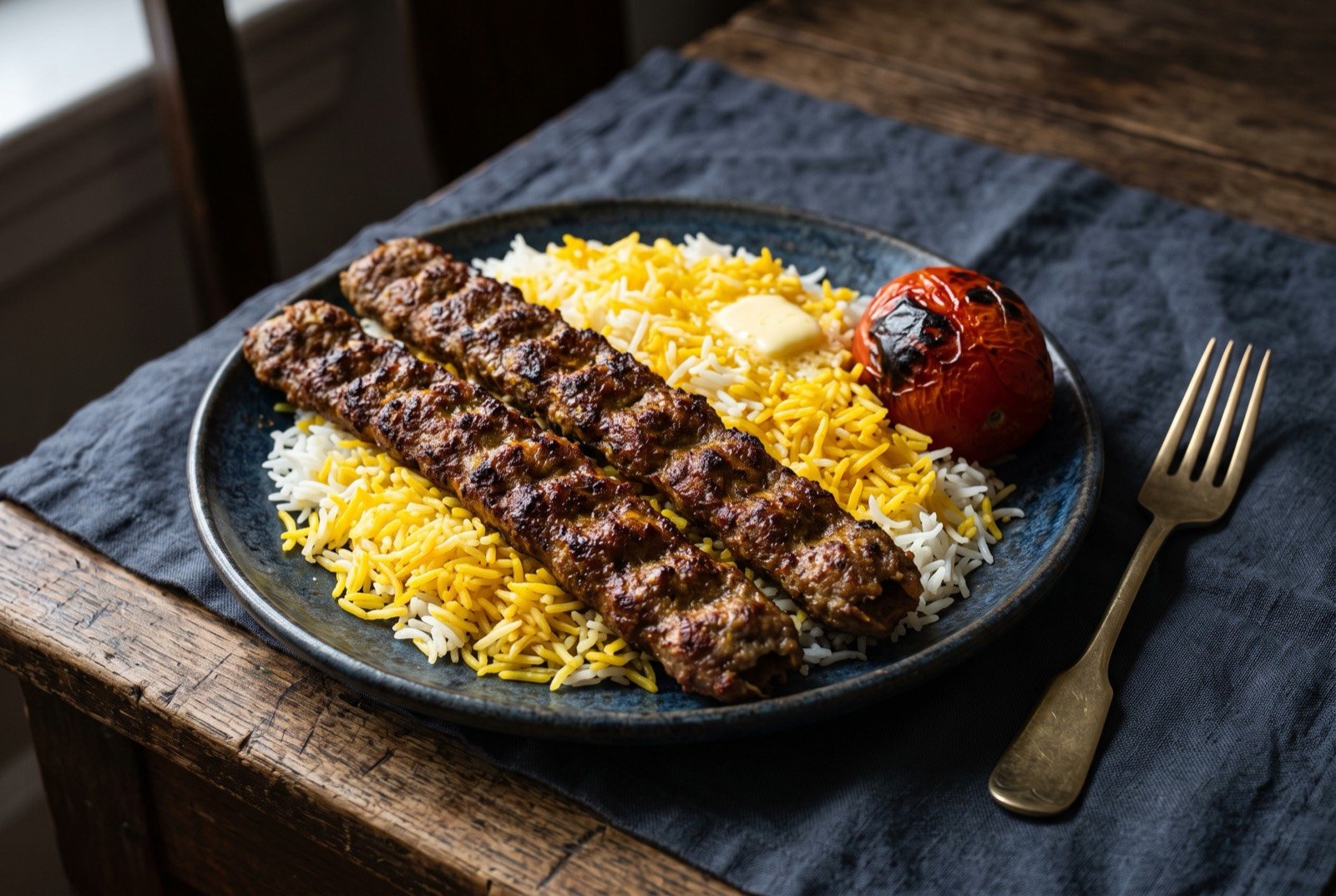 Chelo Kabab Koobideh
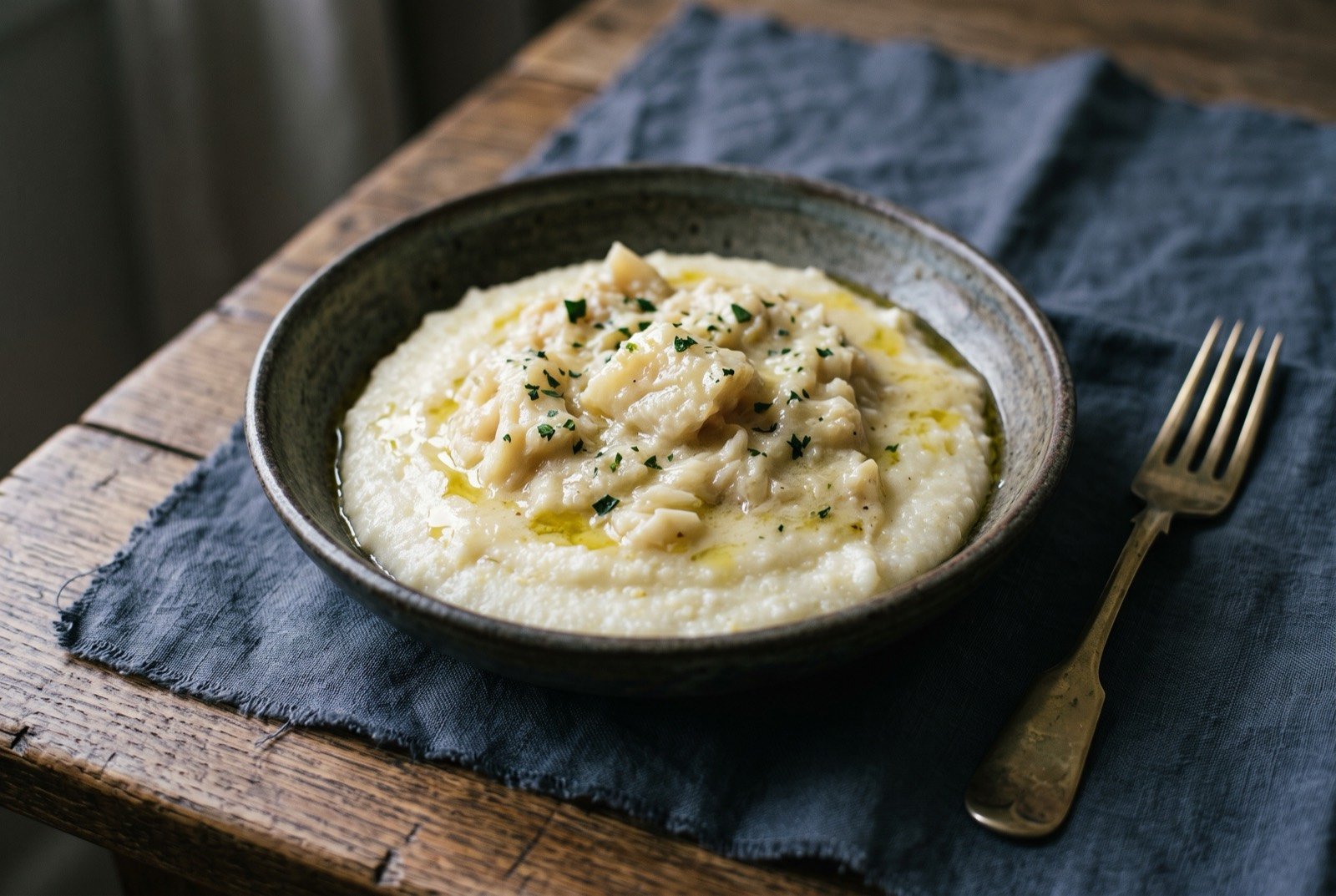 Baccalà alla Vicentina
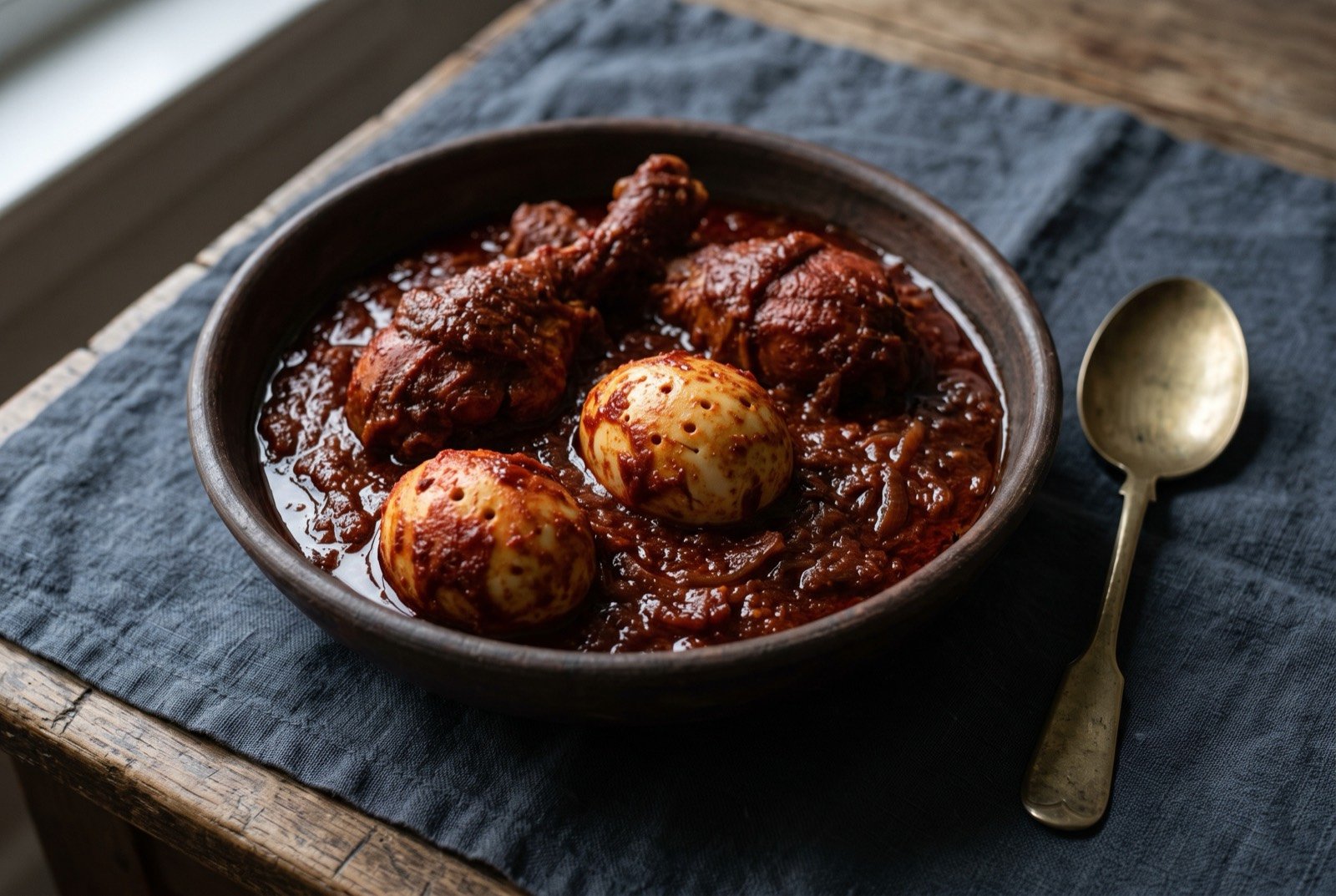 Doro wat / dorho tsebhi
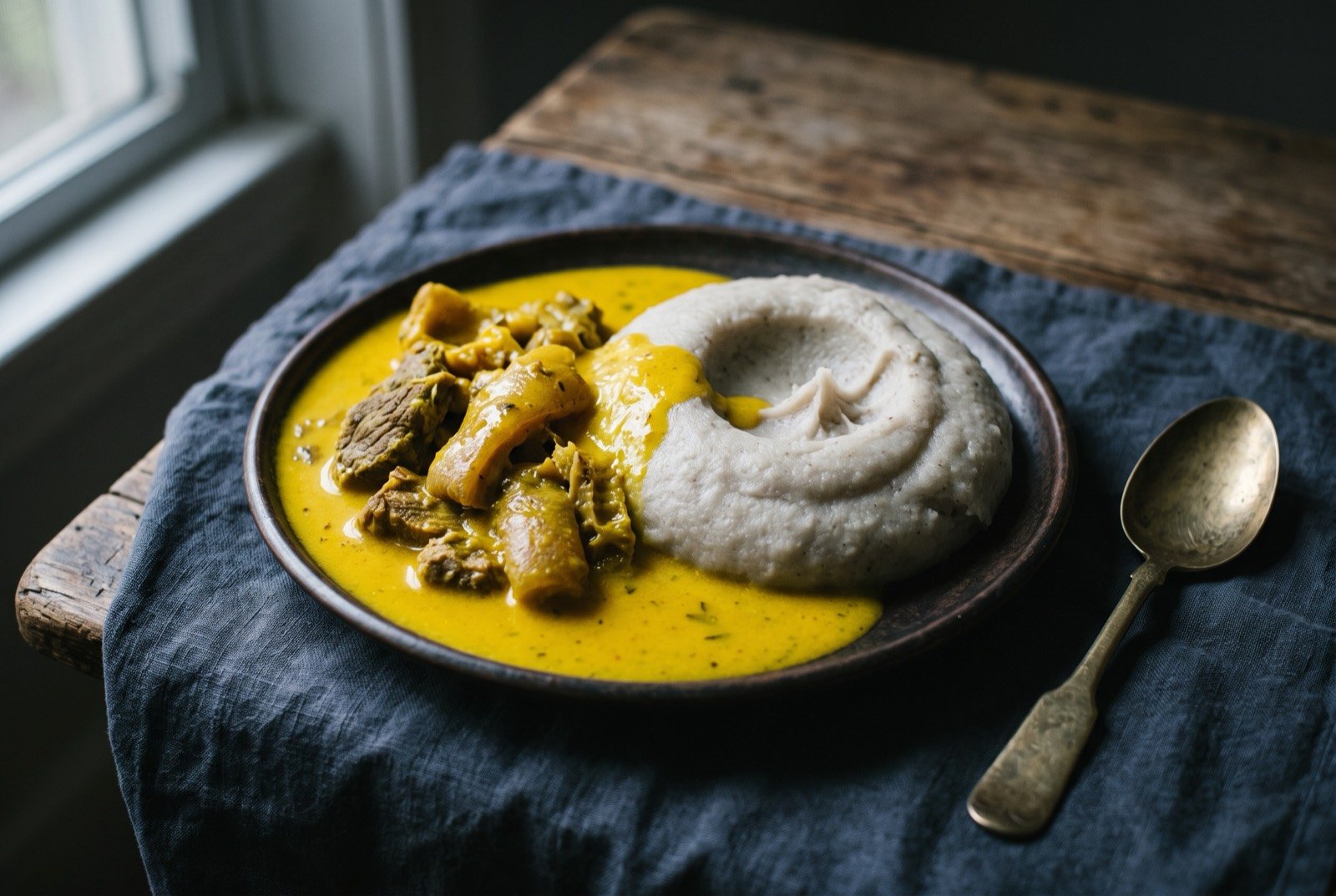 Achu with yellow soup
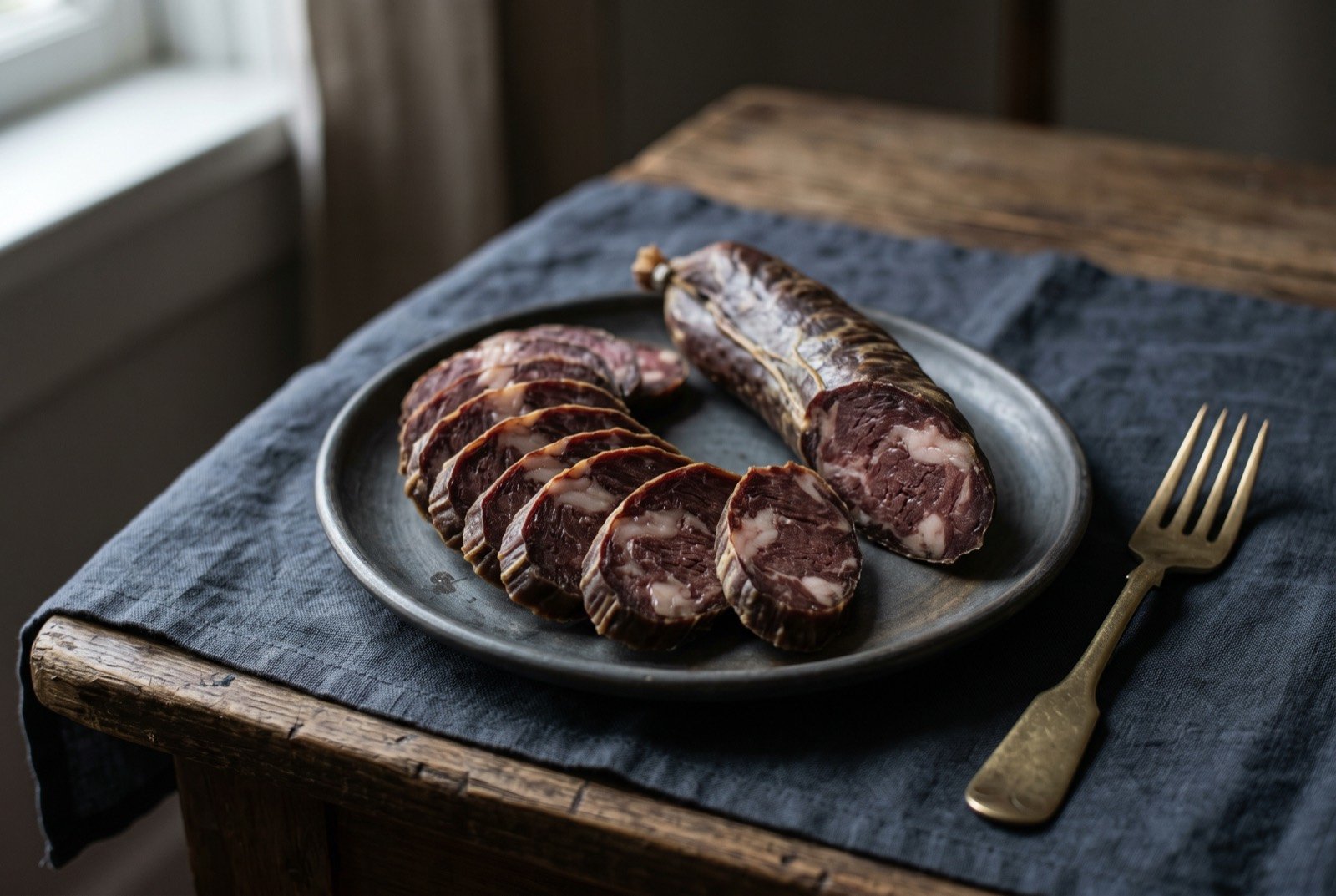 Kazy
Kazy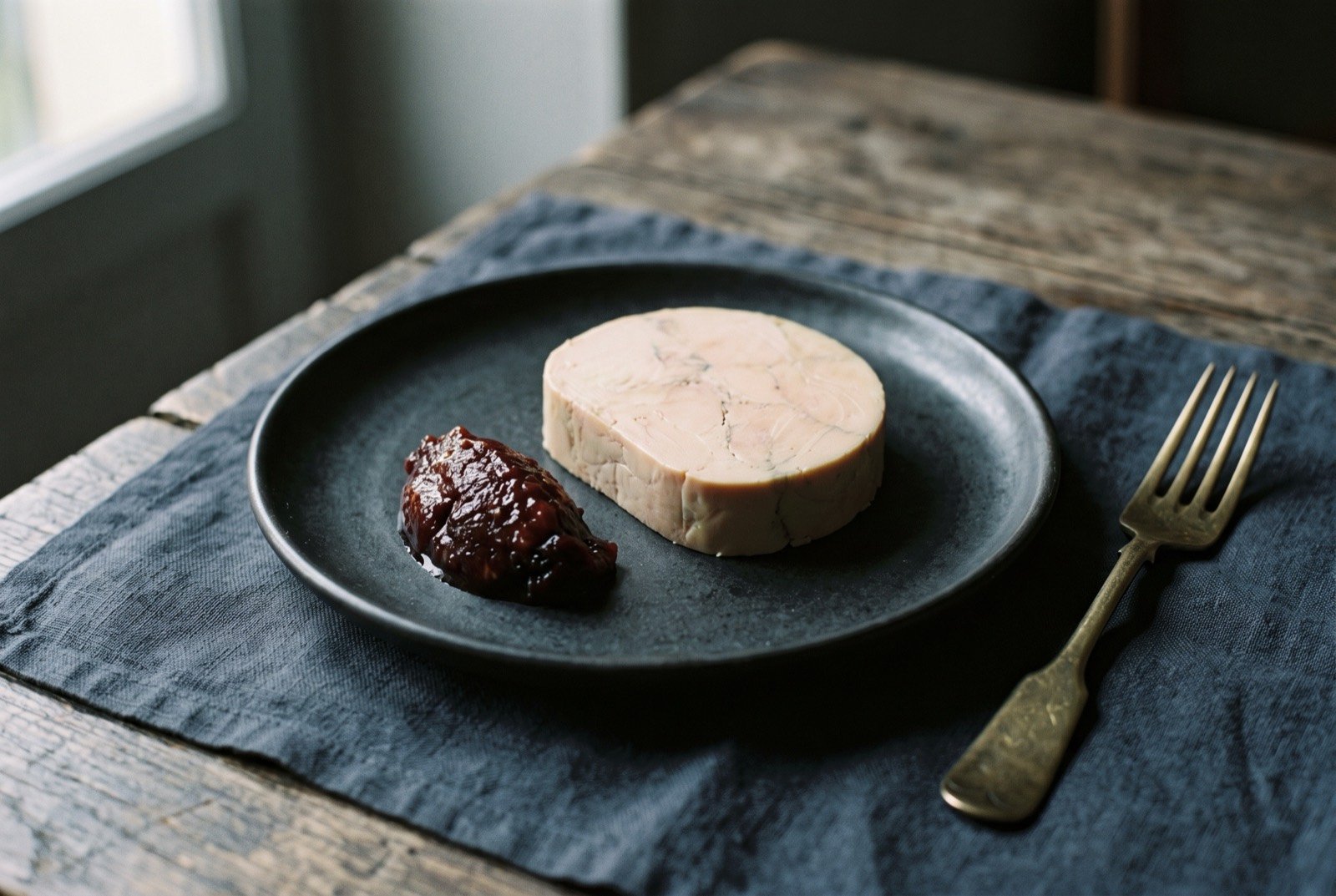 Foie Gras au Torchon
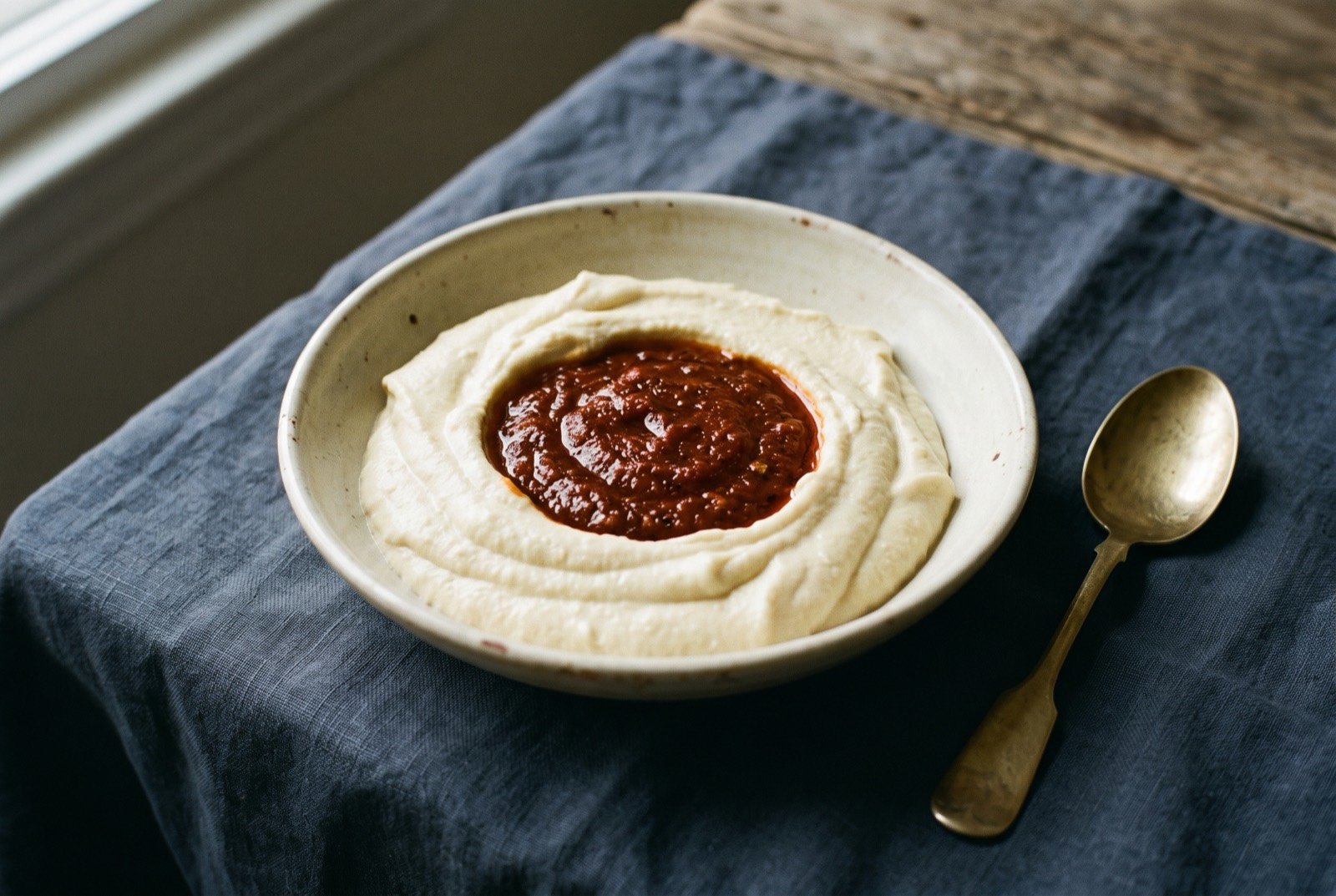 Hilbet
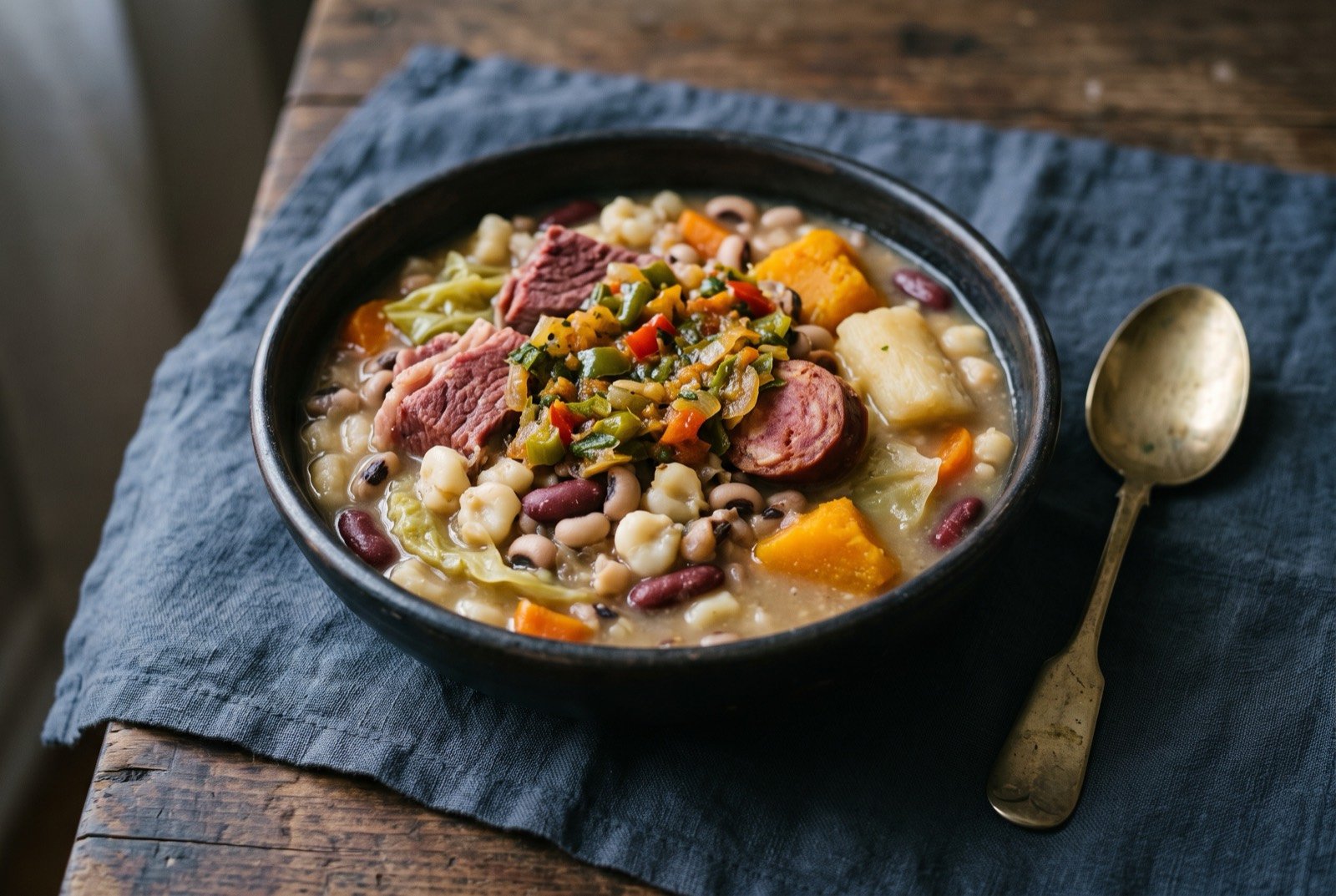 Cachupa rica
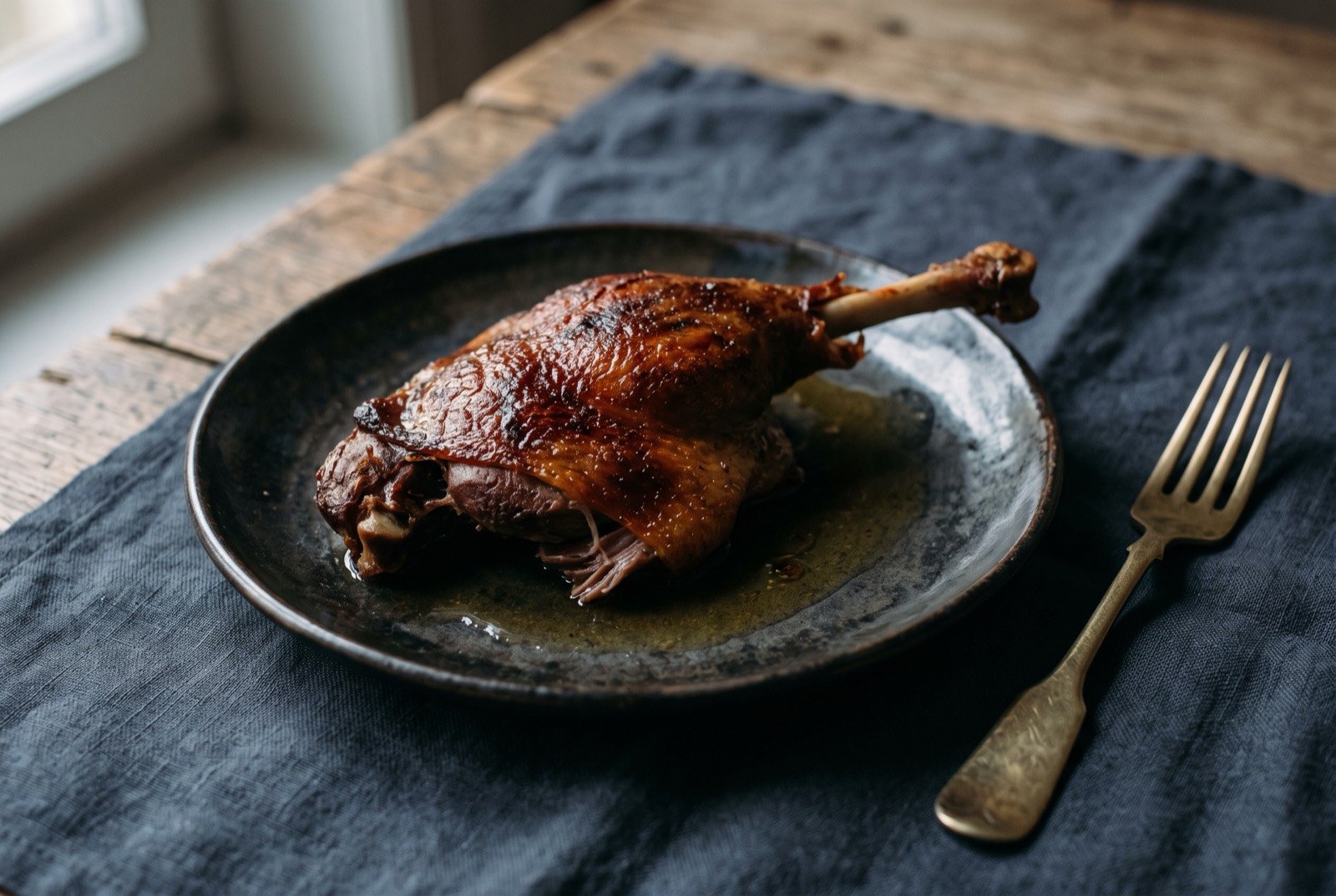 Confit de Canard
Untimed
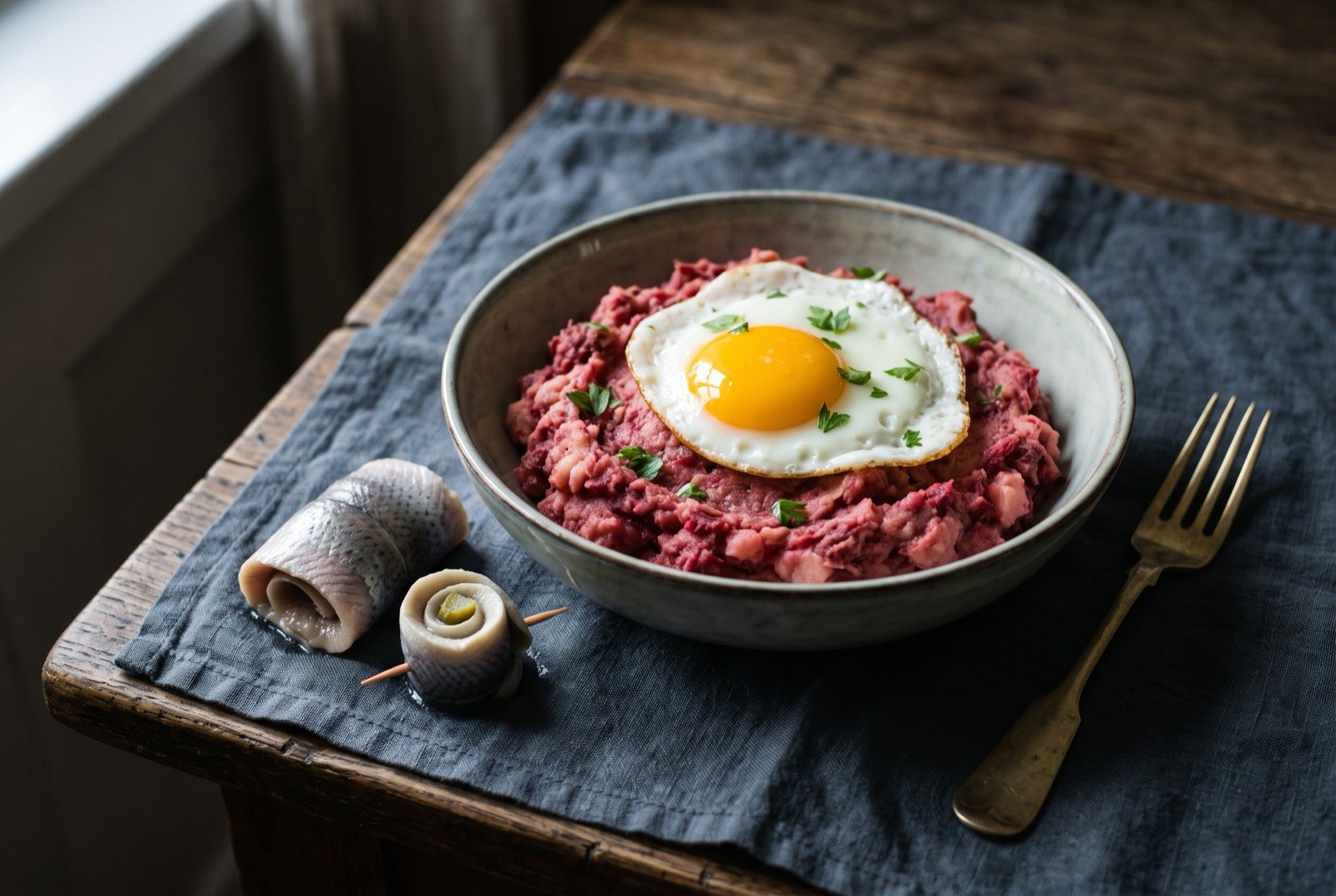 Labskaus
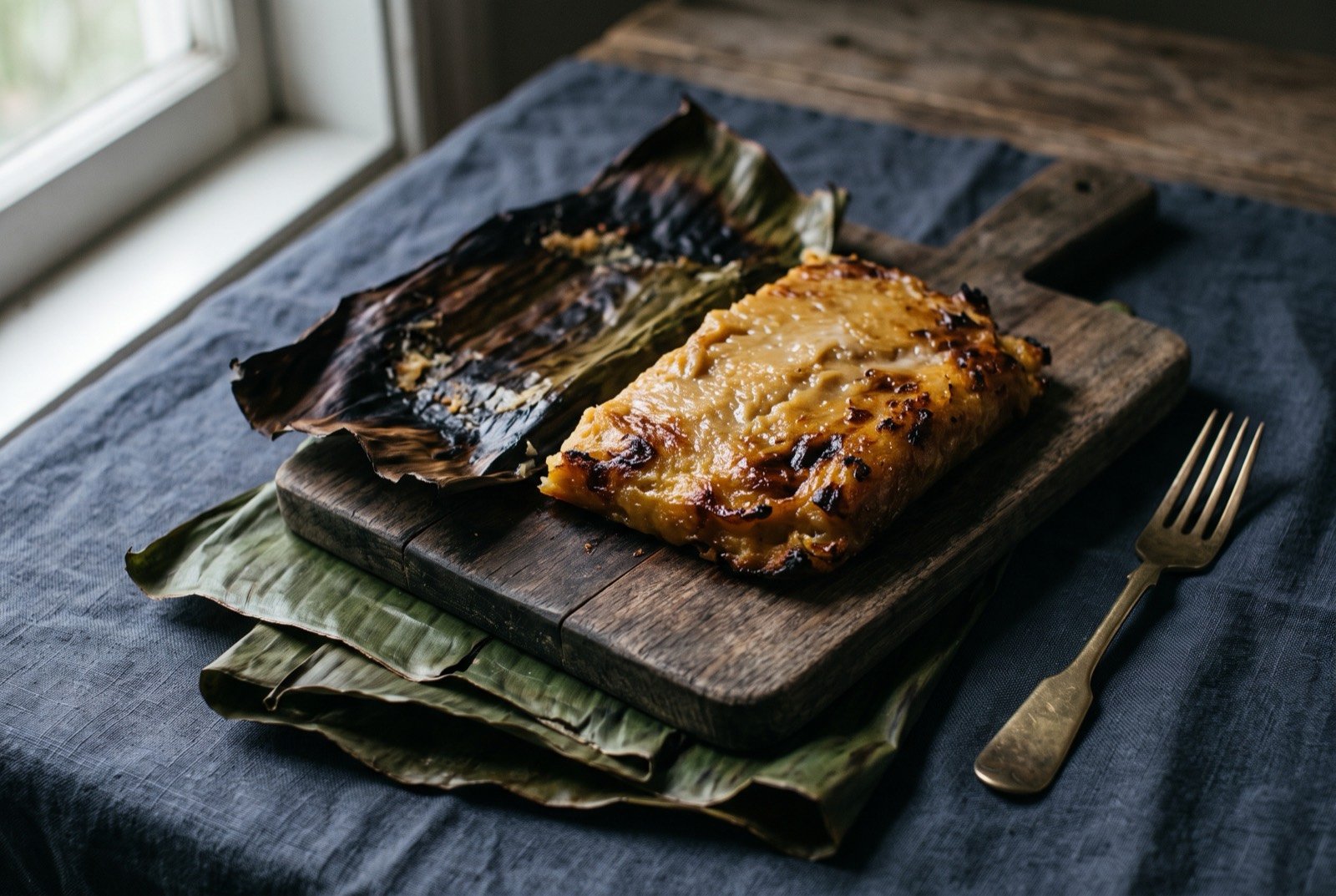 Laplap
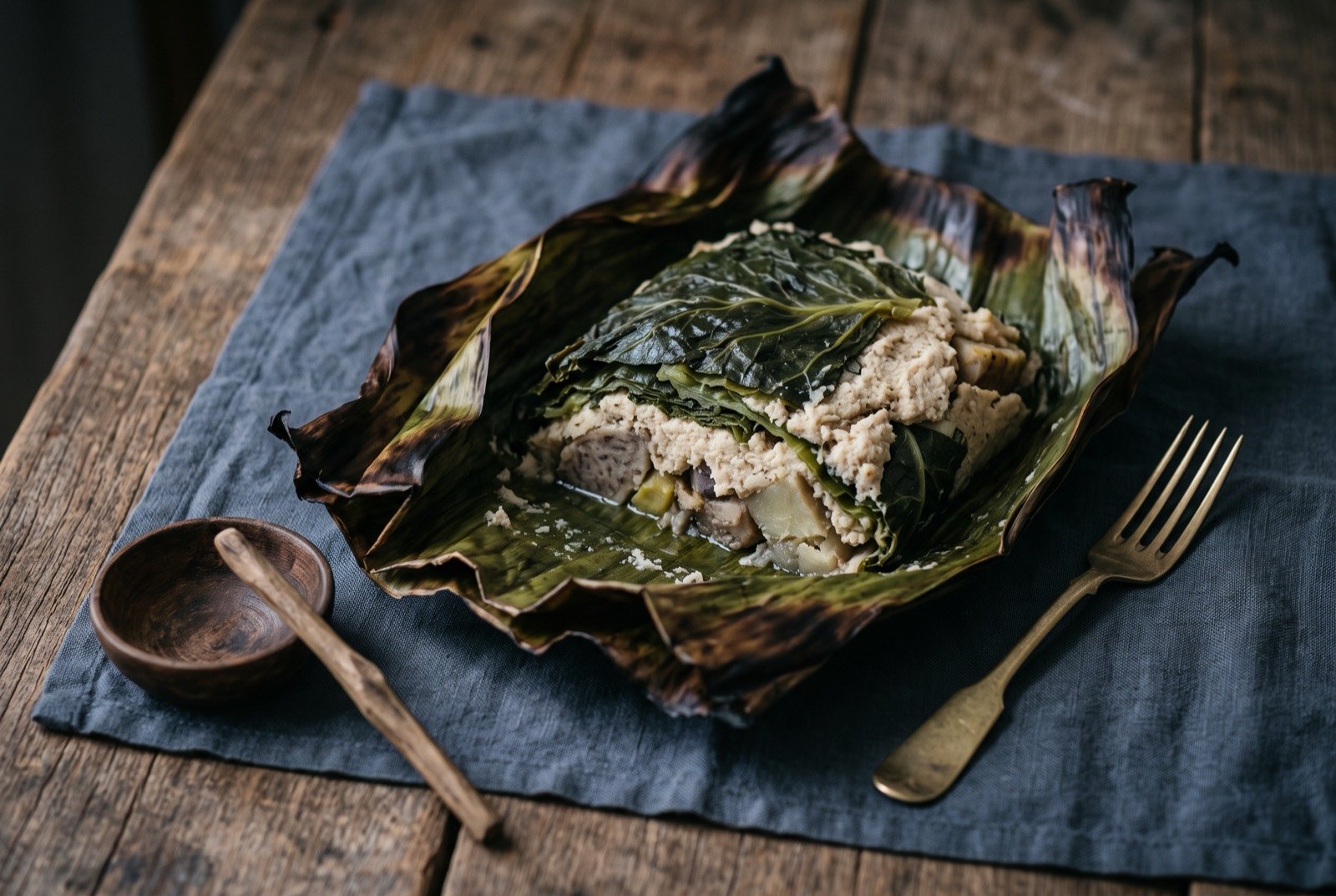 Masimasi
 Nalot
Nalot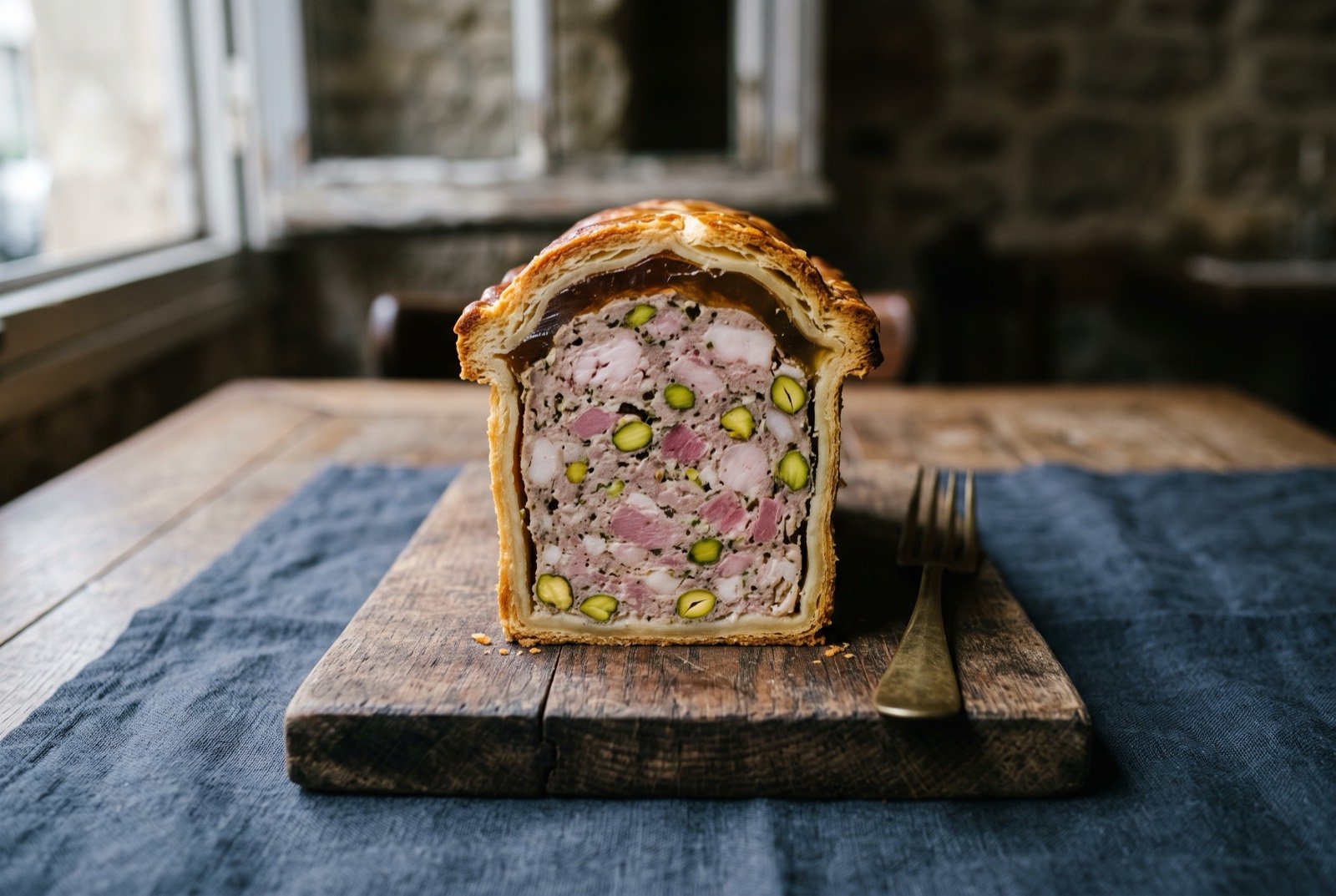 Pâté en croûte
Africa
Senegal & Gambia
Break the groundnut emulsion for mafé, the same way, for the same reason, everywhere it is cooked
Mafé sits alongside ceebu jën and yassa as one of this volume's three anchor dishes, and the physics do not change whether the fat is peanut oil in a Dakar...
Guinea, Sierra Leone & Liberia
Extract palm butter by boiling, pounding and sieving, and stop before you squeeze it bitter
The traditional method boils fresh palm fruit, pounds it in a mortar carefully, without cracking the hard inner kernel, mixes the pulp with water, then sieves...
Guinea, Sierra Leone & Liberia
Break the groundnut paste's emulsion by frying it out, then rebuild it with a second fat
Raw groundnut paste stirred straight into liquid gives a thin, unstable, raw-tasting sauce.
Ghana & Nigeria
Fry the pepper base properly, and stop calling it a step
"Frying the stew" is not a step in making obe ata.
Ghana & Nigeria
Control your palm oil deliberately
There are three legitimate states and you must choose one on purpose.
Côte d'Ivoire, Togo & Benin
Manage red palm oil as a pigment and a flavour, not as a frying medium
Red palm oil's colour and much of its aroma are carotenoids, and carotenoids are heat-labile.
Mali, Burkina Faso & Niger
Shea is a fat that sets, so use it where setting is the point
Substituting sunflower oil for shea butter is not a small change.
Cape Verde, Guinea-Bissau & São Tomé
Two fats, two moments
Why it works. The mechanism is in the arsenal above and the numbers decide the colour of every red dish in the chapter: 59 per cent beta-carotene loss at 200°C...
Cameroon
Use crude, high free fatty acid red palm oil, and never refined
This rung is load bearing in the literal sense: get it wrong and one of the eleven dishes below becomes physically impossible.
Gabon, Congo & the Congo Basin
Break the palm emulsion on purpose
If you cooked abenkwan in Volume Three or sauce graine in Volume Four, you already know this technique.
Ethiopia & Eritrea
Cook the onion dry, and cook enough of it
A very large quantity of onion, minced to a coarse paste, cooked in a heavy dry pan over low heat, alone, with no fat and no added water, until it has released...
Kenya, Tanzania & the Swahili Coast
Cooking in the oil phase, including breaking the coconut on purpose
The opposite move, and just as deliberate.
Kenya, Tanzania & the Swahili Coast
The pilau brown
The colour of a good pilau comes from onions and spice, not from turmeric and not from browning the rice.
Madagascar, Mauritius, Réunion, Seychelles & Comoros
Roussir the base, then obey the cari, rougail and civet grammar
Everything in Réunion and Mauritius starts with onion taken past soft to genuinely coloured.
Madagascar, Mauritius, Réunion, Seychelles & Comoros
Vanilla is a savoury seasoning, it lives in the pod wall, and it goes into the fat
The rung that will most surprise a British cook, and it is genuinely indigenous rather than a French import.
Zambia, Zimbabwe, Malawi & Mozambique
Coconut and piri-piri: an emulsion problem and a solubility problem
The base of Mozambican coastal cooking is coconut milk plus piri-piri plus lime plus garlic, and two pieces of physics govern all of it.
Angola, Namibia & Botswana
Choose the palm oil's temperature state on purpose. There are three of them.
State one, raw or barely warmed, below roughly 60°C.
Angola, Namibia & Botswana
Kapana is cooked on a plate, not a grate, and the fuel underneath it is a different fuel
The plate. A steel plate is welded into a grill stand with a flat top and the wood burns underneath it. Because the surface is solid, rendered fat stays under...
Asia
Iran
Treat tahdig as controlled starch chemistry, not luck
The crisped rice crust at the base of the pot is not a happy accident of a particular cook's hand.
Armenia and Azerbaijan
Parboil, then let the fat crisp underneath
Azerbaijani plov uses a two-stage method called demleme: rice is first parboiled in salted water until tender on the outside but with a hard, visibly opaque...
Kazakhstan, Kyrgyzstan & Turkmenistan
Dry radiant searing in the qazan
Kuurdak and its Turkmen cousin gowurdak both depend on the same physics: meat and offal fried hard in a heavy cast iron qazan over live fire sears fast enough...
Uzbekistan & Tajikistan
Build the zirvak, then trust it
Plov's zirvak, the fried meat, onion, carrot and spice base under the rice, is where the entire dish's flavour is decided, and every credible source on the...
Europe
Northern & Central Italy
Control the fat's temperature deliberately, whether rendering slow or frying hot
Guanciale renders differently from pancetta because its fat is structured differently, and the whole point of a good carbonara or amatriciana base is rendering...
Burgundy, Lyon and the Rhône
Blanching lardons before rendering
Blanching lardons before rendering. A brief boil in cold-started water removes much of the curing salt and gives an initial firming pre-cook that lets the fat...
Burgundy, Lyon and the Rhône
Purging and preparing snails and crayfish for a clean finished flavour
Purging and preparing snails and crayfish for a clean finished flavour.
Gascony, the Southwest and the French Basque Country
Salt first, submerge second, and let the fat do the sealing
Confit's actual mechanism is not the cooking heat, it is the fat itself: meat salted roughly 24 hours to draw out surface moisture and season through, then...
Gascony, the Southwest and the French Basque Country
Render fat from a cold pan, and respect what searing actually does
Magret's defining technique, per Daguin's own method as it has been passed down: the breast starts skin-side down in a cold pan, so the fat renders gradually...
Gascony, the Southwest and the French Basque Country
Poach foie gras gently enough that it never fully liquefies
The au torchon method: liver seasoned, rested wrapped tightly in film for 12 to 24 hours so seasoning penetrates evenly, then rolled into a tight cylinder in a...
Paris and the Classical Table
Hold a genuinely controlled low temperature, the way confit already did
Classical confit works by submerging meat in fat and holding it at a controlled 80 to 90°C for hours, too hot and the meat dries out, too cool and it does not...
North Germany and the Baltic Coast
Rendering smoked fat into a braise
Grünkohl mit Pinkel and Eisbein mit Sauerkraut both work the same way: a smoked, fatty meat, Pinkel sausage or a cured pork knuckle, is cooked slowly alongside...
Austria and the Habsburg Table
Brown the butter properly before it meets the dumpling
Kärntner Kasnudeln's traditional finish, foaming browned butter, Nussbutter, poured hot over the boiled dumplings, depends on carrying the butter's milk solids...
Poland
Treat schmaltz as the whole flavour logic, not a substitute for butter
A British reader is likely to reach for butter or a neutral oil in any of this chapter's second half without thinking twice, and that instinct should be...
Castile, Madrid, Extremadura & Aragón
Render Ibérico fat and trim as a cooking fat in its own right
Iberian ham fat and trim are treated in Spanish sources as a genuine flavouring fat, not kitchen waste.
England, the South and the West Country
Steam in suet, and trust the fat to do the work
Grated cold suet worked into self-raising flour with a little salt and cold water gives a pastry that behaves nothing like a rolled shortcrust: it does not...
England, the South and the West Country
Roast slow, baste in dripping, and build the gravy from the fond left behind
A proper roast joint depends on rendered fat repeatedly basted over the meat as it cooks, carrying Maillard-browned flavour back onto the surface and keeping...
Oceania and the Pacific
Solomon Islands, Vanuatu & New Caledonia
Coconut milk as the whole sauce system, not a finishing touch
Nearly every dish in this chapter is built, poured or finished with coconut milk rather than a built spice sauce, and the sourced methods show real variation...
Solomon Islands, Vanuatu & New Caledonia
Nut fat worked into starch, not sprinkled on top
Ngali nut, roasted and crushed in a wooden bowl with a stick, then mixed with salted water until fluffy, is layered directly into masimasi's slippery cabbage...
Samoa, Tonga & Niue
Coconut cream as the whole sauce system
As in this atlas's Melanesian volumes, nearly every dish in this chapter is built, poured or finished with coconut cream rather than a built spice sauce; the...
Tahiti, the Society Islands & the Cook Islands
Coconut cream as a sauce system with two distinct temperature stages
Cold-folded, as in poisson cru's final coconut milk addition, and hot-poured, as in poʻe's traditional second pour of stone-heated coconut milk over the...