Home · Technique ladder · Starch Chemistry
Starch Chemistry
Absorption cooking, controlled starch gelatinisation
51 rungs across 43 volumes
Dishes
Weeknight
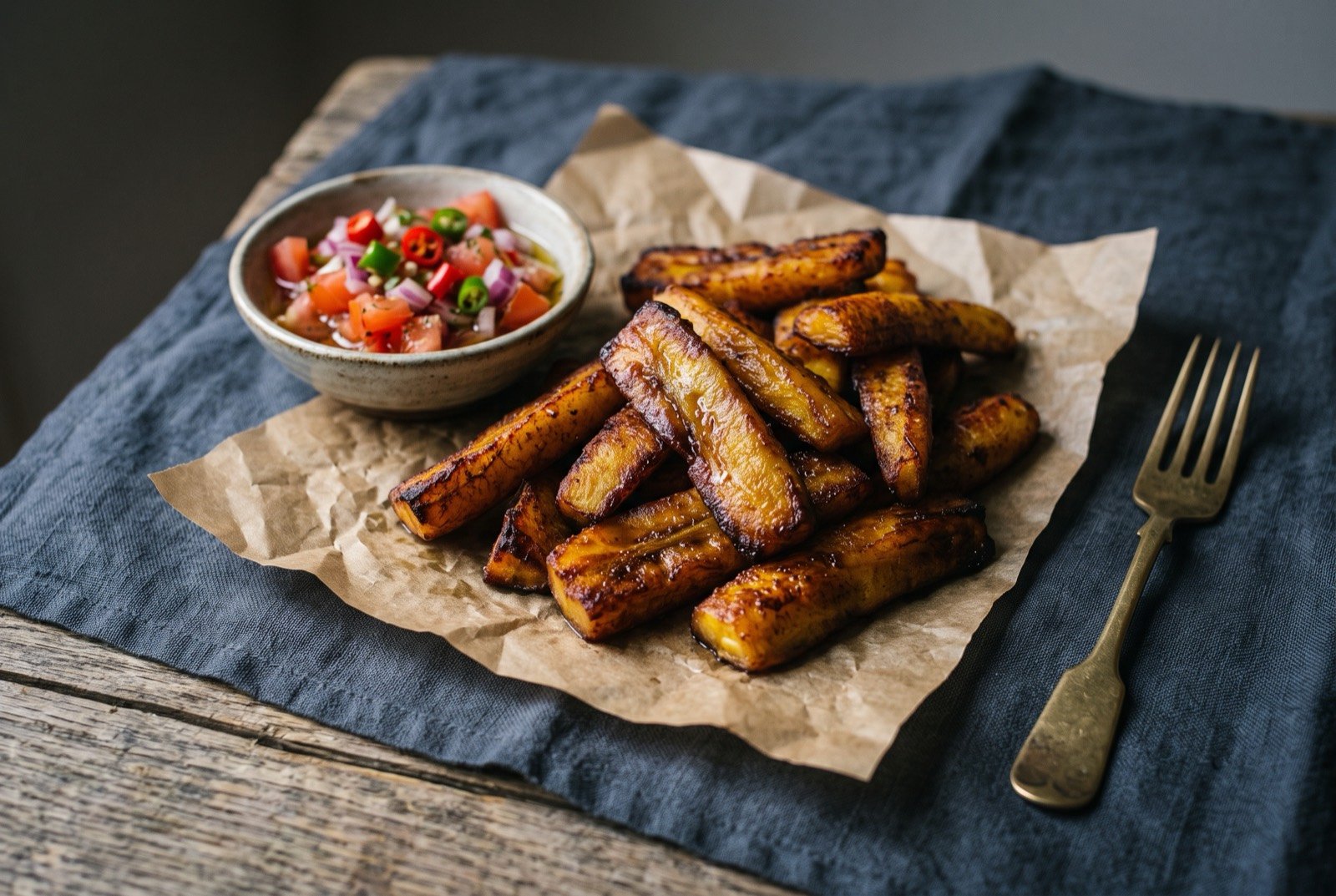 Alloco
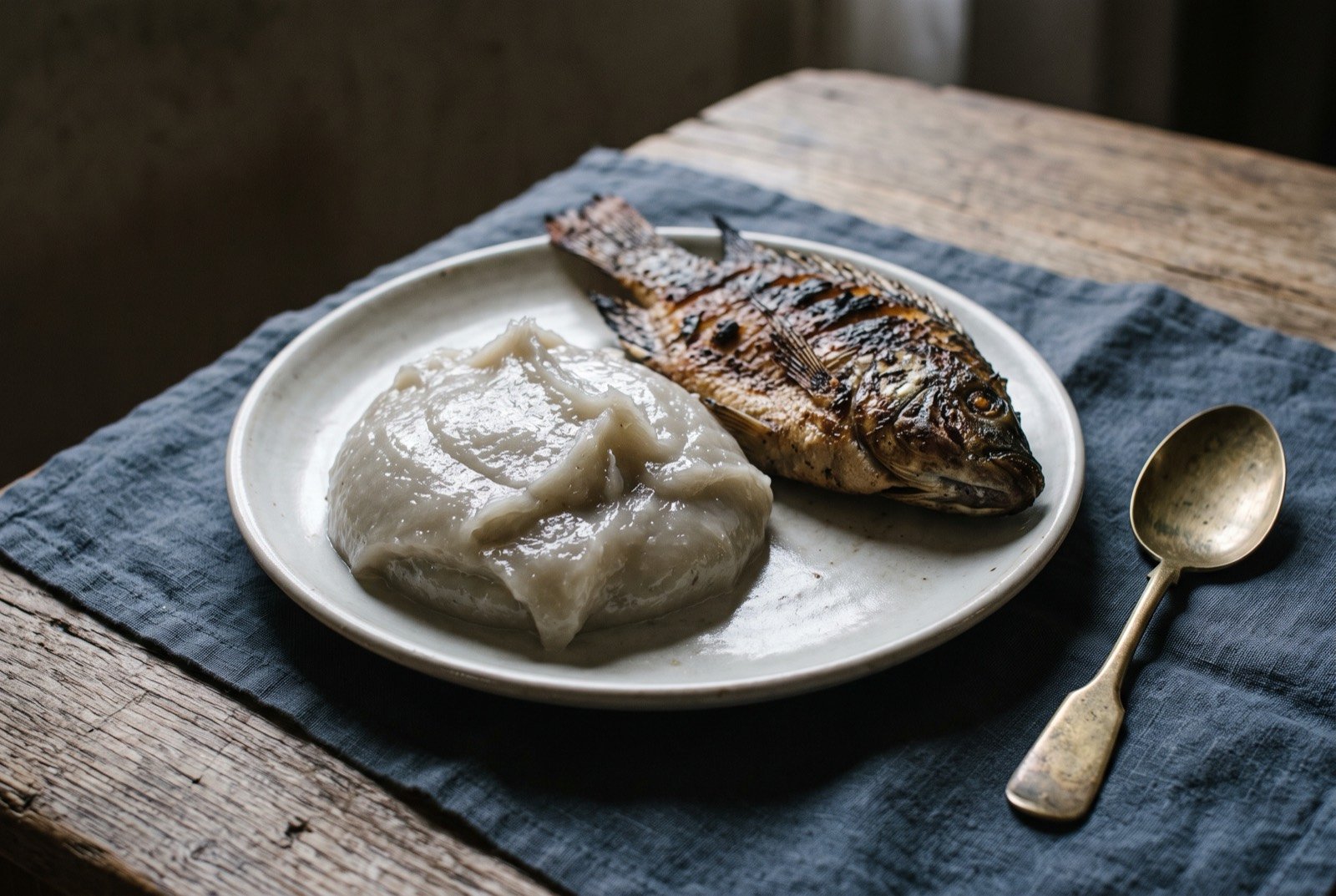 Kondowole
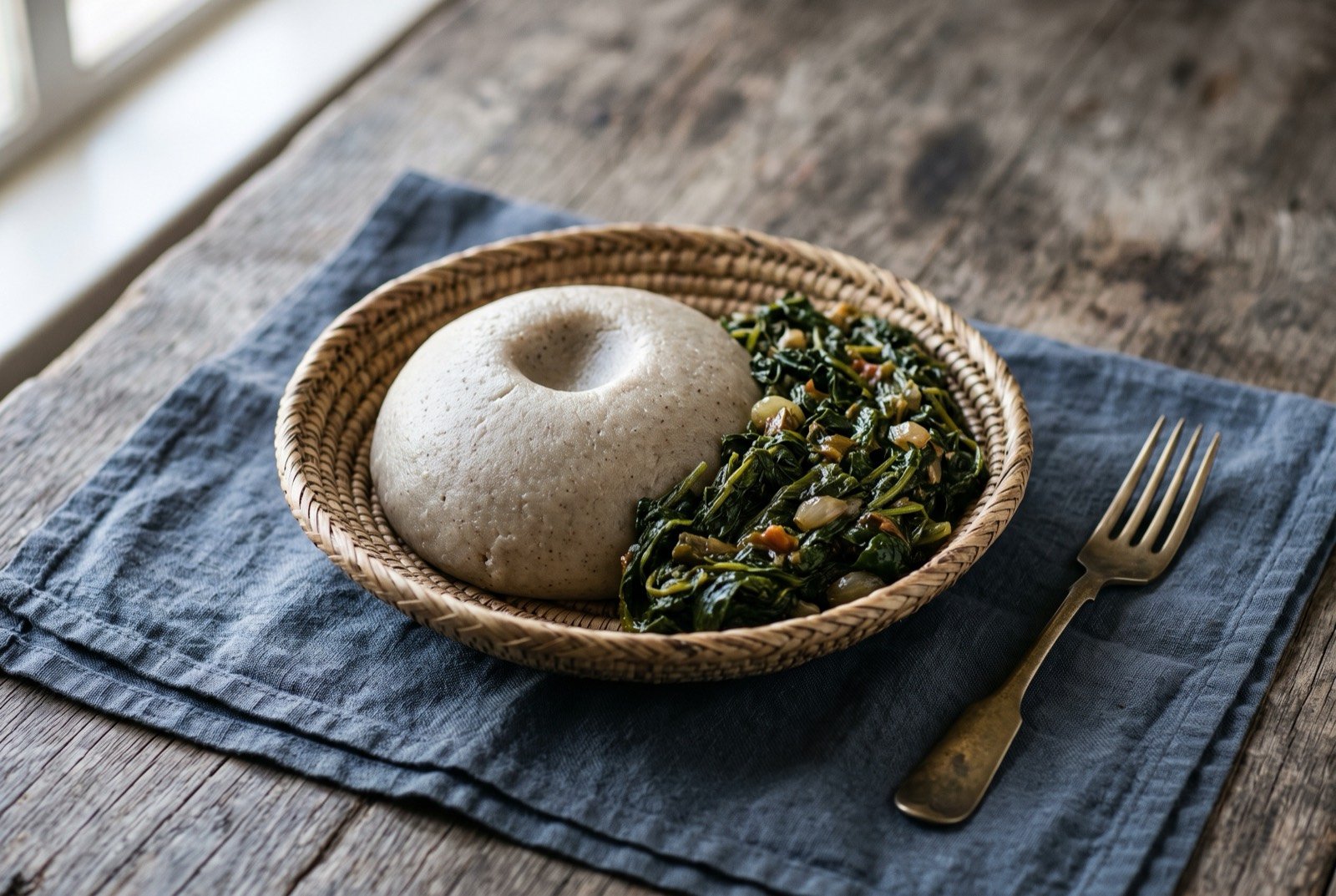 Oshifima with ombidi
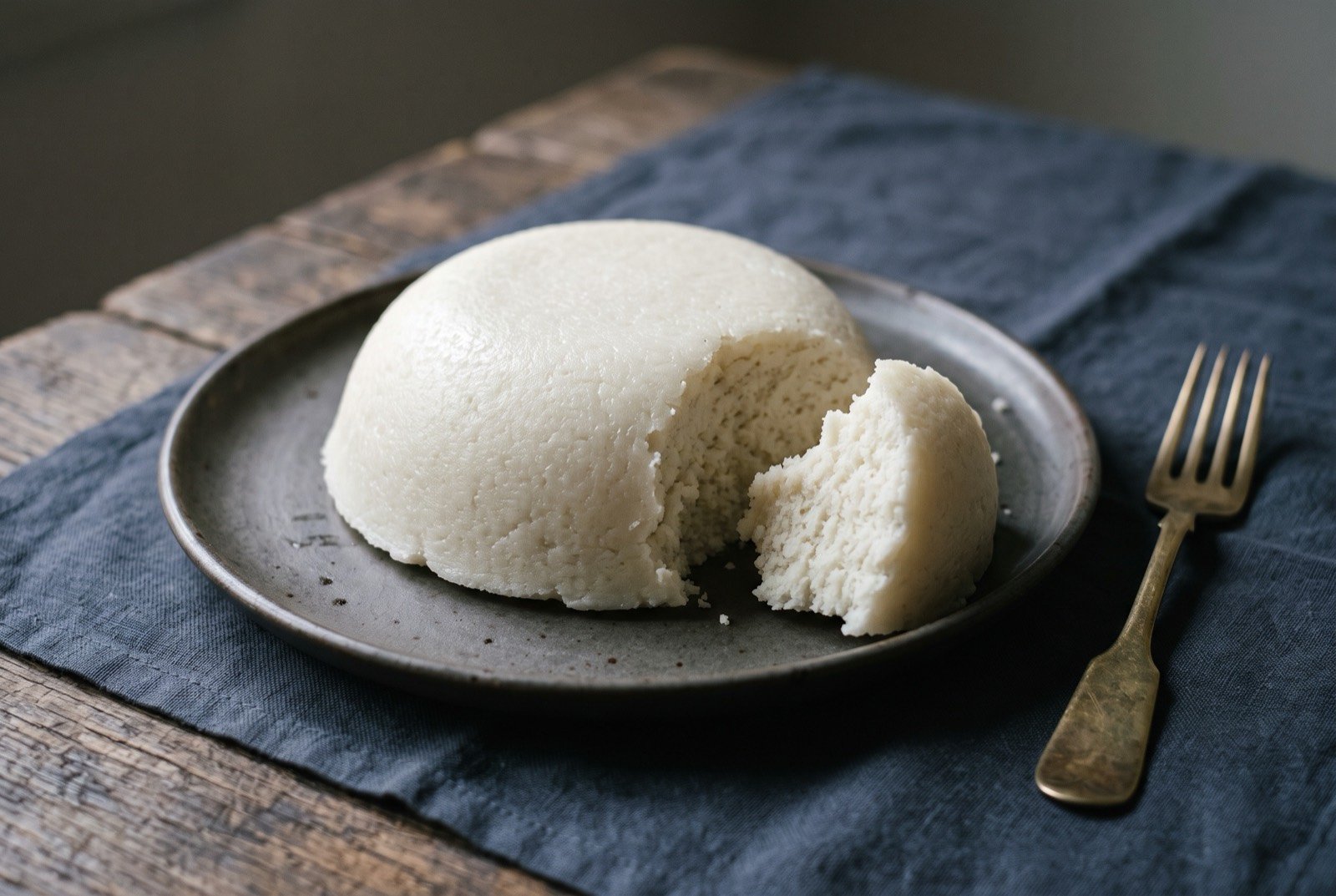 Ugali
Ugali All i Pebre
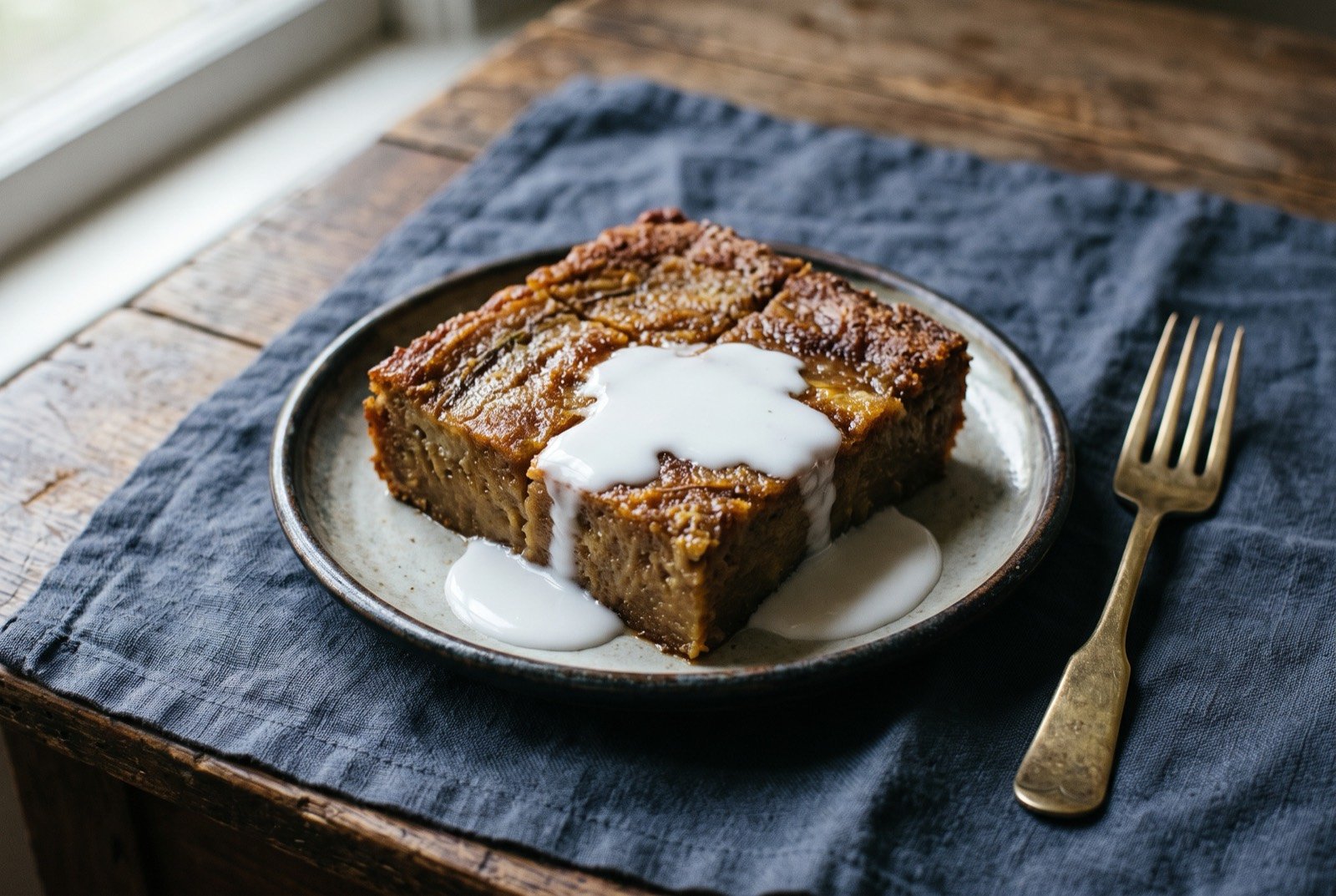 Poʻe
Poʻe Smažený sýr
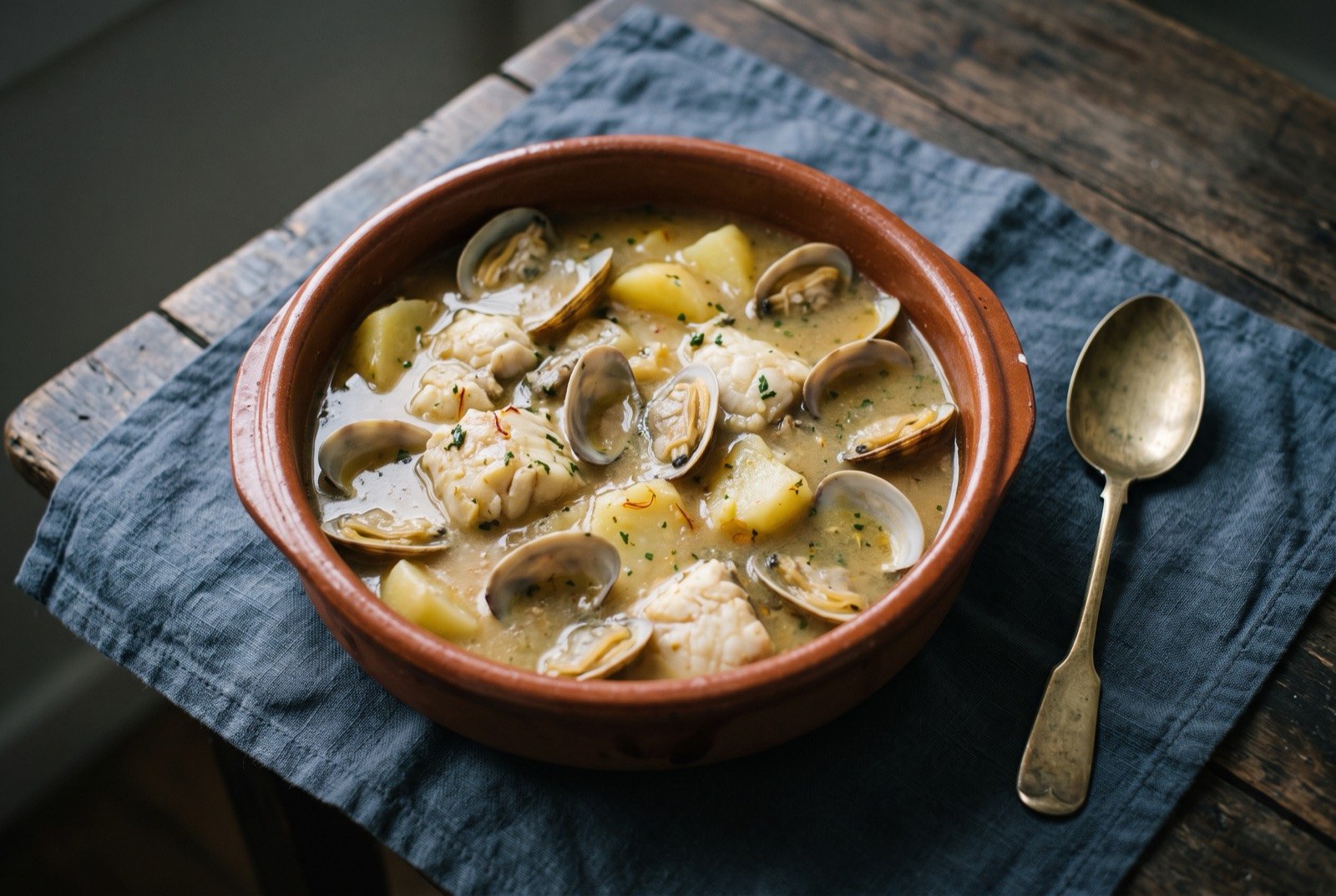 Suquet de Peix
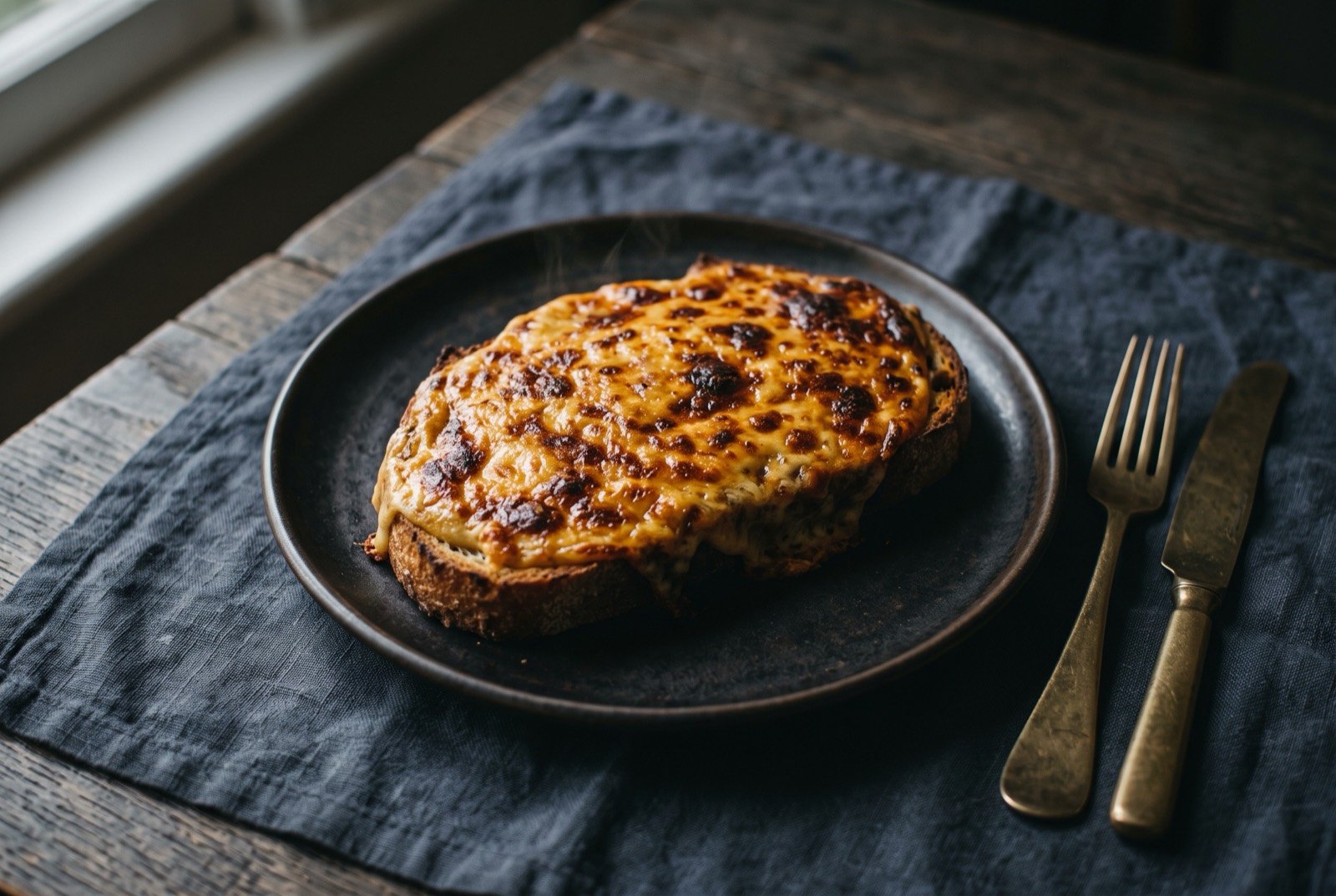 Welsh Rarebit
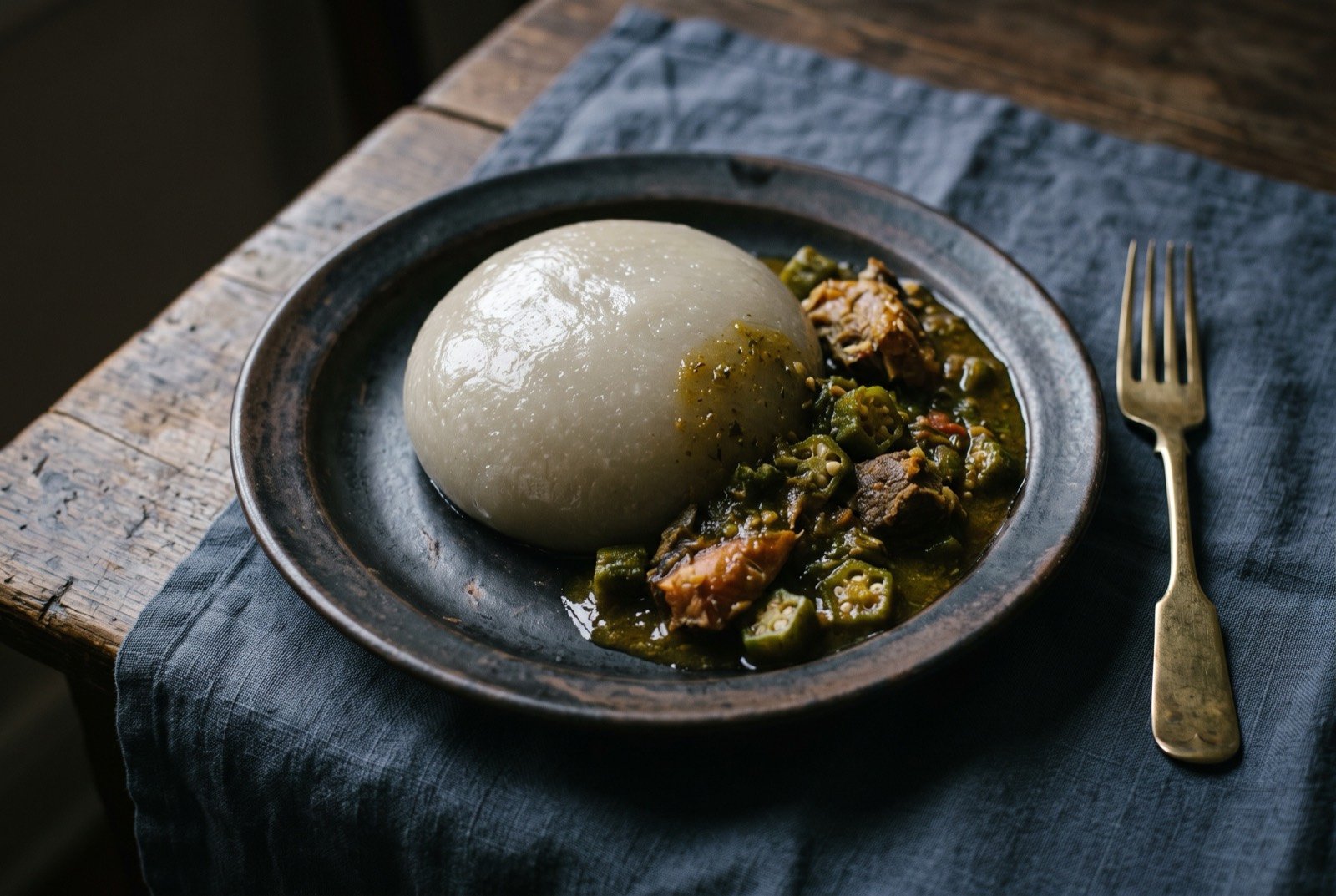 Placali
 Ifisashi
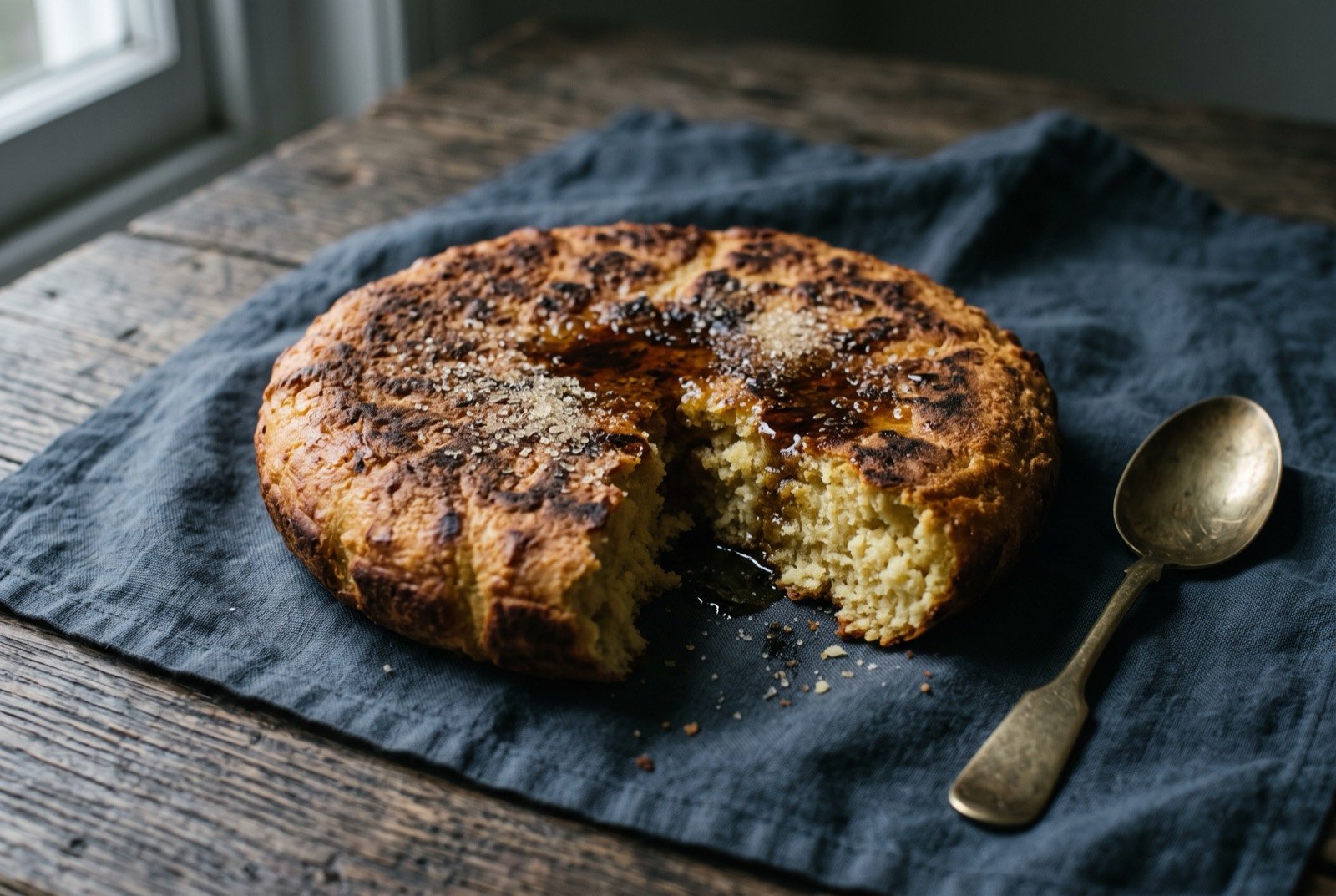 Muufo
Muufo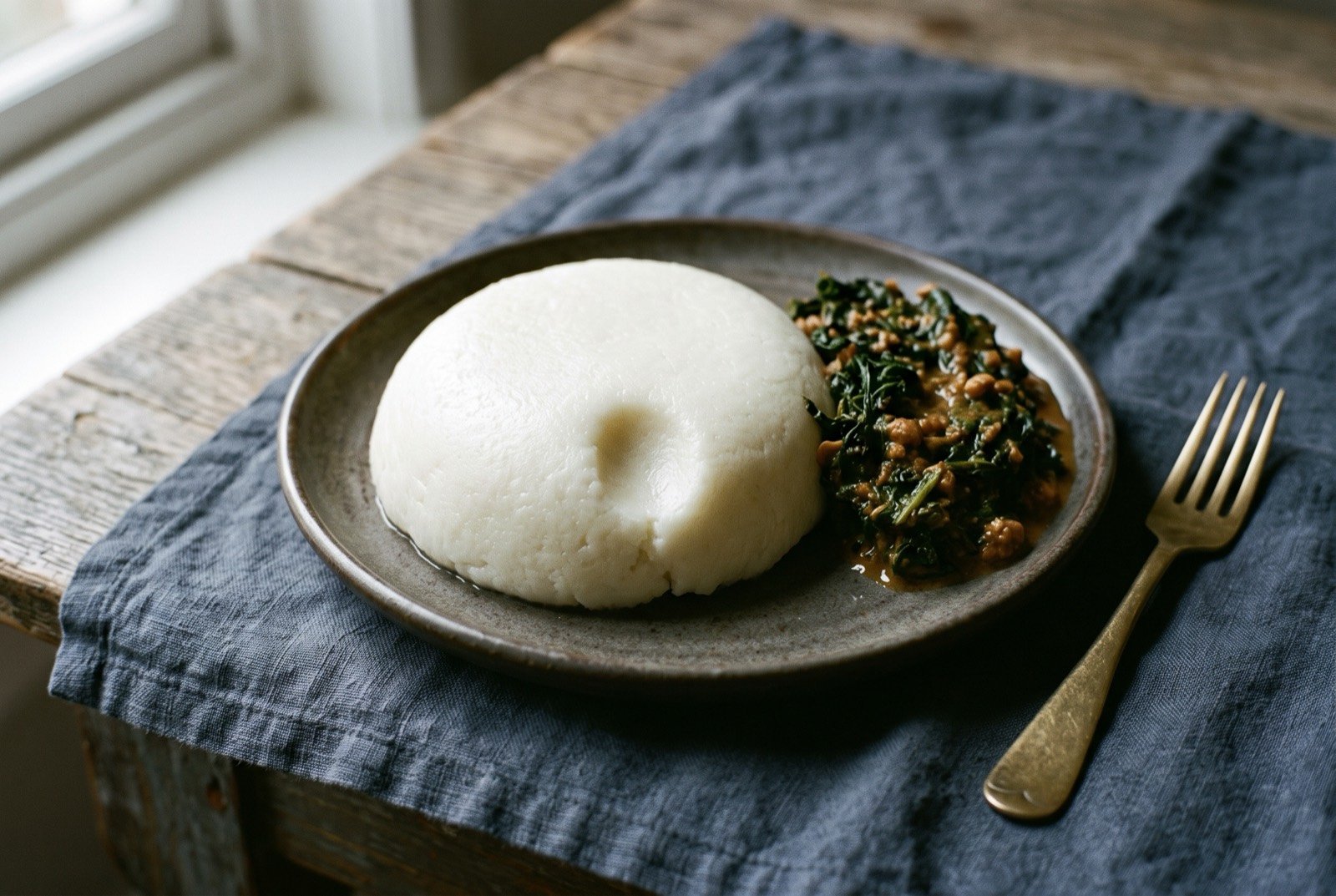 Nshima, sadza, nsima and xima
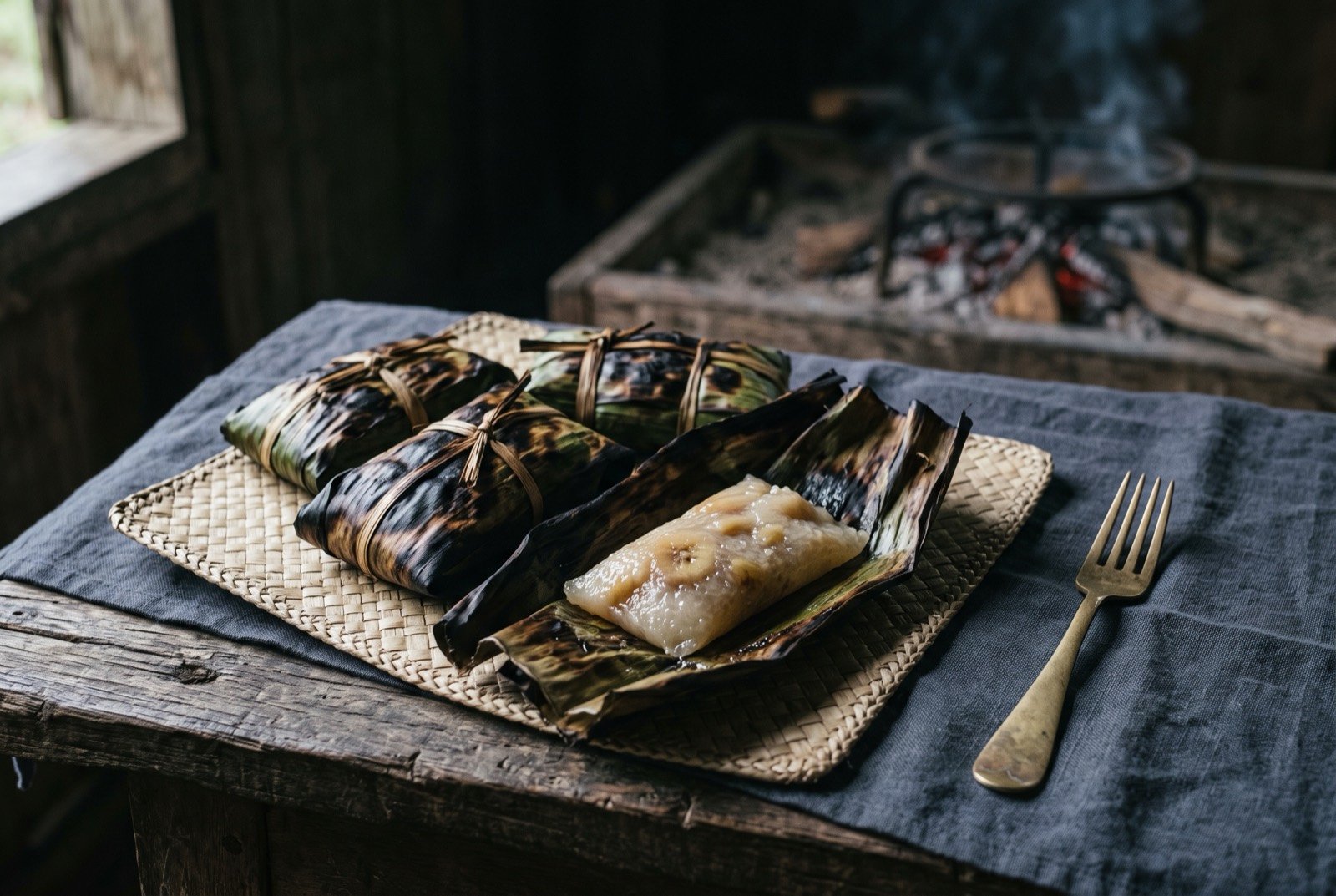 Saksak
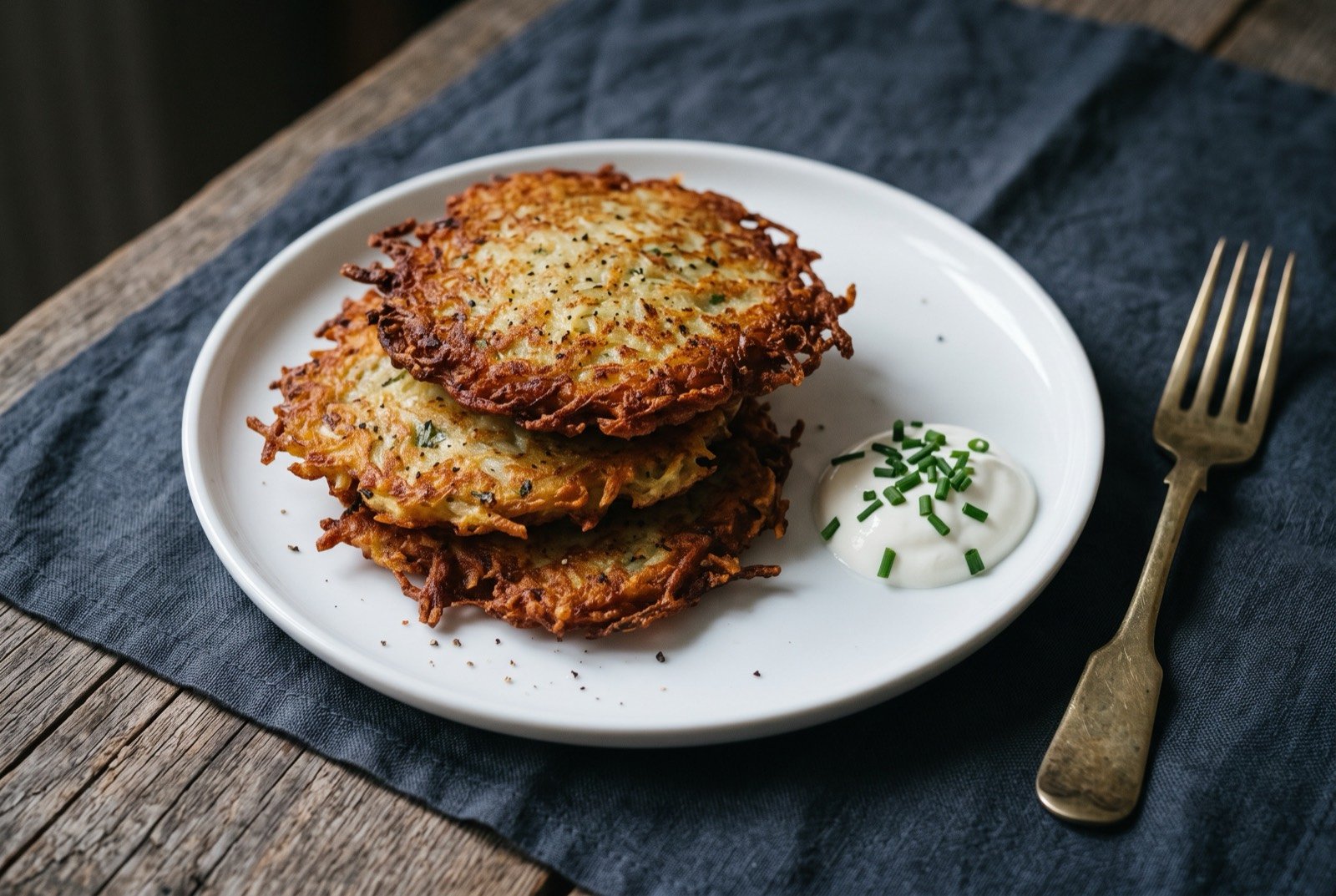 Zemiakové placky
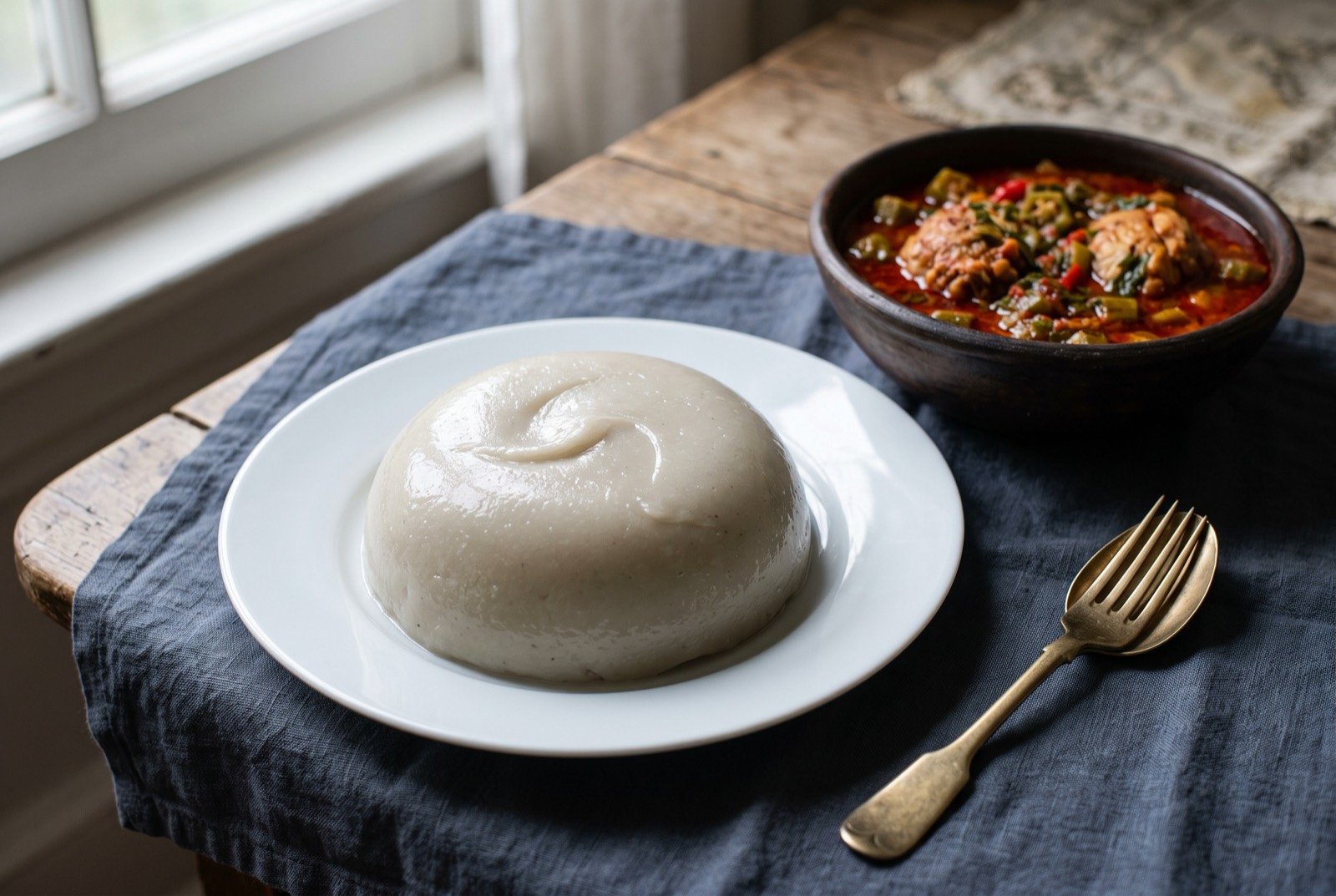 Funge de bombó
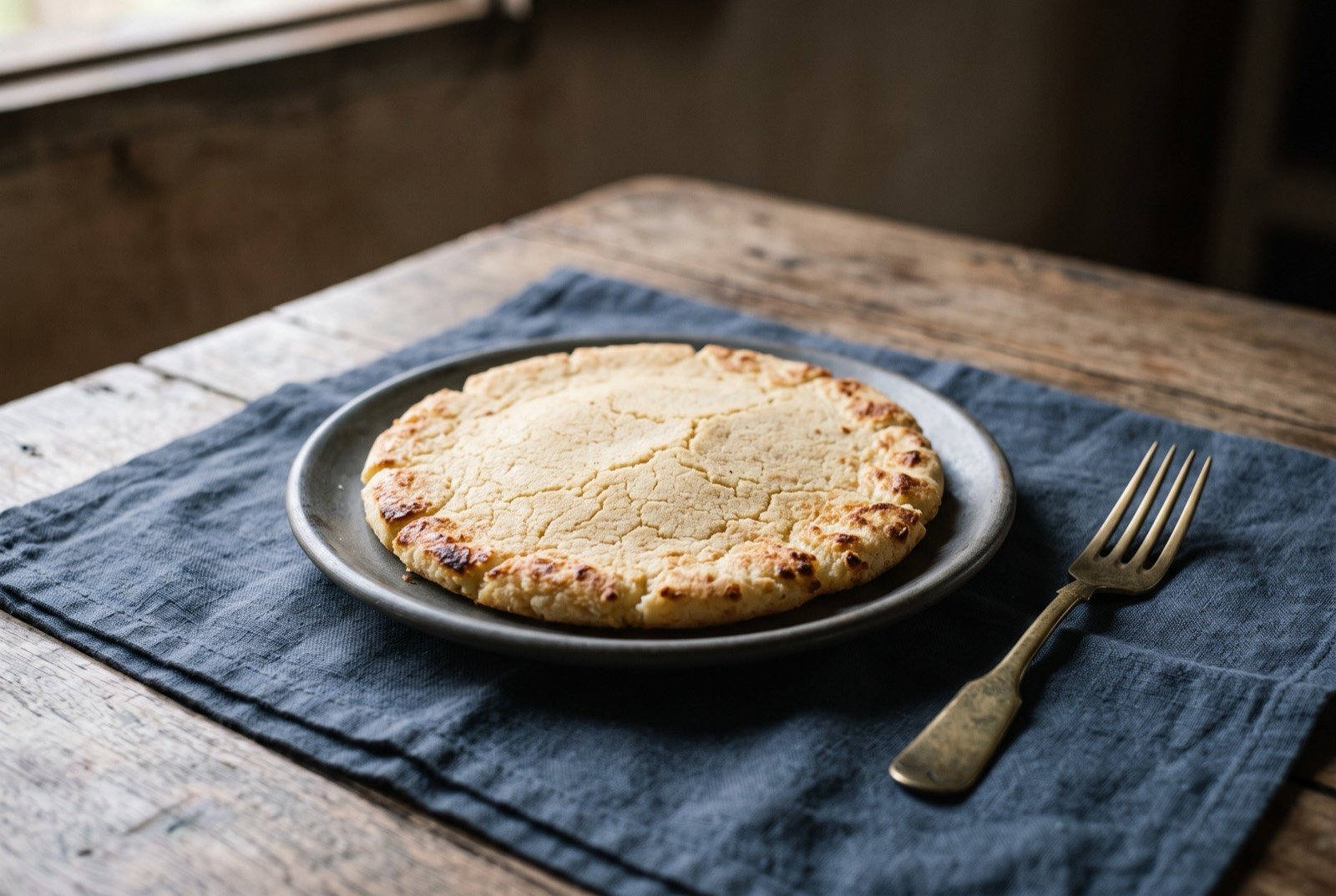 Mbeju
Mbeju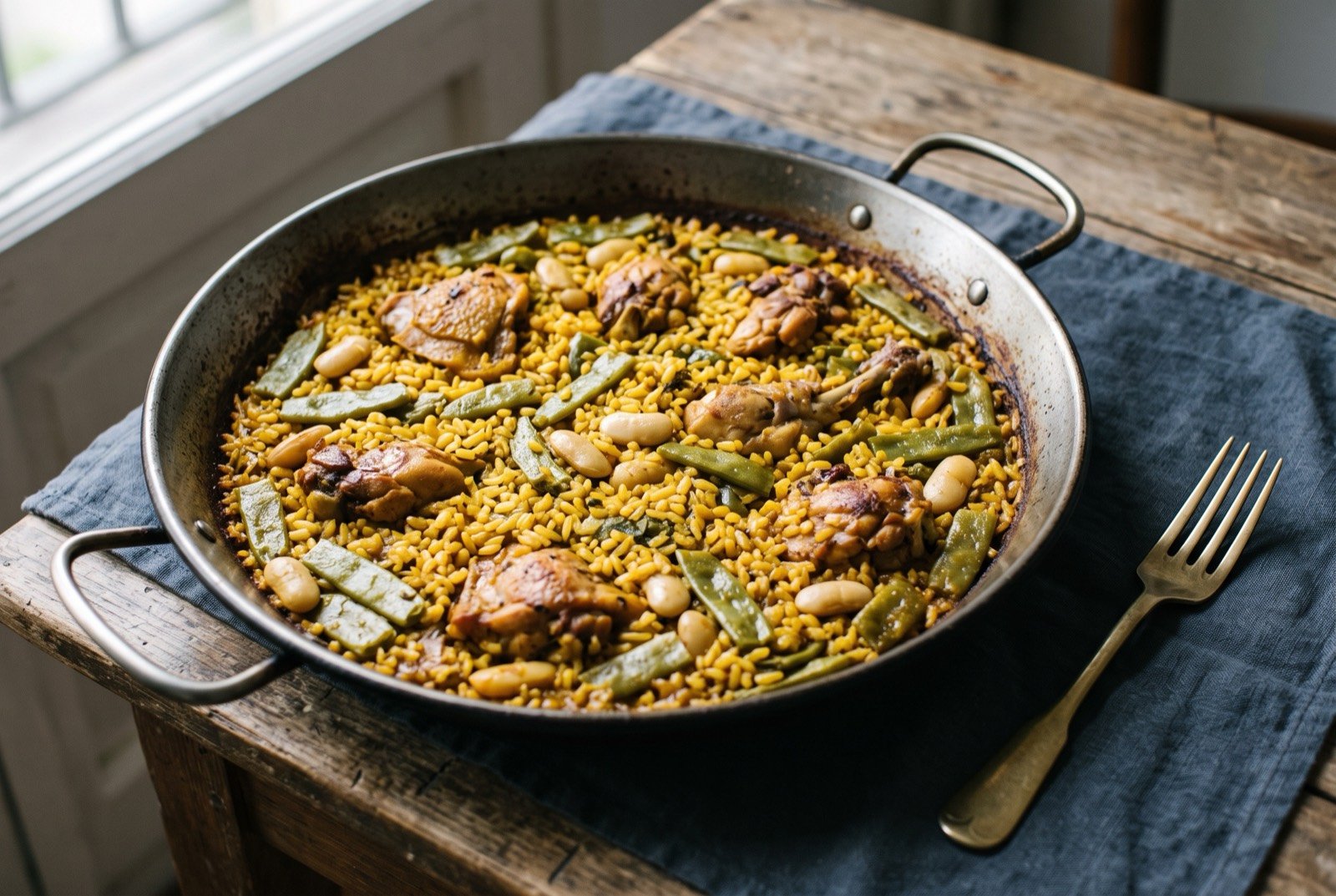 Paella Valenciana
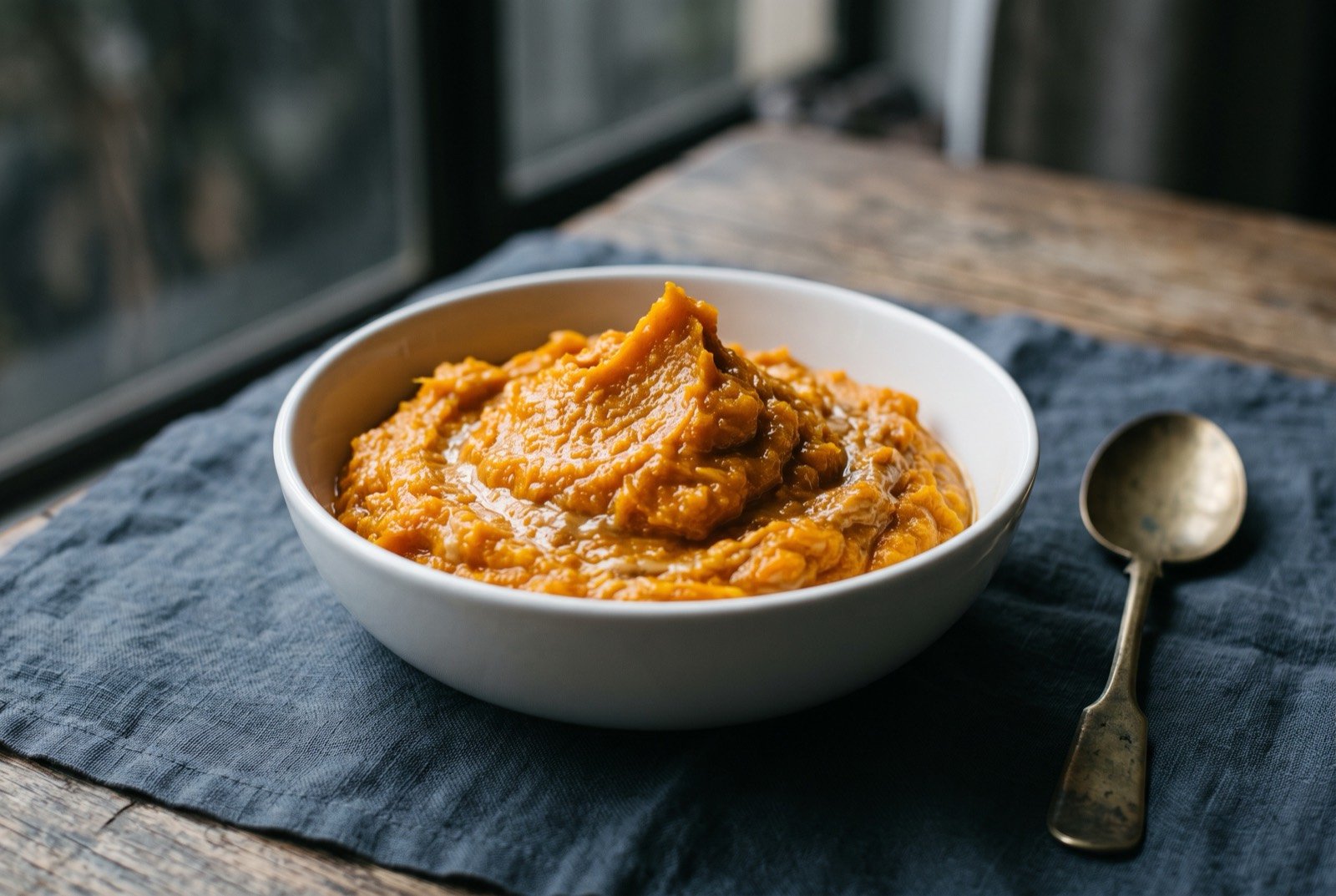 Nhopi
Nhopi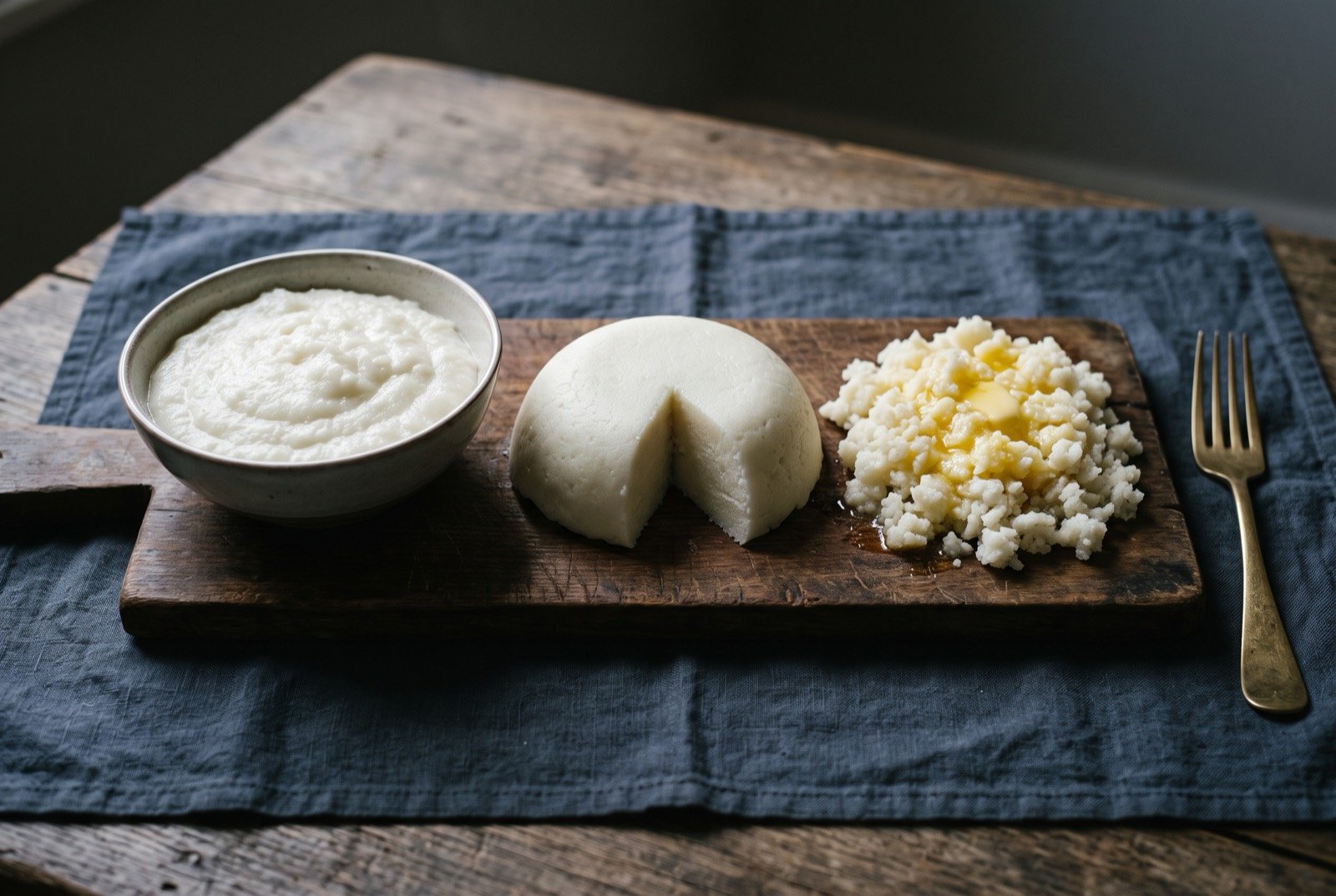 Pap, three ways
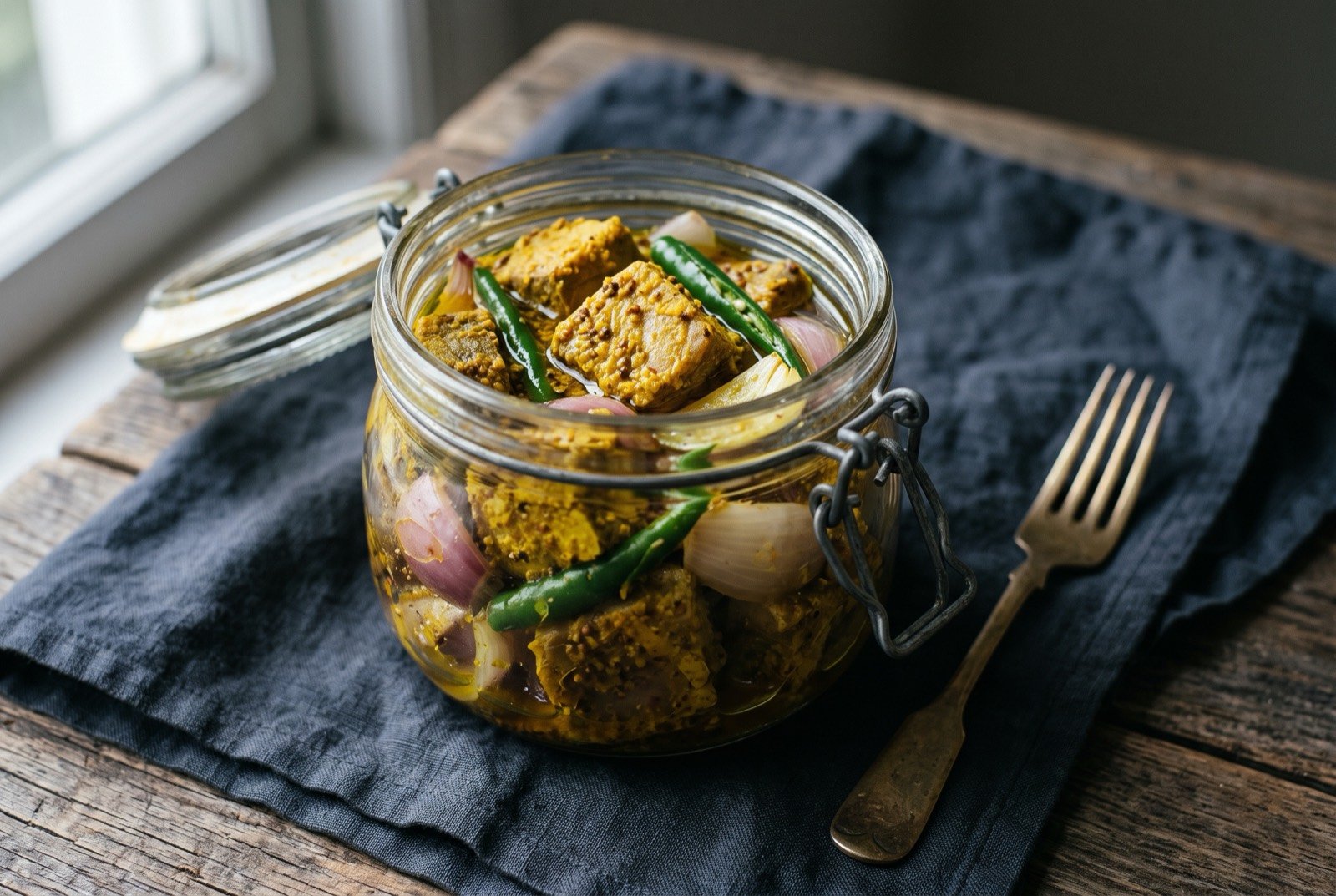 Vindaye de poisson
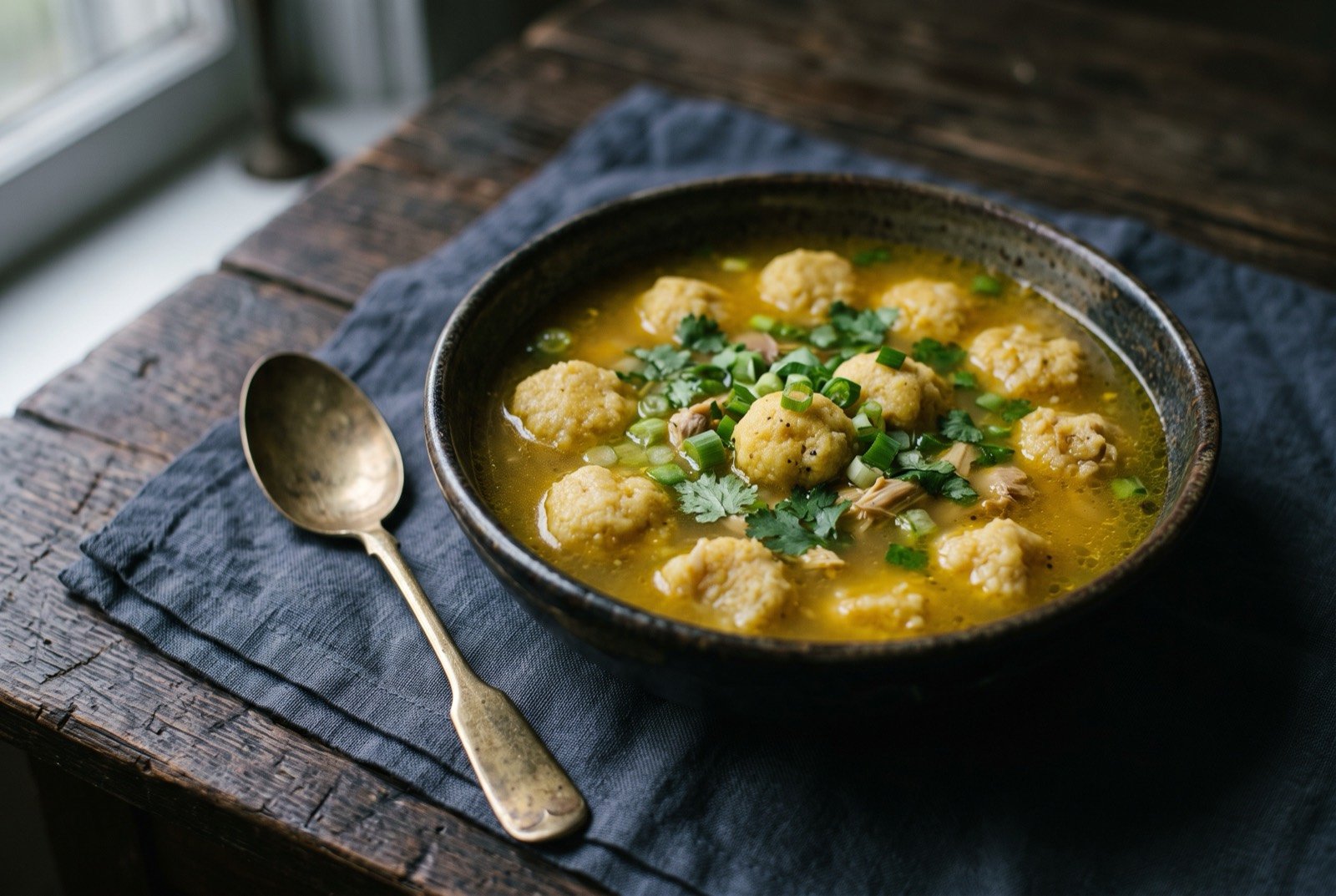 Vori vori (bori bori)
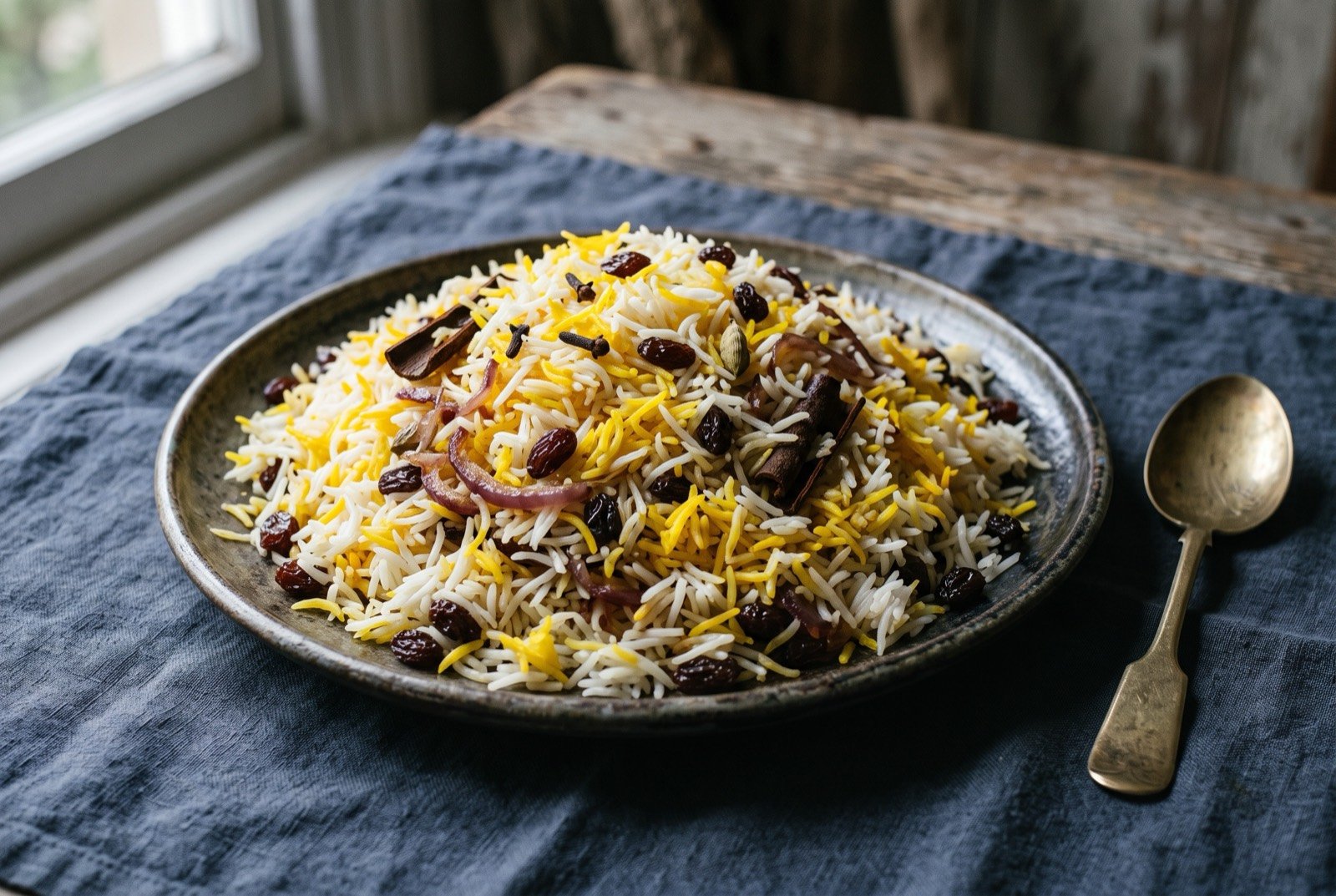 Bariis iskukaris
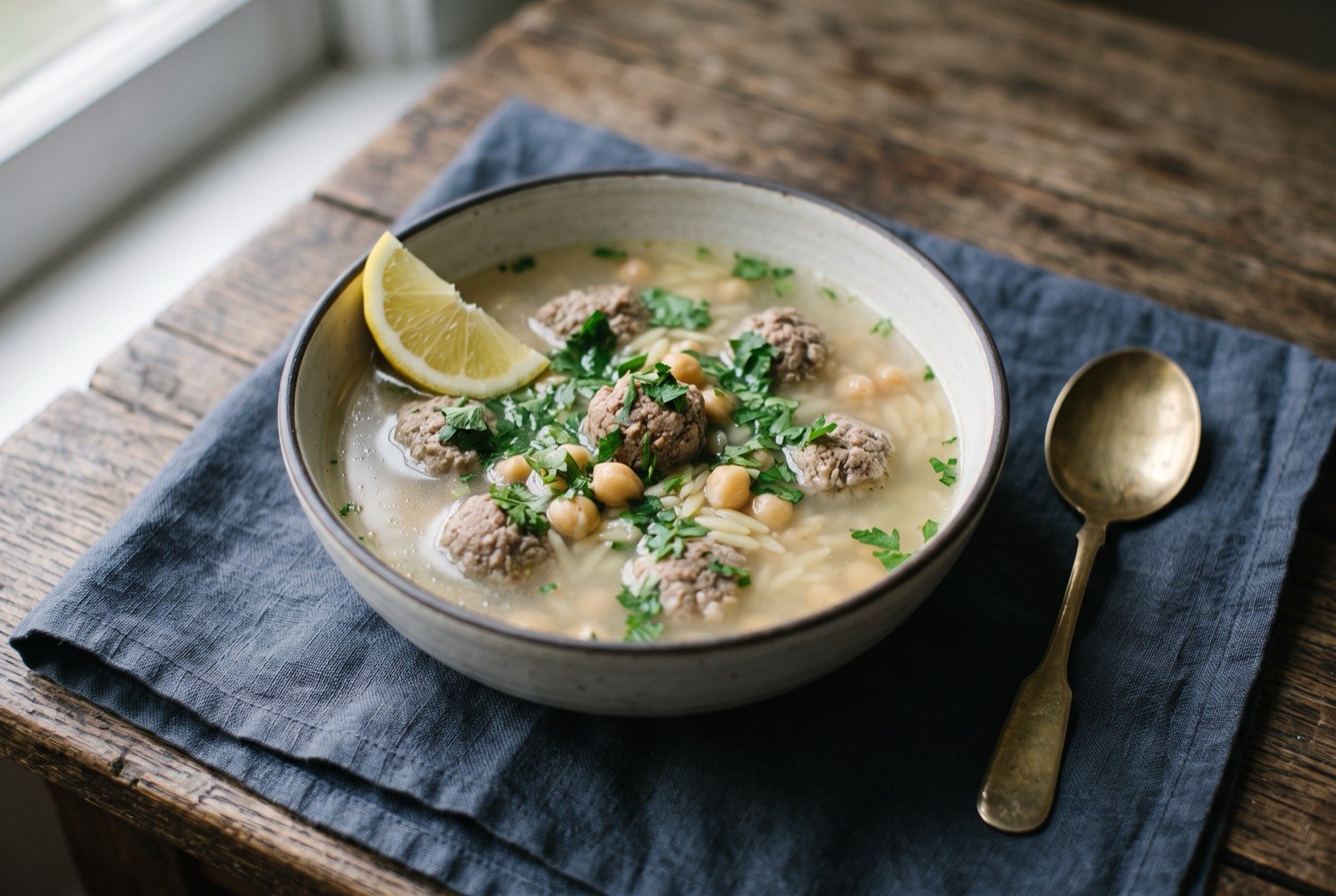 Chorba beida
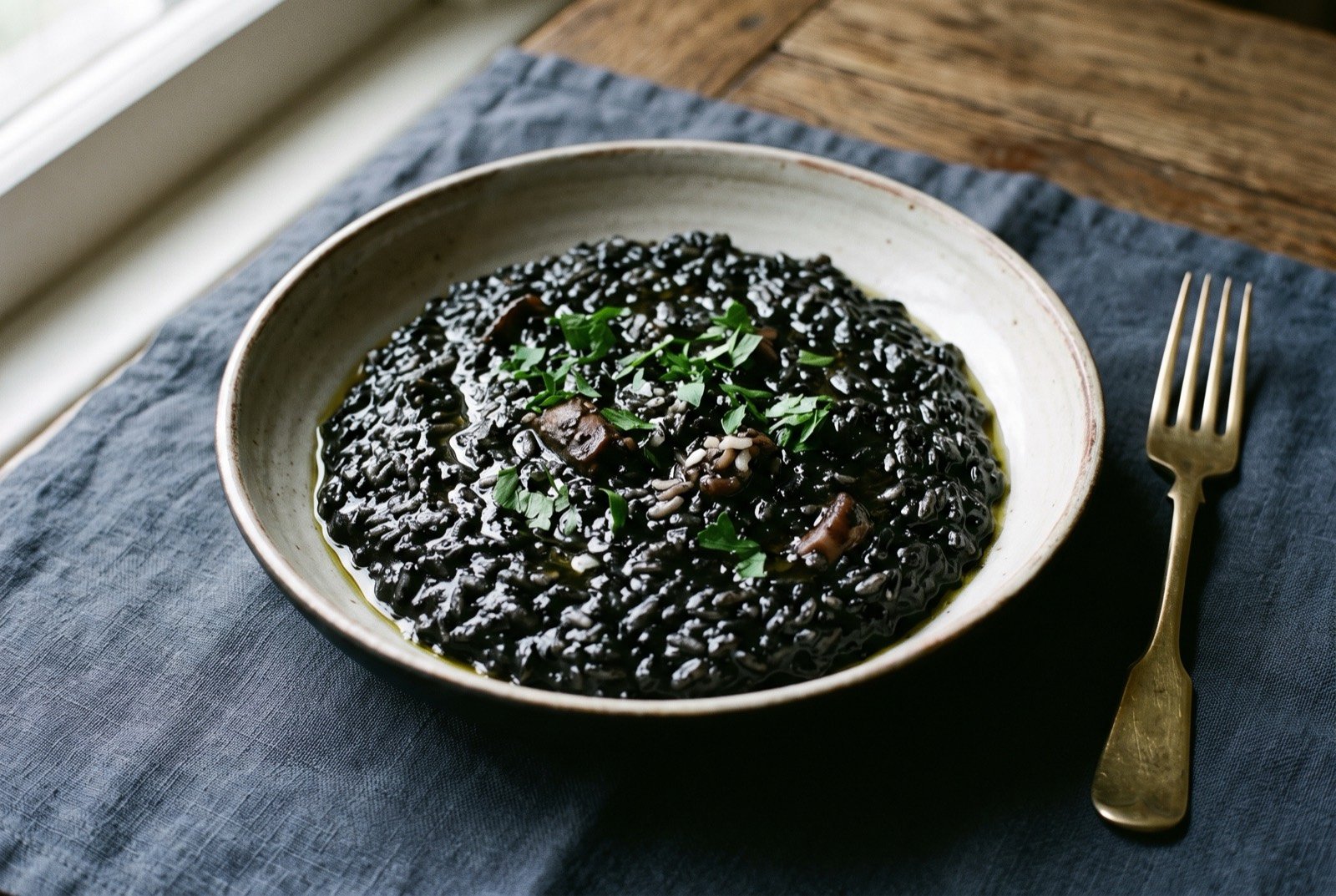 Crni Rižot
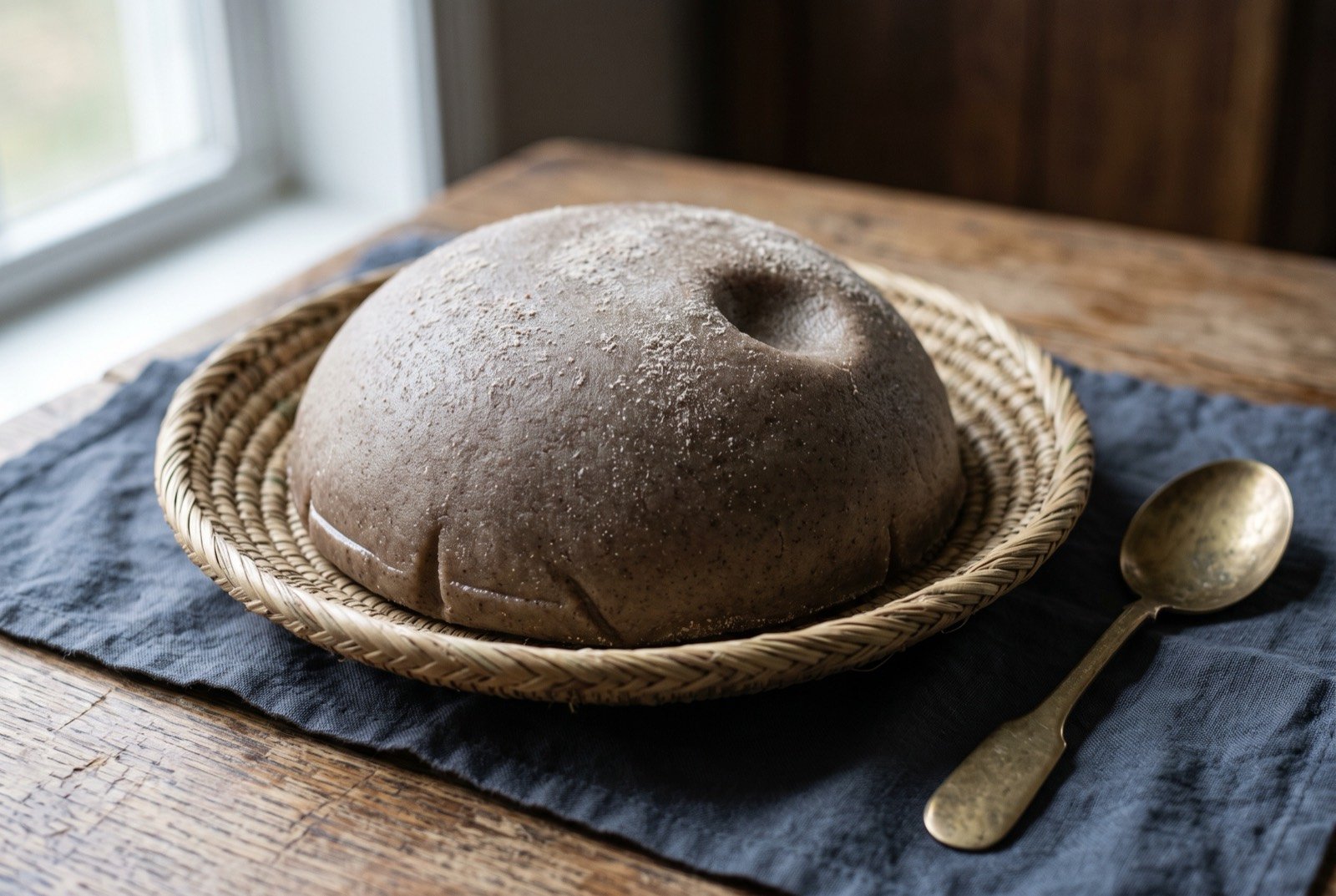 Kalo
Kalo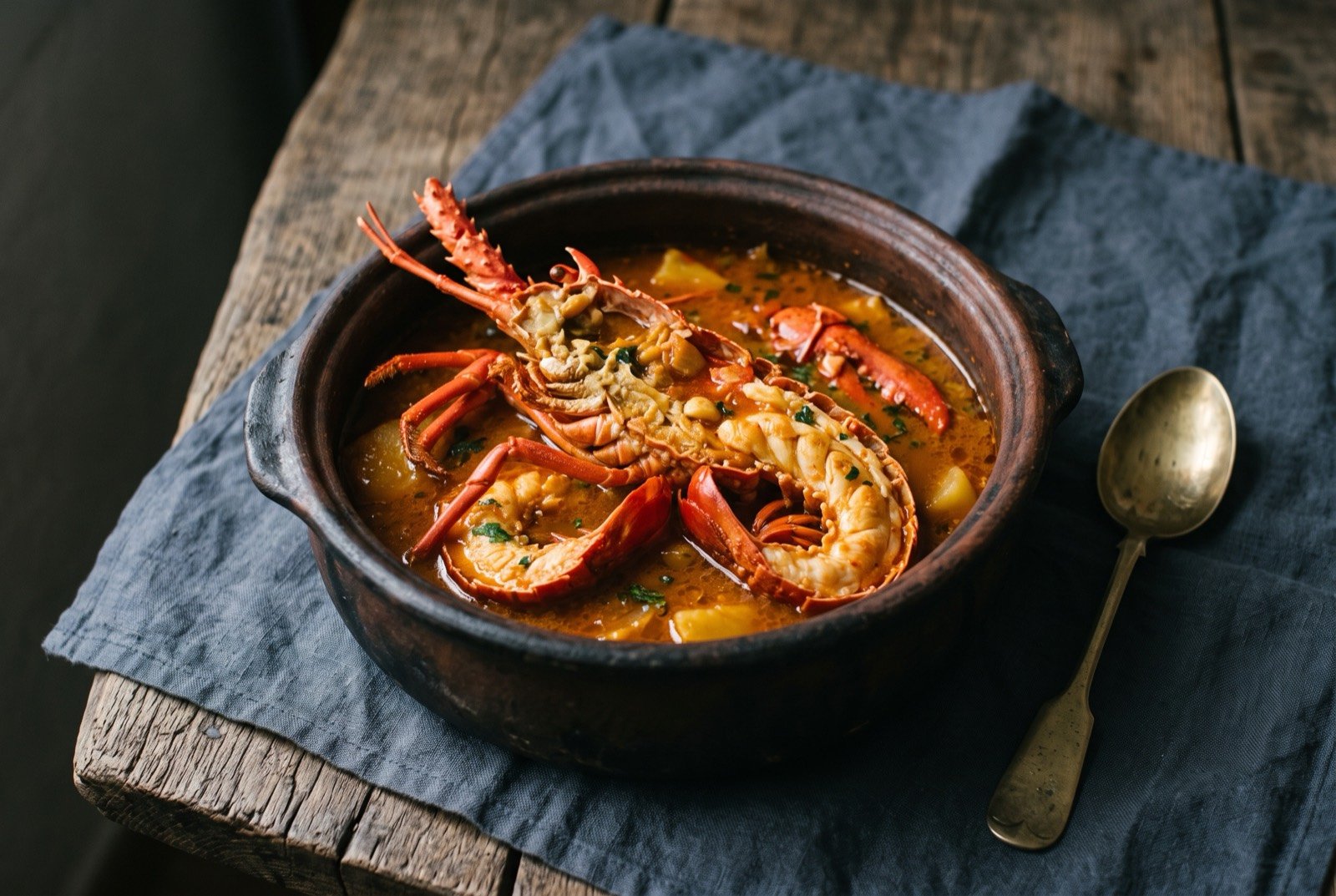 Caldereta de Llagosta Menorquina
Weekend
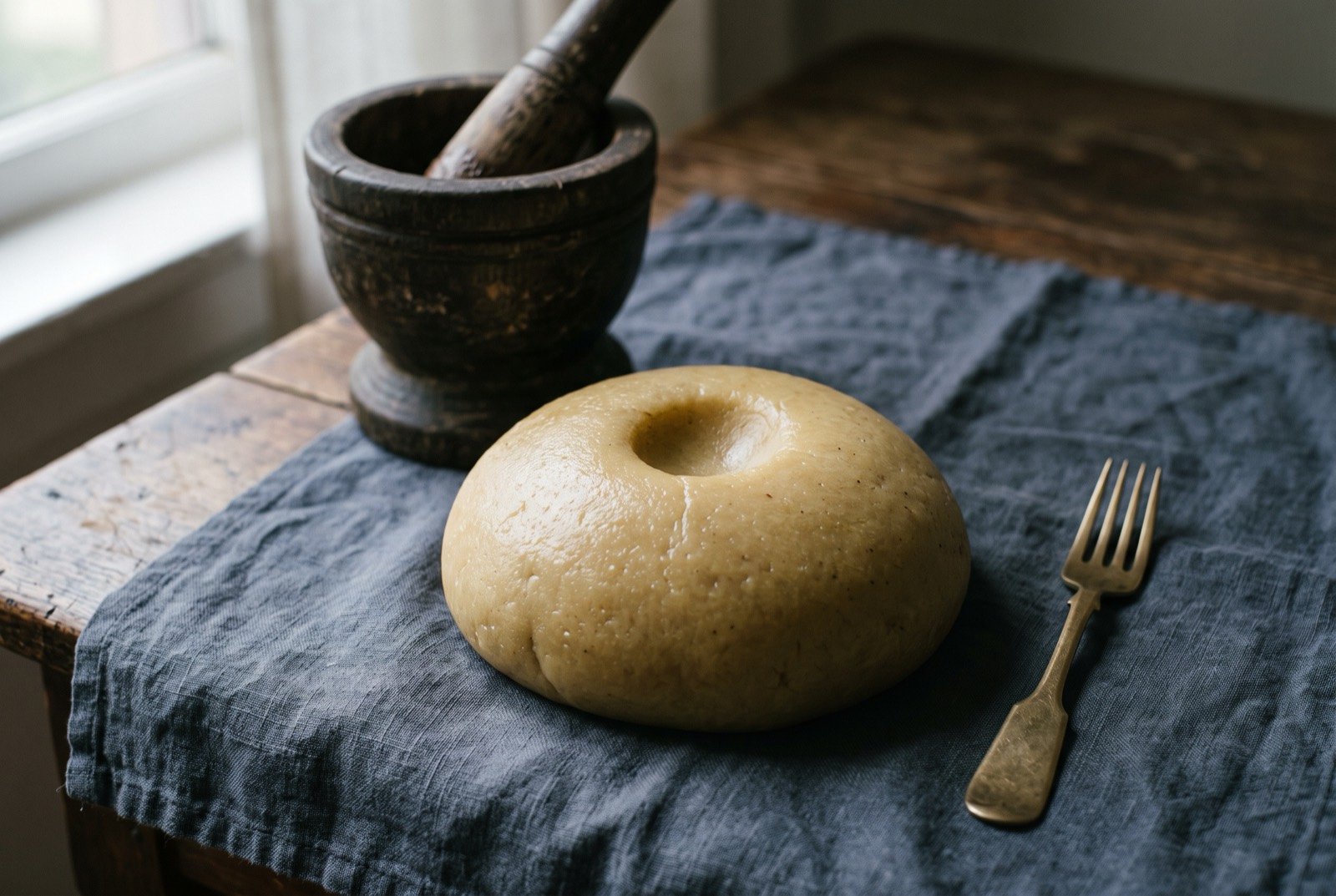 Foutou banane
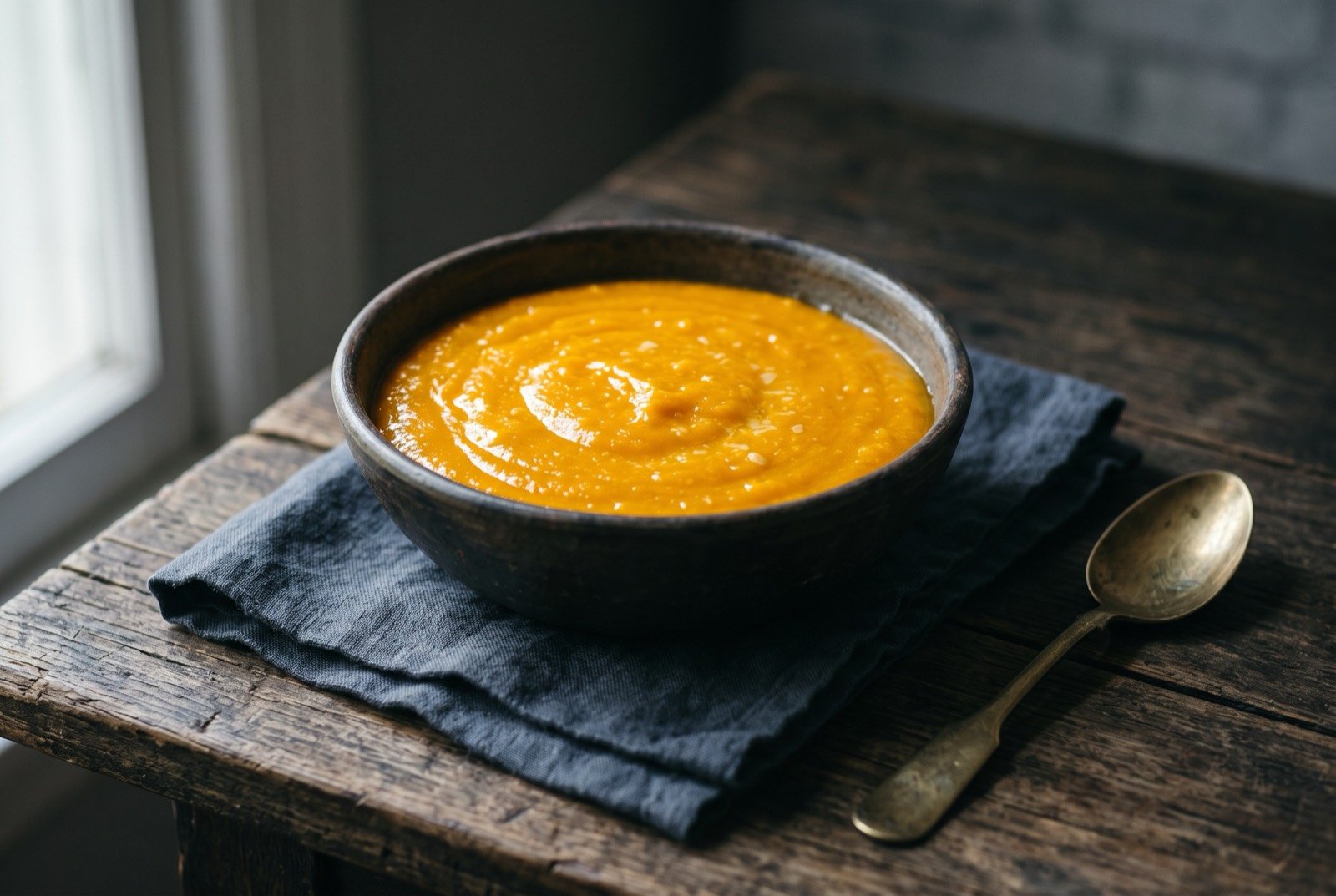 Kivevé
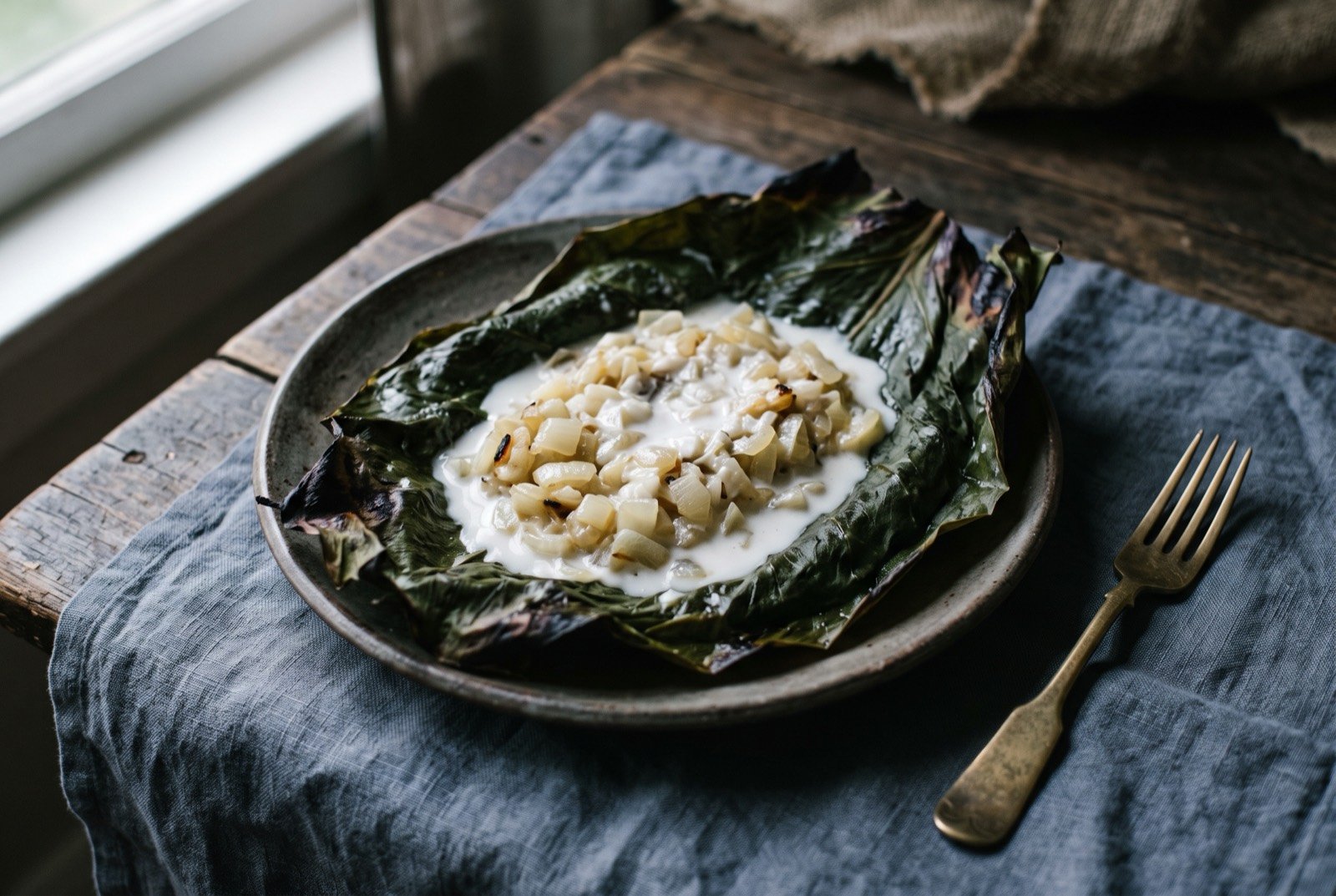 Rukau
Rukau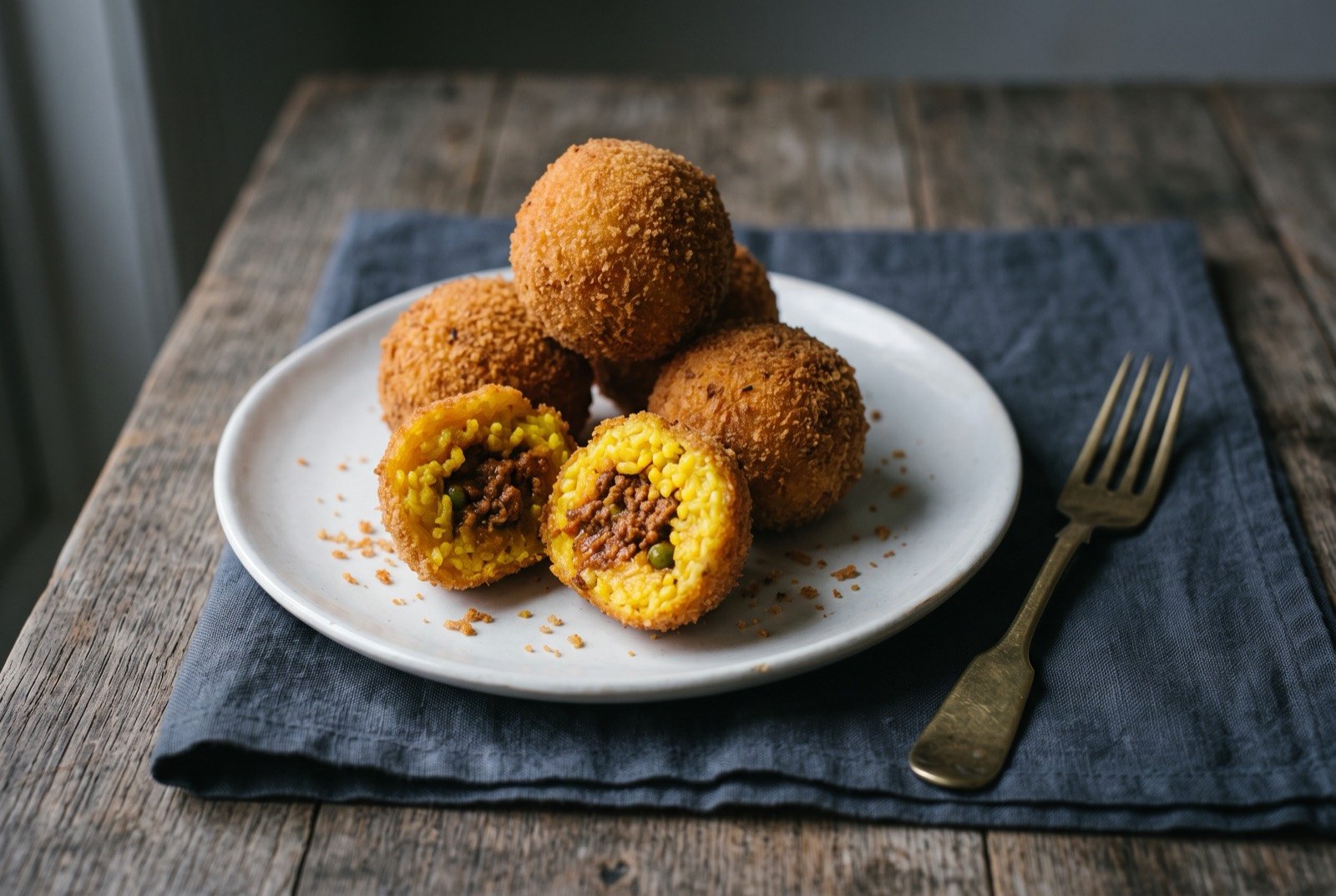 Arancini
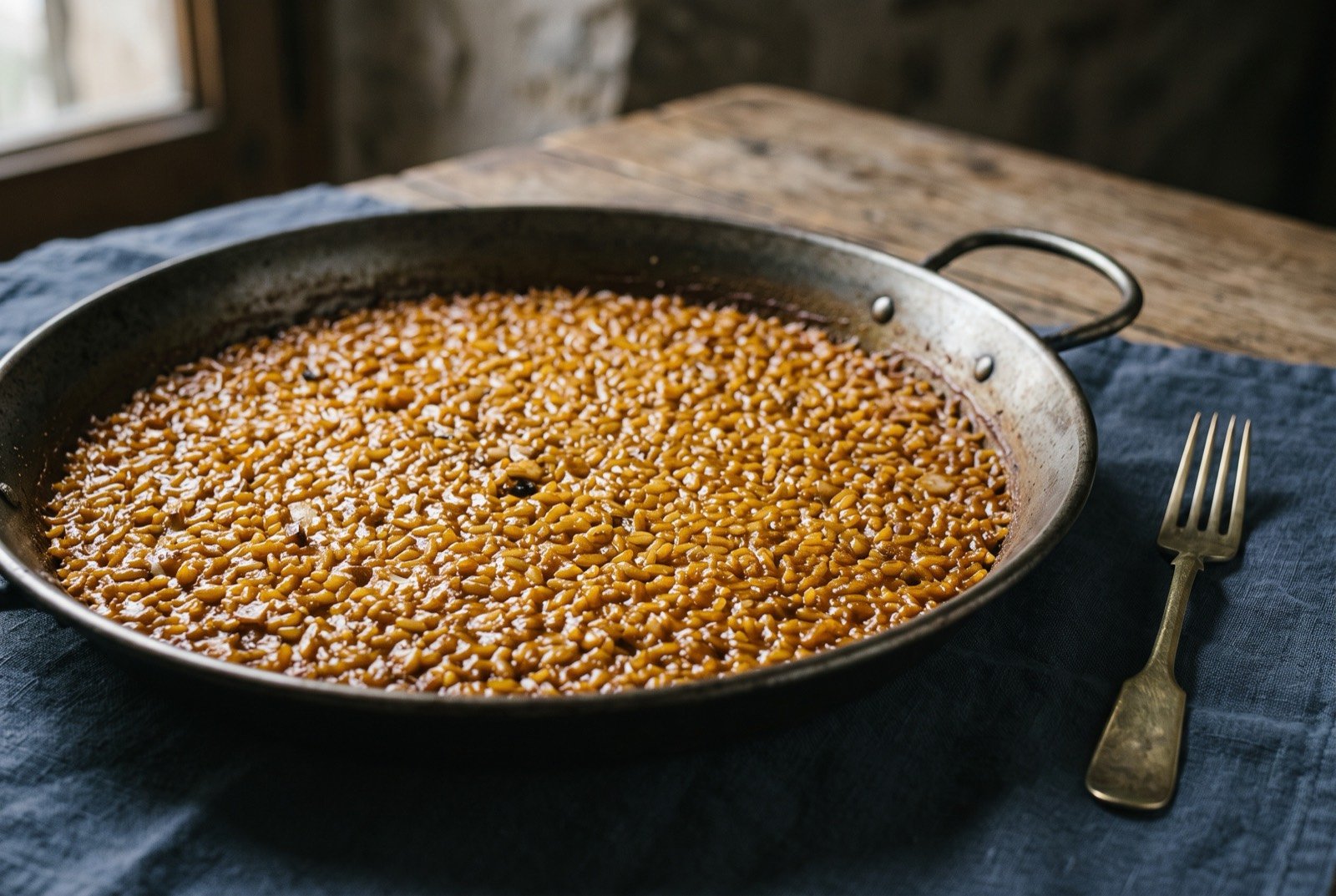 Arròs a Banda
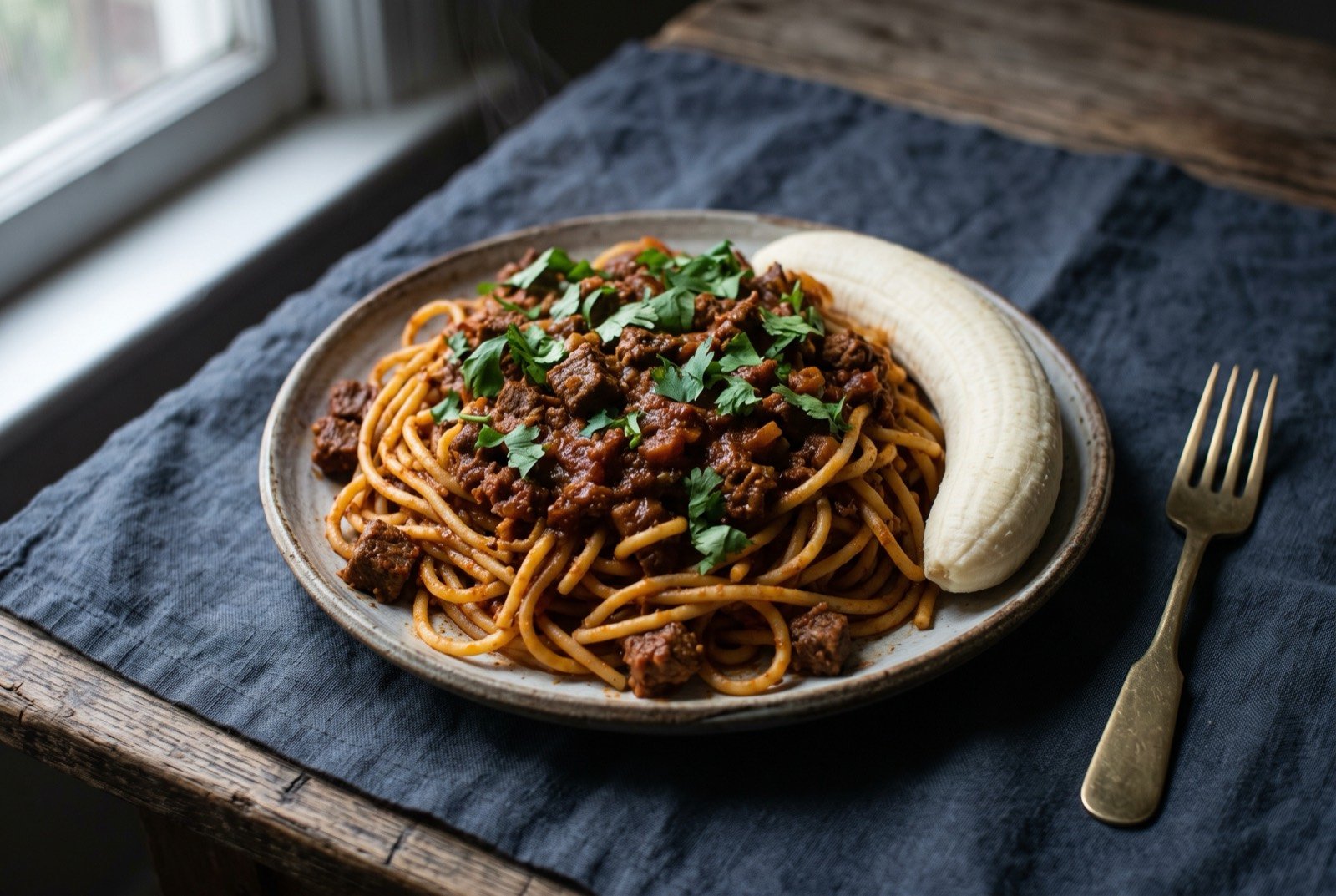 Baasto iyo suugo suqaar
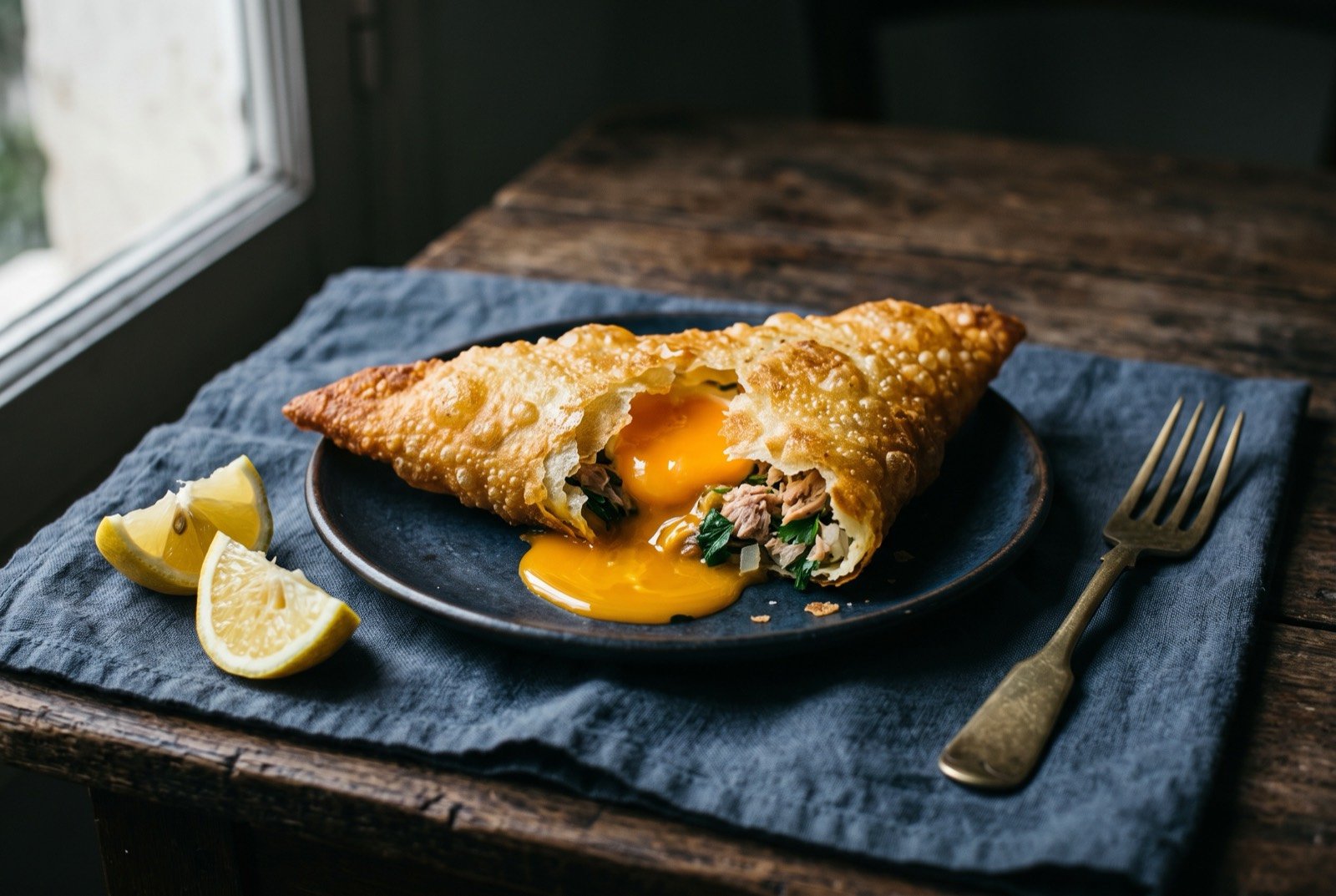 Brik à l'oeuf
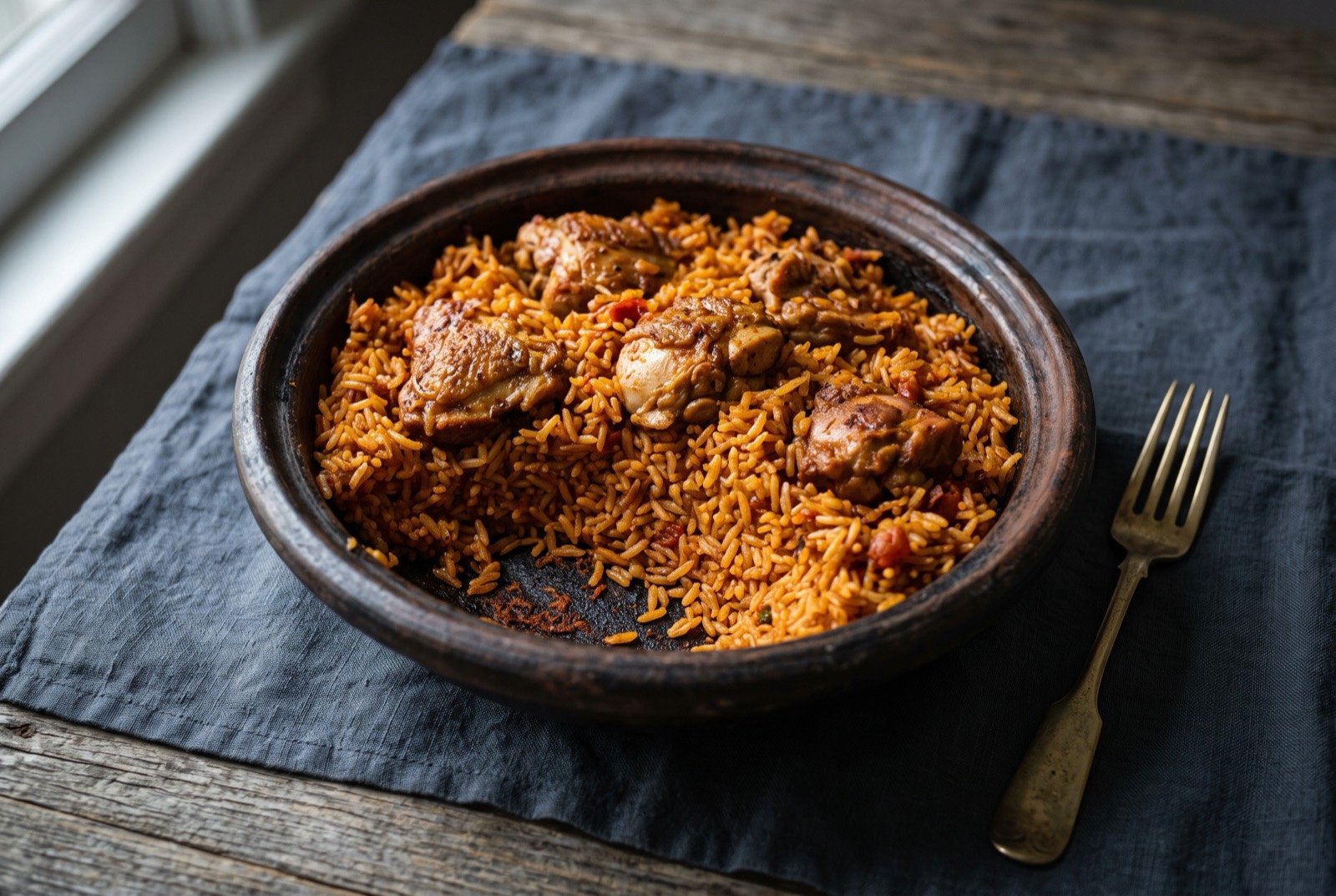 Jollof rice
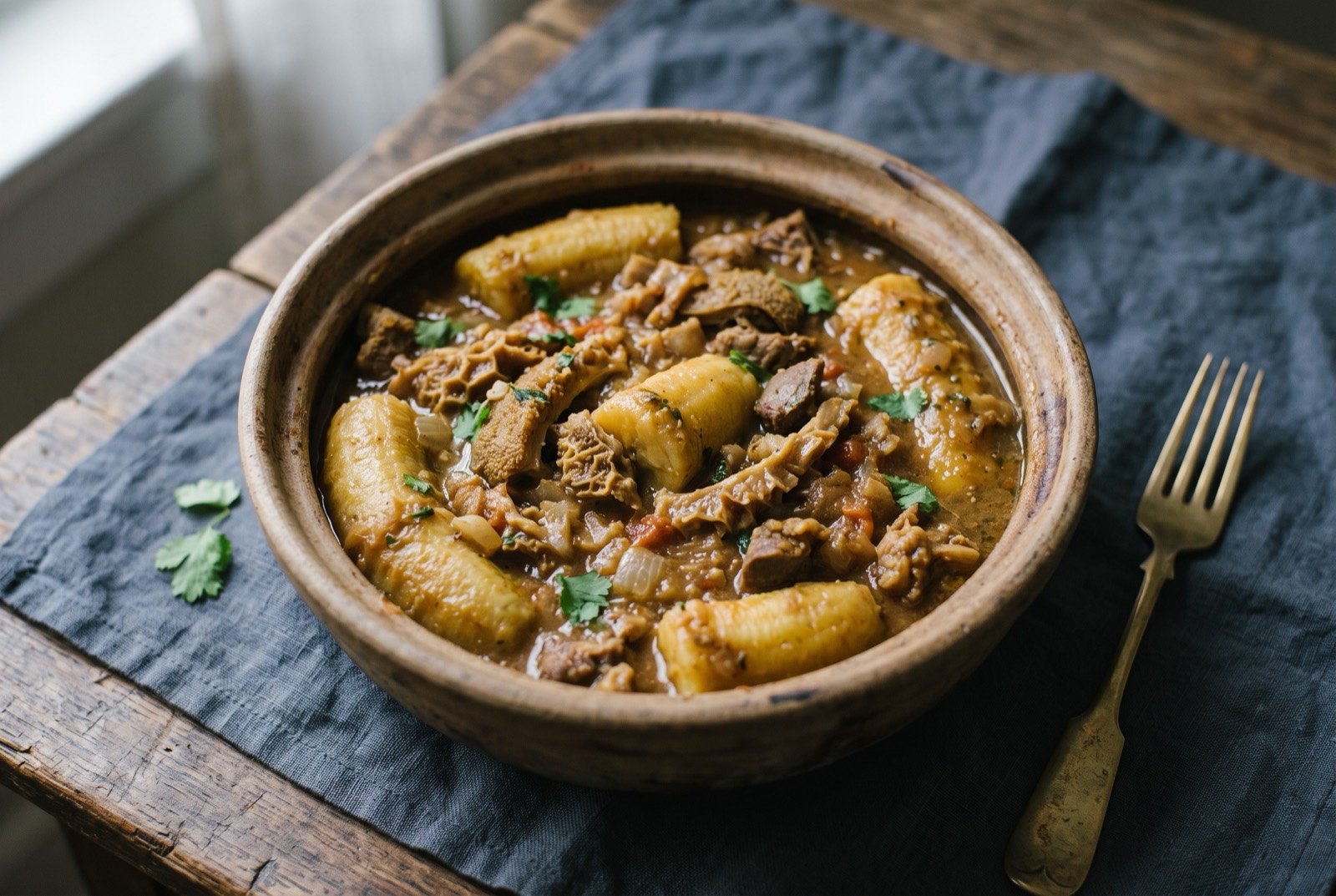 Katogo
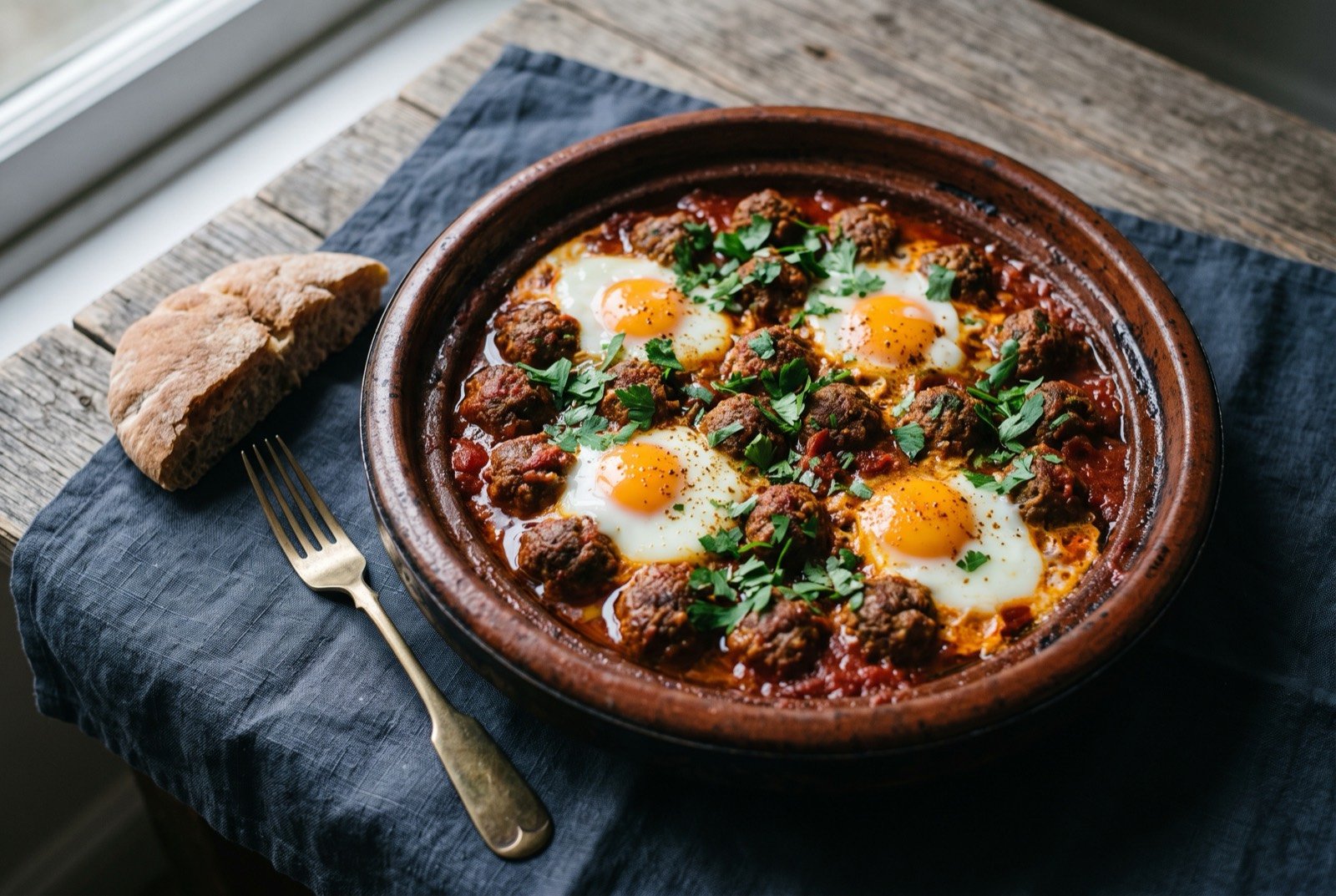 Kefta mkaouara
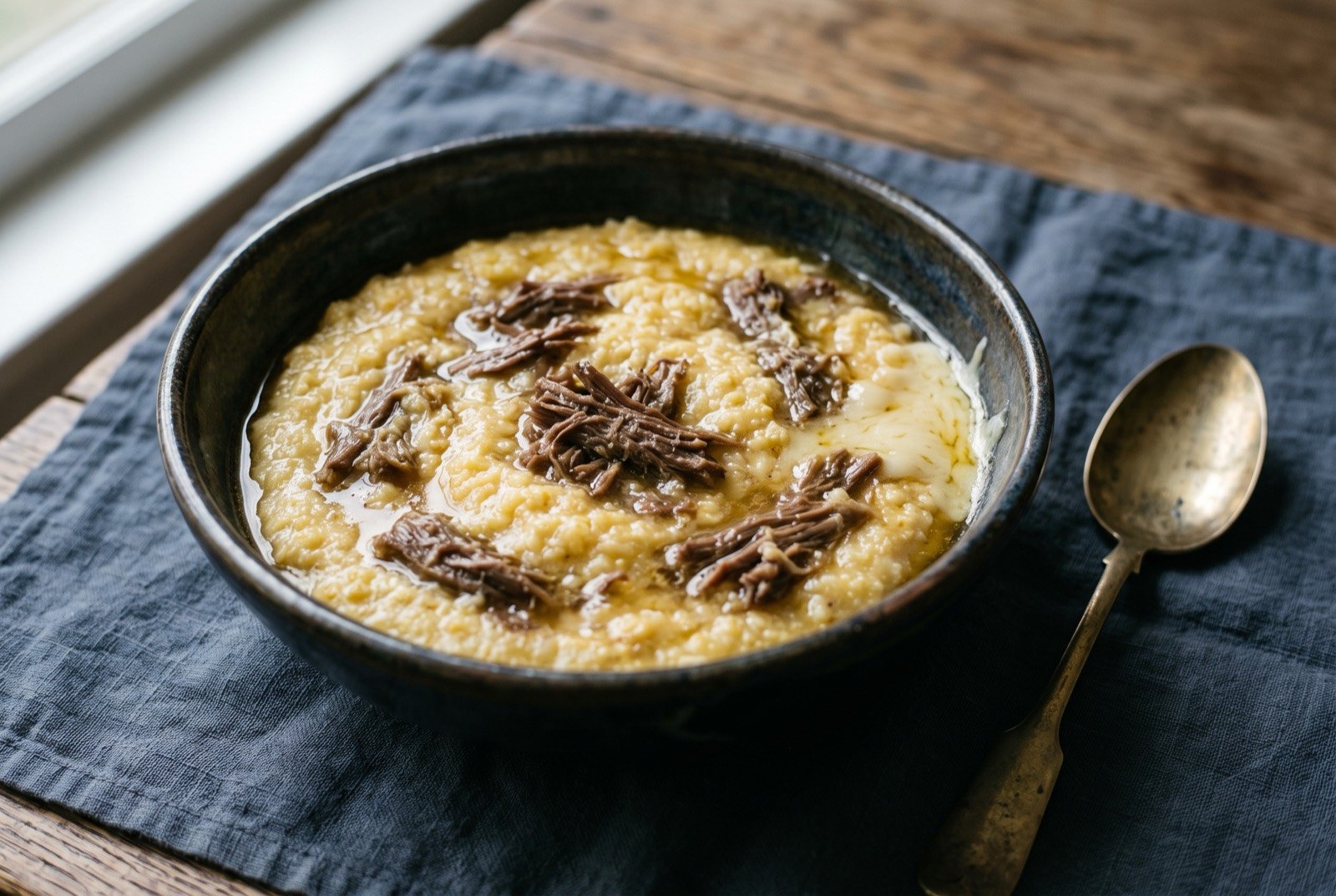 Mbaipy so'o
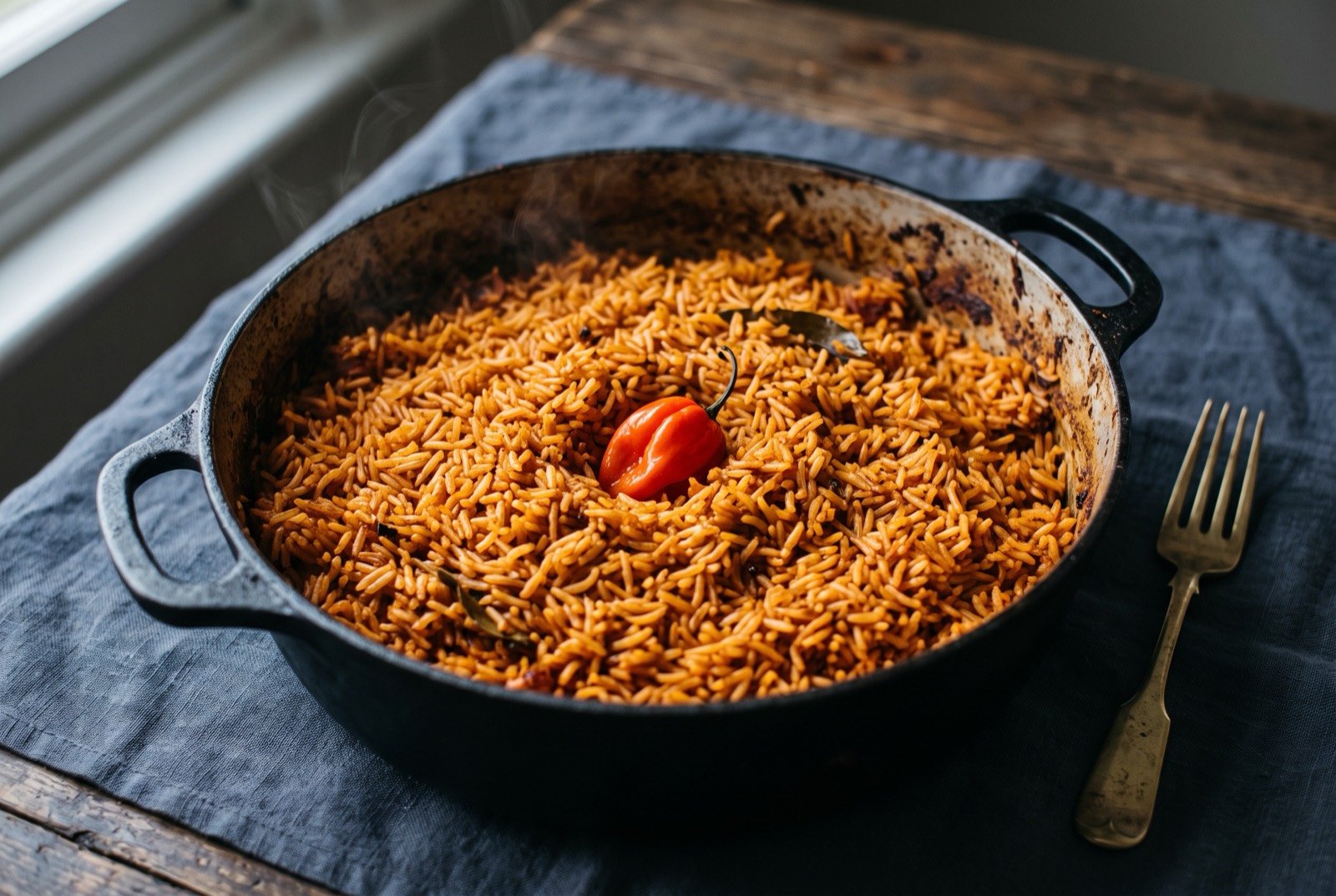 Party Jollof
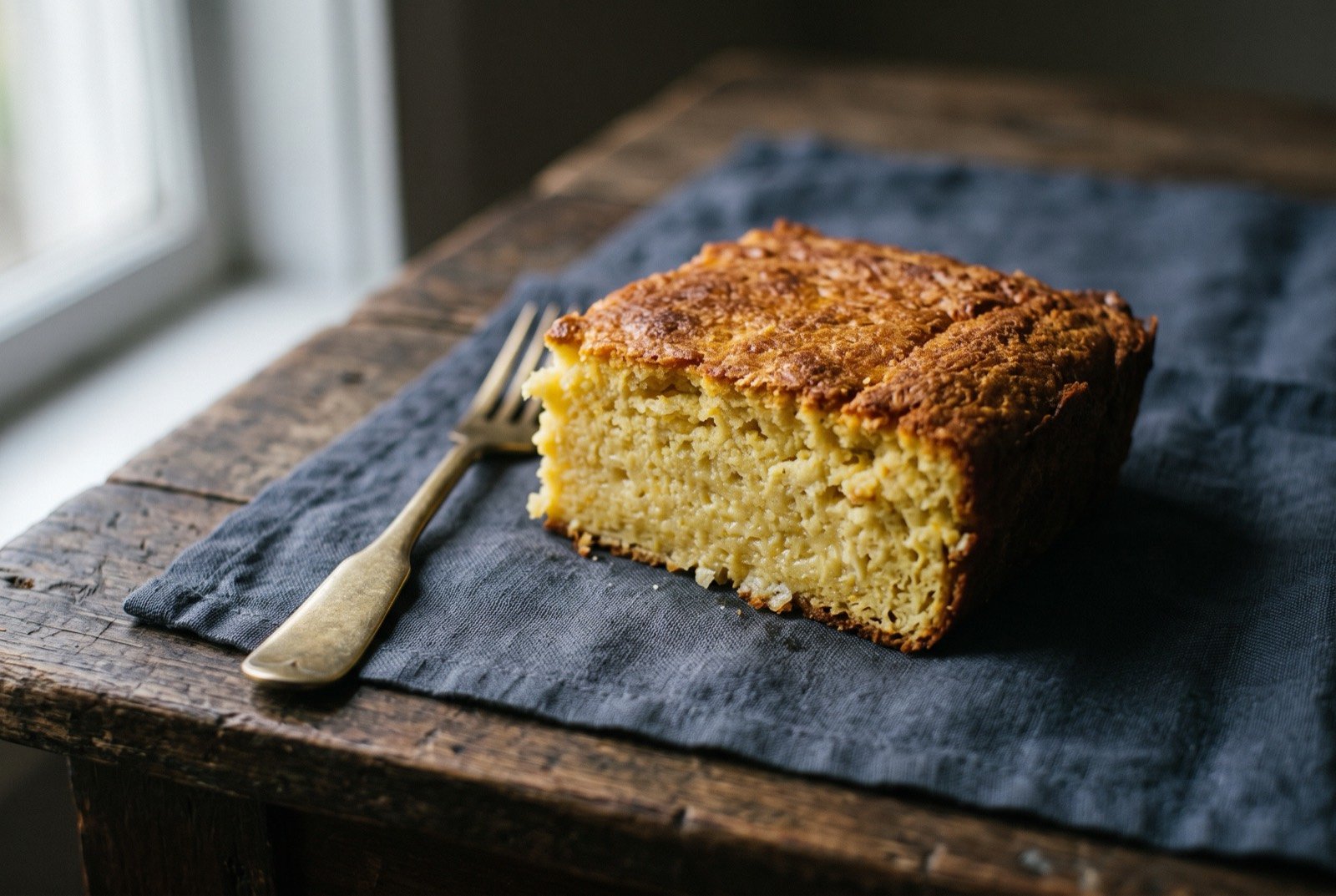 Sopa paraguaya
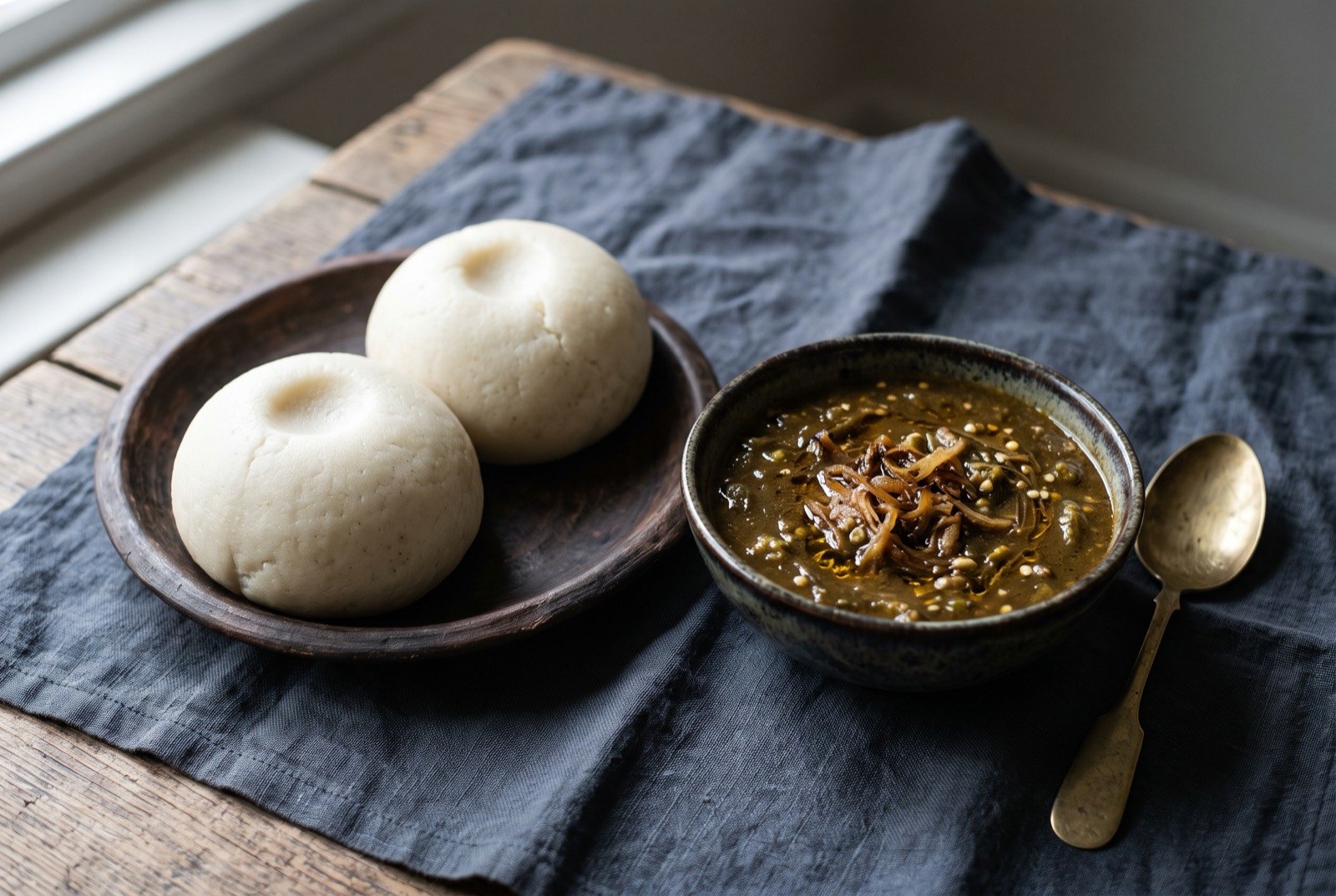 Tô with sauce gombo
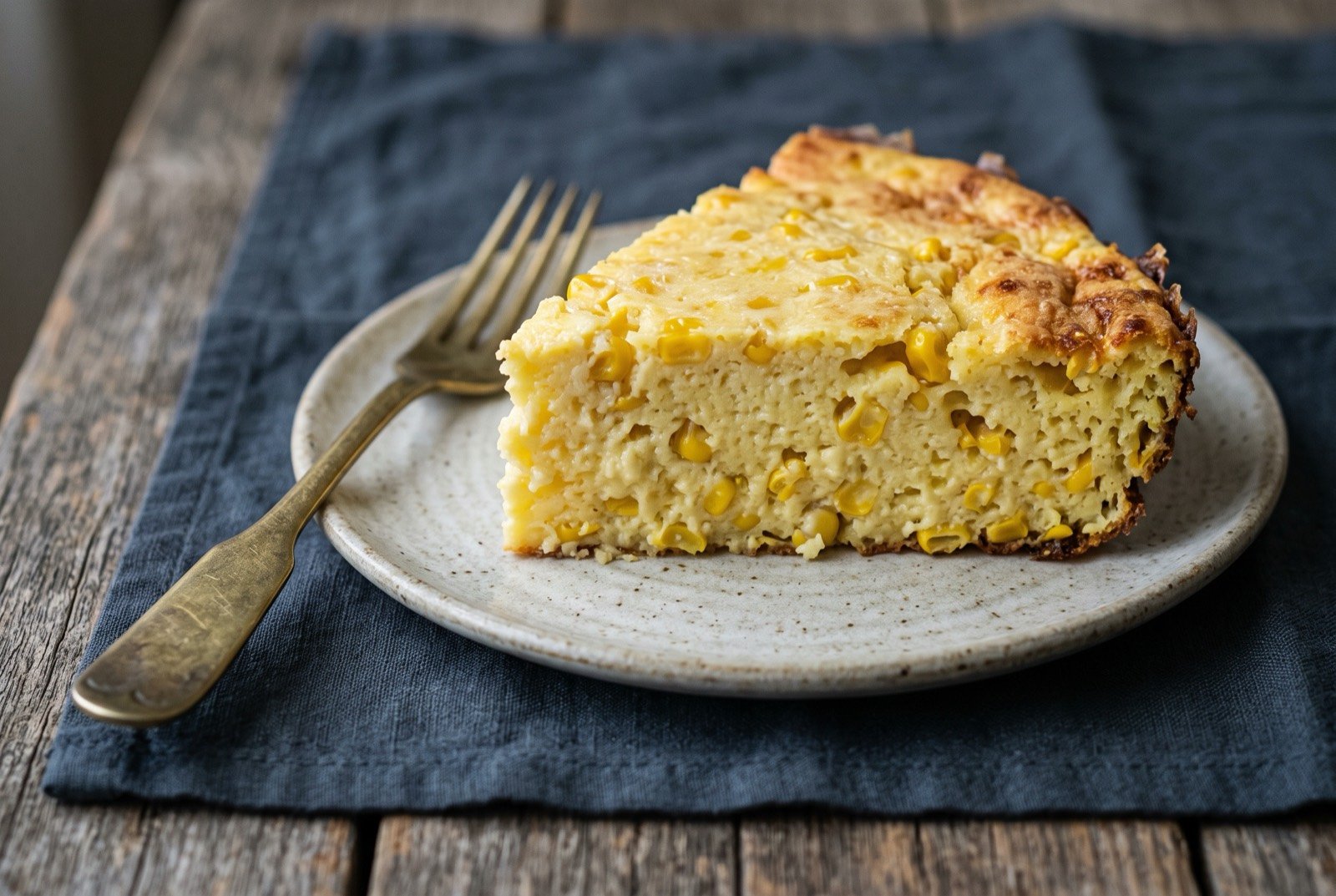 Chipa guasu
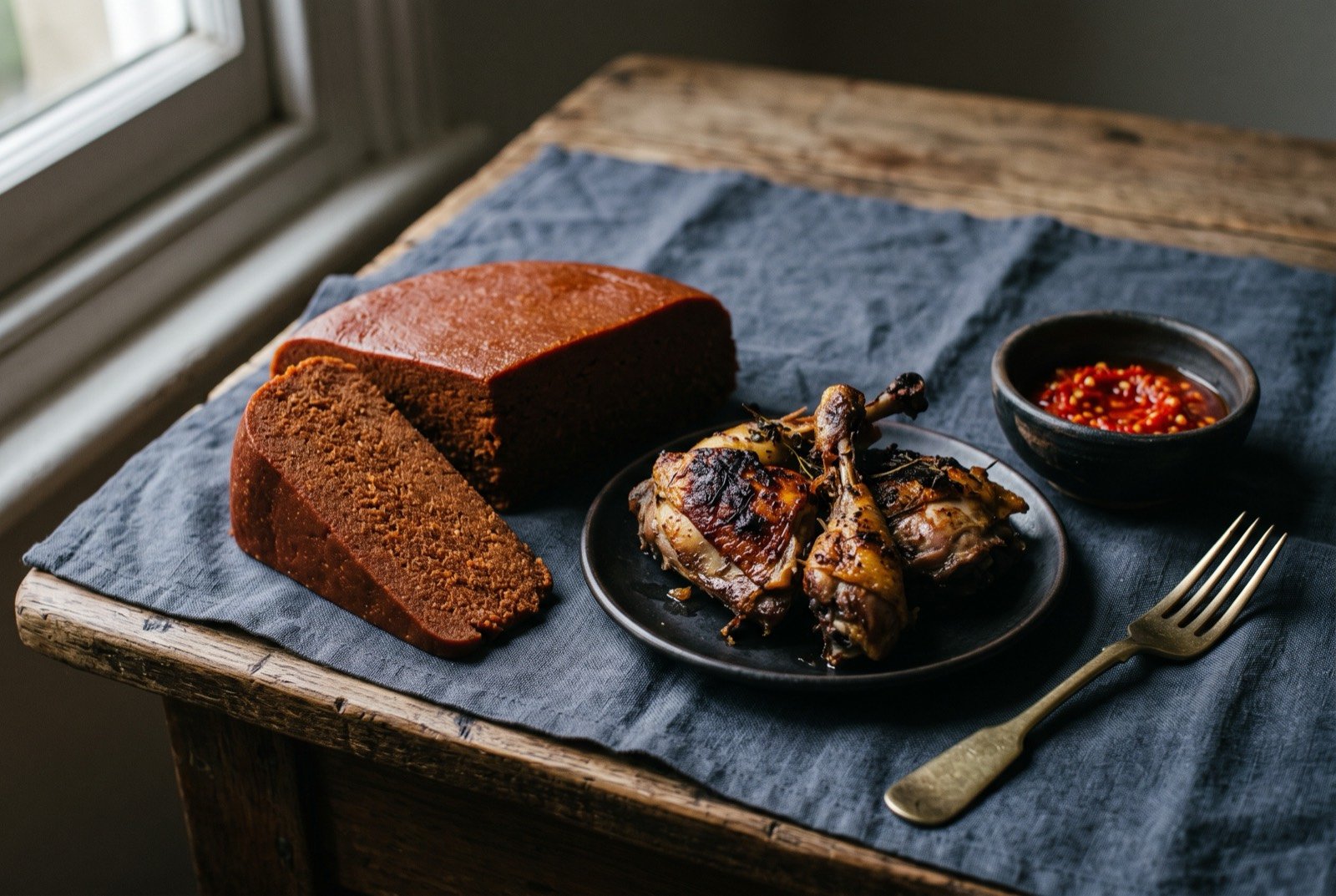 Djenkoumé
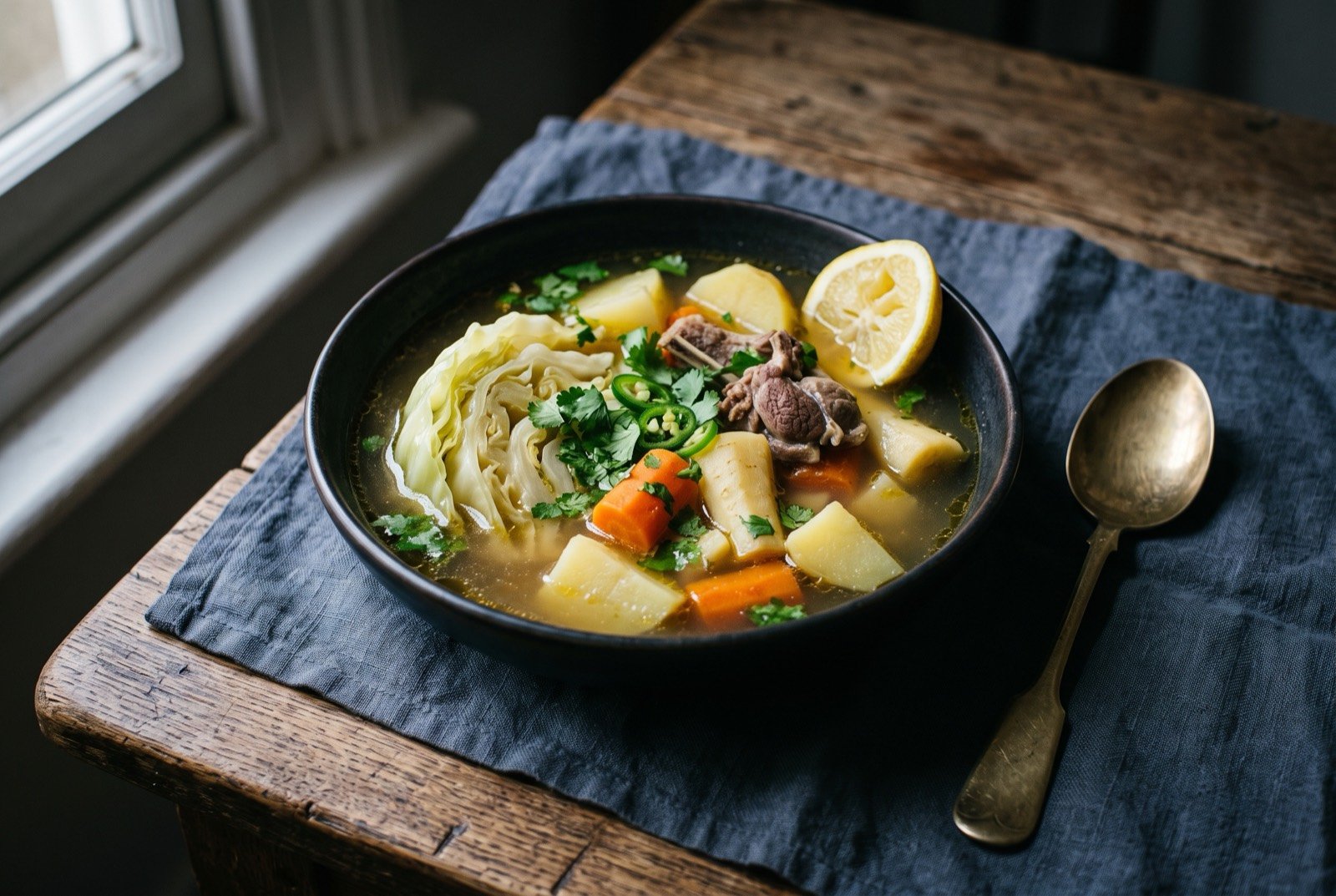 Maraq fah-fah
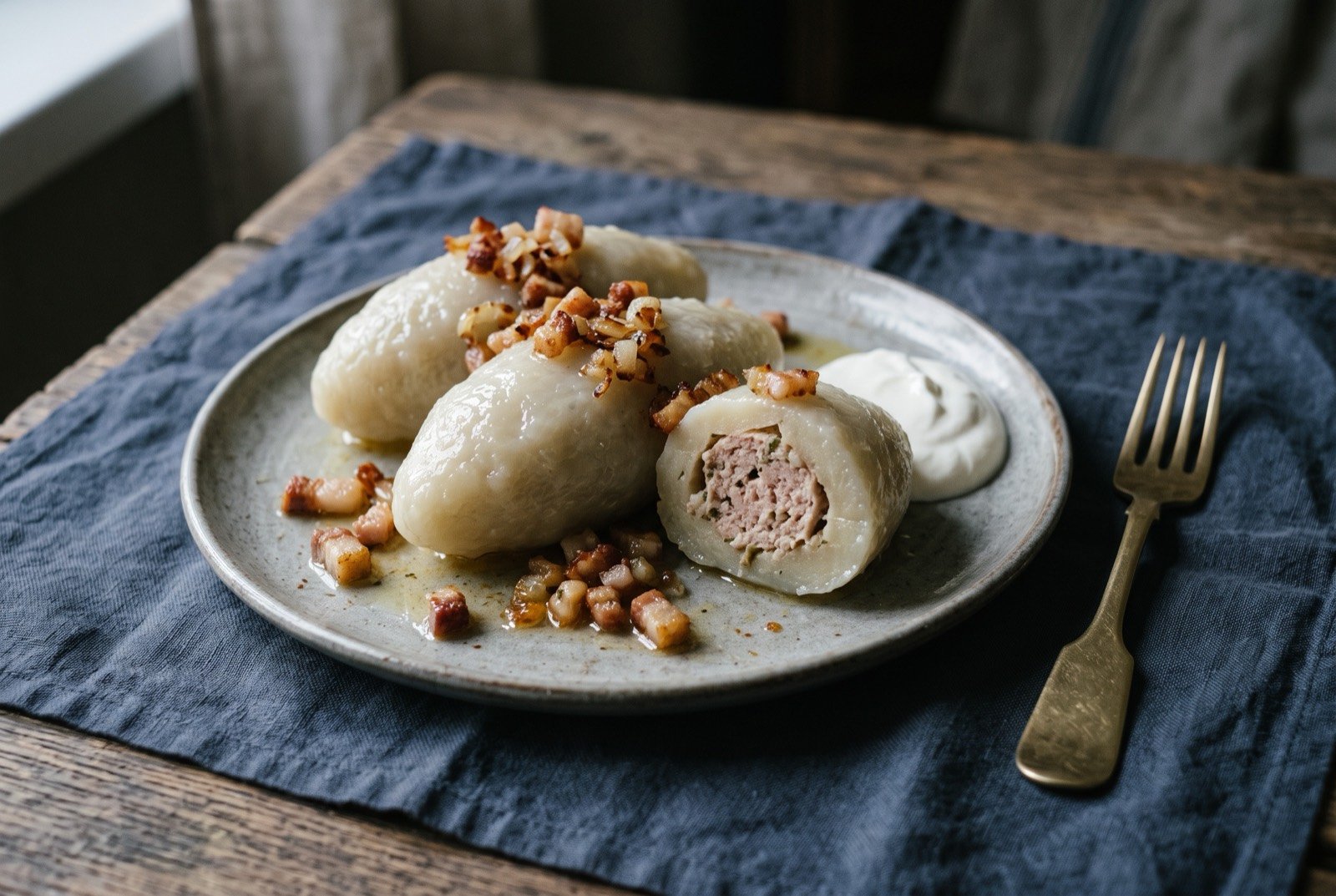 Cepelinai
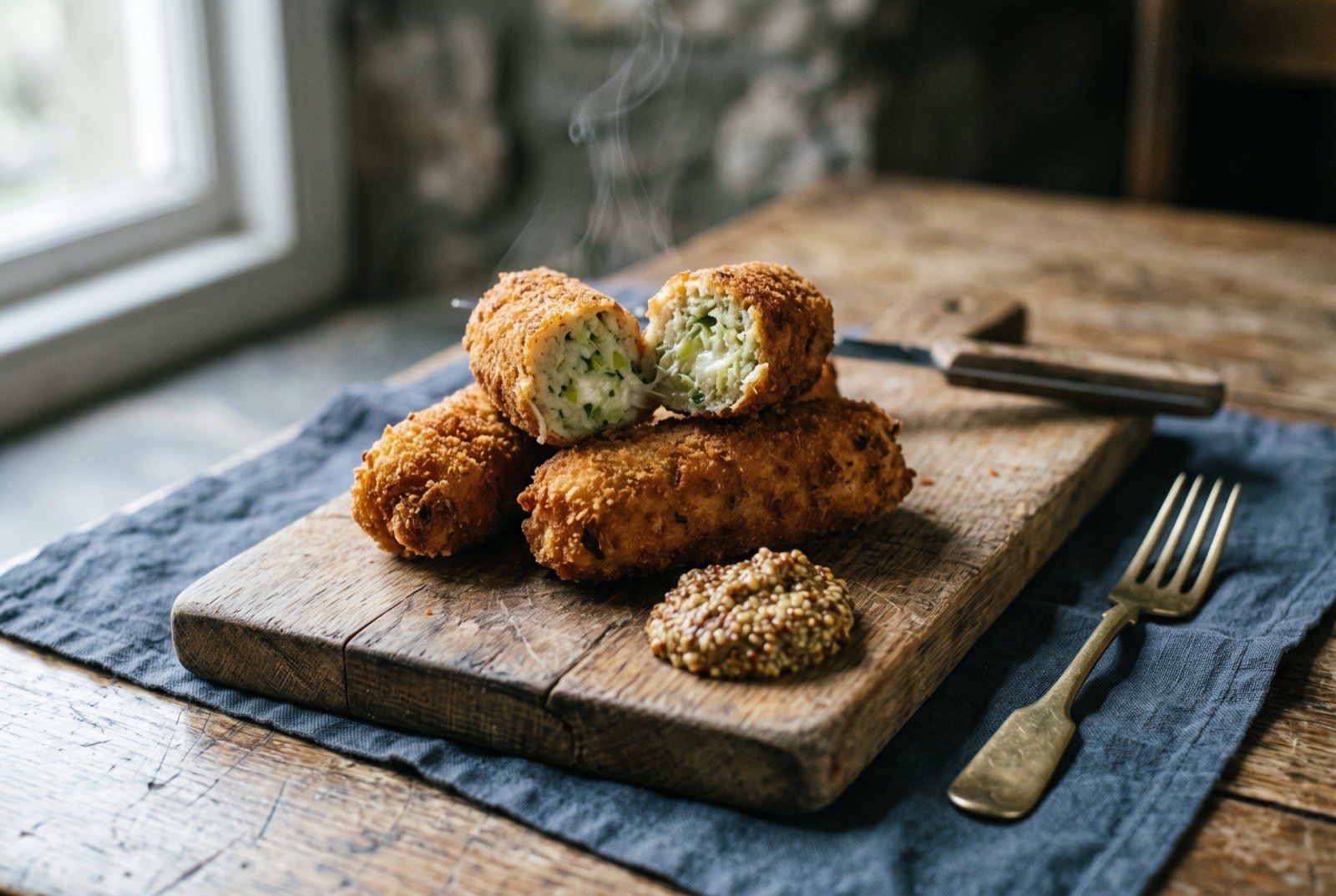 Glamorgan Sausage
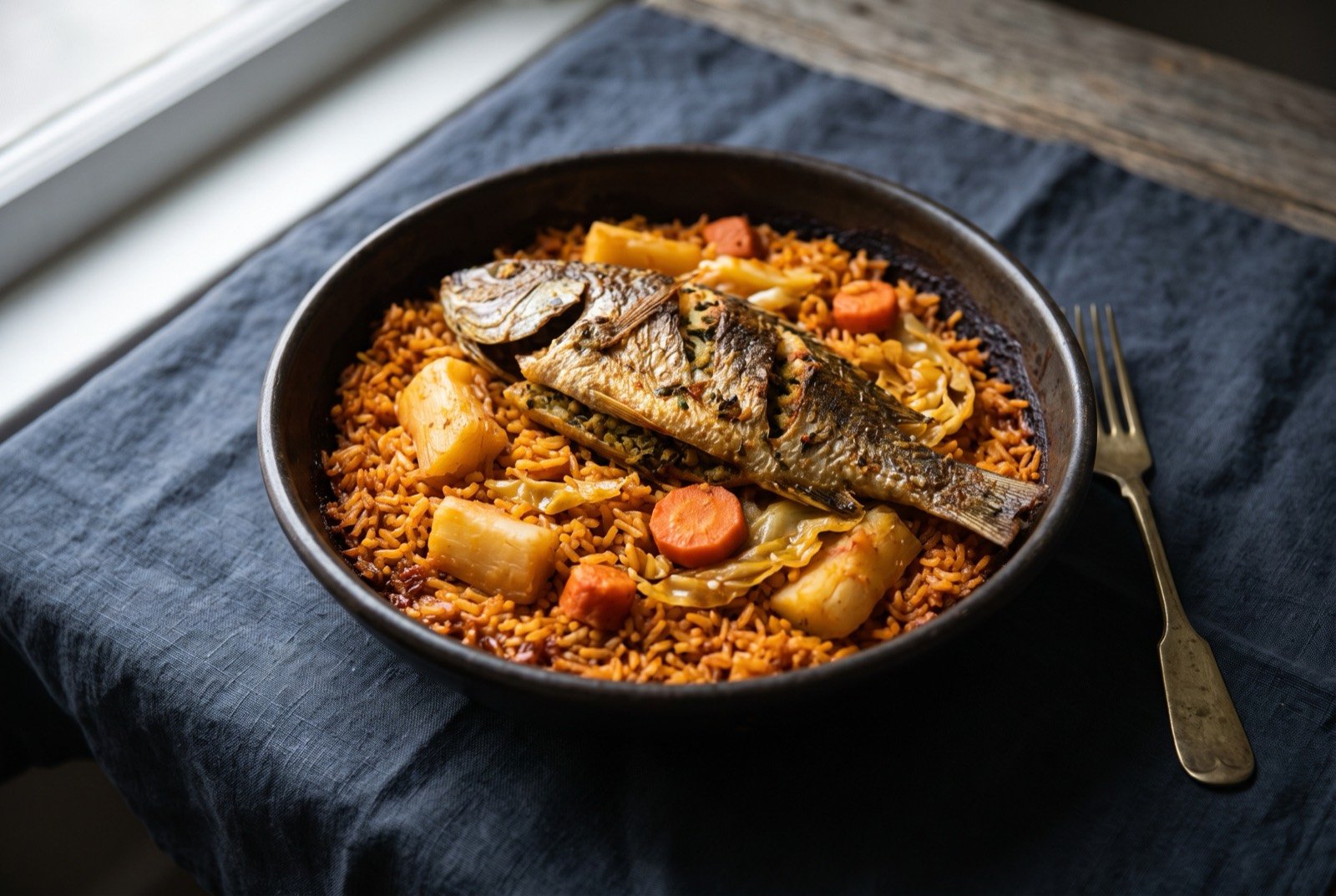 Benachin
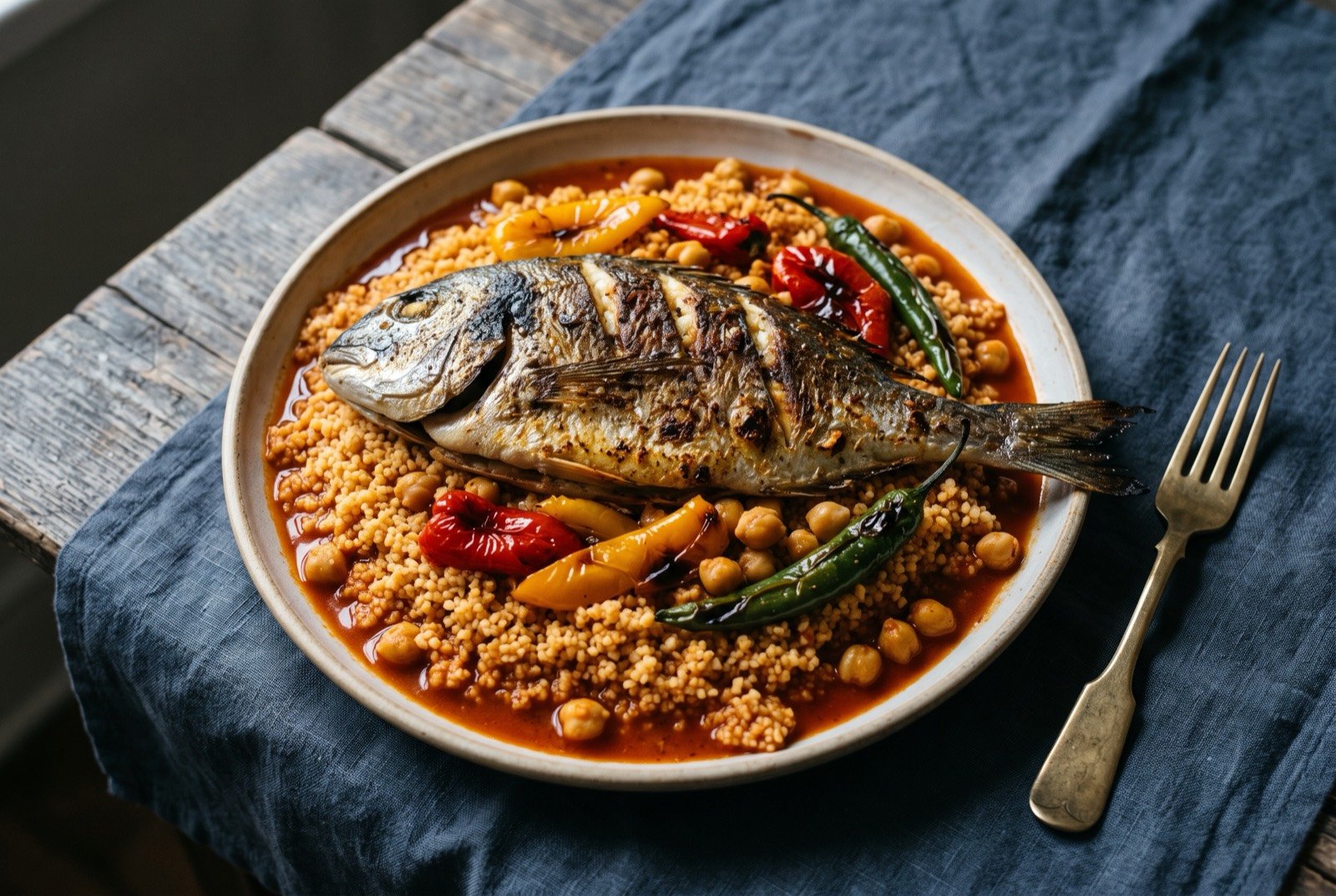 Couscous au poisson sfaxien
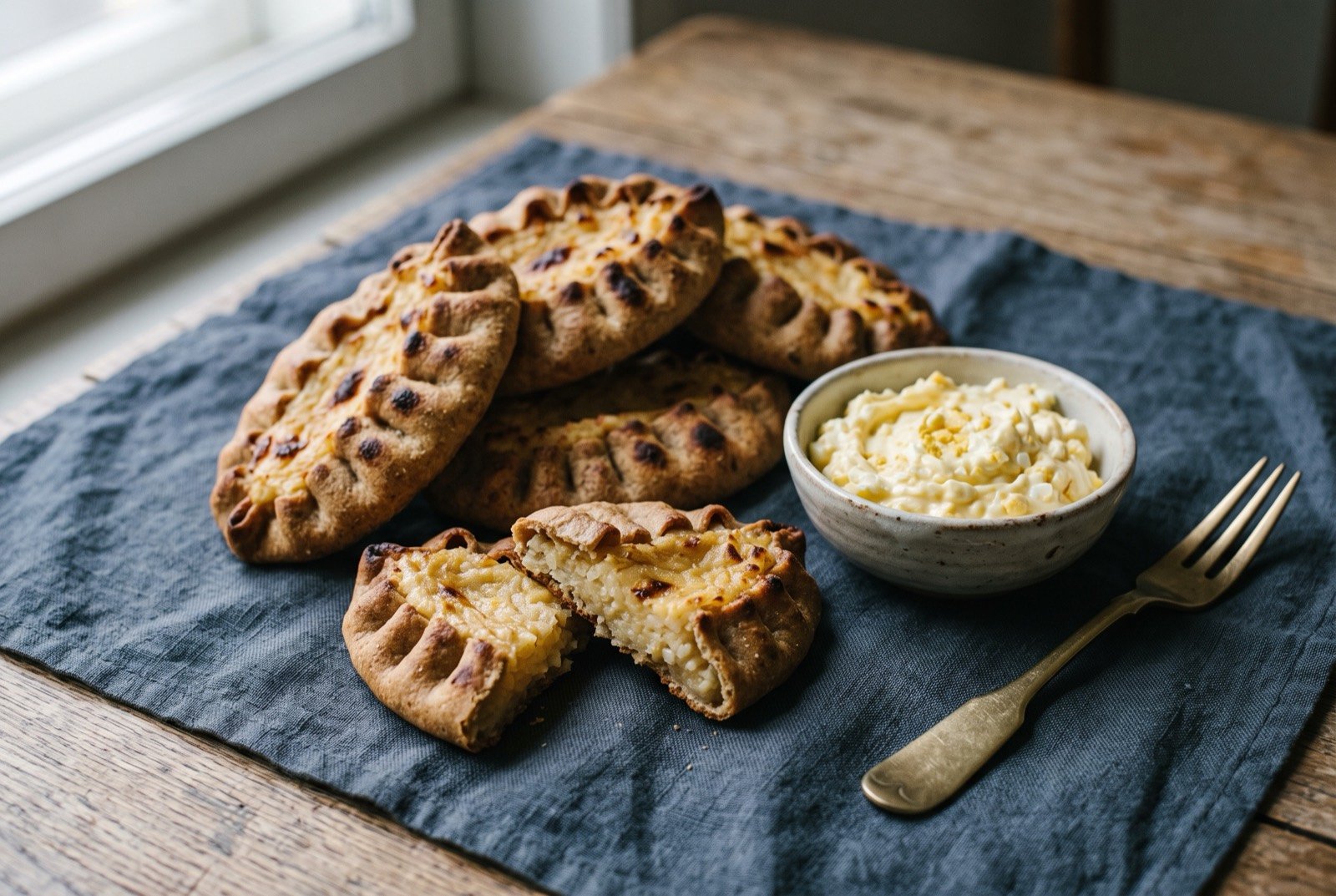 Karjalanpiirakka with Munavoi
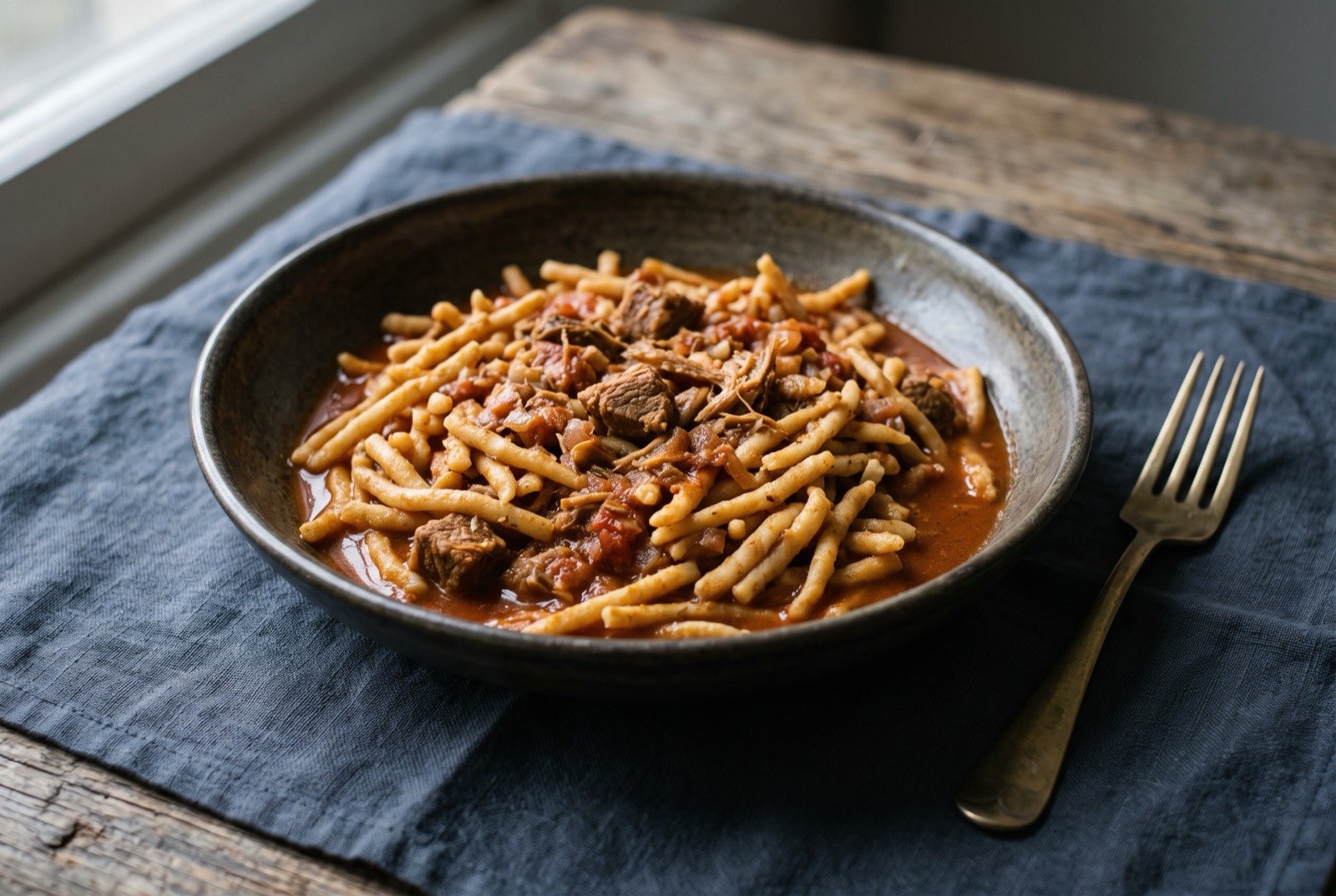 Katta
Katta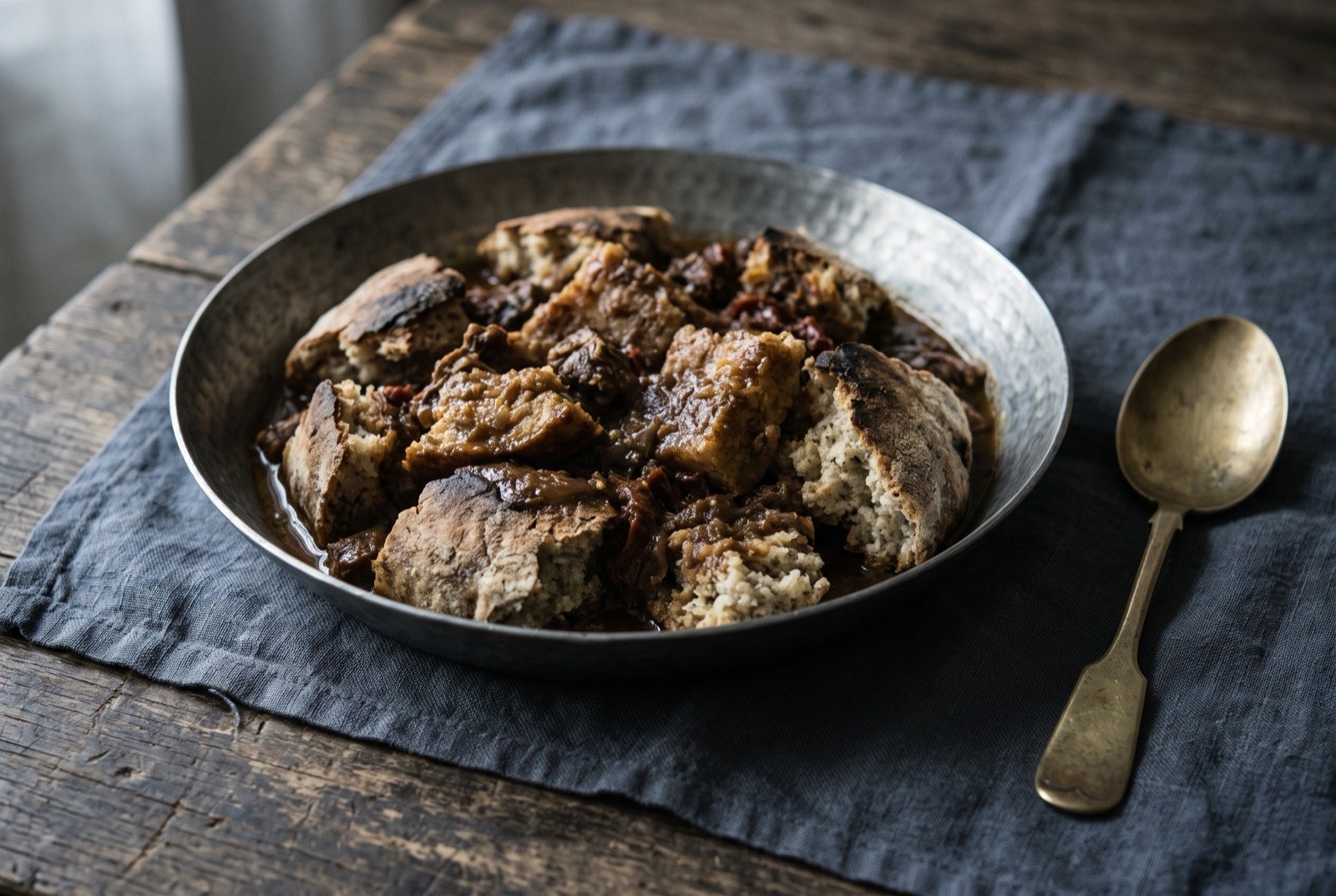 Taguella
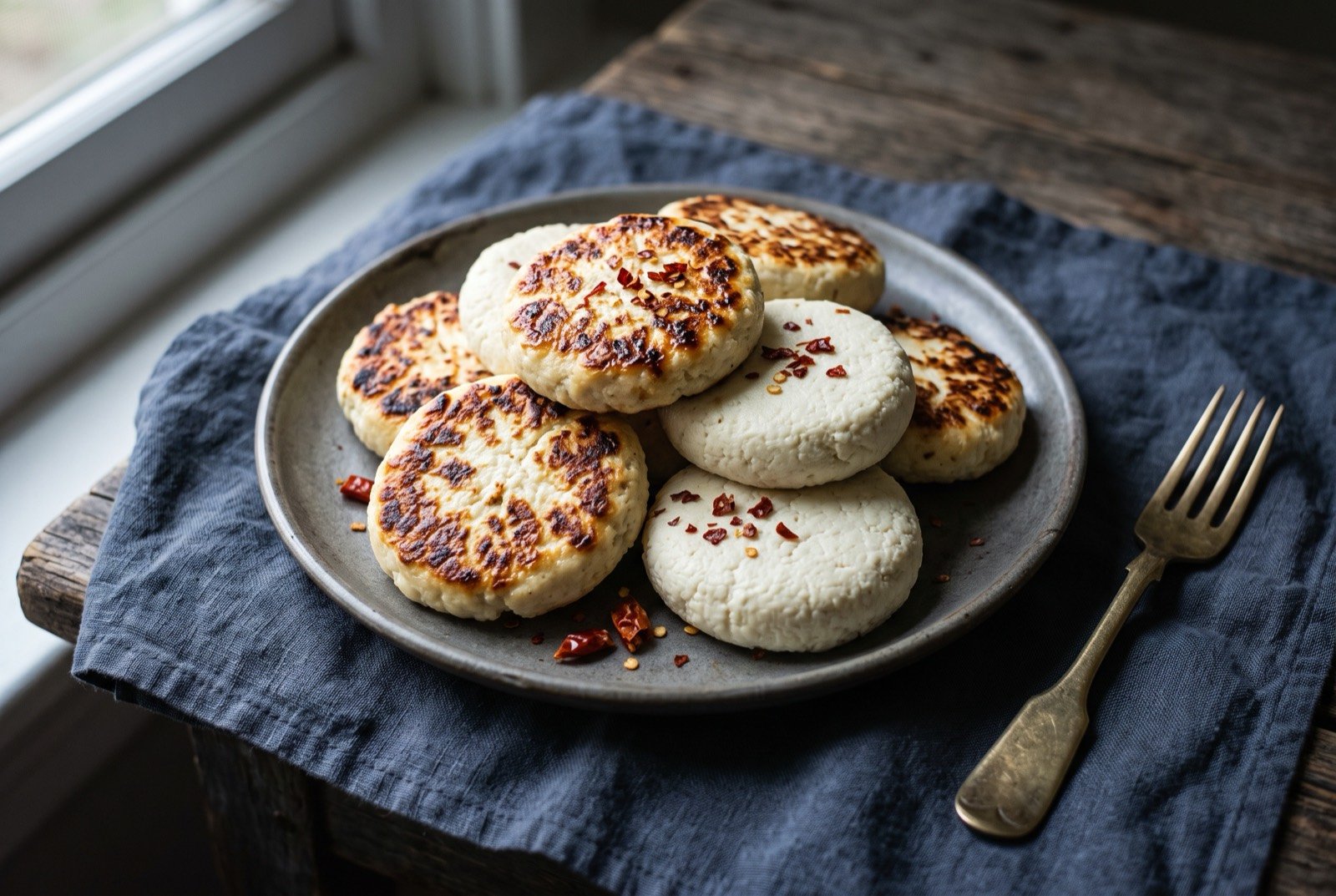 Wagashi
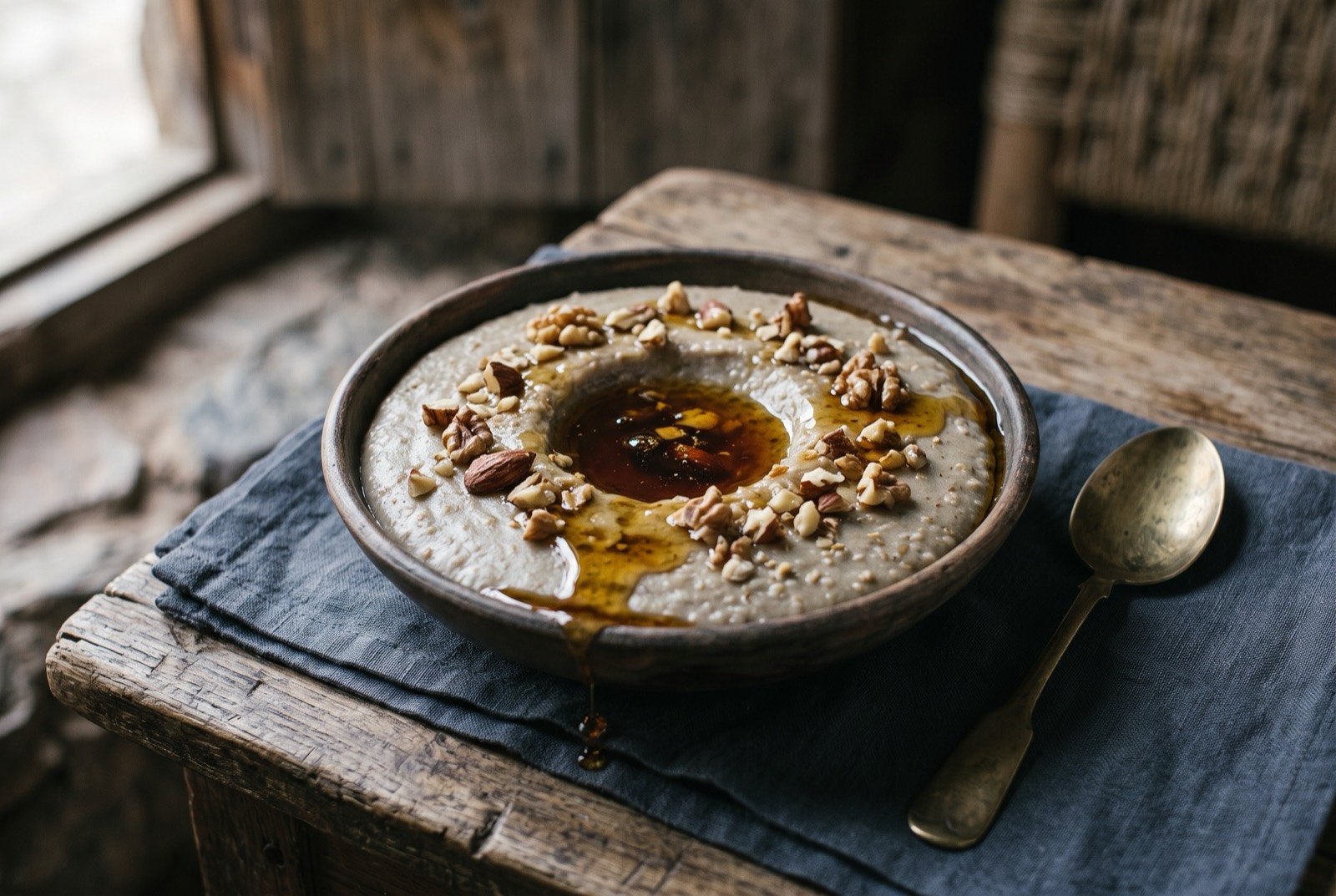 Tagoula
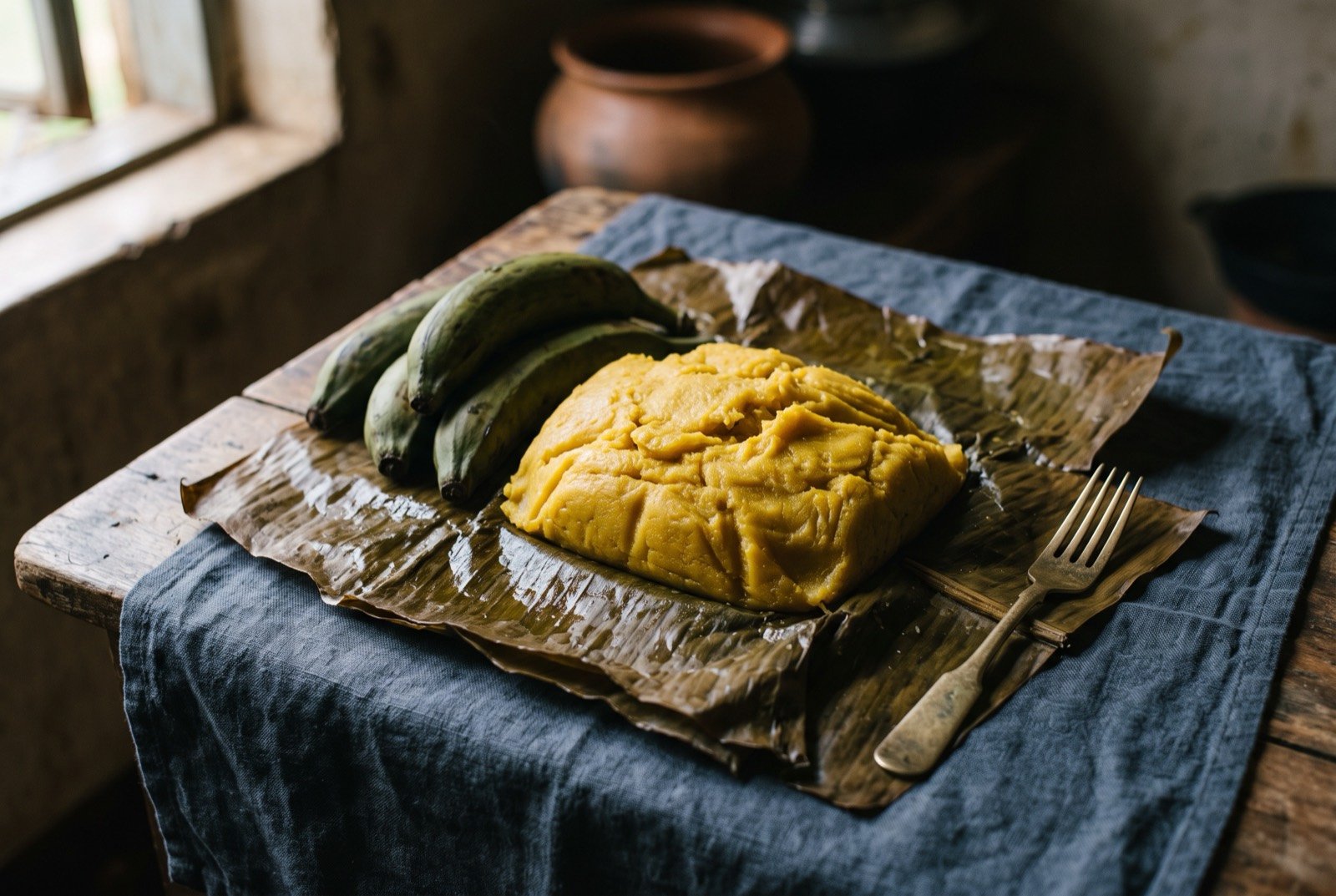 Matooke
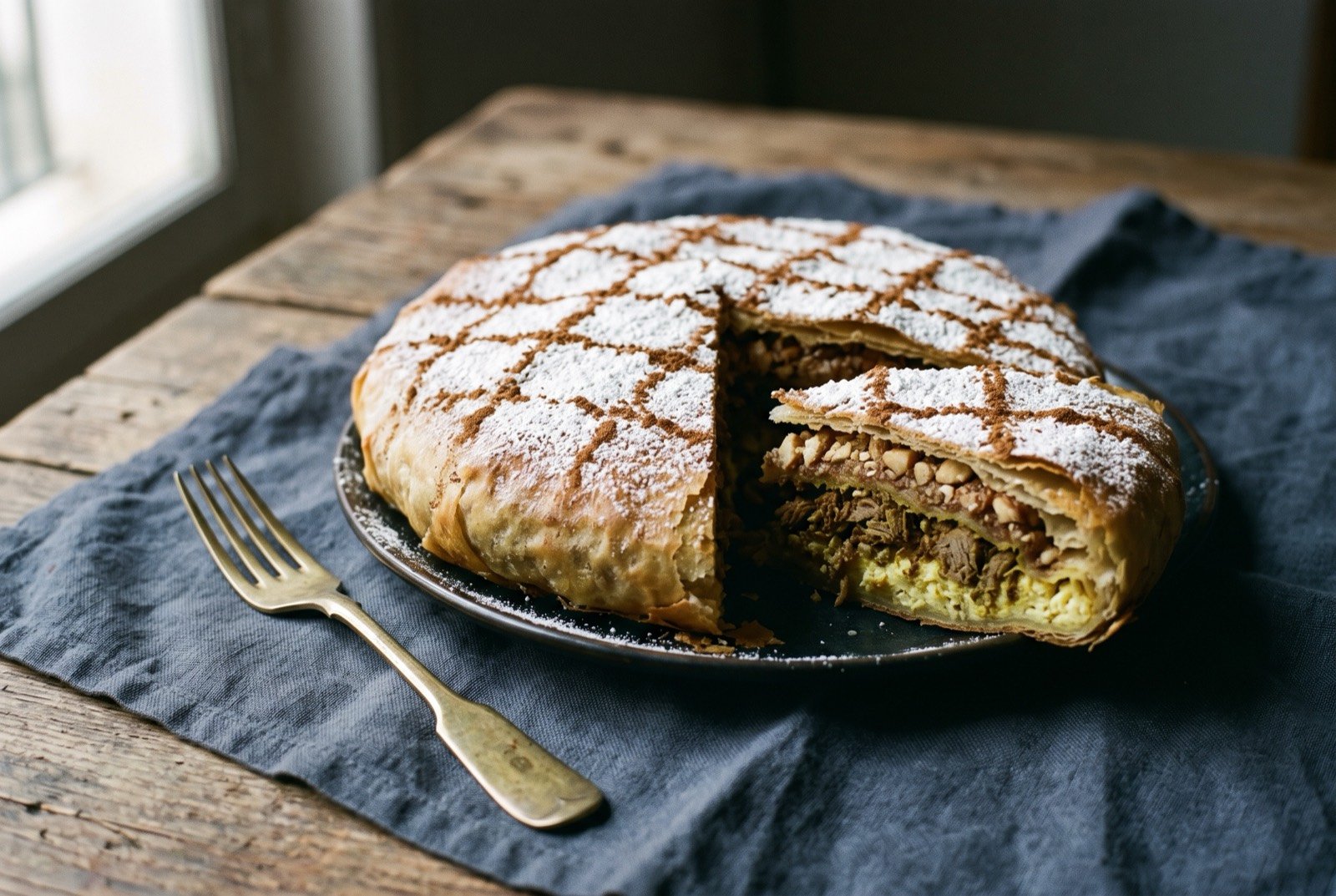 Bastilla
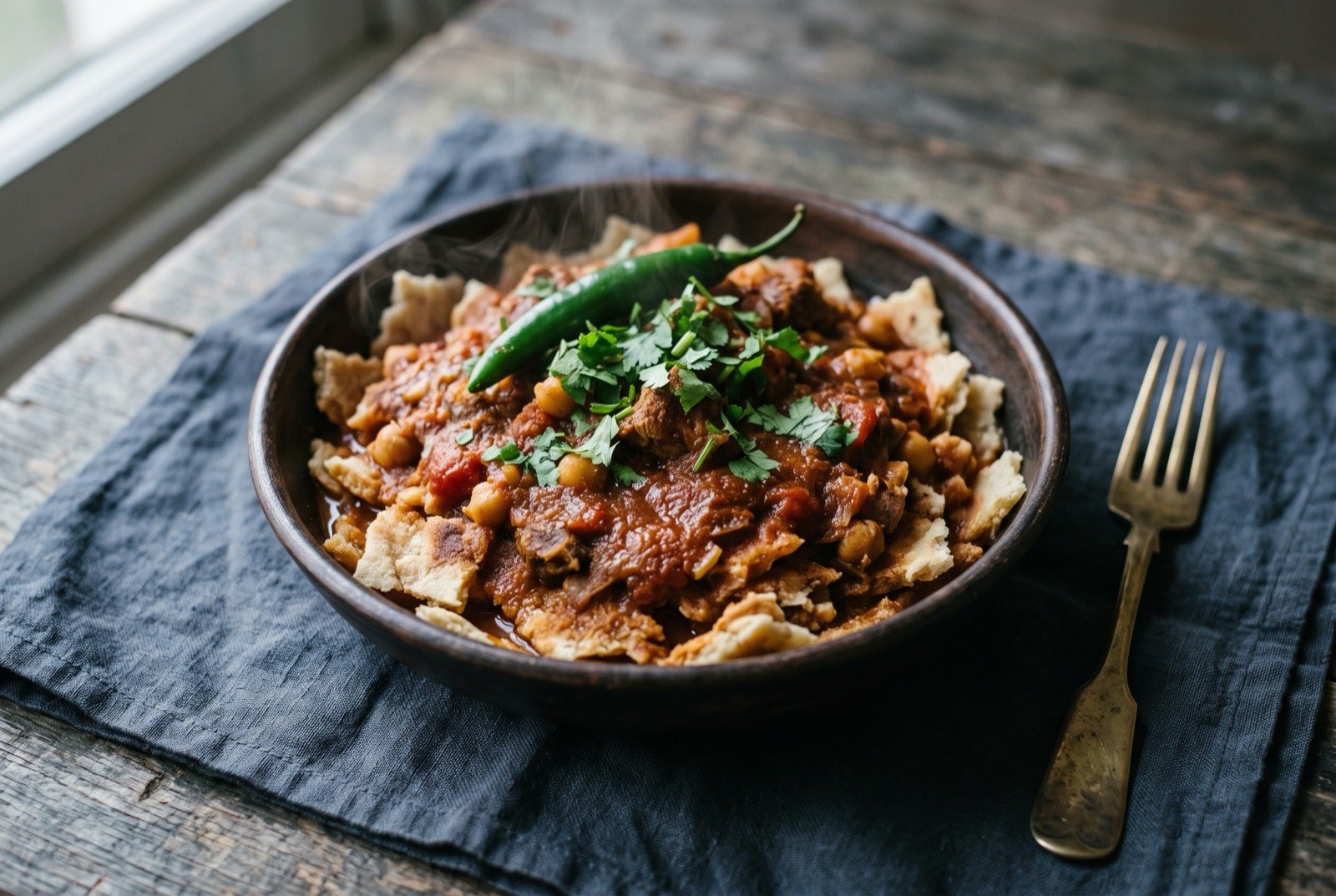 Chakhchoukha de M'sila
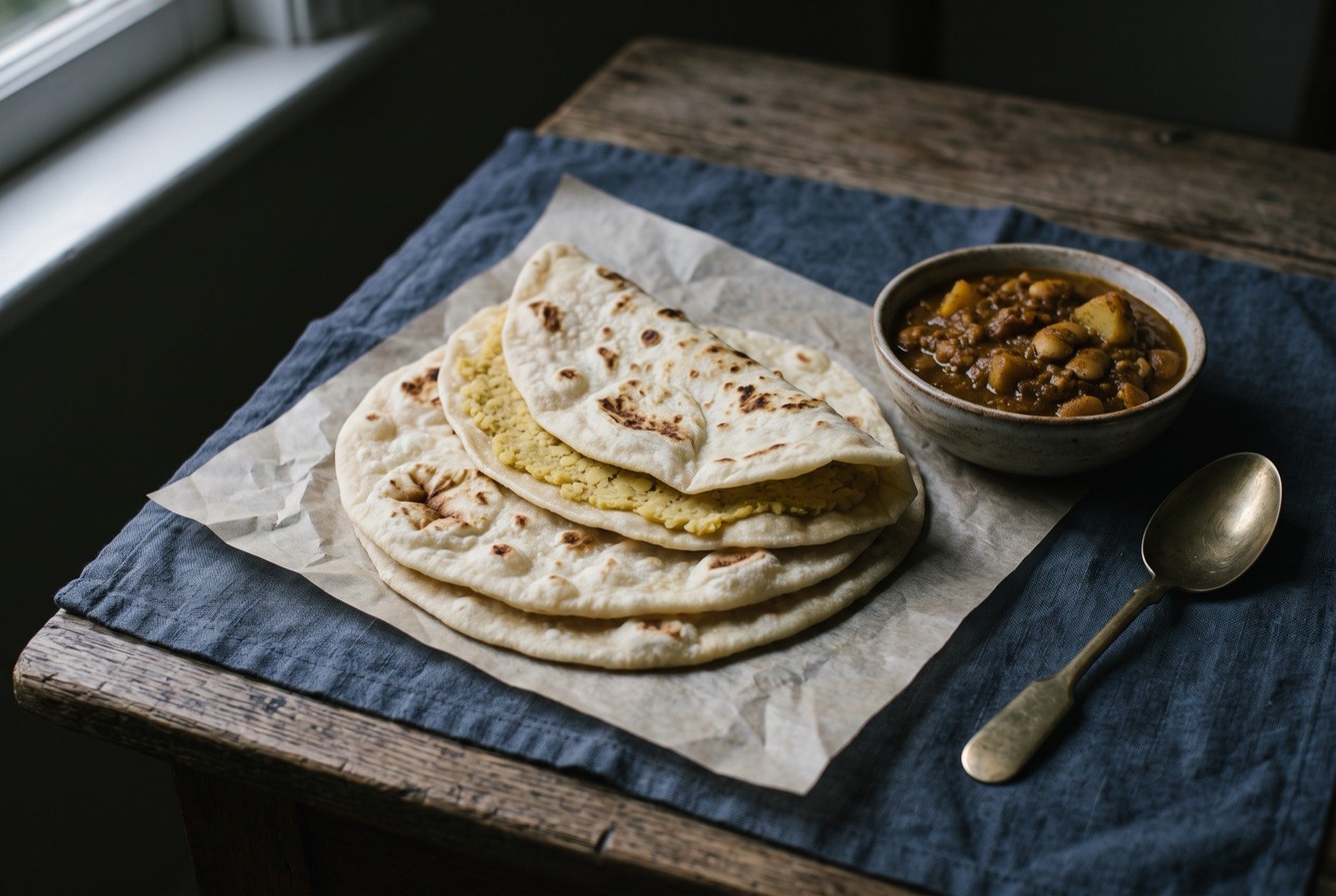 Dholl puri
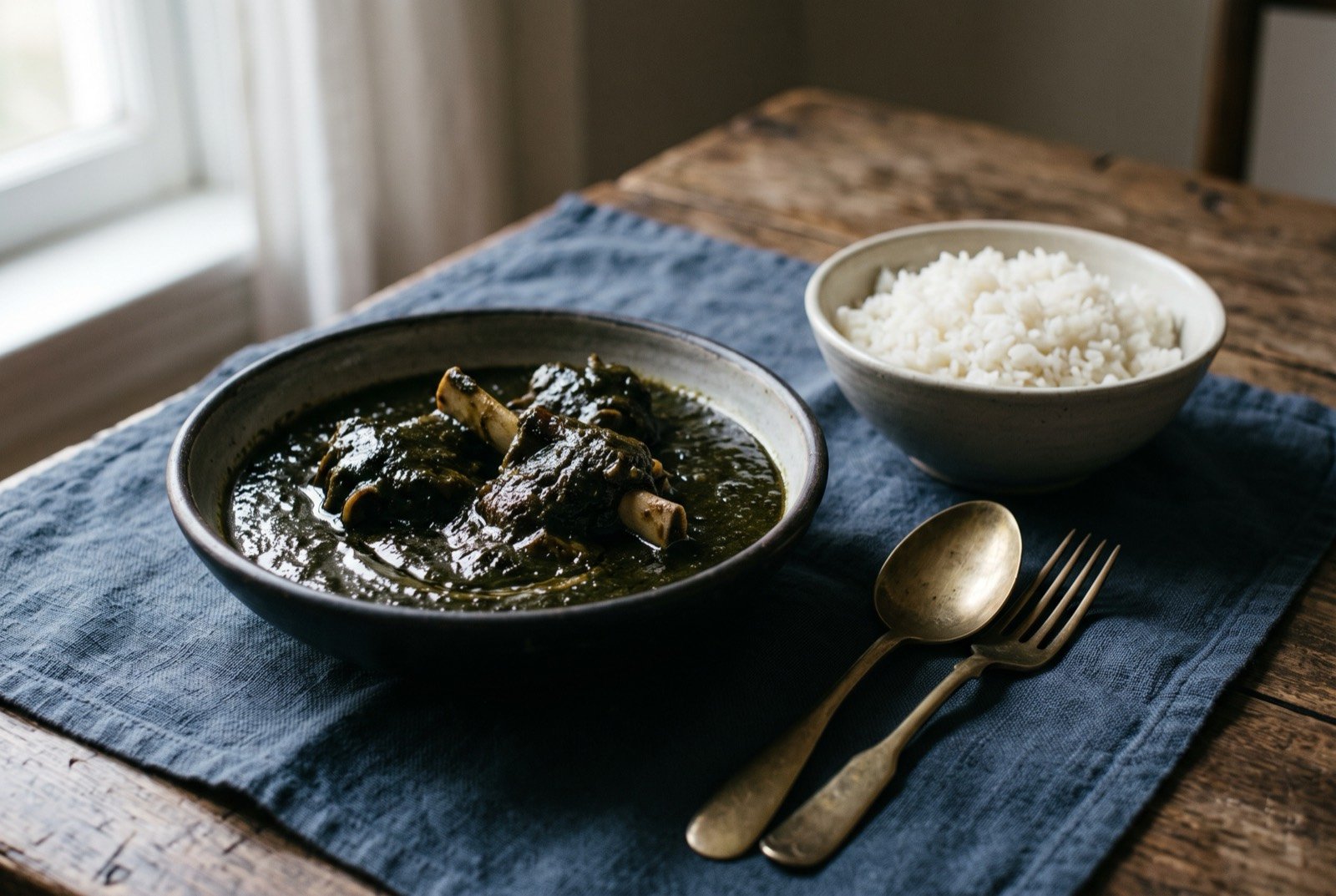 Fakoye
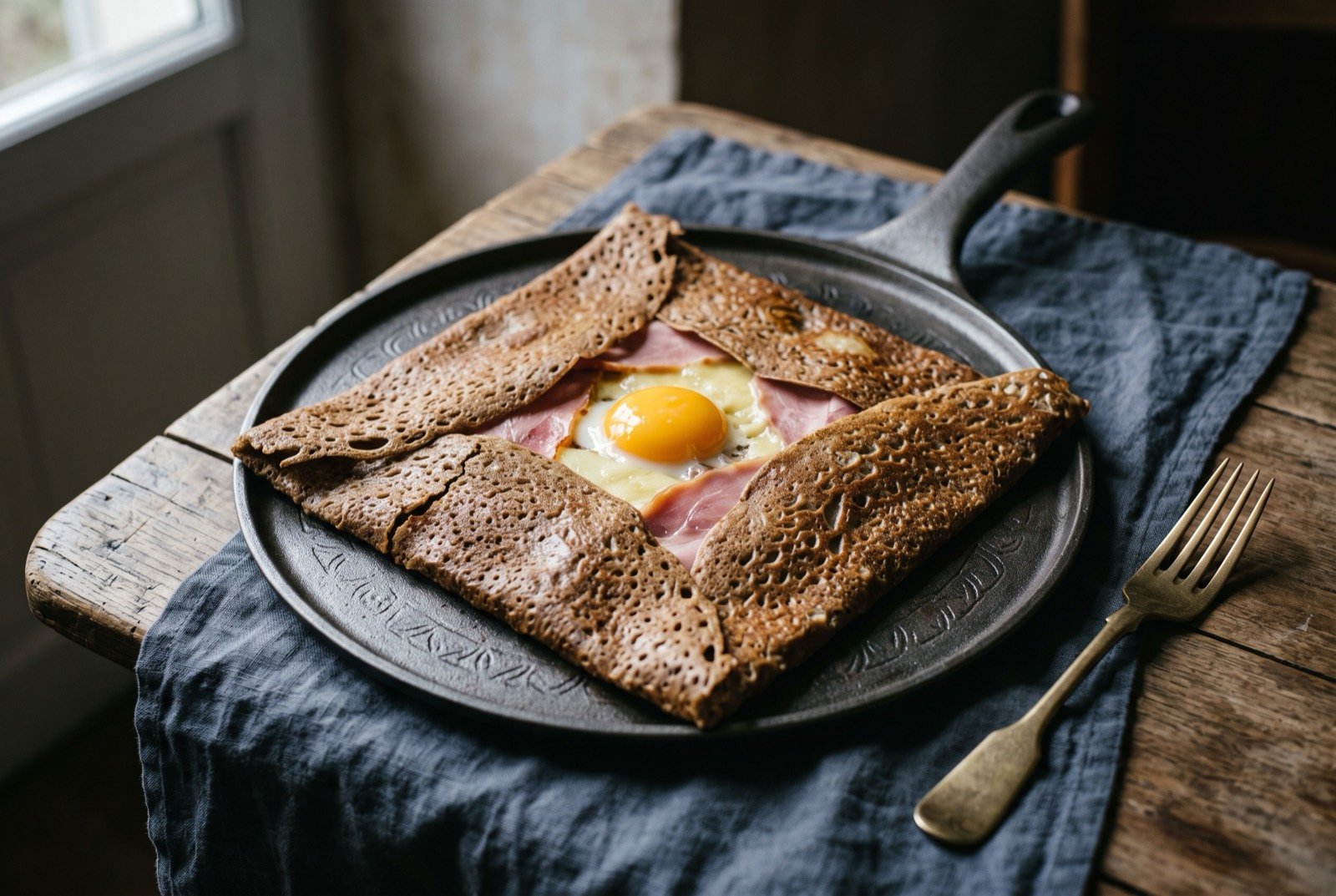 Galette de blé noir
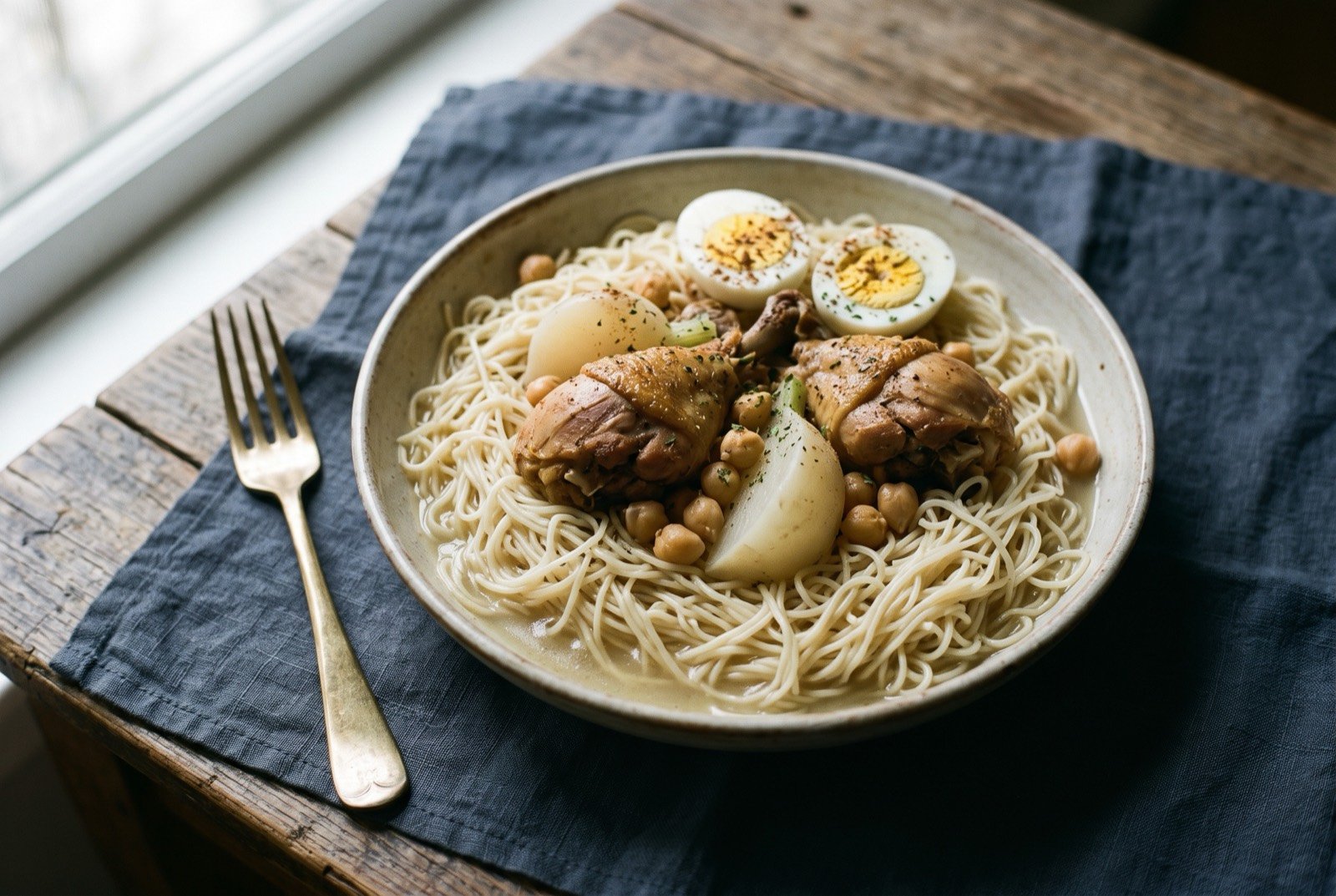 Rechta algéroise
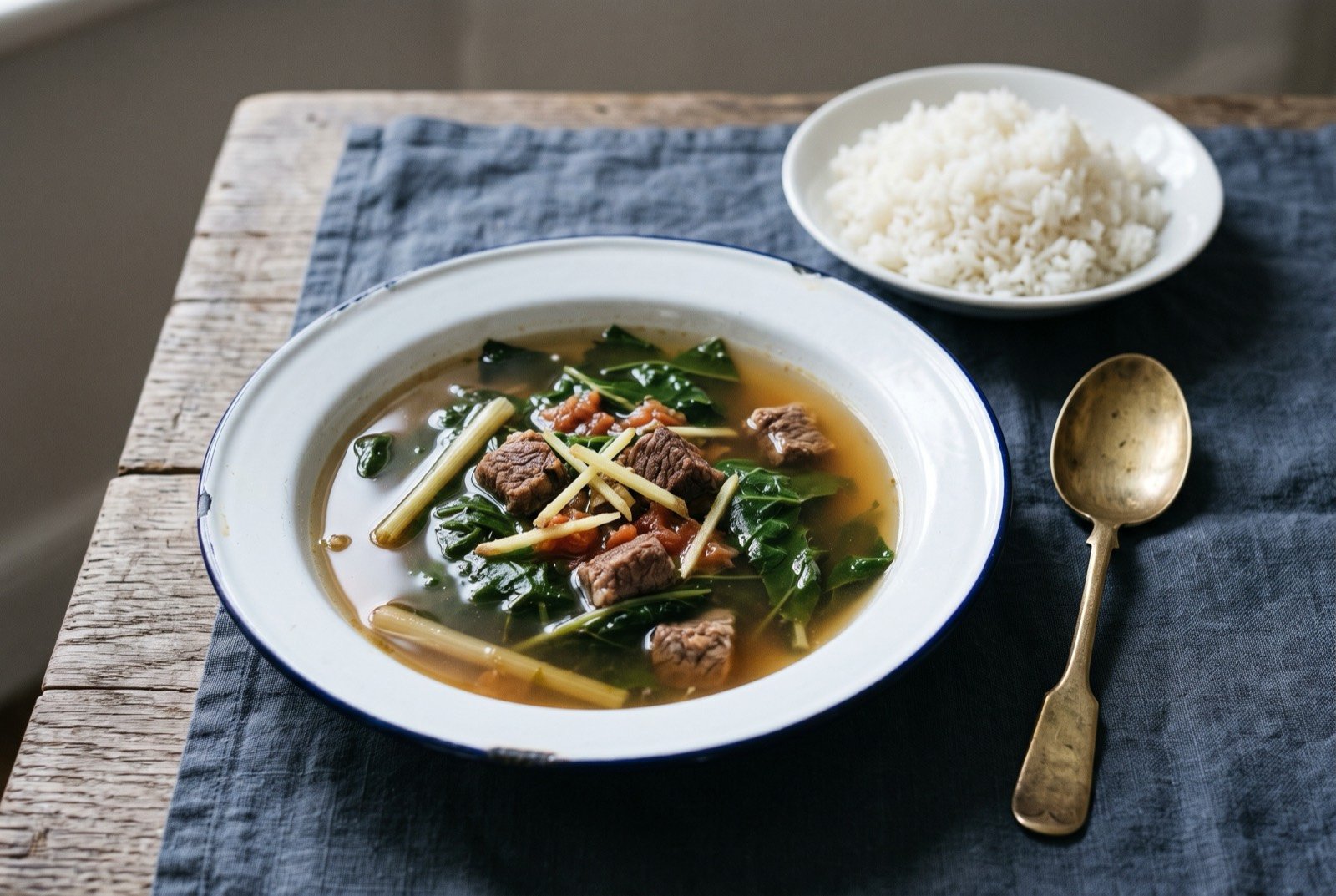 Romazava
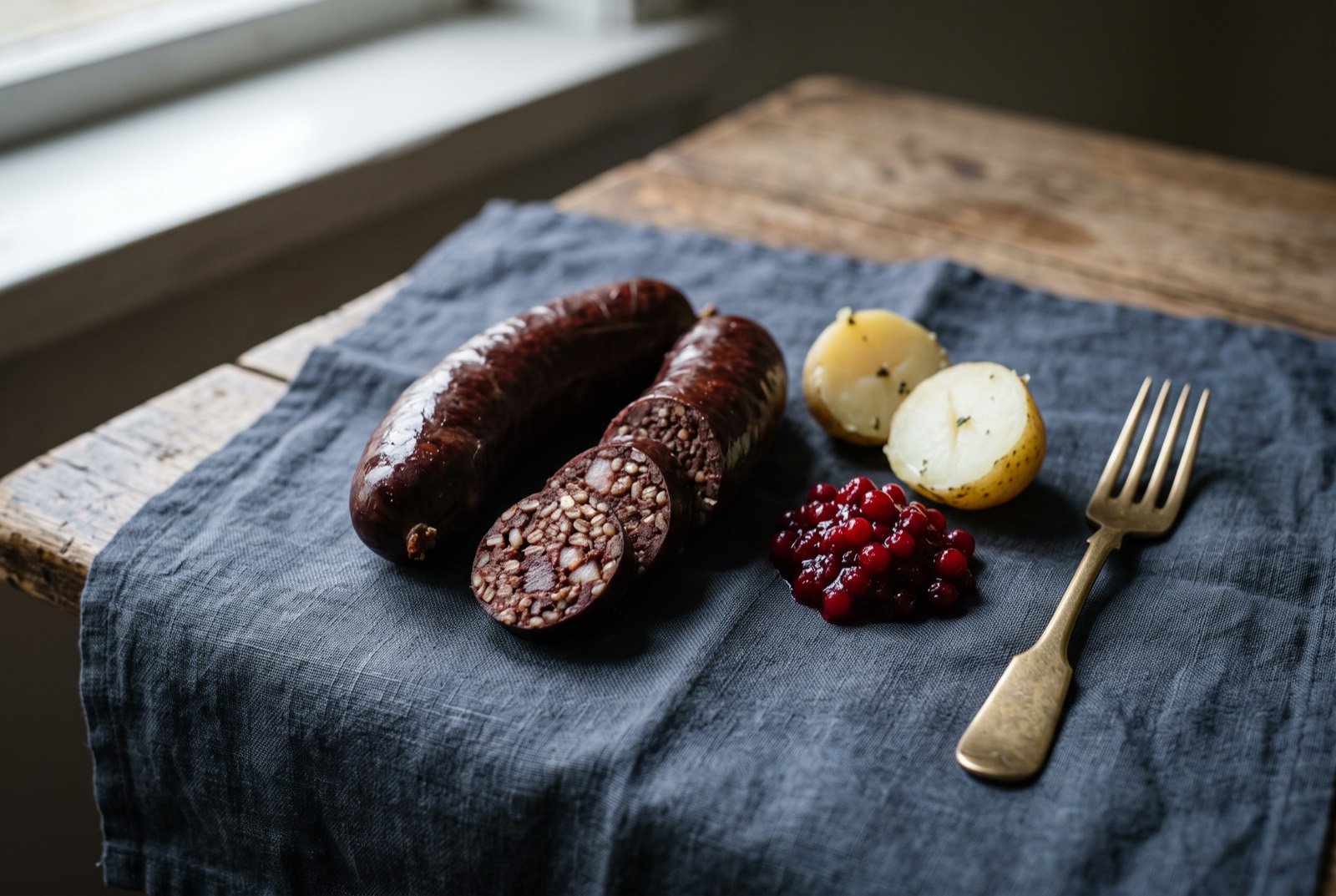 Verivorst
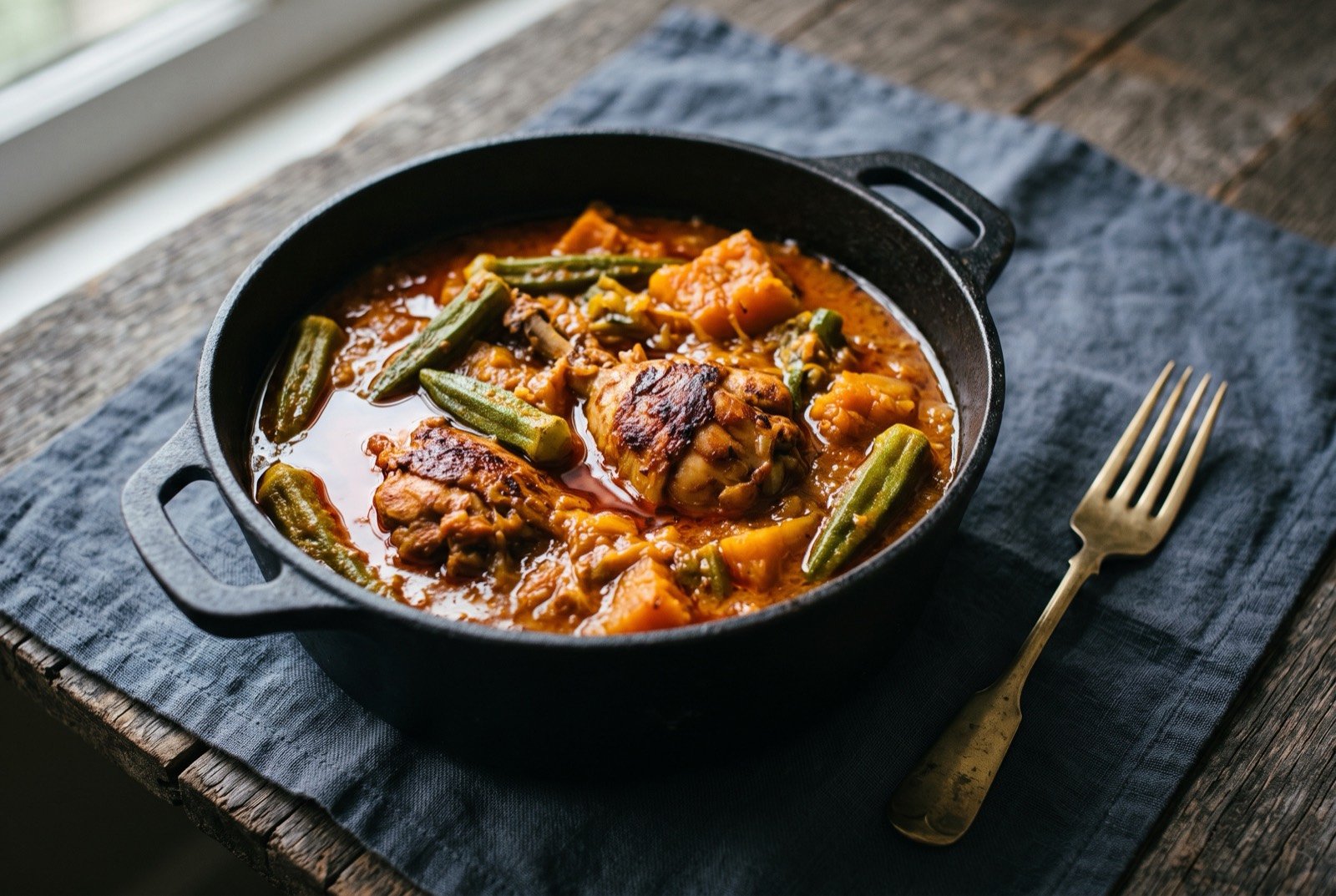 Muamba de galinha
Project
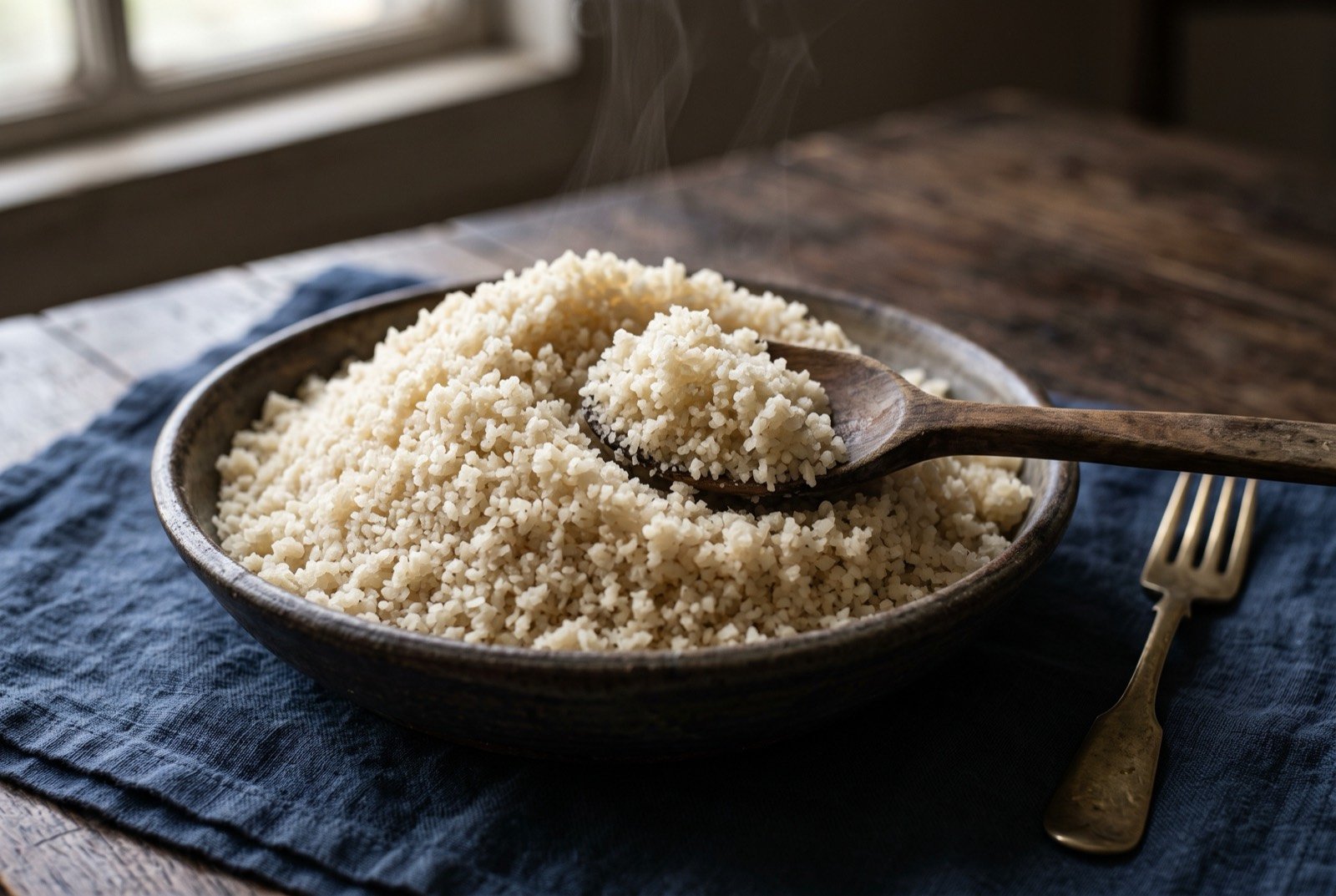 Attiéké
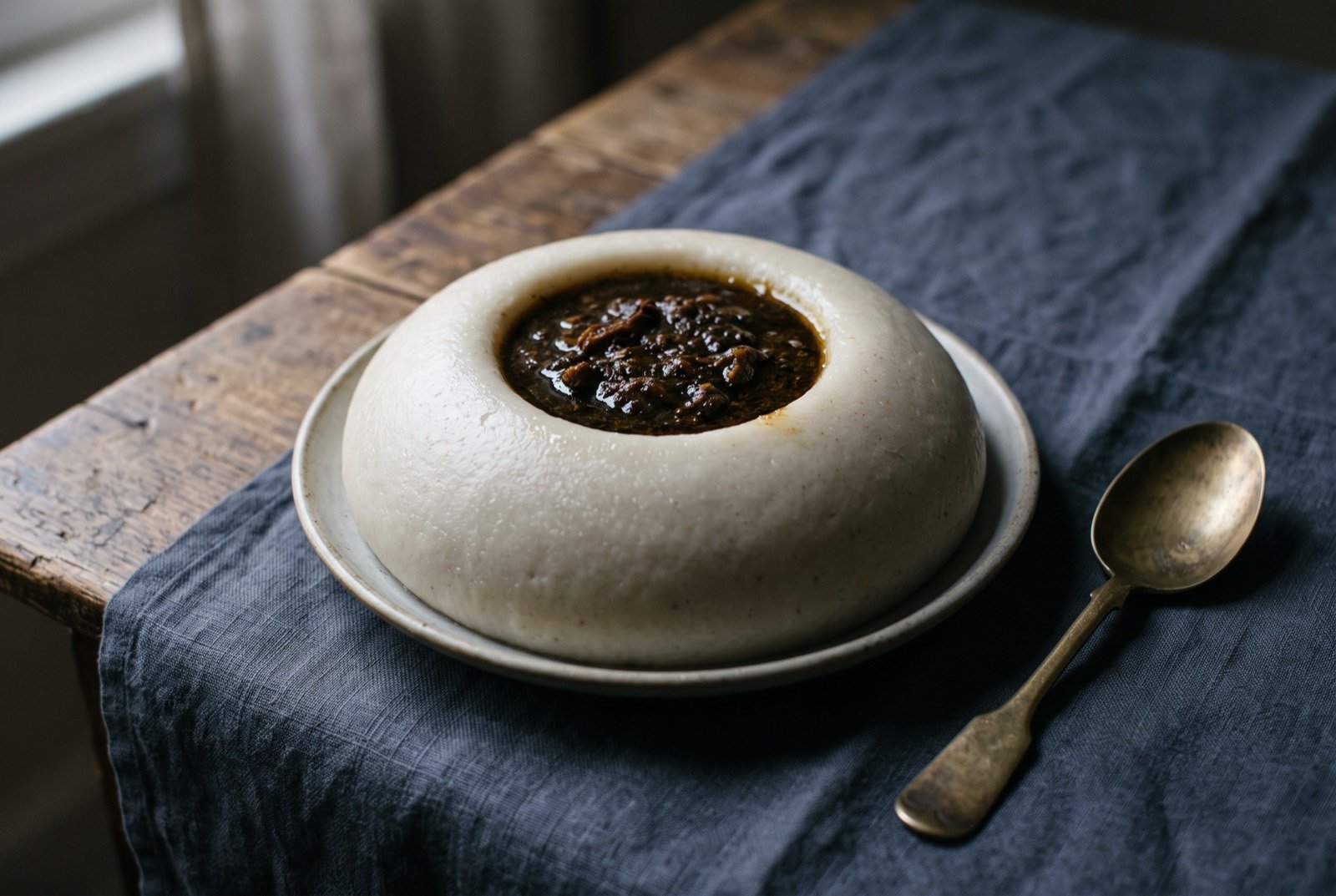 Aseeda, and asida jeer
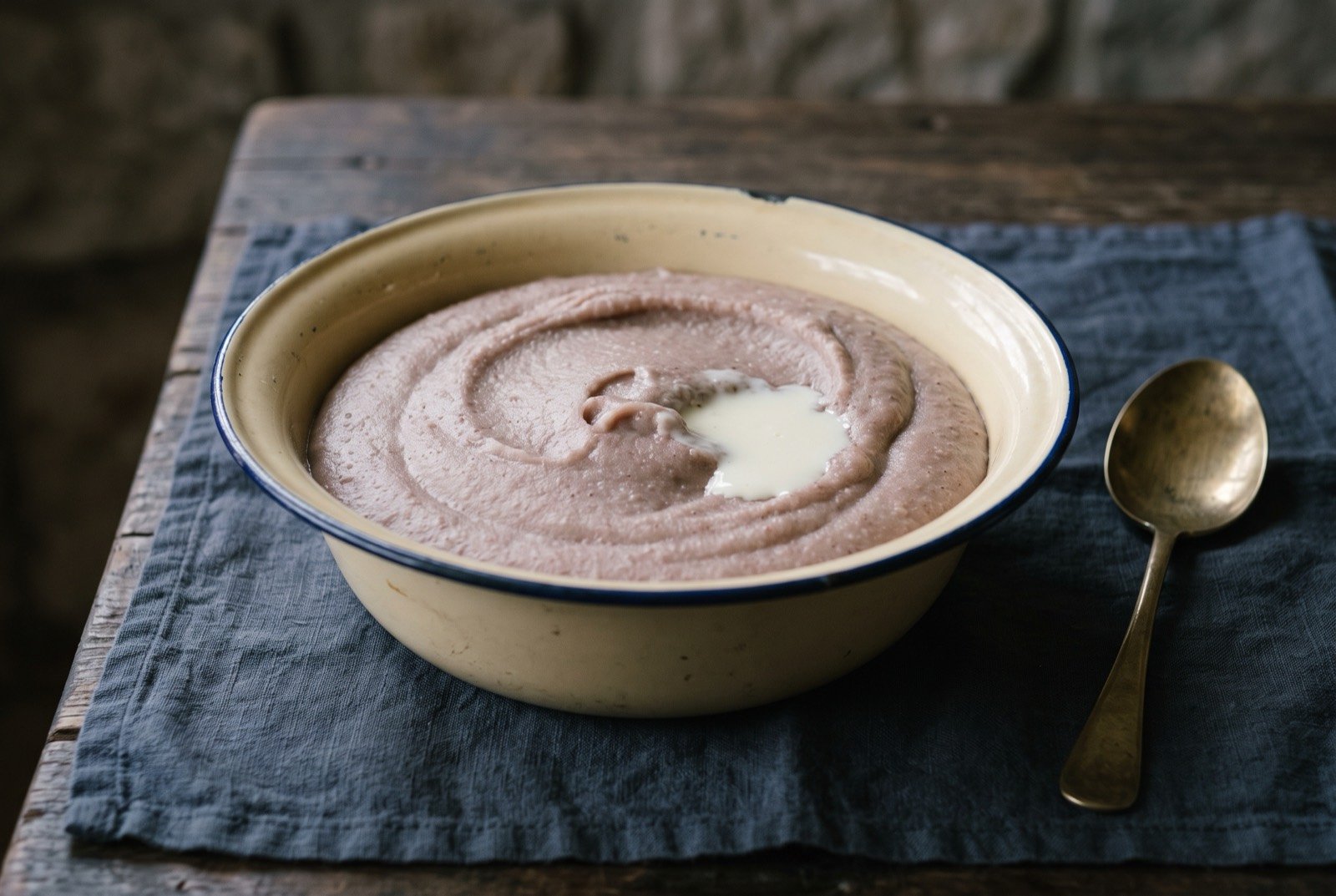 Bogobe jwa ting
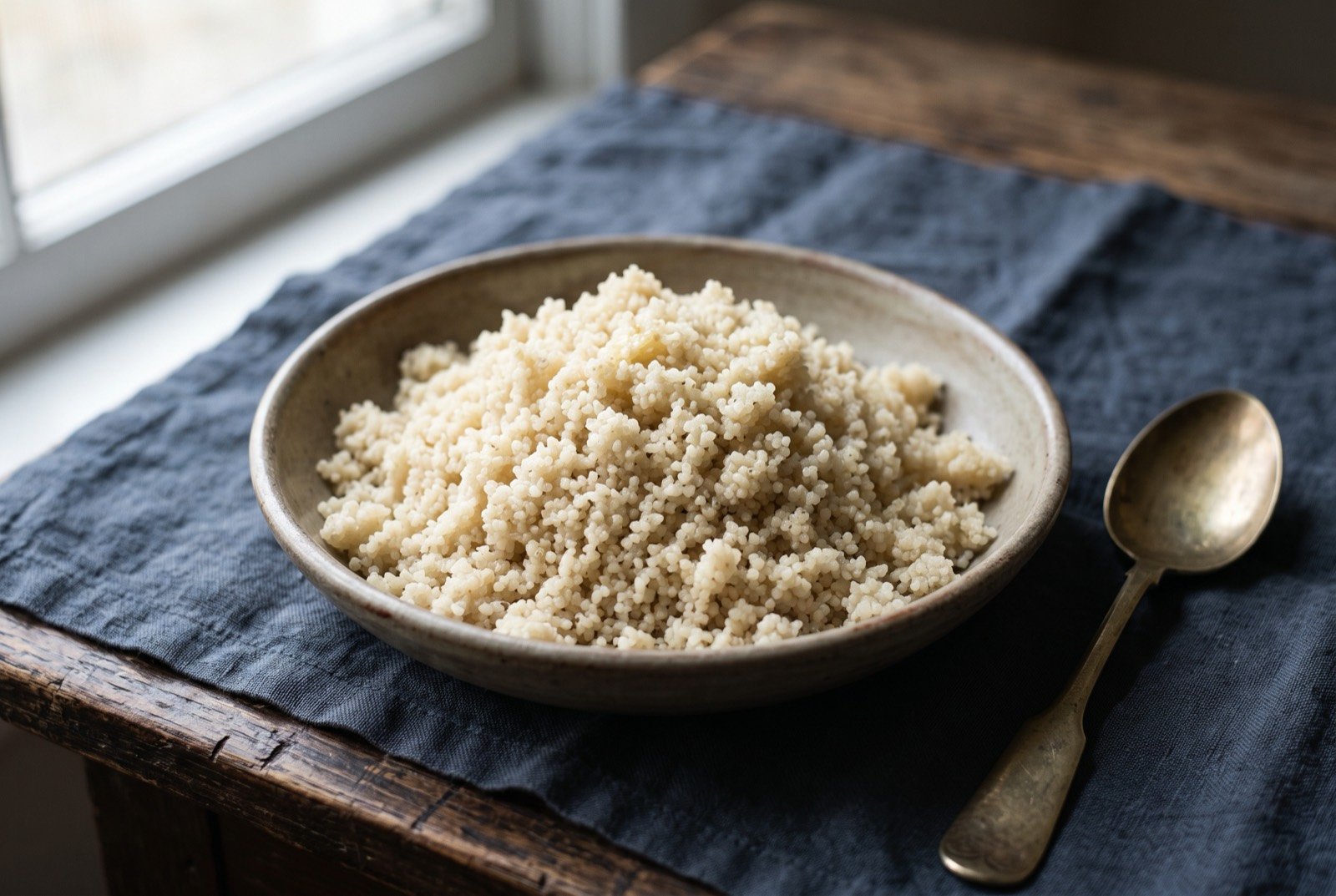 Fonio, steamed twice
 Injera / taita
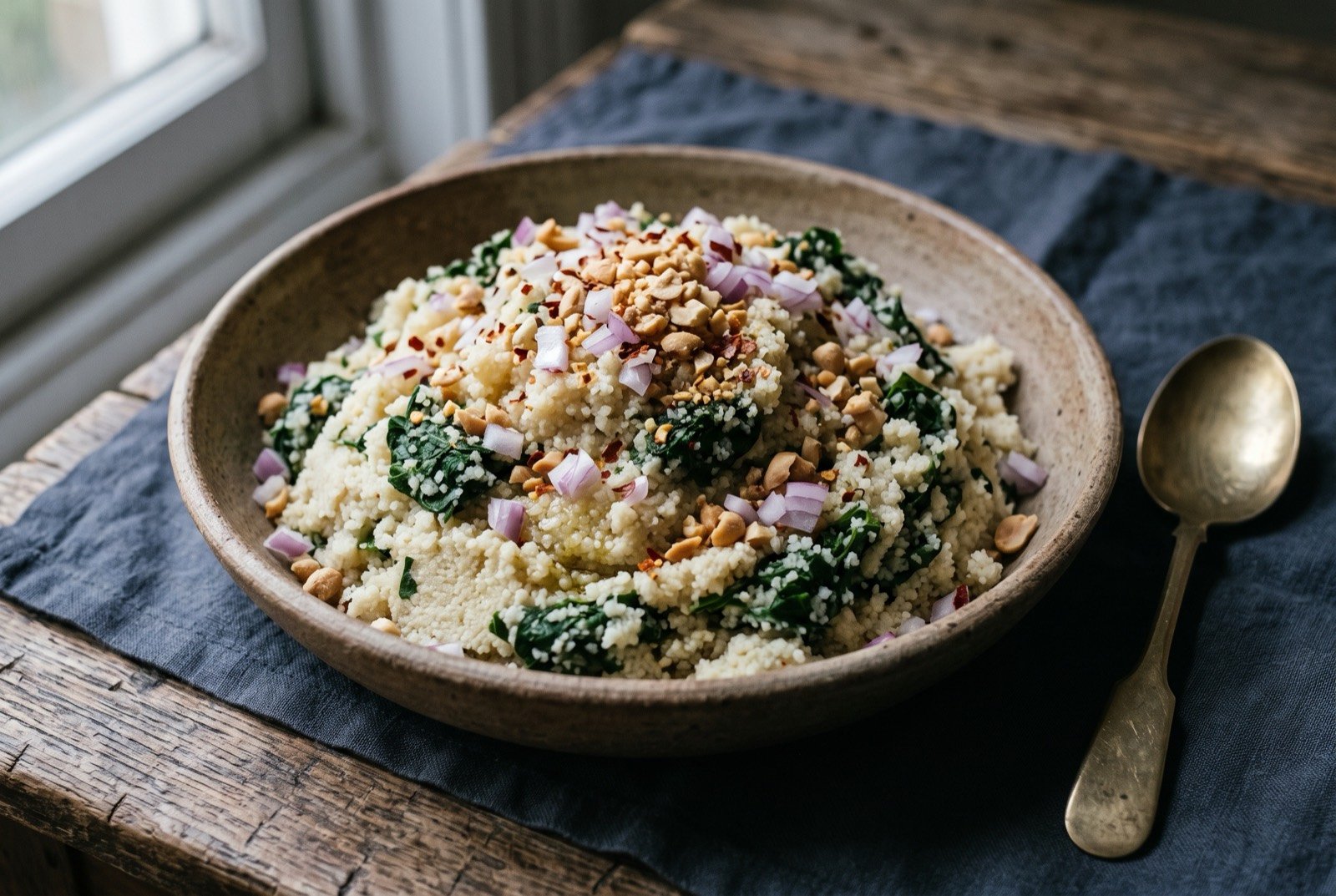 Dambou
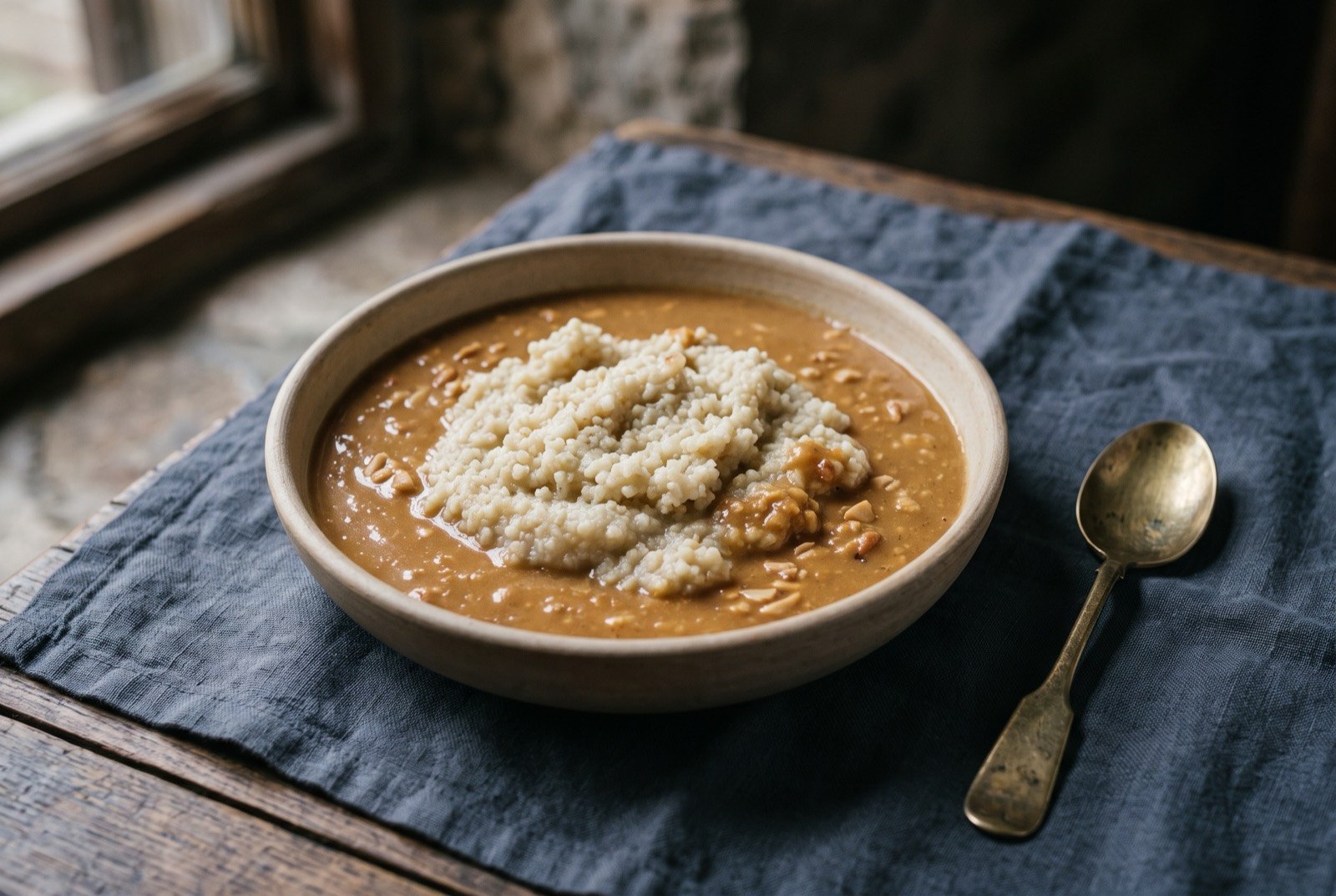 Ngalakh
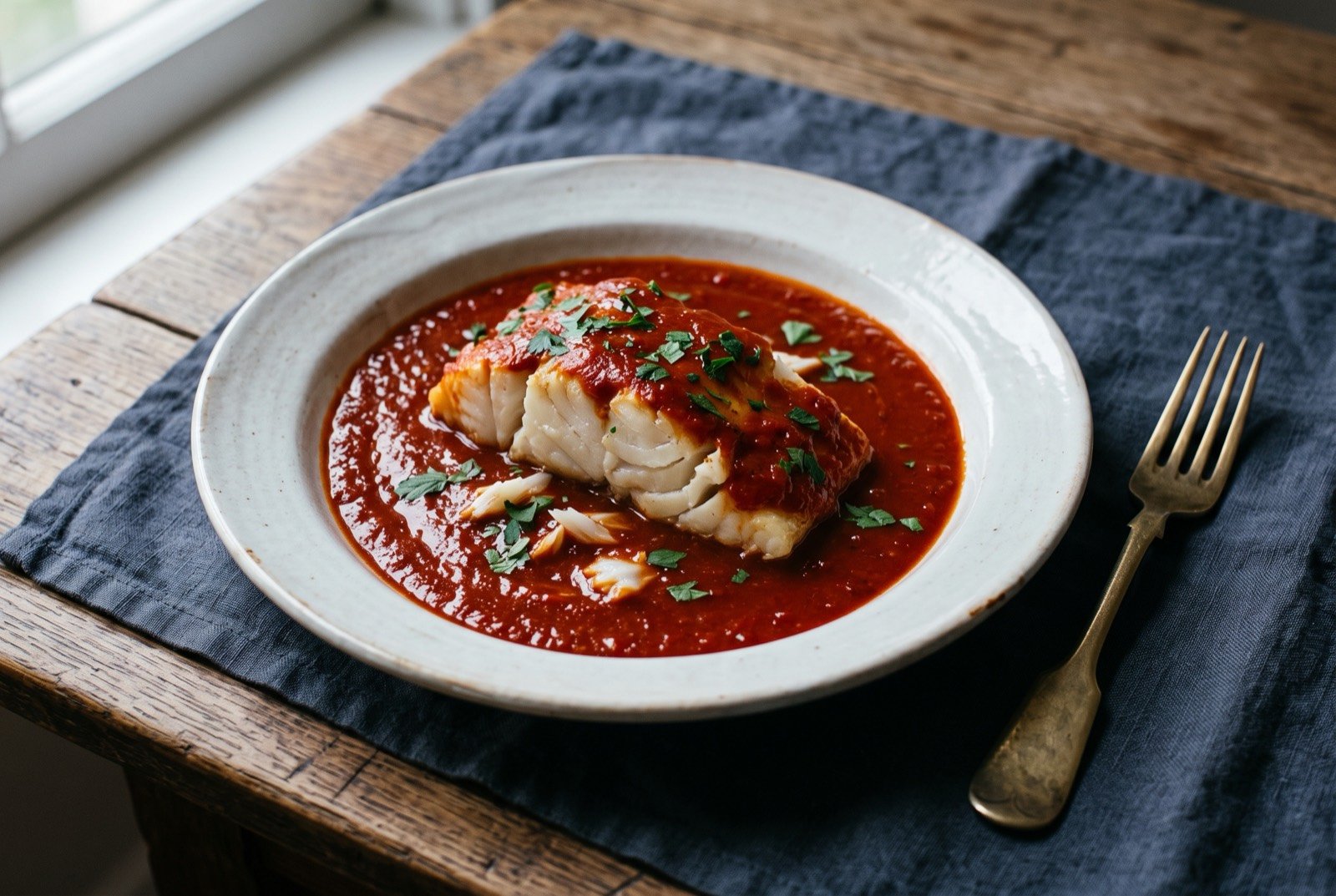 Bacalao a la Vizcaína
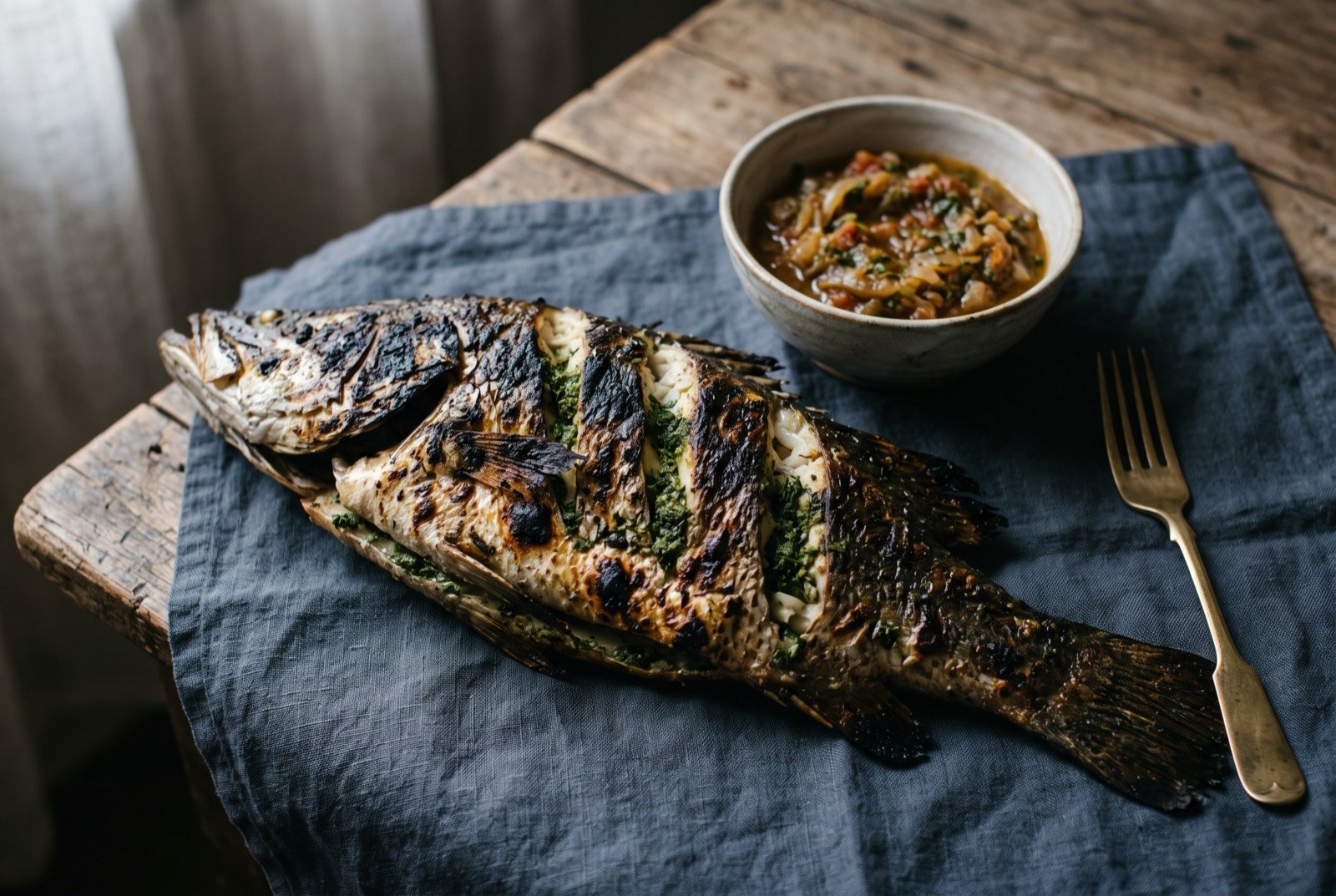 Capitaine grillé
 Cuscuz no binde
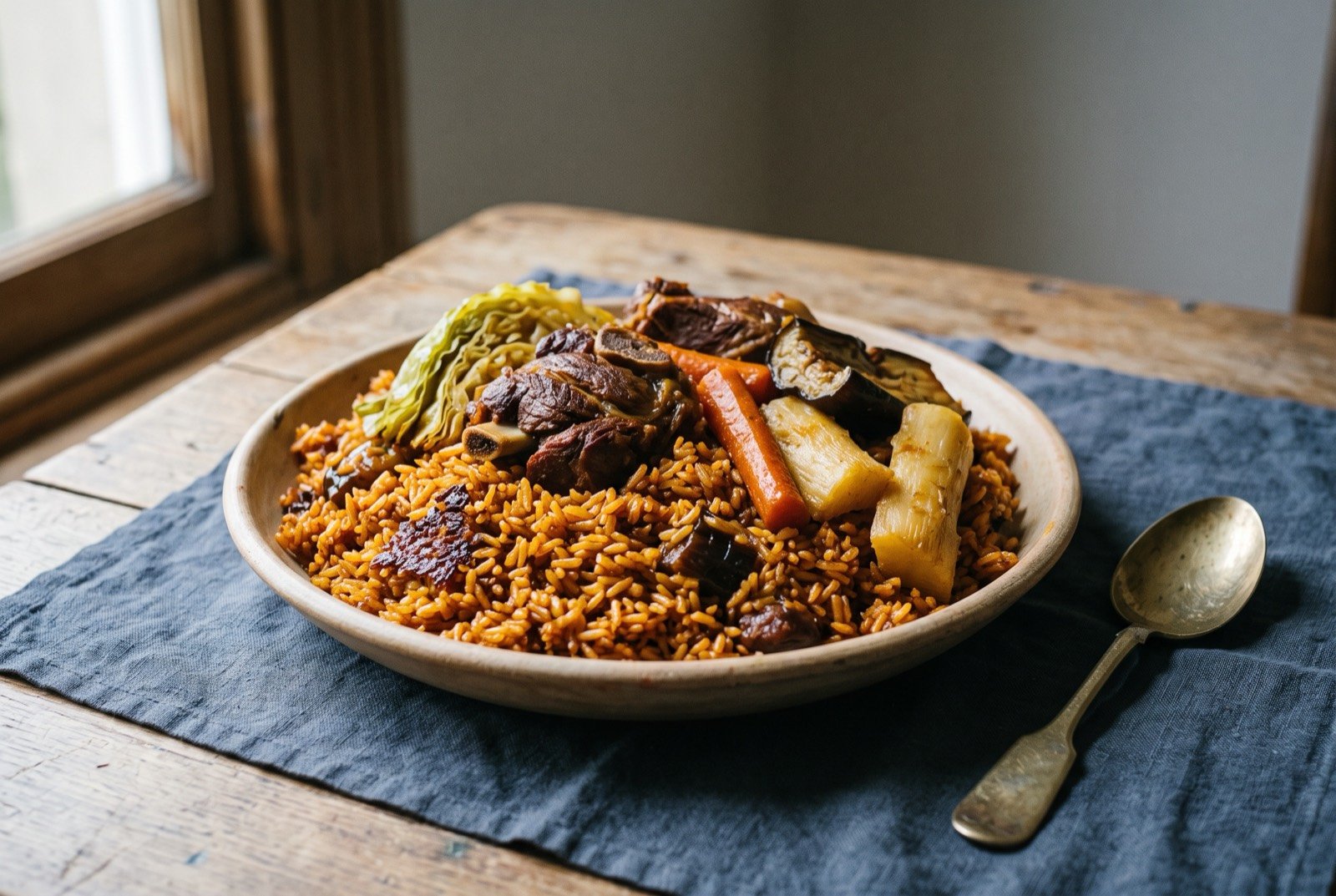 Riz au gras, or zaamè
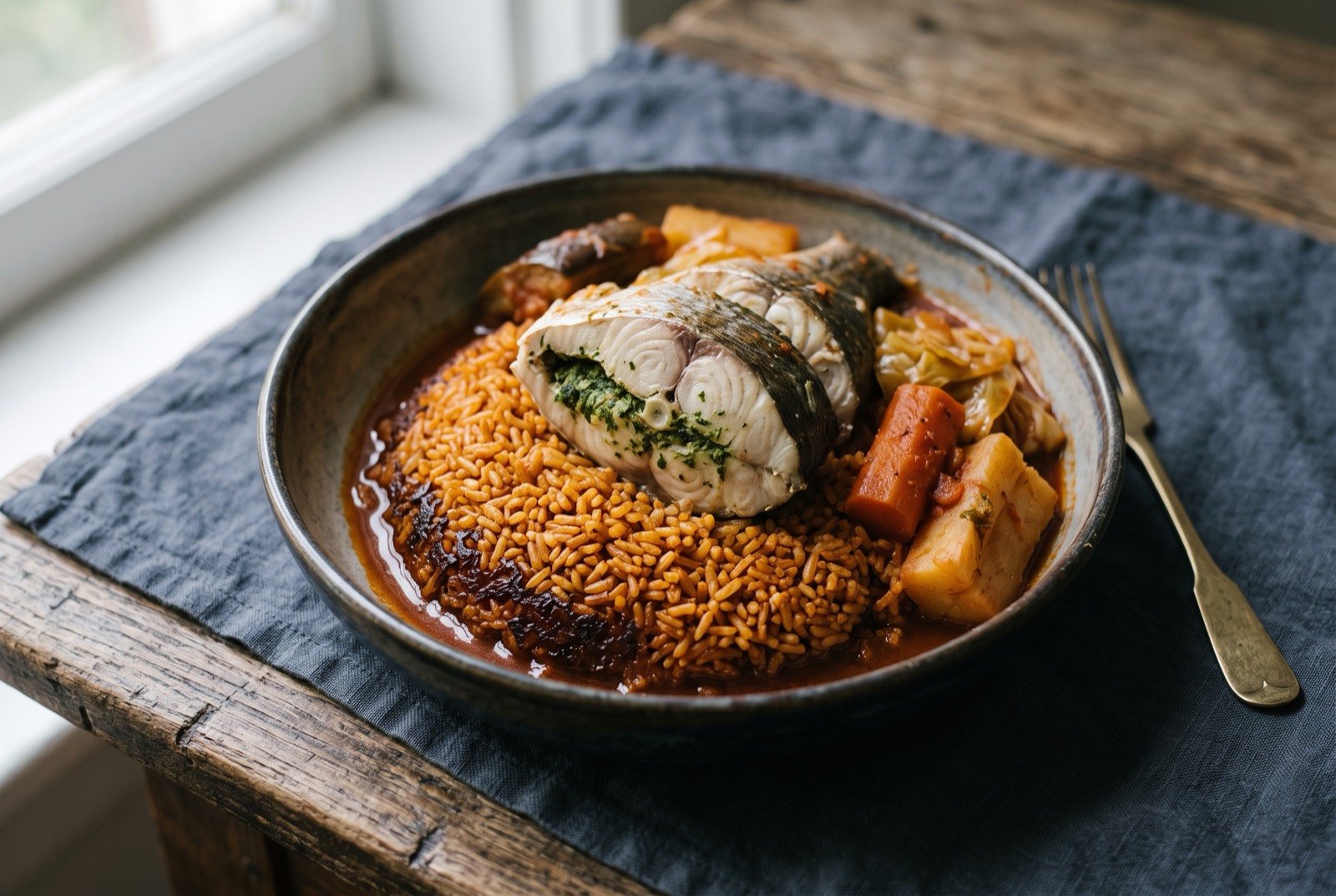 Ceebu jën
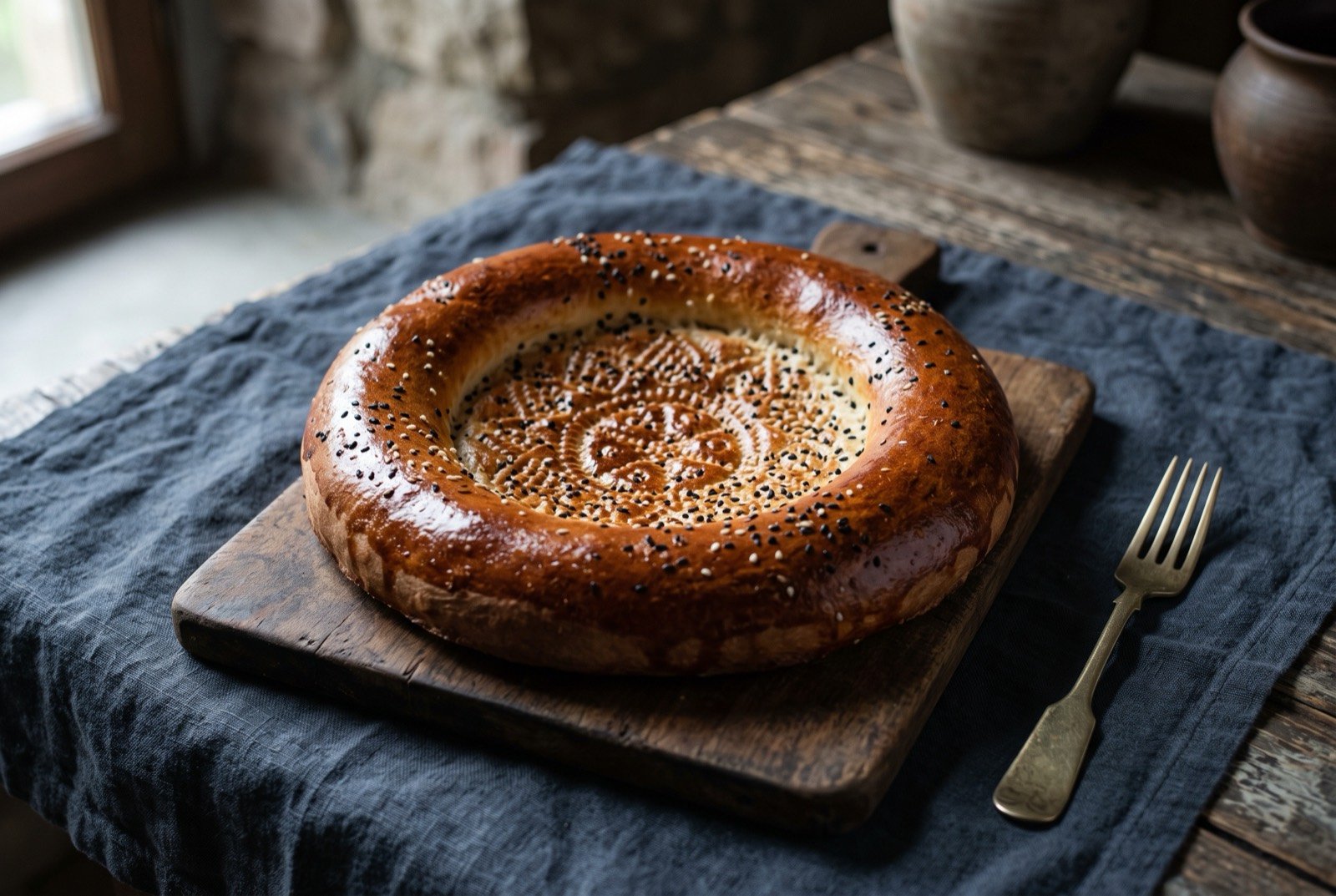 Obi Non (Samarkand Patyr)
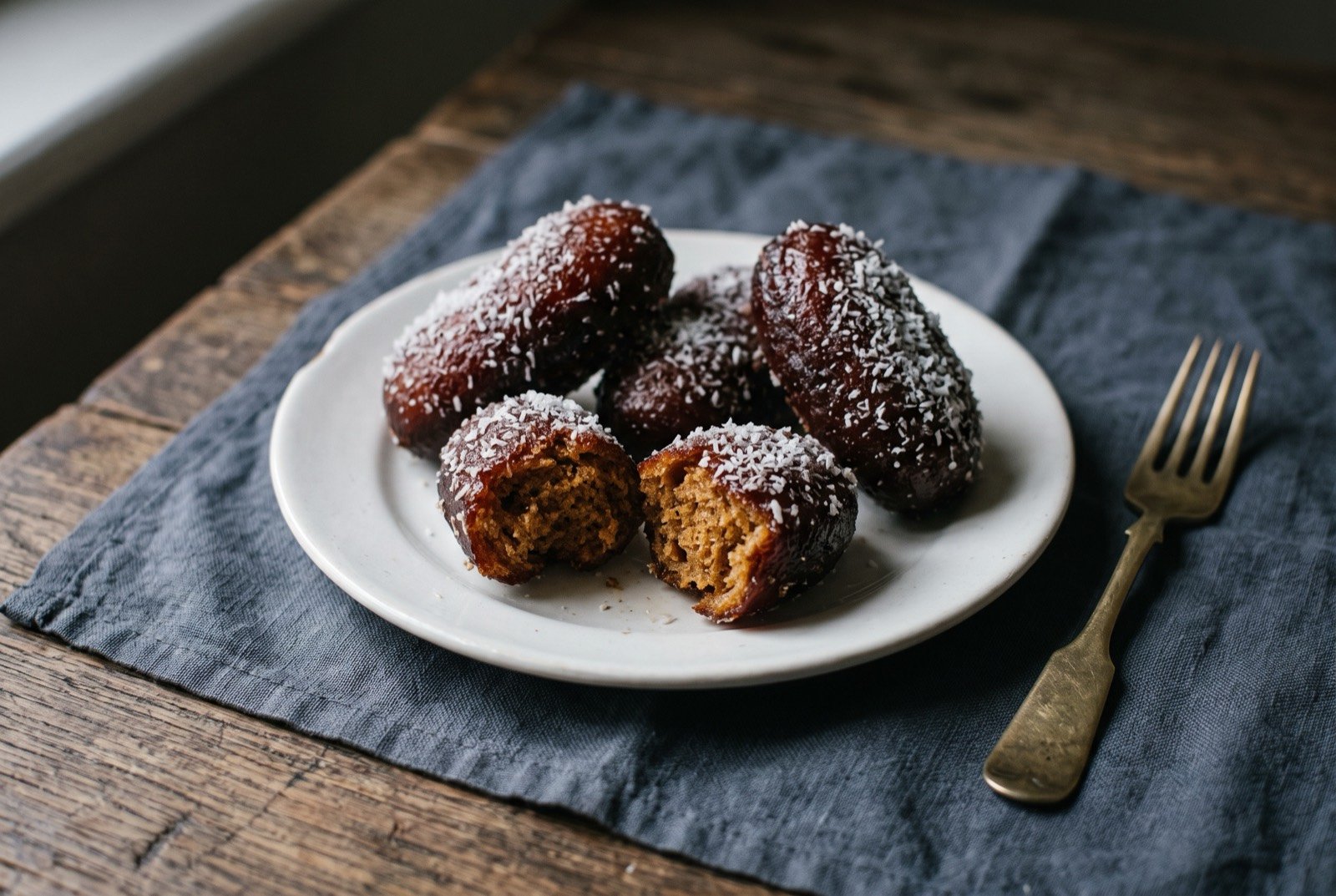 Koesister
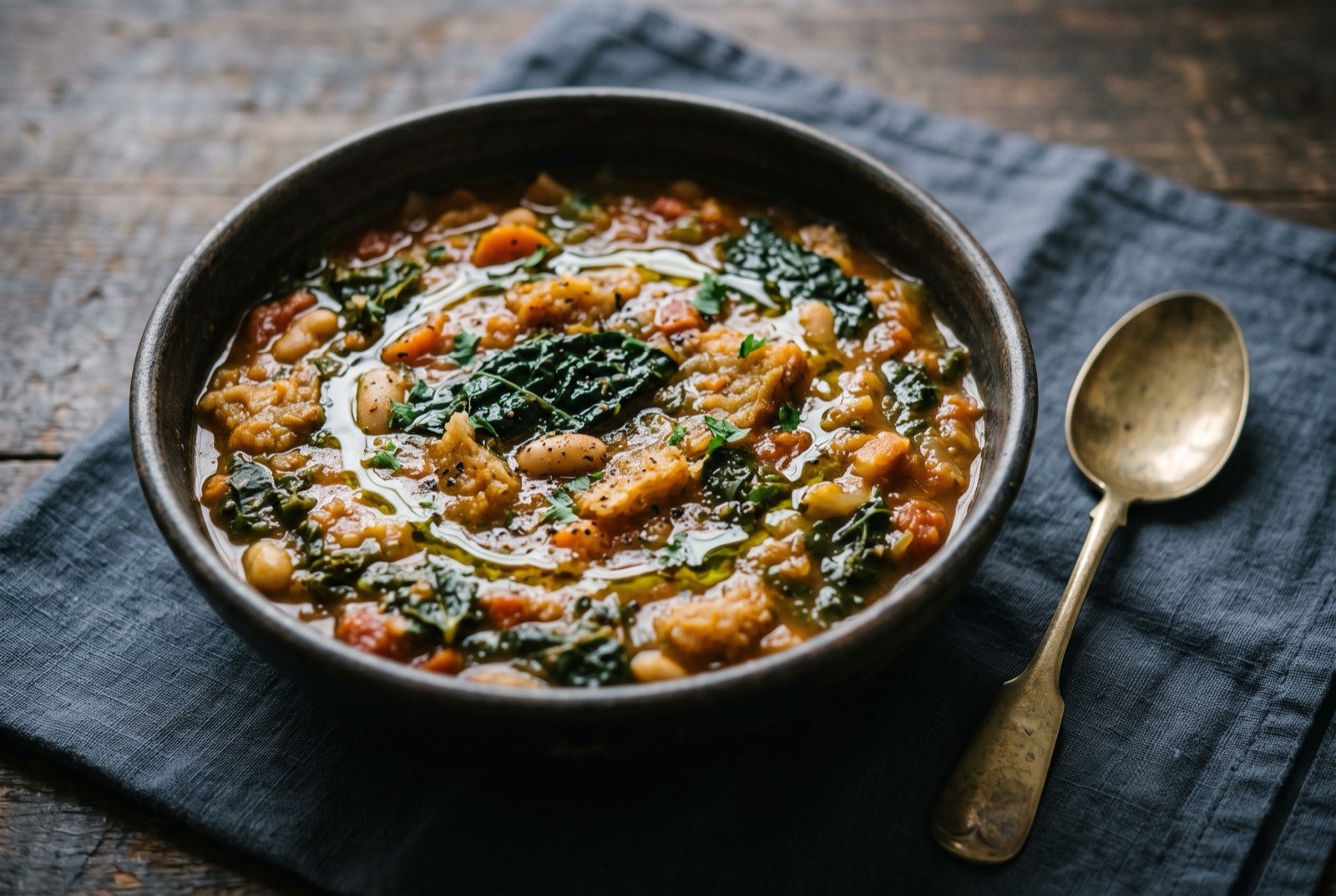 Ribollita
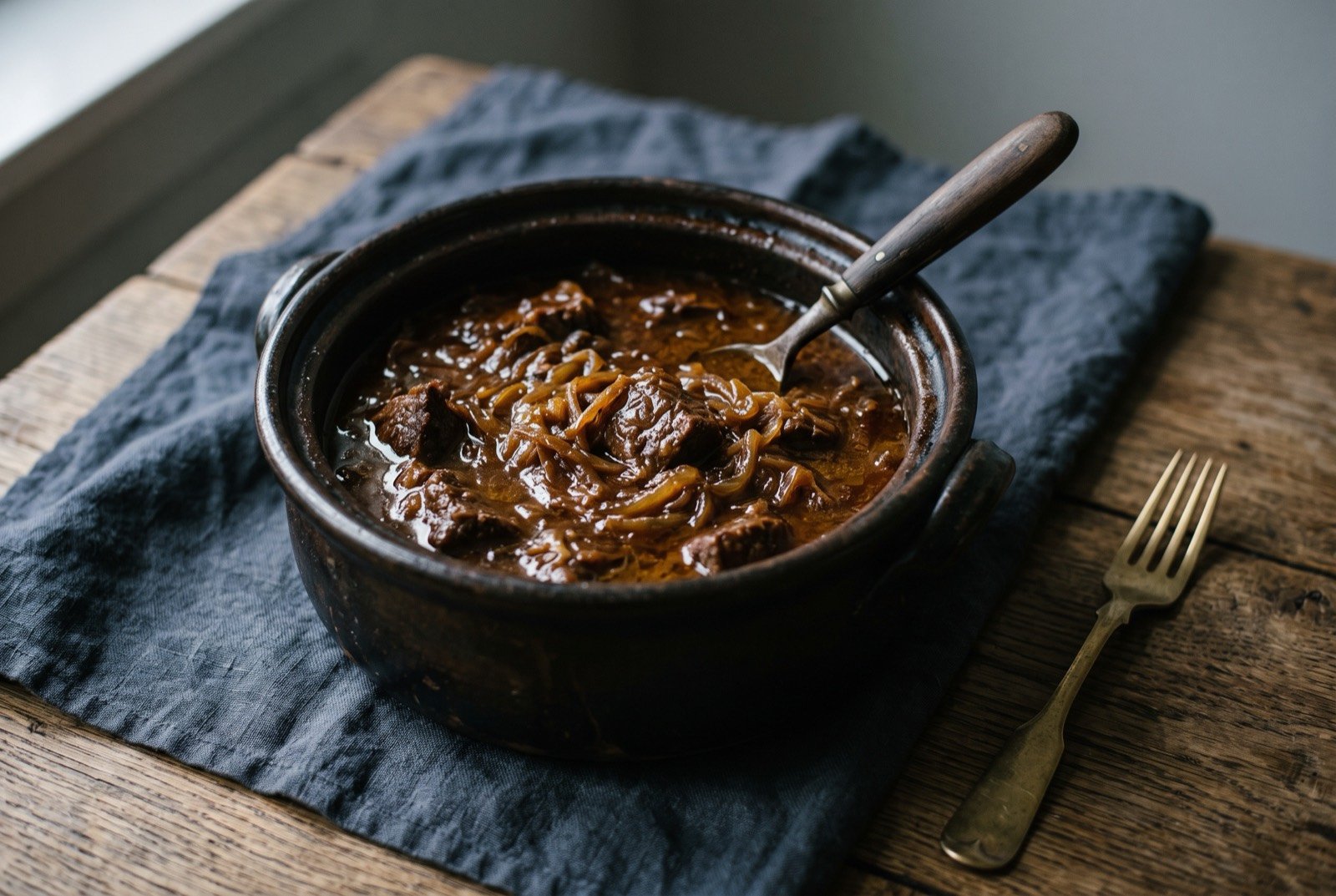 Carbonnade Flamande
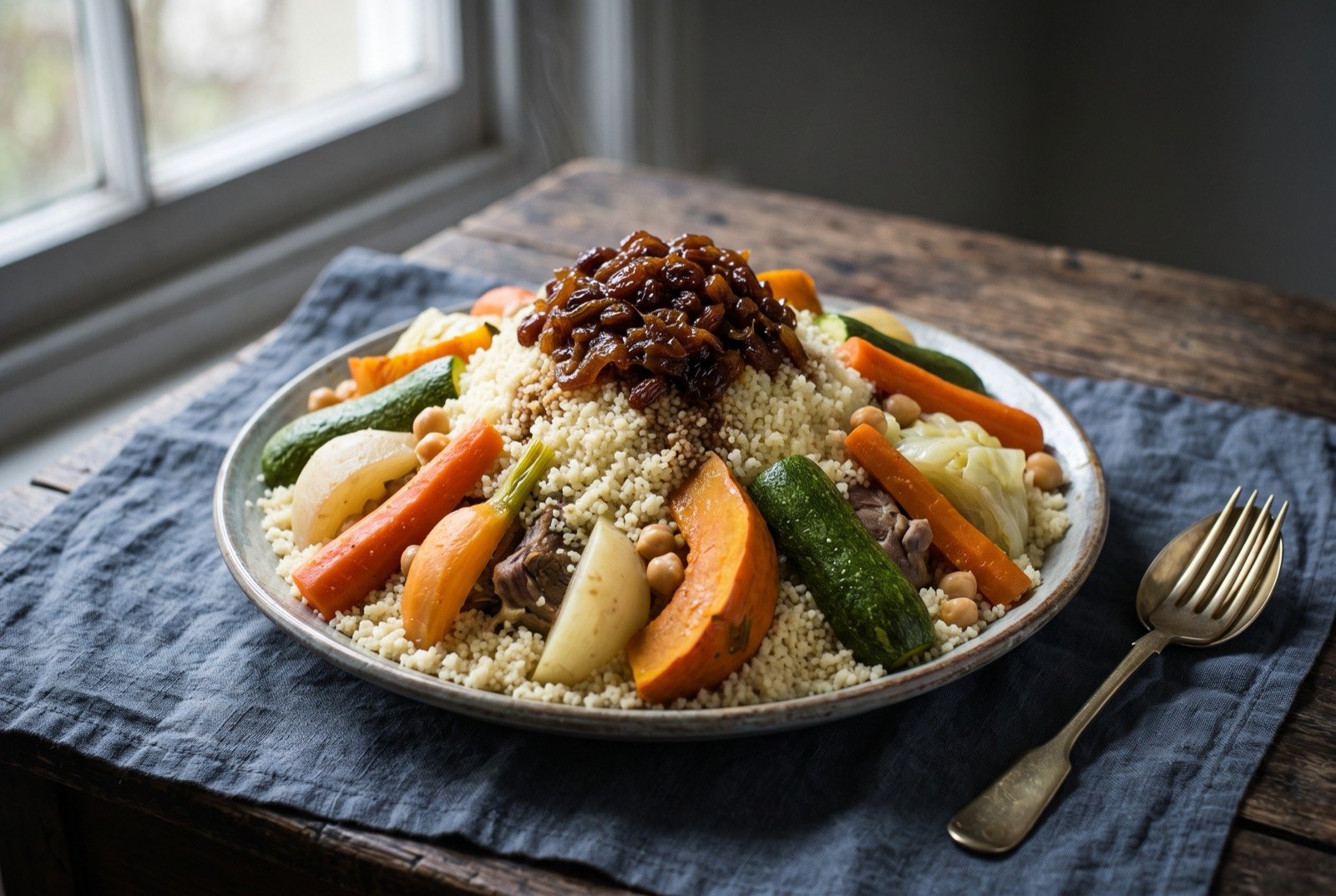 Couscous bidaoui with seven vegetables and tfaya
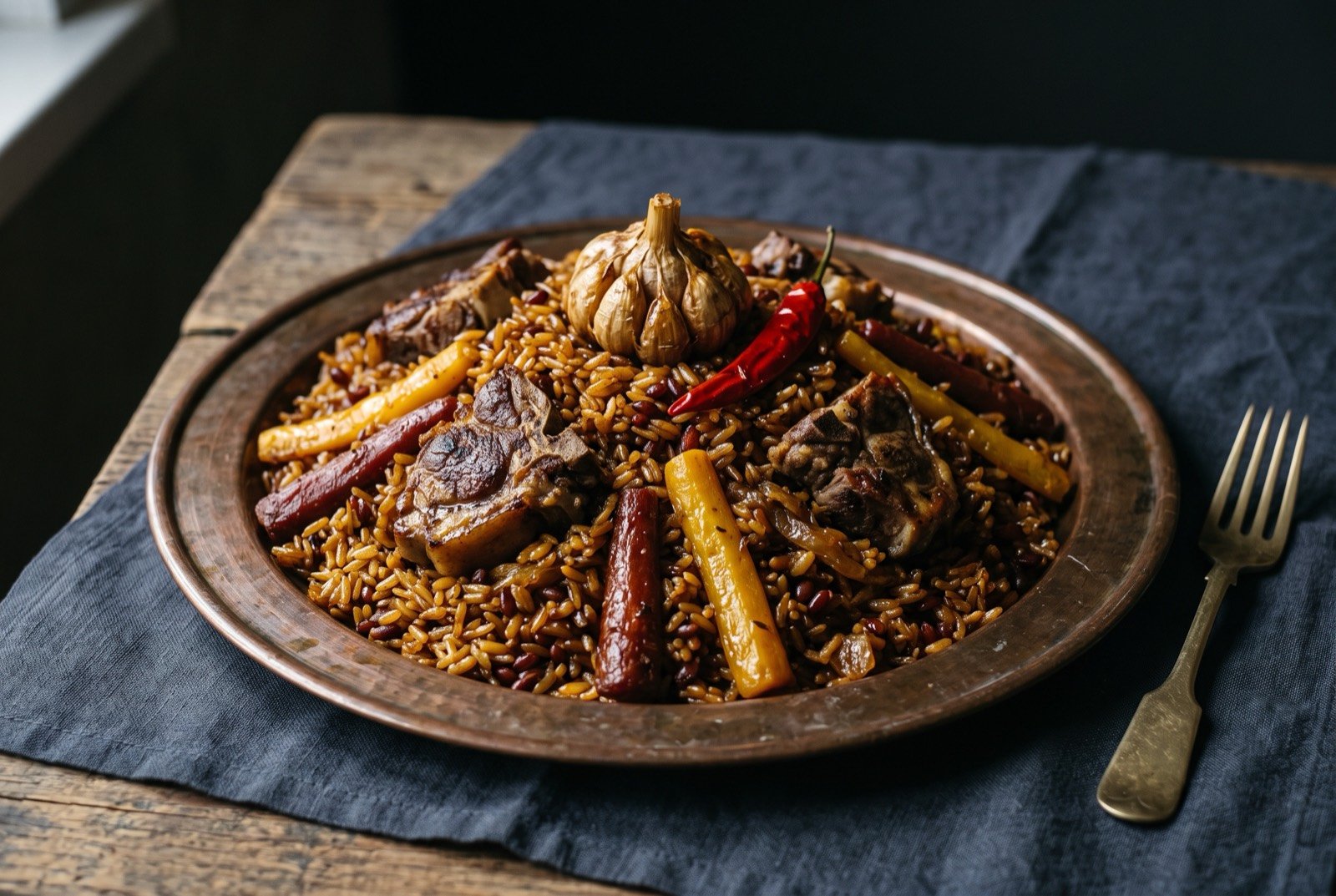 Fergana Kovurma Palov
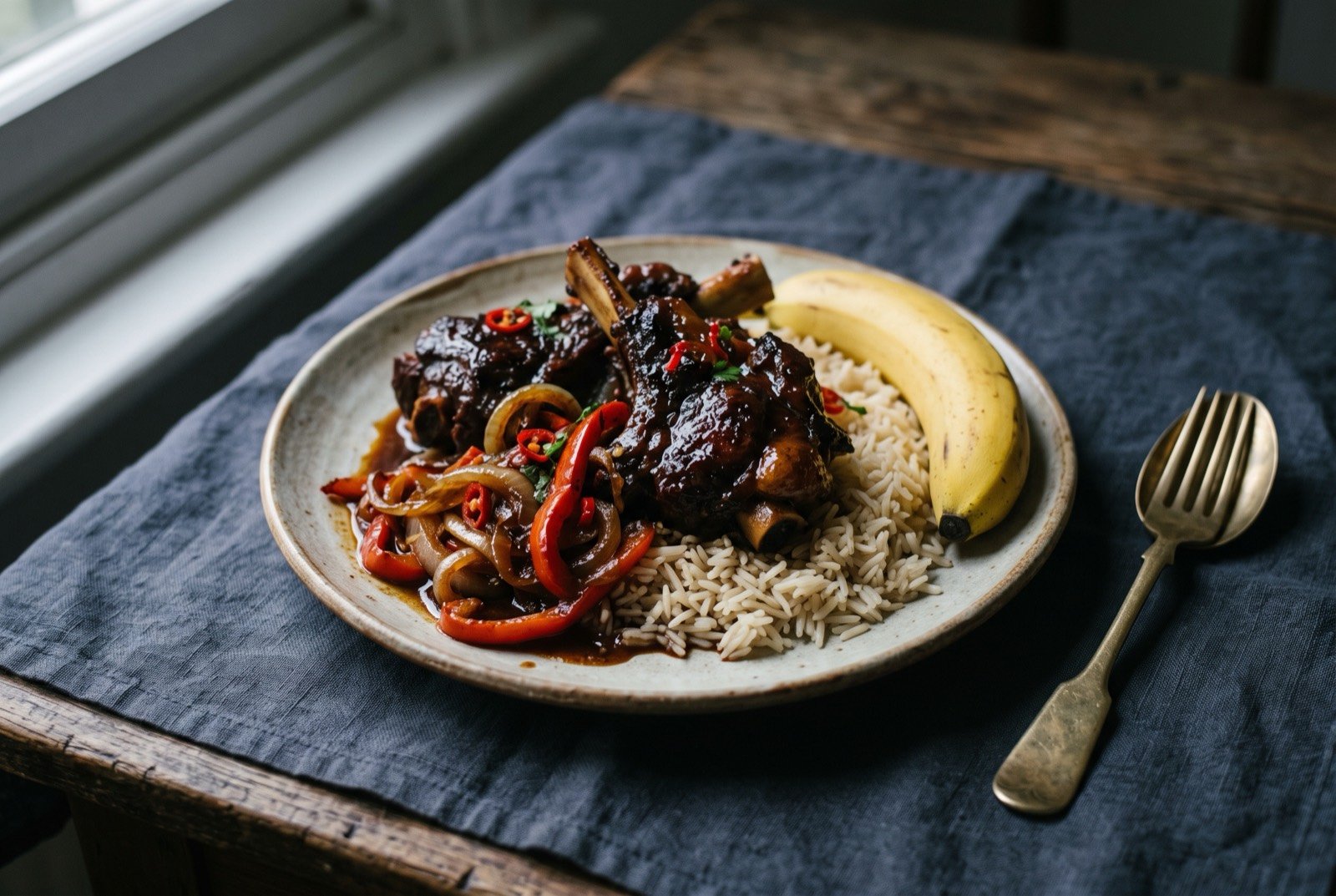 Hilib ari
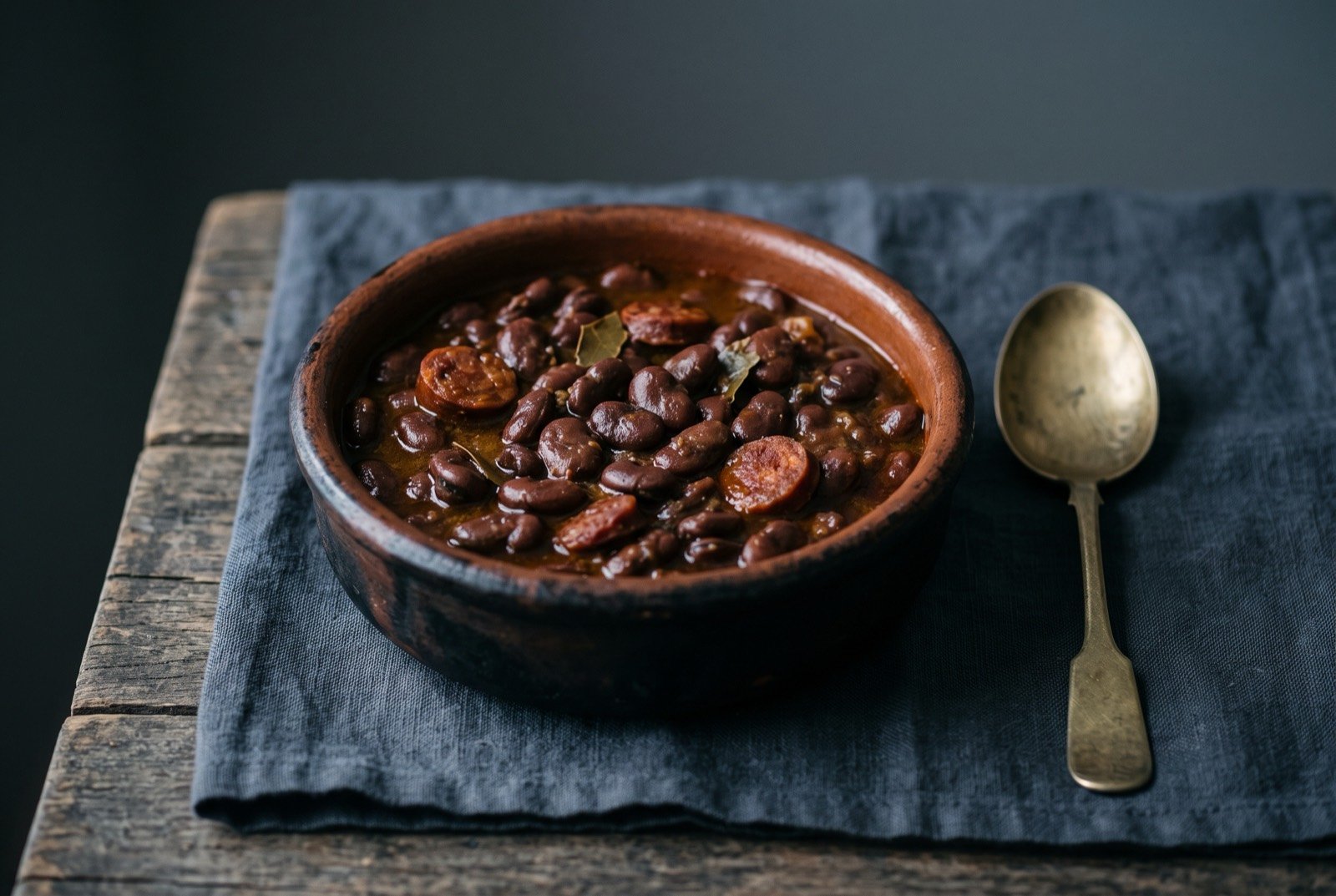 Michirones Murcianos
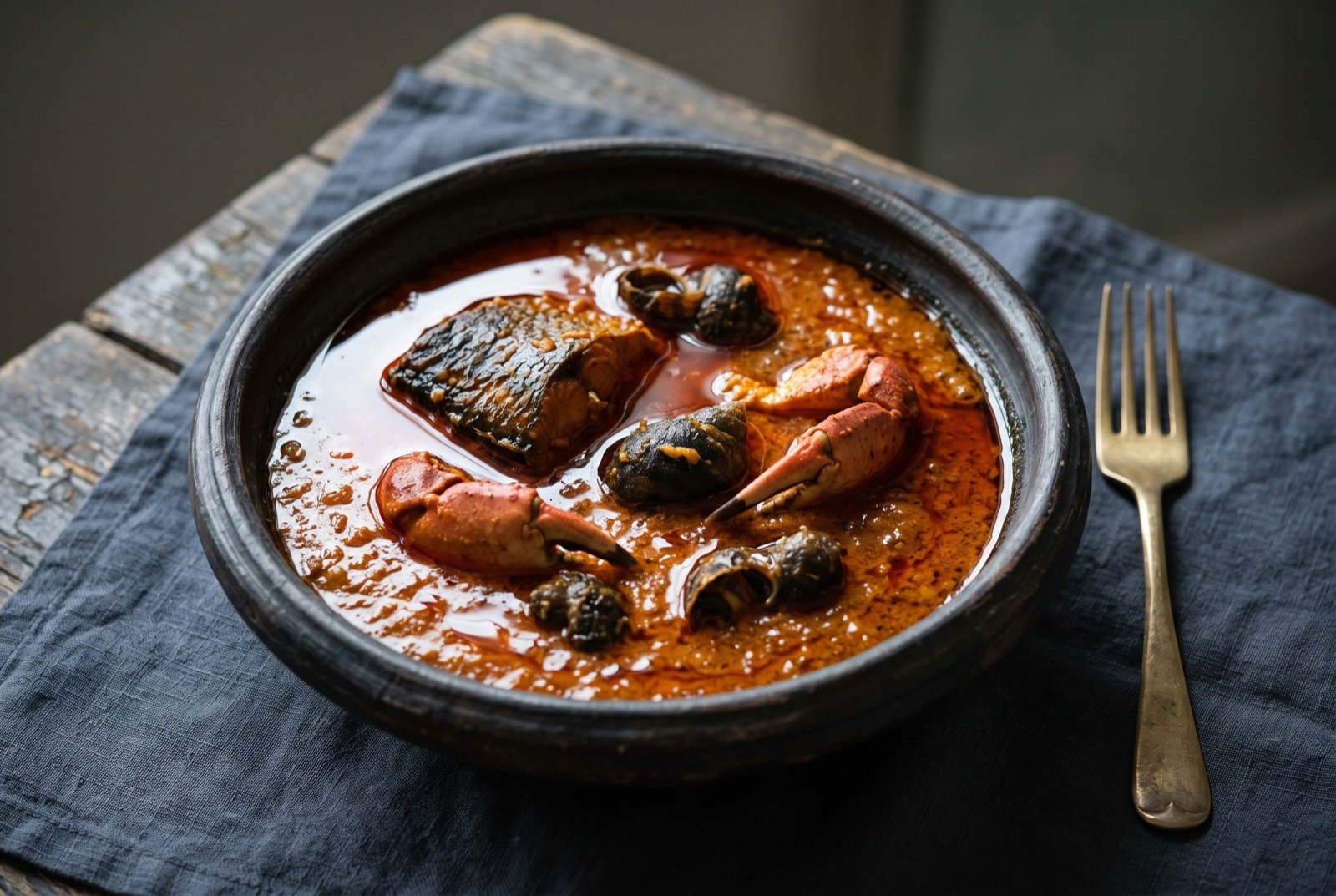 Sauce graine
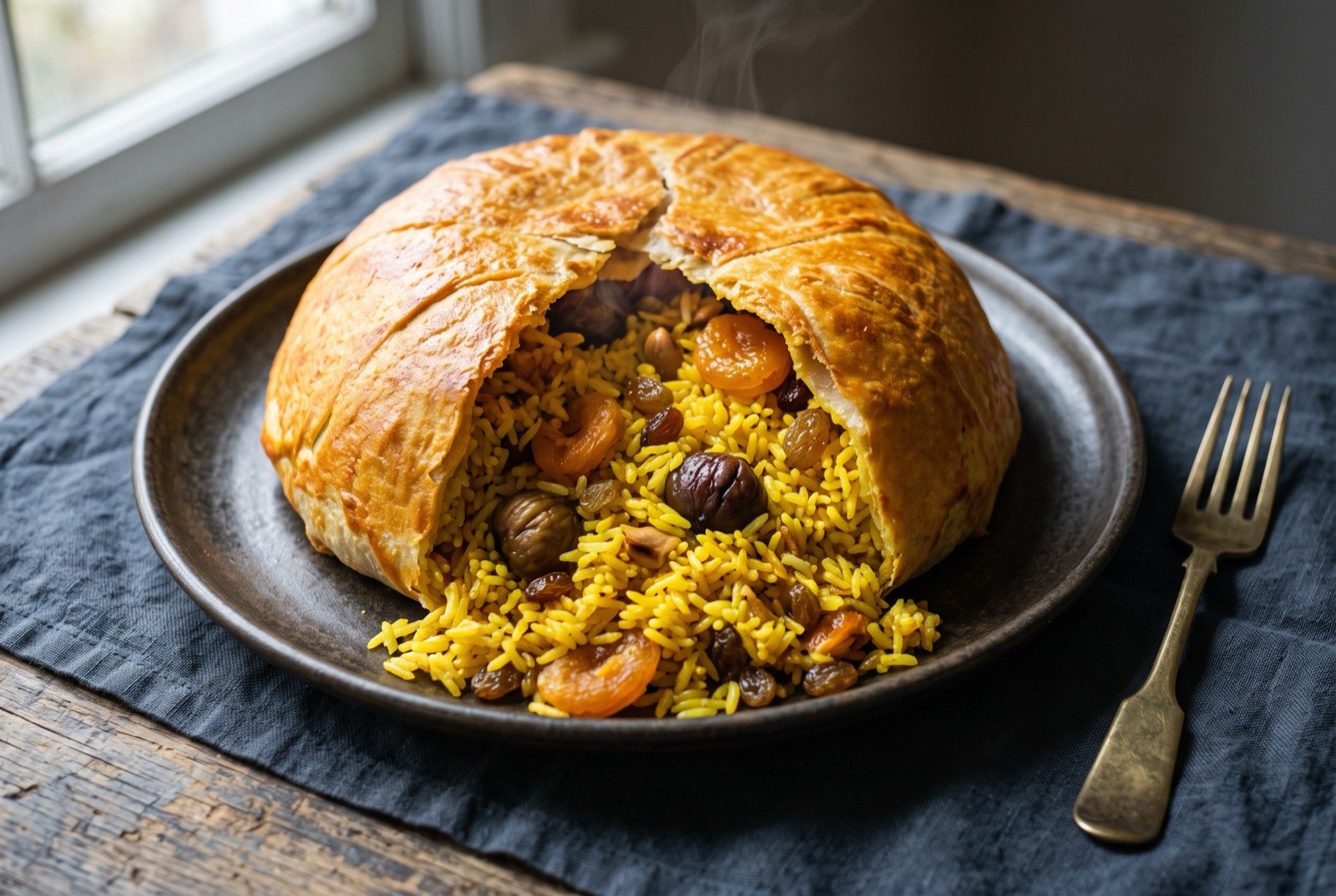 Shah plov
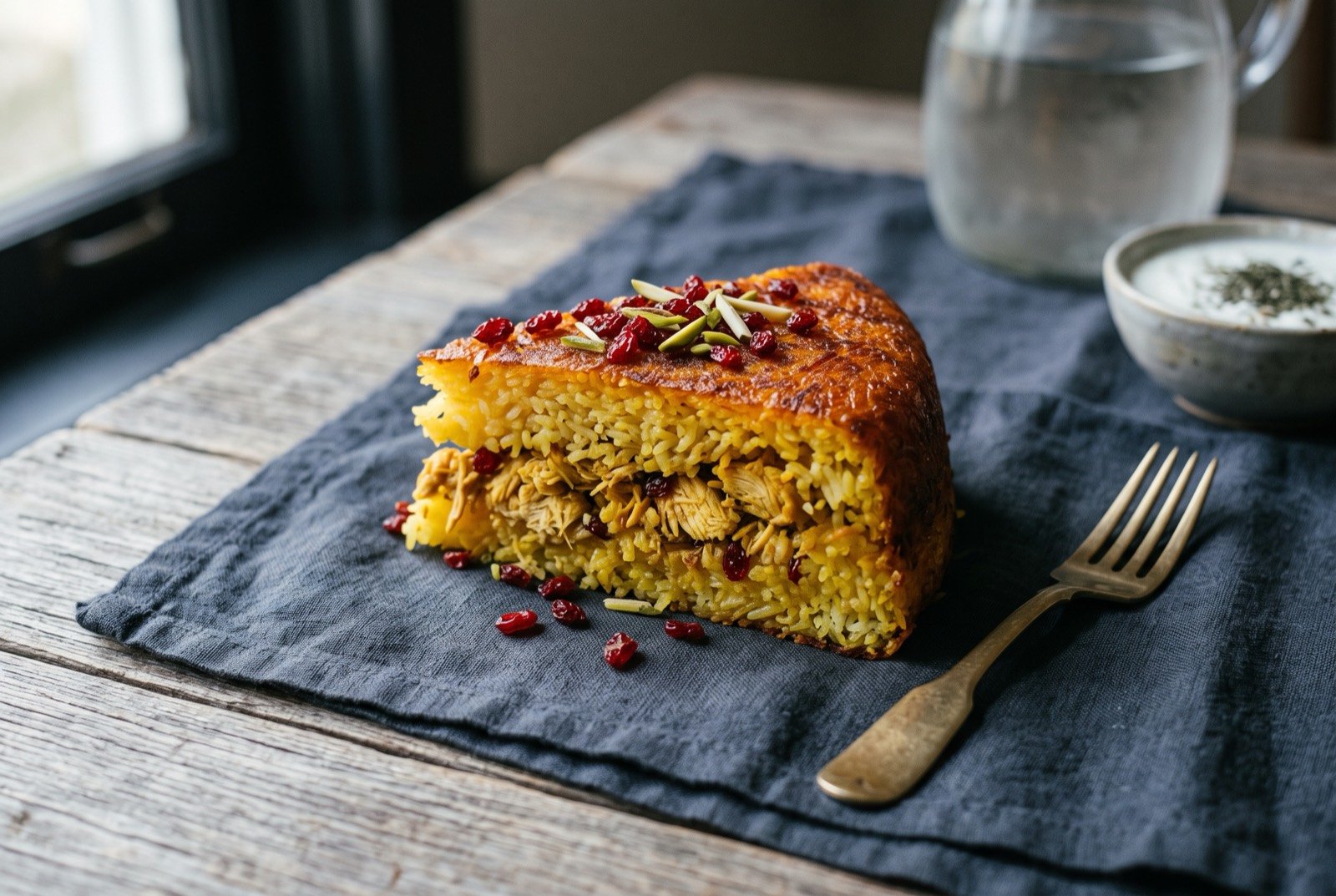 Tahchin-e Morgh
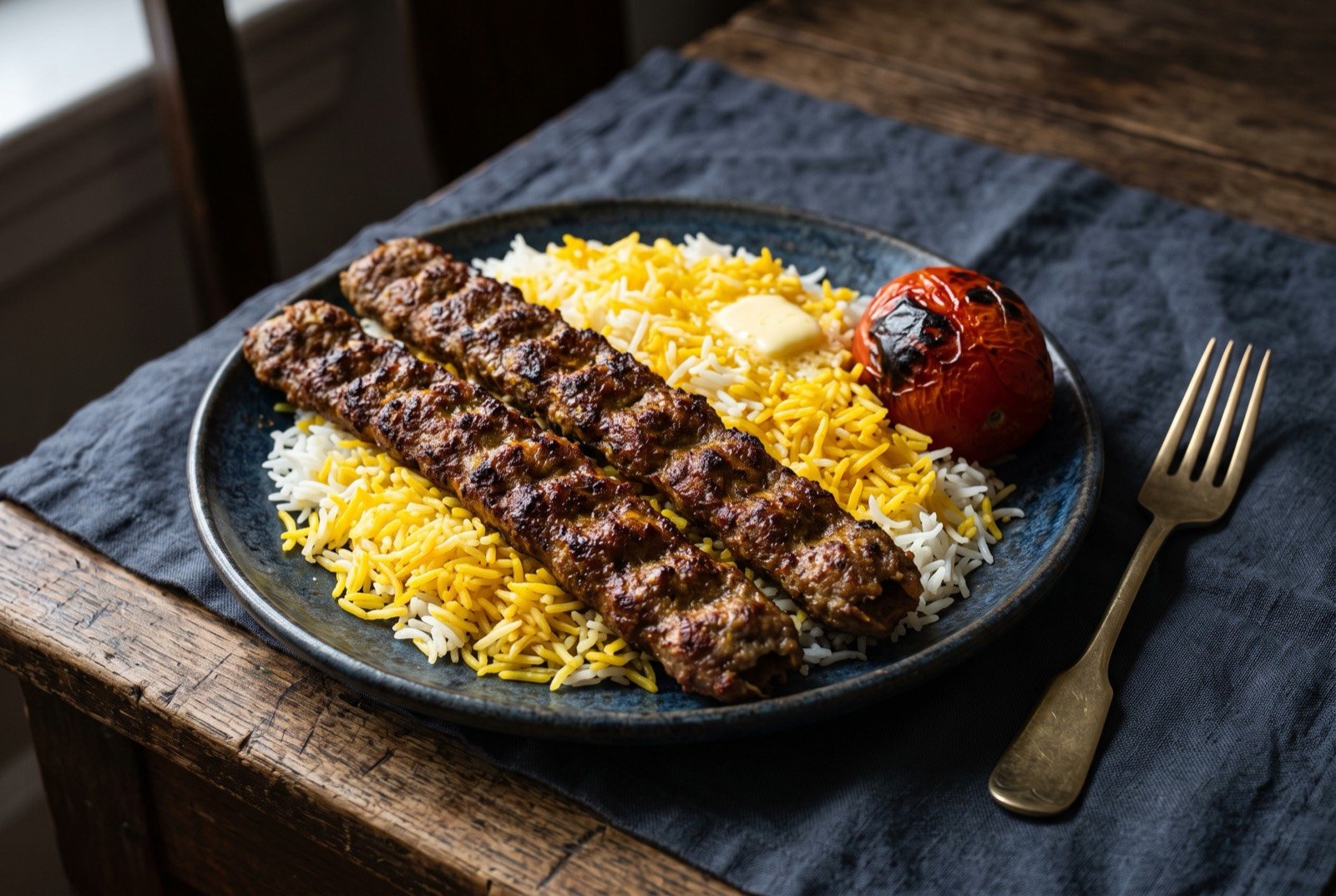 Chelo Kabab Koobideh
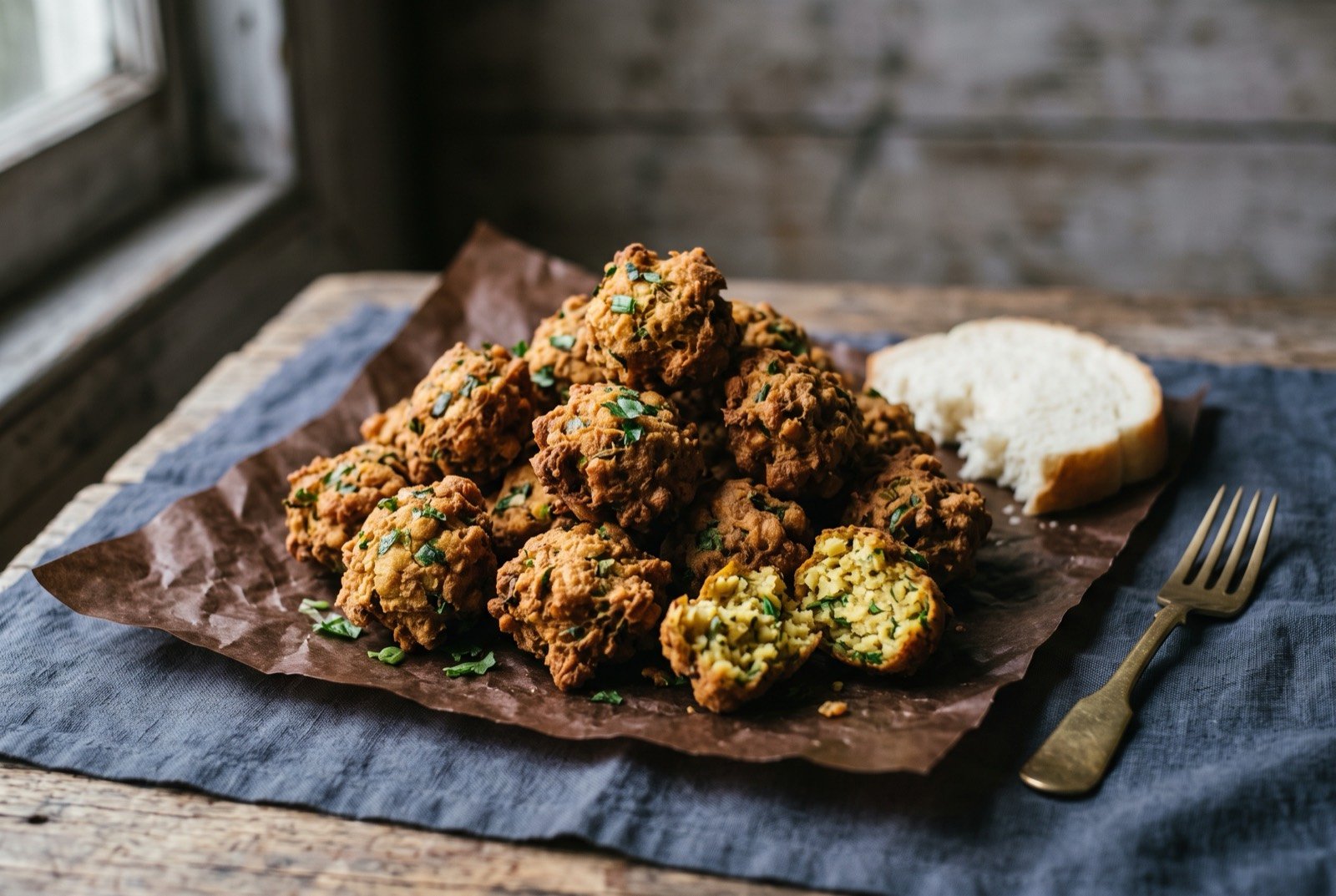 Gateau piment
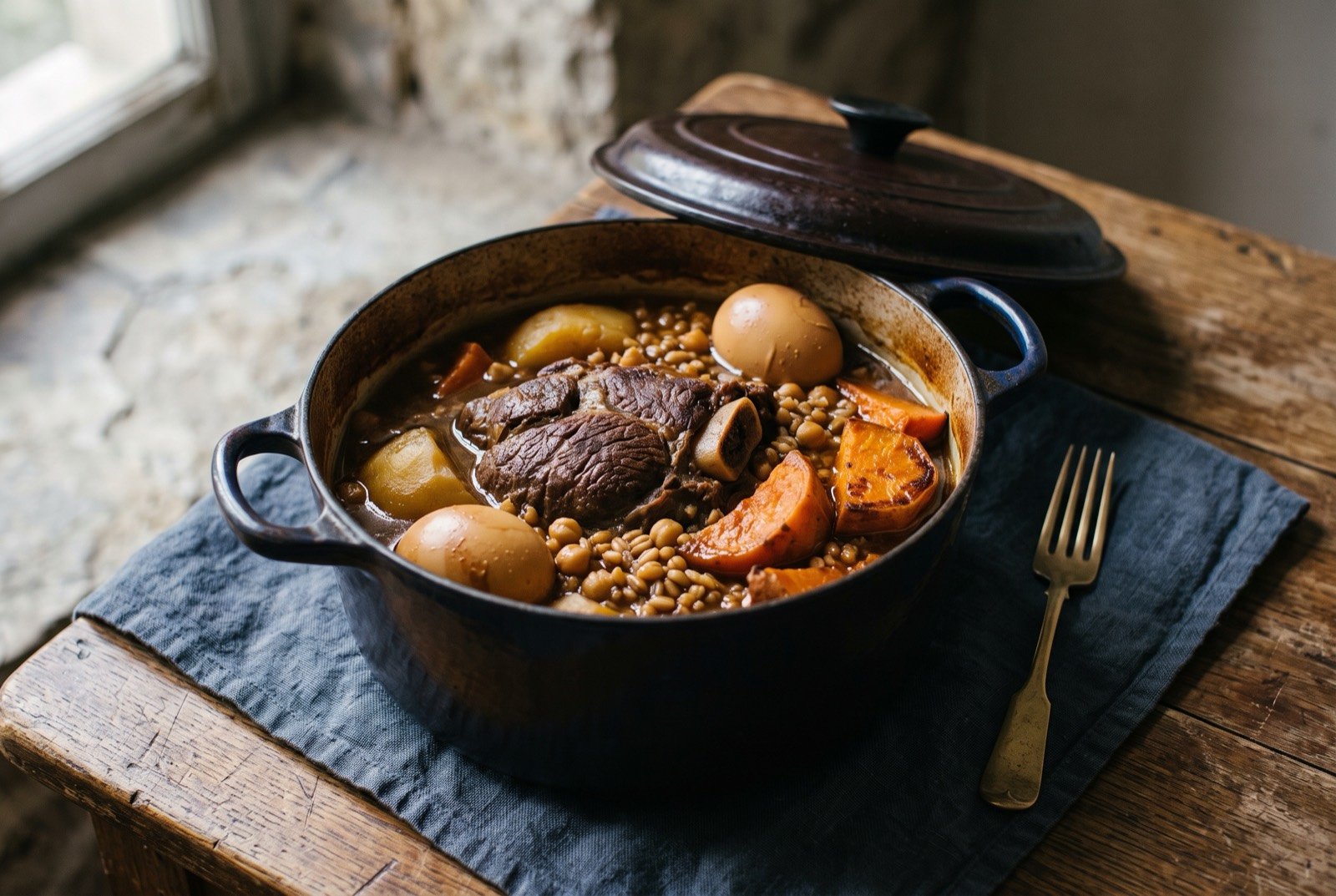 Dafina
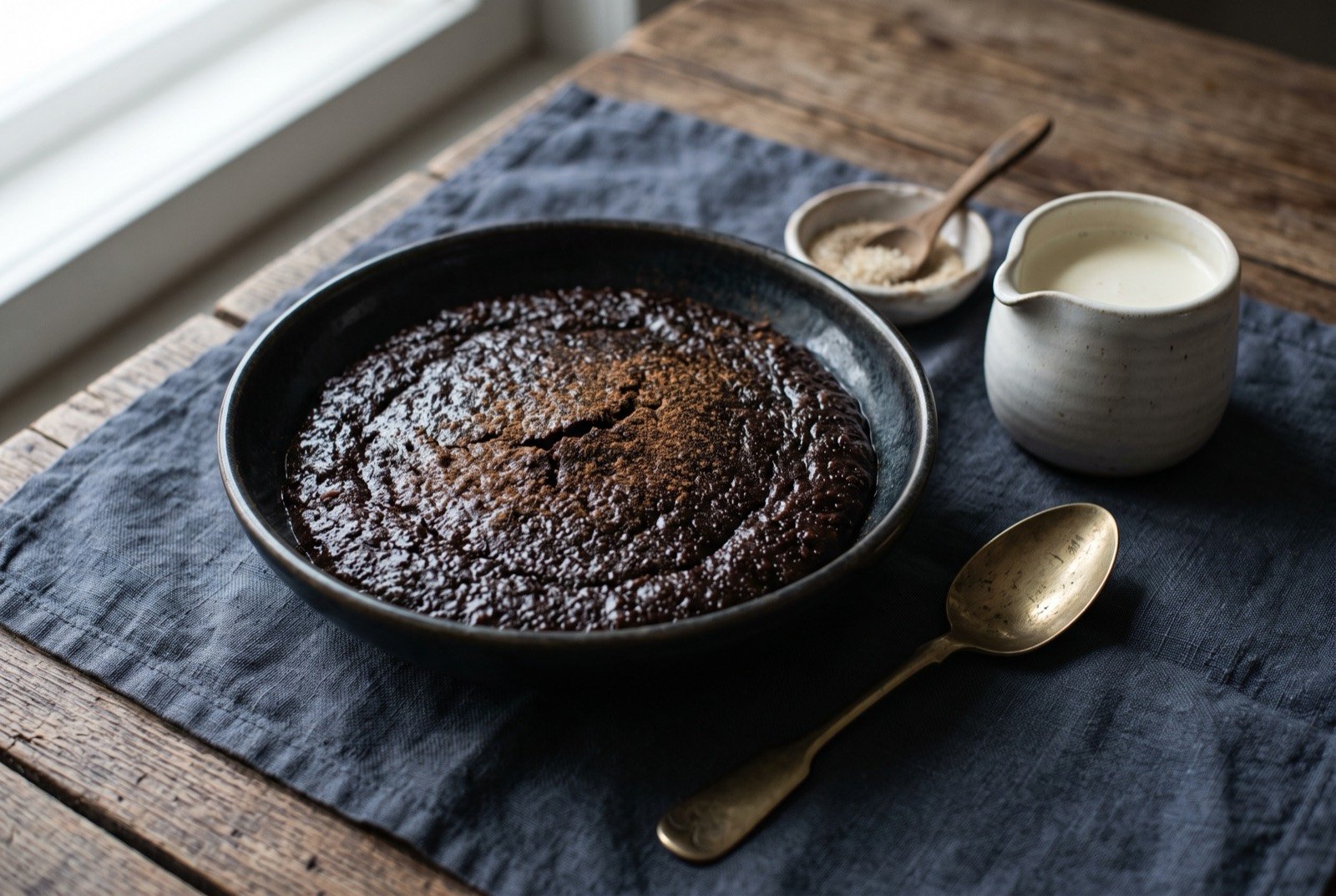 Mämmi
Mämmi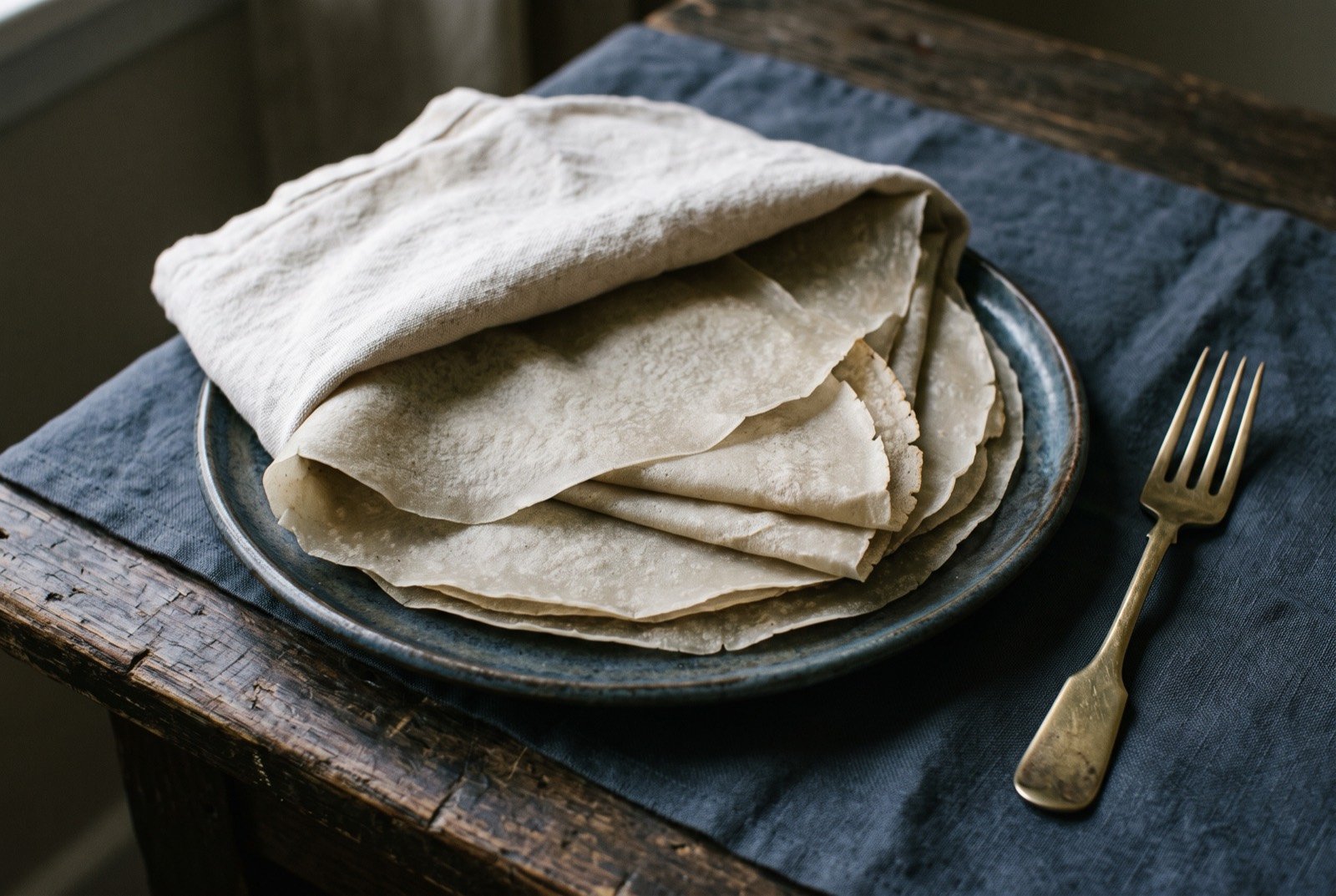 Kisra rhaheefa
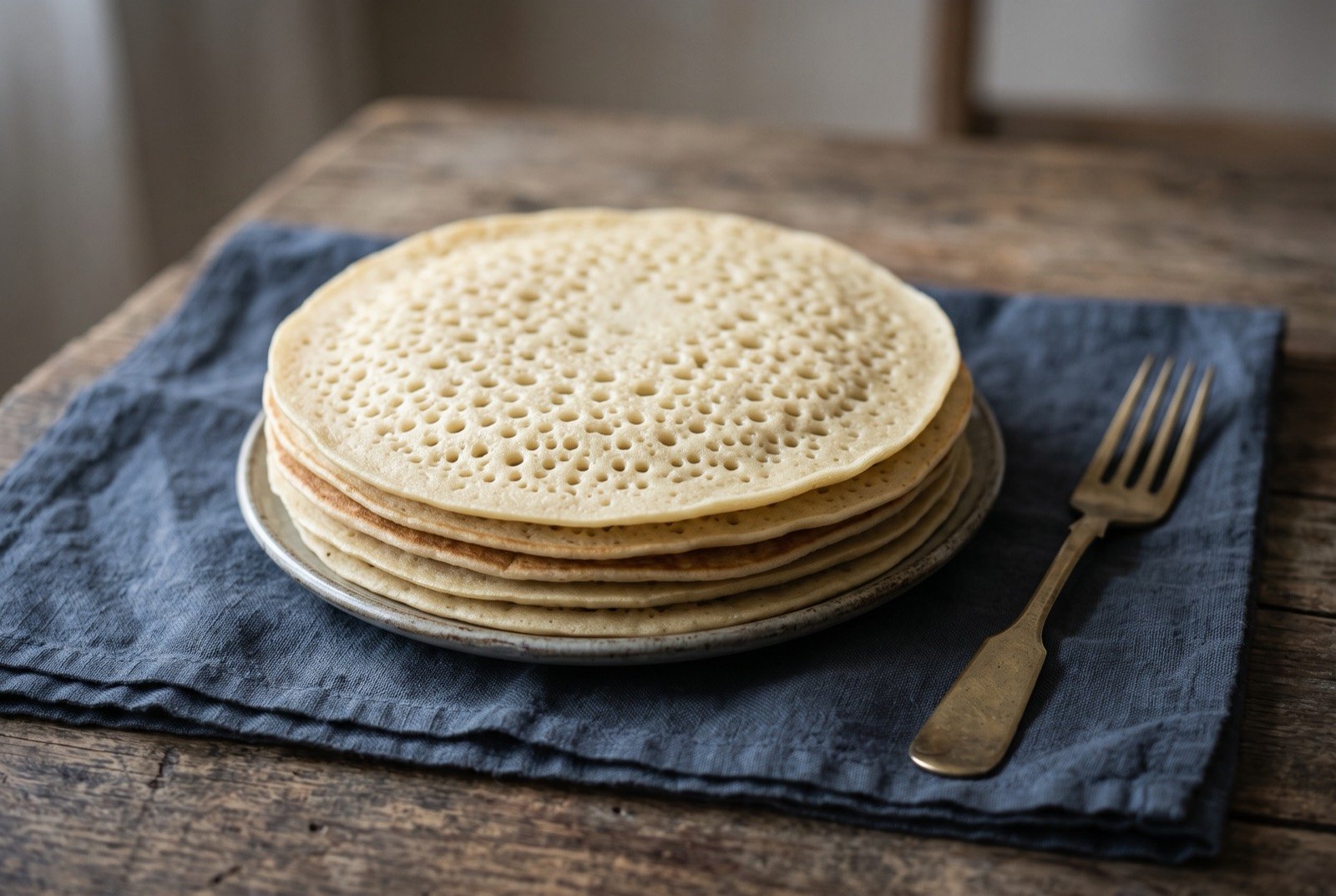 Canjeero
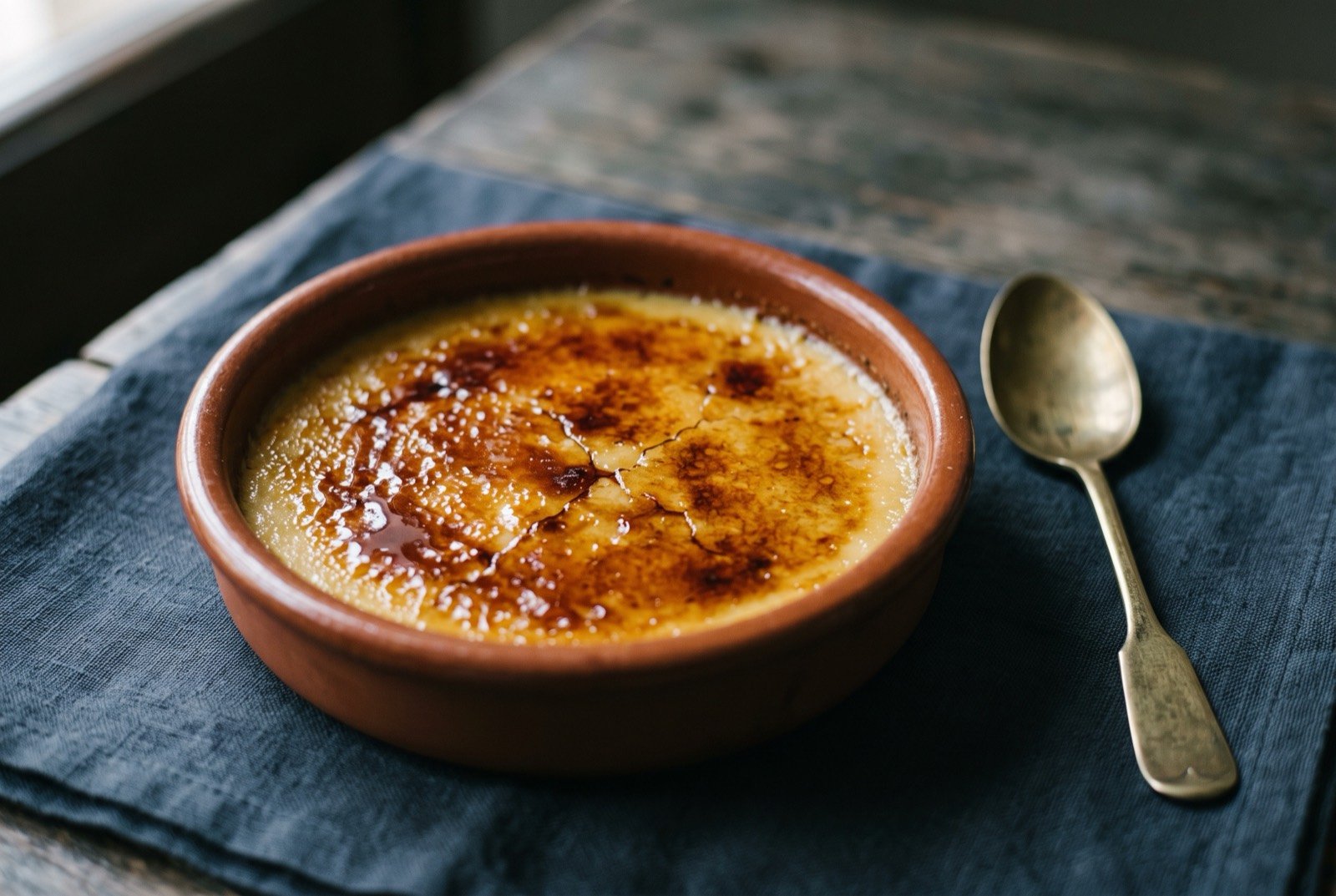 Crema Catalana
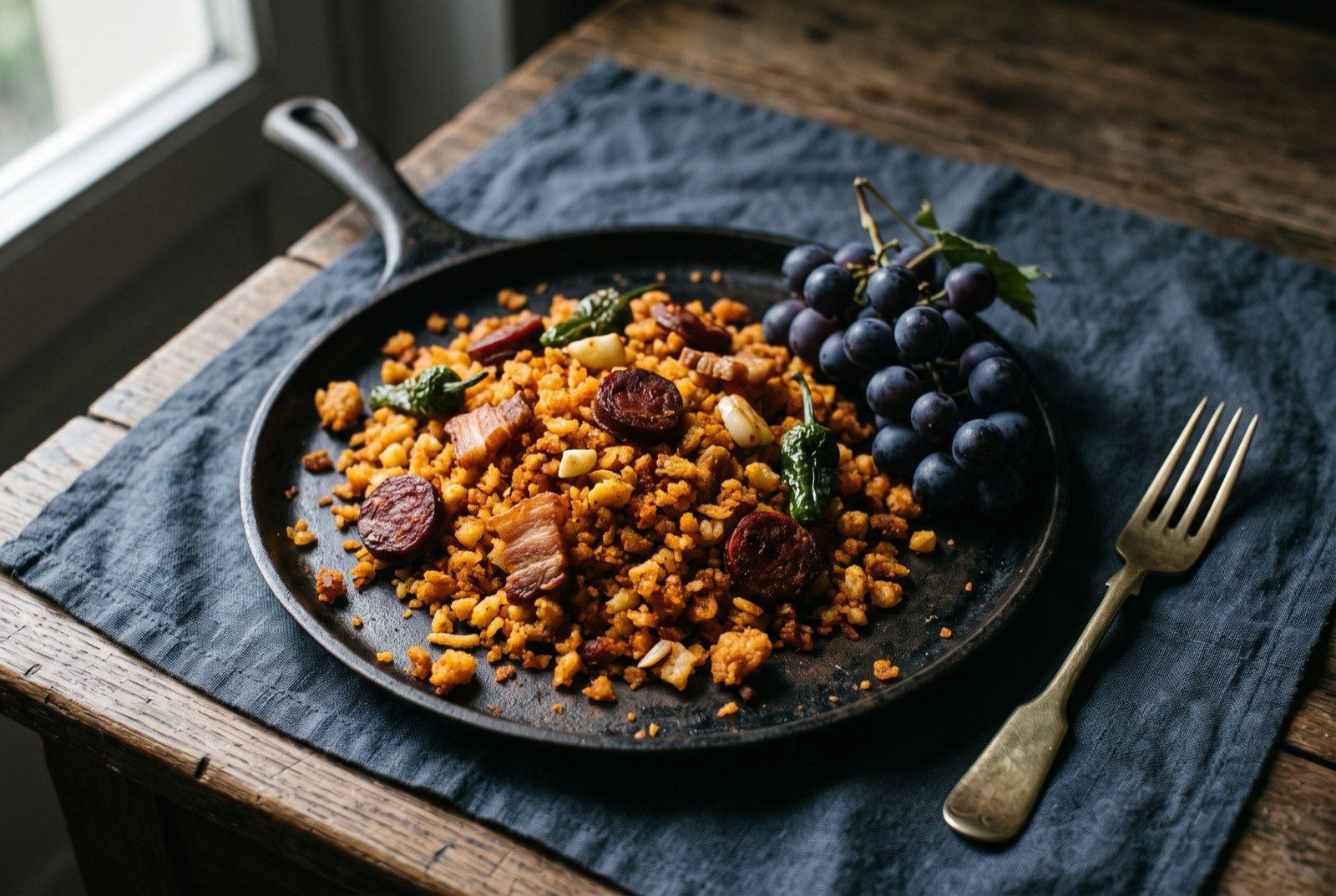 Migas Extremeñas
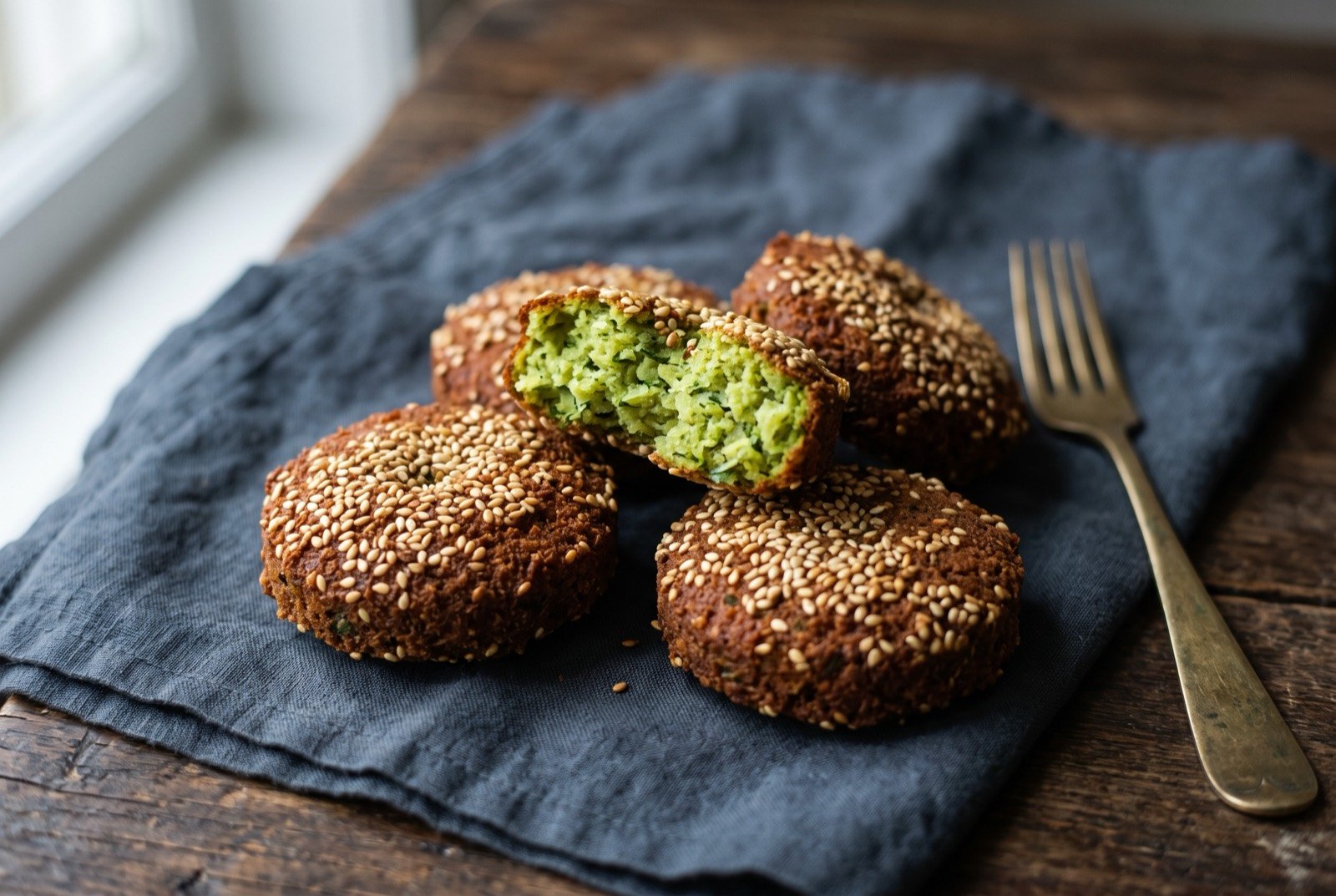 Ta'ameya
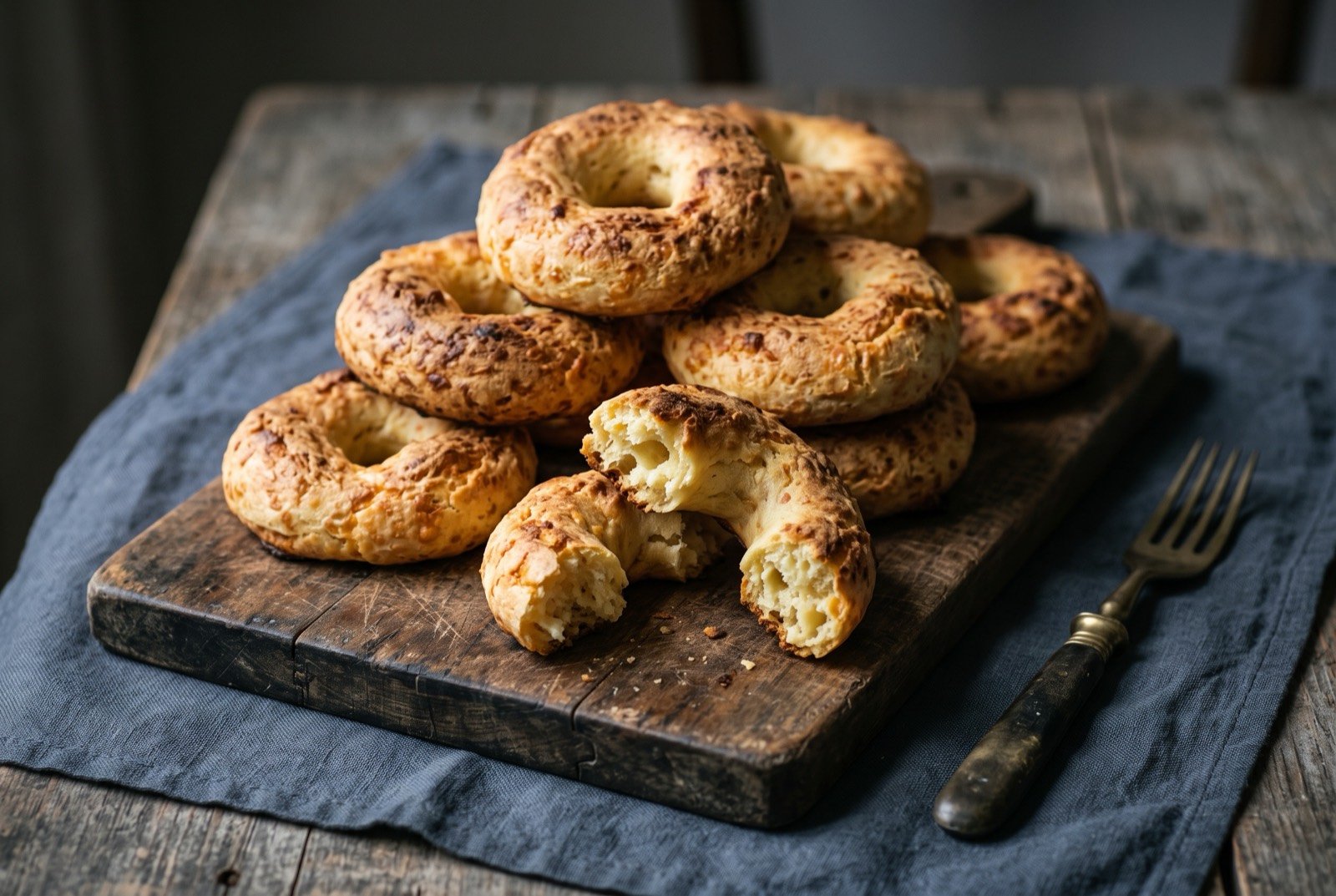 Chipa
Chipa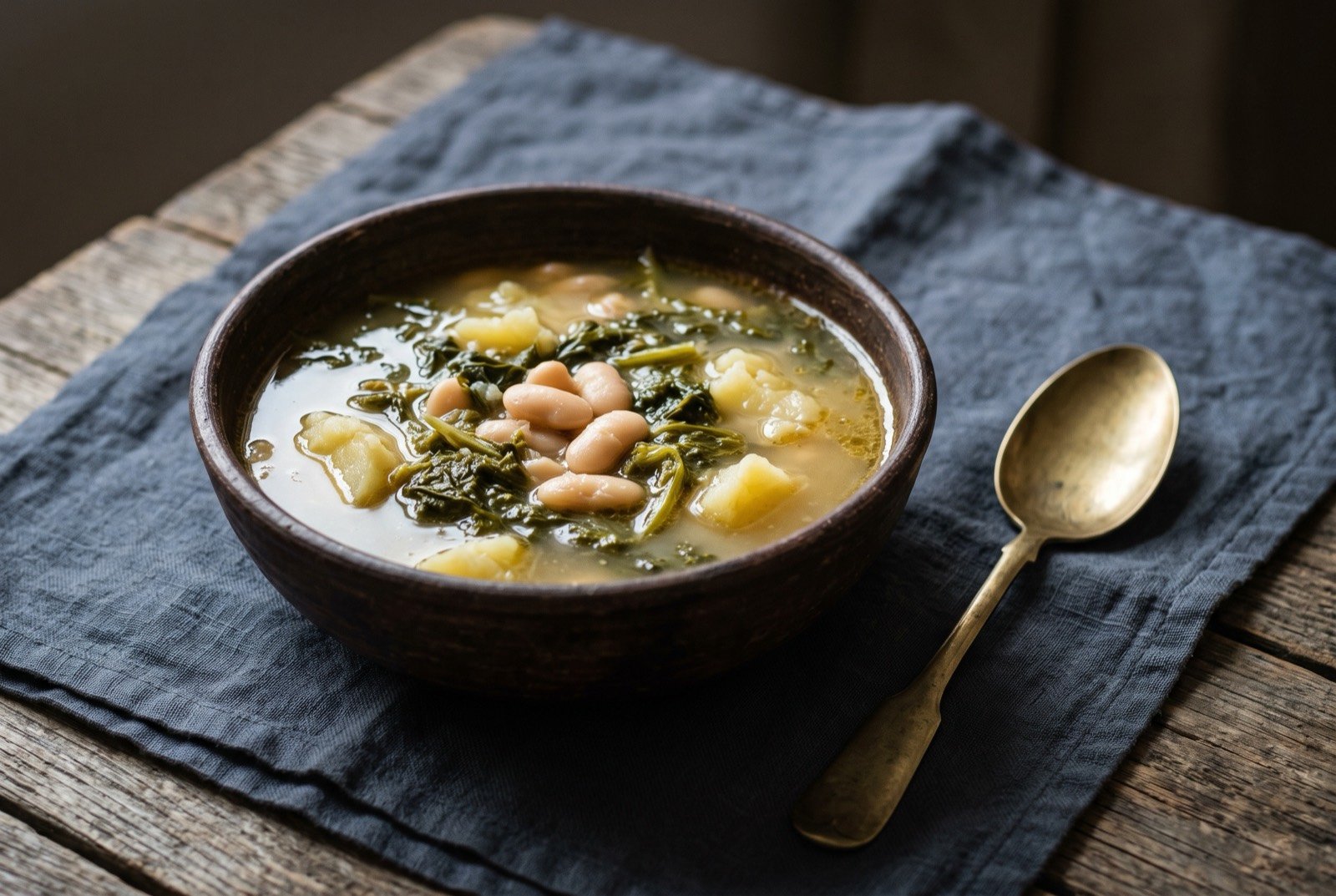 Caldo Gallego
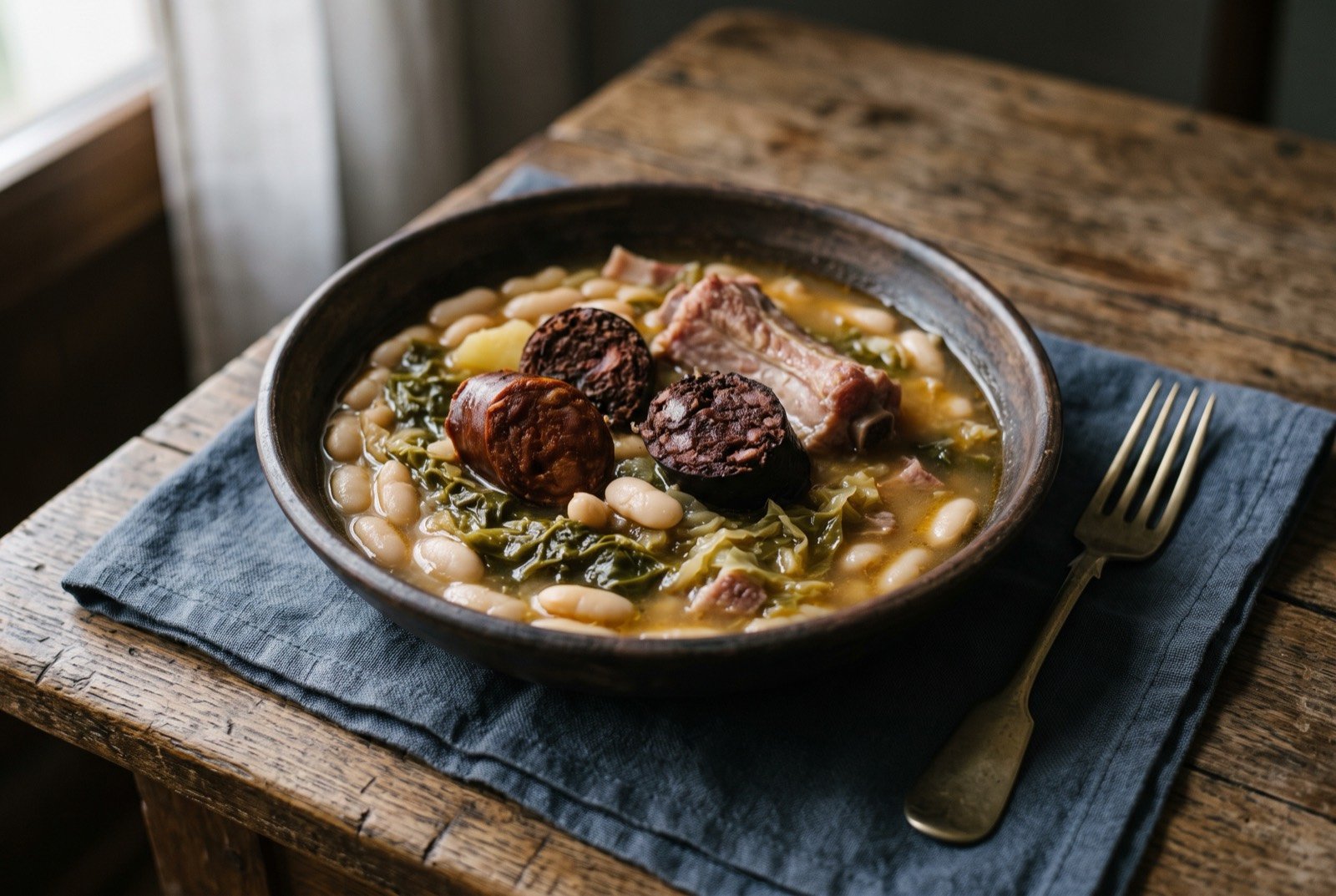 Cocido Montañés
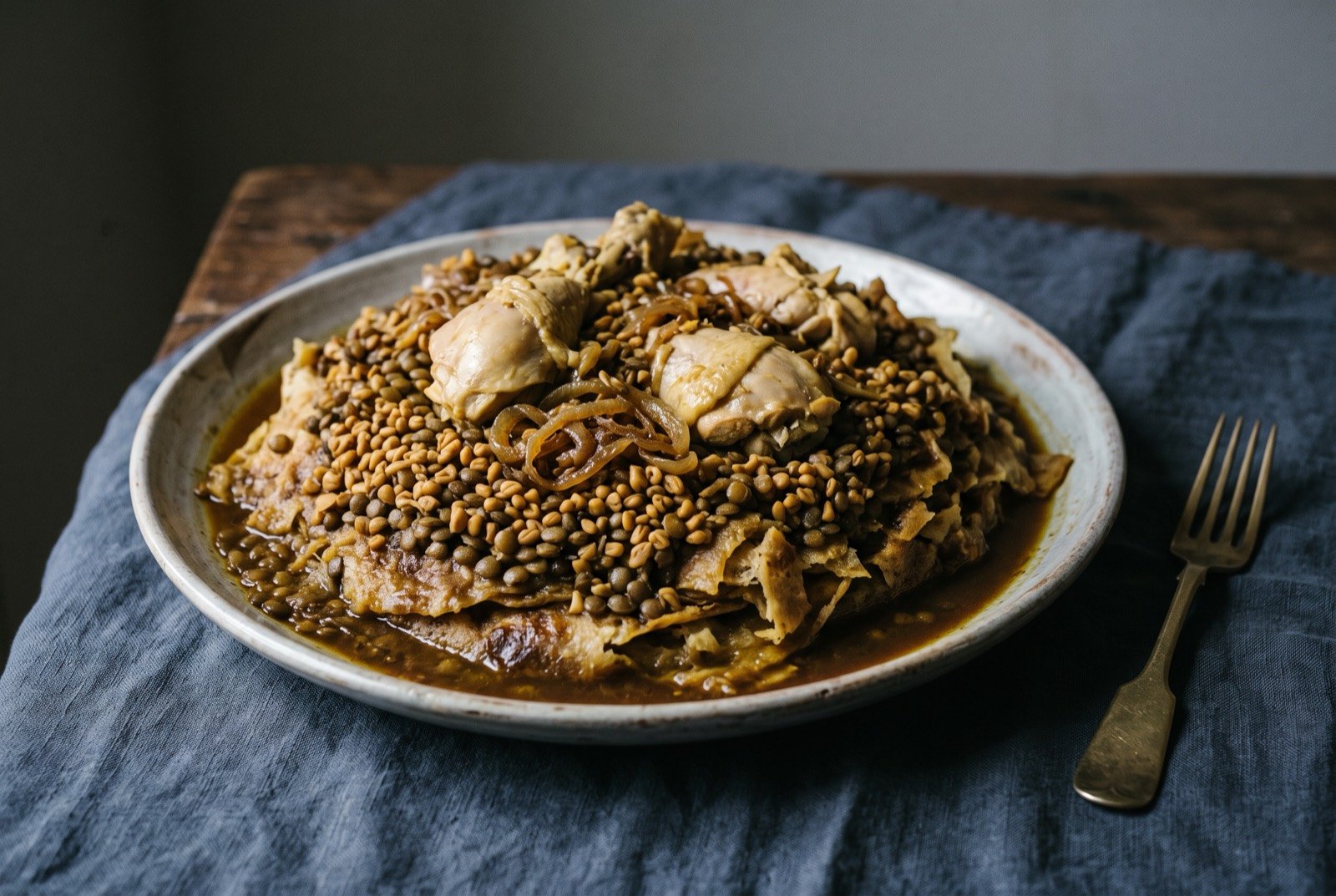 Rfissa
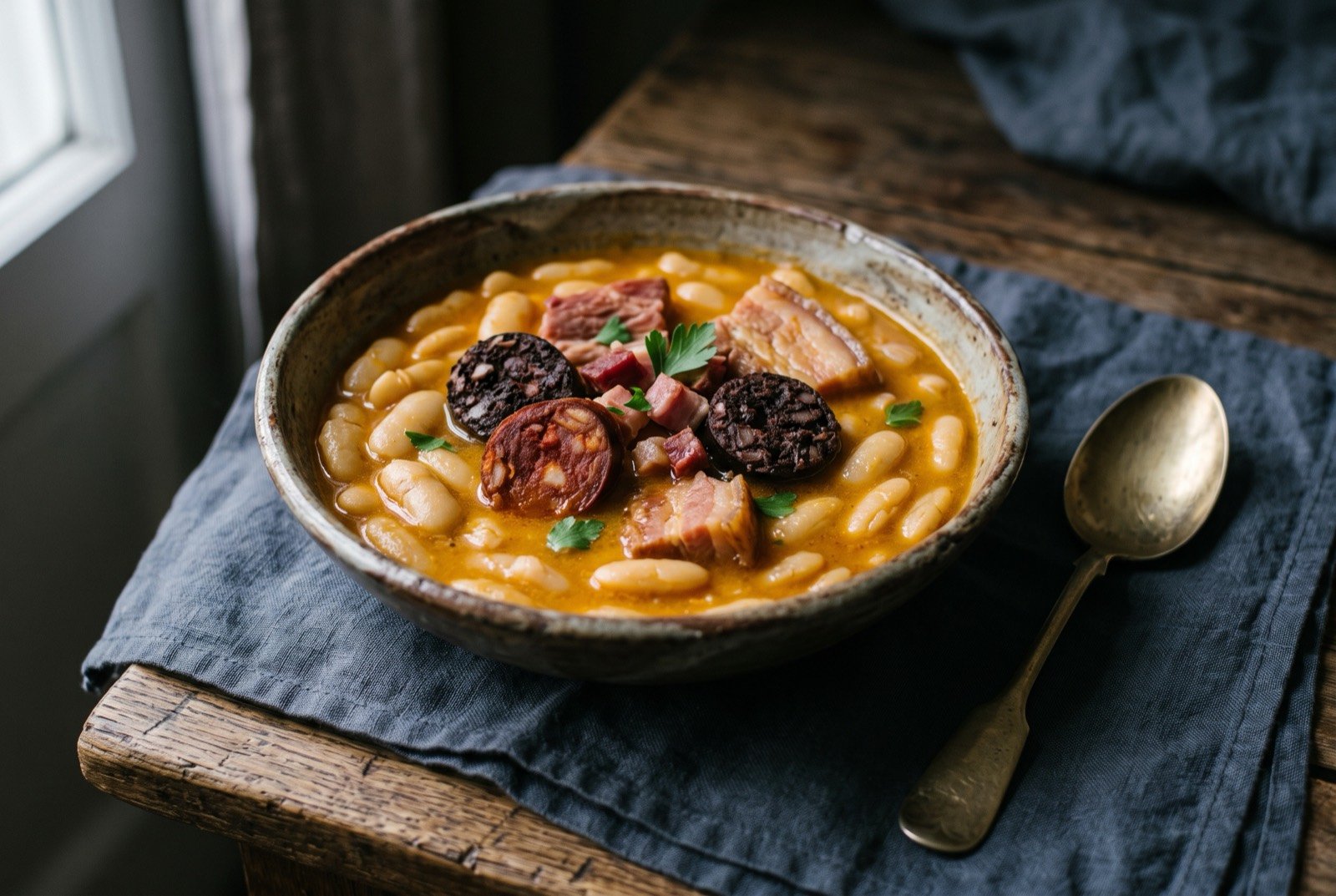 Fabada Asturiana
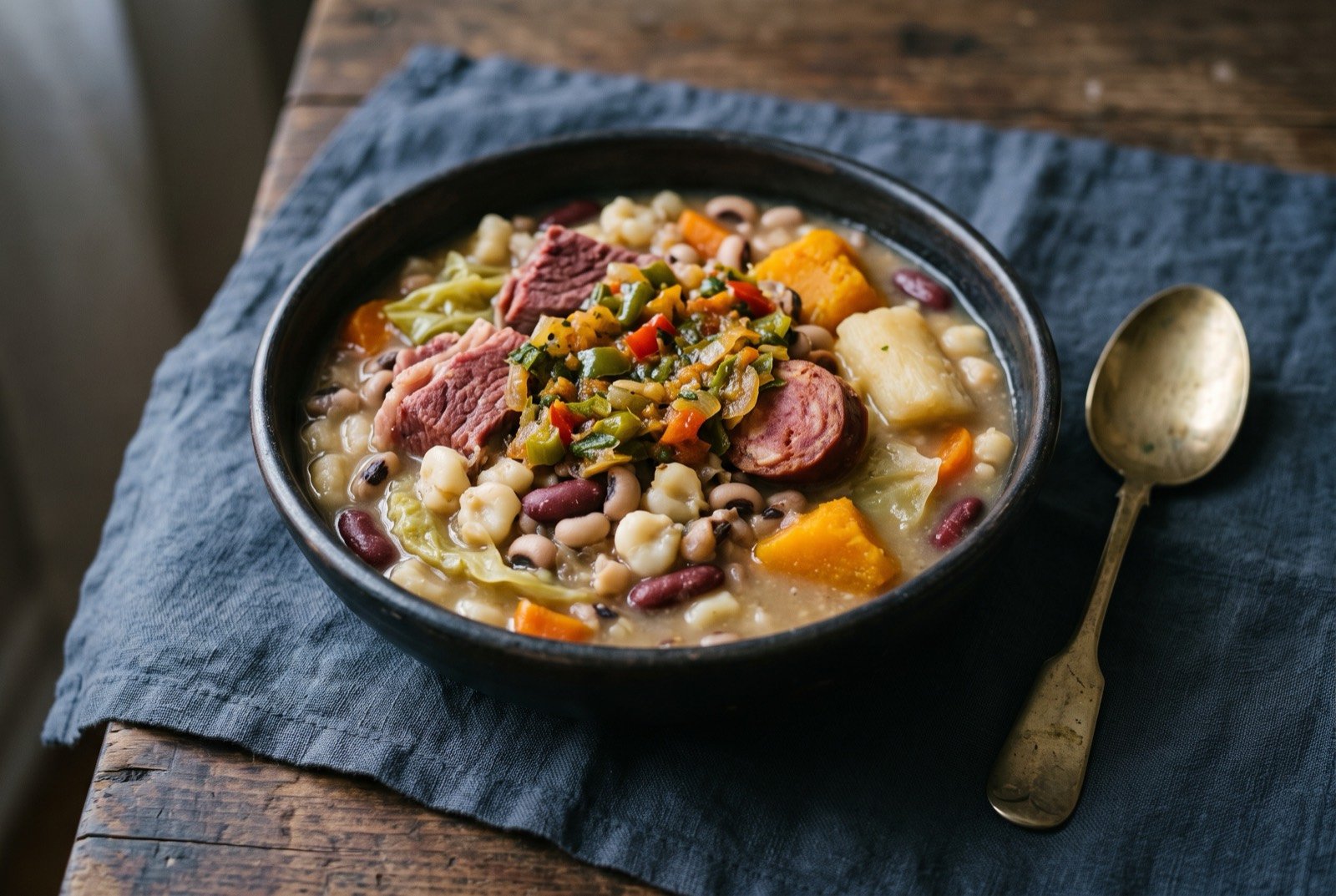 Cachupa rica
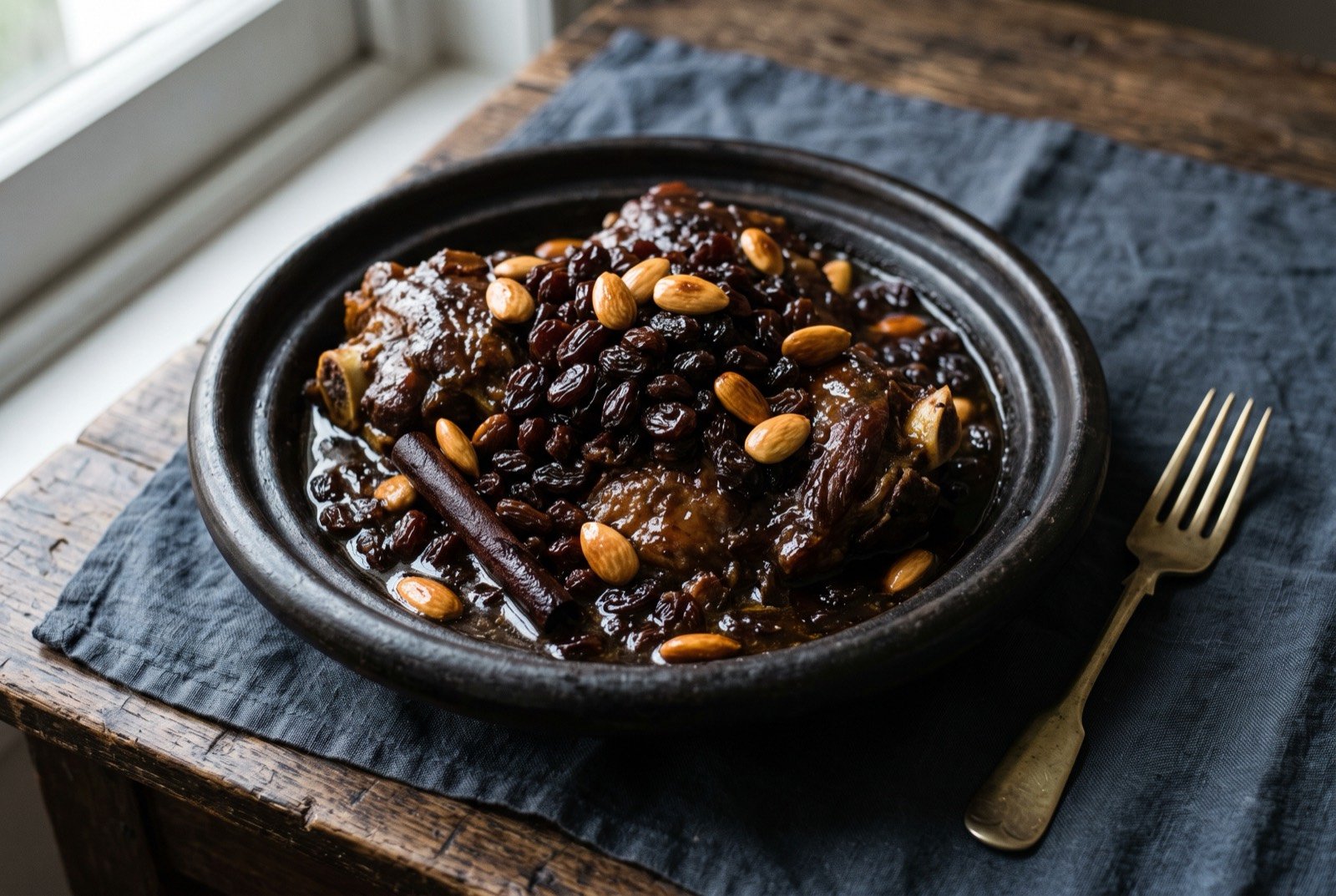 Mrouzia
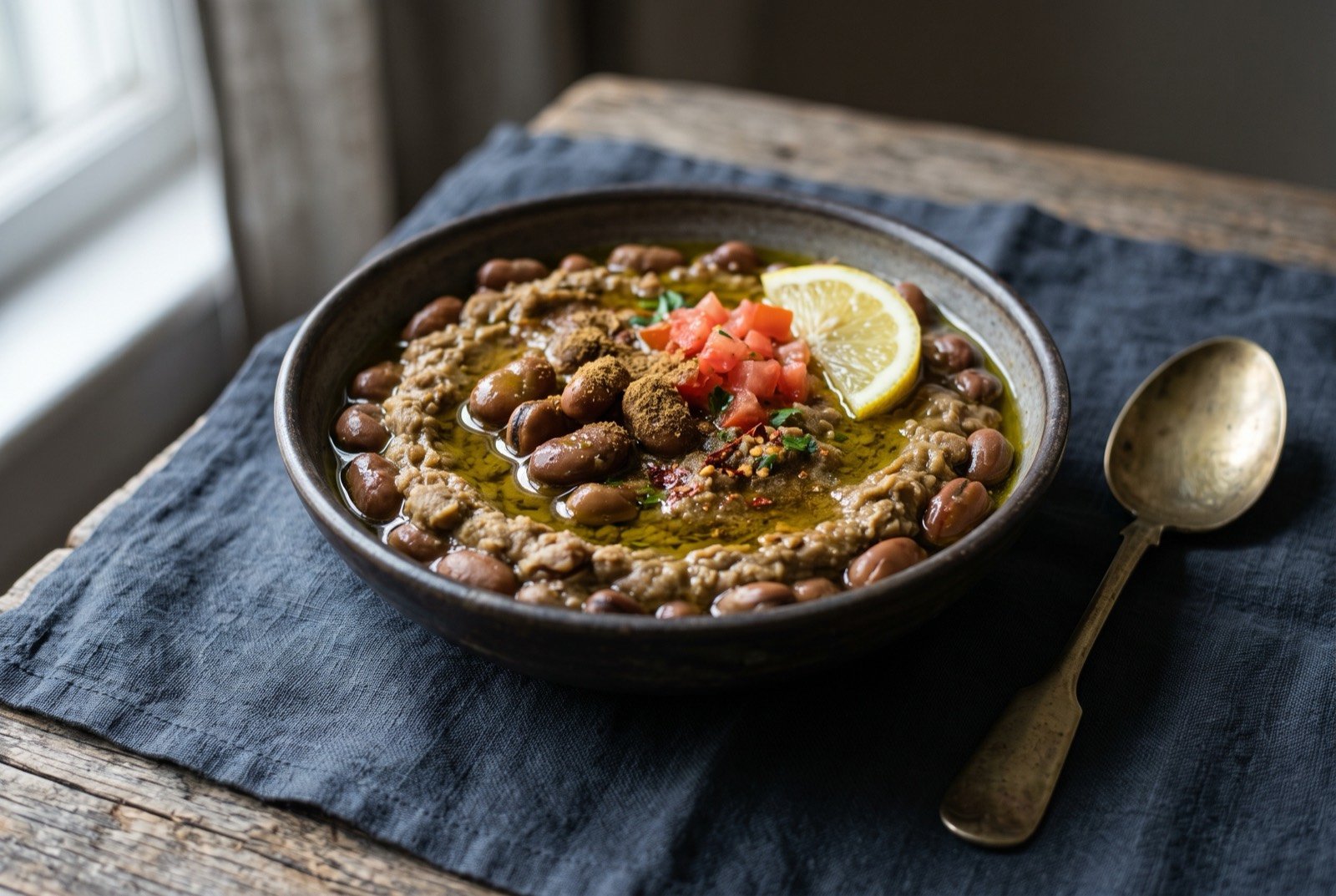 Ful medames
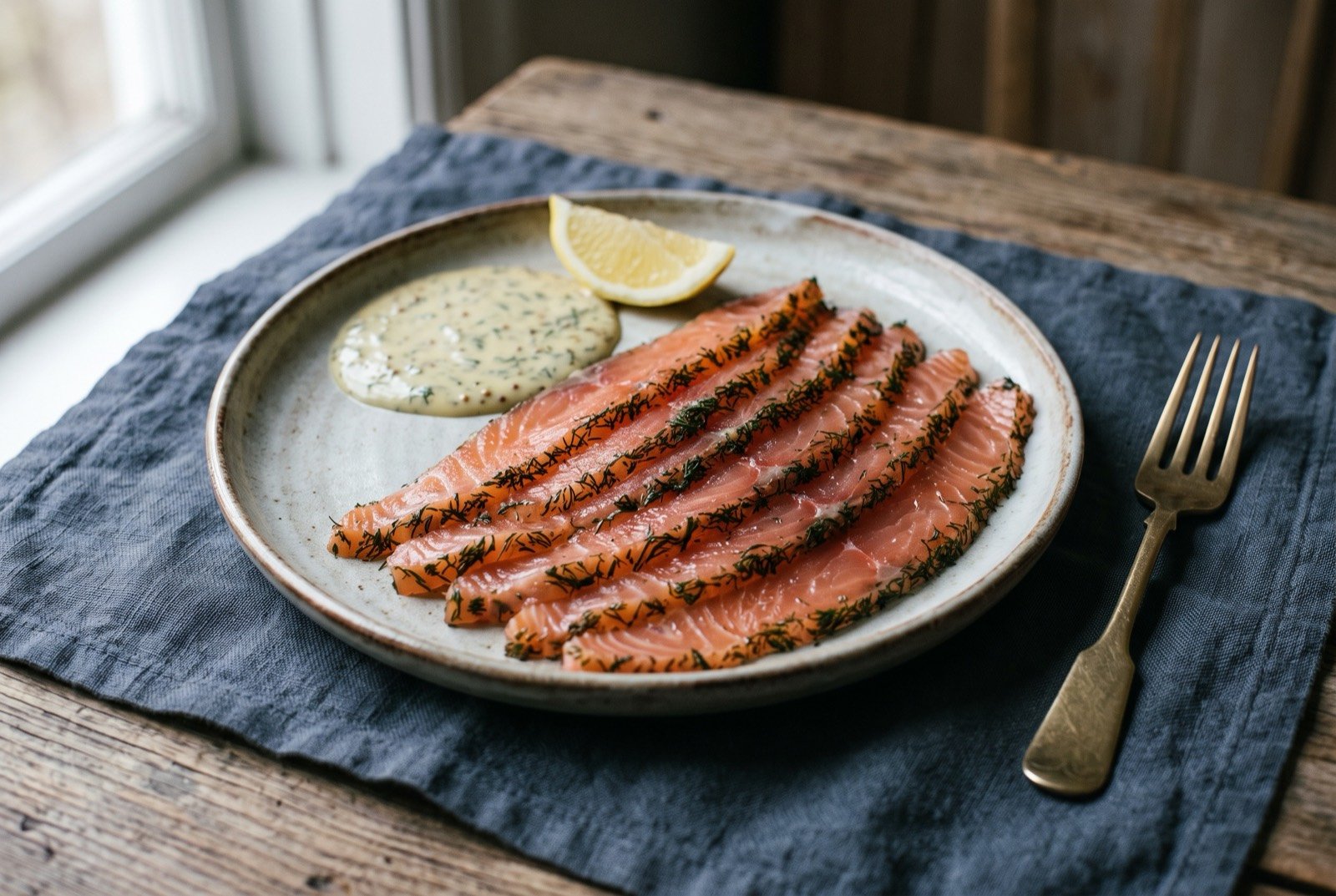 Gravad Lax
Untimed
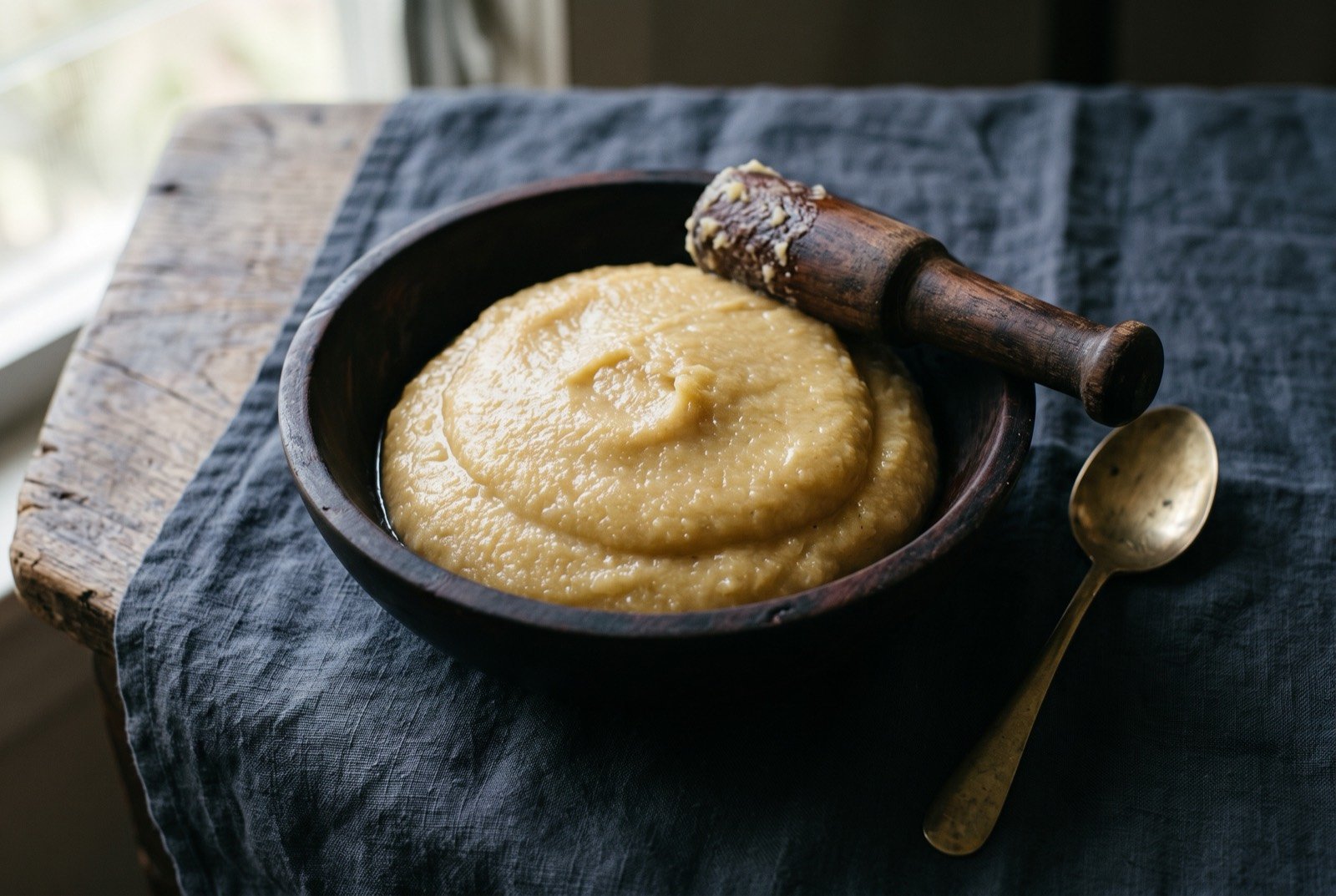 Kaʻaku
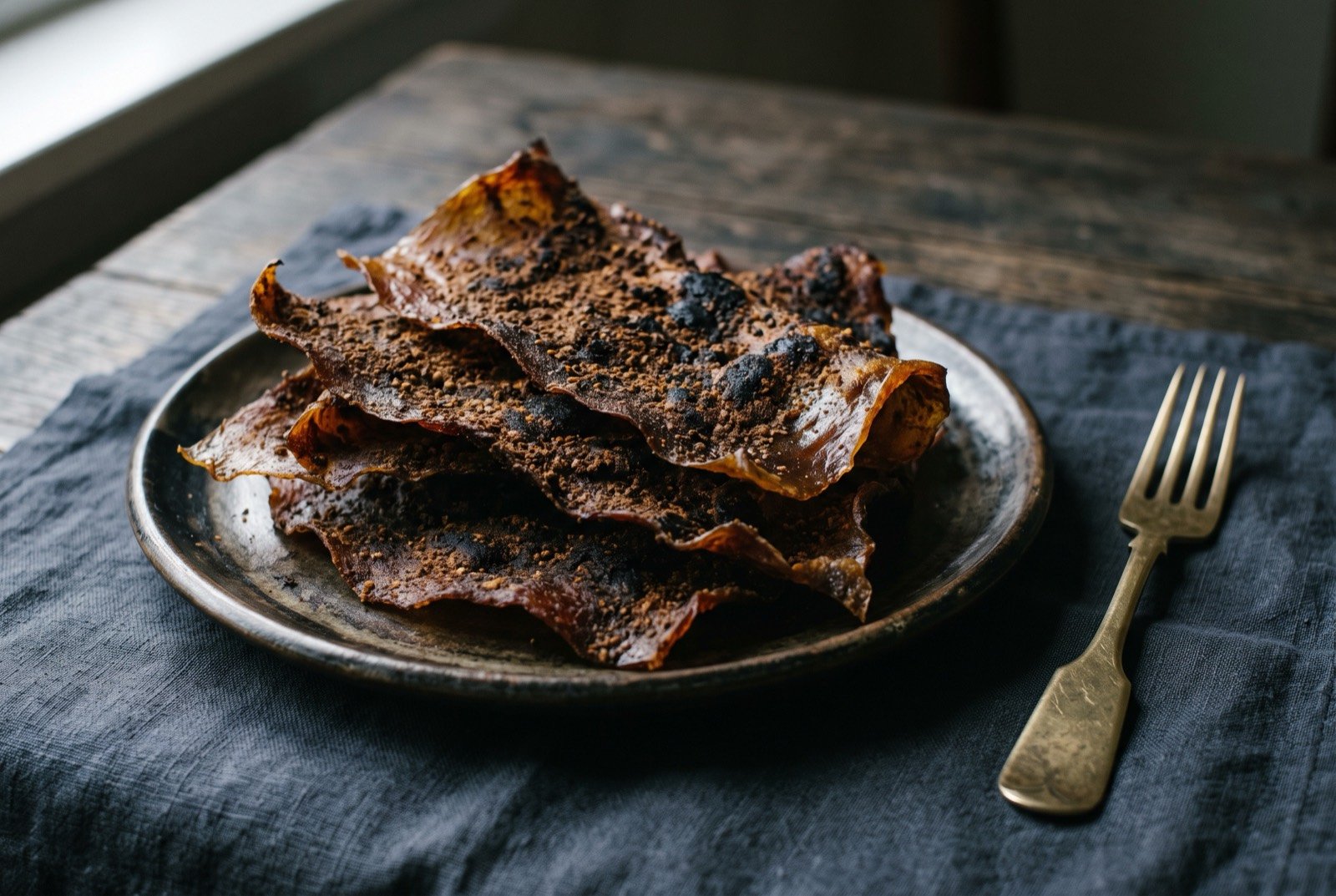 Kilishi
 Nalot
Nalot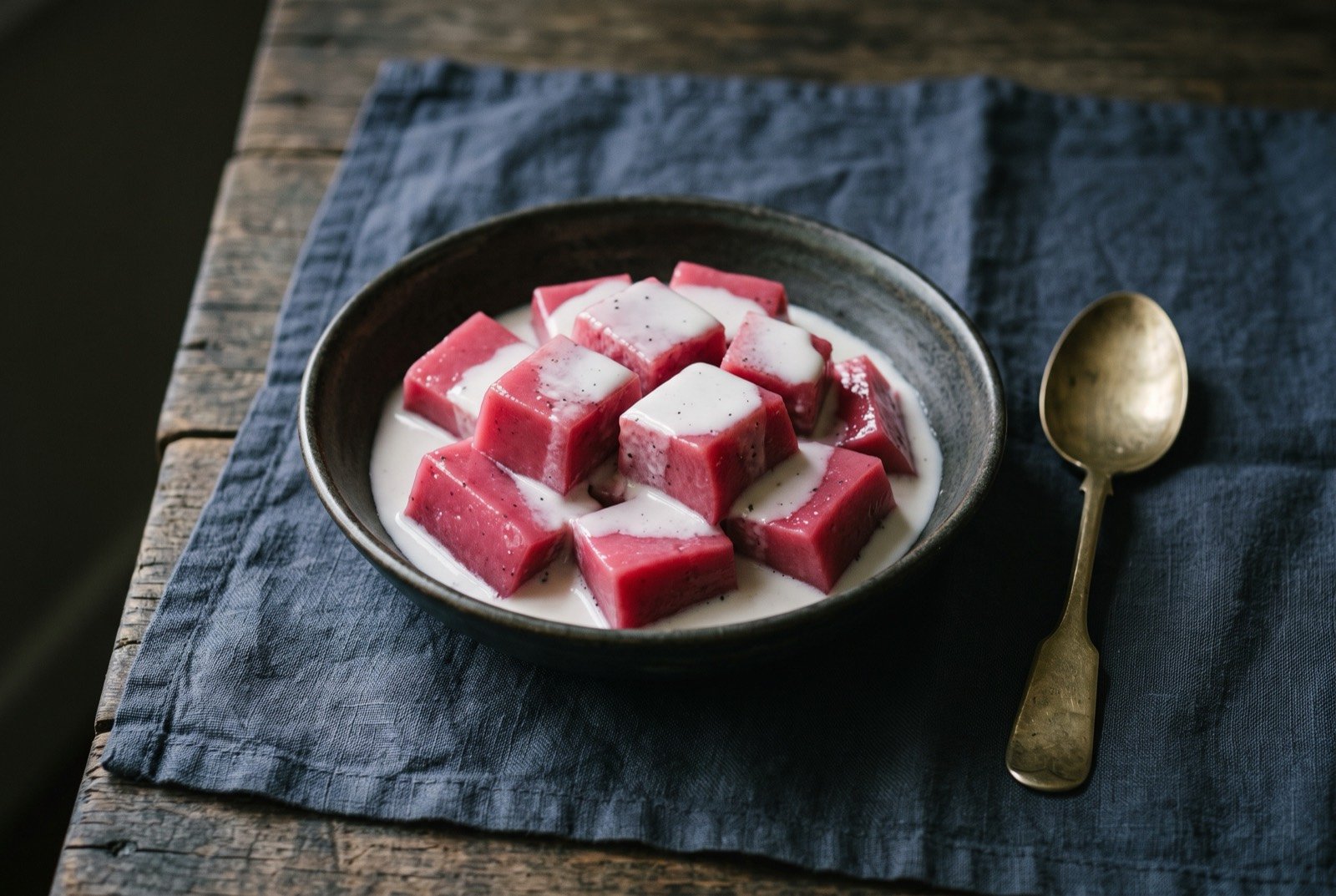 Poke
Poke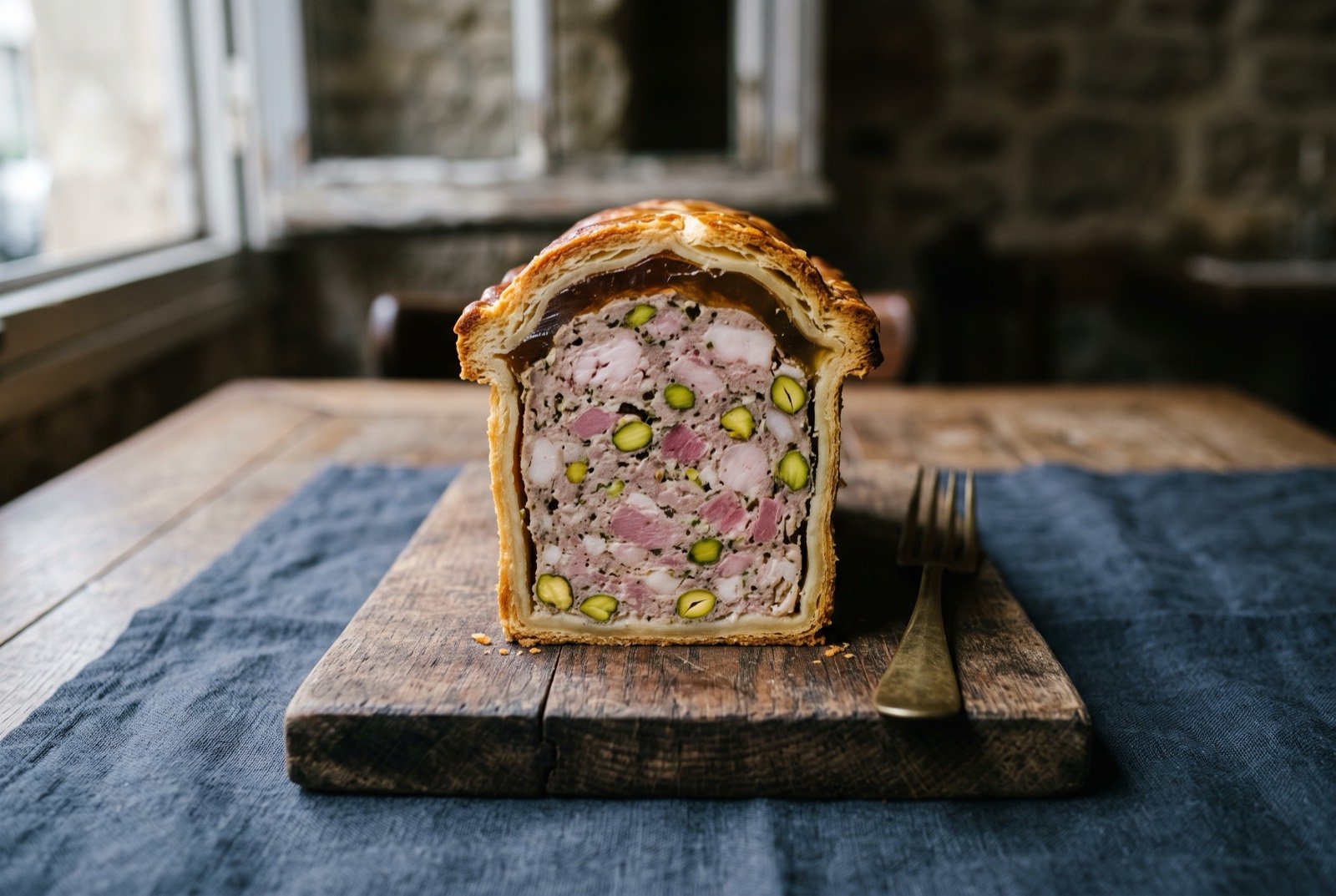 Pâté en croûte
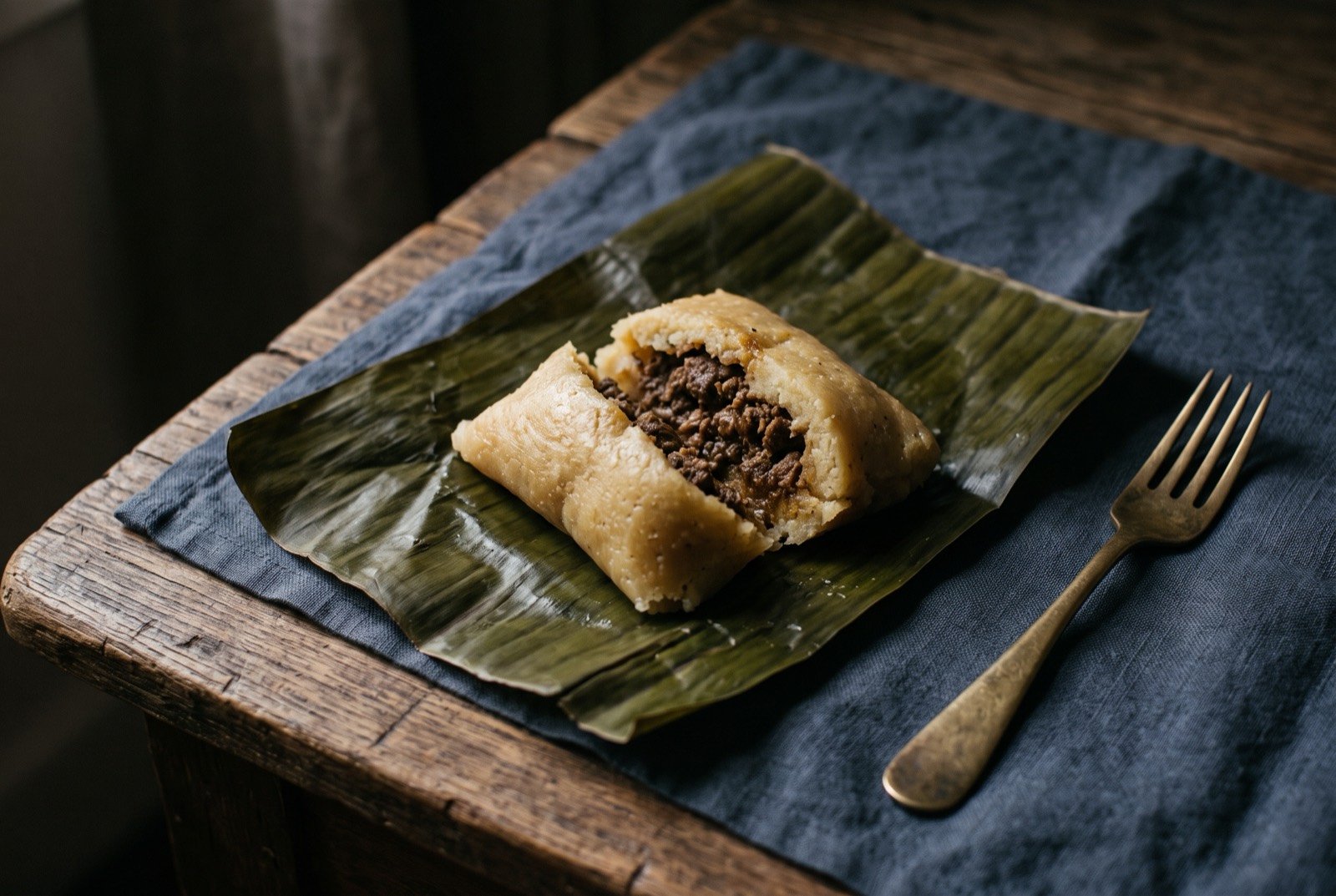 Tuluk
TulukAfrica
Senegal & Gambia
The xoon is a controlled Maillard crust, not an accident
Ceebu jën's most prized element, for many Senegalese eaters, is not the fish at all.
Senegal & Gambia
Steam millet couscous in stages, and respect its low starting moisture
Thiere, the savoury millet couscous eaten across Senegal, the Gambia and Mauritania, and its sweet, fermented dessert cousin thiakry, are both built from...
Guinea, Sierra Leone & Liberia
Parboil the rice, and know exactly what the steam buys you
Sierra Leone and Guinea sit inside the oldest and deepest rice culture on this coast, and parboiling, riz étuvé, remains an active area of Guinean agronomic...
Ghana & Nigeria
Get the rice technique right
Jollof is decided before the sauce is. The rules, from Ozoz Sokoh's fundamentals and Akoko's practice:
Côte d'Ivoire, Togo & Benin
Starch craft, which is three separate skills
Foutou, attiéké and alloco are three different starch problems with three different targets, and treating them as one is why diaspora versions of all three...
Mali, Burkina Faso & Niger
The reserved gruel: tô is two-stage starch engineering
This is the most important technique in the volume and it is almost universally mis-described in Western sources as stirring flour into water.
Mali, Burkina Faso & Niger
The narrow windows: fonio, volatile spice, and what cannot be held
Some ingredients here have a wide margin and some have almost none, and the ones with none are what make British versions fail.
Cape Verde, Guinea-Bissau & São Tomé
Cook the corn and each bean to its own endpoint, then marry them
Why it works. Maize endosperm starch gelatinises across roughly 62 to 74°C, but full hydration of a dehulled kernel takes hours, because water has to migrate...
Ethiopia & Eritrea
Run the absit step, and hit the numbers
Injera is not a one-stage batter. It is a two-stage, mixed-culture sourdough with a cooked-starch intermediate. After the primary ferment you take 8 to 10 per...
Somalia & Djibouti
Adopt cajiin, the pre-gelatinised scald
The highest leverage single change available here, and also the sharpest regional divide in the cuisine.
Somalia & Djibouti
Build one stock, use it twice, and treat rice as controlled hydration
Two techniques that are really one, because they meet in the same pot.
Sudan & South Sudan
Understand why kisra goes leathery, then hold it correctly
Kisra is spread paper thin on a doka or sajj, given in the literature as an iron plate 60 x 40 cm, and cooks through in about thirty seconds.
Egypt
The two favas are handled in opposite directions
Egypt cooks one species two ways that contradict each other, and both are texture problems rather than flavour problems.
Morocco
Three hydrations, and the texture problem underneath
Couscous is not a starch you boil. It is a grain you build twice, once by rolling and once by steaming, and both halves are skills.
Algeria, Tunisia & Libya
Steam the grain in stages, over the pot it will be served with, and never hydrate it in a bowl
Couscous is agglomerated semolina, not extruded pasta.
Algeria, Tunisia & Libya
Fry the pastry to order, at temperature, and make sure the sheet is malsouka rather than filo
Malsouka is not filo, and the difference is manufacturing, not thickness.
Kenya, Tanzania & the Swahili Coast
Ugali as a gelatinisation and shear problem
Ugali is not stirred, it is worked. The meal goes into boiling water, first as a slurry so it cannot lump, then in additions, and then it is pressed and folded...
Uganda, Rwanda & Burundi
Matooke is a low-amylose starch with a very high breakdown, and that dictates the entire mash
The definitive characterisation of matooke starch is Ugandan work by Ugandan scientists, and that is worth saying out loud because it is unusual.
Madagascar, Mauritius, Réunion, Seychelles & Comoros
Drain the pulse hard and grind it dry
Mauritius is the pulse island, and its two great street preparations are the same problem solved twice.
Zambia, Zimbabwe, Malawi & Mozambique
The two stage starch, and the reserve that is dry flour
This is the central technique of the volume and almost every English description of it is wrong.
Angola, Namibia & Botswana
Cold-slake the flour, then work it by shear, in two stages
Funge comes in three forms: funge de bombó from fermented cassava flour, grey and elastic; funge de milho from yellow maize, elsewhere pirão; and funge misto.
South Africa, Lesotho & Eswatini
Control pap texture deliberately, because it is one flour making four dishes
The best numbers in this volume, from Jan Hendrik van der Westhuizen, using super maize meal and volume measures throughout, each serving 4:
Asia
Iran
Treat tahdig as controlled starch chemistry, not luck
The crisped rice crust at the base of the pot is not a happy accident of a particular cook's hand.
Armenia and Azerbaijan
Parboil, then let the fat crisp underneath
Azerbaijani plov uses a two-stage method called demleme: rice is first parboiled in salted water until tender on the outside but with a hard, visibly opaque...
Uzbekistan & Tajikistan
Never stir the steam
Once rinsed rice is layered onto the zirvak, levelled, and enough water added to cook it through, the pot is left uncovered until the surface water is...
Uzbekistan & Tajikistan
Ratio, not eye
The popular advice to add "a fingertip's depth of water above the rice" is precisely the mechanism that produces mushy plov, because that depth does not scale...
Europe
Northern & Central Italy
Let stale bread do structural work, not bulk work
Pane Toscano DOP, granted in 2016, requires only type 0 soft wheat flour, water and exclusively natural leaven, no commercial yeast, and critically, no salt.
Southern Italy, Sicily & Malta
Seal before you fry, and hold the fry temperature precisely
Sicilian arancini are sealed in a flour-and-water pastella before crumbing, specifically to stop the rice grains splitting open in the fryer; the best versions...
The Basque Country, Cantabria & Asturias
Scare the pot, don't boil it
The traditional technique behind fabada and cocido montañés alike, keeping a bean stew at a bare simmer and adding a splash of cold water periodically...
Normandy, Brittany and the Atlantic Coast
The buckwheat batter's rest
The buckwheat batter's rest. Buckwheat flour has no gluten to develop, so what a long rest, professional crêperies favour something close to a full day...
Alsace, Lorraine and the Nord
Thicken with bread and spice, not flour
Carbonnade flamande's defining move is a slice or two of stale pain d'épices, thickly spread with strong mustard, laid on top of the beer braise so it...
Burgundy, Lyon and the Rhône
The panade, and drying it exactly as for choux
The panade, and drying it exactly as for choux.
Paris and the Classical Table
Build a roux-based sauce as a controlled reduction, not a lucky guess
Béchamel (roux blanc, milk), velouté (roux blond, white stock) and espagnole (roux brun, brown stock plus mirepoix and tomato) are the same underlying move at...
North Germany and the Baltic Coast
The milk-soaked panade
Berlin's Bulette is built by soaking stale bread rolls in milk, squeezing them out, and working the resulting paste into minced meat with egg, onion, salt and...
The Czech Republic and Slovakia
Double-coat, then rest, before frying
Smažený sýr's whole structural integrity, staying intact rather than leaking molten cheese into the fryer, depends on a double application of flour, egg and...
Sweden, Finland & Sápmi
Hold the enzyme, not the clock
Mämmi's whole method depends on one precise piece of biochemistry: the malted rye mixture must reach and hold at least 60°C for its diastatic enzymes to...
Estonia, Latvia & Lithuania
Fold the reserved starch back into raw-grated dough, or it splits
The single technical fact that decides whether a cepelinai, or any raw-grated-potato dish, holds together in boiling water: the liquid pressed out of raw...
Galicia
Scare the pot, don't boil it
The same low, patient simmer this atlas's Cider and Cod Coast chapter documents for fabada and cocido montañés applies equally here, to caldo gallego and pote...
Catalonia, Valencia, Murcia & the Balearics
Build absorption cooking on evaporation, not on a fixed ratio
A rough rule of thumb holds that rice absorbs roughly its own weight in liquid, but the genuinely variable factor in a wide, shallow paella pan is evaporation...
Catalonia, Valencia, Murcia & the Balearics
Never stir once the rice is in, and never cover the pan
This rule appears in writing as far back as La cocina moderna's 1857 recipe, "no revolver desde la mitad de la cocción," and it survives unchanged in every...
Castile, Madrid, Extremadura & Aragón
Fix migas by fixing the bread's hydration, not the frying
Every Spanish source consulted agrees on the single technical fact behind bad migas: the bread's hydration before it ever reaches the pan decides everything...
Ukraine and Belarus
Keep raw-grated potato dough bound with its own starch, not a shortcut
Every raw-grated-potato dish in this chapter, draniki above all, depends on the same mechanism: the liquid pressed from grated raw potato is left to stand...
The Adriatic and Albania
Cook the ink with the flesh, not with the rice
Crni rižot's real technique is that cuttlefish is cooked down in its own liquid for a good fifteen minutes before wine and ink go in, so its natural gelatine...
Wales
Build a cheese sauce with a roux, and add the cheese off the heat
The failure mode behind every bad, oily, split rarebit or Glamorgan sausage filling is the same: cheese melted directly over high, direct heat, which tightens...
The Americas
Chile
Milcao's double-texture dough
Combining raw, grated, moisture-squeezed potato with cooked, mashed potato in roughly equal parts is not a shortcut, it is the actual technique: the raw...
Chile
Mültrün's grain-grinding
Whole wheat berries are cooked with the husk still on until it just begins to separate, then ground while still warm and slightly damp into a cohesive dough...
Paraguay
Treat cassava starch as a starch chemistry problem, not a flour substitute
As set out in the flavour arsenal above, cassava starch's high amylopectin content is what gives chipa and mbeju their characteristic chew and stretch, and the...
Paraguay
Engineer sopa paraguaya's crust and crumb as two separate problems
Sopa paraguaya is explicitly not a soup; it behaves as a savoury cornbread that sets custard-like inside while crisping on top, "esponjosa por dentro...
Oceania and the Pacific
Papua New Guinea
Pound, then wash, then let gravity finish the job
Extracting sago starch works by mechanically breaking down fibrous pith so that water can carry the starch granules away from the fibre that has no culinary...
Solomon Islands, Vanuatu & New Caledonia
Grate for a paste, pound for a mash, and know which dish wants which
Laplap, nalot and tuluk all start from a root vegetable reduced to a working paste, but the sourced methods diverge in a way worth treating as a real technical...
Tahiti, the Society Islands & the Cook Islands
Pounding and grating to a controlled starch texture
Kaʻaku, poʻe and Cook Islands poke all depend on working a cooked starch, breadfruit or banana, to a specific smooth or wobbly consistency by hand...