Home · Technique ladder · Fermentation and Culturing
Fermentation and Culturing
Lacto-fermentation, long ferments, cultured dairy
49 rungs across 37 volumes
Dishes
Weeknight
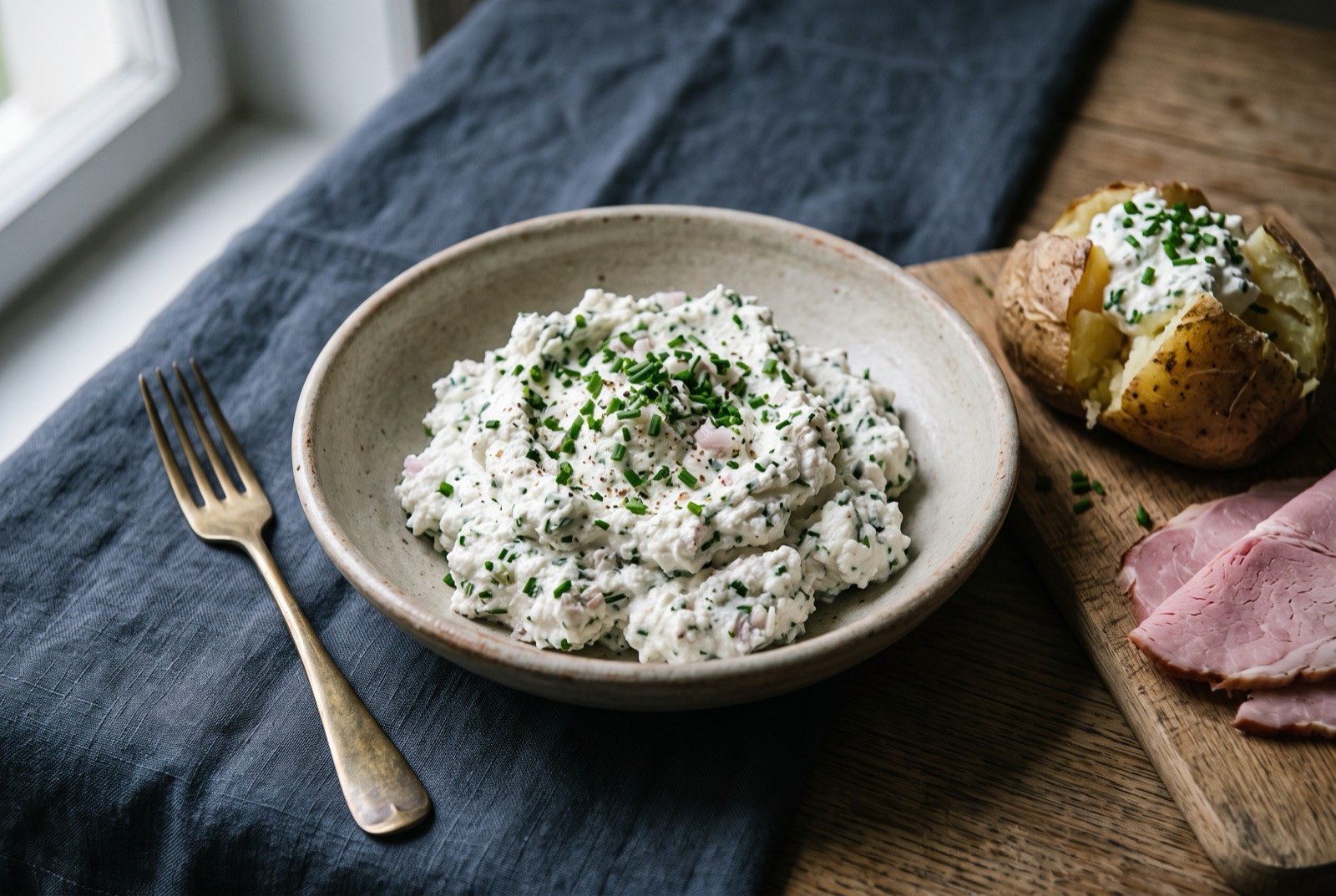 Bibeleskaes
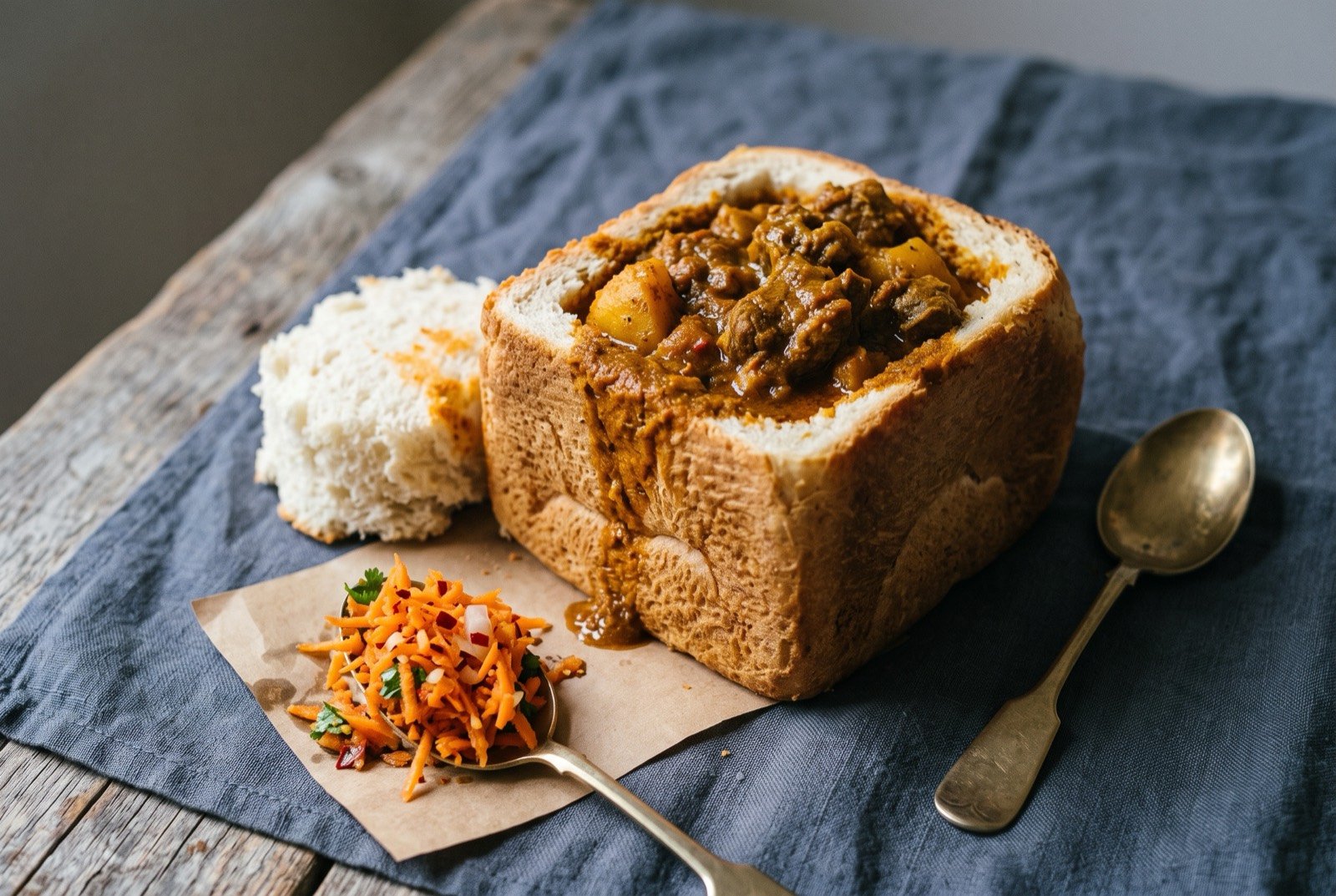 Bunny chow
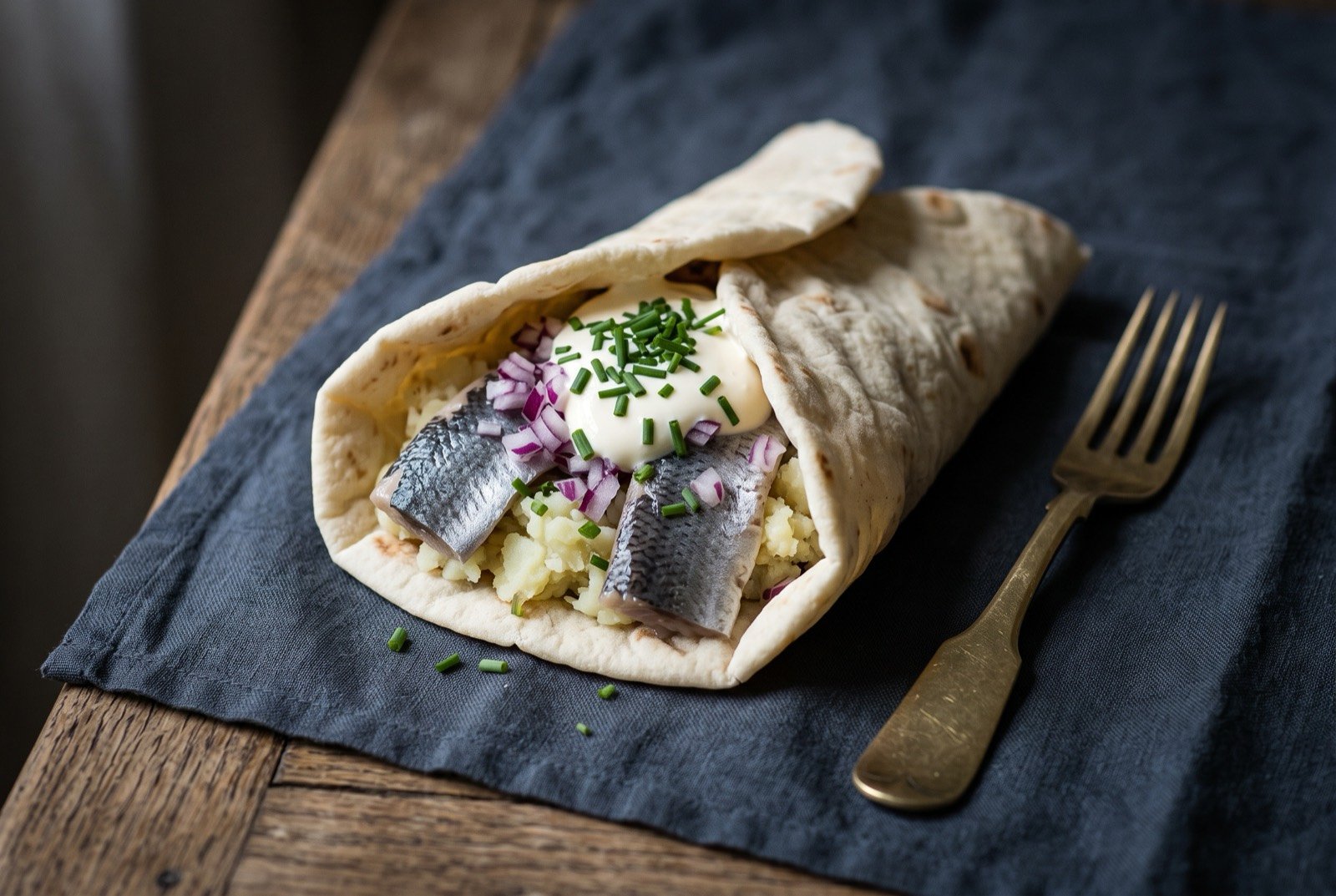 Surströmmingsklämma
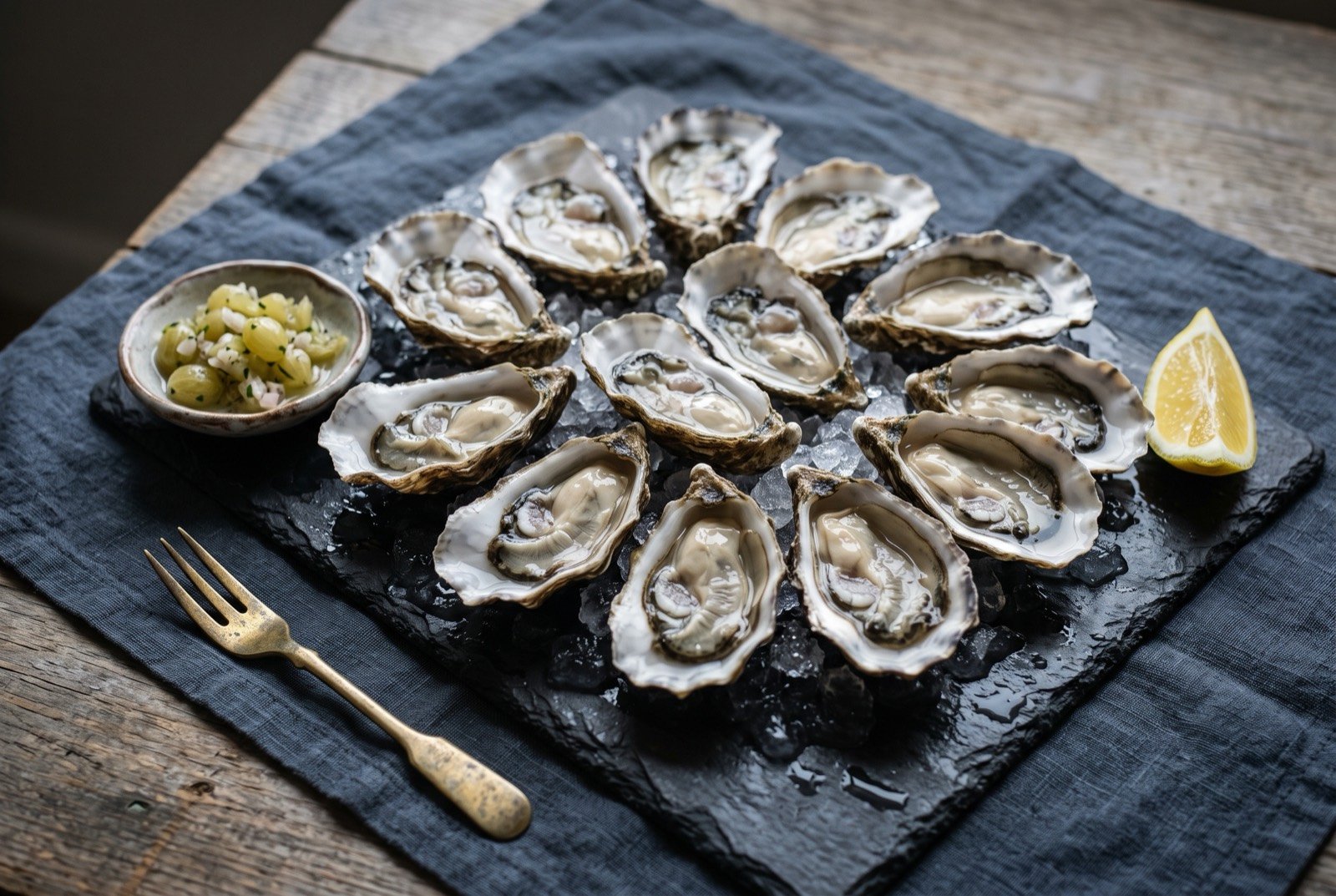 Galway Bay Oysters
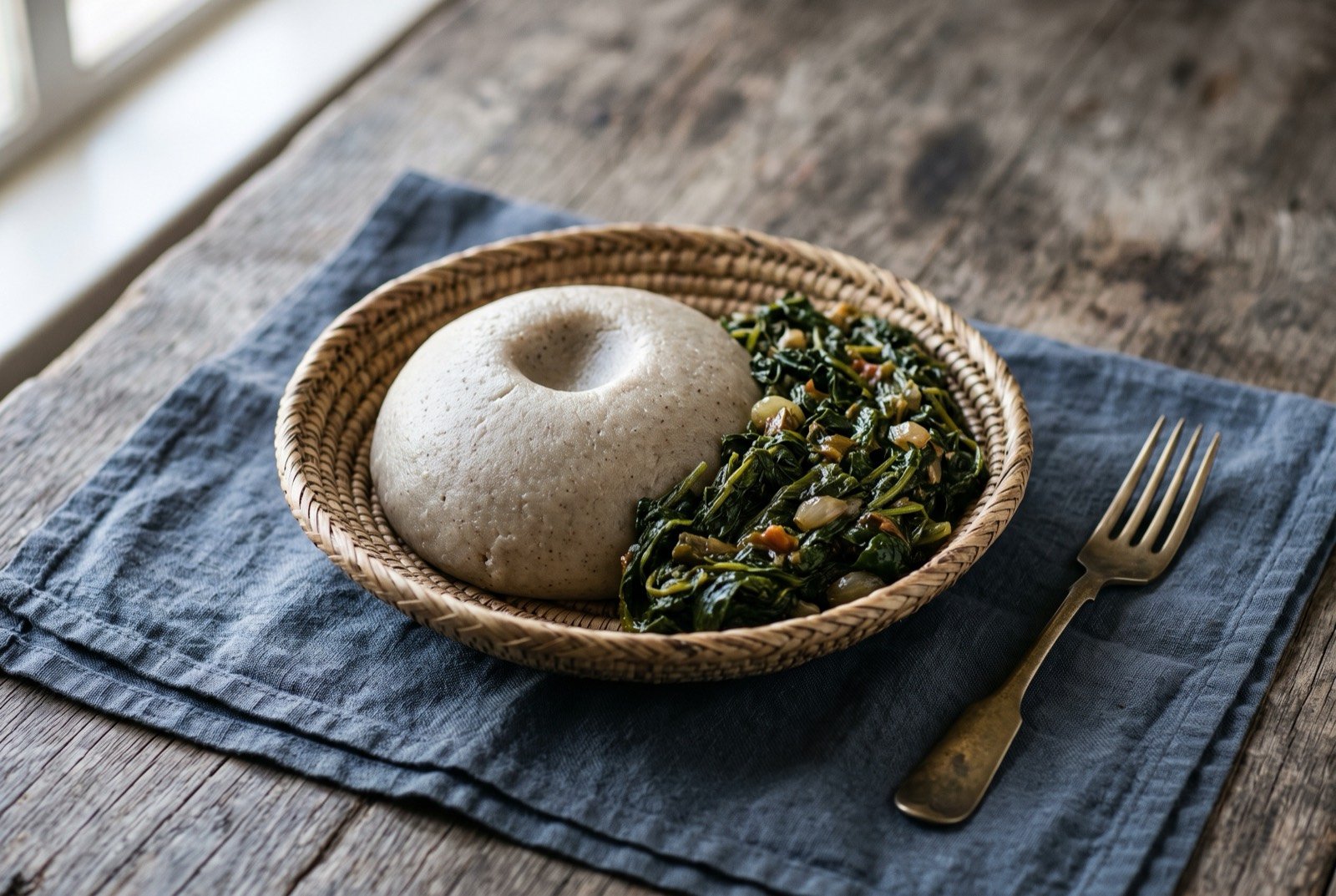 Oshifima with ombidi
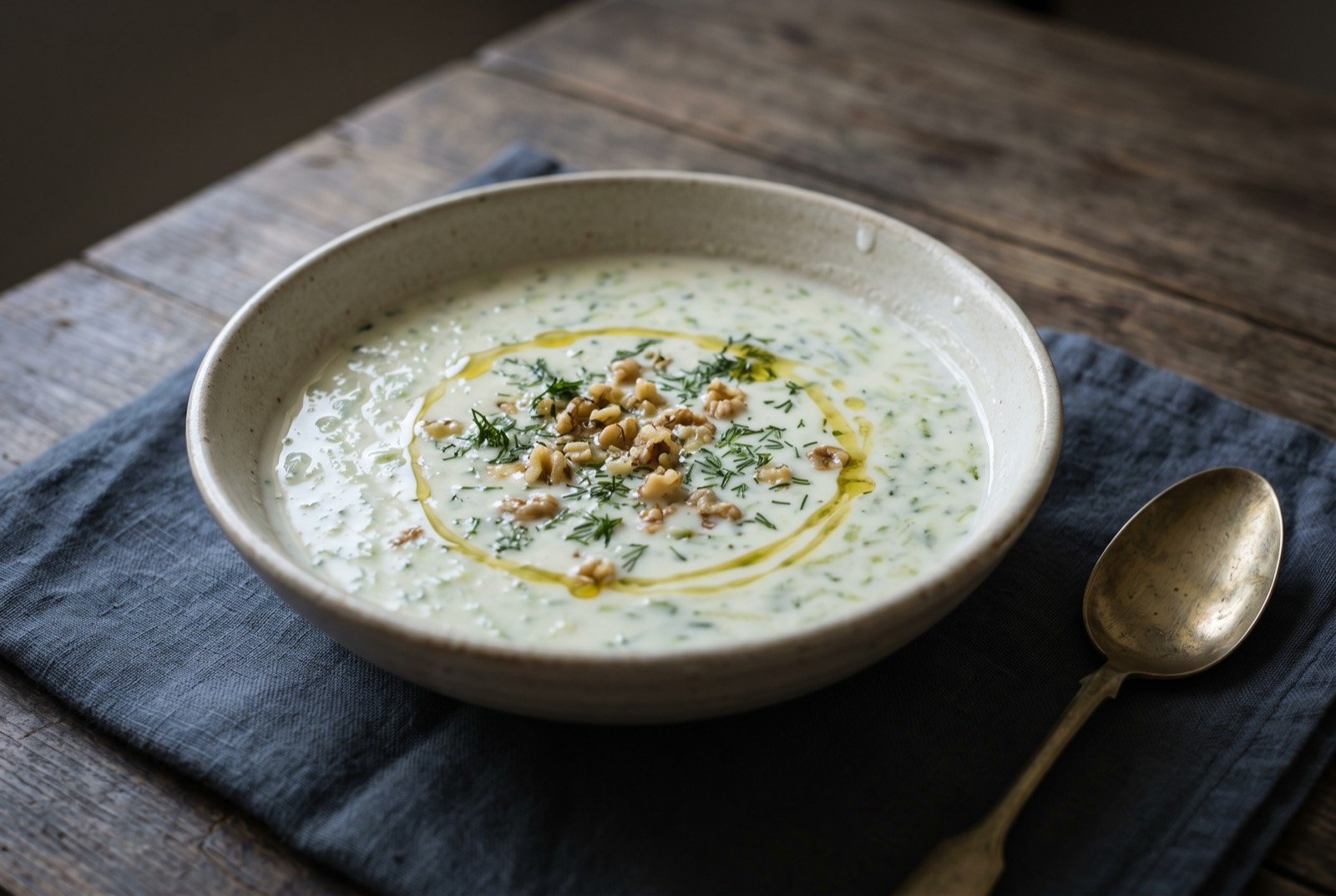 Tarator
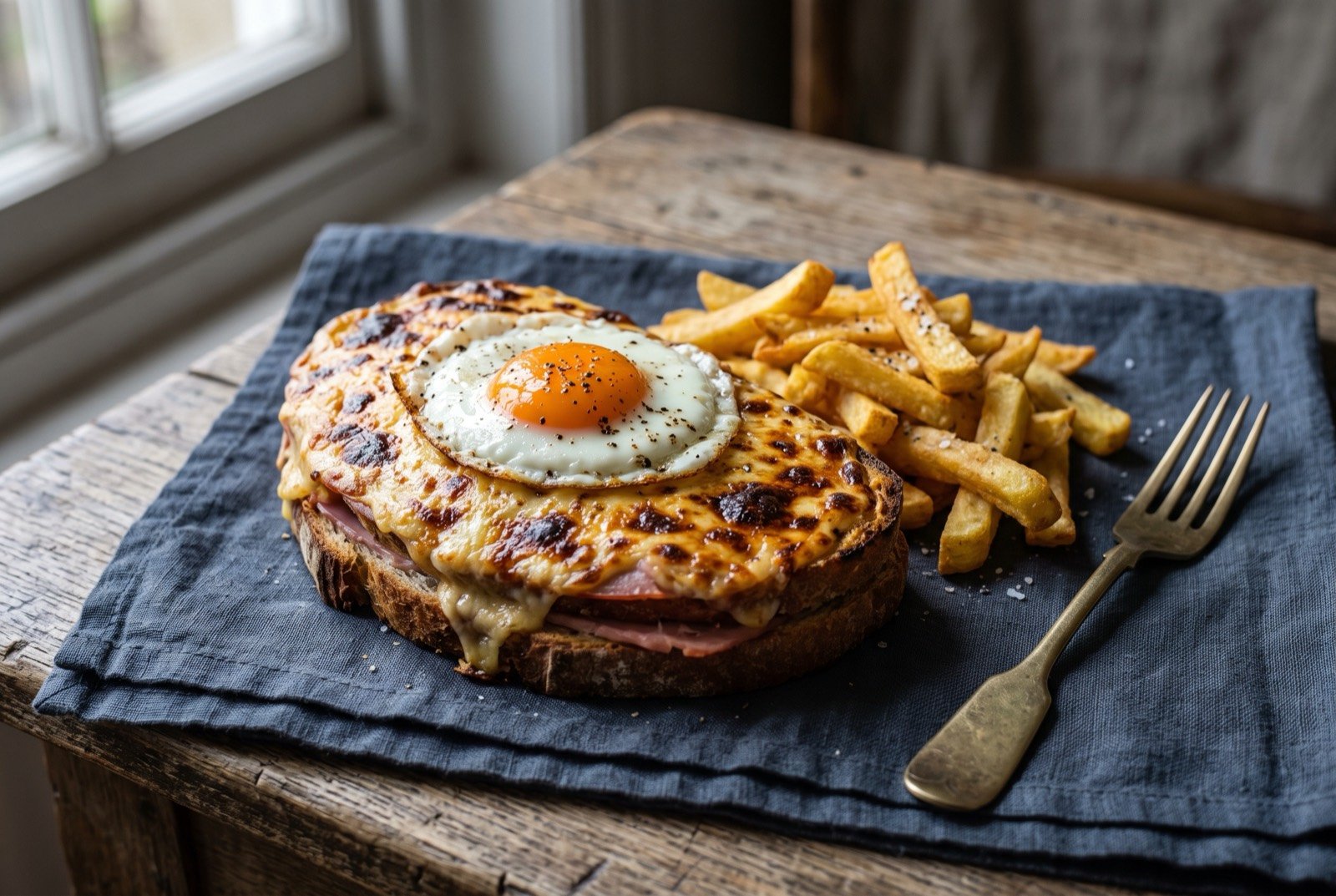 Welsh
Welsh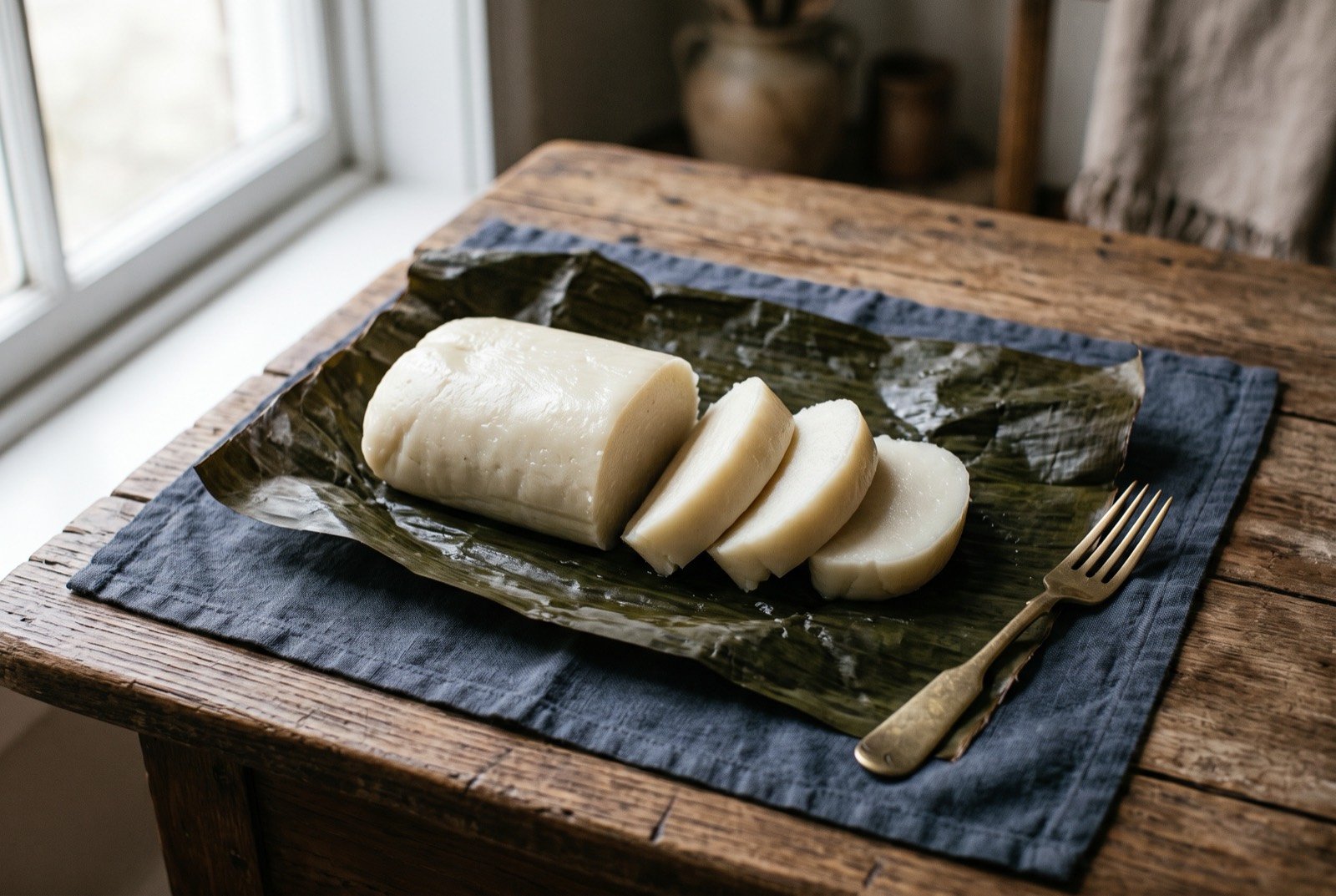 Chikwangue, or kwanga
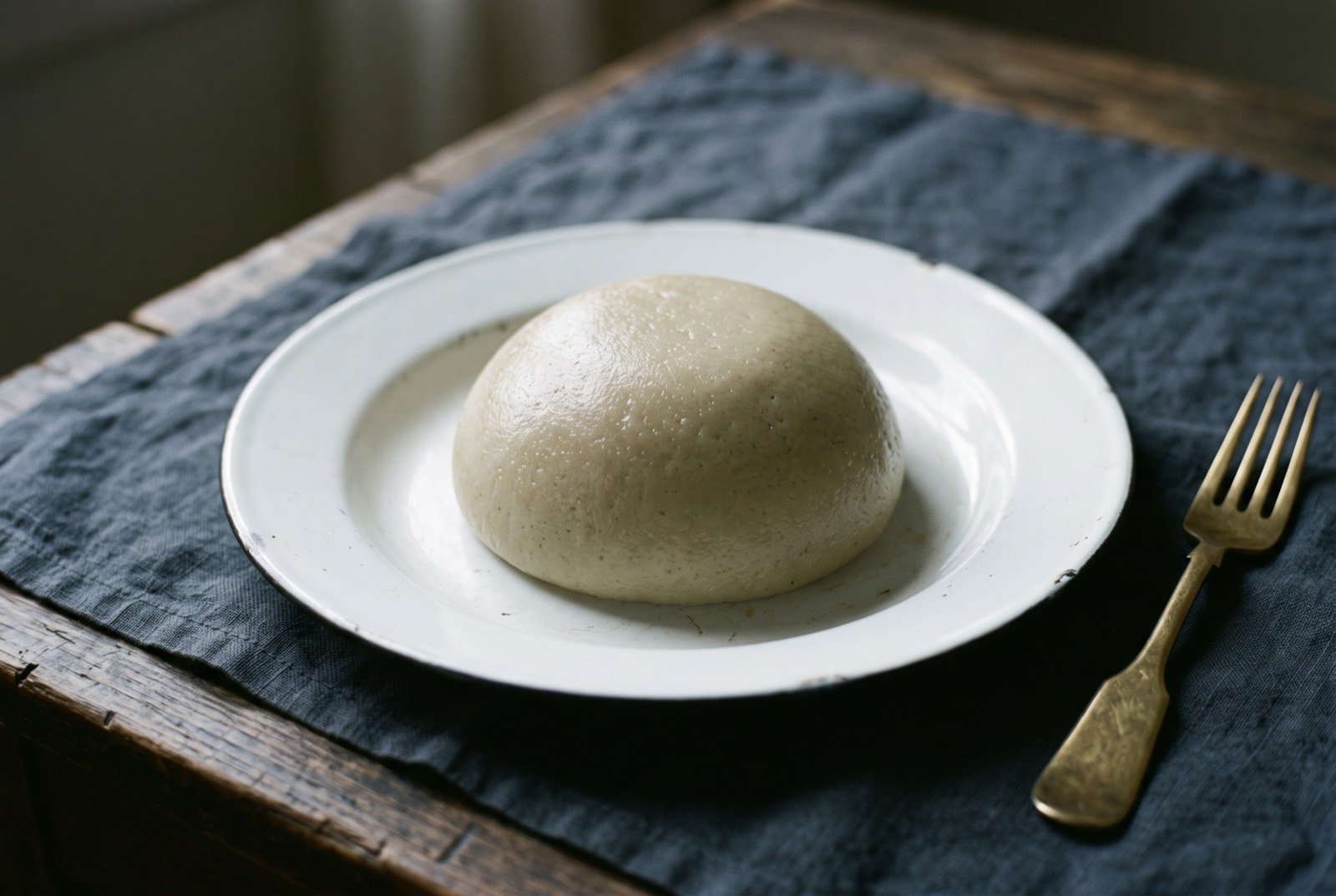 La boule
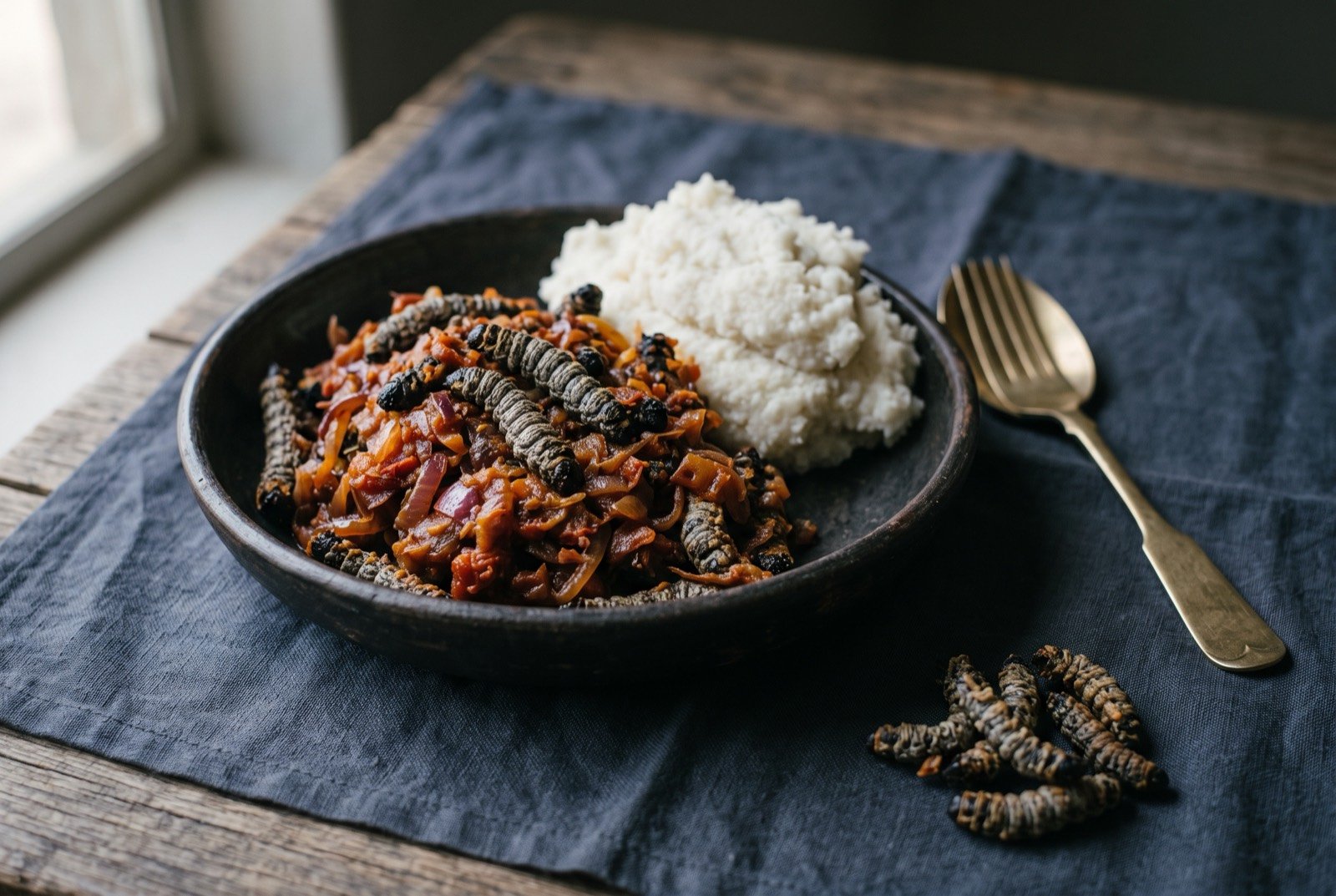 Phane
Phane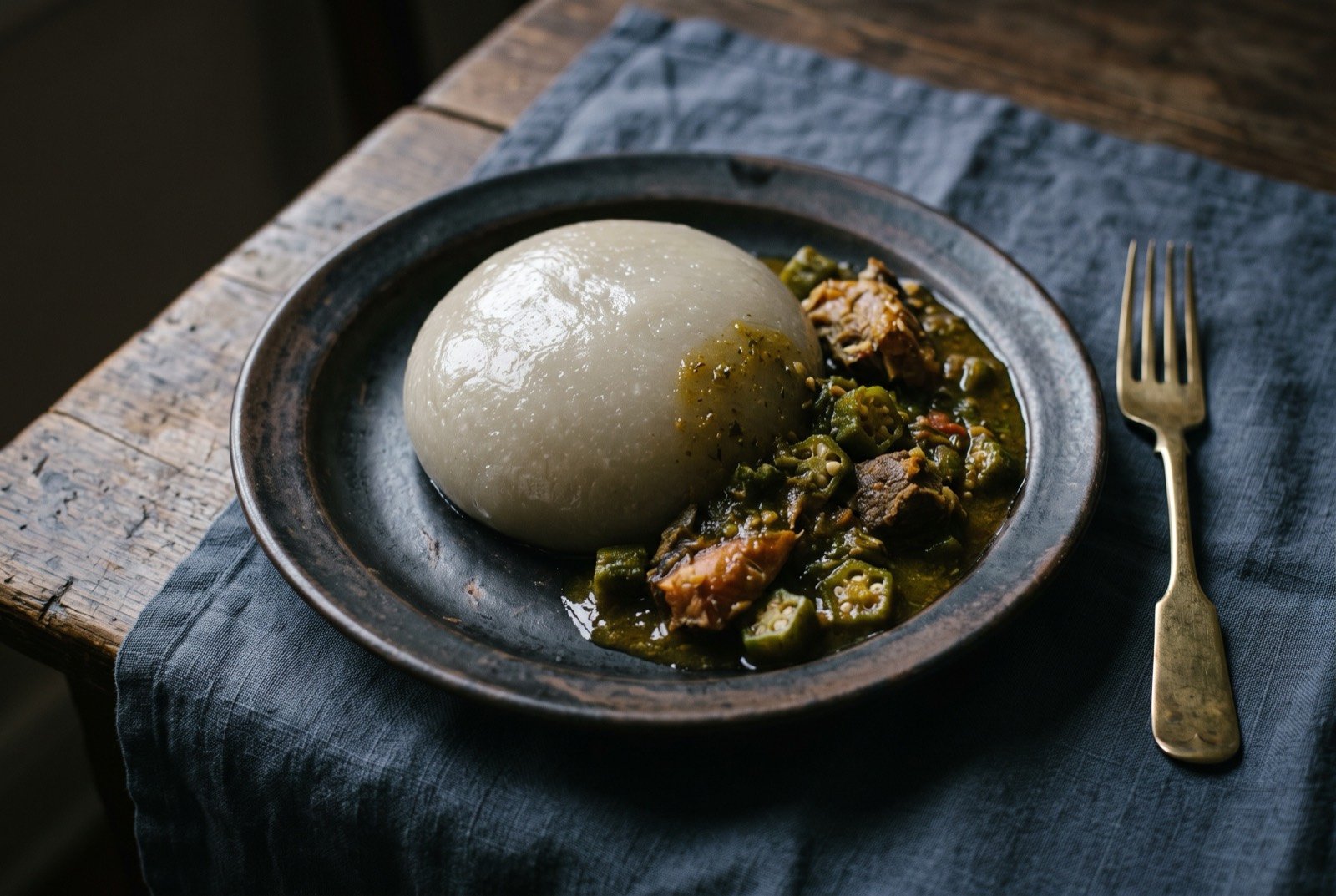 Placali
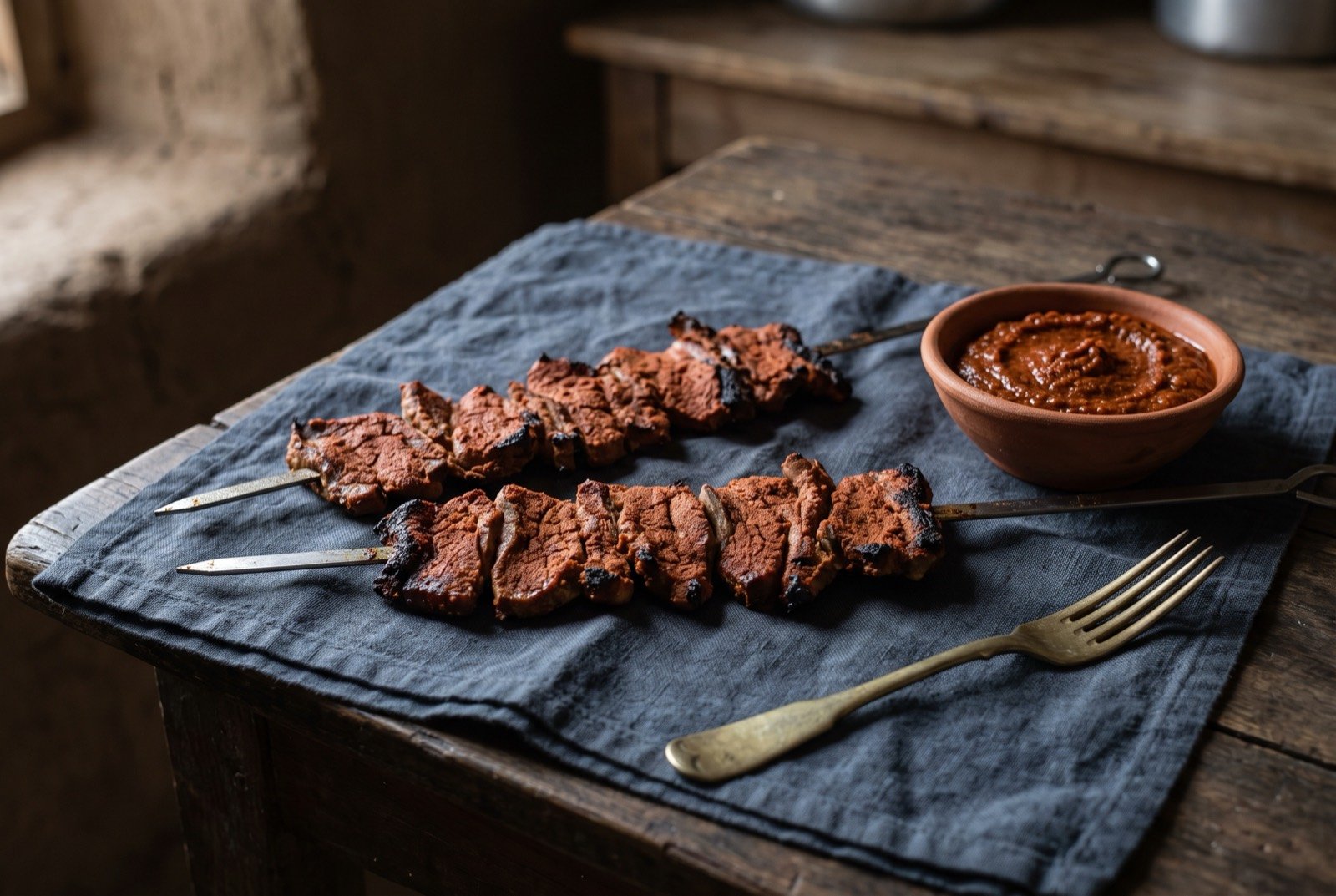 Agashe with shata dakwa
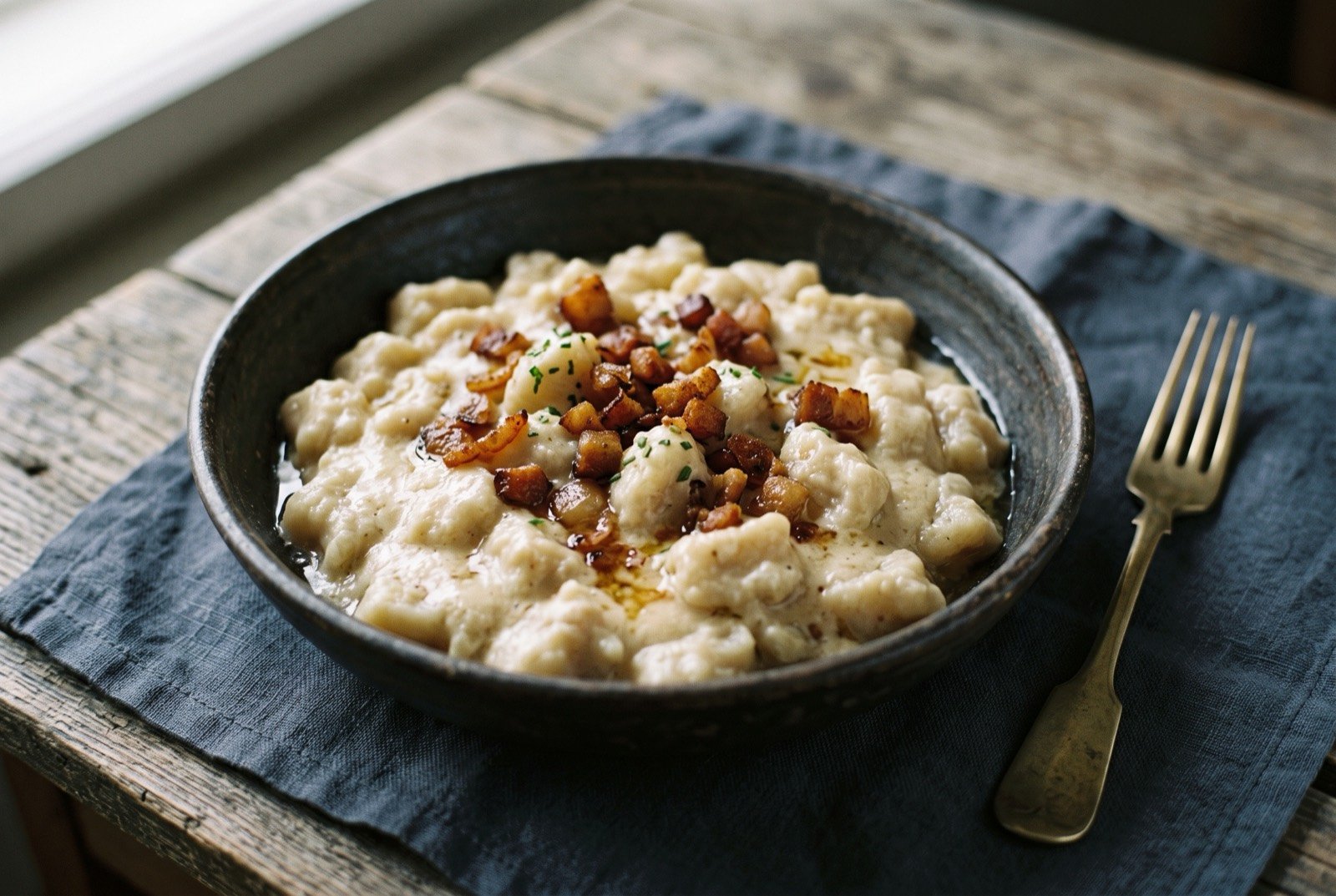 Bryndzové halušky
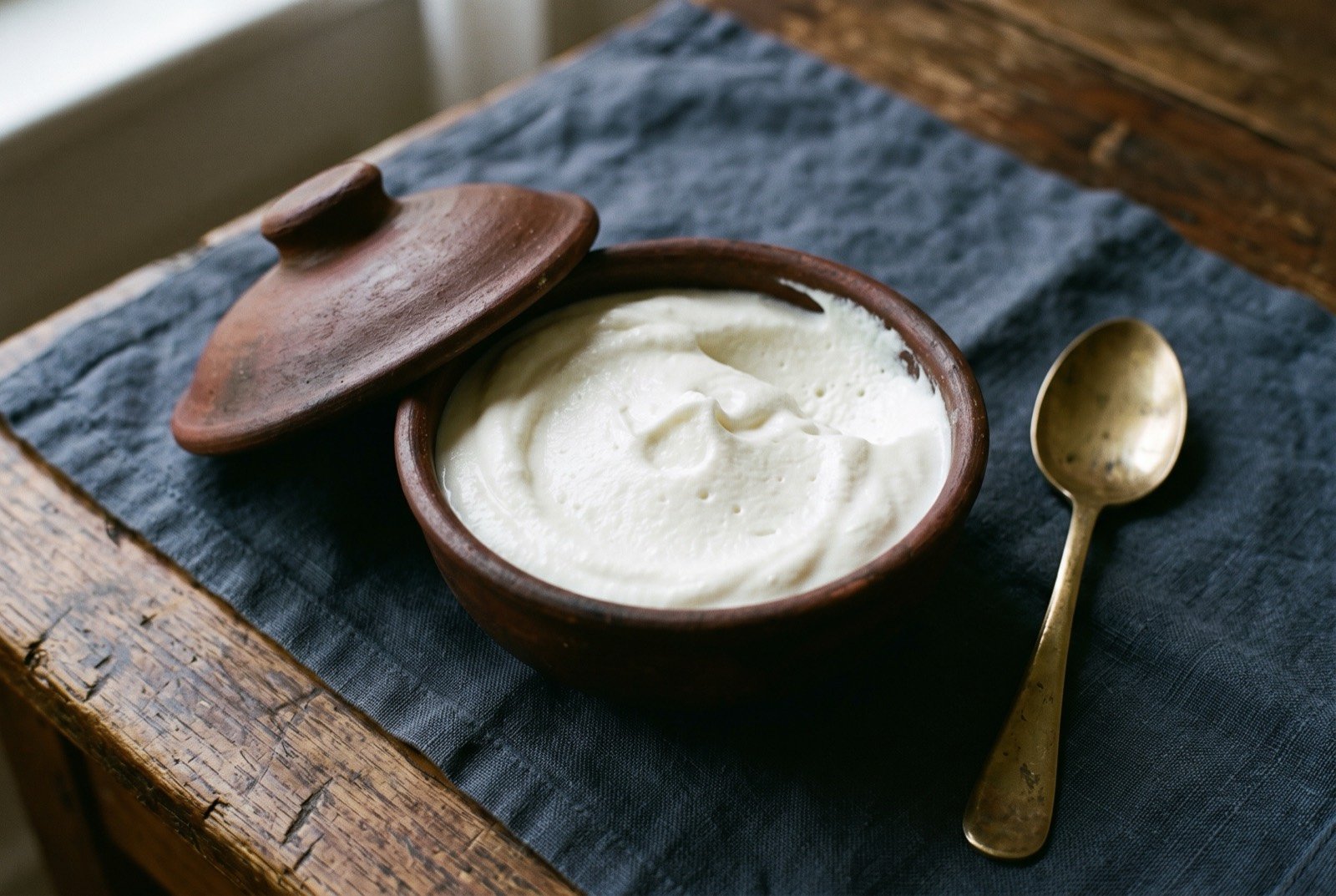 Eshabwe
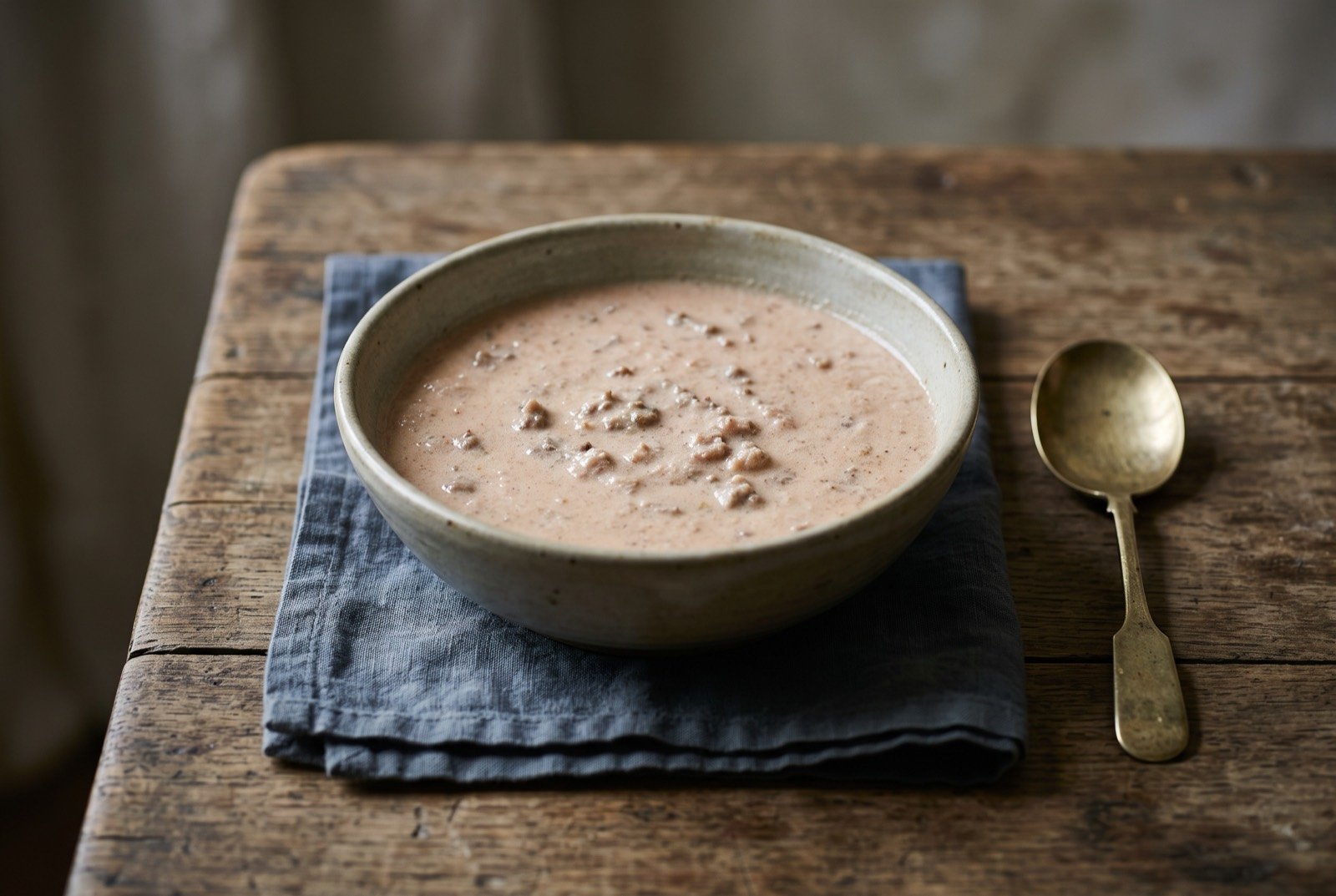 Mullah rob
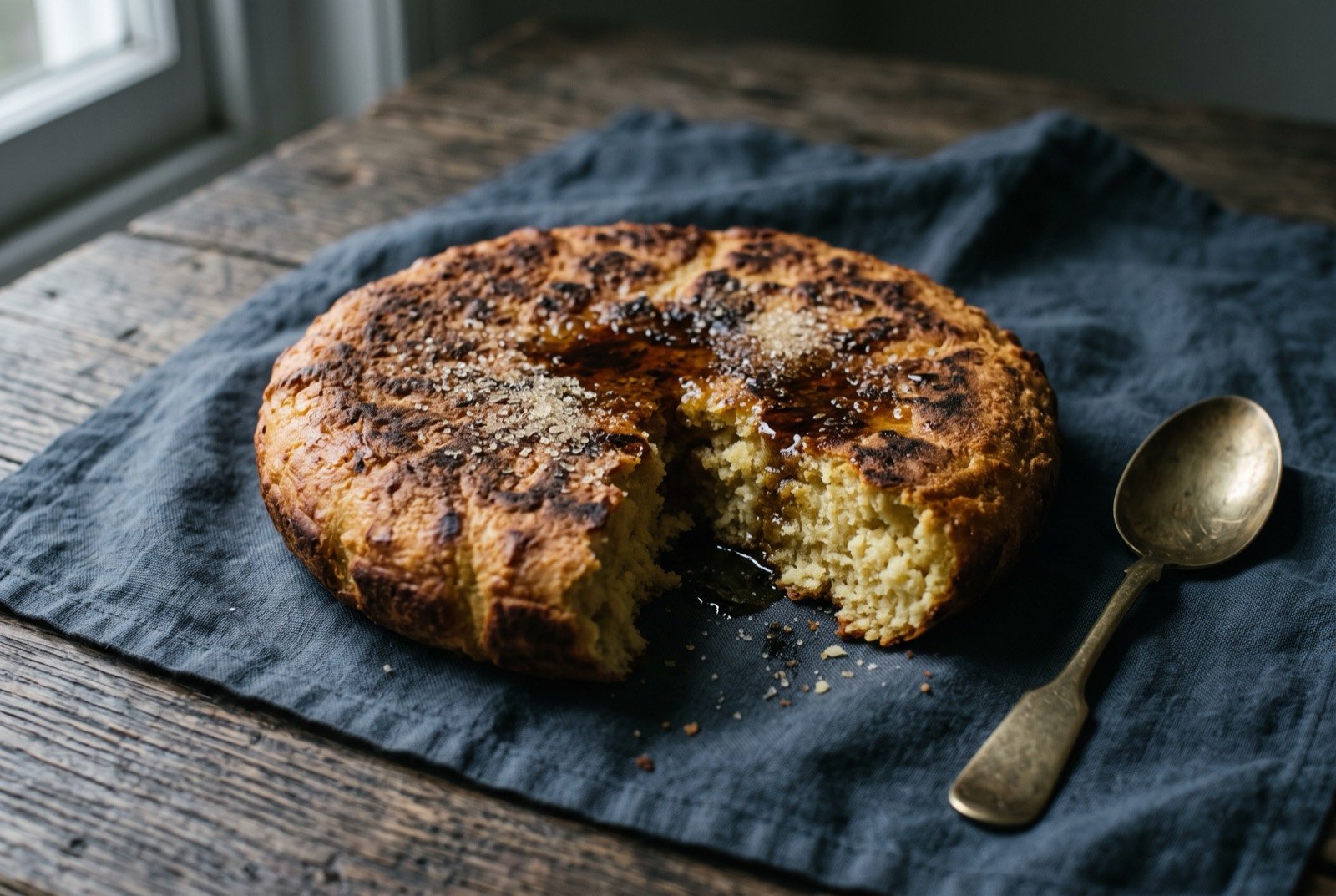 Muufo
Muufo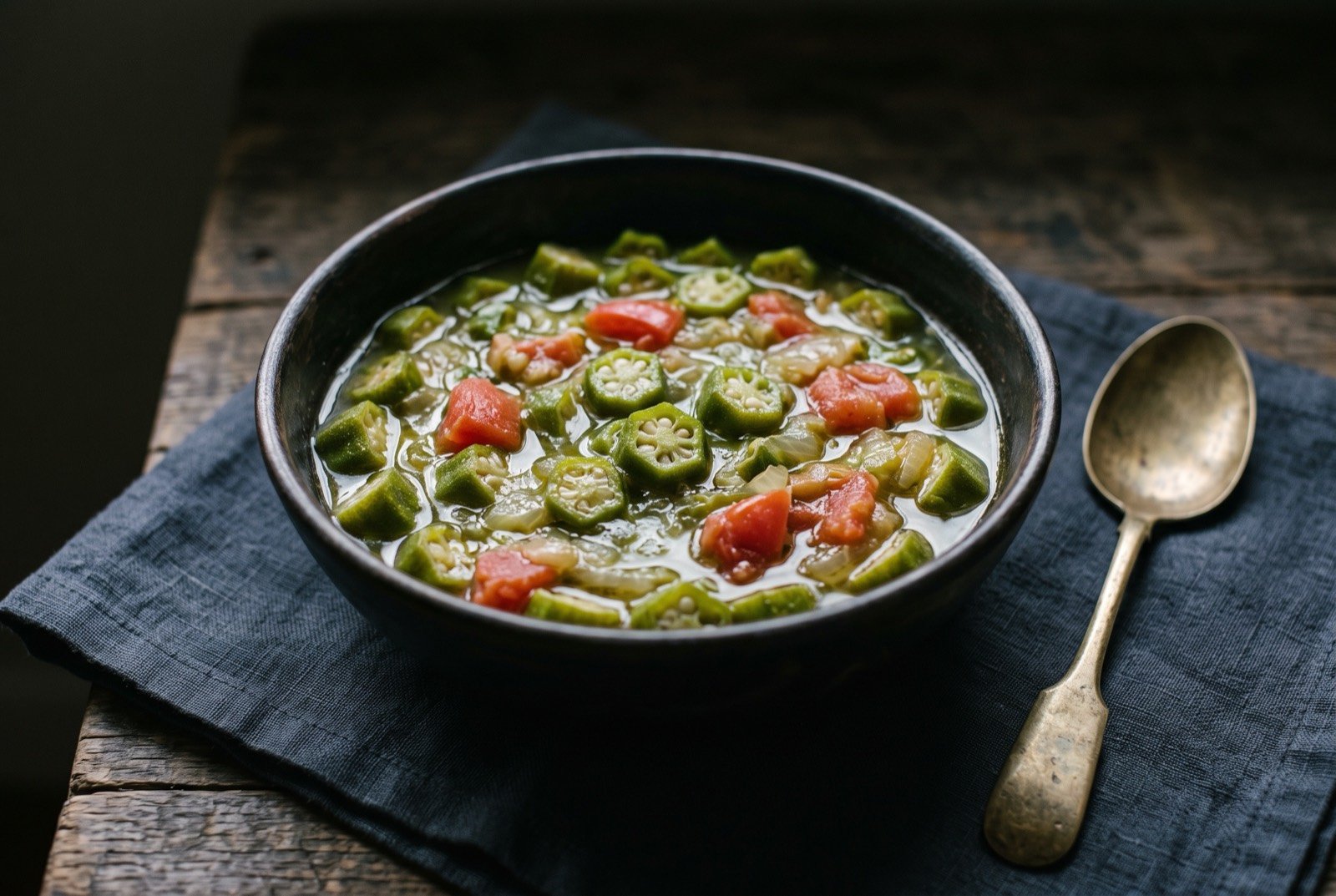 Swala, or mula kombo ta bamia
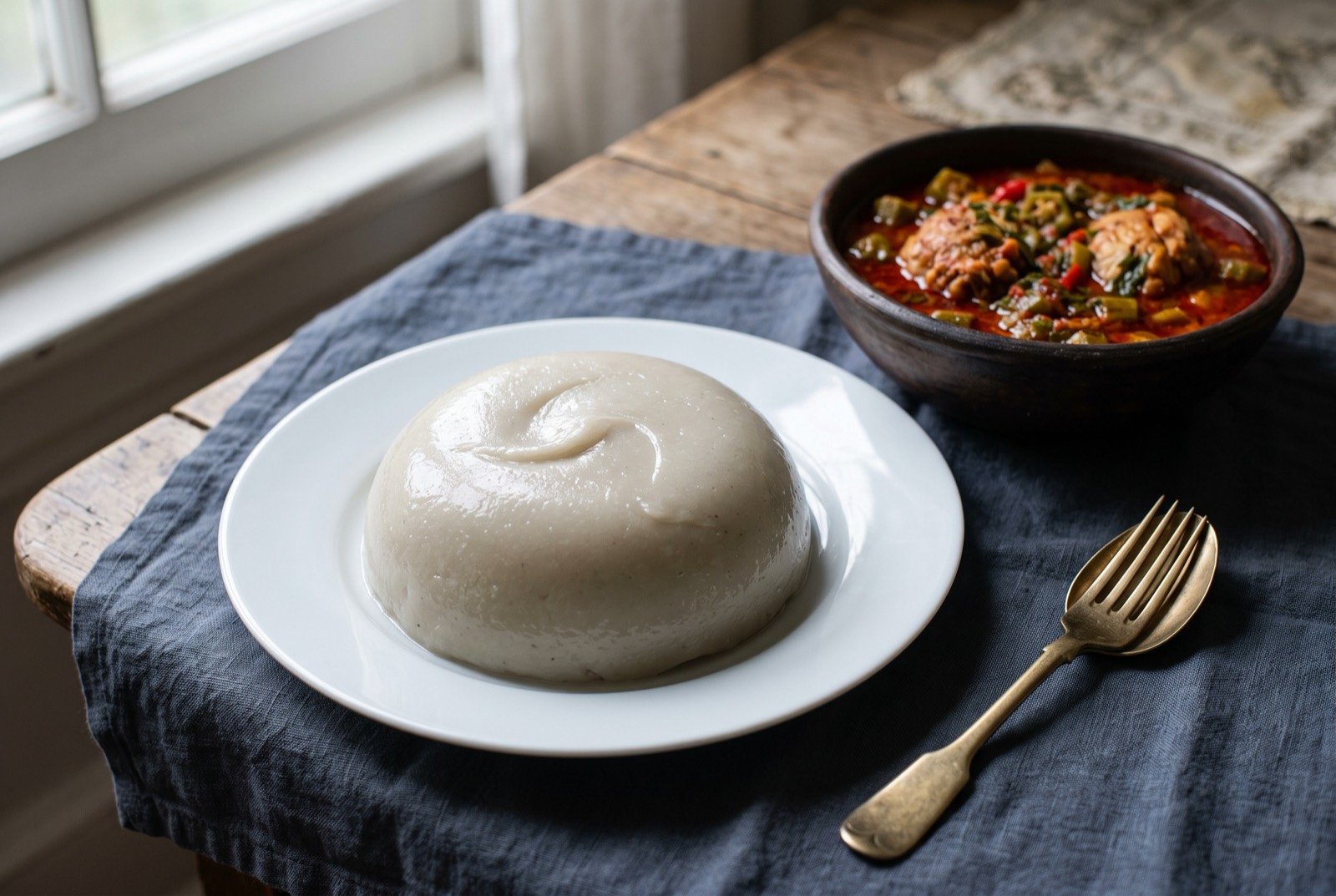 Funge de bombó
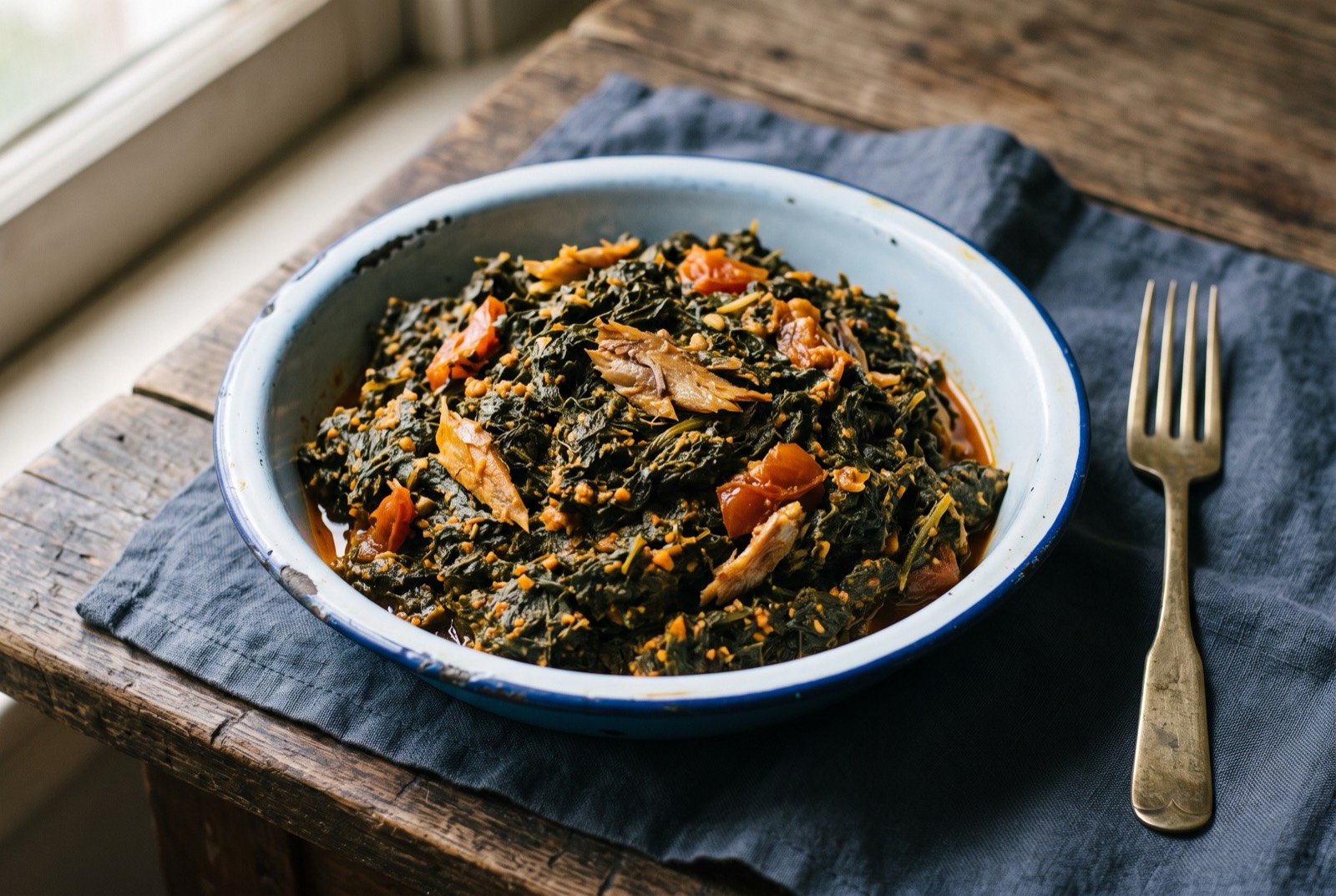 Kizaka com ginguba
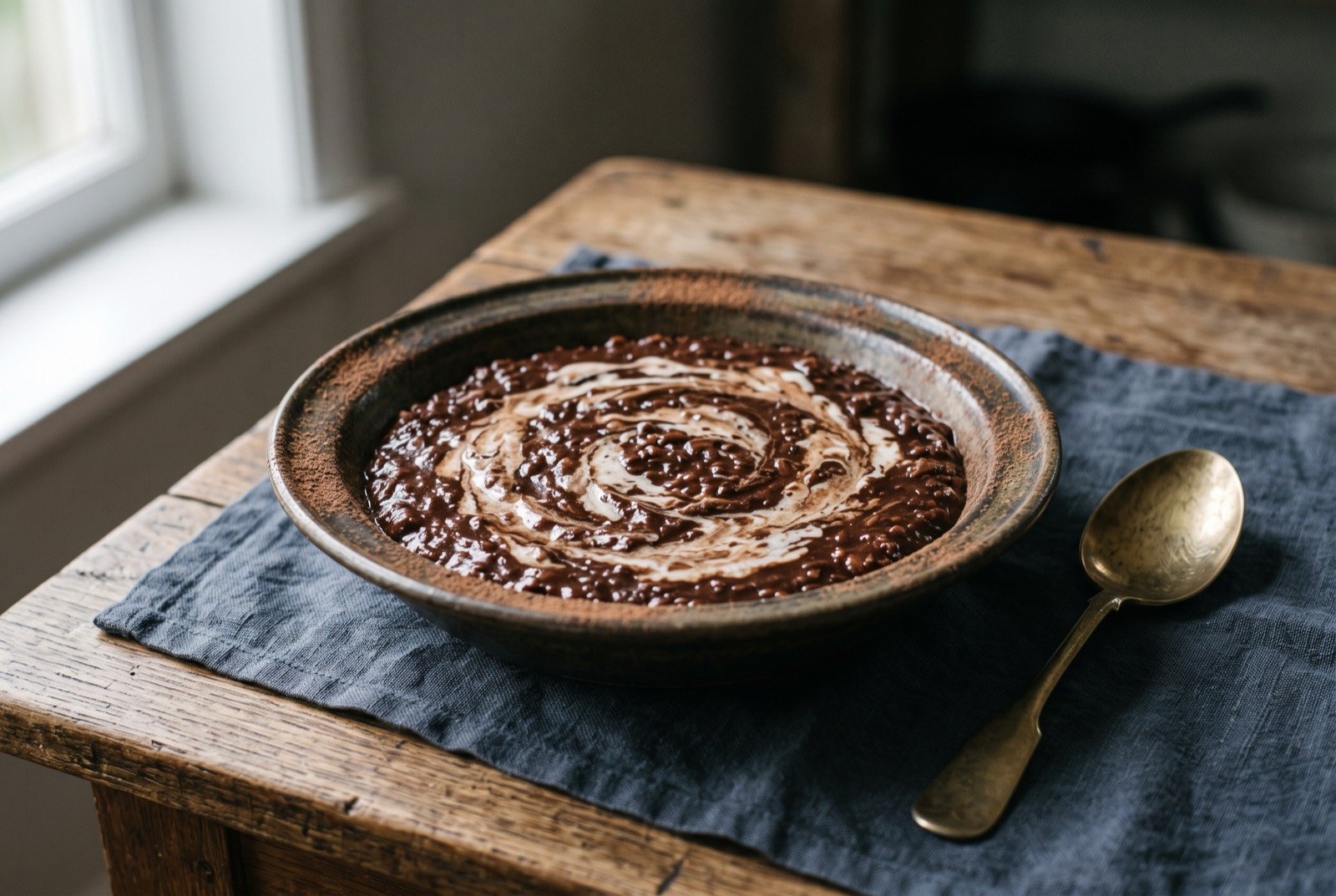 Koko alaisa
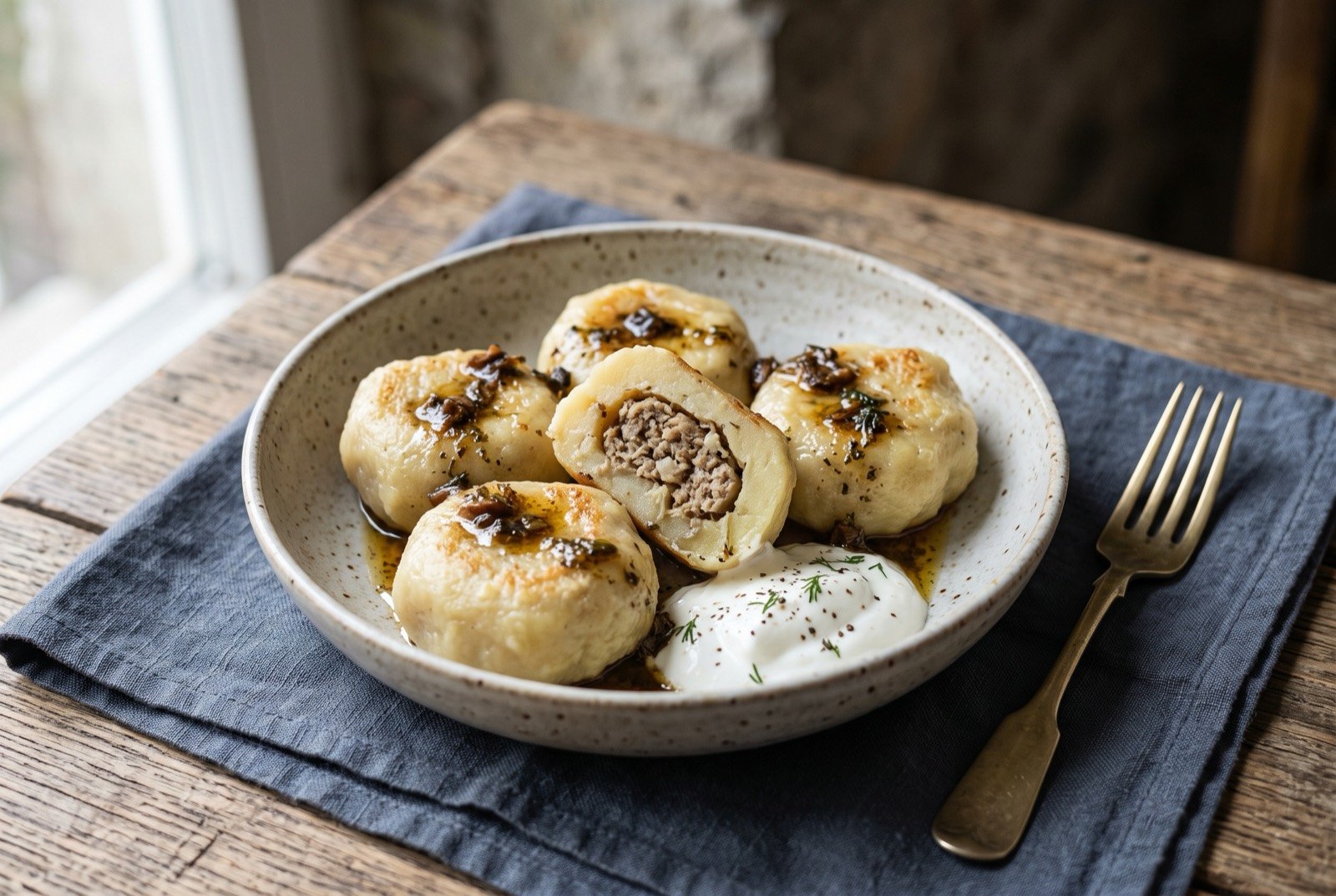 Kolduny
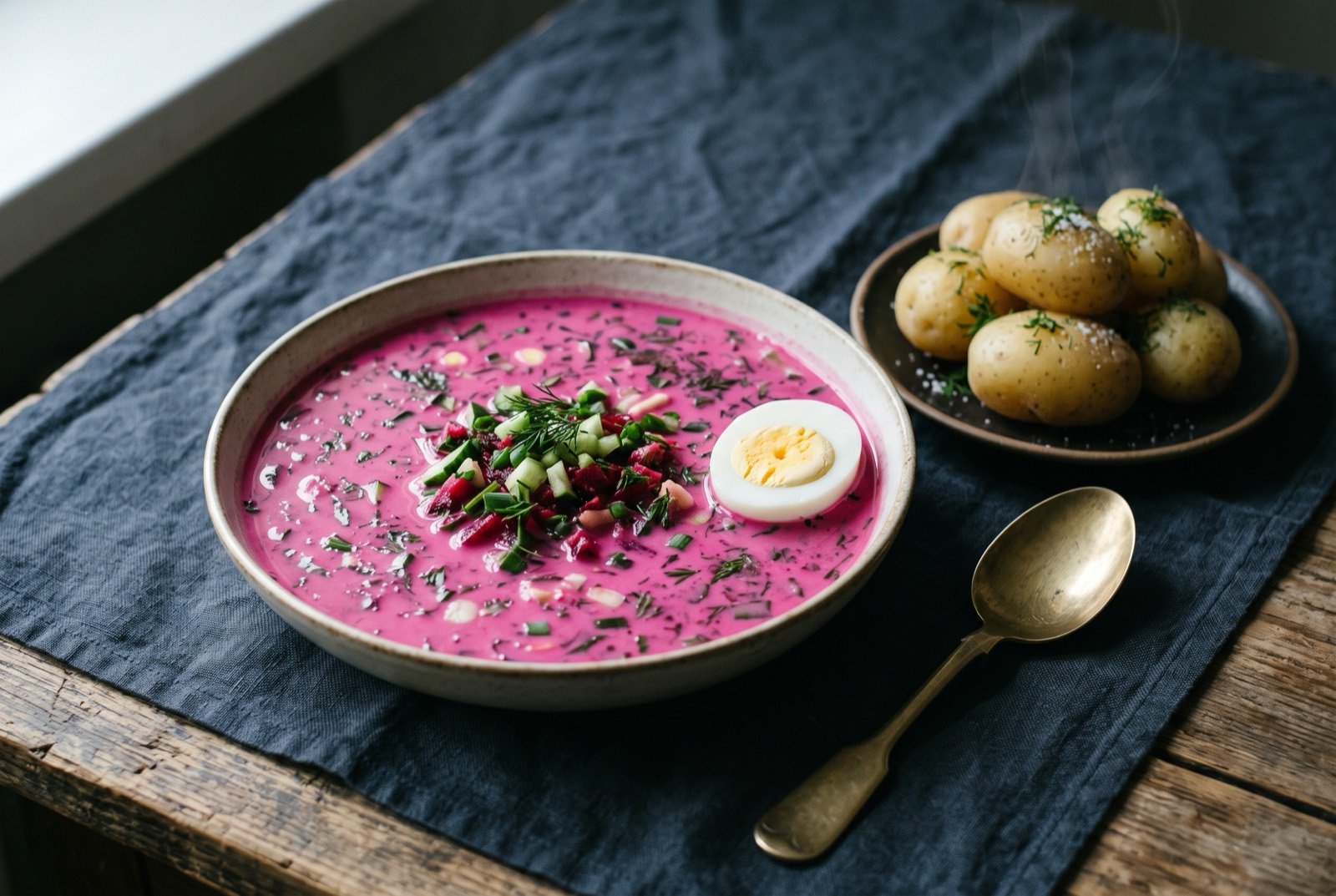 Külmsupp / Aukstā zupa / Šaltibarščiai
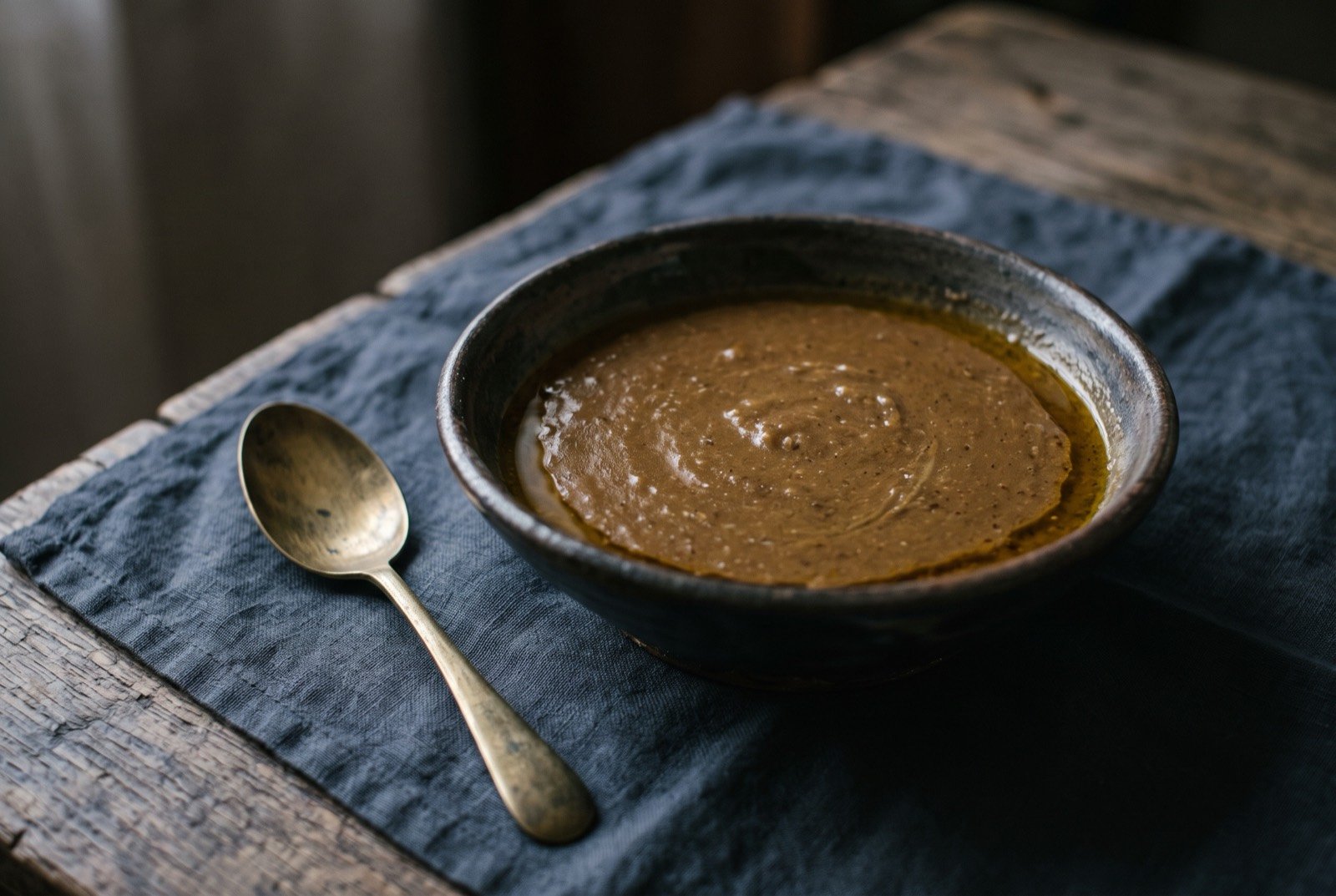 Mullah sharmout
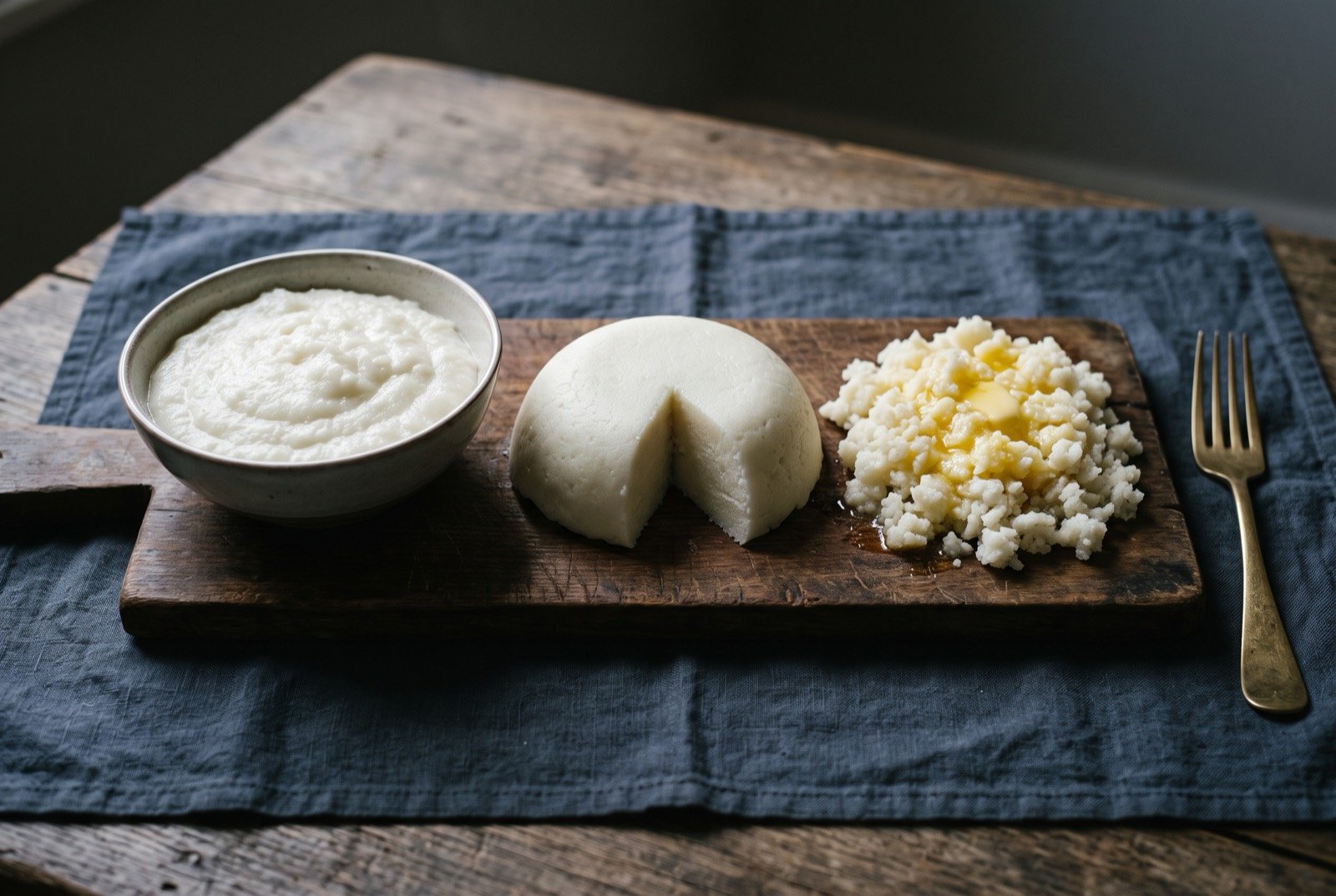 Pap, three ways
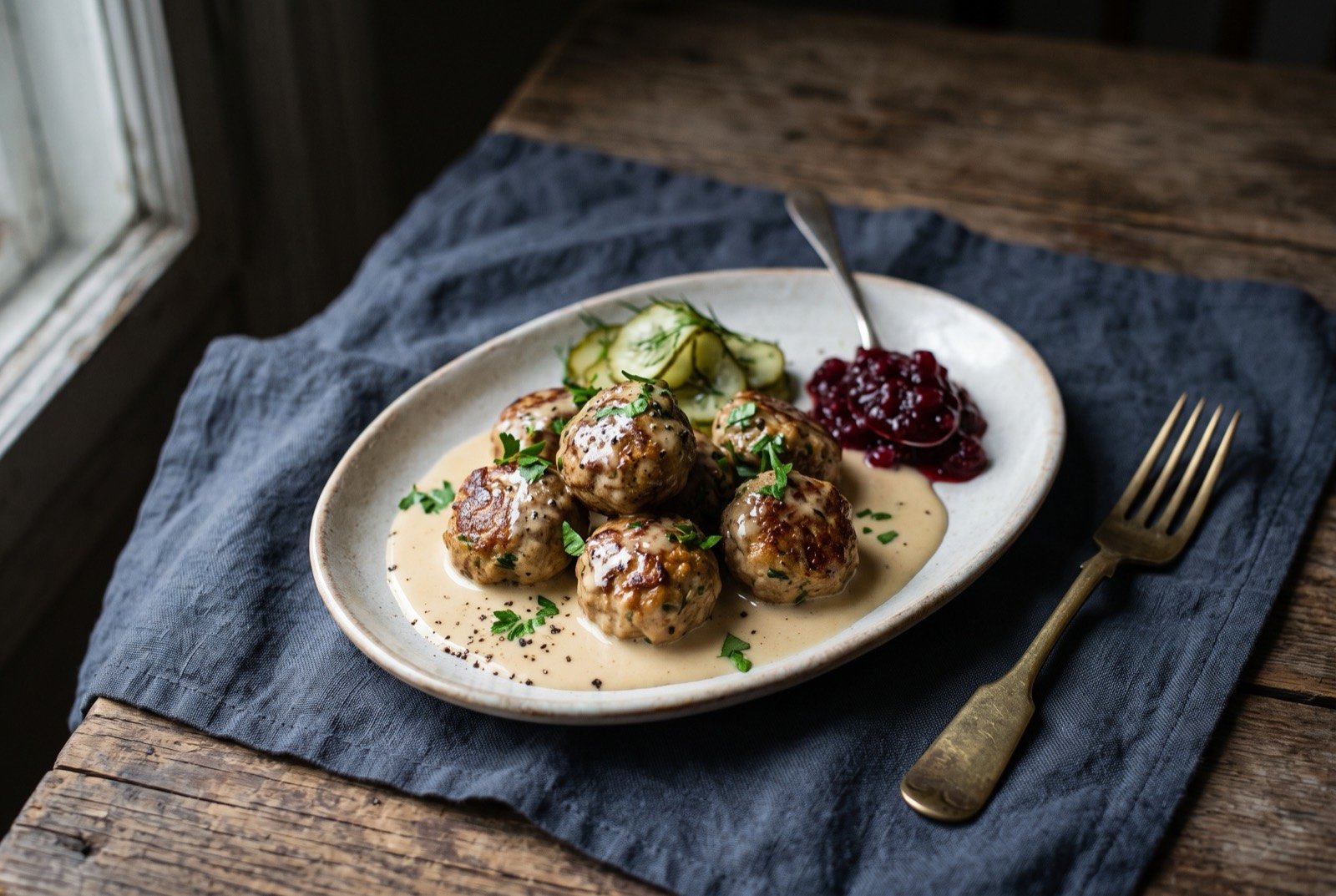 Wretman's Köttbullar
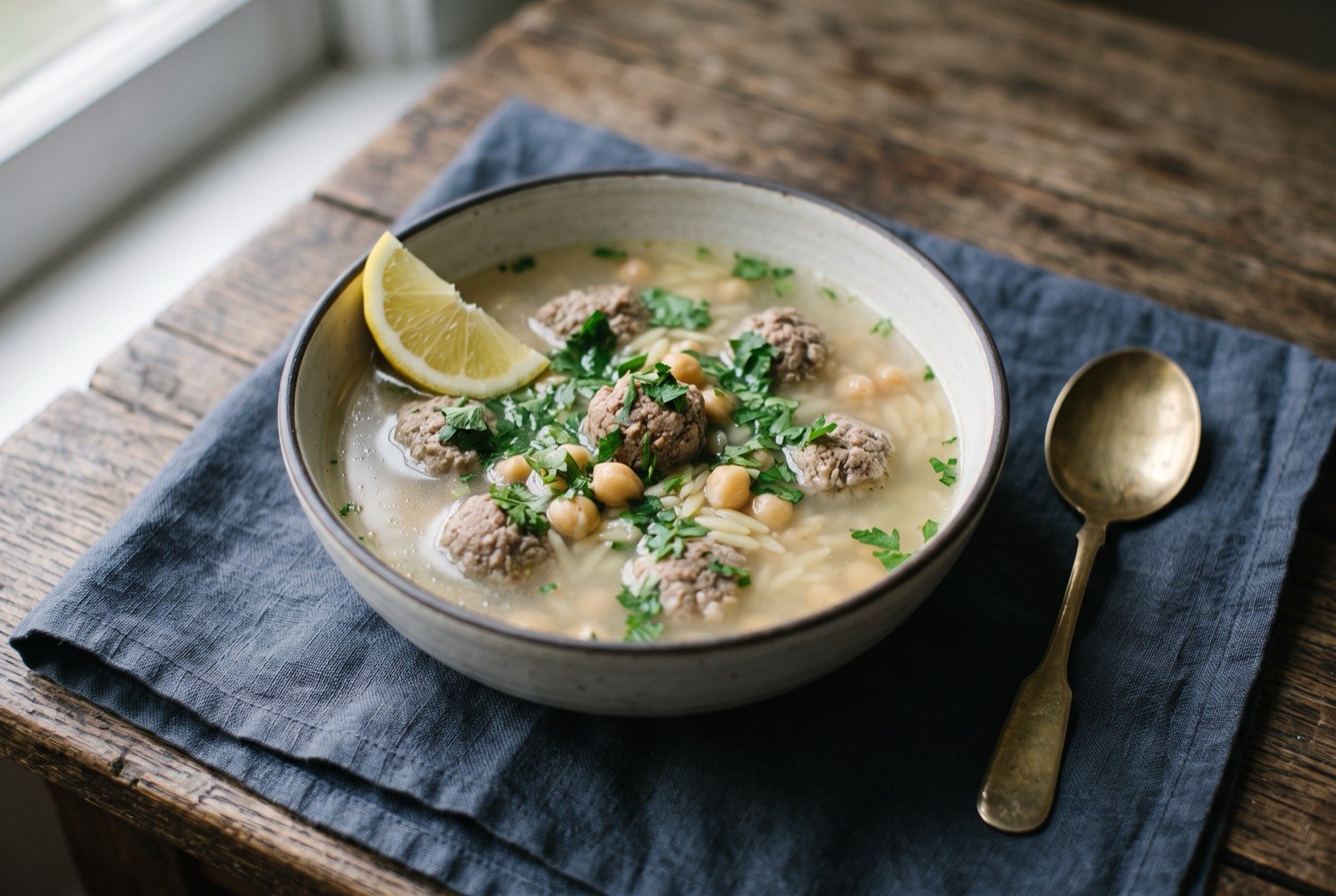 Chorba beida
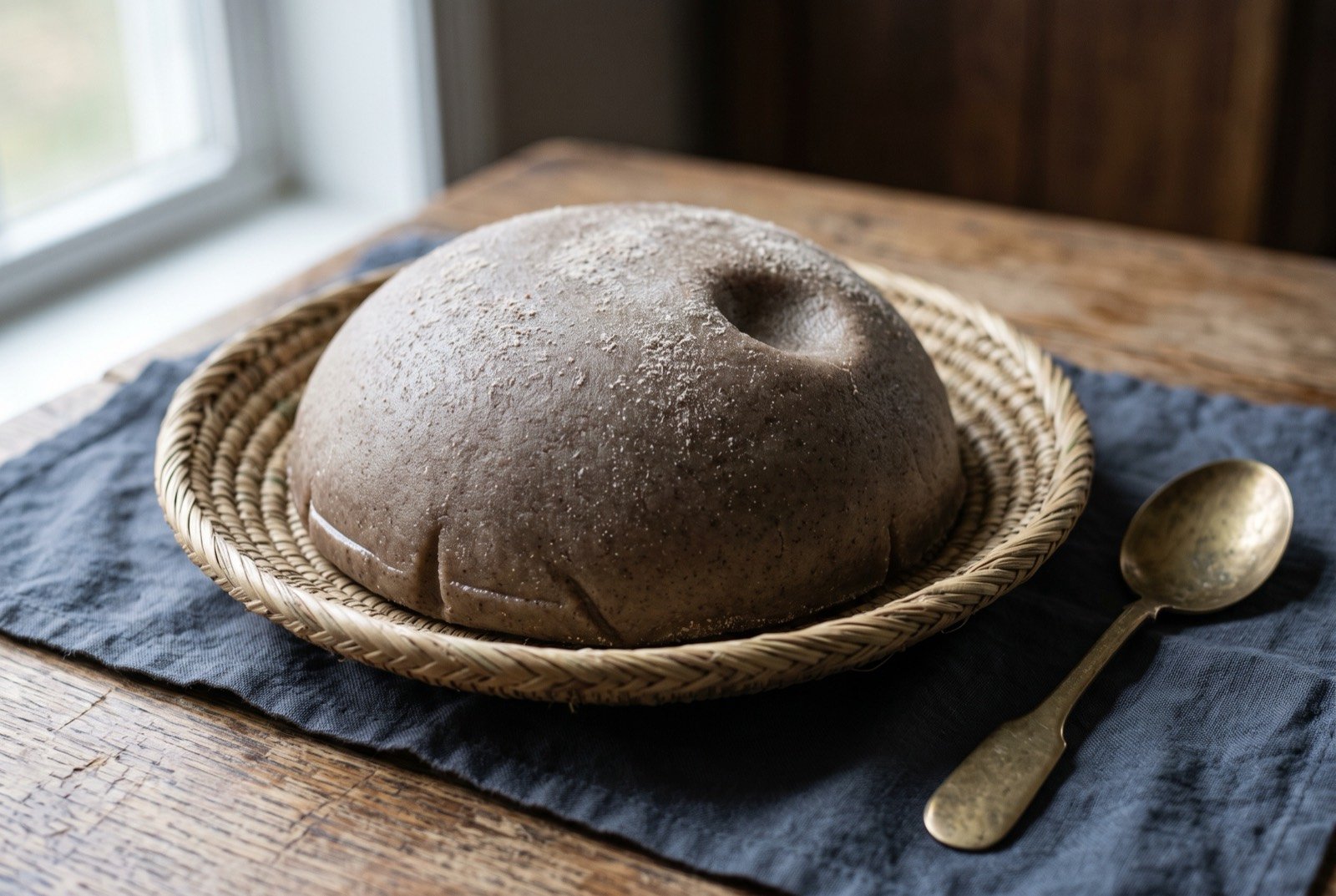 Kalo
Kalo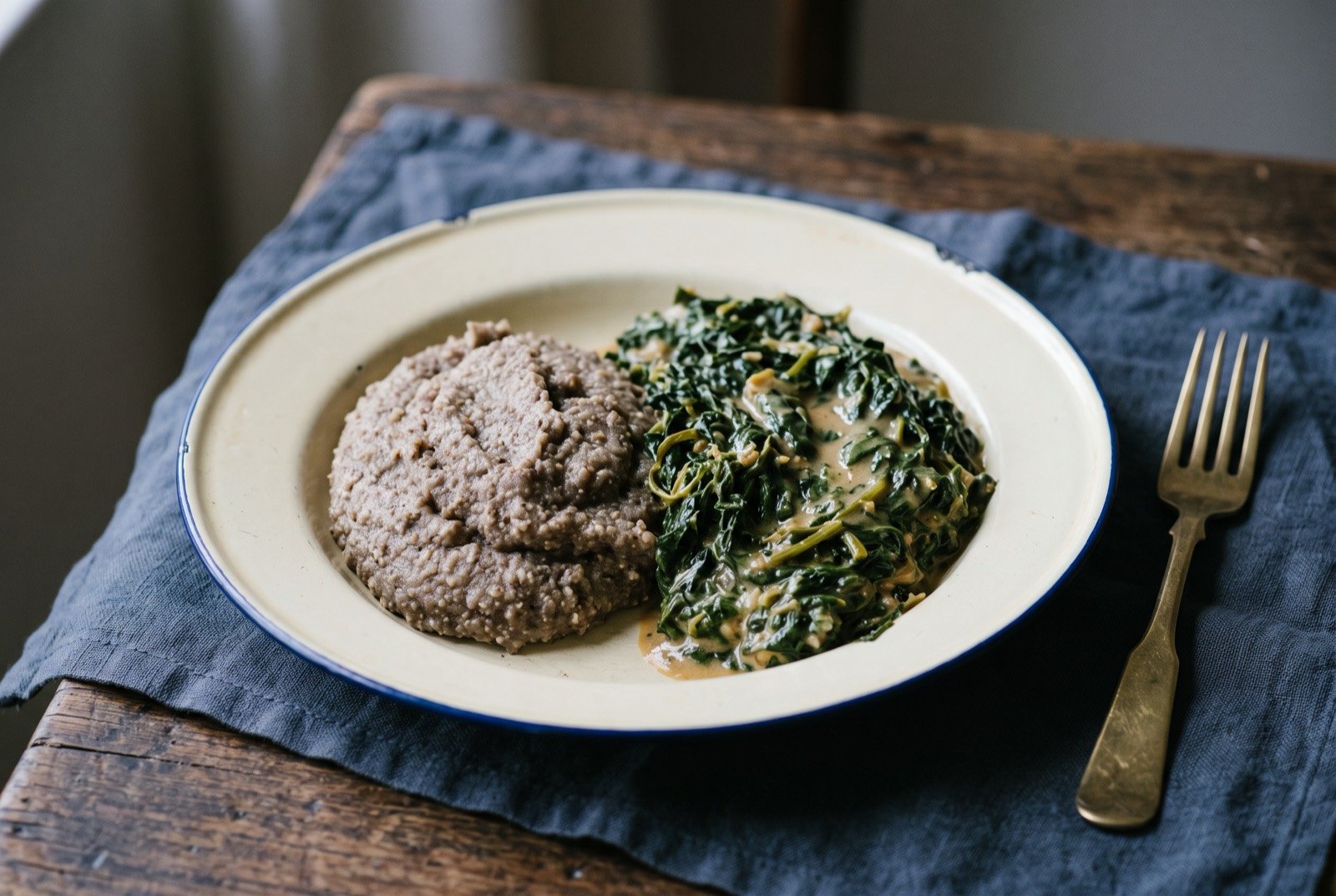 Liphalishi lemabele, with umbidvo wetintsanga
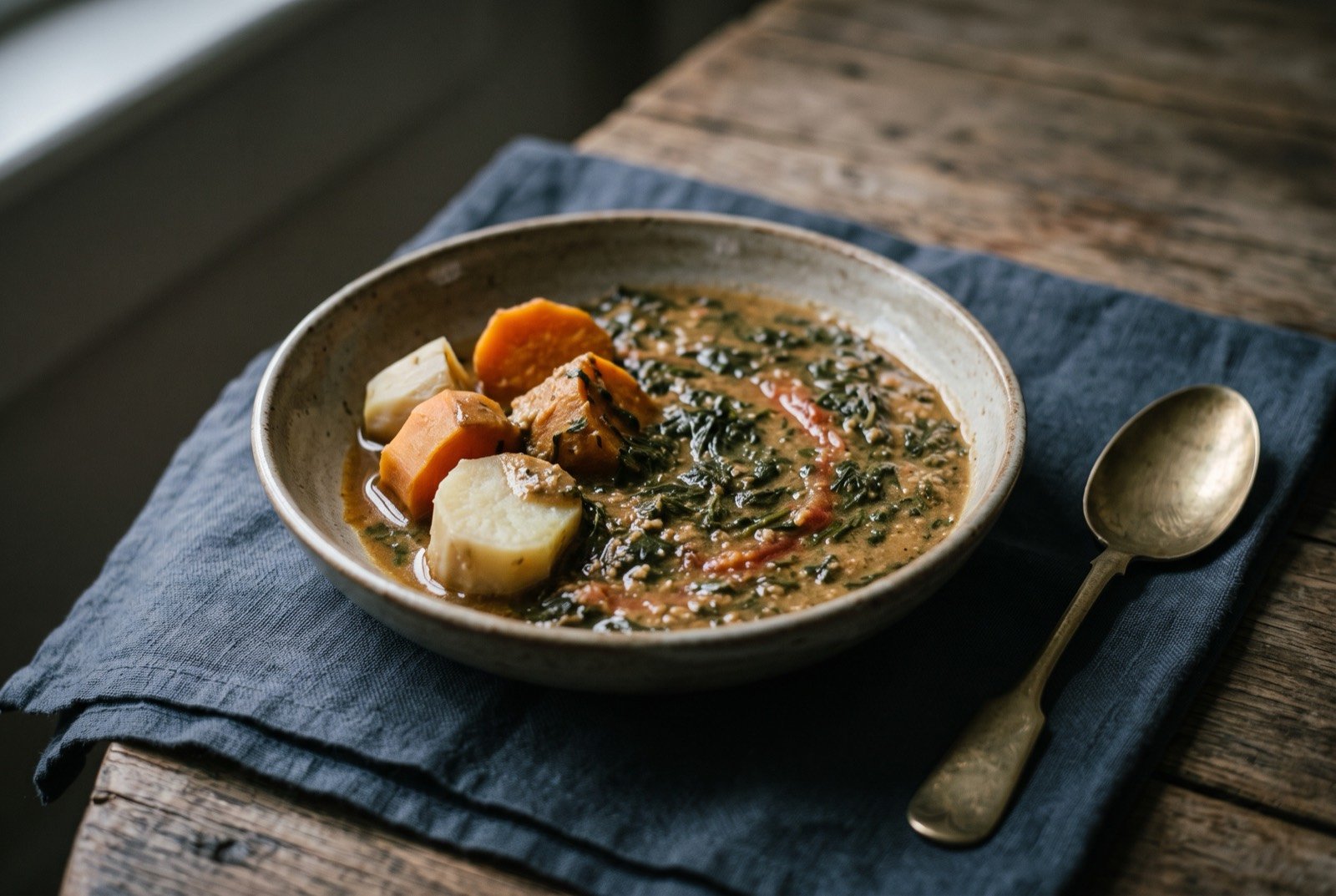 Malakwang with odii
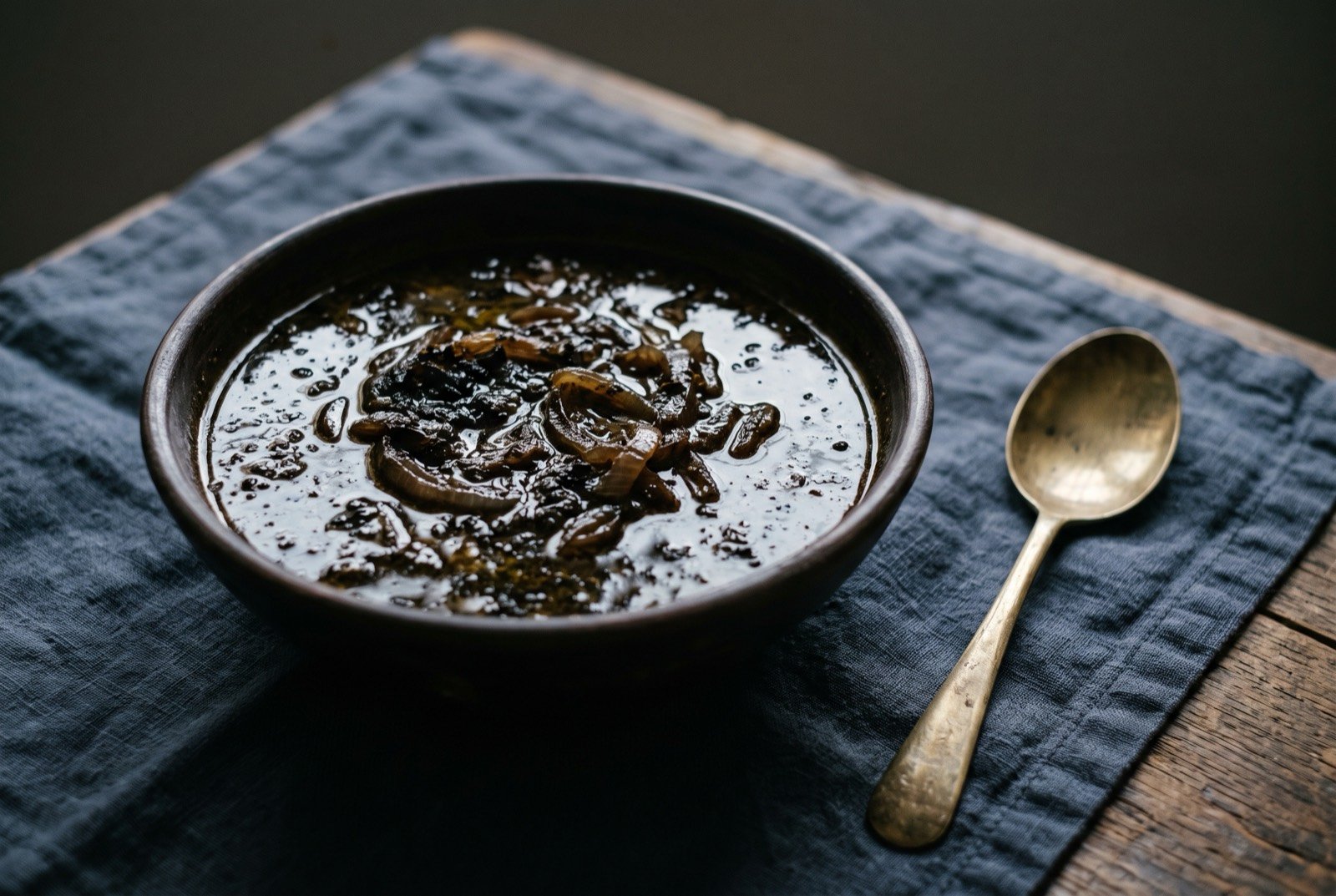 Mullah kawal
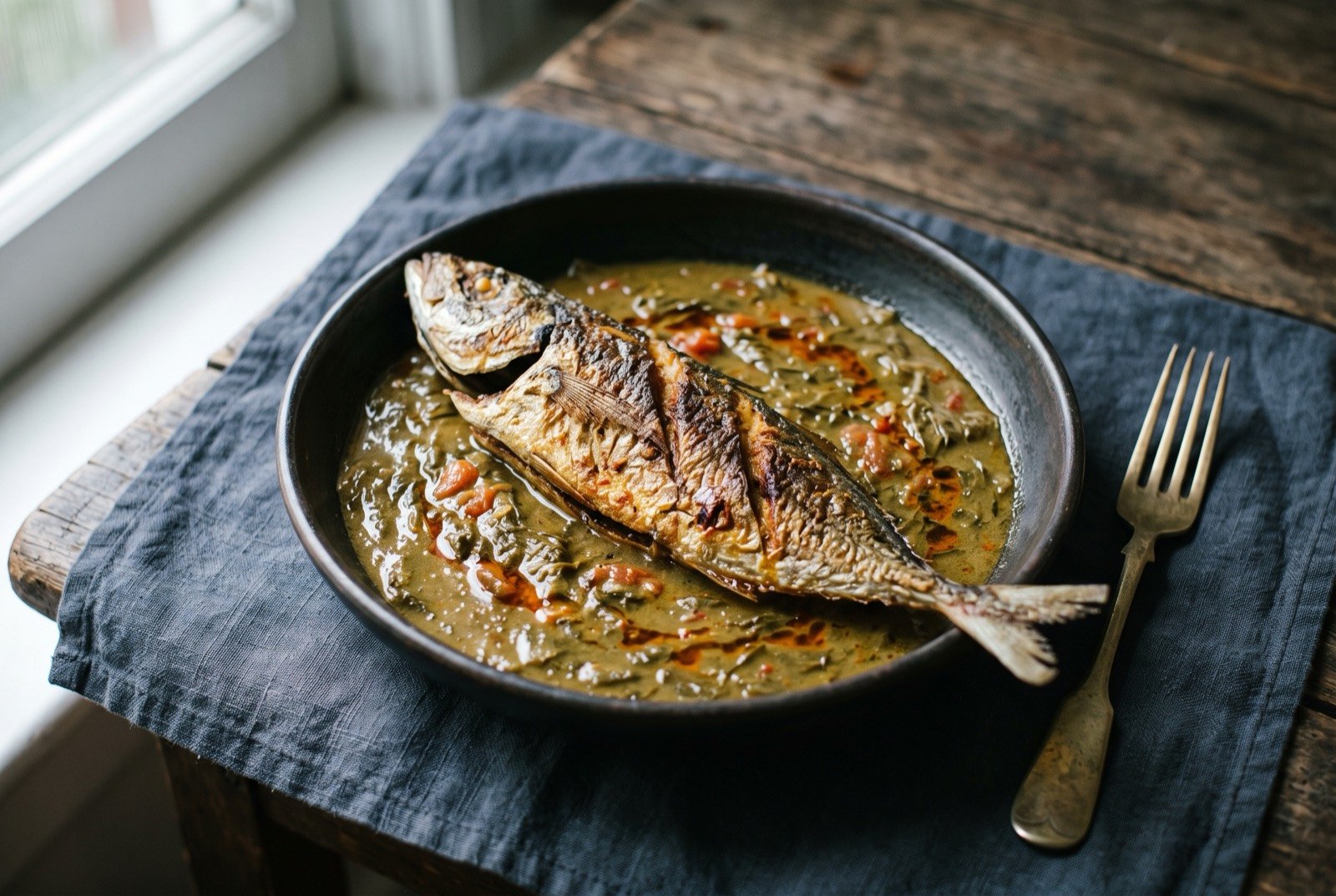 Ngai ngai na tomson
Weekend
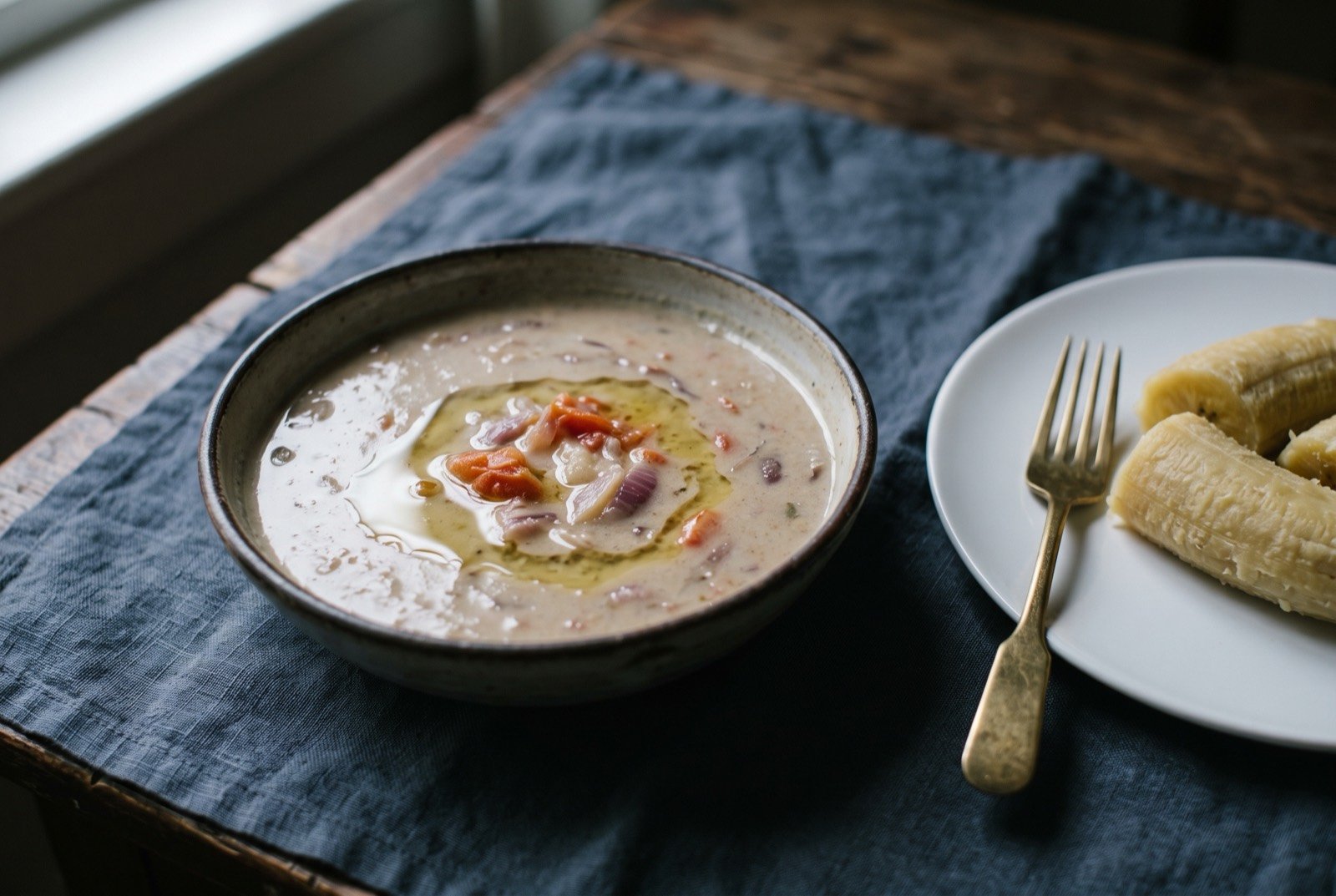 Ebinyebwa
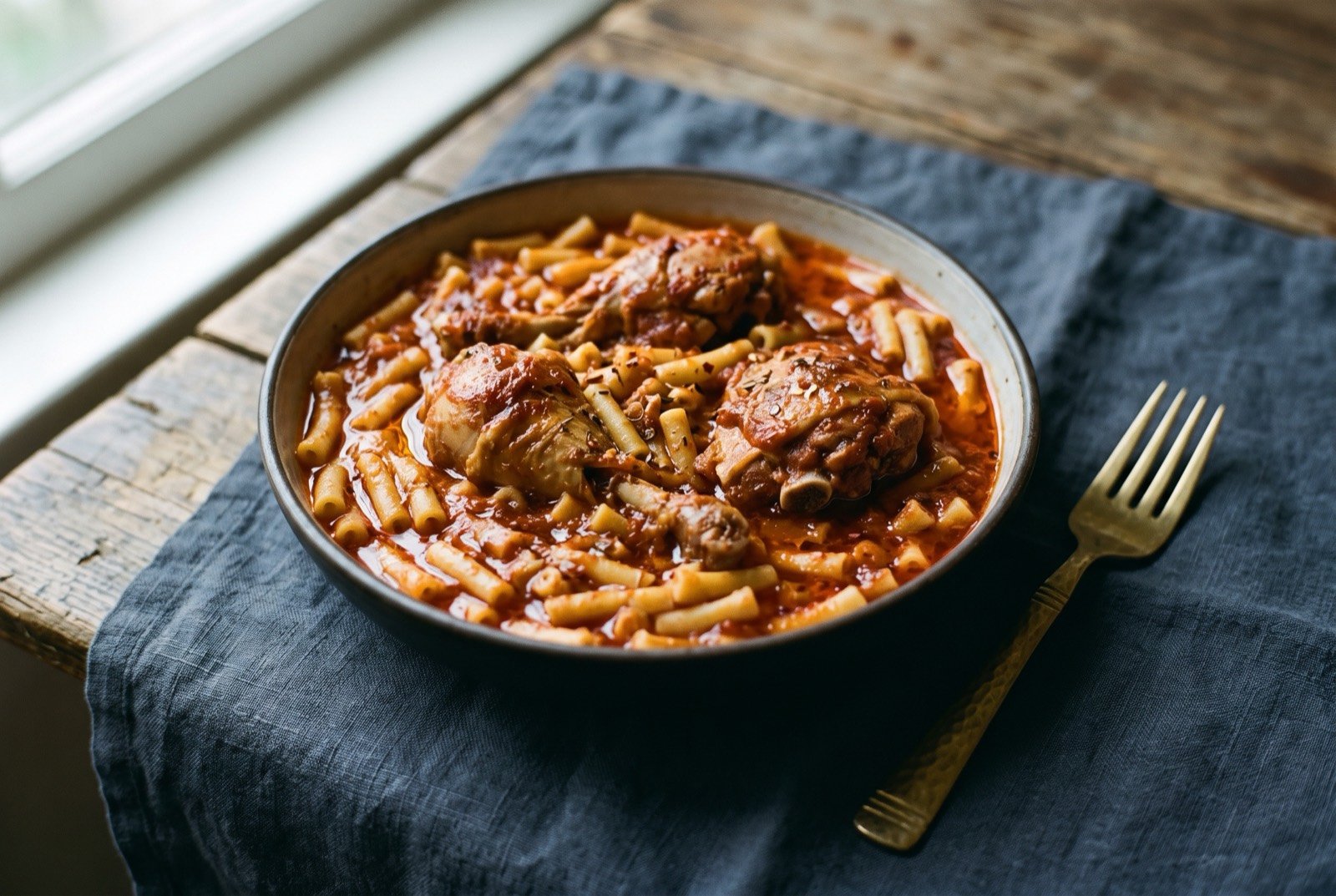 Macroona imbakbaka
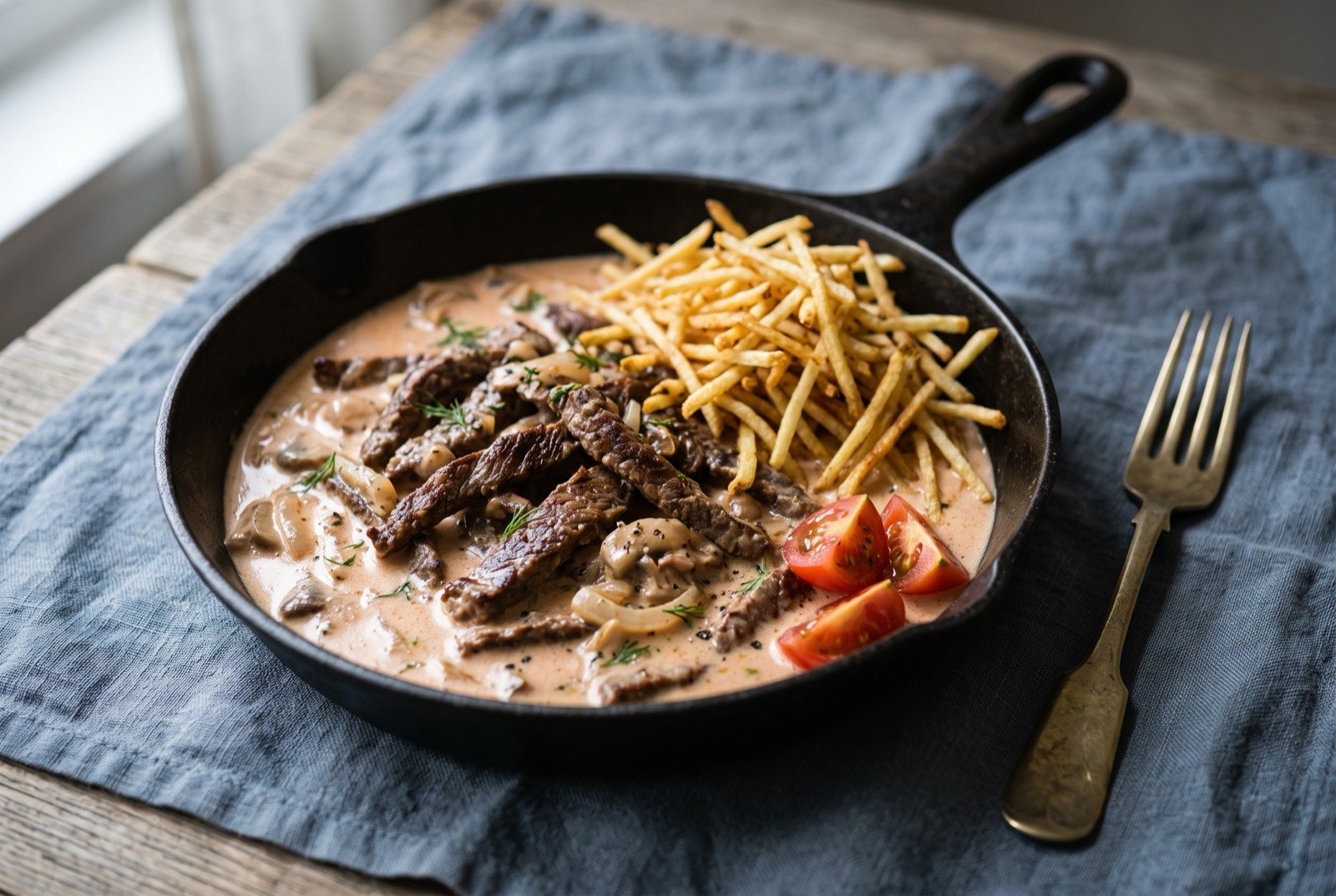 Beef Stroganoff
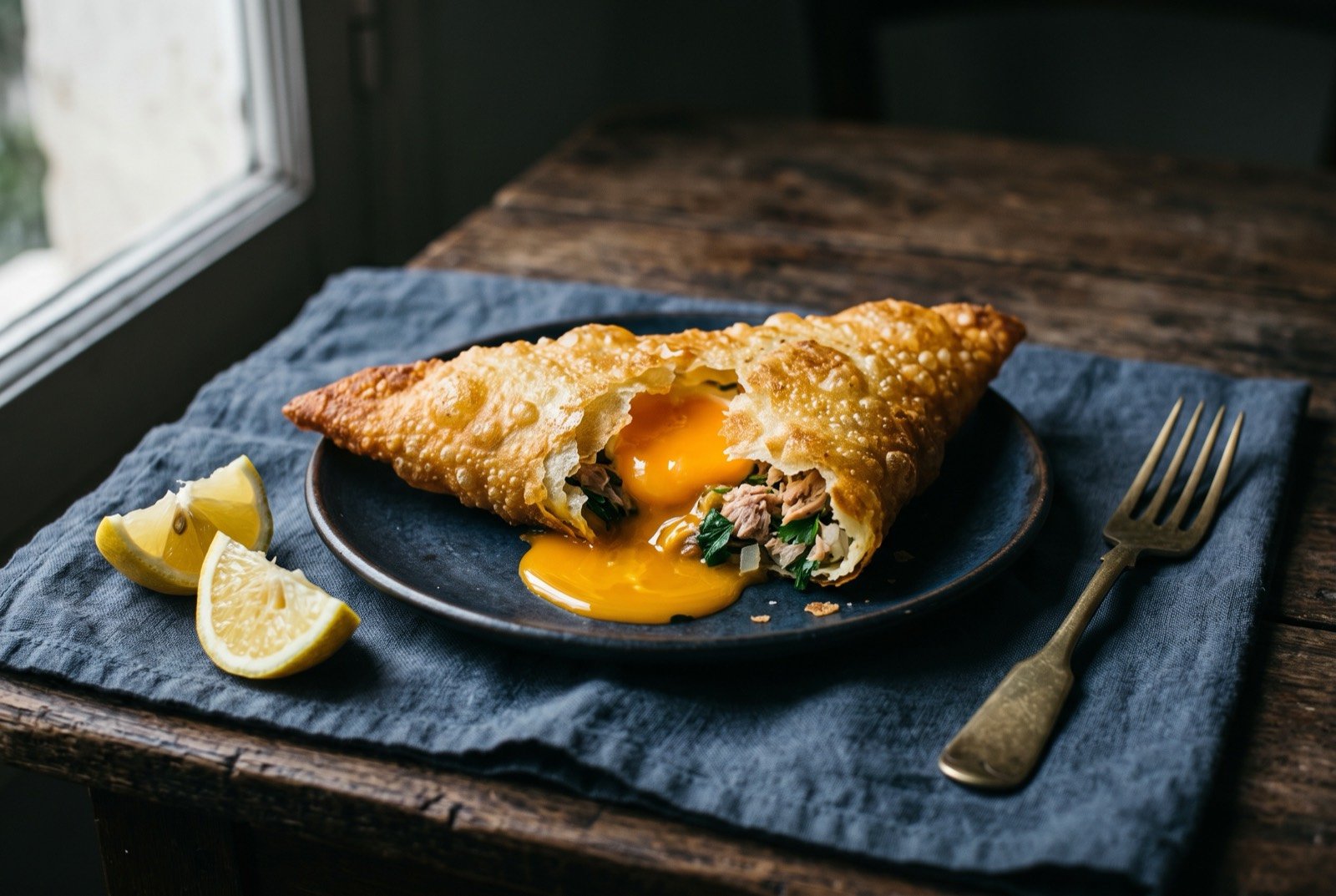 Brik à l'oeuf
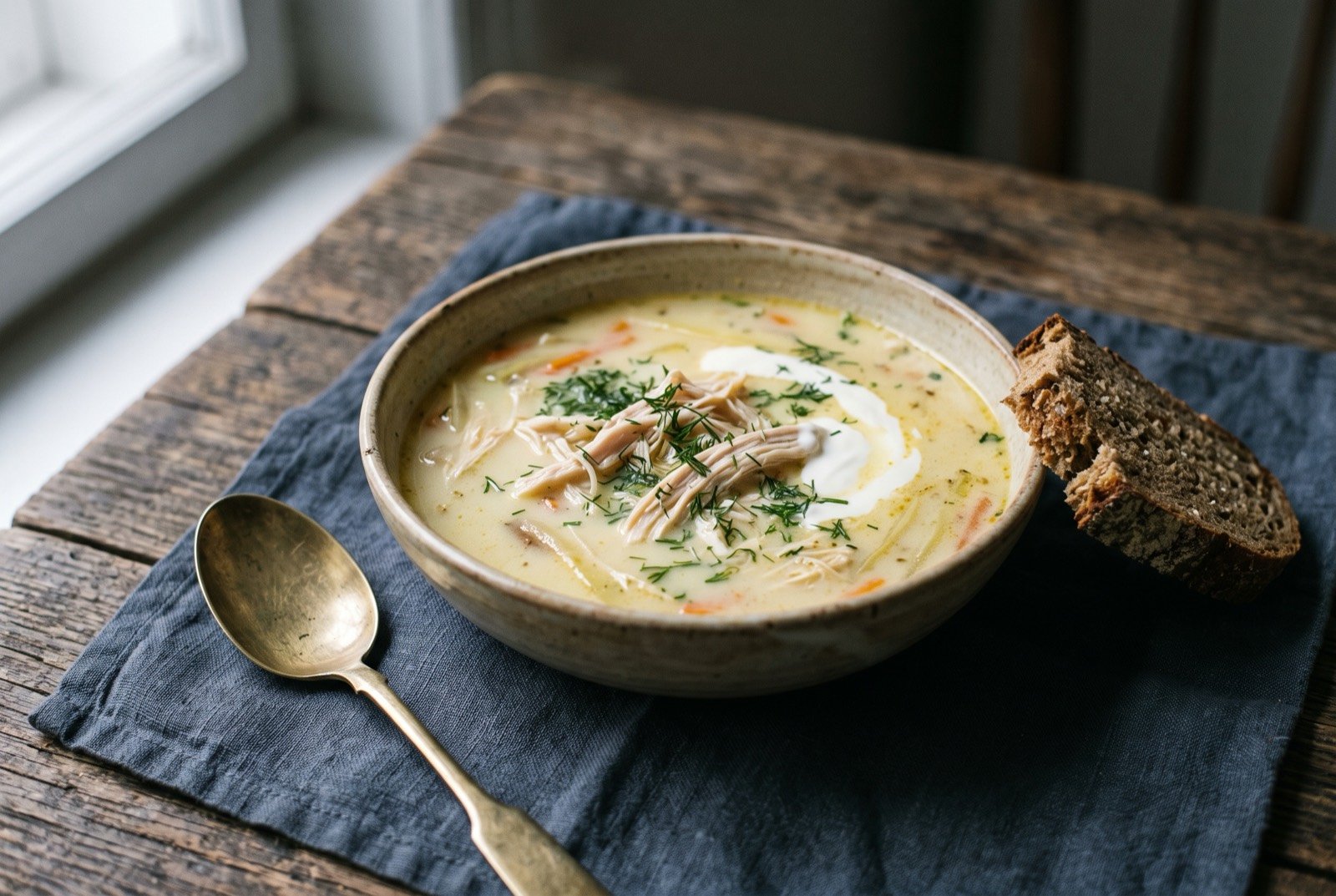 Ciorbă Rădăuțeană
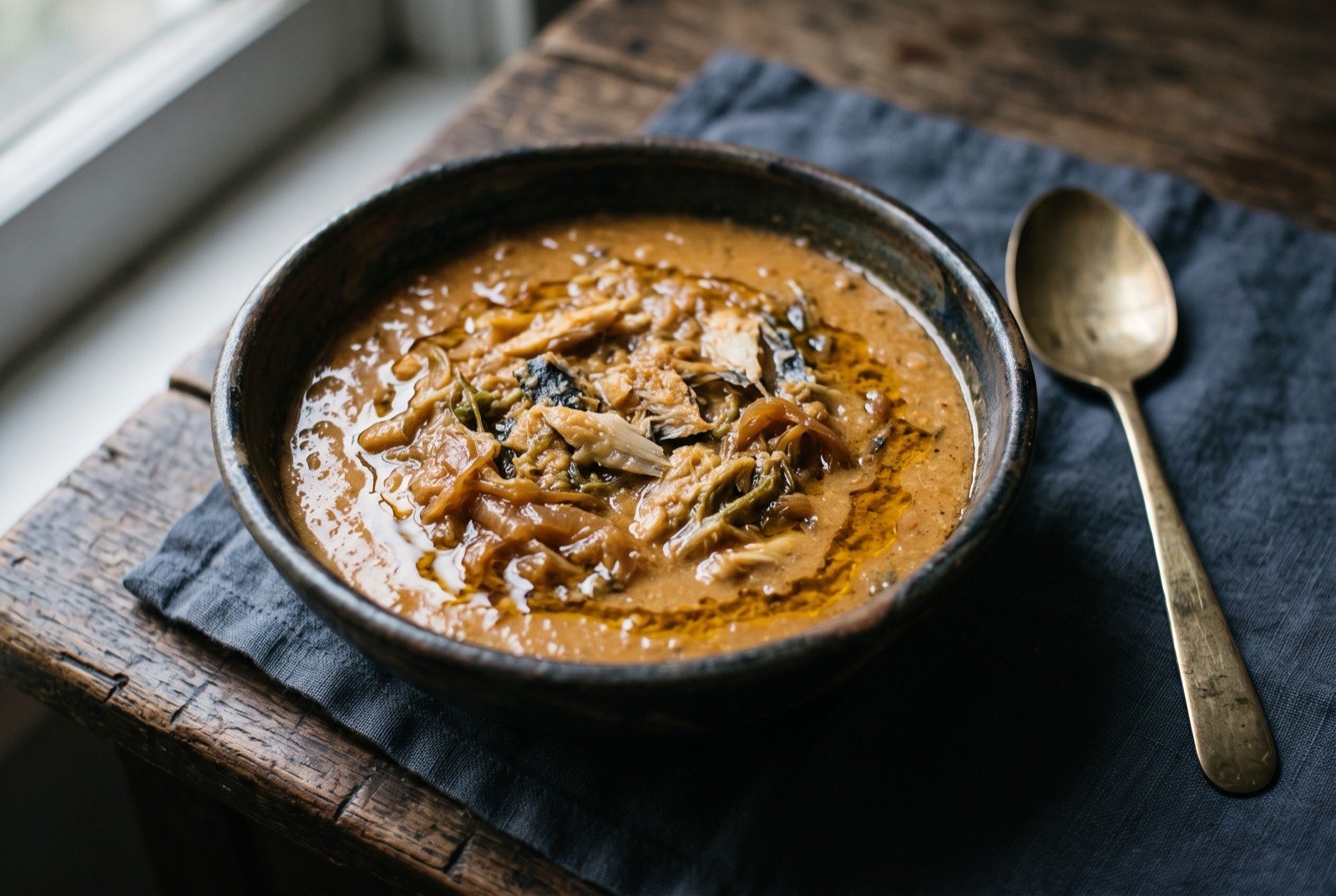 Kajaik, or mullah kajek
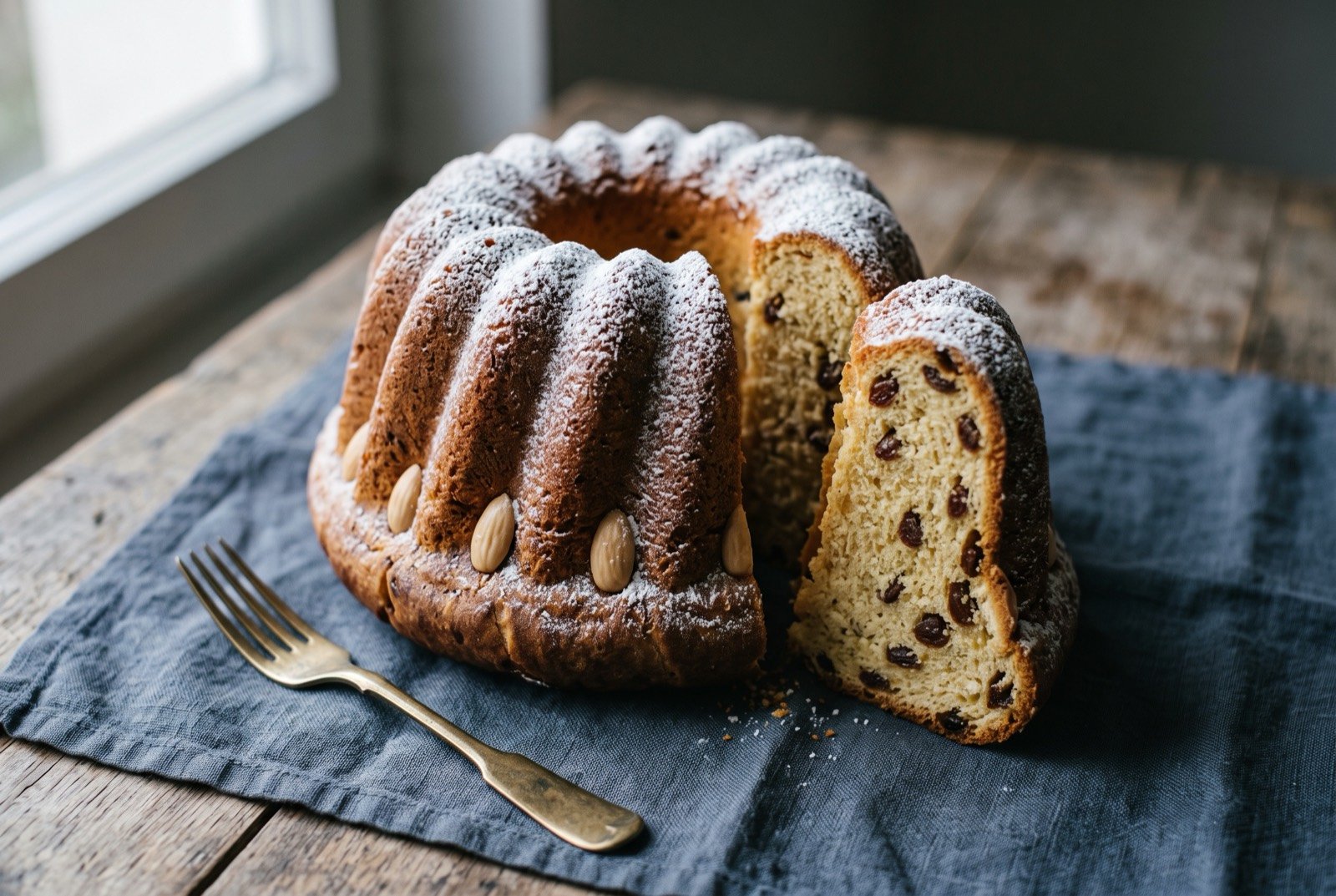 Kougelhopf
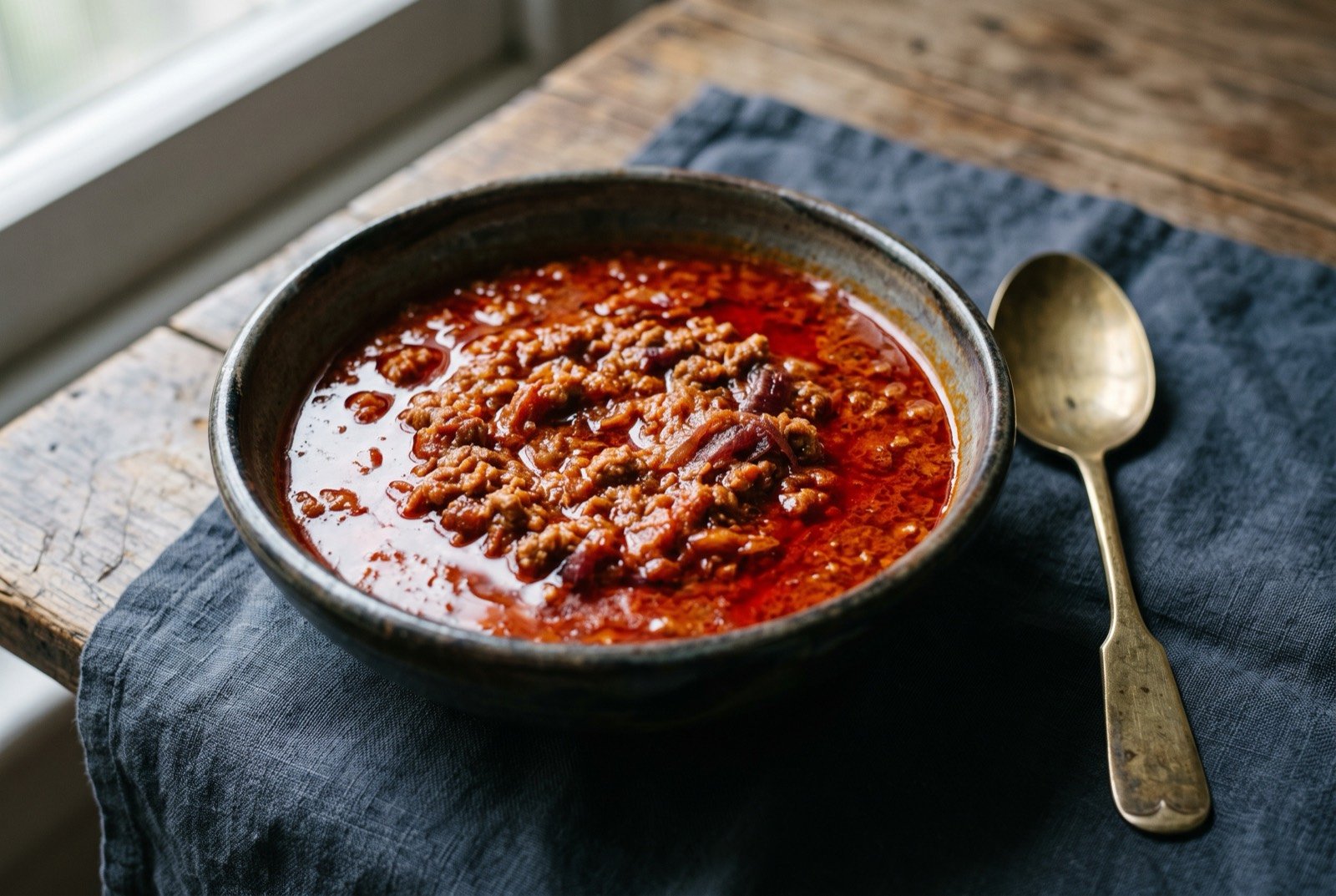 Mullah ahmar, the red mullah, also called tagalia
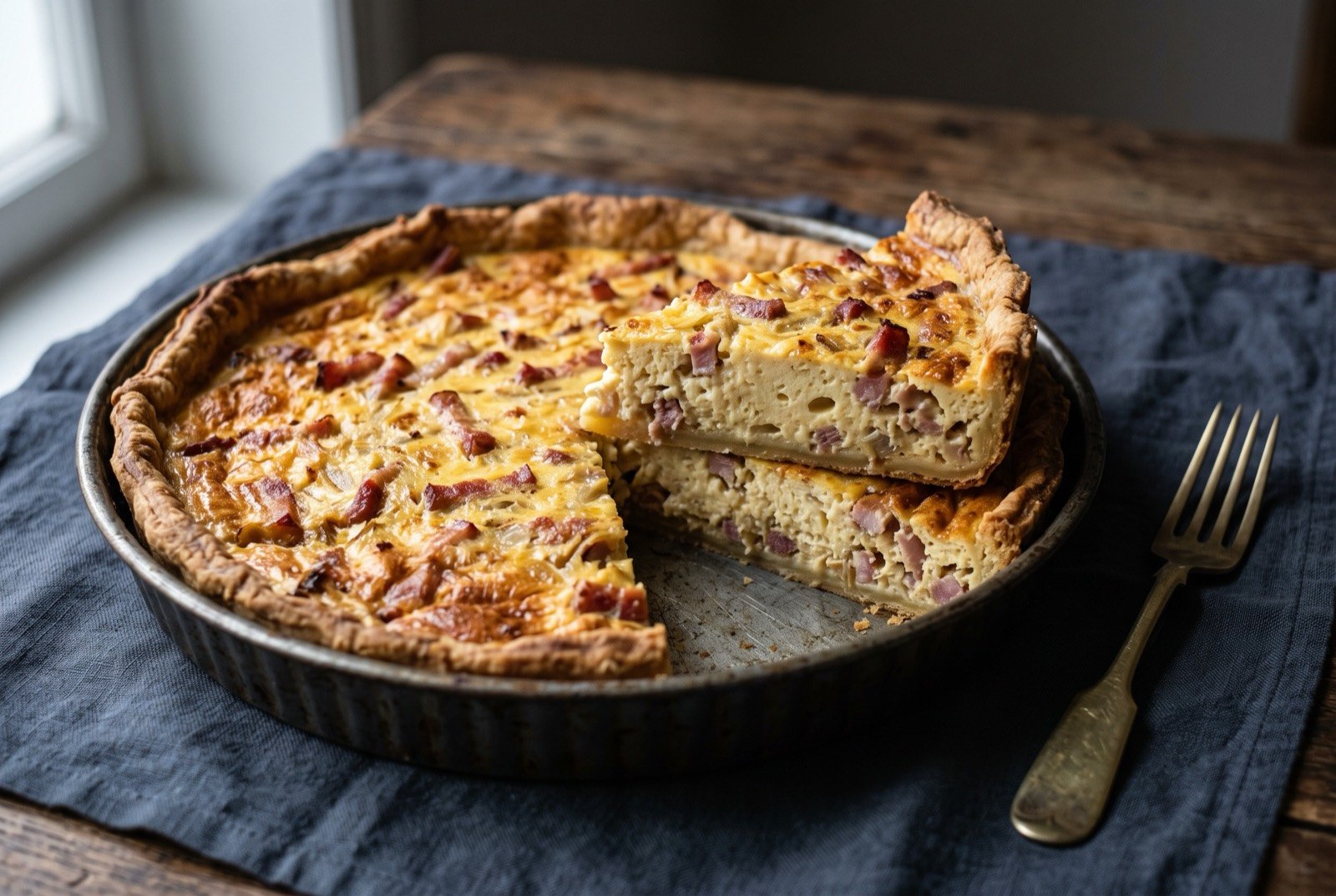 Quiche Lorraine
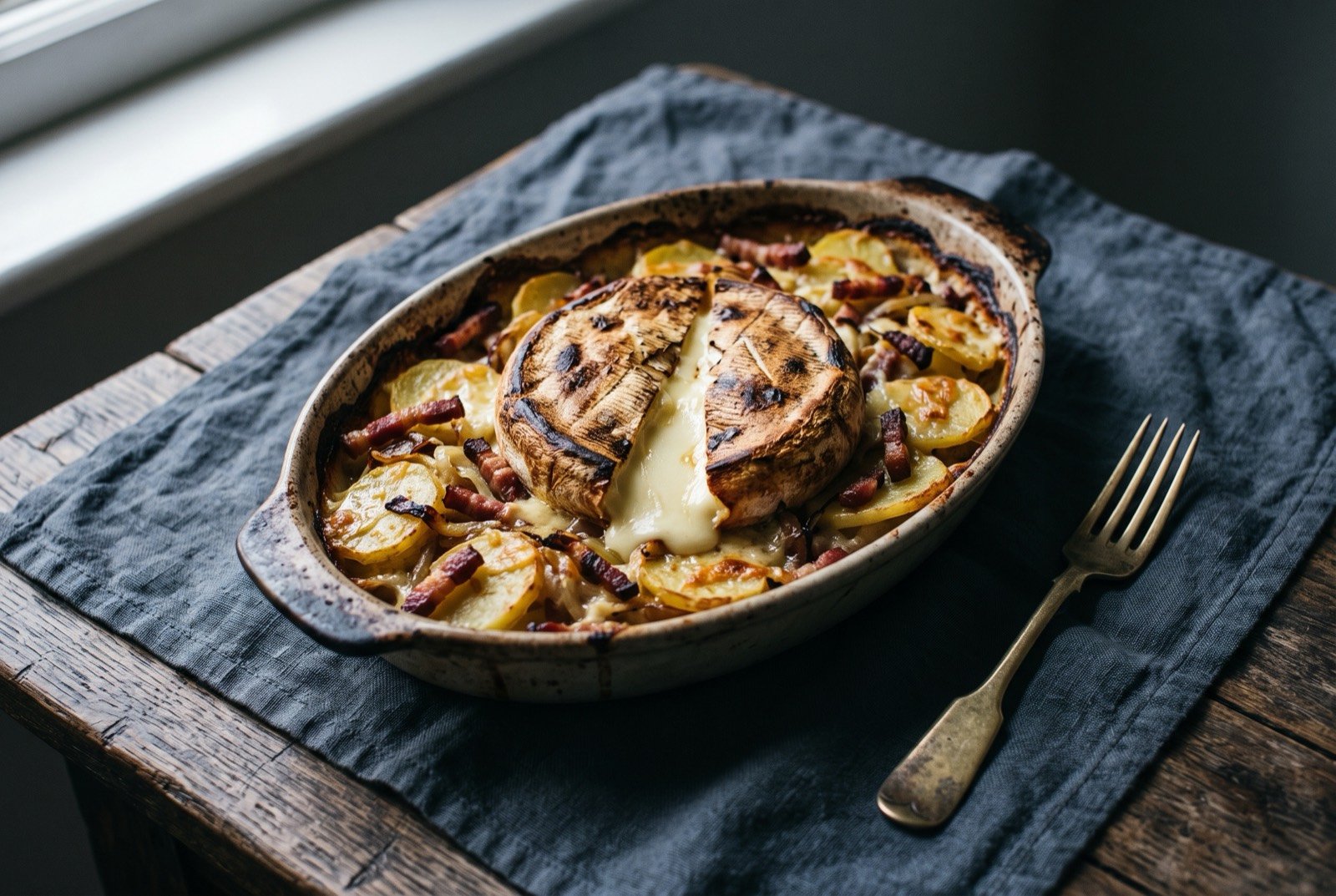 Tartiflette
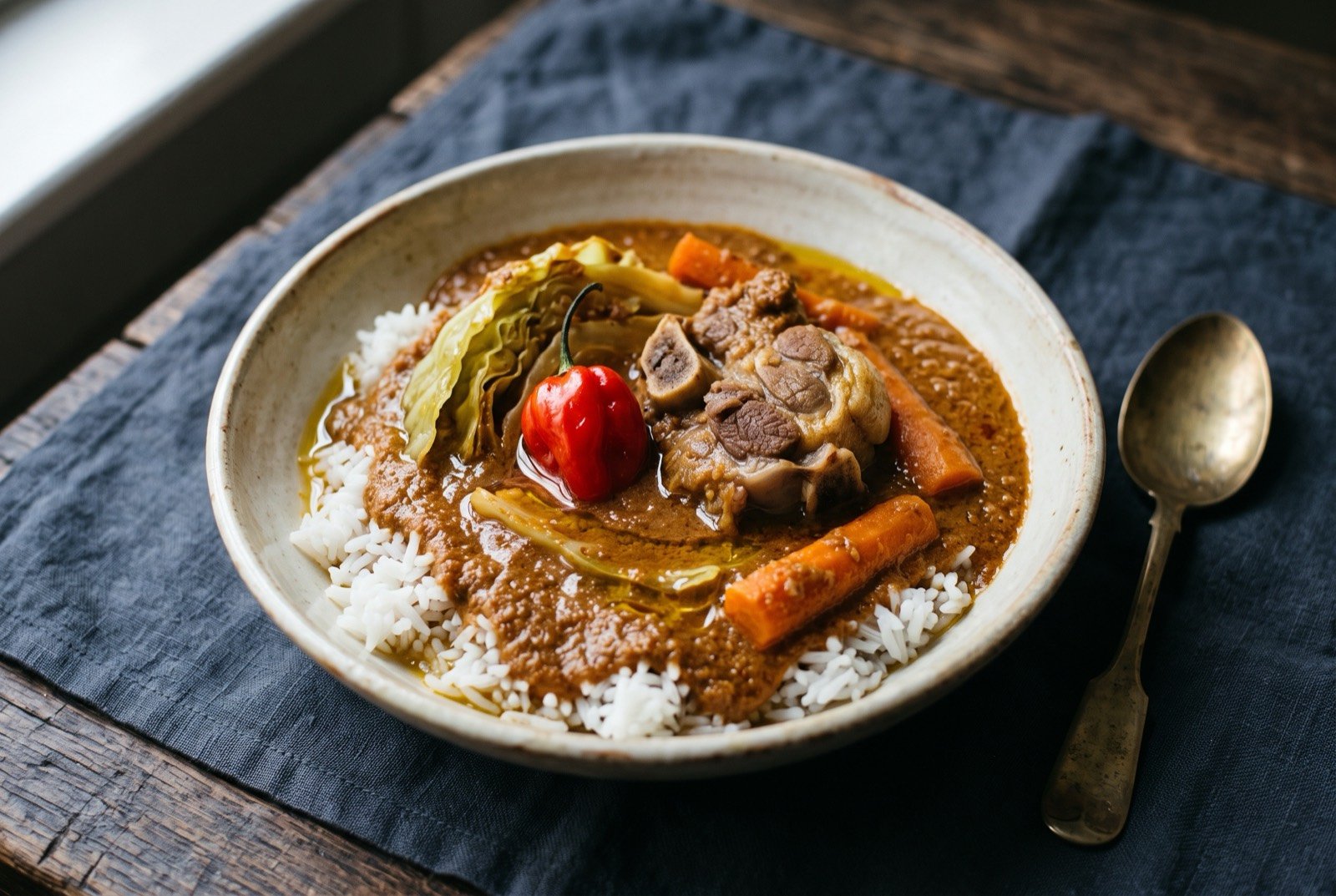 Tiga dèguè na
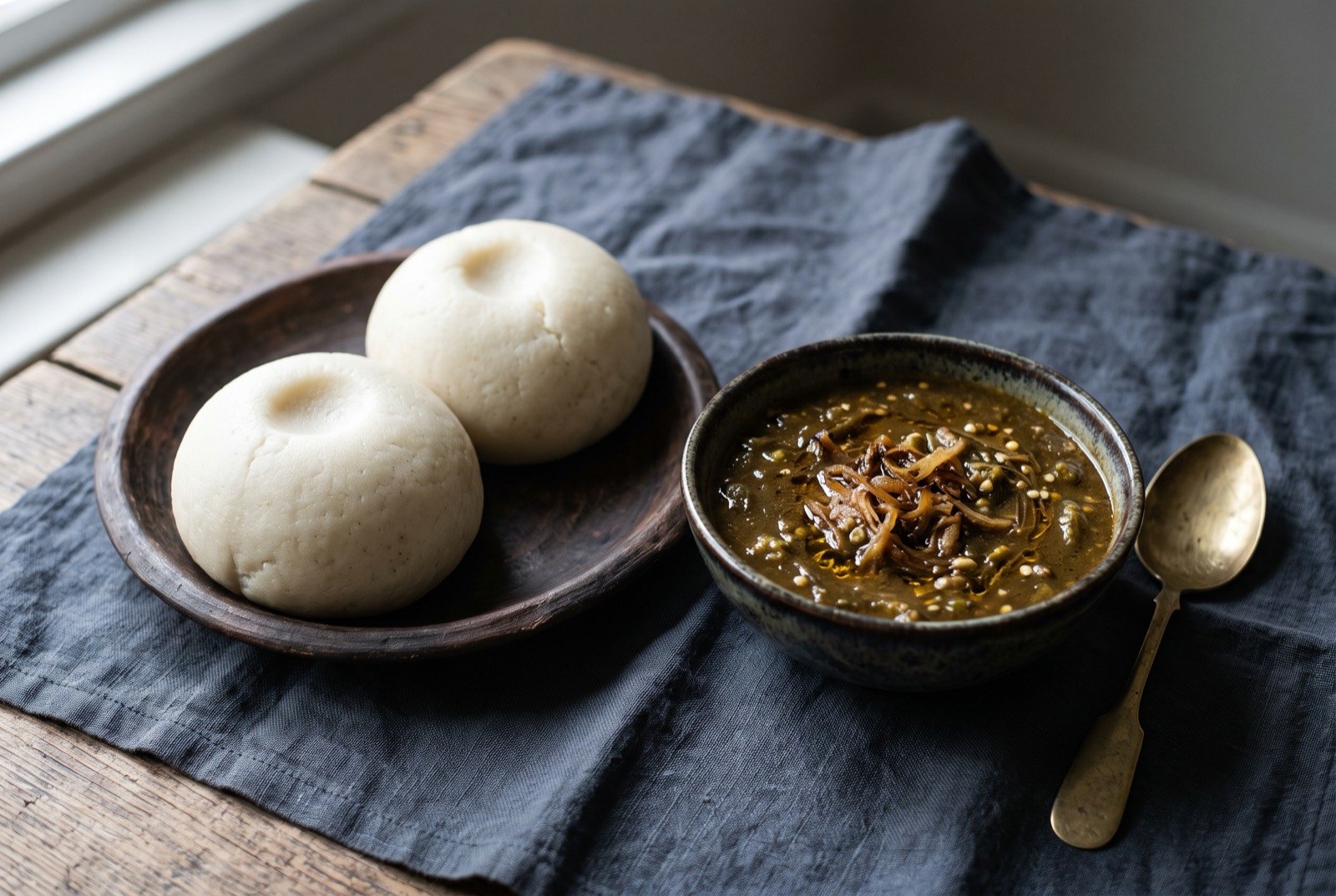 Tô with sauce gombo
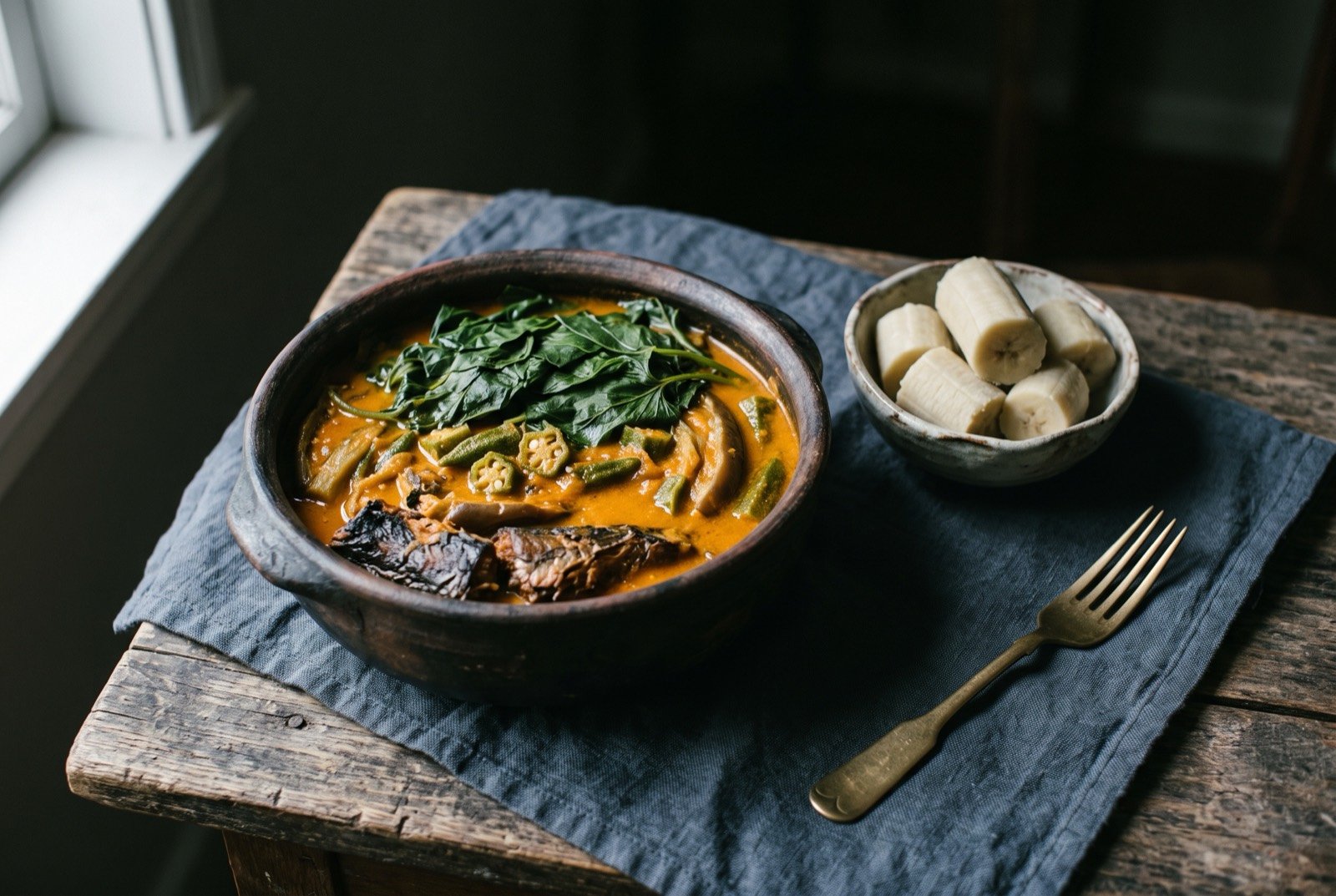 Calulu de peixe
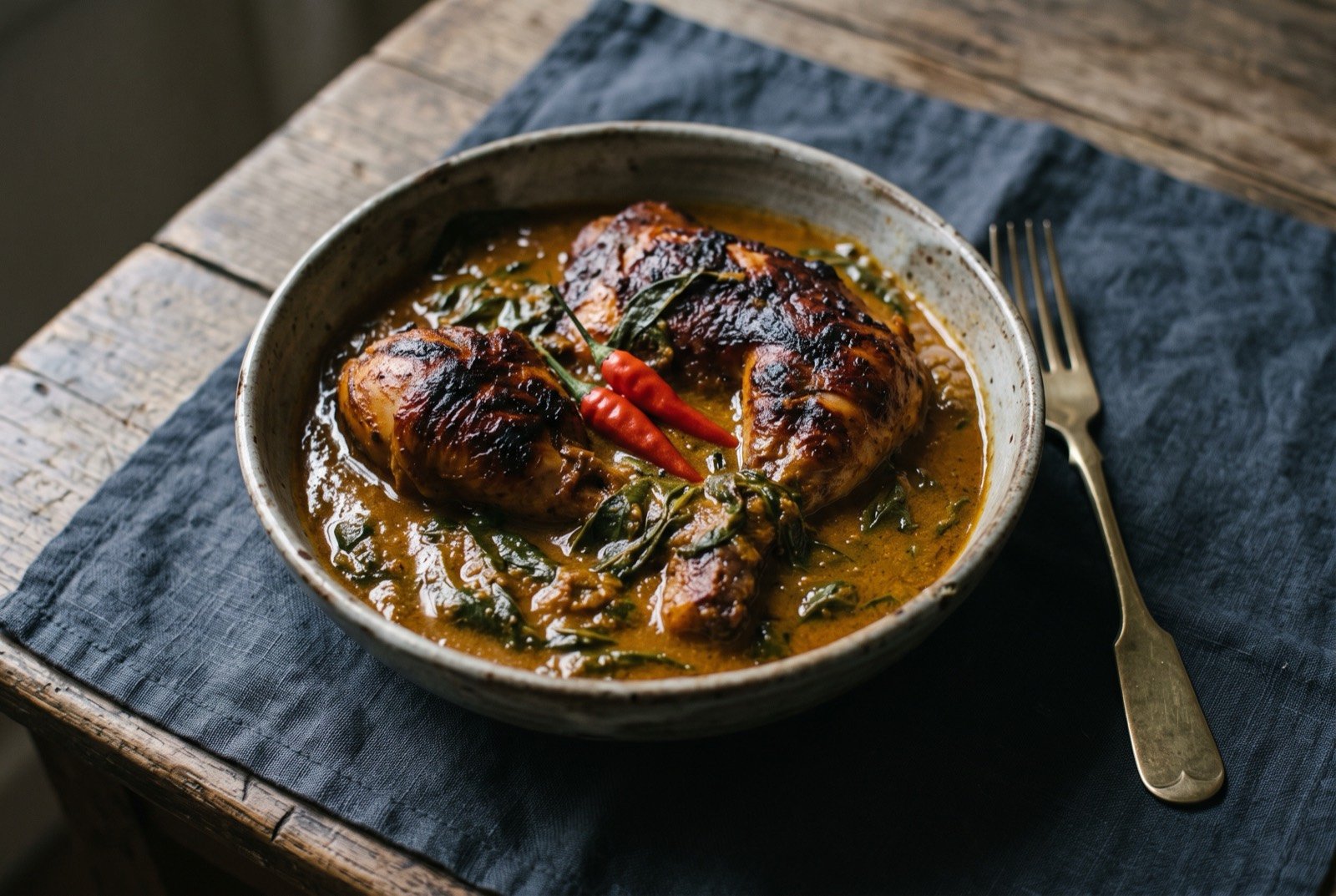 Poulet nyembwe
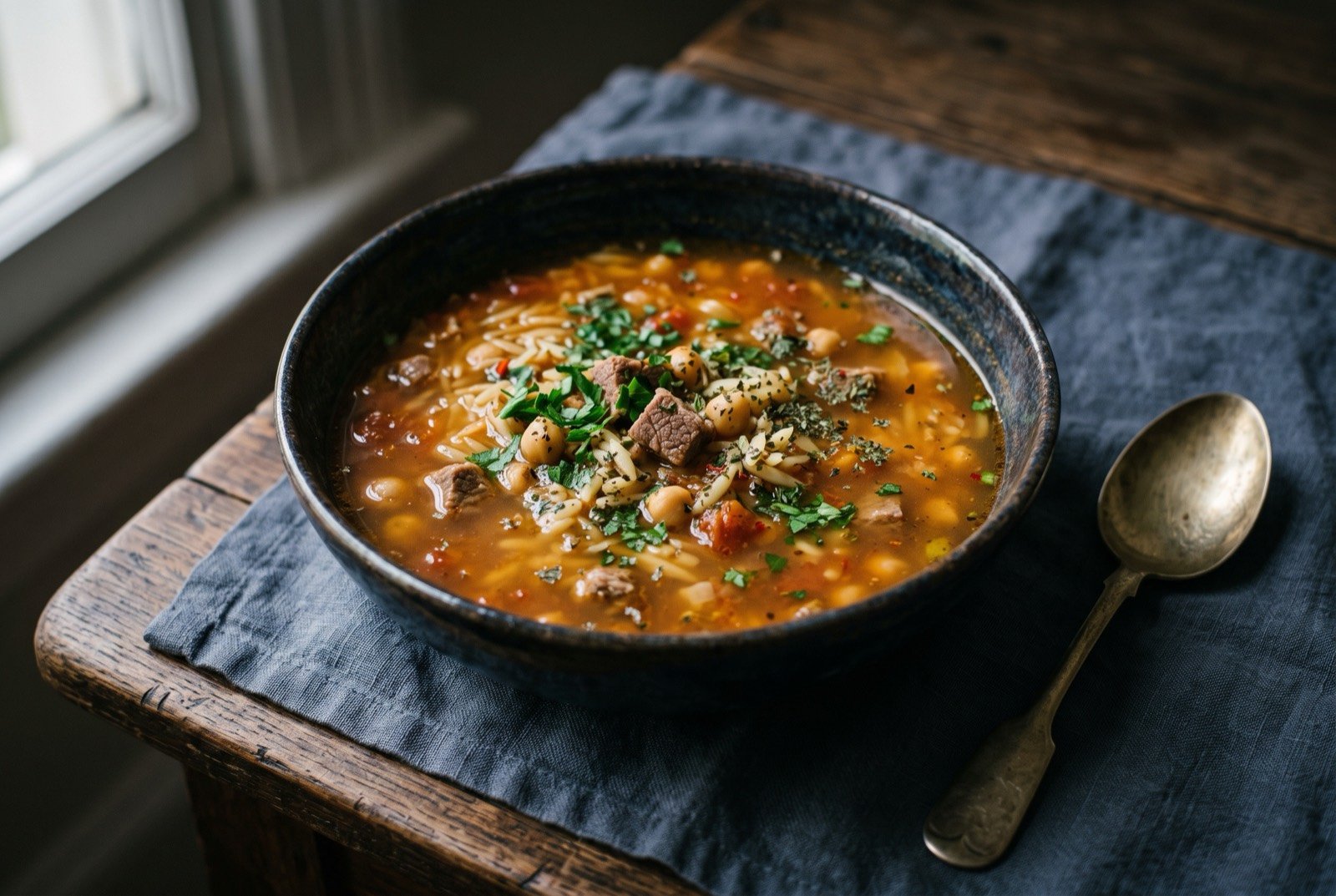 Sharba libiya
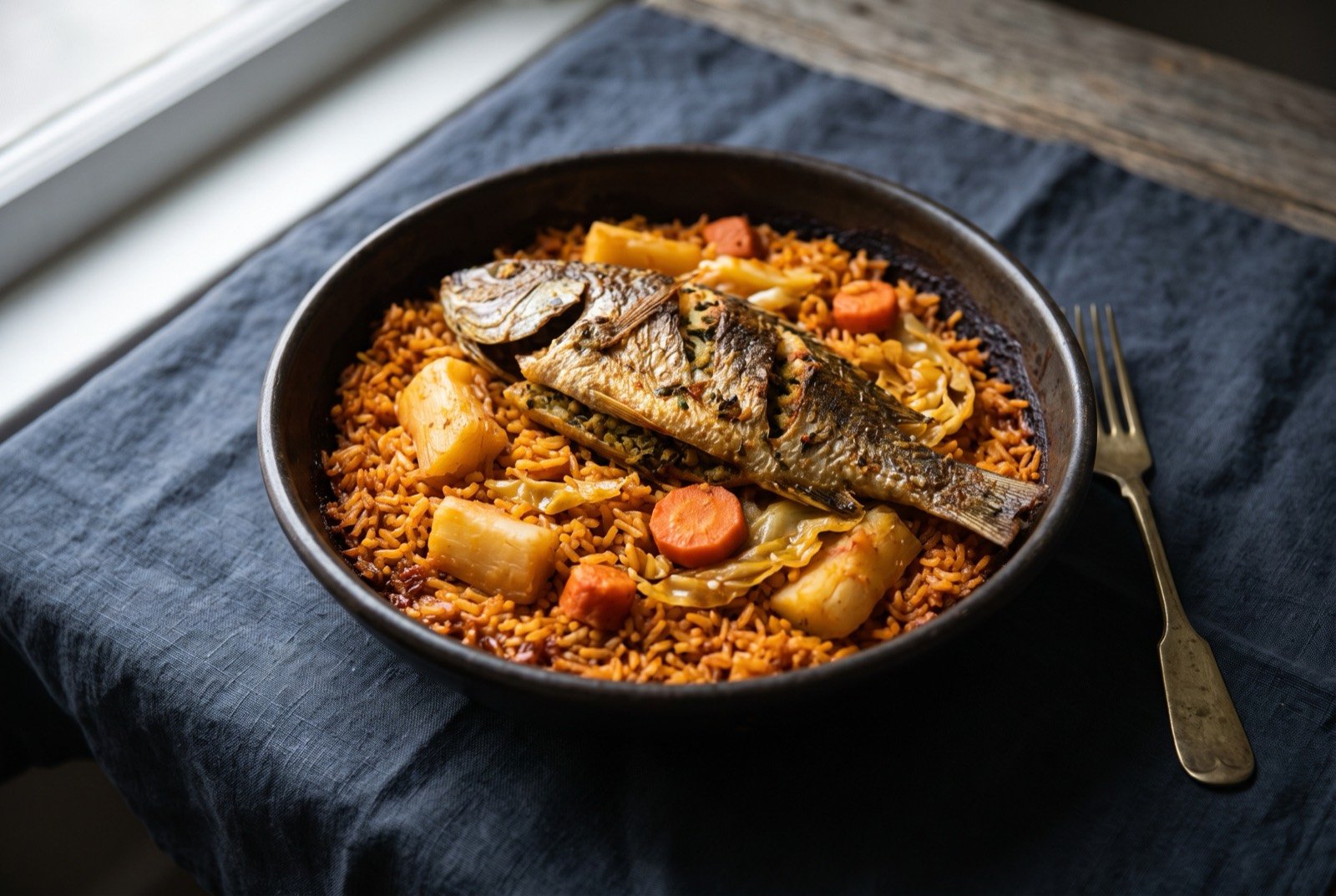 Benachin
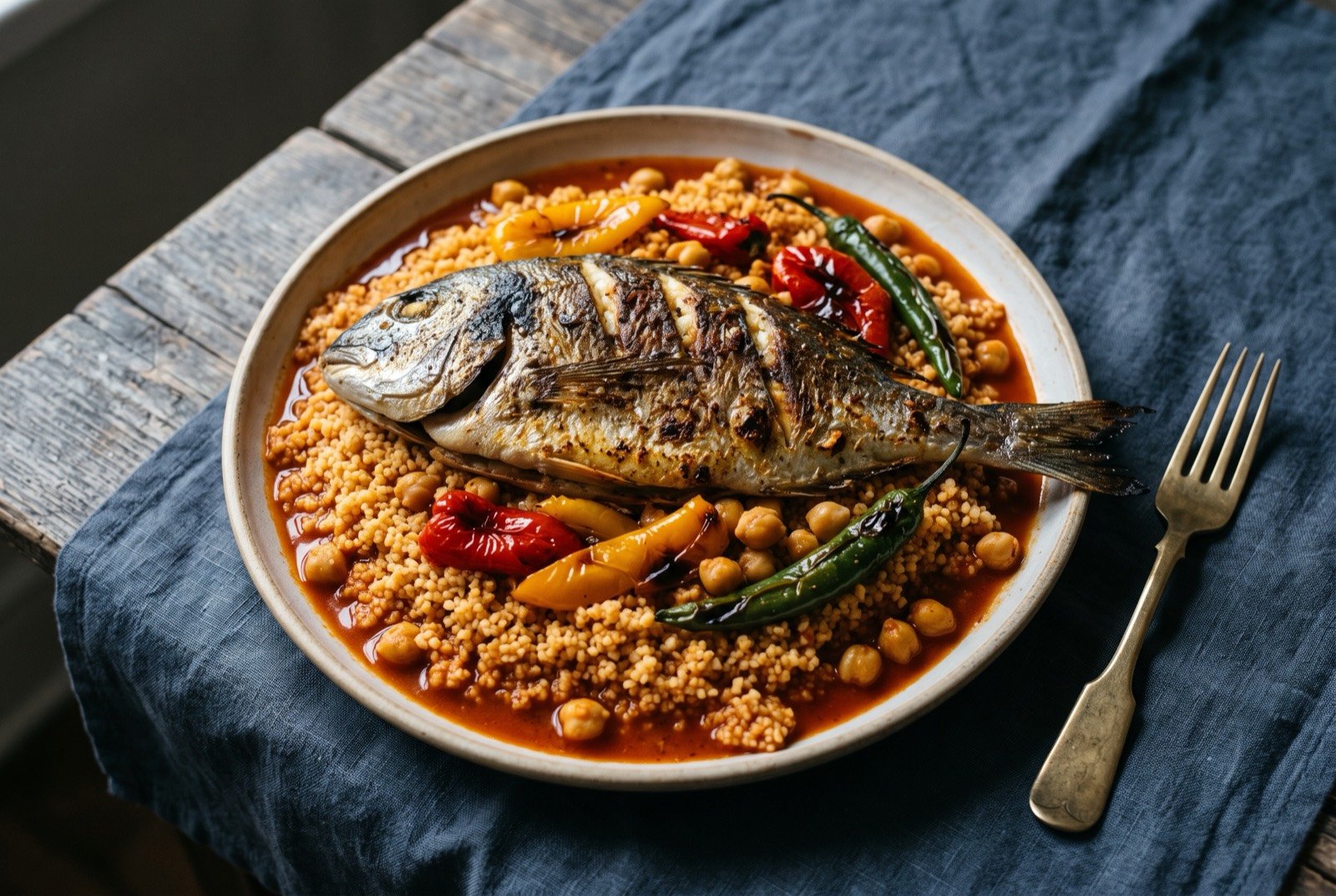 Couscous au poisson sfaxien
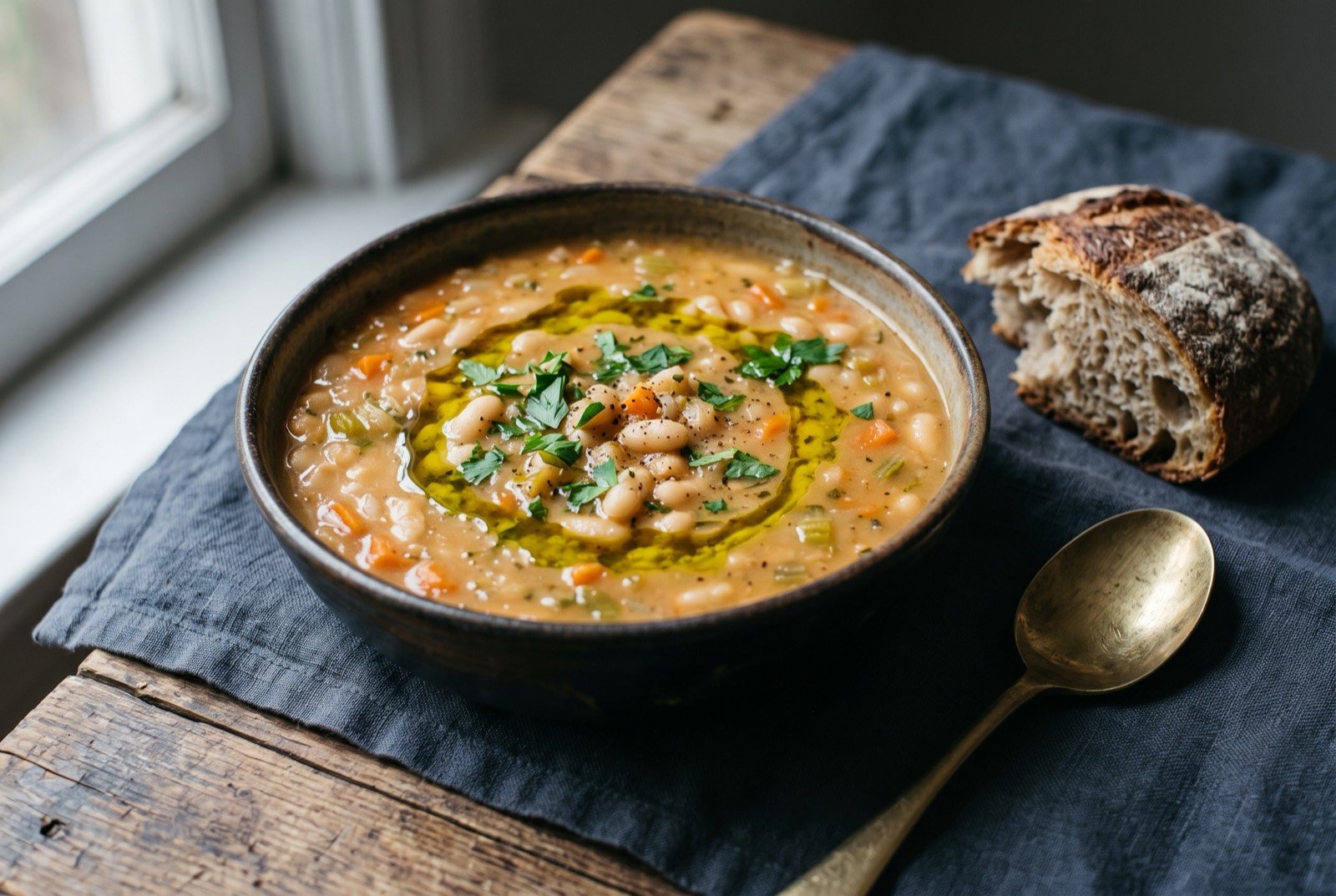 Fasolada
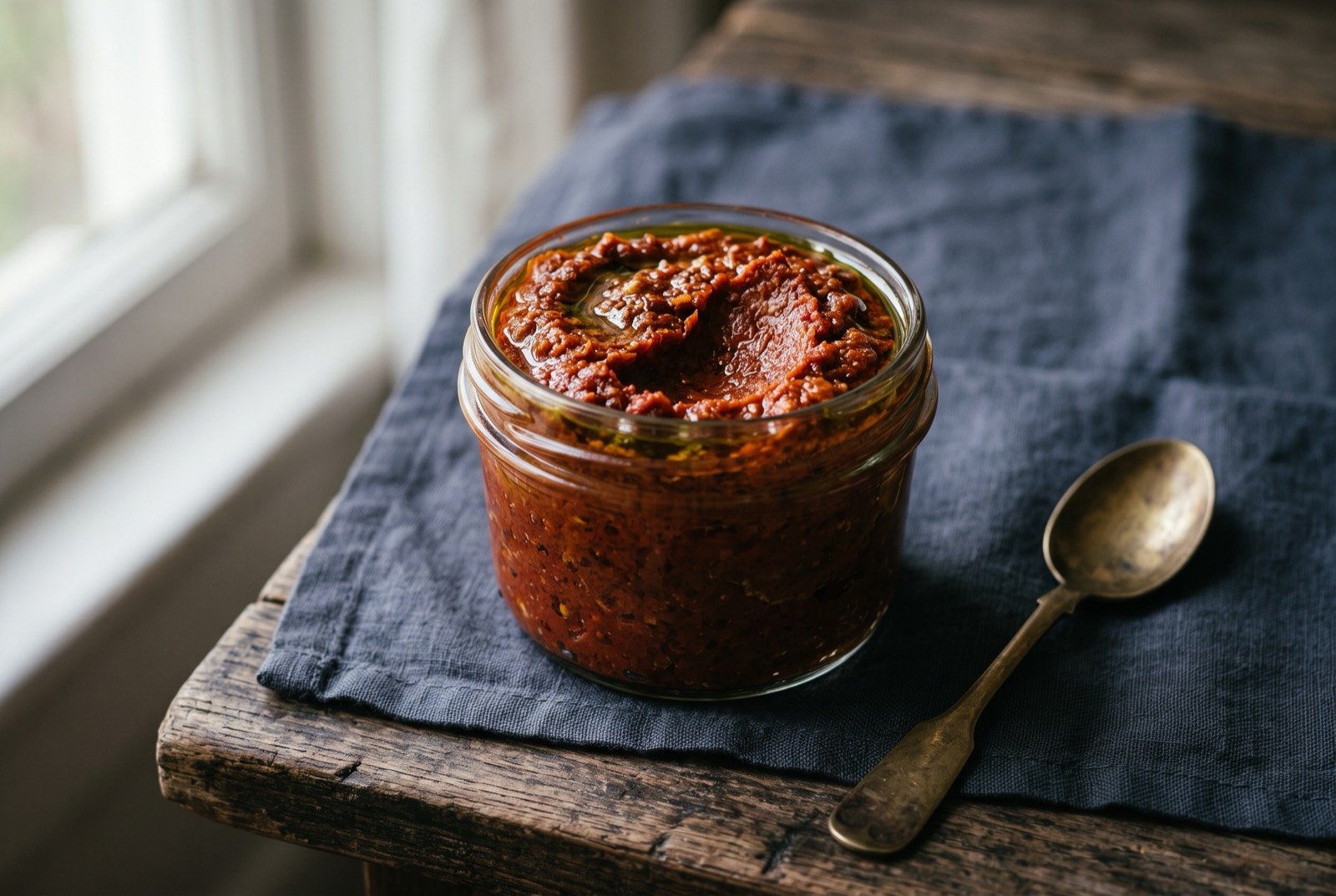 Harissa arbi
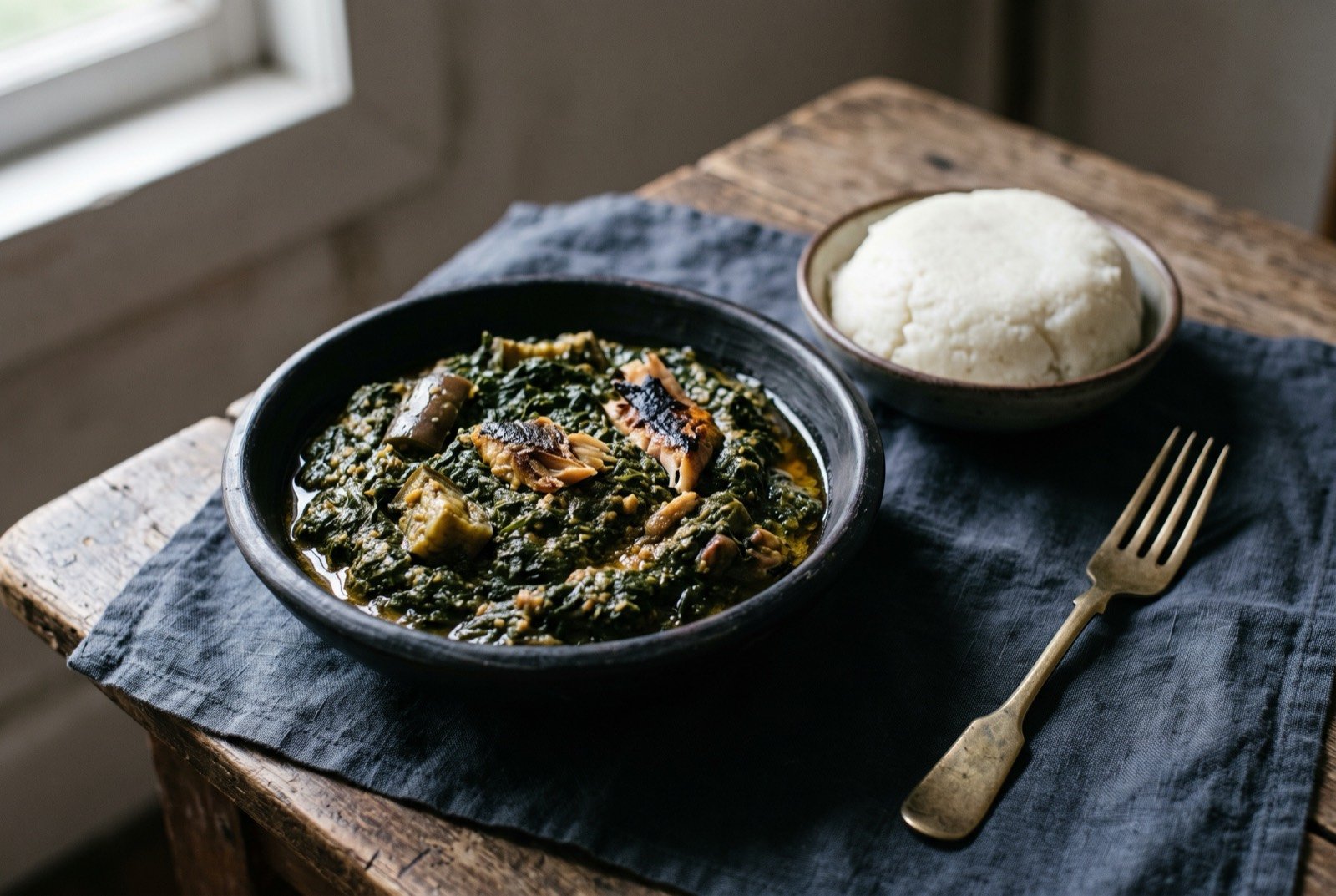 Isombe
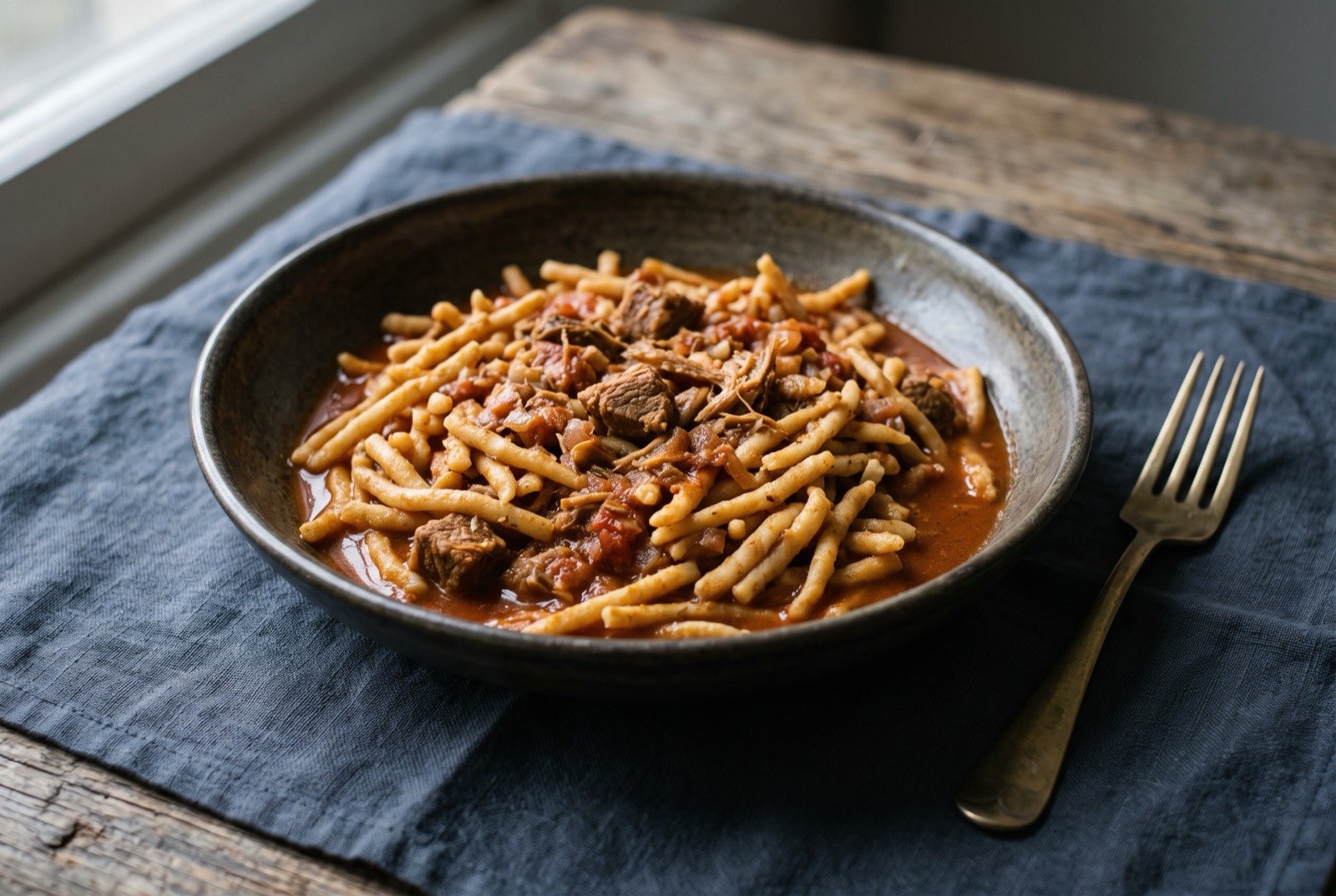 Katta
Katta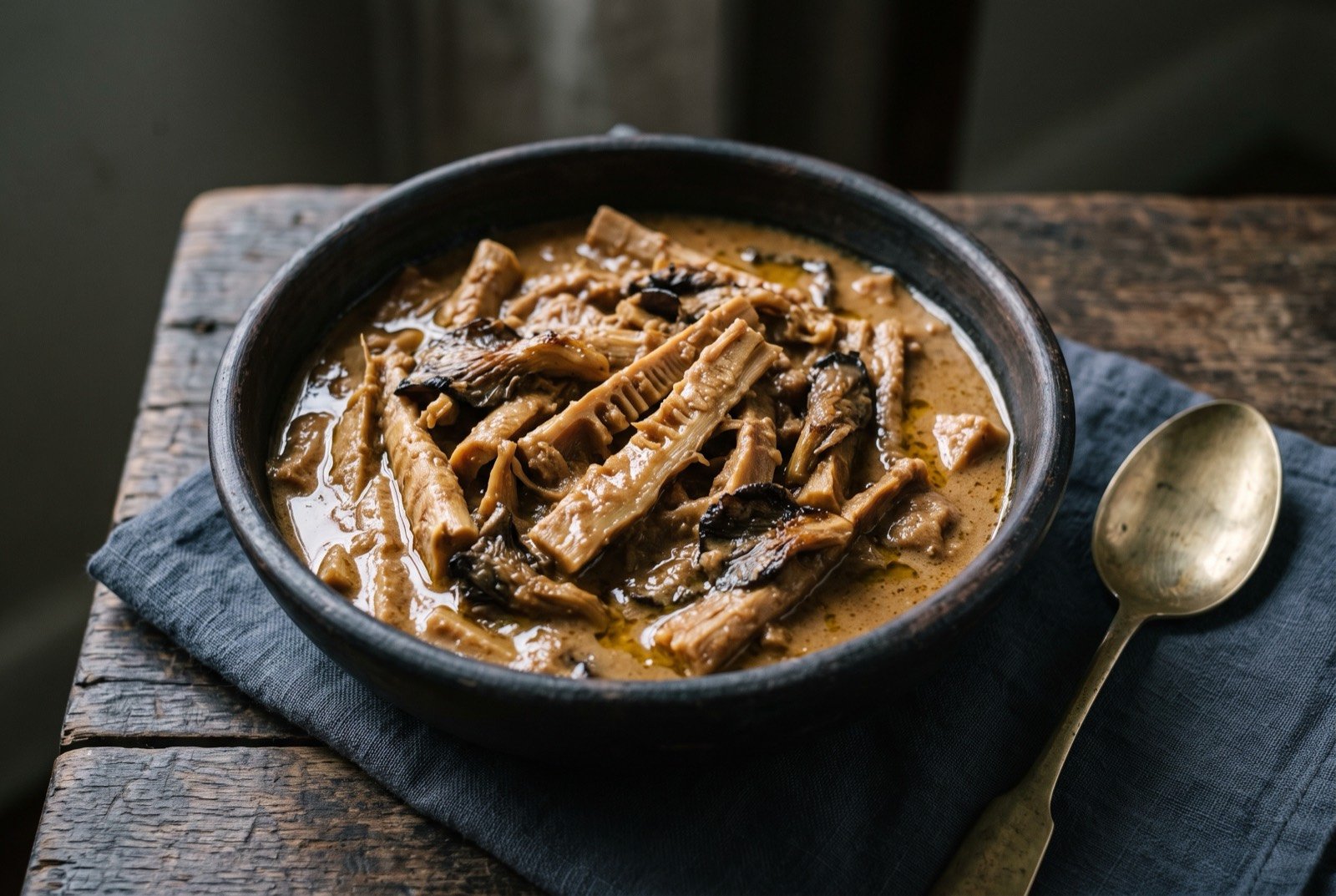 Malewa
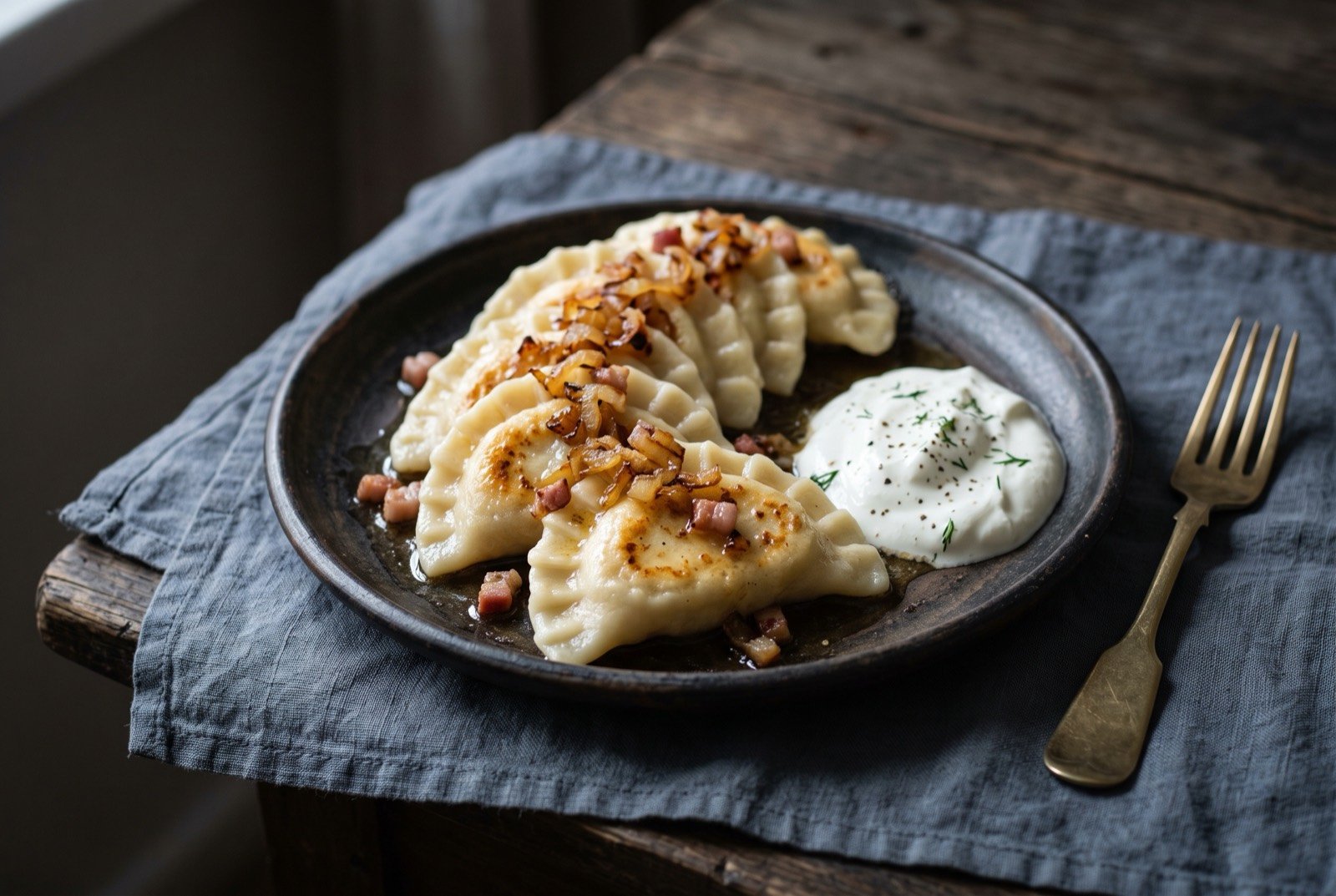 Pierogi ruskie
 Poffertjes
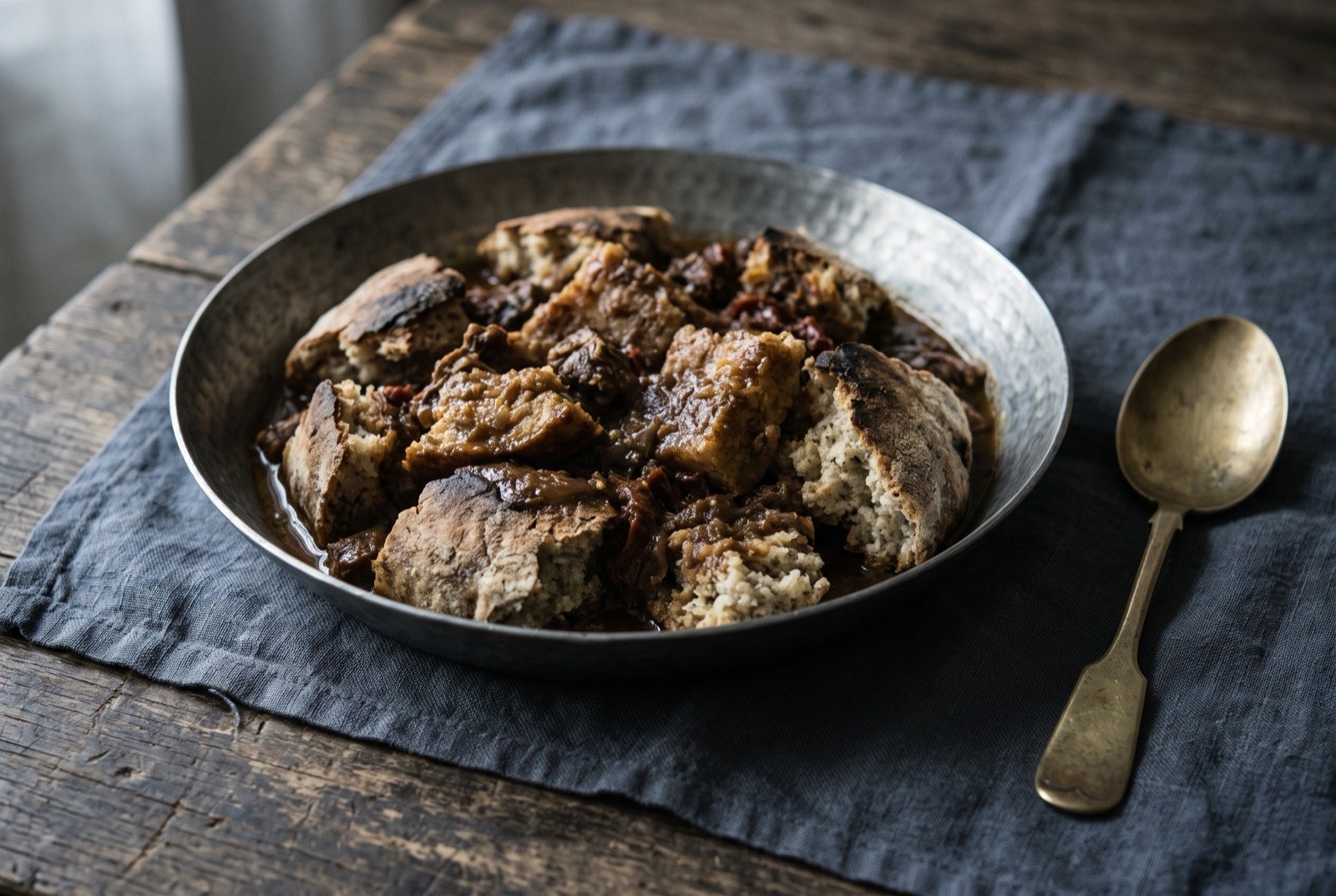 Taguella
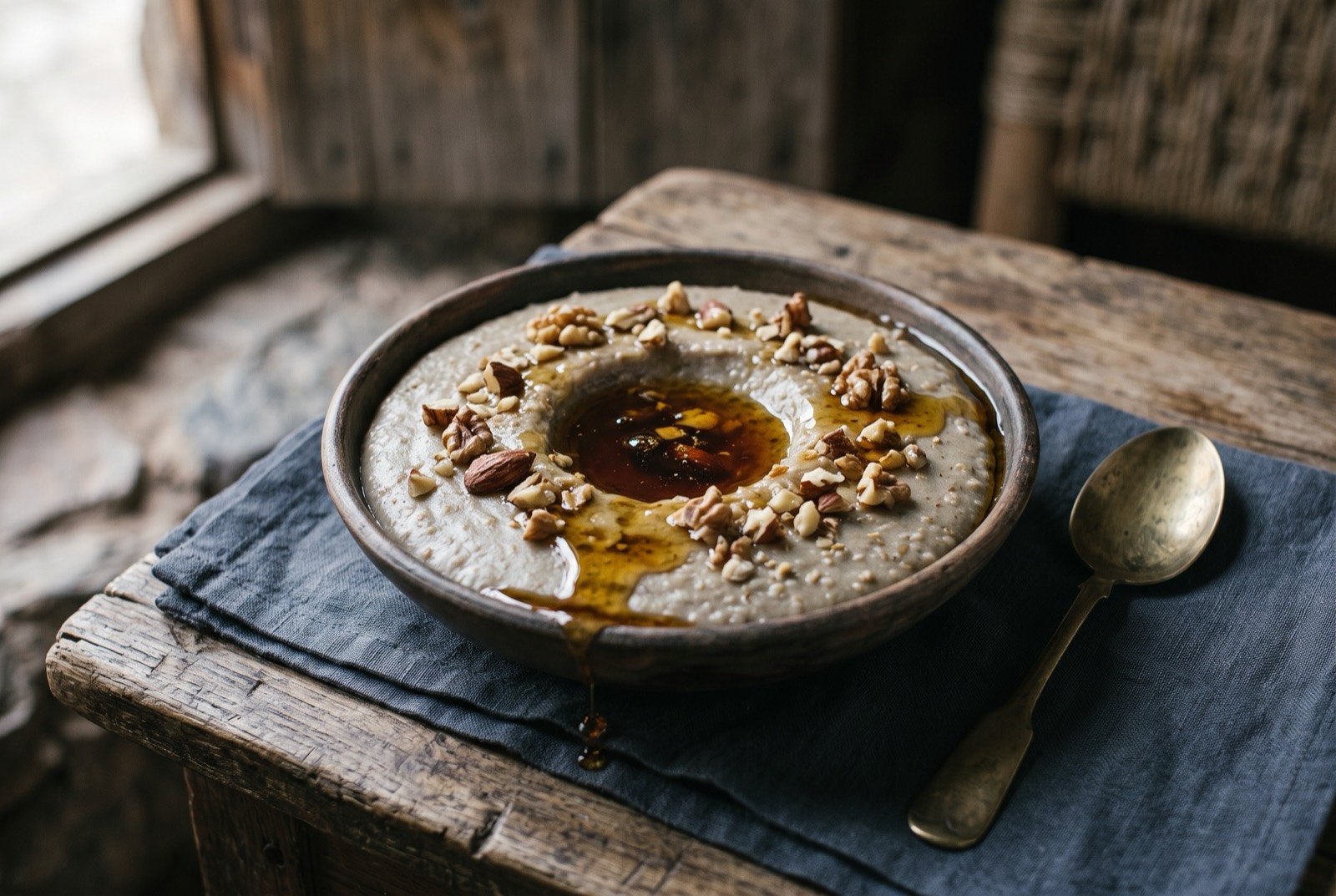 Tagoula
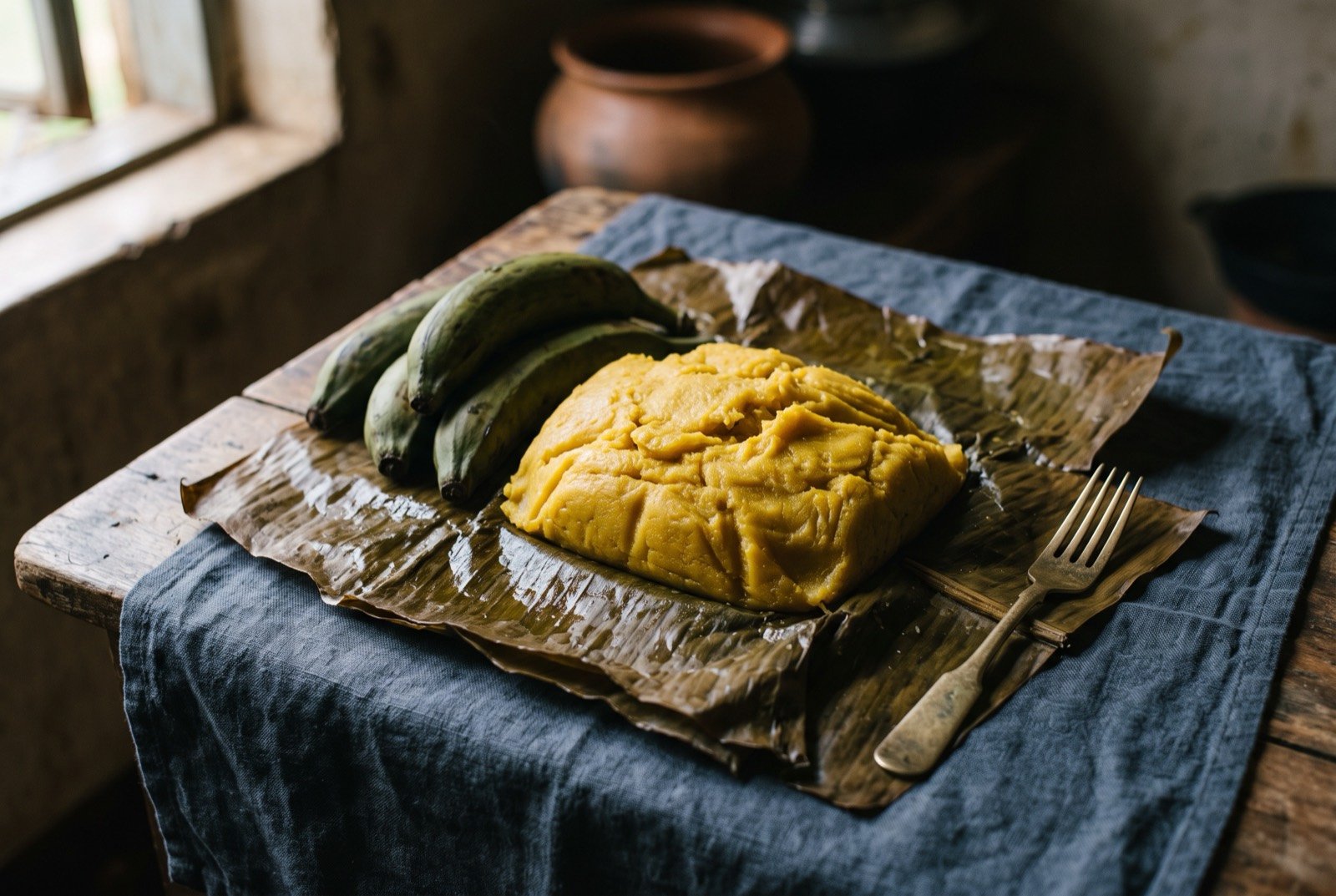 Matooke
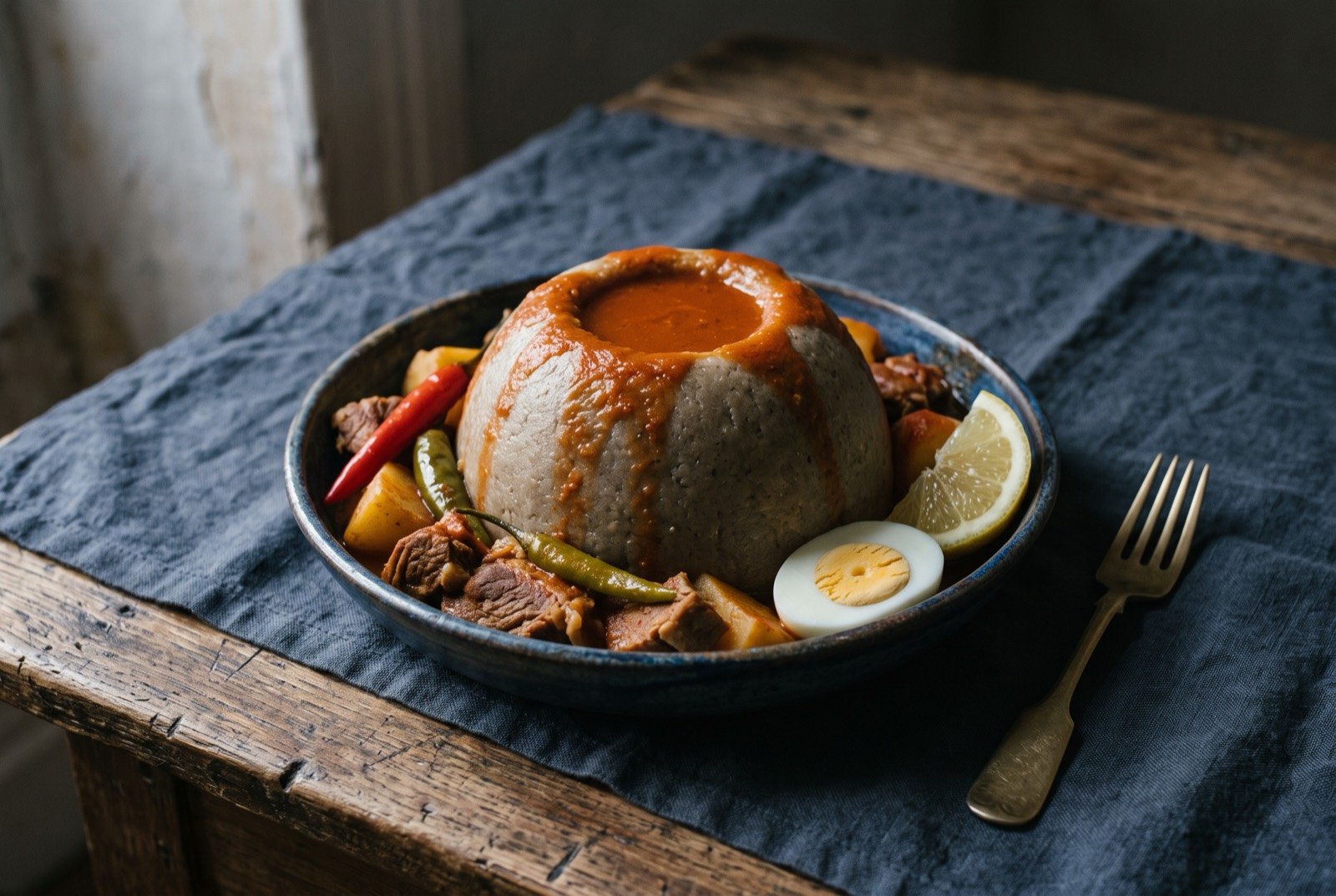 Bazeen
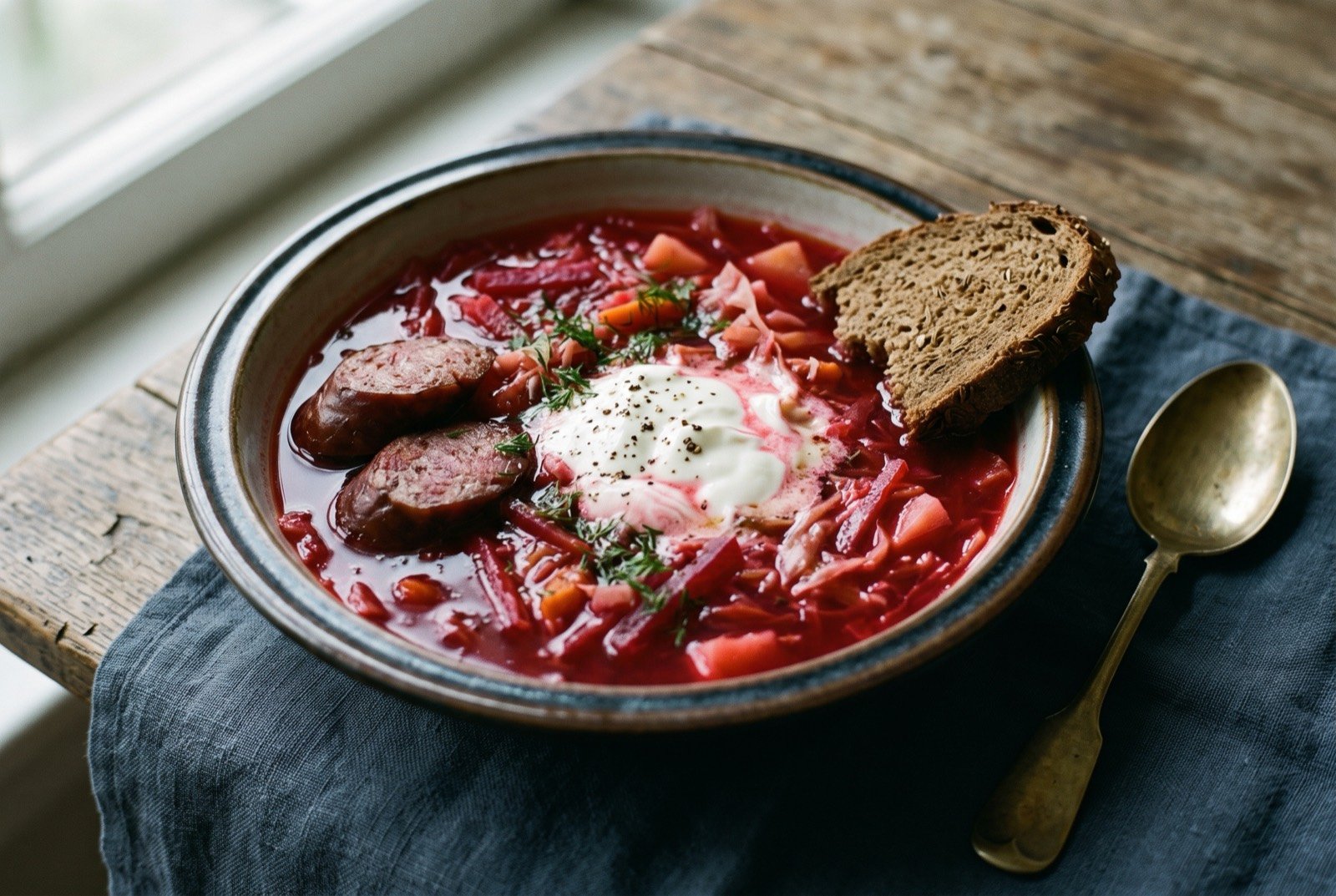 Borscht
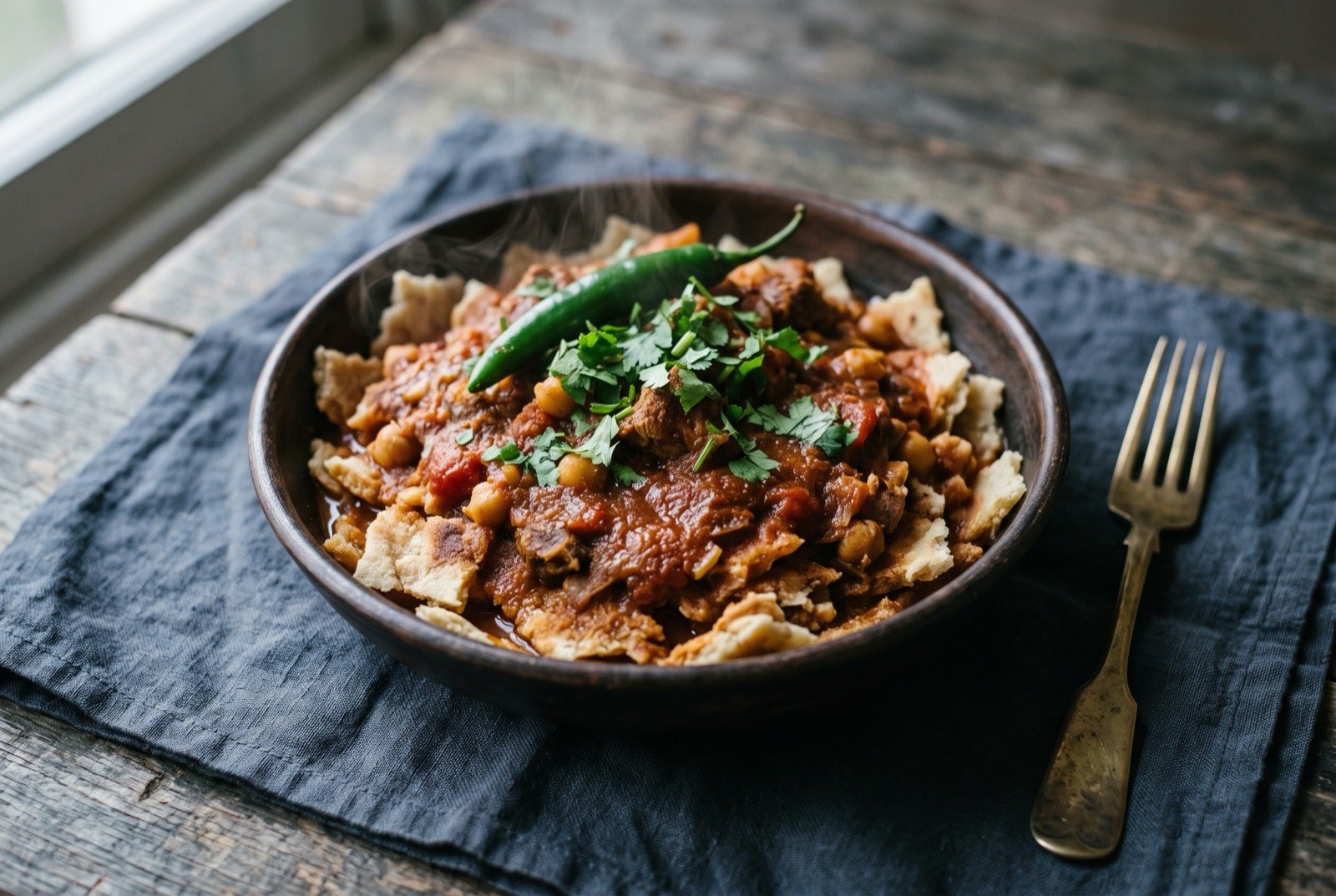 Chakhchoukha de M'sila
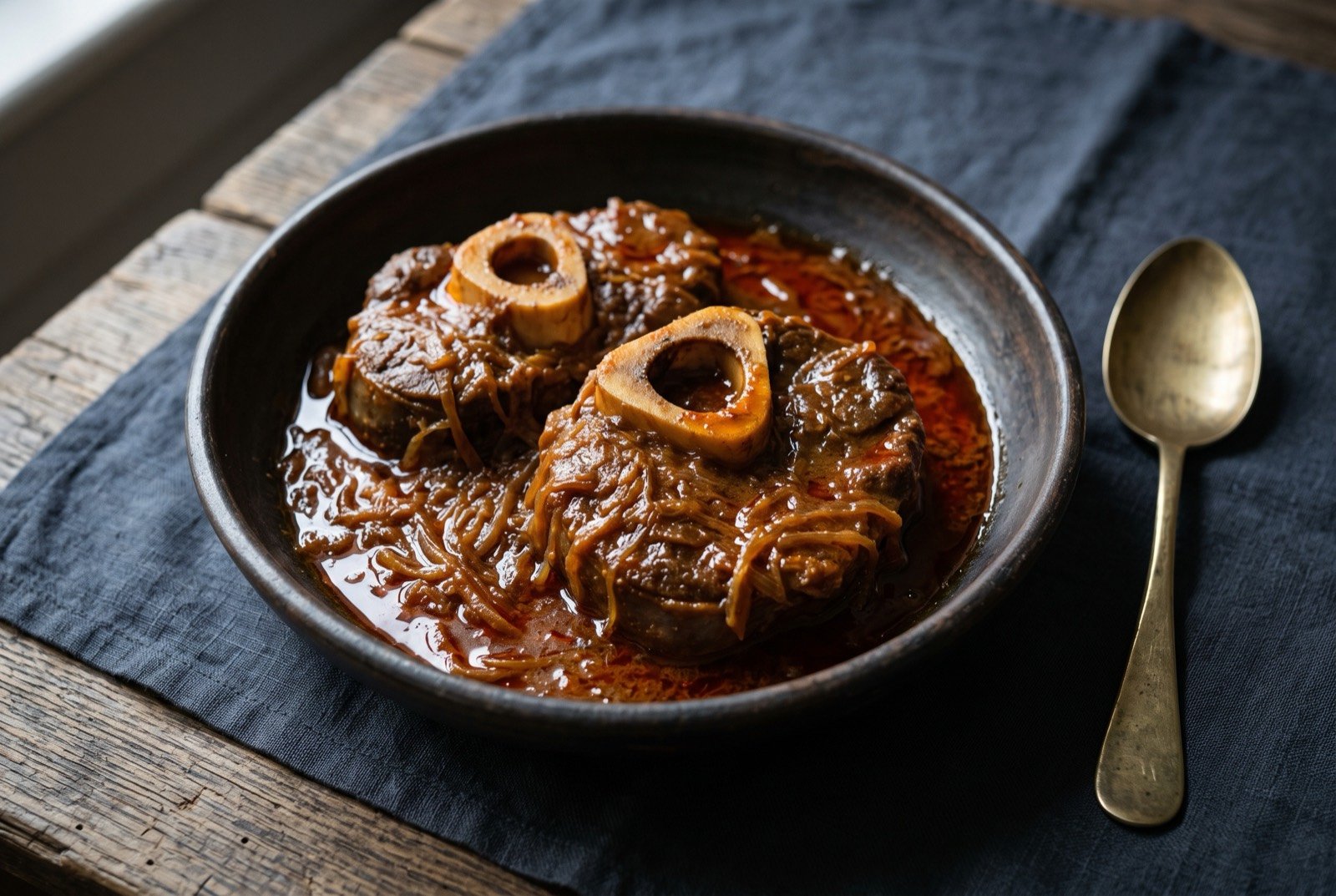 Doulouf
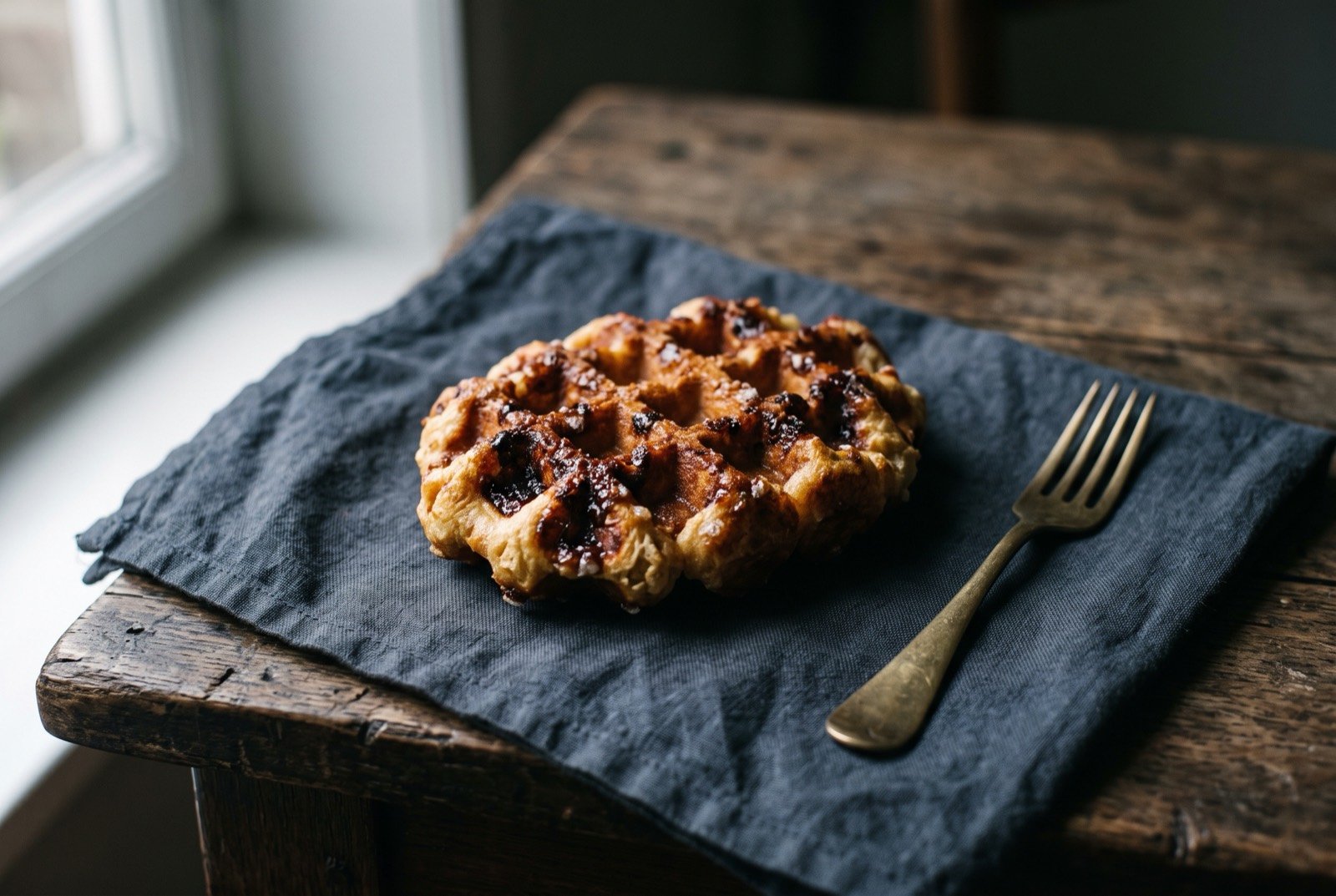 Gaufre de Liège
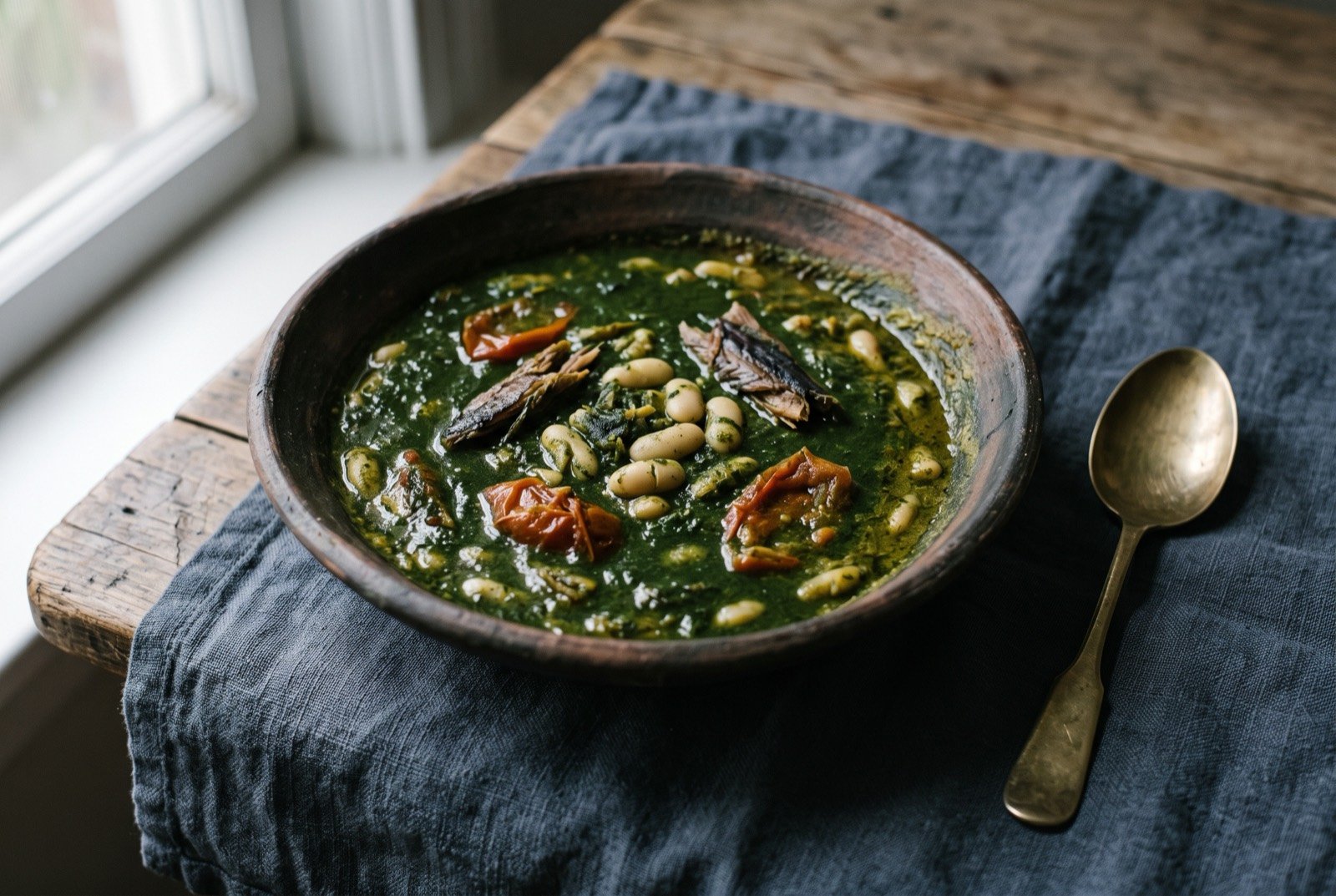 La souce dihé
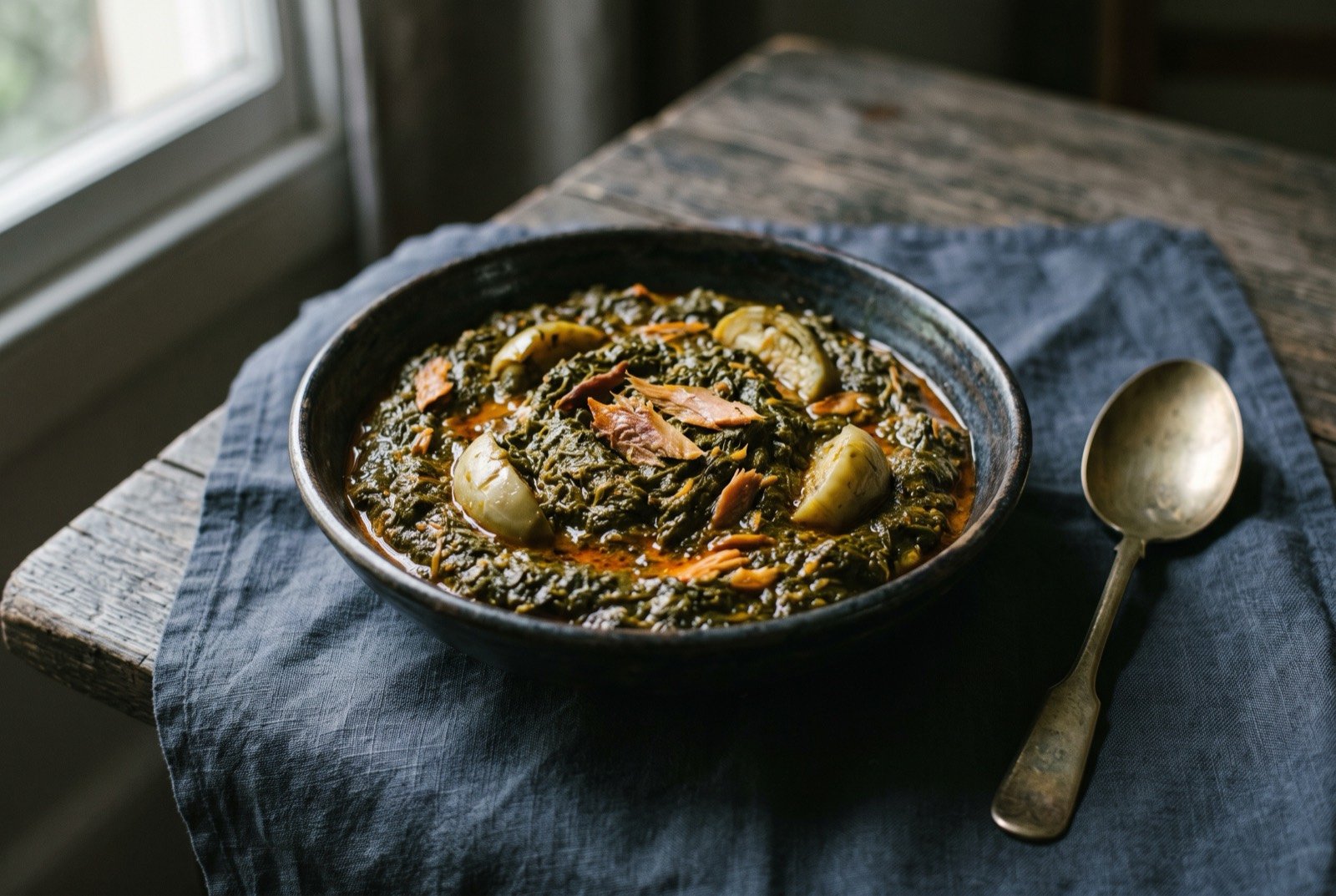 Pondu, or saka-saka
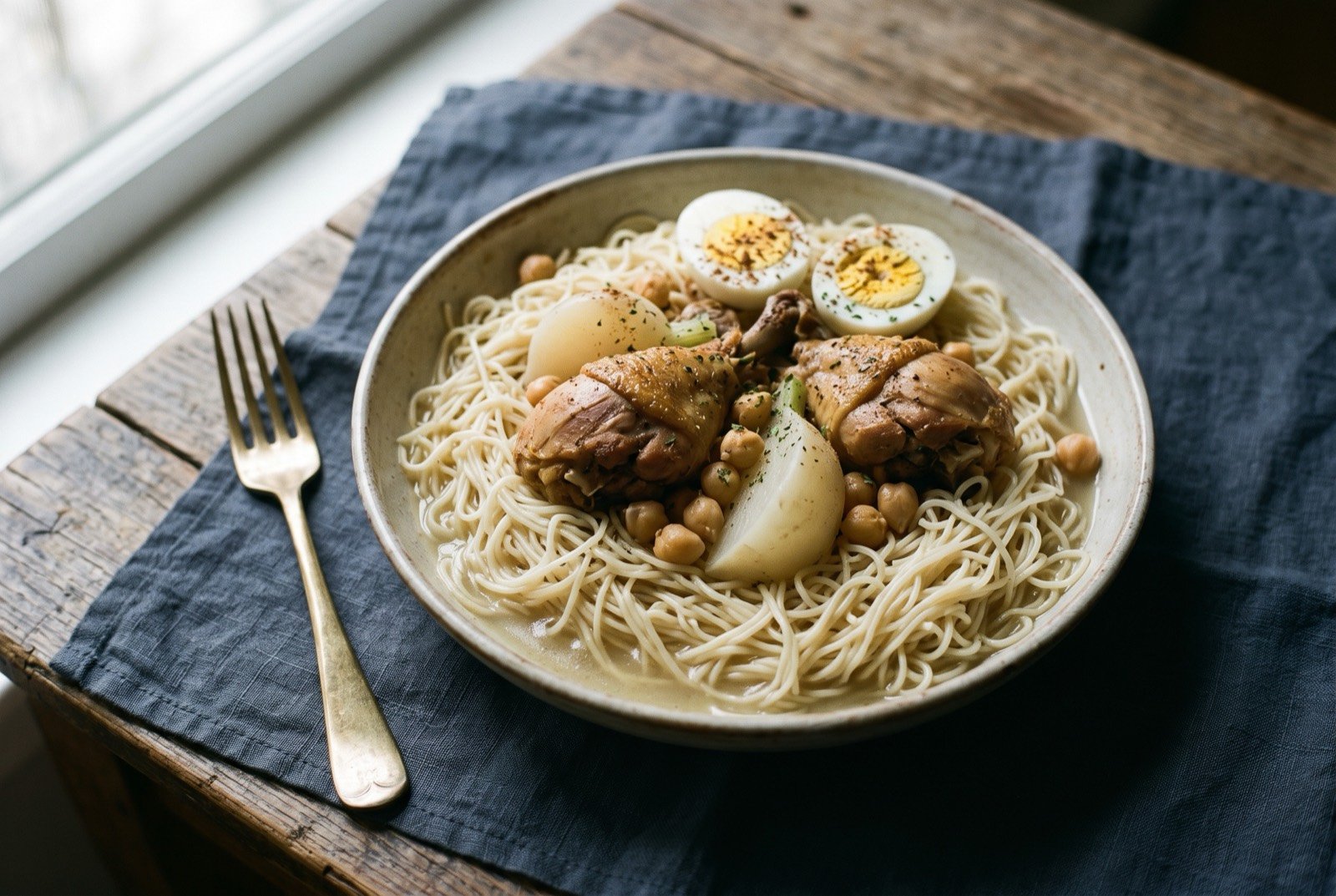 Rechta algéroise
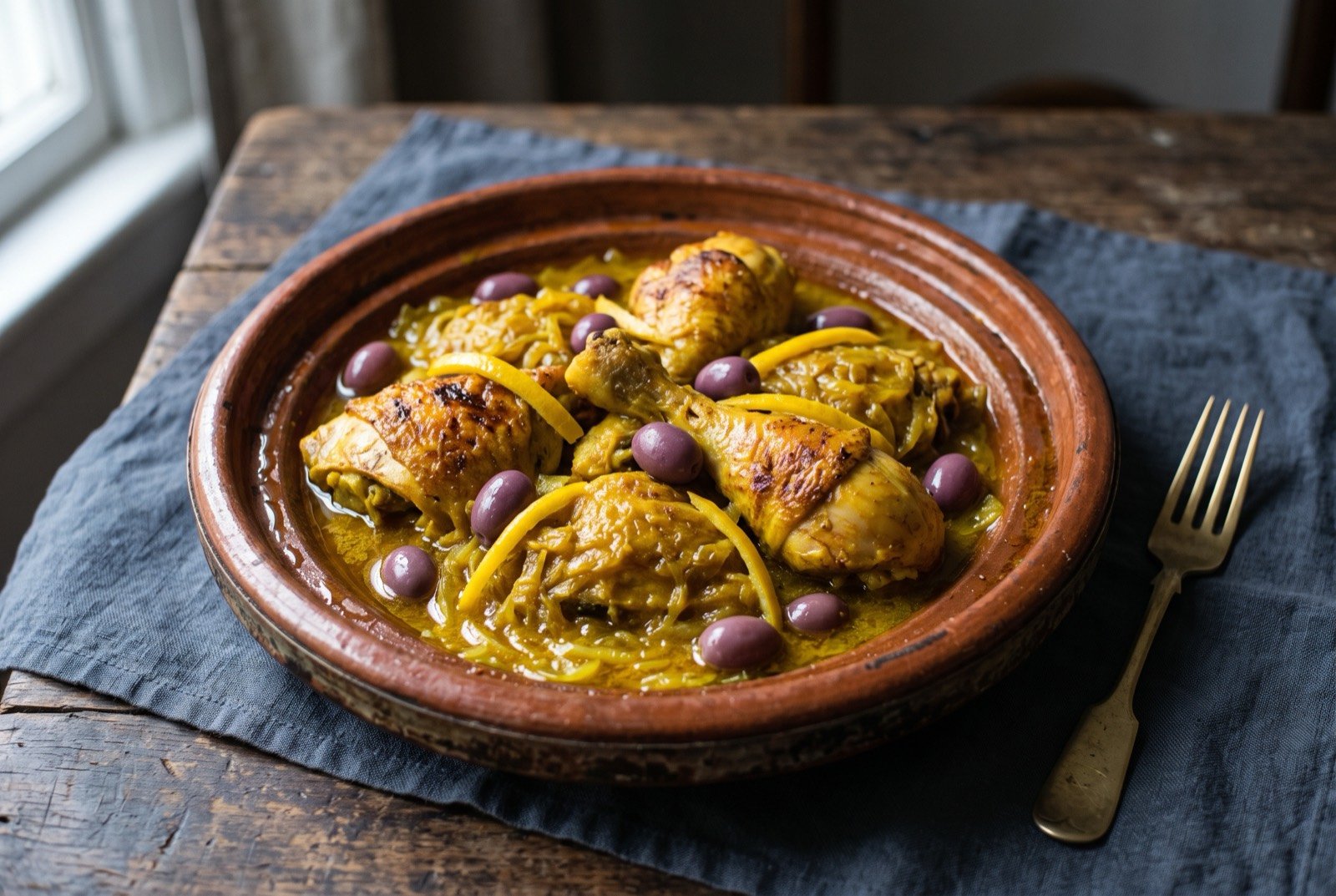 Djaj mqualli
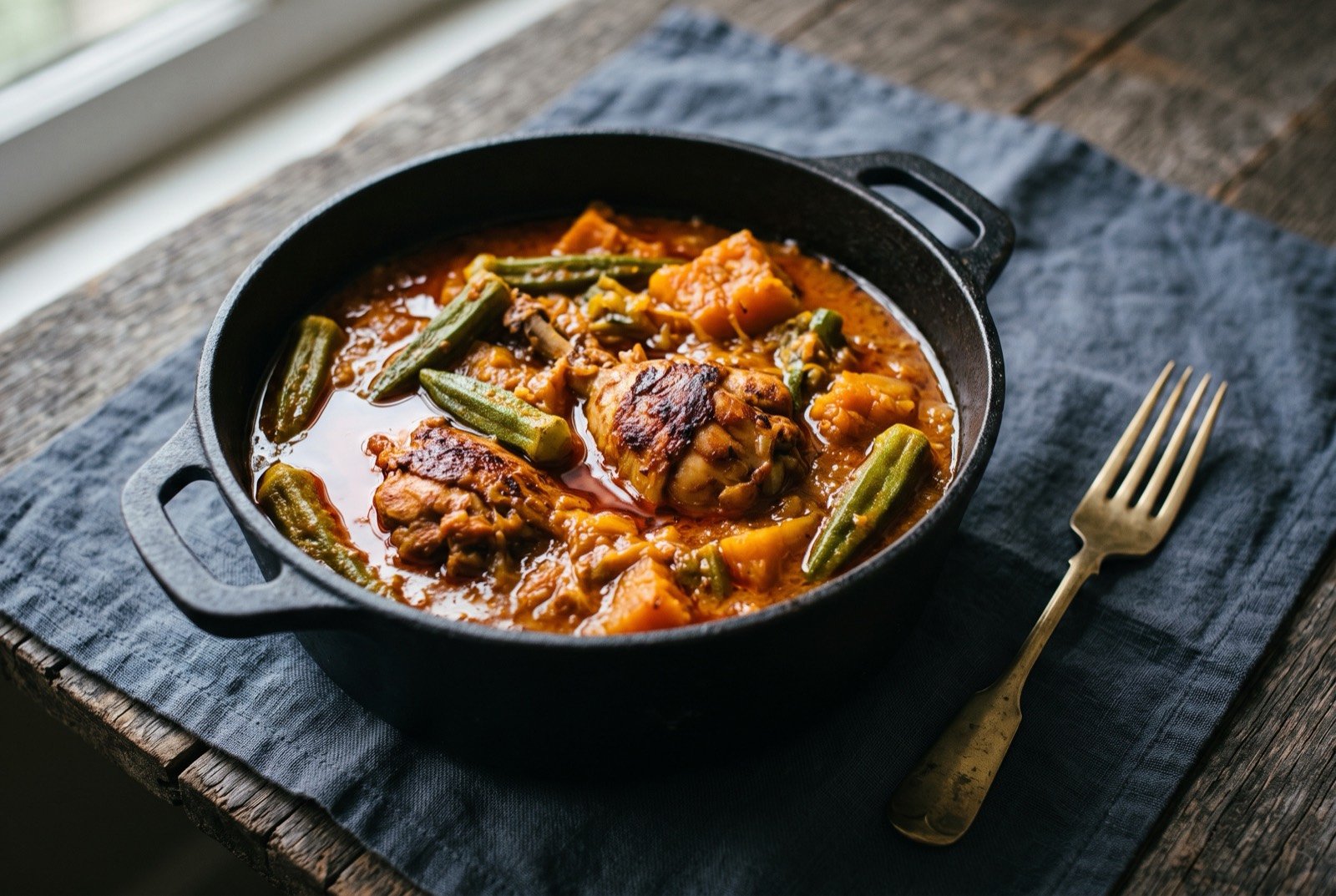 Muamba de galinha
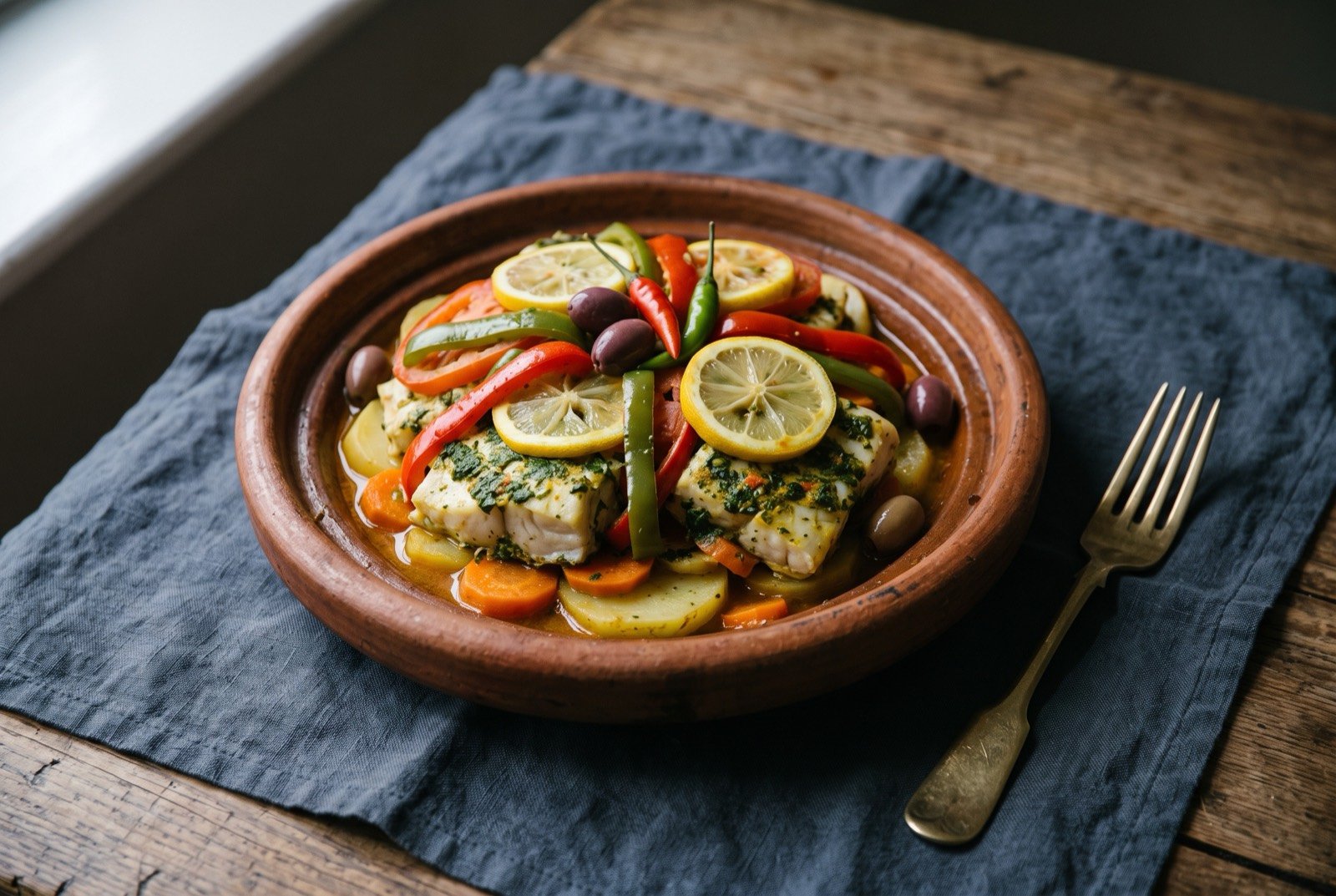 Fish tagine with chermoula
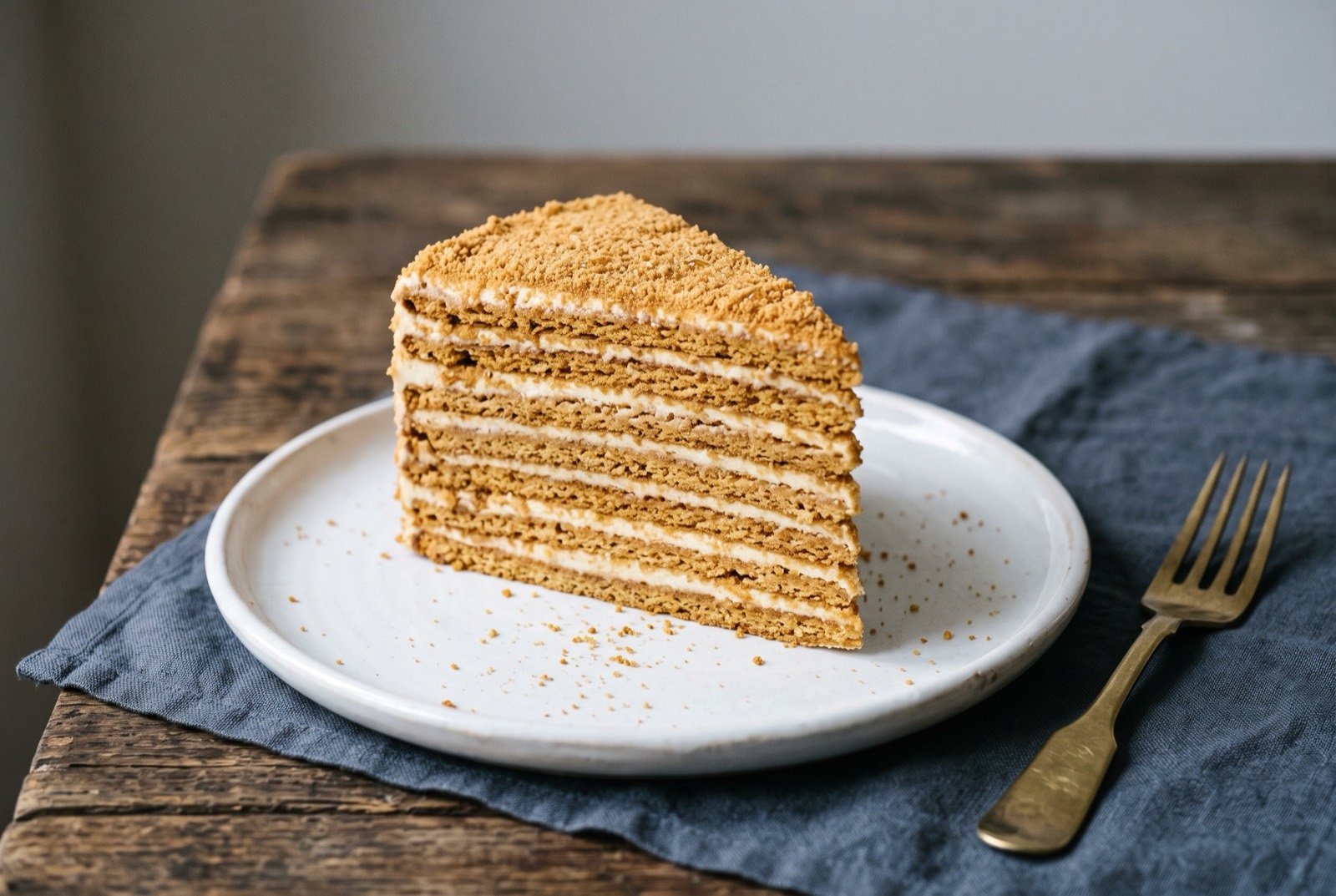 Medovník
Project
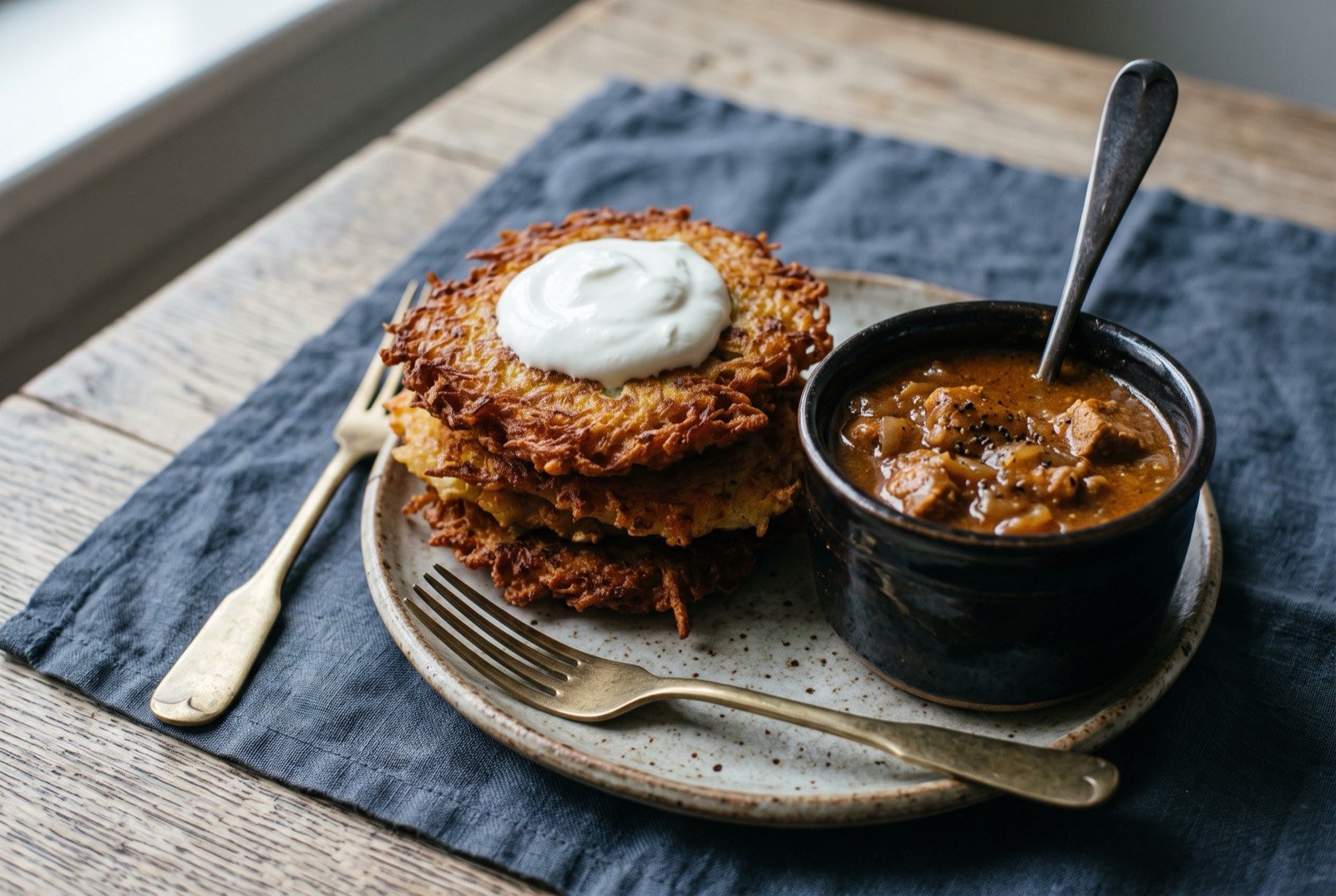 Deruny and Draniki, with Machanka
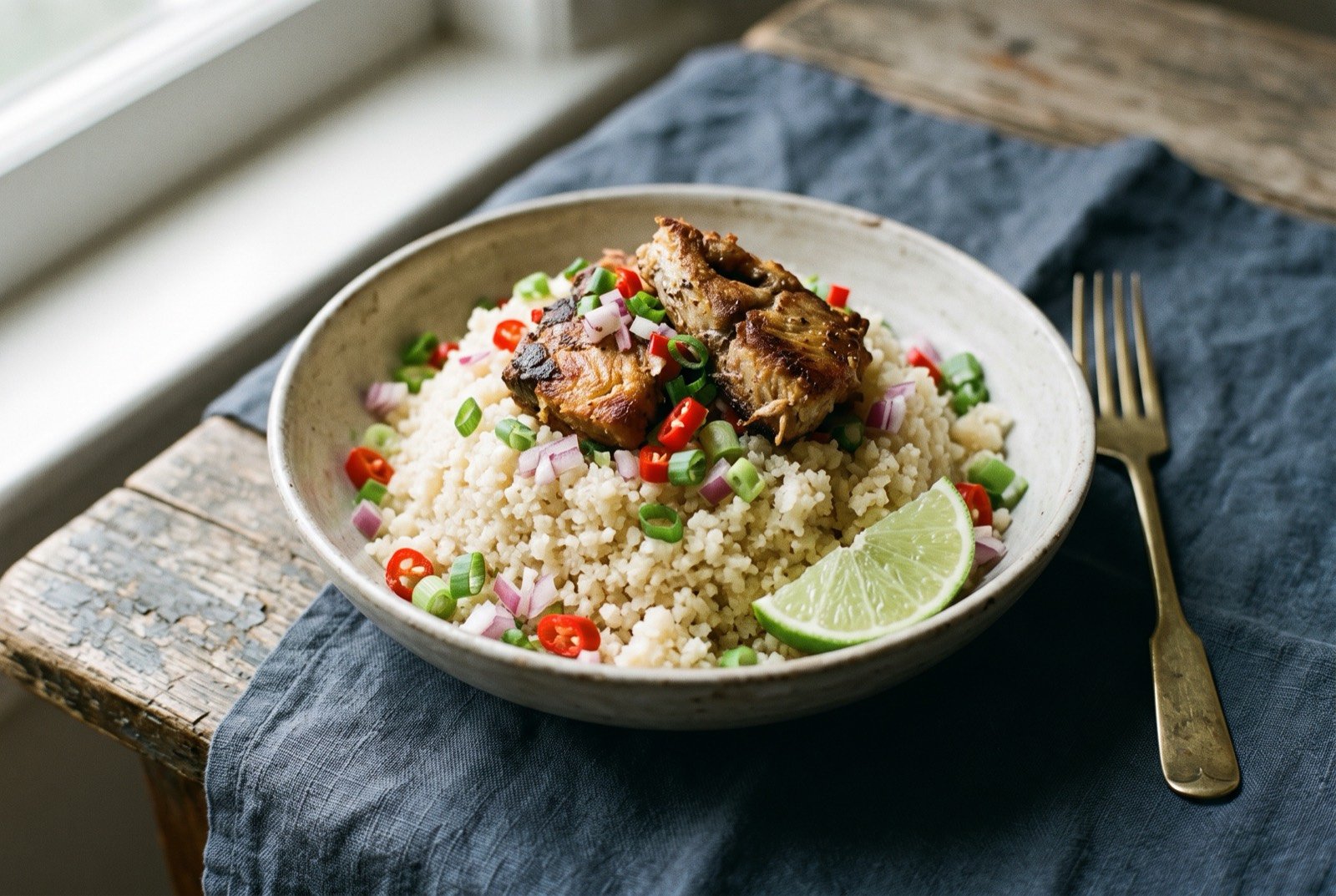 Garba
Garba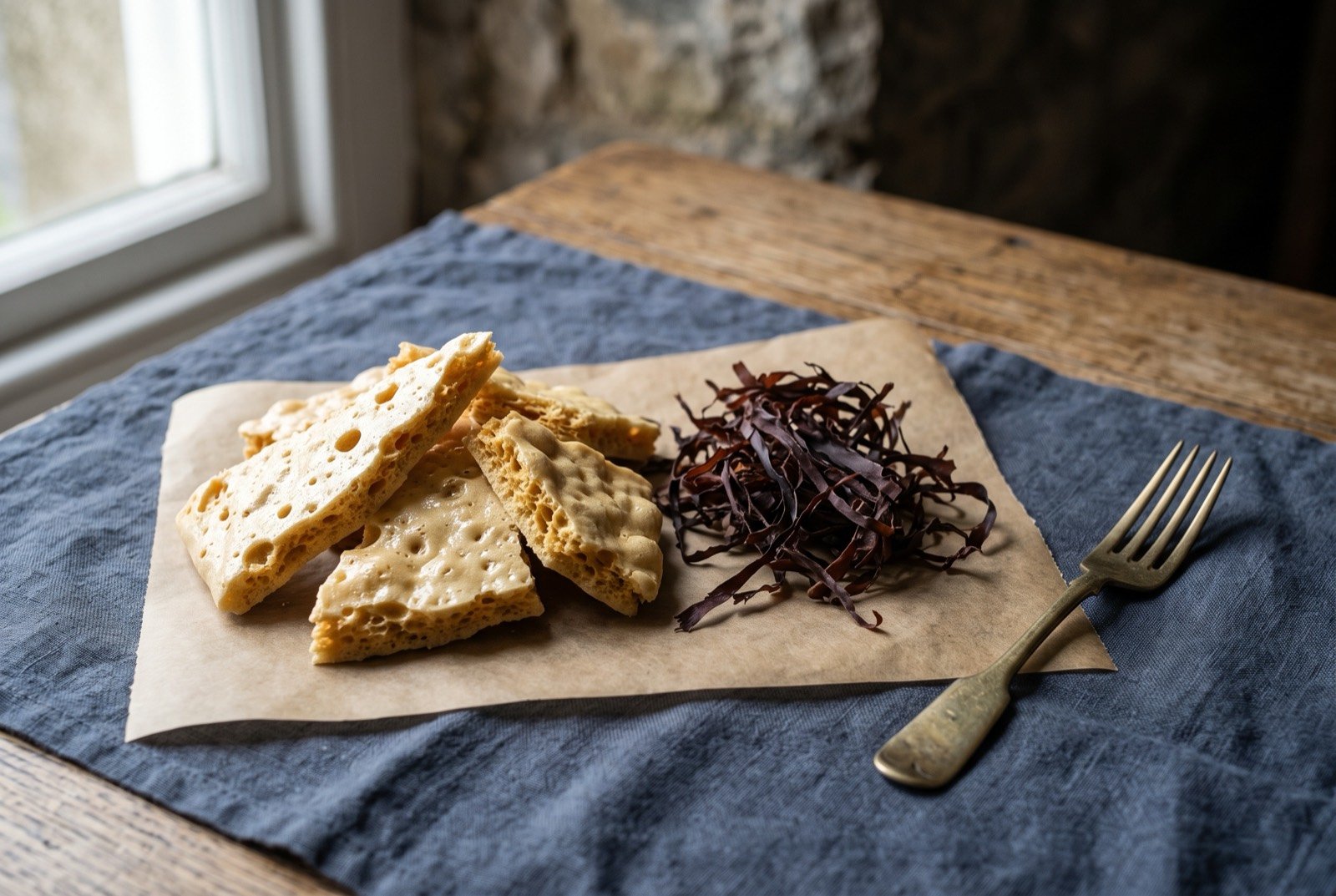 Yellowman and Dulse
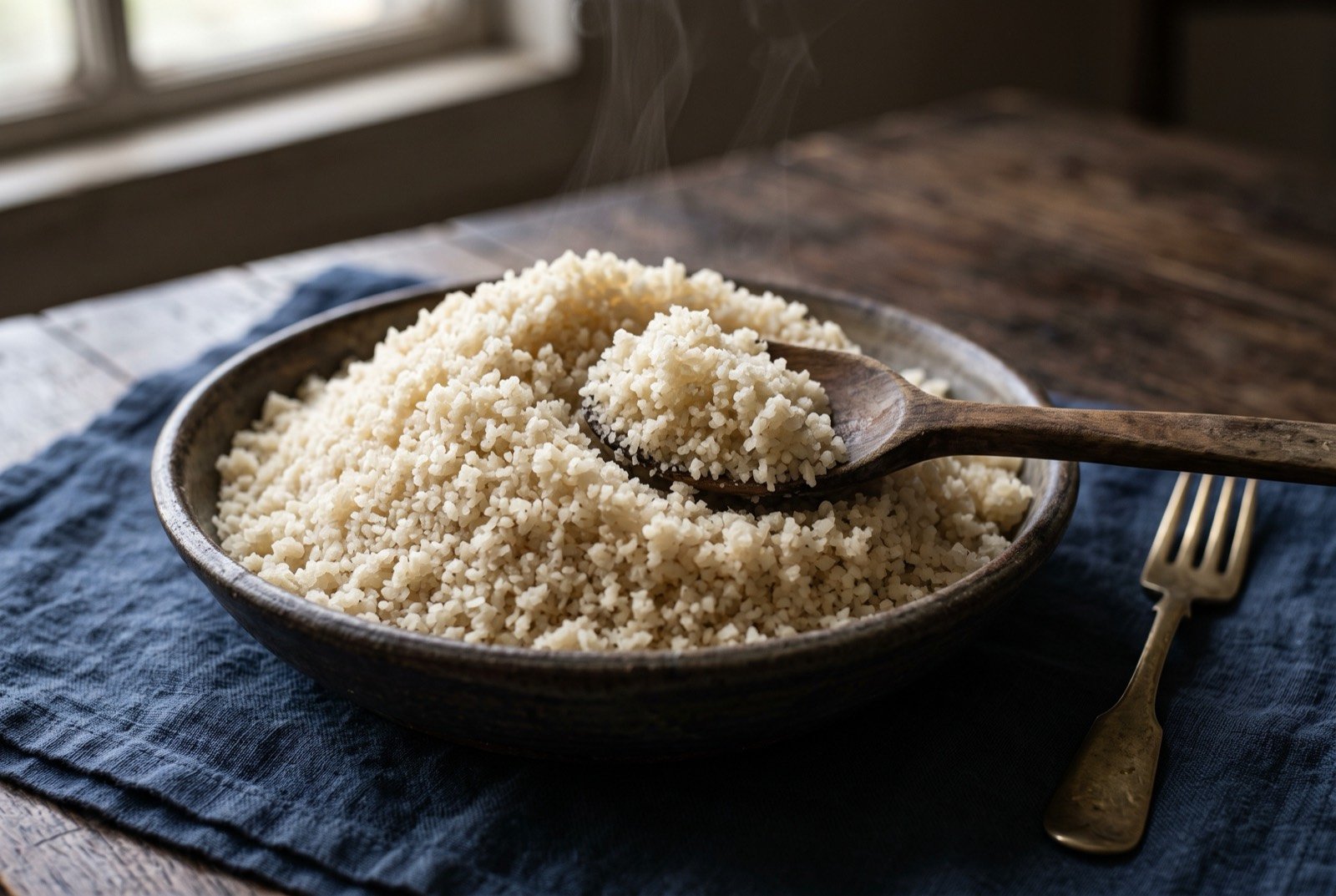 Attiéké
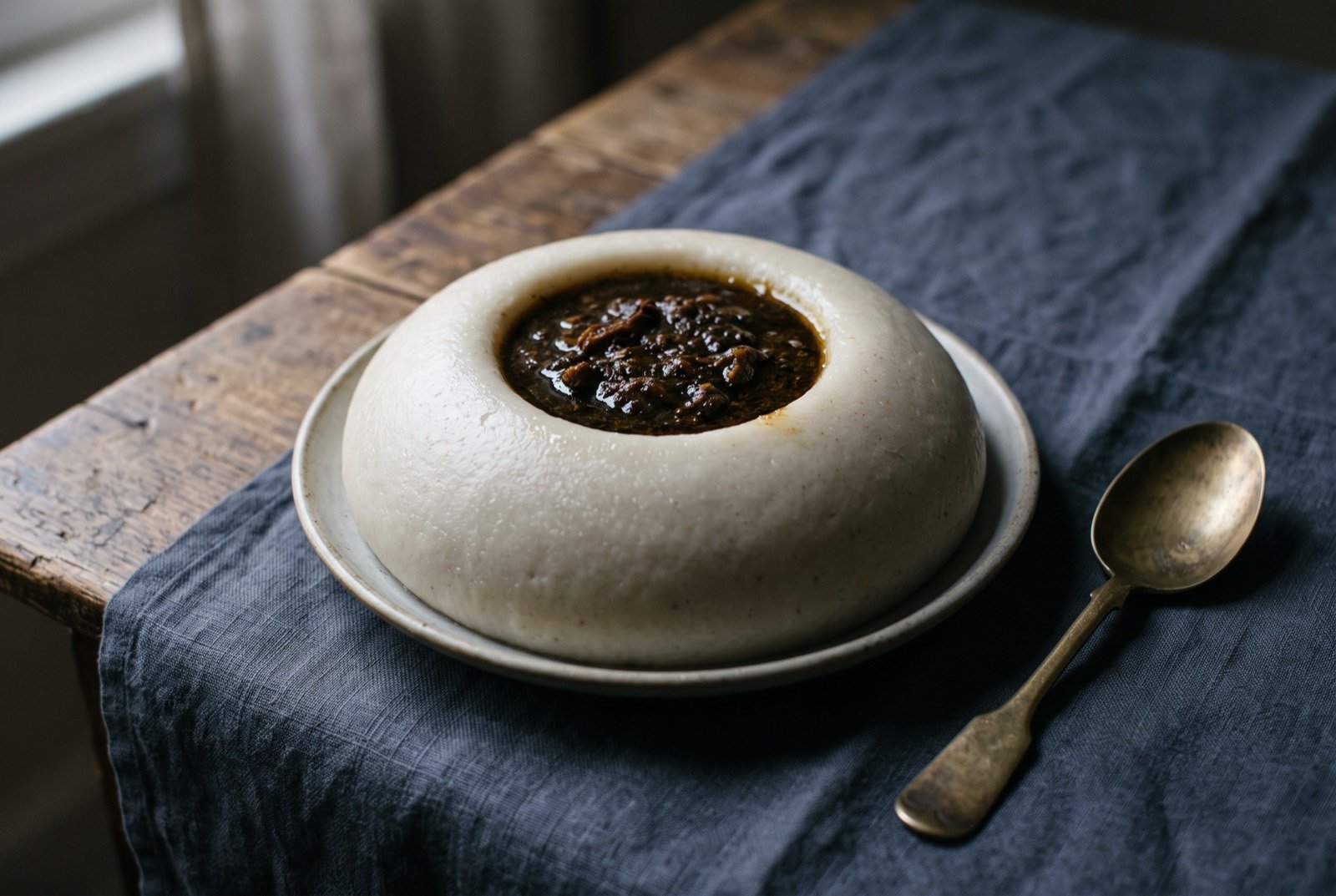 Aseeda, and asida jeer
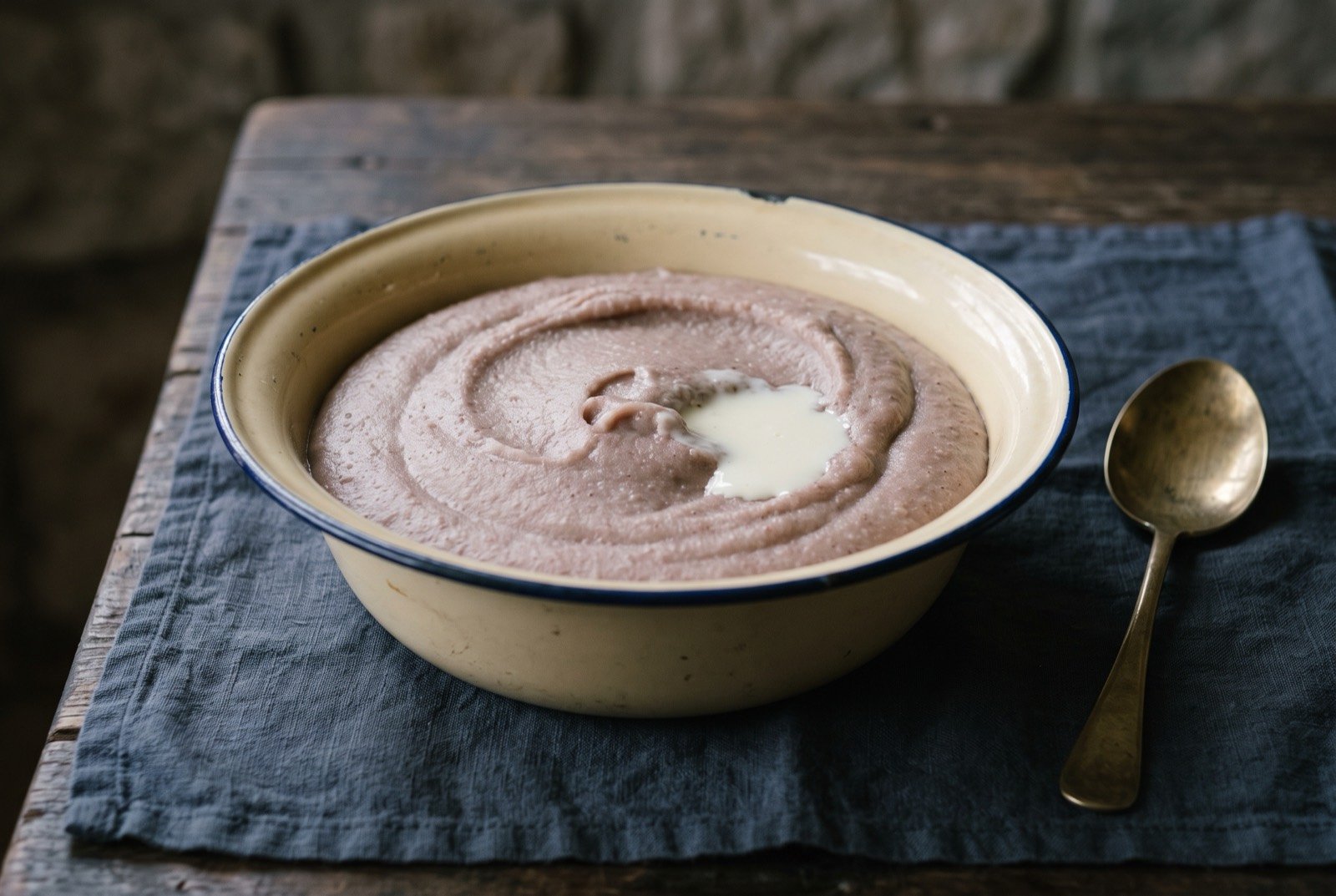 Bogobe jwa ting
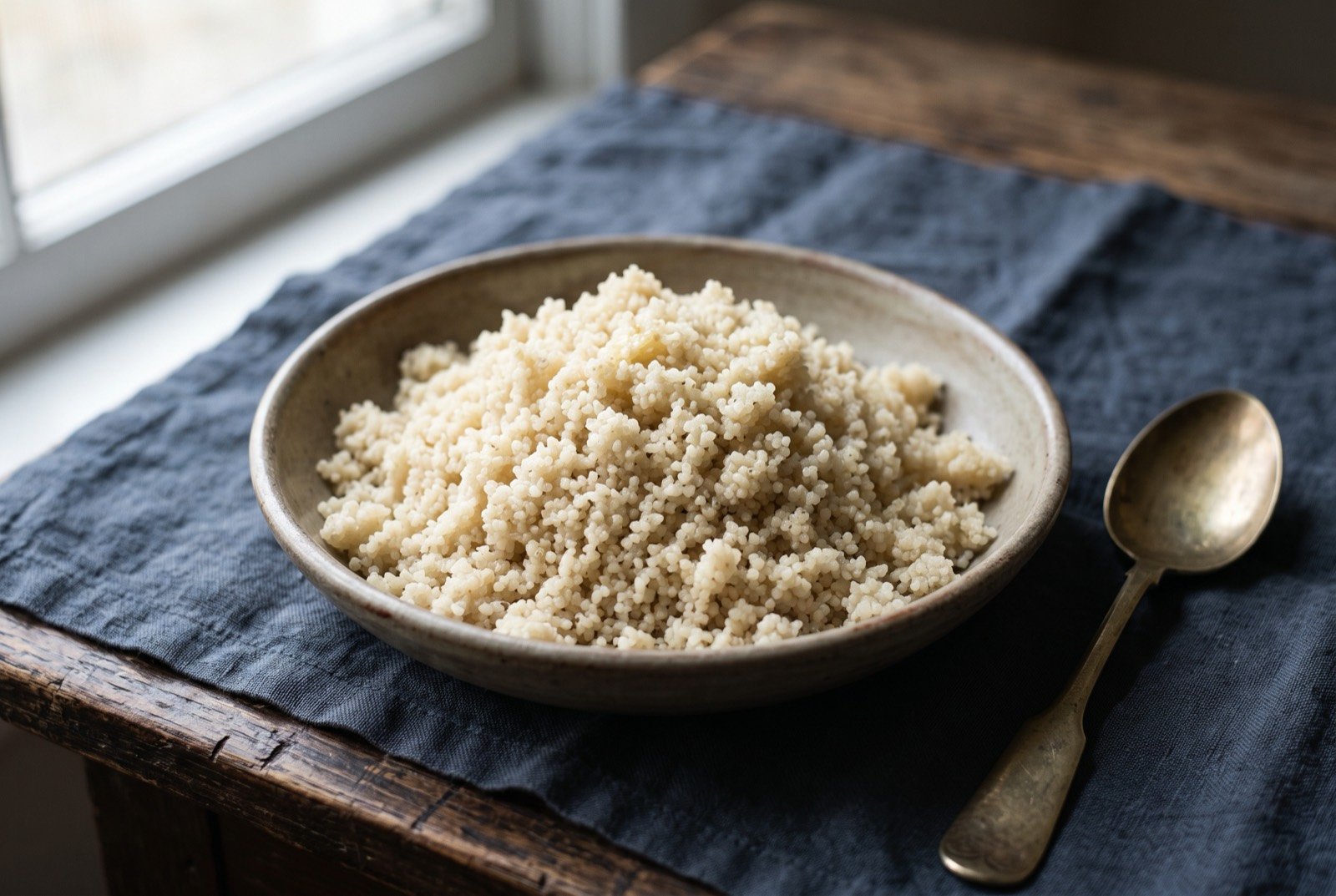 Fonio, steamed twice
 Injera / taita
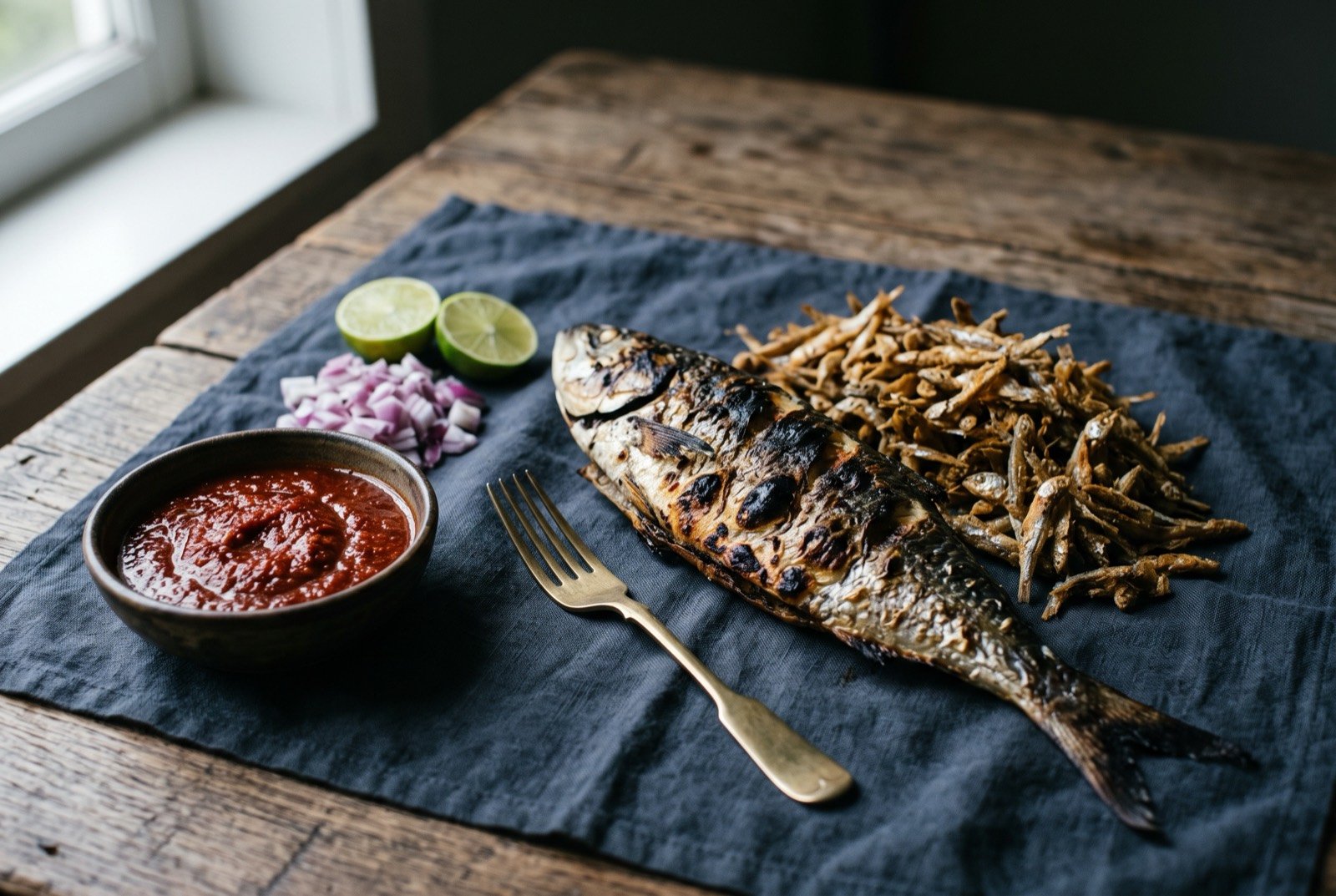 Ndagala and mukeke
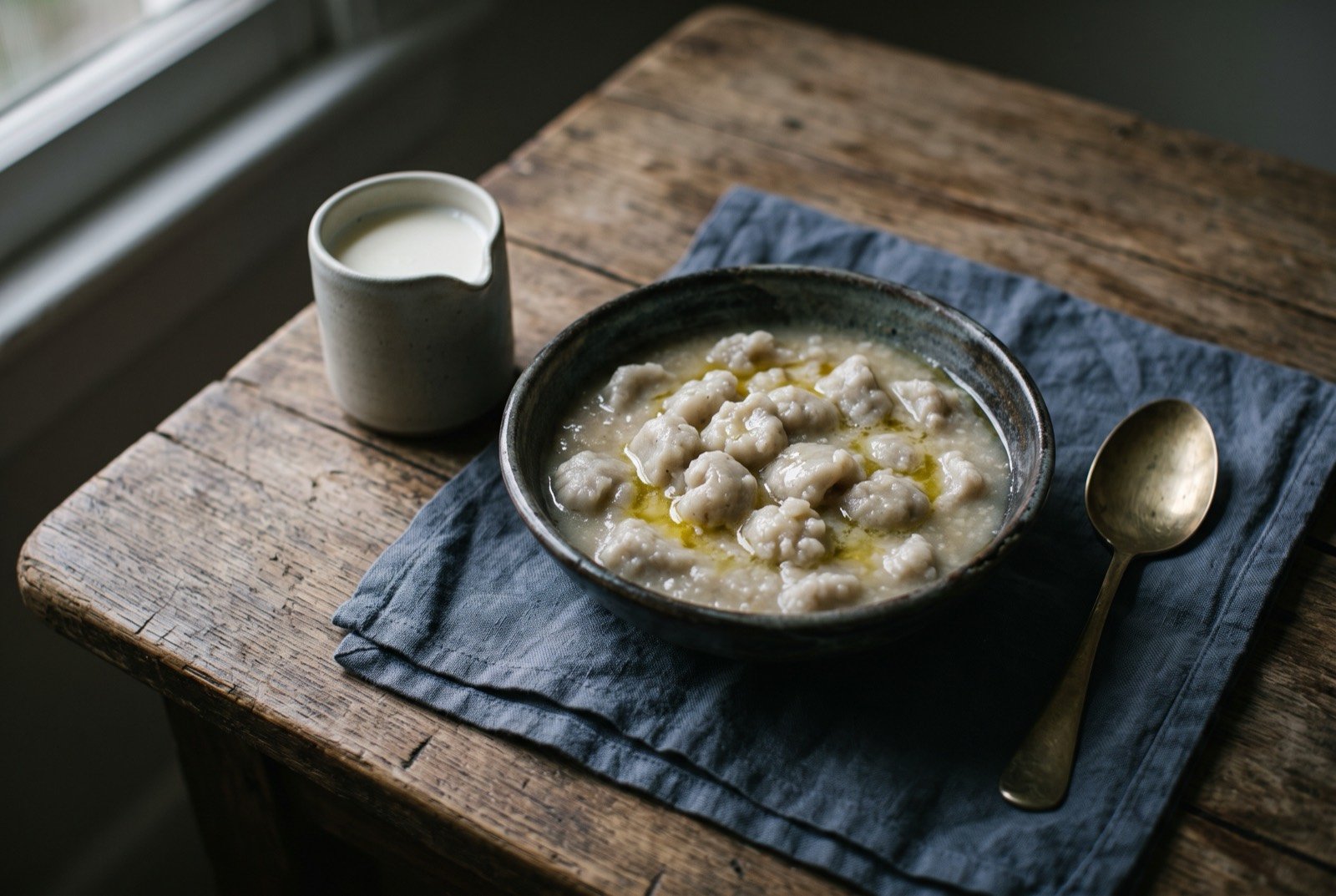 Walwal
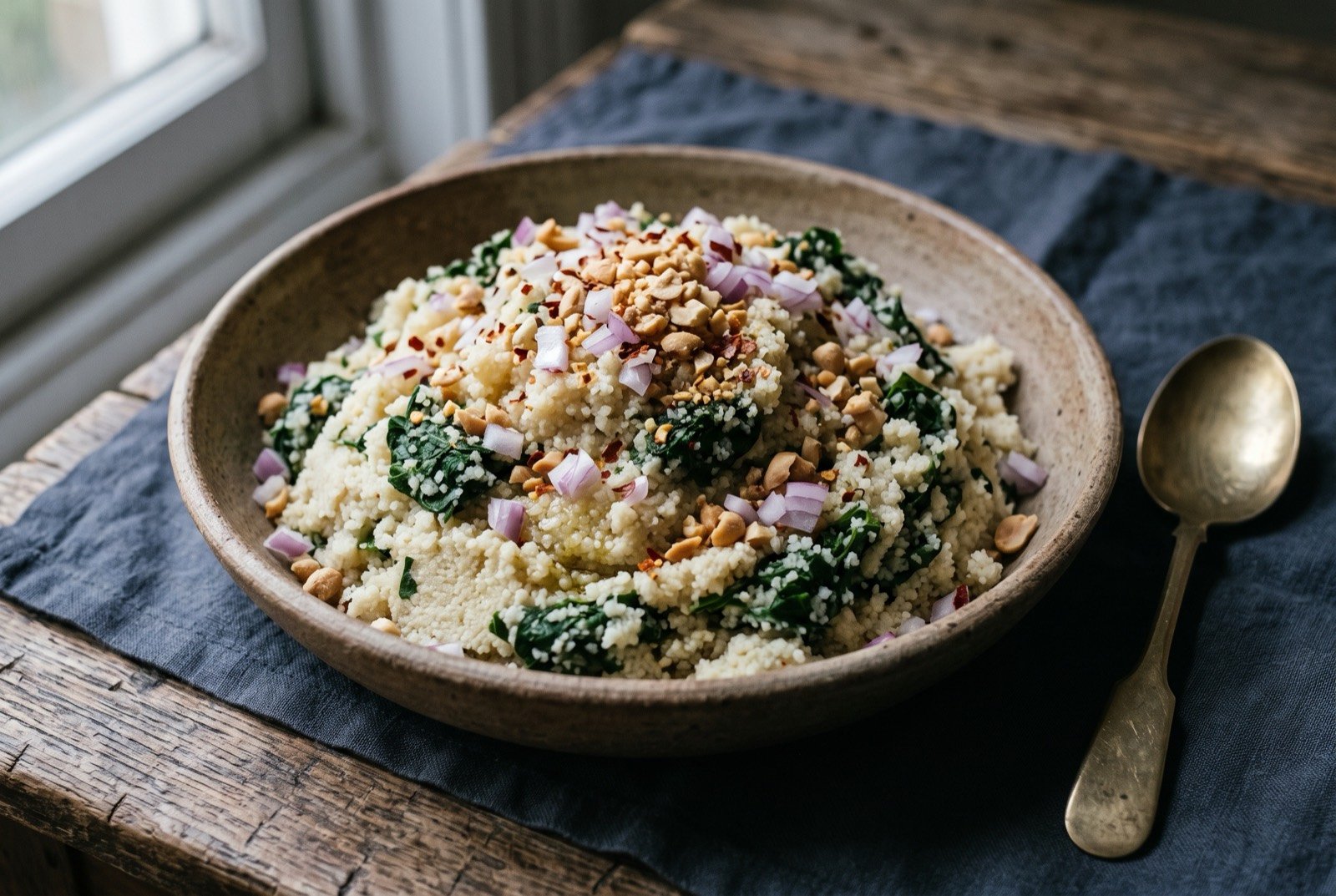 Dambou
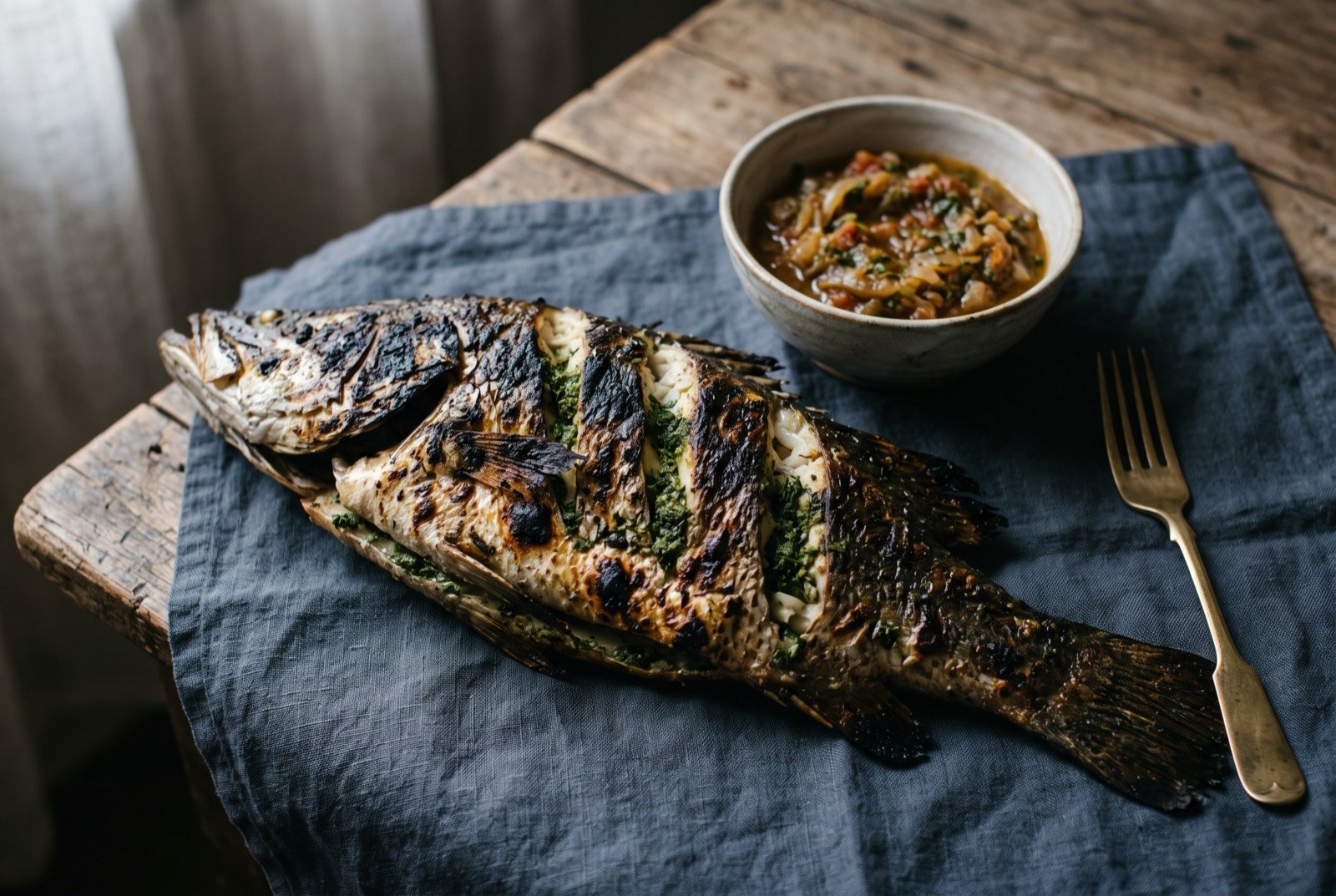 Capitaine grillé
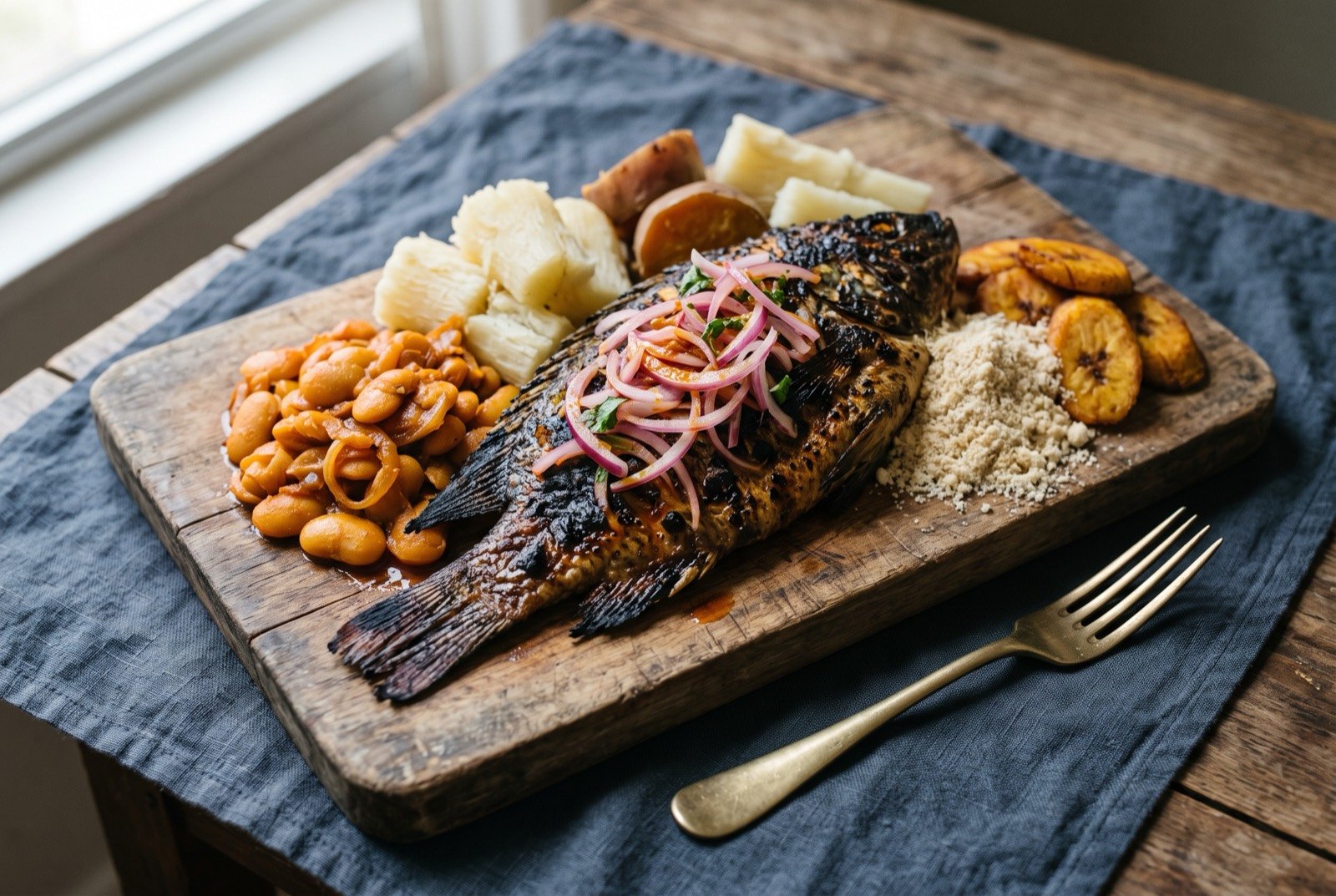 Mufete
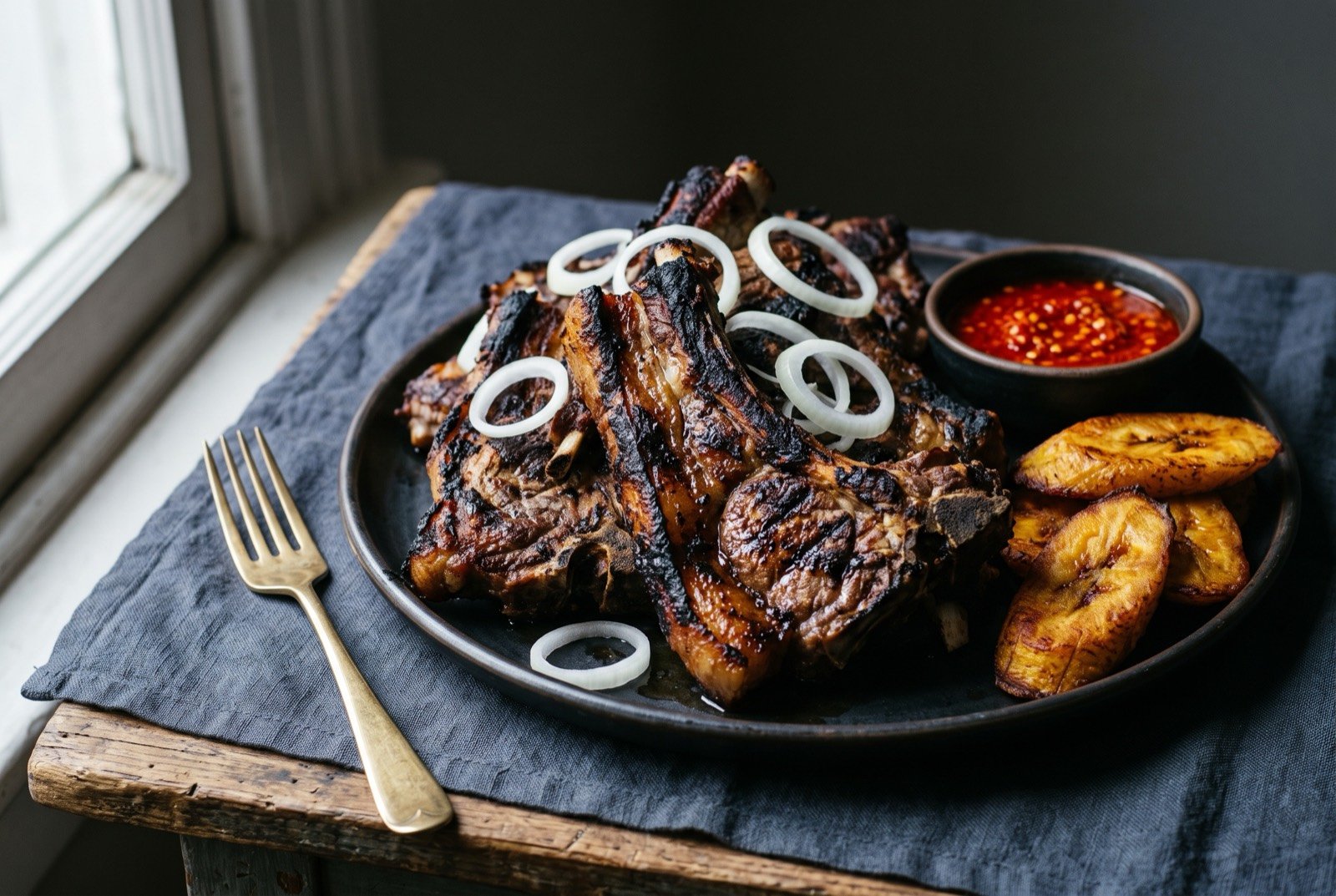 Ntaba, the nganda grill
 Żurek
Żurek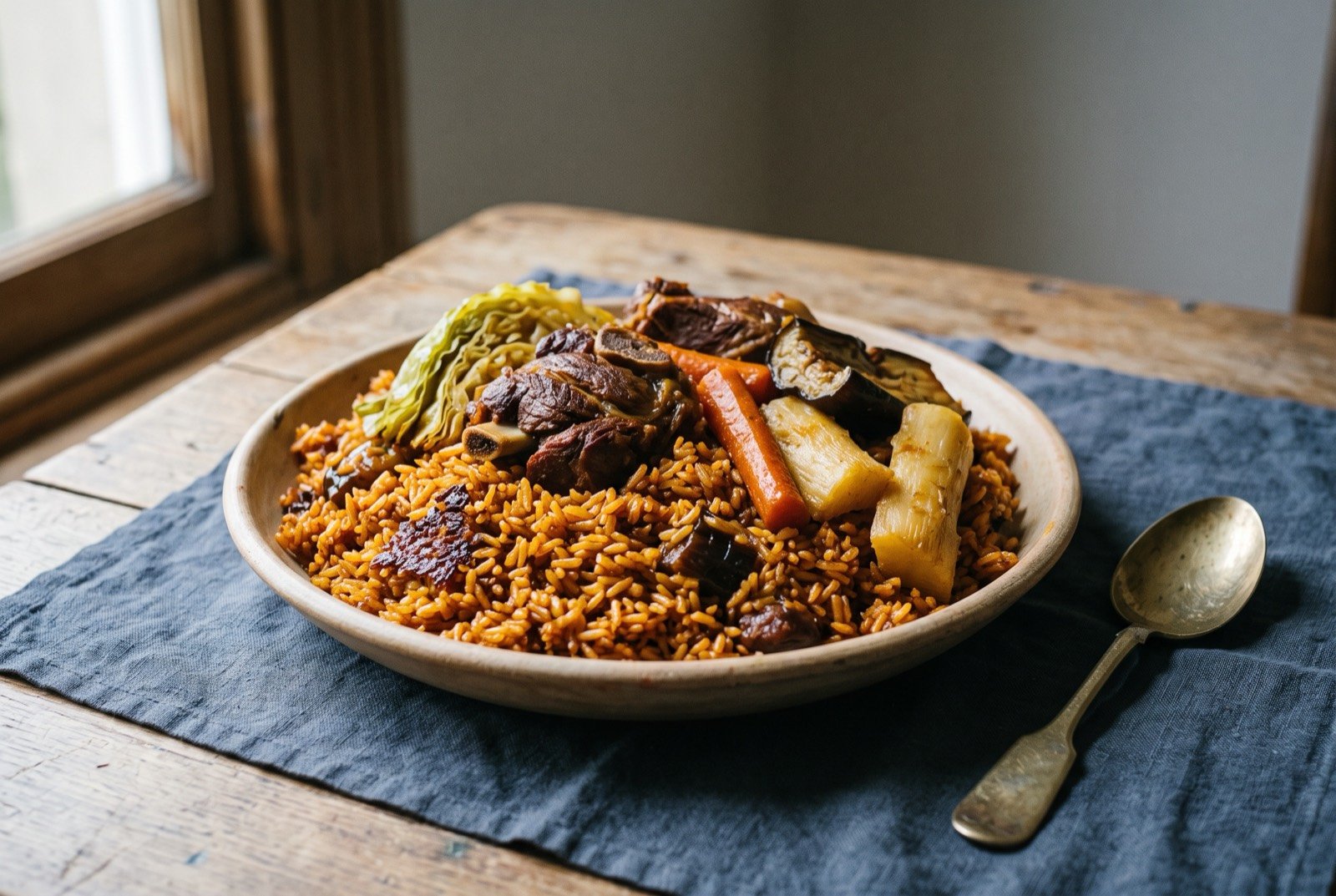 Riz au gras, or zaamè
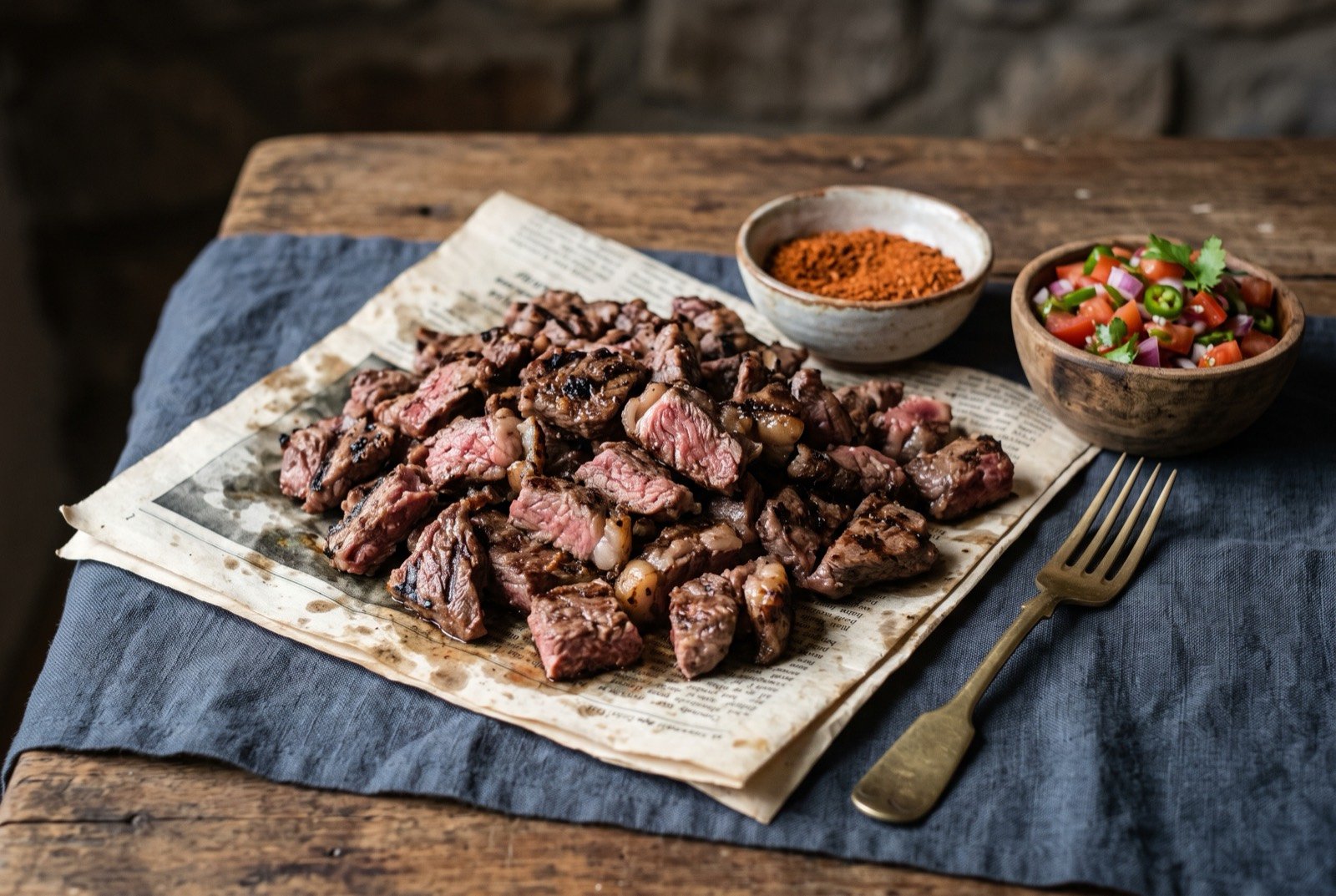 Kapana
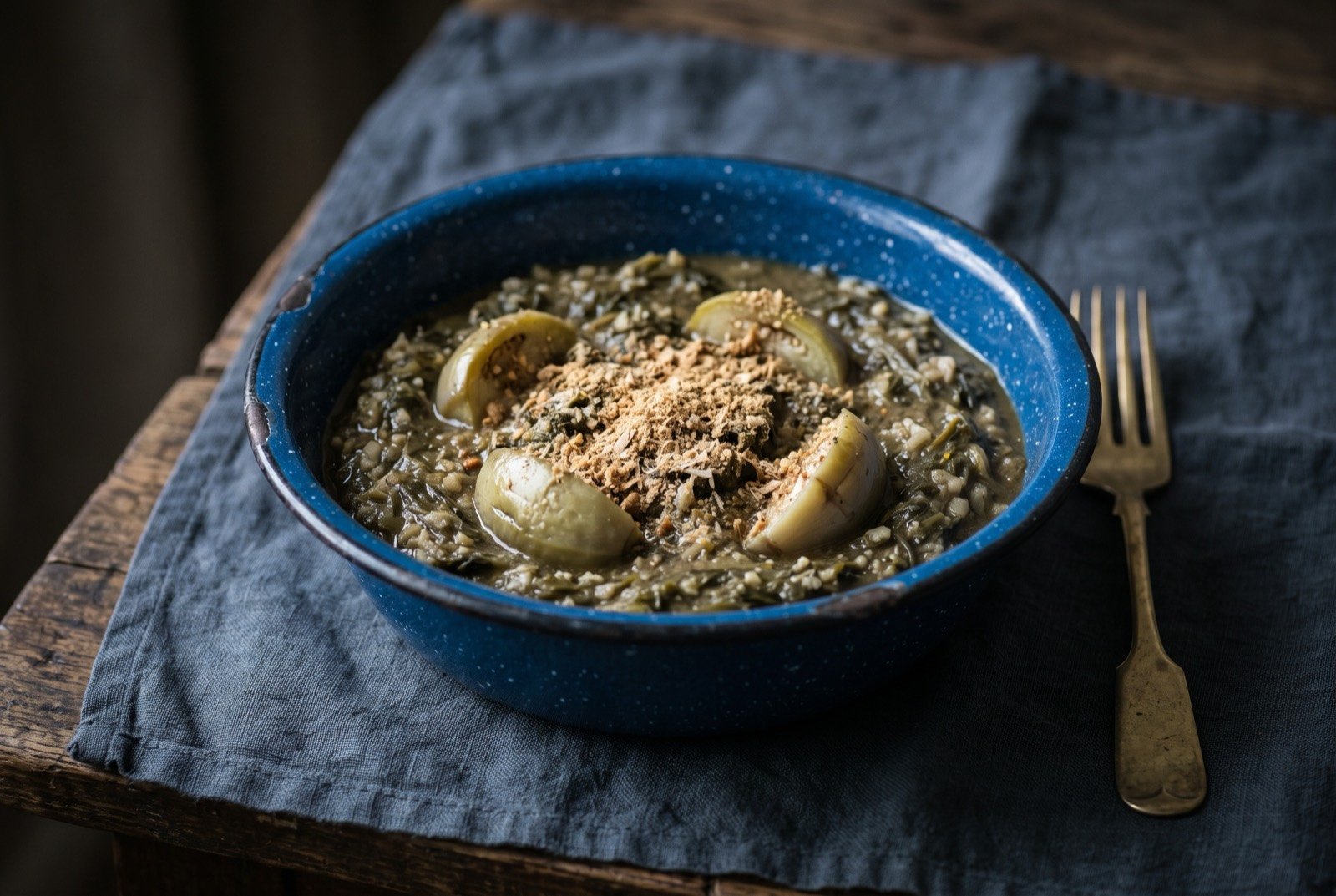 Babenda
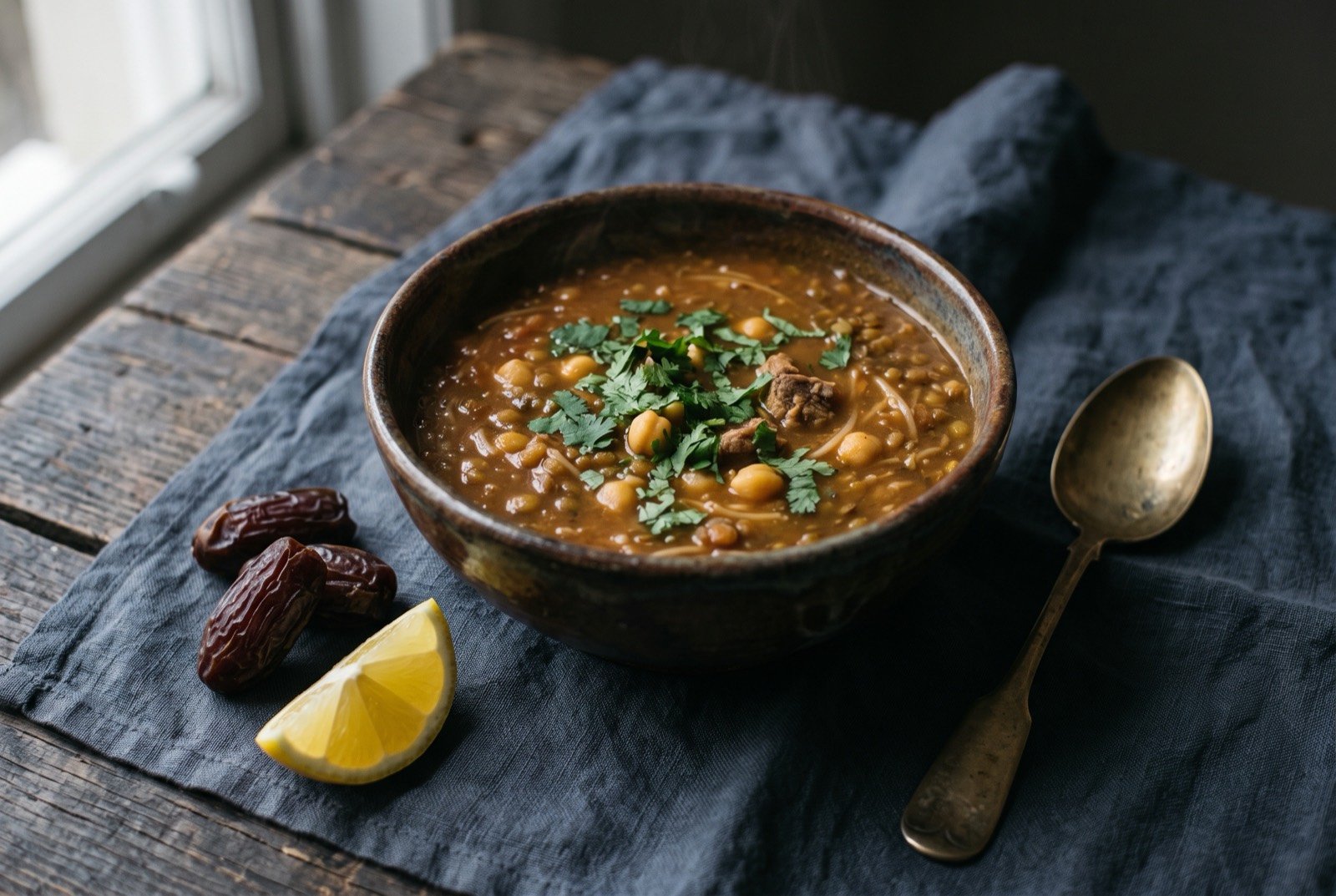 Harira
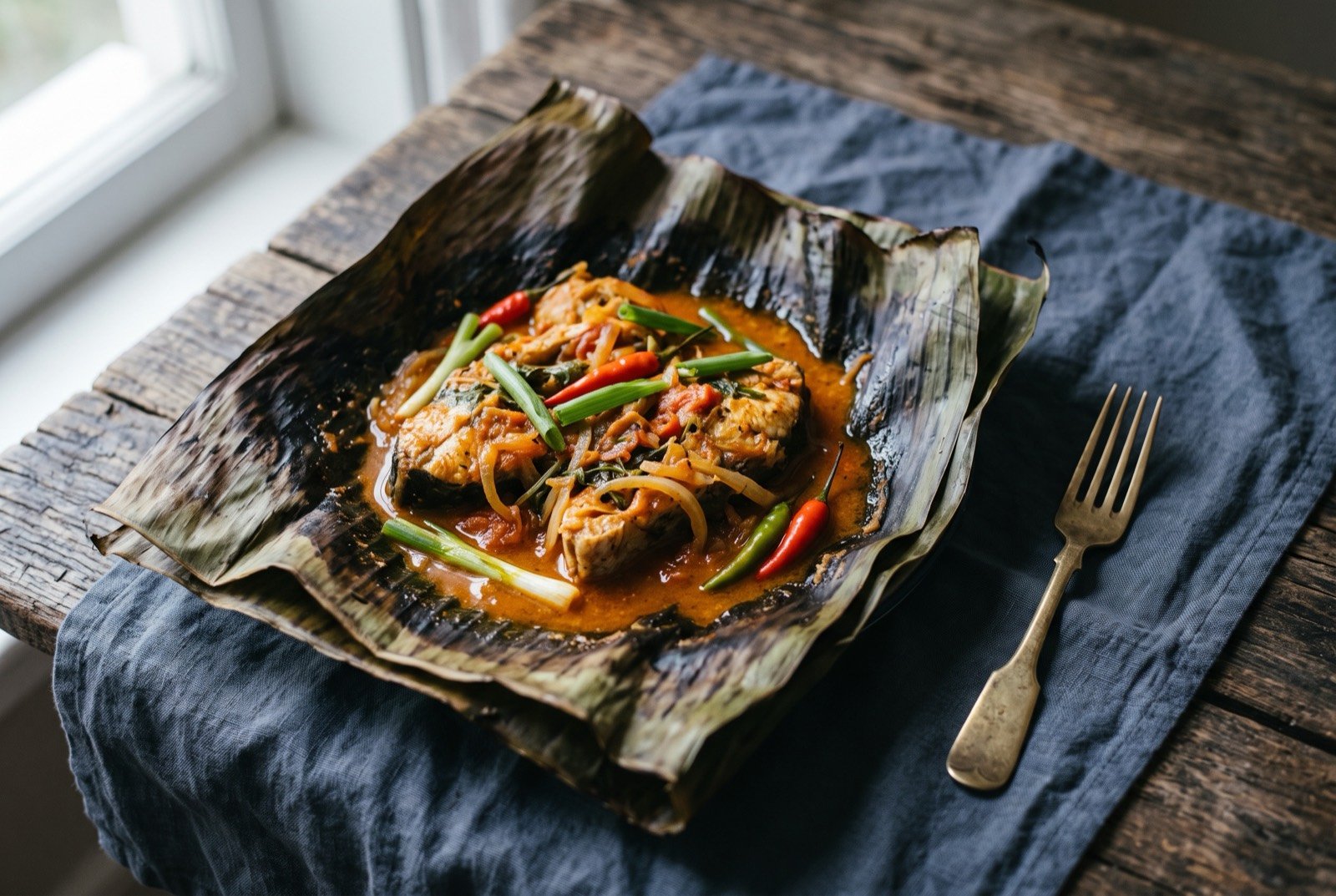 Liboke ya malangwa
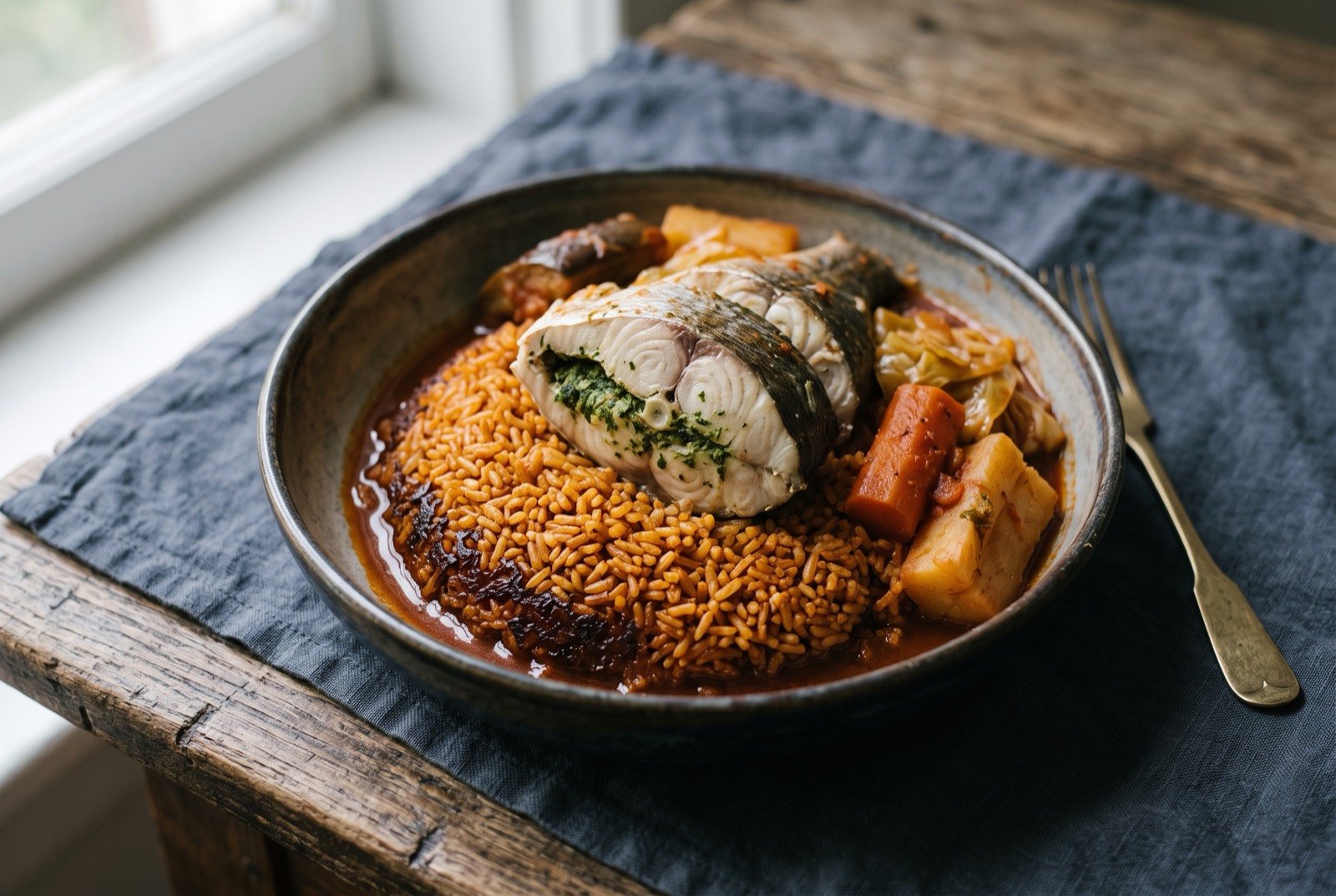 Ceebu jën
 Choucroute Garnie
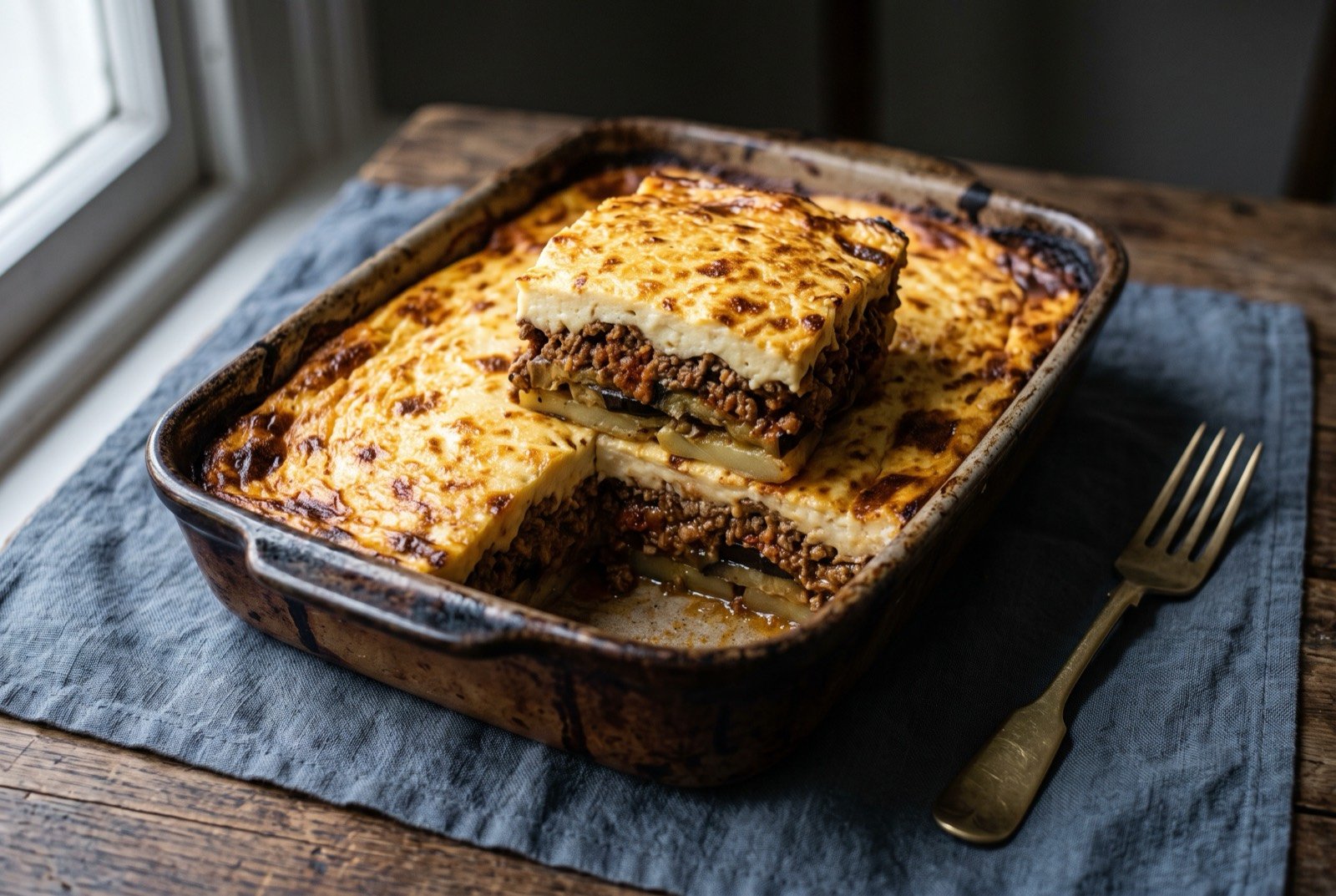 Moussaka
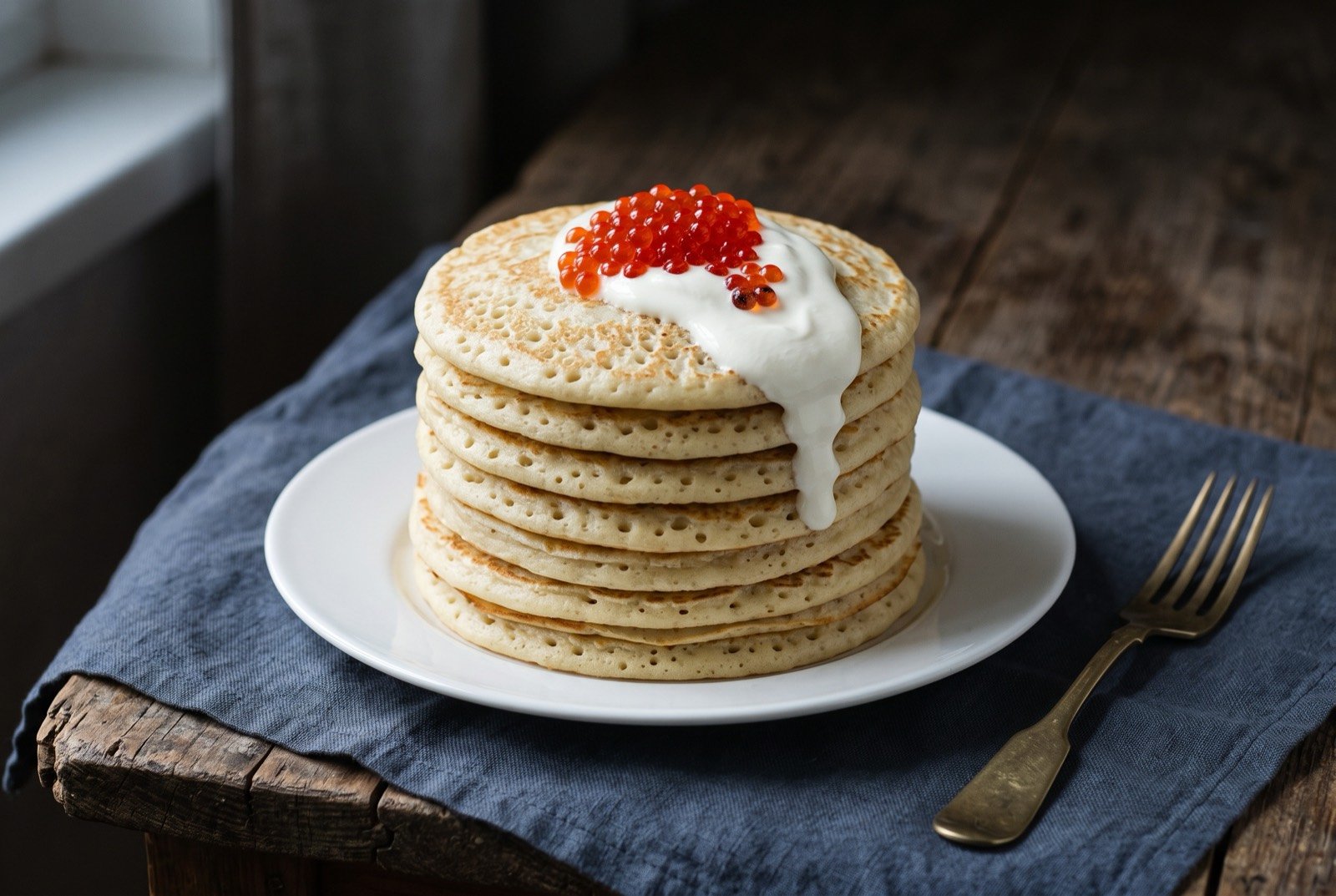 Blini
Blini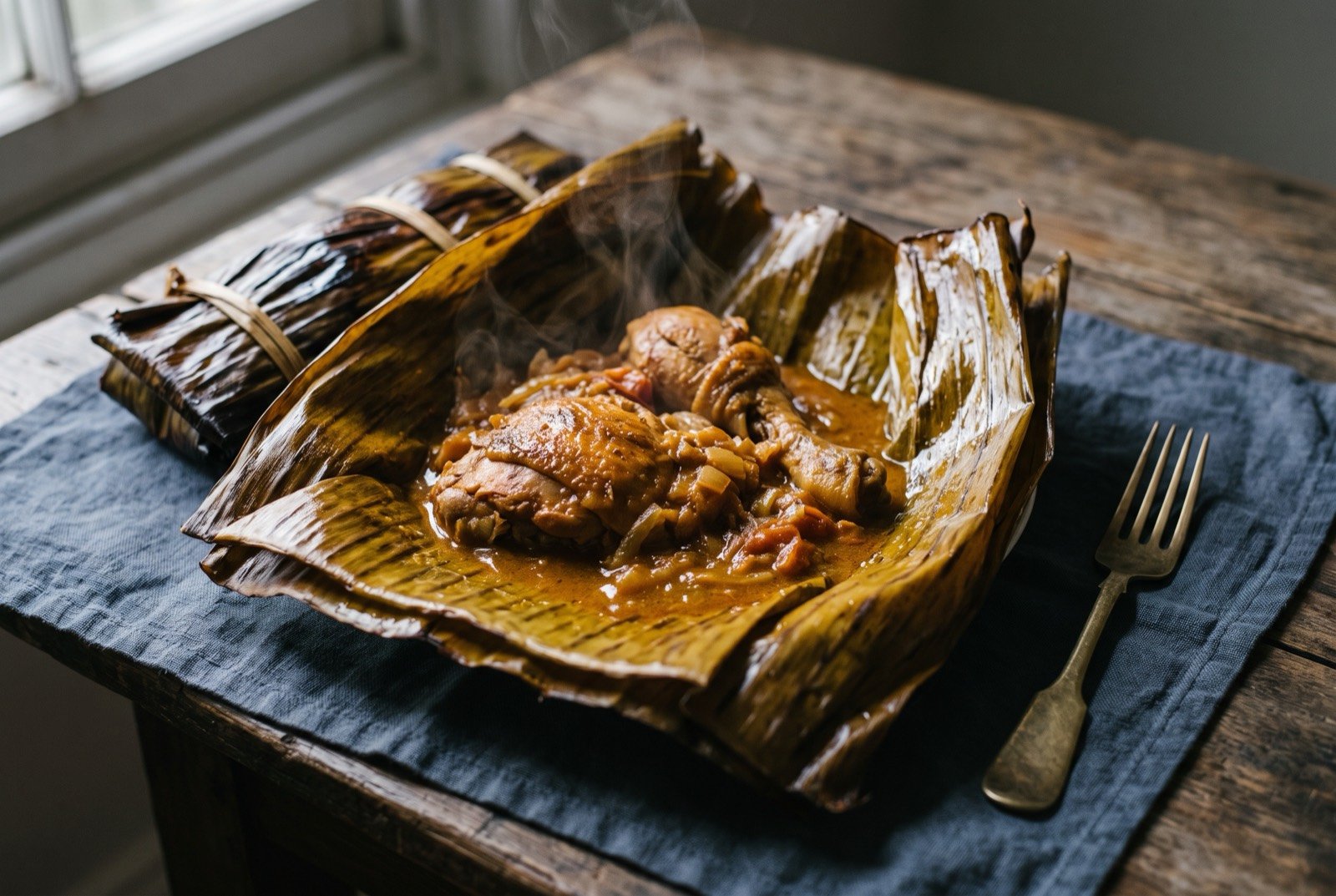 Luwombo
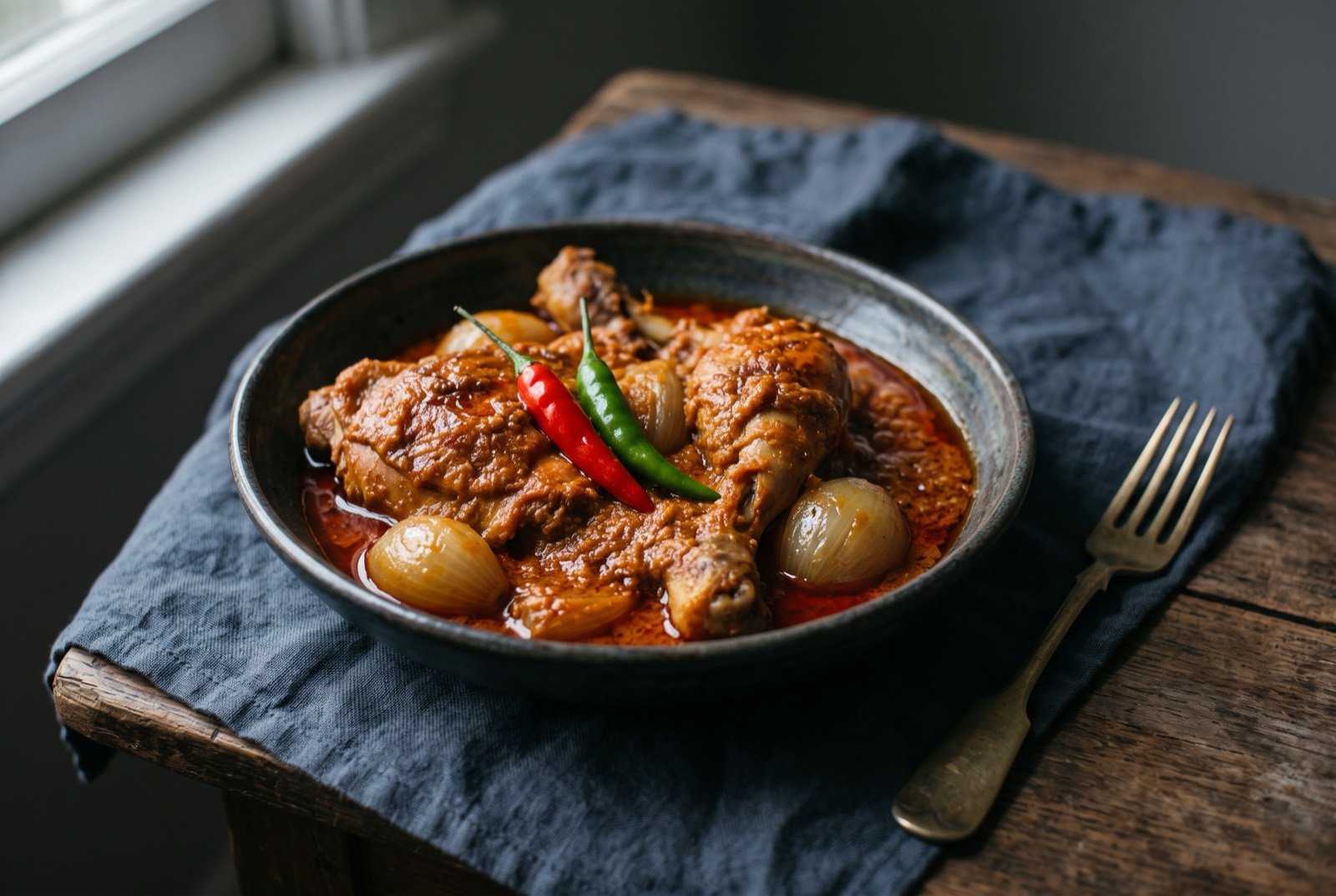 Poulet à la moambe
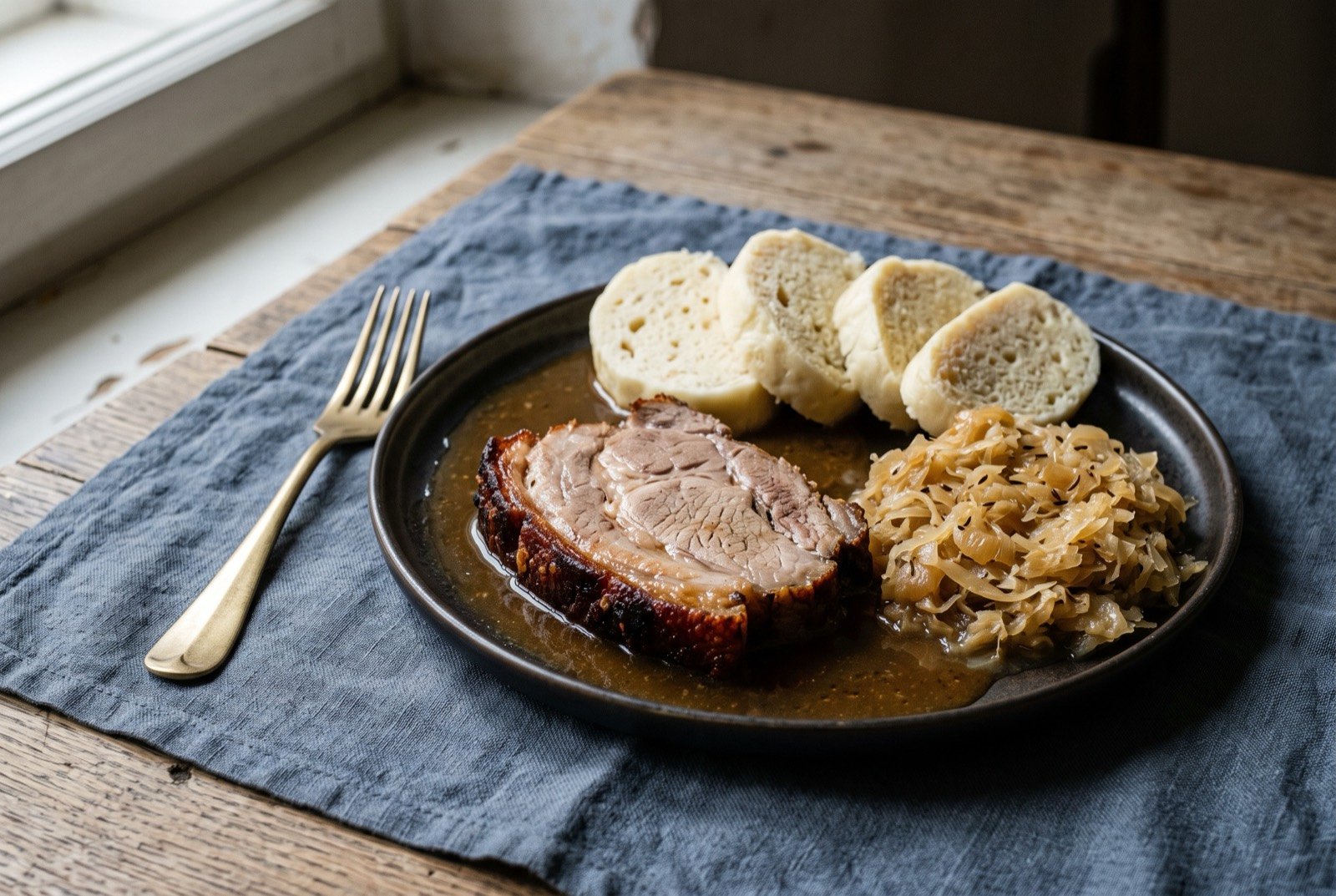 Vepřo knedlo zelo
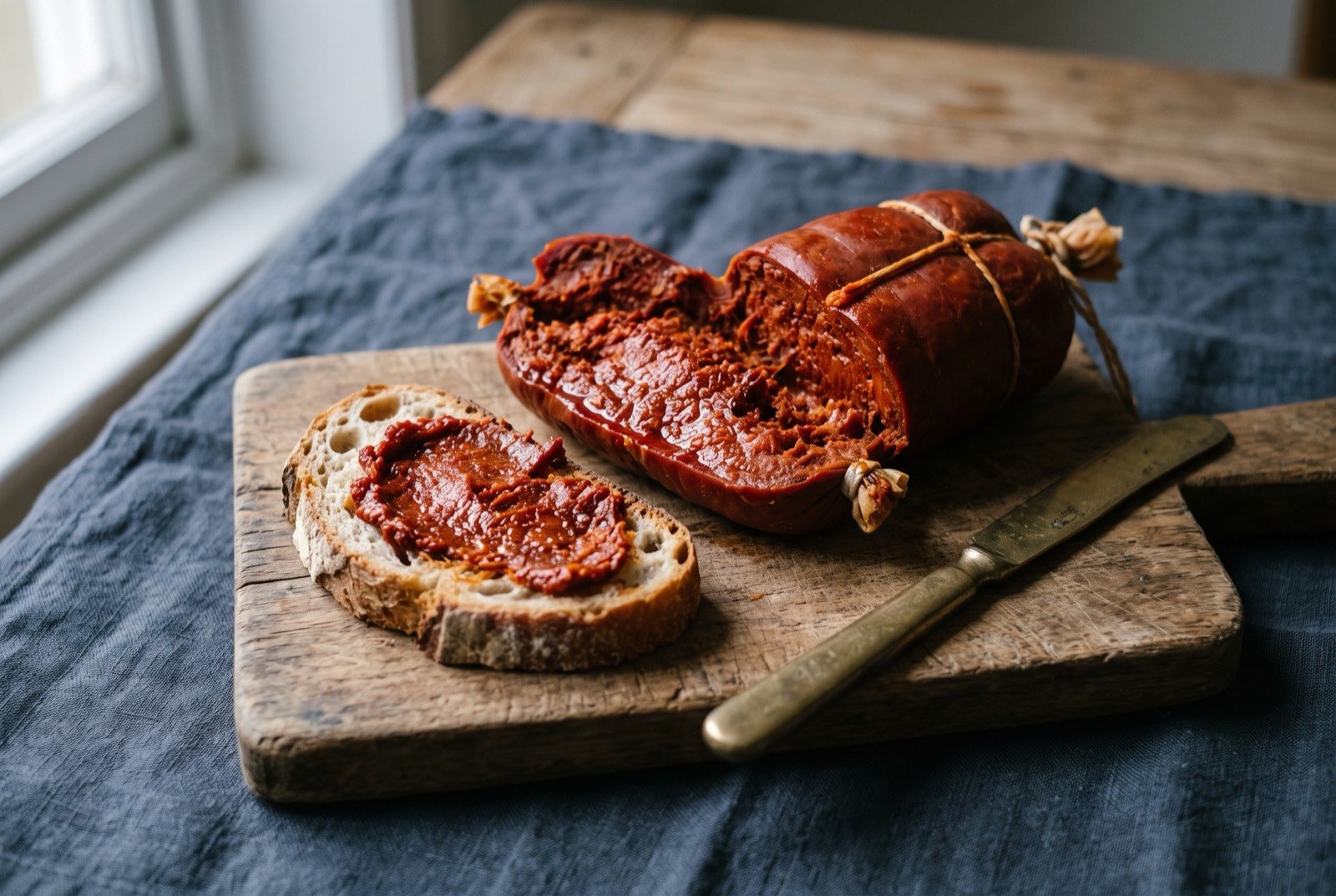 'Nduja
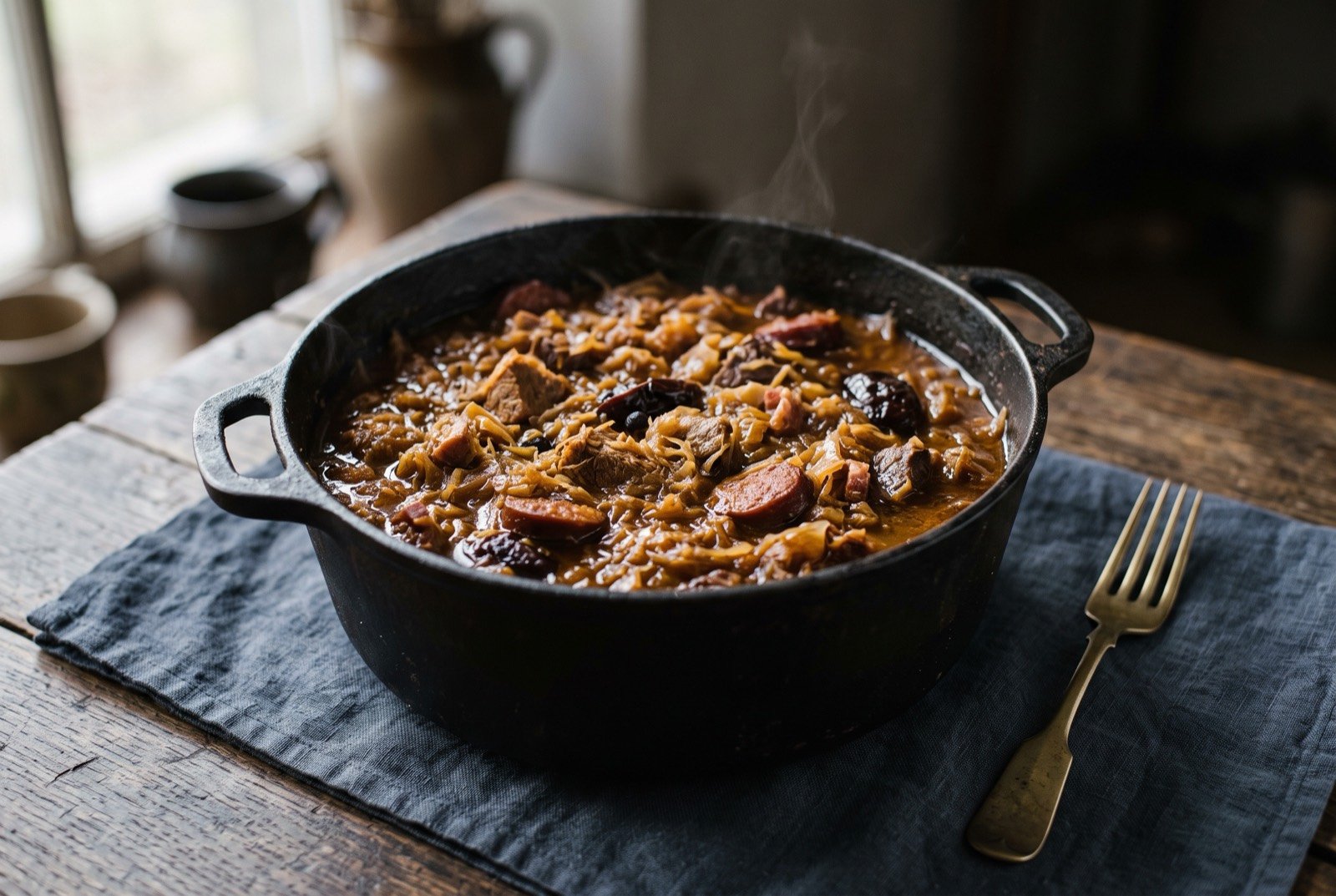 Bigos
Bigos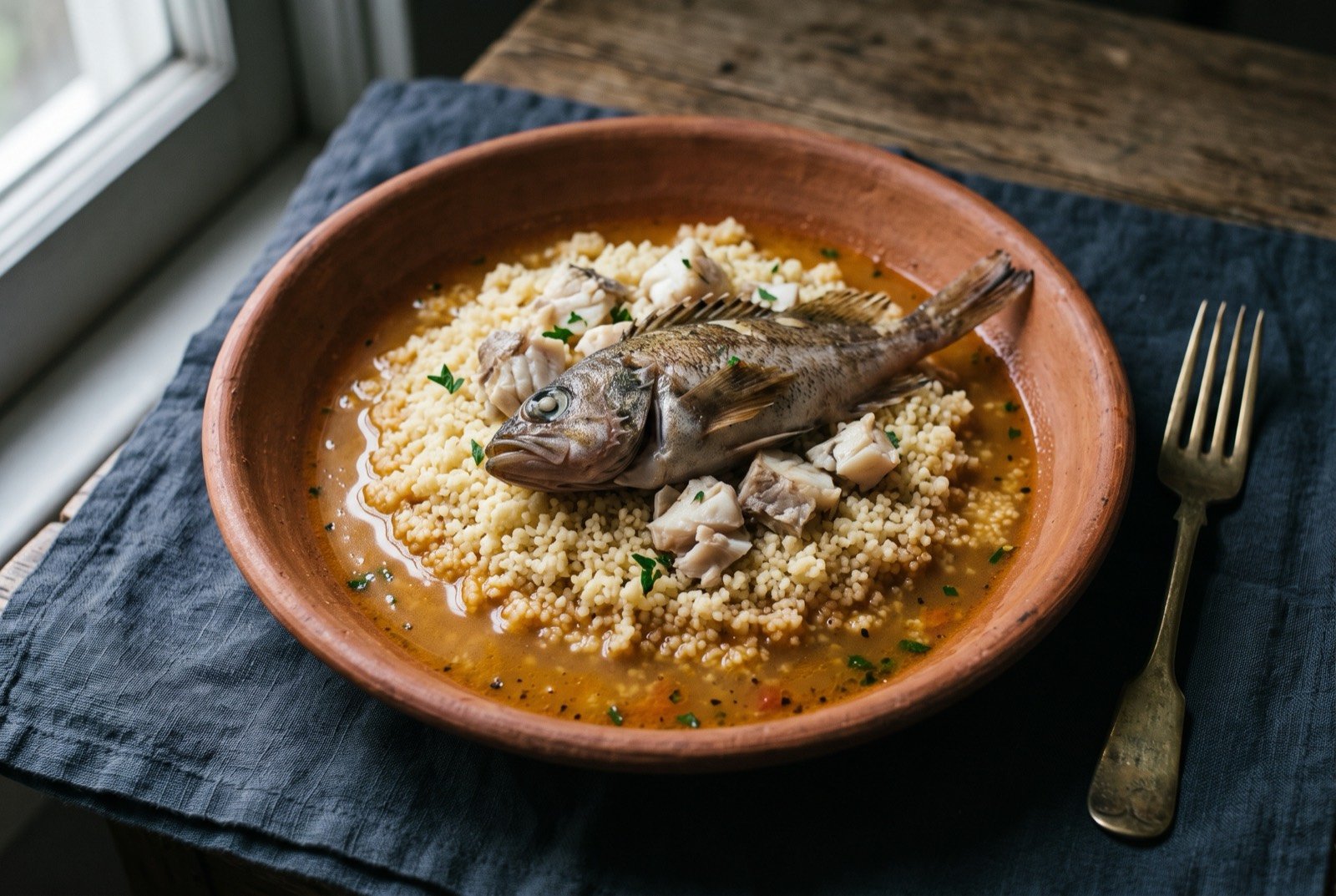 Couscous alla Trapanese
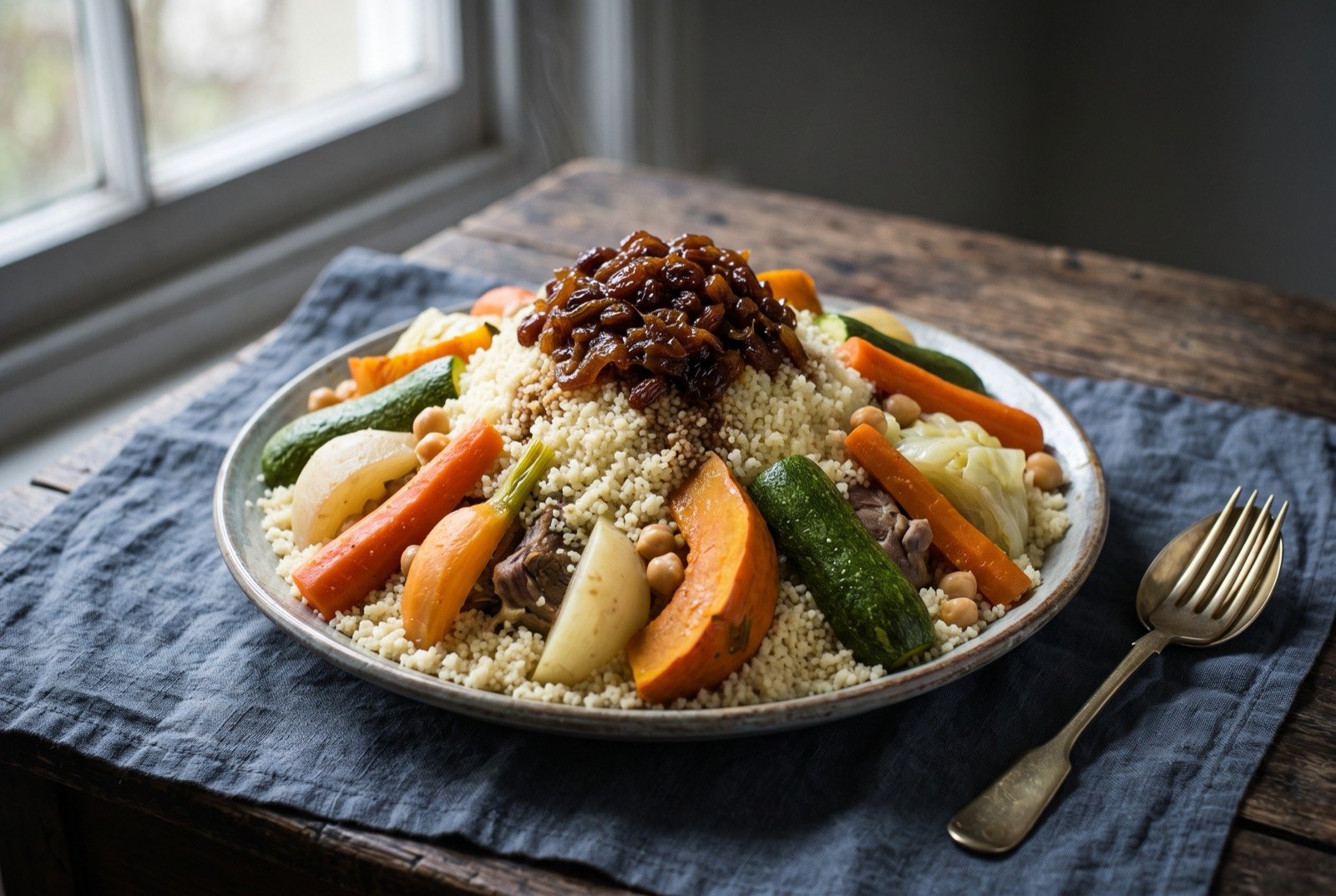 Couscous bidaoui with seven vegetables and tfaya
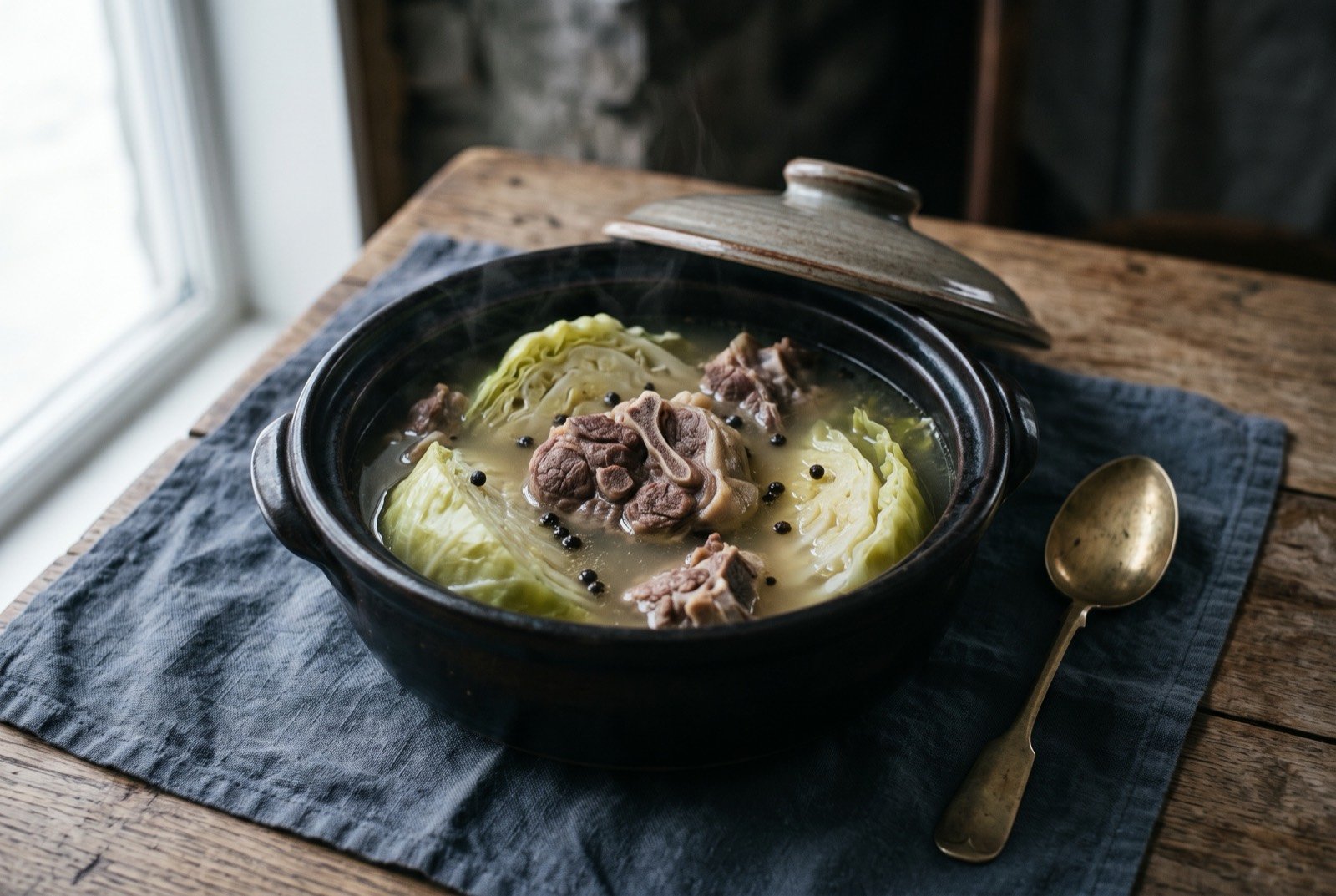 Fårikål
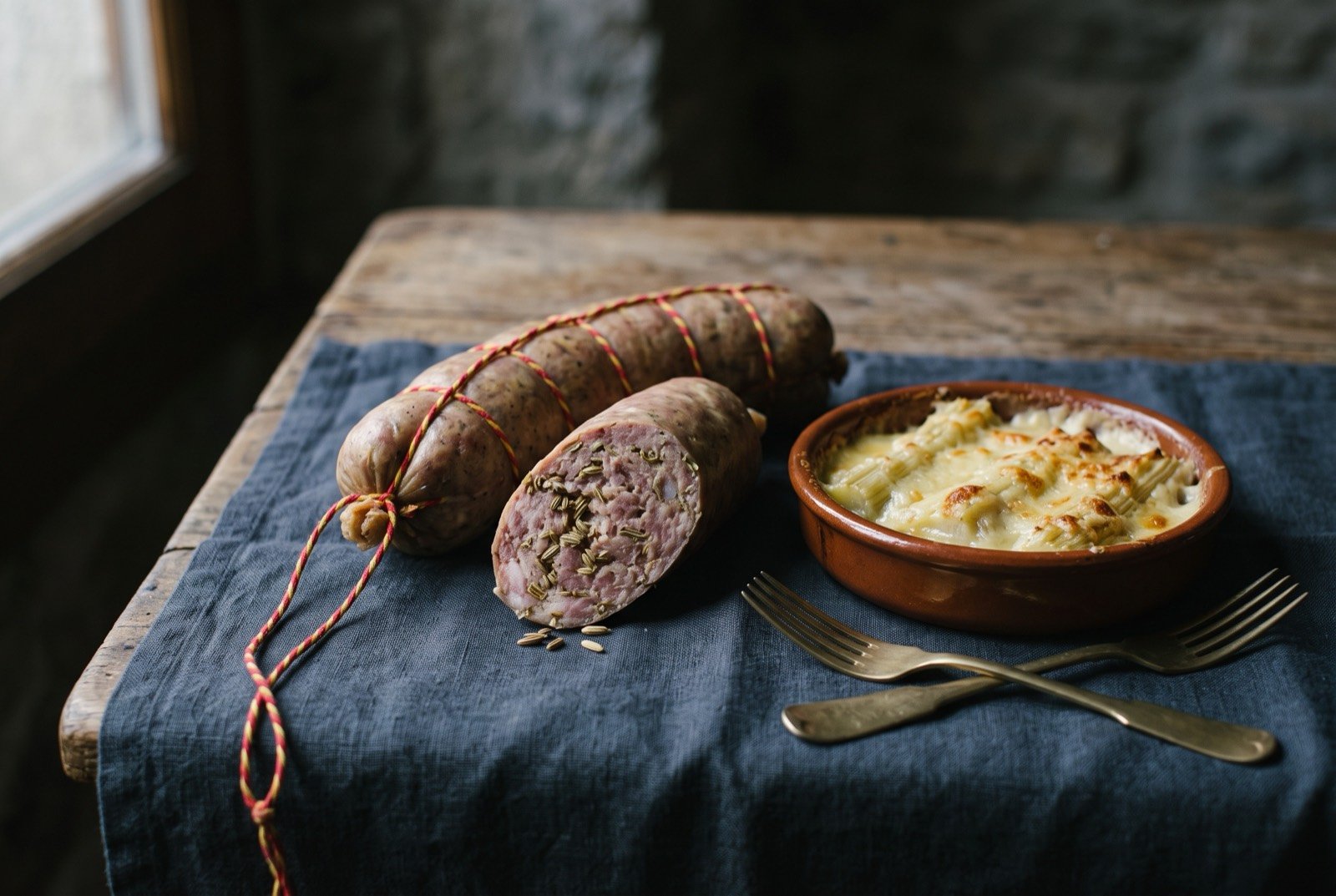 Longeole, with cardon gratin
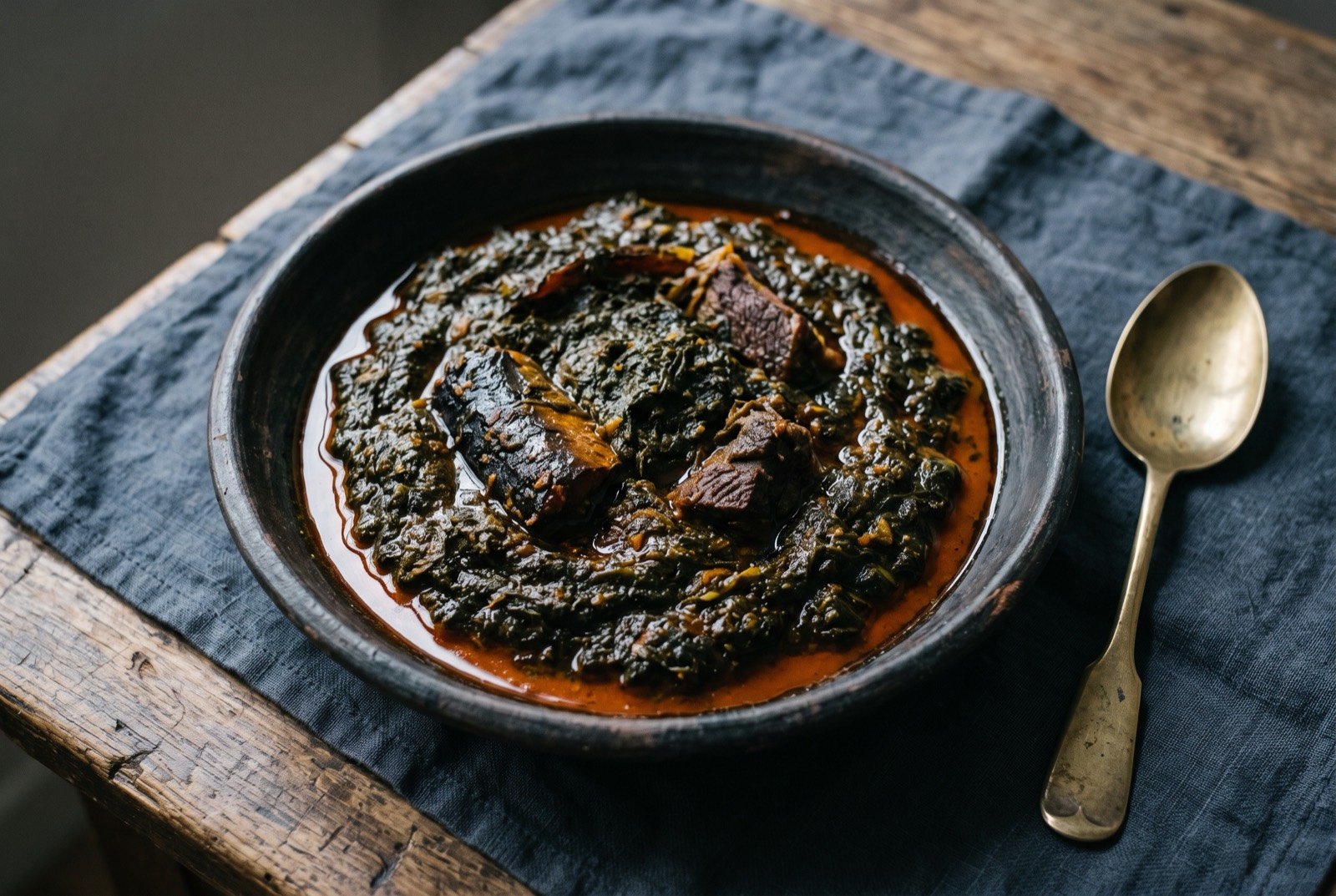 Ngunza
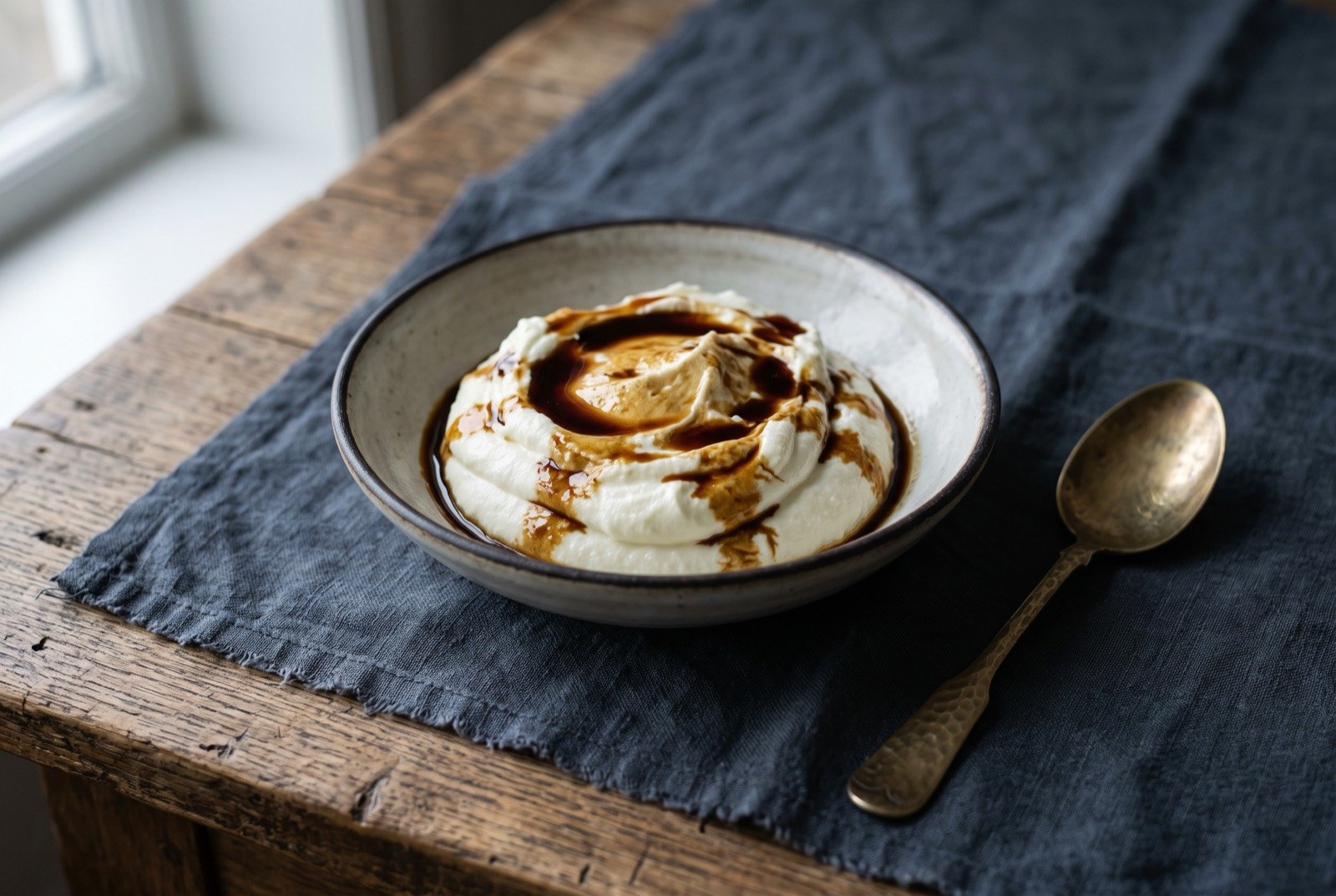 Skyr
Skyr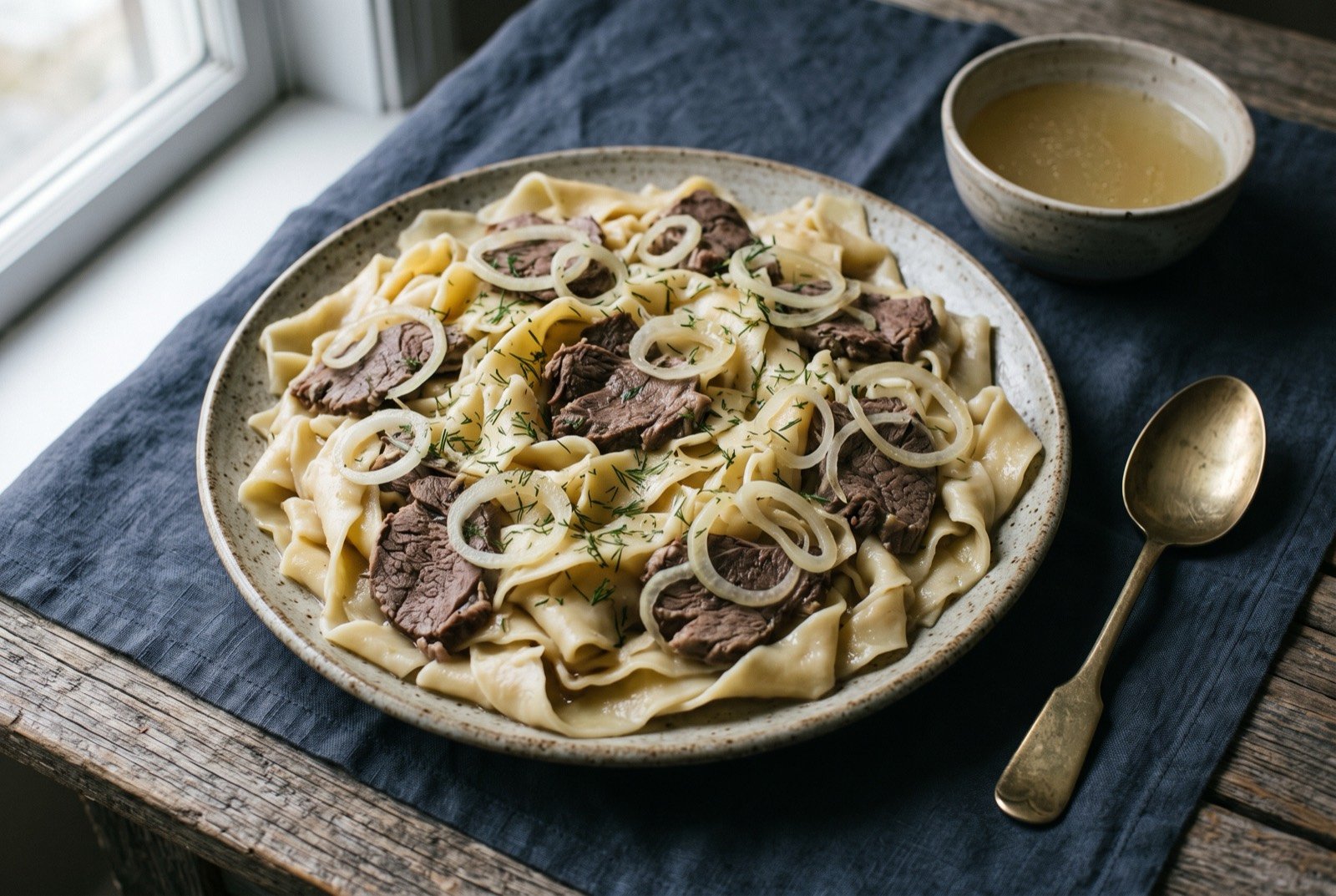 Beshbarmak
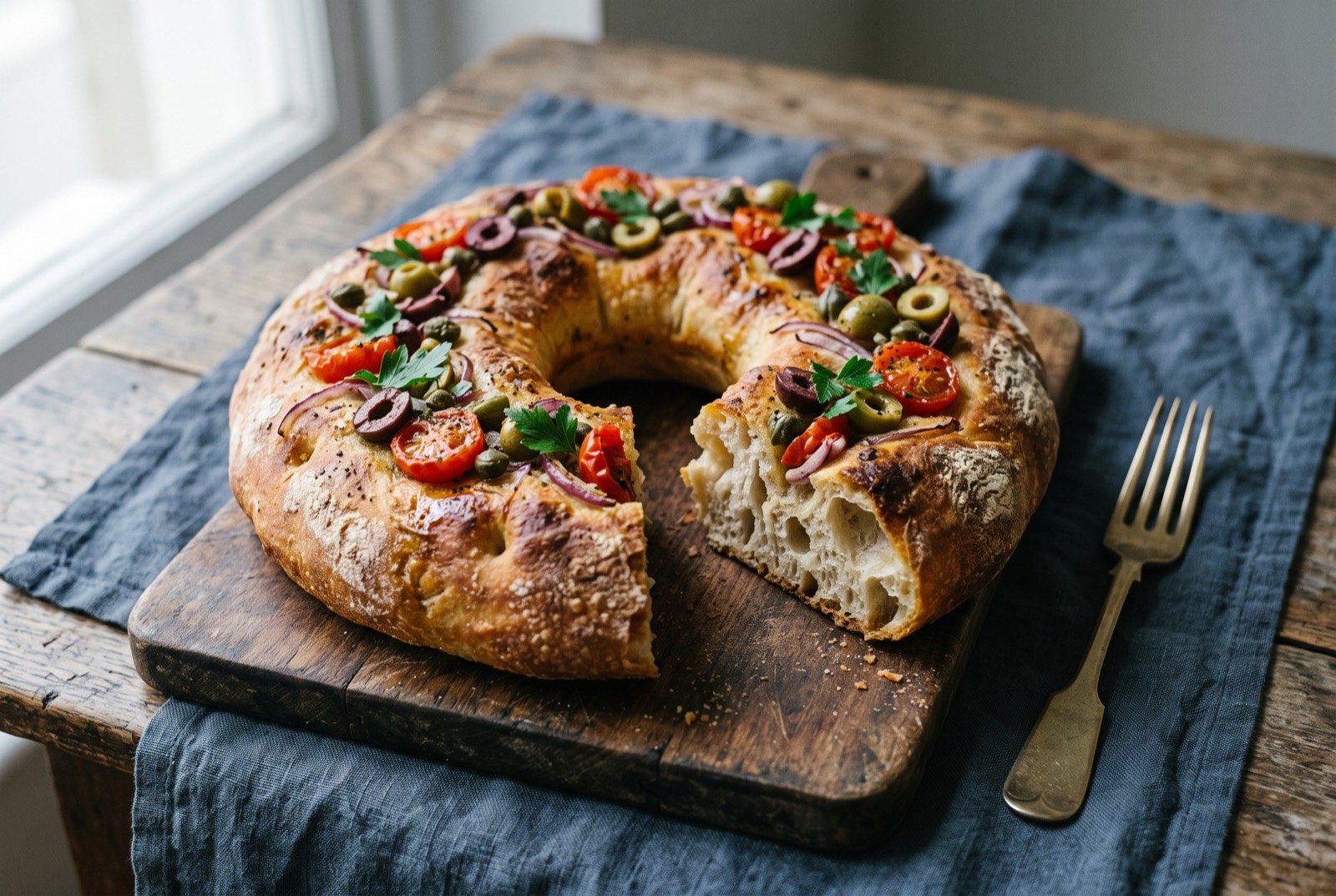 Ftira
Ftira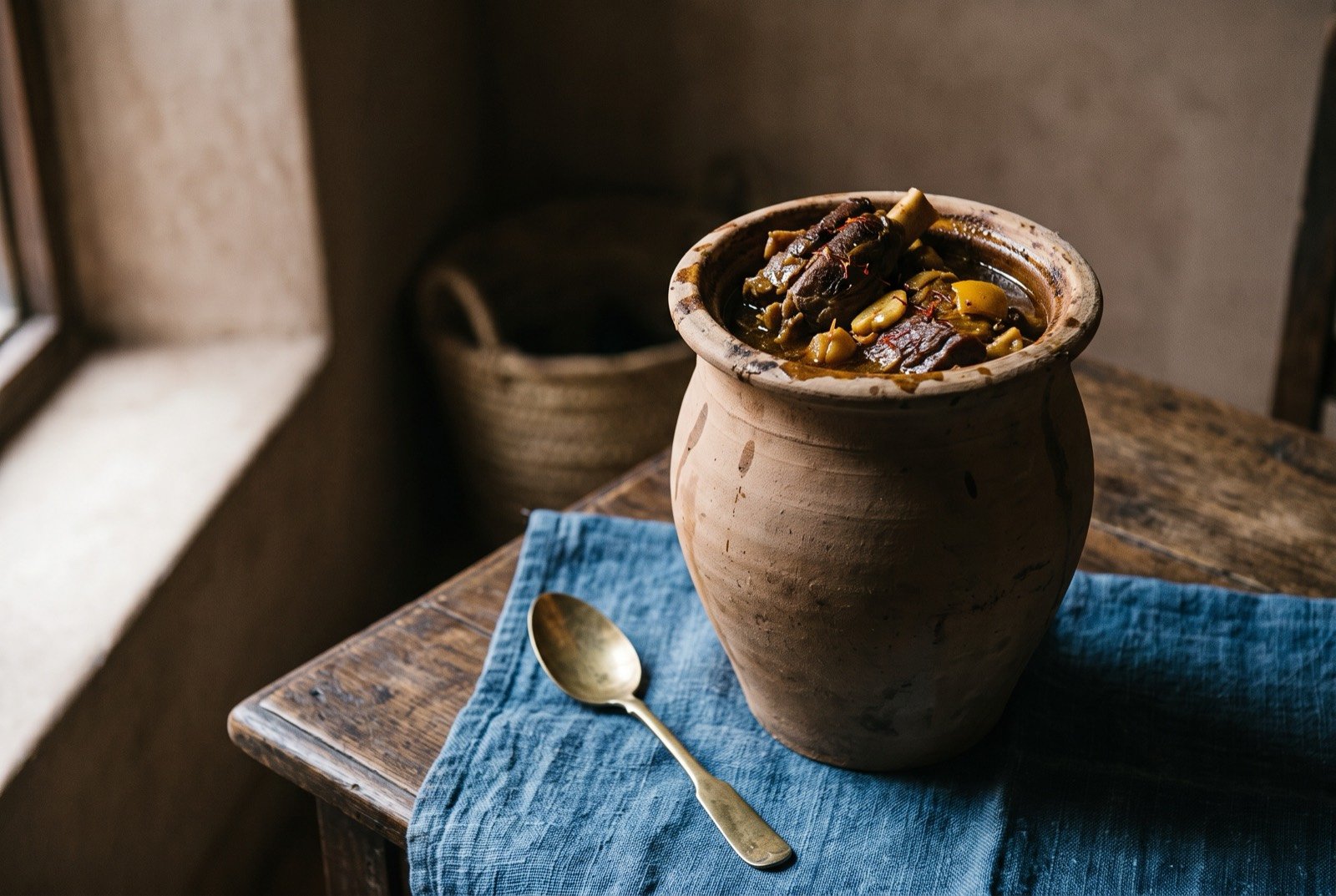 Tanjia marrakchia
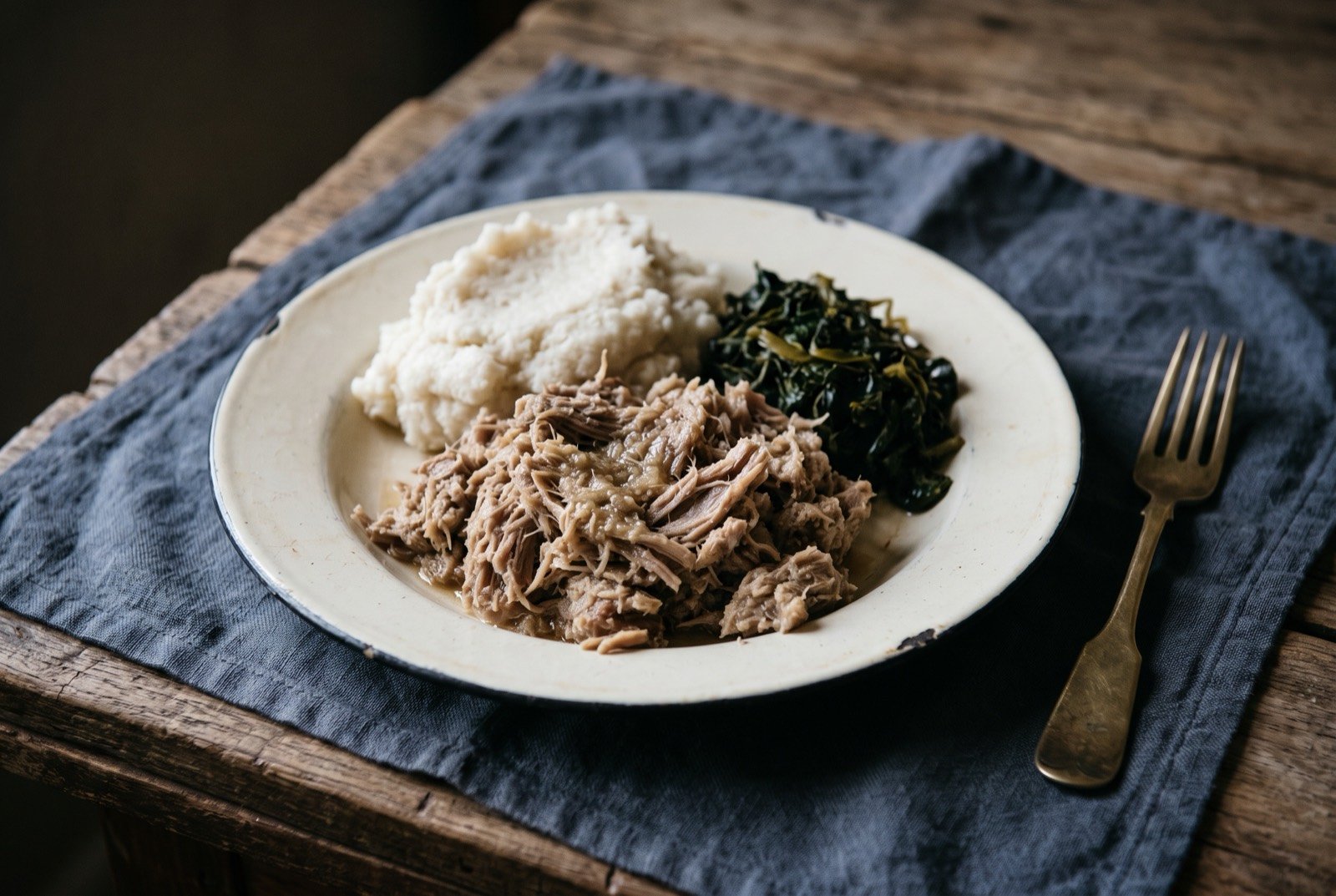 Seswaa
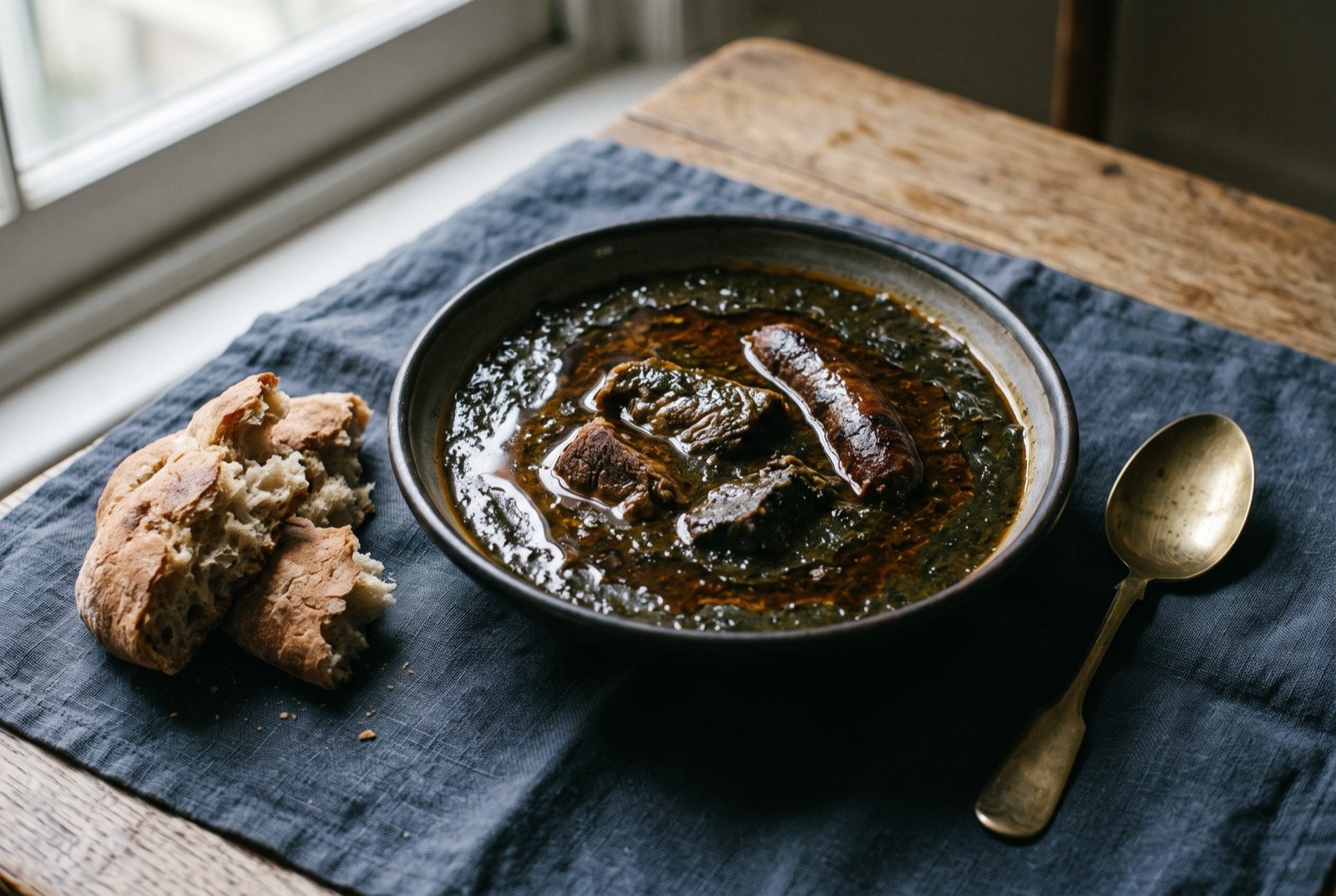 Mloukhia tounsia
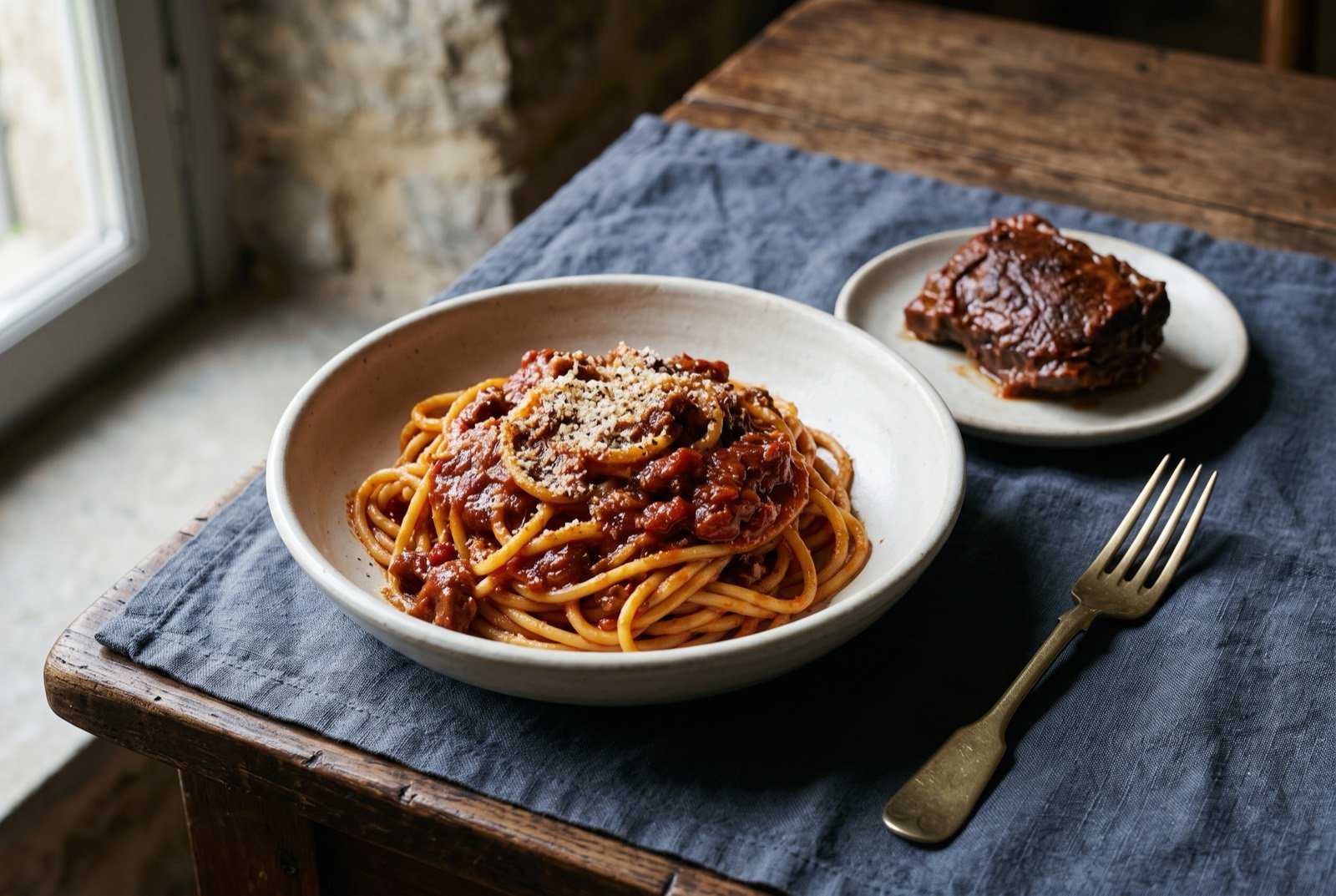 Ragù Napoletano
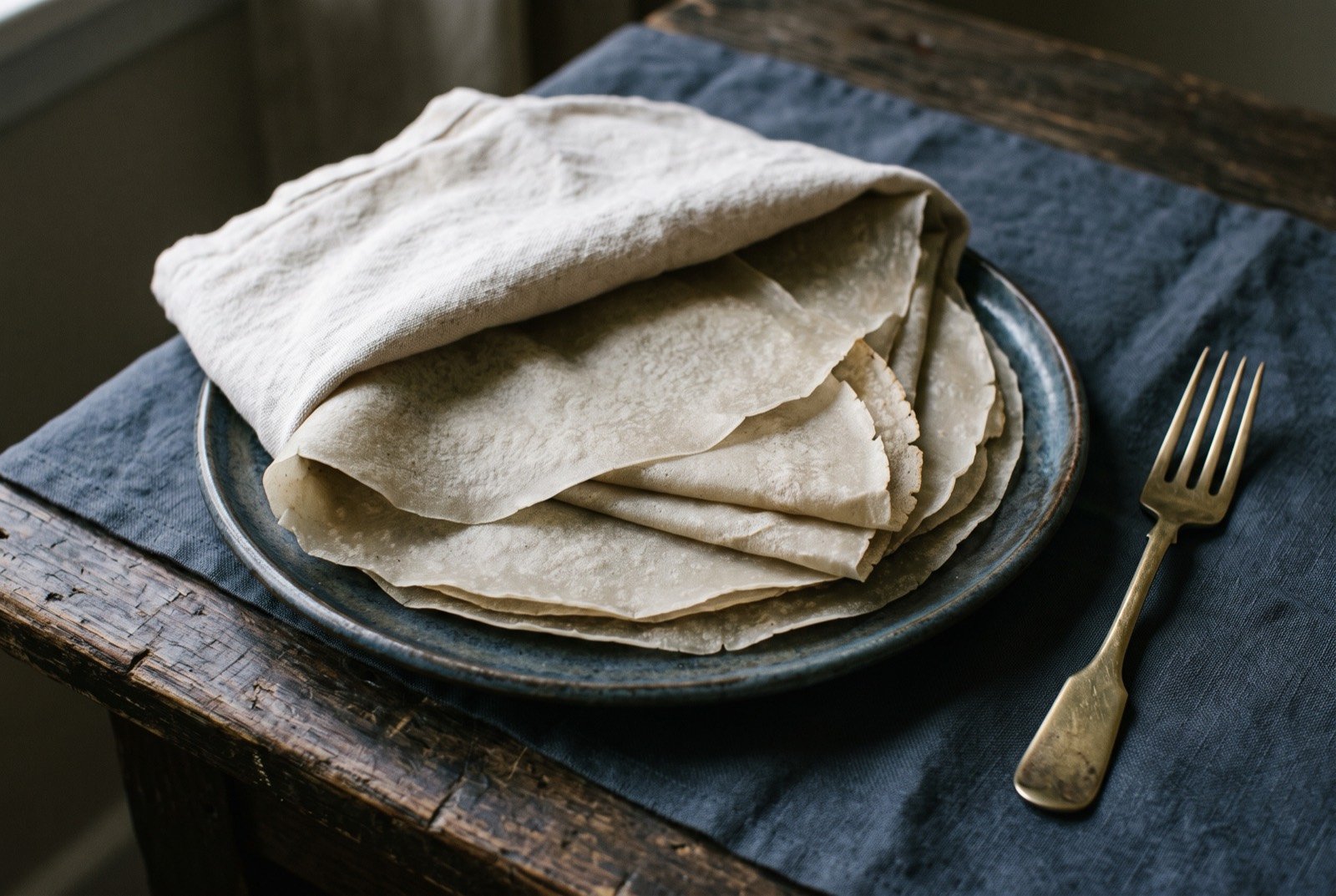 Kisra rhaheefa
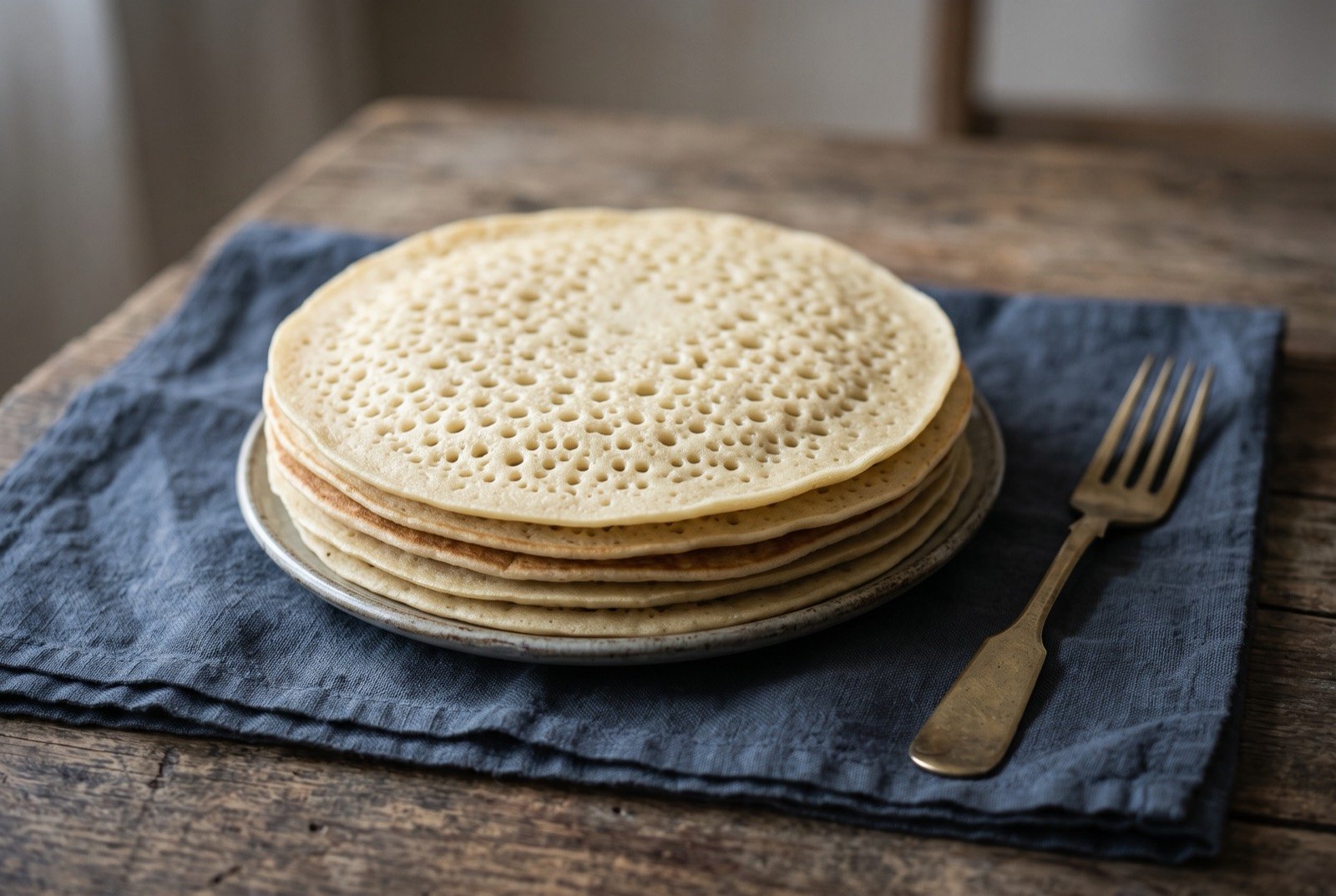 Canjeero
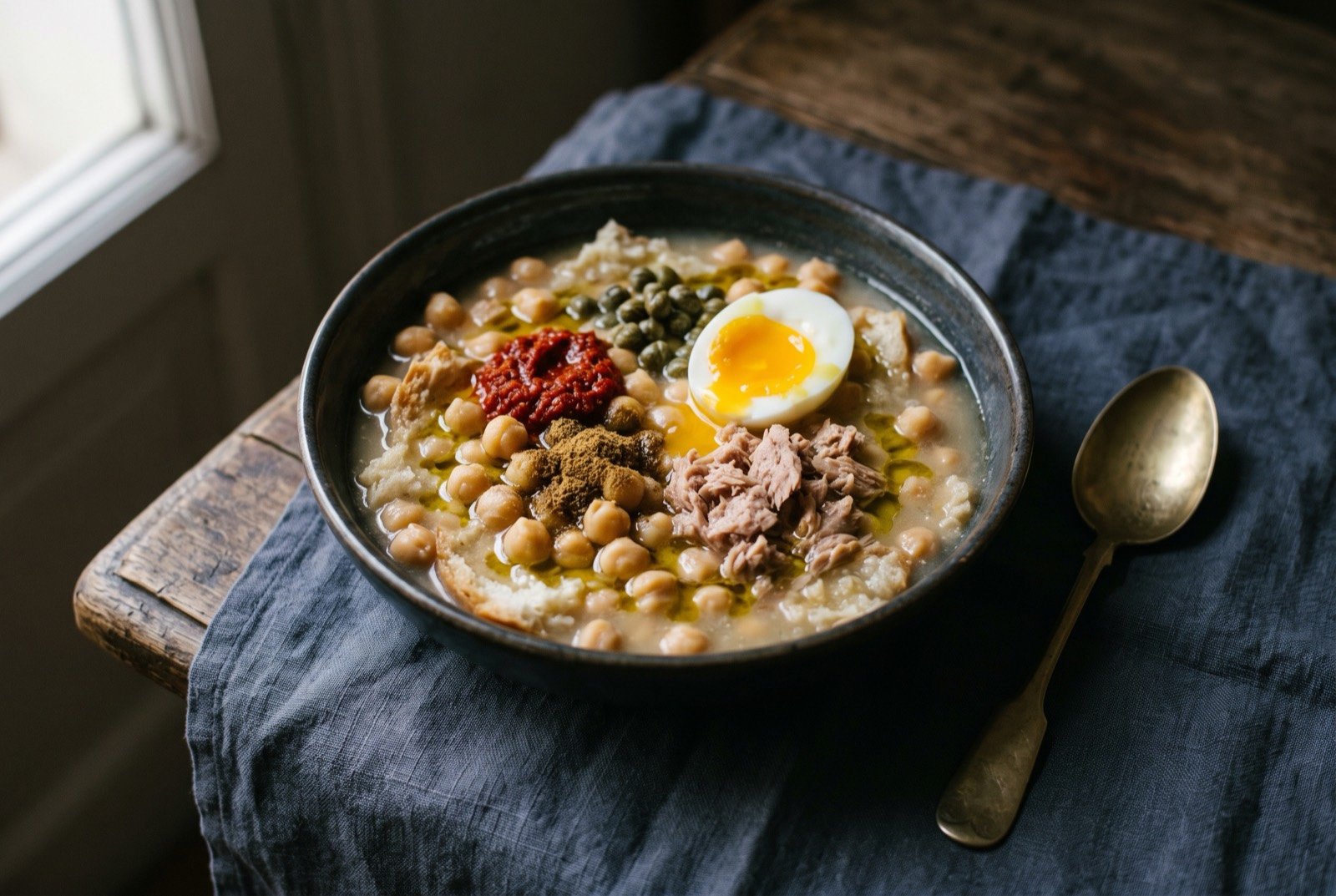 Lablabi
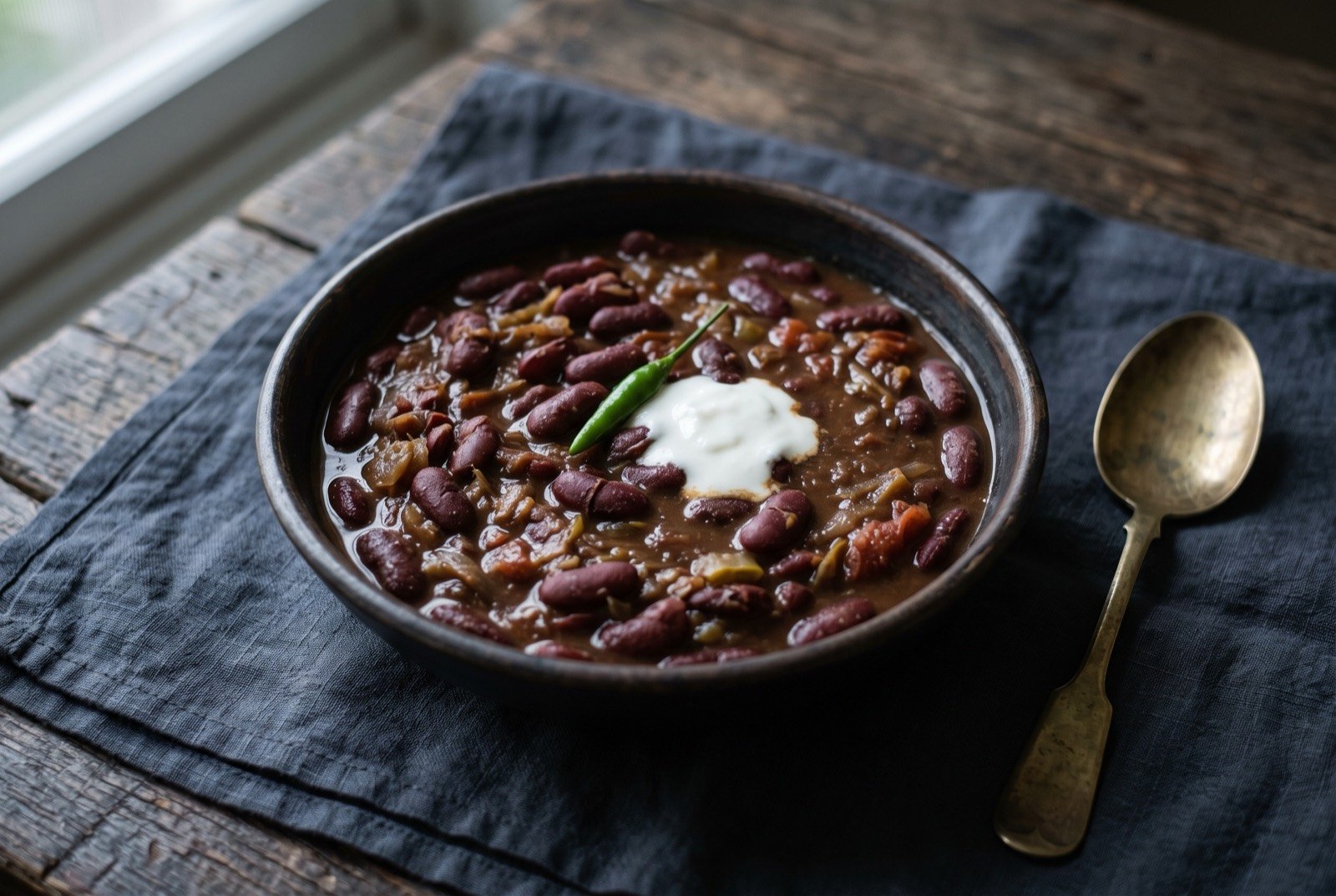 Ibiharage
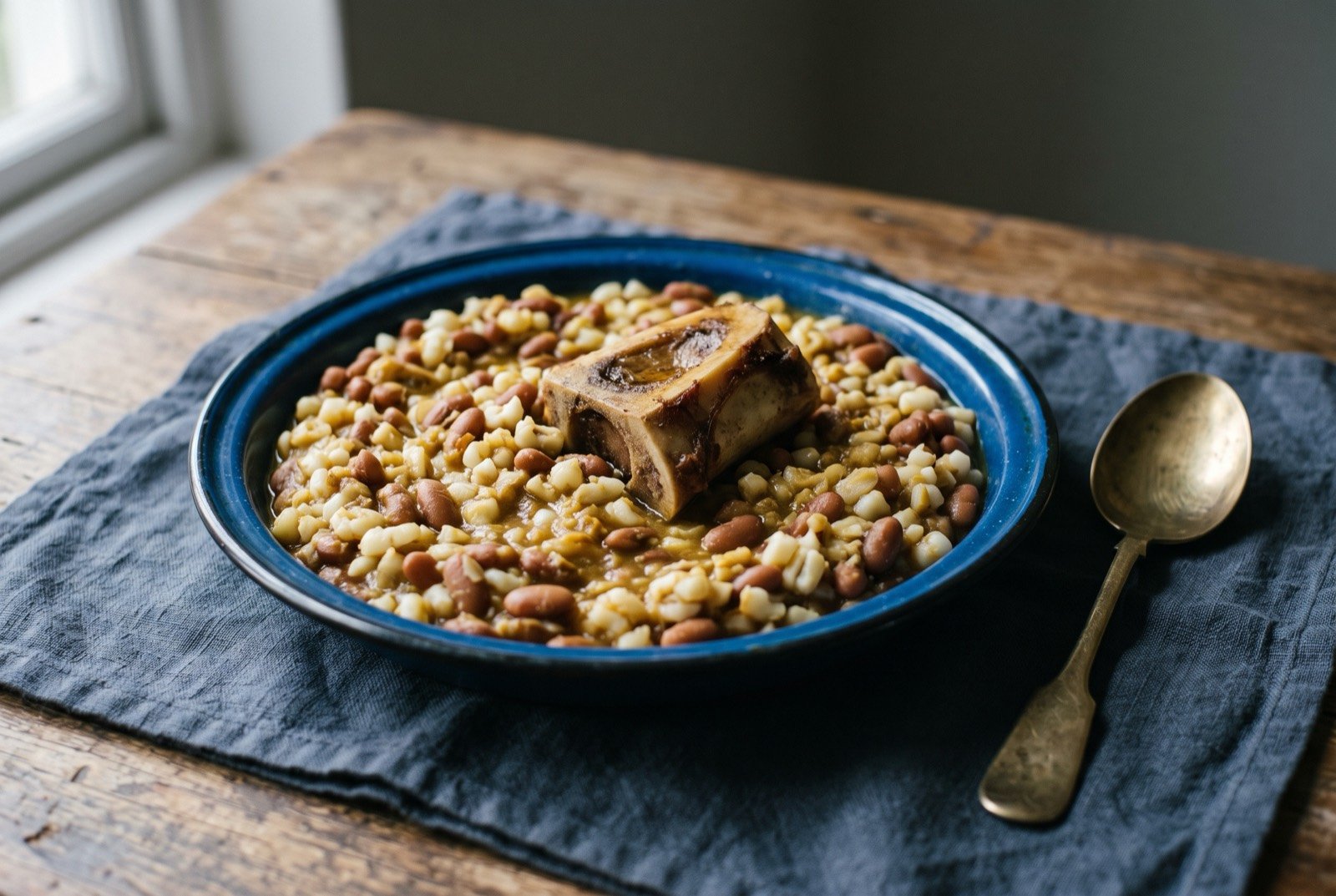 Umngqusho
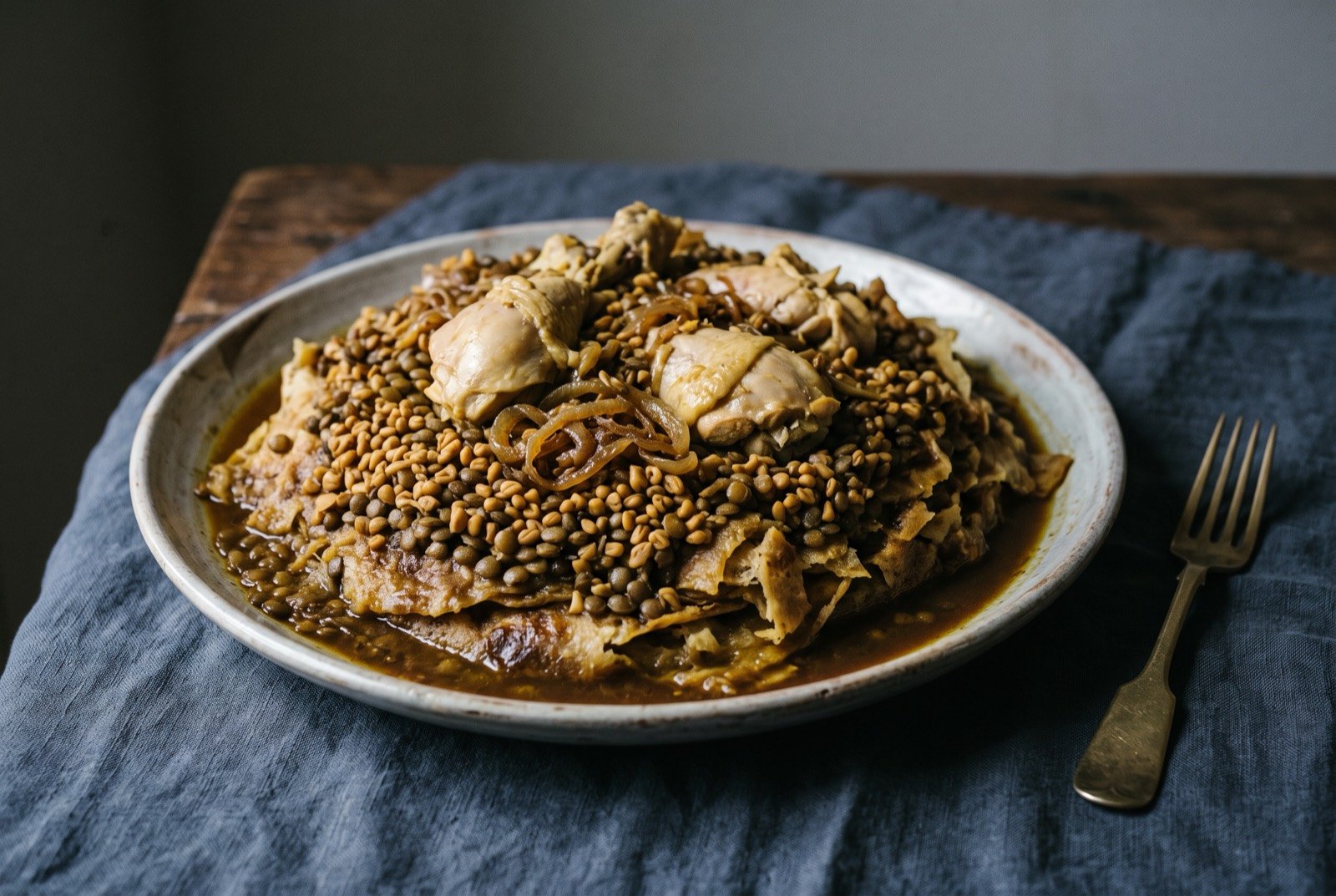 Rfissa
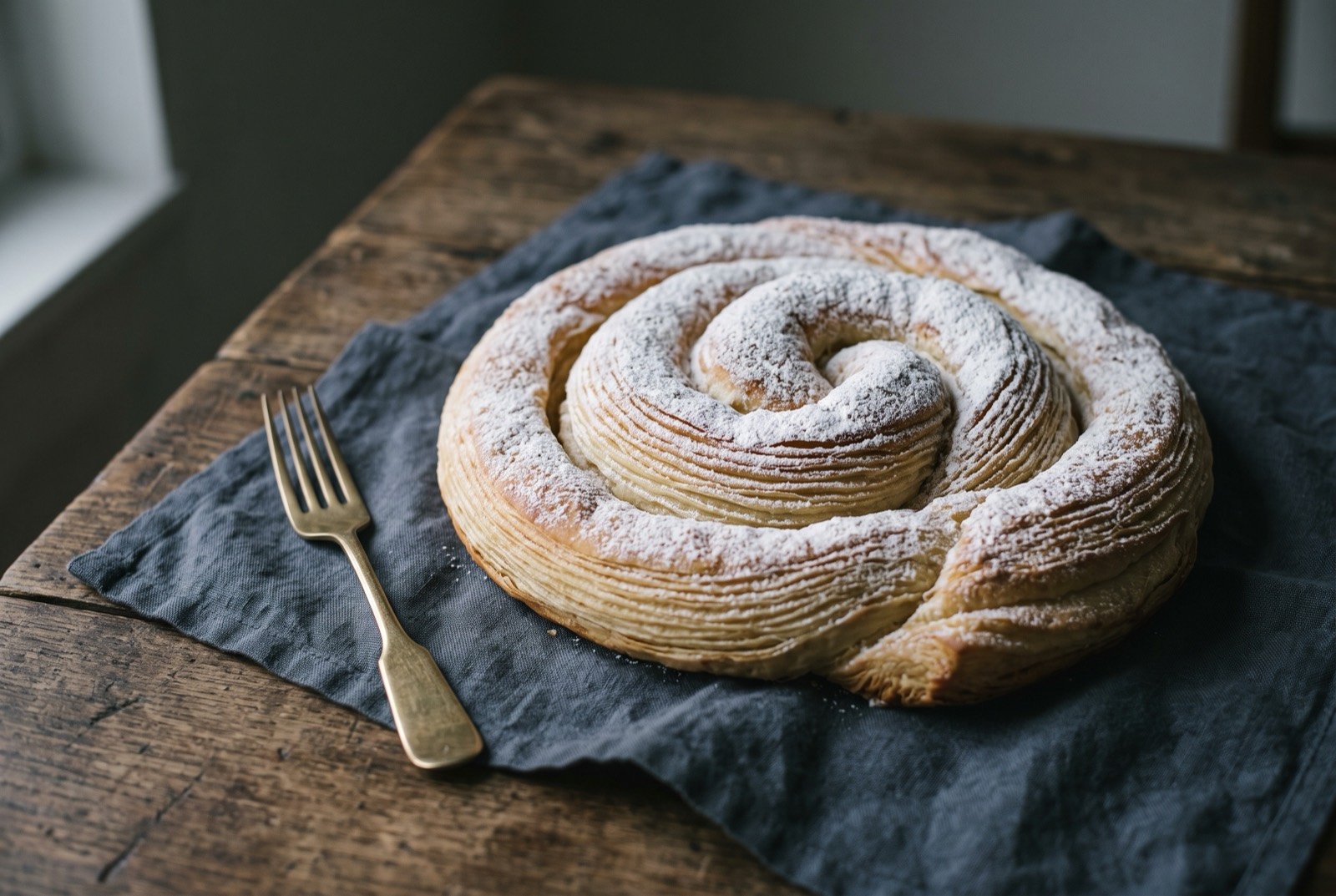 Ensaïmada
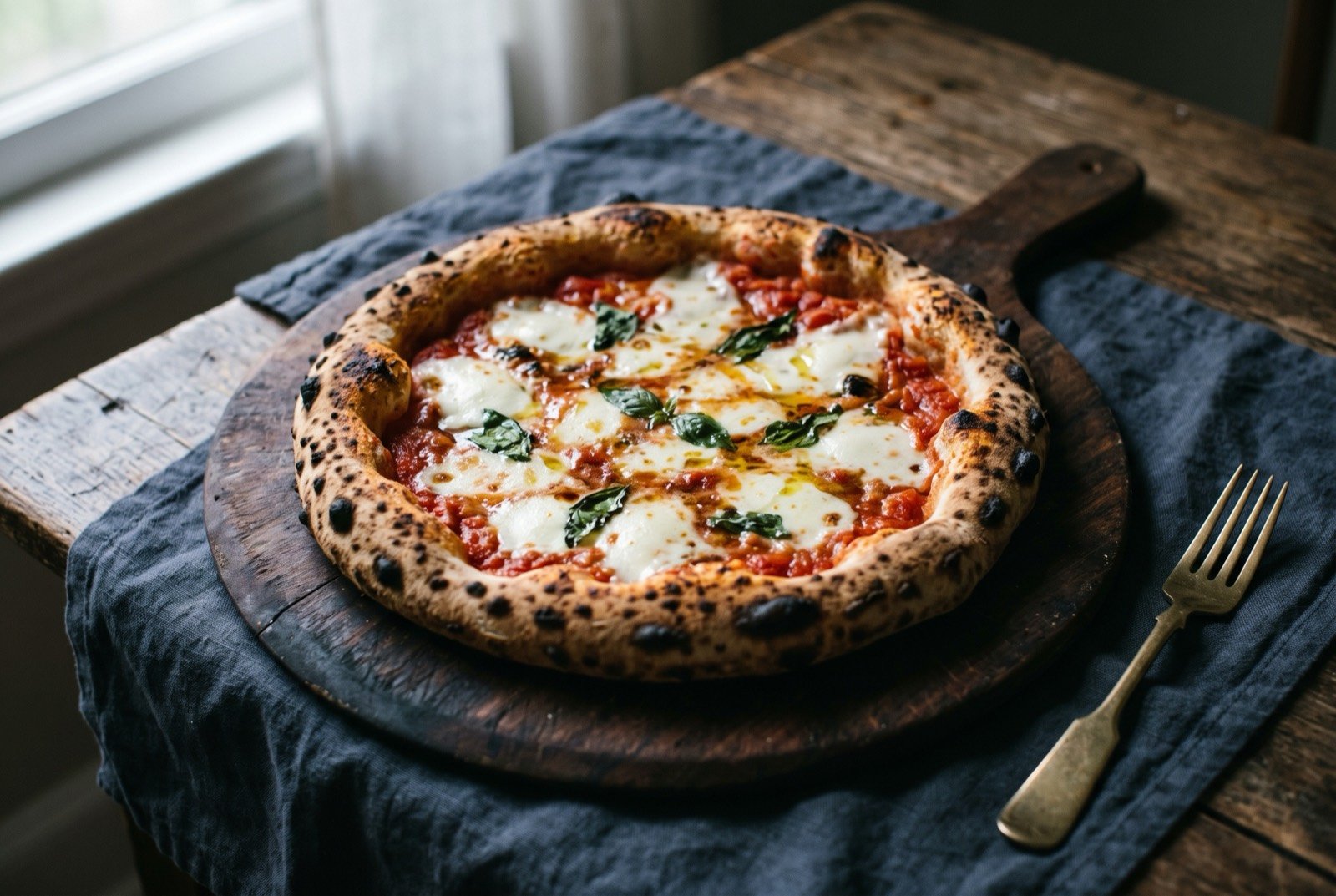 Pizza Napoletana
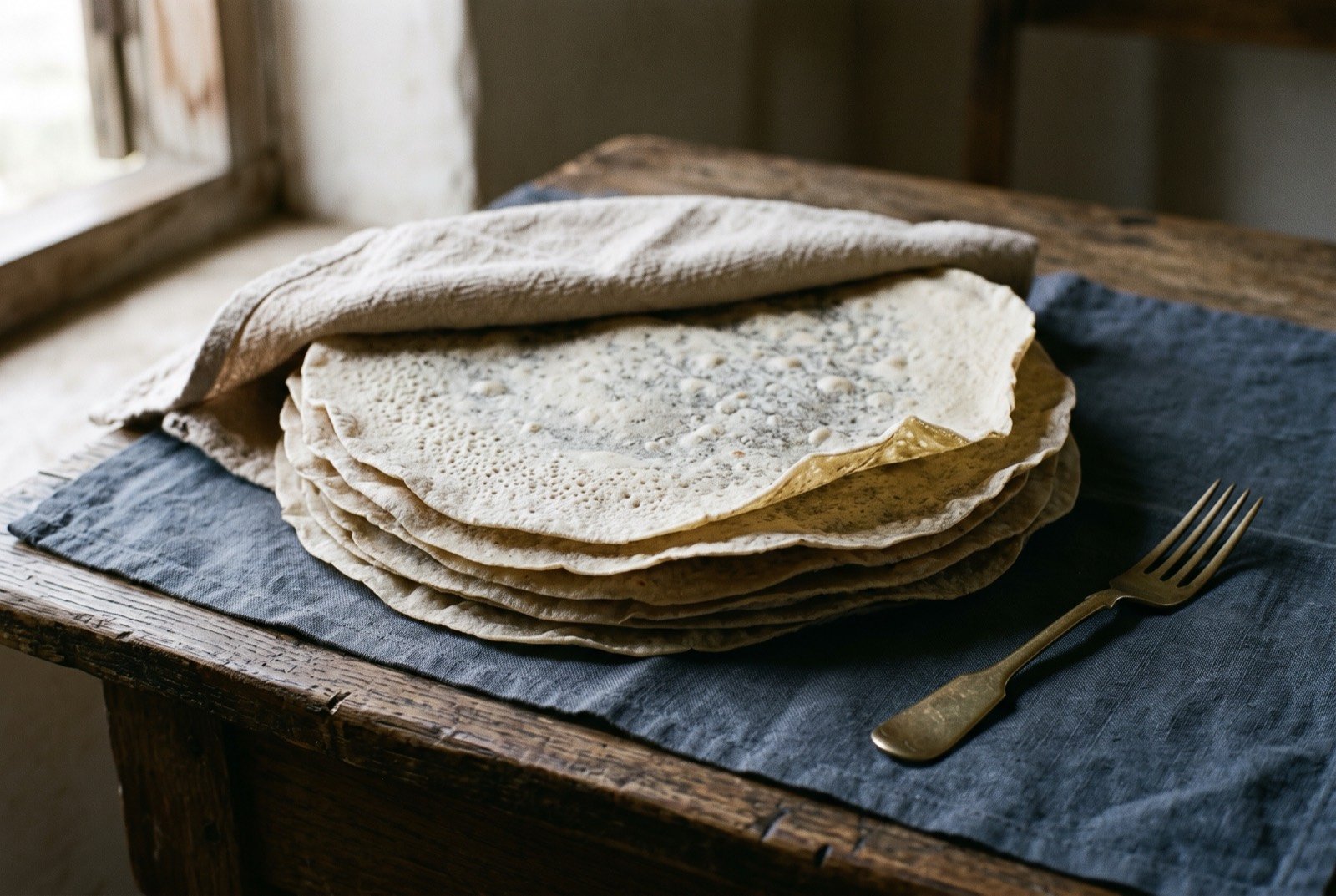 Kisser
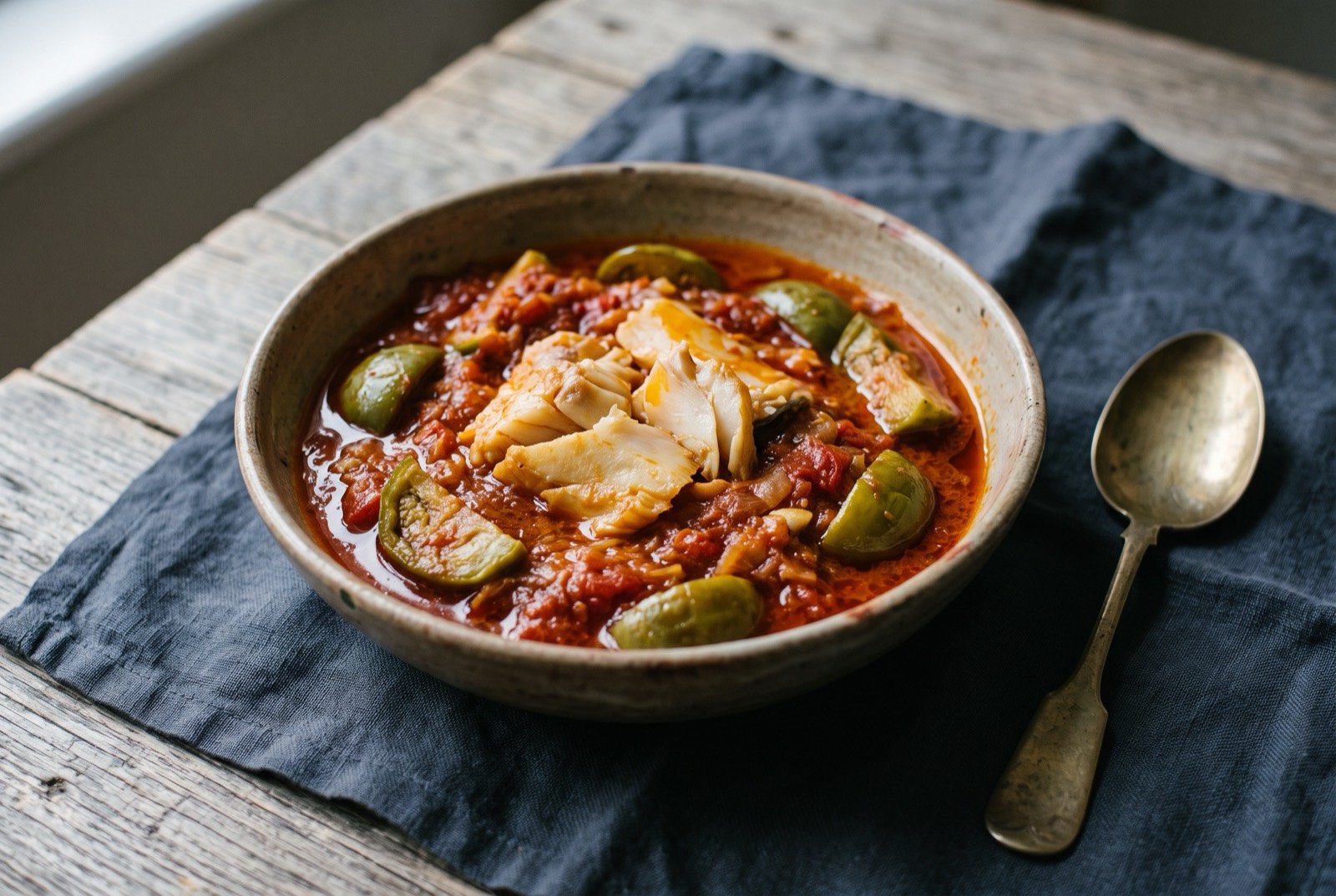 Makayabu
Untimed
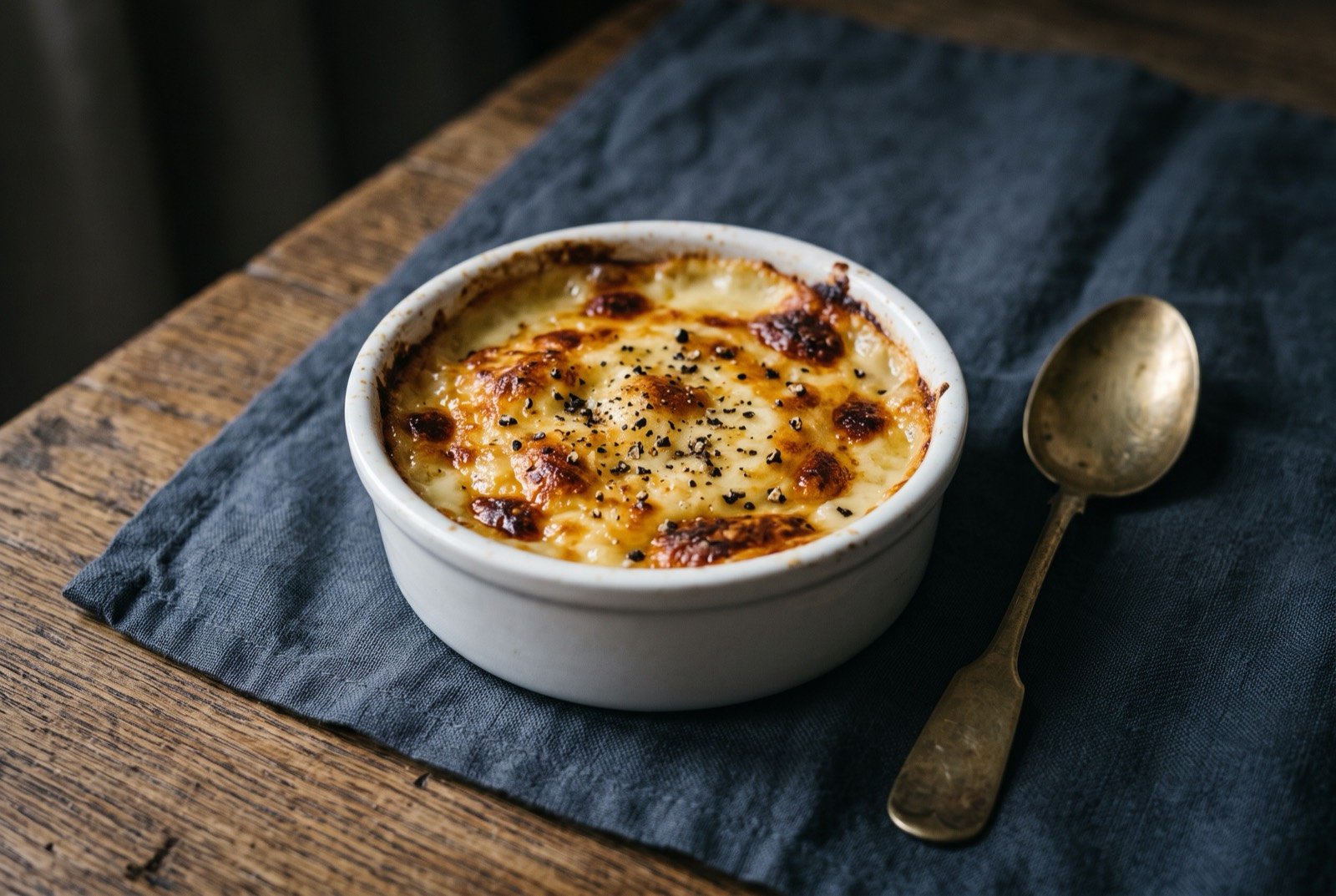 Berthoud
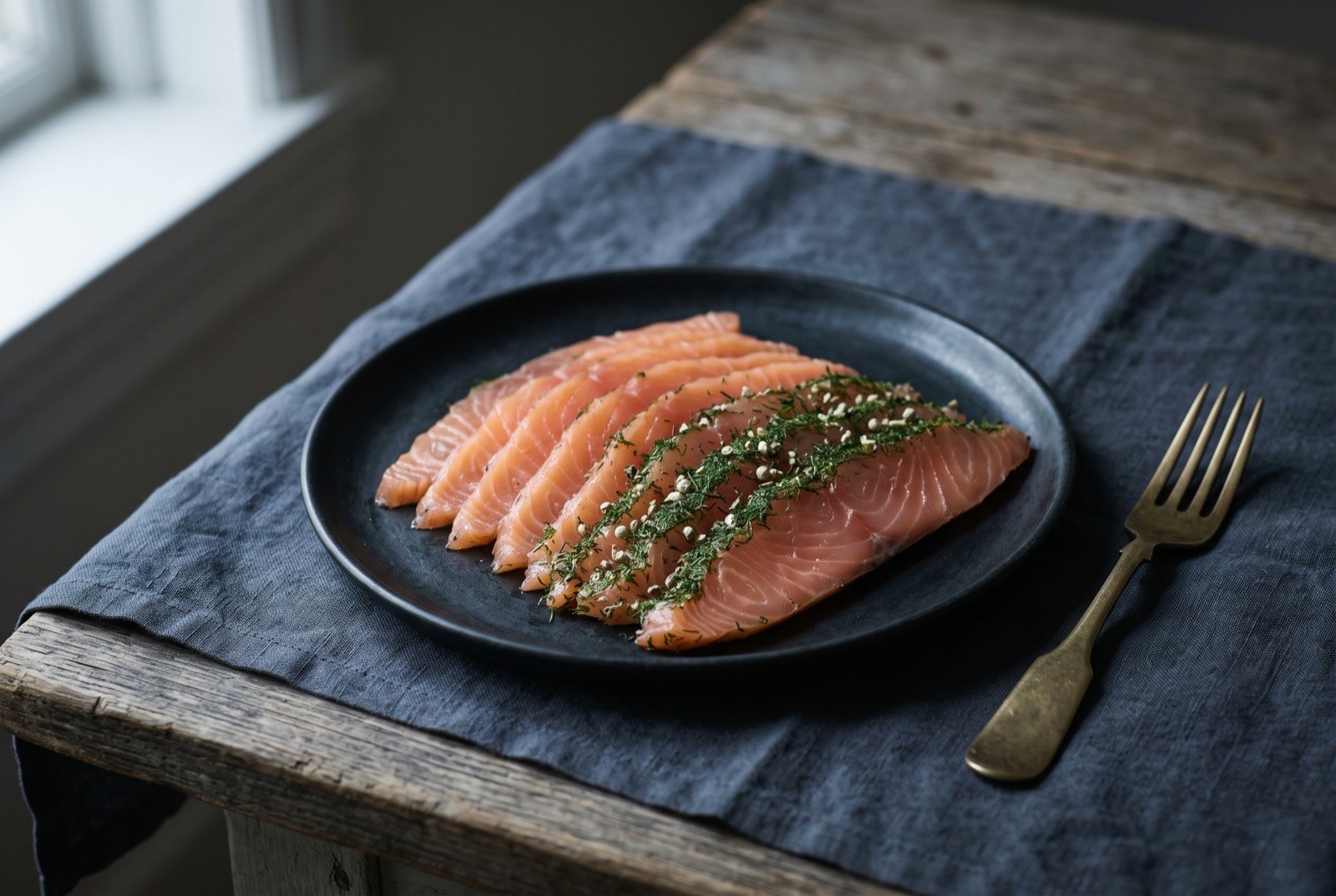 Gravad Laks
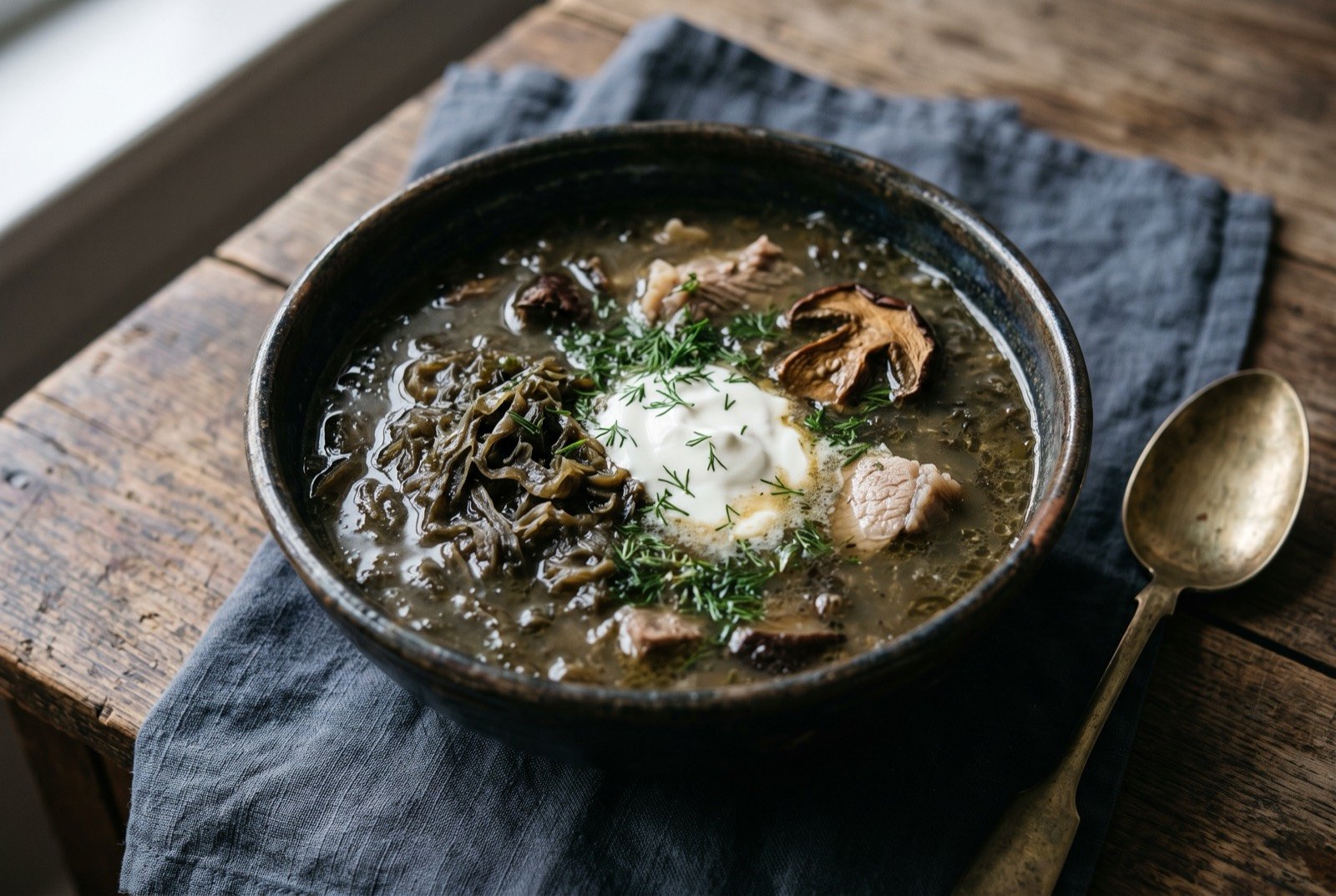 Grey shchi (серые щи)
 Hollandse Nieuwe
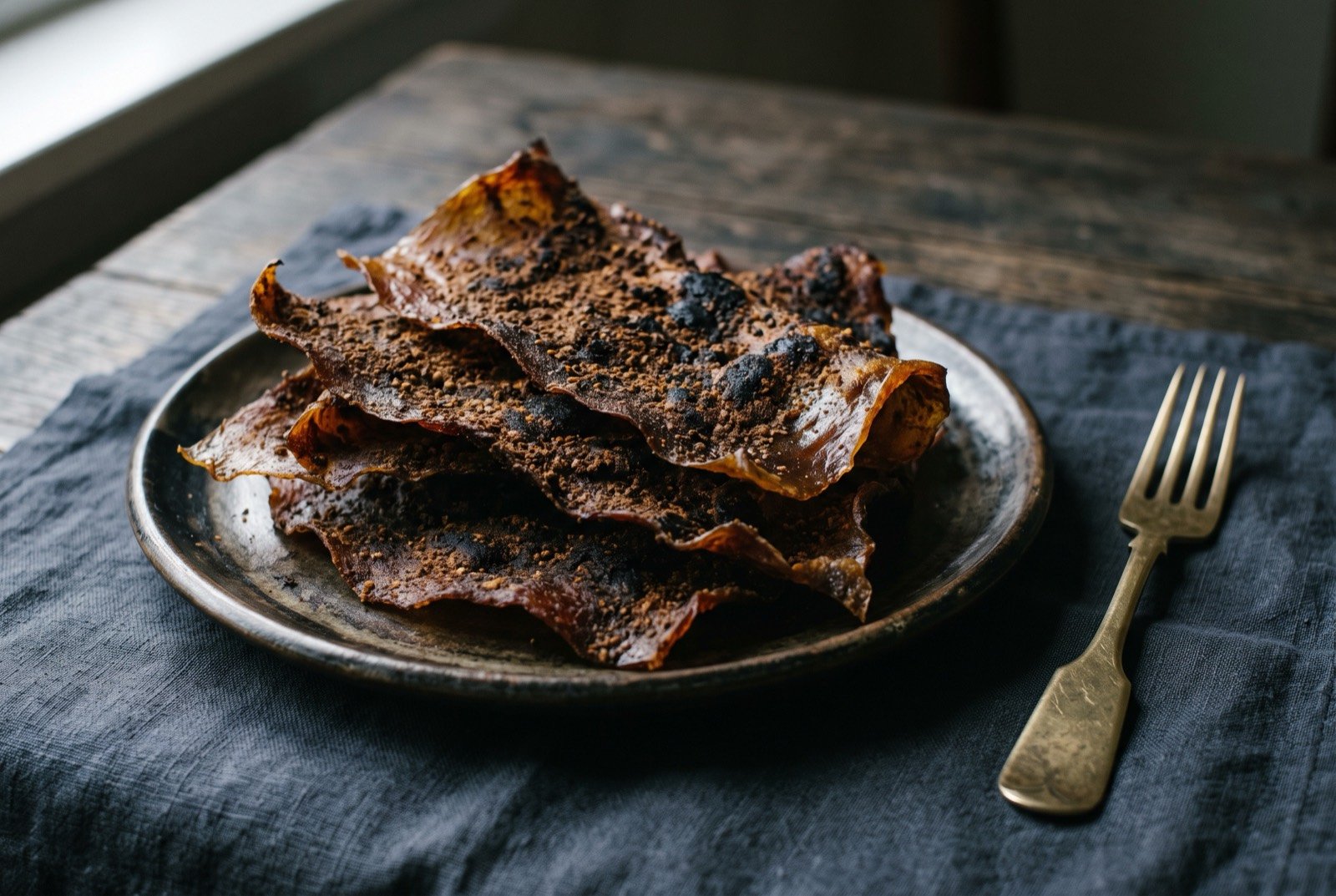 Kilishi
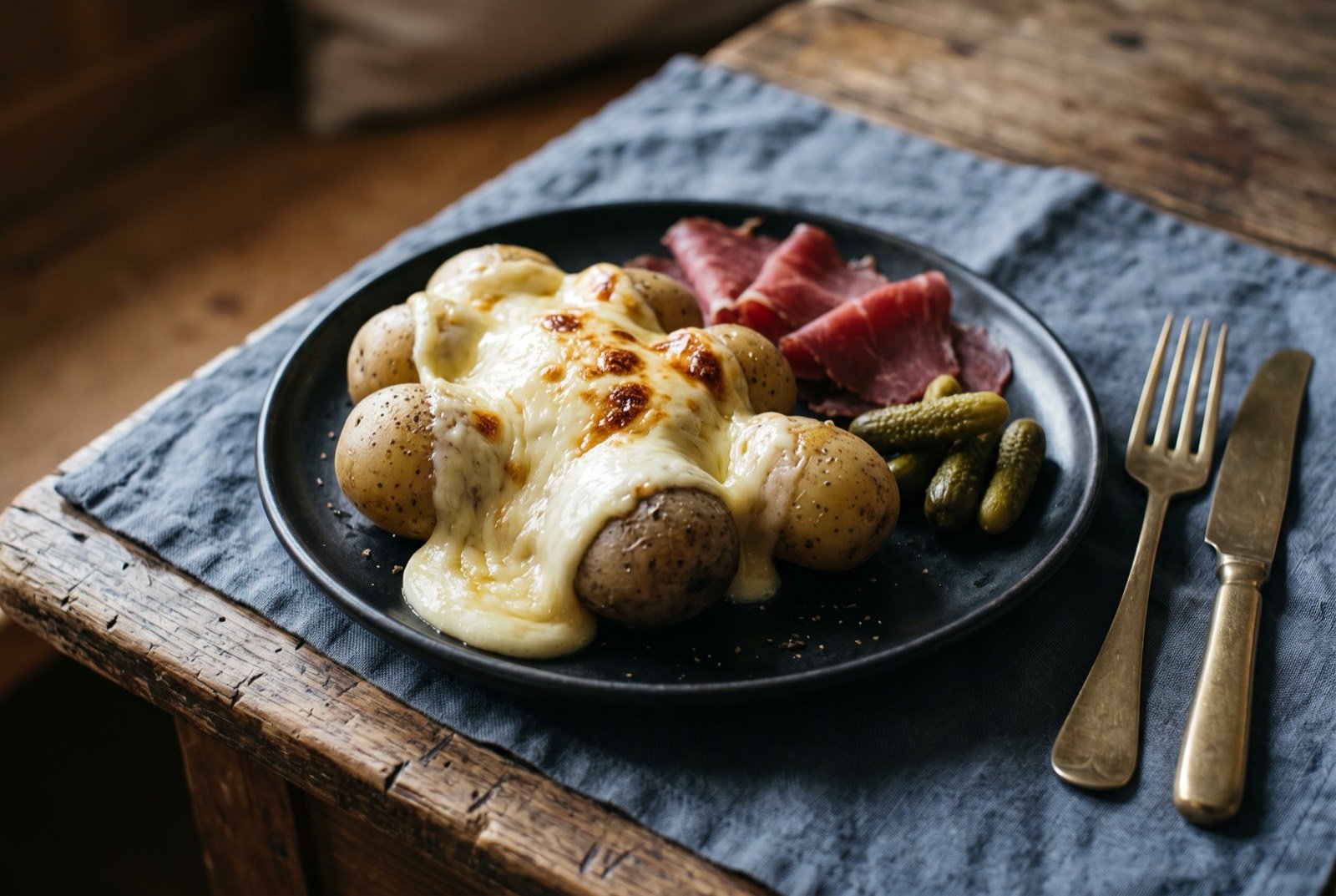 Raclette
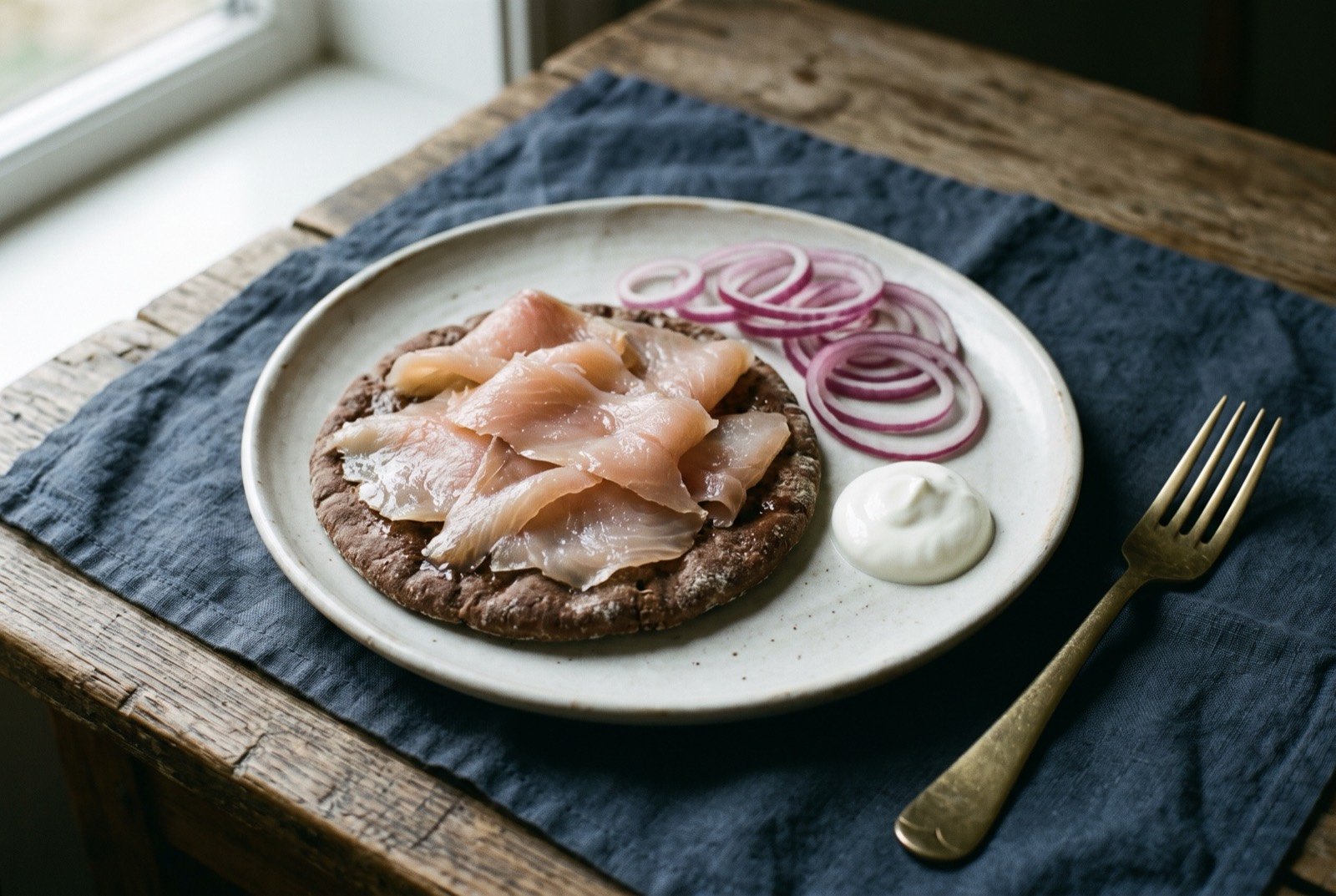 Rakfisk
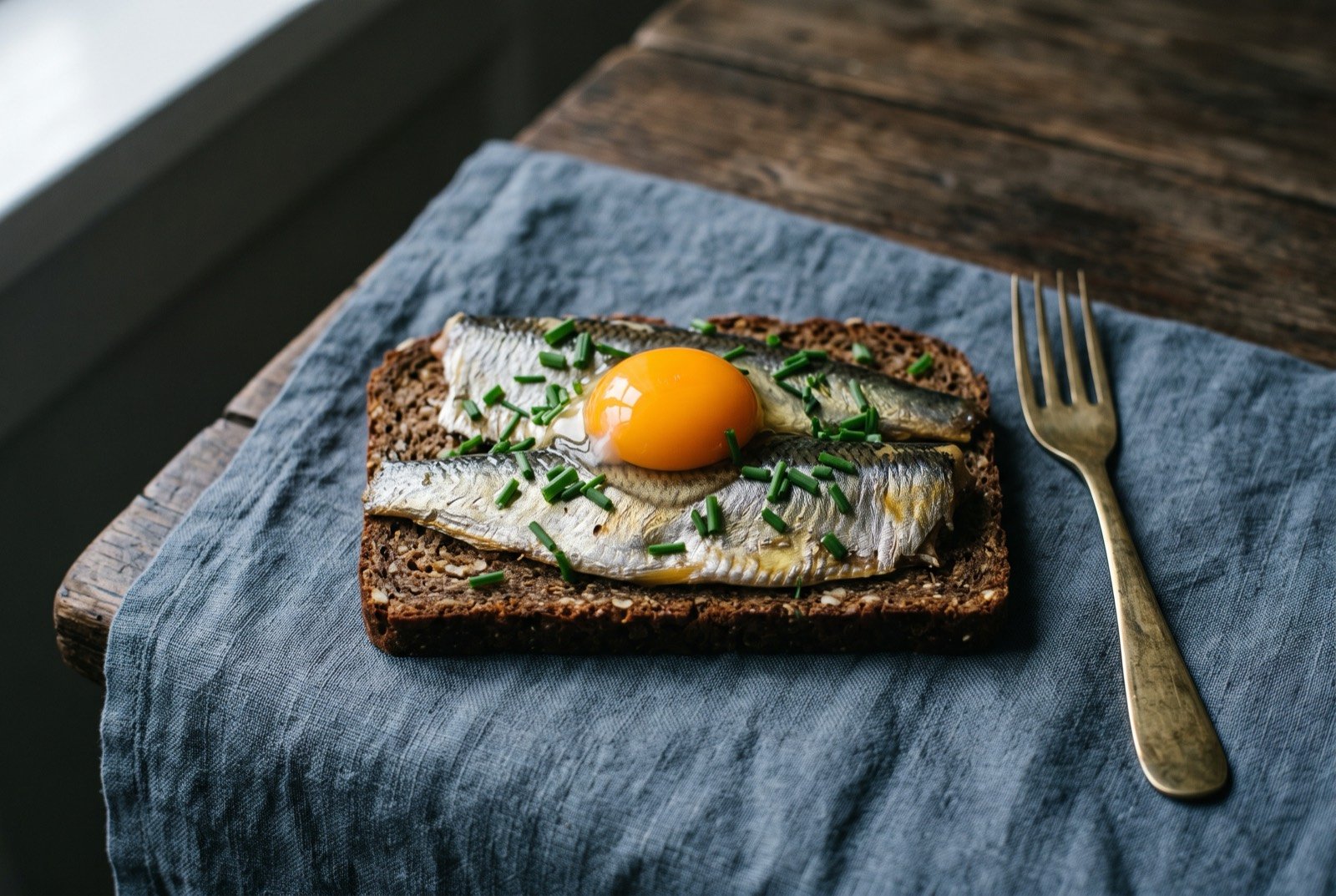 Rugbrød med Sol over Gudhjem
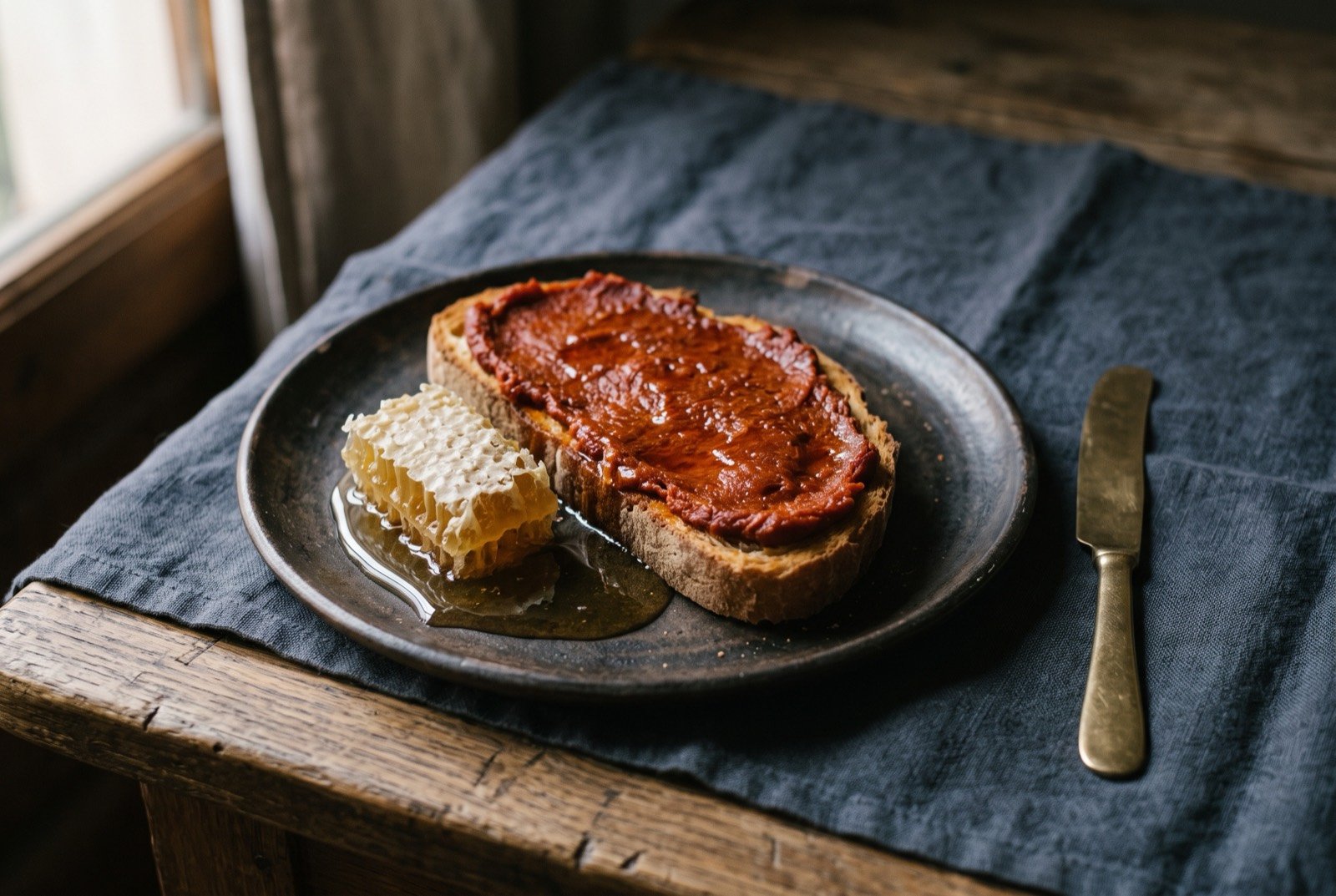 Sobrassada amb Mel
Africa
Senegal & Gambia
Ferment your umami twice, on two different chemistries, and use both in the same pot
Wolof cooking runs two separate fermentation systems into the same sauce rather than one, and this is not redundancy.
Guinea, Sierra Leone & Liberia
Treat gari as a live fermentation with a safety function, not a dry pantry starch
Gari is made from grated bitter cassava pulp, pressed under weight in sacks, left to ferment for two to four days, then sifted and toasted over fire.
Ghana & Nigeria
Use the ferment, not the shortcut
Iru, dawadawa, ogiri and ogiri okpei are all alkaline Bacillus subtilis fermentations, the same family of process as nattō and cheonggukjang.
Côte d'Ivoire, Togo & Benin
Treat fermentation acidity as a measured variable, not an accident
Good attiéké has a specification. The CGIAR state of knowledge report gives it: pH 4.3 to 4.8, total acidity 4.2 to 7.5 per cent, moisture 48 to 50 per cent...
Mali, Burkina Faso & Niger
Savour is built twice, from a stock and a ferment, never from a cube
The default British and takeaway build of a Sahelian sauce is meat, onion, tomato, groundnut paste and water, with a cube for savour.
Gabon, Congo & the Congo Basin
Run acid and alkalinity as deliberate opposing forces
Nobody outside the region is using this, and it is the most distinctive thing in the volume.
Chad, CAR & the Sahel Margin
Back-slop a kisser starter, and let the mould do its half
Pyrosequencing of Sudanese kisra dough, published in Annals of Microbiology in 2020, reframes the whole bread.
Chad, CAR & the Sahel Margin
Run a house fermented dairy line, and treat it as the acid
Gariss is fermented camel milk, produced without heat treatment and without added starter, in tanned goat-skin bags called siin, agitated by the camel's own...
Ethiopia & Eritrea
Run the absit step, and hit the numbers
Injera is not a one-stage batter. It is a two-stage, mixed-culture sourdough with a cooked-starch intermediate. After the primary ferment you take 8 to 10 per...
Ethiopia & Eritrea
Ferment to a chosen endpoint, not to a clock
Primary fermentation runs 24 to 96 hours, most commonly 48 to 72.
Somalia & Djibouti
Treat canjeero as a maintained live culture and measure it
The best evidenced technique in this volume comes from a 2022 field survey in the Journal of Ethnic Foods, which interviewed 46 Somali women aged 17 to 70...
Sudan & South Sudan
Control the sorghum sour instead of letting it happen to you
Kisra's fermented batter is ajin, refreshed by backslopping a portion of the previous batch.
Sudan & South Sudan
Kawal, sigda and furundu are three different pH values, and that is a seasoning system
The three western Sudanese ferments are usually described together as though they were three flavours of one thing.
Sudan & South Sudan
Run a perpetual culture, and add the acid off the heat
Sudan and South Sudan already run perpetual dairy cultures and nobody has industrialised the idea.
Morocco
Acid, salt and aged fat as dosed ingredients
Home cooking uses one lemon and one salt cellar.
Algeria, Tunisia & Libya
Place salt and acid deliberately, and split the olive oil into two ingredients
The acid discipline here is not the British lemon-at-the-end reflex.
Uganda, Rwanda & Burundi
Use highland dairy and cereal ferments as your acid, and stop reaching for lemon
Ikivuguto is Rwanda's traditional fermented milk, and it is produced by spontaneous acidification of raw milk by a microflora resident on the utensils, the...
Uganda, Rwanda & Burundi
Smoke the vessel, not the food
This is the region's signature move and the one that will most surprise a British cook, because British and French practice smokes the ingredient.
Angola, Namibia & Botswana
The acid in this cuisine is fermented, not squeezed. Build the sour layer on purpose.
There is almost no citrus tradition in the interior of any of these three countries and very little vinegar outside biltong.
South Africa, Lesotho & Eswatini
Learn controlled souring, because this cuisine sours four different substrates
Milk, maize, sorghum and beer, and in every case the sour is structural rather than incidental.
Asia
Georgia
Ferment adjika's heat, don't fake it with vinegar
Genuine adjika's tang comes from the fresh chilli and herb paste's own fermentation and the character of properly ripe Georgian peppers, not from added vinegar...
Georgia
Bury the vessel, hold it cool, and let time do the extraction
Qvevri winemaking works because a buried clay vessel holds a near-constant thirteen to sixteen degrees regardless of surface weather, letting fermentation and...
Kazakhstan, Kyrgyzstan & Turkmenistan
Co-fermentation, lactic and alcoholic together
Kumis is not simple souring; it is two fermentations running at once, lactic acid bacteria and wild yeast working the same batch of milk simultaneously, the...
Uzbekistan & Tajikistan
Ferment in the dark, dry in the sun
Qurt and suzma both depend on the same discipline as rakfisk or skyr elsewhere in this atlas: patience at a controlled, moderate temperature, not heat used to...
Europe
Southern Italy, Sicily & Malta
Treat long fermentation as the technique itself, not the wait before the technique
The AVPN disciplinare for Neapolitan pizza dough specifies flour, water, salt and yeast only, no added fat or sugar, with fermentation of 8 to 24 hours...
Southern Italy, Sicily & Malta
Salt and dry rather than reach for vinegar or fire
Pantelleria's capers are picked by hand before dawn, then layered in sea salt for ten days with daily turning, drained, and salted a second time for a further...
Greece & Cyprus
Drain by gravity, not by machine
The genuinely traditional method for strained yoghurt: set yoghurt is poured into a clean linen cloth or muslin, tied and hung above a bowl, or laid in a...
The Basque Country, Cantabria & Asturias
Understand what a cave is actually doing to Cabrales
Cabrales' cave-ageing is not simply storage, it is a controlled fermentation environment: natural limestone caves in the Picos de Europa hold a stable roughly...
Alsace, Lorraine and the Nord
Ferment for weeks, not days
The industrial shortcut for choucroute, per producer-facing sourcing this chapter could not confirm against a primary document, compresses fermentation to...
Alsace, Lorraine and the Nord
Trust the rind's own bacteria
Both Munster and Maroilles depend on a washed rind deliberately cultivated with Brevibacterium linens, developed over three or more weeks of humid-cellar...
The Alps and French-speaking Switzerland
Treat a washed rind as an active surface, not a garnish
Raclette du Valais's own production specification requires a minimum three months' ageing in a humid cellar, the wheels regularly turned and rubbed, the...
North Germany and the Baltic Coast
Enzymatic ripening
Matjes is not simply salted fish. Leaving the herring's own pancreas inside the fish during curing allows its digestive enzymes to work on the flesh itself...
The Czech Republic and Slovakia
Treat fermentation as controllable technique, not folk mystery
Bryndza's tang and safety both come from the same mechanism: a genuinely diverse population of lactic acid bacteria doing real, checkable work during ripening...
Poland
Judge zakwas by nose, not by the clock
Żurek's sour rye starter is built from rye flour and water alone, with garlic, bay leaf and allspice berries commonly fermented in alongside it, at room...
Poland
Give sauerkraut and cucumbers the full two weeks
Polish sources disagree by roughly double on the exact salt ratio for sauerkraut, somewhere between 10 and 25 grams of non-iodised salt per kilogram of...
The Low Countries
Ferment in the cold, and wait it out
Kaken works because the herring's own pancreatic enzymes break down its proteins and fats into the amino acids and free fatty acids that give a properly...
Denmark, Norway & Iceland
Ferment in the cold, and give it real time
Rakfisk is this chapter's cleanest example of controlled fermentation done properly, and Norway's own state food research institute, Nofima, has documented it...
Denmark, Norway & Iceland
Respect the rise, and don't rush the strain
Rugbrød's flavour depends on the same slow sourdough fermentation as any serious bread anywhere, and skyr depends on an analogous patience at the other end of...
Sweden, Finland & Sápmi
Build your own koji, rather than reach for an imported one
The Nordic Food Lab's founding decision, to grow koji on barley rather than rice because barley is the region's own grain, is the single most transferable...
Estonia, Latvia & Lithuania
Judge cultured dairy by nose and body, not by a printed time
Kefir, soured milk and smetana all work on live culture, and every source behind this chapter's cold soups and curd dishes gives a working method rather than a...
Catalonia, Valencia, Murcia & the Balearics
Curing sobrassada is fermentation and paprika doing two jobs at once
Sobrassada is made from coarse-ground pork and back fat mixed with salt, roughly 20 to 30 grams per kilo of paste, and sweet pebre bord, around 60 grams per...
Russia, the East Slavic Heartland
Judge a lacto-ferment by its numbers, then by its nose
Salted cucumbers ferment properly at room temperature, roughly 22 to 24°C, for two to four days, by which point lactic acid concentration reaches about 0.3 to...
Russia, the East Slavic Heartland
Culture real smetana at home, and trust the result over an imported clock
Smetana is achievable in an ordinary warm kitchen with no special equipment: cream warmed to roughly 38 to 42°C for inoculation with lactic cultures, with a...
Ukraine and Belarus
Judge smetana and kefir by fat and culture, not by the word on the label
A UK "soured cream" at 12 to 15 per cent fat and a genuine smetana at 20 to 30 per cent are not interchangeable, and this chapter's cold dishes and garnishes...
Bulgaria and Romania
Culture kiselo mlyako by feel, not by a printed clock
The finished yoghurt should be undisturbed for the full three to four hours at 42 to 45°C and judged by nose and set, not by a stopwatch borrowed from a...
Bulgaria and Romania
Match the souring agent to the soup, because a ciorbă is not defined by its vegetables but by how it is soured
What actually separates a ciorbă from a plain supă is the souring step itself, and Romanian kitchens reach for four genuinely different agents depending on the...
Ireland
Smoke and ferment the Atlantic larder deliberately, not as decoration
Modern Irish kitchens smoking mussels over hardwood before pairing them with a ferment, or working dulse into a seasoning rather than treating it as a garnish...
Oceania and the Pacific
Samoa, Tonga & Niue
Fermentation and stone-roasting, koko Samoa's own technique
Koko Samoa is fermented and sun-dried before it is ever roasted, the single documented fermentation step in this entire volume outside the ferment bench below...
Tahiti, the Society Islands & the Cook Islands
Fermentation as both preservation and deliberate flavour, three distinct traditions in one volume
Three genuinely separate fermentation technologies sit inside this one chapter, worth telling apart rather than collapsing into one generic "Pacific ferment."...